Coat of arms of CameroonMinistry of Arts
and Culture
Republic of Cameroon
My procedures
Home
Minister’s message
News
Press releases
Cultural calendar
Official speeches
Press review
Photo library
Video library
Calls for projects
Job vacancies
Public procurement
Newsletter
Frequently asked questions
Site map
Contact
Press area
Podcast “The Voice of Culture”
Legal notices
Privacy policy
Cookies and trackers
The Ministry
Missions and responsibilities
Organisation
Organisation chart
Minister’s Office (Cabinet)
Management team
General Secretariat
General Inspectorate
Central directorates
Regional Delegations
Institutions under supervision
Legislative texts
Regulatory texts
Sector strategy
Major projects
Budget and reports
Partners
Careers
Archives
Institutional communication
Quality and accessibility
Arts
Visual and plastic arts
Visual arts
Performing arts
Theatre
Dance
Music
Literature and books
Cinema and audiovisual
Photography
Fashion and design
Digital arts
Art crafts
Artists’ directory
Residencies
Prizes and awards
Arts education
Urban arts
Heritage
Tangible heritage
Intangible heritage
UNESCO sites
National museums
Listed monuments
National inventory
Palaces and chiefdoms
Archaeology
Linguistic heritage
Oral traditions
Traditional know-how
Restitution of cultural property
Fight against illicit trafficking
Listing and protection
Conservation and restoration
Heritage Days
Cultural landscapes
Industries
Music and recording
Cinema
Publishing and books
Digital arts
Fashion and creativity
Crafts
Cultural tourism
Funding for culture
Support funds
Incubators
Cultural entrepreneurship
Culture Observatory
Vocational training
Studies and reports
Sector statistics
Export and outreach
Intellectual property
Copyright
Legal framework
Copyright and neighbouring rights
Collective management societies
Register a work
Licences
Private copying
Fight against piracy
Model contracts
Social status of artists
Mediation
Disputes
Training
Fee scales
Register of works
Contact
Digital neighbouring rights
Public domain
Festivals
National calendar
Ngondo
Nguon
Écrans Noirs
Heritage Days
Music Day
Regional festivals
Fairs and exhibitions
Biennials
National competitions
Cultural days
Organise a festival
Event grants
Ticketing
Archives
Volunteering
Diaspora festivals
Regions
Adamawa
Centre
East
Far North
Littoral
North
North-West
West
South
South-West
Cultural map
Regional Delegations
Traditional chiefdoms
National languages
Cultural routes
Decentralised cooperation
Regional observatory
Cooperation
UNESCO
Francophonie (OIF)
African Union
Commonwealth
CEMAC
Bilateral cooperation
Cultural agreements
Professional organisations
Scholarships
Artist exchanges
Cultural years
Diaspora
Funded projects
Embassies
Technical partners
International restitution
International monitoring and calls
Services
Artist card
Show authorisation
Filming authorisation
Festival authorisation
Deposit of a work
Export of works of art
Listing of a property
Grant application
Association accreditation
File tracking
Forms
Fees
Opening hours and addresses
Reporting
Online help
My account
One-Stop Shop
News flash

Republic of Cameroon · Ministry of Arts and Culture

Culture,a living heritage

Arts, heritage, cultural industries, copyright and festivals: all the Ministry’s information, procedures and services, in all ten regions.

10Regional Delegations
3UNESCO sites
≈ 250National languages
1One-Stop Shop
The Ministry
“Responsible for Government policy on the arts and culture”

The Ministry of Arts and Culture is responsible for developing and implementing the Government’s policy on the promotion and development of the arts and culture. It supports creators, protects heritage, regulates live performances, defends copyright and supports the cultural and creative industries, with the help of its central directorates and its delegations in the country’s ten regions.

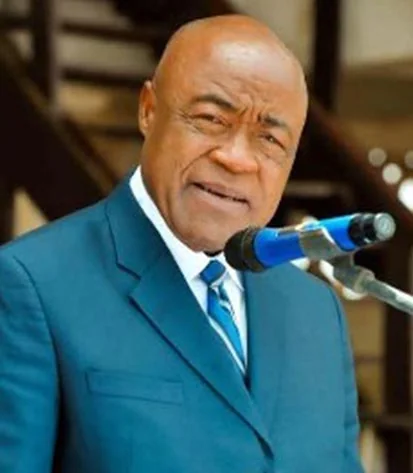
Dr Pierre Ismaël Bidoung MkpattMinister of Arts and Culture
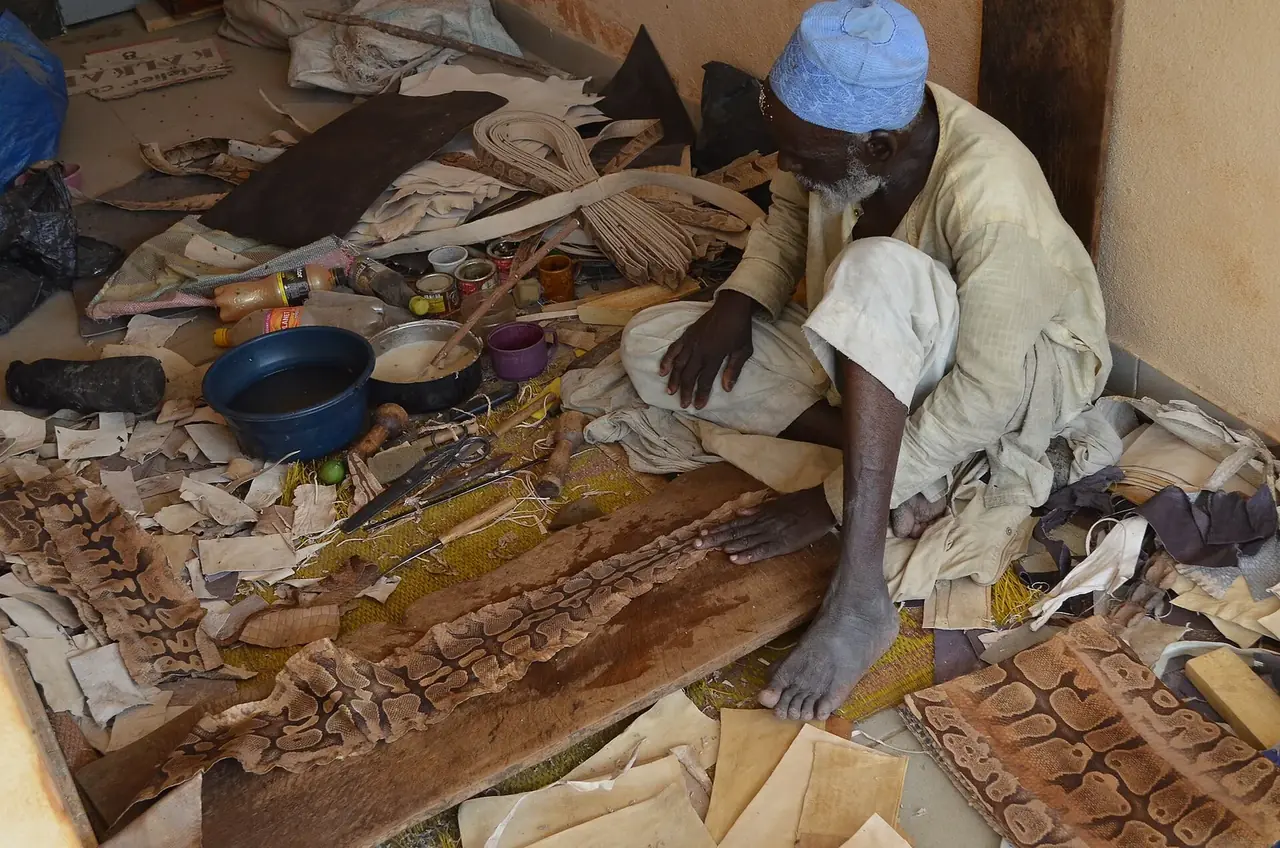
/ National strategy Craftsman dressing leather
National strategy

Growth of the arts and culture sub-sector

Development of cultural and creative industries with a view to the economic profitability of the arts and culture sub-sector, in line with the guidelines of the National Development Strategy 2030 (NDS30) document.

The country now has a new frame of reference for its development action over the coming decade. For the sub-sector, this means structured industries, facilities, quality training and better-targeted funding. The sector strategy sets out the indicators.

About the NDS30
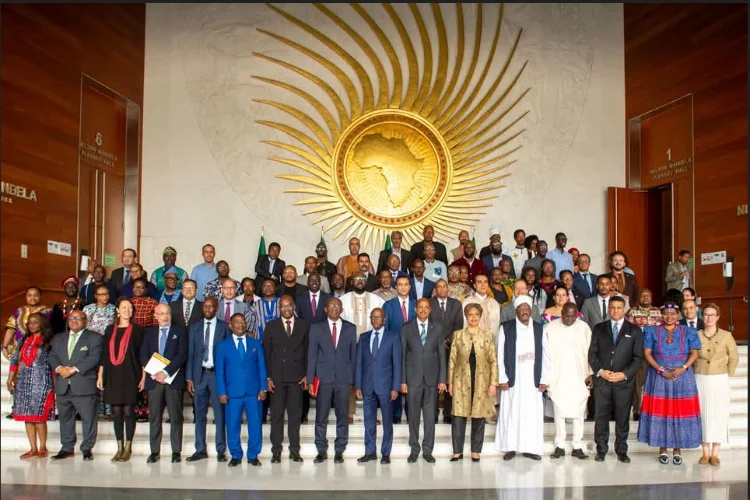
/ International Group photo of delegates in suits and traditional dress in front of the golden African Union emblem in a large hall.
International

Cameroonian art and culture on the international stage

Pope Leo XIV made a historic apostolic journey to Cameroon from 15 to 18 April 2026. This visit, held under the theme of “Peace and Unity”, took the Sovereign Pontiff to several cities across the country.

Promoting national and international cultural exchanges is one of the major objectives set by the Ministry of Arts and Culture.

International cooperation
Arts section

The arts of the stage, the image and the pen

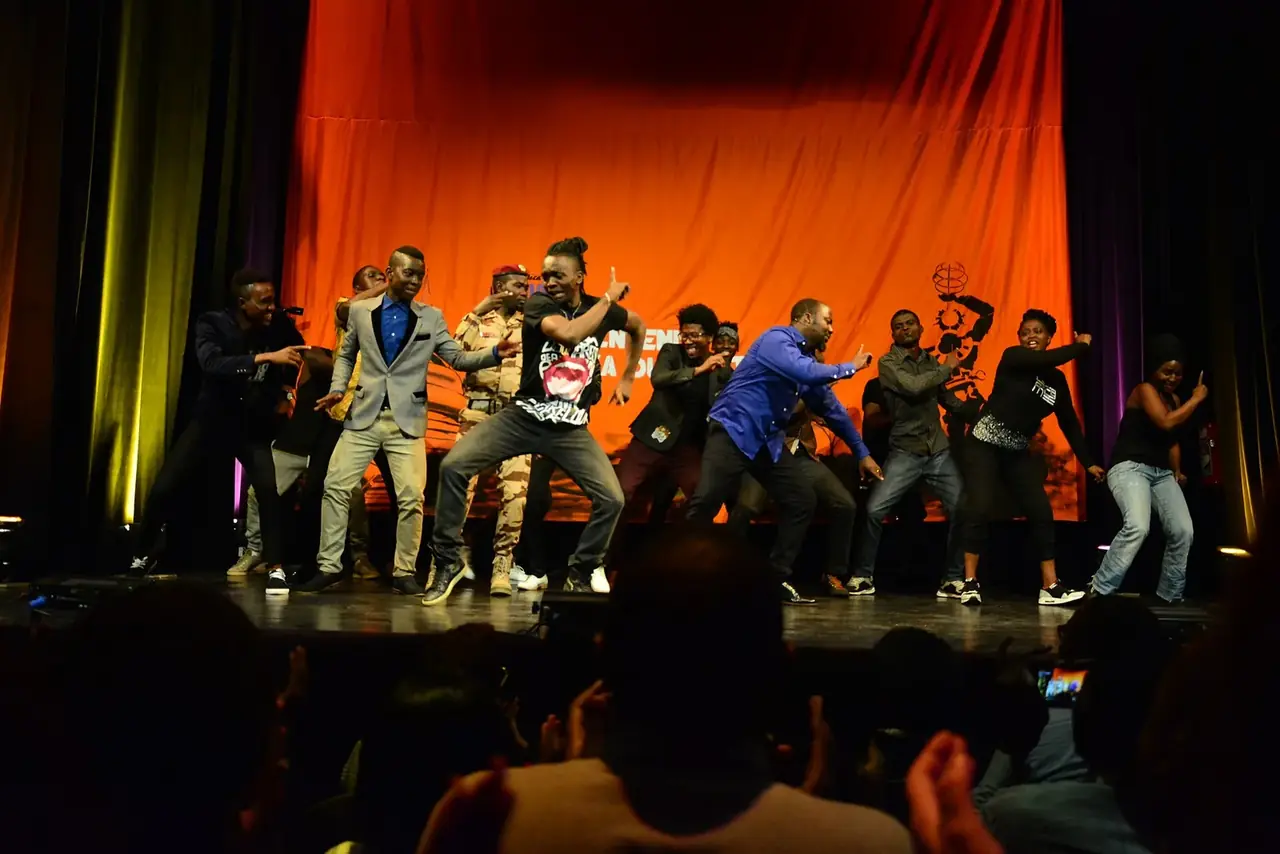
Troupe of performers dancing on a theatre stage

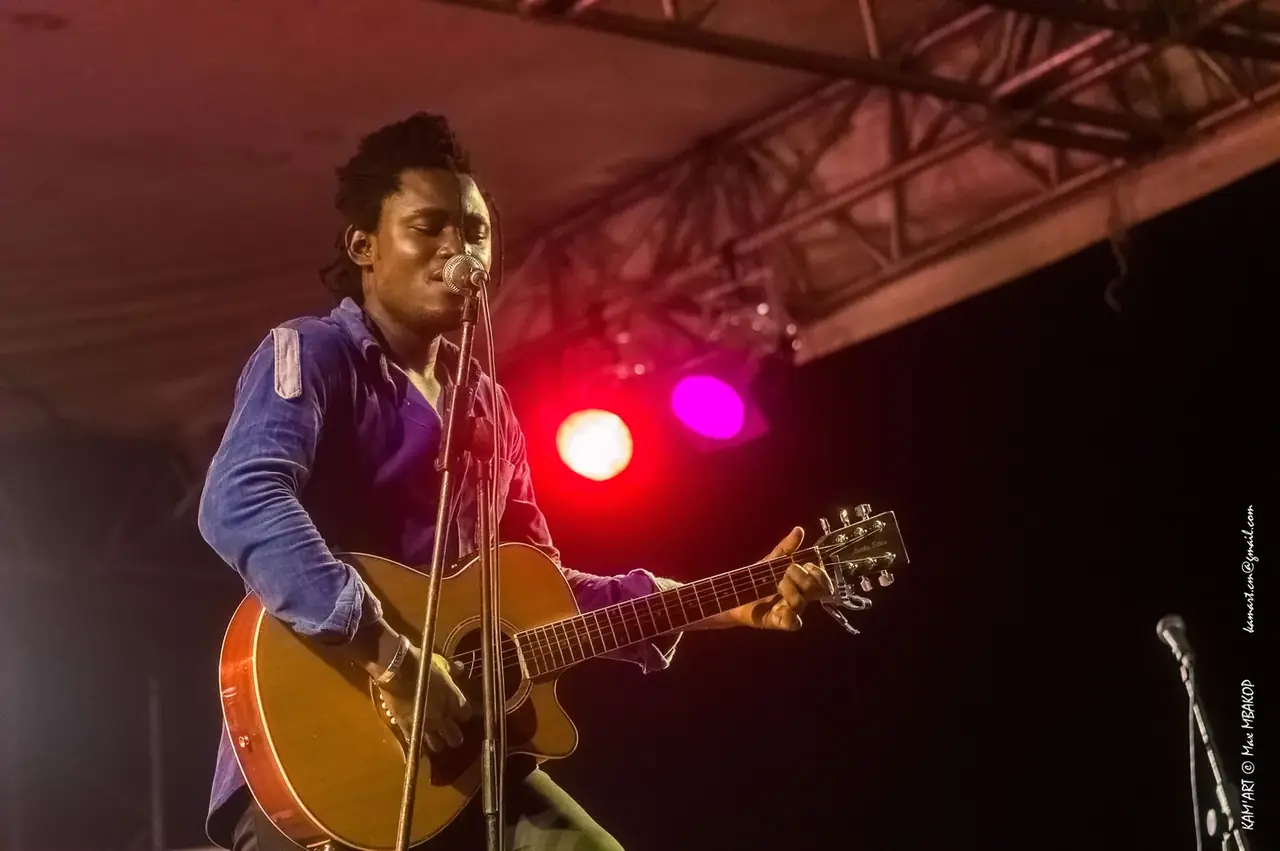
The Arts section lists the disciplines supported by the Ministry. On the stage side, there are music, dance and theatre, grouped with other forms under performing arts. On the visual side, the plastic arts, photography, film and audiovisual and visual arts make up a very lively landscape.

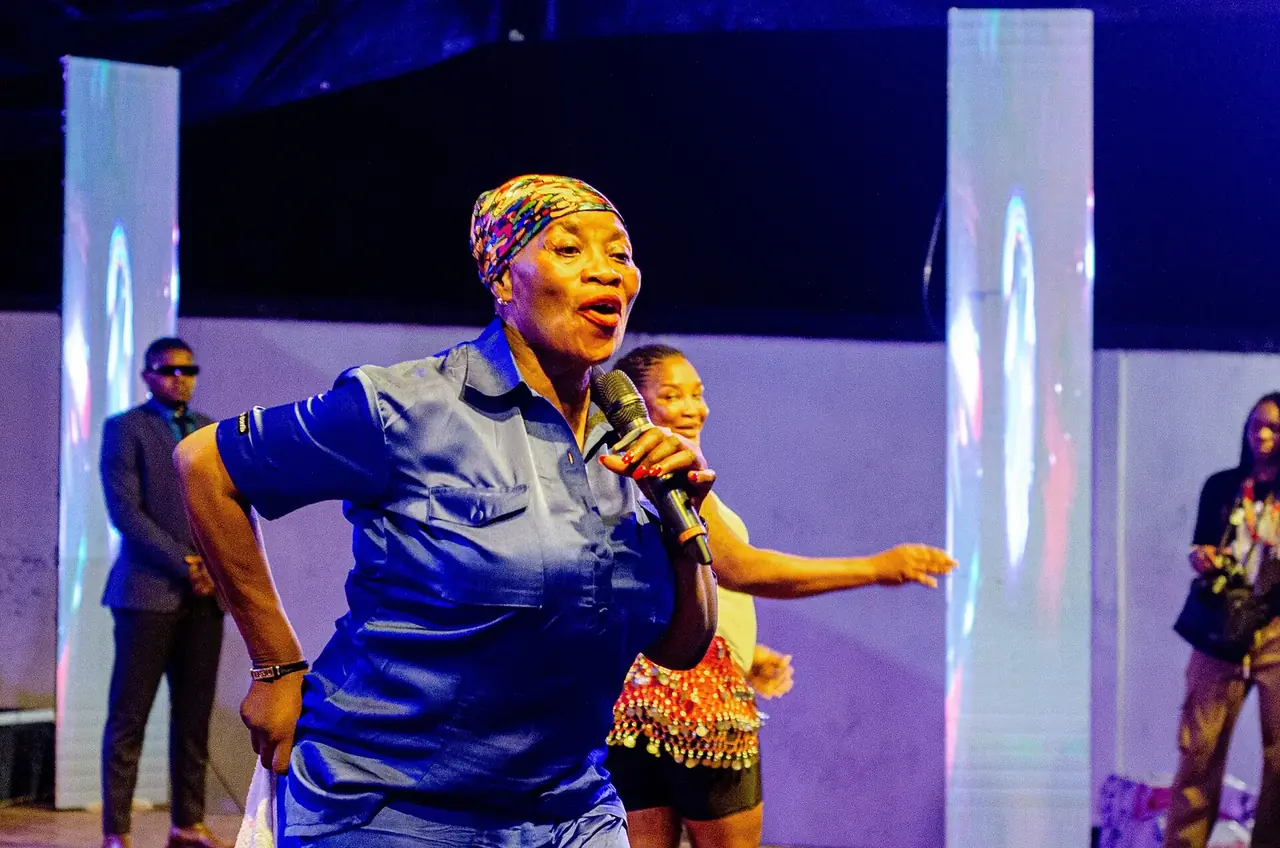
Singer on stage during a concert

Tools for artists

The directory of artists gives creators visibility; residencies make it possible to work in Cameroon or abroad; prizes and awards recognise careers; arts education prepares the next generation, from school to conservatoires.

Each page in the section presents the players, venues, training, support and procedures specific to the discipline.

Heritage section

A heritage that is tangible and living

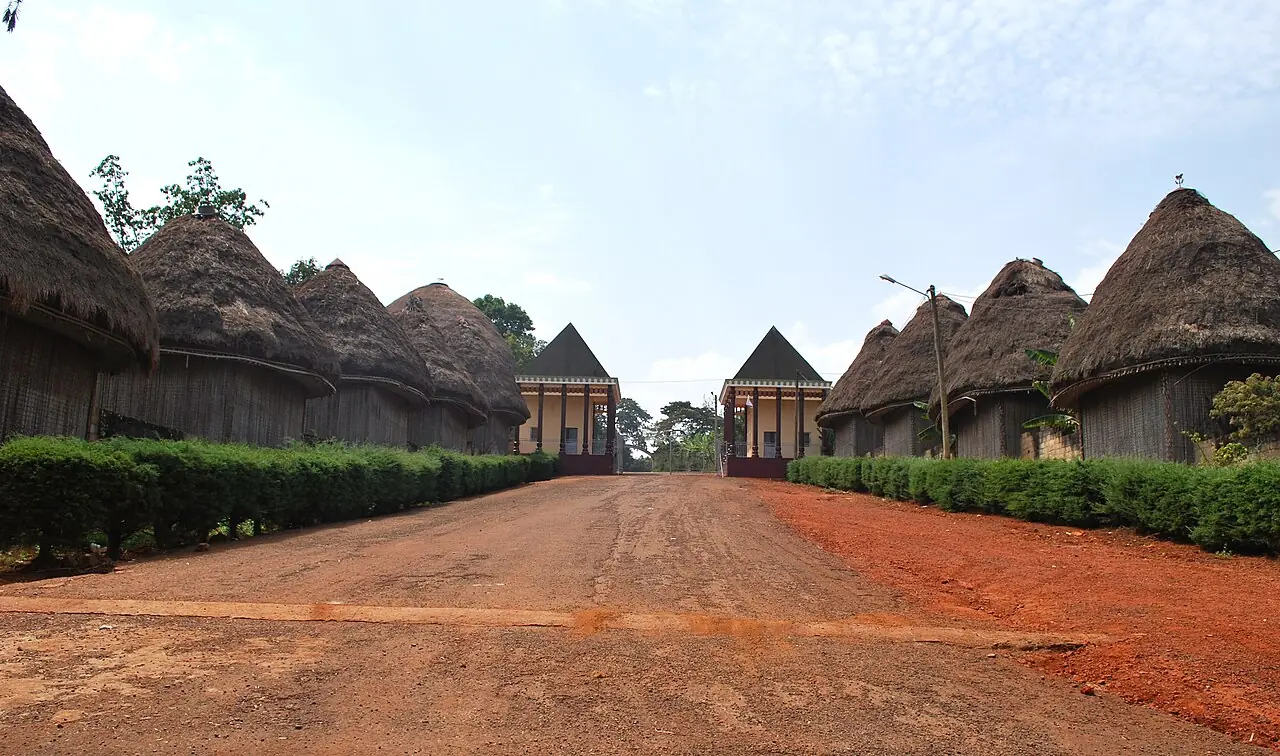
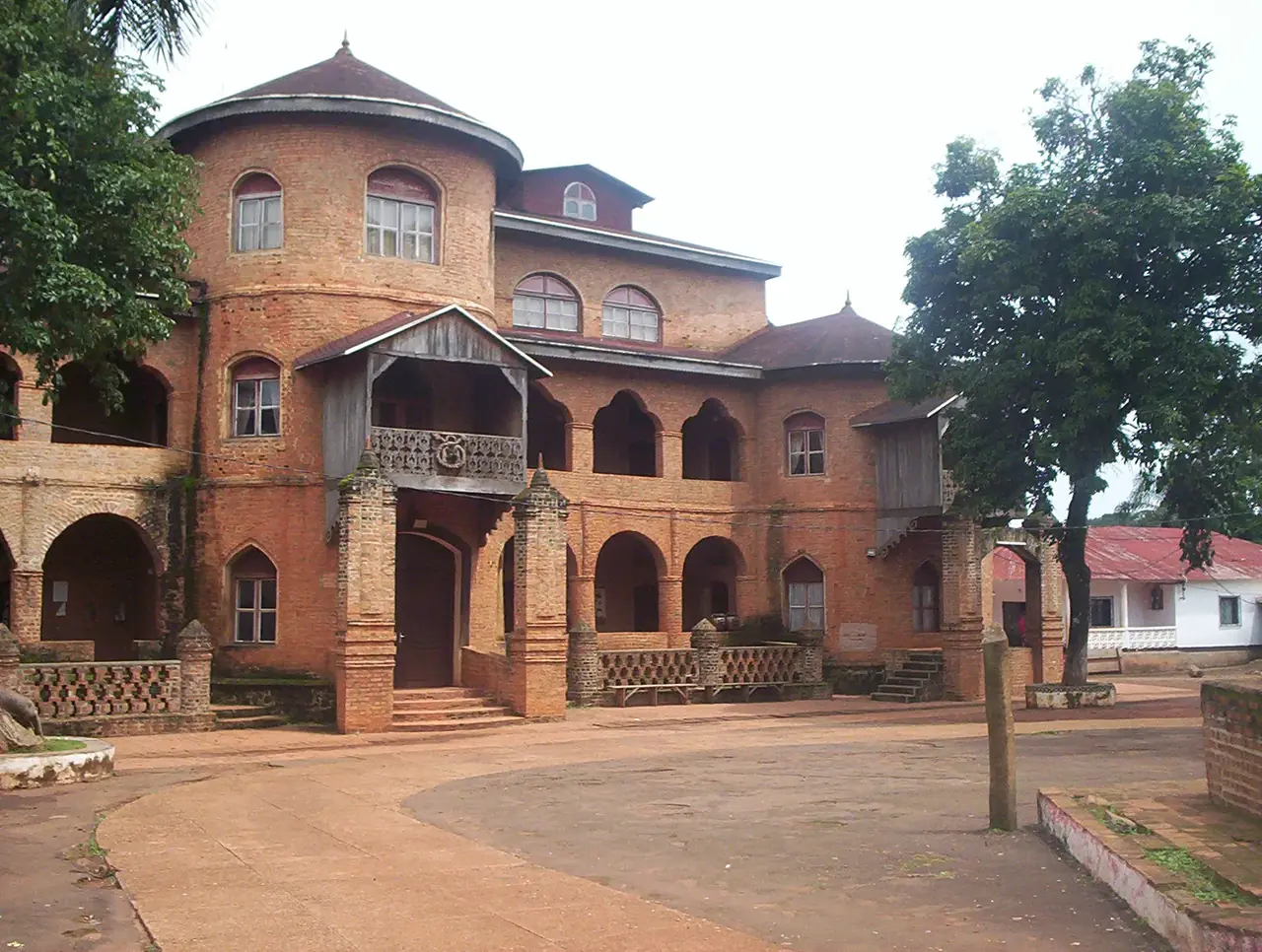
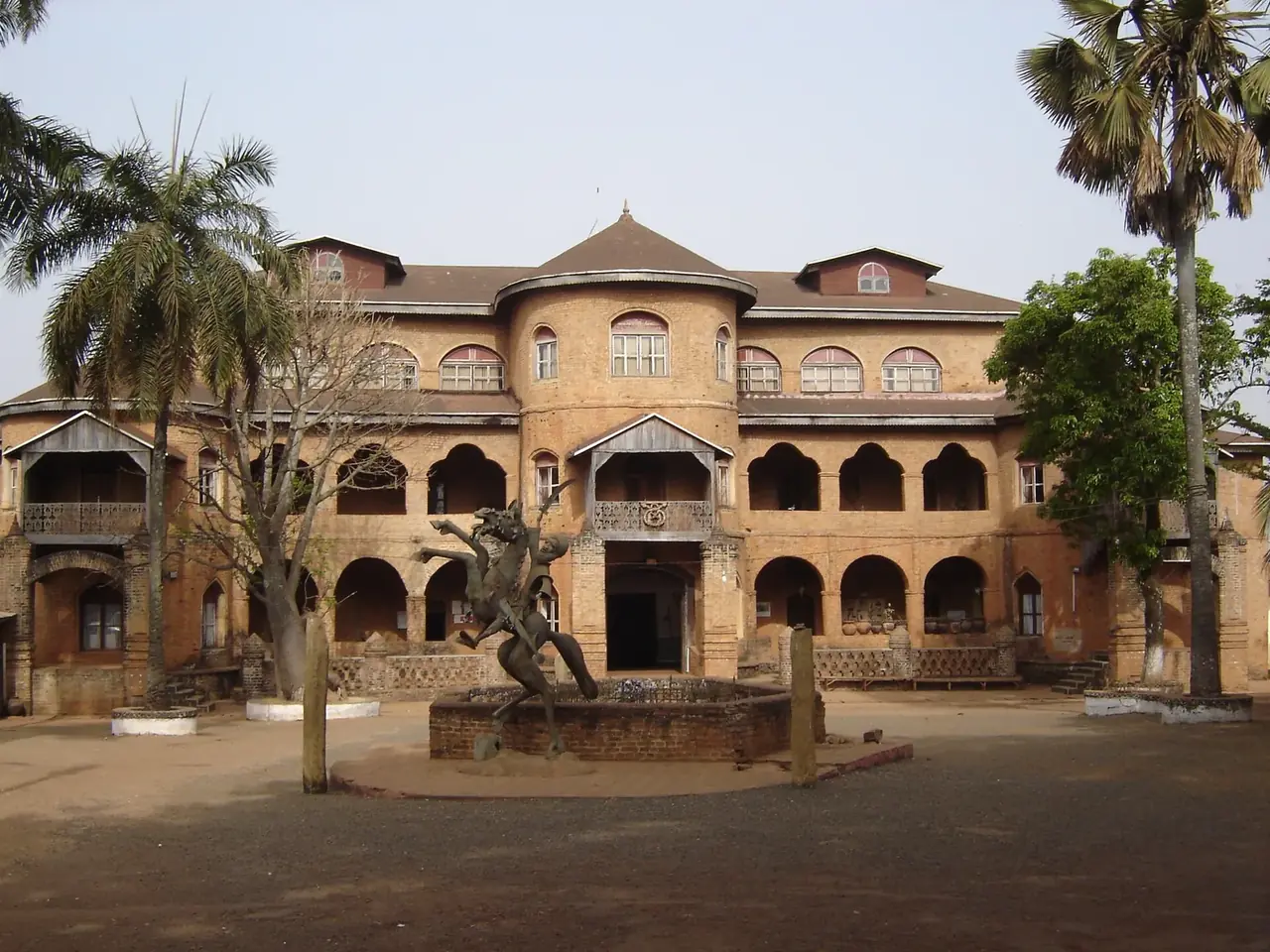
Foumban sultans’ palace and its central sculpture

The Heritage section covers everything that Cameroon hands down: monuments, objects and sites, but also practices, knowledge and stories. Tangible heritage includes listed monuments, palaces and chiefdoms, the collections of the national museums and the remains studied by archaeology.

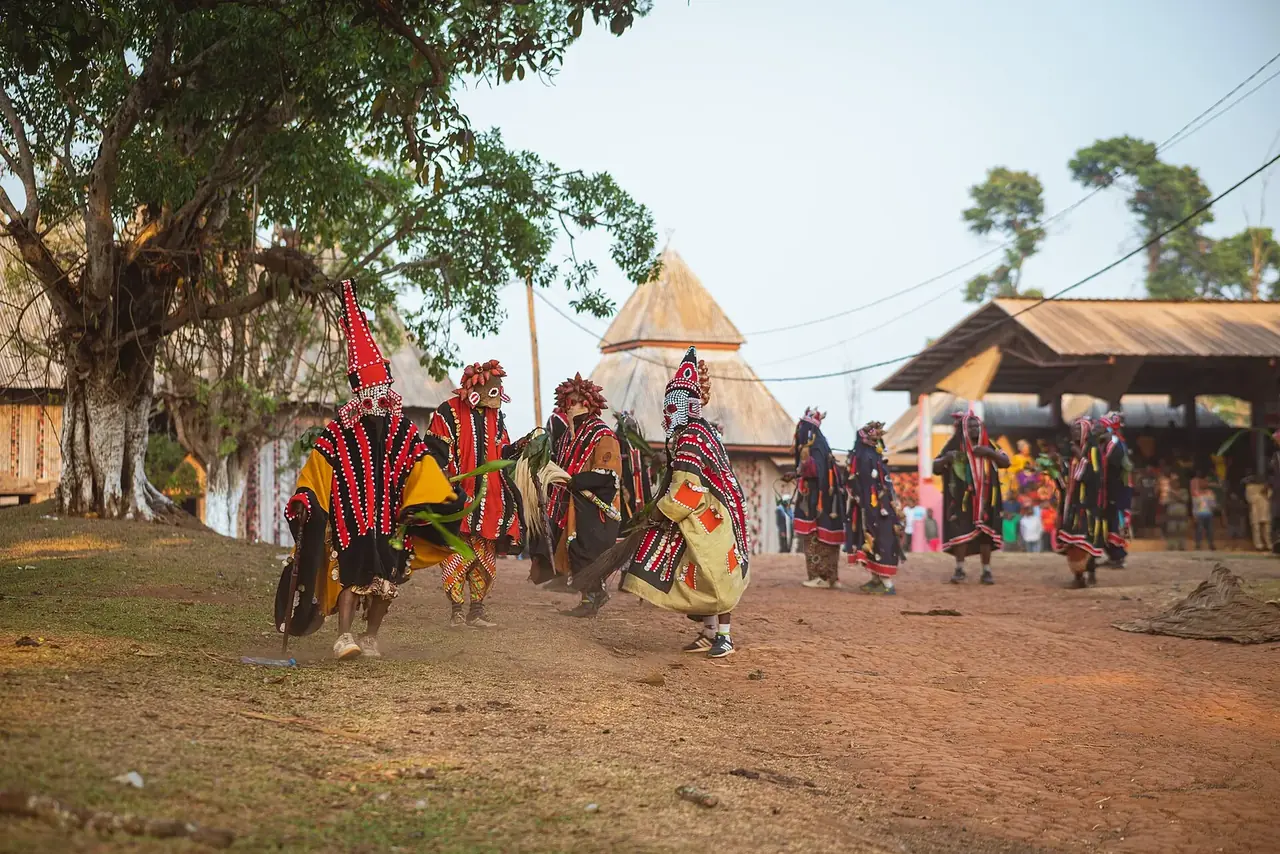
Masks and dancers of the Ngou-Ngoung festival in a village of the West

What is passed on by voice and gesture

Intangible heritage brings together oral traditions (tales, epics, proverbs), traditional skills (basketry, forging, weaving), languages and rites. The national inventory programme, featured in the news at the end of October 2026, aims to document these practices with the communities that sustain them.

Industries section

Making culture a sector with a future

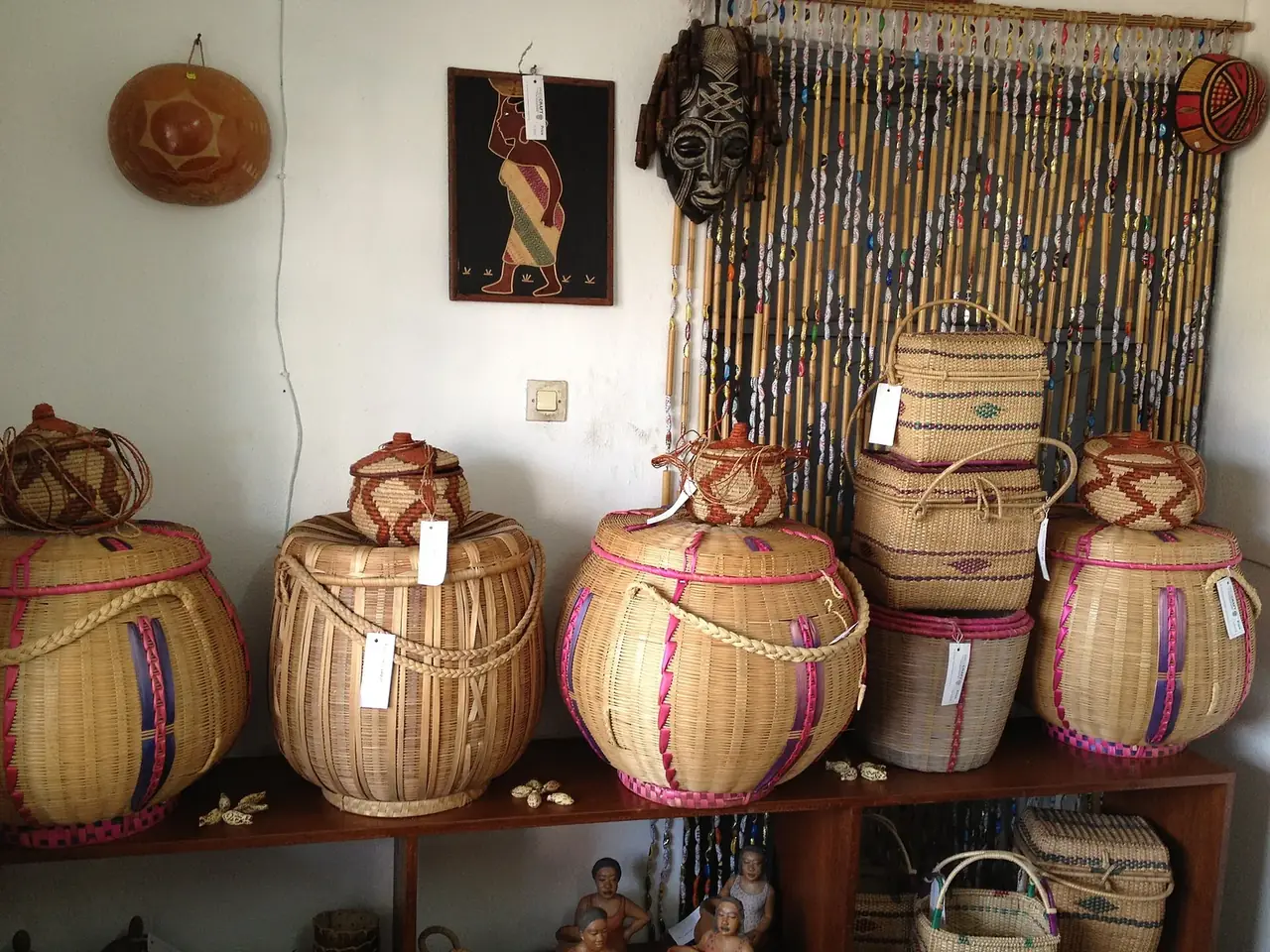
Wicker baskets displayed in a craft shop

The Industries section deals with the economic dimension of creation. In line with NDS30, the Ministry wants to develop profitable cultural and creative industries capable of creating decent jobs. The sectors include music and records, film, publishing and books, fashion and creativity, digital arts, crafts and cultural tourism.

Copyright section

Protecting creators and their works

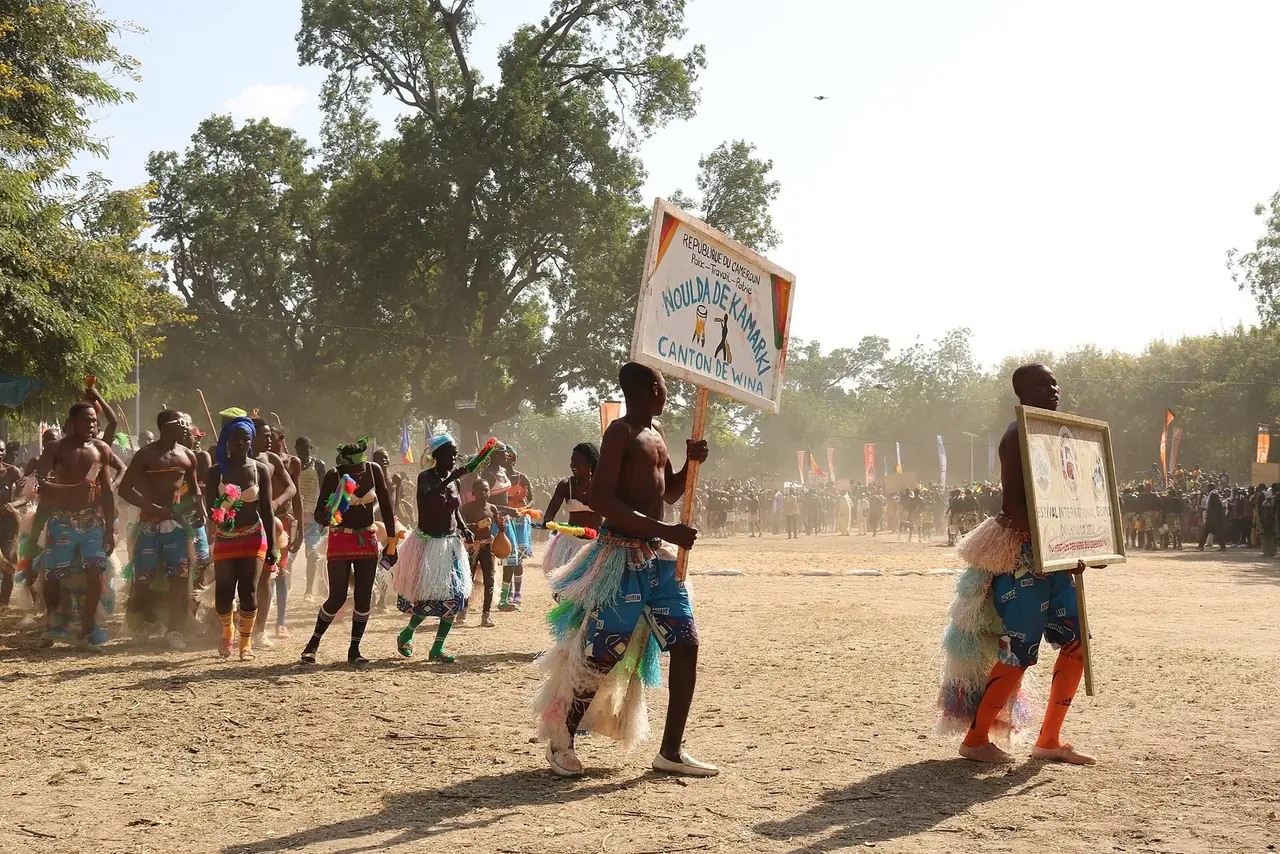
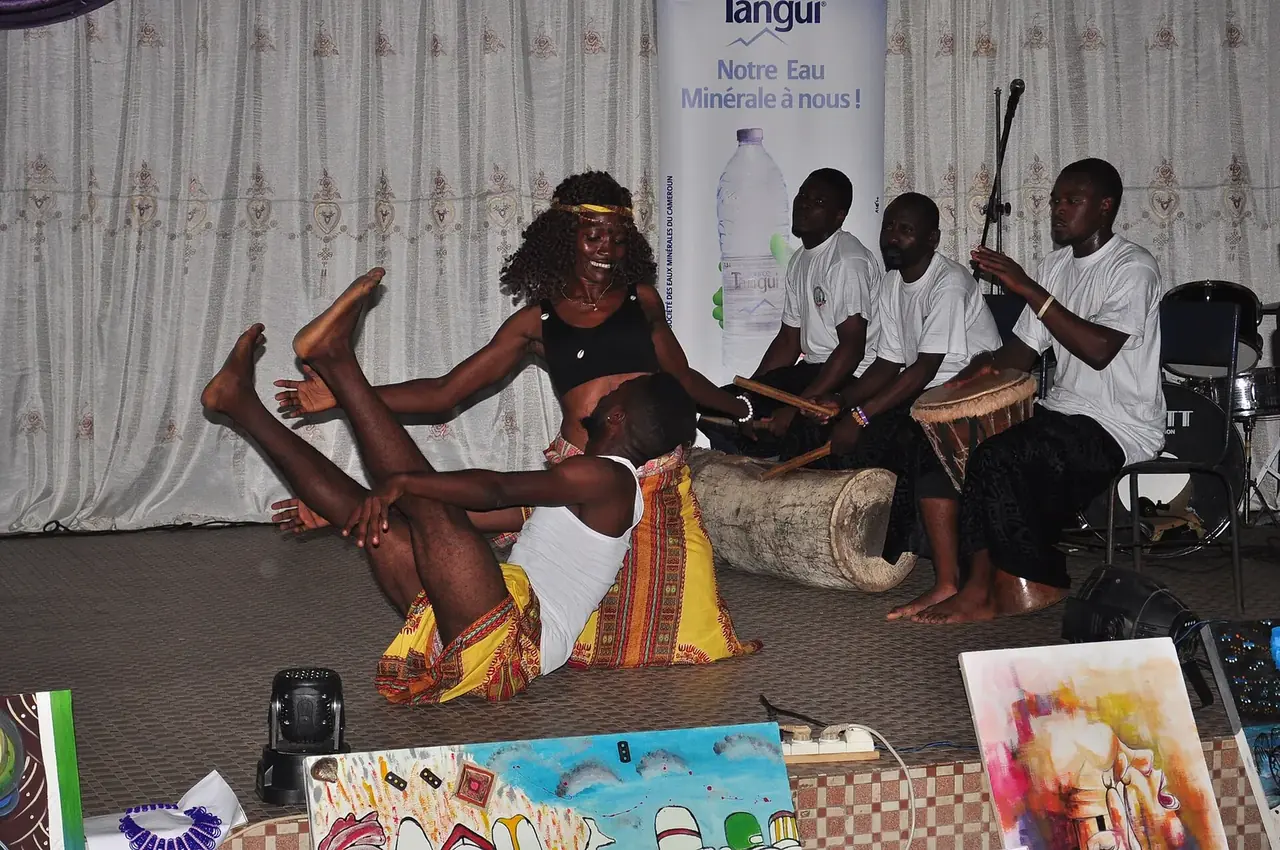
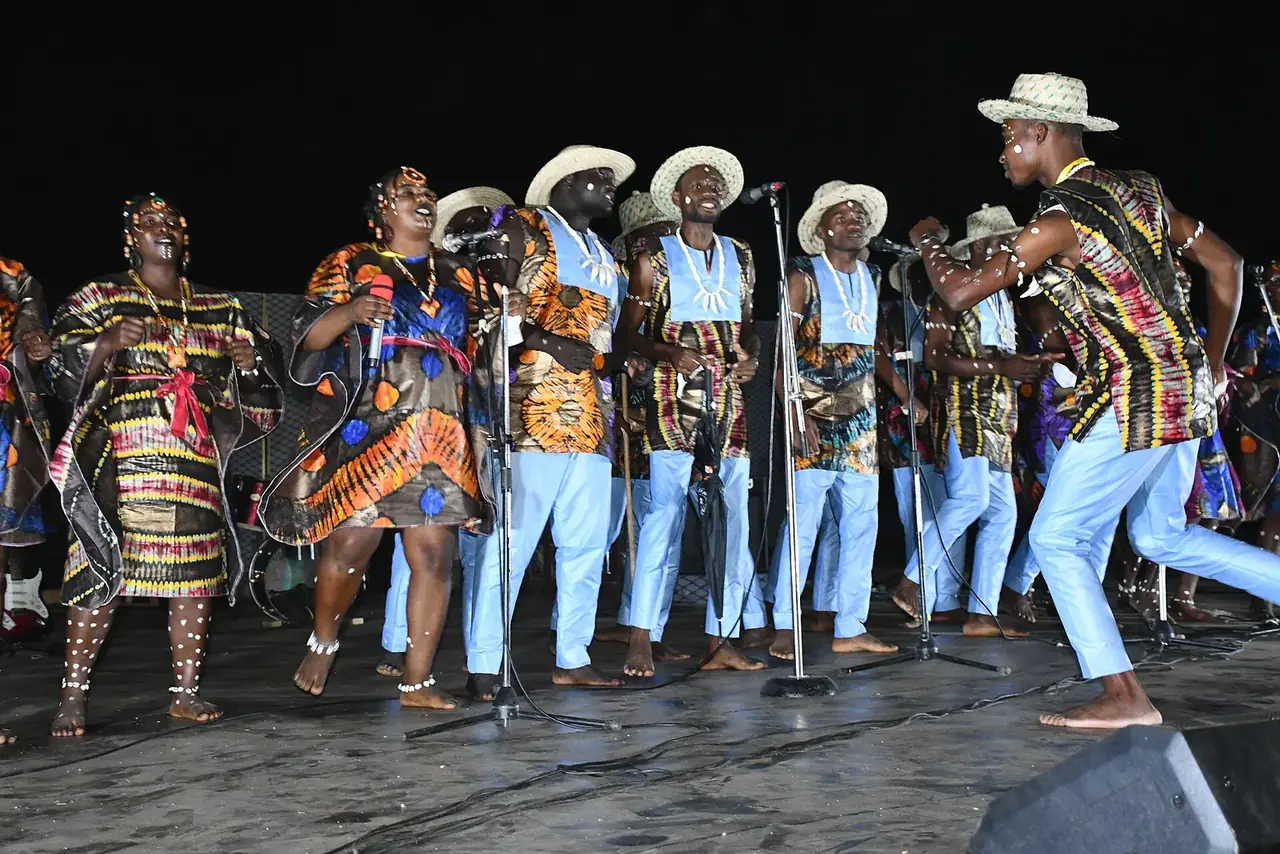
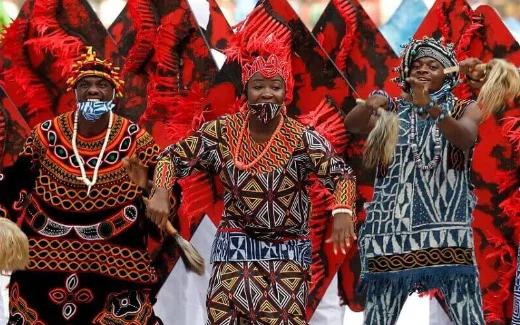
Troupe in colourful outfits on stage at the Maroua cultural festival

Copyright arises from creation: a work is protected as soon as it exists. The Copyright section explains how to assert this protection. The legal framework sets out the principles, the text on copyright and neighbouring rights distinguishes between authors, performers and producers, and the page on the public domain specifies what may be freely reused.

Access by profile

Who you are… we guide you

Each profile finds the procedures, support and information that concern them within three clicks. Choose the card that matches you: it groups the most useful pages, from the artist card to international cooperation, and links to the full sections for further research.

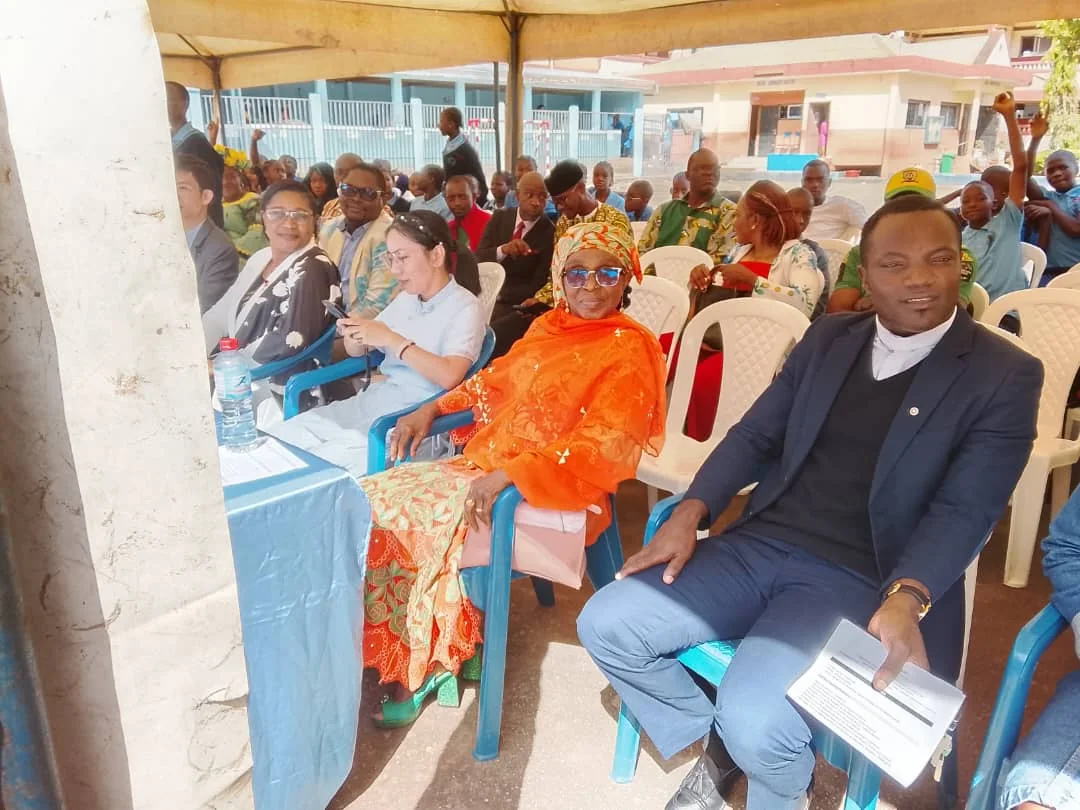
An audience seated under a tent, including a woman in orange in the foreground, attends a ceremony.

Artist

Creators, performers, authors.

Artist cardDeposit a workResidencies and scholarships

Association

Cultural organisations and collectives.

Association accreditationOrganise a festivalApply for a grant

Researcher

Academics, students, archivists.

National inventoryStudies and reportsArchives

Institution

Local authorities, embassies, partners.

CooperationRestitutionsRegional Delegations
Procedures

The most requested procedures

ProcedureFor whomWhere to applyTracking
Artist cardCreators, performers, authorsArtist card page, online submissionFile number on the tracking page
Deposit of a workAuthors in any disciplineSubmitting a work pageDated receipt and authorship established
Show authorisationPromoters, companiesShow authorisation pageReply notified by the One-Stop Shop
Festival authorisationAssociations, local authoritiesFestival authorisation pageOnline tracking of each stage
Grant applicationCultural organisationsGrant application pageFile followed through to the decision
Association approvalCollectives, associationsAssociation approval pageNotification of approval
Listing of a propertyOwners, communitiesListing of a property pageProcessed by the Directorate of Heritage
To act

Three procedures a click away

Get your artist card

Build your file online and follow its processing until the professional card is issued.

Apply

Deposit a work

Protect your creation by registering it: music, book, film, image or software, every work has its own procedure.

Deposit a work

Apply to a call

Grants, residencies, subsidies: browse the open calls and their submission deadlines.

See the calls
They talk about it

Users tell their story

“
I obtained my artist card online within a few days, without travelling to Yaoundé: tracking my file saved me many return trips.
A singer
Douala
“
Thanks to the call for projects, our association was able to stage its storytelling festival in the region and welcome troupes from across the country.
The chair of a cultural association
Bafoussam
“
The heritage inventory gave me access to sources I had been looking for over the years for my thesis on oral traditions.
A researcher
University of Yaoundé I
“
Registering a work is clear and quick: you know exactly which documents to provide and you are informed at every step.
A songwriter
Garoua
The ten regions

One country, ten cultural horizons

Cultural map
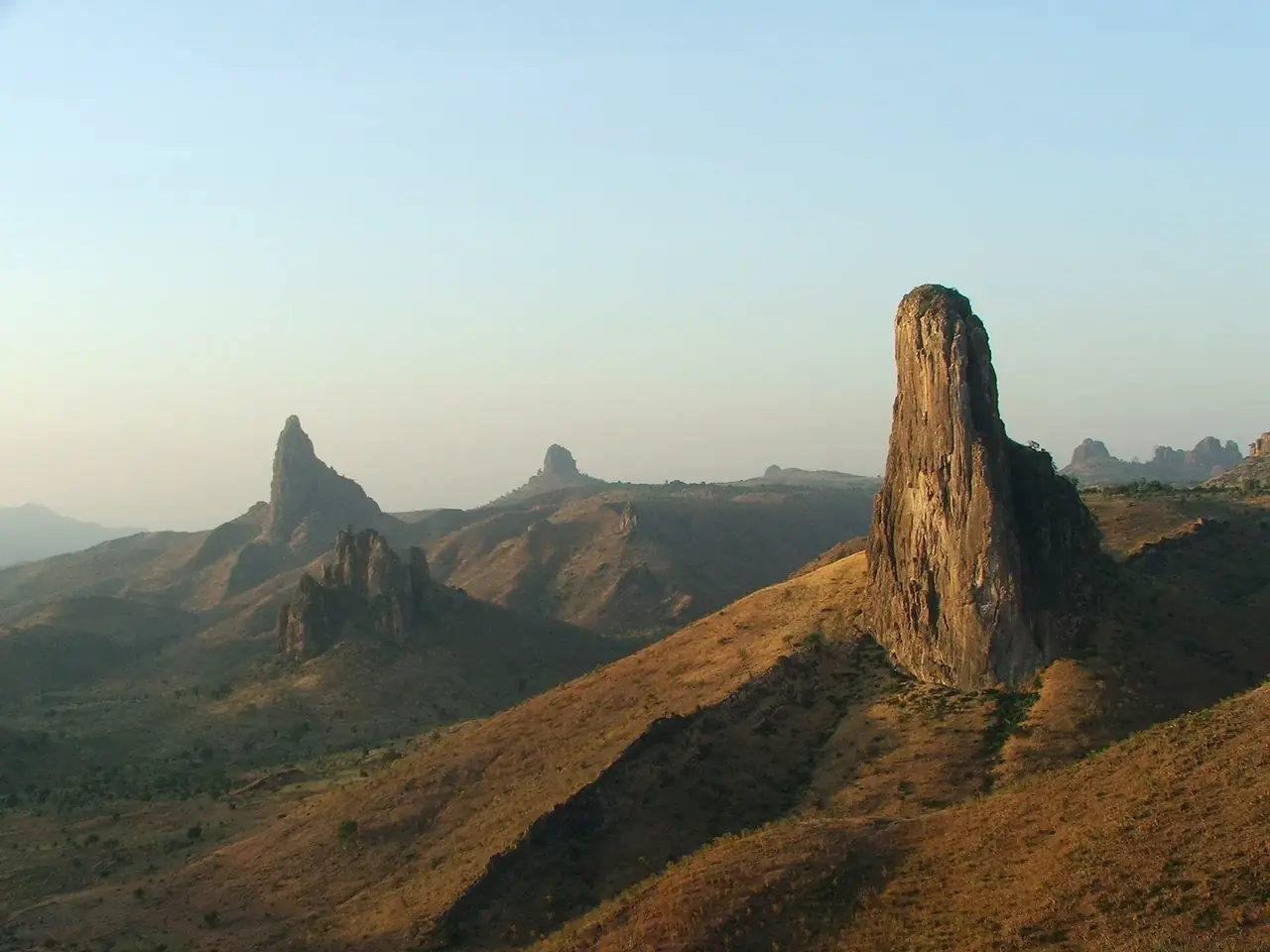
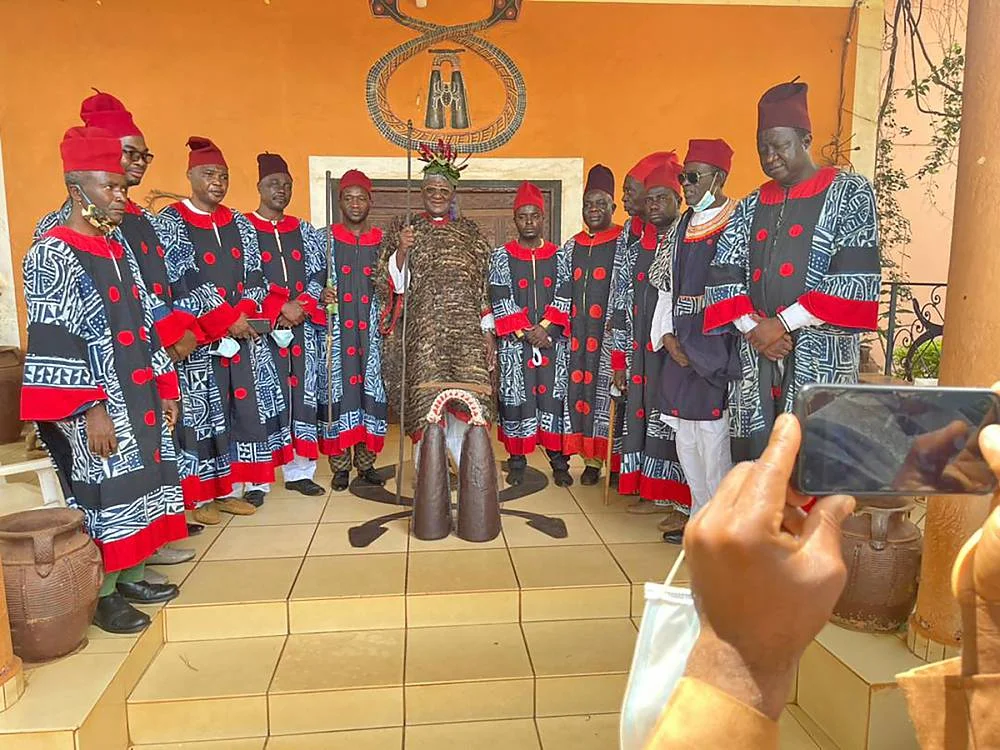
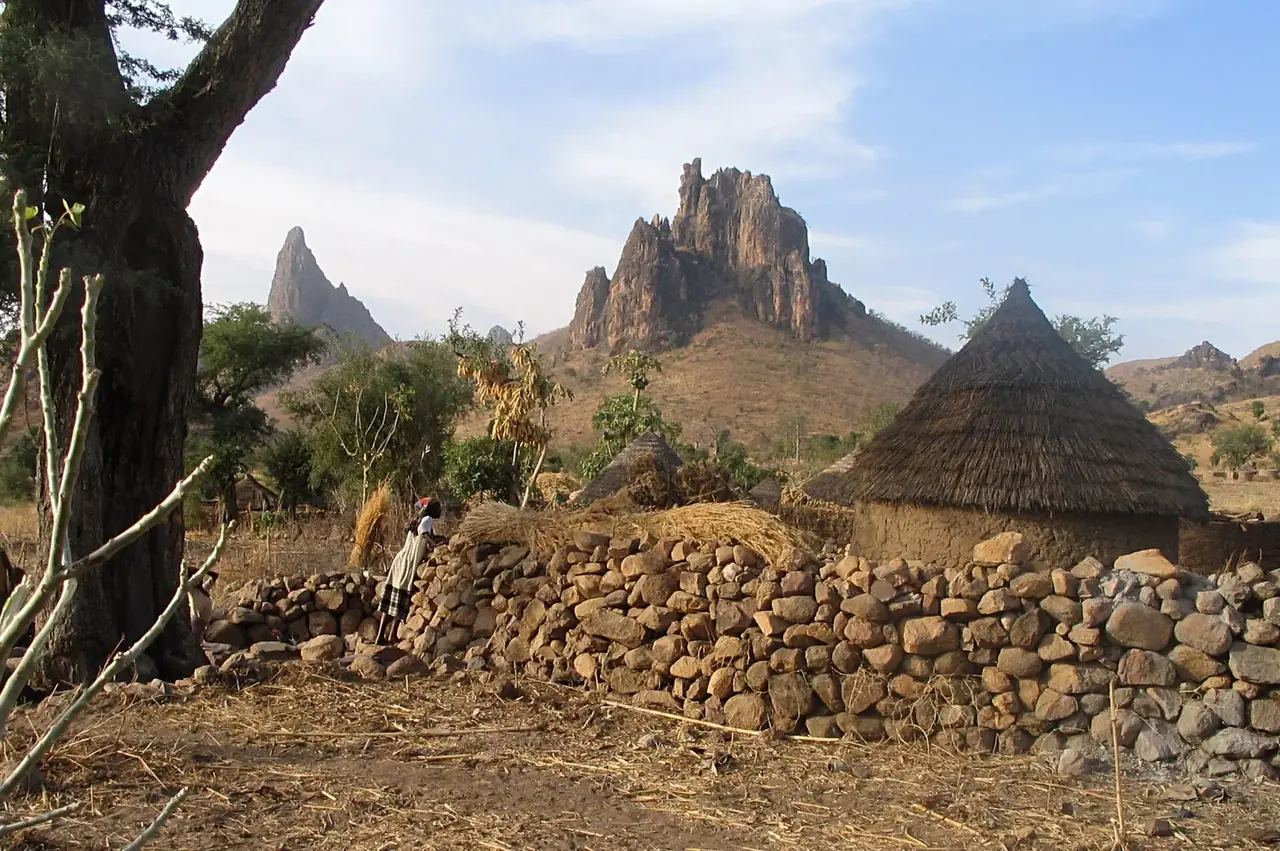
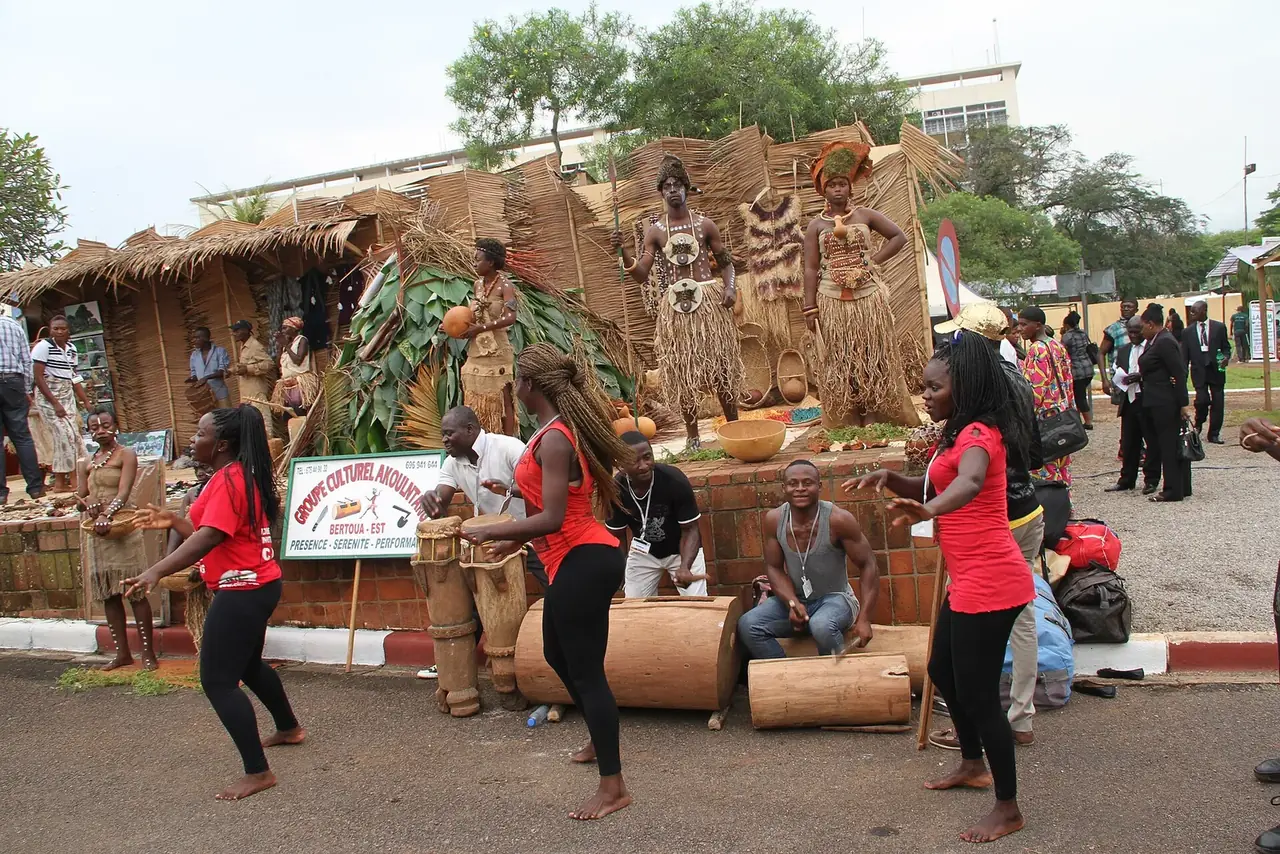
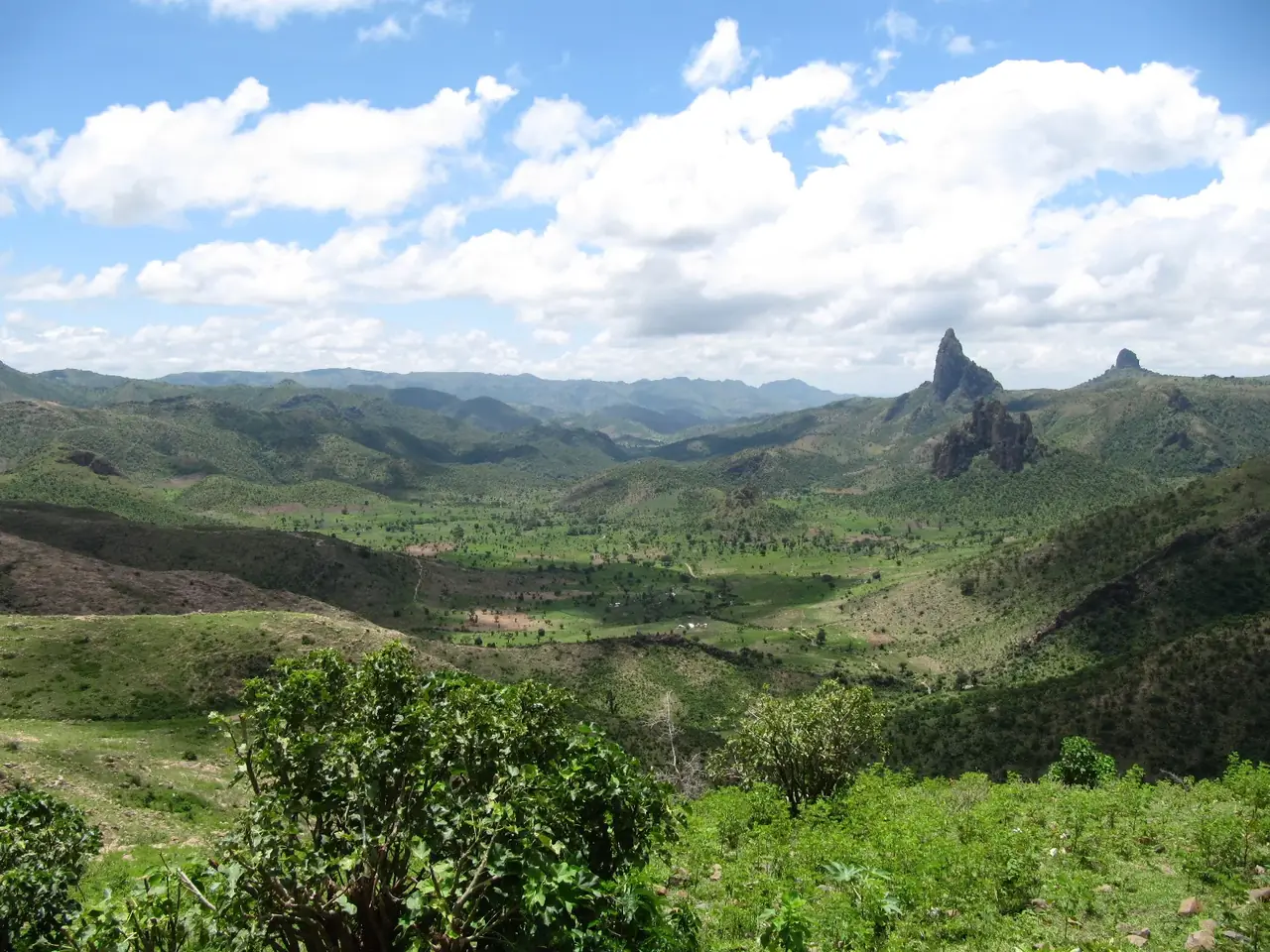
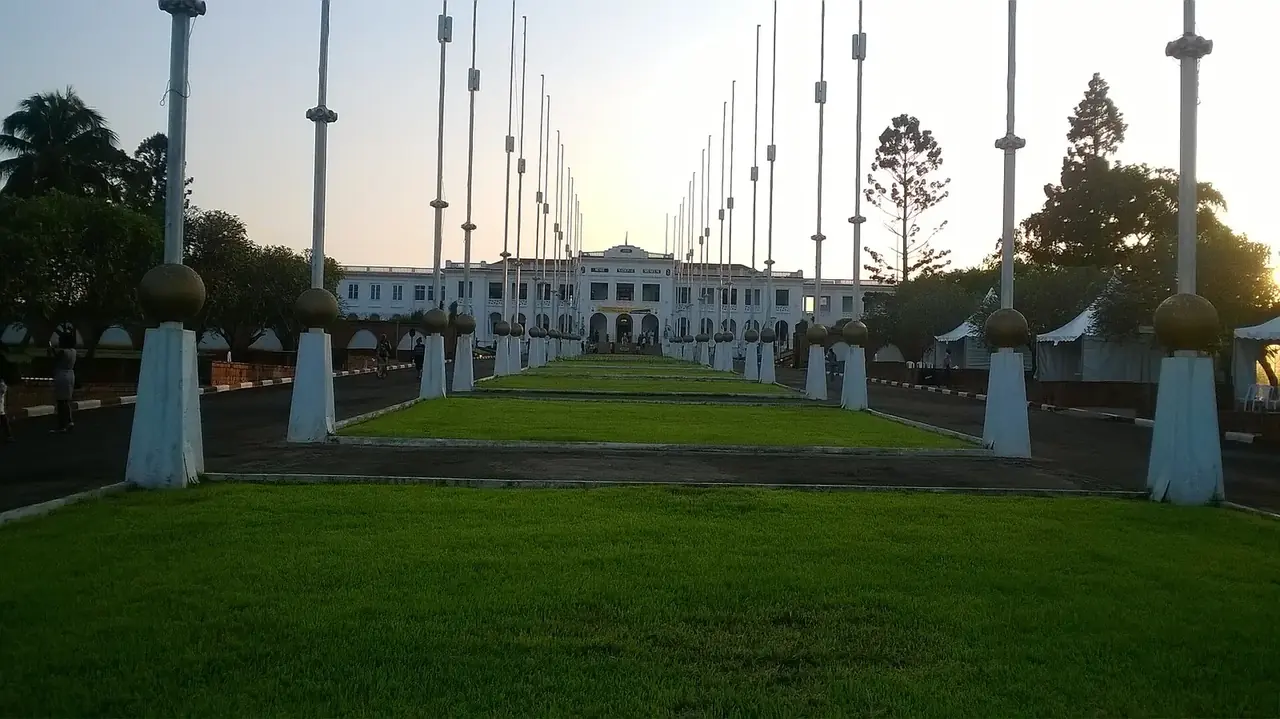
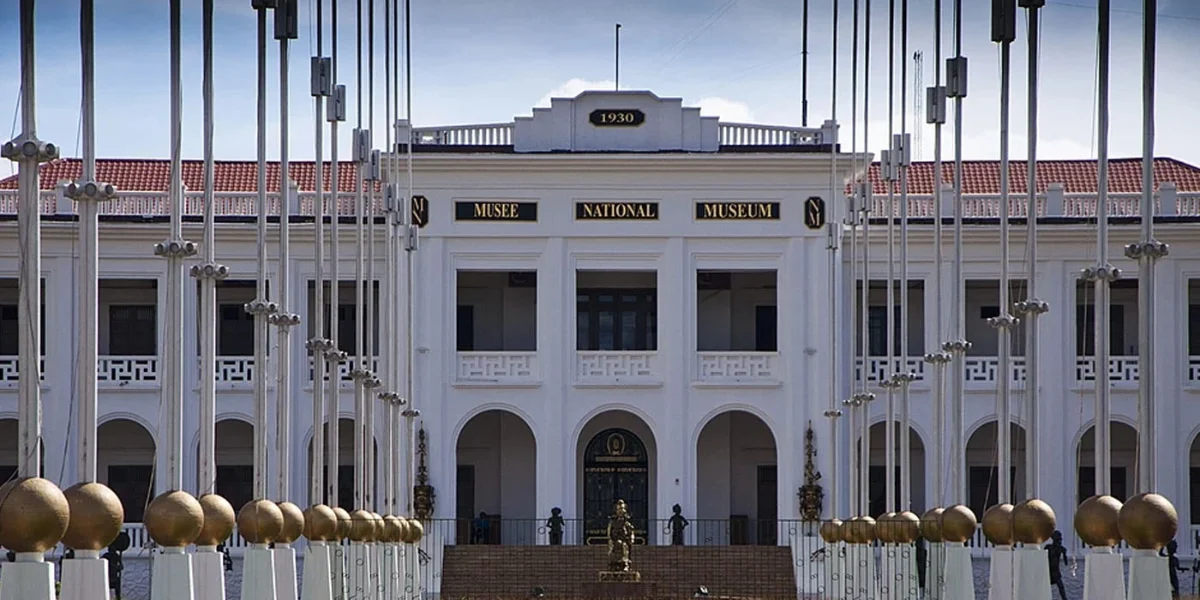
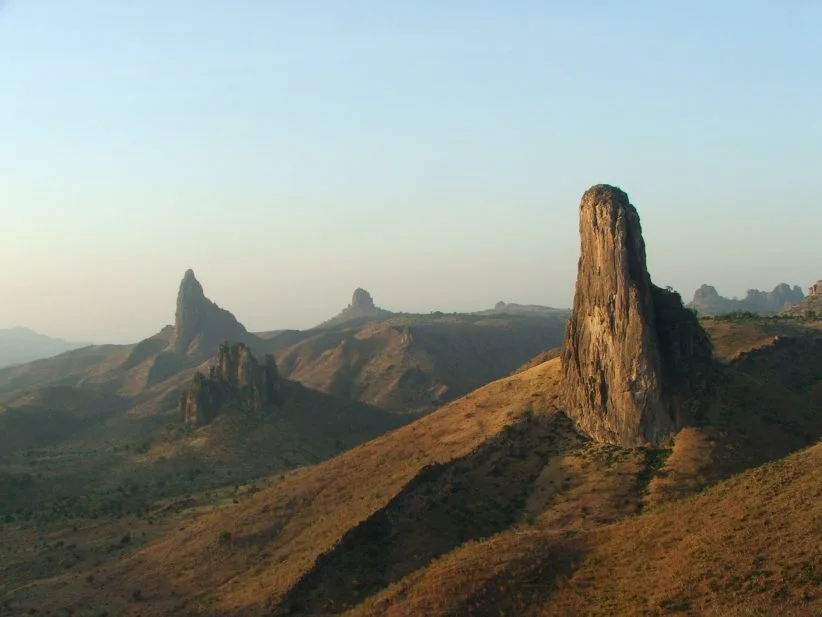
AdamawaBetween high plateaux, Fulani lamidates and the Mbum, Gbaya and Mbororo lands, the Adamaoua region (regional capital Ngaoundéré) brings together palaces, livestock farming, court music, languages and festivals. Key facts, calendar and procedures with the regional delegation.Discover →CentrePolitical capital, seat of the Ministry, National Museum, Conference Centre and the Mbam’Art, Ya Jazz and SIILY festivals: the Centre region (regional capital Yaoundé) concentrates institutions, stages and Beti, Bassa and Tikar traditions.Discover →EastForests of the Dja and Lobéké, the Makaa, Gbaya, Kako and Baka peoples, polyphonies and forest rites: the East region (regional capital Bertoua) combines natural heritage and living culture. Delegation, sites, festivals, languages and procedures.Discover →Far NorthMandara Mountains, the Diy-Gid-Biy cultural landscape inscribed on the World Heritage List, Musgum huts, blacksmiths, weavers and horsemen: the Far North Region (regional capital Maroua) is a mosaic of peoples, languages and know-how.Discover →LittoralThe Littoral Region, with Douala as its regional capital, brings together a port, a river and Sawa chiefdoms. Discover its regional delegation, its sites and museums, the Ngondo and its languages, from Duala to Bassa.Discover →NorthThe Northern Region, with Garoua as its regional capital, combines Fulani lamidates, Dowayo mountains and the savannahs of the Bénoué. Discover its regional delegation, its sites including Rey-Bouba, its festivals and its languages.Discover →North-WestThe North-West Region, with Bamenda as its regional capital, forms the heart of the Grassfields and its fondoms. Discover its Regional Delegation, palaces and museums, festivals, languages and know-how.Discover →WestThe West Region, with Bafoussam as its regional capital, brings together the Bamoun kingdom of Foumban and the Bamileke chiefdoms. Discover its Regional Delegation, museums, the Nguon, Ka’a Ndeh Mu’nka and its languages.Discover →SouthBetween equatorial forest, the Ntem valley and the Atlantic coast, the South Region (regional capital Ebolowa) lives to the rhythm of the “Ngul Be Mvamba” Patriarchs’ Days, the Bia So Mengong International Festival, its mvet epics and its Beti-Fang languages.Discover →South-WestFrom Mount Cameroon to the forests of the Manyu, the South-West Region (regional capital Buéa) combines English, Pidgin and local languages, the Rzehwa cultural camp, the South West Cultural Festival and an annex of the National Archives.Discover →
Key facts

The vocabulary of culture, in ten words

NDS30

National Development Strategy 2020-2030, the frame of reference for State action, under which the objectives of the arts and culture sub-sector fall.

Intangible heritage

Practices, knowledge, rites and expressions passed on by communities, such as dances, tales or forging techniques.

Neighbouring rights

Rights recognised for performers, phonogram producers and broadcasting organisations, alongside those of authors.

Collective management

A system by which an approved society collects and distributes the remuneration owed to creators for the use of their works.

Listing

A procedure that places a cultural property under State protection and governs any changes to it.

National inventory

A methodical survey of the elements of cultural heritage, carried out with the communities that sustain them.

Lamidate

A traditional chiefdom of the North, led by a lamido, custodian of a precious history and heritage.

One-Stop Shop

An online and on-site service that centralises the submission, processing and tracking of the Ministry’s procedures.

Cultural and creative industries

Sectors that produce and distribute cultural goods: music, film, publishing, fashion, digital arts, crafts.

Restitution

The return to its country of origin of a cultural property illegally exported or held abroad, negotiated with partners.

Video library and podcast

Watch, listen, understand

Reports, visits and documentaries let you discover Cameroonian creation without leaving the screen: the Ngondo ceremonies on the Wouri, the collections of the National Museum, the cultural landscape of the Mandara Mountains. Each week, the podcast “La voix de la culture” gives a voice to artists, curators and holders of traditional knowledge.

All videos
Podcast · The Voice of Culture

Episode 12 — The guardians of living heritage

“Our project is to move from a culture lived unconsciously to a culture freely thought out. My conviction is that a courageous and consistent cultural policy is the lever of the fruitful political culture that I intend to promote in order to consolidate Cameroonian democracy.”

H.E. Paul BIYA, Communal Liberalism, 1987, p. 114
Cooperation

Cameroon in the world

The whole section

UNESCO, La Francophonie, the African Union, the Commonwealth, CEMAC: the Ministry carries the voice of Cameroonian culture to its partners and defends the interests of the country.

Frequently asked questions

The essentials in eight questions

Answers to the eight questions that users ask the Ministry most often.

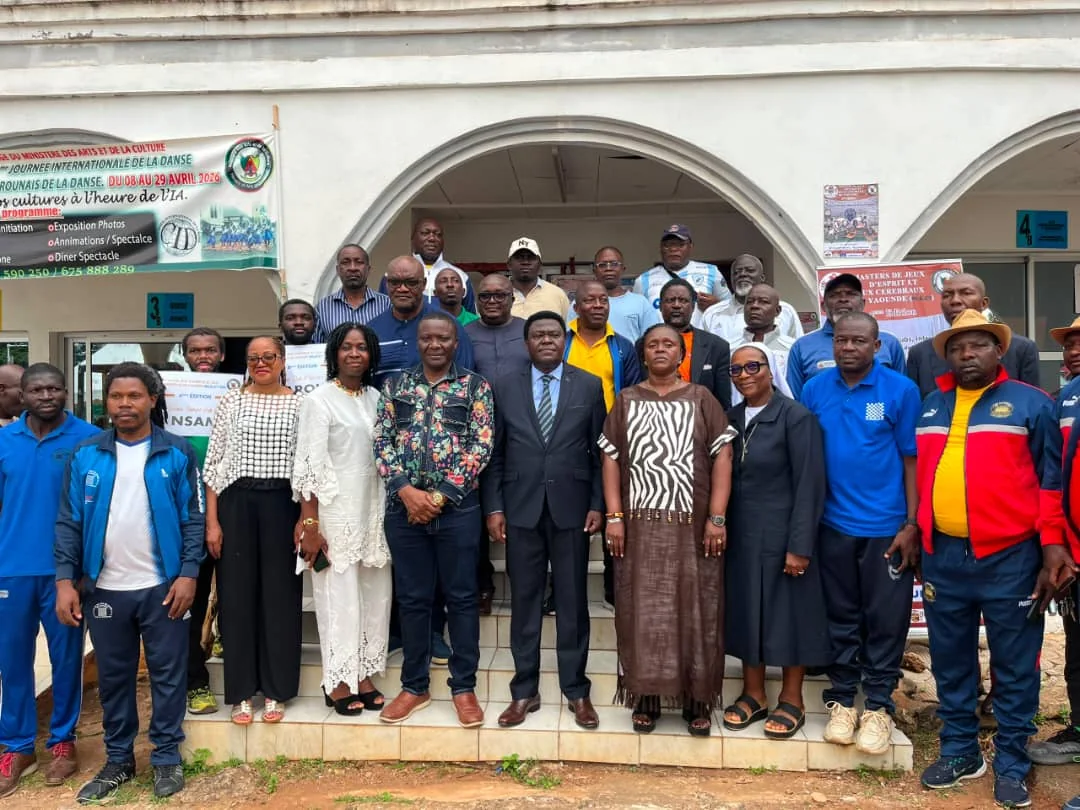
International Dance Day participants in front of the house of culture
Who is responsible for cultural policy?

The Ministry of Arts and Culture is responsible for developing and implementing the Government’s policy on the promotion and development of the arts and culture. It acts through its central directorates, its regional delegations and its institutions under supervision. The detailed missions are set out on the Missions and responsibilities page.

How do I become a recognised artist?

The artist card certifies creator status. The application is made through the One-Stop Shop: you put the file together, submit it online and then track its progress. The documents and conditions are detailed on the Artist card page, and the fees on the dedicated page.

How do I protect my work?

Copyright arises from the act of creation, but submitting a work to the Ministry provides dated proof of authorship. You receive an acknowledgement of receipt. To go further, join a collective management society, which will collect your remuneration. See Submitting a work.

How do I organise a festival?

You need to prepare a file setting out the programme, venue, security arrangements and budget, then apply for festival authorisation. The organiser’s guide details these steps, as well as the grant options. Consult the Organising a festival page before you begin.

Where can I find funding?

Support funds, calls for projects and grants support creation, cinema, publishing and mobility. Open calls are published on the site with their deadlines. Start with the Support funds page and the list of calls for projects.

How do I report a threatened cultural property?

The reporting service receives alerts about a threatened property, a case of piracy or illicit trafficking, including anonymously. Describe the place, the object and the situation. The Ministry then passes the report on to the competent services. Go to the Reporting page.

How do I track my file?

Each file submitted receives a number. Enter it on the tracking page to find out the current stage, remind the service or lodge a complaint. If you have created an account, all your files are grouped there. Go to File tracking.

How can I contact the Ministry?

Write to contact@minac.gov.cm, call +237 6 51 70 58 41 or visit the head office, Quartier du Lac – Ministerial Zone, P.O. Box 1053 Yaoundé. The Contact page also offers a form, and the Opening hours and addresses page gives the opening times.

Contact us

The Ministry at your service

Quartier du Lac – Ministerial Zone
P.O. Box 1053 Yaoundé
Centre Region, Cameroon

+237 6 51 70 58 41 · contact@minac.site

Monday – Thursday
8 h – 16 h
Friday
8 h – 14 h
Saturday, Sunday
Closed
WhatsApp