Coat of arms of CameroonMinistry of Arts
and Culture
Republic of Cameroon
My procedures
Home
Minister’s message
News
Press releases
Cultural calendar
Official speeches
Press review
Photo library
Video library
Calls for projects
Job vacancies
Public procurement
Newsletter
Frequently asked questions
Site map
Contact
Press area
Podcast “The Voice of Culture”
Legal notices
Privacy policy
Cookies and trackers
The Ministry
Missions and responsibilities
Organisation
Organisation chart
Minister’s Office (Cabinet)
Management team
General Secretariat
General Inspectorate
Central directorates
Regional Delegations
Institutions under supervision
Legislative texts
Regulatory texts
Sector strategy
Major projects
Budget and reports
Partners
Careers
Archives
Institutional communication
Quality and accessibility
Arts
Visual and plastic arts
Visual arts
Performing arts
Theatre
Dance
Music
Literature and books
Cinema and audiovisual
Photography
Fashion and design
Digital arts
Art crafts
Artists’ directory
Residencies
Prizes and awards
Arts education
Urban arts
Heritage
Tangible heritage
Intangible heritage
UNESCO sites
National museums
Listed monuments
National inventory
Palaces and chiefdoms
Archaeology
Linguistic heritage
Oral traditions
Traditional know-how
Restitution of cultural property
Fight against illicit trafficking
Listing and protection
Conservation and restoration
Heritage Days
Cultural landscapes
Industries
Music and recording
Cinema
Publishing and books
Digital arts
Fashion and creativity
Crafts
Cultural tourism
Funding for culture
Support funds
Incubators
Cultural entrepreneurship
Culture Observatory
Vocational training
Studies and reports
Sector statistics
Export and outreach
Intellectual property
Copyright
Legal framework
Copyright and neighbouring rights
Collective management societies
Register a work
Licences
Private copying
Fight against piracy
Model contracts
Social status of artists
Mediation
Disputes
Training
Fee scales
Register of works
Contact
Digital neighbouring rights
Public domain
Festivals
National calendar
Ngondo
Nguon
Écrans Noirs
Heritage Days
Music Day
Regional festivals
Fairs and exhibitions
Biennials
National competitions
Cultural days
Organise a festival
Event grants
Ticketing
Archives
Volunteering
Diaspora festivals
Regions
Adamawa
Centre
East
Far North
Littoral
North
North-West
West
South
South-West
Cultural map
Regional Delegations
Traditional chiefdoms
National languages
Cultural routes
Decentralised cooperation
Regional observatory
Cooperation
UNESCO
Francophonie (OIF)
African Union
Commonwealth
CEMAC
Bilateral cooperation
Cultural agreements
Professional organisations
Scholarships
Artist exchanges
Cultural years
Diaspora
Funded projects
Embassies
Technical partners
International restitution
International monitoring and calls
Services
Artist card
Show authorisation
Filming authorisation
Festival authorisation
Deposit of a work
Export of works of art
Listing of a property
Grant application
Association accreditation
File tracking
Forms
Fees
Opening hours and addresses
Reporting
Online help
My account
One-Stop Shop
The Ministry

Institutional communication

Website, press releases, a WebTV of 14 videos, 71 articles and official accounts: how the Ministry informs, how to recognise its authentic channels and how journalists can work with it.

Updated on 6 November 20264 sub-pages
Videos on the WebTV14
Online articles71
Official social media4
Shared account@minac237
Communicate

Informing through official channels

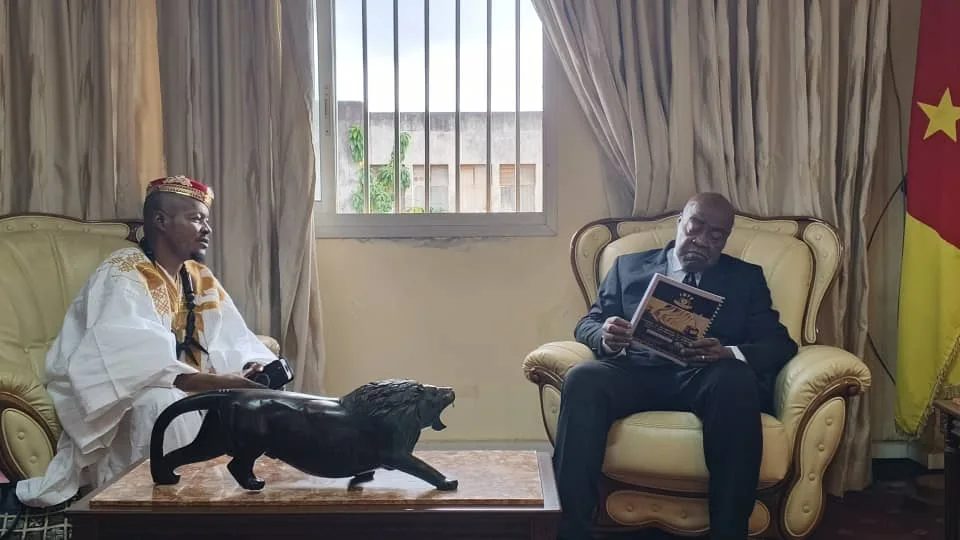
A traditional chief in white robes and a man in a suit sit in armchairs on either side of a sculpted big cat on a low table.

The Ministry of Arts and Culture informs the public, artists, cultural operators and journalists through identified channels: the official website, with its news and press releases, the WebTV, the social media accounts and the press area. At the time of writing, the site has 71 articles and the WebTV 14 videos.

This page explains how these channels fit together, how to recognise authentic information, how journalists can work with the Ministry and how to use its distinctive signs: logo, coat of arms, photographs, presentation texts.

  • News and press releases
  • WebTV: 14 videos
  • Official social media accounts
See the graphic charter
Visual identity

The Ministry’s graphic charter

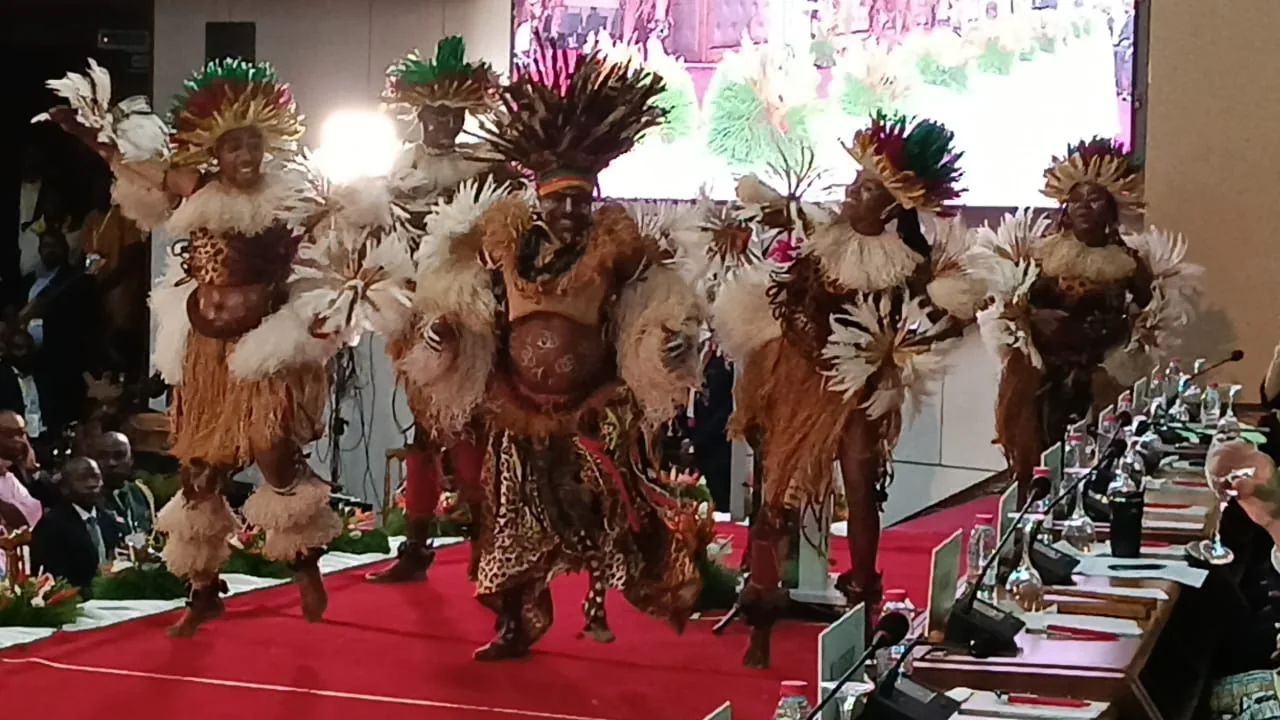
Dancers in raffia and feather costumes perform on a red carpet in front of a conference table.

The graphic charter brings together the rules for using the signs that identify the Ministry: the coat of arms of the Republic, the logo, colours and typefaces. It ensures that a document, poster or web page bearing the Ministry’s mark is recognisable at a glance and cannot be mistaken for a counterfeit.

What it regulates

  • The placement of the coat of arms and logo on letters, reports and digital media;
  • The protection zones around the logo and the minimum reproduction sizes;
  • The colour palette and legible contrasts, including for visually impaired people;
  • The recommended fonts for titles, body text and tables;
  • Use of the logo on light backgrounds, dark backgrounds and photographs.

Who may use the logo

Directorates, delegations and institutions under supervision use it in carrying out their missions. Partners and organisers of festivals or events receiving patronage must obtain the Ministry’s agreement before any use: the request is made through the contact form, with a mock-up of the intended material.

Prohibited uses

Altering the proportions or colours, associating the logo with an unauthorised political or commercial message, or using it to give an official appearance to a website, a call for applications or a recruitment announcement are prohibited. Such use may be reported.

ℹ️
Recognising a fake

An official announcement always appears on the Ministry’s website or on its verified accounts. If in doubt, compare it with the press releases page.

Press

The Ministry and the press

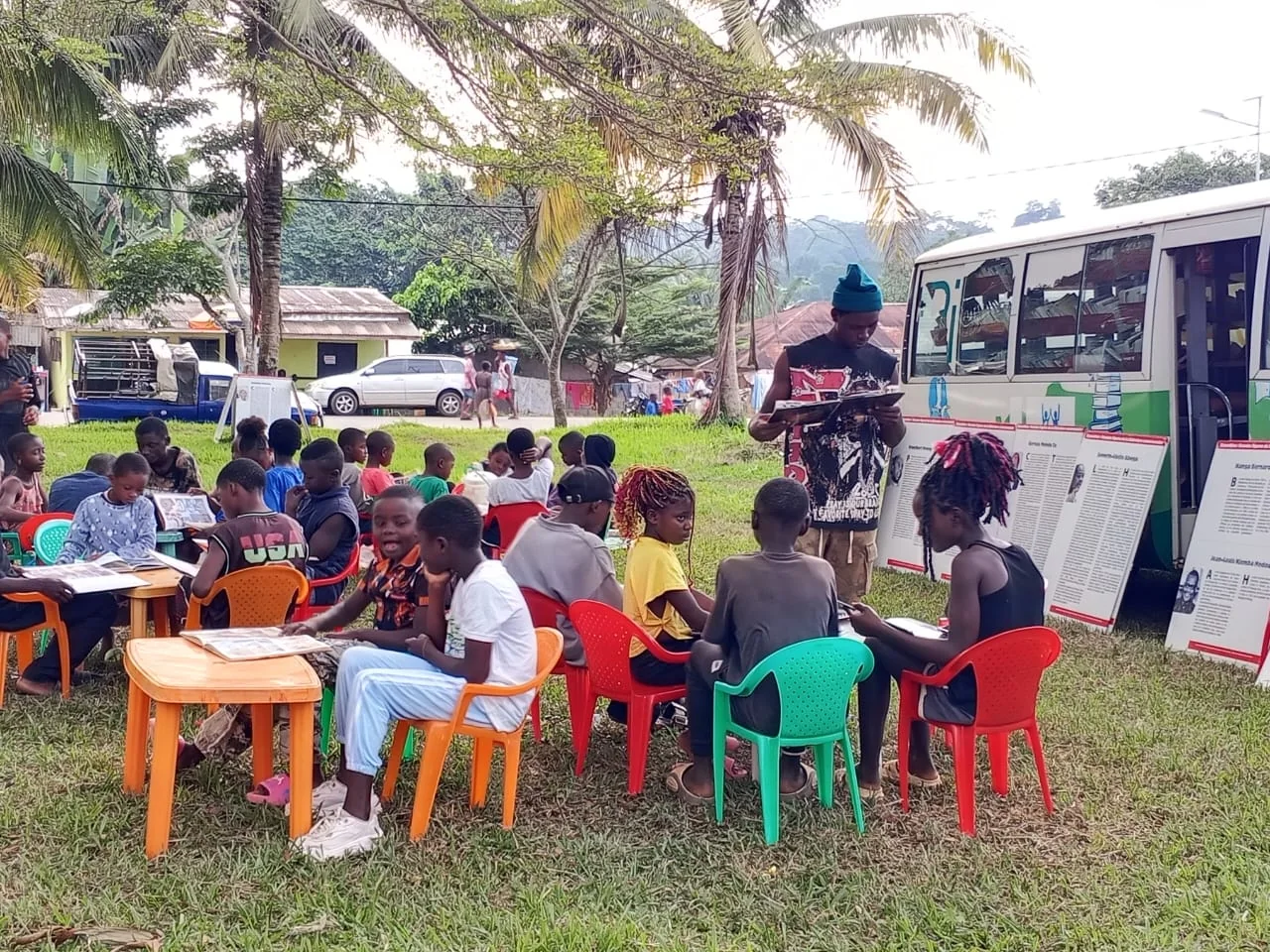
Children reading and writing at colourful tables on a lawn, next to a library bus

Press releases and news are published on the official website. Journalists will find contacts, press kits and practical information on the Press area page, which includes accreditation, press kits, contacts and the media kit. The Minister’s message and the official speeches are put online so that they can be quoted from a reliable source.

Covering a Ministry activity

For an important event, ceremony, festival opening or inauguration, organisers may invite the media. Journalists wishing to be accredited state their outlet, their role and the event covered. A press kit generally presents the context, the programme, the speakers and key figures.

Interviewing an official

Interview requests are sent in writing to the communication unit, stating the subject, the medium and the intended publication date. Replies commit the institution; remarks made on a personal page commit only their author.

Social media

The official social networks

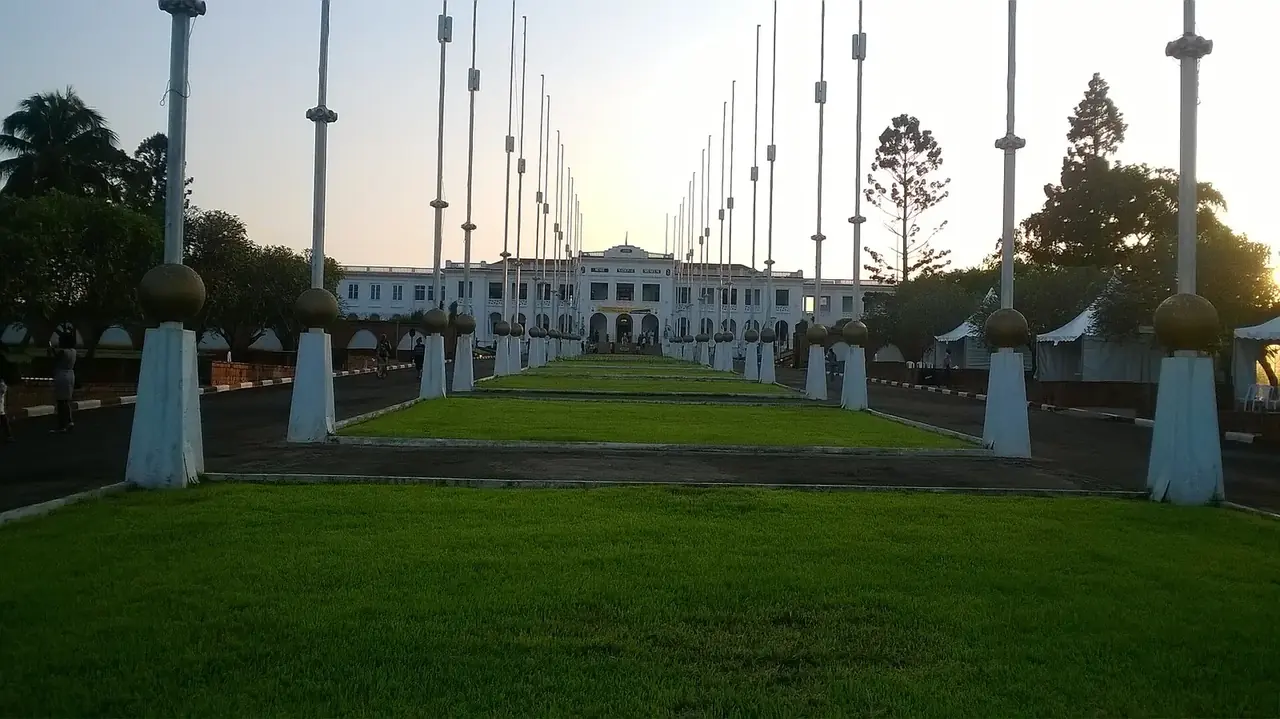
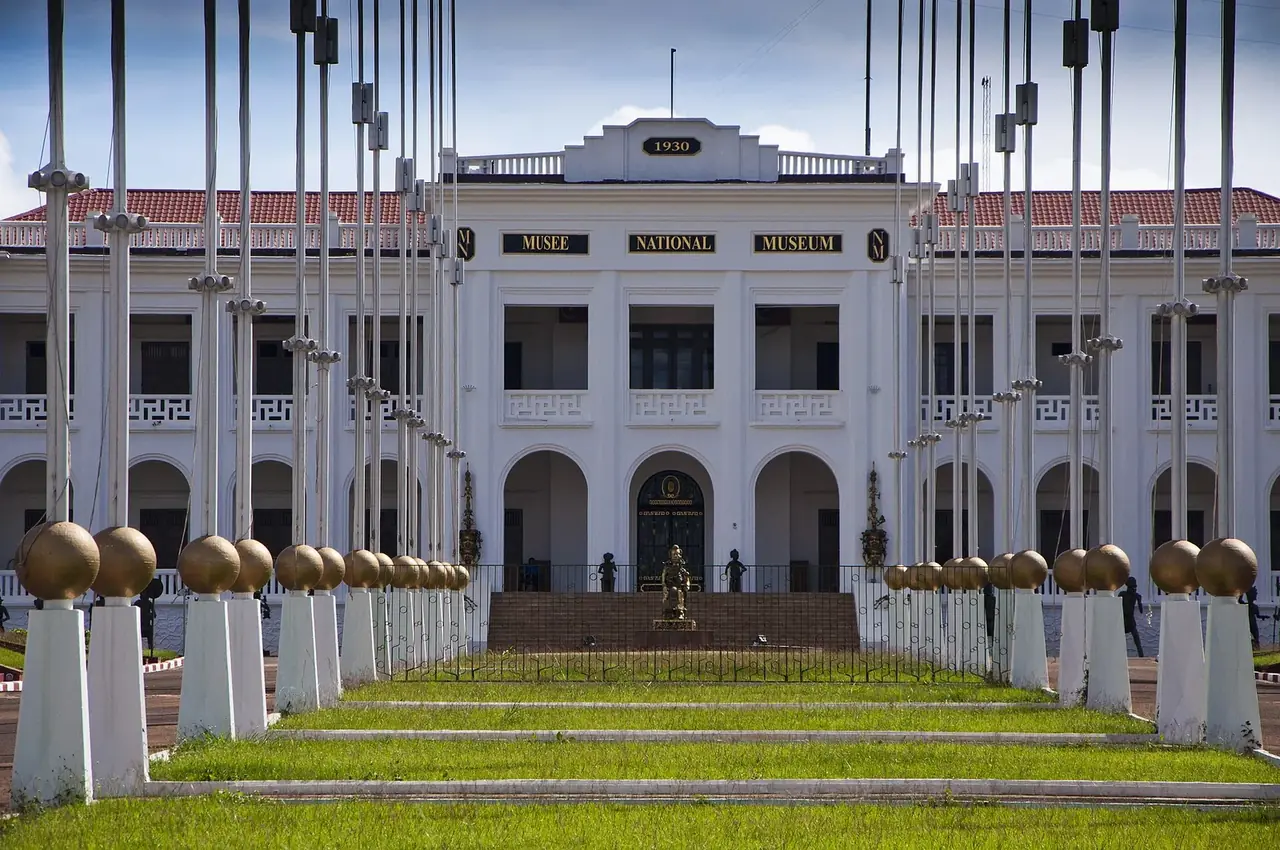
Avenue of flagpoles leading to the National Museum in Yaoundé at sunset

The Ministry is present on Facebook, X (formerly Twitter) and Instagram under the name @minac237, and on YouTube with the channel @artsetculturelofficiel. Only these accounts are binding on the Ministry. They relay the news from the site, announce events from the cultural agenda and broadcast video excerpts from the WebTV.

What they are for

  • Quickly providing information on an opening, a change of programme or a press release;
  • Publicising calls for projects and job vacancies;
  • Showcasing artists, sites and festivals;
  • Answering questions of general interest raised by the public.

Recognising authentic accounts

Beware of accounts that use the Ministry’s logo without being listed on this page. The Ministry never requests payment or a confidential code by private message, and never asks for any sum to process an application file. Any payments are made through the channels described in the fees.

Engaging courteously

Comments are moderated: abusive, discriminatory or defamatory remarks, advertising and personal information are removed. For an individual procedure, the public is invited to use file tracking or the contact form rather than public messages.

Media kit

The media kit at your disposal

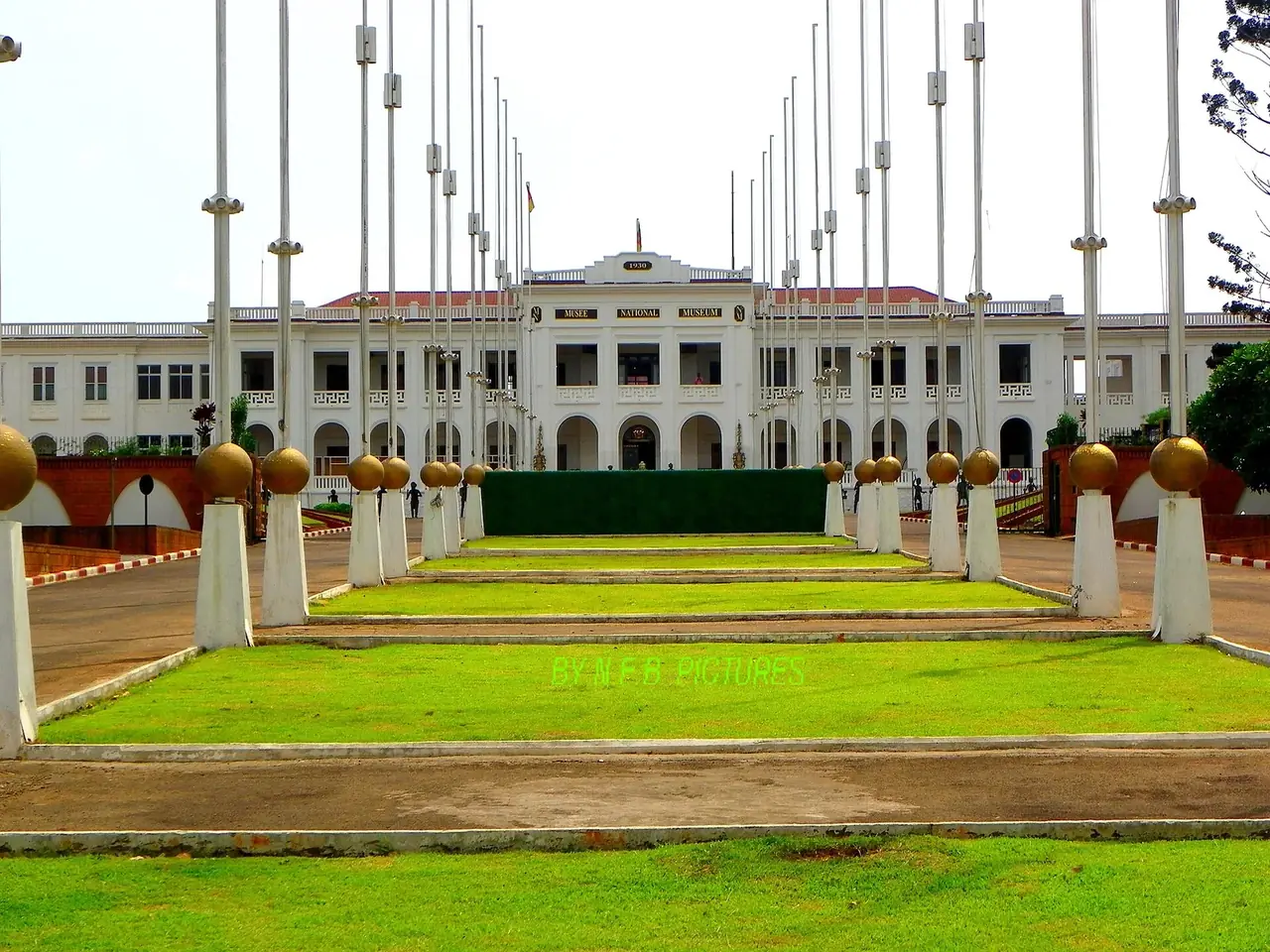
Façade of the National Museum in Yaoundé

The media kit brings together what a journalist, organiser or partner needs to present the Ministry properly: logo in several formats, official photographs with credits, presentation texts in French and English, key figures and a list of official channels.

Contents of the kit

  • The logo and coat of arms in colour, black and white, and dark-background versions;
  • Photographs of the administration, sites and events, with the credit to be respected;
  • A short presentation of a few lines and a long presentation of the Ministry’s missions;
  • Key information on the organisation and the directorates;
  • Official contact details.

Rules for reuse

The contents of the kit may be reused to report on the Ministry’s work, provided that the source is cited and that they are not altered. For photographs, the displayed credit is mandatory; for commercial use, prior authorisation is required, requested from the photo library.

Images and videos

The video library offers reports, interviews and webinars. The 14 WebTV videos may be shared through their official link; embedding them on another site must retain the title and the Ministry’s credit.

Step by step

From the event to published information

An event takes place

Audience, ceremony, field mission, festival opening: the directorate concerned passes its information to the communication unit.

The information is verified

Dates, official names, figures and titles are checked with the directorate so that only accurate data is published.

The text is written

An article, press release or video script is written in plain language, illustrated with credited photographs.

Publication takes place

The information first appears on the official website, which remains the reference source for all other channels.

The relay is provided

Social media, the WebTV, the newsletter and the press area take up the content to reach each audience.

Feedback is followed up

Questions and reactions from the public are directed to the service concerned, and content is corrected if an error is reported.

Steps

Communication that has grown

OriginsThe first press releases

The Ministry first addressed the print press and radio through official press releases sent to its usual contacts.

Official websiteA reference source

The site brings together news, speeches, texts and procedures, and now has 71 reference articles online.

NetworksOnline presence

The @minac237 accounts and the @artsetculturelofficiel channel extend the site to a young audience and the diaspora.

WebTVImages serving information

The WebTV brings together 14 videos: reports, interviews and broadcasts that showcase the Ministry’s actions.

TodayCoordinated channels

The site, social media, press, newsletter and podcast complement one another to provide consistent, verified information.

To act

Does this concern you?

Journalists

Request an accreditation, a press kit or an interview from the press area.

Press area

Event organisers

Propose an event for the cultural agenda or request use of the logo for patronage.

Cultural calendar

Artists and associations

Publicise your news and your calls for applications through the official channels.

Write to us

Public

Subscribe to the newsletter to receive the site’s latest news.

Subscribe
They read us, they listen to us

Uses of official information

“
For my reports, I always start with the press release and the press kit: I find the dates, the official titles and the exact names of the directorates there.
A cultural journalist
Print press, Douala
“
Thanks to the announcements relayed on social media, our troupe learned that a call for projects had just opened and was able to submit its file in time.
A company director
Bafoussam
“
I show the WebTV videos to my pupils. The reports on heritage sites illustrate my lessons better than any textbook.
A history teacher
Lycée de Bertoua
“
From the diaspora, these channels are my link to the country’s cultural news. I know where to check that information is authentic.
A member of the diaspora
Paris

“Informing citizens means keeping culture alive: an activity that nobody knows about only half exists.”

A communication officer, Yaoundé
To download

The resources of communication

Key facts

The channels at a glance

ChannelMain useTarget audienceWhere to find it
Official websiteNews, press releases, procedures and textsGeneral public, artists, operatorsNews
WebTVReports, interviews, broadcasts (14 videos)Online publicVideo library
Facebook, X, InstagramNews relays, event announcements, calls (@minac237)Public, young people, diasporaHome
YouTubeLong videos and excerpts (@artsetculturelofficiel)Public, educational institutionsVideo library
Press areaAccreditations, press kits, contactsJournalistsPress area
NewsletterSummary of new content by e-mailSubscribersNewsletter
PodcastInterviews with cultural stakeholdersListenersPodcast
Cultural calendarCalendar of events of the Ministry and its partnersPublic, organisersCultural calendar
Glossary

The vocabulary of communication

Press release

A short official text intended for the press, announcing a decision or an event.

WebTV

An online video channel broadcasting the Ministry’s reports and interviews.

Media kit

A set of resources (logo, photos, texts) made available to the press and partners.

Graphic charter

Rules for the use of an institution’s logo, colours and fonts.

Accreditation

Permission given to a journalist to cover an event or access a venue.

Press kit

A document presenting the context, programme and figures of an event or project.

Photo credit

Mandatory mention of the name of the photographer or of the institution holding the rights.

Verified account

An account whose authenticity is recognised by the platform and by the institution.

Press review

A selection of press articles on a subject, presented at regular intervals.

Patronage

Moral support granted by the Ministry to an event, authorising the mention of its name.

On the site

Continue on communication

References

Learn more about communication

Stakeholders

Who communicates for the Ministry?

To explore

The tools of communication

Questions

Your questions about communication

How do I contact the Ministry’s press office?

Go to the Press Area page, which presents accreditation, press kits and contacts, or use the site’s contact form, stating your media outlet and the purpose of your request. Your message is passed to the communication unit.

Where can I watch the Ministry’s videos?

The videos are gathered in the site’s video library and on the YouTube channel @artsetculturelofficiel. The WebTV has 14 videos: reports, interviews and broadcasts. Each video can be shared through its official link.

Which accounts are official?

The @minac237 account on Facebook, X and Instagram, and the YouTube channel @artsetculturelofficiel. Only these accounts are binding on the Ministry. Any other page using its name or logo is not official; you can report it.

May I use the Ministry’s logo?

Directorates and institutions do so in carrying out their missions. For a partner or an organiser, the Ministry’s prior agreement is required: send a request with a mock-up of the material. Misuse or misleading use of the logo is prohibited and may be reported.

How can I have my event announced?

Submit it to the cultural agenda, stating the venue, date, programme and a contact. Events supported or patronised by the Ministry may be relayed on the official social networks. Relaying is not automatic and depends on the nature of the event.

May I reuse a photograph from the site?

Official photographs may be reused to report on the Ministry’s action provided the credit is cited and they are not altered. For commercial or advertising use, authorisation is required; use the photo library usage request.

How do I receive the news by e-mail?

Subscribe to the newsletter from the site: you will receive a summary of new content. You can unsubscribe at any time from each issue. The news feed is also available for RSS readers.

How do I report false information or a fake account?

Use the reporting form, indicating the address of the content, a screenshot and the date. The communication unit checks, requests removal from the platform where possible and publishes a clarification if necessary.

Contact

Write to the Ministry: Institutional communication

Journalists: please state your media outlet.

Communication Unit

Contact the Ministry’s communication unit

Address

Communication Unit
Ministry of Arts and Culture
Quartier du Lac – Ministerial Zone
P.O. Box 1053 Yaoundé, Centre Region, Cameroon

Reach us

+237 6 51 70 58 41

contact@minac.gov.cm

Opening hours

Monday to Friday, 8 am to 4 pm

See the press area

Press releases, press kits, accreditation and contacts: everything for journalists.

Press area
WhatsApp