Coat of arms of CameroonMinistry of Arts
and Culture
Republic of Cameroon
My procedures
Home
Minister’s message
News
Press releases
Cultural calendar
Official speeches
Press review
Photo library
Video library
Calls for projects
Job vacancies
Public procurement
Newsletter
Frequently asked questions
Site map
Contact
Press area
Podcast “The Voice of Culture”
Legal notices
Privacy policy
Cookies and trackers
The Ministry
Missions and responsibilities
Organisation
Organisation chart
Minister’s Office (Cabinet)
Management team
General Secretariat
General Inspectorate
Central directorates
Regional Delegations
Institutions under supervision
Legislative texts
Regulatory texts
Sector strategy
Major projects
Budget and reports
Partners
Careers
Archives
Institutional communication
Quality and accessibility
Arts
Visual and plastic arts
Visual arts
Performing arts
Theatre
Dance
Music
Literature and books
Cinema and audiovisual
Photography
Fashion and design
Digital arts
Art crafts
Artists’ directory
Residencies
Prizes and awards
Arts education
Urban arts
Heritage
Tangible heritage
Intangible heritage
UNESCO sites
National museums
Listed monuments
National inventory
Palaces and chiefdoms
Archaeology
Linguistic heritage
Oral traditions
Traditional know-how
Restitution of cultural property
Fight against illicit trafficking
Listing and protection
Conservation and restoration
Heritage Days
Cultural landscapes
Industries
Music and recording
Cinema
Publishing and books
Digital arts
Fashion and creativity
Crafts
Cultural tourism
Funding for culture
Support funds
Incubators
Cultural entrepreneurship
Culture Observatory
Vocational training
Studies and reports
Sector statistics
Export and outreach
Intellectual property
Copyright
Legal framework
Copyright and neighbouring rights
Collective management societies
Register a work
Licences
Private copying
Fight against piracy
Model contracts
Social status of artists
Mediation
Disputes
Training
Fee scales
Register of works
Contact
Digital neighbouring rights
Public domain
Festivals
National calendar
Ngondo
Nguon
Écrans Noirs
Heritage Days
Music Day
Regional festivals
Fairs and exhibitions
Biennials
National competitions
Cultural days
Organise a festival
Event grants
Ticketing
Archives
Volunteering
Diaspora festivals
Regions
Adamawa
Centre
East
Far North
Littoral
North
North-West
West
South
South-West
Cultural map
Regional Delegations
Traditional chiefdoms
National languages
Cultural routes
Decentralised cooperation
Regional observatory
Cooperation
UNESCO
Francophonie (OIF)
African Union
Commonwealth
CEMAC
Bilateral cooperation
Cultural agreements
Professional organisations
Scholarships
Artist exchanges
Cultural years
Diaspora
Funded projects
Embassies
Technical partners
International restitution
International monitoring and calls
Services
Artist card
Show authorisation
Filming authorisation
Festival authorisation
Deposit of a work
Export of works of art
Listing of a property
Grant application
Association accreditation
File tracking
Forms
Fees
Opening hours and addresses
Reporting
Online help
My account
One-Stop Shop
Home

Official speeches

Speeches by the Minister, addresses by the Government, international interventions and archives: who speaks on behalf of the Ministry of Arts and Culture, on what occasions and how to find or cite a text.

Updated on 5 November 20264 sub-pages
Families of public statements4
International bodies followed5
WebTV videos14
2026 news online71
Official speeches

Public speech in the service of culture

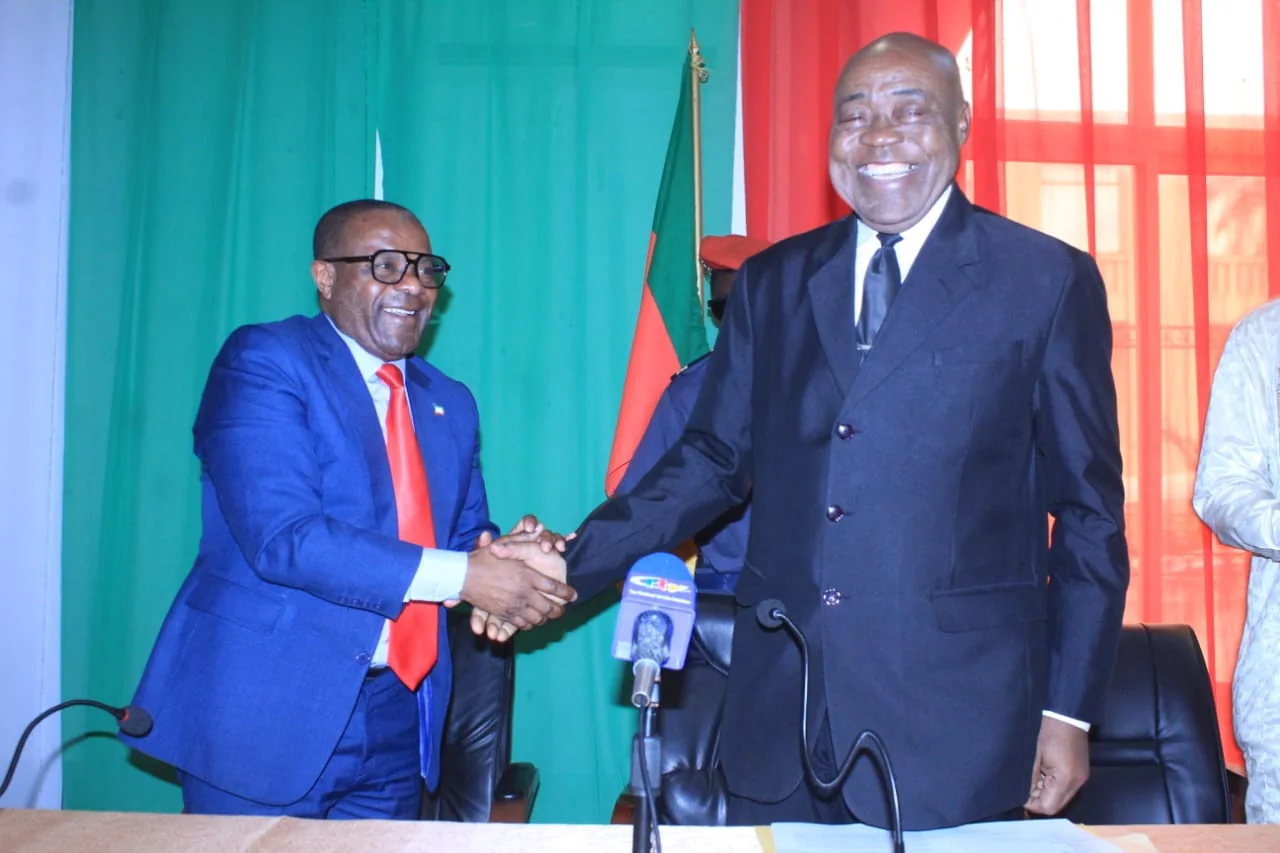
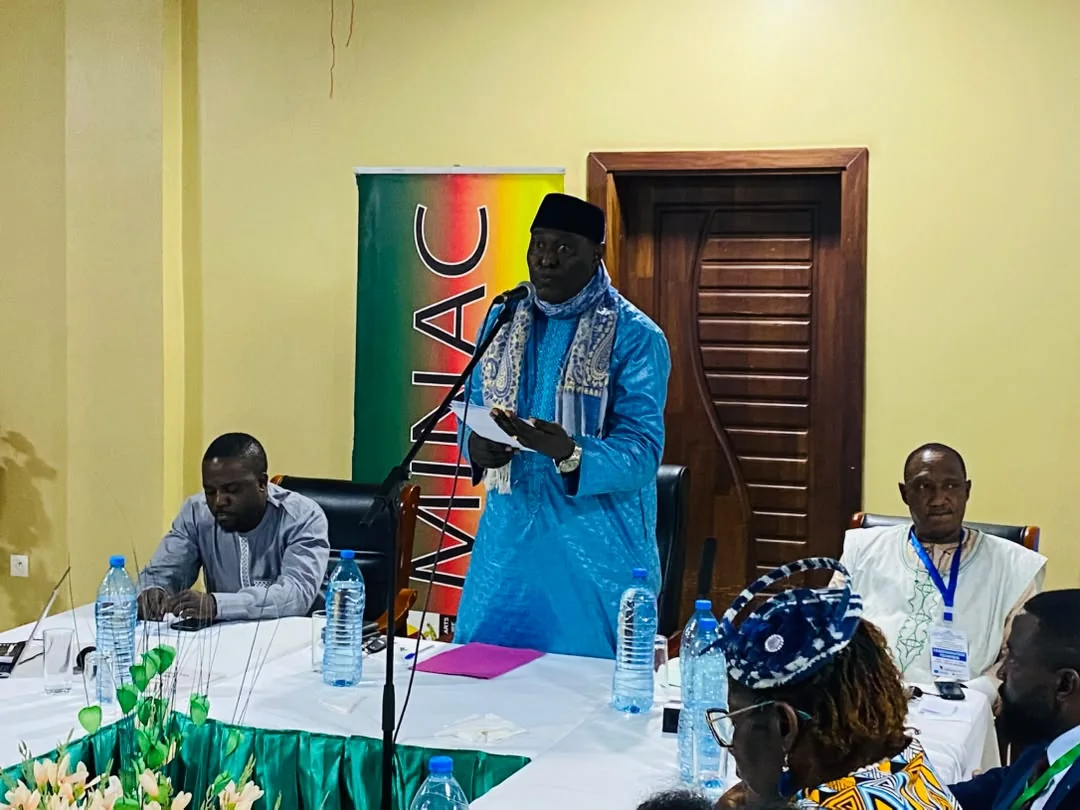
A speaker in a blue outfit addresses the room in front of a MINAC banner, at a meeting table set with water bottles and flowers.

An official speech sets a course, announces a decision, pays tribute or commits Cameroon before its partners. At the Ministry of Arts and Culture, public speech accompanies every major stage of its action: the opening of a book fair, the launch of an archives week, the reception of a foreign delegation, the closing of a chiefdom festival.

This page explains who speaks on behalf of the Ministry, in what circumstances, with what media, and how to find or cite a text. It refers to the news, the press releases and the video library, where public statements are reported day by day.

  • Four main families of public statements, from the ministerial speech to the archive
  • Clear distribution channels: site, WebTV, press, bulletin
  • Simple rules for citing, requesting or consulting a text
Read the speeches
On behalf of the Minister

The Minister’s speeches: genres, occasions, uses

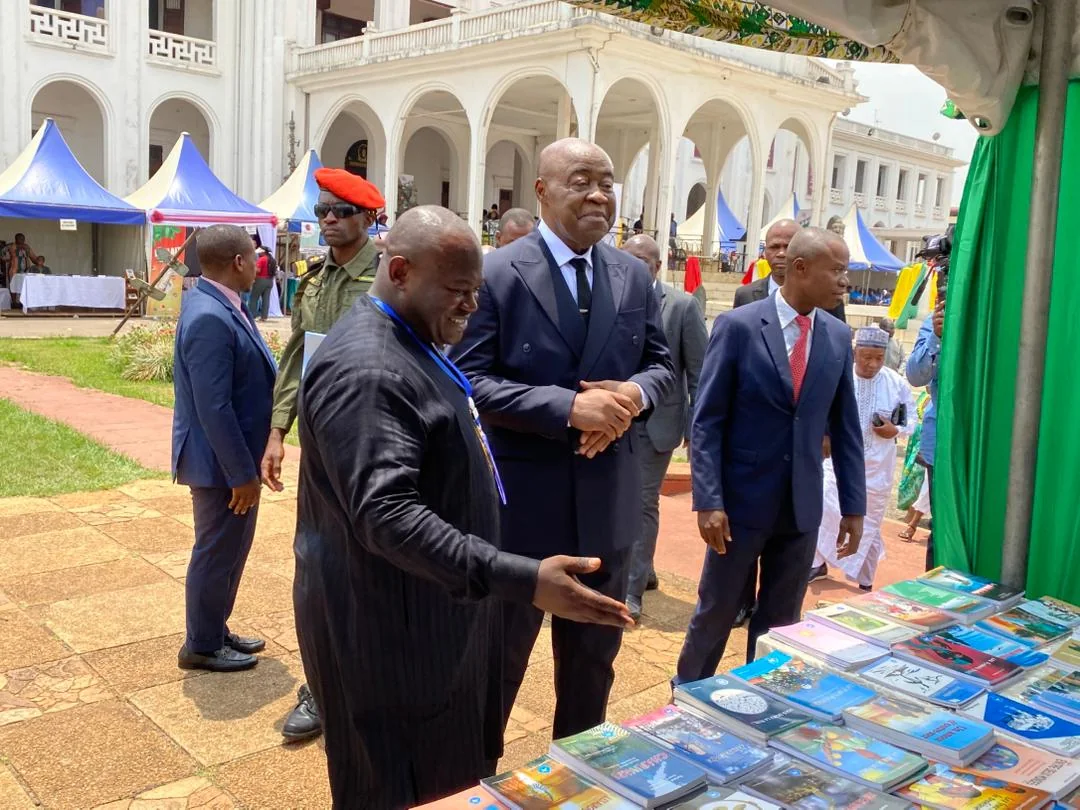
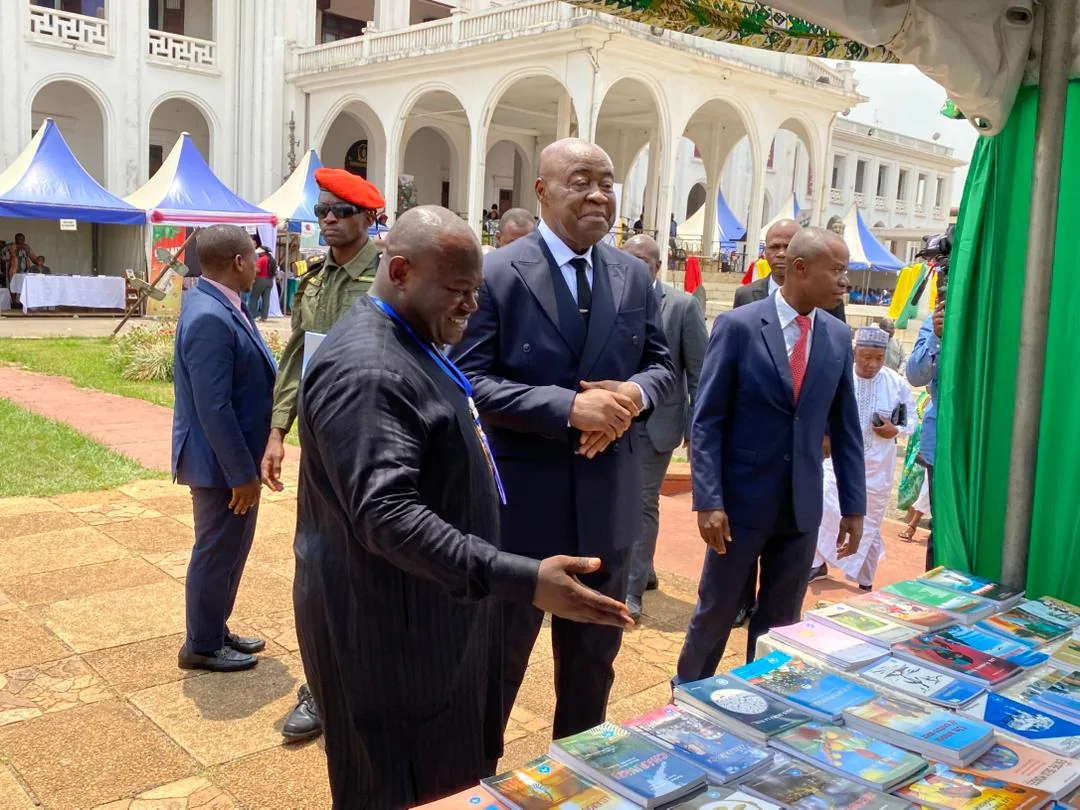
The Minister presenting books displayed on a stand, alongside officials

The Minister of Arts and Culture speaks at a wide variety of events. First there is the opening speech, delivered at a fair, a festival or a conference: it places the event within cultural policy and acknowledges the organisers. Then comes the closing speech, which takes stock and sometimes announces follow-up. The welcome address opens the audiences granted to ambassadors and delegations, like those that punctuated 2026 with several foreign partners.

When the Minister cannot attend

The Secretary General or a designated representative then delivers the Minister’s text. The 2026 news offers several cases: ceremonies in the regions, national conferences, sessions of the governing bodies of public institutions. The text read is the Minister’s; the mention “represented by” appears in the report.
What a speech contains

  • a reminder of the context (edition, anniversary, agreement signed);
  • a tribute to the participants: artists, volunteers, traditional chiefs, partner institutions;
  • concrete announcements: timetable, schemes, calls for applications;
  • a substantive message on the place of culture in development.

For an overview of the ministerial action, read the Minister’s message and the Minister’s Office page. The themes addressed in 2026 touch on the book, festivals, archives and bilateral cooperation.

ℹ️
How to cite a speech

Always state the speaker, the date, the venue and the occasion. A speech read by a representative is cited under the Minister’s name, with a mention of the reader.

On behalf of the State

Government speeches on cultural policy

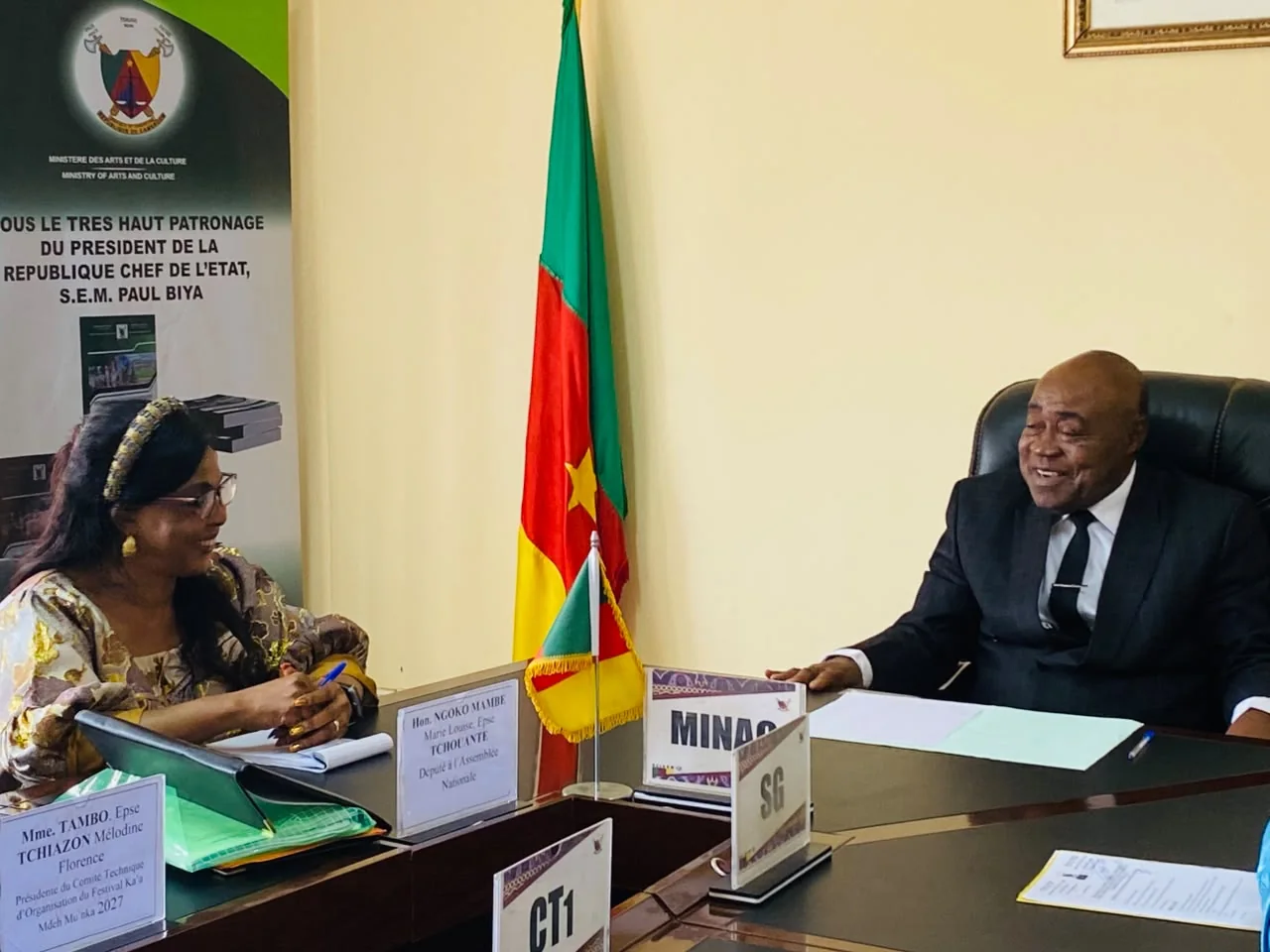
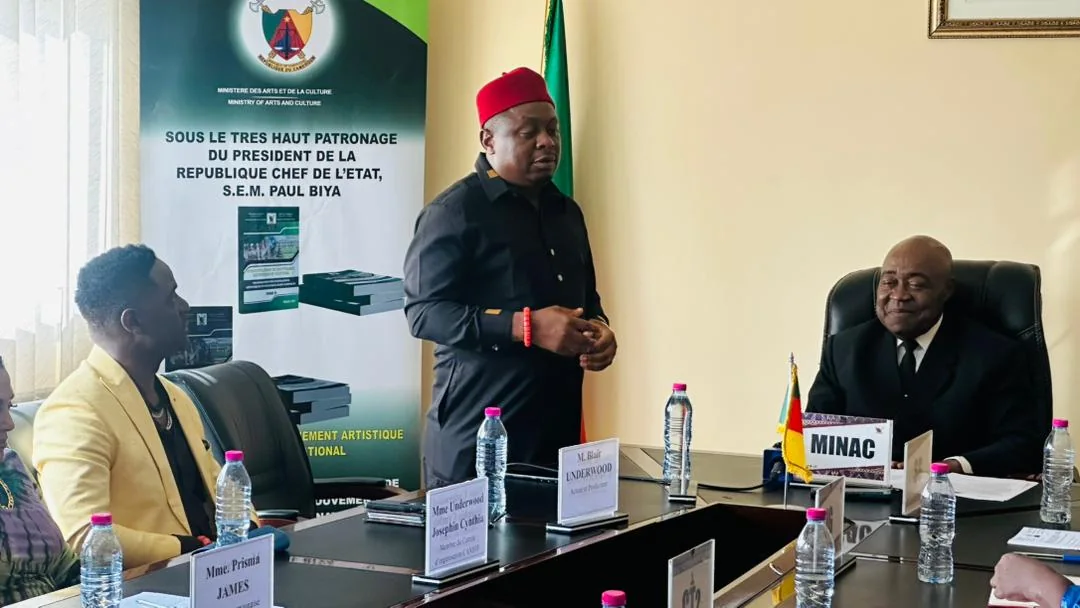
Working meeting in a Ministry office under the high patronage of the Head of State

The Ministry also speaks on behalf of the Government: before Parliament during budget sessions, in sectoral conferences, at ceremonies held under the high patronage of the Presidency of the Republic or the Prime Minister. These interventions are not mere speeches for the occasion: they commit the State to specific policy directions.

Recurring subjects

Three themes recur from one year to the next. The first is the legal framework: revision of cinema regulations, heritage protection, copyright. The work of an interministerial committee on cinematographic activity, conducted in 2026, illustrates this undertaking, which can be found in the legislative texts and the regulatory texts. The second is funding: budget, special accounts, patronage; the third, the structuring of sectors: book, music, crafts, audiovisual.

Who prepares these texts

The technical directorates provide the substance, the Minister’s Office ensures consistency and the General Secretariat ensures harmonisation with the other ministerial departments. The figures quoted are those of the budget and activity reports.

Where to find them

  • in the News section, with the report of the session or ceremony;
  • in the sectoral strategy, which takes up the announced policy directions;
  • in the press releases when a decision is made public.
ℹ️
Government statement

A Government statement takes precedence over any partial account relayed by the press: if in doubt, refer to the text published on the site.

Abroad and online

The Ministry’s international interventions

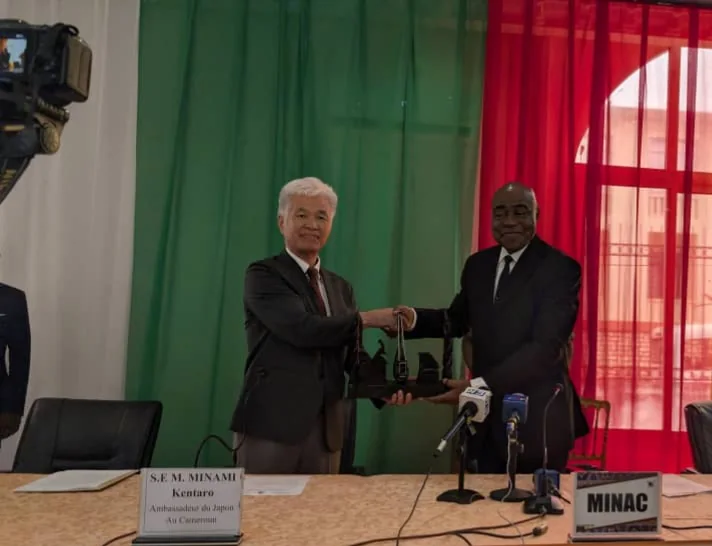
Exchange of gifts with the Ambassador of Japan during a meeting at the Ministry

Cameroon sits in several forums where culture holds a growing place. The Ministry speaks there to defend world heritage, the restitution of cultural property, the diversity of expressions and the circulation of artists. The most frequent frameworks are UNESCO, the Francophonie, the African Union, the Commonwealth and CEMAC.

Bilateral missions and meetings

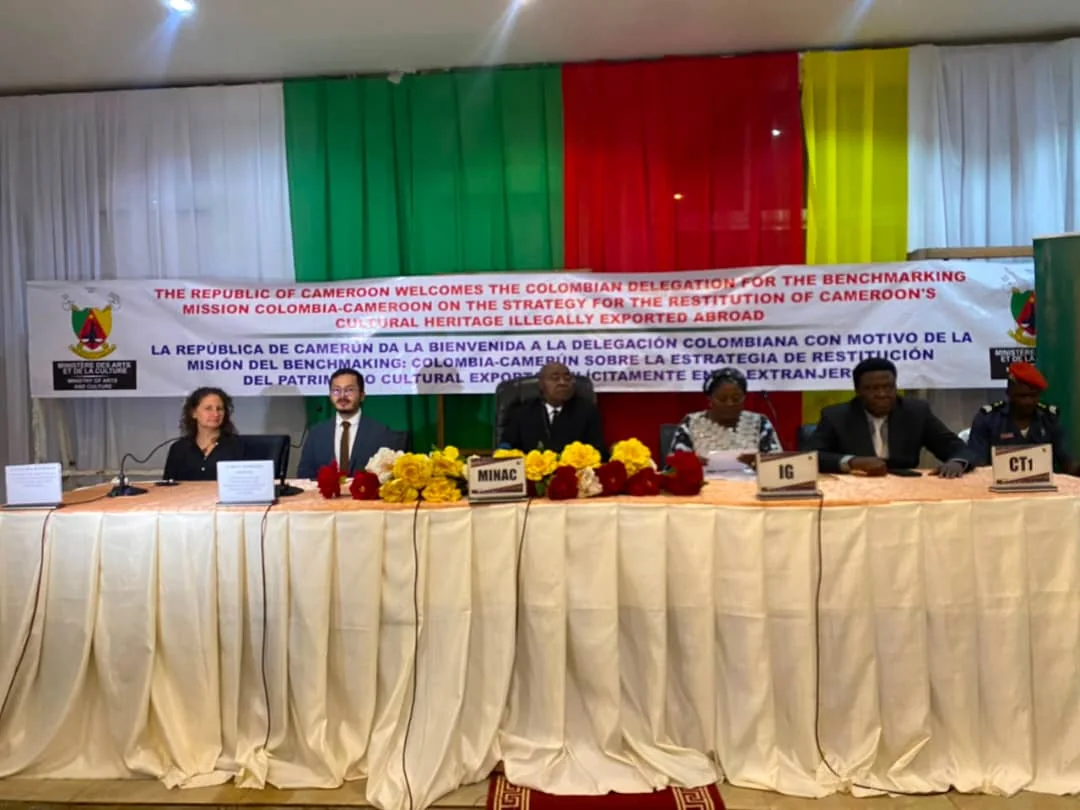
In 2026, exchanges with Equatorial Guinea, Japan, India, Morocco and Colombia gave rise to working addresses. The Cameroon–Colombia benchmarking mission, devoted in particular to the repatriation of cultural property, took place over several days, each accompanied by a press communication. These addresses are shorter than platform speeches: they set a framework for cooperation and specify the areas of exchange.

Multilateral conferences

At ministerial conferences, the Minister or the Minister’s representative presents the national position in a few minutes; the full text is then sent to the organisation’s secretariat. Follow-up is recorded on the cultural agreements and international restitution pages.

  • working language: French or English, depending on the forum;
  • translation: provided for texts of legal scope;
  • distribution: the Ministry’s site, WebTV and relays by embassies.

The diplomatic network, presented on the embassies page, relays these interventions to foreign partners.

ℹ️
Bilingualism

The site publishes interventions in the language delivered; a version in the other official language is attached when the text commits Cameroon.

Memory of the spoken word

Speech archives: preservation and consultation

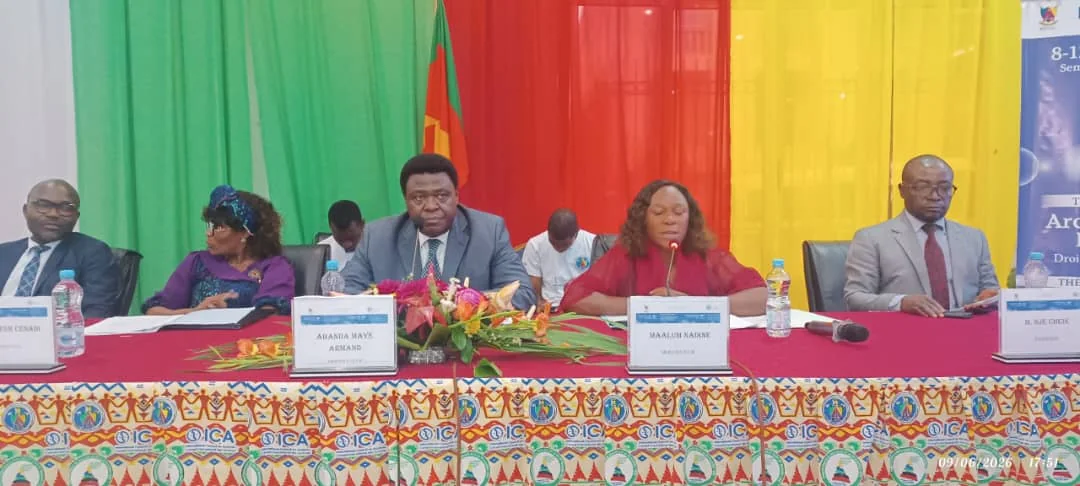
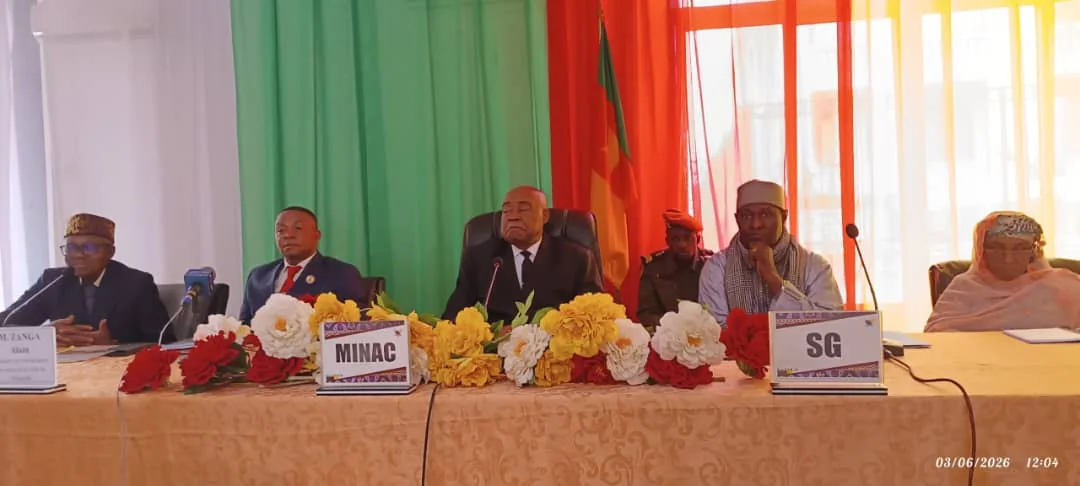
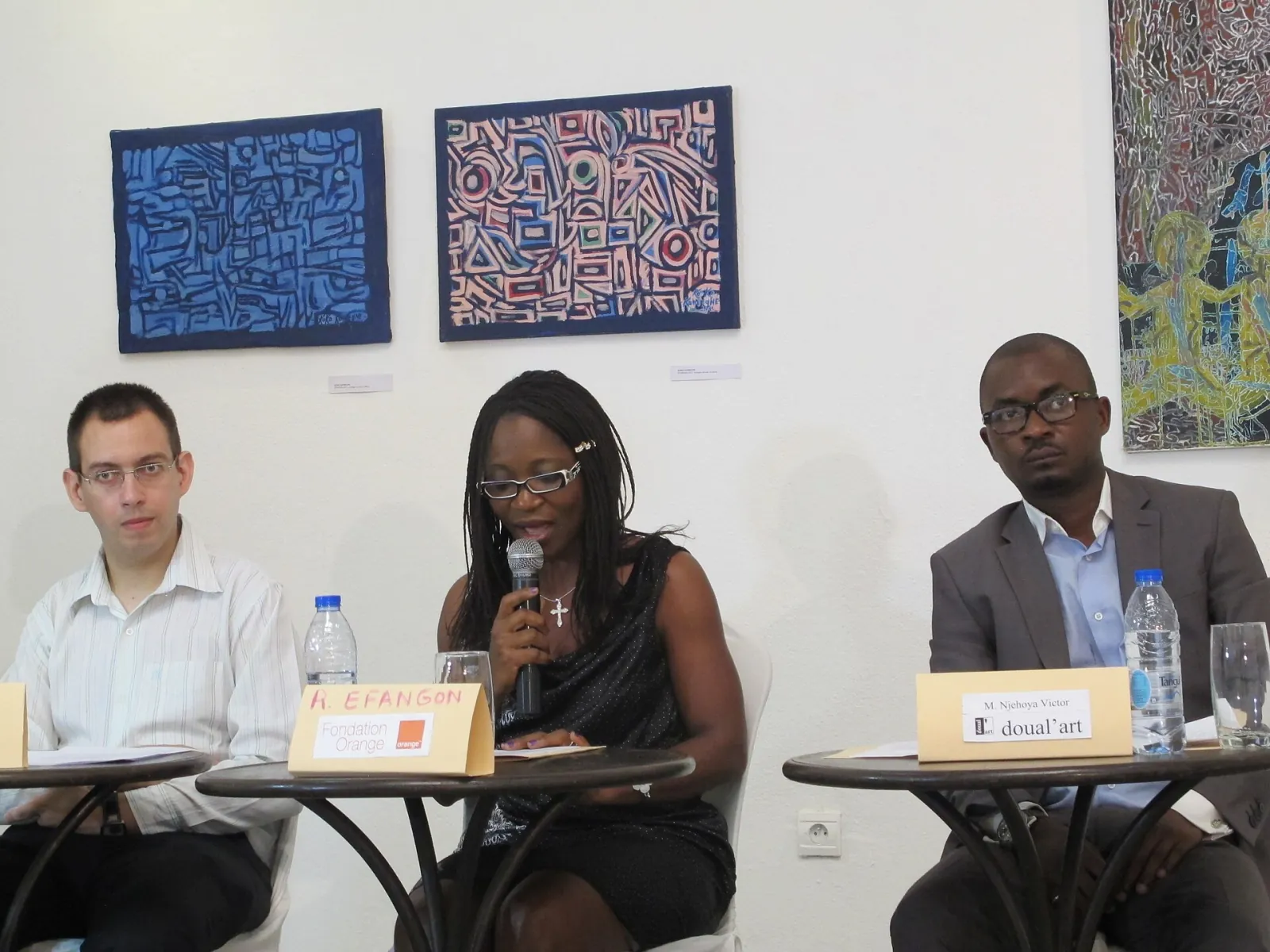
Panel table during an institutional meeting of the Ministry

A speech is an administrative document and a historical witness. The texts delivered are therefore kept, classified and made available for consultation according to the rules of the archives service. The Ministry Archives page details the holdings; this one explains what concerns public speech.

How texts are classified

Each speech is attached to a speaker, a date, a venue and a theme. Texts are arranged by year, then by family: minister, government, international. This classification makes it possible to find within moments all the interventions on a subject, for example the restitution of cultural property or the book.

Digitisation and dematerialisation

The archives dematerialisation project extends this logic: older texts are digitised, indexed and gradually opened for consultation. International Archives Week, whose eighth edition was held in June 2026, is an opportunity to recall that public speech is part of the national memory.

Requesting an older text

  1. Identify the speaker, the approximate date and the occasion;
  2. write to the archives service via the contact form or submit the request for disclosure;
  3. state the intended use: research, publication, teaching;
  4. receive the copy or the date for consultation on site.

Texts protected by a disclosure period can only be consulted under the conditions set by the regulations.

ℹ️
Response times

Allow a few working days for a text that has already been digitised and longer for a document to be searched for in the paper holdings.

Circuit

From the lectern to online publication

Editorial team

The technical directorates provide the material, the Minister’s Office harmonises the tone and checks the figures quoted before the version intended for reading.

Delivered

The text is read or spoken before the audience at the ceremony; the press and the WebTV record the intervention for later relays.

Report

A report is written on the same day and sent to the communication unit, with photographs of the event.

Put online

The communication unit puts the news item online, then the video or audio extract when the recording is usable.

Listing

The full text is deposited in the archives with its date, venue and theme, so that researchers and journalists can find it.

Key facts

The families of speeches in a table

FamilyTypical occasionTarget audienceDistribution media
Opening speechFairs, festivals, conferencesArtists, organisers, pressSite, WebTV, social networks
Closing speechEnd of a festival or themed weekParticipants and institutionsNews, press release
Welcome addressAudience with an ambassador or a delegationForeign partnersReport, photographs
Parliamentary addressBudget session, oral questionsDeputies and senatorsOfficial record of debates, extracts
Multilateral interventionMinisterial conference, organisation sessionMember StatesMinutes, organisation’s site
TributeCeremony in honour of an official or an artistFamily, colleagues, publicWebTV, news
Uses

Who reads official speeches?

“
I look for the text of an address to place an audience in its context before writing my article: the date and venue save me from errors.
A culture journalist
Press, Yaoundé
“
My students analyse cultural policy through the speeches; they find policy directions, priorities and a shared vocabulary.
A lecturer in communication sciences
University, Douala
“
When a festival is mentioned in a ministerial address, our committee uses it to persuade local partners to support us.
A festival organiser
West
“
To prepare a mission, we reread previous interventions before the organisation concerned so as to remain consistent with the national position.
A diplomat in charge of culture
Diplomatic network
Reference texts

The documents that frame public statements

“Our aim is to move from a culture lived unconsciously to a culture freely thought.”

H.E. Paul BIYA, Pour le libéralisme communautaire, 1987
In pictures

Speeches in pictures on the WebTV

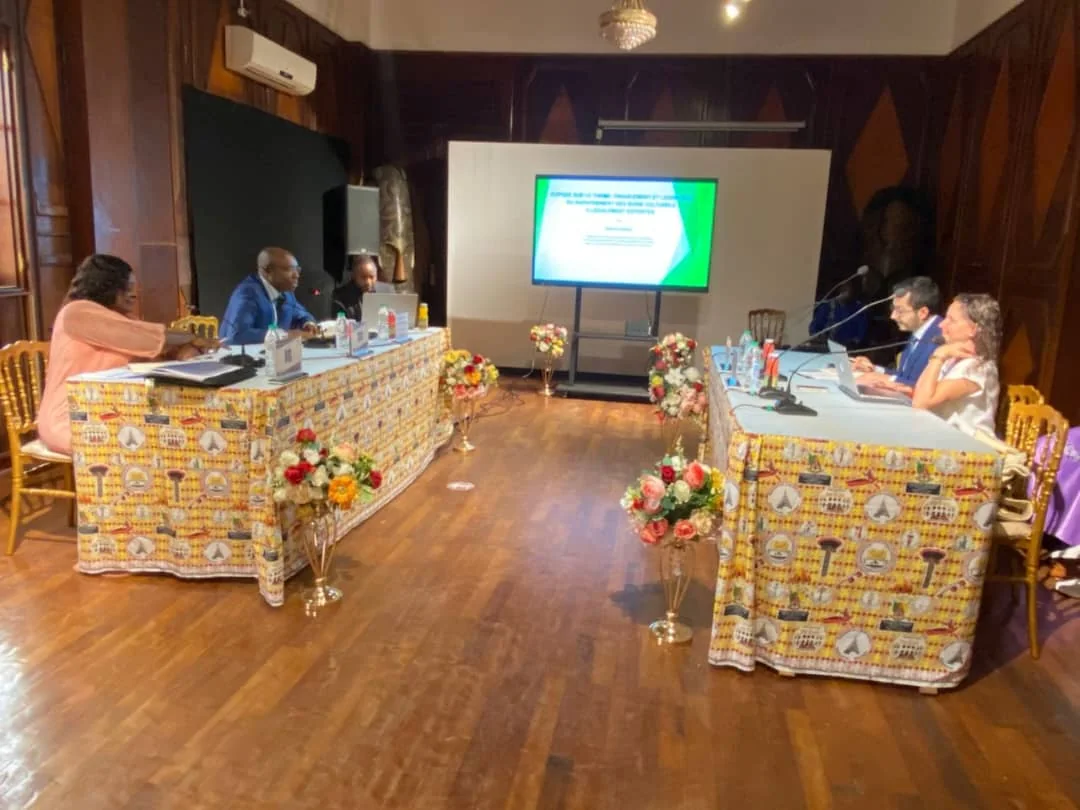
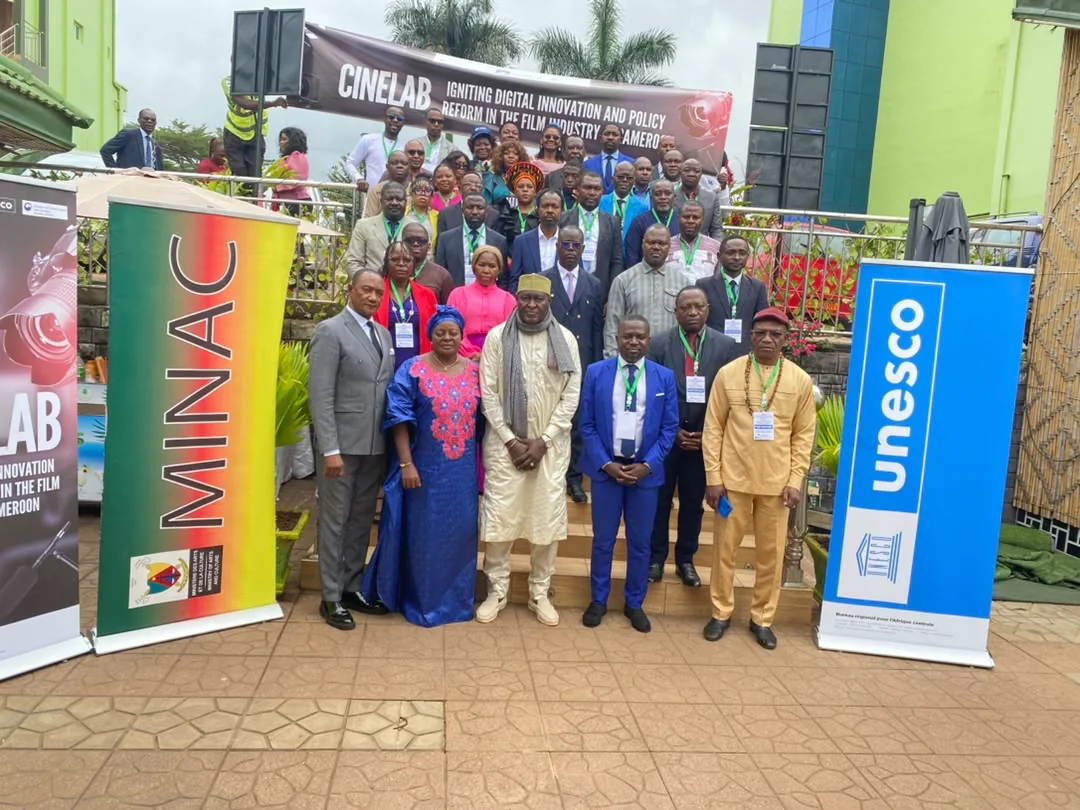
Meeting room with a projection screen and participants around the tables

The Ministry’s WebTV films ceremonies, audiences and working sessions. Among the recordings published on the official channel are the installation of new officials, the session of the board of the National Ensemble and the Minister’s speech at an international conference. Find them in the video library, with their sharing links, or consult the photographs of the same events. Each video is published with an explicit title, and the longer extracts come with a summary.

Glossary

The words of official speech

Address

A short oral statement delivered at the opening or closing of a meeting.

Keynote speech

An opening text that sets out the issues of a conference before the discussions.

Welcome address

A short welcome address to a delegation received in audience.

Message

A written text issued on the occasion of an international day or a holiday.

High patronage

Official support granted to an event by a State authority.

Minister’s representative

A person appointed to read the text or speak on behalf of the Minister.

Report

A factual account of a ceremony or session, written on the same day.

Disclosure eligibility

The period after which an archive document may be consulted by the public.

Talking points

Key messages prepared to ensure consistency in public statements.

Verbatim

A faithful, word-for-word transcription of a recorded address.

To act

Using a speech correctly

Citing

Reproduce the text as published, state the speaker, the date and the venue, and do not cut a sentence so as to change its meaning.

Read the guidelines

Request

For a text not on the site, send a precise request to the archives service stating the intended use.

Browse the archives

Inviting

For an address to be scheduled at your event, submit your request through the One-Stop Shop or write to the Minister’s Office.

Request patronage

Follow

Receive news of new speeches by subscribing to the Ministry’s newsletter.

Subscribe
On the site

Continue reading

Resources

Useful links for speeches

Stakeholders

Who prepares and relays official speech?

Calendar

The year of public speech

JanuaryNew Year greetings

The Ministry addresses its staff and the cultural community to recall the year’s projects and thank the teams.

MarchYaoundé Book Fair

The opening of the international book industry fair calls for an address on publishing, reading and libraries.

JuneInternational Archives Week

The launch, the national round table and the closing give rise to three statements devoted to administrative memory.

SummerChiefdom and regional festivals

Opening and closing ceremonies of festivals, with tribute to traditional chiefs and organising committees.

AutumnHeritage Days

Messages on safeguarding sites, museums and traditions, relayed in the ten regions.

End of the yearReview and budget

Review addresses to the governing bodies of the institutions and preparation of the next budget session.

2026 subjects

What feeds the speeches of the year

Questions

Your questions about official speeches

Where can I find the text of a recent speech?

Consult the news and press releases first: each ceremony is reported there with its date and place. Filmed extracts are in the video library. If the full text is not online, send a specific request to the Minister’s Office (Cabinet) using the contact form.

May I reproduce an extract in an article or dissertation?

Yes, provided that you cite the speaker, the date, the place and the source, and do not distort the remarks. For full reproduction, commercial use or publication in book form, write to the communication service to obtain permission.

Are the speeches available in English?

Texts that commit Cameroon to partners or international organisations are accompanied by a version in the other official language. For the others, the language of delivery is authoritative; a translation may be requested from the service concerned.

How do I invite the Minister to my event?

Send a written request to the Minister’s Office, at least one month before the date, with the programme, the venue and the expected audience. Depending on the schedule, the Minister is represented by the Secretary General or a designated official.

What is the difference between a speech, a message and a press release?

A speech is delivered before an audience; a message is a written text circulated on the occasion of a day or a celebration; a press release announces a decision or factual information, briefly and without an oratorical tone.

Are the video archives of speeches kept?

The WebTV recordings are kept together with the raw footage and the metadata of the ceremony. The most representative are published on the official channel; the others can be consulted on request, subject to the rights attached to each image.

Is an older speech available to everyone?

Speeches delivered in public may be communicated. Certain preparatory documents or internal notes are subject to a period set by the archives regulations. The service will tell you, when you make your request, whether the document can be consulted.

How can I be informed of new speeches?

Subscribe to the newsletter, follow the news page and consult the cultural agenda. Journalists may also request accreditation from the press area to receive invitations and press kits.

Whom should I notify of an error in a published text?

Write to the communication service stating the address of the page, the sentence concerned and the proposed correction. After checking with the Minister’s Office (Cabinet), the text is corrected and the date of the update is shown on the page.

Contact

A question about a speech?

Specify the speaker, the date and the place of the address you are looking for: your message will be forwarded to the service concerned.

Competent service

Contact the communication service

Address

Communication Unit
Ministry of Arts and Culture
Quartier du Lac – Ministerial Zone
P.O. Box 1053 Yaoundé, Centre Region, Cameroon

Reach us

+237 6 51 70 58 41

contact@minac.gov.cm

Opening hours

Monday to Friday, 8 am to 4 pm

A text to find?

Write to the archives service, stating the speaker, the date and the occasion of the speech.

Contacting the Ministry
WhatsApp