Coat of arms of CameroonMinistry of Arts
and Culture
Republic of Cameroon
My procedures
Home
Minister’s message
News
Press releases
Cultural calendar
Official speeches
Press review
Photo library
Video library
Calls for projects
Job vacancies
Public procurement
Newsletter
Frequently asked questions
Site map
Contact
Press area
Podcast “The Voice of Culture”
Legal notices
Privacy policy
Cookies and trackers
The Ministry
Missions and responsibilities
Organisation
Organisation chart
Minister’s Office (Cabinet)
Management team
General Secretariat
General Inspectorate
Central directorates
Regional Delegations
Institutions under supervision
Legislative texts
Regulatory texts
Sector strategy
Major projects
Budget and reports
Partners
Careers
Archives
Institutional communication
Quality and accessibility
Arts
Visual and plastic arts
Visual arts
Performing arts
Theatre
Dance
Music
Literature and books
Cinema and audiovisual
Photography
Fashion and design
Digital arts
Art crafts
Artists’ directory
Residencies
Prizes and awards
Arts education
Urban arts
Heritage
Tangible heritage
Intangible heritage
UNESCO sites
National museums
Listed monuments
National inventory
Palaces and chiefdoms
Archaeology
Linguistic heritage
Oral traditions
Traditional know-how
Restitution of cultural property
Fight against illicit trafficking
Listing and protection
Conservation and restoration
Heritage Days
Cultural landscapes
Industries
Music and recording
Cinema
Publishing and books
Digital arts
Fashion and creativity
Crafts
Cultural tourism
Funding for culture
Support funds
Incubators
Cultural entrepreneurship
Culture Observatory
Vocational training
Studies and reports
Sector statistics
Export and outreach
Intellectual property
Copyright
Legal framework
Copyright and neighbouring rights
Collective management societies
Register a work
Licences
Private copying
Fight against piracy
Model contracts
Social status of artists
Mediation
Disputes
Training
Fee scales
Register of works
Contact
Digital neighbouring rights
Public domain
Festivals
National calendar
Ngondo
Nguon
Écrans Noirs
Heritage Days
Music Day
Regional festivals
Fairs and exhibitions
Biennials
National competitions
Cultural days
Organise a festival
Event grants
Ticketing
Archives
Volunteering
Diaspora festivals
Regions
Adamawa
Centre
East
Far North
Littoral
North
North-West
West
South
South-West
Cultural map
Regional Delegations
Traditional chiefdoms
National languages
Cultural routes
Decentralised cooperation
Regional observatory
Cooperation
UNESCO
Francophonie (OIF)
African Union
Commonwealth
CEMAC
Bilateral cooperation
Cultural agreements
Professional organisations
Scholarships
Artist exchanges
Cultural years
Diaspora
Funded projects
Embassies
Technical partners
International restitution
International monitoring and calls
Services
Artist card
Show authorisation
Filming authorisation
Festival authorisation
Deposit of a work
Export of works of art
Listing of a property
Grant application
Association accreditation
File tracking
Forms
Fees
Opening hours and addresses
Reporting
Online help
My account
One-Stop Shop
Cooperation

Funded projects

Project map, funding mechanisms, results and evaluation: understand how the Ministry conducts its major projects under the NDS30, involves its financial partners by agreement and reports on each project with rigour and transparency.

Updated on 6 November 20264 sub-pages
Major projects monitored4
Strategic frameworkNDS30
Monitoring stages per project5
Evaluation reportEvery year
Funded projects

Projects in the service of culture

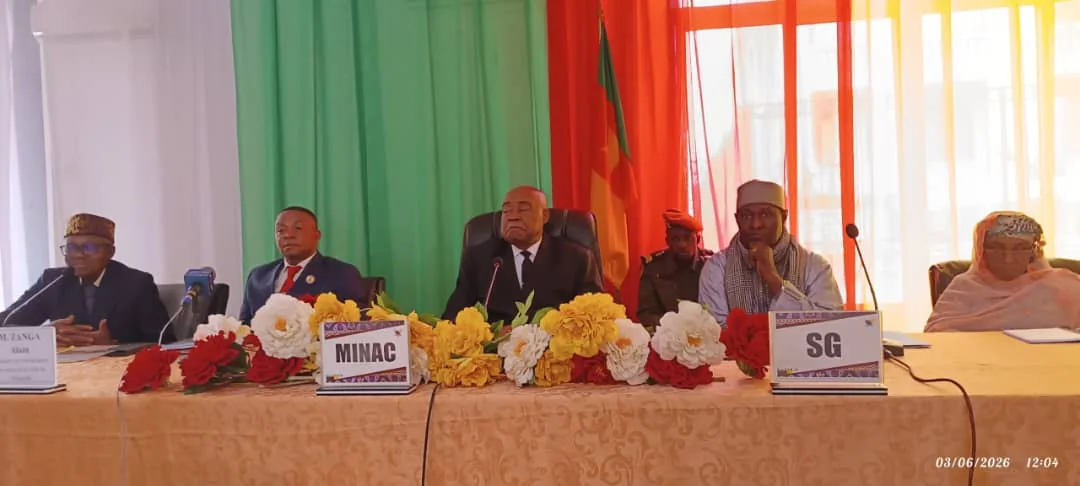
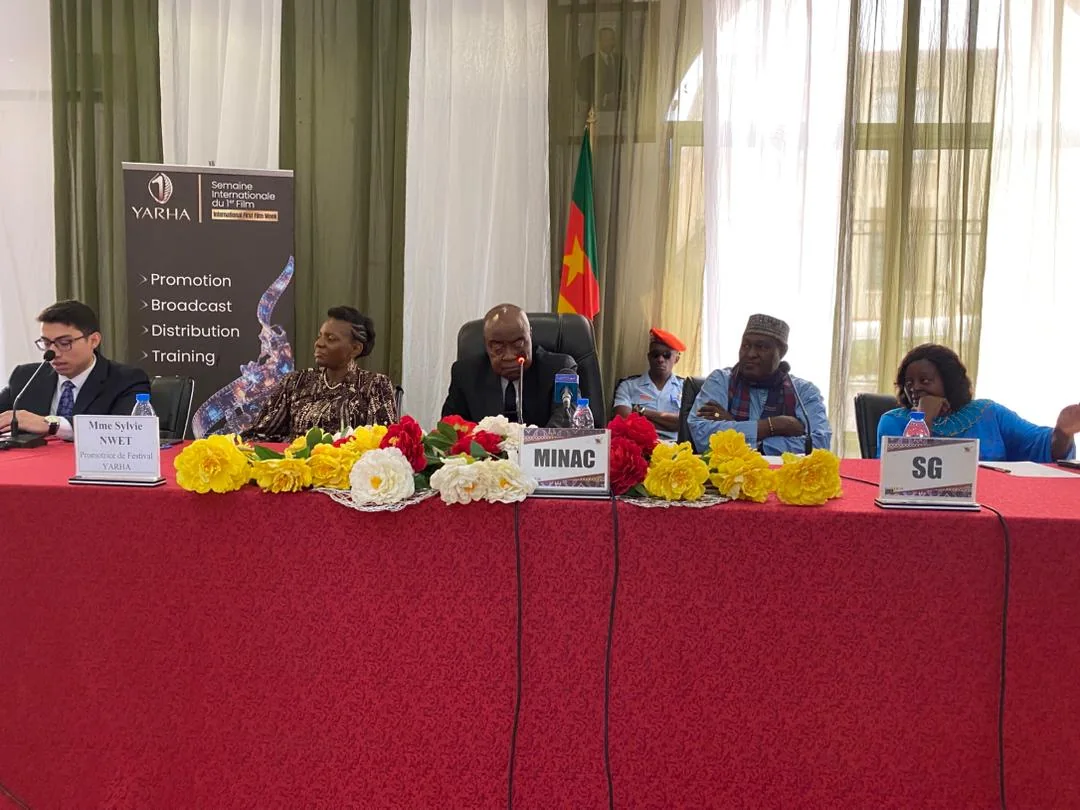
Ministry working meeting around a flower-decked table

Under the National Development Strategy 2030 (NDS30), the Ministry of Arts and Culture is carrying out infrastructure and service projects that concretely transform the daily lives of artists, researchers and the public: digitisation of archives, construction of the National Archives, the second phase of the National Institute of Arts and Culture (INAC) and a network of cultural centres, including the one at Yabassi.

These projects draw on the State budget and, depending on the case, on support from bilateral, multilateral or private partners. This page explains how projects are located, how funders are involved, how results are measured and how each project is evaluated. The details of the major projects and the budget reports complement this reading.

  • Four major projects included in the NDS30
  • Partners involved by agreement
  • Documented monitoring, results and evaluation
See the project map
Map

The Ministry’s project map

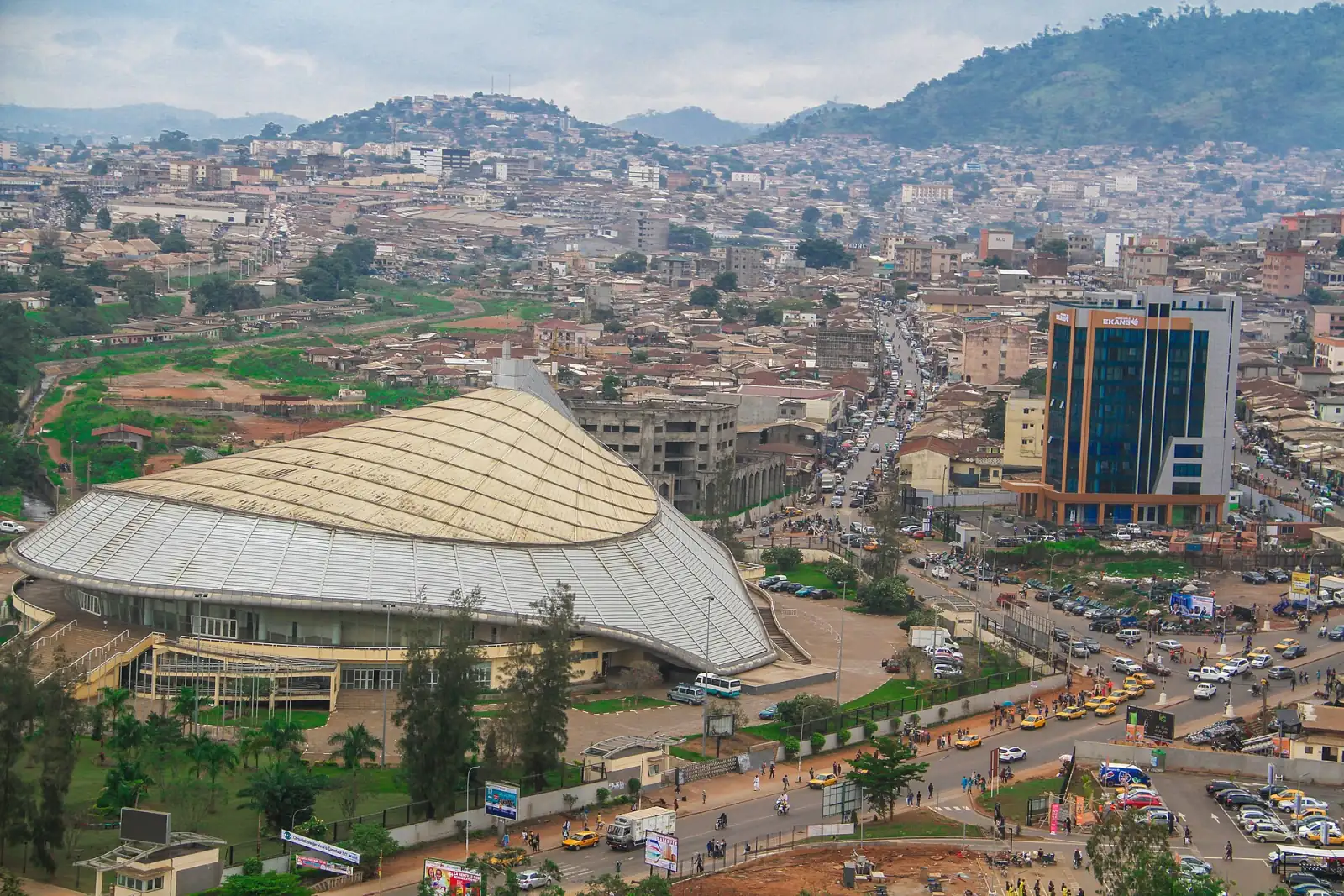
Panoramic view of Yaoundé with the Sports Palace roof and the surrounding hills

For a project to be understood and followed, it must be located. The Ministry’s project map links each project to a place, a responsible directorate and an implementation timetable. It is read by cross-referencing the four major projects with the cultural geography of the country, presented in the cultural map.

The four main projects

  • Digitisation of archives: digitising administrative and cultural holdings to preserve them and consult them remotely, in connection with the Ministry’s archives;
  • National Archives: construction of a building meeting conservation standards, with reading rooms, air-conditioned stores and digitisation areas;
  • INAC, phase 2: extension of the National Institute of Arts and Culture, with new workshops, studios and training spaces;
  • Cultural centres: a network of local venues, including the one at Yabassi, for creation, training and dissemination.

A presence in the regions

The projects are not limited to Yaoundé. The cultural centres are designed to serve the whole territory, and the regional delegations act as relays to inform the public, gather needs and monitor progress. For existing institutions, see the institutions under supervision.

ℹ️
Reading the map

Each project sheet gives the lead directorate, the location, the current phase and the monitoring contact; regional delegations can inform residents.

Funders

Donors and funding mechanisms

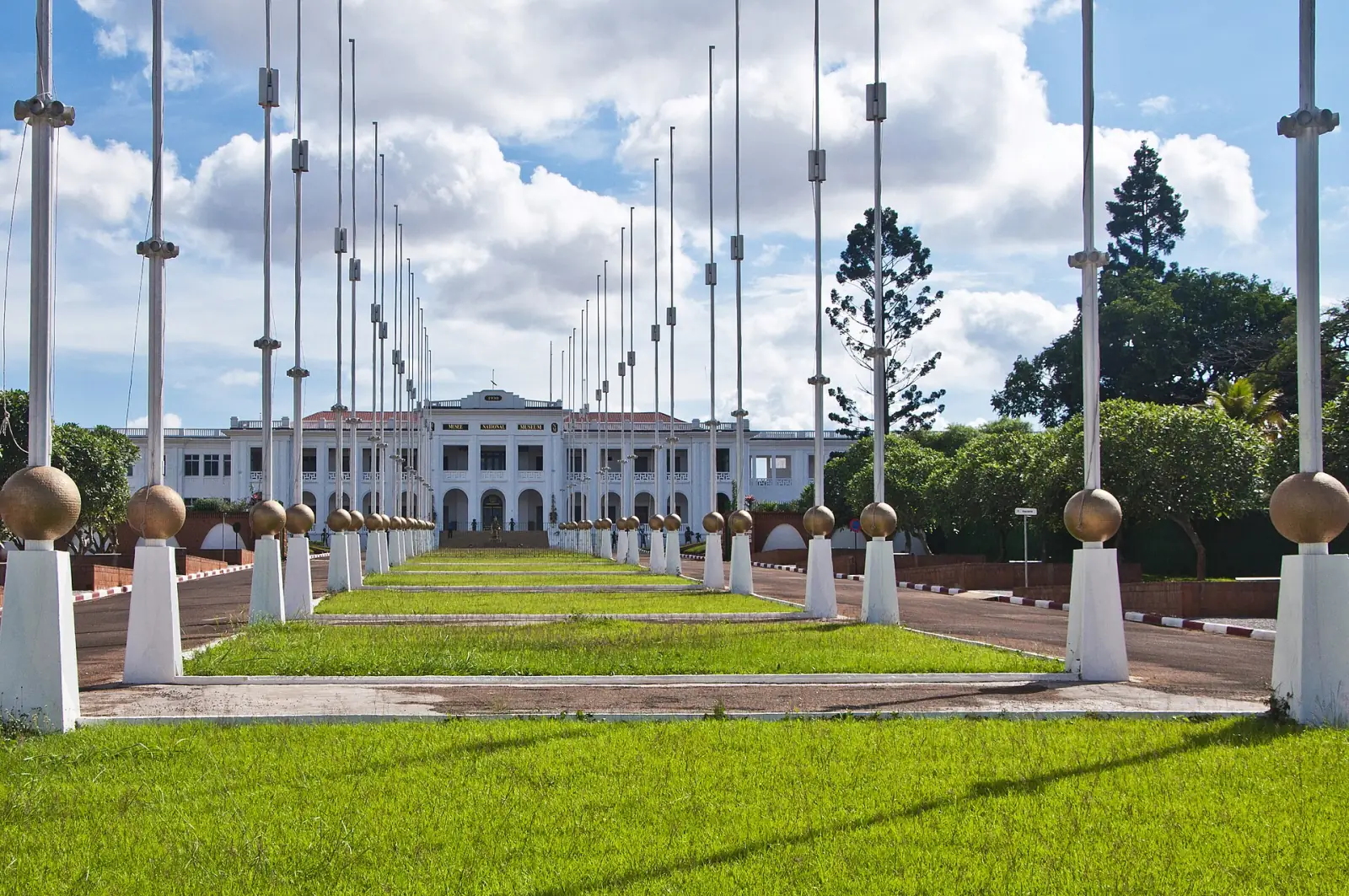
National Museum of Cameroon at the end of an avenue of flagpoles in Yaoundé

A cultural project is rarely funded from a single source. The Ministry involves several families of funders, each with its own rules, timetables and reporting expectations. This page describes the mechanisms rather than naming lists: it displays neither amounts nor figures on commitments.

How a funder is involved

The Ministry proceeds by call or by unsolicited proposal. The project is first checked against the NDS30 and the sector strategy, then an agreement is negotiated with the Ministry of External Relations where the funding is foreign. No funding is acceptable if it undermines the independence of cultural policy or the right of communities over their heritage.

ℹ️
Transparency

The names of financial partners and the nature of their contribution are indicated in the Ministry’s reports, in compliance with the confidentiality clauses of the agreements.

Results

Expected and measured results

Panorama of Yaoundé at sunset from the Reunification Monument

A funded project succeeds only if its effects can be seen. For each project, the Ministry defines in advance the expected results, indicators to track them and a data collection method. There are three types of indicator: output (what is built or produced), outcome (what changes for users) and impact (what changes lastingly in the sector).

Concrete indicators

  • for digitisation: volume of documents digitised, average search time, number of remote consultations;
  • for the National Archives: progress of works, storage capacity, staff trained in conservation;
  • for INAC phase 2: new teaching places, number of trainers, graduate employment;
  • for cultural centres: attendance, workshops held, companies hosted, income-generating activities for artists.

Where to read the results

Results are consolidated in the studies and reports, feed the sector statistics and are set against the ambitions of the sector strategy. Beneficiaries — artists, pupils, researchers, residents — are involved in reading the results so that figures do not mask real use.

When an objective is not met, the report says so and proposes a corrective measure.

Evaluation

How a project is evaluated

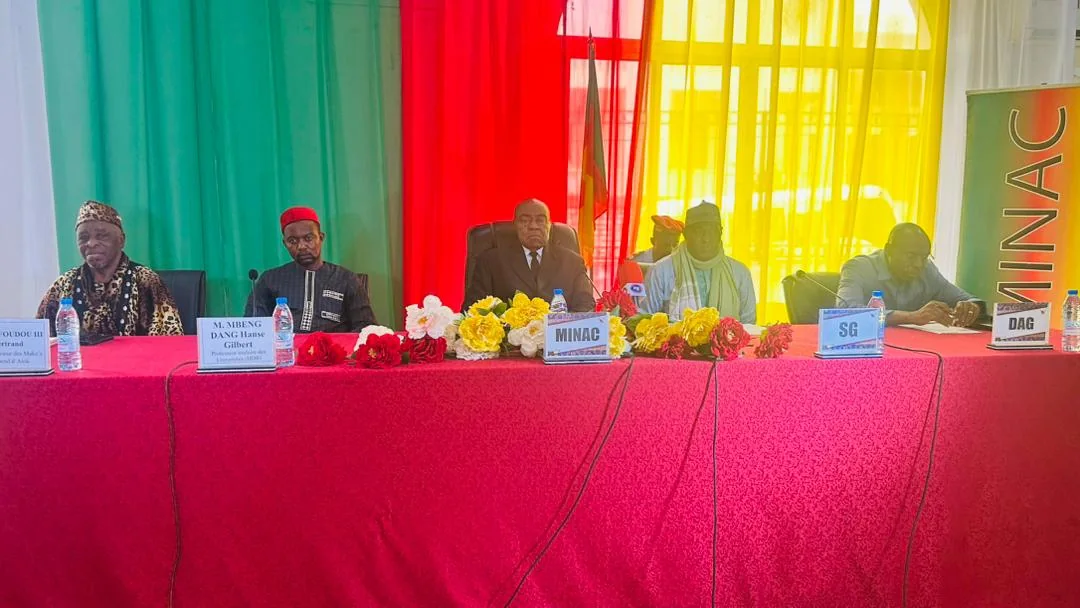
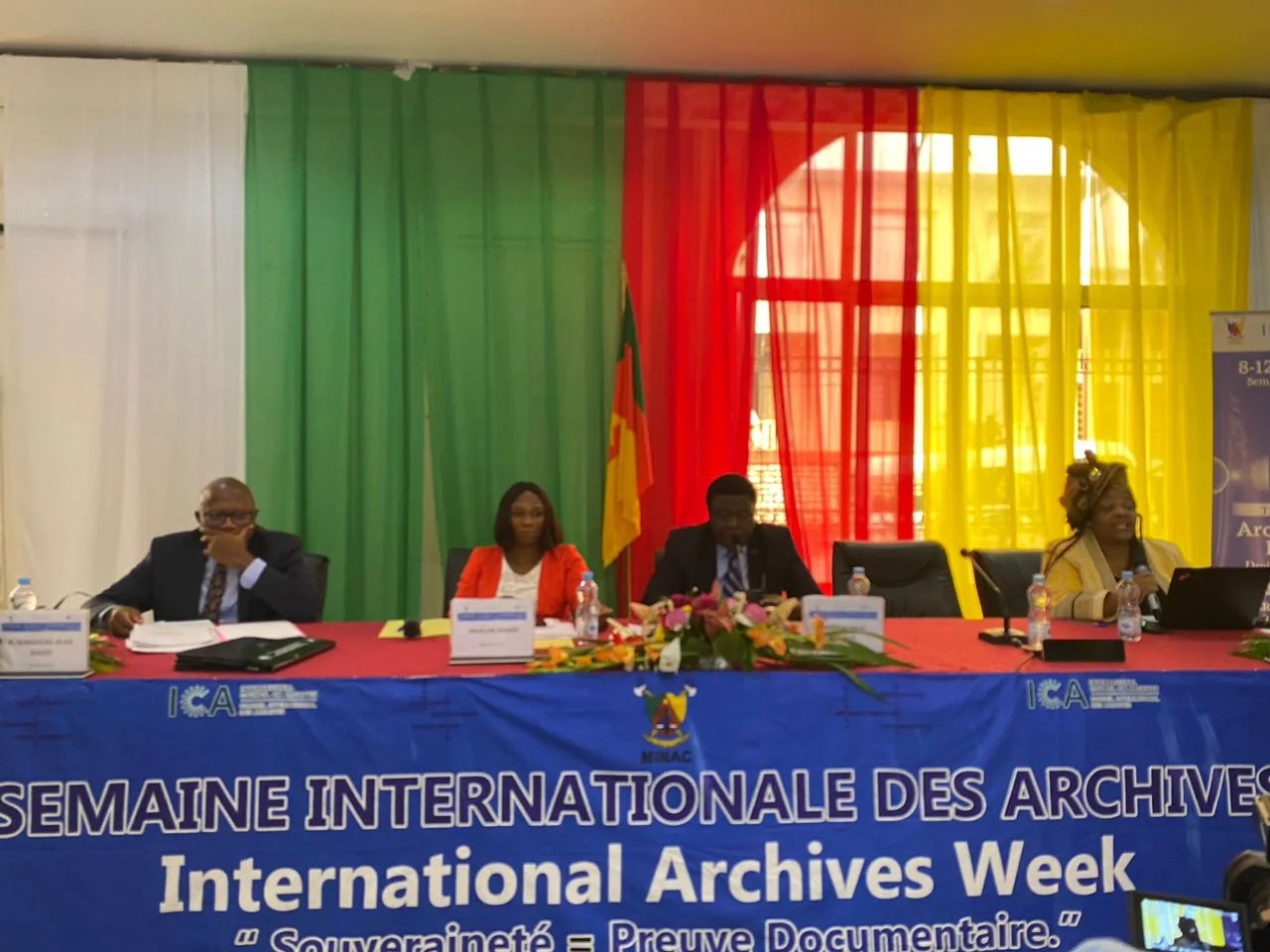
Ministry panel table during a working meeting

Evaluation is the stage that turns a funded project into collective learning. It is not meant to penalise but to verify that resources were used appropriately, that objectives were achieved and that the lessons benefit subsequent projects.

Four levels of control

  • Routine monitoring by the lead directorate, with a monthly progress review;
  • The mid-term review with the funding partner, to adjust the timetable;
  • The final evaluation, entrusted to an independent team or to the General Inspectorate;
  • The deferred evaluation, one to two years after delivery, to measure actual use.

The criteria

Five criteria guide the evaluation: relevance to needs, effectiveness, efficiency in the use of resources, sustainability after funding ends and inclusion of audiences, notably young people, women and remote populations. Findings are shared with partners and with the General Secretariat; recommendations are built into the next work plan.

Citizens who notice a malfunction can report it, and the Ministry’s quality approach is described on the quality and accessibility page.

Worksites

Focus on cultural centres and INAC

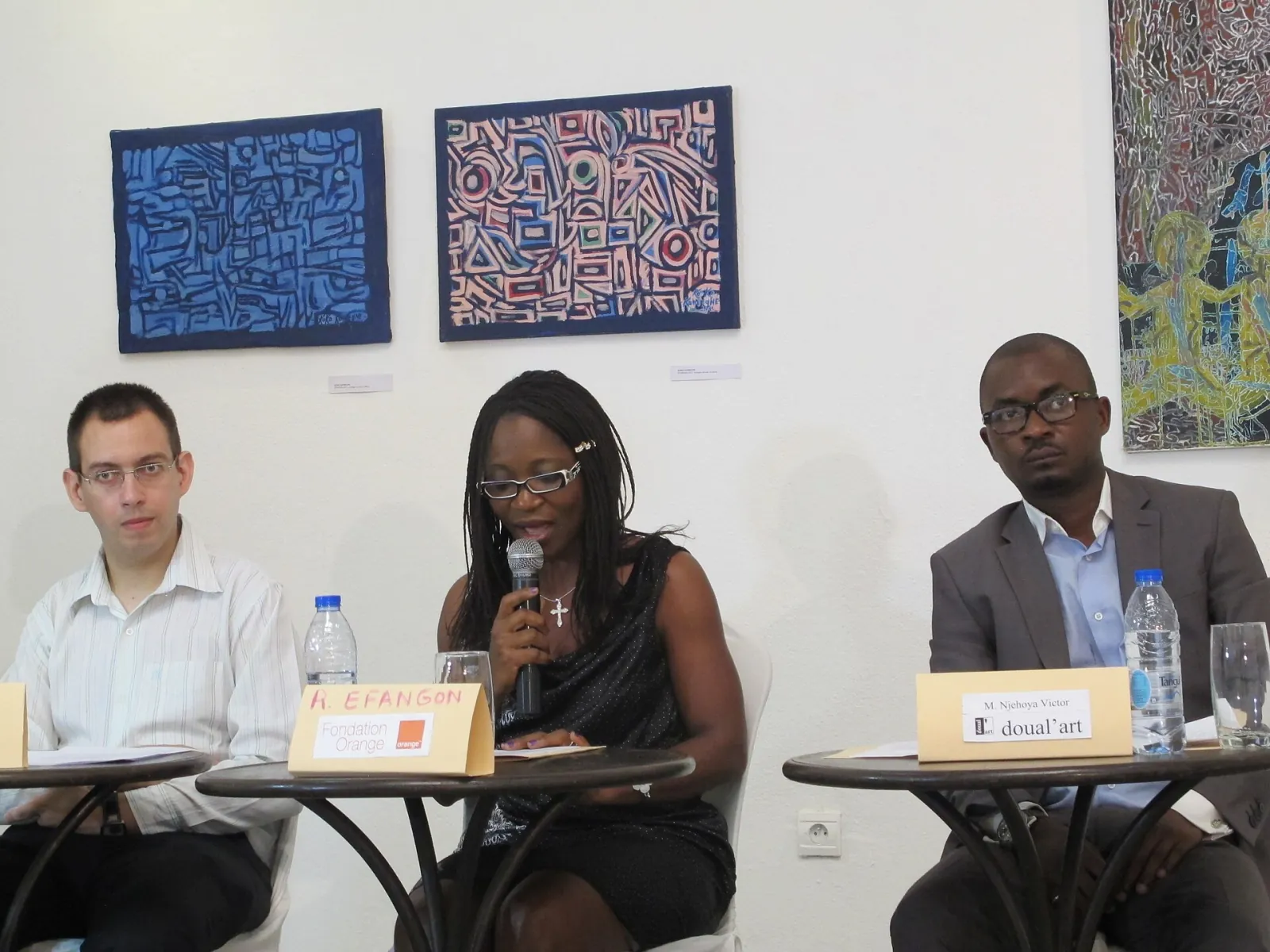
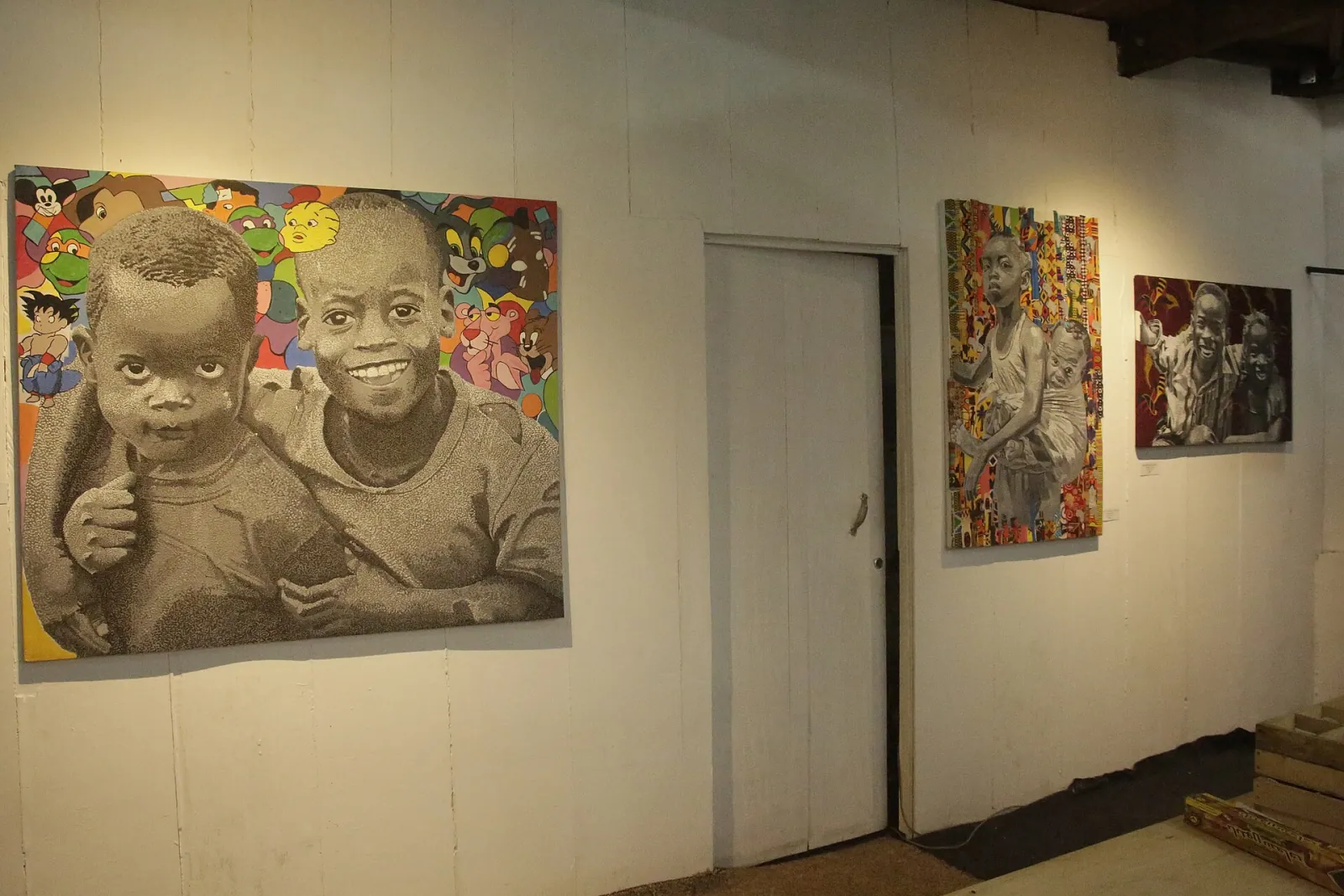
Panel of three speakers at a press-conference table in front of paintings in Douala

Among the projects monitored, two types of project are particularly awaited by artists. Cultural centres, including the one at Yabassi, offer young people in the town and region rehearsal studios, multipurpose halls, workshops and media libraries. Phase 2 of INAC extends training capacity for the performing, image and heritage professions, in connection with training for cultural professions.

Step by step

From funding to results

Identifying the need

A field diagnosis, carried out with the delegations and professionals, determines the nature of the project and its link to the NDS30.

Putting the file together

The lead directorate drafts the framing note, the timetable, the budget and the results indicators.

Funding agreement

The party or parties sign a text specifying the purpose, duration, disbursements and reporting obligations.

Implementation and monitoring

Works or activities are launched; a dashboard is kept up to date and presented to the monitoring committees.

Handover or closure

The project is delivered, the accounts closed and a final report sent to funders and the General Secretariat.

Evaluation

Results are analysed and the lessons fed into the sector strategy.

Key facts

The projects in a table

ProjectSubjectTerritoryBeneficiaries
Digitisation of archivesDigitise and index holdings to preserve them and consult them remotelyYaoundé and attached servicesResearchers, administrations, public
National ArchivesBuild a building that meets conservation standardsYaoundéInstitutions, historians, students
INAC, phase 2Extend artistic and cultural training capacityYaoundéStudents, trainers, professionals
Yabassi Cultural CentreCreate a local venue for creation and disseminationLittoralYoung people, associations, artists
Network of cultural centresEquip the regions with multipurpose venuesSeveral regionsCompanies, residents, schools
Monitoring and evaluationMeasure the results and impacts of each projectMinistry and regionsDecision-makers, partners, citizens
Feedback from the field

What project beneficiaries say

“
Digitising the registers saves us weeks: a search that once required a journey now takes a few minutes.
A history researcher
University of Yaoundé
“
With a rehearsal venue nearby, our troupe no longer has to hire makeshift halls and can prepare its shows all year round.
A troupe leader
Yabassi
“
The institute’s new rooms make it possible to welcome more students and to offer them practical workshops in small groups.
A trainer
National Institute of Arts and Culture
“
Regular monitoring of the works and information given to residents have made the project understandable and eagerly awaited by all.
A local elected official
Littoral Region
To download

The tools for project monitoring

“Well-monitored projects are successful projects: a building is not judged by its first stone, but by what it offers to those who use it.”

The General Secretariat
Glossary

The vocabulary of funded projects

Donor

Public or private body that provides funds for a project.

NDS30

National development strategy to 2030, the framework for major projects.

Convention

Text that sets out the purpose, duration and obligations of the parties.

Disbursement

Progressive release of funds according to the progress of the project.

Indicator

Measure used to verify whether an objective has been achieved.

Monitoring committee

Body that regularly reviews the progress of a project.

Digitisation

Conversion of paper documents into searchable digital files.

Contracting authority

Authority that commissions and funds a construction project.

Co-funding

Funding of a single project by several partners.

Sustainability

Ability of a project to continue producing its effects after funding has ended.

To act

Propose or follow a project

Propose a partnership

You represent an organisation ready to support a cultural project: write to the Minister’s Office (Cabinet).

Contacting the Ministry

Consult the reports

Budget and activity reports are accessible to everyone.

Budget and reports

Respond to a call

Calls for projects are published with their criteria and dates.

Calls for projects

Report a problem

A building site or a service is not working as announced: report it.

Make a report
On the site

Continue exploring

Resources

Useful links on funded projects

Stakeholders

Who leads and funds the projects?

Journey

From funding to delivery

FramingStrategic orientation

The project is linked to the NDS30 and the sector strategy, which determines its priority.

DesignStudy and programming

Needs, costs and risks are studied; technical plans and the timetable are fixed.

FundingConvention

State and partner resources are mobilised by agreement, with a disbursement schedule.

ProductionConstruction and commissioning

Works, staff training and equipment progress under the supervision of the monitoring committee.

ExhibitionEvaluation and adjustment

The venue or service is opened to the public, evaluated and then improved on the basis of the findings.

To explore

Projects and their extensions

Questions

Your questions about funded projects

Where can I see the list of major projects?

The major projects page presents each project: digitisation of archives, National Archives, the second phase of INAC and the houses of culture, including the one in Yabassi. It gives the purpose, the lead directorate and the state of progress.

Are funding amounts published here?

No. This page describes the mechanisms and the types of funders. Official budget data appear in the Ministry’s reports, in accordance with the publication rules for public finances and the clauses of the agreements.

How can a partner fund a project?

The partner writes to the Minister’s Office (Cabinet), presenting its organisation, its areas of interest and its resources. The Ministry checks consistency with NDS30 and the sector strategy, and an agreement is then negotiated with the support of the Ministry of External Relations.

Who monitors the use of funds?

Monitoring is carried out at several levels: lead directorate, General Secretariat, General Inspectorate and State audit bodies. Partners also require financial reports and may commission external audits.

Can an artist benefit from the projects?

Yes, both indirectly and directly: access to studios, training workshops, residencies and digital research tools. Cultural centres and INAC welcome artists according to rules specified by each institution.

How can I follow the progress of a construction project?

Consult the major projects page and the press releases. Regional delegations also provide information on projects in their territory, and the Ministry may organise information visits with elected officials and the press.

What happens if an objective is not achieved?

The evaluation report records it, explains the reasons and proposes corrective measures: adjusting the timetable, strengthening teams or revising the budget. The funding partner is involved in that decision.

Can an irregularity be reported?

Yes. Use the site’s reporting form or write to the General Inspectorate. Each report is recorded, examined and followed by a reply, with protection of the identity of anyone who wishes it.

Contact

Write about a funded project

Specify the project or partnership concerned, your organisation and your region: your message will be directed to the appropriate service.

Management

Contact project monitoring

Address

General Secretariat – Project and Cooperation Monitoring
Ministry of Arts and Culture
Quartier du Lac – Ministerial Zone
P.O. Box 1053 Yaoundé, Centre Region, Cameroon

Reach us

+237 6 51 70 58 41

contact@minac.gov.cm

Opening hours

Monday to Friday, 8 am to 4 pm

Consult the reports

Budget and activity reports detail the implementation of the Ministry’s projects.

Budget and reports
WhatsApp