
Industries
Creative sectors, licences, funding, incubation, export and statistics: an overview of the seventeen pages that support cultural entrepreneurs and project leaders, under Laws 2004/001 and 2003/013 and Decree 2001/389.
A culture that creates value
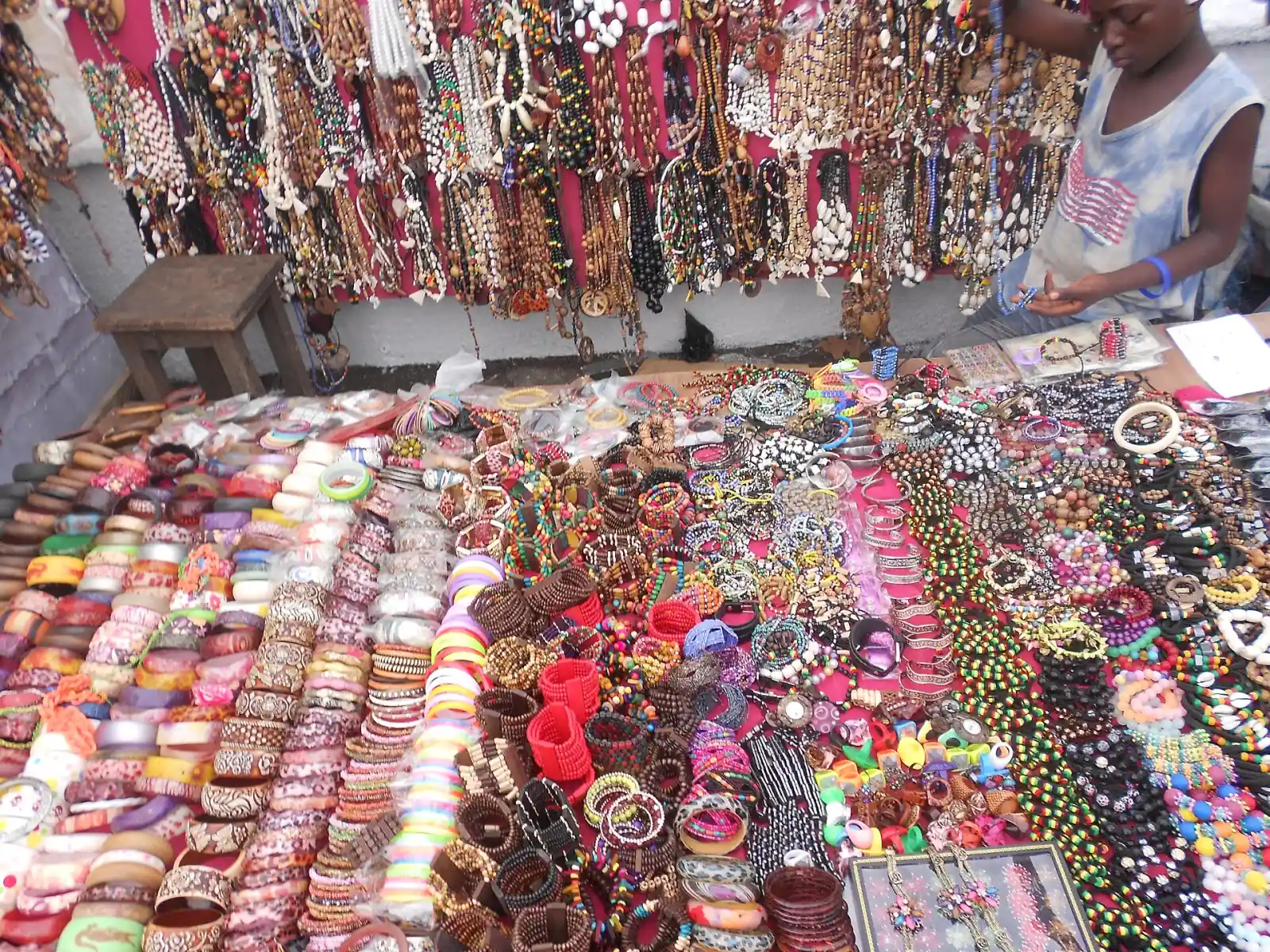
A record is pressed, a film is produced, a book is printed, a fashion collection is sold, a tourist circuit fills up: behind every work there are jobs, businesses, contracts and investments. The Industries section brings together everything that allows an artist or an entrepreneur to move from idea to market, in compliance with the law and supported by public schemes.
The Directorate of Shows and Creative Industries develops the Government’s policy on shows, cultural enterprises and creative industries, and assists businesses in seeking funding. Seventeen pages detail the sectors, funding, support tools and sector data.
- Seven sectors presented with their trades, markets and support
- All funding: support account, grants, patronage, incubation
- Licences, legal forms, intellectual property and export explained simply
Three texts that shape the cultural economy
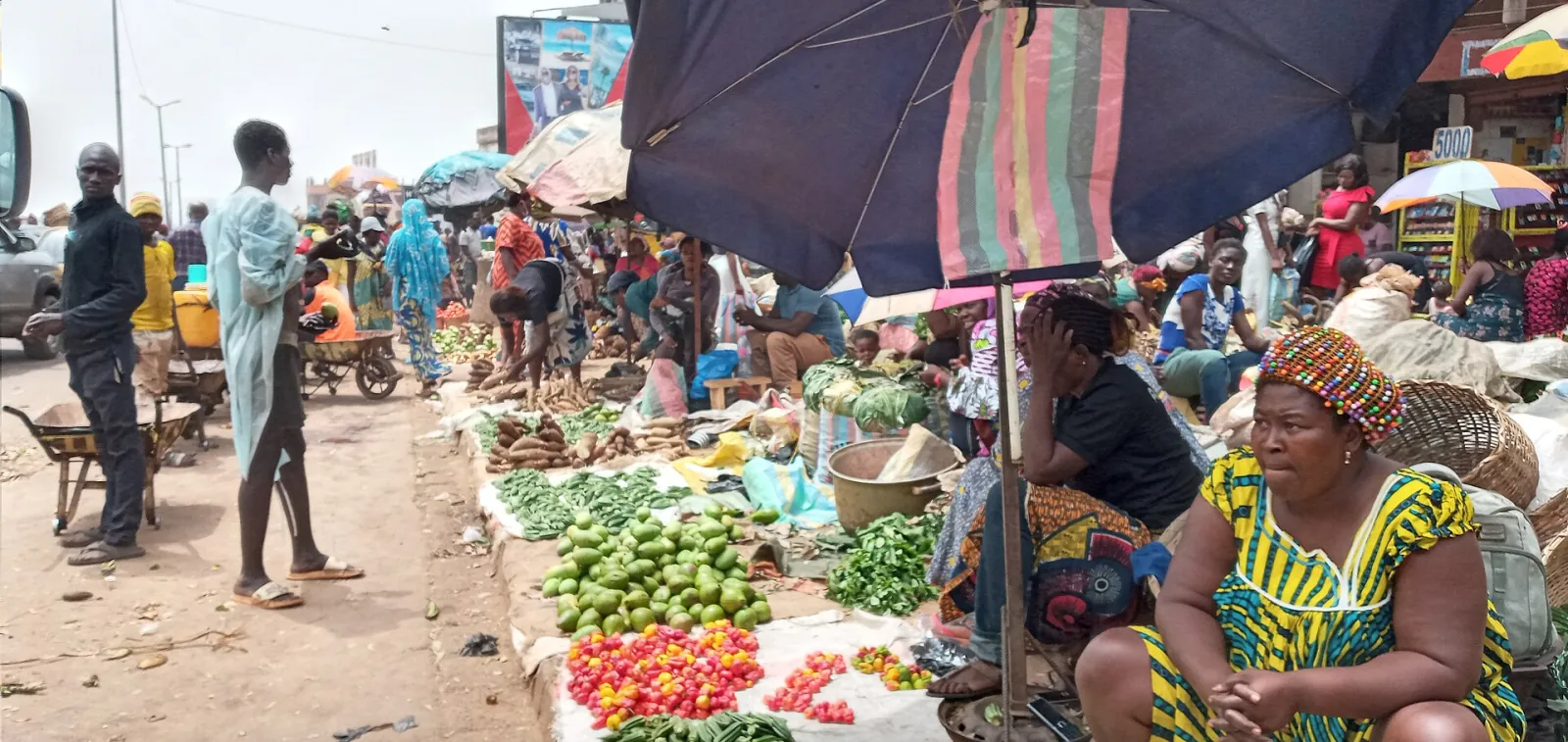
The Cameroonian cultural economy rests on three texts that you need to know before taking any step. Law No. 2004/001 of 21 April 2004 sets the regime for shows: it requires a licence for show promoters and artistic agents, states that the licence is strictly personal and that amateur shows remain free. Practising without a licence is punishable by six months to two years’ imprisonment.
Law No. 2003/013 governs patronage and sponsorship: patronage, with no direct consideration, entitles the donor to tax deductions under certain conditions and to VAT exemption; a corporate foundation must last at least six years. Finally, Decree No. 2001/389 created the special allocation account supporting cultural policy, of which the Minister in charge of culture is authorising officer by delegation.
These texts can be consulted on the legislative texts page and on the regulatory texts page. The Cultural Entrepreneurship, Funding Culture and Support Funds pages provide practical instructions.
Check whether your activity requires a licence; the Cultural entrepreneurship page details the cases.
Music, film, books, fashion, digital, crafts: the sectors
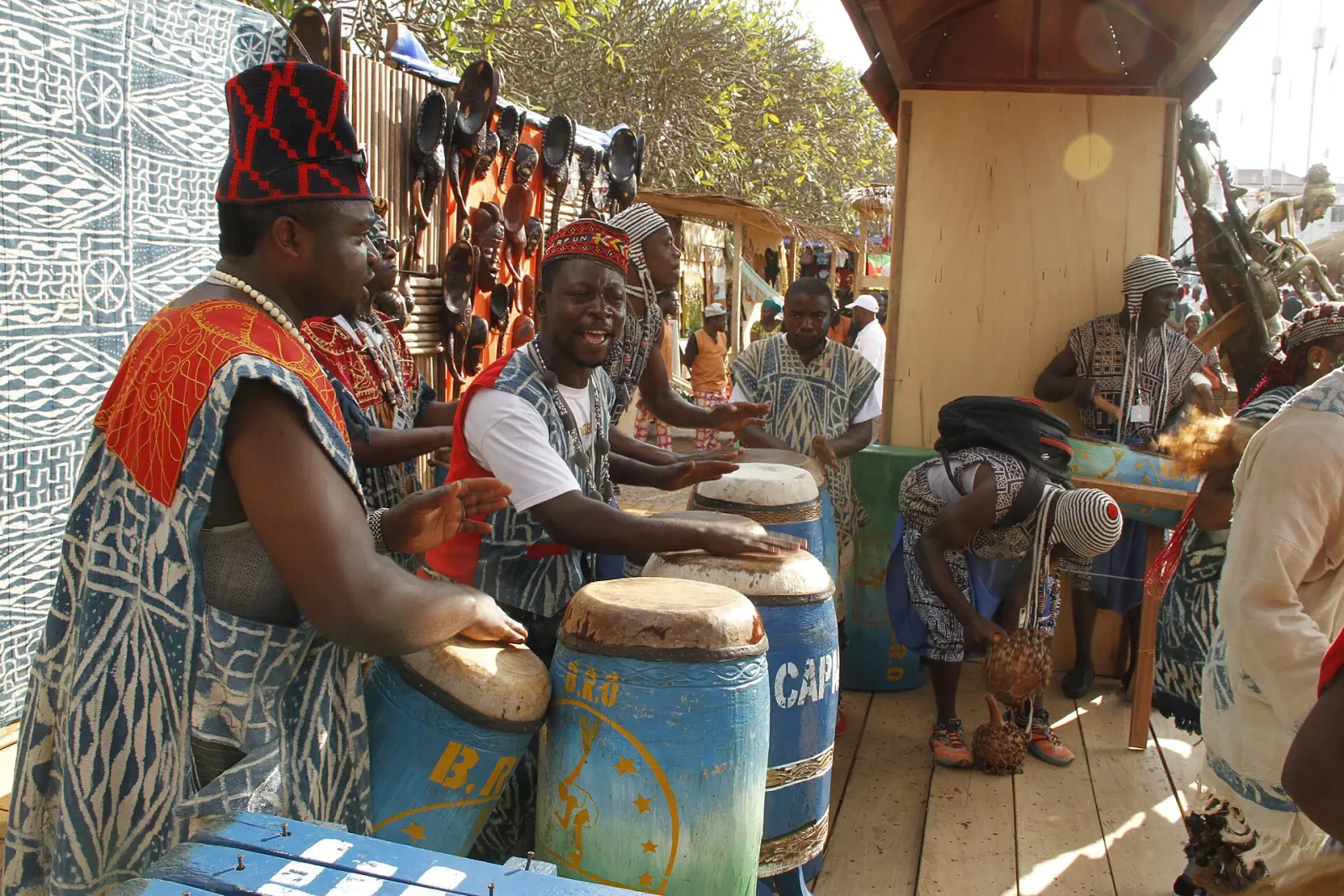
Each sector has its own value chain. In Music and Records, you follow the path of a work from the studio to the label, platforms and stage, with collective management of rights. The Film page describes the links of production, distribution and cinema exhibition, within a legal framework under revision since August 2026.
The Publishing and Books page looks at publishers, bookshops and book statistics, while Digital Arts explores start-ups, video games and incubation. Fashion and Creativity follows the chain from raw material to the runway and export. Crafts describes the main sectors, craft markets and villages, and labels, and Cultural Tourism links heritage, accommodation and circuits.
Grants, funds, patronage, incubation: funding

Finding funding is the first concern of project leaders. The Funding Culture page offers an overview: public grants, support account, patronage, sponsorship and crowdfunding, with their tax conditions. For direct aid, the Support Funds page details the four thematic funds (creation, film, publishing, mobility), the criteria and how an online submission session works.
Organisations just starting out can go through an incubator, which offers pre-incubation, incubation and acceleration over six to nine months, with mentors and funding solutions. For an event, the route is event grants; for an artistic project, the online grant application.
Status, rights, export, skills: support tools
Setting up a cultural organisation requires choosing a legal form (association, company, sole proprietorship), obtaining the necessary licences and mastering taxation; all of this is explained on the Cultural Entrepreneurship page. Associations first go through approval, and can then apply for aid.
The Intellectual Property page shows how to protect a brand, negotiate a licence, draft a contract and obtain advice, in connection with the Copyright section. As for export and outreach, the page lists international fairs, economic missions, artist visas and cooperation partners.
Finally, skills are built through vocational training: courses, schools, apprenticeship and scholarships, with the National Institute of Arts and Culture as the flagship institution, whose construction project is in phase 2.
Figures, surveys, studies: sector data

A policy is steered with data. The culture observatory gathers studies, indicators, surveys and open data on the sector; the Sector Statistics page presents series on employment, the economy and the regions, downloadable each year. The Studies and Reports page keeps publications, activity reports, briefing notes and archives.
These resources serve several audiences: entrepreneurs look for the size of a market, researchers for long series, local decision-makers for a situation report, journalists for sourced figures. They also feed into the preparation of the budget and reports, presented in the Ministry’s Budget and Reports section.
A pathway for every project leader
Artist-entrepreneur
Set up your organisation, choose a legal form, obtain a licence and submit your first funding application.
Cultural entrepreneurshipSupport fundsMusic, film or book producer
Understand your sector’s value chain, rights management and distribution channels.
Music and recordingCinemaFashion designer or craftsperson
Build a brand, gain access to fairs, labels and export markets.
Fashion and creativityCraftsStudent, researcher or decision-maker
Access the sector’s figures, studies and training pathways.
Sector statisticsVocational trainingFrom idea to market in five steps
Define the offer, the target audience, the competitors and the team; a two-page note is enough to test how solid the idea is.
Association, company or sole proprietorship: the choice depends on the activity, the funding sought and any licence that may be required.
Grant, support fund, patronage, incubation or crowdfunding: combine several sources to secure the budget.
Produce, declare your works, register your brand and sign clear contracts with artists and service providers.
Sell locally, take part in fairs, build partnerships abroad and measure your results to improve.
The rules of the cultural economy at a glance
| Subject | Reference rule | Text or page | Key points |
|---|---|---|---|
| Professional show promoter | Licence required | Law 2004/001 | Activity prohibited without a licence |
| Artistic agent | One-year licence, renewable | Law 2004/001 | Strictly personal licence |
| Amateur shows | Free activity | Law 2004/001 | Show authorisation still required for the public |
| Patronage | Tax deduction under conditions, VAT exempt | Law 2003/013 | Support with no direct consideration |
| Corporate foundation | Minimum duration of six years | Law 2003/013 | Multi-year commitment |
| Support account | Special appropriation account | Decree 2001/389 | Four thematic funds |
| Legal deposit | Deposit of printed copies | Law 2000/05 | Prerequisite to any distribution |
The most useful pages
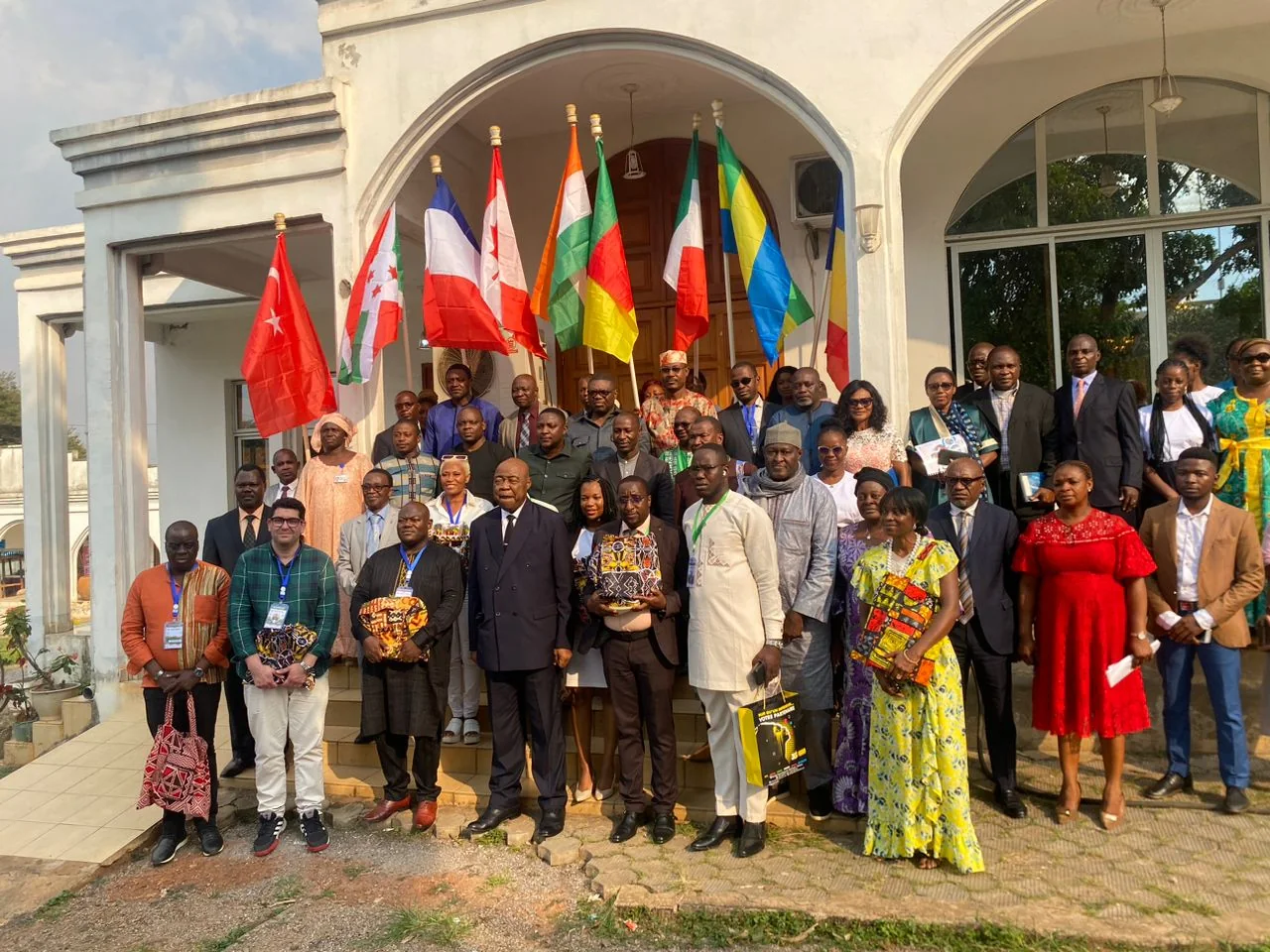
Funding for culture
Grants, support account, patronage, sponsorship and crowdfunding.
Discover →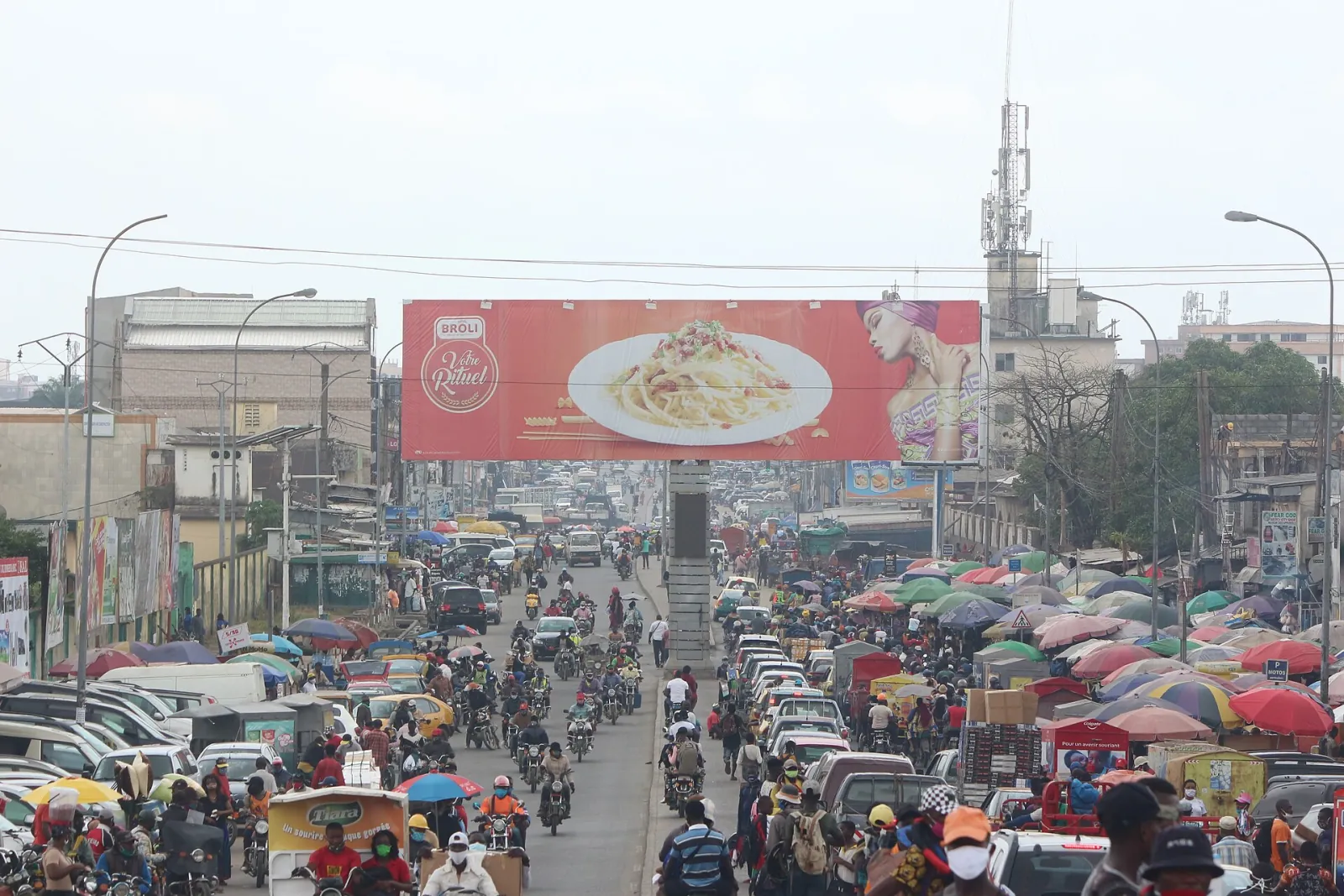
Cultural entrepreneurship
Licences, legal forms, taxation and professional networks.
Discover →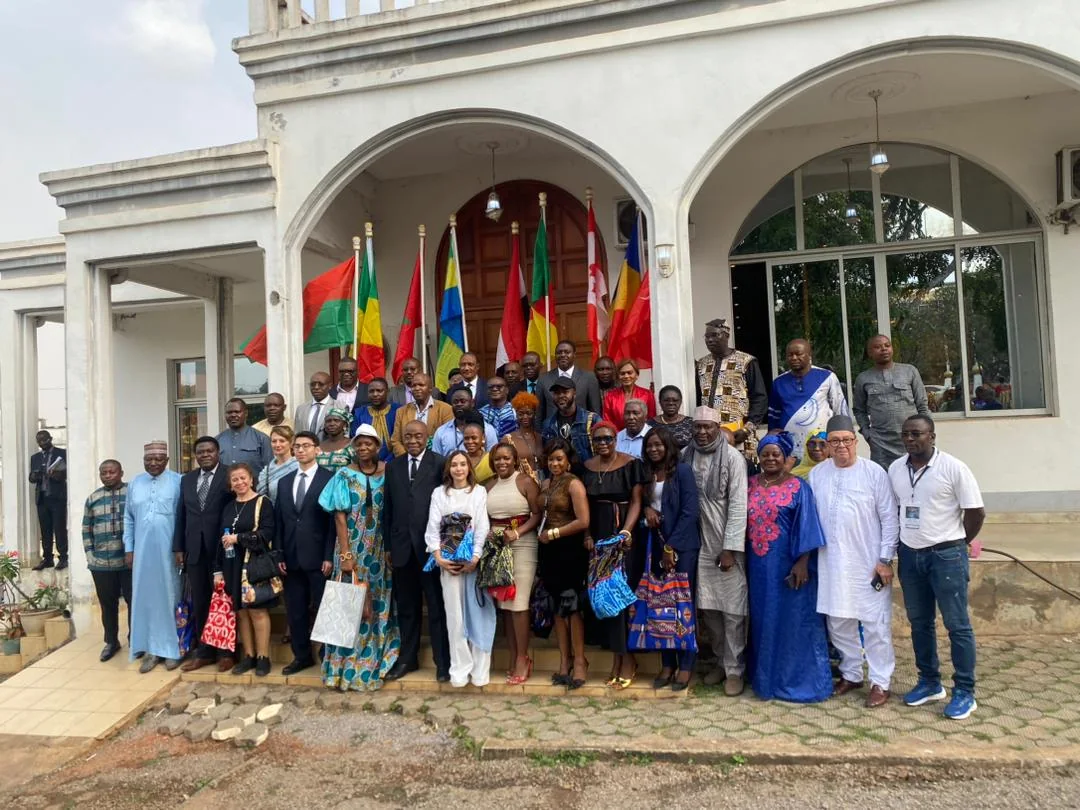
Incubators
Pathways from pre-incubation to acceleration for cultural projects.
Discover →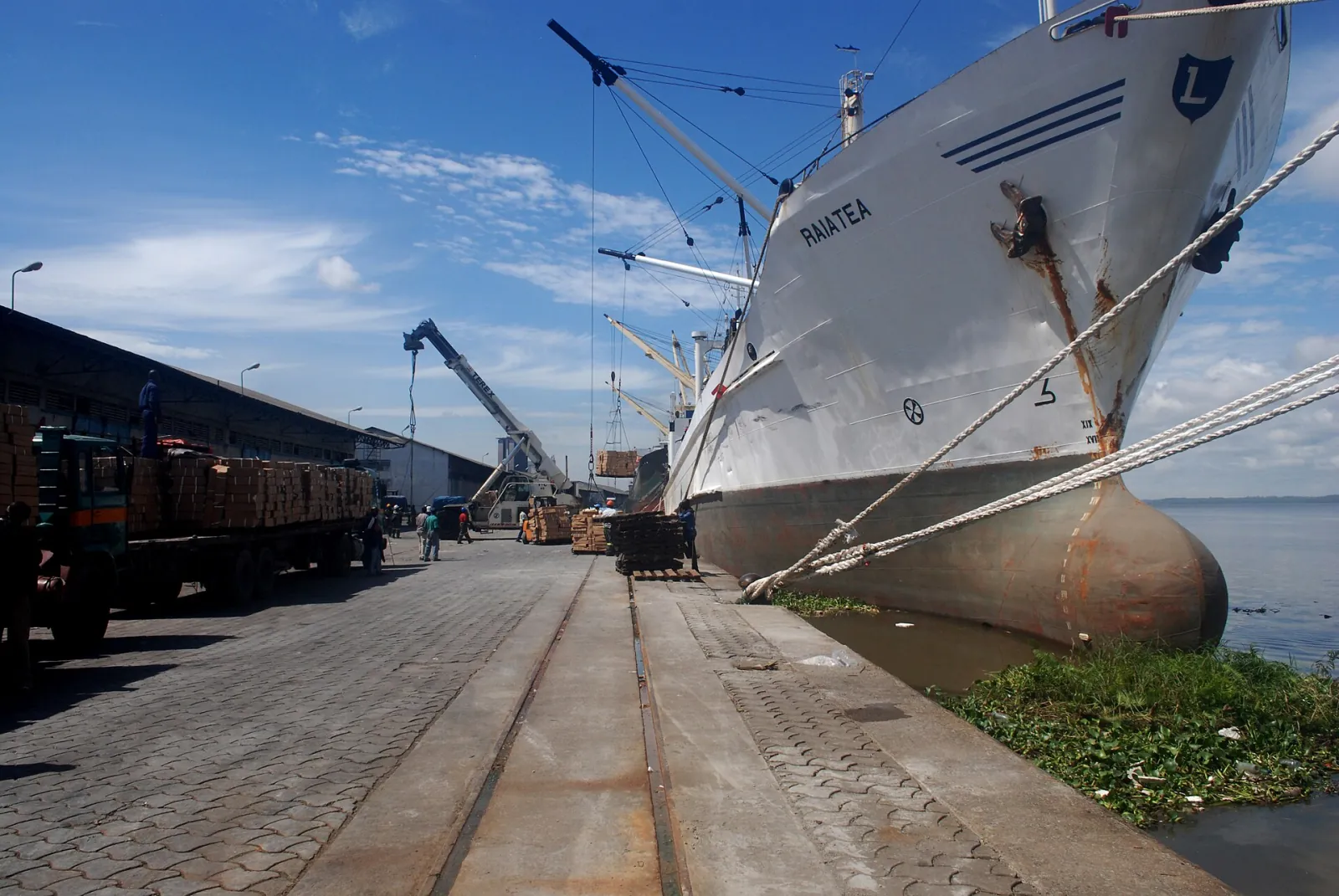
Export and outreach
International trade fairs, missions, artist visas and partners.
Discover →
Culture Observatory
Studies, indicators, surveys and open data on the sector.
Discover →
Intellectual property
Brands, licences, contracts and legal advice.
Discover →“A good cultural idea only becomes a business on the day someone knows how to fund it, protect it and sell it.”
The support to call on
Subsidy
Submit a funding file online for an artistic project or an event; a committee of professionals reviews it and the decision is notified.
Apply for a grantCalls for projects
Open calls from the support account and partners, with their deadlines, criteria and the documents to attach to the file.
See the callsAssociation accreditation
First step for a troupe, a collective or a federation, before applying for aid or signing a contract.
Obtain approvalOnline help
Step-by-step guides, answers to frequently asked questions and guidance to the competent directorate for each procedure.
Get helpLaws and guides of the cultural economy
Law 2004/001 on the regulation of performances
Show promoter and artistic agent licencesLaw 2003/013 on patronage and sponsorship
Tax benefits of patronage and sponsorshipDecree 2001/389 on the support account
Creation of the special allocation accountNDS30 national strategy and creative industries
Reference frameworkFees for administrative procedures
Official scale of fees onlineSector studies and reports
Sector publications, reports and briefing notesThe words of the cultural economy
Creative industry
Sector that produces and distributes cultural goods and services on a large scale.
Licence
Title authorising the practice of a regulated profession, such as that of artistic agent.
Patronage
Support given with no direct consideration to a work or a cause of general interest.
Sponsorship
Support for an event in return for visibility for the supporter.
Support account
Special allocation account that funds cultural policy, created in 2001.
Incubator
Organisation that supports a fledgling project with advice, tools and mentors.
Value chain
Succession of stages that turn an idea into a product that is sold.
Neighbouring rights
Rights of performers, producers and broadcasters over their performances.
Collective management
Collection and distribution of rights by a society on behalf of creators.
Export
Sale of cultural goods or services abroad.
Sector
All the players involved in the same type of cultural production.
They build businesses in culture
Going through the incubator taught me to calculate my costs, set my prices and present my project to an investor without trembling.
Yaoundé
Thanks to the licence and the model contract, I was able to set up my first tour with security towards the artists and the venues.
Douala
The quality label gave foreign buyers confidence; our orders doubled in two seasons.
Foumban
The observatory’s statistics allowed me to convince my bank: my project met a real, measured demand.
Bafoussam
Go further in the cultural economy
Who supports cultural enterprises?
Your questions on cultural entrepreneurship
Is a licence needed to organise a concert?
Yes, for a professional show promoter as well as for an artistic agent. The licence is strictly personal and cannot be transferred. Amateur shows remain free, but a public show still requires an authorisation. Practising without a licence is punishable by prison sentences.
Is patronage tax-deductible?
Yes, under the conditions set by Law 2003/013: payments to works of cultural interest may qualify for a deduction, and patronage is exempt from VAT. The details of the conditions are given on the Financing culture page.
What is the support account?
It is a special appropriation account created by Decree 2001/389, which finances creation, cinema, publishing and artists’ mobility. The Minister in charge of culture is its authorising officer by delegation, and files are submitted online.
How do I choose between an association and a company?
An association suits non-profit projects and troupes; a company is preferable for a commercial activity that employs staff or raises funds. The Cultural Entrepreneurship page compares the legal forms, taxation and formalities.
Are the incubators open to all sectors?
Yes, seven sectors are covered: music, film, books, fashion, digital, crafts and live performance. Applications are made online, each cohort lasts six to nine months, and a jury selects projects according to their maturity and impact.
How do I protect my brand or label?
Register it with the competent industrial property organisation, then sign clear licences with your partners. The Intellectual Property page details the procedures and points to the legal advice available.
Where can I find statistics on the cultural sector?
The culture observatory publishes series on employment, the economy and the regions, as well as surveys and open data. The Sector statistics page allows them to be downloaded and the Studies and reports page keeps the archives.
How do I take part in a trade fair abroad?
Consult the Export and outreach page: it lists international fairs, collective missions and the conditions for obtaining artists’ visas. Contact the competent directorate to be registered in the national delegation.
Contact the Directorate of Creative Industries
Address
Directorate of Shows and Creative Industries
Ministry of Arts and Culture
Quartier du Lac – Ministerial Zone
P.O. Box 1053 Yaoundé, Centre Region, Cameroon
Opening hours
Monday to Friday, 8 am to 4 pm
Explore other sections

Your cultural business starts here
Choose your financing, submit your application online and track your file.