Coat of arms of CameroonMinistry of Arts
and Culture
Republic of Cameroon
My procedures
Home
Minister’s message
News
Press releases
Cultural calendar
Official speeches
Press review
Photo library
Video library
Calls for projects
Job vacancies
Public procurement
Newsletter
Frequently asked questions
Site map
Contact
Press area
Podcast “The Voice of Culture”
Legal notices
Privacy policy
Cookies and trackers
The Ministry
Missions and responsibilities
Organisation
Organisation chart
Minister’s Office (Cabinet)
Management team
General Secretariat
General Inspectorate
Central directorates
Regional Delegations
Institutions under supervision
Legislative texts
Regulatory texts
Sector strategy
Major projects
Budget and reports
Partners
Careers
Archives
Institutional communication
Quality and accessibility
Arts
Visual and plastic arts
Visual arts
Performing arts
Theatre
Dance
Music
Literature and books
Cinema and audiovisual
Photography
Fashion and design
Digital arts
Art crafts
Artists’ directory
Residencies
Prizes and awards
Arts education
Urban arts
Heritage
Tangible heritage
Intangible heritage
UNESCO sites
National museums
Listed monuments
National inventory
Palaces and chiefdoms
Archaeology
Linguistic heritage
Oral traditions
Traditional know-how
Restitution of cultural property
Fight against illicit trafficking
Listing and protection
Conservation and restoration
Heritage Days
Cultural landscapes
Industries
Music and recording
Cinema
Publishing and books
Digital arts
Fashion and creativity
Crafts
Cultural tourism
Funding for culture
Support funds
Incubators
Cultural entrepreneurship
Culture Observatory
Vocational training
Studies and reports
Sector statistics
Export and outreach
Intellectual property
Copyright
Legal framework
Copyright and neighbouring rights
Collective management societies
Register a work
Licences
Private copying
Fight against piracy
Model contracts
Social status of artists
Mediation
Disputes
Training
Fee scales
Register of works
Contact
Digital neighbouring rights
Public domain
Festivals
National calendar
Ngondo
Nguon
Écrans Noirs
Heritage Days
Music Day
Regional festivals
Fairs and exhibitions
Biennials
National competitions
Cultural days
Organise a festival
Event grants
Ticketing
Archives
Volunteering
Diaspora festivals
Regions
Adamawa
Centre
East
Far North
Littoral
North
North-West
West
South
South-West
Cultural map
Regional Delegations
Traditional chiefdoms
National languages
Cultural routes
Decentralised cooperation
Regional observatory
Cooperation
UNESCO
Francophonie (OIF)
African Union
Commonwealth
CEMAC
Bilateral cooperation
Cultural agreements
Professional organisations
Scholarships
Artist exchanges
Cultural years
Diaspora
Funded projects
Embassies
Technical partners
International restitution
International monitoring and calls
Services
Artist card
Show authorisation
Filming authorisation
Festival authorisation
Deposit of a work
Export of works of art
Listing of a property
Grant application
Association accreditation
File tracking
Forms
Fees
Opening hours and addresses
Reporting
Online help
My account
One-Stop Shop
Arts

Theatre

Companies, festivals, training and dramatic texts: everything you need to know to write, perform and stage theatre in Cameroon, from the neighbourhood stage to the national stage.

Updated on 6 November 20264 sub-pages
Regions where theatre is practised10
Companies identified by the Ministry120
Theatre festivals and encounters11
Languages of stage creation4
Theatre in Cameroon

An art of speech and the stage

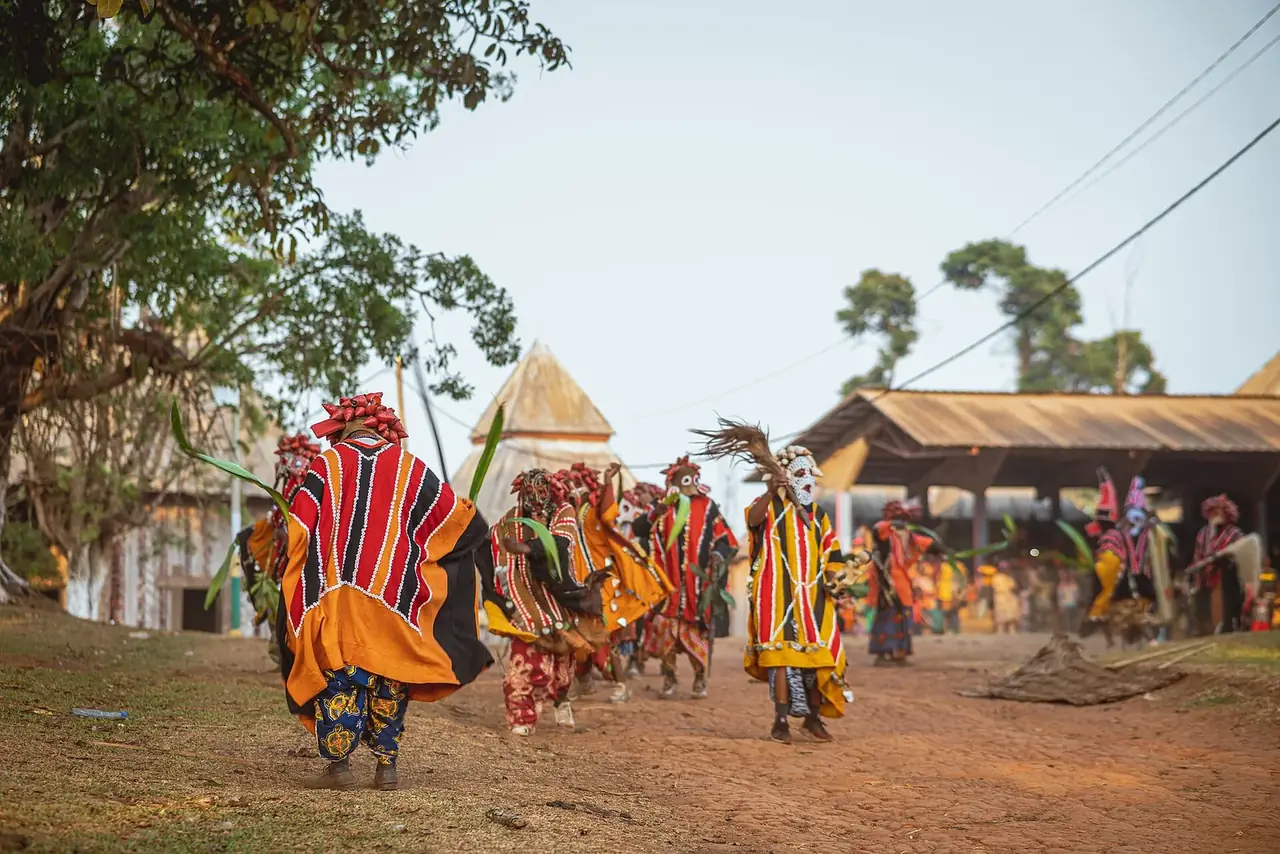
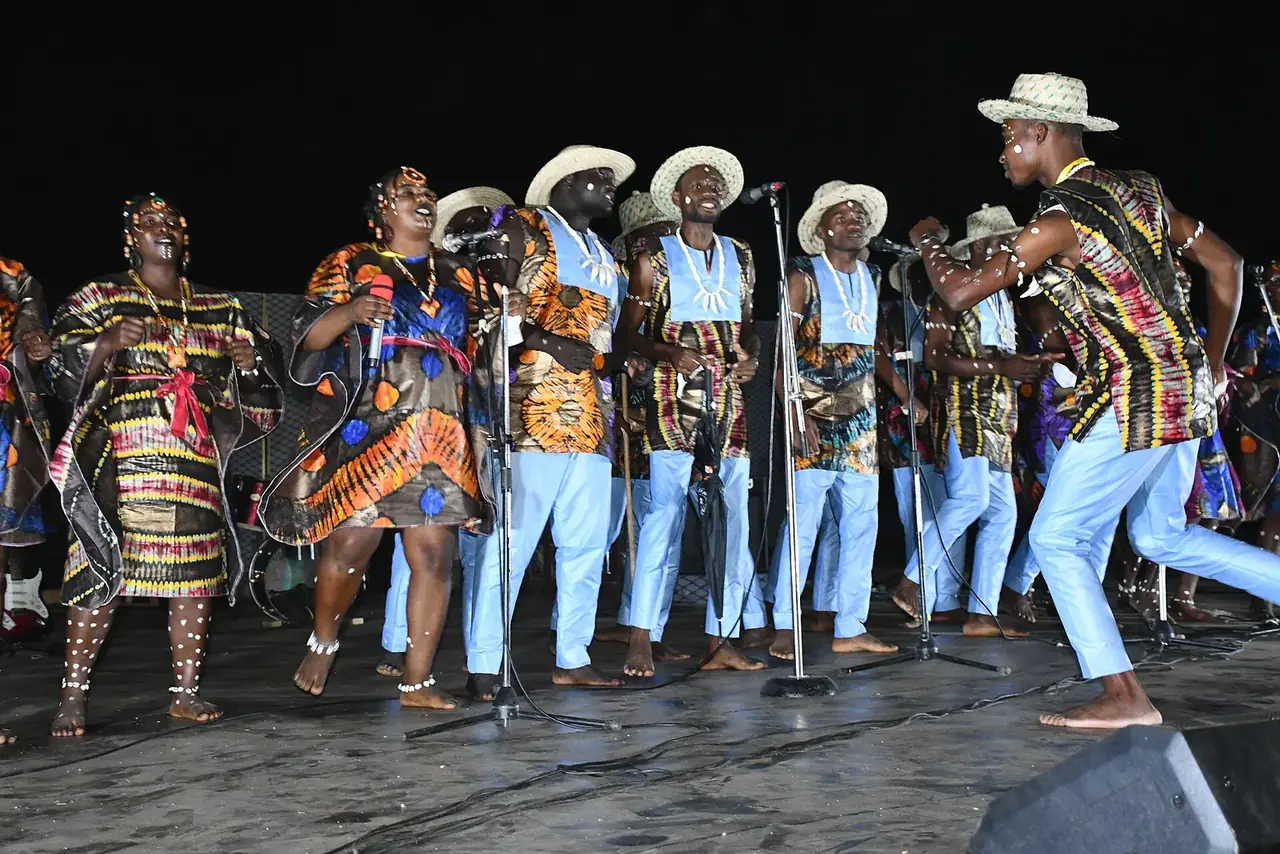
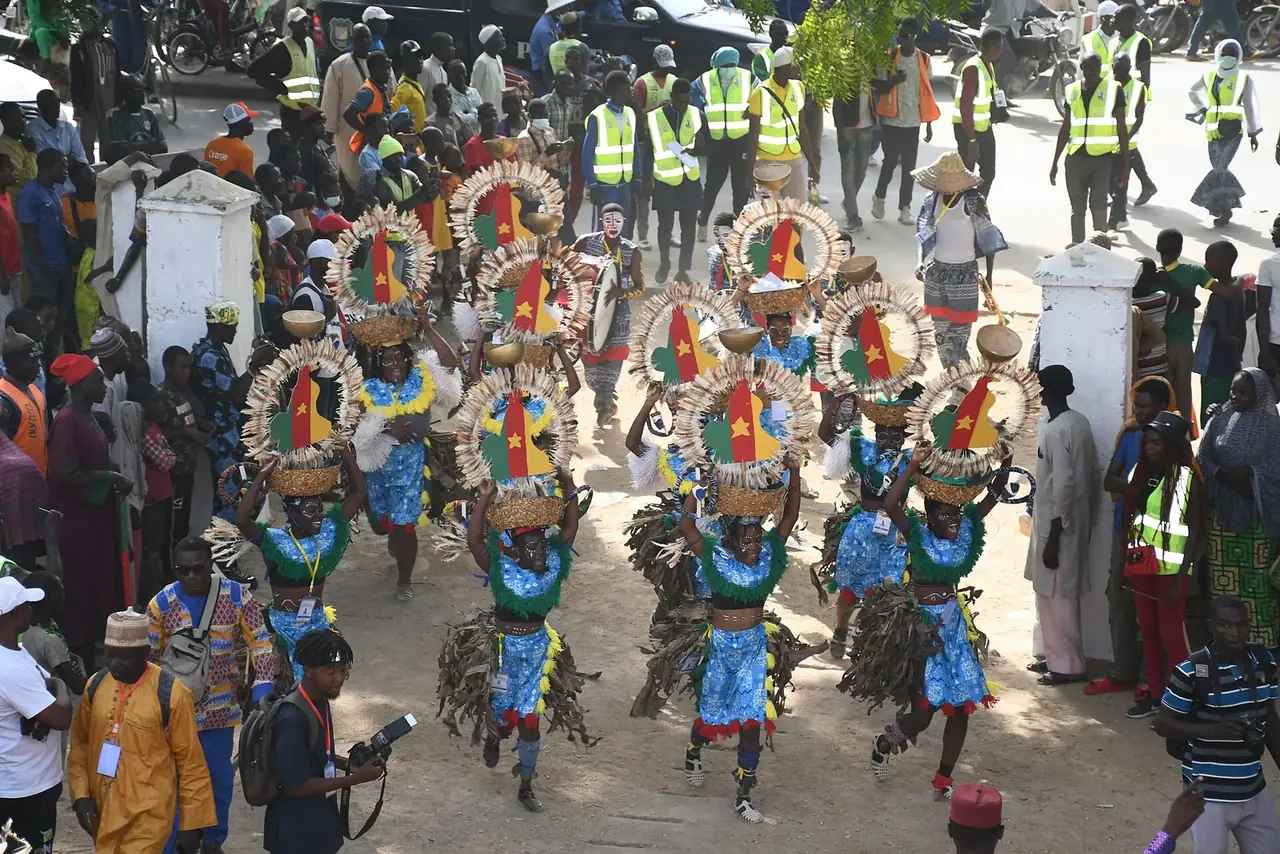
Troupe in colourful outfits on stage at the Maroua cultural festival

From the evening tale told under the palaver tree to the halls of the cultural centres of Yaoundé and Douala, Cameroonian theatre has drawn on every form of public speech: sung epics, initiation tales, neighbourhood chronicles, political platforms. It is performed in French, in English, in pidgin English and increasingly in national languages.

The Ministry of Arts and Culture follows the activities of the national theatre, supports drama companies and links the stage to the school, the street and festivals. This page brings together the reference points, schemes and procedures useful to actors, directors, authors, technicians and organisers.

  • Companies from Buea to Maroua, from South to North
  • Public arts training and neighbourhood workshops
  • Texts protected by copyright
Discover the companies
Memory

The origins of Cameroonian dramatic performance

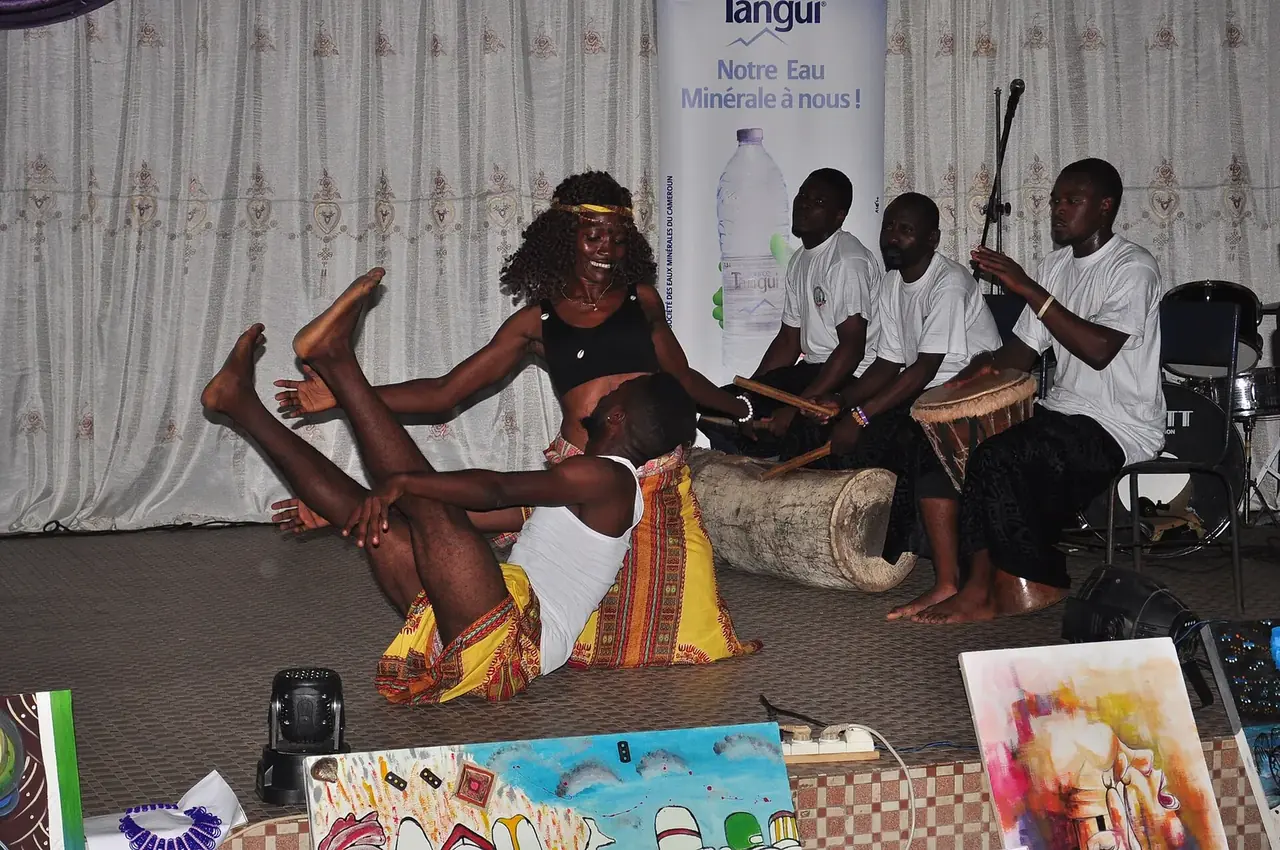
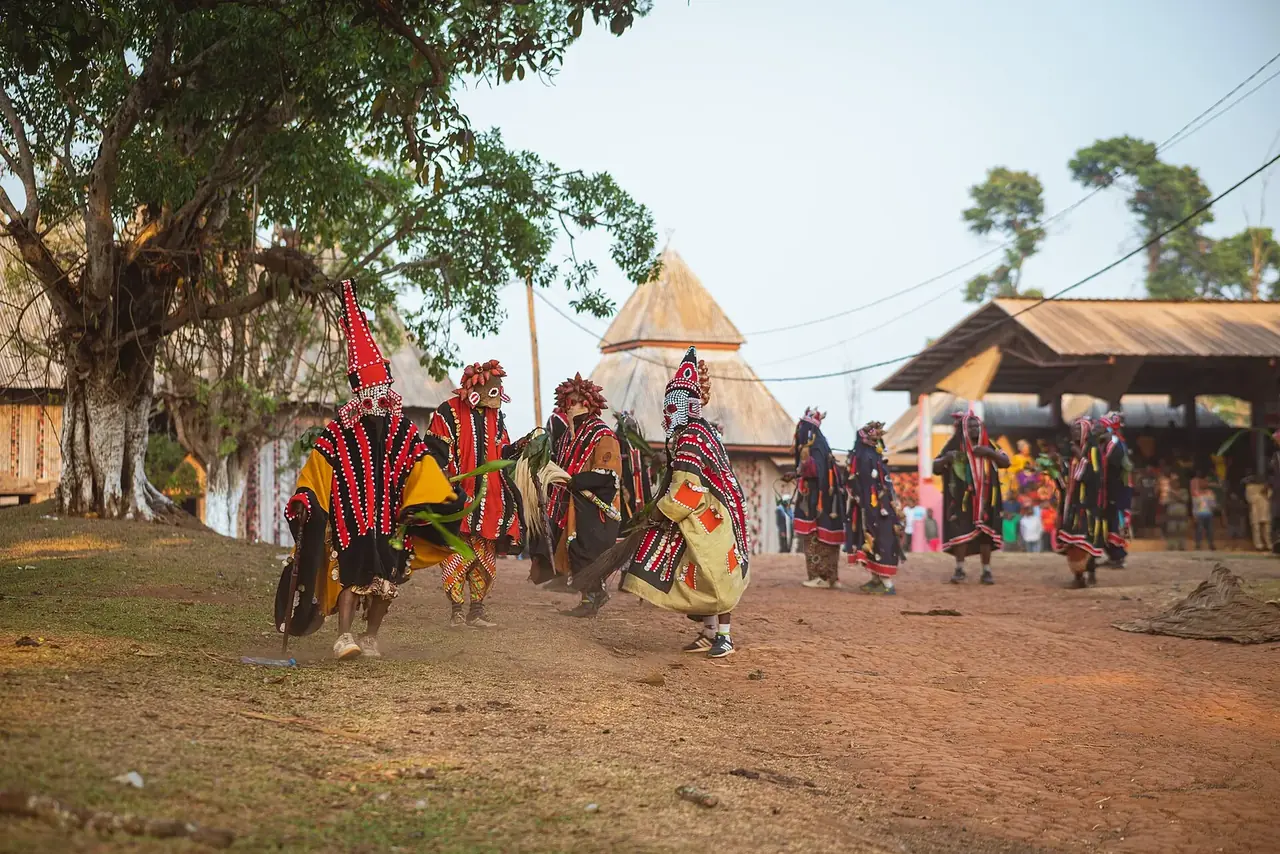
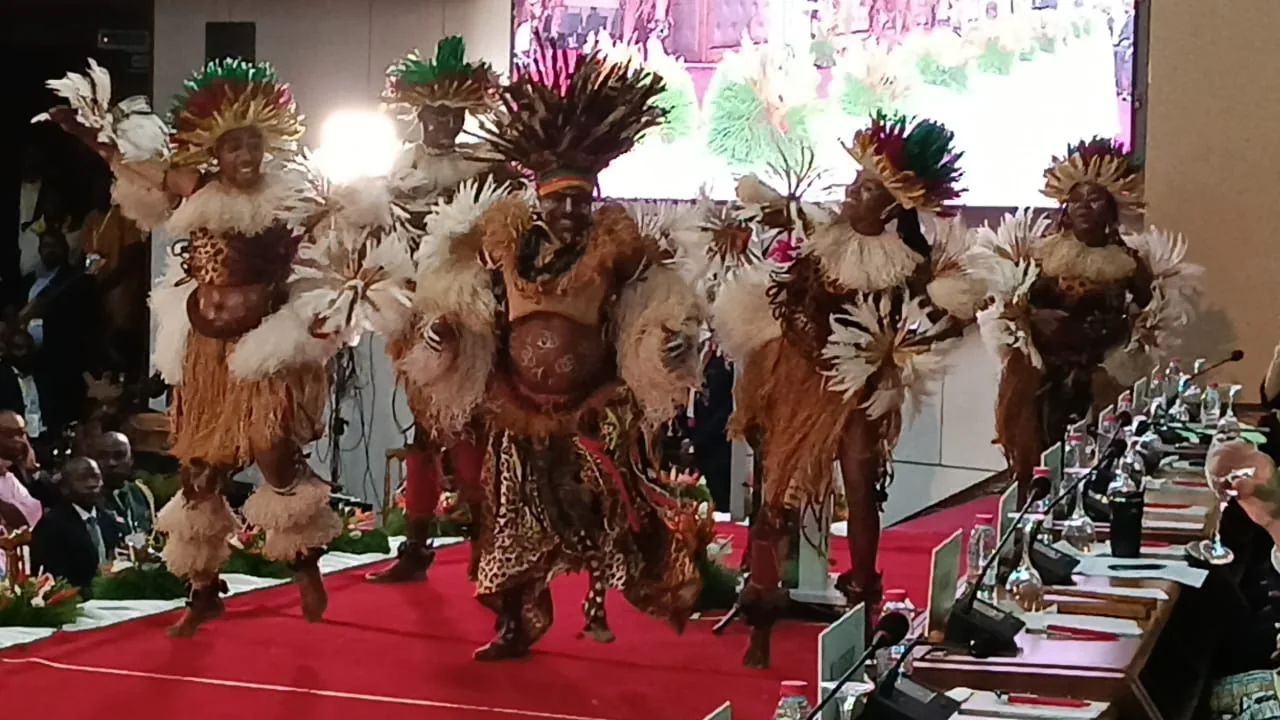
Dancers in raffia and feather costumes perform on a red carpet in front of a conference table.

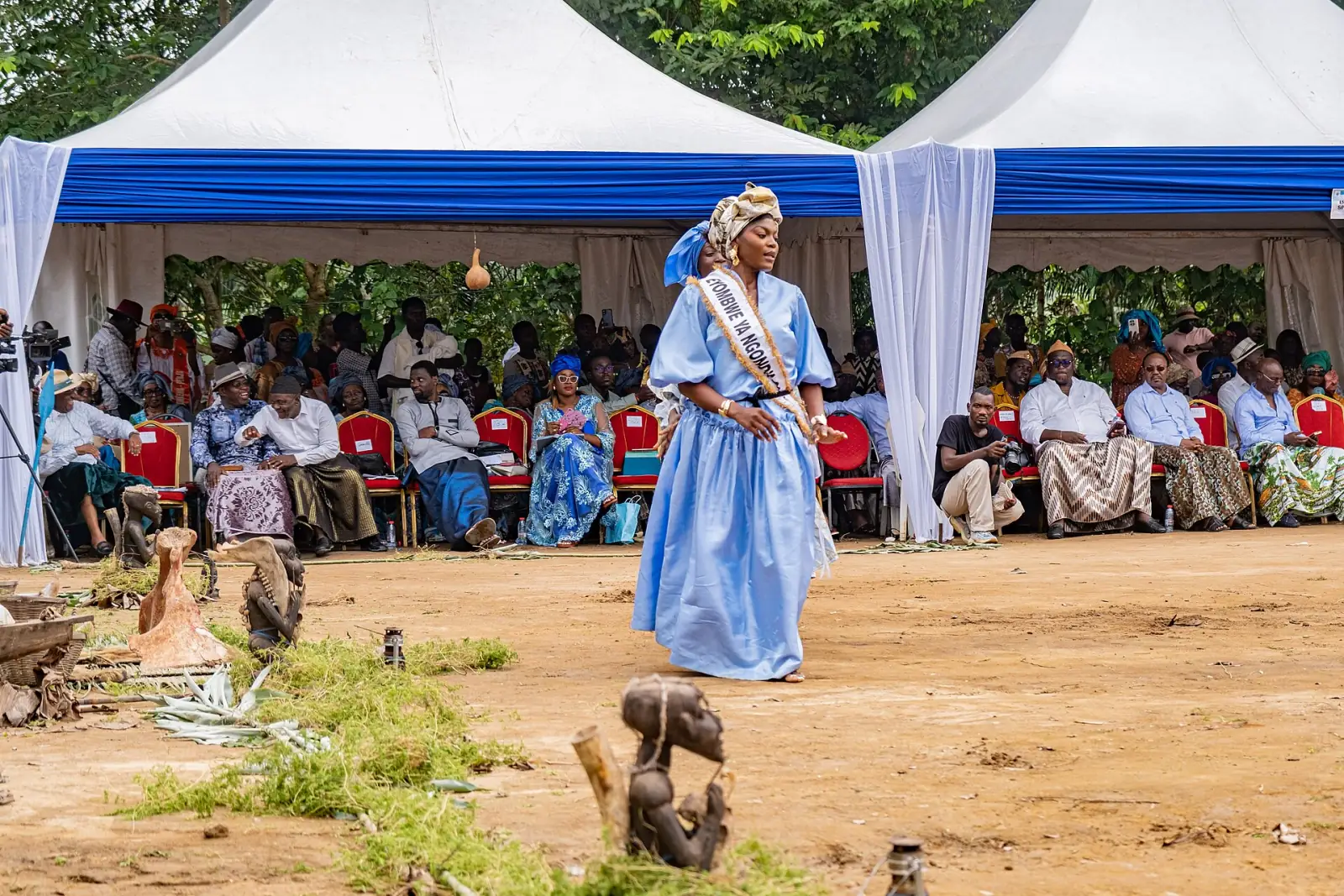
Long before the appearance of theatres, Cameroonian societies knew total spectacle: song, dance, mask and narrative mingled during initiations, funerals of notables and chiefdom festivals. Among the Beti and Bulu peoples, the mvet, a sung epic accompanied by a harp-zither, stages heroes and conflicts between worlds; in the Grassfields, mask societies structure genuine ritual performances; on the coast, the Ngondo festivals combine narrative, procession and ritual dive.

From the mission school to the national stage

“Modern” theatre came in through the school: plays performed at end-of-year celebrations, adaptations of French and English classics, then the first plays written by Cameroonians. After independence, university troupes, cultural circles and reading centres gave rise to a generation of authors and directors who brought urban life, social criticism and questions of modernity to the stage.
A plurality of traditions

The country has two school traditions, francophone and anglophone, and a third, very lively one, that of popular theatre in pidgin. To these three currents are added forms stemming from popular education: forum theatre, health awareness sketches, puppet shows. To place theatre among the other disciplines, see the Performing arts page and the inventory work on intangible heritage, which documents the ritual and oral forms at the origin of the stage.

Professionals

Cameroonian theatre companies

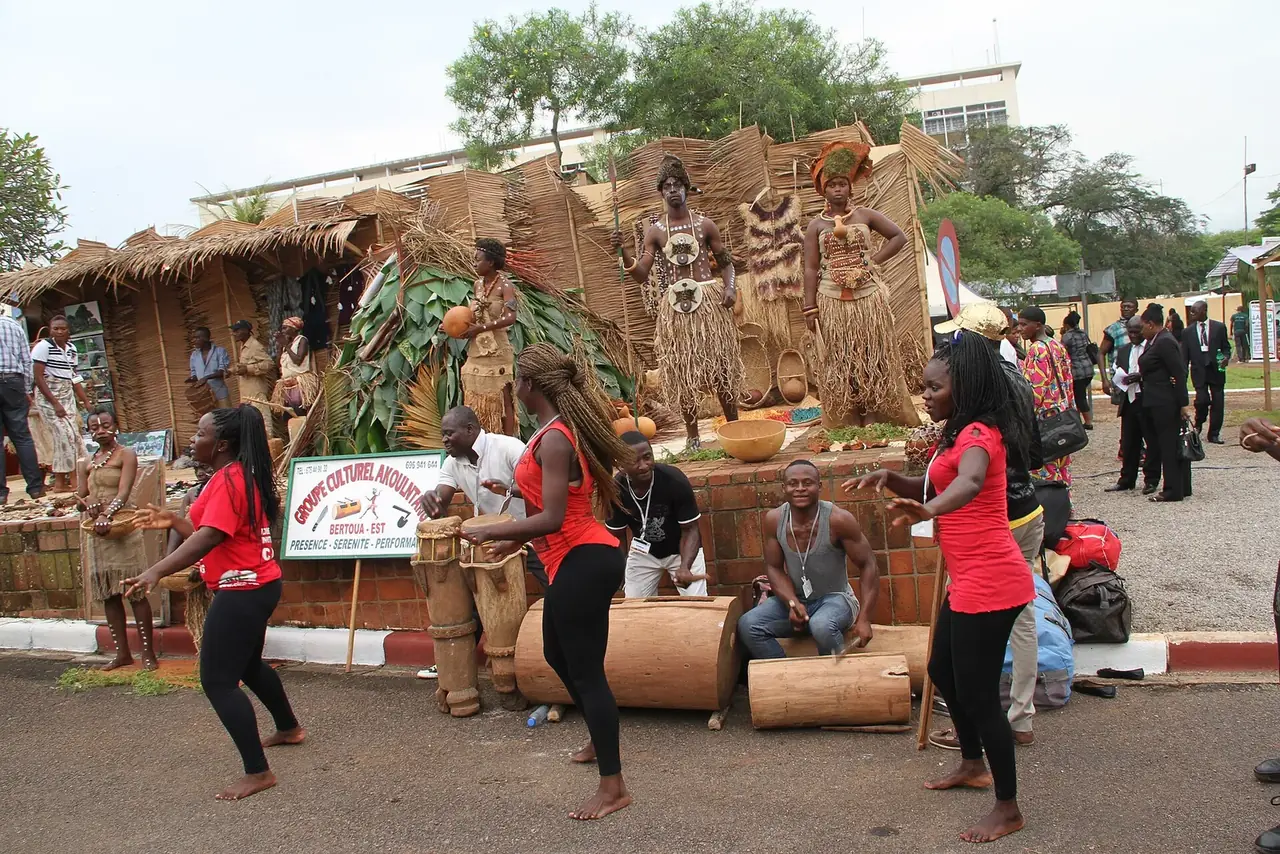
Dancers in front of a craft stand at a festival

The dramatic landscape rests on a fabric of companies, most of them set up as associations: neighbourhood troupes in Douala and Yaoundé, university ensembles, young audience companies, forum theatre troupes working with health or environmental organisations, puppeteer collectives. Each region has its promoters: Bamenda and Buea for the anglophone stage, Bafoussam and Dschang for the theatre of the Highlands, Garoua and Maroua for creations in Fulfulde and the languages of the North, Ebolowa and Bertoua for forest shows.

Roles around the stage

  • Director, dramaturg and assistant director;
  • Stage manager, lighting designer and sound engineer;
  • Set designer, costume designer, make-up artist and props master;
  • Company administrator, touring officer and production officer.

The soundest companies alternate creation, revivals and educational workshops, which gives them more regular income than ticket sales alone. Relations with venues rest on co-production or hosting agreements, governed by the Ministry’s standard contracts.

ℹ️
For young troupes

A company in its creation phase can be supported by its region’s regional delegation in drafting its statutes, preparing its first grant application and securing its first performance dates.

Distribution

Theatre festivals and stage encounters

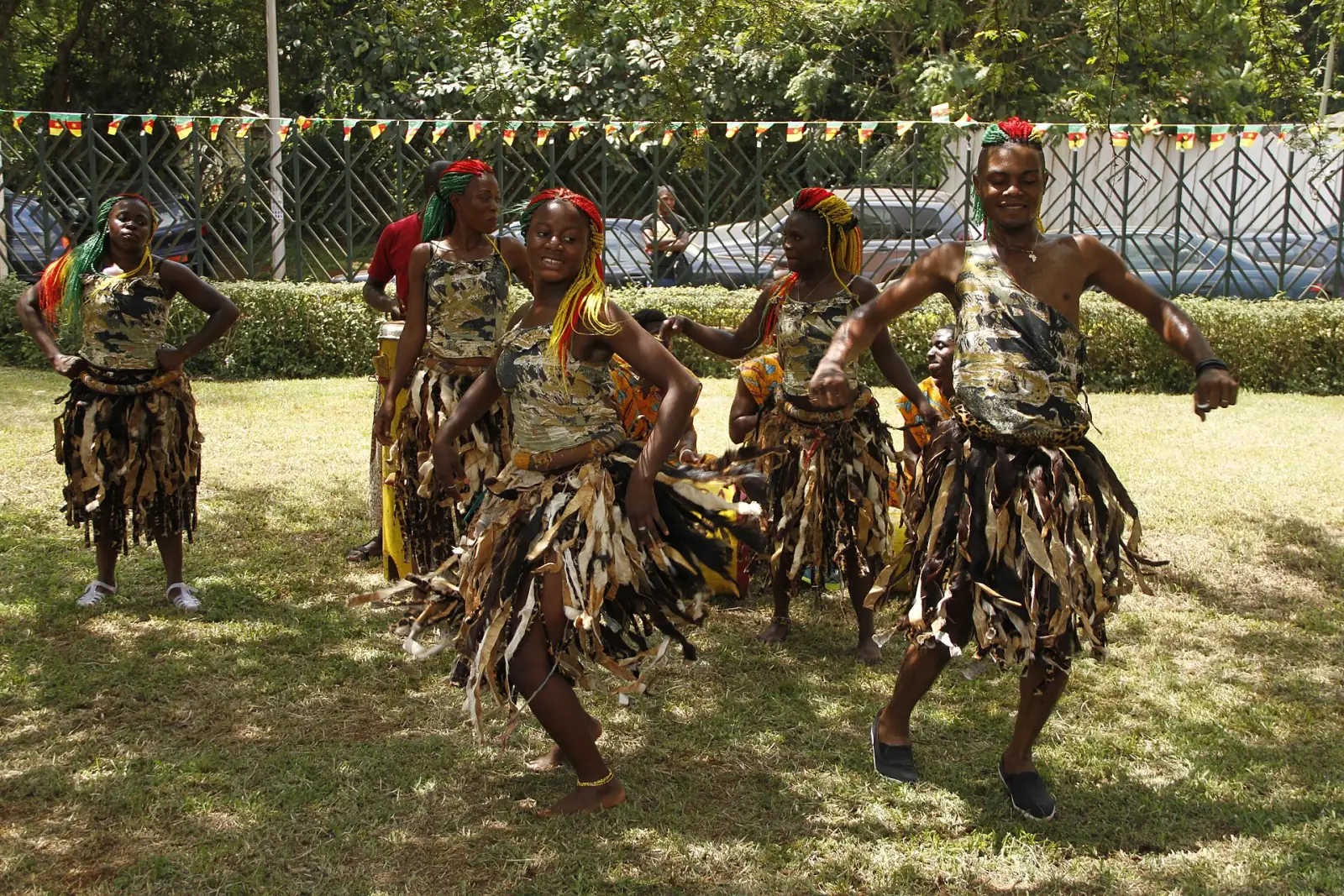
Dancers in raffia costumes at a cultural festival

Theatre events punctuate the year: university theatre meetings, school theatre weeks, street festivals, storytelling and orality days, meetings devoted to forum theatre. Several are held in Yaoundé and Douala, others in Dschang, Bafoussam, Bamenda, Buea, Ngaoundéré or Maroua, which allows audiences in very different regions to see national productions. The national festival calendar brings them together, and the cultural agenda announces the season’s performances.

Applying to a festival

An application file includes a statement of intent, a summary of the play, the cast, the running time, the technical sheet, a video link to a full recording and, for touring troupes, a press kit. Programmers appreciate shows that are easy to set up and can be performed in a theatre as well as in a school yard.

Highlights outside the programme

Festivals also offer readings of unpublished texts, writing laboratories, meetings between authors and directors, and workshops for school audiences. Theatre festivals readily join the cultural days of towns and the regional festivals.

Learn

Training for the theatre professions

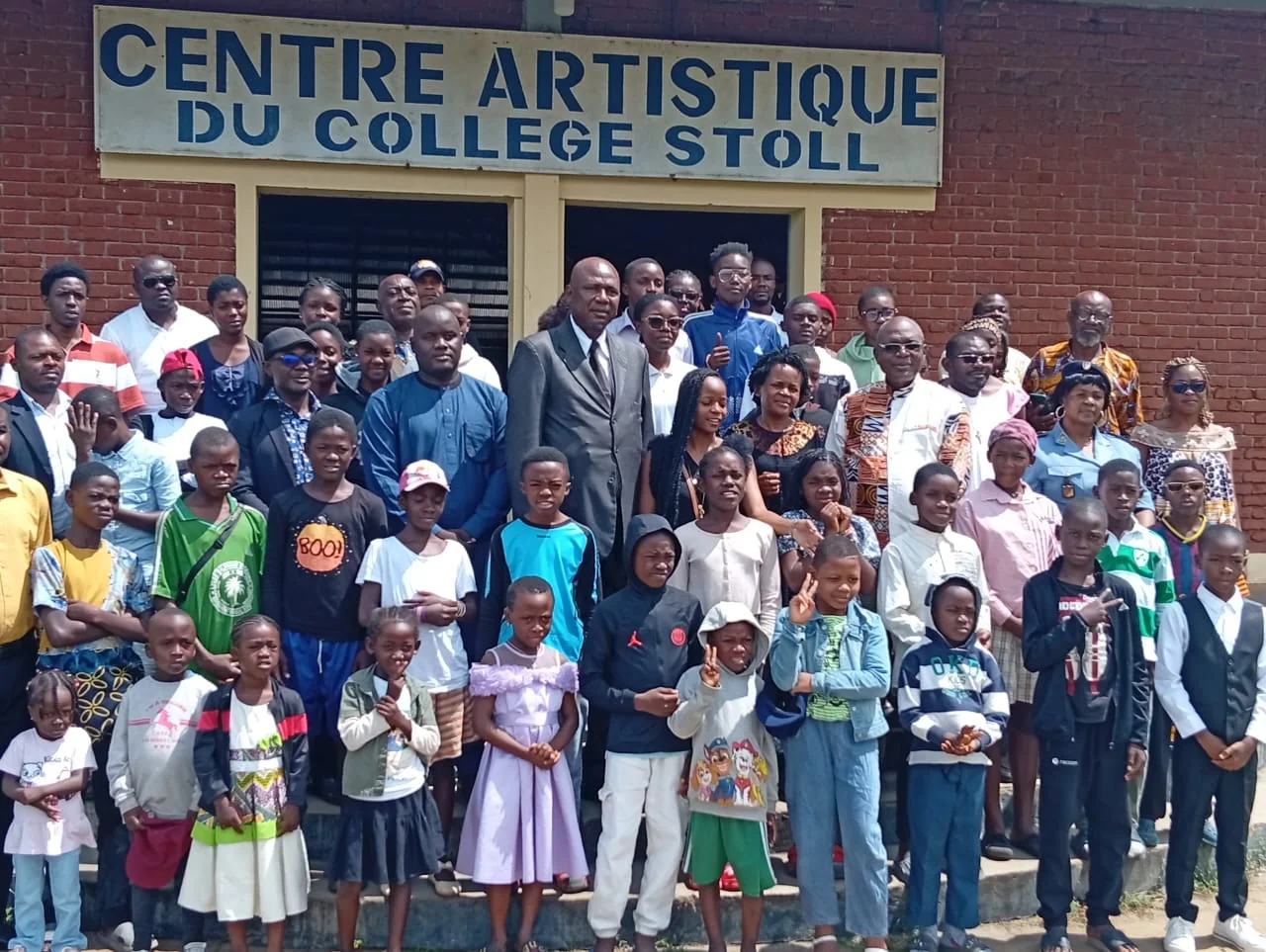
Pupils and staff posing in front of the entrance of the Stoll College arts centre

The National Institute of Arts and Culture (INAC), a public institution under the supervision of the Ministry, trains for the performance professions: acting, directing, stage management, cultural administration. Its development continues with phase 2 of the construction of its buildings, listed among the Ministry’s major projects. Alongside INAC, university performing arts departments, conservatoires, cultural centres and youth centres offer courses or workshops.

Possible paths

  • Long course at INAC or at university to become an actor, director or stage manager;
  • Weekly workshops in cultural centres, open to teenagers and adults;
  • Intensive internships during festivals, led by national and guest professionals;
  • On-the-job training in a company, with a supervised trainee status.

Theatre at school

Arts education introduces theatrical play into schools: theatre clubs, inter-school competitions, readings aloud. Teachers can involve a company in a class project, with the help of the regional delegation.

Training in management

A theatre artist must also know how to budget a show, draft a contract and negotiate a date. The Training for the cultural professions section lists the cultural administration modules, while incubators support project leaders who wish to professionalise their company.

Writing

Dramatic texts and their authors

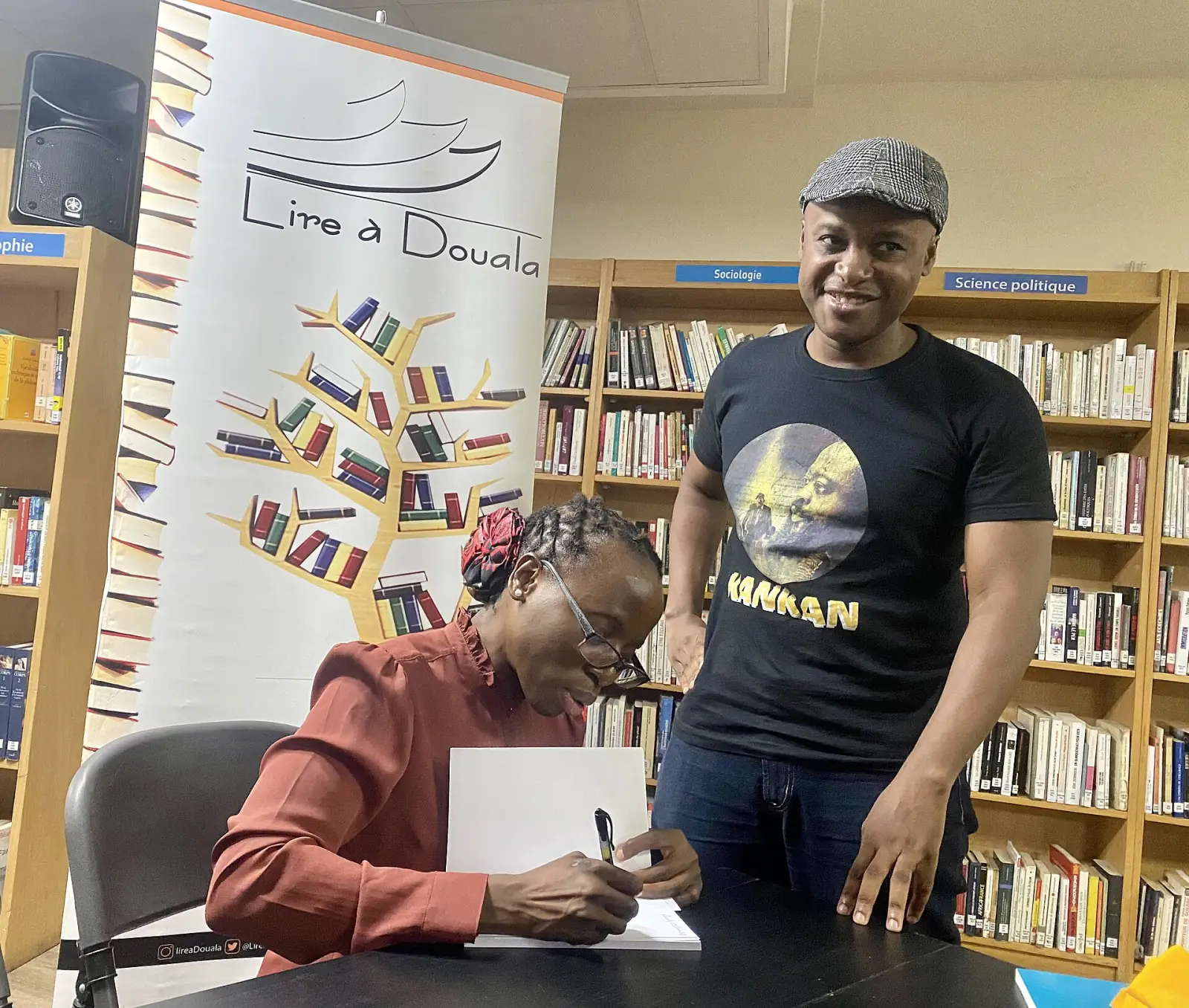
Author signing a book in a Douala bookshop in front of shelves

Writing for the stage requires a particular skill: building a conflict, thinking about the rhythm of the lines, imagining stage directions that can be performed. Cameroonian authors write historical dramas, comedies of manners, plays for children, monologues, adaptations of tales and works in pidgin. Their texts circulate through publishers, journals, writing workshops and public readings.

Protecting a theatre text

A dramatic text is a work protected by copyright from the moment of its creation. The author can declare it to date its creation, enter it in the register of works and entrust the collection of their performance rights to a collective management society. Any public performance of a protected text requires the agreement of its author or of the society that represents them.

From manuscript to publication

Authors can publish their texts with publishers in the country; the Literature and books section and the Publishing and books page present the book chain and the legal deposit obligations. A text that is performed but never printed soon disappears: publication and video recording are the best tools for preservation.

Adaptations and translations

Adapting a novel, or translating a play from French into English or into a national language, requires the agreement of the rights holders. The public domain, on the other hand, makes it possible to stage freely plays whose authors have been dead for longer than the legal term of protection.

ℹ️
Before the first public reading

Report your text to a collective management society and keep proof of its date of creation: consult the copyright and neighbouring rights page.

Languages and audiences

Performing in French, English, pidgin and national languages

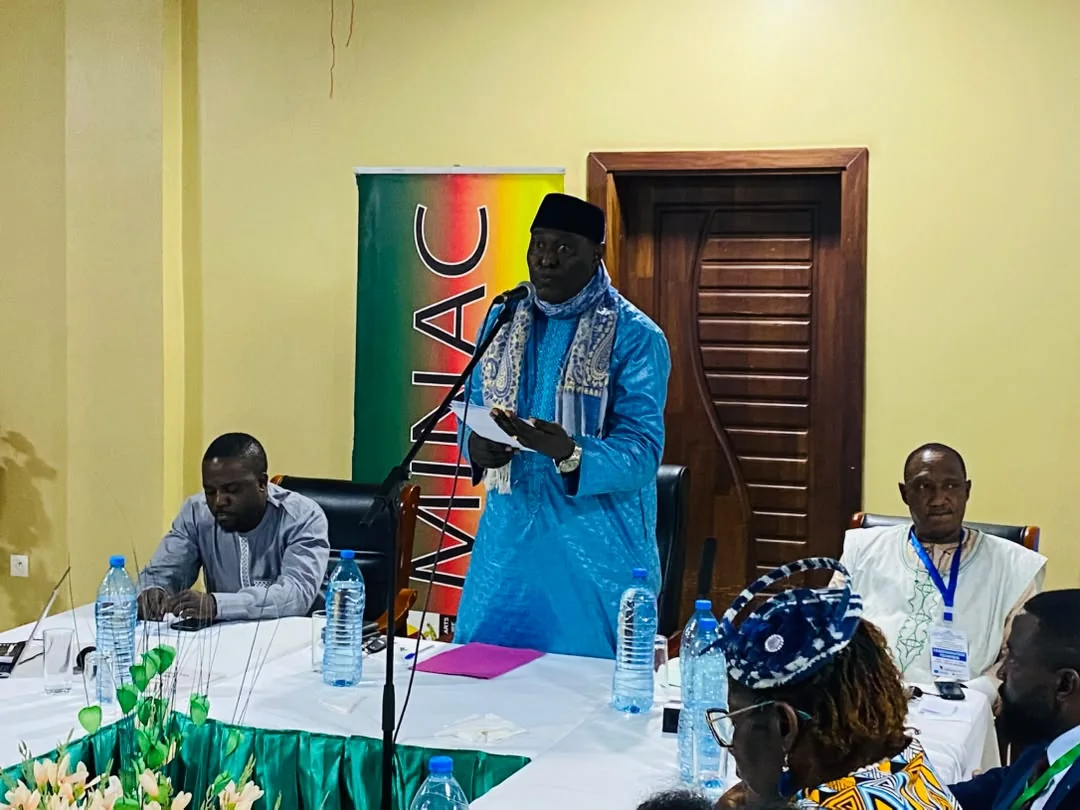
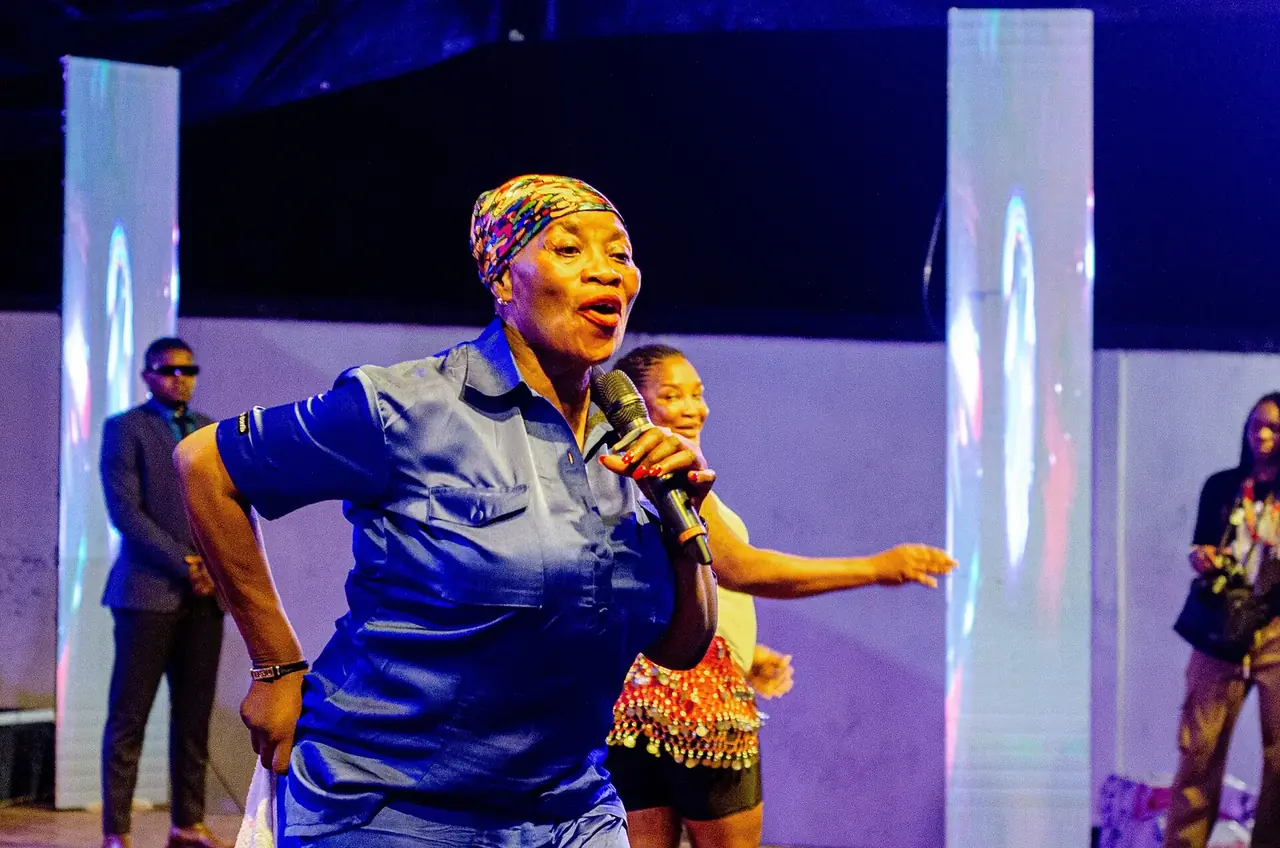
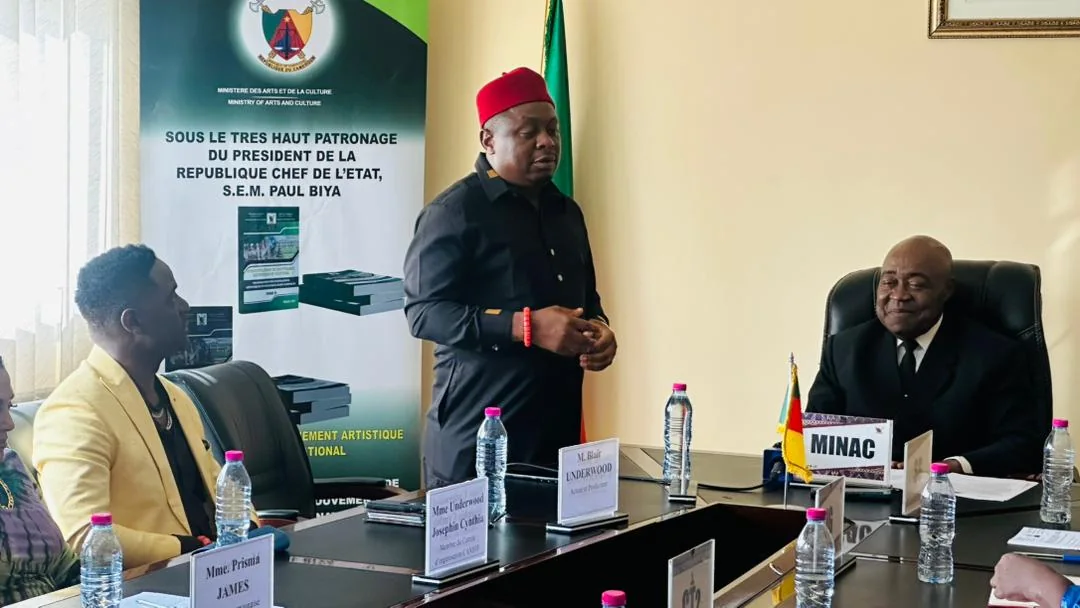
A speaker in a blue outfit addresses the room in front of a MINAC banner, at a meeting table set with water bottles and flowers.

Cameroon has more than two hundred and fifty languages. Theatre has taken note: alongside plays in French and English, companies create in Ewondo, Duala, Bamileke, Fulfulde or pidgin English, the lingua franca of markets and working-class neighbourhoods. Shows in national languages reach audiences that conventional venues do not, in particular older people and village residents.

Popular theatre in pidgin

Neighbourhood comedies, radio sketches and street shows in pidgin maintain a direct relationship with the audience, who respond, comment and laugh out loud. These forms now inspire the more ambitious productions of the anglophone stages of Bamenda and Buea.

Subtitling, surtitling, translating

To tour between regions, many companies present their play in two languages or surtitle it. Work on languages is linked to the policy on linguistic heritage and national languages; it draws on oral traditions, an inexhaustible reservoir of plots, proverbs and characters.

The audience, the first partner

Building audience loyalty involves adapted prices, matinee performances for school groups, partnerships with neighbourhood associations and a presence on local radio. The regional cultural maps help identify available venues and performance spaces in each region.

Step by step

Staging a play from idea to tour

Choose the text

Select an original text, an adaptation or a public domain play; check the performance rights before casting the roles.

Bring the team together

Put together the cast and the technical team, sign written engagements and plan a realistic rehearsal schedule of six to ten weeks.

Close the budget

Cost out salaries, venue hire, costumes, set and communication; submit a grant application and look for a local patron.

Rehearse and refine

Alternate table readings, stage rehearsals and technical work sessions; open a public rehearsal to test the show.

Obtain authorisation

Submit the show authorisation application to the One-Stop Shop with the programme, the venue and the safety plan.

Perform and tour

Plan a series of performances, record the show and offer it to festivals and schools.

To explore

Theatre in other sections

To download

Resources for the theatre company

Glossary

Theatre vocabulary

Stage direction

An author’s indication in the text to specify a gesture, a set, an intonation or a movement.

Playwright

Author of plays, or adviser who works on the text with the director.

Staging

All the choices that turn a text into a show: space, acting, lighting, sound, costumes.

Forum theatre

Participatory form in which spectators intervene on stage to propose another outcome to a difficult situation.

Production stage manager

Technician who organises the material preparation and technical running of a performance.

Technical sheet

Document listing the stage, lighting, sound and staff requirements for hosting a show.

Repertoire

All the plays a company can perform or an author has written.

Distribution

List of the actors and the roles they play in a show.

Proscenium (theatre with a)

Theatre where the audience faces the stage, separated from it by a proscenium frame.

Tale

Oral narrative handed down from generation to generation, the basis of many shows in Cameroon.

Cue-to-cue

Technical rehearsal where lighting and set changes are run in sequence without playing the whole show.

“On a bare stage, a bench and three actors are enough to make a whole city heard: theatre begins where speech is shared.”

A director, Douala
They make theatre

Stage careers

/ Yaoundé
An actress

“I started in my secondary school’s theatre club; today I make a living from my roles and from my workshops in the city’s schools.”

/ Buea
A playwright

“I write in English and pidgin. Public readings gave me my first audience and my first publisher.”

/ Douala
A stage manager

“A show is often played in three different venues: I have learned to set up and take down everything in half a day.”

/ Garoua
A forum theatre facilitator

“When villagers step onto the stage to change the end of the story, you see the discussion truly open up.”

To act

Theatre schemes to know

Support for dramatic creation

Support to fund rehearsals, sets and costumes for a new play put forward by a registered company.

Request support

Writing residency

Research stay for an author or an author-director pair, with accommodation and support.

See the residencies

Show authorisation

Mandatory procedure before any public performance, to be submitted online a few weeks before the opening night.

Submit the application

Artist card

Have your status as actor, director or stage technician recognised.

Apply
On the site

Go further on stage

Resources

Useful links for theatre

Stakeholders

Who supports theatre?

Key facts

Theatrical forms at a glance

FormVenues and audiencesCommon languagesDistinctive feature
Repertory theatreVenues in Yaoundé and Douala, school and student audiencesFrench, EnglishAuthors’ texts, elaborate staging
Popular theatreNeighbourhoods, markets, cabaretsPidgin English, popular FrenchHumour, audience participation
Forum theatreVillages, schools, health centresNational languages, FrenchThe audience steps onto the stage to change the outcome
Street theatreSquares, bus stations, festivalsLocal languages and pidginFree performance, roving
Theatre for young audiencesSchools, librariesFrench, EnglishTales, puppets, workshops
Ritual and oral theatreChiefdoms, ceremoniesCommunity languagesMask, song, epic narrative
Monologue and taleCafés, cultural centresAll languagesA single performer, great freedom
University theatreCampuses, inter-university meetingsFrench, EnglishWriting and acting laboratory
Journey

Cameroonian theatre through the decades

Before 1960School and mission stages

Schools stage end-of-year plays while rites, tales and epics continue to enliven villages and chiefdoms.

1960s-1970sThe first national troupes

Cultural circles and university troupes create the first texts by Cameroonian authors and take over the stages of cultural centres.

1980sPopular energy

Neighbourhood comedies, radio sketches and pidgin shows draw large audiences in the major cities.

1990s-2000sFestivals and forum theatre

Theatre gatherings multiply and forum theatre spreads into health, the environment and citizenship.

2010sProfessionalisation

Companies register their statutes, training becomes structured and writing residencies emerge.

TodayConnected stages

Online recordings, African co-productions and regional tours widen the audience for Cameroonian theatre.

Questions

Your questions about theatre

How can I stage a theatre show legally?

Set up an approved association, check the rights to the chosen text, then submit a show authorisation application to the One-Stop Shop several weeks before the opening night. Attach the programme, the venue, the dates and the audience safety plan.

Where can I train as an actor or director?

The National Institute of Arts and Culture trains for performing arts professions. University departments, cultural centres, conservatoires and companies also offer courses and workshops, including for teenagers and adults retraining.

Is my theatre text protected?

Yes, from the moment it is created and without any compulsory formality. To date your text and make proof easier, declare the work to the Ministry and approach a collective management society, which will collect your fees each time the play is performed in public.

Can a play by a deceased author be staged?

It all depends on the term of protection. As long as the work is protected, the agreement of the rights holders is required. Once it has entered the public domain, it can be staged freely, provided the author’s moral right is respected, in particular their name.

How can I make my company known to programmers?

Register it free of charge in the artists’ directory with a presentation, two photographs and a video recording. Also respond to calls for projects, take part in festivals and keep an up-to-date promotional file that you can send in a few minutes.

Can a company receive a grant?

Yes, if it is set up as an approved association and presents a specific project with a balanced budget. The grant application file is examined by a commission of professionals, which assesses artistic quality, local impact and the strength of the team.

Do I have to declare my actors?

Artists engaged for a show fall under the social status of artists. A written contract specifies the pay, the duration and the exploitation rights for recordings. Standard contracts are available to secure the relationship between the company and its performers.

How do I organise a school performance?

Contact the school and the regional delegation to set the date and the audience. Plan an educational sheet, a time for discussion with pupils and a show authorisation if the performance is open to outside spectators.

Whom should I contact for a recording or a television broadcast?

Contact the author, the director and the collective management society to obtain the authorisations. Depending on the case, a filming authorisation application must also be submitted to the One-Stop Shop before the technical crew sets up.

Contact

Tell us about your theatre project

Describe your organisation, your project and the region concerned: your message is forwarded to the competent directorate, which replies by e-mail.

Competent directorate

Write to the directorate for theatre

Address

Directorate of the Development and Promotion of the Arts
Ministry of Arts and Culture
Quartier du Lac – Ministerial Zone
P.O. Box 1053 Yaoundé, Centre Region, Cameroon

Reach us

+237 6 51 70 58 41

contact@minac.gov.cm

Opening hours

Monday to Friday, 8 am to 4 pm

A play to present?

Submit your show authorisation application online and track it with your file number.

Request an authorisation
WhatsApp