Coat of arms of CameroonMinistry of Arts
and Culture
Republic of Cameroon
My procedures
Home
Minister’s message
News
Press releases
Cultural calendar
Official speeches
Press review
Photo library
Video library
Calls for projects
Job vacancies
Public procurement
Newsletter
Frequently asked questions
Site map
Contact
Press area
Podcast “The Voice of Culture”
Legal notices
Privacy policy
Cookies and trackers
The Ministry
Missions and responsibilities
Organisation
Organisation chart
Minister’s Office (Cabinet)
Management team
General Secretariat
General Inspectorate
Central directorates
Regional Delegations
Institutions under supervision
Legislative texts
Regulatory texts
Sector strategy
Major projects
Budget and reports
Partners
Careers
Archives
Institutional communication
Quality and accessibility
Arts
Visual and plastic arts
Visual arts
Performing arts
Theatre
Dance
Music
Literature and books
Cinema and audiovisual
Photography
Fashion and design
Digital arts
Art crafts
Artists’ directory
Residencies
Prizes and awards
Arts education
Urban arts
Heritage
Tangible heritage
Intangible heritage
UNESCO sites
National museums
Listed monuments
National inventory
Palaces and chiefdoms
Archaeology
Linguistic heritage
Oral traditions
Traditional know-how
Restitution of cultural property
Fight against illicit trafficking
Listing and protection
Conservation and restoration
Heritage Days
Cultural landscapes
Industries
Music and recording
Cinema
Publishing and books
Digital arts
Fashion and creativity
Crafts
Cultural tourism
Funding for culture
Support funds
Incubators
Cultural entrepreneurship
Culture Observatory
Vocational training
Studies and reports
Sector statistics
Export and outreach
Intellectual property
Copyright
Legal framework
Copyright and neighbouring rights
Collective management societies
Register a work
Licences
Private copying
Fight against piracy
Model contracts
Social status of artists
Mediation
Disputes
Training
Fee scales
Register of works
Contact
Digital neighbouring rights
Public domain
Festivals
National calendar
Ngondo
Nguon
Écrans Noirs
Heritage Days
Music Day
Regional festivals
Fairs and exhibitions
Biennials
National competitions
Cultural days
Organise a festival
Event grants
Ticketing
Archives
Volunteering
Diaspora festivals
Regions
Adamawa
Centre
East
Far North
Littoral
North
North-West
West
South
South-West
Cultural map
Regional Delegations
Traditional chiefdoms
National languages
Cultural routes
Decentralised cooperation
Regional observatory
Cooperation
UNESCO
Francophonie (OIF)
African Union
Commonwealth
CEMAC
Bilateral cooperation
Cultural agreements
Professional organisations
Scholarships
Artist exchanges
Cultural years
Diaspora
Funded projects
Embassies
Technical partners
International restitution
International monitoring and calls
Services
Artist card
Show authorisation
Filming authorisation
Festival authorisation
Deposit of a work
Export of works of art
Listing of a property
Grant application
Association accreditation
File tracking
Forms
Fees
Opening hours and addresses
Reporting
Online help
My account
One-Stop Shop
Regions

Littoral

The Littoral Region, with Douala as its regional capital, brings together a port, a river and Sawa chiefdoms. Discover its regional delegation, its sites and museums, the Ngondo and its languages, from Duala to Bassa.

Updated on 6 November 20264 sub-pages
Regional capitalDouala
The great festival of the Sawa peopleNgondo
Languages recorded in the region6
Regional Delegation1
Littoral Region

Douala, the coast and the river

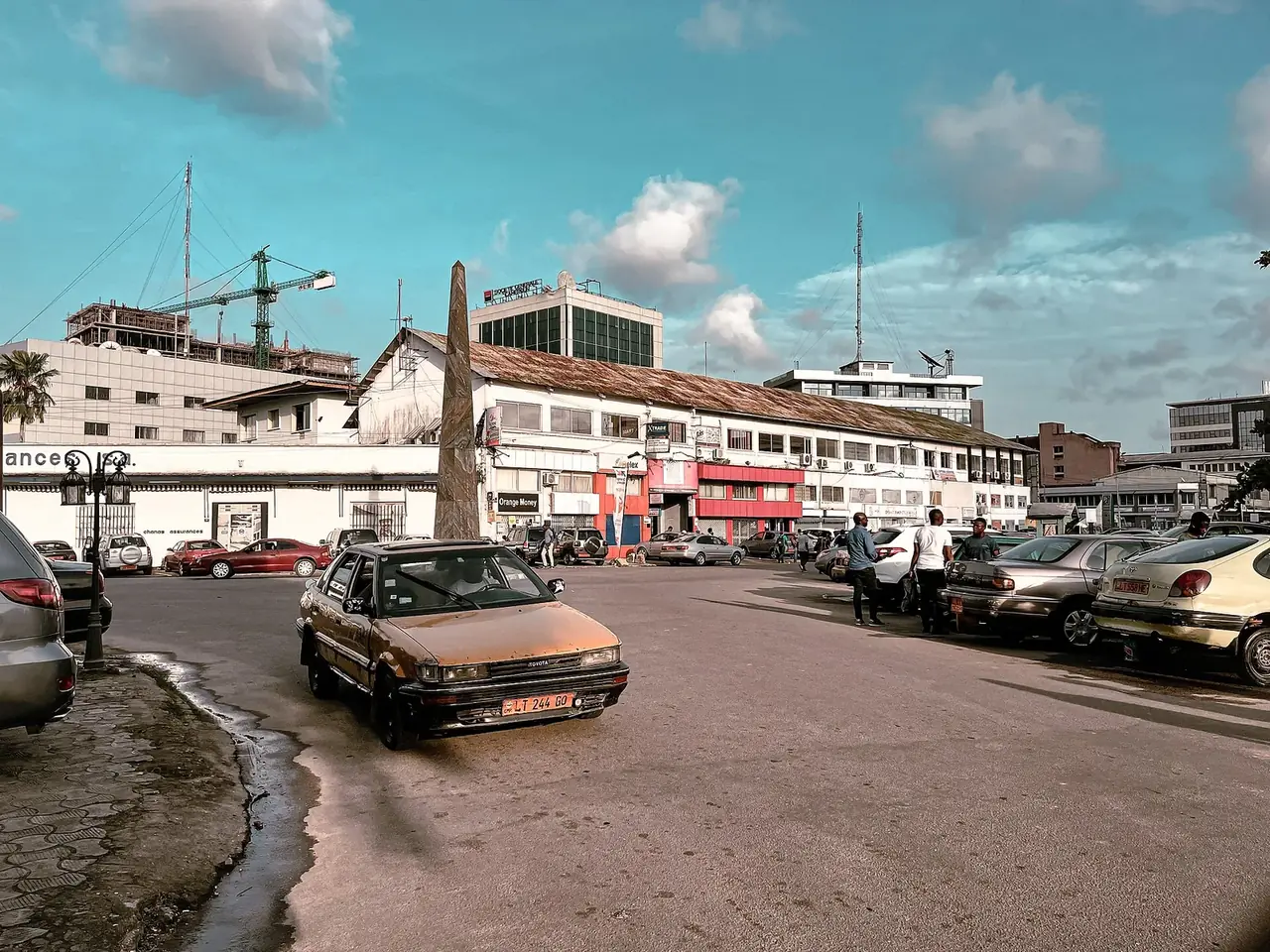
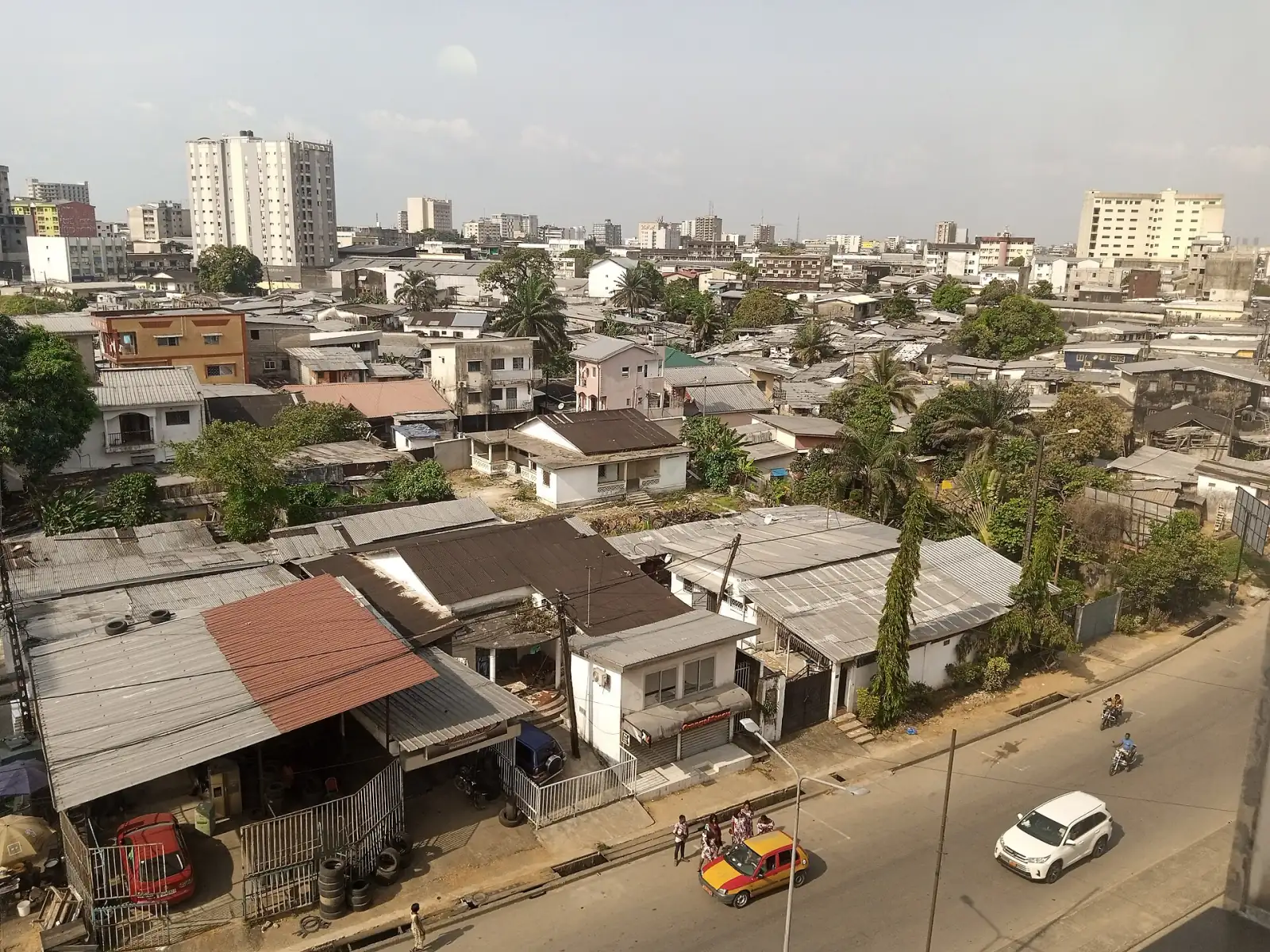
Rooftops and streets of a busy Douala neighbourhood seen from above

Open to the Atlantic Ocean through the Wouri estuary, the Littoral Region has Douala, the country’s economic capital, as its regional capital. It brings together very different landscapes: the estuary and its mangroves, the banana plains of the Moungo, the plateaux of Nkongsamba and the forest of Sanaga-Maritime, where the Sawa, Bassa, Bakoko, Mbo and neighbouring peoples meet.

Under the responsibility of a regional delegation of arts and culture, the region is a crossroads: port, market, music scene, place of contemporary creation and of great festivals such as the Ngondo. This page presents the delegation, the sites and museums, the festivals and the languages, with the procedures useful to artists and organisers.

  • A regional delegation for submitting and tracking files
  • Sites, museums and creative venues in Douala and beyond
  • The Ngondo and a rich cultural season all year round
Discover the delegation
Delegation

The Littoral Regional Delegation, in Douala

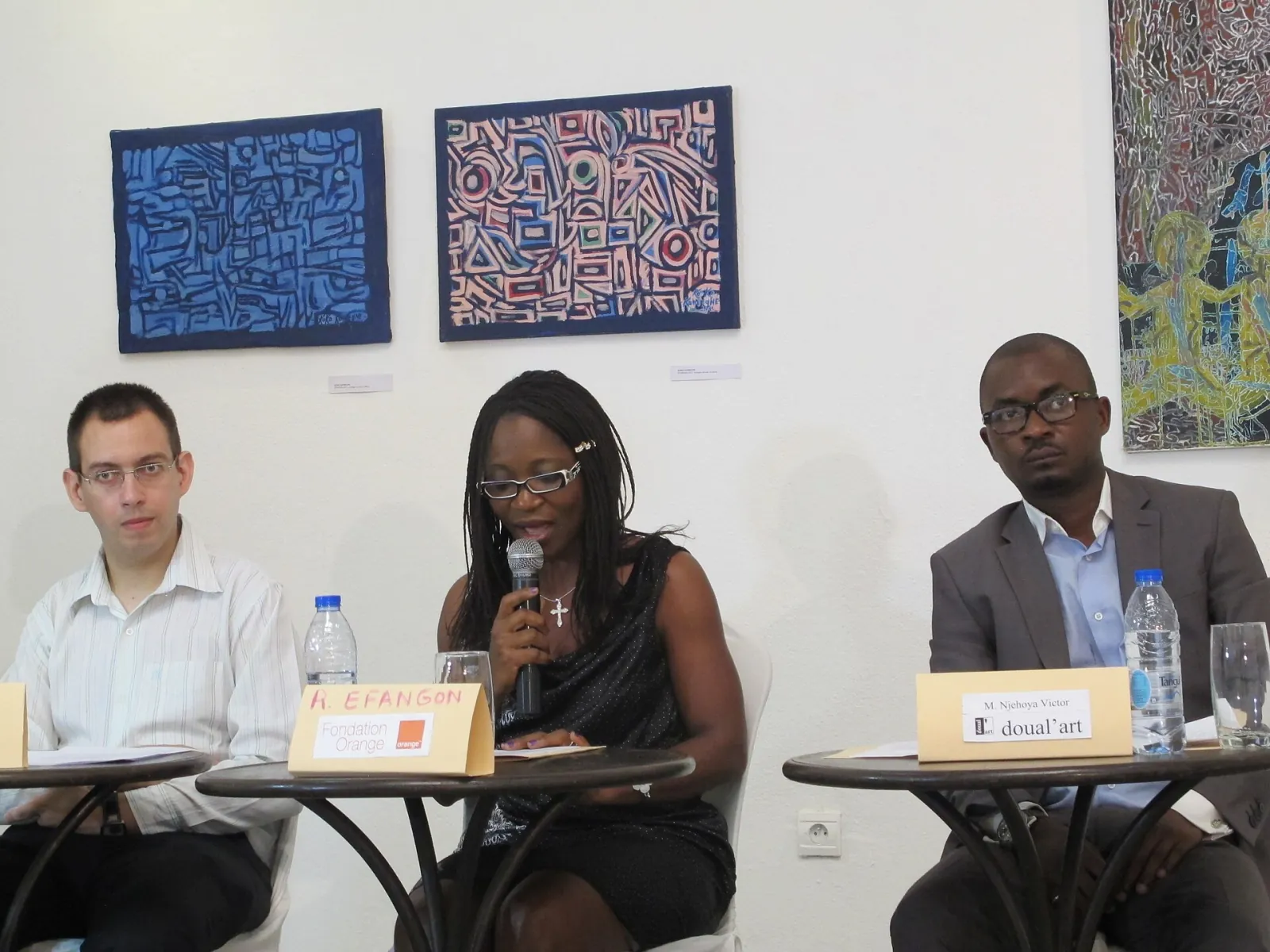
Panel of three speakers at a press-conference table in front of paintings in Douala

The Littoral Regional Delegation of Arts and Culture is the Ministry’s decentralised service in the region. Based in the regional capital, it represents the Ministry before prefects, mayors, traditional chiefs and associations, and relays on the ground the decisions taken in Yaoundé.

A territory to cover

Between Douala, Edéa, Nkongsamba, Yabassi, Mbanga and Loum, distances and realities differ. The delegation relies on local correspondents in the divisions of Wouri, Moungo, Nkam and Sanaga-Maritime so that project holders do not systematically have to travel to the regional capital.

The official contact details of all delegations are gathered on the Regional Delegations page; the Ministry switchboard (+237 6 51 70 58 41) also directs callers to the relevant service.

ℹ️
Good to know

Any file can also be submitted online at the One-Stop Shop and tracked with its number through file tracking.

Sites and museums

Sites and museums of the Littoral, from the Wouri to the mangroves

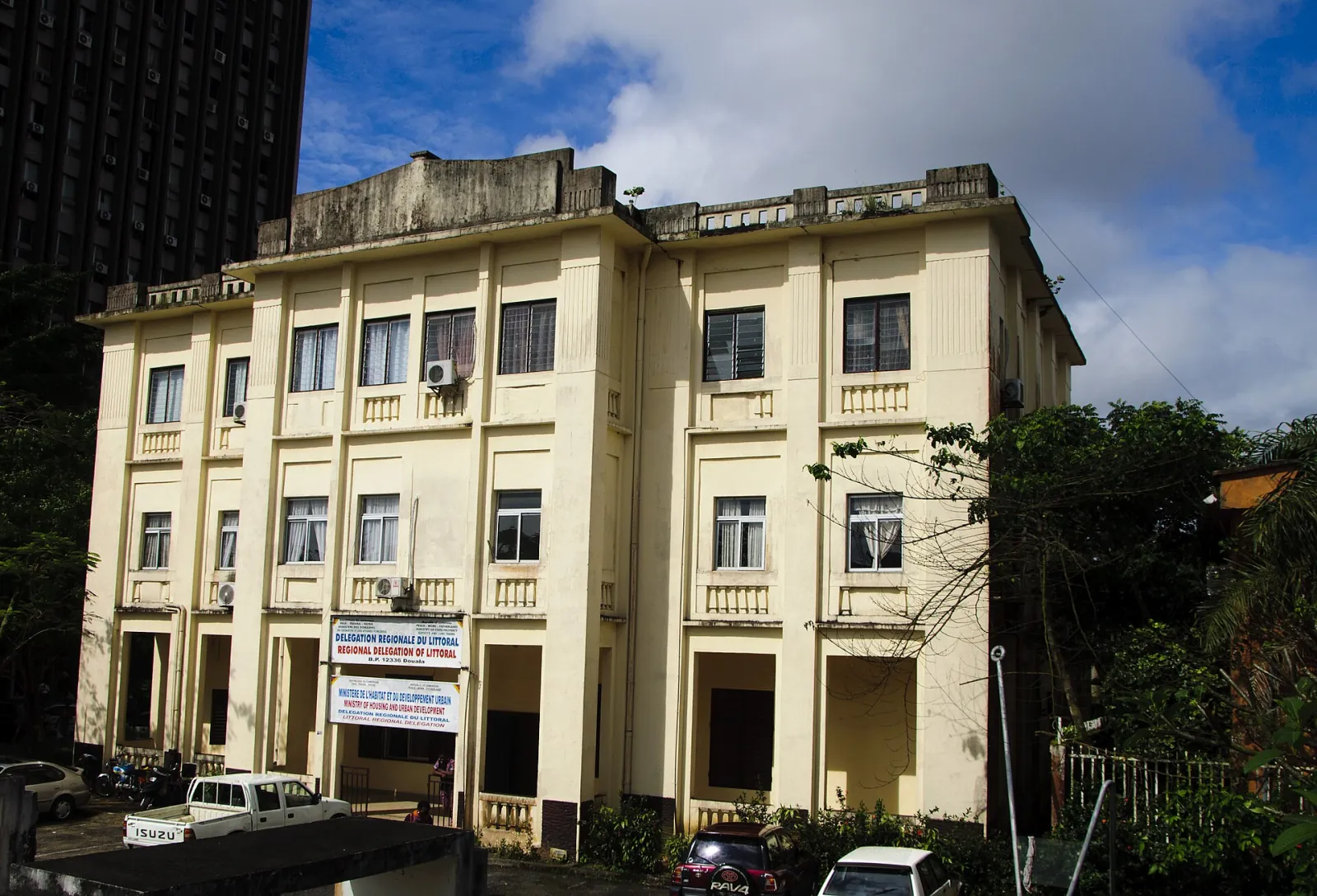
Former Woermann-Linie headquarters, a colonial building in Douala

The heritage of the Littoral is first read in the city of Douala. The Bonanjo district preserves colonial architecture and the memorial sites of the Duala chiefdom, while Akwa, Deïdo and New Bell tell the story of the port, of trade and of working-class neighbourhoods. The city’s contemporary art centres, including doual’art, have made public space a ground for creation with the Salon urbain de Douala.

Main landmarks

  • The Sawa palaces and chiefdoms, assembly places of the Duala people;
  • The port of Douala, the bridge over the Wouri and the riverfront, witnesses of maritime history;
  • The Douala-Edéa wildlife reserve and the mangroves of the estuary, natural and cultural landscapes;
  • The plantations of the Moungo and the Penja region, known for its pepper, which form an agricultural and industrial heritage;
  • The islands and fishing villages of the estuary, where navigation and fish-smoking skills are practised.

Museums and exhibition venues

The region has public collections, association holdings and private galleries. The institutions of the national network are presented on the national museums page; the listed monuments and cultural landscapes complete the picture. A visitor can put together a one-day tour of Douala, or a three-day tour towards Edéa and Nkongsamba, using the cultural routes.

ℹ️
Visiting as a group

School groups and associations can ask the delegation for help in organising a guided visit of the sites in the regional capital.

Festivals

Festivals of the Littoral: the Ngondo and the Douala season

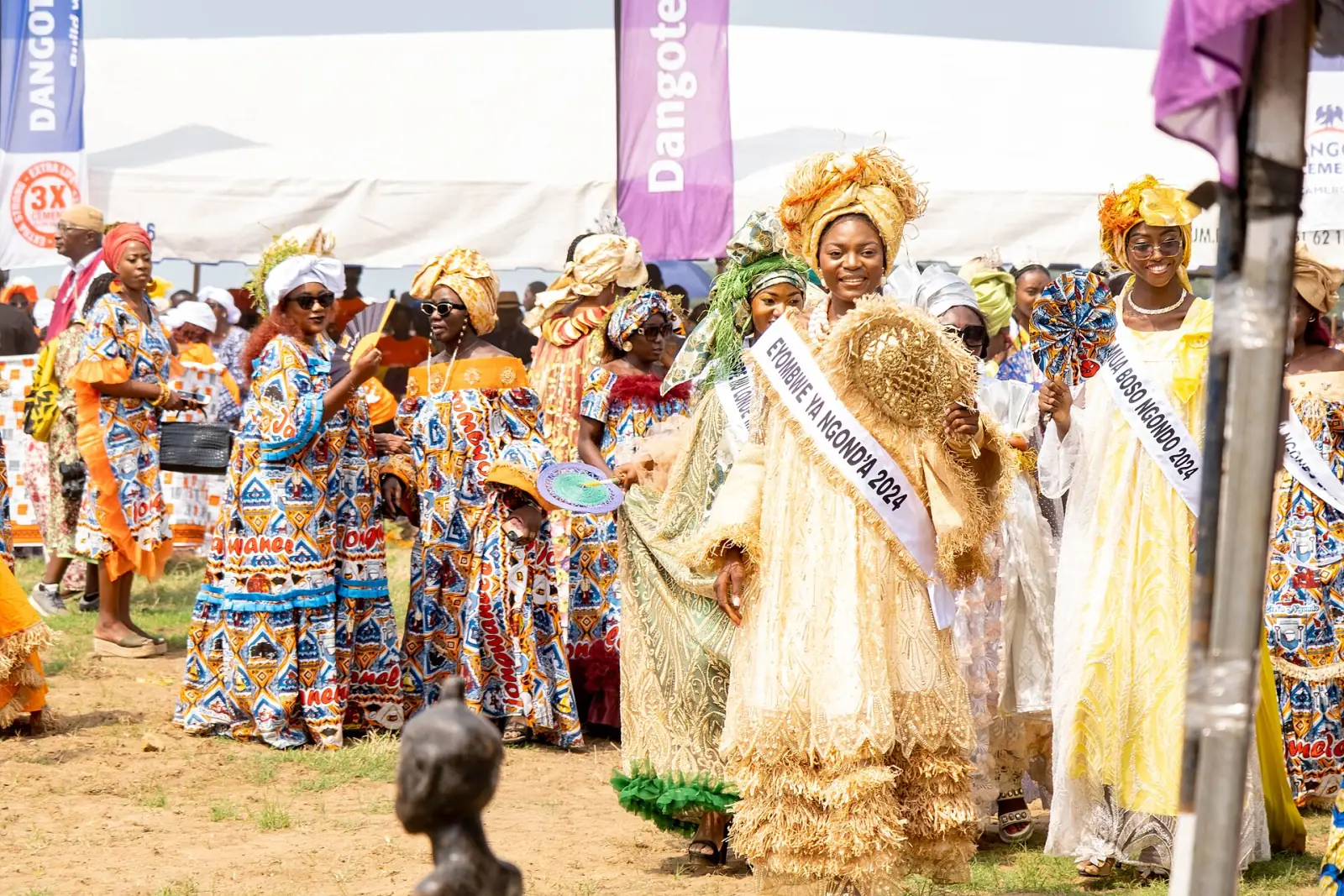
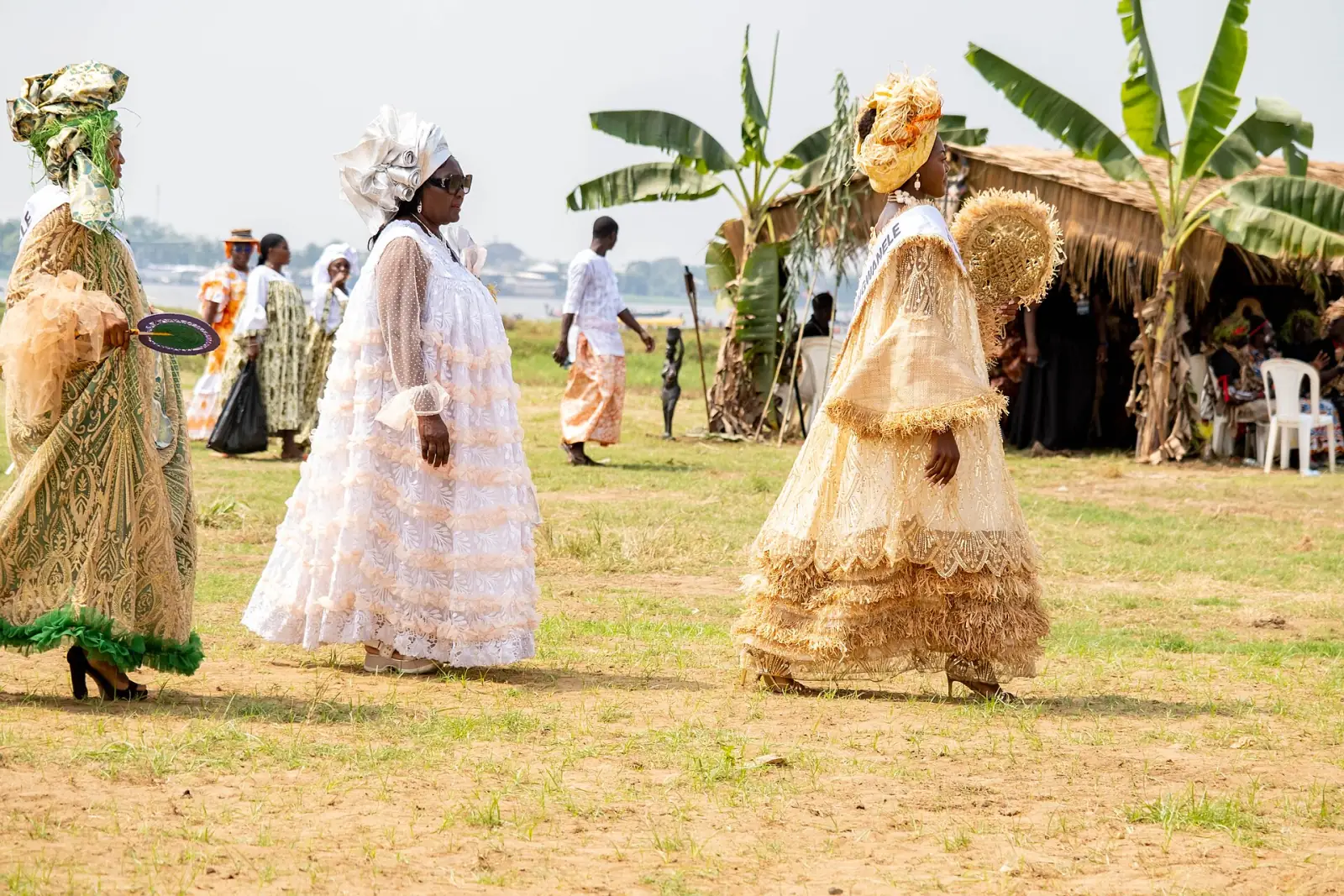
Beauty queens and women in raffia dress and colourful wrappers at the Ngondo festival

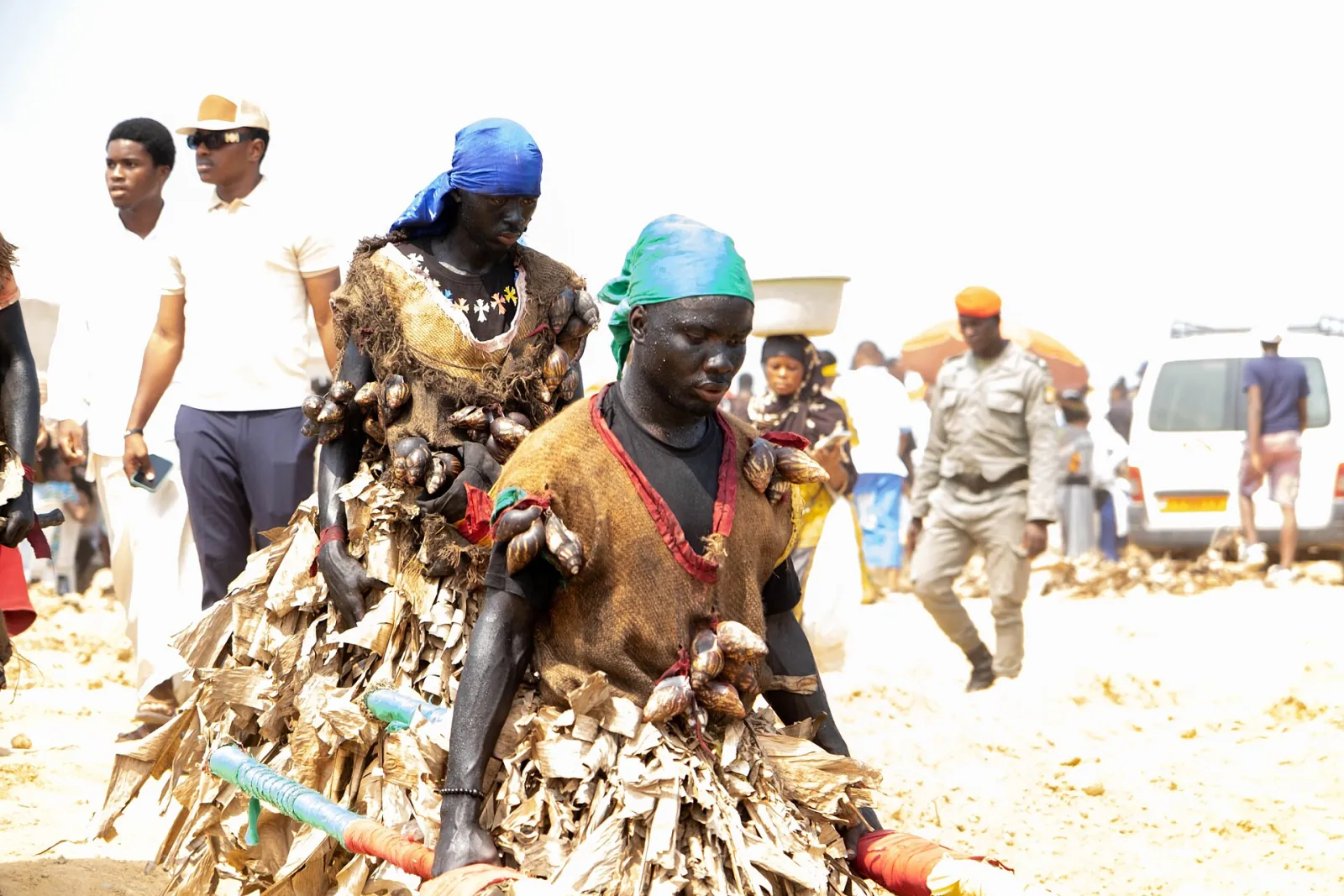
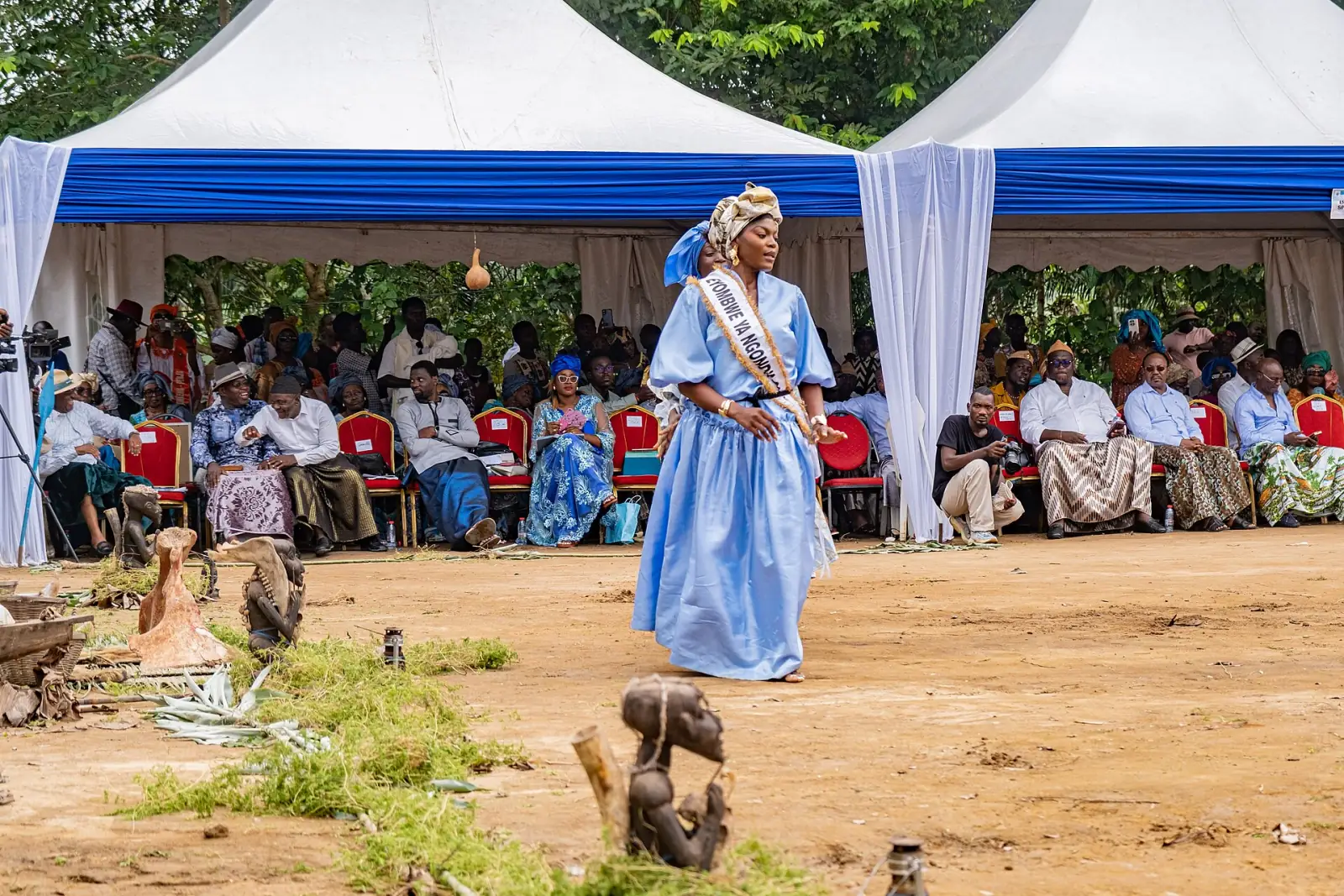
The Ngondo is the great annual assembly of the Sawa people. Organised around the Wouri in Douala, it brings together traditional chiefs, notables and Duala families for rites, ceremonies on the water, dances and pirogue races. The high point is the ritual dive of a representative into the river, who, according to tradition, goes to receive the message of the water spirits, the miengu, for the coming year. Find out more on the Ngondo page.

Around the Ngondo

Ngondo week hosts exhibitions, lectures on Sawa history, costume parades and concerts. Neighbourhood associations and dance groups present the repertoire of the coast there, from makossa to fishing rhythms.

The rest of the season

  • Music and dance gatherings in the culture centres and cultural centres of Douala;
  • Contemporary art events in urban space;
  • Local festivities in the Moungo, Nkam and Sanaga-Maritime, linked to harvests and village festivals;
  • Open stages during the Fête de la musique and the heritage days.

The dates appear in the national calendar and in the regional festivals section. Organisers will find the procedure in Organising a festival.

ℹ️
Organisers

Submit your authorisation application several weeks before the date: the delegation can review the file with you before it is sent.

Languages

Languages of the Littoral: Duala, Bassa, Bakoko and their neighbours

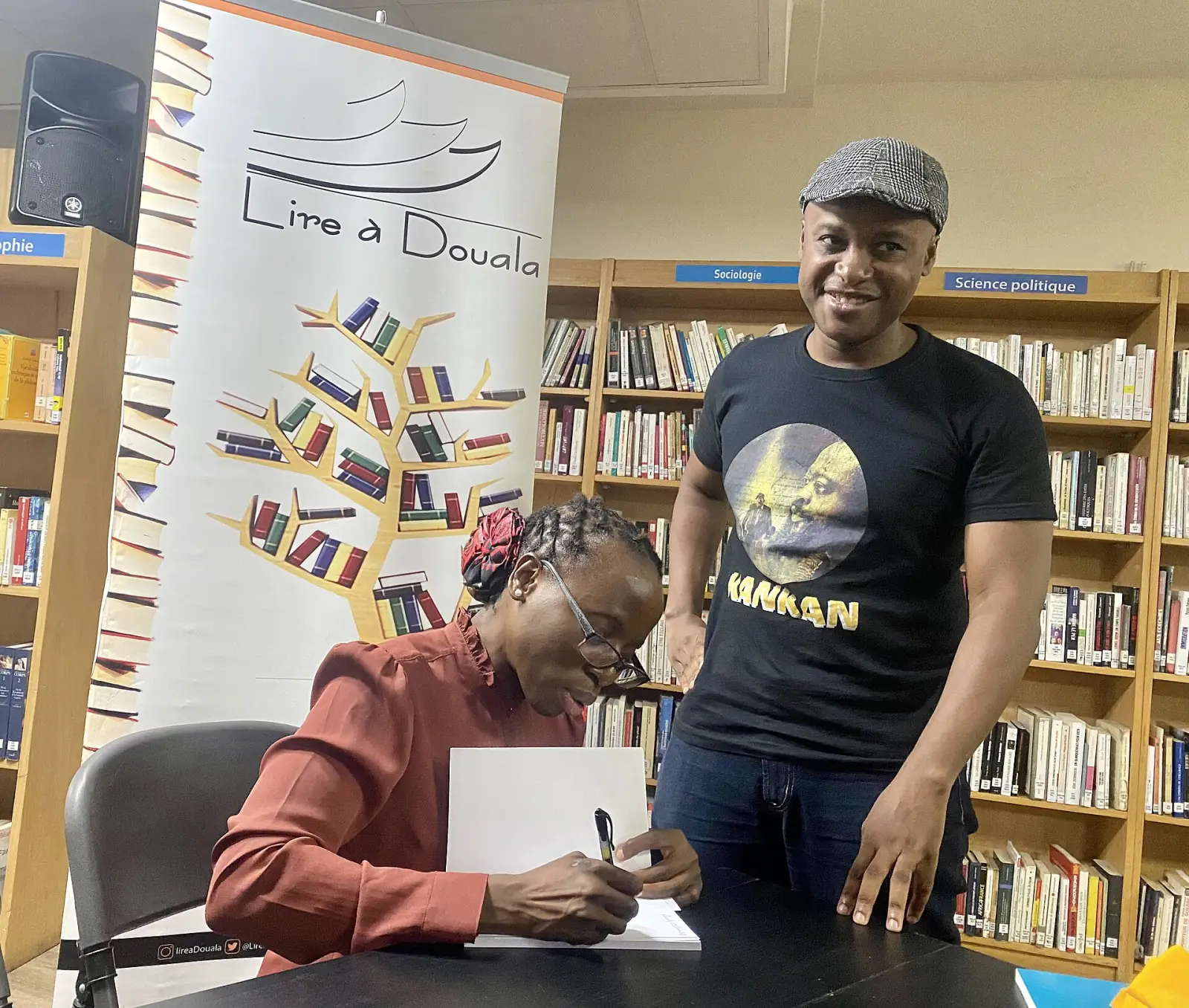
Author signing a book in a Douala bookshop in front of shelves

The Littoral is a multilingual region. Duala, a Bantu language of the coast, long served as a language of trade and evangelisation; it has an old written tradition, with newspapers, hymns and translations. Bassa, spoken in Sanaga-Maritime and Nkam, and Bakoko, its close neighbour, form with it a group of neighbouring Bantu languages, each with its own proverbs, tales and songs.

A varied linguistic landscape

Mbo and other languages of the Moungo are also heard there, along with varieties from the Yabassi area and the languages brought by migration to the plantations and the city: Bamileke, Hausa, Ewondo and many others. In Douala, French, English and Pidgin mix with local languages, and Camfranglais is part of young people’s daily life.

Passing on and documenting

  • Collecting tales, proverbs and songs from the elders;
  • Literacy and writing workshops in national languages;
  • Recording place names, genealogies and origin stories;
  • Publishing illustrated lexicons and primers.

This work forms part of the national policy described in National languages and in linguistic heritage. Oral traditions have a central place in it.

ℹ️
Take part

A teacher, storyteller or association can propose a language workshop to the delegation, which includes it in its annual programme.

Live arts

Music of the Littoral: makossa, assiko and much more

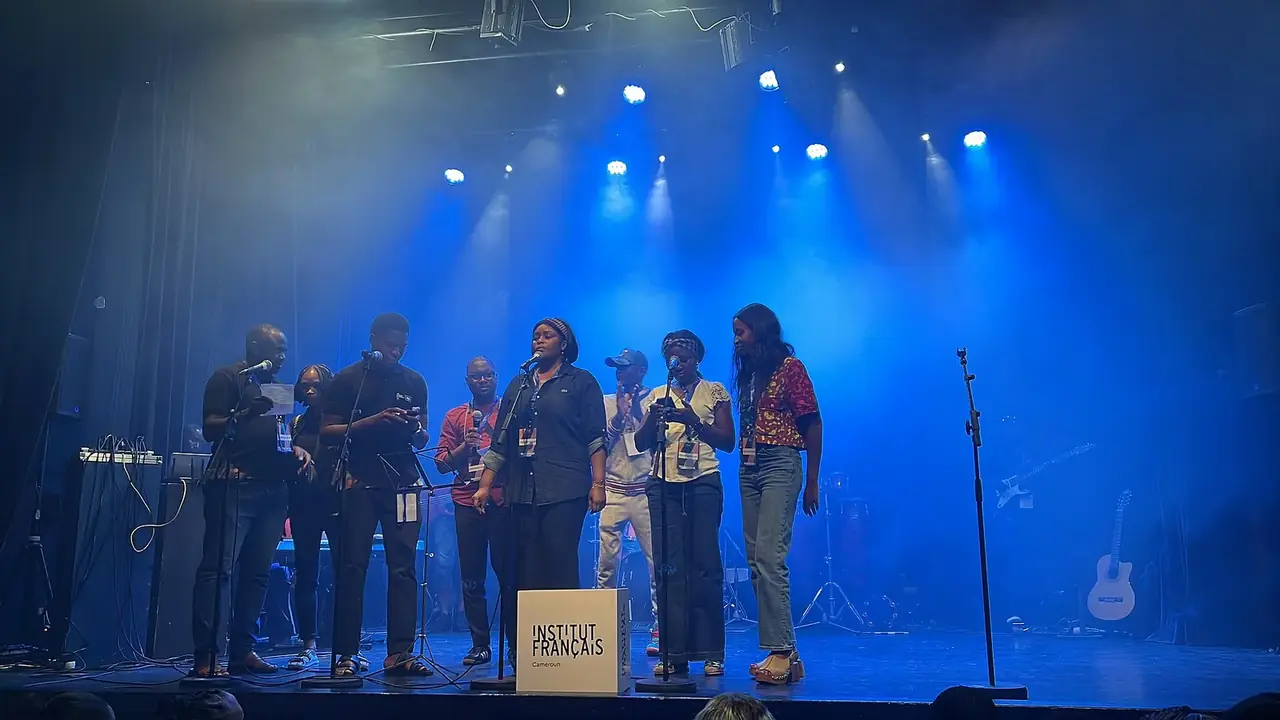
Artists performing at a music festival in Douala

Douala is one of the cradles of makossa, an urban music born of the rhythms of the coast and influences from around the world, which has made Africa and European stages dance. In Bassa country, assiko, born of a work and festive rhythm, relies on the playing of percussion and of the banjo or guitar. Fishermen’s songs, Sawa dance ensembles and church choirs complete a soundscape of great richness.

The region concentrates studios, venues, producers and radio stations. Artists find contacts there, but also well-known difficulties: rights, piracy, funding. The Ministry directs them to collective management societies and to the Music section.

Know-how

Cuisine, fishing and crafts of the Littoral

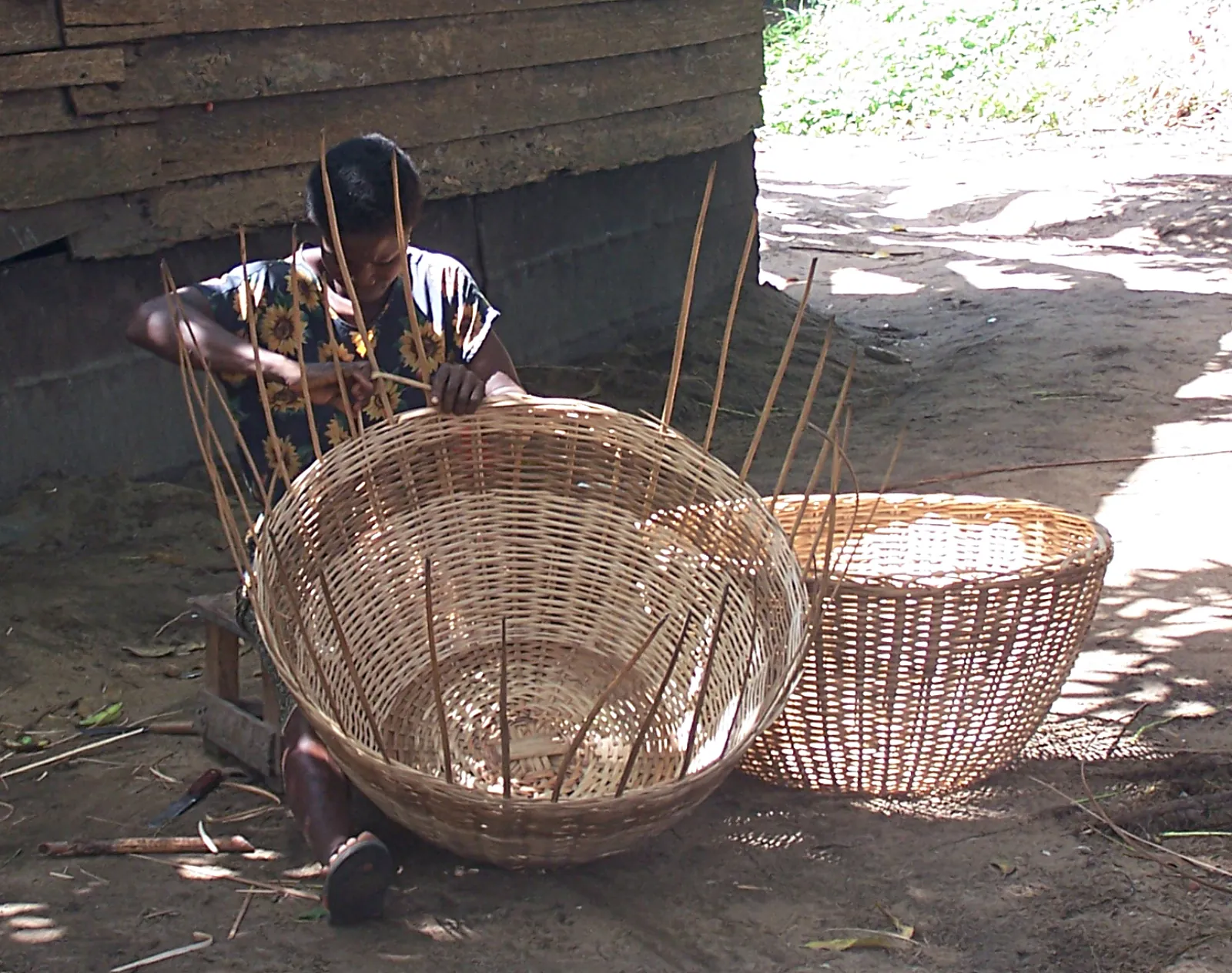
Craftsman weaving a large wicker basket outside a house, a second basket beside him

The table of the Littoral is famous: ndolé with shrimps or meat, served with miondo or plantain, grilled seaside fish, Bassa mbongo tchobi in a spicy black sauce, okra sauce and koki. These dishes are passed down in families and in neighbourhood restaurants, and feed a genuine gourmet tourism.

As for crafts, the region is known for the carving of pirogues and festival prows, basketry, raffia weaving and woodwork. The fishermen of the estuary make their traps and nets using ancient techniques. Craftspeople can make themselves known through the fine crafts section and the traditional know-how page.

Step by step

Submitting a cultural file from the Littoral

Seek advice

Meet the delegation or call the switchboard (+237 6 51 70 58 41) to confirm the nature of the procedure and the list of documents to provide.

Prepare the file

Gather the presentation note, the association’s articles, the programme, the security plan and proof of identity of the person in charge.

Submit online or in the region

Choose the online One-Stop Shop or a paper submission at the Douala delegation, which forwards it to Yaoundé.

Follow the file

Keep your file number and check progress in the tracking area, without travelling.

Receive the decision

The reply is notified to you; if a document is missing, the delegation guides you in regularising the file.

Carry out and report

Hold your event, then send a short report with photographs and attendance figures.

Journey

The Littoral through history

Before the 19th centuryThe peoples of the coast

The peoples of the estuary and the Sanaga organise themselves into chiefdoms and assemblies, and trade along the rivers with the interior.

19th centuryA port open to the world

The Duala chiefs deal with European navigators; churches and schools put the Duala language into writing and train scholars.

20th centuryThe port city

Douala becomes the country’s great city: plantations, railway, working-class neighbourhoods and the birth of an urban music scene.

1970s to 1990sThe age of makossa

The orchestras, studios and cabarets of Douala export makossa, and the city fills with venues and concert bars.

The 2000sArt in the city

Contemporary art centres take over public space and organise events that attract artists and audiences from around the world.

TodayA networked region

The Ngondo, neighbourhood festivals and digital initiatives make the region a cultural laboratory followed by the delegation.

To explore

The Littoral in other sections

Voices of the Littoral

They keep the coast alive

“
Each year we prepare our pirogues and costumes several months before the Ngondo; the delegation helps us with authorisations and public safety.
A festival committee chairman
Douala
“
Our dance troupe was able to rehearse in a public hall and stage a show based on the fishermen’s songs of the estuary.
A troupe leader
Douala
“
I collect Bassa tales from grandparents and record them so that the village children can rediscover them at school.
A language teacher
Sanaga-Maritime
“
My carving workshop sells to visitors at the port; registering in the directory brought me new orders from abroad.
A wood carver
Douala

“When the river speaks, the city listens: the Ngondo reminds Douala that it was born of water and of the words of the elders.”

A Sawa notable, Douala
Glossary

The words of the Littoral

Ngondo

Annual assembly of the chiefs and notables of the Sawa people, associated with a rite on the Wouri river.

Miengu

Water spirits of Duala tradition, whose message is received during the Ngondo.

Sawa

Name given to the peoples of the coast, including the Duala and the neighbouring Bakoko and Bassa.

Duala

People and language of the Wouri estuary, at the origin of the city of Douala.

Makossa

Urban music born in Douala, blending coastal rhythms, guitar, brass and ballroom dances.

Assiko

Popular Bassa rhythm played on guitar or banjo, accompanied by improvised percussion.

Ndolé

Emblematic dish made with bitter leaves, groundnut paste and shrimps or meat.

Miondo

Fermented cassava stick, steamed in leaves, served with ndolé.

Mbongo tchobi

Spicy black sauce of Bassa cuisine, prepared with fish or meat.

Regional Delegation

Decentralised service of the Ministry that represents and relays its action in a region.

To act

The most requested procedures in the Littoral

Show authorisation

Essential before any concert, ballet or play, indoors or outdoors, in Douala and in the towns of the region.

Submit the application

Festival authorisation

For committees organising a festival, a biennale or a fair: prepare the programme, security and ticketing.

See the procedure

Cultural grant

Associations and companies of the Littoral can request support for a creation, a tour or a renovation.

Request support

Artist card

Professional musicians, visual artists and dancers of the region have their status recognised.

Apply
Agenda

Cultural events in the Littoral in 2026-2027

On the site

Continue exploring the Littoral

Resources

Useful links for the Littoral

Stakeholders

Who supports culture in the Littoral?

Key facts

The Littoral at a glance

Key factDetailCultural interestWhere to learn more
Regional capitalDouala, economic capital, port on the WouriMusic scene, contemporary art, Sawa chiefdoms/regions/delegations-regionales
DivisionsWouri, Moungo, Nkam, Sanaga-MaritimeFour distinct cultural areas, from the estuary to the plantations/regions/carte-culturelle
Main peoplesSawa (Duala), Bassa, Bakoko, Mbo, AboChiefdoms, assemblies, water rites/regions/chefferies-traditionnelles
Major festivalNgondo, festival of the Sawa people, on the WouriRitual ceremony, pirogues, dances, exhibitions/festivals/ngondo
MusicMakossa, assiko, fishermen’s songsStudios, venues, orchestras, dances/arts/musique
LanguagesDuala, Bassa, Bakoko, Mbo, Abo, MalimbaTales, proverbs, literacy/regions/langues-nationales
CuisineNdolé, miondo, grilled fish, mbongo tchobiGourmet tourism, neighbourhood catering/industries/tourisme-culturel
ProceduresSubmission at the delegation or onlineAuthorisations, approval, grant/services/guichet-unique
Questions

Your questions about culture in the Littoral

Where should I submit my cultural file if I live in the Littoral?

You can submit it online at the One-Stop Shop, at any time, or hand it in to the Douala regional delegation, which forwards it to the relevant service in Yaoundé. Keep the file number you are given: it lets you track progress without travelling.

How can I contact the regional delegation?

The official contact details are on the regional delegations page. You can also call the Ministry switchboard on +237 6 51 70 58 41, Monday to Friday, or write to contact@minac.gov.cm stating your commune and the purpose of your request.

When does the Ngondo take place and how can I take part?

The Ngondo is held every year at the end of the year in Douala. Dance groups, craftspeople and associations wishing to take part should contact the organising committee and the delegation, in particular for the authorisation and safety of public activities.

Can my neighbourhood association obtain support?

Yes, if it is approved and carries a specific cultural project: a workshop, a performance, the restoration of a venue. Submit a grant application with the budget, the timetable and the list of beneficiaries. The delegation can review the file before it is sent.

How can I have a practice of my community recognised?

Describe the practice, its occasions, its bearers and its rules of transmission, then obtain the community’s agreement. The delegation helps you compile the sheet that will be added to the inventory of intangible heritage.

Where can I learn Duala, Bassa or Bakoko?

Workshops are organised by associations, parishes and teachers, sometimes with the support of the delegation. Ask the delegation about current sessions, for children as well as adults.

Can the sites of the Littoral be visited as a group?

Yes. School groups, associations and agencies can put together a tour based on the cultural routes and ask the delegation for practical advice: opening hours, access, guides and rules for respecting the sites.

How do I report a threatened site or object?

Use the site’s reporting form or inform the delegation. Describe the place, the condition of the property and the threat observed. The file is examined by the heritage services, which decide on the necessary protection measures.

Contact

Write to the Ministry from the Littoral

State your commune, your procedure and, where applicable, the organisation you represent: your message is directed to the relevant service.

Contact the Ministry

Contact the Ministry about the Littoral

Address

Ministry of Arts and Culture
Quartier du Lac – Ministerial Zone
P.O. Box 1053 Yaoundé, Centre Region, Cameroon

Reach us

+237 6 51 70 58 41

contact@minac.gov.cm

Opening hours

Monday to Friday, 8 am to 4 pm

A cultural project in Douala or on the coast?

Submit your file online and track it with your number, or approach the regional delegation.

Open the One-Stop Shop
WhatsApp