Coat of arms of CameroonMinistry of Arts
and Culture
Republic of Cameroon
My procedures
Home
Minister’s message
News
Press releases
Cultural calendar
Official speeches
Press review
Photo library
Video library
Calls for projects
Job vacancies
Public procurement
Newsletter
Frequently asked questions
Site map
Contact
Press area
Podcast “The Voice of Culture”
Legal notices
Privacy policy
Cookies and trackers
The Ministry
Missions and responsibilities
Organisation
Organisation chart
Minister’s Office (Cabinet)
Management team
General Secretariat
General Inspectorate
Central directorates
Regional Delegations
Institutions under supervision
Legislative texts
Regulatory texts
Sector strategy
Major projects
Budget and reports
Partners
Careers
Archives
Institutional communication
Quality and accessibility
Arts
Visual and plastic arts
Visual arts
Performing arts
Theatre
Dance
Music
Literature and books
Cinema and audiovisual
Photography
Fashion and design
Digital arts
Art crafts
Artists’ directory
Residencies
Prizes and awards
Arts education
Urban arts
Heritage
Tangible heritage
Intangible heritage
UNESCO sites
National museums
Listed monuments
National inventory
Palaces and chiefdoms
Archaeology
Linguistic heritage
Oral traditions
Traditional know-how
Restitution of cultural property
Fight against illicit trafficking
Listing and protection
Conservation and restoration
Heritage Days
Cultural landscapes
Industries
Music and recording
Cinema
Publishing and books
Digital arts
Fashion and creativity
Crafts
Cultural tourism
Funding for culture
Support funds
Incubators
Cultural entrepreneurship
Culture Observatory
Vocational training
Studies and reports
Sector statistics
Export and outreach
Intellectual property
Copyright
Legal framework
Copyright and neighbouring rights
Collective management societies
Register a work
Licences
Private copying
Fight against piracy
Model contracts
Social status of artists
Mediation
Disputes
Training
Fee scales
Register of works
Contact
Digital neighbouring rights
Public domain
Festivals
National calendar
Ngondo
Nguon
Écrans Noirs
Heritage Days
Music Day
Regional festivals
Fairs and exhibitions
Biennials
National competitions
Cultural days
Organise a festival
Event grants
Ticketing
Archives
Volunteering
Diaspora festivals
Regions
Adamawa
Centre
East
Far North
Littoral
North
North-West
West
South
South-West
Cultural map
Regional Delegations
Traditional chiefdoms
National languages
Cultural routes
Decentralised cooperation
Regional observatory
Cooperation
UNESCO
Francophonie (OIF)
African Union
Commonwealth
CEMAC
Bilateral cooperation
Cultural agreements
Professional organisations
Scholarships
Artist exchanges
Cultural years
Diaspora
Funded projects
Embassies
Technical partners
International restitution
International monitoring and calls
Services
Artist card
Show authorisation
Filming authorisation
Festival authorisation
Deposit of a work
Export of works of art
Listing of a property
Grant application
Association accreditation
File tracking
Forms
Fees
Opening hours and addresses
Reporting
Online help
My account
One-Stop Shop
Home

Public procurement

Tender notices, calls for tenders, awards and suppliers’ area: the complete public procurement process of the Ministry, from publication of the notice to appeal, so you can respond in full transparency.

Updated on 5 November 20264 sub-pages
Current notices4
Recent awards3
Publication100% online
Archives since2024
Public procurement

Public procurement that is open and traceable

Guests and officials seated during an official ceremony

The Ministry purchases works, supplies and services to maintain its sites, equip its institutions and carry out its programmes. Every contract follows a public procedure, from the advertising notice to the award, so that all companies compete on equal terms.

This page presents current notices, how a call for tenders works, recently awarded contracts, the suppliers’ area and the means of appeal. It is aimed at companies, consortia, craftspeople and intellectual service providers wishing to respond to consultations by the Ministry and its institutions.

  • Notices published online and posted
  • Same documents for all applicants
  • Awards and appeals made public
See current notices
Notices

Current tender notices: reading, understanding, responding

Meeting room with a projection screen during a Ministry workshop

The tender notice is the document by which the Ministry announces a need and invites companies to submit a bid. It is published online on this page and posted on the Ministry’s premises. Four notices were open as of 28 October 2026.

What a notice contains

The notice states the contracting authority, the subject of the contract, the nature of the service (works, supplies, services or intellectual services), the place of performance, the expected timeframe, the procedure chosen, the conditions of participation, the place and deadline for submitting bids, and the means of appeal. It refers to the tender file, which can be collected free of charge or for a reproduction fee set in the notice.


Current notices

Read the notice to the end, and note from the outset the submission date, the place and the number of copies expected.

ℹ️
Key points

The notice is authoritative. In case of any difference between this summary and the notice, the published notice applies.

In progress

Open tender notices

Procedure

Calls for tenders: procedure, documents and rules of the game

Ministry working meeting around a flower-decked table

The call for tenders is the reference procedure. It rests on three principles: competitive bidding, equal treatment of applicants and transparency of decisions. Each applicant receives the same documents, asks questions in writing and gets the same answer as the others.

The tender file

It includes the consultation rules (conditions of participation and evaluation criteria), the specifications or terms of reference describing the need, the framework of the price schedule and the draft contract. Read them in full: a bid that does not comply with the specifications is set aside, even if its price is the lowest.

Submission and opening of bids

Bids are submitted in a sealed envelope, at the place and before the deadline time set by the notice. The envelopes are opened in a public session, before the procurement committee, in the presence of the applicants who wish to attend; the list of bids received is read out and recorded in minutes.

Judgment

The committee first checks administrative compliance, then assesses the bids technically and finally compares prices. It proposes a ranking to the contracting authority, which awards the contract. The regulatory texts govern each stage.

Circuit

How a call for tenders proceeds

Publication of the notice

The subject, place, deadlines and documents are announced online and by posting; the calendar is set from that date.

Collection of the file

Each company obtains the same documents and signs a collection receipt in order to receive any addenda.

Questions and site visit

Questions are asked in writing; the answers are communicated to everyone. A site visit may be organised for works.

Submission and opening of envelopes

Bids are submitted before the deadline date and time; the committee opens them in public session and draws up minutes.

Evaluation and award

The committee analyses and ranks the bids, the contracting authority awards the contract and the award notice is published.

Appeal and signature

Unsuccessful applicants have a period in which to appeal; after that period, the contract is signed and then notified to the awardee.

Procedures

Which type of procedure for which need?

ProcedureUsePublicityCompetition
Open call for tendersMajor contracts, works and standard suppliesPublic notice online and by postingAny eligible company may submit a bid
Restricted call for tendersSpecialised services, limited number of qualified providersPublic prequalification noticeApplicants prequalified on file
Simplified consultationLow-value purchases, routine needsPosting and online publicationSeveral suppliers consulted in writing
Direct awardExceptional justified cases: urgency, technical exclusivityJustification made publicA single supplier, reasoned decision
Call for expressions of interestIntellectual services, studies and consultantsPublic notice and shortlistFirms and experts prequalified
Results

The awards: how they are decided and announced

Signing of an agreement in front of the portrait of the Head of State

An award is the decision by which the Ministry selects the bid judged most advantageous. It follows the committee’s evaluation and is the subject of a notice published on this page, so that every applicant knows who was selected and why.

What the award notice states

It recalls the subject of the contract, the procedure followed, the number of bids received, the name of the awardee, the performance period and the means of appeal available. The names of the companies are published; the commercial data of unsuccessful bids remain confidential.

Awards of the season

Three contracts have been awarded in recent months: the equipment of the National Museum (September 2026), the repair of a listed chiefdom (August 2026), see palaces and chiefdoms, and the redesign of the Ministry’s website (July 2026).

After the award

The contract is signed, notified, then monitored by the contracting authority: acceptance of works, delivery checks, payment. Awardee companies remain subject to oversight of performance, to joint acceptance of works and to the penalties provided in the contract in case of delay. Monitoring reports feed into the activity report.

Results

Recent awards

Suppliers

The suppliers’ area: registration, alerts and administrative documents

Group of participants in varied outfits posing in the middle of a wooden-floored hall during a Ministry meeting

The suppliers’ area is intended for companies wishing to respond regularly to the Ministry’s consultations. It allows them to register, indicate their fields of activity, receive the corresponding notices and track the status of their bids.

Registering

Registration is done by creating an online account, then entering the company name, the identification number, the sectors of activity and the references. The administrative documents (tax and social compliance certificates, trade register, technical and financial capacity) are submitted once and reused for each bid, as long as they remain valid.

Receiving alerts

Registered companies receive by e-mail the notices that match their sector. They can also subscribe to the newsletter to follow the annual procurement schedule.

Local companies and young firms

Small businesses and cultural organisations can group together to respond jointly. Incubators and entrepreneur networks help to form these consortia.

ℹ️
Information

For any question about registration, write to the Directorate of Finance via the Contact page.

Deadlines

The standard calendar of a contract

Week 0Publication of the notice

The notice is put online and posted; the file can be collected from the first working day.

During the callApplicants’ questions

Written questions are received until a set date; the answers are communicated to everyone who collected the file.

DeadlineSubmission of bids

Envelopes submitted sealed, before the deadline time; public opening takes place immediately afterwards.

After openingEvaluation and award

Analysis of bids by the committee, ranking, decision by the contracting authority and publication of the award notice.

After awardAppeal, signature, notification

An appeal period begins; the contract is then signed, notified and performance can begin.

Stakeholders

Who does what in awarding a Ministry contract

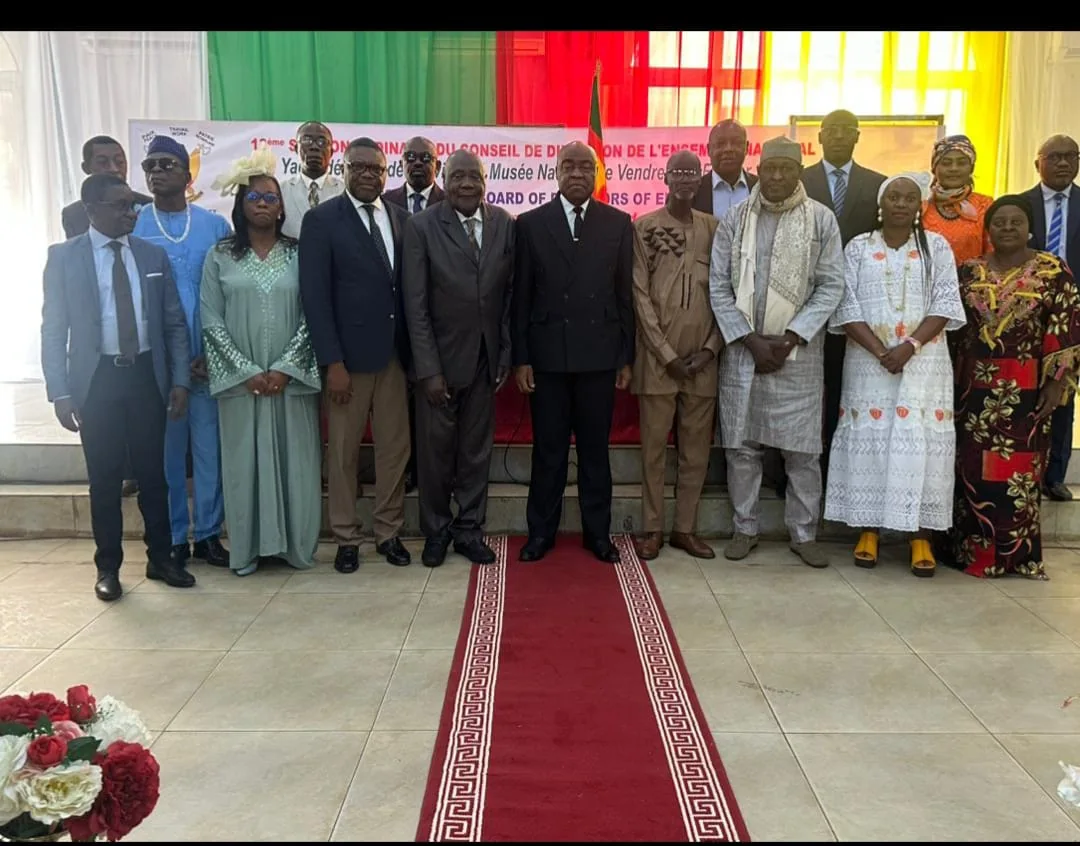
Board members posing on a red carpet at the National Museum

An award involves several actors with distinct roles, to prevent a single person from controlling the whole decision. This separation of functions is one of the safeguards of transparency in the process.

The contracting authority

This is the authority that expresses the need, mobilises the funding and signs the contract. At the Ministry, it is the directorate or institution commissioning the service, under the authority of the General Secretariat.

The procurement committee

It opens the envelopes, analyses the bids, drafts the minutes and proposes a ranking. Its members declare their conflicts of interest and recuse themselves where appropriate.

The finance directorate and the inspectorate

The finance directorate checks the availability of funds and the regularity of documents; the General Inspectorate checks compliance with the rules and investigates reports.

The applicants

Companies and service providers submit their bids, attend the opening, ask their questions and, where applicable, exercise their right of appeal.

Challenge

Appeals and oversight: challenging an award, reporting an irregularity

Board session of a Ministry institution, participants posing in the room

An unsuccessful applicant who considers that the procedure was not followed may challenge the decision. The means of appeal are set out in each award notice, with the period running from its publication.

The informal appeal

It is addressed in writing to the contracting authority, setting out precisely the grounds for the challenge: criterion wrongly applied, document not examined, bid set aside without explanation. The Ministry re-examines the file and replies in writing.

Other avenues

If the reply does not satisfy the applicant, they may refer the matter to the body responsible for regulating public procurement or to the competent court, under the conditions provided by the texts. Keep all documents: the notice, the minutes as communicated, your acknowledgement of submission.

Report without delay

Anyone who notices an irregularity (favouritism, request for money, false document) may report it through the reporting form. The General Inspectorate investigates each report and protects the identity of the person reporting.

ℹ️
Reminder

No sum of money is requested to collect a tender file, other than the reproduction cost set by the notice.

Tips

Tendering without a false note: frequent mistakes and good habits

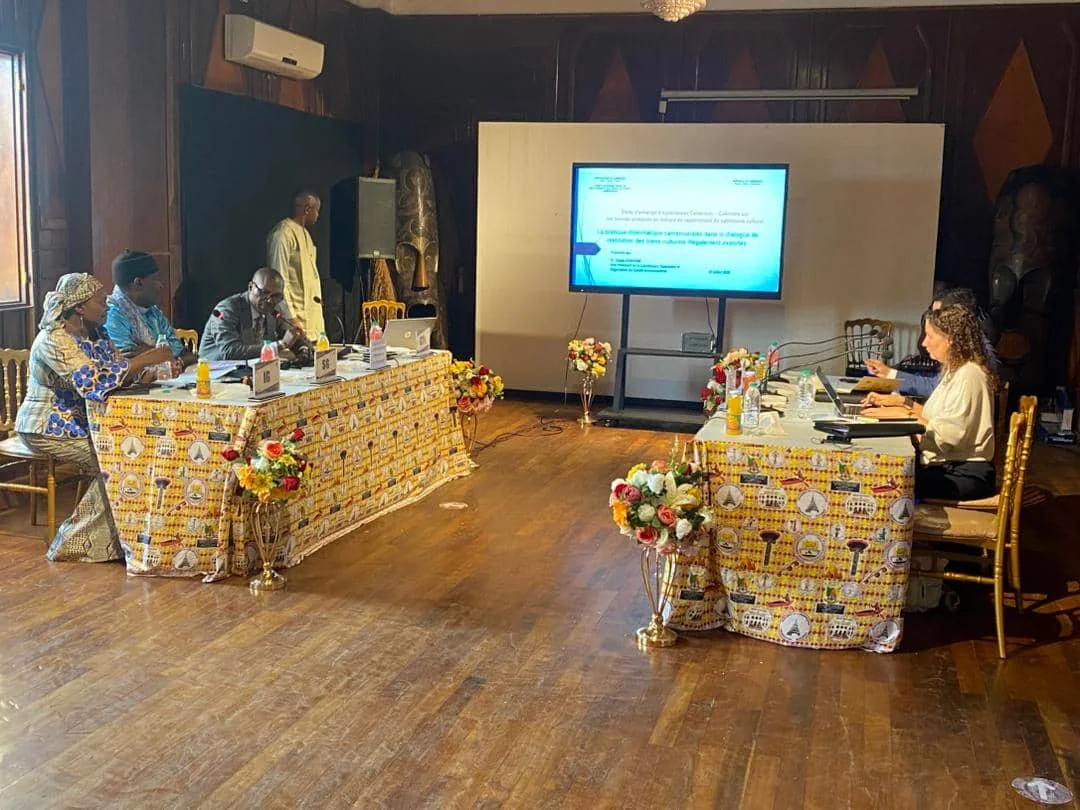
Panel table during an institutional meeting of the Ministry

Most bids set aside are rejected on administrative grounds, not because of their price. A few precautions are enough to avoid most rejections.

The most frequent mistakes

  • Submitting after the deadline time, sometimes by a few minutes;
  • Attaching an expired certificate or a non-compliant copy;
  • Answering off the point of the specifications, by proposing a service different from the one requested;
  • Forgetting the signature or stamp on a mandatory document;
  • Not asking a question when a clause seems ambiguous.

Good habits

Build a permanent administrative file updated every quarter, reread the consultation rules with a checklist, prepare the bid a week before the deadline and submit it early. For a heritage works site, visit the site: see the pages on listed monuments to understand the conservation constraints.

Features

Features to download

Glossary

The vocabulary of contracts

Bidder

Company that submits a bid in response to a notice.

Sealed envelope

Envelope containing the bid, submitted or sent before the deadline.

Specifications

Document describing what the Ministry expects from the provider.

Contracting authority

Authority that expresses the need, funds and signs the contract.

Procurement Committee

Body that opens the envelopes, analyses the bids and proposes a ranking.

Successful bidder

Company whose bid has been selected to perform the contract.

Award notice

Publication announcing the result of the competitive bidding.

Performance bond

Financial guarantee required to secure the proper performance of a contract.

Direct award

Exceptional procedure in which the contract is entrusted to a single supplier, with reasons given.

Appeal

Formal challenge by an applicant to a decision in the procedure.

Price schedule

Table in which the applicant states the price of each requested service.

Companies

They tendered for contracts

“
The notices are clear and questions receive answers for all applicants, which reassures a small business.
A manager of a construction company
Douala
“
Knowing in advance how one is assessed changes everything: we adjusted our bid to the published criteria.
A furniture supplier
Yaoundé
“
The opening of envelopes in public session allowed us to understand the ranking without having to ask anyone.
A digital services provider
Bafoussam
“
Our group of craftspeople was able to respond together, thanks to the tenderer’s guide and the help of an incubator.
A craftspeople’s cooperative
West
Framework

Texts and tools for public procurement

Oversight

The institutions overseeing contracts

Integrity

Oversight at every stage of public procurement

Before the consultation

Annual procurement planning, verification of the availability of funds, validation of the specifications and advertising of notices online and by posting.

Budget

During the consultation

Equal access to information, answers communicated to everyone, opening of envelopes in public session and minutes available to applicants for consultation.

Quality

After the award

Publication of results, possible appeals, monitoring of performance, acceptance of services and ex post oversight by the General Inspectorate.

Inspection
Questions

Tender with confidence: your questions

Can I challenge an award?

Yes, according to the means of appeal set out in the award notice. First write to the contracting authority, setting out your grounds within the stated period; if the reply does not satisfy you, you may refer the matter to the regulatory body or the competent court.

How do I report an irregularity?

Through the site’s reporting form; the General Inspectorate investigates each report and may order an inspection. Describe the facts, the date and the contract concerned, and attach the documents you have; your identity is protected.

Where can I collect a tender file?

The place and arrangements are stated in the notice: download from this page or collection from the committee’s secretariat. Collection is free or limited to the reproduction cost set by the notice, never more.

Can a small business respond?

Yes. Simplified consultations are open to small organisations, and consortia make it possible to respond to larger contracts. Put together your administrative file in advance and rely on guides and entrepreneur networks.

What happens if only one bid is received?

The committee examines the single bid like any other, checking its compliance and its price. Depending on the rules, the Ministry may award the contract or relaunch the consultation, giving reasons for its decision in the minutes.

Can a bid be submitted online?

It depends on the notice, which specifies the method of submission: sealed envelope delivered to the committee’s secretariat or electronic transmission. Follow the requested form exactly, as a bid submitted in any other way is set aside.

How can I be informed of new notices?

Create an account, enter your sectors of activity in the suppliers’ area and subscribe to the newsletter. You will receive the notices that concern you, along with reminders of deadlines.

How long are past notices kept?

Notices and results have been kept in the archives since 2024 and remain available online. They make it possible to identify the Ministry’s recurring purchases and to prepare future bids.

Contact

A question about a public contract

State the notice concerned, your company and your question: your message is forwarded to the secretariat of the procurement committee.

Competent service

Contact the committee secretariat

Address

Secretariat of the Procurement Committee
Ministry of Arts and Culture
Quartier du Lac – Ministerial Zone
P.O. Box 1053 Yaoundé, Centre Region, Cameroon

Reach us

+237 6 51 70 58 41

contact@minac.gov.cm

Opening hours

Monday to Friday, 8 am to 4 pm

An irregularity to report?

Your report is handled by the General Inspectorate, in compliance with confidentiality.

Report
WhatsApp