Coat of arms of CameroonMinistry of Arts
and Culture
Republic of Cameroon
My procedures
Home
Minister’s message
News
Press releases
Cultural calendar
Official speeches
Press review
Photo library
Video library
Calls for projects
Job vacancies
Public procurement
Newsletter
Frequently asked questions
Site map
Contact
Press area
Podcast “The Voice of Culture”
Legal notices
Privacy policy
Cookies and trackers
The Ministry
Missions and responsibilities
Organisation
Organisation chart
Minister’s Office (Cabinet)
Management team
General Secretariat
General Inspectorate
Central directorates
Regional Delegations
Institutions under supervision
Legislative texts
Regulatory texts
Sector strategy
Major projects
Budget and reports
Partners
Careers
Archives
Institutional communication
Quality and accessibility
Arts
Visual and plastic arts
Visual arts
Performing arts
Theatre
Dance
Music
Literature and books
Cinema and audiovisual
Photography
Fashion and design
Digital arts
Art crafts
Artists’ directory
Residencies
Prizes and awards
Arts education
Urban arts
Heritage
Tangible heritage
Intangible heritage
UNESCO sites
National museums
Listed monuments
National inventory
Palaces and chiefdoms
Archaeology
Linguistic heritage
Oral traditions
Traditional know-how
Restitution of cultural property
Fight against illicit trafficking
Listing and protection
Conservation and restoration
Heritage Days
Cultural landscapes
Industries
Music and recording
Cinema
Publishing and books
Digital arts
Fashion and creativity
Crafts
Cultural tourism
Funding for culture
Support funds
Incubators
Cultural entrepreneurship
Culture Observatory
Vocational training
Studies and reports
Sector statistics
Export and outreach
Intellectual property
Copyright
Legal framework
Copyright and neighbouring rights
Collective management societies
Register a work
Licences
Private copying
Fight against piracy
Model contracts
Social status of artists
Mediation
Disputes
Training
Fee scales
Register of works
Contact
Digital neighbouring rights
Public domain
Festivals
National calendar
Ngondo
Nguon
Écrans Noirs
Heritage Days
Music Day
Regional festivals
Fairs and exhibitions
Biennials
National competitions
Cultural days
Organise a festival
Event grants
Ticketing
Archives
Volunteering
Diaspora festivals
Regions
Adamawa
Centre
East
Far North
Littoral
North
North-West
West
South
South-West
Cultural map
Regional Delegations
Traditional chiefdoms
National languages
Cultural routes
Decentralised cooperation
Regional observatory
Cooperation
UNESCO
Francophonie (OIF)
African Union
Commonwealth
CEMAC
Bilateral cooperation
Cultural agreements
Professional organisations
Scholarships
Artist exchanges
Cultural years
Diaspora
Funded projects
Embassies
Technical partners
International restitution
International monitoring and calls
Services
Artist card
Show authorisation
Filming authorisation
Festival authorisation
Deposit of a work
Export of works of art
Listing of a property
Grant application
Association accreditation
File tracking
Forms
Fees
Opening hours and addresses
Reporting
Online help
My account
One-Stop Shop
Industries

Digital arts

Start-ups, incubation, video games and funding: how to start a business in the digital creative sector in Cameroon, with the support of the Directorate of Performing Arts and Creative Industries and within the framework of NDS30.

Updated on 6 November 20264 sub-pages
Strategic frameworkNDS30
Supervising directorateDSIC
Stages of the journey4
Sources of funding5
Digital arts

Starting a business in digital creative industries

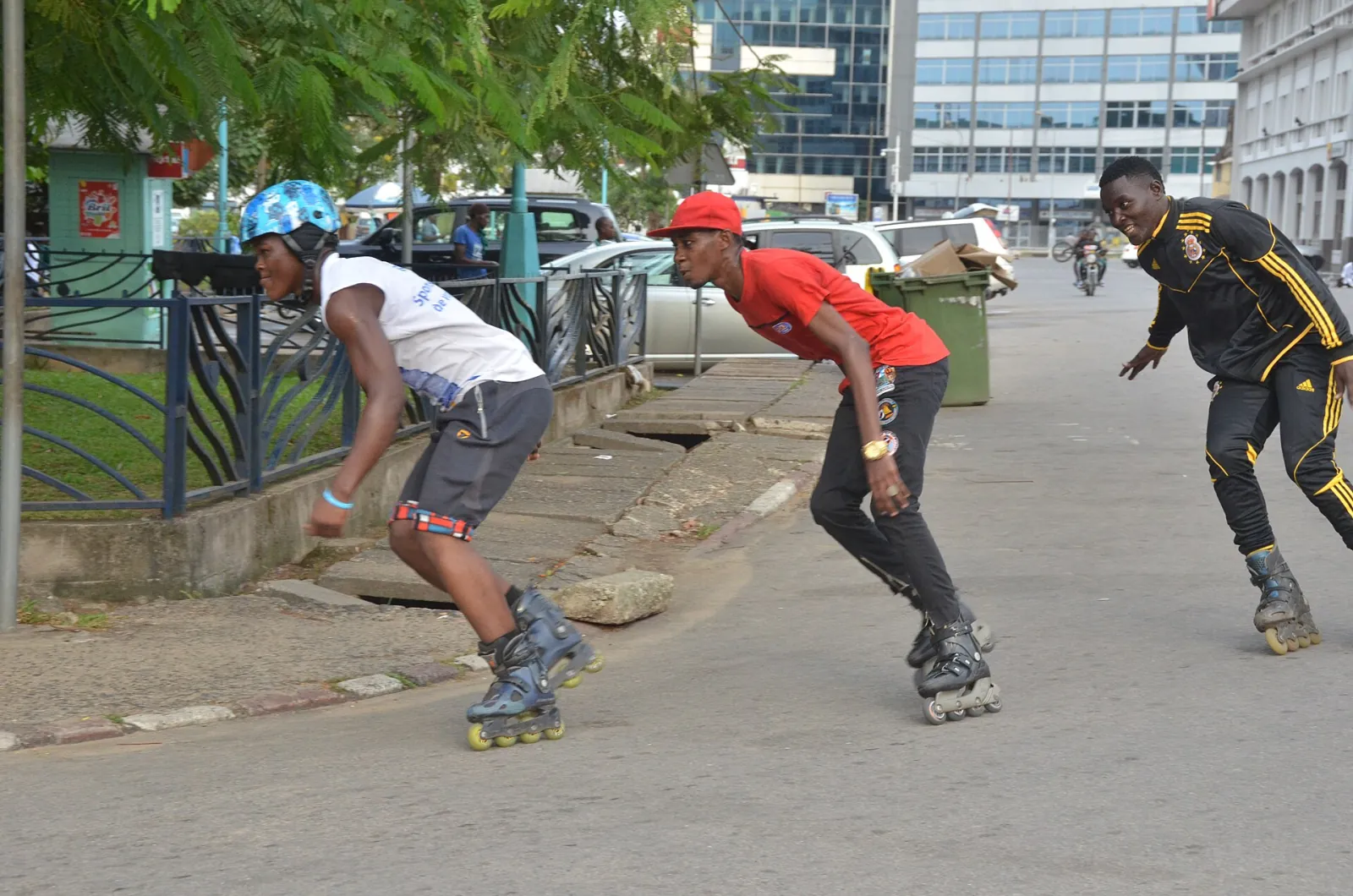
Three young roller skaters setting off along a street in Douala

Mobile apps, video games, animation, visual effects, streaming platforms, virtual reality, podcasts, interface design: digital technology has become a full space for creation and enterprise. In Cameroon, teams of young developers, graphic designers, scriptwriters and sound designers are inventing products that carry the country’s languages, stories and aesthetics.

This page presents the economy of the digital creative sector: how a cultural start-up is born, how it is incubated, how a video game studio works and how growth is financed. It is part of the National Development Strategy 2030 (NDS30), which makes audiovisual and interactive media, design and creative services drivers of growth.

  • Cultural and creative start-ups
  • Incubation and support
  • Video games and interactive content
Discover the start-ups
Start-ups

The start-ups of culture and creation

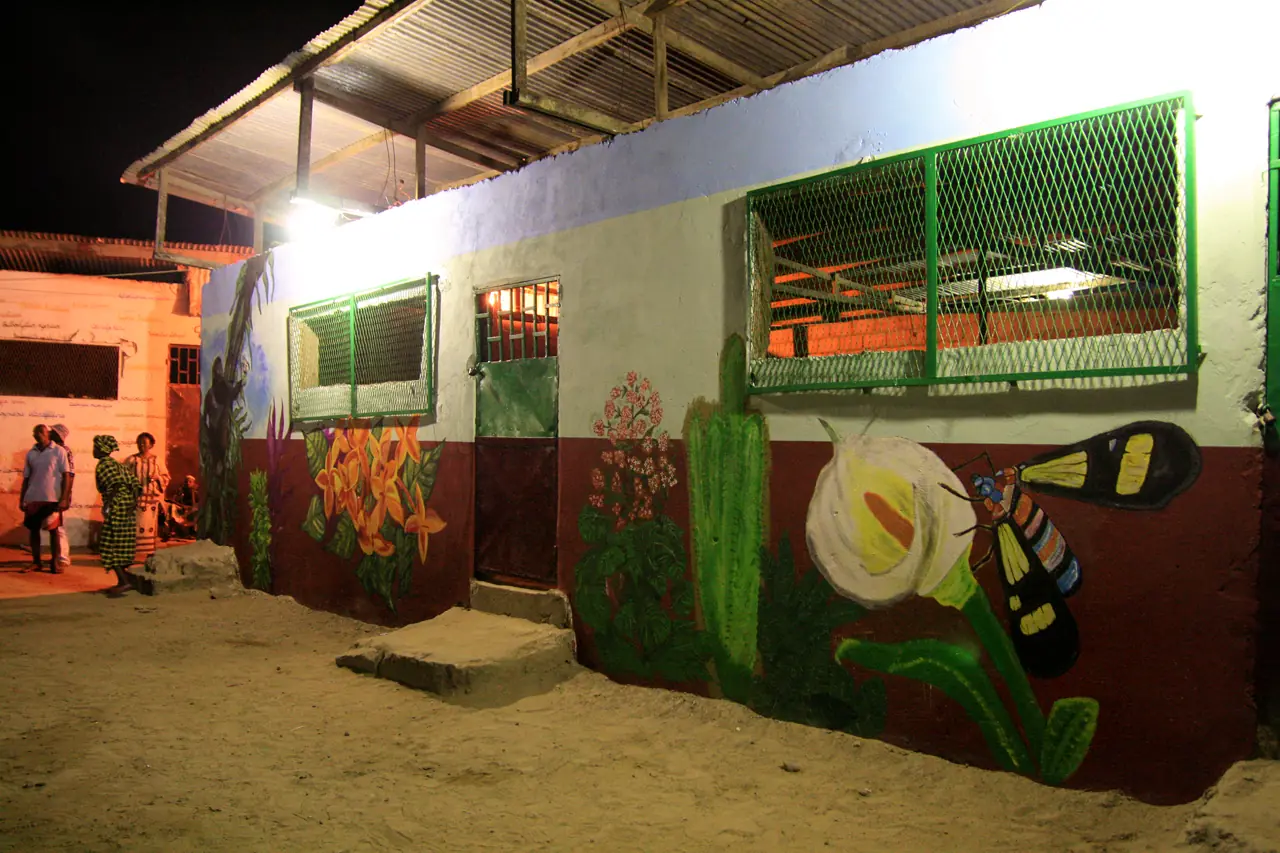
Mural painted on the wall of a house, urban art

A digital cultural start-up is a young company that builds a replicable product or service around creative content: a music platform, a national-language learning app, an online craft shop, a ticketing tool, a virtual museum tour, an animation studio. Its ambition is to scale up quickly, reaching thousands of customers with a small team.

A layered business model

Revenue comes from subscriptions, pay-per-use sales, advertising, transaction commissions or contracts with institutions, companies and broadcasters. The first years are used to validate the product, build a loyal community and prove that the model is profitable.

Typical businesses

  • An audio content platform in national languages, funded by mobile subscription;
  • An animation studio producing children’s series and advertisements;
  • A ticketing app for concerts and festivals;
  • A virtual reality company digitising heritage sites;
  • A publisher of e-books and audiobooks.
ℹ️
Validate before growing

Test the product with fifty real users before seeking funding: your figures from the field are worth more than a long business plan.

Incubation

Incubation and project support

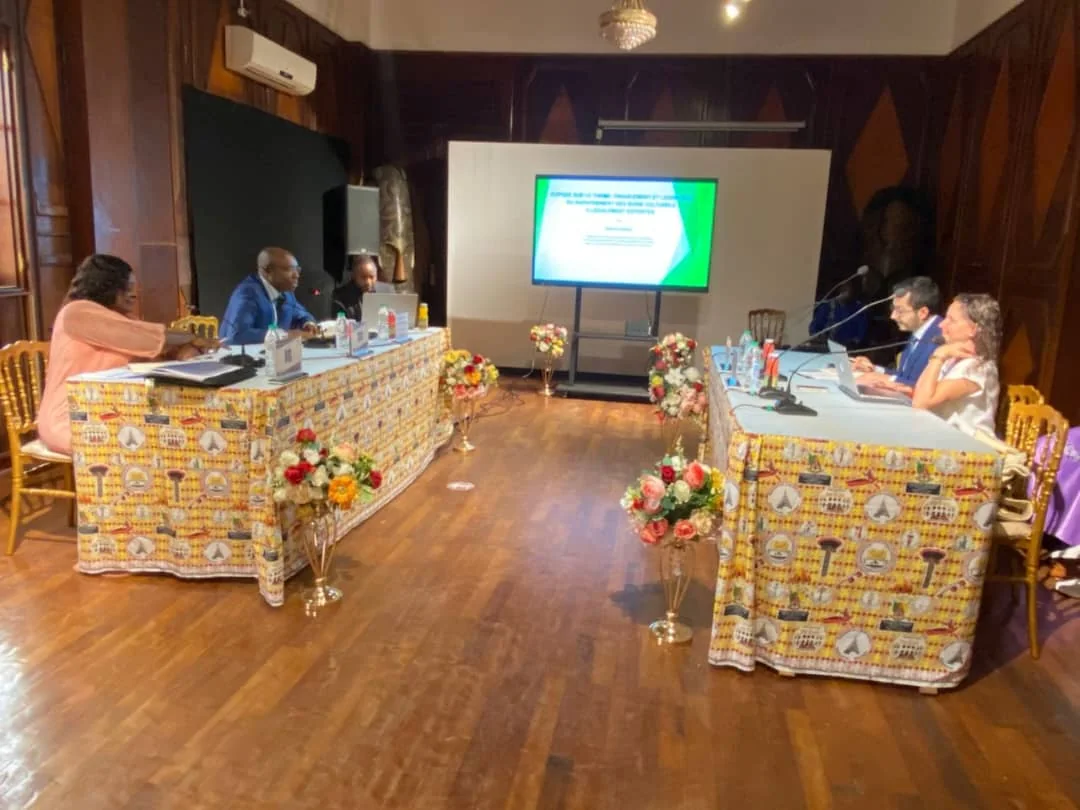
Meeting room with a projection screen and participants around the tables

An incubator is a place and a programme that helps a project leader move from idea to business. It offers a workspace, a reliable connection, mentoring, training, introductions to customers and investors, and sometimes start-up financial aid. A programme lasts from three to twelve months.

The phases of a journey

Pre-incubation makes it possible to test the idea and build the team. Incubation proper leads to a prototype and then to a first marketable product. Acceleration prepares for growth: recruitment, fundraising, regional expansion. Each phase sets clear objectives, assessed by a committee.

The support players

  • Digital incubators and labs, often located in large cities;
  • Cultural centres and shared creative spaces;
  • Schools and universities, which host student projects;
  • Mentor networks, made up of experienced entrepreneurs.

The programmes are detailed on the incubators page, with the application conditions. The Directorate of Performing Arts and Creative Industries assists businesses and cultural industries in seeking funding; its missions are presented in the central directorates. Professional training completes this journey.

Video games

Video games and interactive content

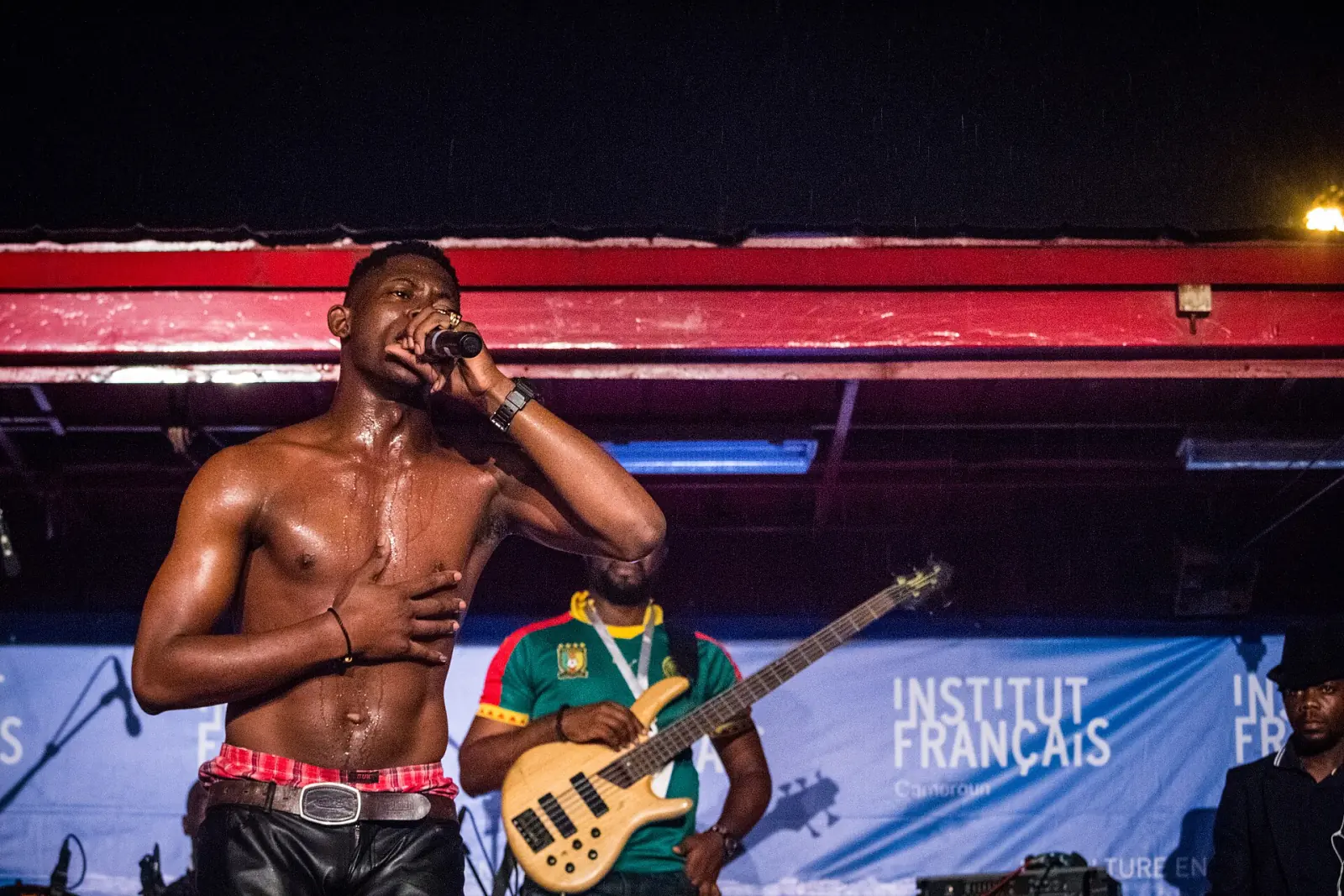
Rapper on stage with a bass guitarist during a concert at the Institut Français

Video games combine programming, graphics, storytelling and music. Cameroonian studios develop games for mobile phones and computers, often inspired by the country’s tales, myths and historical figures, and featuring local wildlife, landscapes and rhythms. The strength of these productions lies in the originality of their worlds, in contrast to imported models.

A typical team

A small studio brings together a developer, a graphic designer, an animator, a game designer who devises the rules and progression, a scriptwriter, a composer and a production and community manager. Teams of three to ten people are common; they use freelancers for peaks in workload.

Revenue

A game is monetised through unit sales, in-app purchases, subscriptions or advertising. Studios also live off commissions: educational games for schools, serious games for institutions, awareness-raising apps and interactive experiences for events. Heritage offers fertile ground: an interactive tour of the national museum or turning an oral tradition into a game are good starting points.

Protecting your game

Code, graphics and music are protected by copyright. Contracts with independent developers must specify the assignment of rights; licences govern the use of external elements.

Funding

The funding of the digital creative sector

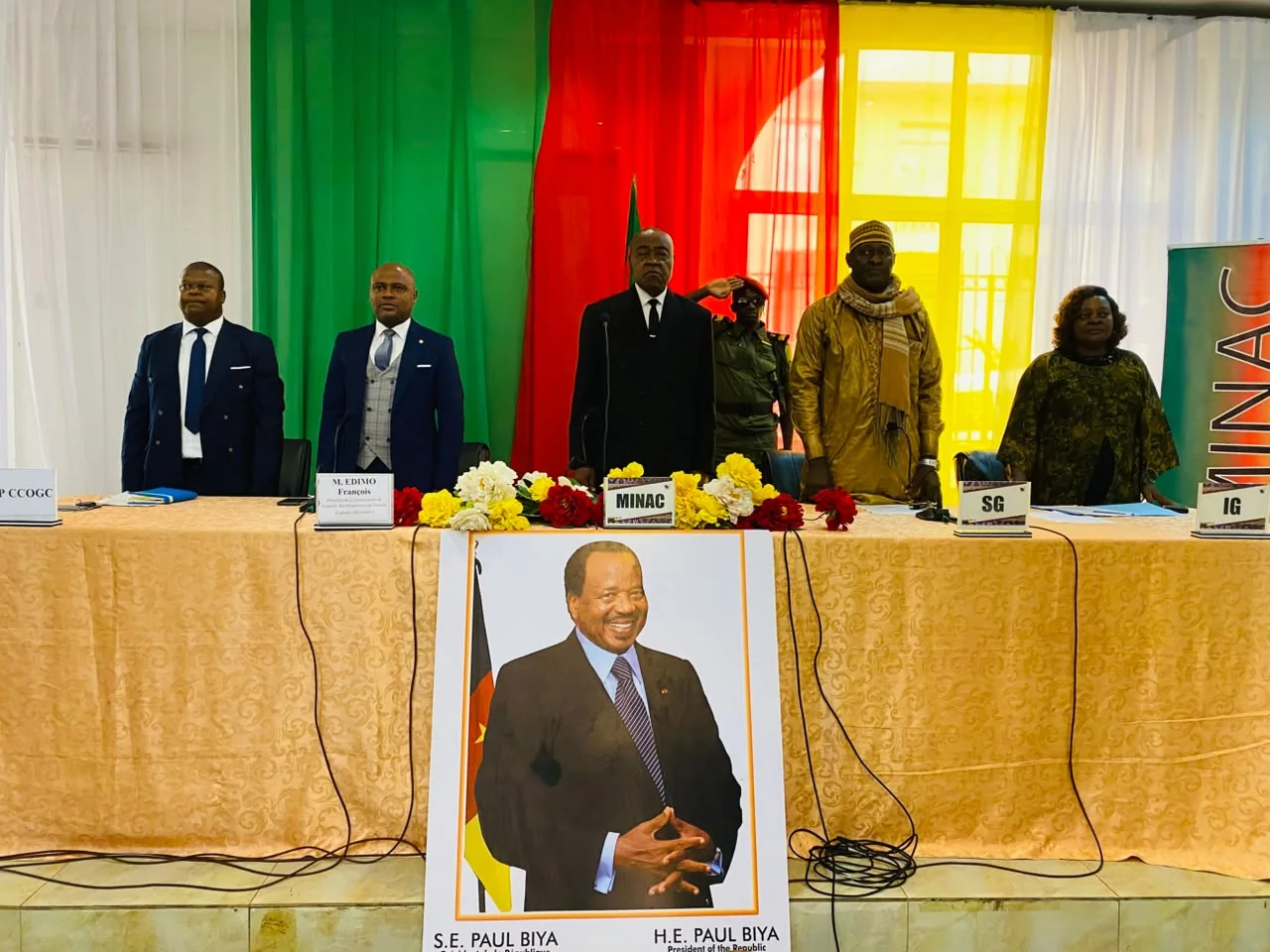
Signing of an agreement in front of the portrait of the Head of State

A creative start-up is financed in stages. At the outset, the founders’ savings and innovation competitions cover the first months. Then comes the search for grants, institutional commissions and loans. If the product finds its customers, fundraising from investors makes it possible to grow faster.

Sources of capital

  • Grants and calls for projects, through the grant application and the support funds;
  • Patronage and sponsorship, governed by the law on patronage and sponsorship;
  • Crowdfunding, suited to projects that speak to a community;
  • Loans and venture capital, reserved for companies that already have a market;
  • Commissions from institutions, companies and local authorities.

Building a solid file

A funding file includes a presentation of the team, a description of the product, a market study, a three-year financial plan, a timetable of stages and success indicators: number of users, turnover, retention rate. The help of a mentor or an incubator is valuable.

Economy

The value chain of the digital creative sector

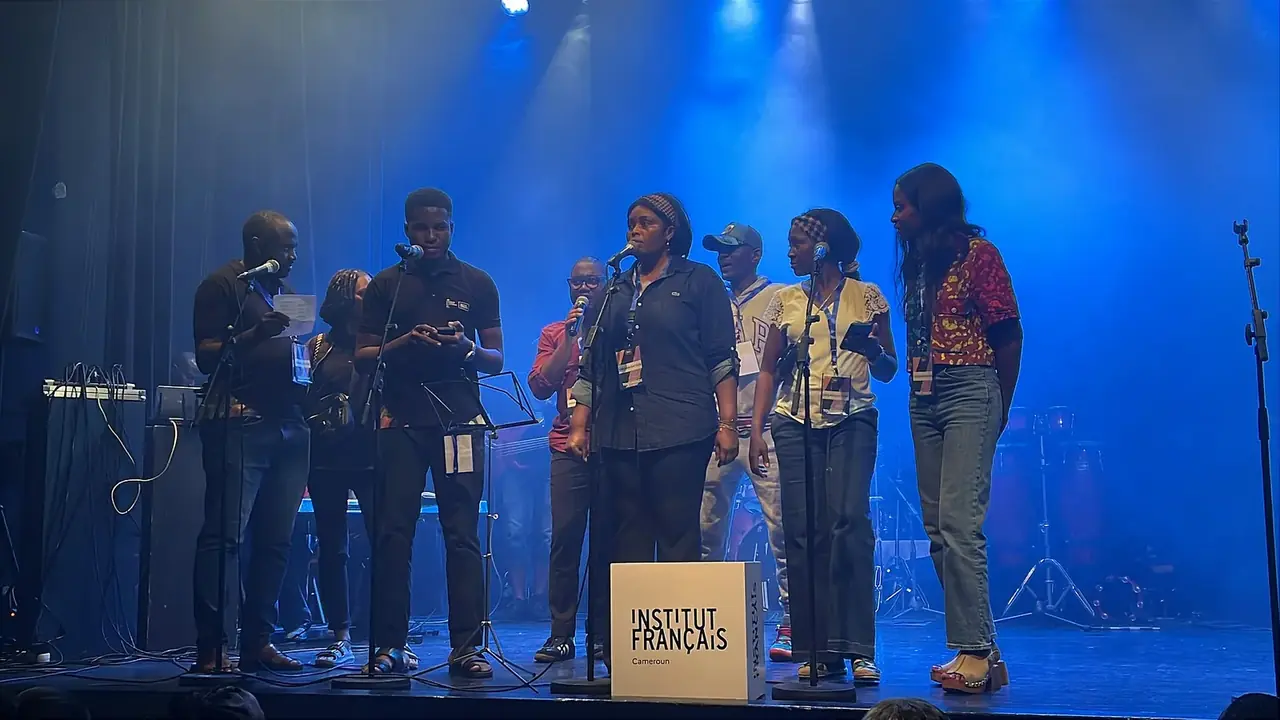
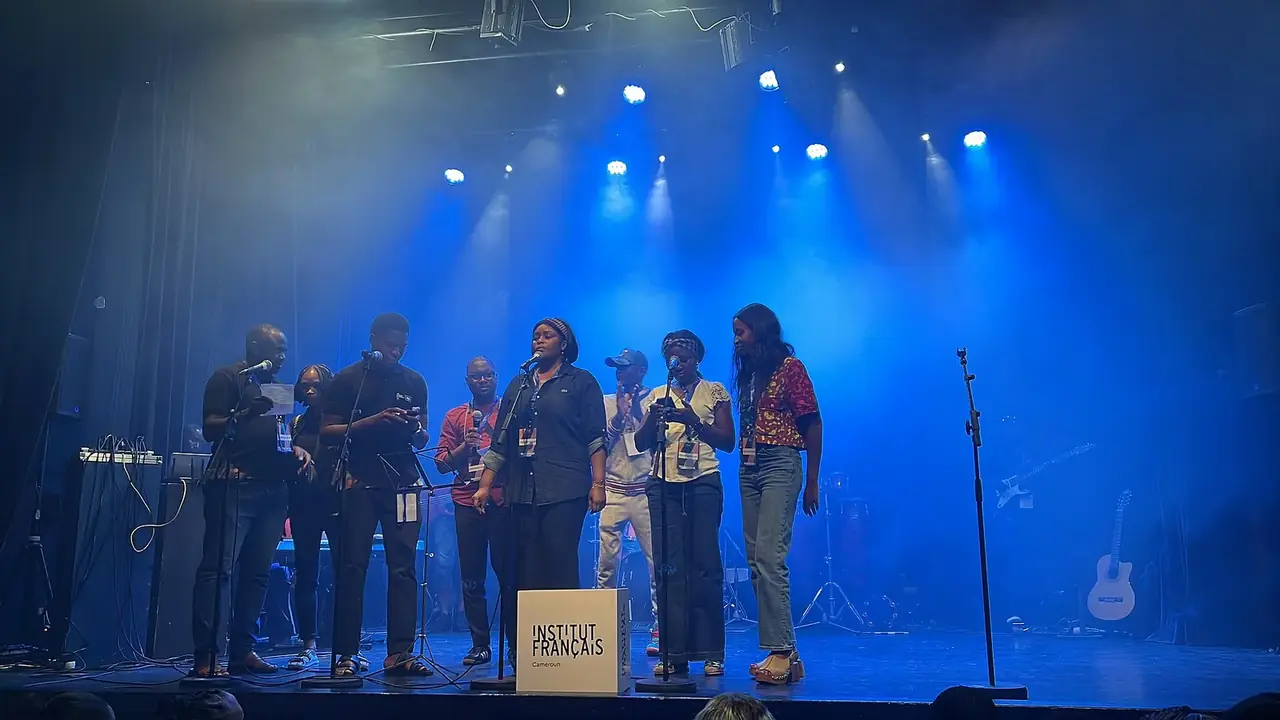
Choir on stage at a music festival in Douala

The national NDS30 strategy aims to develop innovation across the whole value chain of the sectors, and to make audiovisual and interactive media, design and creative services engines of growth. To achieve this, it is necessary to understand how money flows in a digital activity.

From creation to user

The creator designs content; the developer turns it into a product; the platform distributes it; the payment operator collects the money; the public uses it. Each link takes a commission, and the creator’s margin depends on their ability to control several stages at once, in particular the relationship with the customer.

The professions

Developer, interface designer, motion designer, 3D integrator, animator, community manager, content producer, data analyst, digital law specialist: these professions are in demand and poorly covered by the current training offer. The professional training section and arts education detail the pathways.

Measuring activity

The sector needs indicators on employment, turnover, the number of businesses and the share of local content. The sector statistics and the culture observatory centralise these data and make them accessible to project leaders and investors.

Rights

Rights, data and platforms: the framework to know

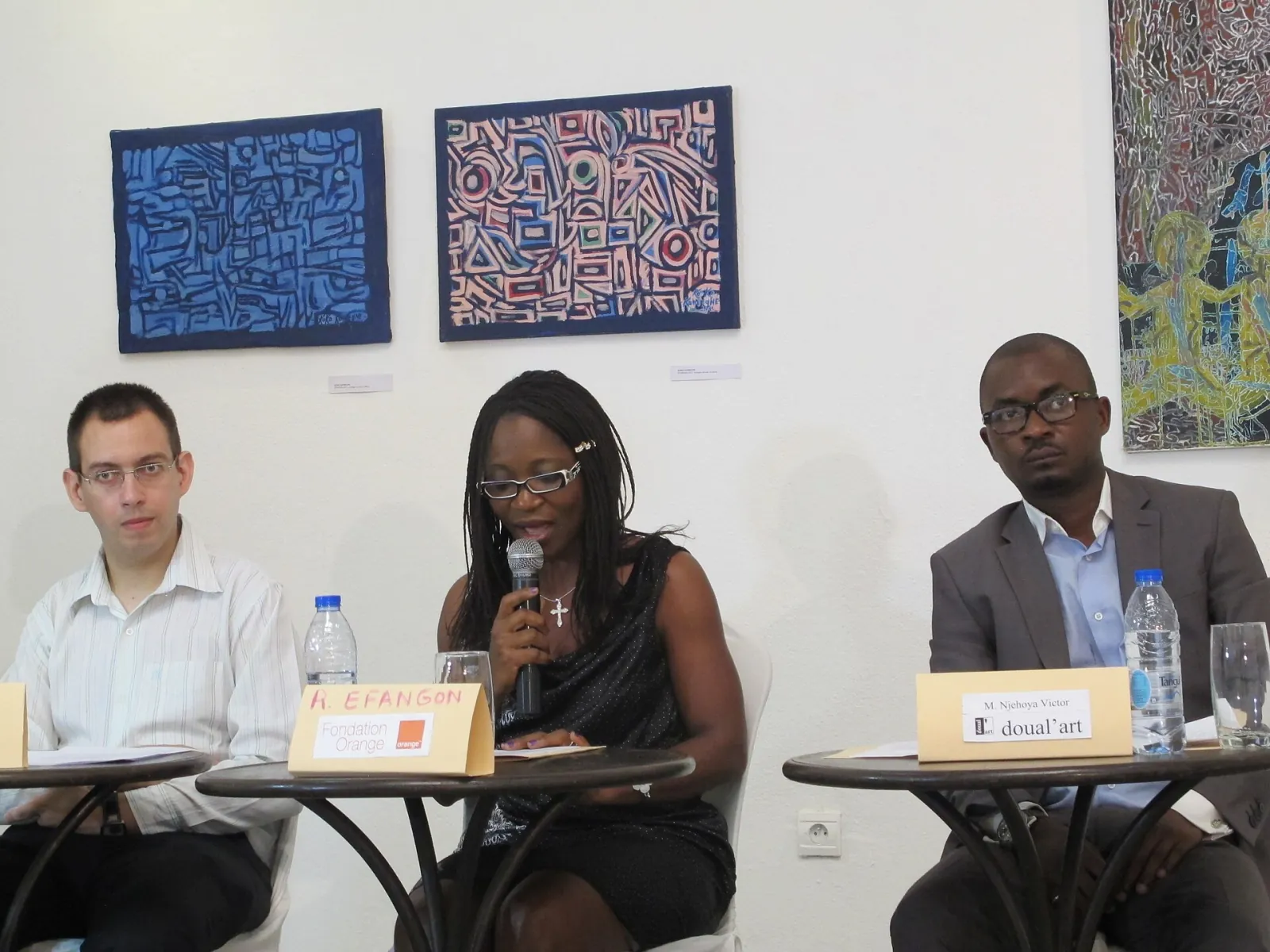
Panel of three speakers at a press-conference table in front of paintings in Douala

A digital product is a bundle of rights: copyright on texts, images, music and code; neighbouring rights on performances; trademark law on the name and logo; individuals’ rights over their image and data. A project leader who ignores this framework risks costly disputes when raising funds or signing a distribution contract.

Key contracts

  • The rights assignment contract with each external contributor;
  • The general terms of use and the privacy policy;
  • The contract with the distribution platform and the payment operator;
  • The licences of the code libraries and assets used.

Open licences

Some creators choose to publish their works under a free licence to encourage reuse while keeping authorship. The important thing is to choose with full knowledge and to document this choice in each project.

Step by step

Launching a creative start-up from idea to market

Formulate the problem

Identify a specific cultural need and a target audience, then describe in one page the digital solution you propose.

Build the team

Bring together at least one technical profile, one creative profile and one management profile, and clearly allocate roles and shares.

Prototype and test

Build a simple version of the product, test it with real users and record the figures from their feedback.

Apply for incubation

Submit your file to an incubator, prepare the oral presentation and use the mentoring to refine the model.

Finance the launch

Combine grants, commissions, patronage and crowdfunding; build a three-year financial plan.

Launch and grow

Put the product online, measure usage, retain the community and prepare for opening up to foreign markets.

Key facts

The digital creator’s journey in one table

StageObjectivePossible supportSite resource
IdeaDefine the need and the audienceIdeation workshop, mentoringCultural entrepreneurship
PrototypeBuild a testable versionIncubator, digital labIncubators
ProductPut a viable product onlineSupport funds, competitionsSupport funds
LaunchWin the first customersInstitutional commissionsCalls for projects
FundingRaise resourcesPatronage, crowdfundingFunding for culture
ProtectionSecure rights and trademarksLegal adviceIntellectual property
GrowthRecruit and open up new marketsTraining, networksVocational training
ExportSell across bordersFairs, missionsExport and outreach
Journey

The digital creative sector over the years

The 2000sThe first creative cybercafés

Cybercafés become places of learning: graphic design, video editing and first websites run by young self-taught people.

2010sMobile and social media

The telephone becomes the first gateway to the Internet; creators distribute music, sketches and animations on social networks.

2015-2020The first incubators

Incubation spaces and digital labs host the first cultural and creative start-ups.

2020The NDS30 strategy

The National Development Strategy 2030 includes creative services and audiovisual and interactive media among its levers.

2026Artificial intelligence arrives

Books, cinema and music are reflecting on the impact of artificial intelligence on creation and on rights.

TodayA networked ecosystem

Game studios, content platforms and creator collectives form an ecosystem that reaches out to Africa and the diaspora.

To explore

Digital work in other sections

“Technology is only a tool; what gives a digital product its value is the culture, language and imagination it carries.”

A studio co-founder, Yaoundé
They create online

Voices from the digital creative sector

“
Our app of tales in national languages found its first subscribers thanks to schools: the audience existed, we had to prove it with figures.
A start-up co-founder, Douala
Littoral
“
Incubation gave us an office, a stable connection and above all a mentor who taught us how to read a financial plan.
A project leader, Yaoundé
Centre
“
Our first game is inspired by a forest tale. Players recognise a world that no imported game had ever shown them.
A game designer, Buéa
South-West
“
Animation commissions for television pay the team while we build our own series.
A studio director, Bafoussam
West
To act

Procedures for the digital creator

Apply to an incubator

Present your team, your prototype and your objectives to join a support programme.

See the incubators

Grant application

Submit a file to fund the development of a digital product or content.

Request support

Register a work

Date your digital creation and prepare the collection of your royalties.

Register

Association accreditation

Collectives of creators and gaming or animation associations can obtain their approval.

Submit the file
To download

Resources for digital project leaders

Glossary

The vocabulary of the digital creative sector

Start-ups

A young innovative company seeking to scale up quickly around a replicable product.

Incubator

A structure that supports a project from the idea to the creation of the business.

Prototype

First testable version of a product, designed to validate an idea before investment.

Value chain

A series of creation, production and distribution stages in which each player adds value.

Game design

Design of the rules, progression and experience of a video game.

Serious game

A game designed to train, raise awareness or inform, rather than simply to entertain.

Monetisation

All the ways of earning revenue from a product: sales, subscription, advertising.

Fundraising

Search for capital from investors in exchange for shares in the company.

Aggregator

A service that delivers content catalogues to distribution platforms.

Open licence

Permission given by the author to reuse their work under public conditions.

Virtual reality

Technology that immerses the user in a simulated three-dimensional environment.

Innovation

A useful novelty, product or process, that meets a real public need.

On the site

Continue reading on digital arts

Resources

Useful links for digital arts

Stakeholders

Who supports the digital creative sector?

Questions

Your questions about digital arts

Where can I be incubated?

Incubation programmes are presented on the incubators page, with their application conditions and duration. Prepare a team presentation, a prototype and measurable objectives to maximise your chances of being selected.

Is there support for a cultural start-up?

Yes: grants, calls for projects, support funds, patronage and institutional commissions. The Directorate of Performing Arts and Creative Industries assists businesses in their search for funding; the funding windows are described in the funding and support funds sections.

Do I need to set up a company?

It is useful as soon as you invoice, recruit or seek funding. You can start as an association or sole proprietorship, then change status. The cultural entrepreneurship page details the options and taxation.

How do I protect my app or my game?

Code, graphics and music are protected by copyright from the moment they are created. Declare the work to date it, have each contributor sign rights assignments, and protect your name with a trademark.

Is a video game part of the creative industries?

Yes. Video game studios are part of the creative industries monitored by the Directorate of Performing Arts and Creative Industries and by the NDS30 strategy, which promotes interactive media and creative services.

How can I reach the diaspora?

Through distribution platforms, social networks and diaspora festivals. Adapt payment methods, languages and broadcast times, and rely on community associations.

Which skills should I recruit first?

A technical profile to develop, a creative profile to design the experience and a management profile to run finances and contracts. Freelancers can complete the team for peaks in activity.

Where can I train in the digital creative sector?

In schools, universities, digital labs, creative workshops and incubation programmes. The professional training page lists courses, schools, apprenticeships and scholarships.

Contact

Write to the Ministry: Digital arts

Describe your activity or your project.

Competent directorate

Contact the Directorate of Creative Industries

Address

Directorate of Shows and Creative Industries
Ministry of Arts and Culture
Quartier du Lac – Ministerial Zone
P.O. Box 1053 Yaoundé, Centre Region, Cameroon

Reach us

+237 6 51 70 58 41

contact@minac.gov.cm

Opening hours

Monday to Friday, 8 am to 4 pm

A project to incubate?

Discover the incubation programmes and prepare your application.

See the incubators
WhatsApp