Coat of arms of CameroonMinistry of Arts
and Culture
Republic of Cameroon
My procedures
Home
Minister’s message
News
Press releases
Cultural calendar
Official speeches
Press review
Photo library
Video library
Calls for projects
Job vacancies
Public procurement
Newsletter
Frequently asked questions
Site map
Contact
Press area
Podcast “The Voice of Culture”
Legal notices
Privacy policy
Cookies and trackers
The Ministry
Missions and responsibilities
Organisation
Organisation chart
Minister’s Office (Cabinet)
Management team
General Secretariat
General Inspectorate
Central directorates
Regional Delegations
Institutions under supervision
Legislative texts
Regulatory texts
Sector strategy
Major projects
Budget and reports
Partners
Careers
Archives
Institutional communication
Quality and accessibility
Arts
Visual and plastic arts
Visual arts
Performing arts
Theatre
Dance
Music
Literature and books
Cinema and audiovisual
Photography
Fashion and design
Digital arts
Art crafts
Artists’ directory
Residencies
Prizes and awards
Arts education
Urban arts
Heritage
Tangible heritage
Intangible heritage
UNESCO sites
National museums
Listed monuments
National inventory
Palaces and chiefdoms
Archaeology
Linguistic heritage
Oral traditions
Traditional know-how
Restitution of cultural property
Fight against illicit trafficking
Listing and protection
Conservation and restoration
Heritage Days
Cultural landscapes
Industries
Music and recording
Cinema
Publishing and books
Digital arts
Fashion and creativity
Crafts
Cultural tourism
Funding for culture
Support funds
Incubators
Cultural entrepreneurship
Culture Observatory
Vocational training
Studies and reports
Sector statistics
Export and outreach
Intellectual property
Copyright
Legal framework
Copyright and neighbouring rights
Collective management societies
Register a work
Licences
Private copying
Fight against piracy
Model contracts
Social status of artists
Mediation
Disputes
Training
Fee scales
Register of works
Contact
Digital neighbouring rights
Public domain
Festivals
National calendar
Ngondo
Nguon
Écrans Noirs
Heritage Days
Music Day
Regional festivals
Fairs and exhibitions
Biennials
National competitions
Cultural days
Organise a festival
Event grants
Ticketing
Archives
Volunteering
Diaspora festivals
Regions
Adamawa
Centre
East
Far North
Littoral
North
North-West
West
South
South-West
Cultural map
Regional Delegations
Traditional chiefdoms
National languages
Cultural routes
Decentralised cooperation
Regional observatory
Cooperation
UNESCO
Francophonie (OIF)
African Union
Commonwealth
CEMAC
Bilateral cooperation
Cultural agreements
Professional organisations
Scholarships
Artist exchanges
Cultural years
Diaspora
Funded projects
Embassies
Technical partners
International restitution
International monitoring and calls
Services
Artist card
Show authorisation
Filming authorisation
Festival authorisation
Deposit of a work
Export of works of art
Listing of a property
Grant application
Association accreditation
File tracking
Forms
Fees
Opening hours and addresses
Reporting
Online help
My account
One-Stop Shop
Cooperation

Bilateral cooperation

Europe, Asia, the Americas, Africa: audiences with ambassadors, a mission with Colombia, China Day, an opening towards India. How relations between states become concrete cultural projects.

Updated on 6 November 20264 sub-pages
Audiences with ambassadors in 20263
Continents covered4
Benchmarking missionColombia
China Day29 April 2026
Relations between states

Cultural links country by country

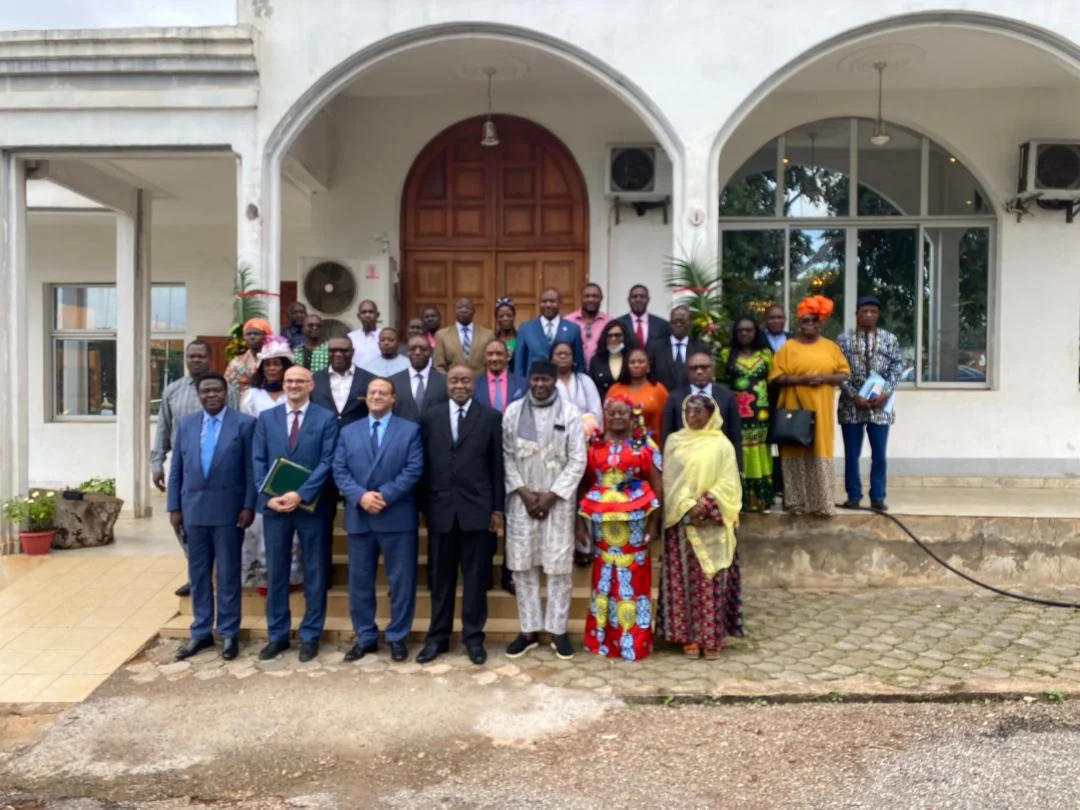
A group of men in suits and women in colourful outfits poses in front of the arched entrance of a building.

In 2026, the Minister of Arts and Culture received the ambassadors of Morocco, Japan and Equatorial Guinea; a benchmarking mission brought Cameroon and Colombia together in early July on the repatriation of cultural property; cooperation opportunities with India were examined in August; and the Ministry was represented at China Day on 29 April.

This page explains how these meetings are turned into projects: who prepares them, which continents are concerned, what follow-up an artist, a museum or an association can expect, and whom to approach to propose a partnership. The texts governing these relations are presented on the cultural agreements page and in the Ministry’s legislative texts.

  • Morocco, Japan, Equatorial Guinea, Colombia, India, China
  • Four major areas: Europe, Asia, the Americas, Africa
  • A single entry point for proposing a partnership
Exploring the four continents
Europe

Europe, a historic partner in cultural exchange

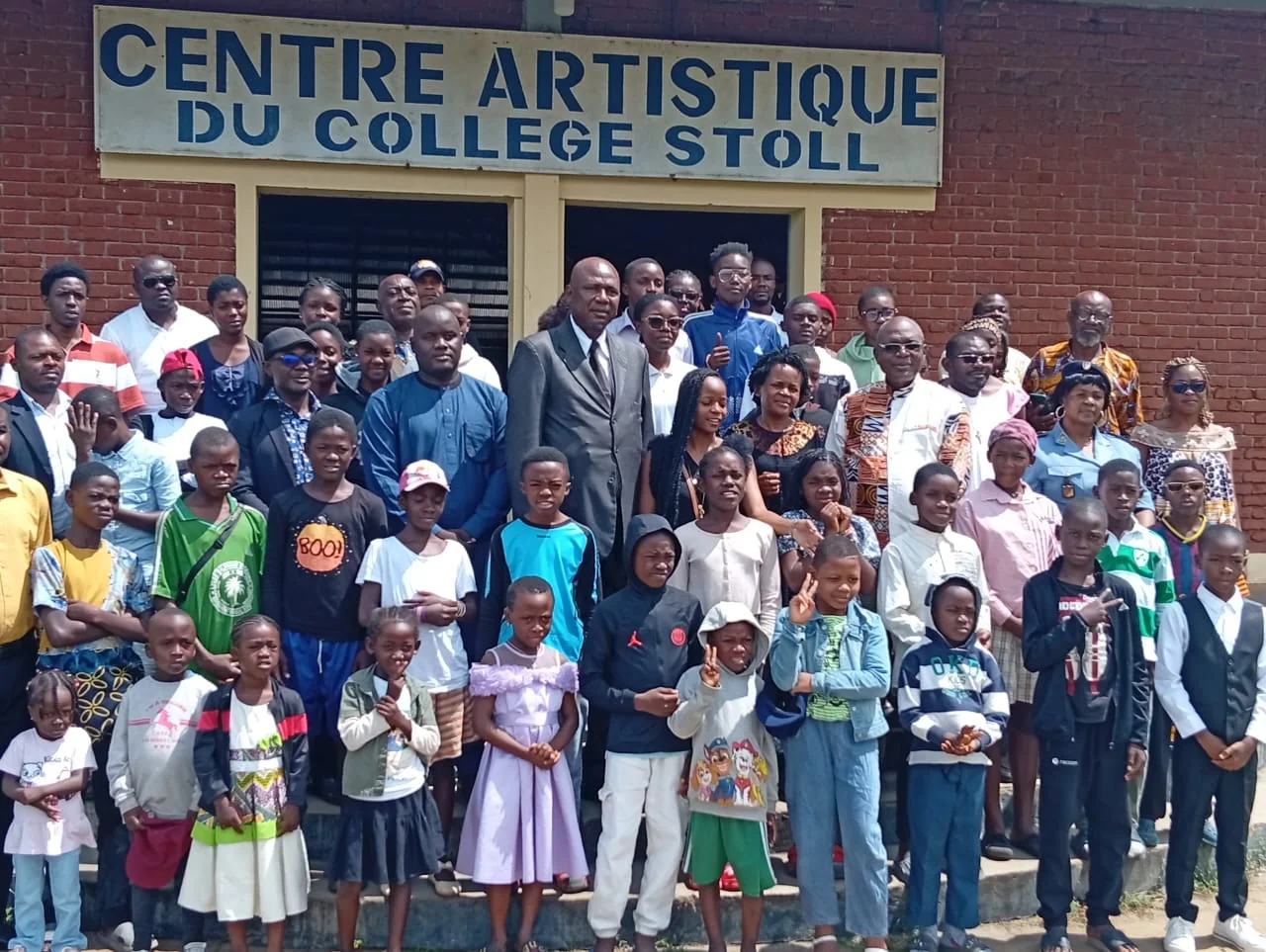
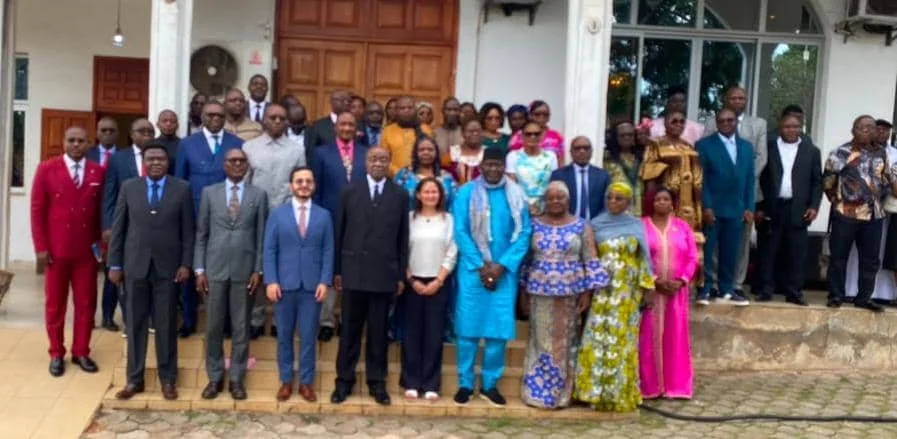
Group photo of many officials and guests in varied attire, posing on the steps in front of a building.

Cultural relations with Europe are long-standing and many-sided. They pass first through embassies and their cooperation services, which relay training programmes, cross seasons, hosting of artists and support for heritage institutions. The embassies accredited in Yaoundé form, together with cultural centres and institutes, the Ministry’s first network of partners on this continent.

What Europe brings

Exchanges concern four main areas: training for the professions of heritage and museums, support for cultural industries, the promotion of Cameroonian artists in festivals and venues, and technical expertise in conservation. Several of these actions rely on the multilateral frameworks of the Francophonie and on UNESCO programmes.
What Cameroon offers

The country showcases the richness of its music scenes, its cinema, its crafts and its listed sites, as well as structured counterparts: Ministry Directorates, institutions under supervision and collective management societies. The aim is to place each partnership in the long term rather than in an isolated event.

  • Training and internship programmes in museums and archives;
  • Reciprocal hosting of artist residencies;
  • Support for the digitisation and conservation of collections;
  • Concerted participation in major European events.
ℹ️
One sheet per partner

For each European country with which the Ministry works, a cooperation sheet lists contacts, ongoing actions and the calendar of the year’s appointments.

Asia

Asia, between audiences, China Day and Indian opportunities

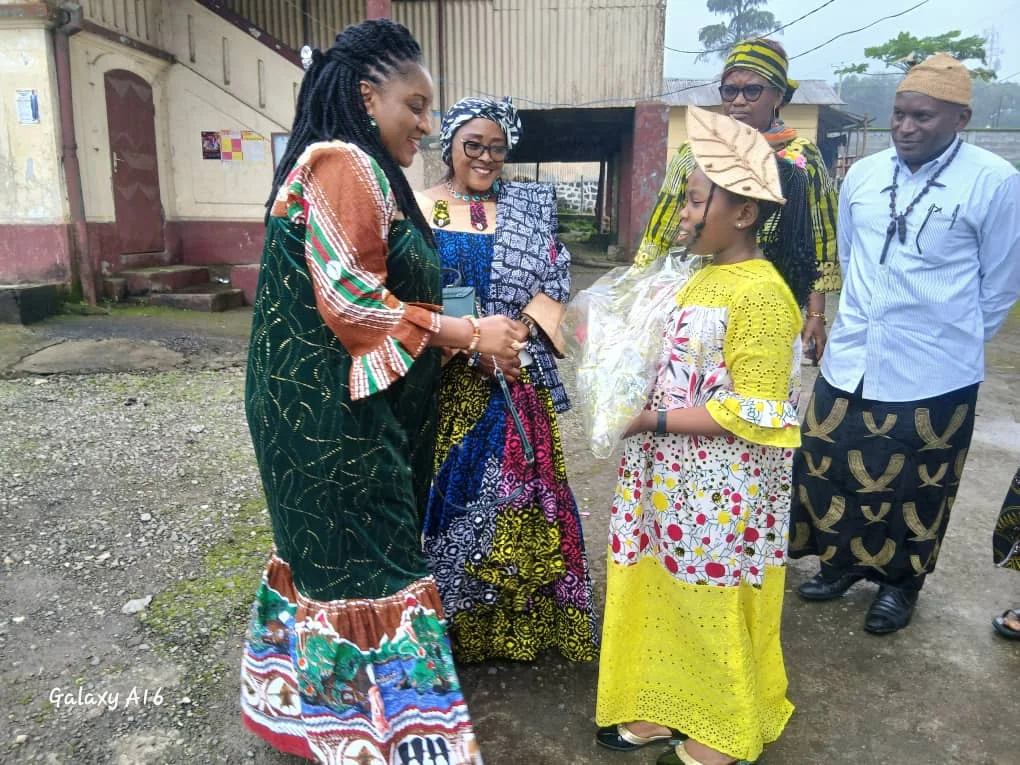
Two women in colourful outfits welcome a girl in a yellow dress who is handing them a bouquet in a courtyard.

Asia occupies a growing place in the Ministry’s external agenda. The Minister received the ambassador of Japan to strengthen cultural cooperation; partnership opportunities with India were discussed in August 2026; and the Ministry was represented, by Technical Adviser No. 2, at China Day held on 29 April 2026. These three moments outline distinct avenues.

Japan: know-how and heritage

Dialogue with Japan is oriented towards conservation, museography, the craft arts and the promotion of know-how. The national museums and the conservation and restoration bodies are the first recipients of this type of support.

India: creative industries

Exchanges with India concern cinema, fashion, design and training for digital professions, in line with the work on the film industries and on fashion and creativity.

China: one day, follow-up

China Day made it possible to meet the cultural players of the partner country and to identify fields of work: crafts, cultural tourism, travelling exhibitions. The Ministry follows them up through its cooperation Unit.

ℹ️
Follow-up calendar

Each Asian contact gives rise to a summary note, a designated focal point and a progress review after six months.

Americas

The Americas, from the Cameroon–Colombia mission to diaspora networks

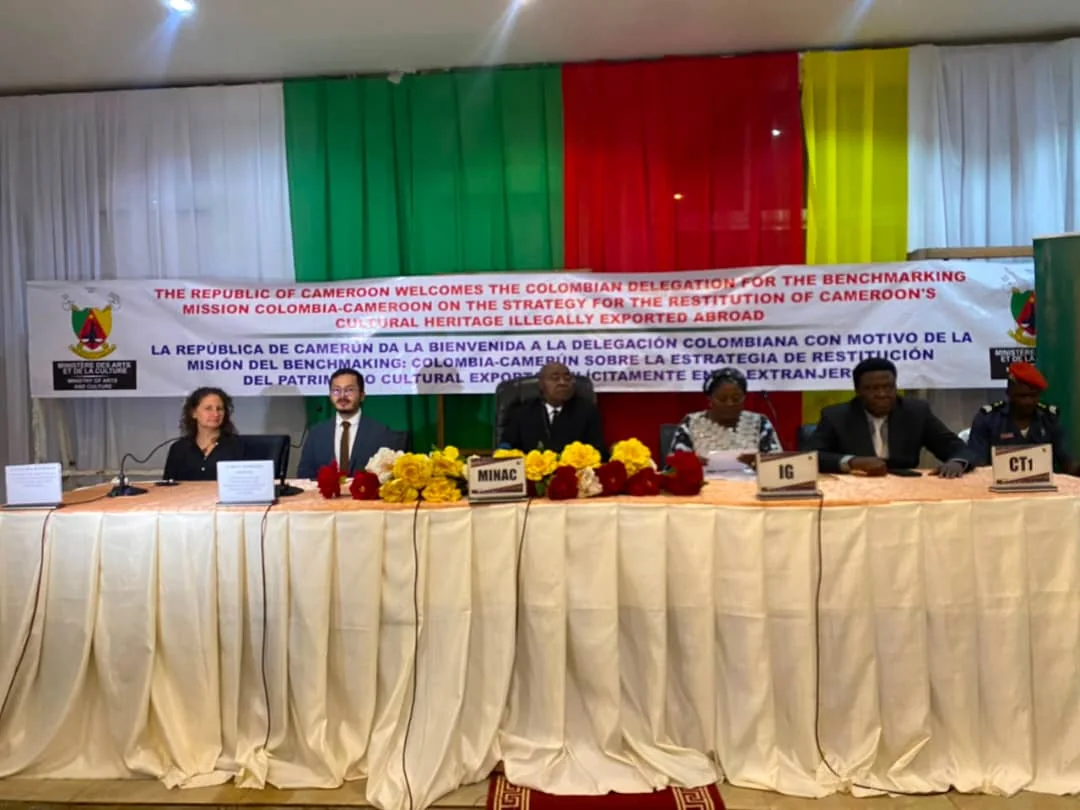
Colombian delegation welcomed by the Ministry on the restitution of cultural property

In early July 2026, a Cameroon–Colombia benchmarking mission was held on the repatriation of cultural property. The aim was simple: to compare the methods, legal procedures and research resources that the two countries use to find, document and bring back objects that have left their territory. This mission feeds the work of the international restitution section and of the page on the restitution of cultural property.

Why Colombia

A Latin American country that also faces the illicit circulation of heritage objects, Colombia has developed traceability tools, partnerships with foreign museums and awareness campaigns. Cameroon finds in it a useful point of comparison for its own fight against illicit trafficking.

Beyond Colombia

The American continent is also home to a strong diaspora and to musical exchanges: jazz, salsa and afrobeat converse with makossa and bikutsi, at the heart of Cameroonian music. Links with artists based in North America run through diaspora relays and diaspora festivals.

  • Exchange of inventory and documentation methods;
  • Pooling of tools to fight trafficking;
  • Cross training of curators.
ℹ️
Lessons from the mission

The mission highlighted the value of a complete provenance file for every object claimed: this is the task the Ministry is pursuing with its institutions.

Africa

Africa, neighbours and brothers in culture

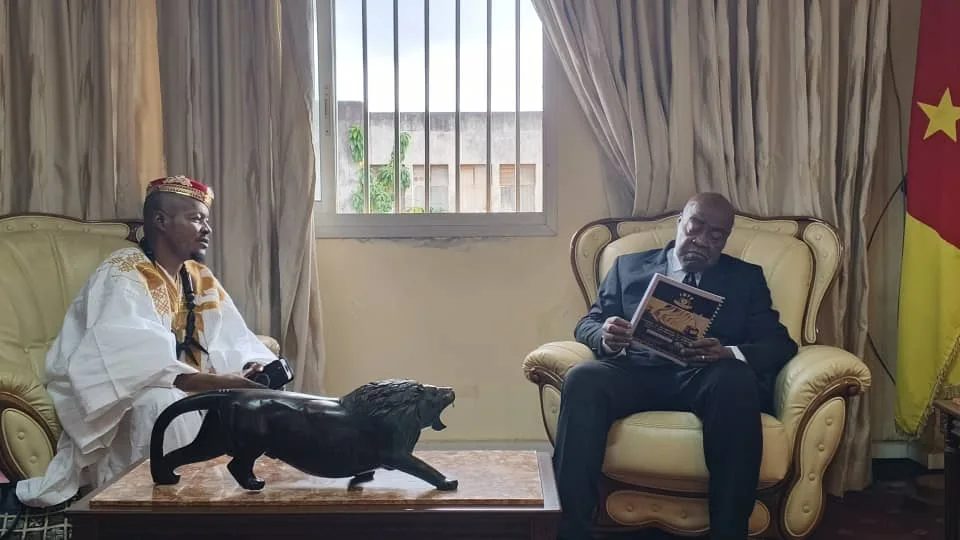
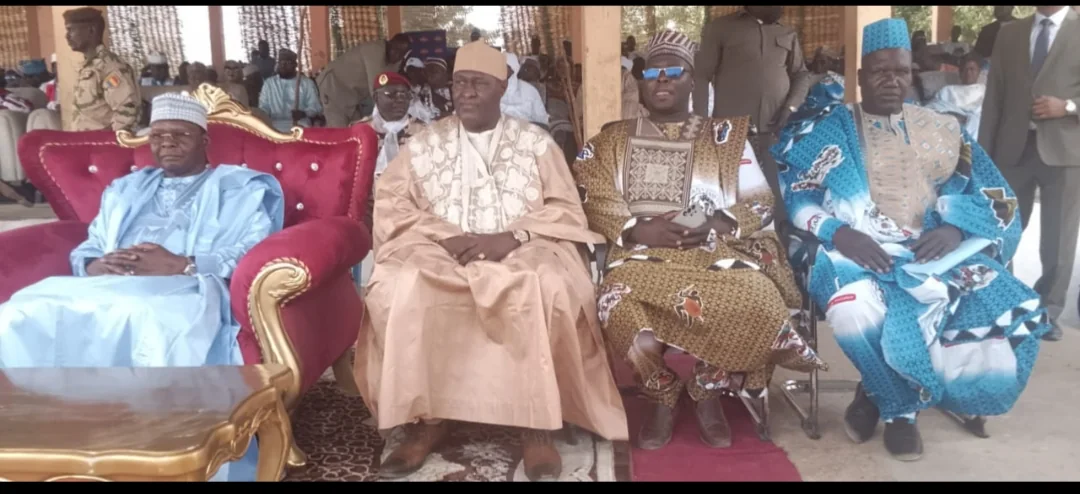
A traditional chief in white robes and a man in a suit sit in armchairs on either side of a sculpted big cat on a low table.

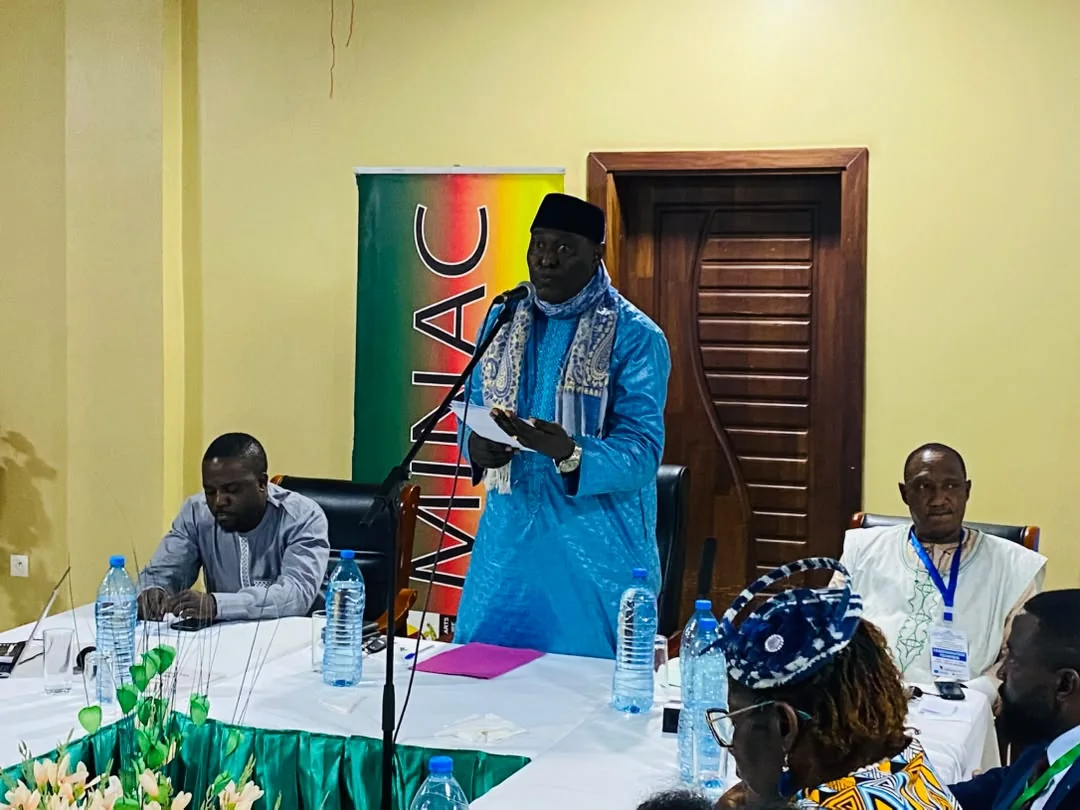
African cooperation is the densest. The audiences granted to the ambassadors of Morocco and Equatorial Guinea concerned the strengthening of cultural cooperation. Regarding Morocco, it was stressed that cooperation is “dynamic, very longstanding and mutually beneficial”, and that it now needs “a new impetus”.

Morocco: reviving a long-standing relationship

Reviving means reviewing the areas of common interest: training in the art crafts, heritage, cinema, publishing, festivals. The Ministry is working with the embassy to frame technical meetings between counterpart Directorates.

Equatorial Guinea: a Central African neighbourhood

With Equatorial Guinea, proximity and membership of the same sub-region call for joint projects: circulation of artists, border festivals, languages and oral traditions of the southern forest, within the framework of CEMAC.

The continental framework

These bilateral relations are linked with the African Union, whose cultural charter sets shared principles. They also feed artist exchanges between countries of the continent.

  • Technical meetings between counterpart Directorates;
  • Artist circulation programmes;
  • Cooperation on festivals and arts markets.
ℹ️
Two audiences, one method

Each audience leads to a list of priority areas, a technical focal point and a schedule of working meetings.

From first contact to action

How a bilateral partnership is born

The first contact

An embassy, a cultural operator or the Ministry itself takes the initiative: letter, audience, mission or meeting on the margins of a major cultural event.

The audience at the highest level

The Minister receives the ambassador; areas of common interest are set out and political will is confirmed on both sides, without committing to a text.

The framework note

The cooperation Unit drafts a note that specifies the objectives, the Directorates concerned, the resources that can be mobilised and the timetable proposed to the partner.

The working group

Experts from the two countries meet, compare their practices, as in the mission with Colombia, and formulate concrete projects.

Implementation

The technical Directorates carry out the actions: training, exhibition, tour, inventory mission. A progress review is held every six months.

The shared review

At the end of the agreed period, a quantitative and qualitative review is presented to both parties, who decide whether to renew, adjust or close the action.

Timeline

A year of bilateral cooperation

29 April 2026China Day

The Ministry is represented by Technical Adviser No. 2 at the first China Day, an opportunity to meet the cultural players of the partner country.

Early July 2026Cameroon–Colombia mission

A benchmarking mission compares the practices of the two countries for the repatriation of cultural property and the means of fighting illicit trafficking.

August 2026Opportunities with India

Possibilities for cooperation with India are examined, with a marked interest in creative industries and training for digital professions.

2026Audiences with ambassadors

The Minister receives the ambassadors of Morocco, Japan and Equatorial Guinea to give new impetus to cultural cooperation.

First half of 2027Review of roadmaps

A general review of bilateral cooperation takes stock of each country, the actions carried out and the priorities for the second half of the year.

To act

The avenues for proposing a partnership

Present a project

An association or institution may submit to the Ministry a project note with an identified foreign partner.

Write to the Ministry

Follow the calls

Competitions and programmes opened by partner countries are identified and then relayed through the international monitoring.

See the watch

Apply for a grant

To finance travel linked to a cooperation, the grant application remains the reference route.

Apply

Consult the news

Audiences, missions and days are made public in the site’s news.

Read the news
They cooperate

Perspectives on bilateral exchanges

“
An exchange with a partner country is only useful if it leaves skills behind: this is what we ask for in every audience.
An adviser in the cooperation Unit
Yaoundé
“
Comparing methods with Colombia showed us how much a well-kept provenance file speeds up the procedures for returning an object.
A national museum curator
Yaoundé
“
Our students need internships in foreign institutions; each bilateral cooperation opens a few more doors for them.
An arts training manager
Douala
“
When an embassy relays our call to its operators, our artists move from the status of guests to that of partners.
A festival organiser
Bafoussam

“A dynamic, very longstanding and mutually beneficial cooperation, which now calls for a new impetus.”

The Minister, on the relationship with Morocco
Worth reading

The tools of bilateral cooperation

Key facts

The 2026 exchanges in one table

CountriesNature of the exchangeAreas discussedEnvisaged follow-up
MoroccoAudience with the ambassador; cooperation described as dynamic, longstanding and mutually beneficialTraining, heritage, cinema, publishingTechnical meetings between counterpart Directorates
JapanAudience with the ambassador on strengthening cultural cooperationConservation, museography, craftsExpert missions and exchange of trainers
Equatorial GuineaAudience with the ambassador; strengthening of cultural cooperationCirculation of artists, oral traditions, festivalsSub-regional projects within the CEMAC framework
ColombiaBenchmarking mission, early July 2026Repatriation of cultural property, traceabilityContinued dialogue between heritage institutions
IndiaCooperation opportunities discussed in August 2026Cinema, fashion, design, digital professionsIdentification of partners and training courses
ChinaChina Day, 29 April 2026, with the representation of Technical Adviser No. 2Crafts, cultural tourism, exhibitionsFollow-up by the cooperation Unit
Glossary

The vocabulary of bilateral relations

Bilateral

Describes a relationship that binds only two states, as opposed to multilateral frameworks such as UNESCO.

Ambassador

The diplomatic representative of one state to another, who conducts official exchanges, including ministerial audiences.

Audience

An official meeting in which the Minister receives a diplomat to examine areas of cooperation.

Benchmarking

A methodical comparison of the practices of two institutions in order to draw improvements from them, as in the mission with Colombia.

Cultural attaché

A diplomat responsible for driving a country’s cultural relations in the host country.

Repatriation

The return to its country of origin of a cultural property that left the territory illicitly or in disputed circumstances.

Framework note

A short document setting out the objectives, actors and timetable of a cooperation action.

Focal point

A designated contact for following a partner country and centralising exchanges with it.

Roadmap

A calendar of the actions agreed with a partner country over a given period.

Cultural diplomacy

The use of culture, artists and heritage to strengthen a country’s image and relations.

On the site

Continue reading

Resources

Useful links for cooperation between countries

Stakeholders

Who leads bilateral cooperation?

To explore

Bilateral cooperation in other sections

Questions

Your questions on bilateral cooperation

Which countries were received in audience in 2026?

The Minister received the ambassadors of Morocco, Japan and Equatorial Guinea. Opportunities with India were discussed in August, a benchmarking mission took place with Colombia in early July, and the Ministry was represented at China Day on 29 April 2026.

What does a “dynamic, very longstanding and mutually beneficial” cooperation mean?

This is the expression used regarding Morocco: the relationship has existed for a long time, produces results on both sides and remains active. It nevertheless calls for a new impetus, that is, new areas of work and more regular technical meetings between Directorates.

What is the purpose of the mission with Colombia?

It was a benchmarking exercise on the repatriation of cultural property. The two countries compared their methods of research, documentation and procedure for recovering objects that have left their territory. It complements the work carried out by the Ministry on international restitution.

Can an artist benefit from these forms of cooperation?

Yes, both indirectly and directly. Cooperation opens up scholarships, residencies, tours and festival invitations. You need to follow the international monitoring, register your profile in the artists’ directory and, where applicable, apply for the artist card to prove your status.

Whom should I propose a project to with a foreign partner?

Send a presentation note to the studies, planning and cooperation Unit, by post or via the contact form. State the partner, the objective, the duration and the envisaged funding. The file is directed to the Directorate concerned.

Does the Ministry sign all agreements alone?

No. Agreements between states follow a national procedure that involves several ministerial departments, notably external relations. The Ministry of Arts and Culture provides sectoral expertise, then ensures the implementation of the cultural components. The page on cultural agreements details this process.

Are the audiences public?

Audiences are reported in the site’s news, with the main points discussed. The technical exchanges that follow are confidential until the projects are finalised. The results are then communicated in the annual reports and press releases.

How can I follow upcoming bilateral appointments?

Consult the site’s news and cultural agenda, subscribe to the newsletter and follow the international monitoring. Each cooperation event, national day of a country or expert mission is announced there with its venue and date.

Is there a contact point for embassies?

Yes. Embassies address the Minister’s Office (Cabinet) for audiences and the cooperation Unit for technical follow-up. Cultural attachés may also contact directly the Directorates concerned by a specific project, after informing the Unit.

Contact

Propose a partnership with a country

State the partner country, the cultural field and the desired timetable: your message is forwarded to the cooperation Unit.

Entry point

Contact the cooperation unit

Address

Unit for Studies, Planning and Cooperation
Ministry of Arts and Culture
Quartier du Lac – Ministerial Zone
P.O. Box 1053 Yaoundé, Centre Region, Cameroon

Reach us

+237 6 51 70 58 41

contact@minac.gov.cm

Opening hours

Monday to Friday, 8 am to 4 pm

Follow audiences and missions

Find reports of audiences, missions and cooperation days in the Ministry’s news.

Read the news
WhatsApp