Coat of arms of CameroonMinistry of Arts
and Culture
Republic of Cameroon
My procedures
Home
Minister’s message
News
Press releases
Cultural calendar
Official speeches
Press review
Photo library
Video library
Calls for projects
Job vacancies
Public procurement
Newsletter
Frequently asked questions
Site map
Contact
Press area
Podcast “The Voice of Culture”
Legal notices
Privacy policy
Cookies and trackers
The Ministry
Missions and responsibilities
Organisation
Organisation chart
Minister’s Office (Cabinet)
Management team
General Secretariat
General Inspectorate
Central directorates
Regional Delegations
Institutions under supervision
Legislative texts
Regulatory texts
Sector strategy
Major projects
Budget and reports
Partners
Careers
Archives
Institutional communication
Quality and accessibility
Arts
Visual and plastic arts
Visual arts
Performing arts
Theatre
Dance
Music
Literature and books
Cinema and audiovisual
Photography
Fashion and design
Digital arts
Art crafts
Artists’ directory
Residencies
Prizes and awards
Arts education
Urban arts
Heritage
Tangible heritage
Intangible heritage
UNESCO sites
National museums
Listed monuments
National inventory
Palaces and chiefdoms
Archaeology
Linguistic heritage
Oral traditions
Traditional know-how
Restitution of cultural property
Fight against illicit trafficking
Listing and protection
Conservation and restoration
Heritage Days
Cultural landscapes
Industries
Music and recording
Cinema
Publishing and books
Digital arts
Fashion and creativity
Crafts
Cultural tourism
Funding for culture
Support funds
Incubators
Cultural entrepreneurship
Culture Observatory
Vocational training
Studies and reports
Sector statistics
Export and outreach
Intellectual property
Copyright
Legal framework
Copyright and neighbouring rights
Collective management societies
Register a work
Licences
Private copying
Fight against piracy
Model contracts
Social status of artists
Mediation
Disputes
Training
Fee scales
Register of works
Contact
Digital neighbouring rights
Public domain
Festivals
National calendar
Ngondo
Nguon
Écrans Noirs
Heritage Days
Music Day
Regional festivals
Fairs and exhibitions
Biennials
National competitions
Cultural days
Organise a festival
Event grants
Ticketing
Archives
Volunteering
Diaspora festivals
Regions
Adamawa
Centre
East
Far North
Littoral
North
North-West
West
South
South-West
Cultural map
Regional Delegations
Traditional chiefdoms
National languages
Cultural routes
Decentralised cooperation
Regional observatory
Cooperation
UNESCO
Francophonie (OIF)
African Union
Commonwealth
CEMAC
Bilateral cooperation
Cultural agreements
Professional organisations
Scholarships
Artist exchanges
Cultural years
Diaspora
Funded projects
Embassies
Technical partners
International restitution
International monitoring and calls
Services
Artist card
Show authorisation
Filming authorisation
Festival authorisation
Deposit of a work
Export of works of art
Listing of a property
Grant application
Association accreditation
File tracking
Forms
Fees
Opening hours and addresses
Reporting
Online help
My account
One-Stop Shop
Festivals

Ticketing

Buy your tickets, understand the prices, find the official points of sale and book an accessible seat: the guide for the public and organisers on ticketing for Cameroonian festivals.

Updated on 6 November 20264 sub-pages
Ticket salesBy the organiser
ChannelsOnline and on site
Reduced pricesProvided by the organiser
HomeAccessible venues
Booking your seats

From the click to the seat

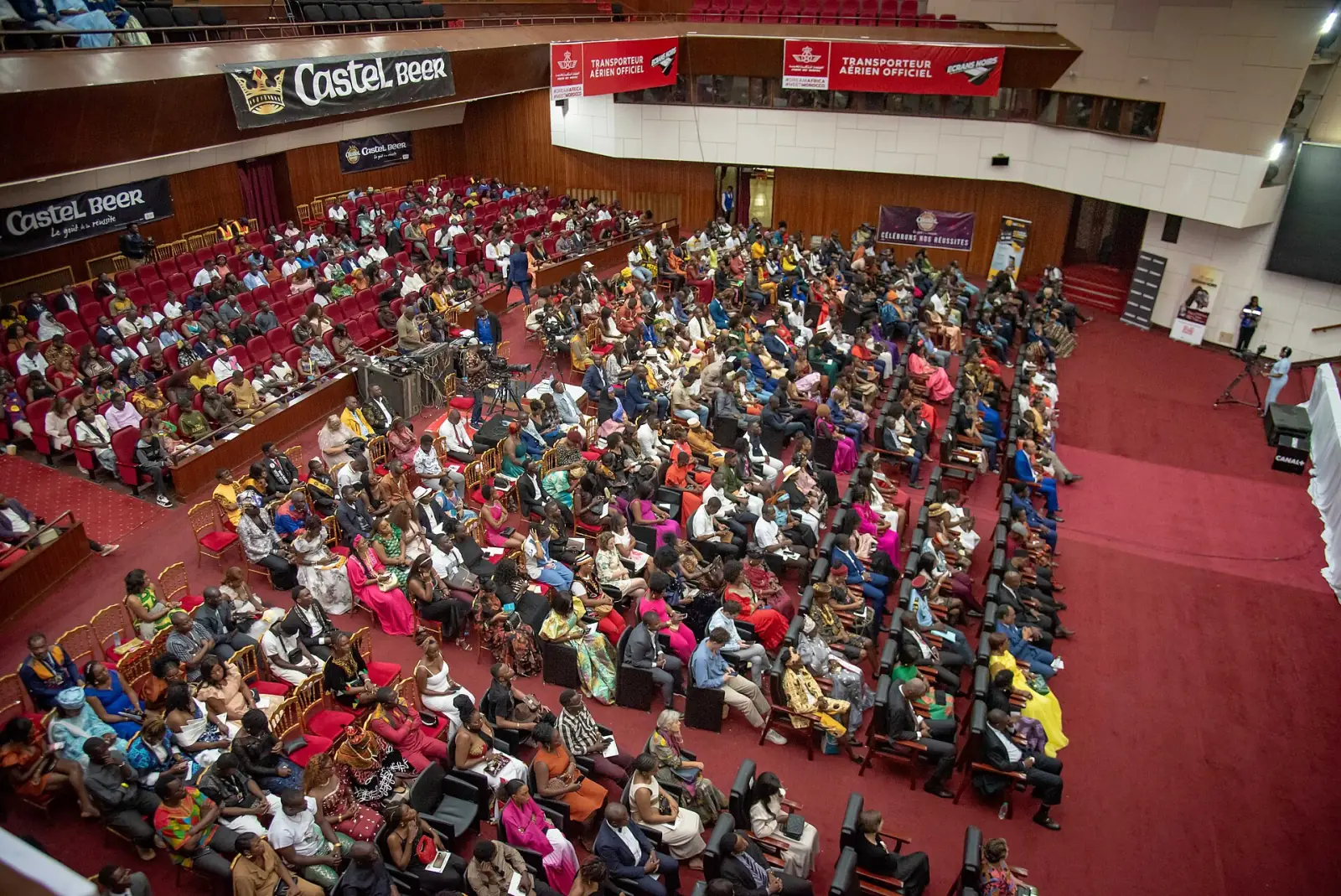
Aerial view of the full Yaoundé Conference Centre during the Écrans noirs festival closing

Going to a festival starts with a ticket. In Cameroon, ticketing for shows and festivals is handled by the organisers themselves: organising committee, association, venue or producer. The Ministry of Arts and Culture does not collect sales, but it oversees the framework in which they take place: authorisation of the event, venue safety, capacity respected.

This page helps the public buy without being misled, spot the genuine points of sale, understand pricing and learn about accessibility provisions. It is also useful for organisers who want to set up clear and honest ticketing.

  • Tickets sold only by the organiser or its relays
  • Displayed prices and reductions for young people and groups
  • Venues designed for all audiences
Buying your tickets
Buy

Buying your tickets safely

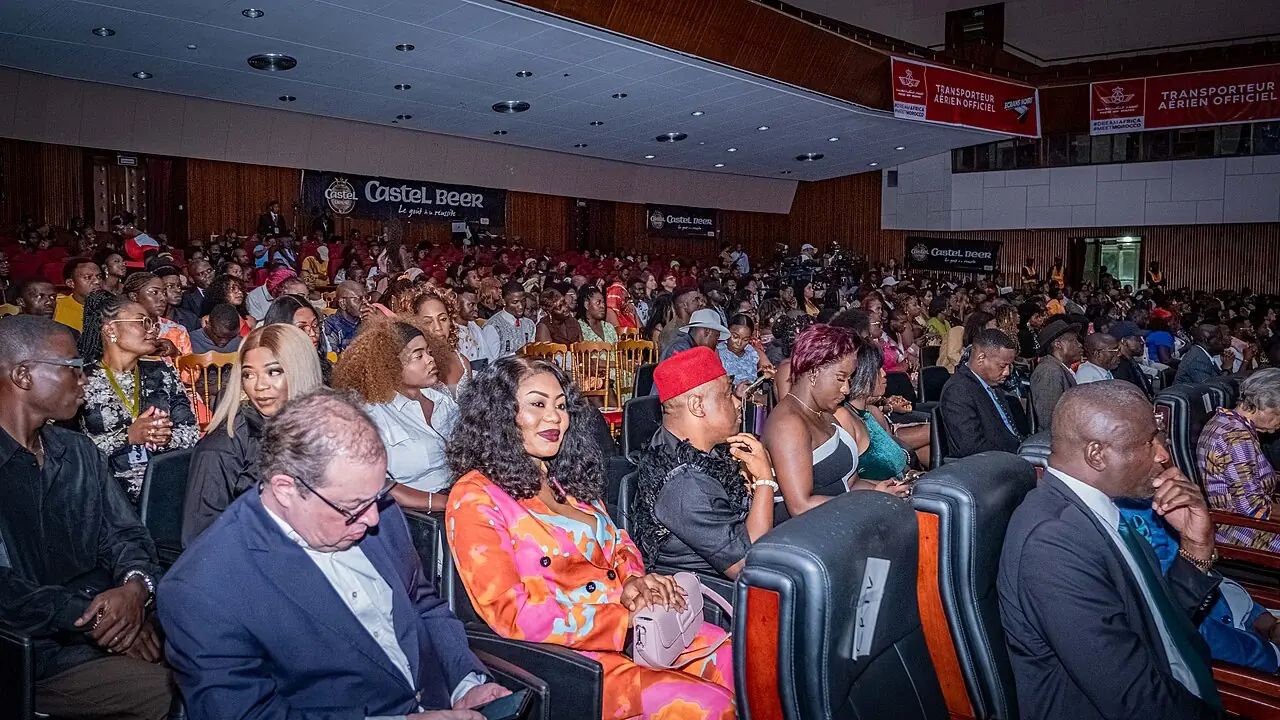
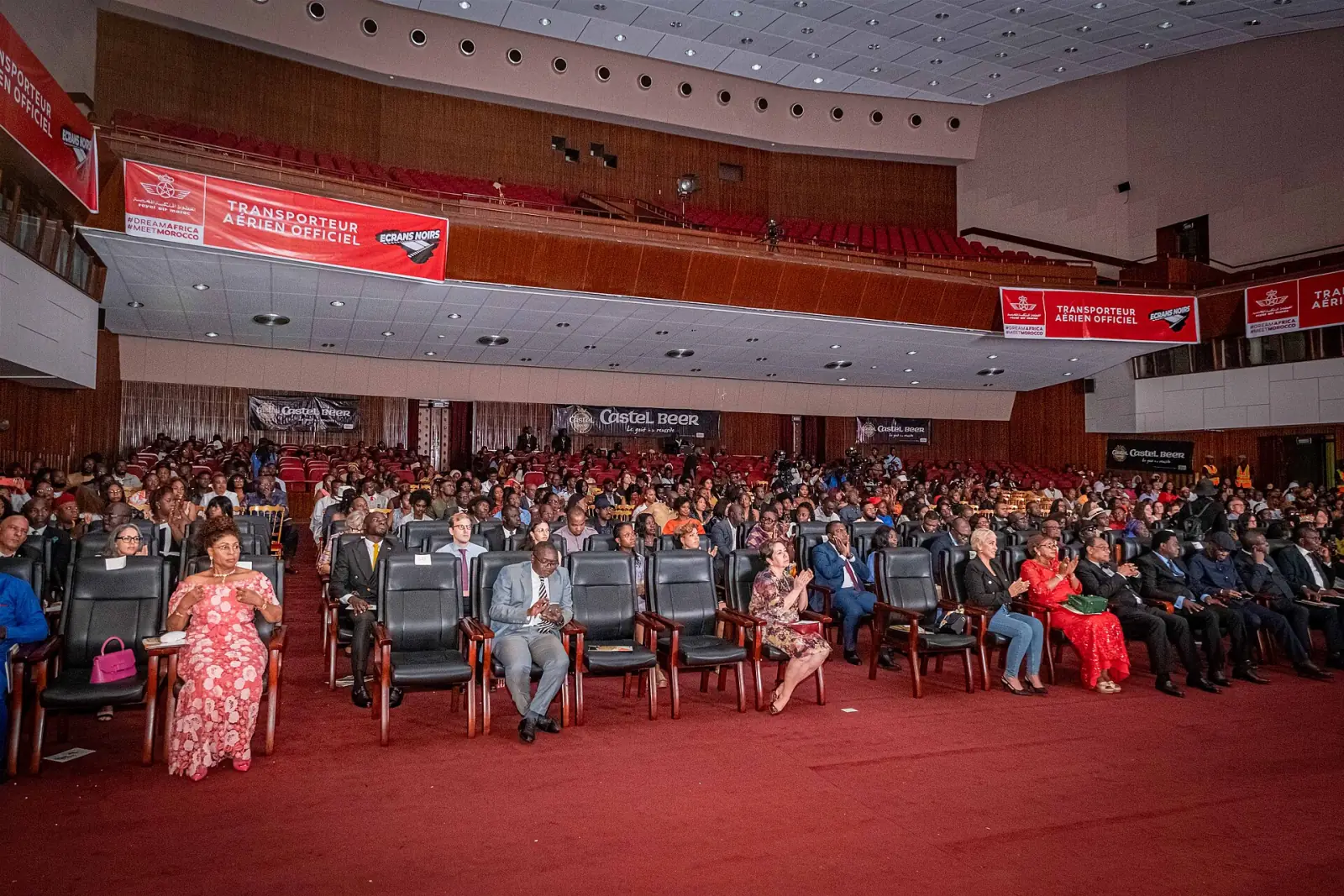
Official audience seated in a large red hall at the opening ceremony of a film festival

Each event publishes its own booking links and locations. The Ministry relays them in the cultural agenda and in the national calendar, but purchases are always made from the organiser.

Buying online

For festivals that offer online booking, the link appears on the event page. Check that the address matches the festival’s official website, that the organiser’s name appears and that you are given proof of payment (e-mail or ticket with a code). Payment by mobile phone is the most widespread; always keep proof of the transaction.
Buying on site

Most festivals keep ticket offices open on the day itself and on the preceding days, sometimes in a cultural centre or at the local tourist office. Paper tickets show the name of the event, the date, the seat category and, often, a serial number.

Beware of fake tickets

Do not buy from strangers outside the venue. If in doubt about a seller, report it using the reporting form or the online help.

ℹ️
Key points

A ticket does not replace the event’s authorisation. If a show is cancelled, the organiser must announce the conditions for a refund or postponement.

Fees

Understanding festival prices

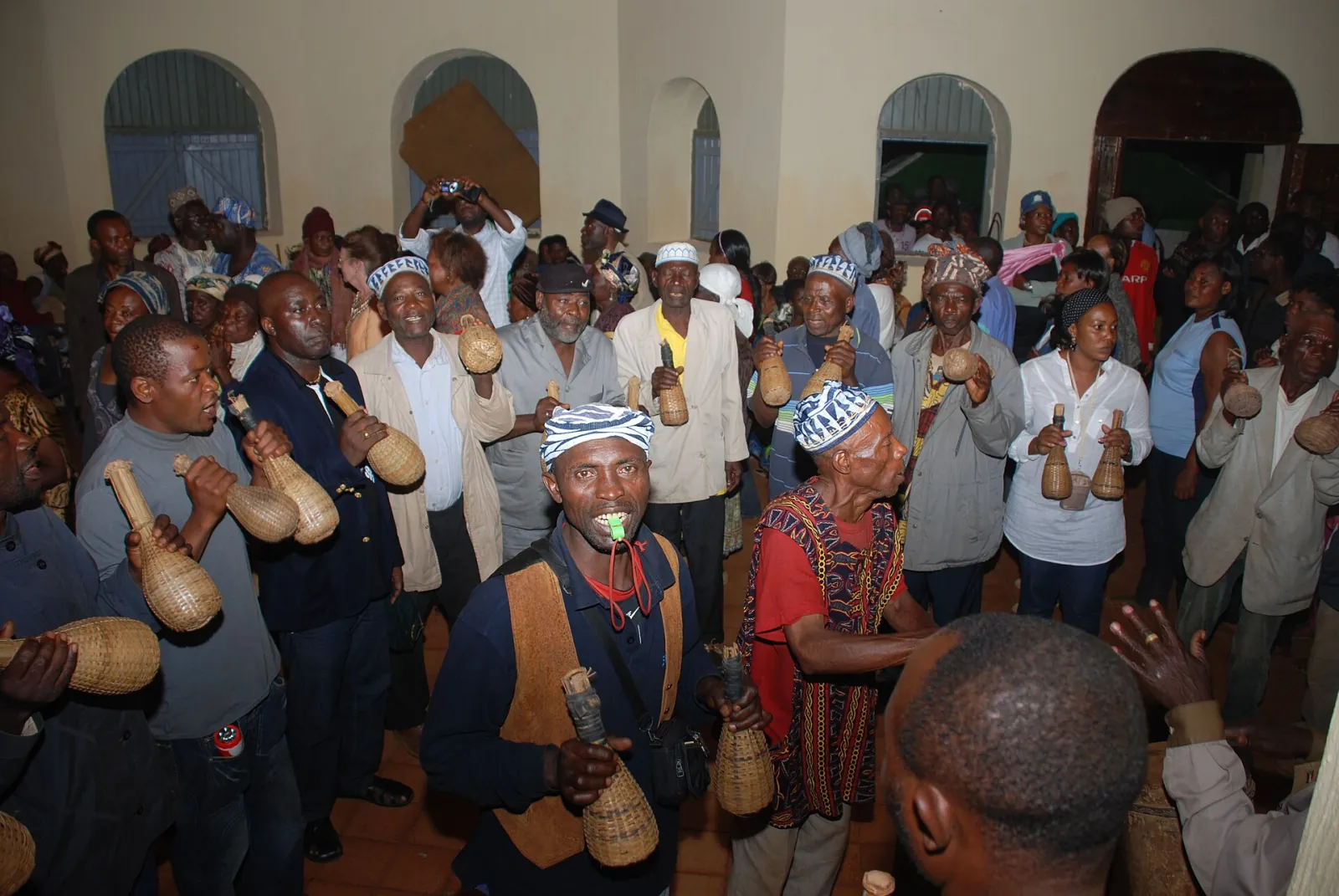
Crowd of musicians playing resonant gourds in a large hall

Prices are set freely by the organisers, according to the costs of the event, the venue, the guest artists and the target audience. The Ministry recommends clear pricing, published before sales open and identical for everyone at the same time.

The most common categories

  • Full price for a standard seat;
  • Reduced price for students, pupils and older people on presentation of proof;
  • Group rate for schools, associations and works councils;
  • Free admission for street shows, open stages and chiefdom ceremonies open to all;
  • Multi-day pass, giving access to a whole edition.

Free admission and solidarity

Several free events organised with the Ministry, such as the Music Day or the heritage days, invite the public without a ticket. Organisers are encouraged to set aside seats at a solidarity price. The biennials, the national competitions and the cultural days each set their own pricing policy, and the price scale of a supported event appears in its grant report.

Fees for procedures

Do not confuse tickets with the processing fees for administrative procedures, which appear on the Fees page of the site. Procedure fees are never added to the price of a ticket.

Points of sale

Where to find the points of sale?

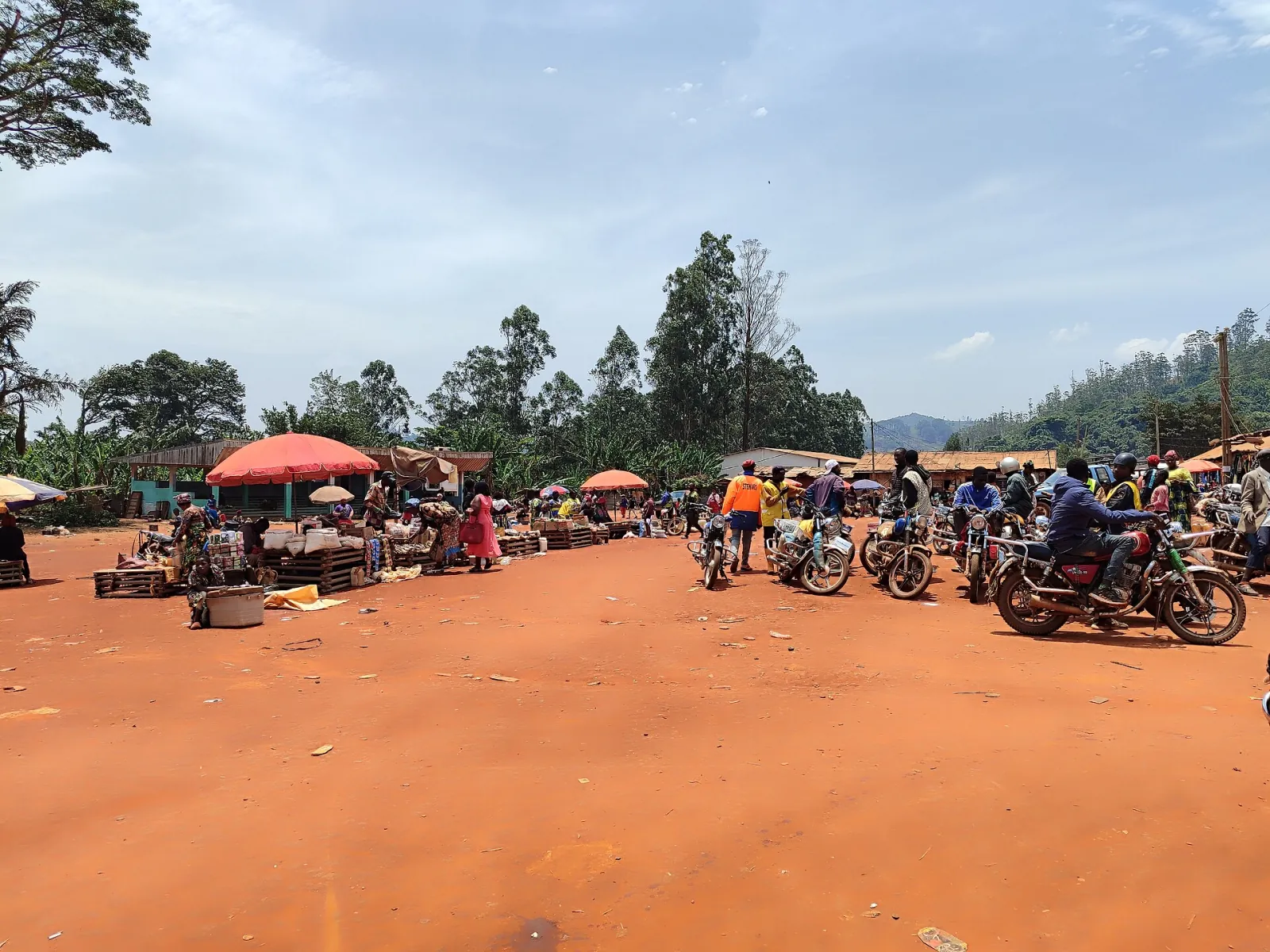
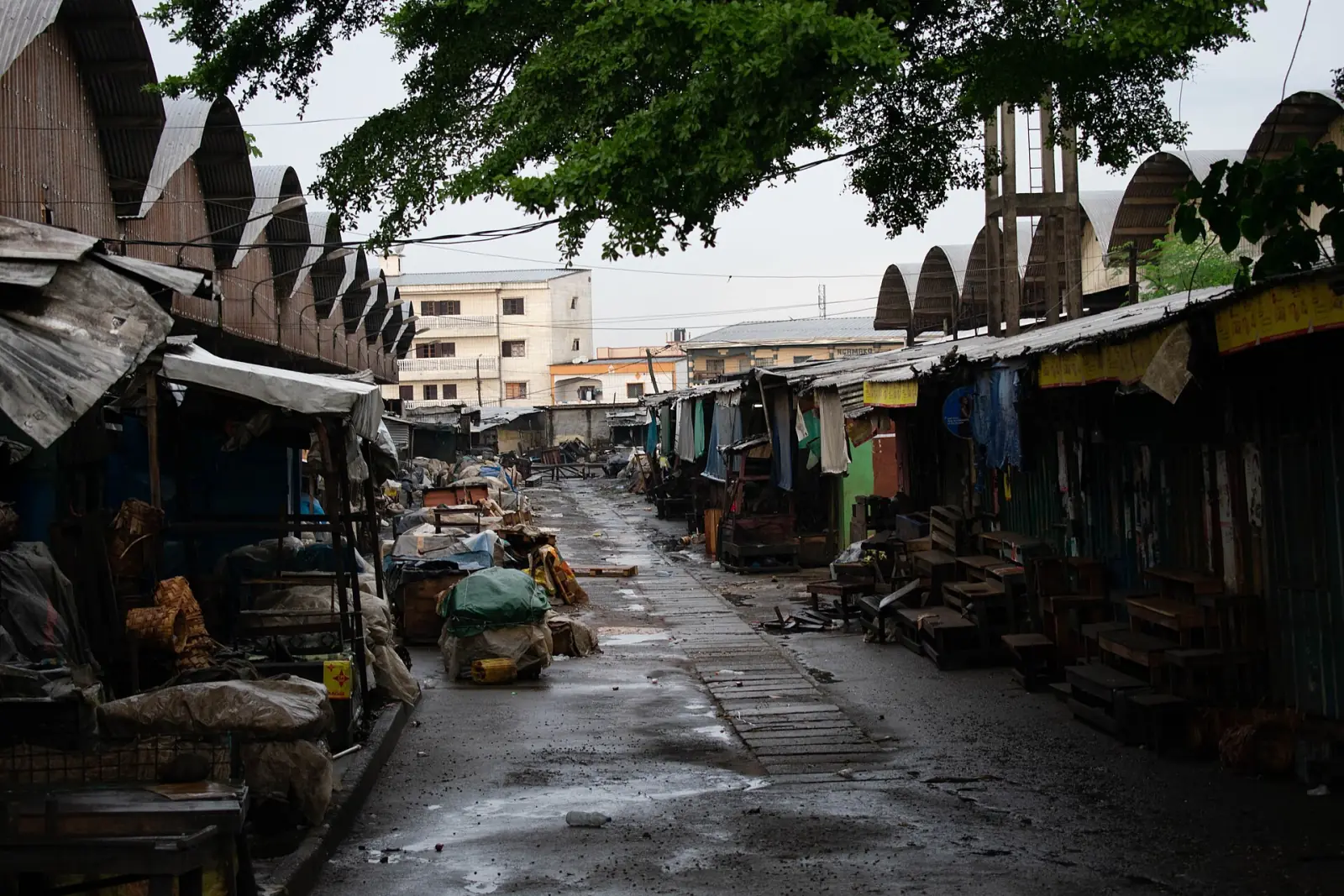
Covered lane of Madagascar market in Douala after rain, between stalls and market halls

The list of points of sale is provided by each organiser: on-site ticket offices, relay shops, cultural centres, association offices, commercial partners, mobile payment platforms. For major events, a network of relay points covers several neighbourhoods or several towns.

Official ticket offices

An official ticket office clearly displays the name of the event, opening hours, the price list and the organiser’s telephone number. It issues a numbered ticket or a receipt. Ticket offices of venues managed by the Ministry are listed in the Institutions under supervision section.

Relay points

Relay points, hosted by neighbourhood shops or associations, make it possible to buy close to home. The organiser gives each relay a list of tickets, a tracking book and instructions for handing over takings.

Mobile payment platforms

Many organisers rely on payment by phone to reach audiences far from ticket offices. The digital point of sale must then display the organiser’s name, the exact price and the procedure for collecting the ticket.

Accessibility

Accessibility of venues and sites for everyone

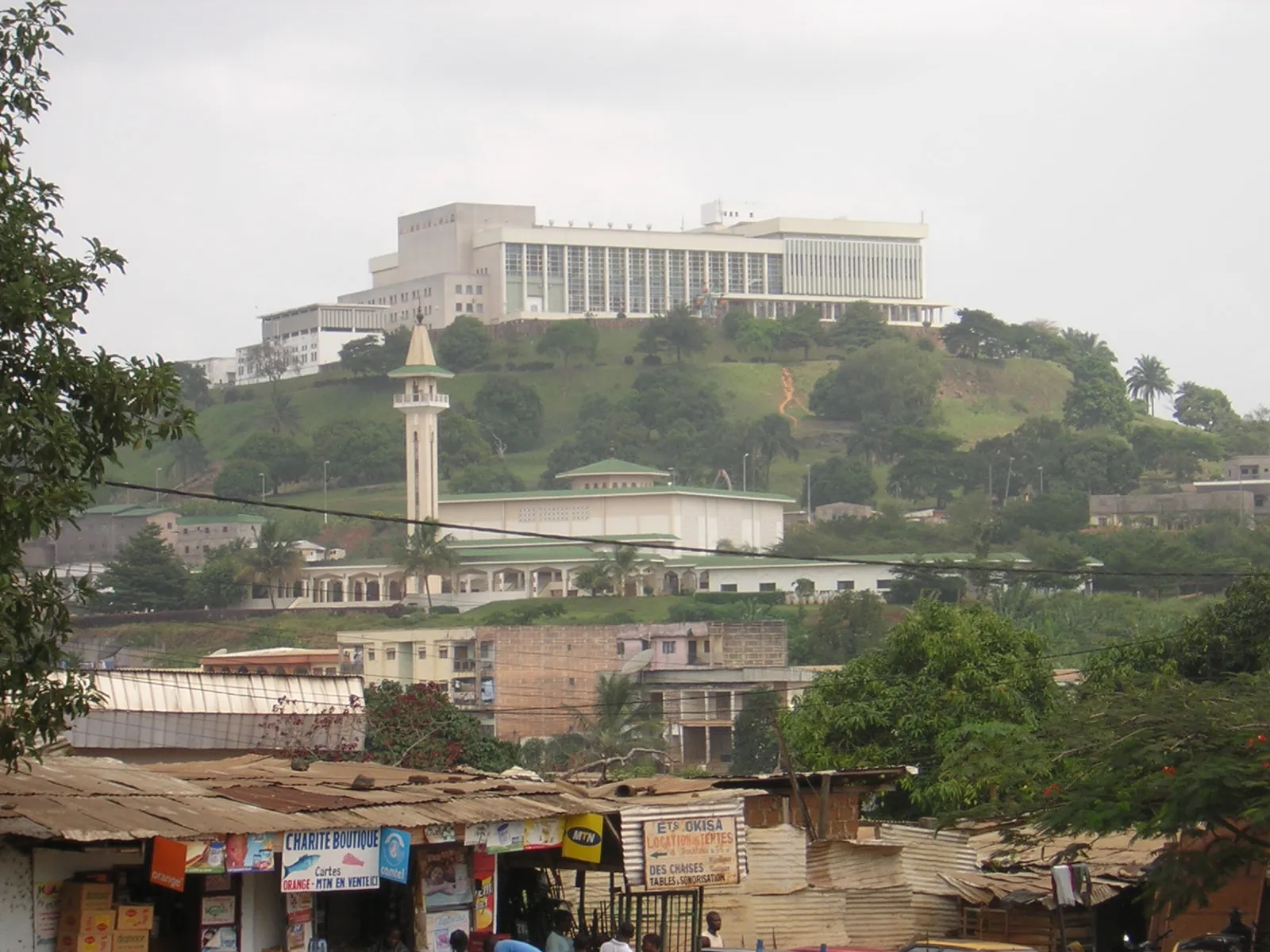
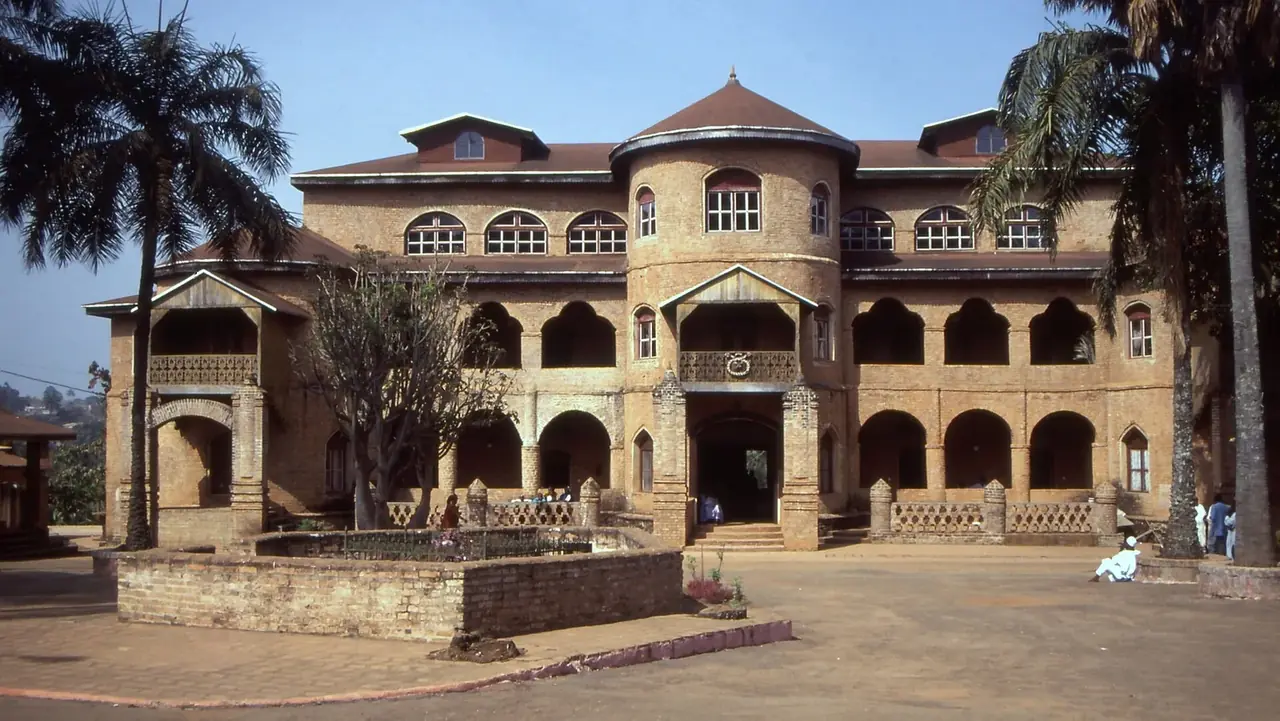
Yaoundé Conference Centre on its hilltop above the city districts

A festival is open to all: people with reduced mobility, older people, families with pushchairs, people who are blind or partially sighted, or deaf or hard of hearing. Accessibility starts at the ticket office: an accessible seat is booked before the event, and the organiser must provide for them.

Booking an accessible seat

People with reduced mobility must tell the organiser of their needs when booking, so that a clear space near the entrance and the toilets is reserved for them. The companion benefits in principle from the same arrangement.

What the legal framework provides

Law No. 2004/001 governs the authorisation of shows and the safety of venues: maximum capacity, emergency exits, lighting, extinguishers, movement of the public. These rules also concern people with specific needs, whom organisers must be able to evacuate quickly. The show authorisation and the festival authorisation are the procedures that guarantee this oversight.

The Ministry’s commitments

The Ministry is committed to the accessibility of its own sites and its website; its Quality and accessibility page describes its commitments and how to lodge a complaint. Feedback from spectators helps improve venues.

ℹ️
Organisers

State on every ticket the name of an accessibility contact person and a contact number; this is spectators’ first request.

Complaints

Cancellations, refunds and complaints

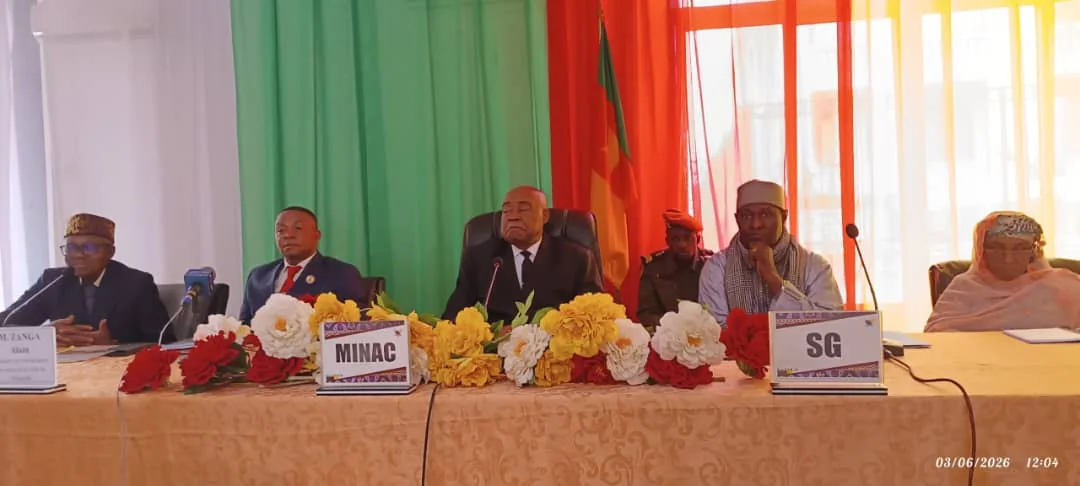
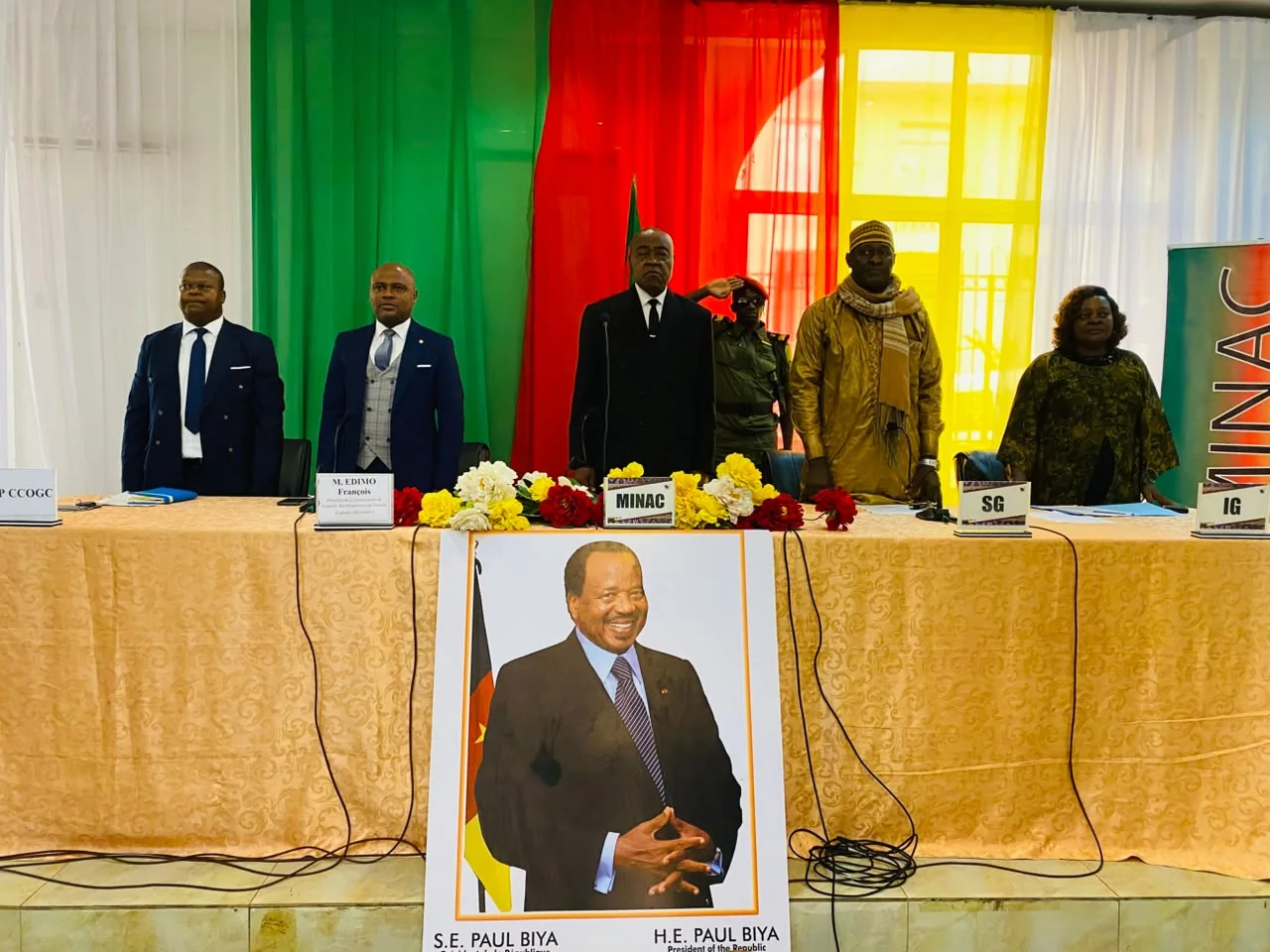
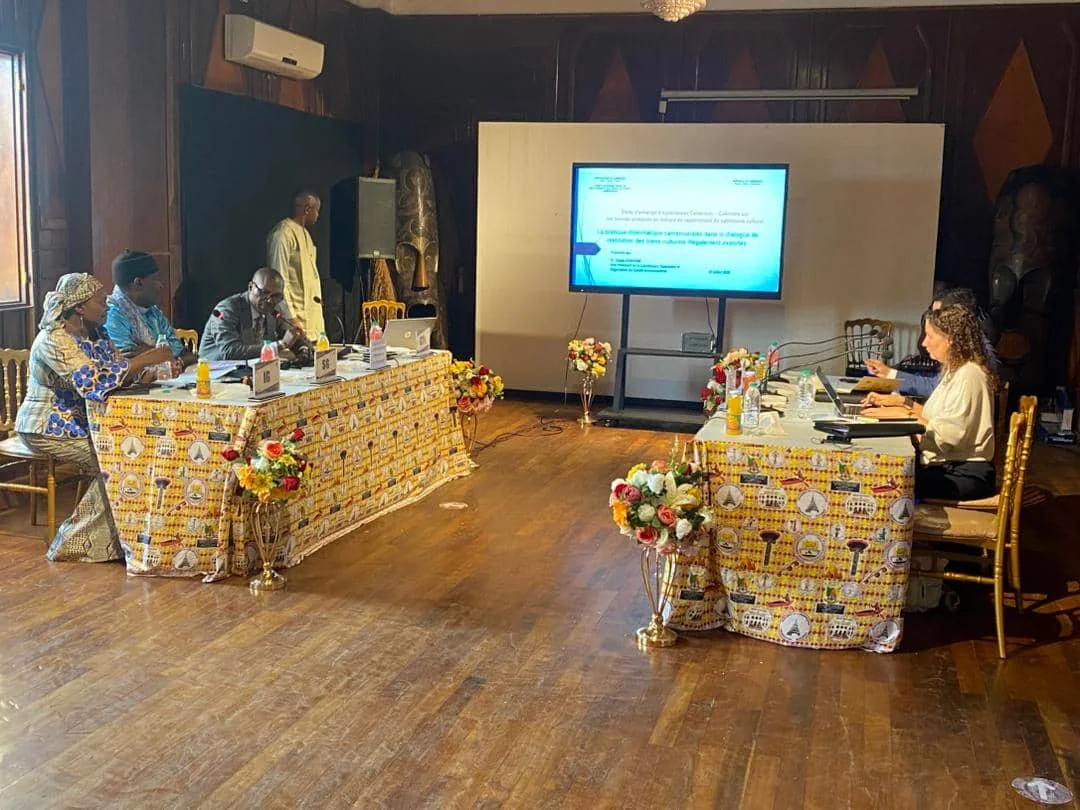
Ministry panel table during a working meeting

A festival may be postponed for reasons of safety, weather or force majeure. The artists engaged remain protected by their standard contracts and by the artist’s social status. The spectator is entitled to clear information: the organiser must announce the decision through its usual channels and state whether the ticket remains valid for the new date or is refunded.

In the event of a dispute (ticket not honoured, double sale, refusal of entry despite a valid ticket), first address your complaint to the organiser with proof of purchase. If the situation is not resolved, the Ministry receives reports through the online help and may intervene with the organiser as part of its oversight of authorised shows. To reach the service, see the Contact page and the opening hours and addresses. The legislative texts set out everyone’s obligations, and the Contact page explains how to write to the Ministry.

Step by step

From the ticket to the entrance of the venue

Choose the event

Consult the calendar and note the dates, seat categories and free admission or pass options.

Find the point of sale

Use the organiser’s official link or a displayed ticket office; avoid unidentified street sellers.

Pay and keep proof

Pay online or at the ticket office, and keep the confirmation message, the receipt or the numbered ticket until the end of the event.

Report a particular need

Tell the organiser of an accessibility need or a group booking to obtain a suitable space.

Arrive on time

Allow for entry checks, security searches and the queue, especially on closing evenings.

Give your opinion

After the event, send your comments to the organiser or the Ministry to help improve the welcome.

To act

Good practice for spectators and organisers

Check the event

Consult the official agenda to find the festival, its dates and its booking links.

Open the agenda

Request authorisation

An organiser must be authorised before selling a ticket: online procedure.

Festival authorisation

Report an abuse

Fake tickets, sales without authorisation, overcrowded venue: use the reporting form.

Report

Getting help

A question about access to an event? The online help will answer.

Online help
To explore

Ticketing and its neighbours on the site

Audience side and venue side

Ticketing as seen by those who live it

“
With the multi-day pass, my family was able to follow the festival without breaking the bank, and the children enjoyed the reduced prices.
A spectator
Yaoundé
“
We placed trained volunteers at the entrance: queues were halved and checks became calmer.
A festival reception manager
Douala
“
Telling the organiser about my wheelchair got me a clear space and direct access to the toilets.
A spectator with reduced mobility
Bafoussam
“
The relay points in the neighbourhoods allowed families far from the centre to buy their tickets without travelling into town.
An association treasurer
Garoua

“A successful show begins with a successful welcome: the ticket is the first handshake between the festival and its audience.”

A festival organiser
To download

Ticketing resources

Key facts

Ticketing at a glance

QuestionAnswerWho is responsibleWhere to find information
Who sells the tickets?The organiser or its relay pointsOrganising committee or venueEvent page
Who sets the prices?The organiser, publiclyOrganising committeeDisplay at the ticket office
Where to buy online?On the festival’s official websiteOrganiserMinistry cultural agenda
Can I pay by phone?Yes, when the organiser offers itOrganiserBooking page
Are there free seats?For certain open-air eventsOrganiser and local authoritiesNational calendar
Who monitors safety?The services authorising the showMinistry and local authoritiesShow authorisation
Where can I report a problem?To the organiser, then to the MinistryOrganiser, then MinistryOnline help
Glossary

Ticketing words

Ticket

Ticket giving access to a show, named or bearer, numbered and checkable at the entrance.

Pass

Ticket valid for several days or several shows of the same edition.

Reduced rate

Lower price granted to certain categories of audience on presentation of proof.

Visitor capacity

Maximum number of spectators permitted in a venue or site, set for safety reasons.

Relay point

Partner venue that sells tickets on behalf of the organiser.

Open seating

Method of sale in which spectators choose their seat on arrival, within the capacity limit.

Invitation

Entry issued without payment to a guest or partner, checked like a ticket.

Counterfoil

Proof of purchase to be exchanged for a ticket, particularly for online sales.

Online ticketing

Remote sales service, with mobile or bank payment and an electronic ticket.

Accessibility

All the arrangements that enable everyone to enter and enjoy the event.

Emergency exit

Exit reserved for evacuating the venue, which must be kept clear.

Refund

Return of the ticket price in the event of cancellation of a show or unjustified refusal of entry.

On the site

Continue exploring the festivals

Resources

Useful links for buying and organising

Stakeholders

Who oversees and welcomes the public?

Journey

The story of a festival ticket

CreationSetting the price scale

The organising committee decides the seat categories, reduced prices, free admissions and the number of seats according to the capacity of the venue.

PrintingNumbered tickets

Tickets are numbered and protected against copying, and the register of numbers makes it possible to check entries on the day of the event.

Going on saleOpening of the ticket offices

Sales begin online and at the relay points, with clear communication on dates and means of payment.

The big dayEntry checks

Volunteers and officers check tickets, direct the public and count entries to respect the authorised capacity.

After the editionTicketing report

The committee closes the accounts, analyses attendance and includes the report in the report submitted to funders.

Questions

Your questions on festival tickets

Does the Ministry sell tickets?

No. Sales are handled by the organiser of each event or its relays. The Ministry publishes useful information in the cultural agenda and checks that shows hold the authorisations and meet the safety conditions required by law.

How can I avoid a fake ticket?

Buy only on the festival’s official website, at the event’s ticket office or at an announced relay point. Demand a receipt, check the number and the name of the event, and report any suspicious sale using the site’s reporting form.

Are there free festivals?

Yes. Several events have free admission, notably some Music Day stages, certain chiefdom ceremonies open to the public and heritage days. The national calendar and the agenda indicate whether each event is free.

What should I do if a show is cancelled?

The organiser must inform the public and state whether the ticket is valid for a new date or refunded. Keep your proof of purchase, contact the point of sale and, if you receive no reply, write to the Ministry through the online help.

How do I book an accessible seat?

Contact the organiser when purchasing to state your needs. The organiser must provide a clear space, access to toilets and safe evacuation, in accordance with the venue safety rules set by the 2004 law.

Can an organiser sell tickets without authorisation?

No. No public show may be sold before the authorisation required by the law on the regime for shows has been obtained. Organisers submit their application online and display the authorisation at the ticket office. An unauthorised event may be suspended.

Are reduced prices compulsory?

They are not imposed by law, but the Ministry encourages organisers to offer them for pupils, students, older people and groups. Each festival publishes its price scale before sales open.

What is the difference between a ticket and a pass?

A ticket gives access to one show or one evening; a pass gives access to several days or several shows of the same edition. A pass is generally better value for following a whole festival, but it is personal and checked at the entrance.

Contact

Writing about ticketing

State the name of the festival, the date and the nature of the problem (purchase, accessibility, refund): your message is forwarded to the service concerned.

Competent service

Contact the shows service

Address

Directorate of Shows and Creative Industries
Ministry of Arts and Culture
Quartier du Lac – Ministerial Zone
P.O. Box 1053 Yaoundé, Centre Region, Cameroon

Reach us

+237 6 51 70 58 41

contact@minac.gov.cm

Opening hours

Monday to Friday, 8 am to 4 pm

Find your next show

Browse the agenda, find the official booking links and book your seats with confidence.

Open the cultural agenda
WhatsApp