Coat of arms of CameroonMinistry of Arts
and Culture
Republic of Cameroon
My procedures
Home
Minister’s message
News
Press releases
Cultural calendar
Official speeches
Press review
Photo library
Video library
Calls for projects
Job vacancies
Public procurement
Newsletter
Frequently asked questions
Site map
Contact
Press area
Podcast “The Voice of Culture”
Legal notices
Privacy policy
Cookies and trackers
The Ministry
Missions and responsibilities
Organisation
Organisation chart
Minister’s Office (Cabinet)
Management team
General Secretariat
General Inspectorate
Central directorates
Regional Delegations
Institutions under supervision
Legislative texts
Regulatory texts
Sector strategy
Major projects
Budget and reports
Partners
Careers
Archives
Institutional communication
Quality and accessibility
Arts
Visual and plastic arts
Visual arts
Performing arts
Theatre
Dance
Music
Literature and books
Cinema and audiovisual
Photography
Fashion and design
Digital arts
Art crafts
Artists’ directory
Residencies
Prizes and awards
Arts education
Urban arts
Heritage
Tangible heritage
Intangible heritage
UNESCO sites
National museums
Listed monuments
National inventory
Palaces and chiefdoms
Archaeology
Linguistic heritage
Oral traditions
Traditional know-how
Restitution of cultural property
Fight against illicit trafficking
Listing and protection
Conservation and restoration
Heritage Days
Cultural landscapes
Industries
Music and recording
Cinema
Publishing and books
Digital arts
Fashion and creativity
Crafts
Cultural tourism
Funding for culture
Support funds
Incubators
Cultural entrepreneurship
Culture Observatory
Vocational training
Studies and reports
Sector statistics
Export and outreach
Intellectual property
Copyright
Legal framework
Copyright and neighbouring rights
Collective management societies
Register a work
Licences
Private copying
Fight against piracy
Model contracts
Social status of artists
Mediation
Disputes
Training
Fee scales
Register of works
Contact
Digital neighbouring rights
Public domain
Festivals
National calendar
Ngondo
Nguon
Écrans Noirs
Heritage Days
Music Day
Regional festivals
Fairs and exhibitions
Biennials
National competitions
Cultural days
Organise a festival
Event grants
Ticketing
Archives
Volunteering
Diaspora festivals
Regions
Adamawa
Centre
East
Far North
Littoral
North
North-West
West
South
South-West
Cultural map
Regional Delegations
Traditional chiefdoms
National languages
Cultural routes
Decentralised cooperation
Regional observatory
Cooperation
UNESCO
Francophonie (OIF)
African Union
Commonwealth
CEMAC
Bilateral cooperation
Cultural agreements
Professional organisations
Scholarships
Artist exchanges
Cultural years
Diaspora
Funded projects
Embassies
Technical partners
International restitution
International monitoring and calls
Services
Artist card
Show authorisation
Filming authorisation
Festival authorisation
Deposit of a work
Export of works of art
Listing of a property
Grant application
Association accreditation
File tracking
Forms
Fees
Opening hours and addresses
Reporting
Online help
My account
One-Stop Shop
Industries

Vocational training

Courses, schools, apprenticeships and scholarships: everything you need to know to train for cultural professions in Cameroon, from INAC to the workshops of master craftspeople.

Updated on 6 November 20264 sub-pages
Flagship institutionINAC
Ongoing construction projectPhase 2
Training streams9
Scholarships per session60
Training

Cultural professions you can learn

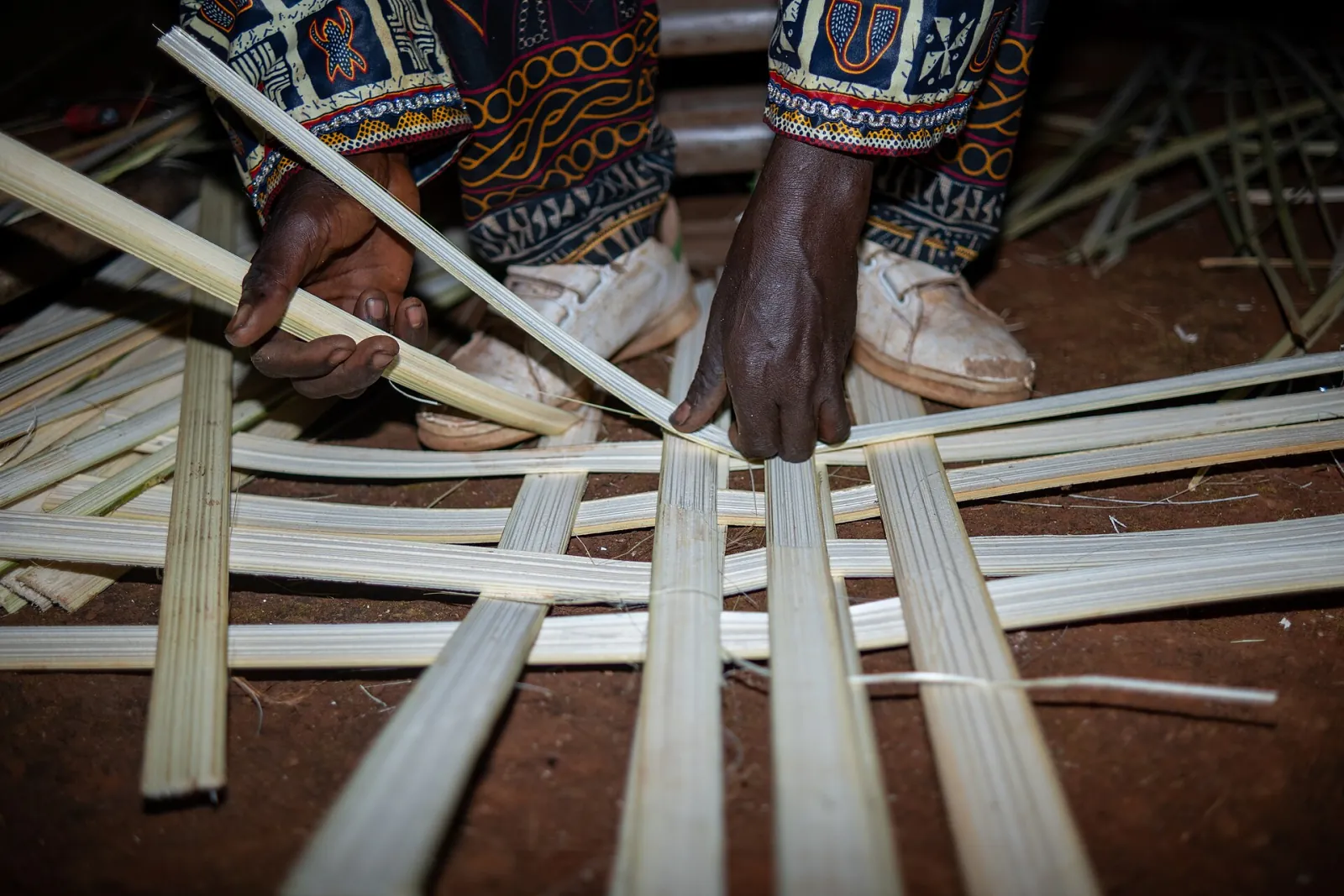
Hands of a craftsman weaving the strips of a rattan basket

Stage manager, publisher, archivist, choreographer, restorer, master craftsperson, producer, programmer: cultural life rests on specific skills acquired at school, in a workshop or in the field. Cameroon has a growing network of institutions, conservatoires, training centres and master craftspeople who pass on this knowledge.

The National Institute of Arts and Culture (INAC) is the linchpin: phase 2 of its construction, one of the Ministry’s major projects, is to expand its capacity. The Directorate of Books and Reading (DLL) for its part oversees training and integration in the book professions. This page details the courses, schools, apprenticeships and scholarships.


  • Clear courses, from certificate to master’s degree
  • Schools and centres spread across the regions
  • Scholarships and monitoring of professional integration
Explore the courses
Journey

The training courses for cultural professions

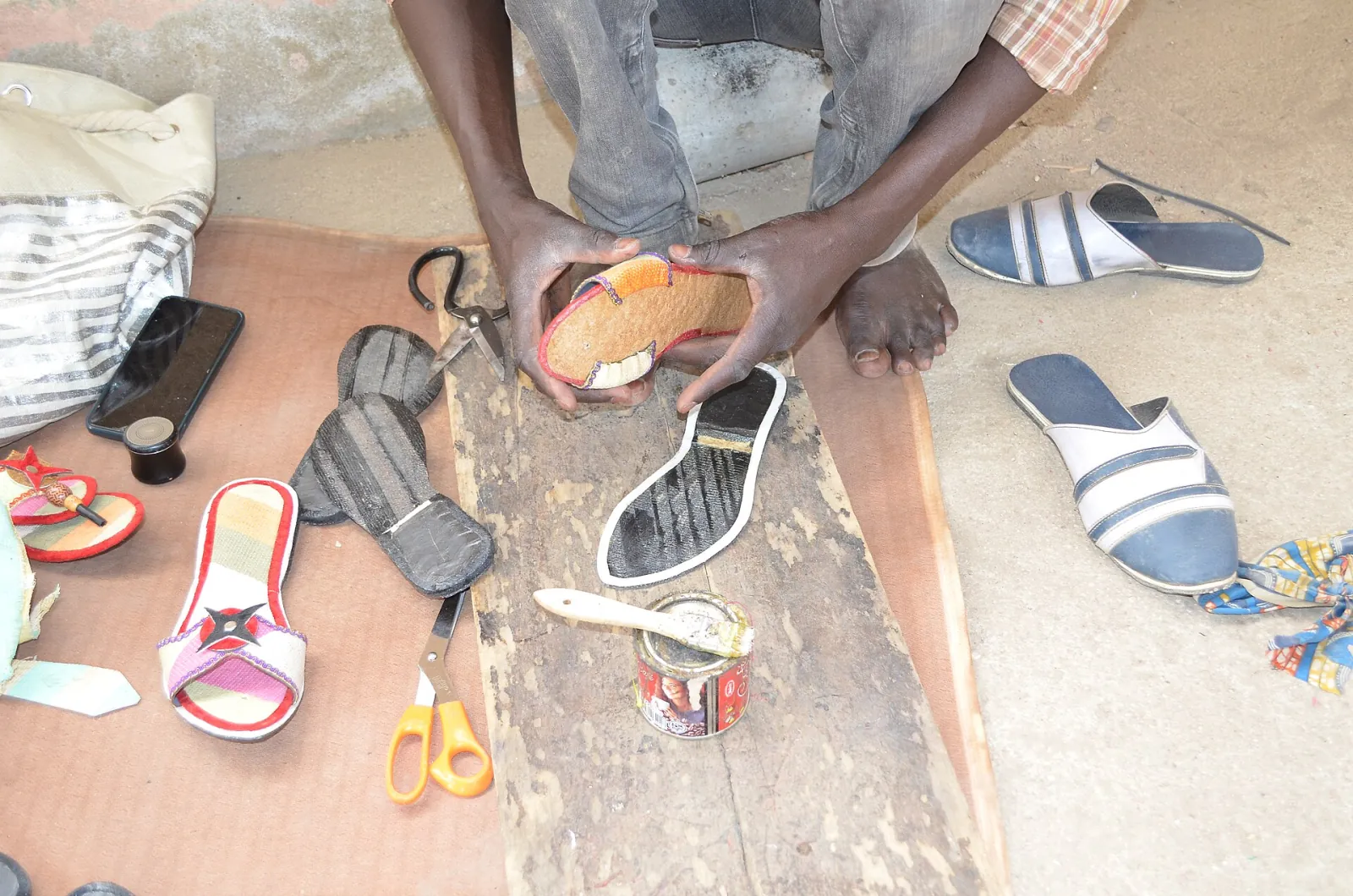
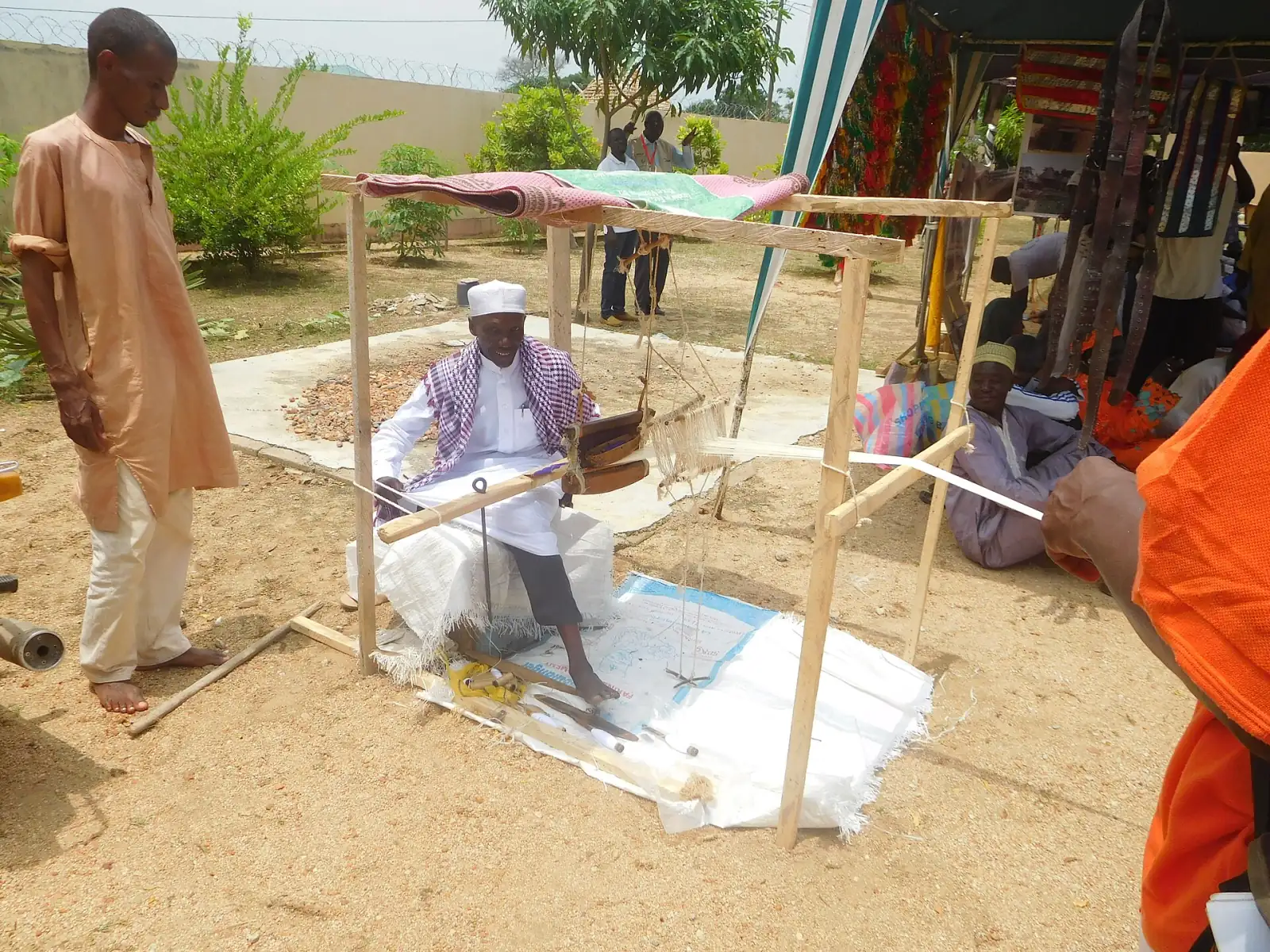
Craftsman making sandals at the regional craft centre in Maroua

The courses fall into three levels. The initial level (certificates and attestations, three to twelve months) targets immediately useful skills: sound engineering, ticketing, bookbinding, museum reception, book mediation. The intermediate level (professional diplomas and professional bachelor’s degrees, two to three years) prepares for supervisory roles: stage management, running a library, leading an art workshop. The advanced level (master’s degree and continuing training for managers) covers cultural engineering, heritage policy and the economics of creative industries.

The main streams

  • Performing arts: acting, dance, stage management, scenography;
  • Music: performance, composition, sound engineering;
  • Film and audiovisual: directing, cinematography, editing, production;
  • Books: publishing, bookselling, library science, archive studies;
  • Heritage: conservation, restoration, mediation, museography;
  • Fashion, design and art crafts;
  • Digital arts and video games;
  • Cultural management and law;
  • Cultural tourism.

Admission requirements

Admission is based on a file, a practical test and an interview. Candidates without a diploma but with proven experience may be admitted through validation of prior learning. The detailed requirements are set out in the Ministry’s forms; for the performing arts, also see arts education.

ℹ️
Choosing your level

Unsure of the right level? Write to the Ministry: an adviser will compare your background with the courses of the culture observatory and guide you.

Institutions

Schools and cultural training centres

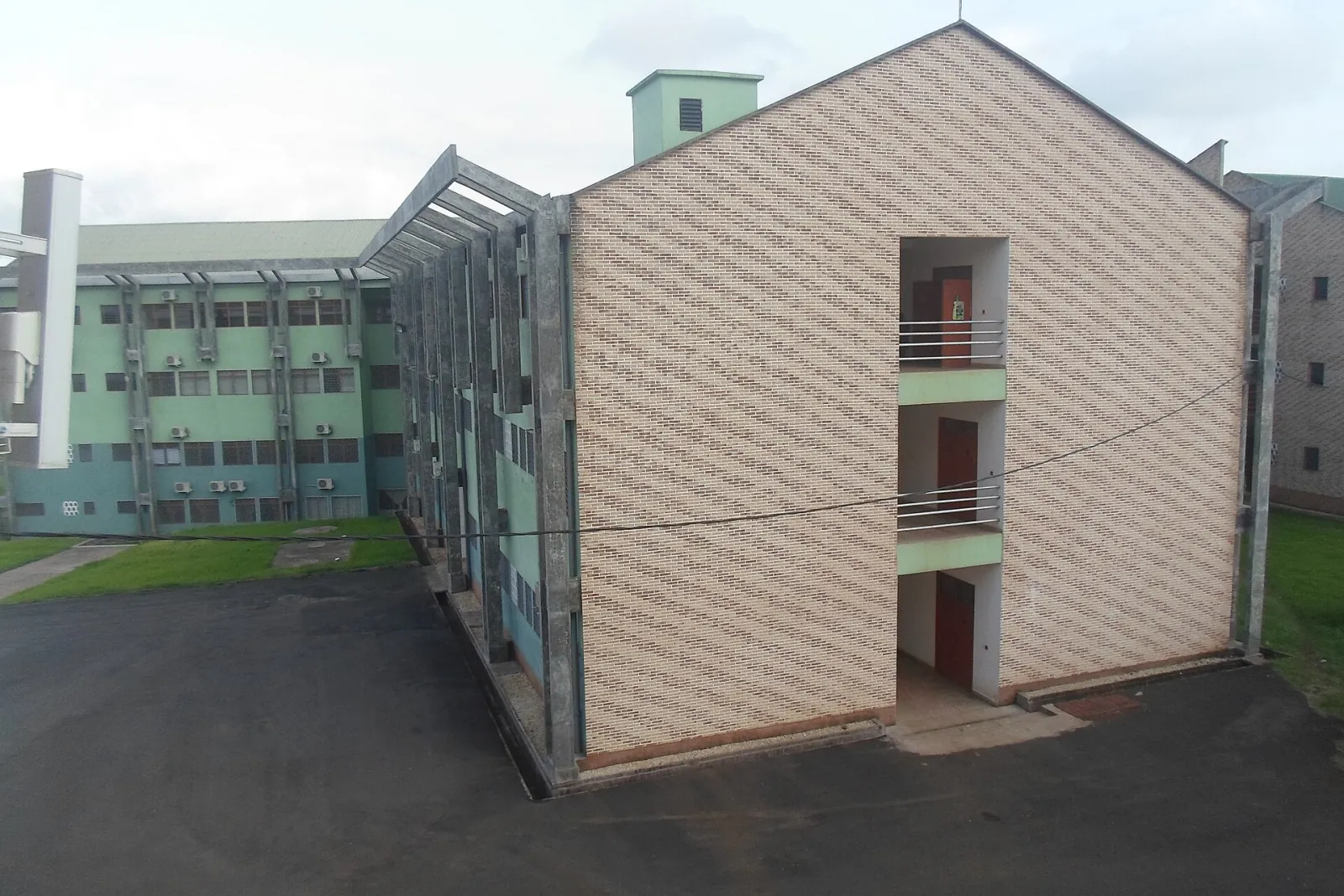
University of Buea building with its brick facade and balconies

The cultural training landscape brings together public institutions, recognised private schools, conservatoires and community centres. INAC trains the sector’s managers; phase 2 of its construction adds lecture theatres, studios, workshops and a research hub, in order to receive more students and diversify the streams. Monitoring of this project is among the Ministry’s major projects.

The different types of institutions

Conservatoires teach music, dance and drama, often from childhood. Art schools welcome future painters, sculptors, designers and photographers. Book professions training centres, overseen by the DLL, prepare for careers as publishers, booksellers and librarians. Technical centres train in sound, lighting, image and scenography.

Choosing a school

Check the institution’s recognition, the quality of its technical facilities, the share of practical work, internship partnerships and the integration rate of its graduates. The institutions under supervision and the regional delegations can advise on options near you.

Schools wishing to be listed submit an application for approval and an educational file.

ℹ️
Phase 2 of INAC

The project provides for new classrooms, recording studios and art workshops, in order to eventually receive more students.

Transmission

Workshop apprenticeship and companionship

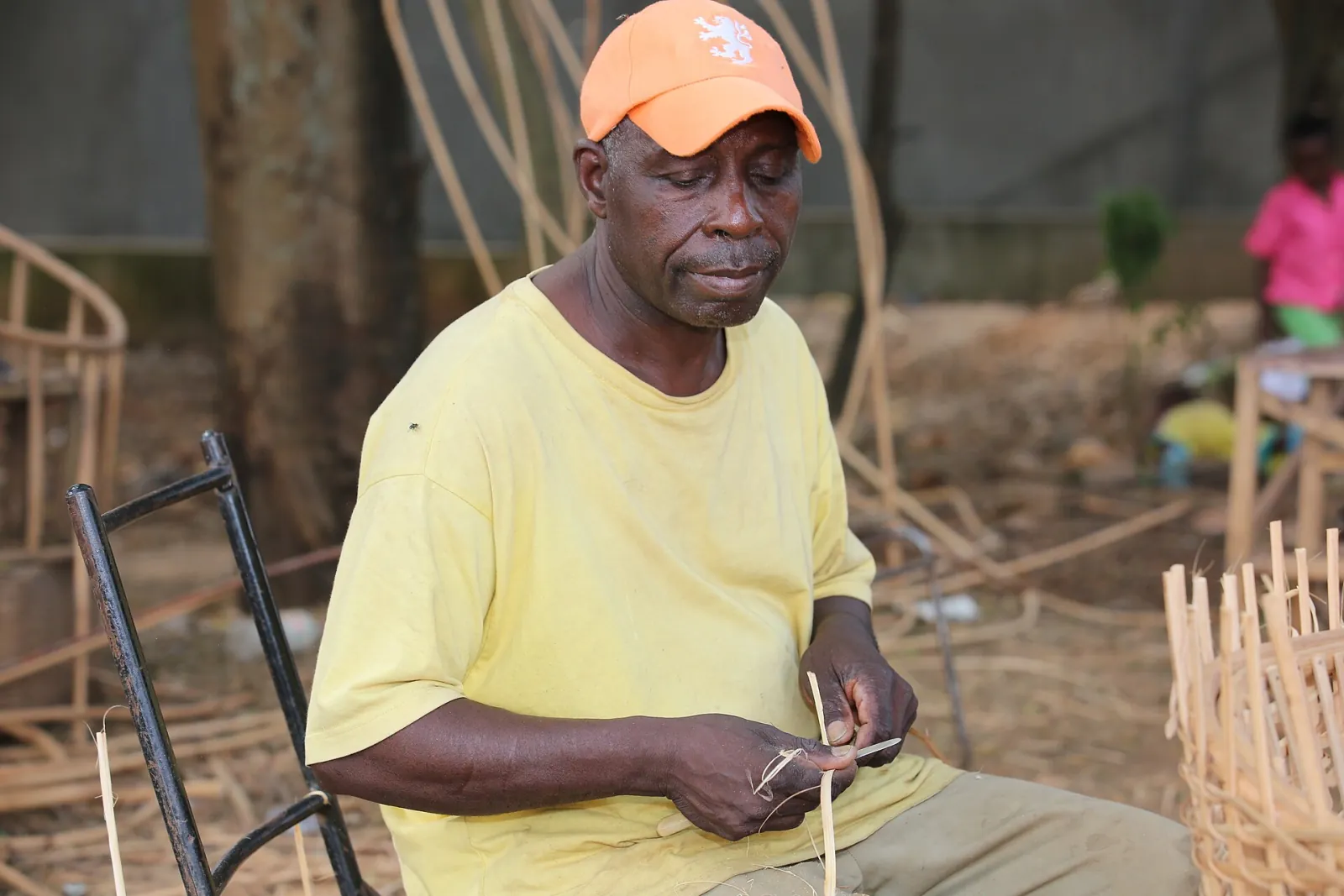
Craftsman in an orange cap weaving rattan strips in an open-air workshop

In Cameroon, a large share of the art crafts are learned in the workshop: with the blacksmith, the weaver, the wood sculptor, the potter, the beadworker. The apprentice observes, imitates, then makes increasingly complex pieces under the master’s eye. This oral and gestural transmission, which can last from two to five years, remains the main route into art crafts and traditional know-how.

A framework taking shape

The Ministry encourages the formalisation of apprenticeship through a written contract between master and apprentice, setting out the duration, tasks, accommodation and, where applicable, a small allowance. A certificate of completion of apprenticeship, issued with the chamber of trades or the professional association, enables the skills acquired to be recognised.

From master to school

More and more workshops are partnering with training centres: the apprentice divides their time between the workshop and the classroom, where they learn management, cost price calculation, photography of their pieces and online sales. This work-study approach prepares for setting up on one’s own, supported by incubators and cultural entrepreneurship.

  • A master may take on two to four apprentices at a time;
  • The contract specifies working hours and safety rules;
  • The certificate is awarded after an end-of-apprenticeship project.
ℹ️
Master craftspeople

A master wishing to take on apprentices can register with their regional delegation to appear on the list of training workshops.

Support

Study and further-training scholarships

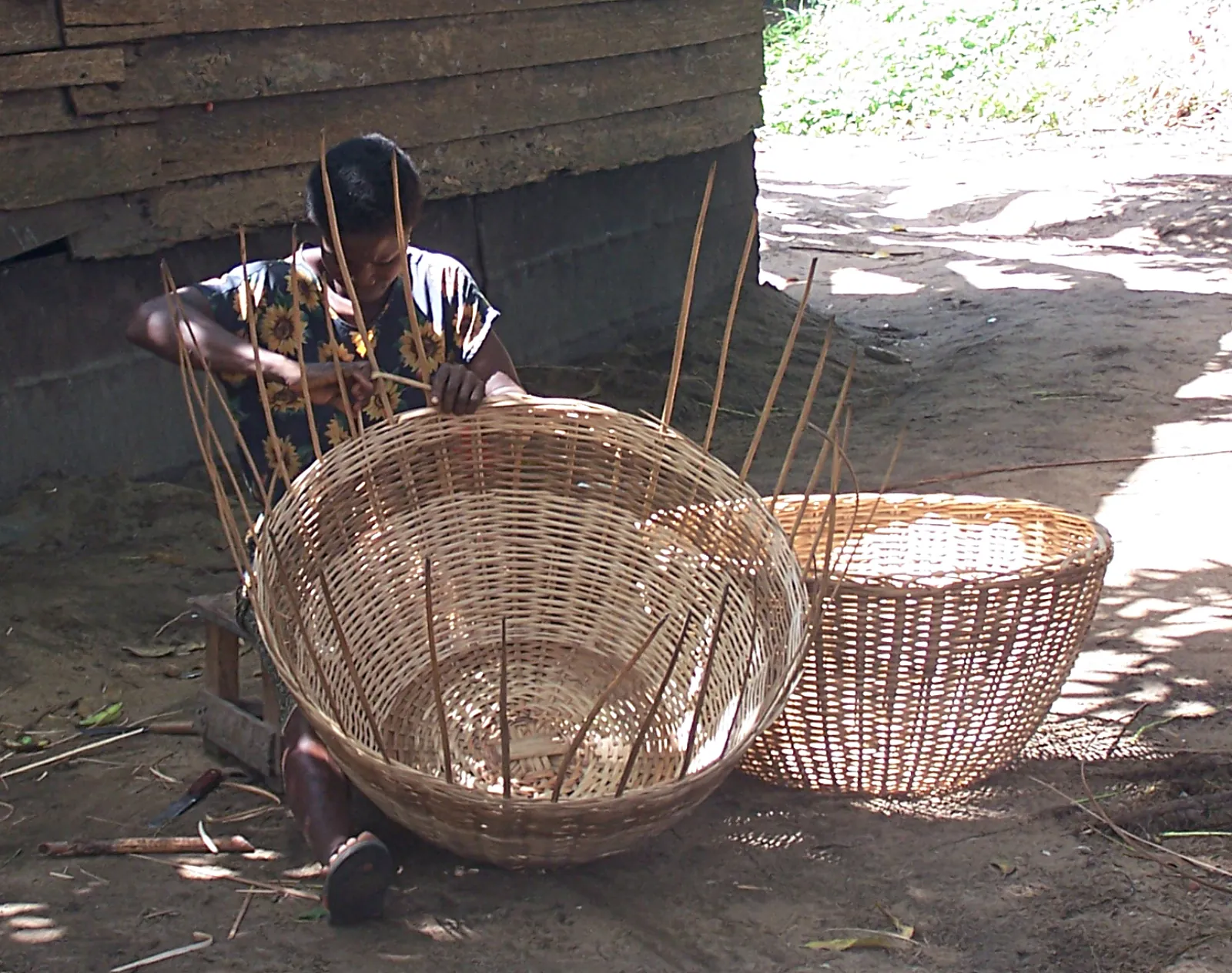
Craftsman weaving a large wicker basket outside a house, a second basket beside him

Scholarships enable young talents and professionals to follow a course, improve their skills or stay at a foreign institution. They are awarded on the basis of merit, the project and, for some of them, social circumstances. Each session selects about sixty recipients, divided between study scholarships, advanced training scholarships and mobility grants.

The three types of scholarship

  • Study scholarships: partial or full coverage of tuition fees at a recognised institution;
  • Advanced training scholarships: short placements of two weeks to six months, in Cameroon or abroad, under cooperation with Morocco, Japan, China or India;
  • Mobility grants: ticket and living expenses to attend a training course or a residency.

Preparing your file

The file includes a covering letter, a curriculum vitae, proof of level, a portfolio or video, the host institution’s agreement and a budget. The opening of sessions is announced in the calls for projects and in the newsletter.

After the scholarship

The scholarship holder undertakes to share what they have learned: speaking at a regional workshop, mentoring a young person, a final report. This feedback benefits local training. For additional funding, see the support fund.

ℹ️
Calendar

Sessions are open twice a year, in spring and autumn; results are posted at the regional delegations.

Integration

From training to cultural employment

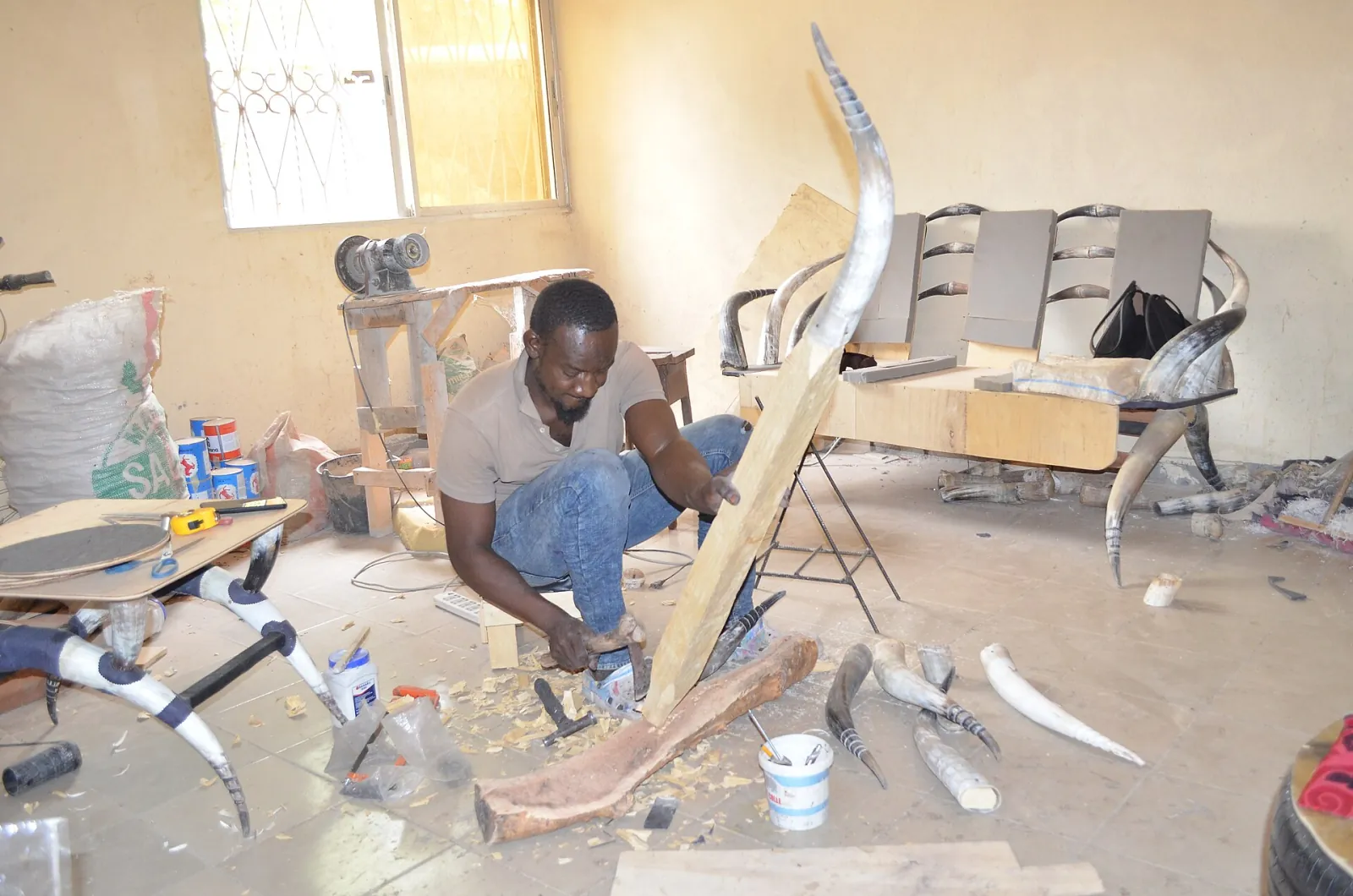
Craftsman polishing ox horns to make a chair at the Maroua craft village

Training is not enough: graduates must also find their place. The Ministry monitors integration through surveys of former students, internship partnerships with theatres, cultural centres, publishing houses, studios and museums, and forums bringing institutions and recruiters together. Three years after leaving, about seven in ten graduates report working in an activity related to their training, as employees or self-employed.

Job vacancies and internships are published on the site; the consolidated data feed into the sector statistics. Young entrepreneurs can join an incubator.

Rights

Training in rights and management

Craftsman interlacing long bamboo strips to weave a basket

Every cultural professional benefits from knowing copyright, taxation, project management and fundraising. Short modules of one to five days are offered with the copyright training and with the partners of cultural funding. They cover drafting a contract, reading a budget, declaring a work and mediation.

Step by step

Choosing and succeeding in your cultural training

Clarify your project

Identify the profession you are aiming for, the entry level and the type of organisation where you wish to work; an interview with an adviser helps you decide.

Compare the options

Compare the courses, duration, cost, career prospects and facilities of the institutions, by consulting the regional delegations and the observatory.

Prepare the file

Gather your diplomas, portfolio, covering letter and the required documents, and practise for the practical tests before the competitive examinations.

Look for funding

Apply for a scholarship, approach a support fund, a patron or an employer, and plan a living budget.

Train and practise

Alternate classes, workshops, internships and group projects; present your work to the public as soon as possible.

Enter the workforce

Use the institution’s network, job vacancies, the artists’ directory and the incubators to launch your activity.

Key facts

Training pathways in one table

PathwayPublicUsual lengthOutlets
Higher school (INAC)School-leavers with the baccalaureate and managers3 to 5 yearsProject management, conservation, teaching, production
ConservatoireChildren, teenagers, adults3 to 8 yearsPerformer, teacher, orchestra musician
Book training centreYoung graduates, booksellers6 months to 2 yearsPublisher, librarian, bookseller, proofreader
Technical performance centreTechnicians1 to 2 yearsStage manager, sound engineer, lighting technician
Workshop apprenticeshipYoung people who have left the school system2 to 5 yearsIndependent craftsperson, workshop head
Continuing trainingWorking professionals2 days to 6 monthsUpskilling, career change
Advanced training placement abroadScholarship recipients2 weeks to 6 monthsSpecialisation, international network
Journey

A learning pathway from the first lesson to the first job

Year 1Discovery

Pupils are introduced to the basics, visit cultural venues and choose a specialism after trying several workshops.

Year 2Deepening

Technical classes intensify and the young person produces their first pieces or first stage exercises before an audience.

Year 3Placement in an organisation

The trainee joins a company, a museum, a publishing house or a workshop for a supervised placement of several weeks.

Year 4Final-year project

They design a complete project: a show, exhibition, publication or business plan, defended before a jury of professionals.

After the diplomaIntegration

The graduate applies for jobs, creates their own activity or joins an incubator, while staying in touch with the alumni network.

To explore

Training in the other sections

“One becomes a craftsperson through the hand, but remains one through transmission: whoever trains an apprentice extends their workshop beyond their own lifetime.”

A master craftsperson, West
Journey

Voices from training

“
After two years of a professional bachelor’s degree in stage management, I found a position at a venue in Douala before my internship had even ended.
A stage manager
Littoral
“
My workshop takes on three apprentices; the written contract protects us all and reassures their families.
A master sculptor
West
“
The advanced training scholarship allowed me to discover preventive conservation, and then to train my team on my return.
A curator
Centre
“
The module on contracts stopped me from assigning my rights without realising it; it has become a reflex in my publishing house.
An independent publisher
North-West
To act

The training schemes to know about

Scholarship application

Submit your application for a study, advanced training or mobility scholarship as soon as the session opens.

See the calls

Training in rights

Take a short module on copyright, contracts and collective management.

Discover

Residencies

Extend your training with a creative stay in Cameroon or abroad.

Apply

Start-up support

A fund to finance your first workshop, your first equipment or your first production.

Consult
To download

The training resources

Glossary

The words of training

INAC

National Institute of Arts and Culture, the reference institution for training the sector’s managers.

Curricula

A course of study organised in levels, with its admission requirements and qualifications.

Apprenticeship

Transmission of a trade through practice alongside a master, often in their workshop.

Companionship

Training through work alongside experienced professionals.

Validation of prior learning

Official recognition of skills acquired through experience.

Work-study

Training shared between an institution and a host organisation.

Scholarship

Financial aid awarded to a candidate to study or improve their skills.

Integration

Lasting entry of a graduate into professional activity.

Portfolio

A file of achievements presenting the work of an artist or candidate.

Continuing training

Teaching intended for people already in work.

Production stage manager

Professional who organises the technical logistics of a show or event.

On the site

Related training to discover

Resources

Useful links for training

Stakeholders

Who trains for cultural professions?

Questions

Your questions about training

Where can I train for cultural professions in Cameroon?

At INAC for managers, in conservatoires for music, dance and theatre, in specialised centres for books, sound or image, and in workshops with a master craftsperson. The regional delegations can advise on options near you.

What is the status of INAC’s phase 2?

Phase 2 of construction is one of the Ministry’s major projects. It aims to expand the institute’s capacity with new classrooms, studios and workshops. Monitoring of the project is presented in the major projects section.

Who oversees training in the book professions?

The Directorate of Books and Reading promotes training, upskilling and integration in the book professions: publishing, bookselling, libraries and archives. It works with training centres and associations of publishers and booksellers.

Can I be admitted without a diploma?

Yes, in several fields. The candidate submits a portfolio of practice or a video, sits a test and is admitted through validation of prior learning. This is a common route for craftspeople and self-taught artists.

How do I obtain a scholarship?

Watch for the calls published in spring and autumn, then submit a file with a covering letter, supporting documents, a portfolio and a budget. A committee examines applications on the basis of merit, the project and the candidate’s circumstances.

Is an apprenticeship contract compulsory?

It is not required everywhere, but it is strongly recommended. It specifies the duration, tasks, working hours and protection of the apprentice. A template is available among the Ministry’s model contracts.

How do I have my school or centre listed?

Set up an association or a registered organisation, request approval, then submit an educational file describing the programmes, teachers and facilities. A visit by the regional delegation is generally organised before listing.

How can I follow my integration after training?

Register in the artists’ directory, consult job vacancies, join the alumni network and, if you start an activity, approach an incubator. The Ministry also carries out regular surveys of graduates.

Contact

Talk about your training project

State your profession, the target level and your region: your message will be forwarded to the competent directorate.

Competent directorate

Contact vocational training

Address

Directorate of Books and Reading / Directorate of General Affairs
Ministry of Arts and Culture
Quartier du Lac – Ministerial Zone
P.O. Box 1053 Yaoundé, Centre Region, Cameroon

Reach us

+237 6 51 70 58 41

contact@minac.gov.cm

Opening hours

Monday to Friday, 8 am to 4 pm

A trade to learn?

Discover arts education, the conservatoires and the workshops open in your region.

See arts education
WhatsApp