Coat of arms of CameroonMinistry of Arts
and Culture
Republic of Cameroon
My procedures
Home
Minister’s message
News
Press releases
Cultural calendar
Official speeches
Press review
Photo library
Video library
Calls for projects
Job vacancies
Public procurement
Newsletter
Frequently asked questions
Site map
Contact
Press area
Podcast “The Voice of Culture”
Legal notices
Privacy policy
Cookies and trackers
The Ministry
Missions and responsibilities
Organisation
Organisation chart
Minister’s Office (Cabinet)
Management team
General Secretariat
General Inspectorate
Central directorates
Regional Delegations
Institutions under supervision
Legislative texts
Regulatory texts
Sector strategy
Major projects
Budget and reports
Partners
Careers
Archives
Institutional communication
Quality and accessibility
Arts
Visual and plastic arts
Visual arts
Performing arts
Theatre
Dance
Music
Literature and books
Cinema and audiovisual
Photography
Fashion and design
Digital arts
Art crafts
Artists’ directory
Residencies
Prizes and awards
Arts education
Urban arts
Heritage
Tangible heritage
Intangible heritage
UNESCO sites
National museums
Listed monuments
National inventory
Palaces and chiefdoms
Archaeology
Linguistic heritage
Oral traditions
Traditional know-how
Restitution of cultural property
Fight against illicit trafficking
Listing and protection
Conservation and restoration
Heritage Days
Cultural landscapes
Industries
Music and recording
Cinema
Publishing and books
Digital arts
Fashion and creativity
Crafts
Cultural tourism
Funding for culture
Support funds
Incubators
Cultural entrepreneurship
Culture Observatory
Vocational training
Studies and reports
Sector statistics
Export and outreach
Intellectual property
Copyright
Legal framework
Copyright and neighbouring rights
Collective management societies
Register a work
Licences
Private copying
Fight against piracy
Model contracts
Social status of artists
Mediation
Disputes
Training
Fee scales
Register of works
Contact
Digital neighbouring rights
Public domain
Festivals
National calendar
Ngondo
Nguon
Écrans Noirs
Heritage Days
Music Day
Regional festivals
Fairs and exhibitions
Biennials
National competitions
Cultural days
Organise a festival
Event grants
Ticketing
Archives
Volunteering
Diaspora festivals
Regions
Adamawa
Centre
East
Far North
Littoral
North
North-West
West
South
South-West
Cultural map
Regional Delegations
Traditional chiefdoms
National languages
Cultural routes
Decentralised cooperation
Regional observatory
Cooperation
UNESCO
Francophonie (OIF)
African Union
Commonwealth
CEMAC
Bilateral cooperation
Cultural agreements
Professional organisations
Scholarships
Artist exchanges
Cultural years
Diaspora
Funded projects
Embassies
Technical partners
International restitution
International monitoring and calls
Services
Artist card
Show authorisation
Filming authorisation
Festival authorisation
Deposit of a work
Export of works of art
Listing of a property
Grant application
Association accreditation
File tracking
Forms
Fees
Opening hours and addresses
Reporting
Online help
My account
One-Stop Shop
Arts

Digital arts

Digital creation, video games, labs and training: all the key information, rights and procedures for artists, studios and project leaders in creative digital work in Cameroon, within the framework of the NDS30.

Updated on 6 November 20264 sub-pages
Sectors cited by the NDS30Interactive media
Forms of creation6
Types of fabrication spaces4
Applicable rightsAuthors and neighbouring rights
Digital arts

Create with digital technology

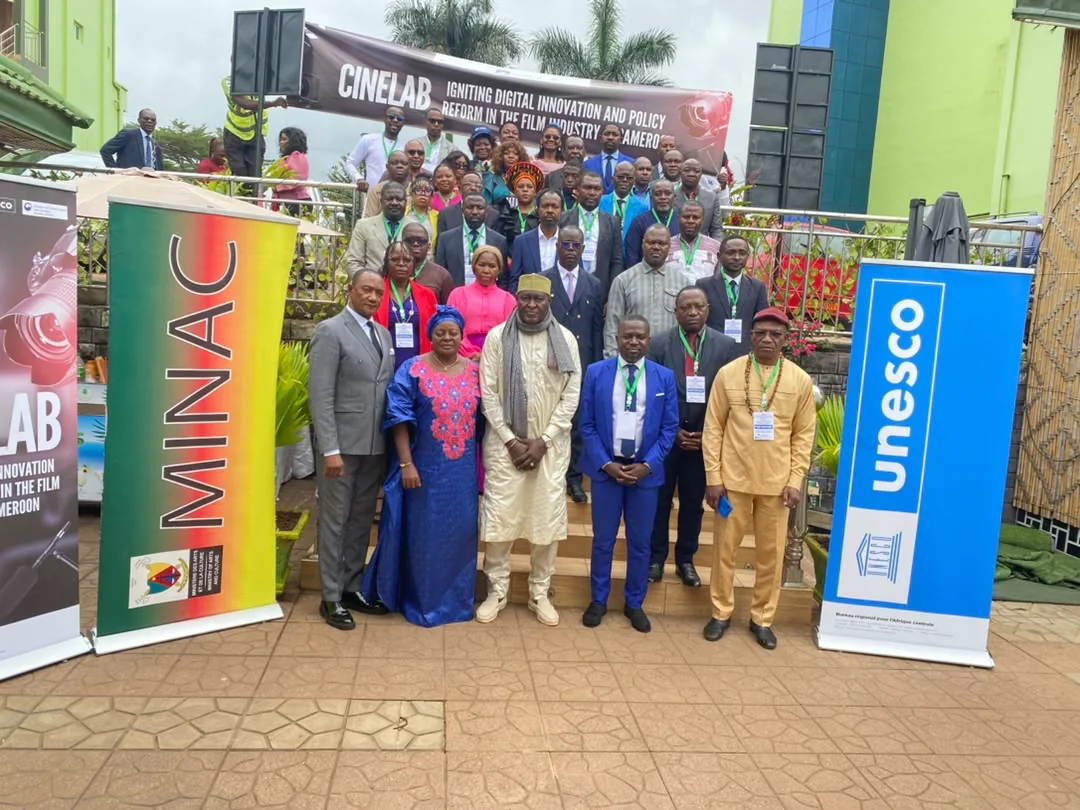
CINELAB workshop participants in front of the Ministry and UNESCO banners

2D and 3D animation, generative art, interactive installations, virtual reality, online comics, podcasts, web series, video games: digital technology does not replace the arts, it opens up new tools, audiences and professions for them. In Cameroon, this creation is driven by a connected youth, independent studios and digital fabrication spaces, notably in the “Silicon Mountain” of Buea, in Douala and in Yaoundé.

The NDS30 cites audiovisual and interactive media among the sectors of the cultural and creative industries. This page presents the forms of creation, video games, labs, training and applicable rights, with the procedures useful to creators and project leaders.

  • Forms of digital creation explained step by step
  • Labs and studios to build, test and share
  • Copyright and neighbouring rights adapted to digital technology
Explore digital creation
Digital creation

Digital creation: forms, tools and audiences

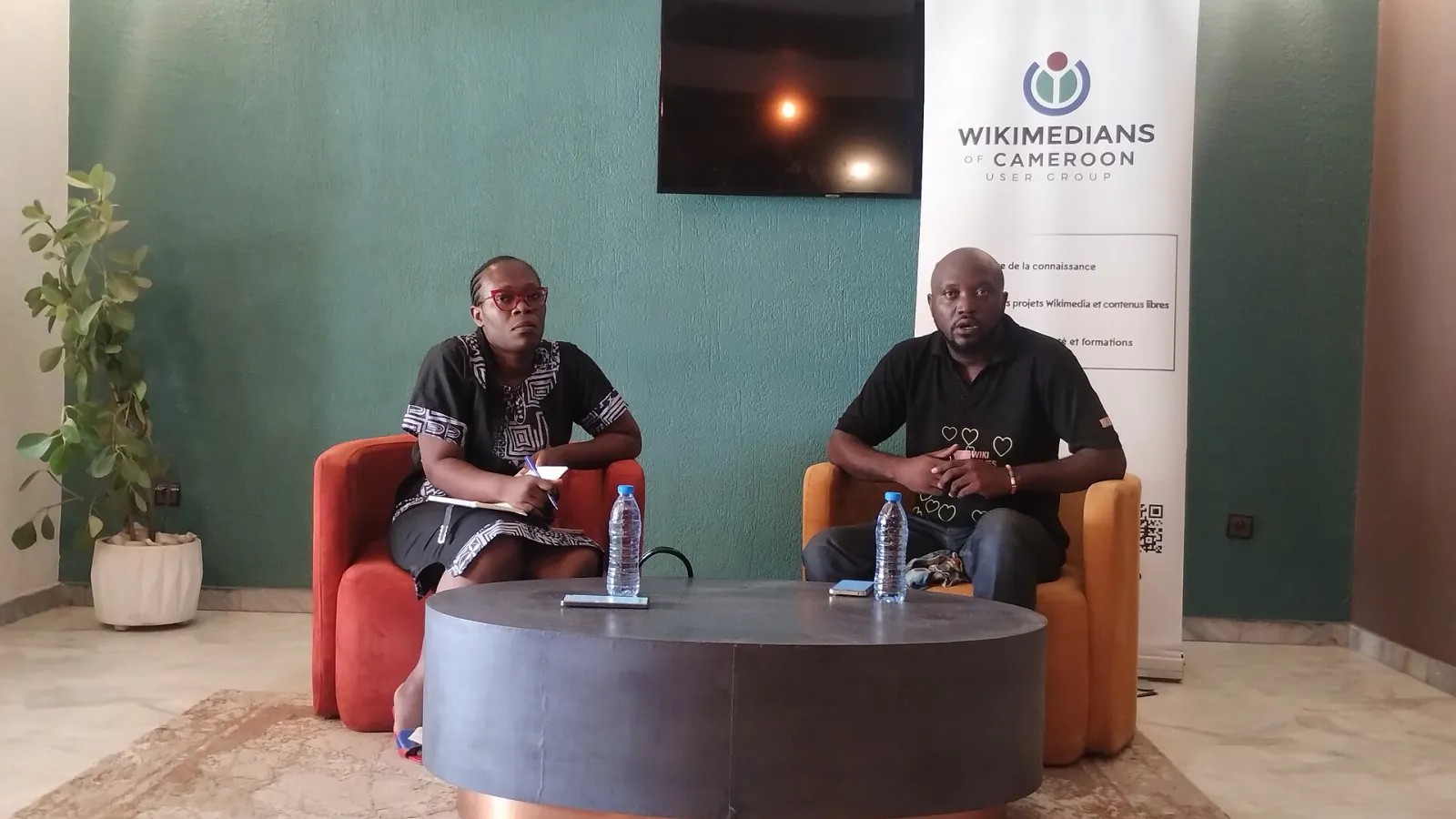
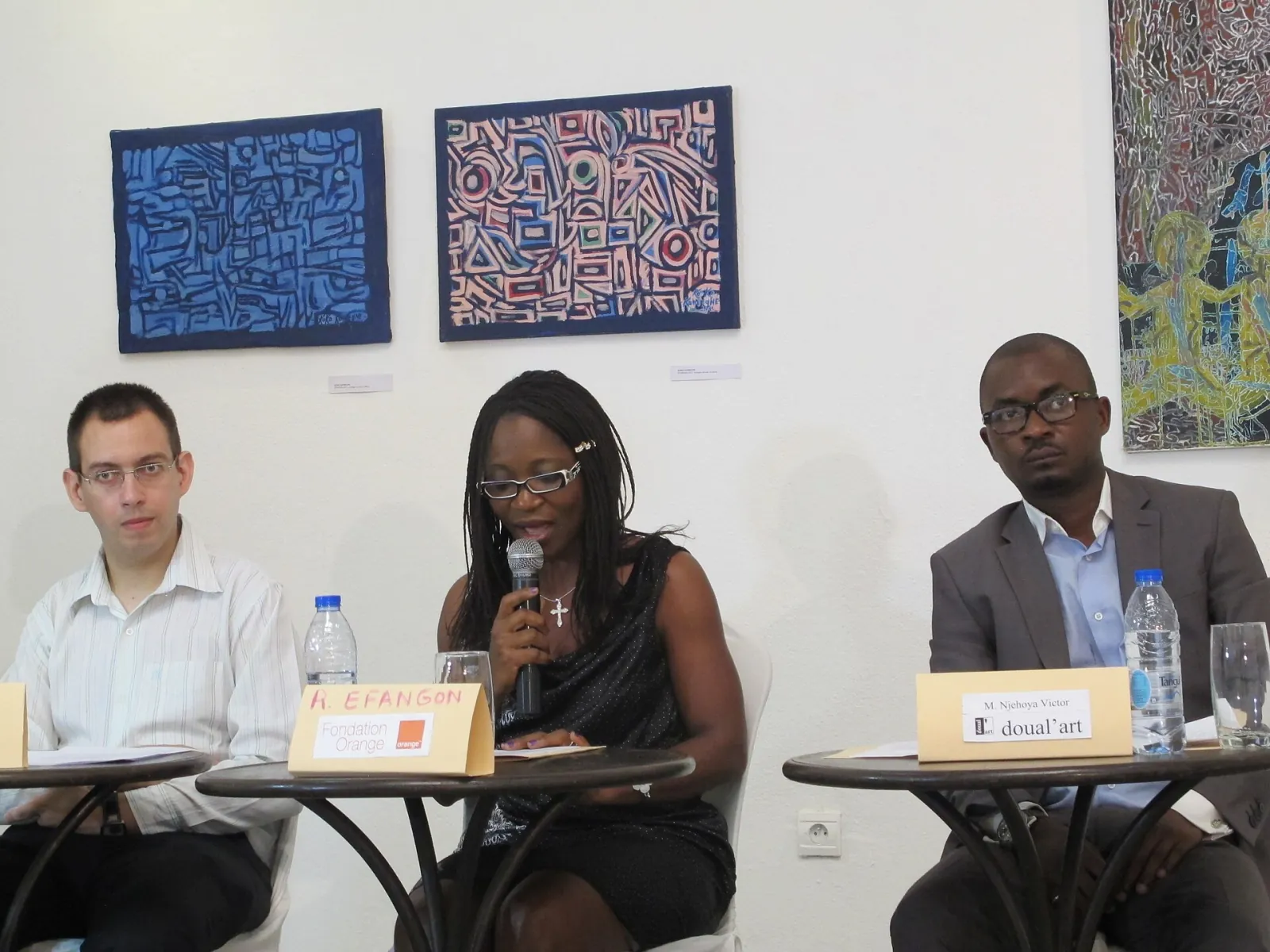
Two speakers seated in front of a banner at the launch of a photo competition

Digital creation covers all works conceived, produced or distributed with computer tools. It includes animation, digital illustration, retouched photography, sound design, video art, interactive installations, immersive experiences in virtual or augmented reality, generative art, digital comics, web documentaries and content for social media.

Creators with varied profiles

Illustrators turned animators, musicians who compose with software, photographers who explore 3D, engineers passionate about imagery: the journeys are hybrid. Many learn on their own, through tutorials and online communities, before joining a studio or a lab.

Distributing and monetising

Works circulate on platforms, at festivals, in exhibitions, in schools and at events. The Ministry encourages their presence at events on the national calendar and at biennales. Creators can register in the artists’ directory.

ℹ️
Good practice

Date each version of a digital work (source file, screenshots, version history): this simple evidence facilitates the declaration of the work and the defence of your rights.

Video games

The video game: a growing creative industry

Three young urban artists posing in black outfits

A video game combines scenario, graphics, music, programming and rule design. It is also an industry: it mobilises multidisciplinary teams, sells products around the world and attracts a very large young audience. In Cameroon, small studios develop mobile games, educational games and games inspired by tales, historical heroes and local legends.

The stages of a game

  1. Concept: idea, target audience, main mechanic;
  2. Playable prototype to test interest;
  3. Production: graphics, sounds, programming, levels;
  4. Testing with players, corrections and translation;
  5. Publication on app stores and promotion.
Labs

Labs and digital fabrication spaces

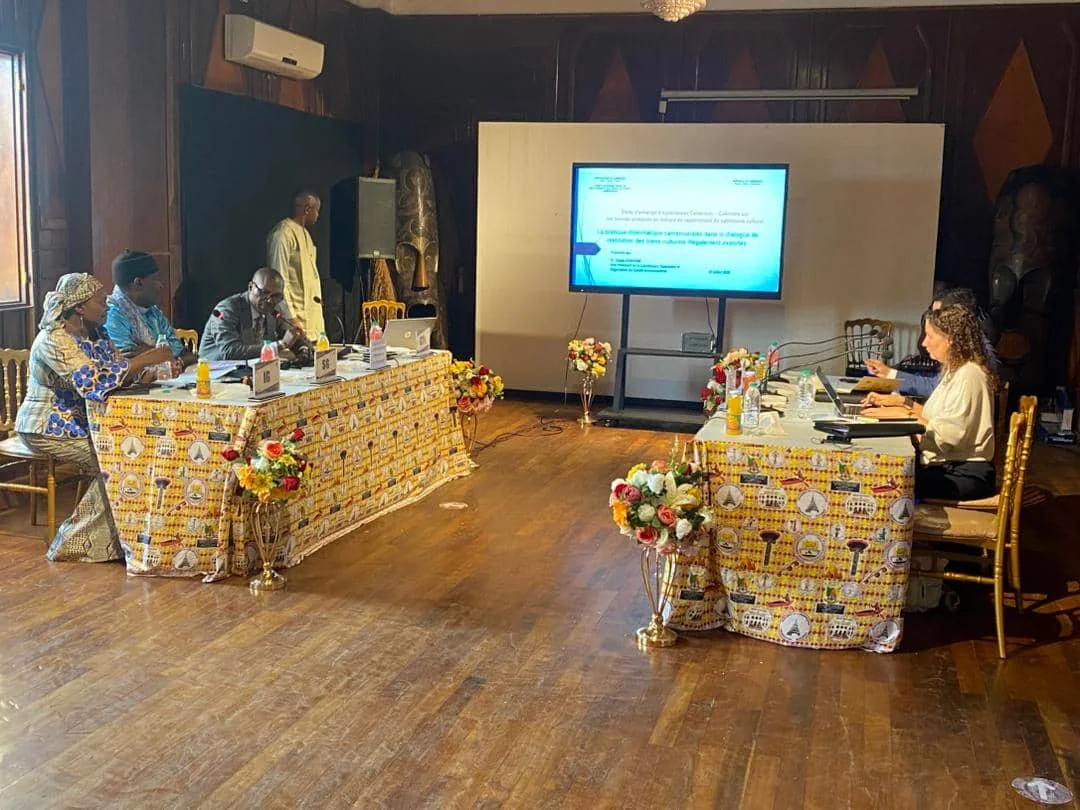
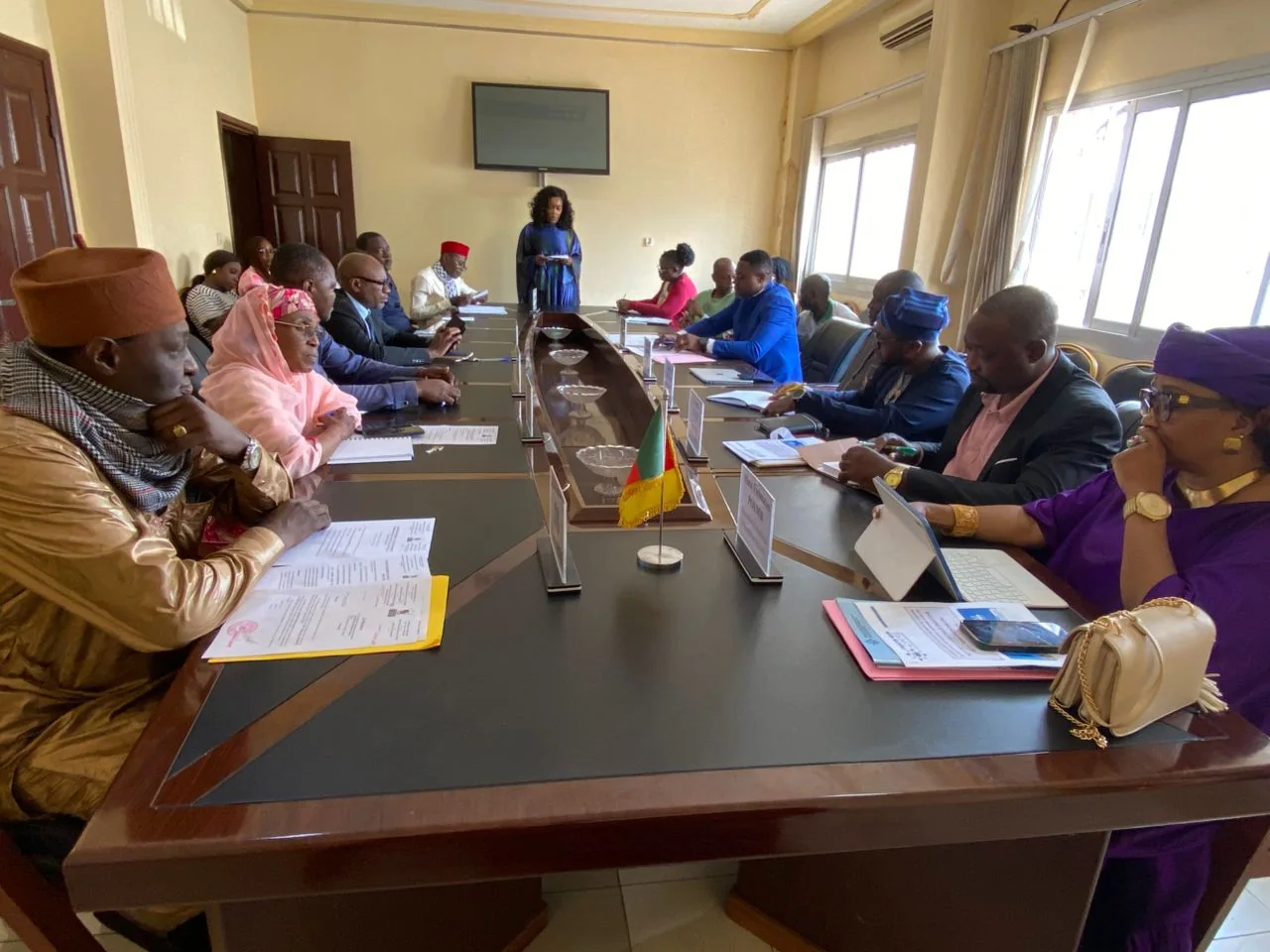
Meeting room with a projection screen during a Ministry workshop

A lab is a shared space where machines, connections and skills are available for experimentation. Depending on the case, it may include powerful computers, 3D printers, laser cutters, virtual reality headsets, sound recording equipment and meeting rooms. Labs may be community-based, university-based, private or attached to cultural centres.

Four main families

  • Fablabs and fabrication workshops, geared towards prototyping;
  • Creative studios, specialising in animation, games and sound;
  • Coworking spaces and incubators, geared towards entrepreneurship;
  • Research-creation laboratories in schools and universities.

What a lab provides

It facilitates encounters between artists, engineers and entrepreneurs, speeds up learning and makes it possible to test an idea at low cost. Digital residencies find a natural setting there.

Training

Training for creative digital professions

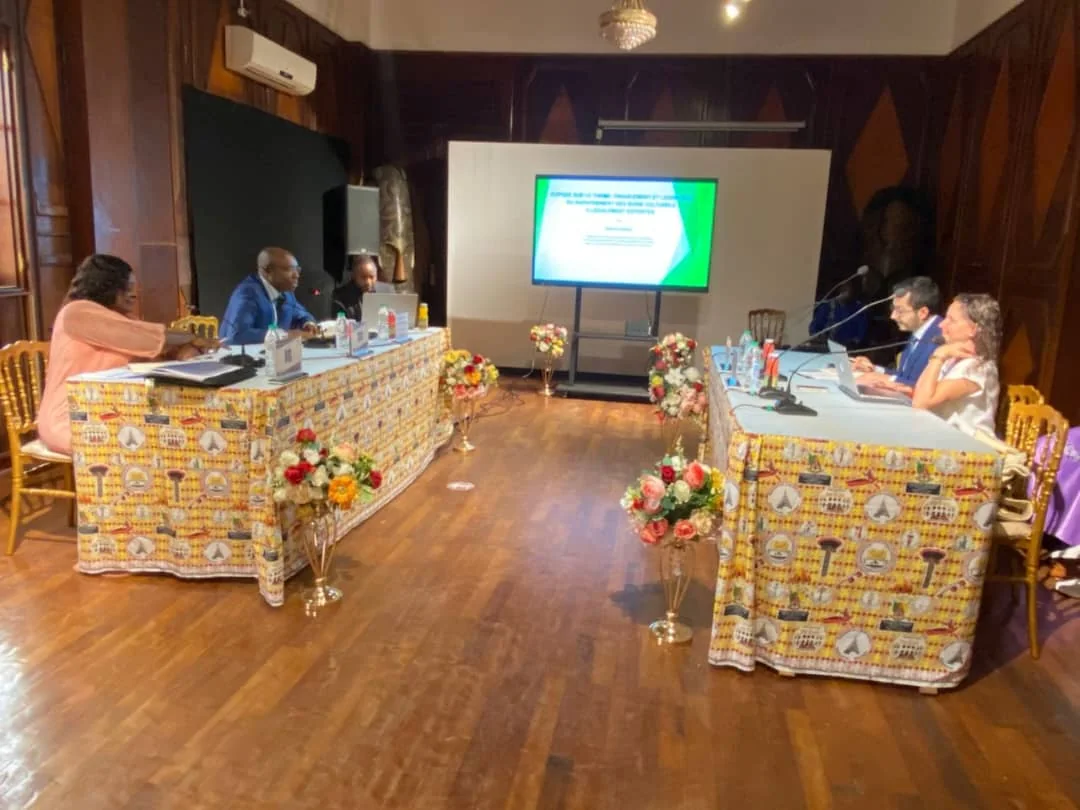
Meeting room with a projection screen and participants around the tables

Creative digital professions require a dual language: that of image, sound and storytelling, and that of technology. They are accessed through university courses in computer science and communication, private animation and graphic design schools, vocational training centres, studio workshops and online mentoring programmes.

Target professions

  • 2D or 3D animator, illustrator, character designer;
  • Game designer, game programmer, level designer;
  • Sound designer, composer for image and games;
  • Motion designer, video editor, colourist;
  • Digital producer, cultural community manager.

Scholarships and exchanges

Scholarships and artist exchanges make it possible to improve skills abroad. Workshops held during festivals are also opportunities to learn from professionals.

Rights

Rights, platforms and the economy of online creation

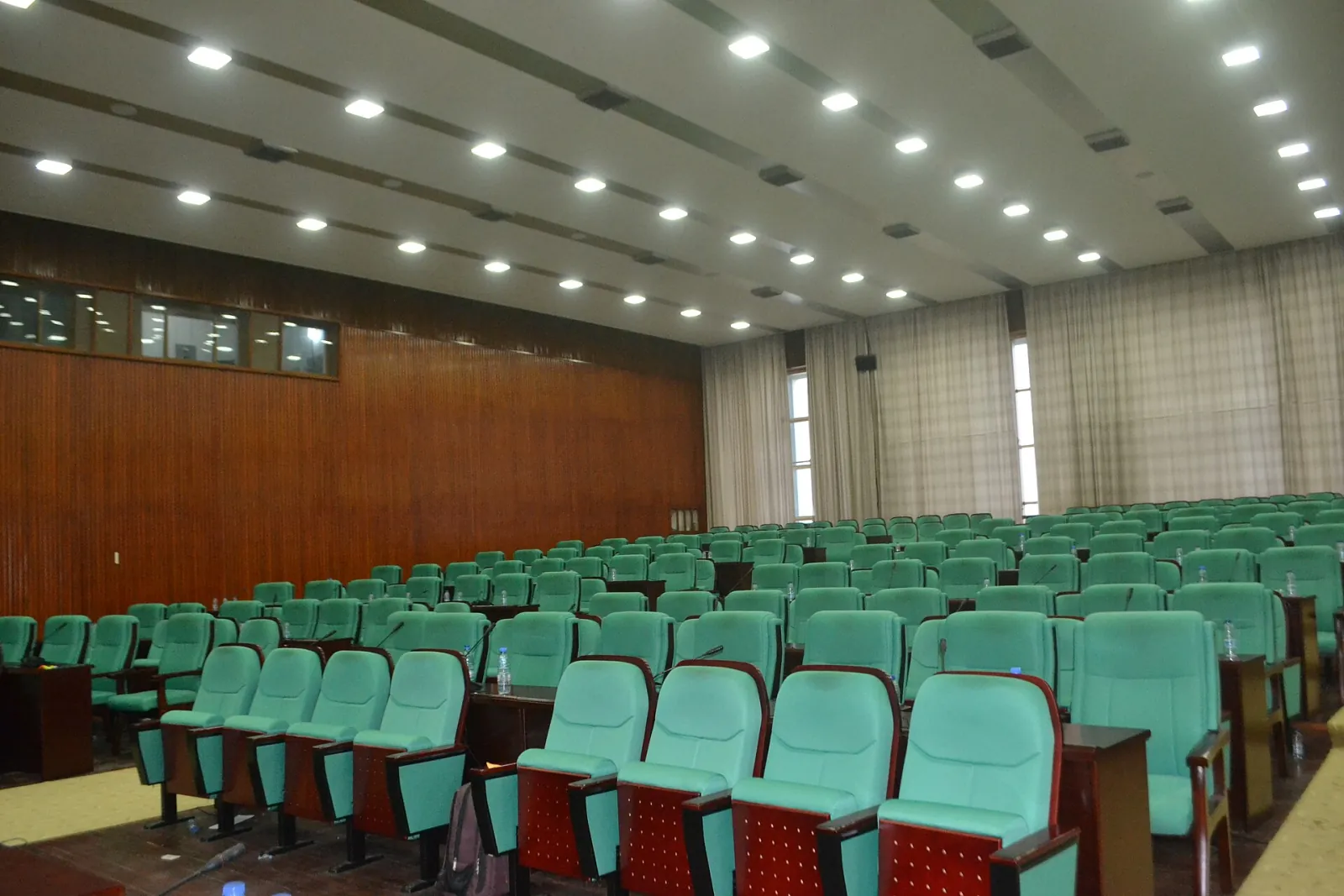
Conference hall with green seats and a ceiling of spotlights at the Yaoundé Conference Centre

Online distribution has upended creators’ revenue streams. The same work can be viewed millions of times for minimal remuneration if its rights are not managed. It is therefore necessary to understand who owns what: the author, the performer, the producer, the platform.

The rights involved

Copyright protects creation; neighbouring rights protect performers, producers and broadcasters. The overview of rights and the public domain page explain what can be freely reused.

Diversifying income

Client commissions, licence sales, crowdfunding, grants, partnerships with festivals and brands: creators combine several sources. Sector statistics and studies and reports help to get one’s bearings.

Step by step

From idea to publication

Formulating the idea

Describe the concept, the target audience and the chosen form (animation, game, installation) in a short, clear statement of intent.

Bring the team together

Bring together a graphic designer, developer, sound designer and producer, and draft an agreement specifying each person’s share of the rights.

Prototyping

Produce a minimal version, test it with users, note the feedback and correct before investing further.

Producing

Plan the tasks, version the files, and keep the sources and evidence of creation for the declaration of the work.

Broadcast

Publish on the appropriate platform, enter the work in a festival or exhibition and prepare a press kit.

Keeping it alive

Measure the audience, respond to the public, update the project and seek funding for the next stage.

Key facts

The forms of digital creation in one table

FormWhat it isCommon toolsWhere to present it
AnimationDrawn or modelled films and series2D and 3D software, tabletsFilm, television and web festivals
Video gamesInteractive work with rules and a universeGame engines, level editorsApp stores, trade shows
Creative webWebsites, online narrative experiencesWeb languages, graphic toolsPlatforms, exhibitions
Generative artImages or sounds produced by algorithmsProgramming, sensorsBiennales, galleries
Virtual realityImmersive experiencesHeadsets, 3D enginesFestivals, museums, labs
Sound designSound worlds for image and gamesAudio software, studiosCinema, games, installations
Digital comicsIllustrated stories scrolling on screenGraphics tabletsSocial media, book fairs
History

Creative digital work in Cameroon

1990sThe first internet cafés

Internet access develops in the cities; young people discover digital imaging and computer editing.

The 2000sDigital video

Digital filming reduces costs; editing and animation studios multiply in Douala and Yaoundé.

2010sThe rise of mobile

The telephone becomes the main screen; creators publish online and found communities around games and animation.

2010sThe Silicon Mountain

Buea becomes a hub for digital businesses and training, attracting developers from across the region.

2020Networked labs

Digital fabrication spaces are created in several regions and organise professional meetings.

TodayA recognised sector

The NDS30 cites audiovisual and interactive media among the sectors of the cultural and creative industries.

To explore

Digital work in other sections

“Digital technology is not a backdrop: it is a workshop open to all those who want to tell the story of Cameroon with the images and sounds of their time.”

A game developer, Buea
They create online

Journeys of digital creators

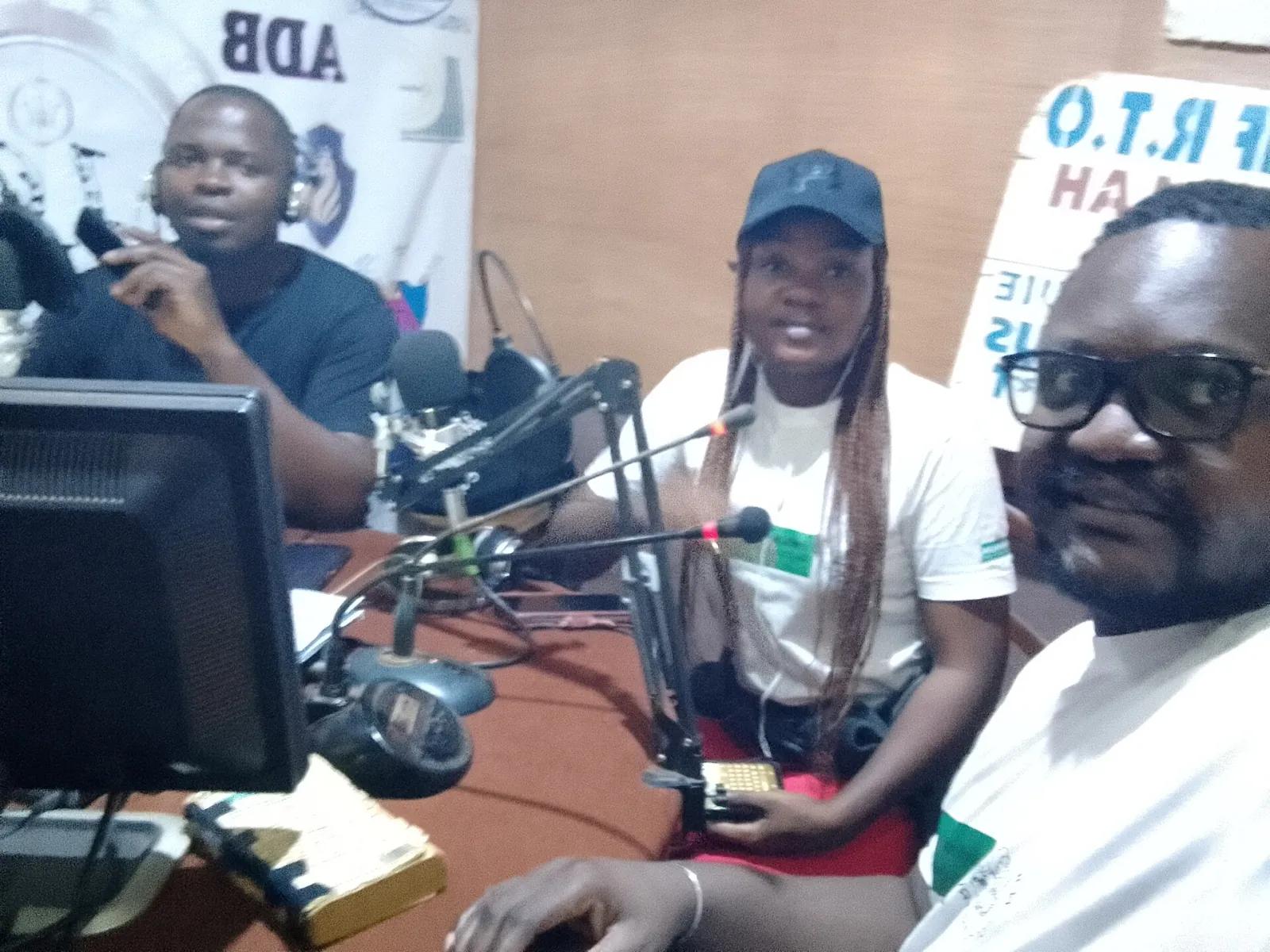
Presenters and guests around the microphones of a radio studio in Dschang/ Douala
An animator

“I learned animation online, then in a studio; my short films tell my grandmother’s tales.”

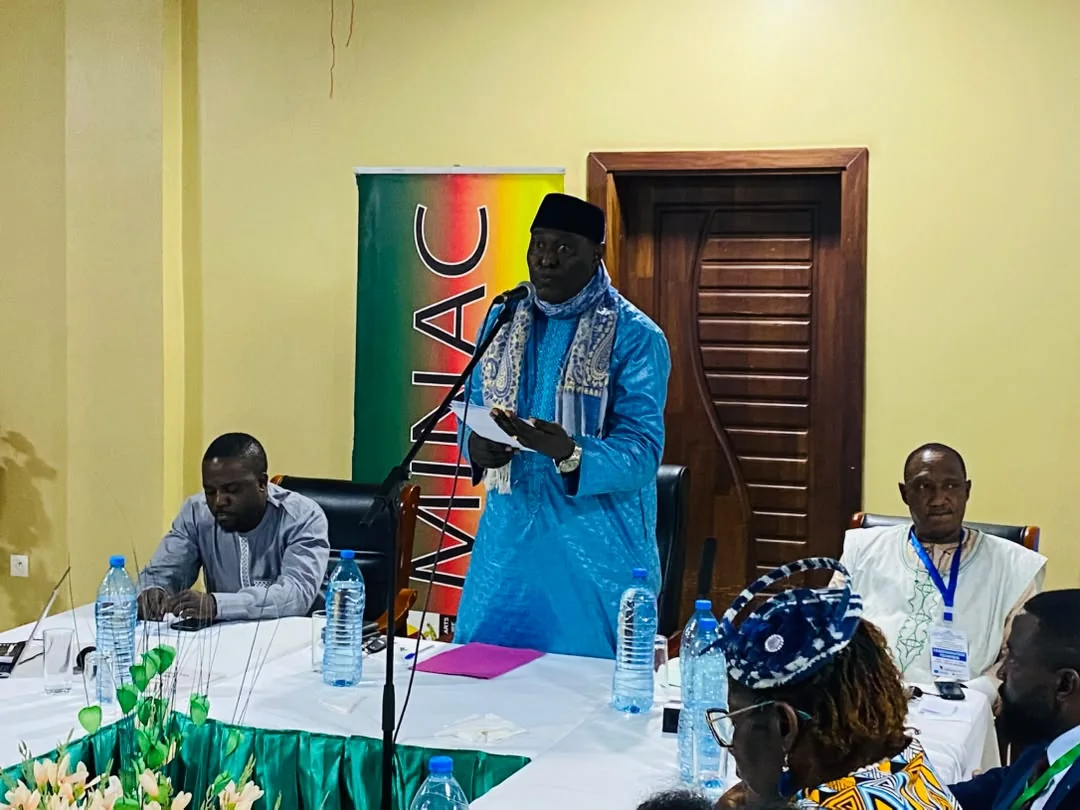
A speaker in a blue outfit addresses the room in front of a MINAC banner, at a meeting table set with water bottles and flowers./ Buéa
A game developer

“Our first mobile game is inspired by a forest tale; it is played in five countries.”

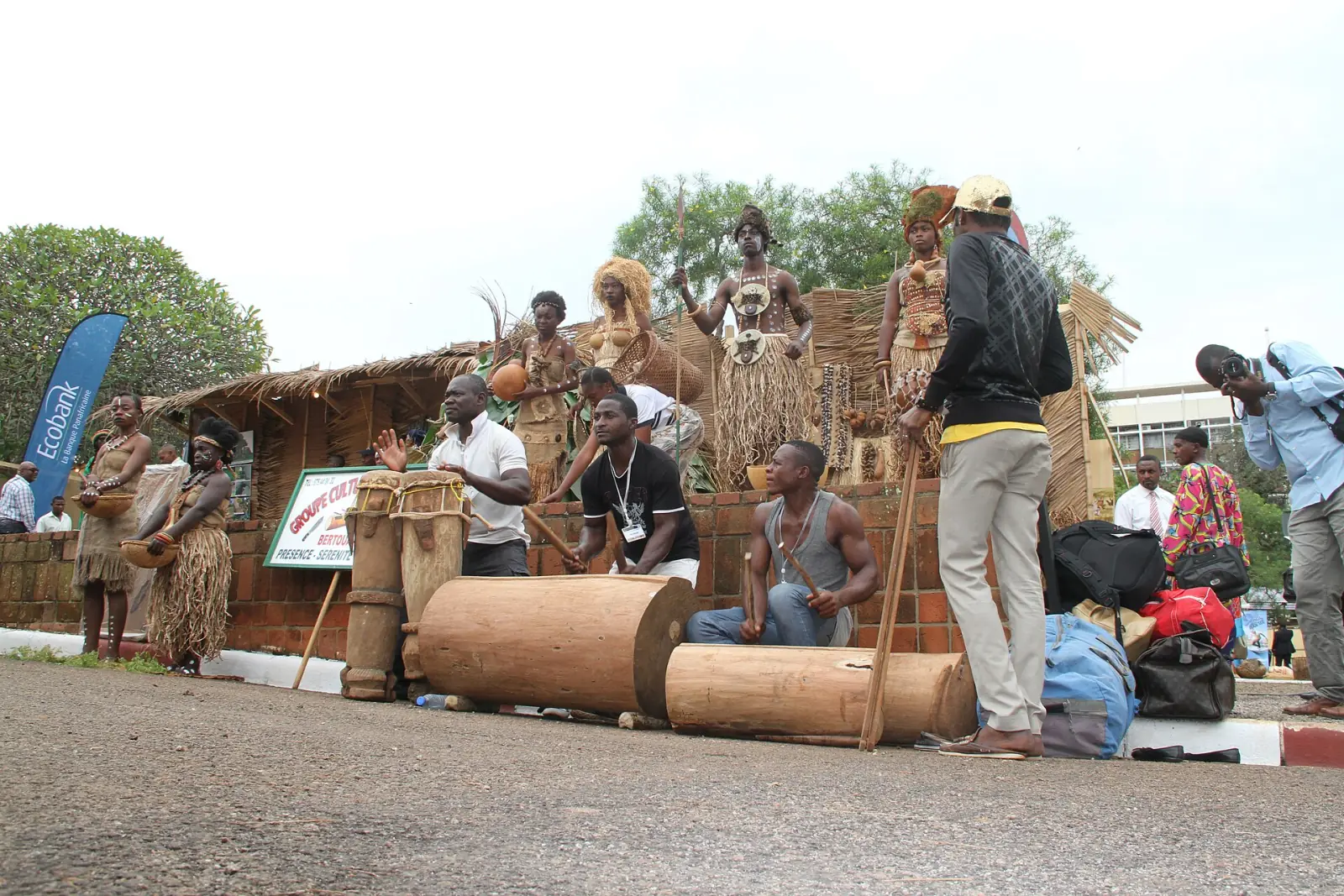
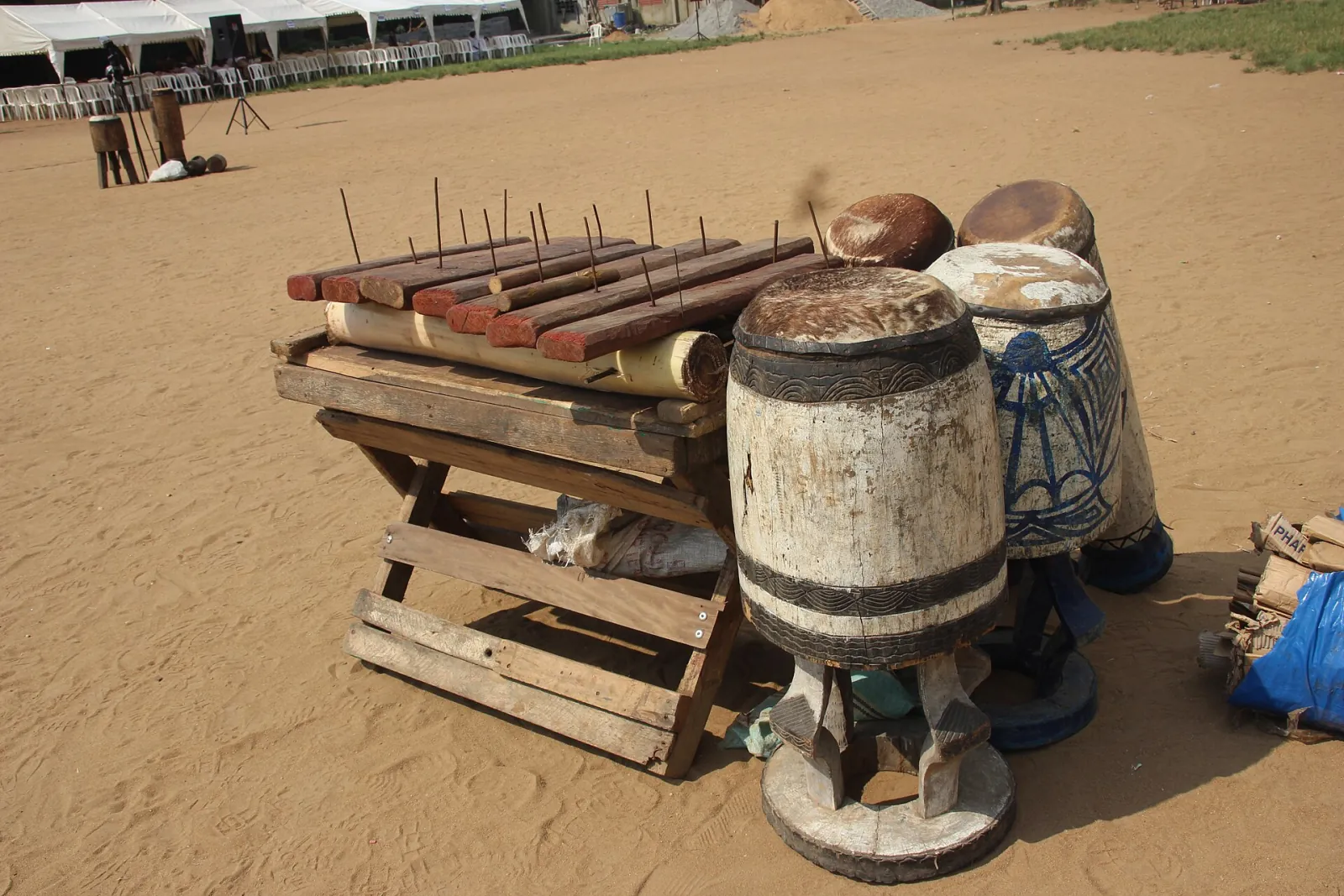
Reconstructed village scene with large drums and a balafon displayed in front of a thatched hut/ Yaoundé
A generative artist

“I programme patterns that evoke traditional embroidery, projected onto neighbourhood walls.”

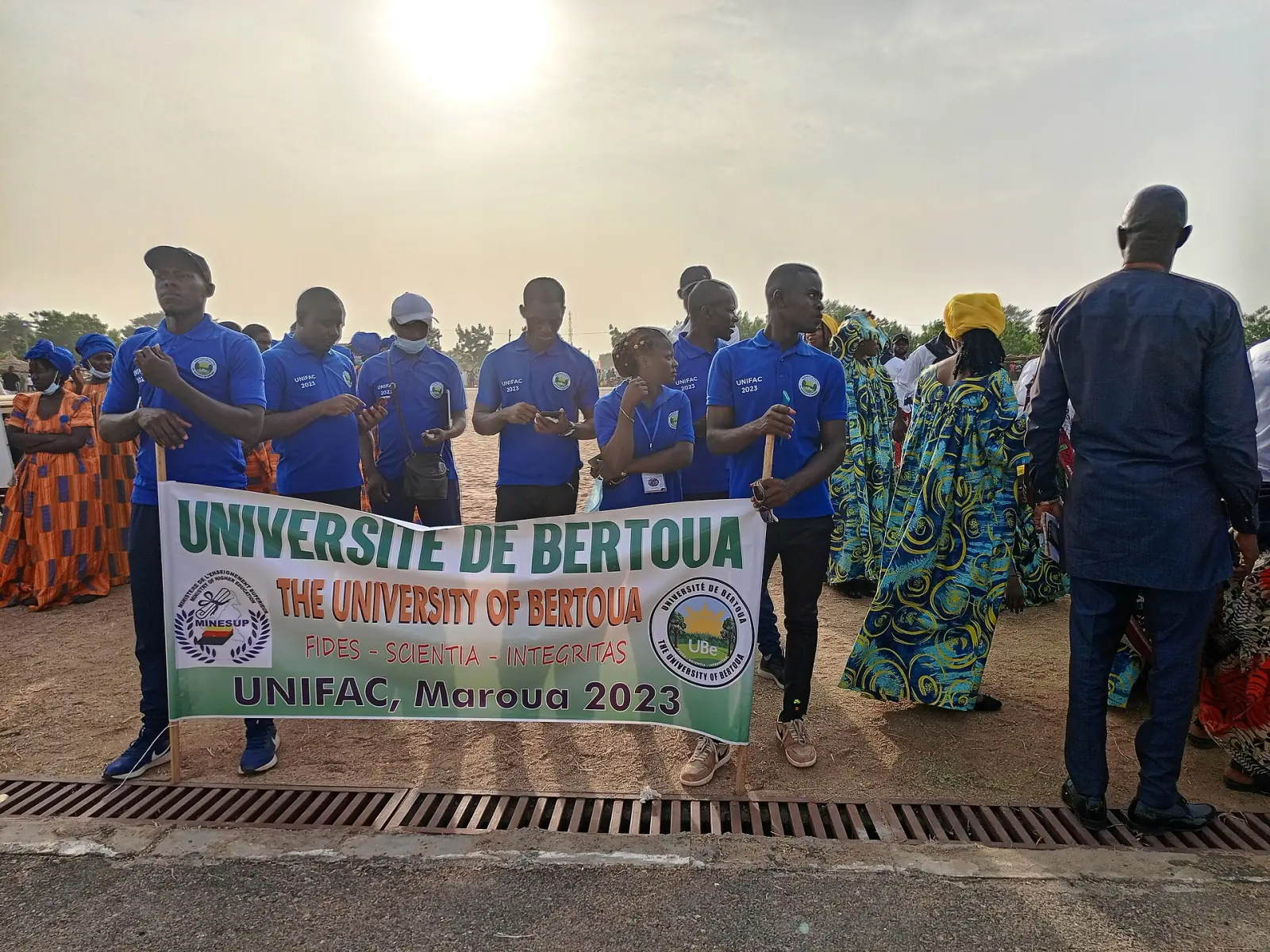
University of Bertoua delegation with its banner at the university arts festival in Maroua/ Bafoussam
A lab manager

“Every week, our young people come to prototype an idea; some become studio apprentices.”

To act

Procedures for the digital creator

Register a work

Date your digital work to secure your copyright before it goes online.

Register

Subsidy

Support for financing a prototype, equipment or a digital creation residency.

Request support

Association accreditation

Form an association to run a lab or a digital creation collective.

See the procedure

Artists’ directory

Present your portfolio to programmers, schools and festivals.

Register
To download

The digital creator’s resources

Glossary

The words of digital arts

Digital

Based on data encoded and processed by computer tools.

Lab

Shared space for fabrication and experimentation, equipped with machines and connections.

Interactive

Said of a work that reacts to the actions of the audience.

Studio

Team or creative venue bringing together several professions around projects.

Prototype

First simplified version of a game or work, used to test it.

Game design

Design of the rules, progression and experience of a game.

Generative art

Work produced by algorithms that vary forms or sounds.

Virtual reality

Immersion in a simulated world through a headset and sensors.

Motion design

Graphic animation of text, shapes and images.

Streaming

Continuous delivery of sounds or images without downloading.

Licence

Permission given by the author to use their work under certain conditions.

On the site

Continue exploring digital work on the site

Resources

Useful links for digital arts

Stakeholders

Who supports digital creation?

Questions

Your questions about digital arts

Is my video game protected by copyright?

Yes. A game is a complex work whose elements (scenario, characters, graphics, music, program) are protected from the moment of creation. Keep the source files and version history, and declare the work to date your creation.

Where can I find a lab or fabrication space?

Labs are spread across the major cities and certain regional hubs. Enquire with the regional delegation, the incubators and the artists’ directory, which makes it possible to identify active structures and collectives.

Where can I train in animation or video games?

In animation and graphic design schools, university computer science courses, training centres and studios that take on trainees. The programmes are linked with the National Institute of Arts and Culture.

How can a digital project be financed?

Combine grants, support funds, incubation, patronage and client commissions. Present a prototype, an itemised budget and a precise timetable: a tested project inspires more confidence than a mere idea.

Is authorisation required for a digital installation in public space?

If the installation is open to the public, a public show or exhibition may require authorisation. Submit the application online to the One-Stop Shop, with the technical description, the venue and the security plan.

How can I distribute my works online without losing them?

Read the assignment conditions of each platform, keep your source files, choose suitable licences and approach a collective management society. In the event of piracy, report it via the section on combating piracy.

Can a studio obtain association approval?

A non-profit collective can constitute itself as an association and apply for approval. A commercial company follows a different regime. In both cases, the structure can be listed in the directory and apply to calls.

What does the NDS30 provide for this sector?

The NDS30 cites design, creative services and audiovisual and interactive media among the sectors of the cultural and creative industries, with integrated development plans intended to structure training, funding and distribution.

Contact

Tell us about your digital project

Describe your project, your team and your needs: your message is forwarded to the competent directorate.

Competent directorate

Contact digital arts

Address

Directorate of the Development and Promotion of the Arts
Ministry of Arts and Culture
Quartier du Lac – Ministerial Zone
P.O. Box 1053 Yaoundé, Centre Region, Cameroon

Reach us

+237 6 51 70 58 41

contact@minac.gov.cm

Opening hours

Monday to Friday, 8 am to 4 pm

A work to protect?

Declare your digital work to date your creation and prepare the management of your rights.

Register a work
WhatsApp