Coat of arms of CameroonMinistry of Arts
and Culture
Republic of Cameroon
My procedures
Home
Minister’s message
News
Press releases
Cultural calendar
Official speeches
Press review
Photo library
Video library
Calls for projects
Job vacancies
Public procurement
Newsletter
Frequently asked questions
Site map
Contact
Press area
Podcast “The Voice of Culture”
Legal notices
Privacy policy
Cookies and trackers
The Ministry
Missions and responsibilities
Organisation
Organisation chart
Minister’s Office (Cabinet)
Management team
General Secretariat
General Inspectorate
Central directorates
Regional Delegations
Institutions under supervision
Legislative texts
Regulatory texts
Sector strategy
Major projects
Budget and reports
Partners
Careers
Archives
Institutional communication
Quality and accessibility
Arts
Visual and plastic arts
Visual arts
Performing arts
Theatre
Dance
Music
Literature and books
Cinema and audiovisual
Photography
Fashion and design
Digital arts
Art crafts
Artists’ directory
Residencies
Prizes and awards
Arts education
Urban arts
Heritage
Tangible heritage
Intangible heritage
UNESCO sites
National museums
Listed monuments
National inventory
Palaces and chiefdoms
Archaeology
Linguistic heritage
Oral traditions
Traditional know-how
Restitution of cultural property
Fight against illicit trafficking
Listing and protection
Conservation and restoration
Heritage Days
Cultural landscapes
Industries
Music and recording
Cinema
Publishing and books
Digital arts
Fashion and creativity
Crafts
Cultural tourism
Funding for culture
Support funds
Incubators
Cultural entrepreneurship
Culture Observatory
Vocational training
Studies and reports
Sector statistics
Export and outreach
Intellectual property
Copyright
Legal framework
Copyright and neighbouring rights
Collective management societies
Register a work
Licences
Private copying
Fight against piracy
Model contracts
Social status of artists
Mediation
Disputes
Training
Fee scales
Register of works
Contact
Digital neighbouring rights
Public domain
Festivals
National calendar
Ngondo
Nguon
Écrans Noirs
Heritage Days
Music Day
Regional festivals
Fairs and exhibitions
Biennials
National competitions
Cultural days
Organise a festival
Event grants
Ticketing
Archives
Volunteering
Diaspora festivals
Regions
Adamawa
Centre
East
Far North
Littoral
North
North-West
West
South
South-West
Cultural map
Regional Delegations
Traditional chiefdoms
National languages
Cultural routes
Decentralised cooperation
Regional observatory
Cooperation
UNESCO
Francophonie (OIF)
African Union
Commonwealth
CEMAC
Bilateral cooperation
Cultural agreements
Professional organisations
Scholarships
Artist exchanges
Cultural years
Diaspora
Funded projects
Embassies
Technical partners
International restitution
International monitoring and calls
Services
Artist card
Show authorisation
Filming authorisation
Festival authorisation
Deposit of a work
Export of works of art
Listing of a property
Grant application
Association accreditation
File tracking
Forms
Fees
Opening hours and addresses
Reporting
Online help
My account
One-Stop Shop
Industries

Cultural tourism

Circuits, operators, accommodation and labels: cultural tourism in Cameroon, from the chiefdom to the museum, with its trades, its economic models and the procedures useful to project leaders.

Updated on 6 November 20264 sub-pages
UNESCO sites3
Thematic circuits10
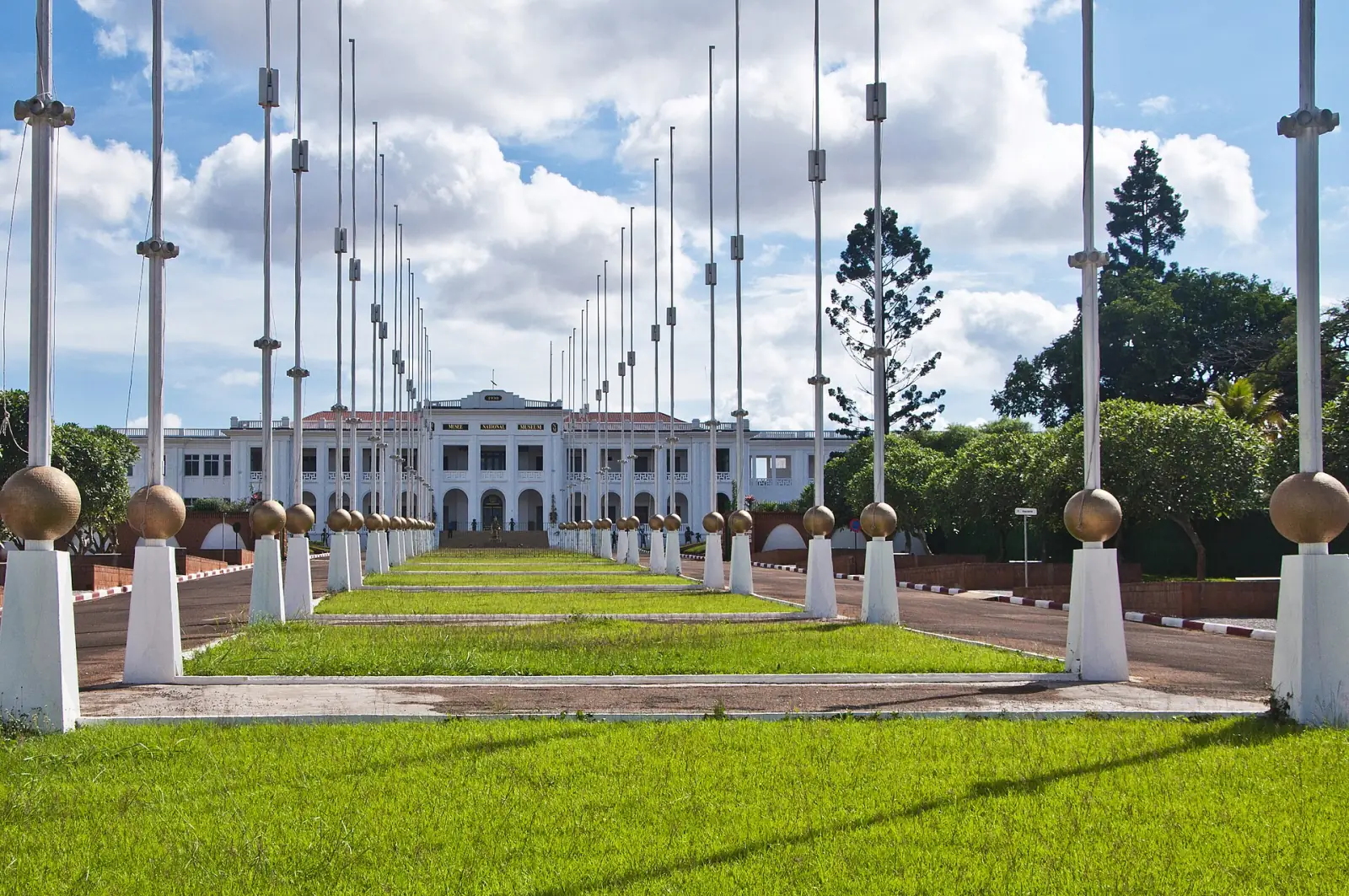
National museums3
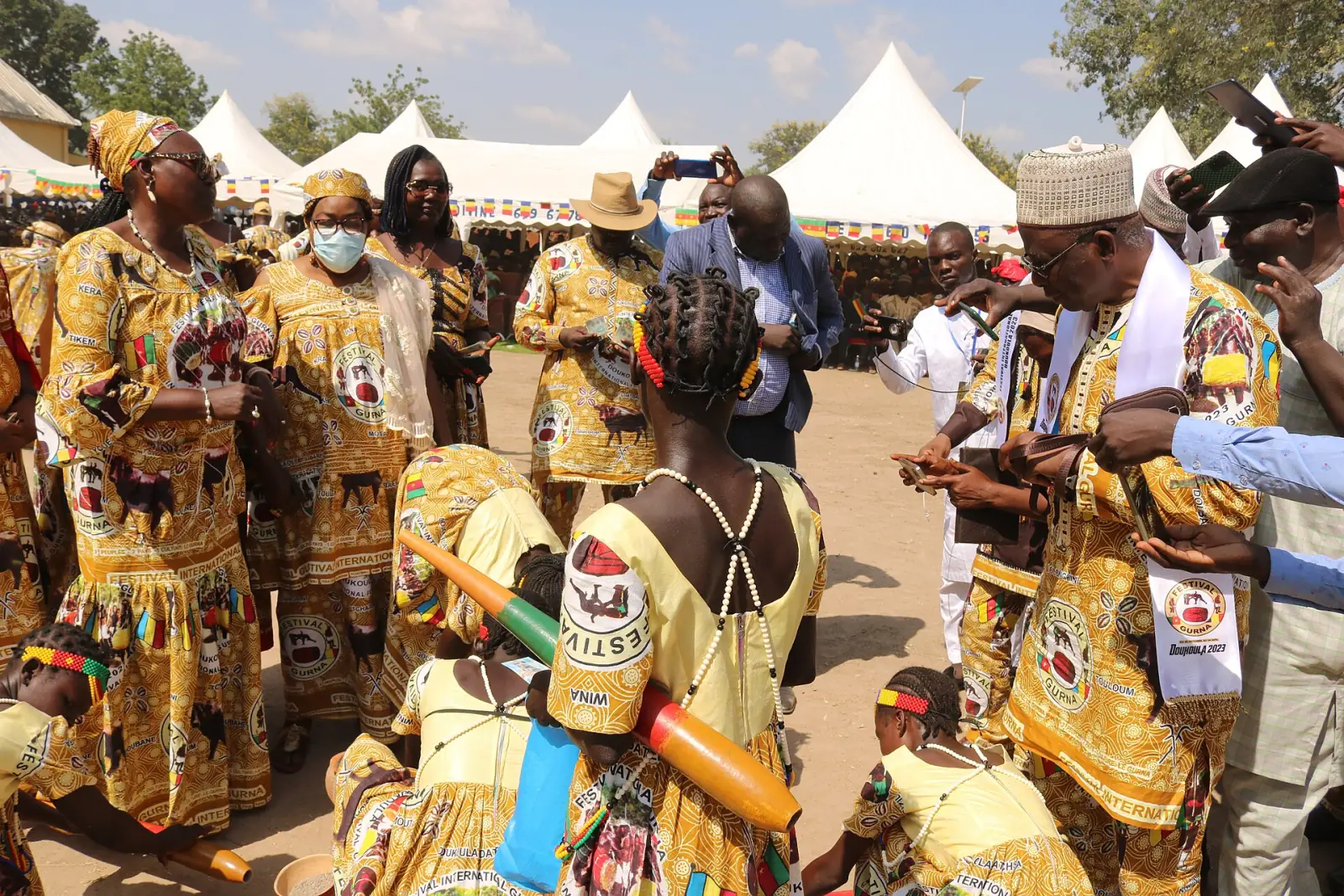
Major festivals9
Cultural tourism

Travelling towards culture

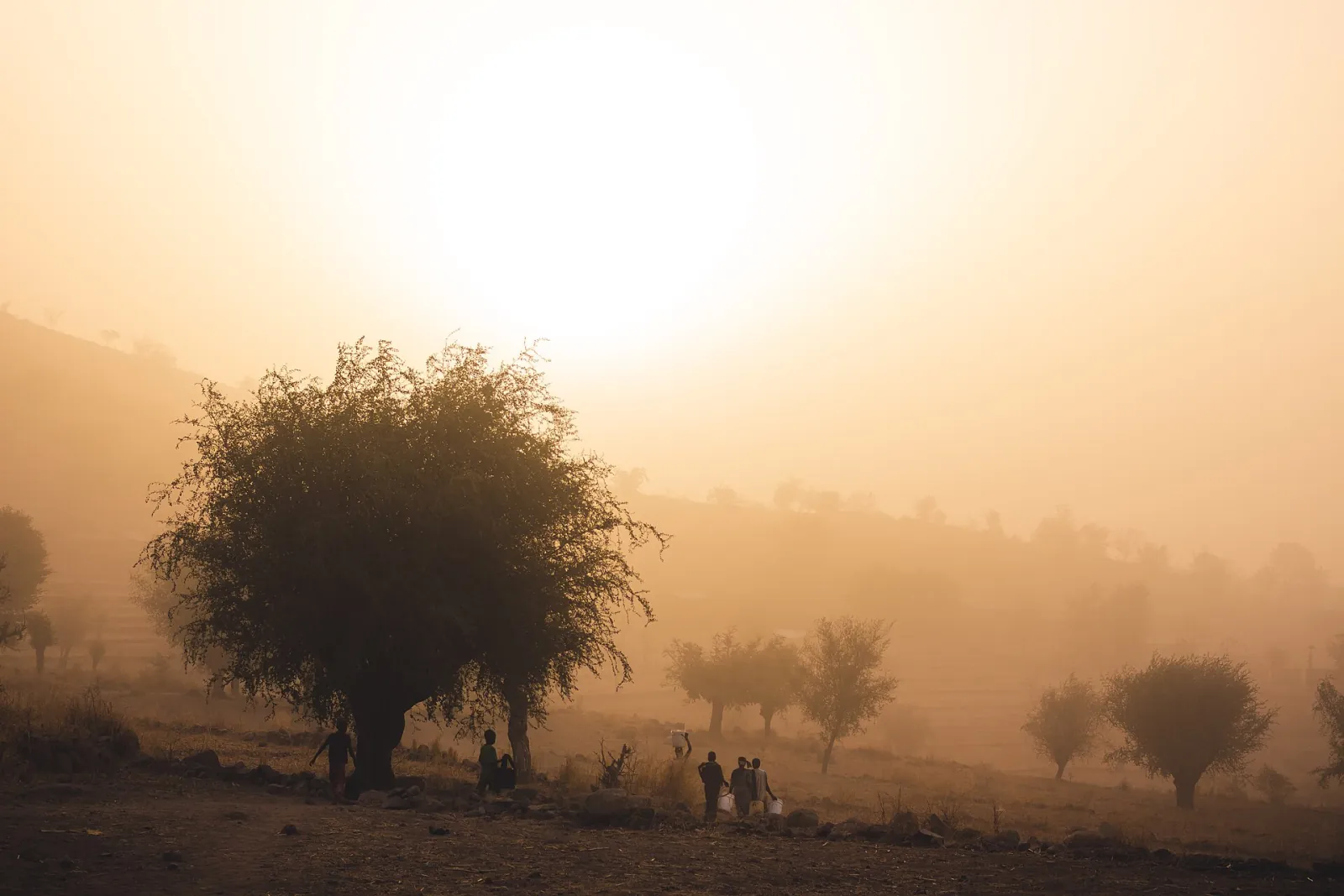
Acacia in the golden haze of sunrise at Rhumsiki

The Foumban Palace, the lamidates of the North, the chiefdoms of the West, the museums of Yaoundé, Dschang and Foumban, the Ngondo and Nguon festivals, natural and cultural sites inscribed on the World Heritage List: Cameroon, “Africa in miniature”, offers visitors a rare palette. Cultural tourism showcases this heritage, the museums, the festivals and the skills, and supports families of guides, hoteliers, craftspeople and artists.

Heritage properties may benefit from tax and customs advantages for structuring projects, and a representative of the Ministry in charge of tourism sits on consultative bodies for culture. This page describes the circuits, operators, accommodation and labels, with the procedures and good practices to know.

  • Circuits linking sites, museums, chiefdoms and festivals
  • Committed operators and accommodation
  • Labels to guarantee the quality of the visit
Explore the circuits
Tours

Cultural tourism circuits

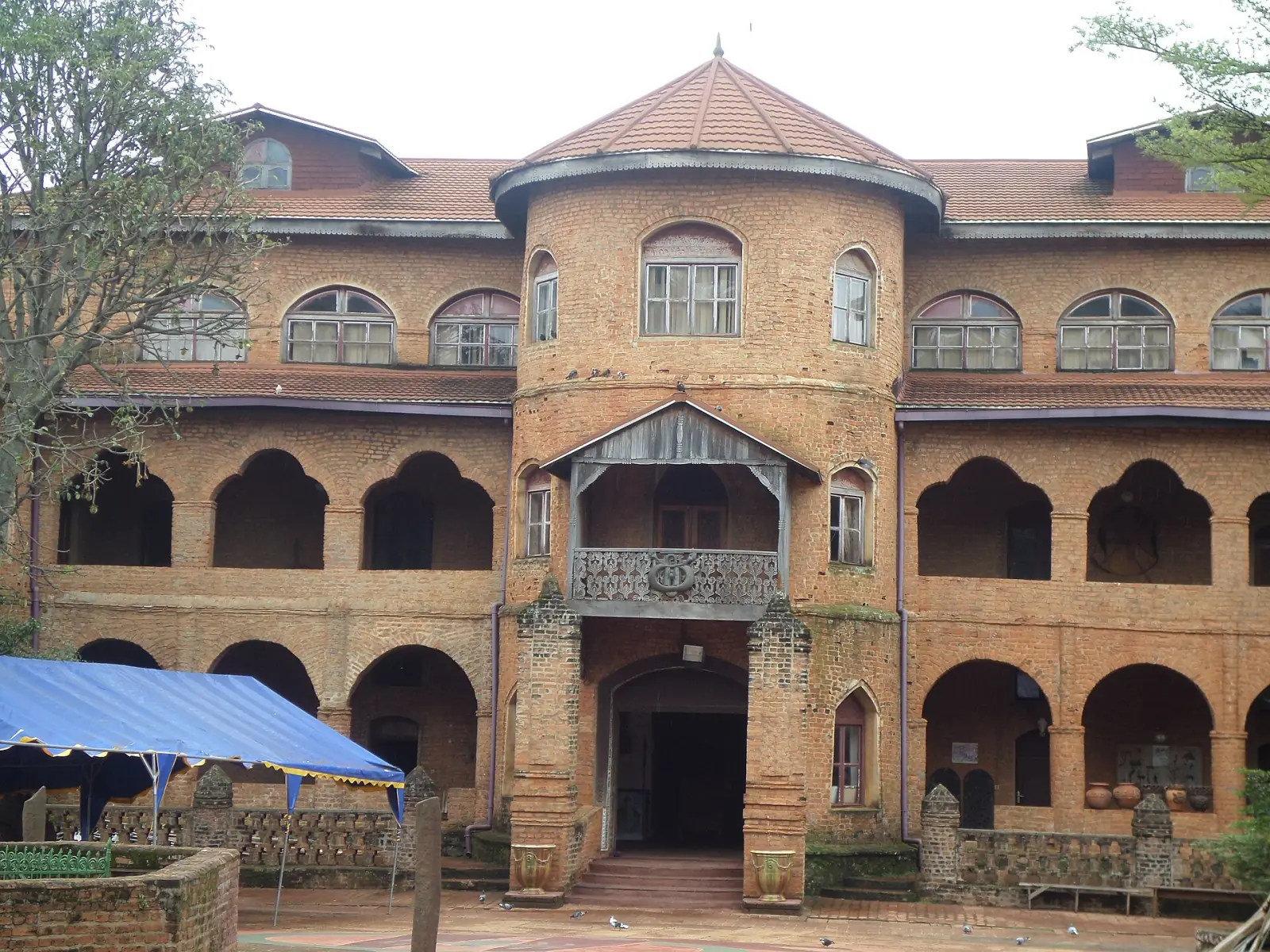
Brick facade of the royal palace of the Bamum sultans in Foumban

A cultural circuit assembles stages around a theme: kingdoms and chiefdoms, rock art and archaeology, celebrations and festivals, museums and architecture, natural and cultural heritage of the forests. Each circuit rests on a narrative thread, a duration (from half a day to a week), a mode of transport and time to meet the inhabitants.

Some major thematic routes

  • The chiefdoms route: Bafoussam, Bandjoun, Foumban, Dschang, with visits to palaces and chiefdoms;
  • The lamidates of the North: Rey-Bouba and the markets of Garoua and Maroua;
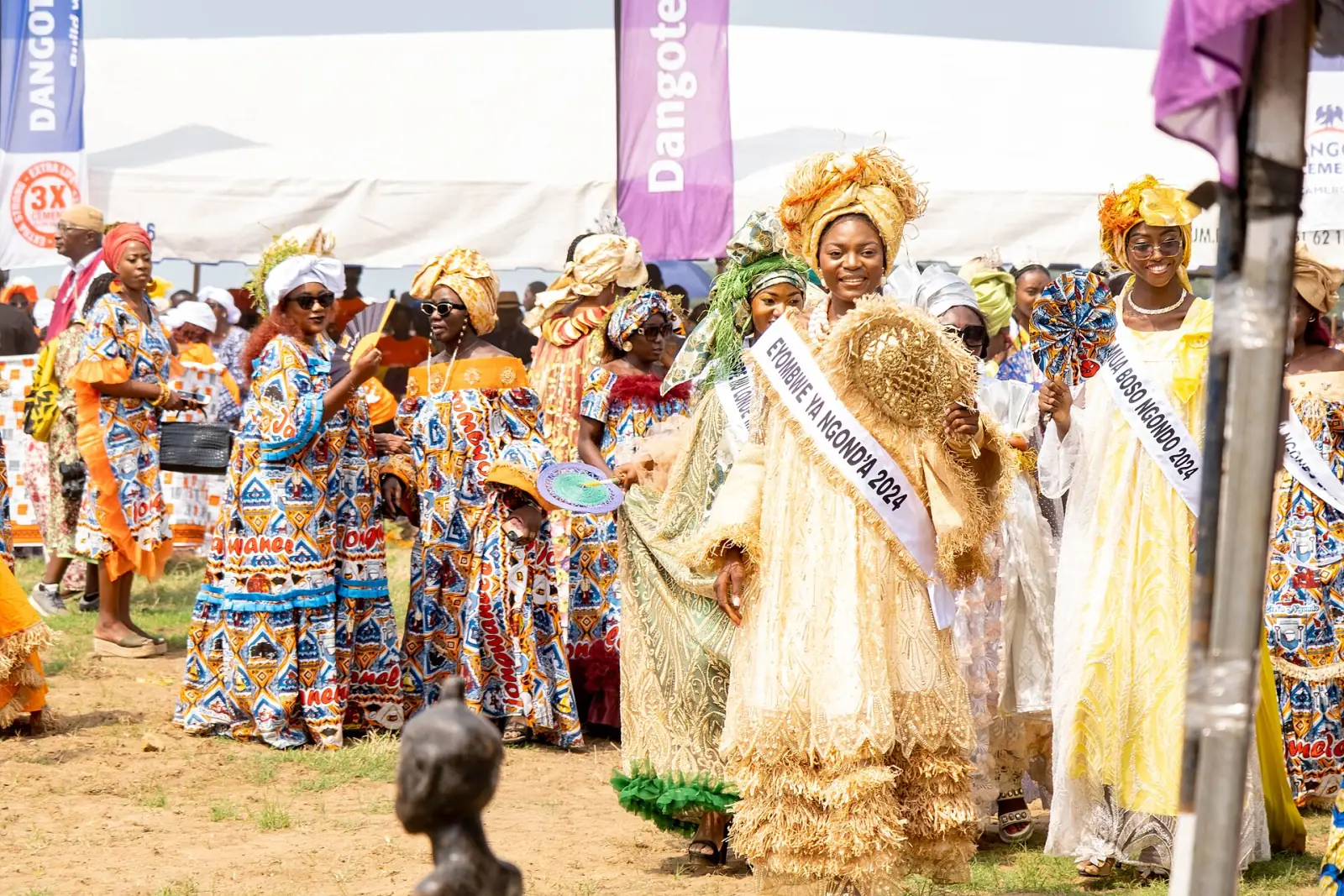
  • The coast and the Ngondo: Douala and the banks of the Wouri, around the Ngondo;
  • Forests and peoples: the Dja reserve and the communities of the South and East, presented on the UNESCO sites page;
  • The museums of the capital: the National Museum and the monuments of Yaoundé.

Designing a responsible circuit

A good circuit respects places and people: limited visitor numbers at fragile sites, appropriate dress in palaces, prior agreement of chiefs and guardians, fair sharing of revenue. The cultural itineraries and the cultural map provide the documentary basis. The cultural landscapes also inspire walking routes of discovery.

ℹ️
Visiting protected sites

To enter a listed monument or an archaeological site, check the visiting rules: see the listed monuments page before planning a group visit.

Operators

Cultural tourism operators

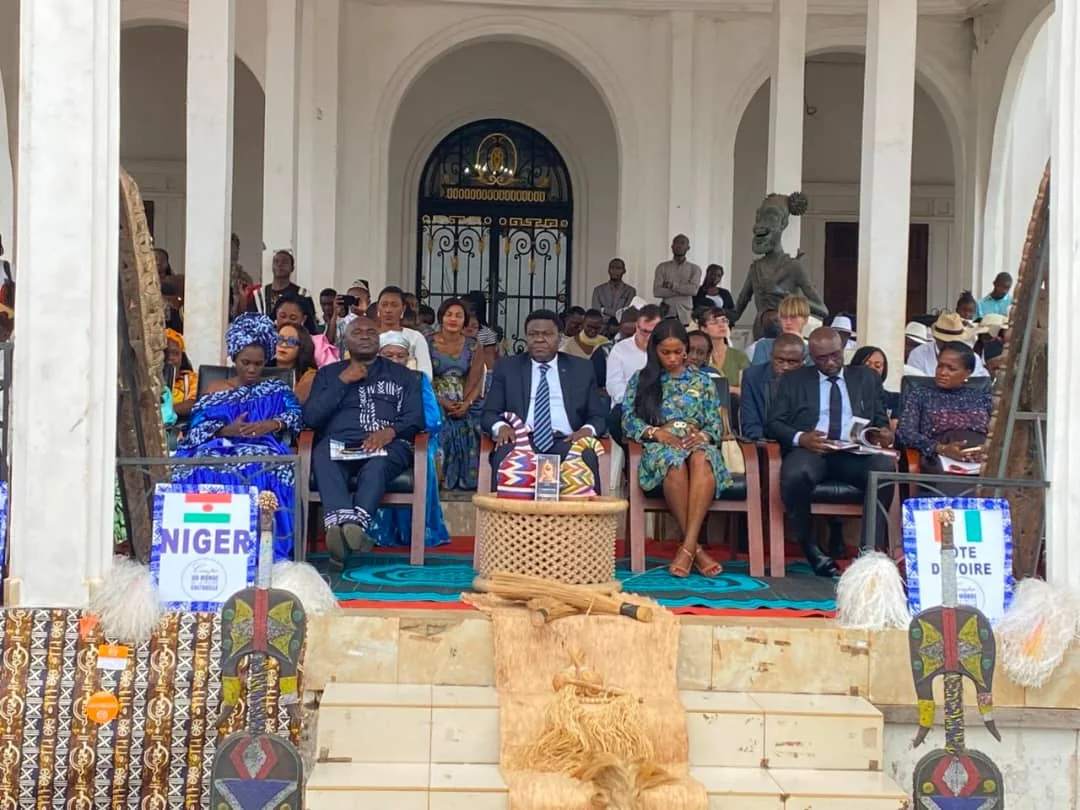
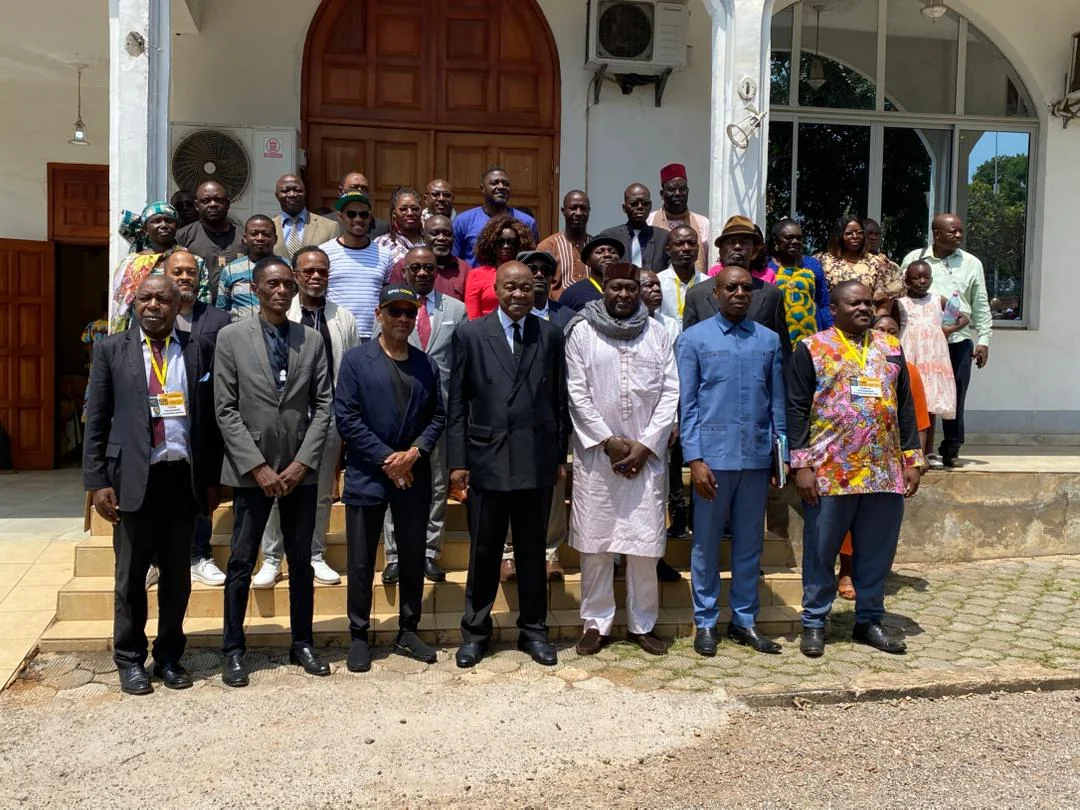
Foreign delegations seated under the Ministry gallery during a ceremony

Travellers meet three main families of operators. Travel agencies and tour operators design and market stays; guides and escorts bring the sites to life; local structures (site management committees, youth associations, craftspeople’s cooperatives, chiefdoms) welcome and entertain. Between them, festival organisers and event organisers create the highlights of the calendar.

Trades in the sector

  • Guide-lecturer and site guide, trained in history and mediation;
  • Circuit designer and reservations manager;
  • Tourist driver and transport operator;
  • Cultural facilitator, interpreter, storyteller;
  • Manager of a museum or site shop.

A typical case: the guides’ association of a chiefdom

An association of twelve young people from a chiefdom in the West trains its members in hospitality, offers guided tours of an hour and a half, sells combined tickets with a craftspeople’s workshop and pays part of the revenue towards the upkeep of the palace. It keeps simple accounts and publishes its rates.

Accommodation

Accommodation in the heart of the territories

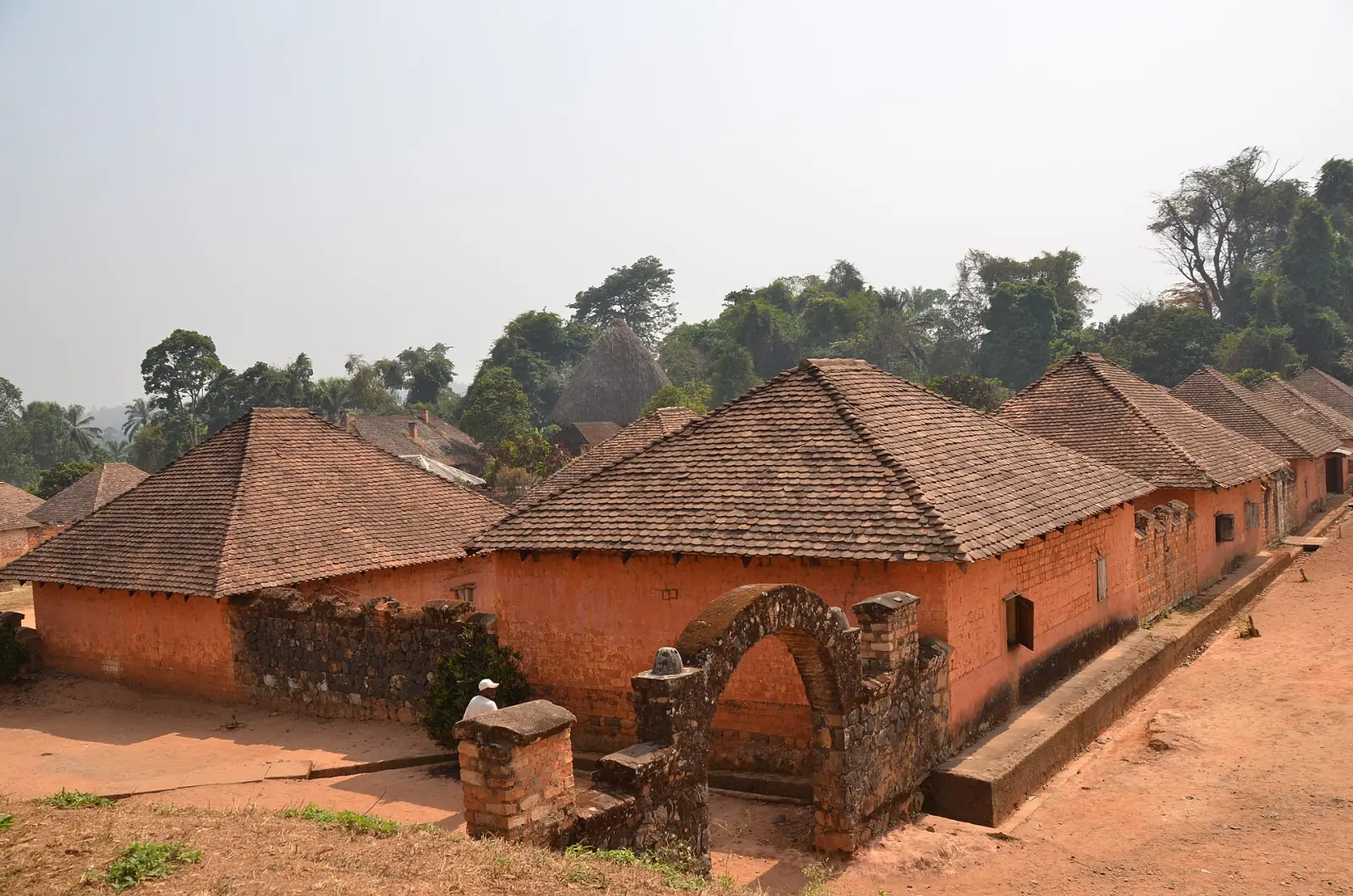
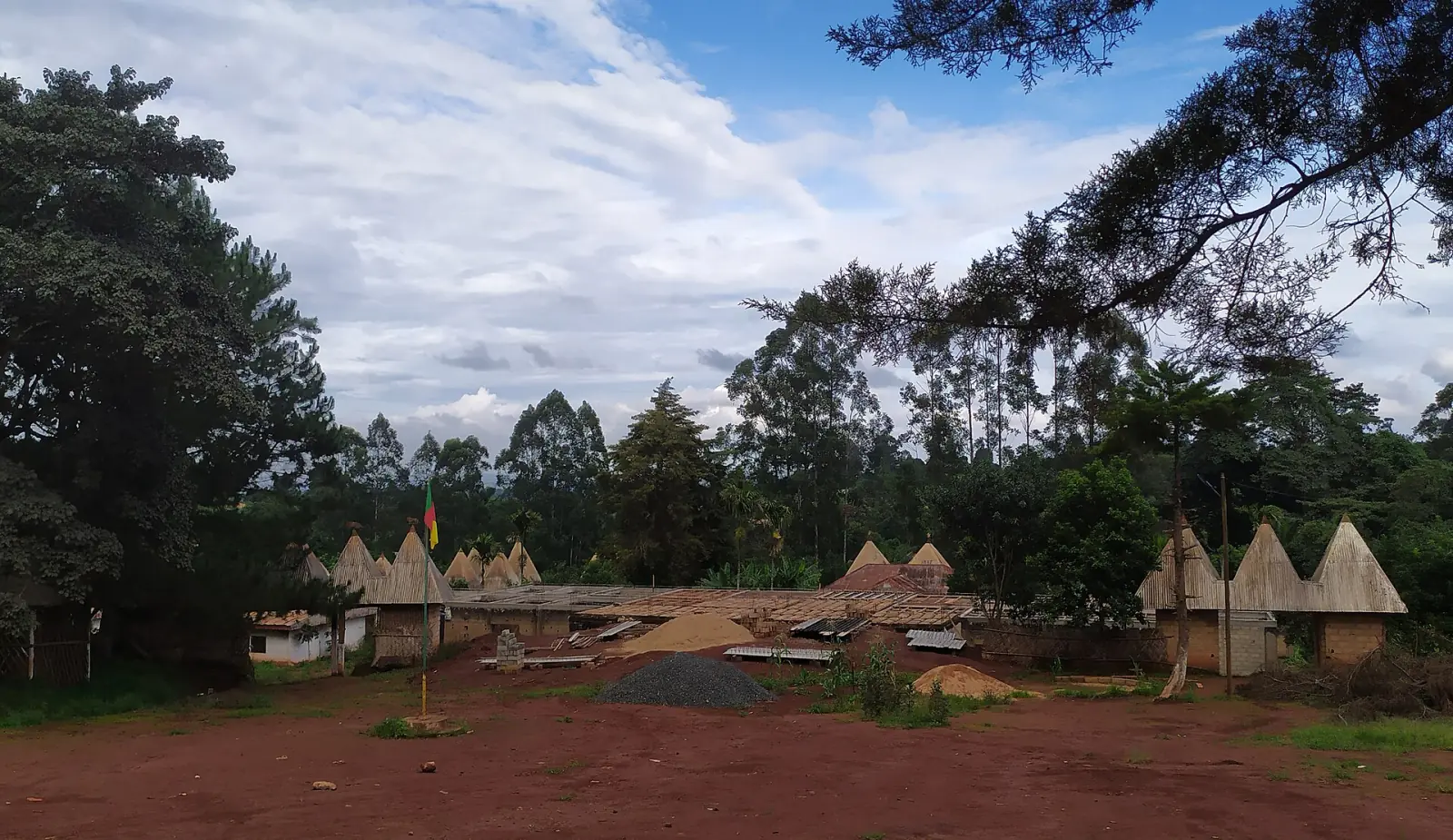
Women's quarter of the Bafut palace with laterite and tiled houses

A cultural stay depends on the quality of the welcome. Large towns offer hotels and residences; around the sites, demand is mostly for lighter options: lodges, guesthouses, bed and breakfasts, community camps and guest houses set up in traditional huts. This accommodation provides direct income to villages and extends the length of stay.

What the cultural visitor is looking for

A clean and safe place, a meal with a taste of local cuisine, a setting reminiscent of local architecture, a host who explains the country, and evenings enlivened by musicians or storytellers. Authenticity comes as much from the welcome as from the buildings.

Setting up cultural accommodation

  1. Choose a location close to a site, a museum or a chiefdom;
  2. Rehabilitate an existing building, respecting local architecture;
  3. Equip simple rooms, a water point and a kitchen up to standard;
  4. Train staff in hospitality and in presenting the heritage;
  5. Build a network with guides, craftspeople and festival organisers.

Project funding may combine savings, loans, patronage and grants, according to the options detailed in funding for culture. For structuring heritage-related projects, tax and customs advantages may apply under certain conditions; enquire with the One-Stop Shop. Local authorities often support the rehabilitation of community buildings.

Labels

Cultural tourism labels

Award winners pose with their trophies and certificates on a red-carpeted stage, alongside two dignitaries.

A label reassures the traveller and enhances the professional. A cultural tourism label is being studied: it would reward the sites, circuits, accommodation and operators that comply with common specifications. It would be awarded by a commission comprising culture and tourism authorities, professionals and community representatives.

Shared criteria

  • Quality of welcome and mediation, with trained guides;
  • Respect for heritage, rites and communities;
  • Measurable local benefits: jobs, shared revenue, purchases of crafts;
  • Accessibility of places for persons with reduced mobility, in line with the quality and accessibility commitments;
  • Visitor safety and waste management.

Why seek a label?

A label opens doors: presence in official guides, access to funding, partnerships with agencies, better online visibility. In return it requires periodic audits and a commitment to progress.

Value chain

From site to stay: the tourism value chain

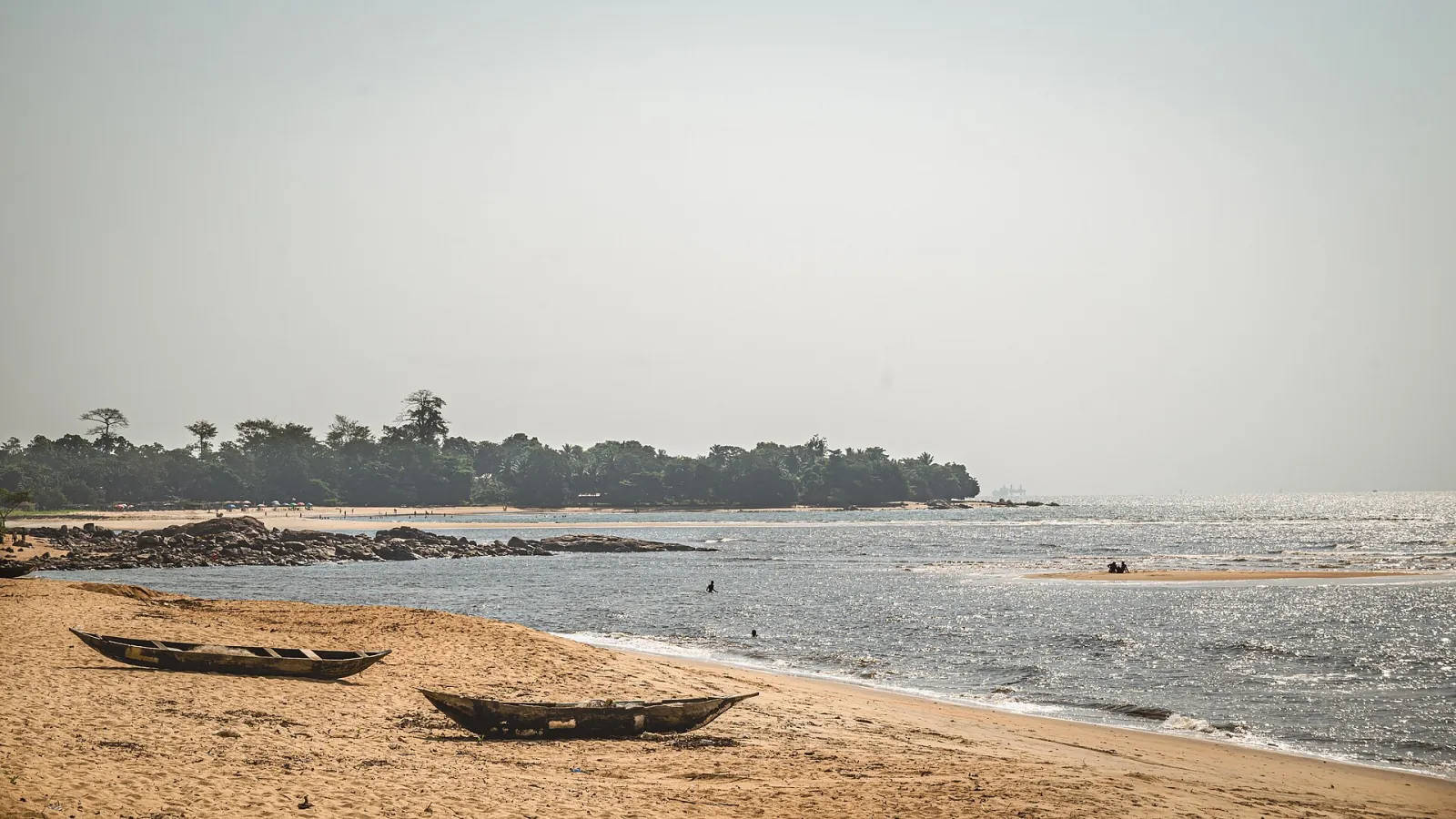
Dugout canoes on the sand of a Kribi beach on the Atlantic

Cultural tourism is a service industry whose value is spread over several links. Upstream, the site or event: a palace, a museum, a festival, a workshop. Then come mediation (guides, signs, applications), transport, accommodation, catering, the purchase of craft objects and evening leisure. Each link depends on the others: a site without a road remains invisible, a road without a welcome tires the traveller.

Where value is created

A visitor’s spending is generally divided between accommodation, transport, catering, purchases and entrance fees. The longer the stay, the greater the share that remains in the territory. This is why circuits combining several stages, a festival and a craftspeople’s workshop are more profitable than a one-hour visit.

Business models

Economic models of cultural tourism

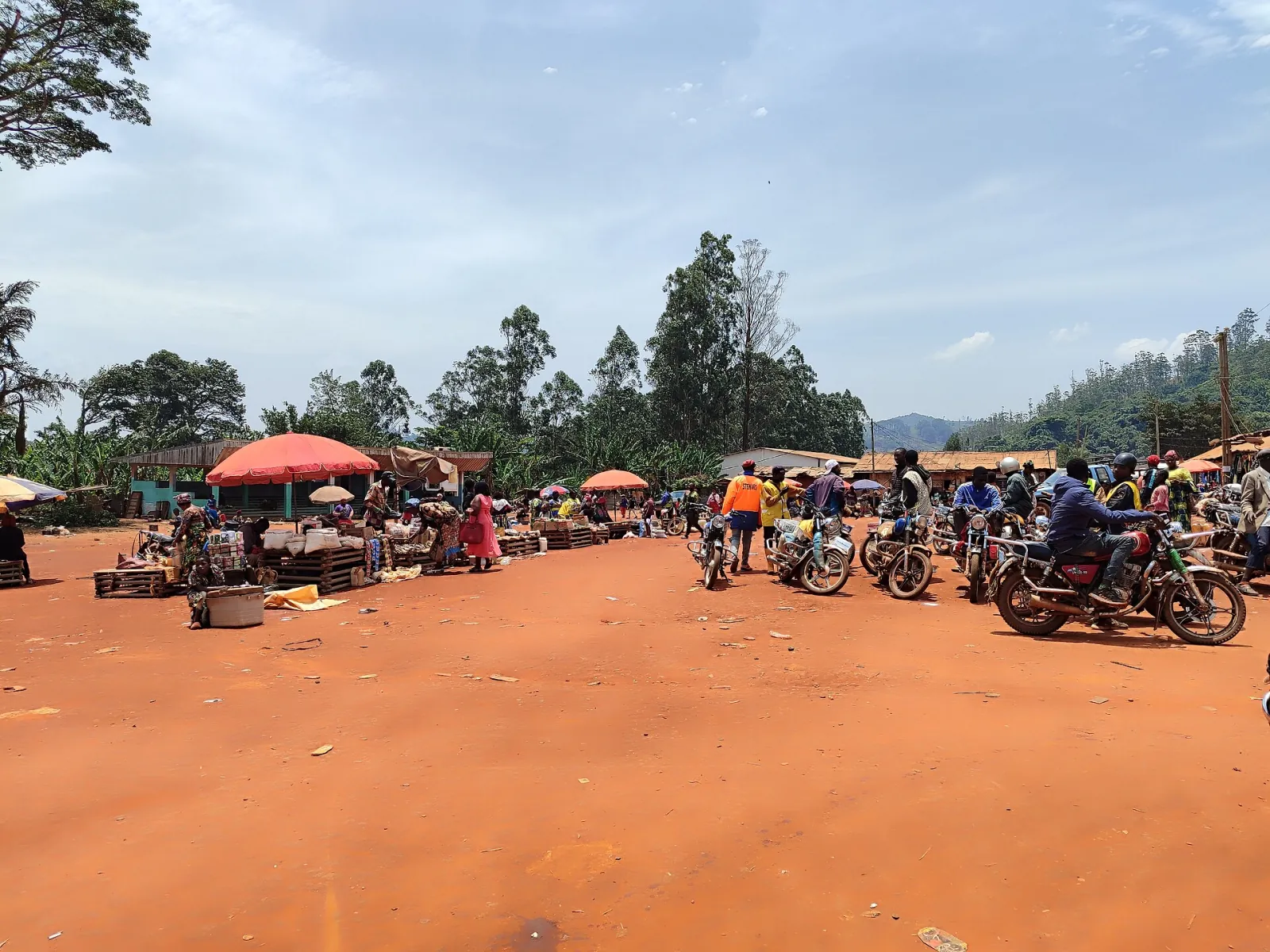
Open-air market on a red-earth square at Bamendou with motorbikes and parasols

A cultural site can combine several sources of revenue: entrance fees, guided tours, shop, catering, hire of spaces for events, patronage and grants. A medium-sized museum often draws a third of its resources from visitor numbers and the rest from public allocations; a chiefdom open to the public finances the upkeep of its buildings through visits and craft sales.

Three typical models

  • The public site managed by an institution: ticket revenue, allocation, restoration patronage;
  • The community site: management committee, local rate, sharing of revenue between upkeep, guides and village projects;
  • The private operator: sale of stays, commission on accommodation, supplement for meetings with craftspeople.

Patronage and sponsorship

A hotel or a transport company can support a festival or the restoration of a building. Patronage is deductible under certain conditions and exempt from VAT; sponsorship is deductible but subject to VAT. The details are on the funding for culture page.

Avoiding pitfalls

Too many visitors damage places and tire the inhabitants; too few do not cover costs. Setting rates, visitor capacity and booking are therefore management decisions to be documented, in line with the conservation rules. Public museum rates can be consulted in the rates section.

Step by step

Putting together a cultural tourism offer

Choose a theme

Identify a common thread: a kingdom, an art, a celebration, a trade, a landscape, and check that it is documented.

Involve the communities

Obtain the agreement of chiefs, guardians and inhabitants, and set the sharing of revenue from the outset.

Design the circuit

Choose the stages, duration, transport, meal times, accommodation and meetings with craftspeople.

Train the team

Train guides and hosts in history, safety and service; write a visitor guide.

Obtain the authorisations

Submit applications for shows or festivals, register the association and take out insurance.

Market and evaluate

Distribute the offer to agencies and online, collect visitor feedback and adjust the circuit each season.

Key facts

The circuits in a table

CircuitRegionsTypical stagesHighlights
Chiefdoms routeWest, North-WestPalaces, chiefdom museums, craftspeople’s marketsNguon, royal funerals, court dances
Lamidates of the NorthNorth, AdamawaLamido palaces, markets, archaeological sitesEnd-of-season celebrations, horse races
Coast and riverLittoral, South-WestMaritime museums, fishing villages, beachesNgondo, regattas, sea festivals
Forests and peoplesSouth, EastDja reserve, Baka villages, forge workshopsEvening gatherings, forest dances
Cultural capitalCentreNational Museum, monuments, galleries, stagesHeritage days, concerts
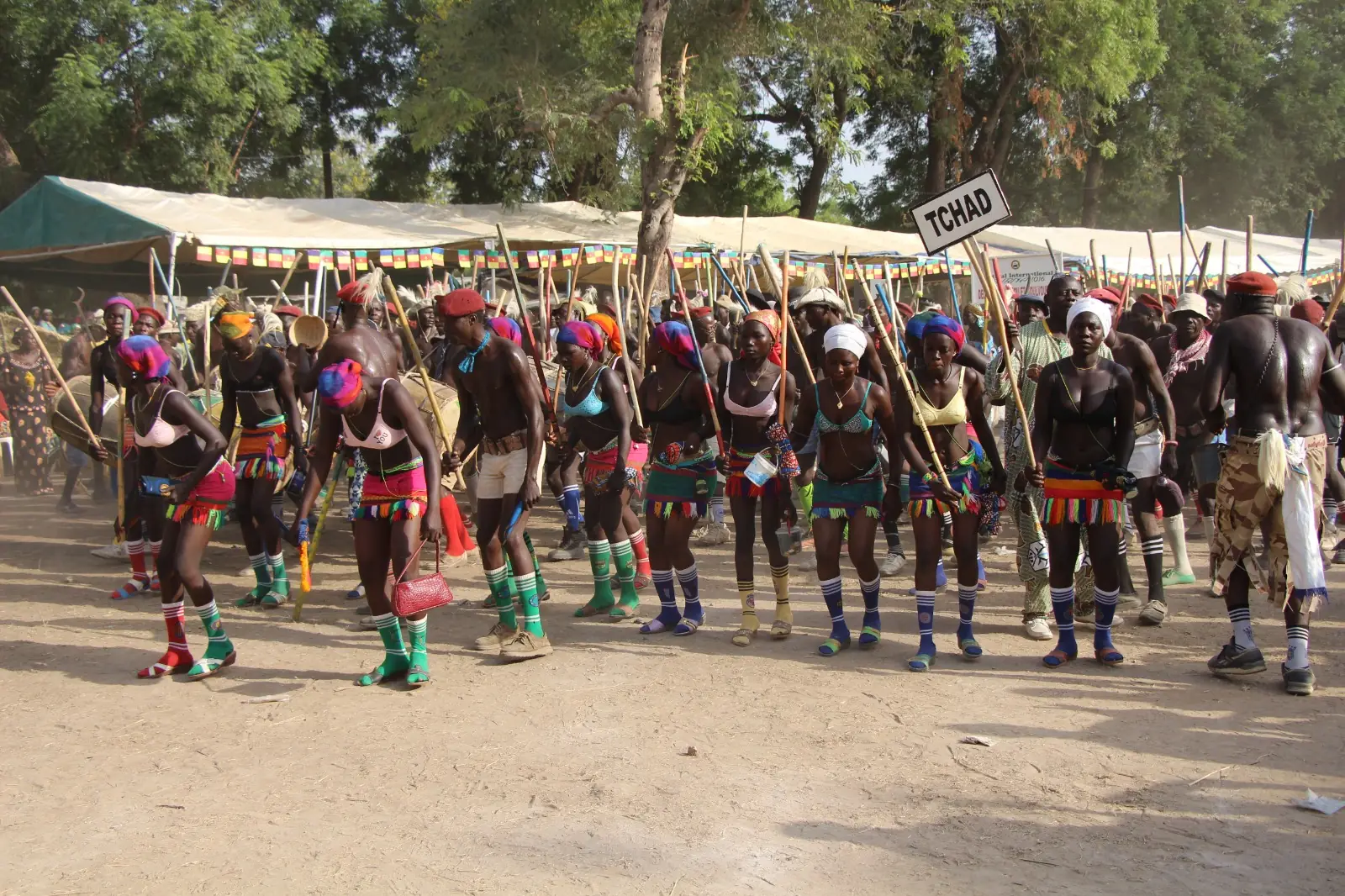
Mandara MountainsFar NorthHilltop villages, markets, forgesHarvest festivals, initiations
Journey

Cultural tourism through the years

1970sThe first museums

Museums and cultural centres open their doors and welcome schoolchildren, travellers and researchers.

1990sChiefdom circuits

Palaces in the West organise guided tours and craft production intended for visitors.

The 2000sProtected and inscribed sites

Sites in the country join the World Heritage List and attract international attention.

2010sFestivals as drivers

Ngondo, Nguon and music festivals become events that fill hotels and markets.

TodayA networked offer

Guides’ associations, community accommodation and digital platforms build complete stays.

To explore

Tourism in the other sections

“A visitor who leaves with a story and a handmade object has taken away much more than a souvenir: they have become an ambassador for a territory.”

A site guide, West
Words from professionals

Voices of cultural tourism

“
Our association trains chiefdom guides every year; the visits now fund the upkeep of the palace and two school scholarships.
A president of a guides’ association
Bafoussam
“
Travellers want to stay with local people and taste local cuisine; our guest rooms are full during the festival.
A guest house manager
Foumban
“
Combining a museum circuit with a beadwork workshop doubled the average length of stay for our groups.
An agency manager
Yaoundé
“
When the community decides how revenue is shared, the site is better protected and the visit is warmer.
A president of a site committee
Dja
To act

Procedures for professionals

Festival authorisation

An event that attracts visitors must be declared and authorised before it opens to the public.

Submit the application

Association accreditation

Set up an association of guides, guesthouses or craftspeople recognised by the authorities.

Approve my statutes

Grant application

Fund the enhancement of a site, a circuit or a cultural event.

Request support

Filming authorisation

A film or tourist report on a site requires prior authorisation.

See the procedure
To download

Resources for professionals

Glossary

The words of cultural tourism

Circuit

Thematic itinerary linking several cultural stages over a defined period.

Tour operator

Company that designs and sells stays made up of transport, accommodation and visits.

Guide-lecturer

Professional who comments on a site and passes its history on to the visitor.

Mediation

All the actions that make a site or work understandable to the public.

Guesthouse

Simple accommodation with local people or in a renovated house.

Community camp

Accommodation run by a village, the revenue of which benefits the community.

Visitor capacity

Maximum number of visitors admitted at the same time to a site.

Label

Distinction certifying compliance with quality specifications.

World Heritage

List of properties recognised by UNESCO for their universal value.

Local benefits

Income and jobs created in a territory by tourism activity.

Ecotourism

A form of travel that protects the natural environment and benefits the inhabitants.

Combined ticket

Single ticket giving access to several sites or activities on the same circuit.

On the site

Continue reading on cultural tourism

Resources

Useful links for cultural tourism

Stakeholders

Who supports cultural tourism?

Questions

Your questions on cultural tourism

How do I open a site in my chiefdom to visitors?

Bring the community together, appoint a management committee, set visiting rules and a revenue-sharing arrangement, then inform the regional delegation. For a protected property, check the listing conditions. Train at least two guides before opening.

Is an authorisation needed for a tourist festival?

Yes. Any public festival or show requires an authorisation from the Ministry, requested online several weeks in advance with the programme, the venue and the safety plan. Ticketing rules also apply.

Is there a cultural tourism label?

A national label is being studied with the culture and tourism authorities, professionals and communities. Sites inscribed on the World Heritage List and listed properties already enjoy official recognition.

How do I finance accommodation near a site?

Combine savings, loans, patronage and grants. Structuring heritage-related projects may benefit from tax and customs advantages under certain conditions. A business plan with expected visitor numbers and an operating budget makes the review easier.

Can a patron support a circuit or a festival?

Yes. Patronage (gifts, acquisitions, corporate foundation) is deductible under certain conditions and exempt from VAT. Sponsorship is deductible but subject to VAT. A contract specifies the purpose of the support and any counterparts.

How do I become a guide at a cultural site?

Follow training in history, mediation and safety, with a school, an association or a museum. Obtain a recommendation from your community and build up a practice file: tours carried out, languages spoken, feedback.

Where can I find festival dates to plan a stay?

In the national festival calendar and the cultural agenda, which give dates, places and contacts. Regional delegations provide information on local festivals that do not always appear in the national programmes.

Can a site be filmed for tourism promotion?

Yes, with a filming authorisation when the filming is professional or commercial. Submit the application online, stating the site, dates, crew and project. The guardian communities must give their prior agreement.

Contact

Write to the Ministry: Cultural tourism

Describe your activity or your project.

Competent directorate

Contact the cultural tourism team

Address

Directorate of Shows and Creative Industries
Ministry of Arts and Culture
Quartier du Lac – Ministerial Zone
P.O. Box 1053 Yaoundé, Centre Region, Cameroon

Reach us

+237 6 51 70 58 41

contact@minac.gov.cm

Opening hours

Monday to Friday, 8 am to 4 pm

An event to open to the public?

Submit your authorisation application online and track it with your file number.

Request an authorisation
WhatsApp