Coat of arms of CameroonMinistry of Arts
and Culture
Republic of Cameroon
My procedures
Home
Minister’s message
News
Press releases
Cultural calendar
Official speeches
Press review
Photo library
Video library
Calls for projects
Job vacancies
Public procurement
Newsletter
Frequently asked questions
Site map
Contact
Press area
Podcast “The Voice of Culture”
Legal notices
Privacy policy
Cookies and trackers
The Ministry
Missions and responsibilities
Organisation
Organisation chart
Minister’s Office (Cabinet)
Management team
General Secretariat
General Inspectorate
Central directorates
Regional Delegations
Institutions under supervision
Legislative texts
Regulatory texts
Sector strategy
Major projects
Budget and reports
Partners
Careers
Archives
Institutional communication
Quality and accessibility
Arts
Visual and plastic arts
Visual arts
Performing arts
Theatre
Dance
Music
Literature and books
Cinema and audiovisual
Photography
Fashion and design
Digital arts
Art crafts
Artists’ directory
Residencies
Prizes and awards
Arts education
Urban arts
Heritage
Tangible heritage
Intangible heritage
UNESCO sites
National museums
Listed monuments
National inventory
Palaces and chiefdoms
Archaeology
Linguistic heritage
Oral traditions
Traditional know-how
Restitution of cultural property
Fight against illicit trafficking
Listing and protection
Conservation and restoration
Heritage Days
Cultural landscapes
Industries
Music and recording
Cinema
Publishing and books
Digital arts
Fashion and creativity
Crafts
Cultural tourism
Funding for culture
Support funds
Incubators
Cultural entrepreneurship
Culture Observatory
Vocational training
Studies and reports
Sector statistics
Export and outreach
Intellectual property
Copyright
Legal framework
Copyright and neighbouring rights
Collective management societies
Register a work
Licences
Private copying
Fight against piracy
Model contracts
Social status of artists
Mediation
Disputes
Training
Fee scales
Register of works
Contact
Digital neighbouring rights
Public domain
Festivals
National calendar
Ngondo
Nguon
Écrans Noirs
Heritage Days
Music Day
Regional festivals
Fairs and exhibitions
Biennials
National competitions
Cultural days
Organise a festival
Event grants
Ticketing
Archives
Volunteering
Diaspora festivals
Regions
Adamawa
Centre
East
Far North
Littoral
North
North-West
West
South
South-West
Cultural map
Regional Delegations
Traditional chiefdoms
National languages
Cultural routes
Decentralised cooperation
Regional observatory
Cooperation
UNESCO
Francophonie (OIF)
African Union
Commonwealth
CEMAC
Bilateral cooperation
Cultural agreements
Professional organisations
Scholarships
Artist exchanges
Cultural years
Diaspora
Funded projects
Embassies
Technical partners
International restitution
International monitoring and calls
Services
Artist card
Show authorisation
Filming authorisation
Festival authorisation
Deposit of a work
Export of works of art
Listing of a property
Grant application
Association accreditation
File tracking
Forms
Fees
Opening hours and addresses
Reporting
Online help
My account
One-Stop Shop
The Ministry

Major projects

Digitised archives, new National Archives building, phase 2 of INAC and cultural centres: the major projects of the Ministry of Arts and Culture, their rationale, management and monitoring.

Updated on 6 November 20264 sub-pages
Projects presented4
National Archives: reorganisation since2016
Scale models producedArchives, Buea annex, cultural centre
Reference frameworkNDS30
Major projects

Projects for the cultural industry

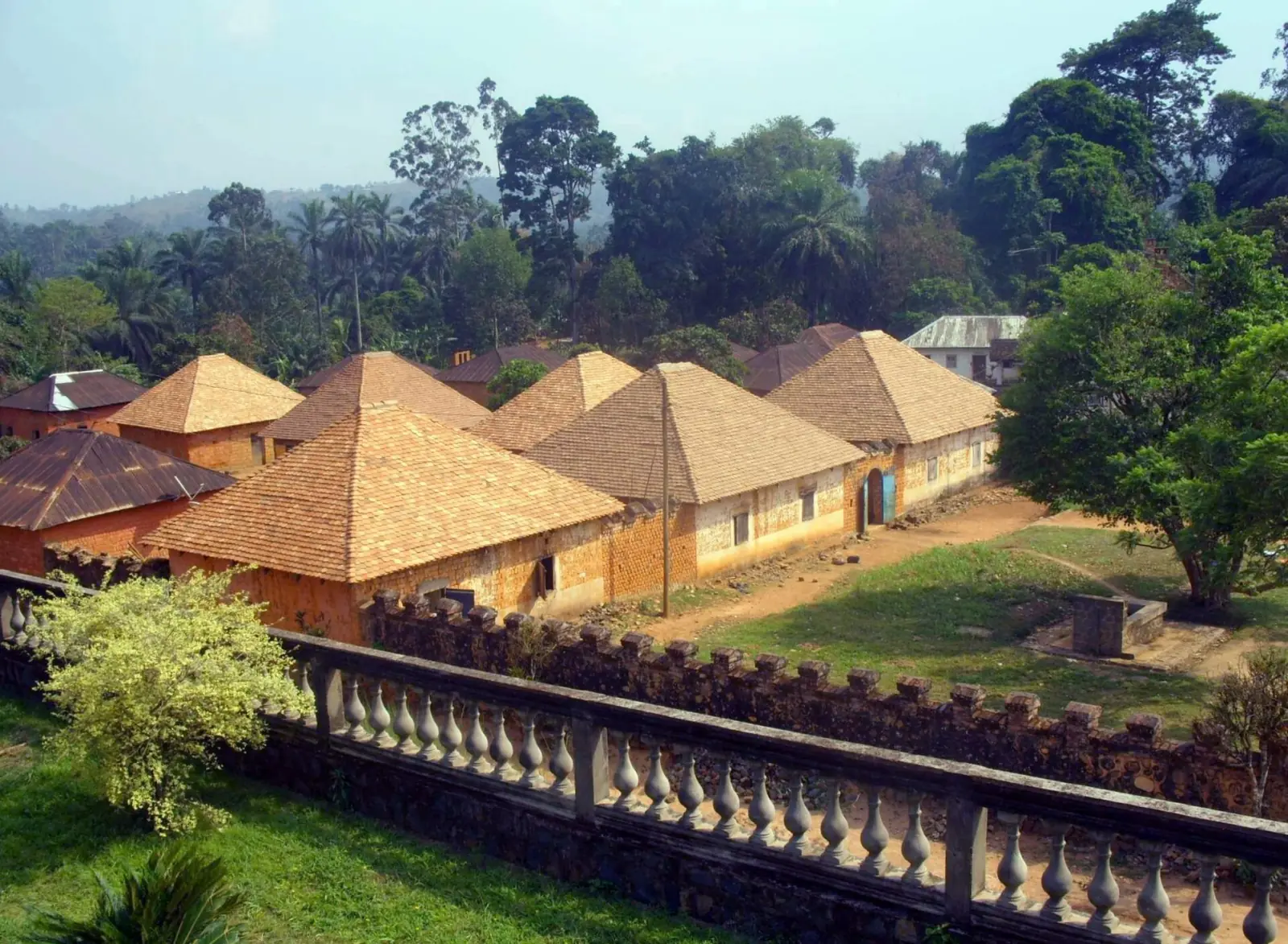
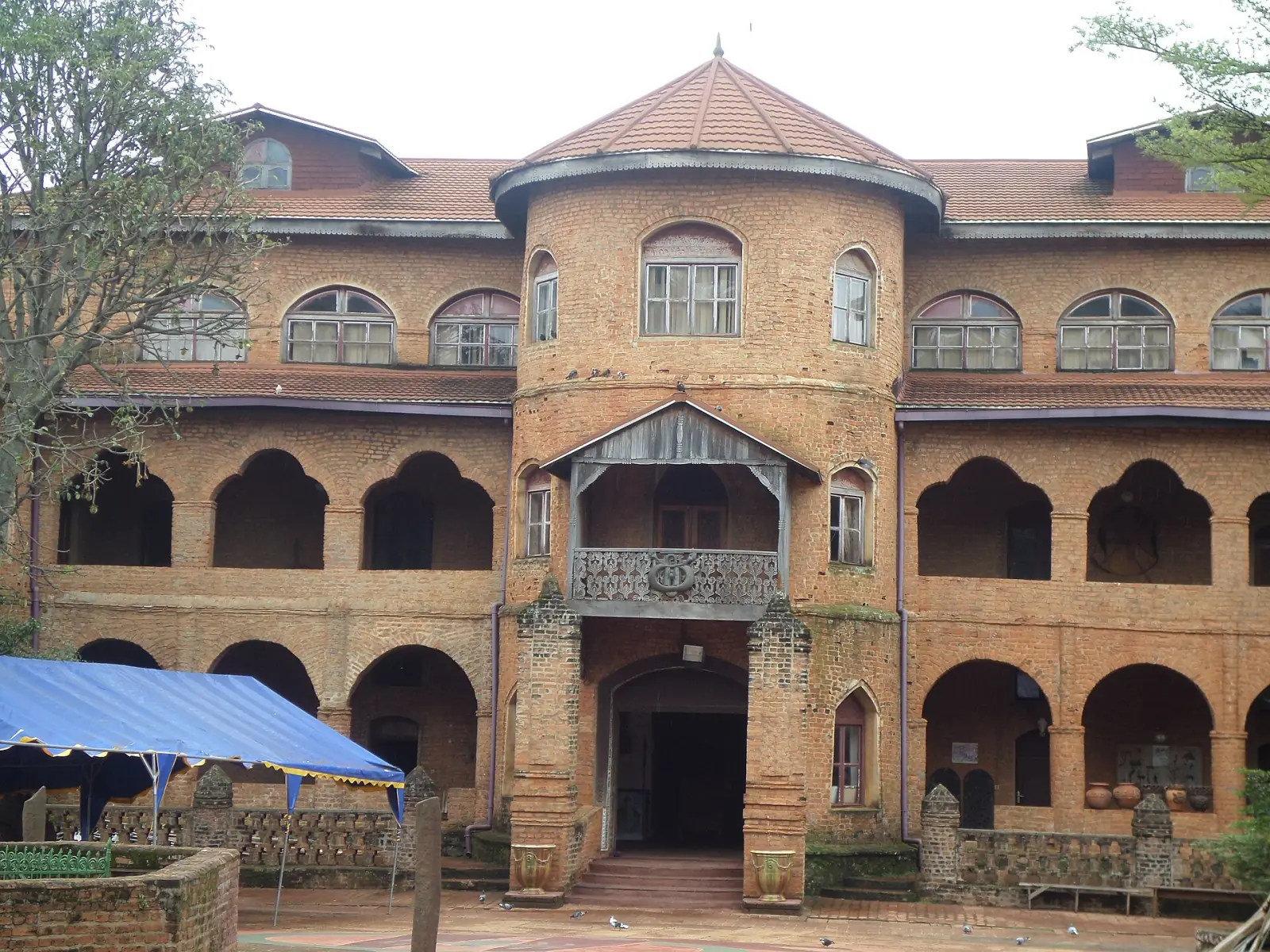
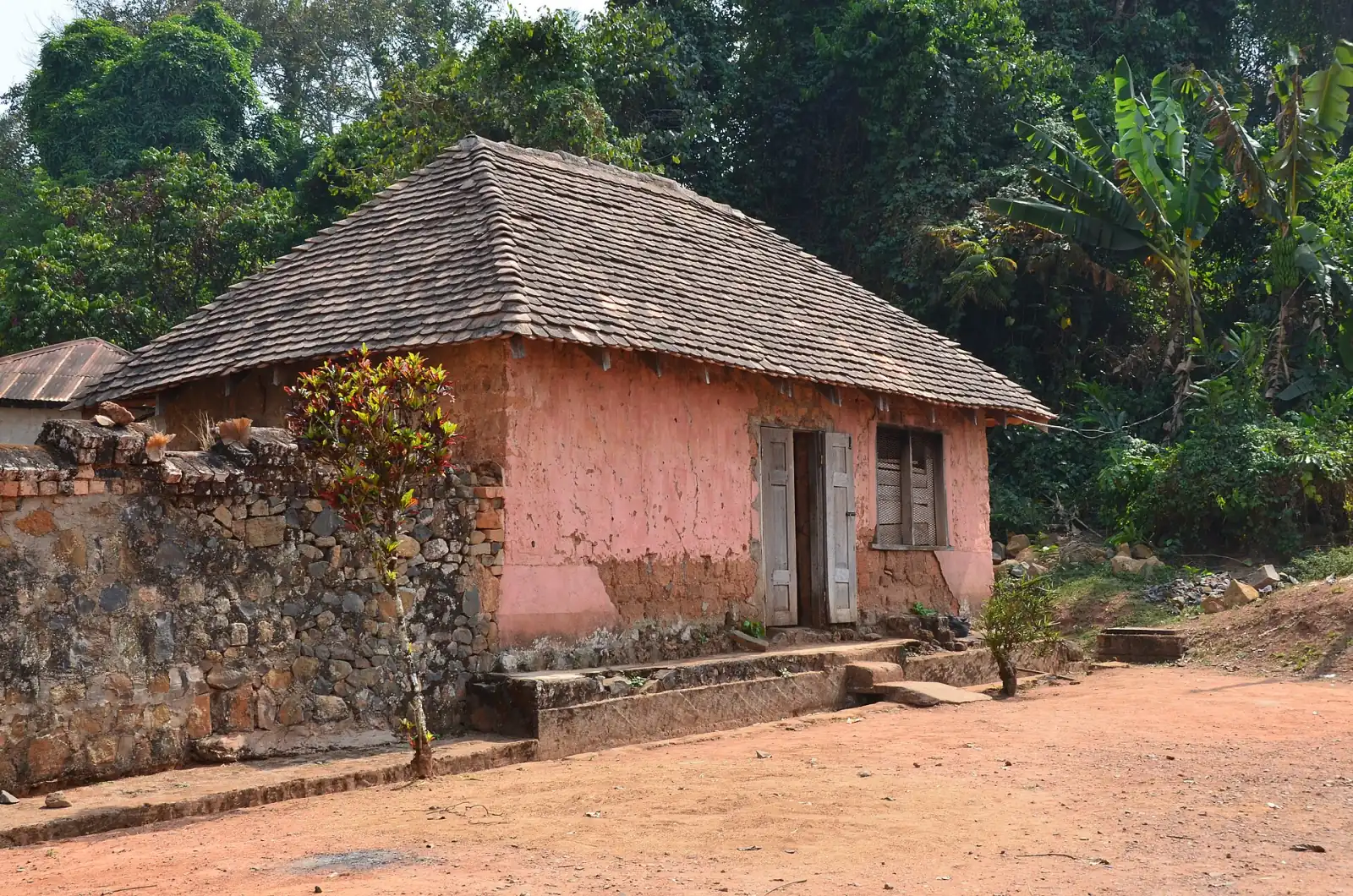
Pink-walled tiled-roof house within the Bafut palace compound

Developing a genuine cultural industry requires tools: secure and accessible archives, a training institute of the right standard, and venues for creation and presentation in the country’s towns. The major projects of the Ministry of Arts and Culture meet these needs and give concrete form to the sector strategy derived from NDS30.

Four projects are presented here: the digitisation of the archives, the construction of the National Archives of Cameroon, phase 2 of the construction of the National Institute of Arts and Culture (INAC) and the structuring of the artistic and cultural movement through cultural centres, including the one in Yabassi.

  • Four structuring projects
  • Scale models and public monitoring
  • Coordination with local authorities
See the archives
Administrative memory

The digitisation of the archives

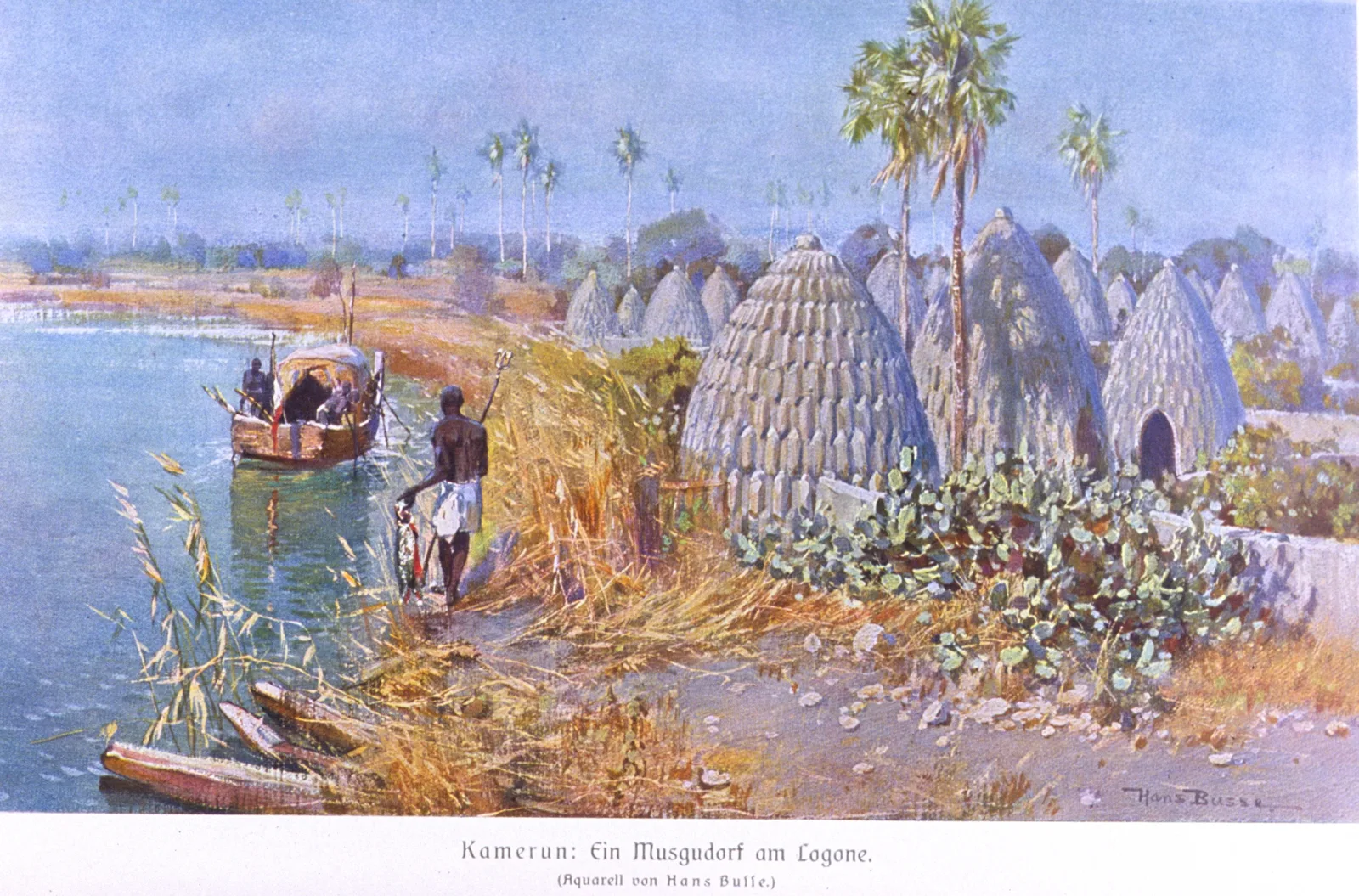
Village on a lake in Cameroon, old painting

The National Archives closed their doors to the public in 2016 in order to undertake a long-term reorganisation and digitisation of their records. This voluntary closure aims to protect documents weakened by time and to make them durably accessible as digital files.

Why digitise?

Paper deteriorates, old registers tear, and damp and insects wreak havoc. A digital copy makes it possible to preserve information, to duplicate it, to search it by keyword and to make it available to researchers without handling the original. Digitisation is also a management tool: a collection that is classified and described can be found in a few seconds.
How can records be consulted during the works?

Researchers can still request access by writing to the director in charge of the archives, with a list of specific documents. An annex in Buea holds old documents. The upkeep of the National Archives falls under the responsibilities of the Directorate of Archives and Administrative Documents. The Archives page details the procedure and the collections available.

The main stages of the work

  • Inventory and reconciliation of the collections, box by box;
  • Sorting, packaging and treatment of fragile documents;
  • Digitisation and quality control of the images;
  • Description, indexing and online publication of the finding aids.
ℹ️
For researchers

Write to the director stating your subject, your study dates and the precise list of documents you wish to see; also consult the archives service.

A building for memory

The construction of the National Archives of Cameroon

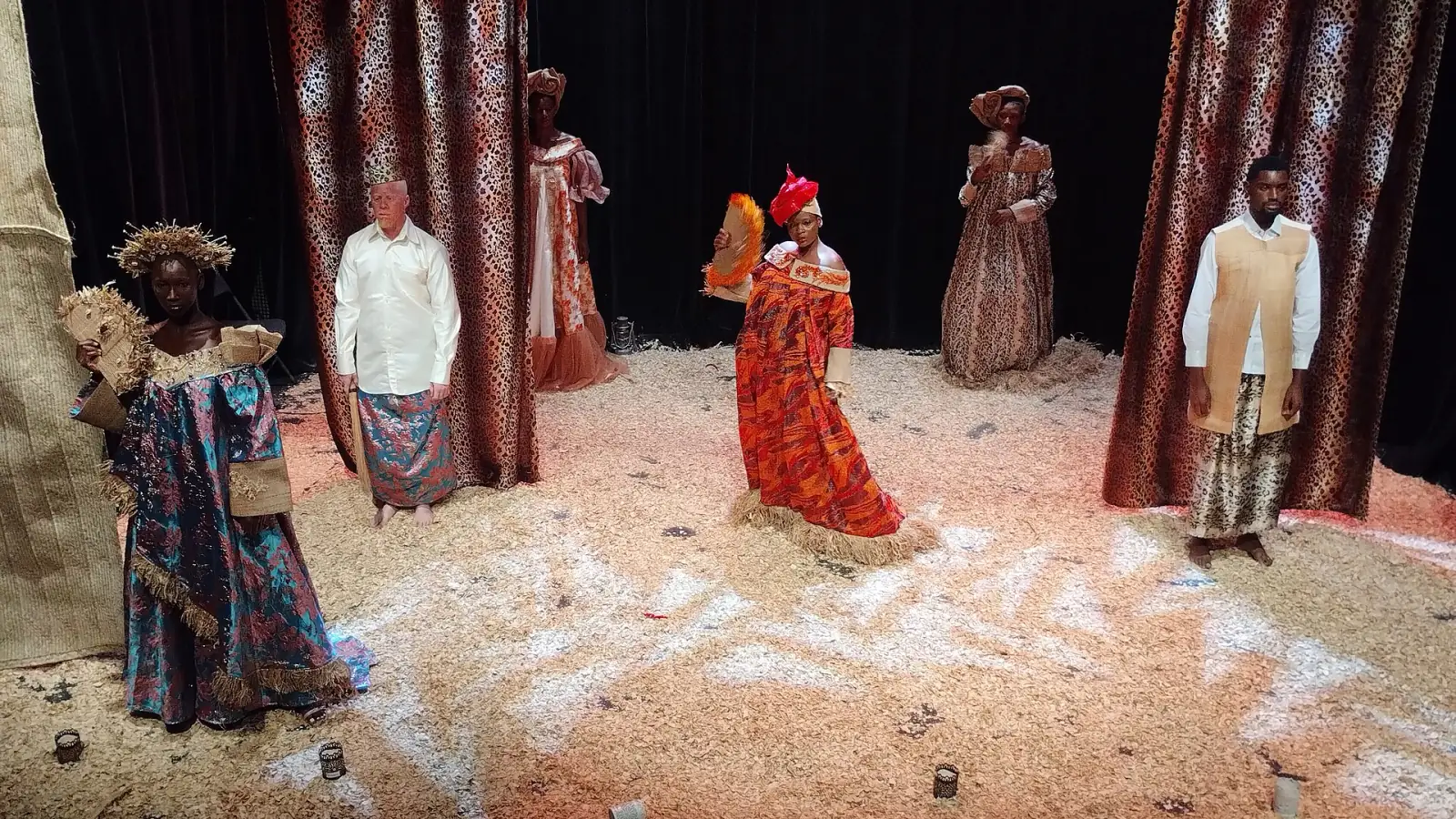
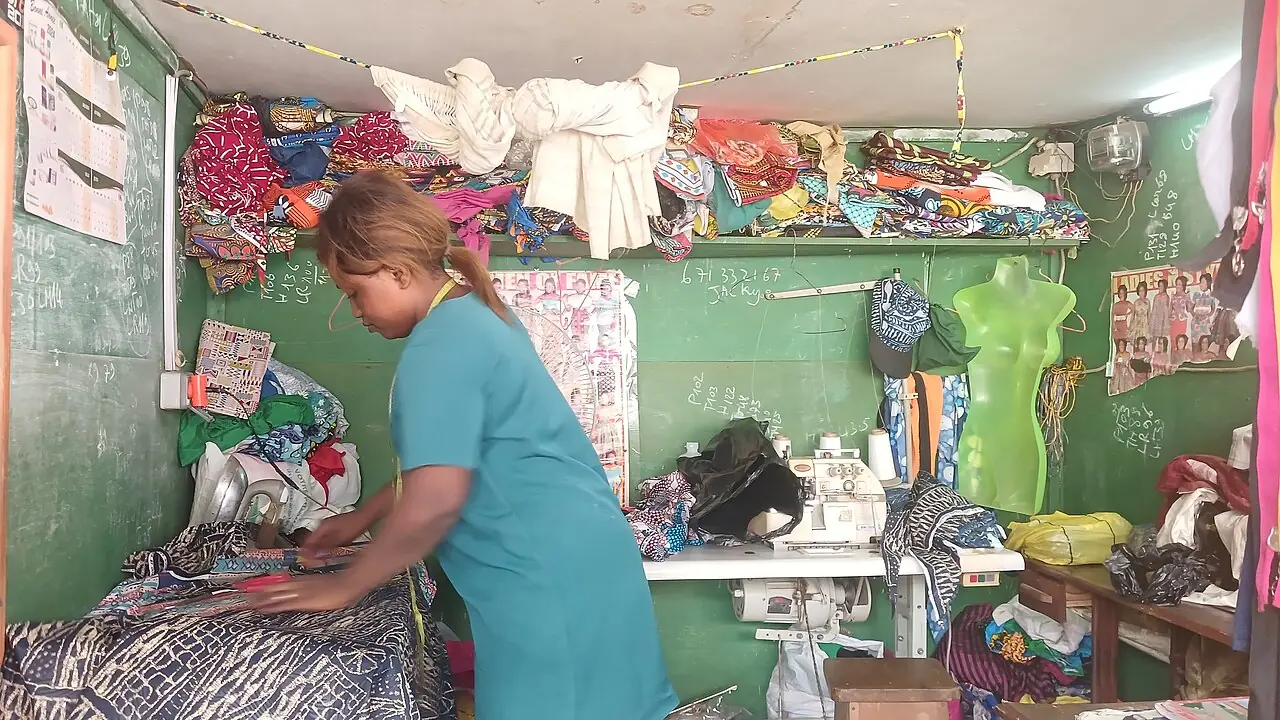
Seamstress in her fashion workshop with colourful fabrics

The construction of the National Archives of Cameroon has been one of the Government’s major projects since 2016. It is to provide the country with a building designed to preserve, process and make public archives available in the best conditions. A scale model of the front of the building and a model showing the Buea annex give a precise idea of it; it is one of the Ministry’s flagship projects.

What an archive building requires

An archive centre is not simply a warehouse. It needs air-conditioned storage rooms, protection against fire and damp, restoration and digitisation workshops, reading rooms, an exhibition space and offices for the archivists. International standards govern these choices, and cooperation with specialised institutions provides useful expertise.

Two complementary sites

The project provides for a main building and an annex in Buea, which already holds old documents. This complementarity makes it possible to distribute the collections, secure the copies and bring services closer to users in the English-speaking area.

Training

Phase 2 of the construction of INAC

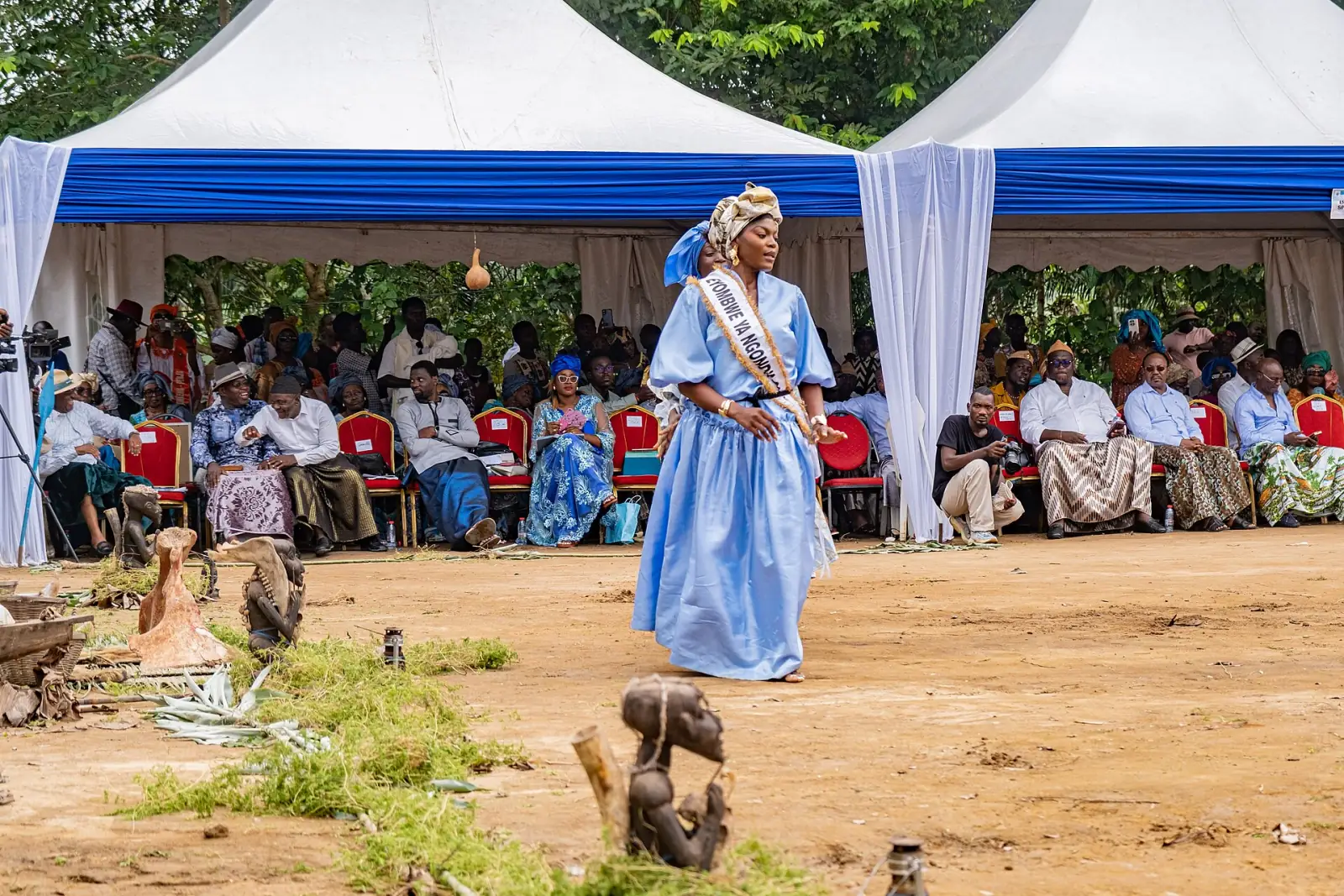
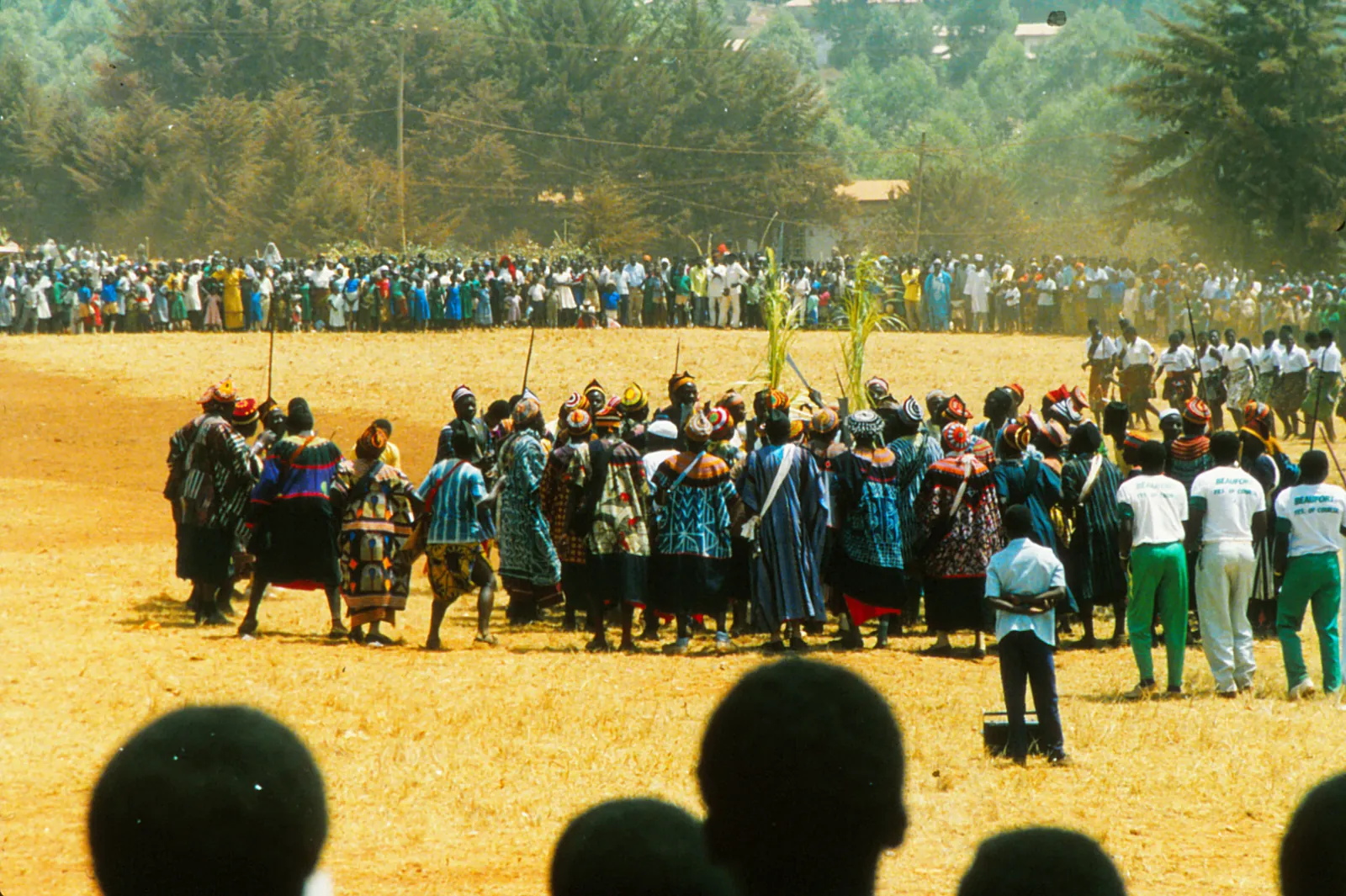
Traditional dance before a large crowd at a national celebration in Nkambe around 1990

The construction of the new building of the National Institute of Arts and Culture (INAC) is one of the Ministry’s major projects. INAC is the training institution attached to the Ministry; its growth accompanies the development of the cultural and creative industries, since no sector progresses without trained professionals.

What is phase 2 for?

Phase 1 laid the foundations of the institute; phase 2 continues the construction of the buildings to accommodate more students, specialised workshops and teaching equipment. It makes it possible to move from temporary premises to an identifiable campus, designed for practice: studios, rehearsal rooms, visual arts workshops, digital spaces.

Training linked to the needs of the sector

INAC’s pathways must meet the needs expressed in the strategy: performing arts professions, cultural management, heritage, visual arts, technical trades. They extend the offer described on the arts education and vocational training pages.

Who is leading the project?

The contracting authority is the Ministry, which awards the contracts for works, supervision and equipment in accordance with the regulations in force. Students, teachers and professionals are kept informed through official channels and through the site’s news.

ℹ️
Key points

INAC is an institution attached to the Ministry: its development is among the sector’s major projects.

Local facilities

Structuring the artistic movement through cultural centres

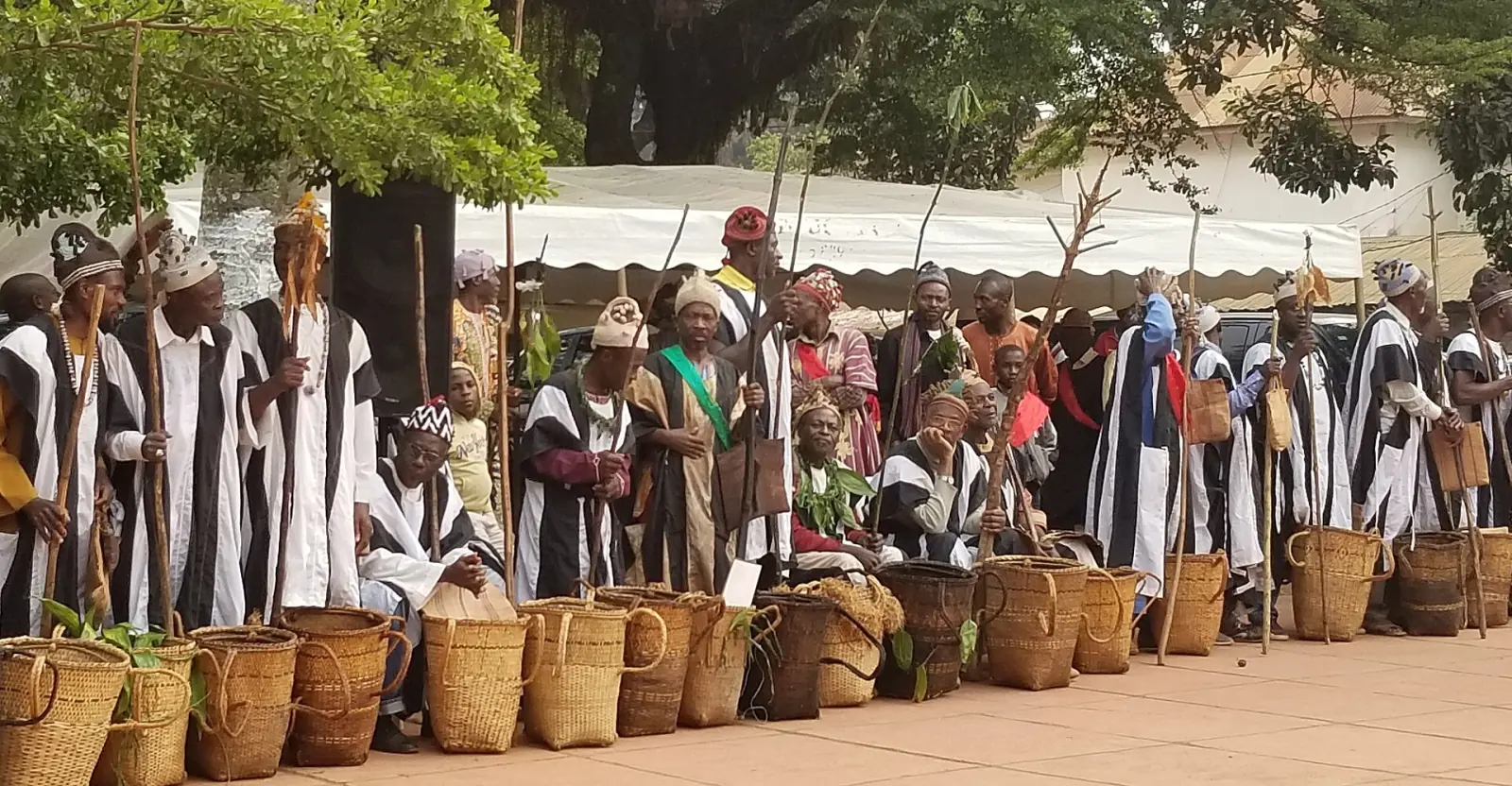
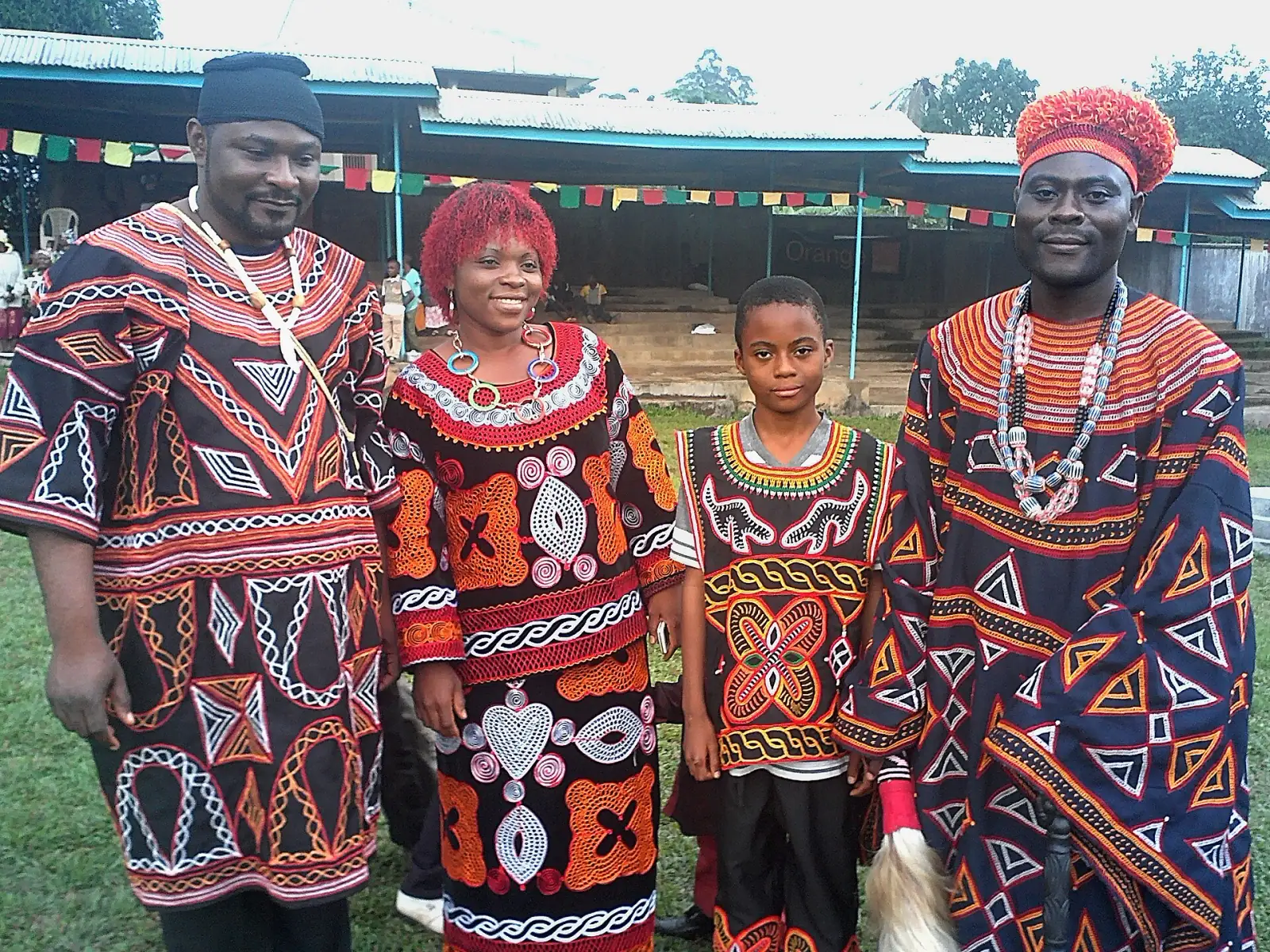
Assembly of notables in white and blue robes before baskets at a festival in Foumban

The Ministry aims to build cultural centres in several towns in Cameroon. The file includes a scale model of the cultural centre, an aerial view of the model and a progress report on the Yabassi cultural centre. These venues will offer artists and audiences spaces for creation, training and presentation.

What does a cultural centre look like?

It includes a flexible performance hall, rehearsal studios, visual arts workshops, a media library, an exhibition space and offices for associations. The building welcomes dance and theatre companies as well as musicians, visual artists and writers.

The role of local authorities

In accordance with NDS30, cultural centres and conservatoires are placed under the supervision of the decentralised local authorities. The Ministry builds, equips and supports; the municipality or region runs activities, programmes and maintains. This division is set out on the decentralised cooperation page.

Yabassi, the first project to be monitored

The cultural centre in Yabassi, in the Littoral Region, is being monitored in particular. Progress is recorded in the reports of the regional delegation and presented to the hierarchy. Other towns may join the programme depending on budget availability and local mobilisation.

ℹ️
For associations

The cultural structures of the town concerned will be involved in defining the programme of activities; contact your regional delegation.

Management

How the projects are managed

Bafut palace houses seen from a balustraded terrace

Each major project has a designated manager, a timetable and a budget entered in the finance law. The General Secretariat coordinates monitoring, the General Inspectorate oversees implementation and the Directorate of General Affairs manages procurement. Monitoring meetings review progress, difficulties encountered and decisions to be taken, while information intended for the public is published on the news and press releases pages. Any complaints may be submitted following the procedure on the quality and accessibility page.

Method

From project to completed works

Identify the need

The directorate concerned formulates the need, checks that it is consistent with the strategy and estimates an initial order of magnitude.

Carry out the studies

Feasibility studies, site selection, sketches and a scale model make it possible to validate the programme with future users.

Enter in the budget

The project is put forward for budget arbitration and, if selected, entered in the finance law for the financial year.

Award the contracts

Contracts for works, supervision and equipment are launched by call for tenders, then awarded in accordance with the regulations.

Monitor the works

Site visits, site meetings and progress reports make it possible to measure deadlines and quality.

Hand over and open

After acceptance of the works, the facility is handed over to its manager and opened to the public or to students.

Key facts

The projects in a table

ProjectSubjectLead serviceWho it is for
Digitisation of archivesReorganisation, processing and digitisation of collections since 2016Directorate of Archives and Administrative DocumentsResearchers, administrations, citizens
National Archives of CameroonConstruction of a modern building, with an annex in BueaMinistry, with the directorate of archivesAdministrations, historians, students
INAC, phase 2Continuation of the construction of the training instituteNational Institute of Arts and CultureStudents, teachers, professionals
Houses of CultureFacilities for creation, training and presentation in townsMinistry and local authoritiesArtists, associations, local public
Yabassi Cultural CentreProject monitored in the Littoral RegionRegional Delegation of the LittoralResidents and cultural stakeholders of Yabassi
Archives annex in BueaPreservation of old documents, dedicated scale modelDirectorate of ArchivesResearchers from the English-speaking area
Voices from the field

They are waiting for these facilities

“
For my research on local history, digitisation is a great opportunity: consulting a copy avoids handling fragile registers.
A history researcher
University of Yaoundé
“
A cultural centre in our town means a rehearsal space, an audience and a stage: it is what our companies lack.
An association manager
Littoral
“
An institute with real workshops is the difference between learning scenography on paper and practising it.
A performing arts student
Yaoundé
“
The Buea annex holds precious documents; having them secured in a suitable building reassures the whole research community.
An archivist
South-West Region
Glossary

The words of the projects

Digitisation

Conversion of paper documents into digital files that can be consulted remotely.

National Archives

Institution responsible for preserving public archives and making them available to citizens and researchers.

INAC

National Institute of Arts and Culture, a training institution attached to the Ministry.

House of Culture

Local facility for the creation, teaching and presentation of the arts, open to associations.

Scale model

Three-dimensional representation of a building, used to validate a project before works begin.

Contracting authority

Authority for which the works are carried out and which bears the cost.

Reconciliation

Operation of checking the documents or objects of a collection against the inventory.

Finding aid

Description tool used to locate a document within an archive collection.

Annex

Secondary site attached to a main service, such as the archives annex in Buea.

Conservatoire

Specialised teaching institution for music, dance or drama.

Acceptance of works

Official finding that the work complies with the contract and can be handed over to its user.

“Developing a genuine cultural industry geared towards improving, in quality and quantity, the supply of cultural goods and services.”

Direction of the Ministry’s major projects
On the site

Going further on the projects

To act

Follow and take part

Request access to the archives

Send the director a precise list of documents in order to consult the collections during the reorganisation.

See the archives

Train at INAC

Discover the training pathways for the arts and culture professions.

See the training

Propose a programme

Associations can prepare a project of activities for their future cultural centre.

Submit a project

Follow the contracts

The procurement notices for each project are published on the dedicated page.

Public procurement
Resources

Useful links on the major projects

Stakeholders

The project leaders

Journey

The milestones of these projects

2016Closure of the National Archives

The National Archives close for a long-term reorganisation and digitisation; the construction of a new building becomes a major project.

Scale modelsThe project takes shape

A scale model of the front of the Archives, a scale model of the Buea annex and a scale model of a cultural centre are produced.

INACContinuation of construction

Phase 2 extends the construction of the new training institute attached to the Ministry.

YabassiProgress of the cultural centre

The Yabassi project serves as a reference for the national programme of cultural centres.

NDS30Integration into the strategy

The facilities are linked to the NDS30 orientations on cultural and creative industries.

To explore

The projects and their supports

Questions

Following the projects

Are the National Archives accessible?

The building has been closed to the public since 2016 because of the reorganisation and digitisation. Researchers can nevertheless request access by writing to the director, with a list of specific documents; the Buea annex also holds old documents.

Why digitise the archives?

To safeguard fragile documents, make keyword searches easier and avoid handling the originals. A digital copy can be duplicated in several places, which protects the information in the event of fire, flood or deterioration.

How far has the construction of the new archives building progressed?

The construction has been a major Government project since 2016, illustrated by a scale model of the front and a scale model of the Buea annex. Progress is communicated through official channels and in the activity reports.

What is phase 2 of INAC?

It is the continuation of the construction of the new building of the National Institute of Arts and Culture, a training institution attached to the Ministry. It is intended to provide better study conditions and support the development of the cultural industries.

Where will the cultural centres be built?

The Ministry wishes to build them in several towns across the country. Progress on the one in Yabassi is already being monitored; the other sites will be chosen according to the needs of the regions, the land available and the commitments of the local authorities.

Who manages a cultural centre once it is built?

In accordance with NDS30, these facilities are placed under the supervision of the decentralised local authorities, which handle programming and maintenance. The Ministry retains a role of support, training and artistic advice.

How can I follow the calls for tenders for the projects?

Procurement notices are published on the Public Procurement page of the site. Interested companies may consult the file, ask questions within the deadlines and submit their bid according to the rules set out in the notice.

How do I contact the Ministry about a project?

Use the form on this page, stating the project concerned, or write to contact@minac.gov.cm. Your message will be forwarded to the directorate responsible for the project, which will reply as soon as possible.

Contact

A question about a project?

Specify the project concerned.

Competent directorate

Contact the Ministry about a project

Address

Minister’s Office
Ministry of Arts and Culture
Quartier du Lac – Zone ministérielle
P.O. Box 1053 Yaoundé, Centre Region, Cameroon

Reach us

+237 6 51 70 58 41

contact@minac.gov.cm

Opening hours

Monday to Friday, 8 am to 4 pm

Discover the archives?

Consult the Ministry’s archives page and the access procedure.

Archives
WhatsApp