Coat of arms of CameroonMinistry of Arts
and Culture
Republic of Cameroon
My procedures
Home
Minister’s message
News
Press releases
Cultural calendar
Official speeches
Press review
Photo library
Video library
Calls for projects
Job vacancies
Public procurement
Newsletter
Frequently asked questions
Site map
Contact
Press area
Podcast “The Voice of Culture”
Legal notices
Privacy policy
Cookies and trackers
The Ministry
Missions and responsibilities
Organisation
Organisation chart
Minister’s Office (Cabinet)
Management team
General Secretariat
General Inspectorate
Central directorates
Regional Delegations
Institutions under supervision
Legislative texts
Regulatory texts
Sector strategy
Major projects
Budget and reports
Partners
Careers
Archives
Institutional communication
Quality and accessibility
Arts
Visual and plastic arts
Visual arts
Performing arts
Theatre
Dance
Music
Literature and books
Cinema and audiovisual
Photography
Fashion and design
Digital arts
Art crafts
Artists’ directory
Residencies
Prizes and awards
Arts education
Urban arts
Heritage
Tangible heritage
Intangible heritage
UNESCO sites
National museums
Listed monuments
National inventory
Palaces and chiefdoms
Archaeology
Linguistic heritage
Oral traditions
Traditional know-how
Restitution of cultural property
Fight against illicit trafficking
Listing and protection
Conservation and restoration
Heritage Days
Cultural landscapes
Industries
Music and recording
Cinema
Publishing and books
Digital arts
Fashion and creativity
Crafts
Cultural tourism
Funding for culture
Support funds
Incubators
Cultural entrepreneurship
Culture Observatory
Vocational training
Studies and reports
Sector statistics
Export and outreach
Intellectual property
Copyright
Legal framework
Copyright and neighbouring rights
Collective management societies
Register a work
Licences
Private copying
Fight against piracy
Model contracts
Social status of artists
Mediation
Disputes
Training
Fee scales
Register of works
Contact
Digital neighbouring rights
Public domain
Festivals
National calendar
Ngondo
Nguon
Écrans Noirs
Heritage Days
Music Day
Regional festivals
Fairs and exhibitions
Biennials
National competitions
Cultural days
Organise a festival
Event grants
Ticketing
Archives
Volunteering
Diaspora festivals
Regions
Adamawa
Centre
East
Far North
Littoral
North
North-West
West
South
South-West
Cultural map
Regional Delegations
Traditional chiefdoms
National languages
Cultural routes
Decentralised cooperation
Regional observatory
Cooperation
UNESCO
Francophonie (OIF)
African Union
Commonwealth
CEMAC
Bilateral cooperation
Cultural agreements
Professional organisations
Scholarships
Artist exchanges
Cultural years
Diaspora
Funded projects
Embassies
Technical partners
International restitution
International monitoring and calls
Services
Artist card
Show authorisation
Filming authorisation
Festival authorisation
Deposit of a work
Export of works of art
Listing of a property
Grant application
Association accreditation
File tracking
Forms
Fees
Opening hours and addresses
Reporting
Online help
My account
One-Stop Shop
Industries

Intellectual property

Trademarks, licences, contracts and advice: how to protect and promote a creation in Cameroon, under law 2000/011, the OAPI and the OMPI.

Updated on 6 November 20264 sub-pages
Reference law2000/011
Economic rightsLifetime + 50 years
Resale right5 %
Trademark registrationOAPI
Protect

Protecting your creations and your trademarks

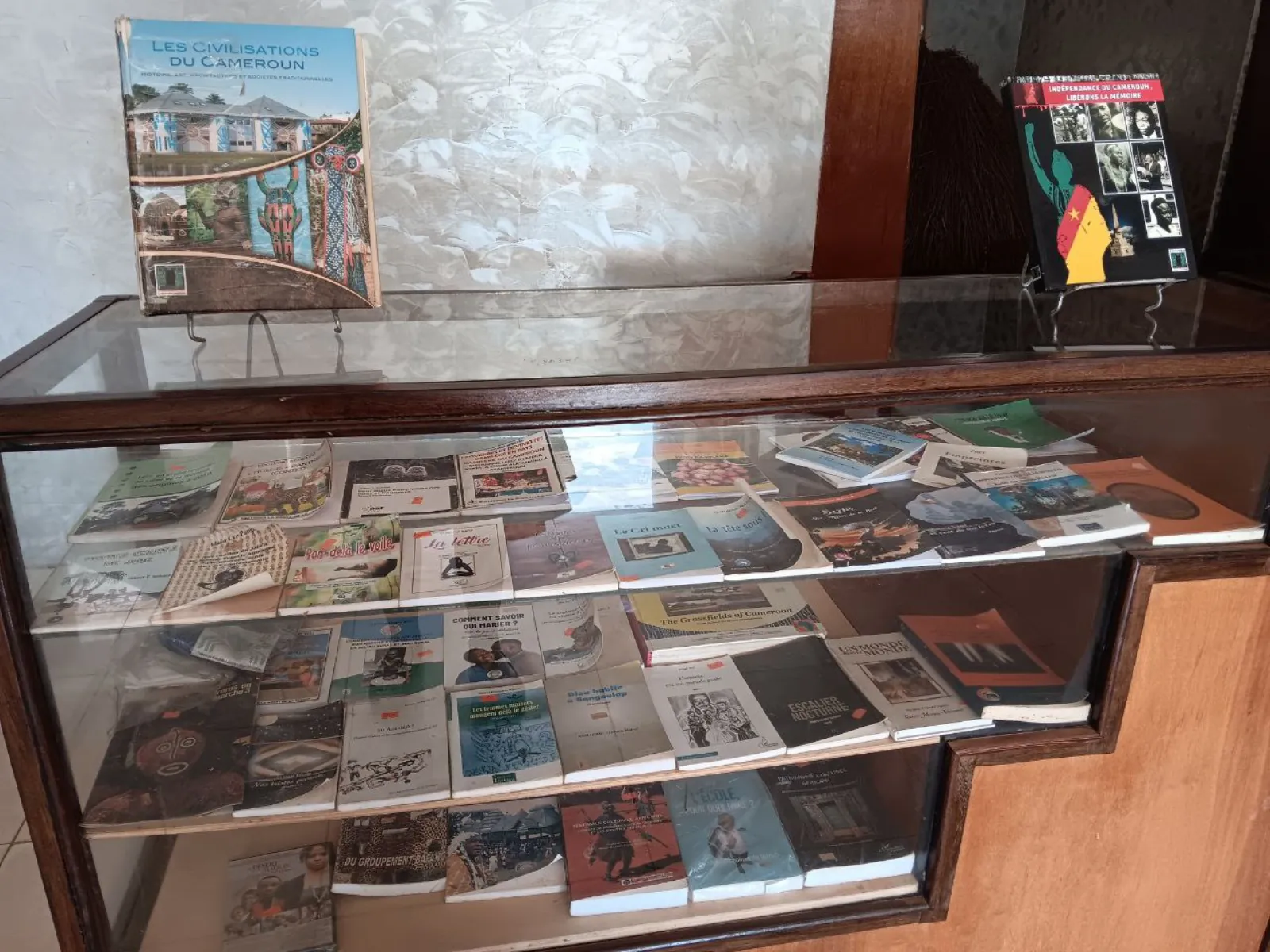
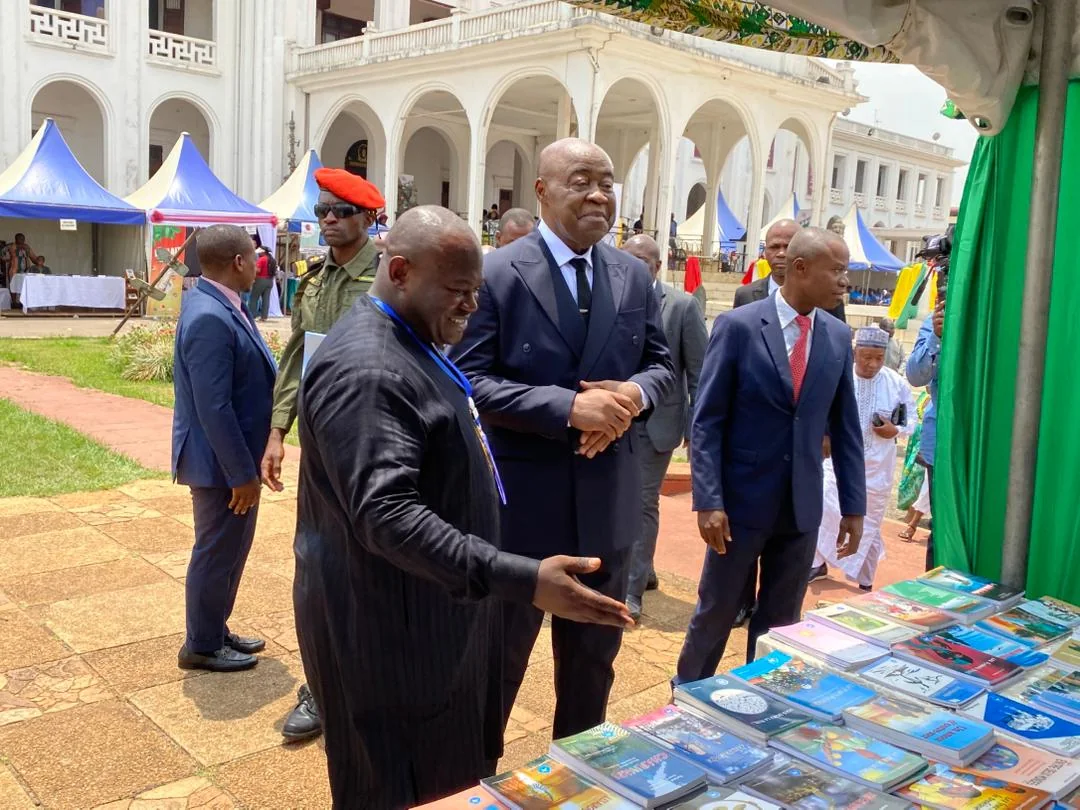
The Minister and officials in front of books displayed on a stand in the courtyard of a colonial-style building

A song, a novel, a choreography, a logo, a label name, a dress design: everything created by an artist or a cultural enterprise has a value, and that value must be defended. Intellectual property brings together copyright and neighbouring rights, which arise with the work without formalities, and industrial property, notably trademarks, which is acquired by registration.

In Cameroon, law 2000/011 governs copyright and neighbouring rights: economic rights last for fifty years after the death of the author, and the resale right is set at 5%. Trademarks are registered with the OAPI, the African Intellectual Property Organisation, and the OMPI provides a worldwide framework. This page helps you to choose the right protection, to license your works, to draft your contracts and to seek advice.

  • A work protected from its creation, without formalities
  • Trademarks registered with the OAPI for the member States
  • Model contracts and legal advice
Protect a trademark
Distinctive signs

Trademarks: the name, logo and identity of a creator

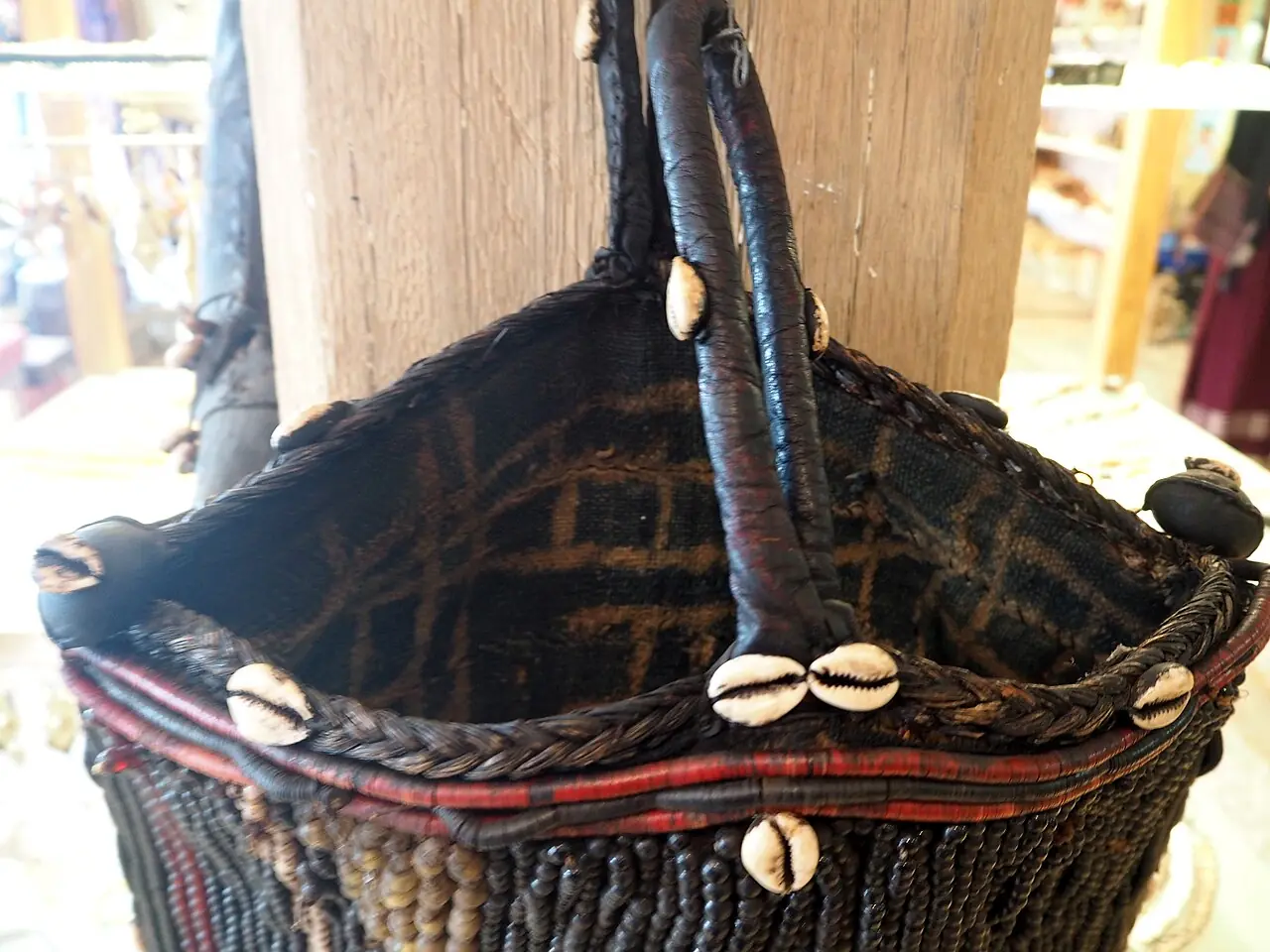
Bamileke woven bag decorated with cowrie shells

A trademark is a sign that distinguishes the goods or services of an enterprise: the name of a music label, publishing house, venue, fashion brand or festival; a logo, a slogan, a visual. It gives its holder an exclusive right of use for the goods designated and makes it possible to take action against counterfeits. Unlike a work, a trademark exists only after registration.

Where and how to register

A trademark is registered with the OAPI, of which Cameroon is a member: a single registration is valid for all the member States. The procedure comprises a prior-rights search, filing of the application with the list of classes of goods or services, examination, publication and registration. Protection lasts ten years and is renewable. For extension to other countries, the OMPI manages an international registration system.
Choosing a good trademark

  • A distinctive name that does not directly describe the product;
  • Check that no identical or similar trademark exists in the classes concerned;
  • Plan for the corresponding internet domain and social media accounts;
  • Avoid the names of institutions, national symbols or persons without their consent;
  • Choose the useful classes: music, publishing, clothing, performance services.

Trademark and work: do not confuse them

The title of a work is protected by copyright, but the name of a label, a festival or a company is protected by trademark. Fashion designers, craftspeople and festivals are particularly interested in this. Digital creators find protection here for the names of their games and studios.

ℹ️
Check before registering

A prior-rights search avoids the rejection of the application and disputes: it can be carried out with the help of the Ministry’s legal directorate.

Authorisations

Licences: authorising use in return for payment

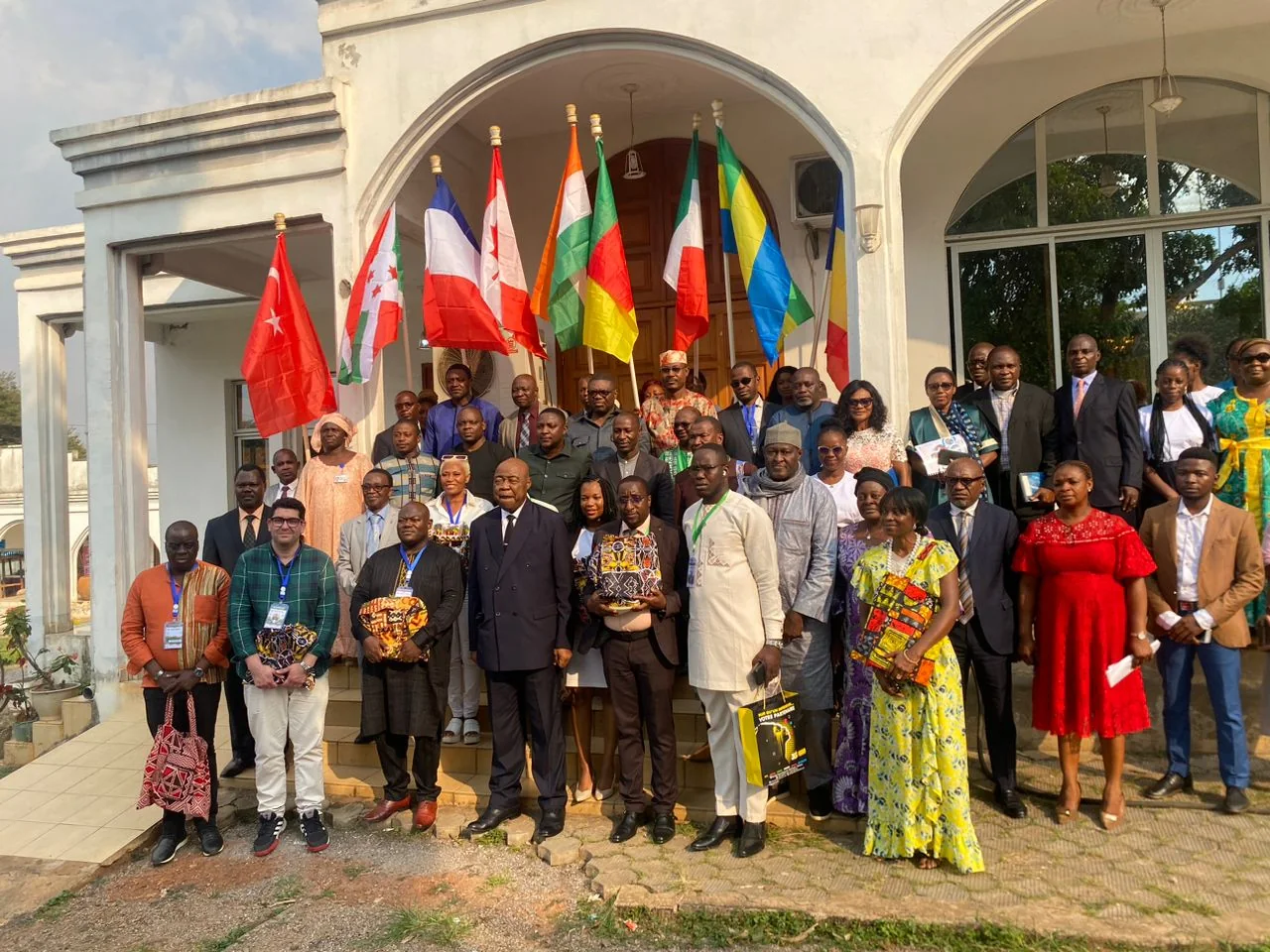
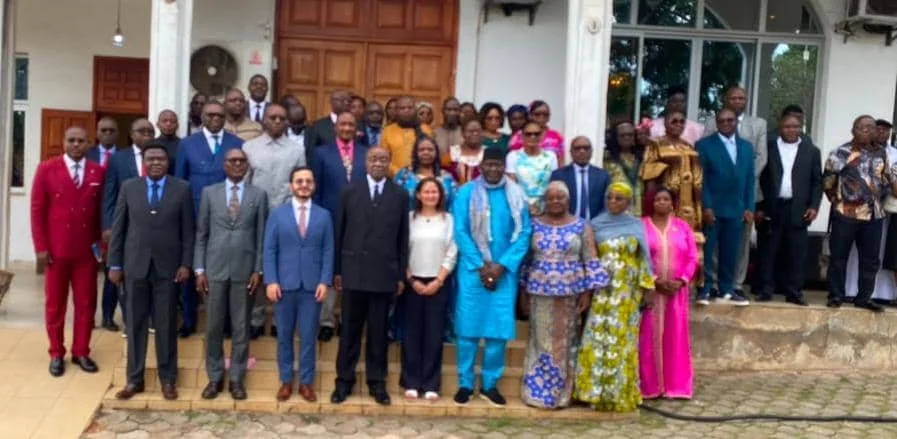
Group photo of many officials and guests in varied attire, posing on the steps in front of a building.

A licence is the authorisation given by the rights holder to use a work or a trademark, under precise conditions. It makes it possible to earn money without losing ownership of one’s creation: a piece of music can be broadcast in a film, a novel adapted into a series, a logo placed on a partner collection.

The elements of a licence

  • The subject: which work, which trademark;
  • The scope: which uses (broadcasting, reproduction, adaptation, translation), which territory, which duration;
  • Exclusivity: exclusive or not;
  • Remuneration: flat fee, percentage of revenue or a combination;
  • Obligations: crediting the author’s name, rendering of accounts, quality control.

After the term of protection

When protection ends, fifty years after the death of the author for economic rights, the work enters the public domain and may be used freely, subject to respect for moral rights. The resale right, at 5%, applies to resales of original works of art.

ℹ️
Moral right

The moral right (authorship, integrity of the work) cannot be assigned: every licence must respect it.

Commitments

Contracts: publishing, production, assignment

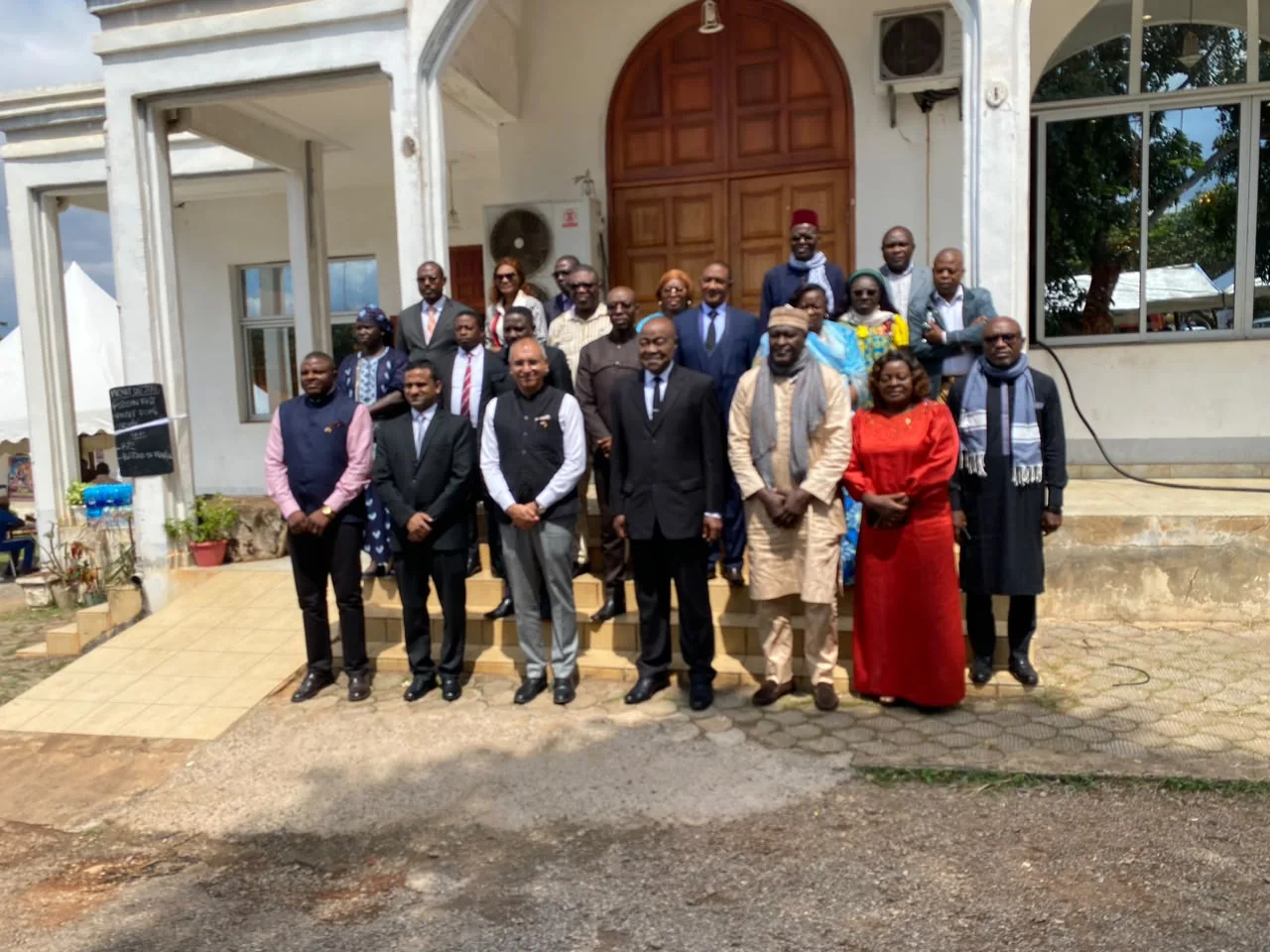
Group of guests in front of the Ministry steps

A well-drafted contract protects both parties. In the cultural industries, three families of contracts come up again and again: publishing contracts (books, music), production contracts (film, performance, recording) and assignment or commission contracts (illustration, composition, photography).

Clauses to examine

  1. The identity of the parties and the precise subject of the contract;
  2. The rights assigned, their scope, duration and territory;
  3. Remuneration and payment dates, sales statements;
  4. The obligations of the publisher or producer: effective exploitation, promotion;
  5. The fate of the work in the event of bankruptcy, non-exploitation or end of contract;
  6. Dispute resolution: mediation before court.

Templates to rely on

The Ministry makes available model contracts for common cases. They serve as a basis for discussion and are supplemented according to the needs of each project. Employment contracts for artists and technicians refer to the social status of the artist.

Preventing conflicts

Keep a written record of every agreement, however short. In the event of disagreement, mediation is a quick and inexpensive route; litigation remains a last resort. The fight against piracy completes the system.

ℹ️
Do not sign without rereading

Take the time to read each clause and to seek the opinion of a lawyer before assigning your rights for a long period.

Support

Intellectual property advice

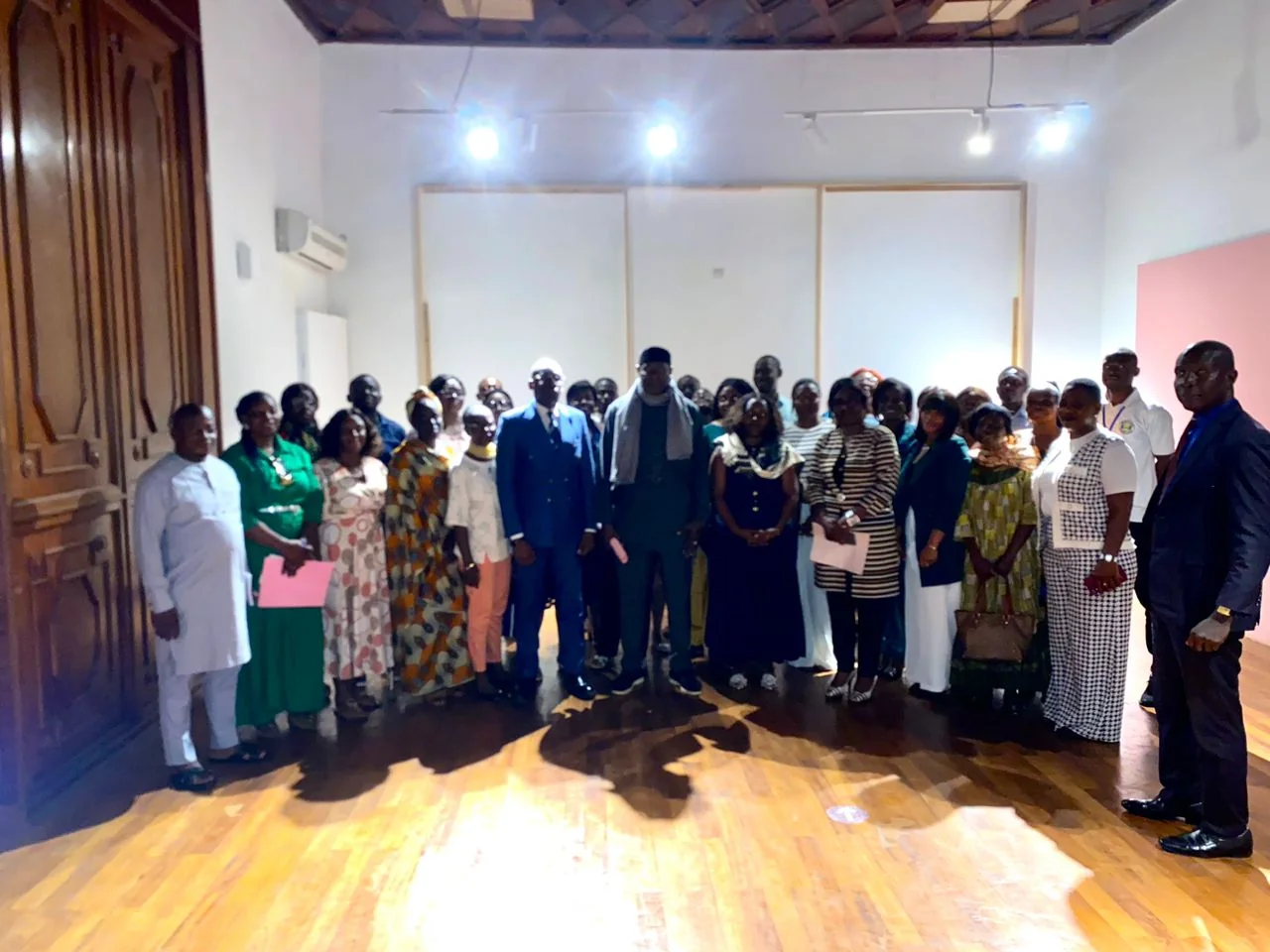
Group of participants in varied outfits posing in the middle of a wooden-floored hall during a Ministry meeting

Protecting a creation can seem complex. The Ministry offers first-level advice, provided by its legal directorate: explanation of rights, referral to the competent body (OAPI for trademarks, collective management society for rights), review of a draft contract, information on the term of protection (life of the author plus fifty years) and on the 5% resale right.

When to seek advice

  • Before signing a publishing, production or assignment contract;
  • Before choosing the name of a label, a festival or a fashion brand;
  • In the event of counterfeiting, plagiarism or piracy of your works;
  • Before publishing online or entrusting your works to a platform.

Going further with a specialist

For complex files, a lawyer or an industrial property attorney takes over. The Ministry’s training courses also raise awareness among professionals, see copyright training. To declare your works, see declare a work and the register of works.

ℹ️
Write to the Ministry

Describe your situation and attach the relevant documents: the legal directorate replies in writing and can propose an appointment.

Basics

Copyright: protection without formalities

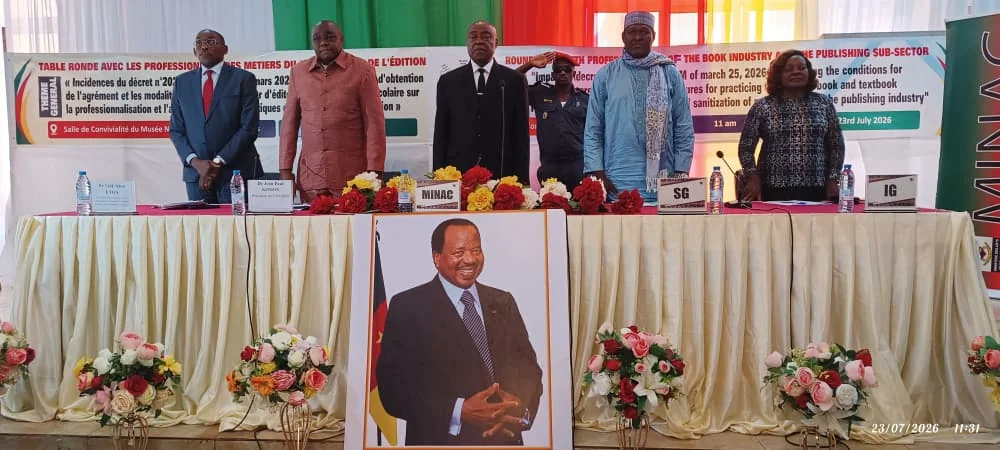
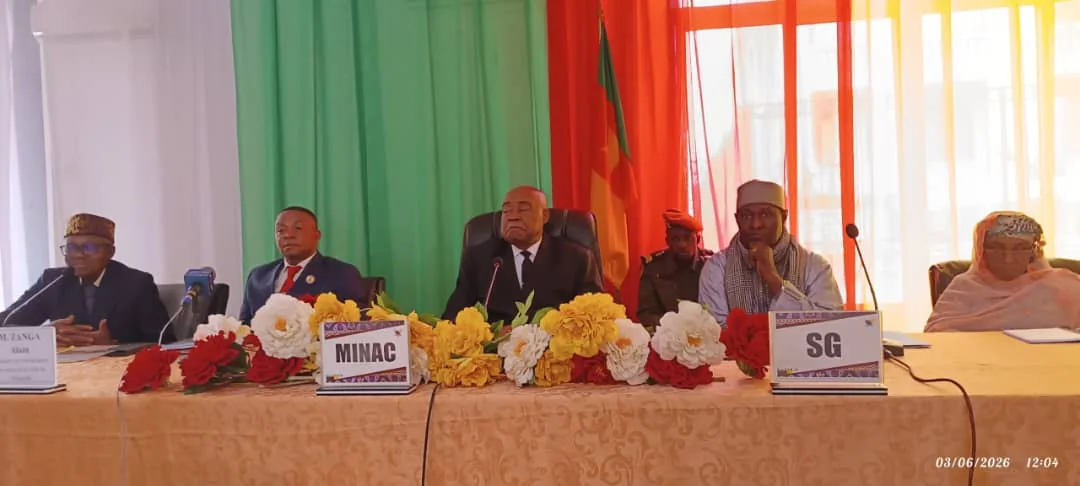
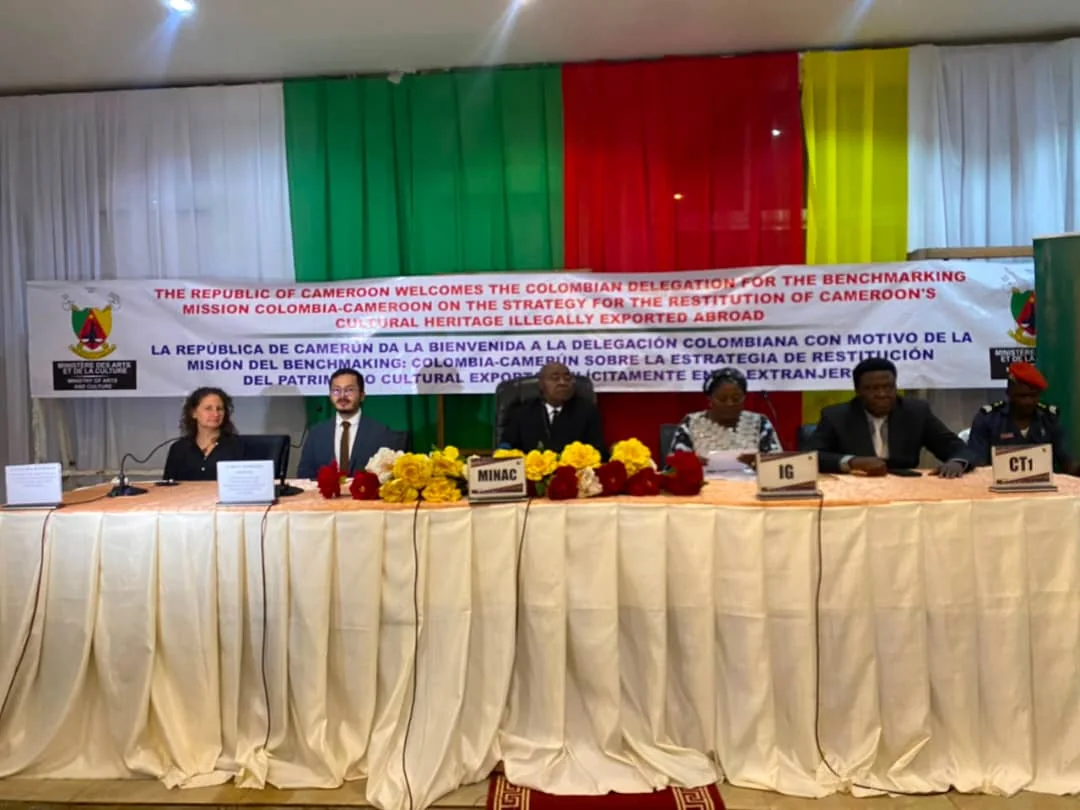
Five officials stand behind a conference table decorated with flowers and a portrait of the Head of State, at a round table on the publishing sector.

Every original work of the mind (text, music, image, choreography, film, software) is protected from its creation, without registration. Copyright comprises a moral right, perpetual and inalienable, and economic rights, which last for the life of the author and fifty years after their death under law 2000/011. To date a creation, it is recommended to deposit or declare it. See copyright and neighbouring rights.

Knowledge

Protecting collective heritage and traditional knowledge

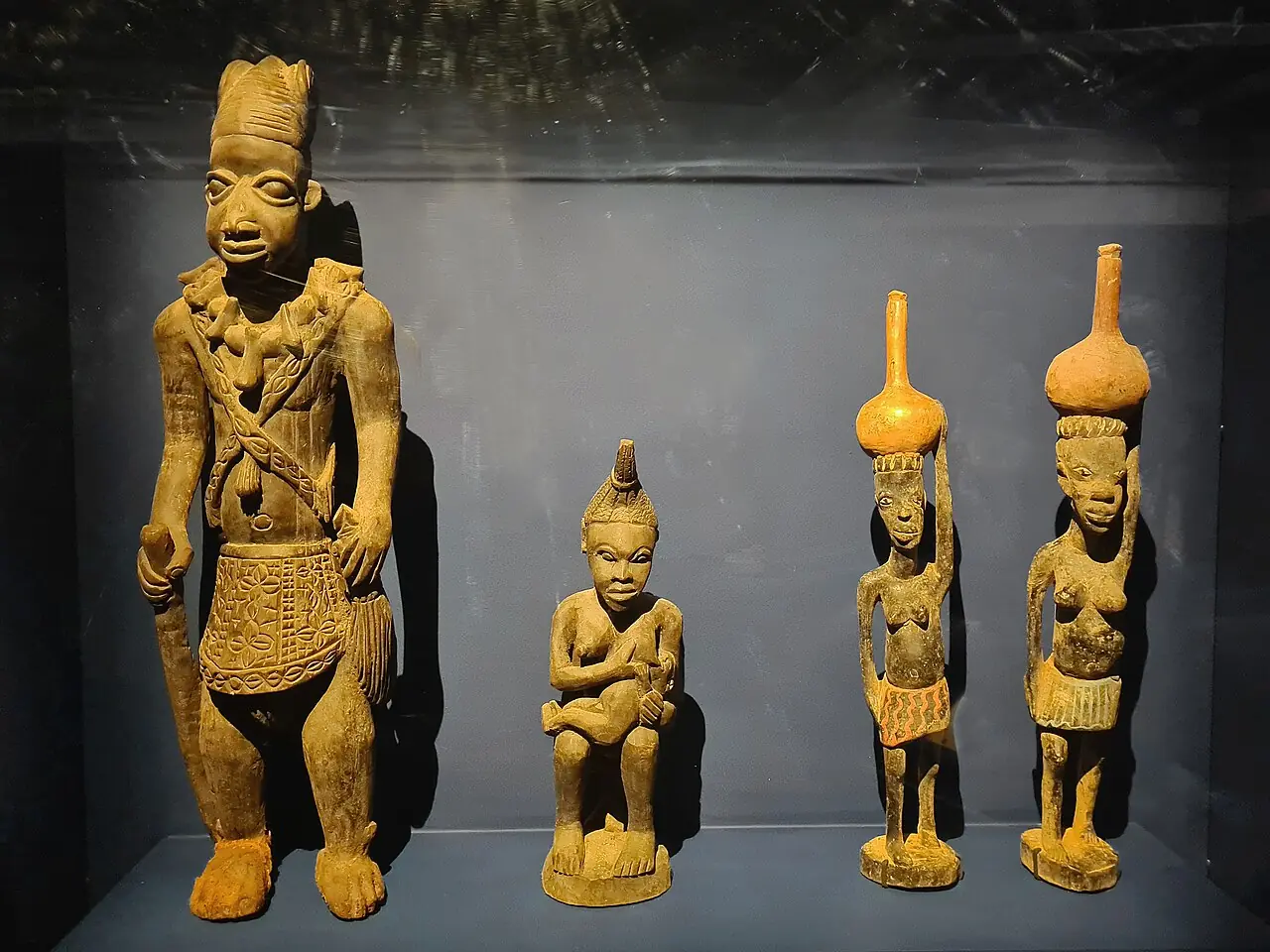
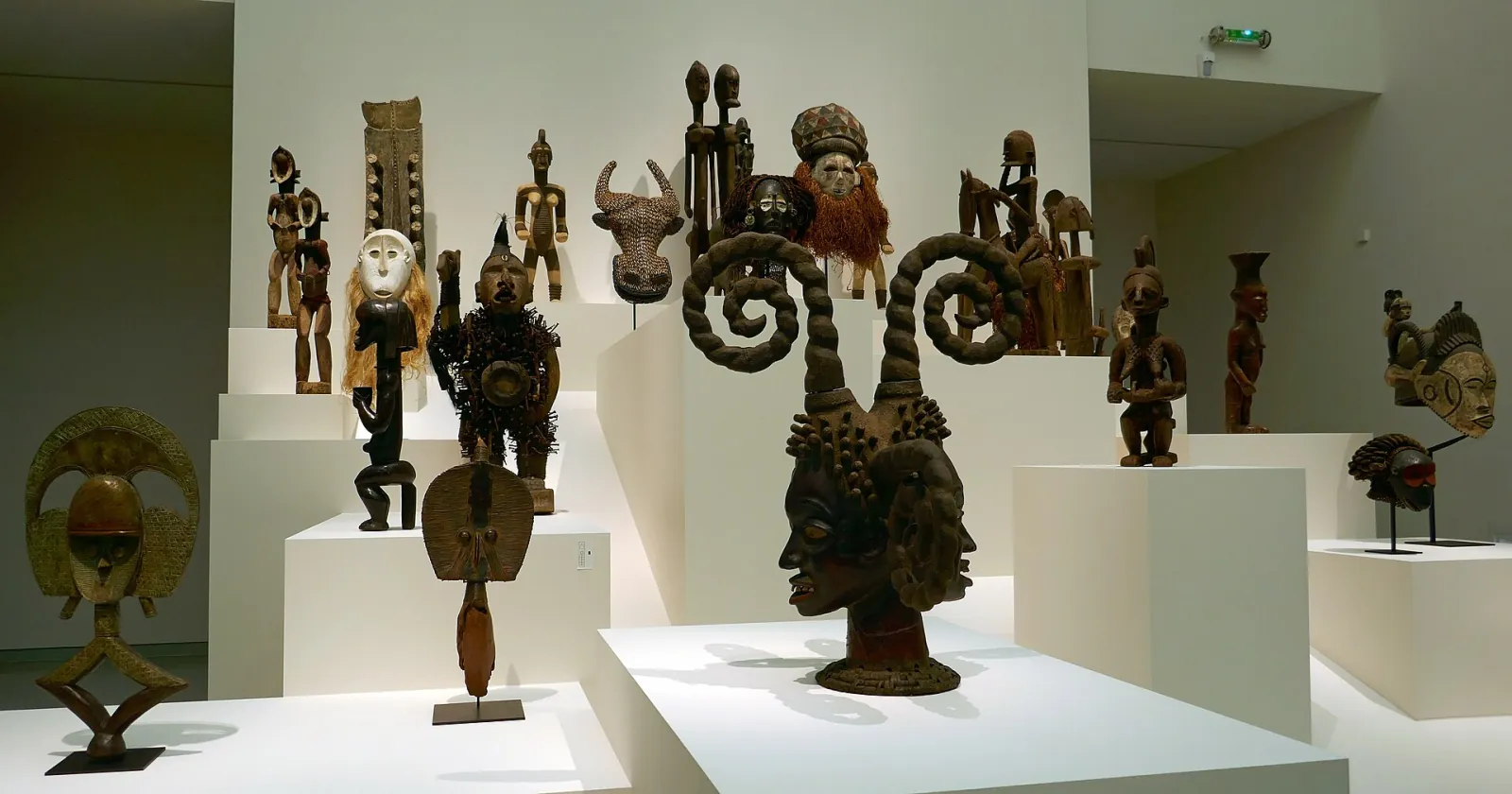
Carved wooden Bati-style statuettes displayed in a showcase

Traditional cultural expressions (dances, tales, motifs, weaving techniques) belong to communities rather than to an individual author. Their protection follows specific rules, discussed at the OMPI and UNESCO, and the partnership entered into in 2026 with the IIPO for the promotion of indigenous heritage forms part of this reflection. In practical terms, the Ministry recommends inventorying knowledge with the consent of the community concerned, recording the agreed conditions of use (who may reproduce a motif, in what context, with what sharing of benefits) and, where useful, registering a collective mark or a label in the name of the community. See intangible heritage and traditional know-how.

Step by step

Securing a creation from idea to exploitation

Create and date

Keep drafts, source files and recordings, and declare the work to fix its date of existence.

Choose the name

Check the availability of the name of your organisation or product, then register the trademark with the OAPI.

Negotiate

Draft or review contracts with an adviser: rights assigned, duration, territory, remuneration.

Authorise

Grant licences suited to each use and join a collective management body.

Monitor

Spot unauthorised uses, copies and counterfeits, online and on the market.

Defend

Send a formal notice, attempt mediation, then, if necessary, bring an action before the competent court.

To explore

Intellectual property in other sections

Journey

Creators talk about their rights

“
By registering my label’s name with the OAPI, I was able to prevent an imitation in another market of the sub-region.
A music producer
Littoral
“
The model contract served as a basis for negotiating my first publishing deal: I kept my adaptation rights.
A novelist
Centre
“
We learned that the term of protection extends over the life of the author and fifty years more; we organised the succession of our catalogue.
An heir of a composer
West
“
Mediation spared us a trial with a distributor: the agreement was reached in two sessions.
An independent filmmaker
South-West
To download

Templates and guides for protection

“Economic rights last for fifty years after the death of the author: passing on one’s rights also means passing on a story to one’s heirs.”

Law 2000/011, copyright and neighbouring rights
Glossary

The words of intellectual property

Copyright

All the moral and economic rights that protect an original work.

Moral right

The author’s right to their name and to respect for their work, perpetual and inalienable.

Economic rights

Rights to exploit the work and derive income from it, during the life of the author plus fifty years.

Neighbouring rights

Rights of performers, phonogram producers and broadcasting organisations.

Resale right

Percentage, set at 5%, collected for the benefit of the artist upon the resale of an original work.

Brand

Registered distinctive sign that identifies the goods or services of an enterprise.

OAPI

African Intellectual Property Organisation, with which trademarks are registered.

OMPI

World Intellectual Property Organisation, a specialised agency of the United Nations.

Licence

Authorisation to use a work or a trademark under conditions set by contract.

Assignment

Transfer of exploitation rights from the author to a third party.

Infringement

Unauthorised reproduction or use of a protected work or trademark.

To act

Protection procedures

Register a work

Date your creation and obtain proof of prior existence by declaring it in the register of works, with a file of the work and your author’s details.

Register

Model contracts

Download model publishing, production, assignment and commission contracts, to adapt to your project before having them reviewed by a lawyer.

Consult

Mediation

Settle a dispute with a publisher, producer or distributor without going to court, thanks to a neutral mediator who facilitates agreement.

Request mediation
On the site

Resources to protect better

Resources

Useful links for protection

Stakeholders

Who protects creations?

Key facts

The protections in a table

SubjectProtectionFormalityDuration
Work (book, music, image, choreography)Copyright (law 2000/011)None, declaration advisedLife of the author + 50 years
Performance, phonogram, broadcastNeighbouring rightsNoneUnder the law, several decades
Name, logo, sloganBrandRegistration with OAPI10 years, renewable
Resale of an original work of artResale rightCollection by the competent body5% of the resale price
Design or model (fashion, object)Industrial design and modelRegistration with OAPIRenewable period
Technical inventionPatentRegistration with OAPI20 years
Traditional knowledgeCollective protectionInventory, community recognitionNo time limit
Journey

Intellectual property in Cameroon

1977Bangui Agreement

The member States create the OAPI and a common system for the protection of industrial property.

2000Law 2000/011

Cameroon adopts the law on copyright and neighbouring rights, which organises collective management.

2010sCollective management

The collecting bodies are structured and the fight against piracy intensifies.

2020sDigital

Digital neighbouring rights, platforms and online licences become a major issue.

2026Partnerships

The Ministry strengthens its links with the OAPI, the OMPI and its foreign partners around the promotion of creations.

Questions

Your questions about intellectual property

Is my work protected without formalities?

Yes. An original work is protected from its creation, without compulsory registration. A declaration or deposit is nevertheless advised: it dates your creation and makes proof easier in the event of a dispute.

How long do economic rights last?

Under law 2000/011, economic rights last for the life of the author and fifty years after their death. After this period, the work falls into the public domain, while remaining subject to respect for moral rights.

What is the resale right?

It is the right of a visual artist to receive a percentage, set at 5%, on resales of their original works. It enables them to benefit from the increase in value of their works over time.

Where can I register a trademark?

With the OAPI, the African Intellectual Property Organisation. A single registration protects the trademark in all member States. You must specify the goods or services concerned and first check that no similar trademark exists.

What is the OMPI for?

The World Intellectual Property Organisation is the United Nations agency that administers the international treaties on copyright and trademarks, and offers international registration systems to extend protection.

Can I assign all my rights to a publisher?

You can assign exploitation rights, but not your moral right. The contract must specify the rights assigned, the duration, the territory and the remuneration. It is best to avoid blanket, unlimited assignments.

What should I do if my work is copied?

Gather evidence (dates, screenshots, copies), send a formal notice, report the facts to the Ministry and consider mediation. Legal action remains possible to obtain cessation and damages.

Can the Ministry review my contract?

Yes, for first-level advice. Send the draft contract to the legal directorate with a presentation of your project. For a complex file, a specialised lawyer will then take over.

Contact

Ask a question on intellectual property

Describe your work or trademark and the difficulty encountered: your message is forwarded to the legal directorate.

Competent directorate

Contact the legal directorate

Address

Directorate of General Affairs – Legal Service
Ministry of Arts and Culture
Quartier du Lac – Ministerial Zone
P.O. Box 1053 Yaoundé, Centre Region, Cameroon

Reach us

+237 6 51 70 58 41

contact@minac.gov.cm

Opening hours

Monday to Friday, 8 am to 4 pm

A creation to protect?

Consult the copyright information, the royalty scales and the declaration procedures to secure your works.

See copyright
WhatsApp