Coat of arms of CameroonMinistry of Arts
and Culture
Republic of Cameroon
My procedures
Home
Minister’s message
News
Press releases
Cultural calendar
Official speeches
Press review
Photo library
Video library
Calls for projects
Job vacancies
Public procurement
Newsletter
Frequently asked questions
Site map
Contact
Press area
Podcast “The Voice of Culture”
Legal notices
Privacy policy
Cookies and trackers
The Ministry
Missions and responsibilities
Organisation
Organisation chart
Minister’s Office (Cabinet)
Management team
General Secretariat
General Inspectorate
Central directorates
Regional Delegations
Institutions under supervision
Legislative texts
Regulatory texts
Sector strategy
Major projects
Budget and reports
Partners
Careers
Archives
Institutional communication
Quality and accessibility
Arts
Visual and plastic arts
Visual arts
Performing arts
Theatre
Dance
Music
Literature and books
Cinema and audiovisual
Photography
Fashion and design
Digital arts
Art crafts
Artists’ directory
Residencies
Prizes and awards
Arts education
Urban arts
Heritage
Tangible heritage
Intangible heritage
UNESCO sites
National museums
Listed monuments
National inventory
Palaces and chiefdoms
Archaeology
Linguistic heritage
Oral traditions
Traditional know-how
Restitution of cultural property
Fight against illicit trafficking
Listing and protection
Conservation and restoration
Heritage Days
Cultural landscapes
Industries
Music and recording
Cinema
Publishing and books
Digital arts
Fashion and creativity
Crafts
Cultural tourism
Funding for culture
Support funds
Incubators
Cultural entrepreneurship
Culture Observatory
Vocational training
Studies and reports
Sector statistics
Export and outreach
Intellectual property
Copyright
Legal framework
Copyright and neighbouring rights
Collective management societies
Register a work
Licences
Private copying
Fight against piracy
Model contracts
Social status of artists
Mediation
Disputes
Training
Fee scales
Register of works
Contact
Digital neighbouring rights
Public domain
Festivals
National calendar
Ngondo
Nguon
Écrans Noirs
Heritage Days
Music Day
Regional festivals
Fairs and exhibitions
Biennials
National competitions
Cultural days
Organise a festival
Event grants
Ticketing
Archives
Volunteering
Diaspora festivals
Regions
Adamawa
Centre
East
Far North
Littoral
North
North-West
West
South
South-West
Cultural map
Regional Delegations
Traditional chiefdoms
National languages
Cultural routes
Decentralised cooperation
Regional observatory
Cooperation
UNESCO
Francophonie (OIF)
African Union
Commonwealth
CEMAC
Bilateral cooperation
Cultural agreements
Professional organisations
Scholarships
Artist exchanges
Cultural years
Diaspora
Funded projects
Embassies
Technical partners
International restitution
International monitoring and calls
Services
Artist card
Show authorisation
Filming authorisation
Festival authorisation
Deposit of a work
Export of works of art
Listing of a property
Grant application
Association accreditation
File tracking
Forms
Fees
Opening hours and addresses
Reporting
Online help
My account
One-Stop Shop
Cooperation

Cultural agreements

Register, texts, joint commissions, implementation programmes and negotiations: how Cameroon’s cultural agreements are recorded, read, applied and prepared, and what they enable for artists and institutions.

Updated on 6 November 20264 sub-pages
Families of agreements monitored4
Stages of the procedure6
Follow-up meeting per agreement1 per year
Central follow-upCooperation unit
Cooperation frameworks

Cultural agreements for action

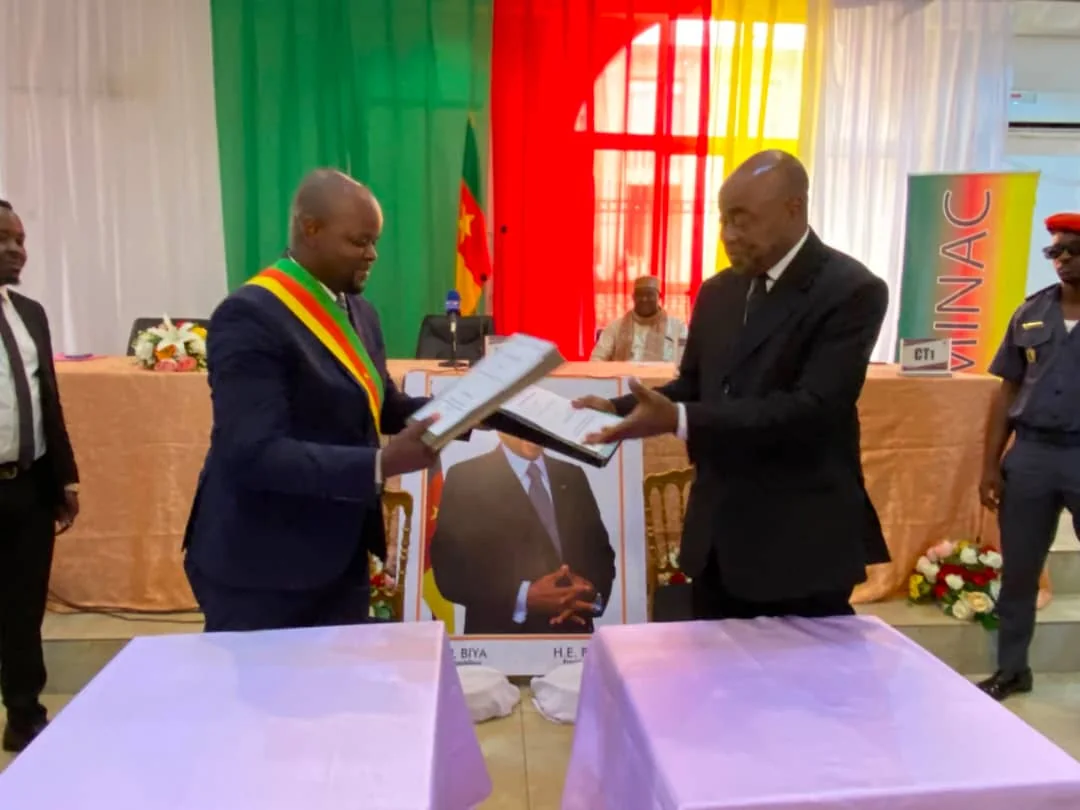
Signing of an agreement in front of the portrait of the Head of State

A cultural agreement is a commitment between states, or between a state and an international organisation, that sets the framework for exchanges: circulation of artists, training, heritage protection, creative industries, scholarships. It has value only through what it makes possible: tours, internships, exhibitions, expert missions.

This page explains how the Ministry of Arts and Culture records, reads, applies and prepares these agreements, in connection with national regulatory texts and with the bilateral cooperation conducted country by country. It is intended for artists, institutions and foreign partners.

  • A register of agreements kept by the cooperation Unit
  • Texts available for consultation with their chain of ratification
  • Joint commissions and implementation programmes followed every year
See the list of agreements
List of agreements

The list of agreements: how it is kept and read

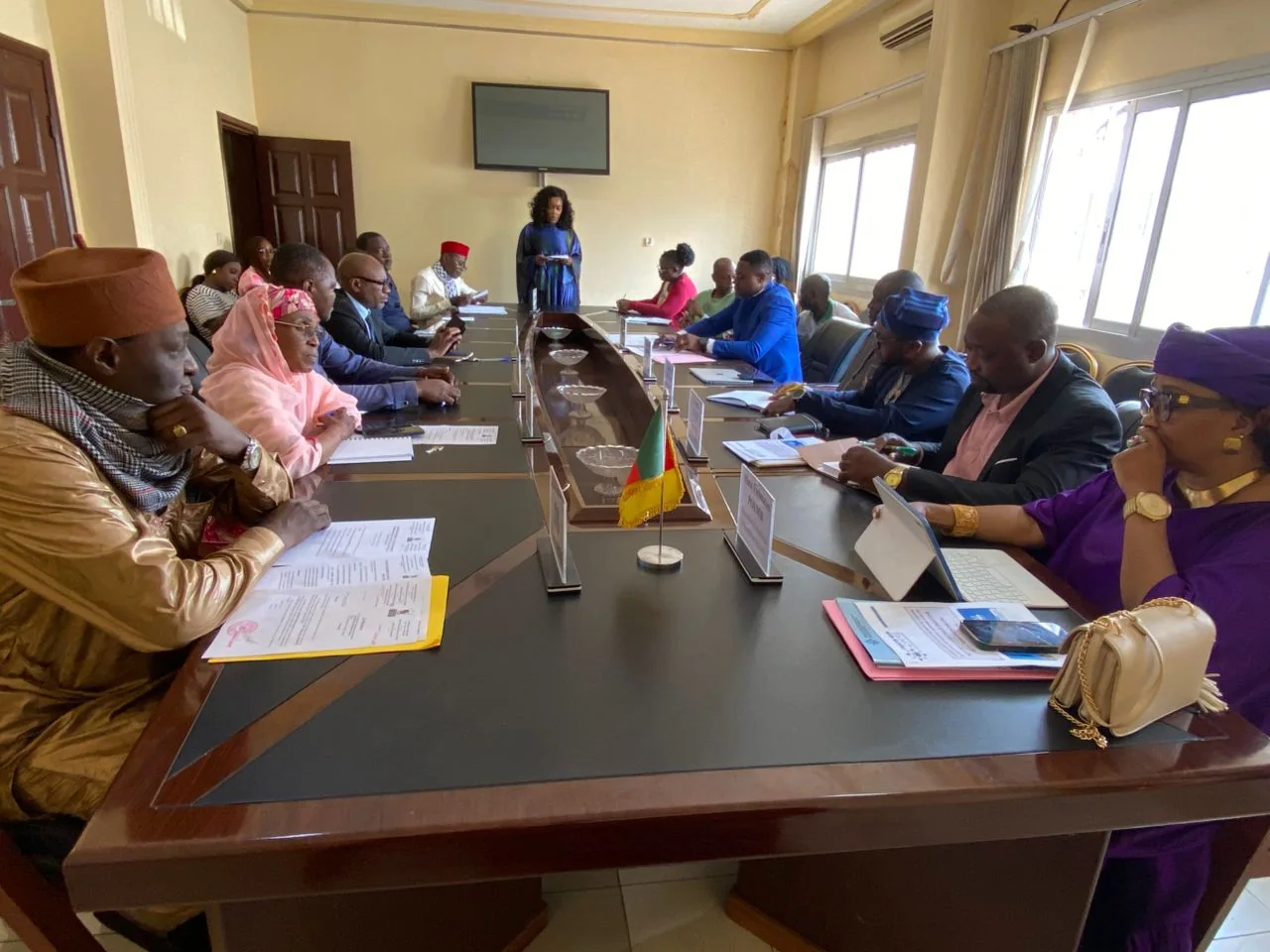
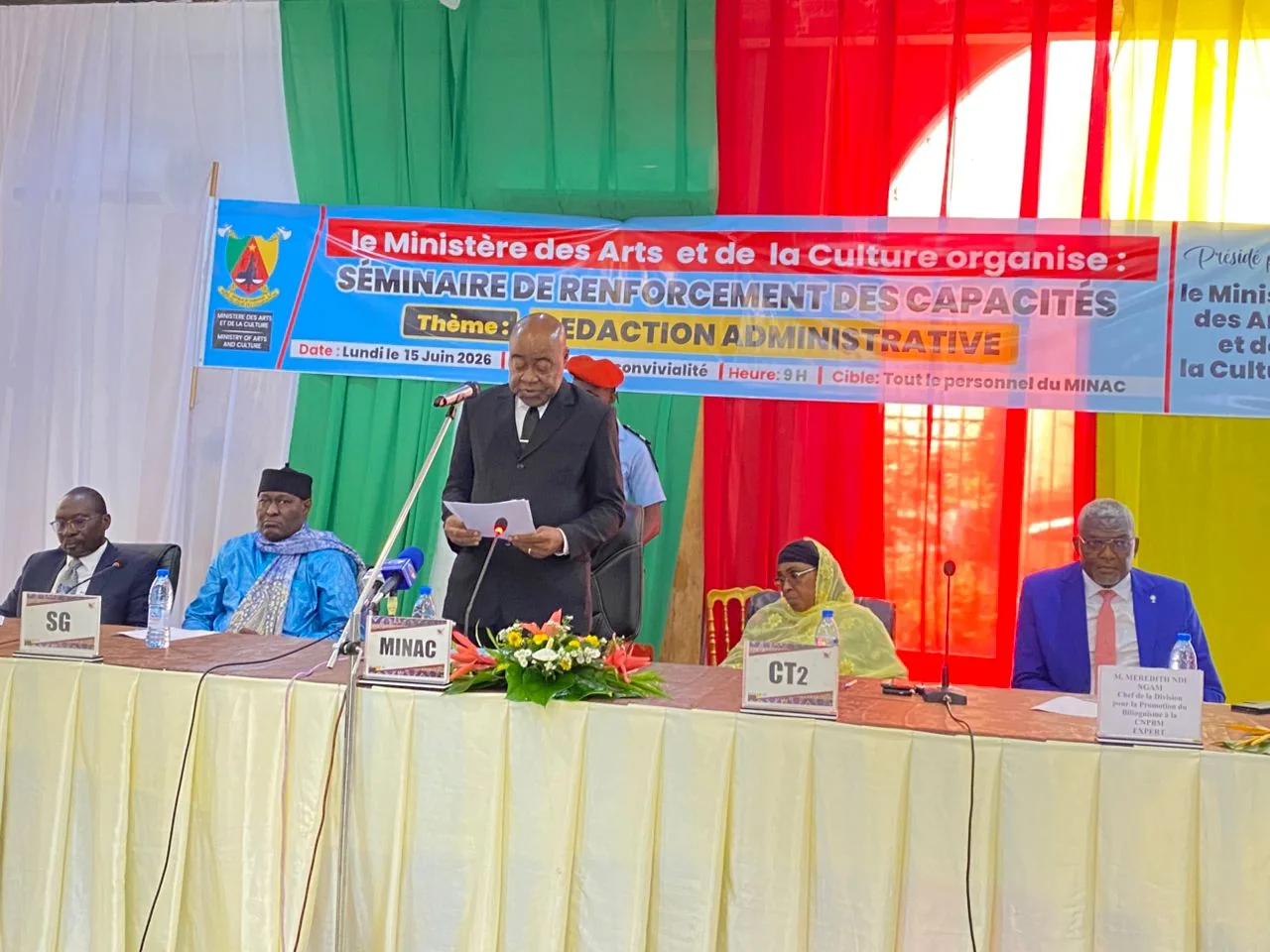
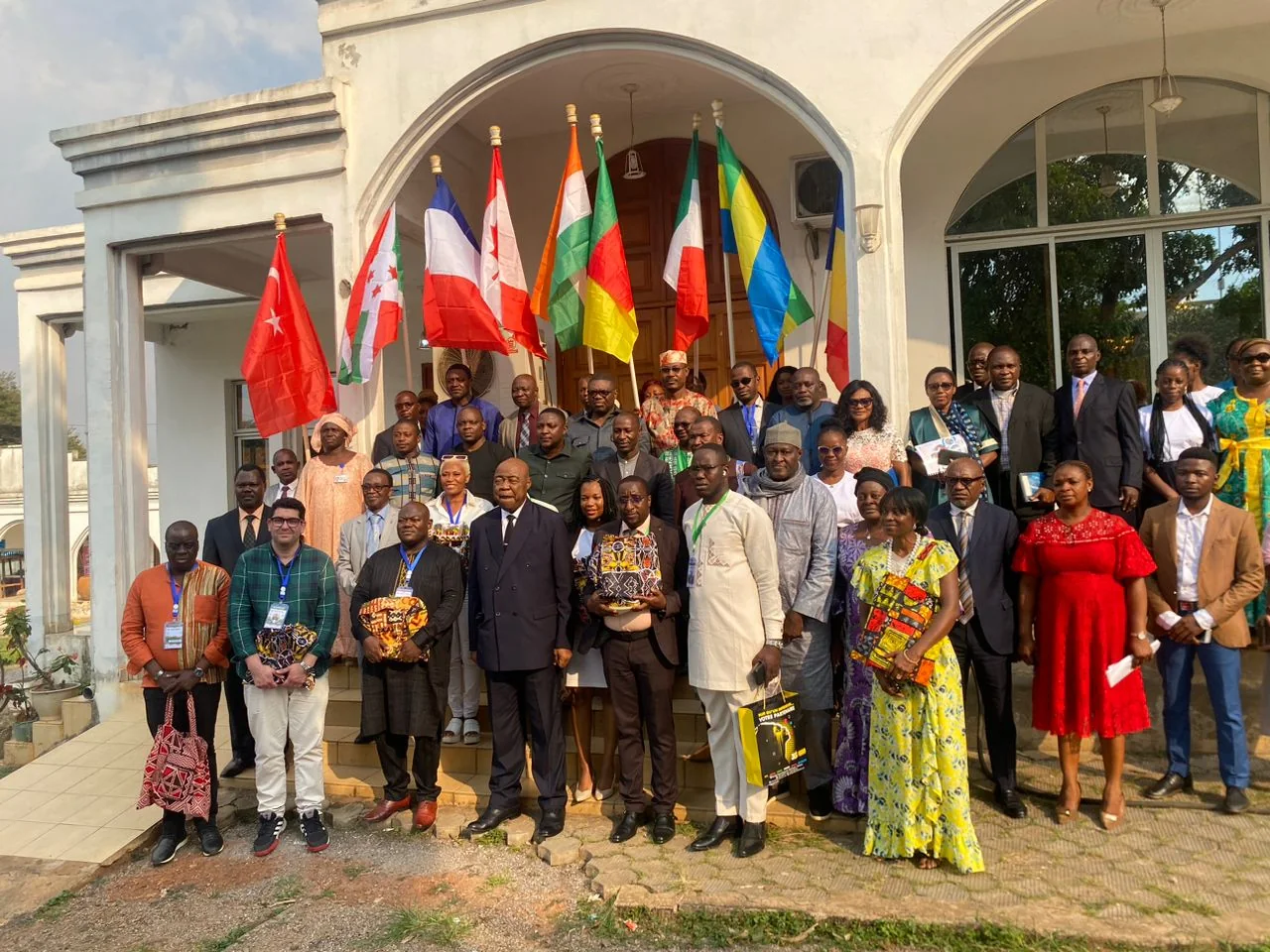
Working meeting around a large table in a Ministry room

The Ministry keeps a register of agreements and conventions that include a cultural component. This register is not a mere list: for each instrument, it records the partner, the field covered, the state of the procedure, the service in charge of implementation and the date of the next follow-up meeting. The recording is done in liaison with the external relations services, which alone are competent to certify that a text is in force; this is why each agreement is presented with its official reference and its date of entry into force.

Four families of agreements

  • General bilateral agreements, which include a cultural chapter;
  • Specialised cultural agreements, devoted to one field: cinema, heritage, arts education;
  • Multilateral conventions, such as those of UNESCO or the charters of the African Union;
  • Technical arrangements between institutions: museums, archives, art schools.

Reading an agreement sheet

Each sheet indicates the scope, the potential beneficiaries (artists, museums, associations), the procedures to follow and the service to contact. An artist who wishes to benefit from an agreement will find the steps to follow there, from the application for a performance authorisation to the application for an artist card. Interested organisations can also consult the list of embassies to identify their local contact.

ℹ️
Update

The register is reviewed every six months by the cooperation Unit, in liaison with the foreign affairs services.

Texts

The texts: where to find them and how to understand them

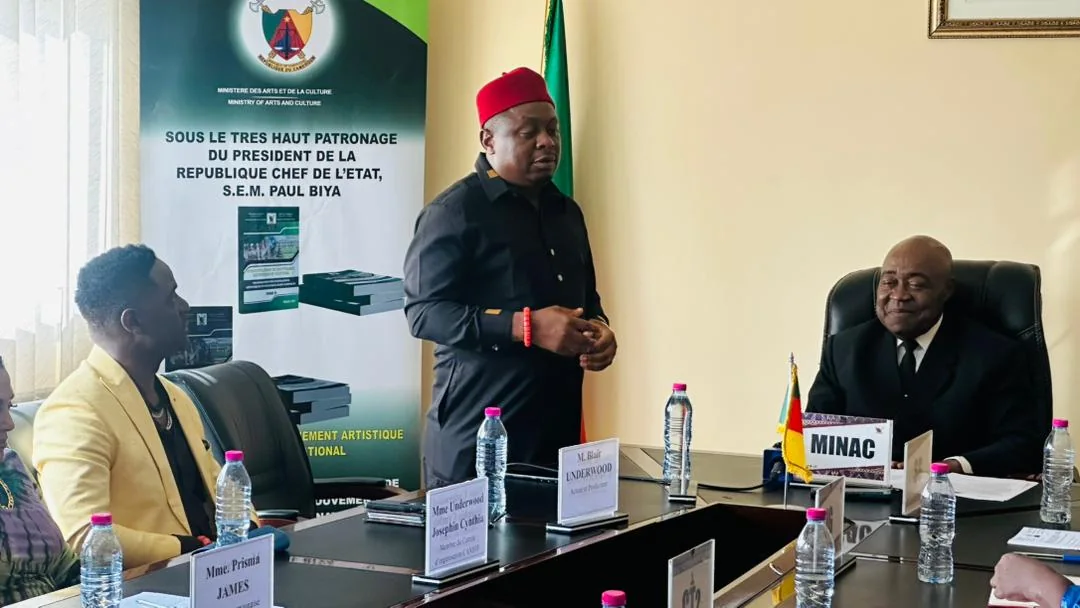
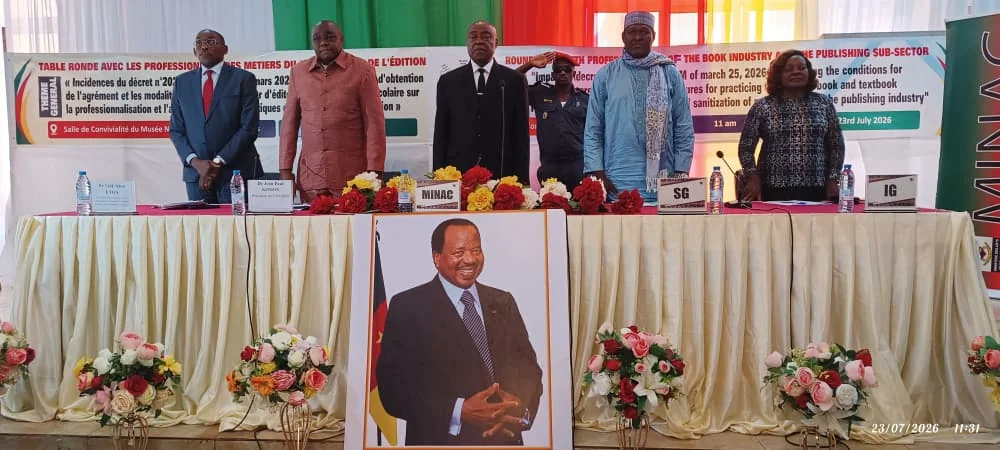
Working meeting in a Ministry office under the high patronage of the Head of State

An agreement consists of a main text, sometimes accompanied by annexes, additional protocols and exchanges of letters. The Ministry ensures that the texts are made available in their full version, with a note of the procedure followed: signature, authorisation to ratify, ratification, entry into force. The general framework is that of the sector’s legislative texts and the sectoral strategy.

Reading a text in five questions

  1. Who are the parties and who represents them?
  2. Which cultural fields are covered?
  3. What obligations does each party bear?
  4. What is the duration, and how is the text renewed?
  5. Who monitors implementation and on what schedule?

The link with national law

Once ratified, an agreement applies according to the country’s hierarchy of norms. It may call for implementing measures: a circular, an order, a form, a scale of fees. Artists and operators are then informed through the site, the Regional Delegations and the collective management societies concerned. For the protection of works, the foundation remains the legal framework of copyright and the rules on intellectual property.

The texts are filed by partner and by field, with a summary of a few lines in plain language.

ℹ️
Need a text?

To obtain a copy of a text or an explanation, write to the cooperation Unit, stating the country or organisation concerned.

Implementation

Implementation: joint commissions and implementation programmes

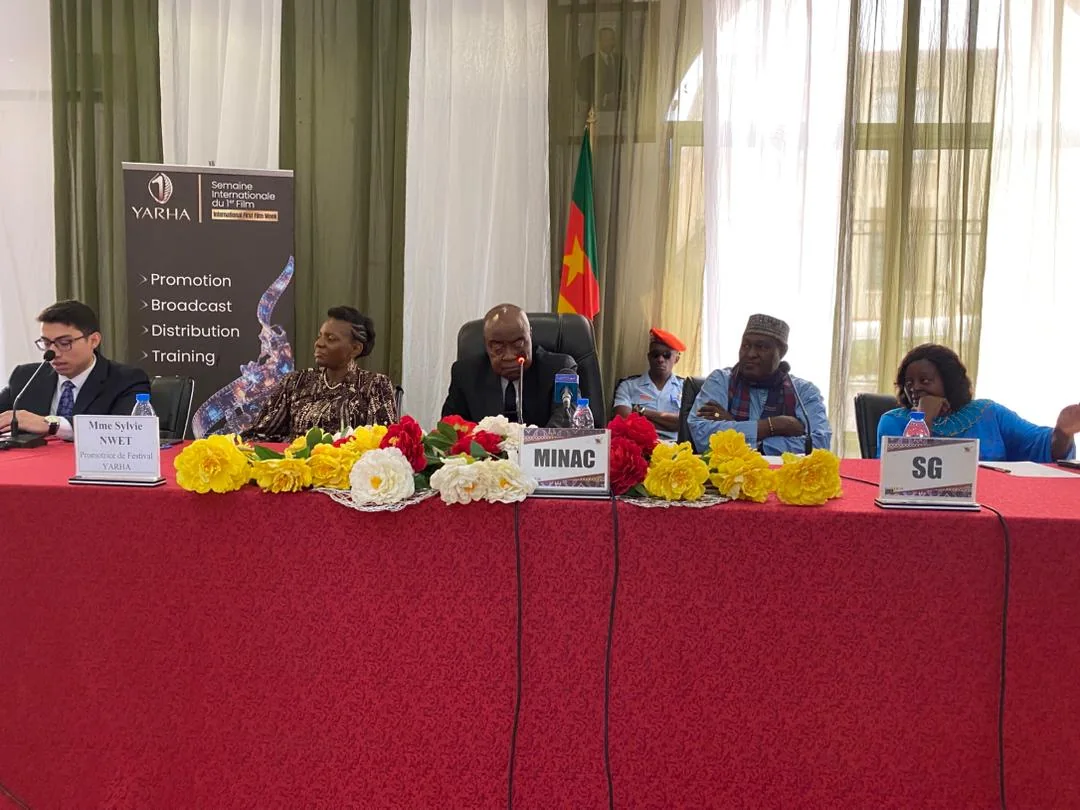
Ministry working meeting around a flower-decked table

Signing is not enough: what matters is played out in implementation. Two instruments make it possible to move from text to action. The joint commission brings together the delegations of the parties, in principle every year and alternately in each country, to review progress. The implementation programme then translates the agreement into costed and dated actions: number of scholarships, tours, exhibitions, expert missions.

Monitoring indicators

  • Number of artists who travelled thanks to the agreement;
  • Number of scholarships opened and used, see the scholarships page;
  • Training actions carried out;
  • Volume of funding mobilised from partners.

When the agreement has no effect

A dormant agreement is quickly spotted: no more meetings, no more projects. The Ministry then proposes a relaunch, a revision of the programme or a refocusing on a specific field, as was the case with the “new impetus” requested for the relationship with Morocco.

ℹ️
Dashboard

The cooperation Unit maintains a dashboard for each agreement, presented to the Directorate General before each joint commission.

Negotiations

The negotiations: how a future agreement is prepared

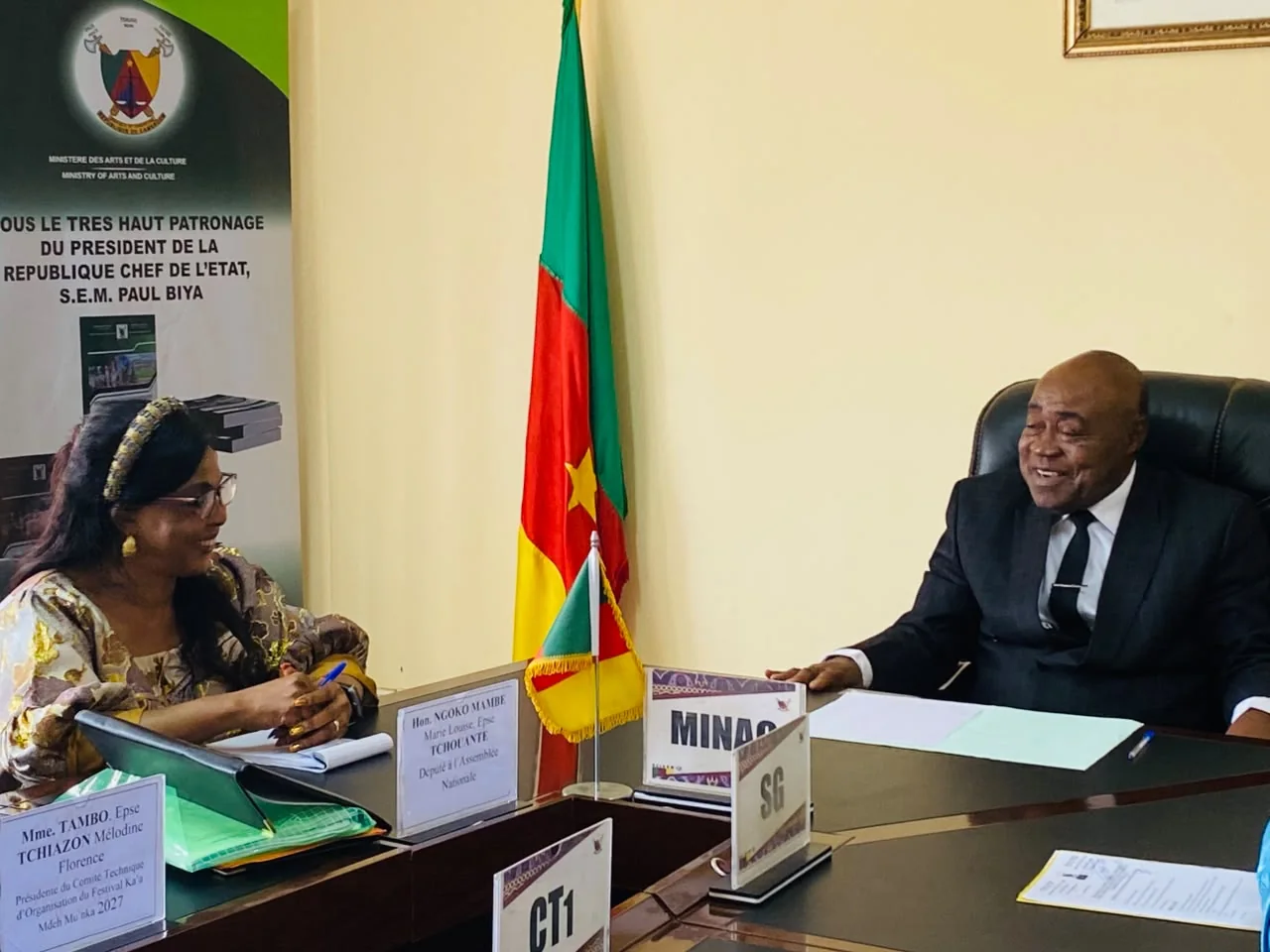
The Minister and the Secretary General meeting in an office of the Ministry

An agreement is negotiated well before signing. The starting point is often an audience, a mission or a need expressed by the sector. In 2026, the audiences with the ambassadors of Morocco, Japan and Equatorial Guinea, the mission with Colombia on the repatriation of cultural property and the discussions on opportunities with India opened avenues that the cooperation Unit is examining.

The stages of negotiation

The Ministry first defines its position: what it expects, what it can offer, the lines not to be crossed. It then consults the Directorates, institutions and, depending on the case, professional organisations. A draft text is then proposed to the partner through diplomatic channels, negotiated in a meeting, then submitted to the competent authorities.

Principles the Ministry upholds

  • Genuine reciprocity of benefits;
  • Respect for intellectual property and the rights of artists, see copyright and neighbouring rights;
  • Protection of heritage and the fight against illicit trafficking;
  • Easier mobility of artists and works.

Confidentiality and information

A negotiation in progress is not made public: its elements become public only once the text is concluded. Cultural stakeholders can nevertheless pass on their expectations through the contact form, which helps to inform the national position.

ℹ️
Make your voice heard

An artist, an association or a federation may submit a written contribution before a negotiation affecting their sector begins.

Procedure

From first exchange to entry into force

Identifying the need

The sector, an embassy or the Ministry finds that a framework is useful: training, artist circulation, protection of collections, cooperation between institutions.

National position

The cooperation Unit consults the Directorates concerned, gathers the expectations of professionals and sets the objectives of the negotiation.

Negotiating the text

The delegations exchange drafts, discuss the clauses and draw up a joint version, with the support of the legal experts of the departments concerned.

Signature

The authorised representatives of each state sign the text, which binds the parties subject to the internal procedure of each.

Ratification

The text follows the national authorisation and ratification procedure, then the states inform one another of the completion of their formalities.

Execution

An implementation programme is adopted, a joint commission is set up and the technical Directorates launch the first actions.

Key facts

The families of agreements at a glance

FamilyPartnersTypical fieldsTracking
General bilateral agreementOne partner stateEducation, culture, science, youthAnnual joint commission
Specialised cultural agreementOne partner stateCinema, heritage, performing arts, publishingBiennial implementation programme
Multilateral conventionInternational organisation, several statesHeritage, diversity of expressions, fight against illicit traffickingPeriodic reports, committees
Regional charterStates of the African Union or CEMACCultural principles, circulation, industriesSub-regional meetings
Technical arrangementForeign museum, archive, art schoolInternships, loans of objects, training, digitisationImplementing convention
Artist exchange protocolForeign institutions and festivalsTours, residencies, invitationsReview after each season
Typical calendar

The annual cycle of a cultural agreement

JanuaryReview of the register

The cooperation Unit updates the sheet for each agreement, checks the state of procedures and identifies dormant agreements to relaunch.

MarchConsultation of the Directorates

The technical Directorates and institutions propose their actions for the year and the corresponding funding needs.

JunePreparation of the commission

The review of the past year is drafted, the programme proposals are finalised and the agenda is sent to the partner.

SeptemberJoint commission

The delegations meet, sign the minutes and set the implementation programme for the following year.

NovemberInforming artists

The openings for scholarships, residencies and tours provided for in the programme are published in the agenda and the monitoring.

To explore

Cultural agreements in other sections

“An agreement is worth less for its signature than for the number of artists, students and museums that benefit from it.”

A member of staff of the cooperation Unit
In the field

What the agreements change for those who use them

“
Thanks to the implementation programme, two of our young curators were able to complete a three-month internship in a partner museum.
A museum director
Yaoundé
“
I did not know that an agreement made it easier for my show to travel; the regional delegation told me what steps to follow.
A choreographer
Garoua
“
The joint commission requires us to report every year: that is what keeps the agreements alive.
A lawyer in the cooperation unit
Yaoundé
“
Agreements are more useful when professional federations are consulted before the negotiation.
A head of a producers’ federation
Douala
To act

Procedures related to agreements

Request a text

Write to the Ministry to obtain a copy of an agreement and a summary of its implementation.

Write to the unit

Submit a contribution

Share your expectations before a negotiation concerning your sector opens.

Contribute

Apply for funding

A trip provided for under an agreement can be supported by a grant.

View the grant

Track a file

Check the status of your application using the file number issued at submission.

Track my file
Worth reading

The documents in the cultural agreements file

Glossary

The terms of cultural agreements

Agreement

A commitment concluded between States or organisations, setting out reciprocal rights and obligations.

Convention

An international text, often multilateral, open to signature or accession by many States.

Ratification

An act by which a State confirms, in accordance with its internal procedure, that it is bound by a signed agreement.

Joint commission

A joint body bringing together both parties to monitor the implementation of an agreement and decide on follow-up.

Implementation programme

A costed and dated plan of the actions that turn an agreement into concrete projects.

Additional protocol

A text that supplements or amends an existing agreement without replacing it.

Entry into force

The point from which an agreement produces its legal effects between the parties.

Reciprocity

The principle whereby each party grants the other comparable advantages.

Membership

An act by which a State becomes a party to a convention in which it did not take part from the outset.

Minutes

A signed record of the decisions taken at a joint commission.

On the site

Continue with international partners

Resources

Useful links to understand agreements

Stakeholders

Who negotiates and monitors agreements?

Questions

Your questions about cultural agreements

Where can I read a cultural agreement in force?

The texts are filed by partner and by field in the dedicated section, with a summary in plain language. To obtain the full text, a certified copy or an explanation of its effects, send your request to the cooperation unit, stating the country or organisation.

Who negotiates Cameroon’s cultural agreements?

Negotiation is conducted by the department in charge of external relations, with technical support from the Ministry of Arts and Culture. The Ministry provides sectoral expertise, consults its directorates and professionals, and then oversees the implementation of the cultural components once the agreement is in force.

Can an artist invoke an agreement?

An artist benefits from an agreement through the schemes it sets up: scholarships, tours, residencies, travel facilities. An artist does not invoke it alone, but relies on the regional delegation or the cooperation unit to find out which procedures to start and with which embassy.

What happens when an agreement is dormant?

When no follow-up meeting or project has taken place for a long time, the Ministry proposes a relaunch to the partner: updating the programme, a new joint commission, refocusing on a specific field. Audiences with ambassadors often serve as the starting point for this relaunch.

Why are some negotiations not public?

As long as a text is under discussion, it may change and each state must be able to defend its position. Publication takes place only after conclusion. However, professionals can submit their expectations beforehand, and audiences and missions are made public in the news.

How does an agreement protect heritage?

International conventions lay down rules on protection, cooperation between states and the restitution of property that left illicitly. In Cameroon, they apply alongside the national rules on listing and on the fight against trafficking. The mission with Colombia in early July 2026 follows this logic.

Does an agreement guarantee funding?

Not automatically. The agreement sets a framework; funding is specified in the implementation programme or mobilised from partners. For a trip or a project, you must submit a grant application or respond to open calls, indicating the agreement concerned in the file.

How do I propose a field for inclusion in a future agreement?

Write to the Ministry with a short note: the sector concerned, the need identified, the foreign partner you would like and the expected benefits. The unit compares it with the priorities of the sectoral strategy and, if it is accepted, passes it on to the team in charge of preparing the negotiation.

Contact

Write to the agreements unit

State the country or organisation, the cultural field and what you would like to know: your message is forwarded to the cooperation unit.

Entry point

Contact agreement monitoring

Address

Unit for Studies, Planning and Cooperation
Ministry of Arts and Culture
Quartier du Lac – Ministerial Zone
P.O. Box 1053 Yaoundé, Centre Region, Cameroon

Reach us

+237 6 51 70 58 41

contact@minac.gov.cm

Opening hours

Monday to Friday, 8 am to 4 pm

See country-by-country cooperation

Discover the audiences, missions and events of 2026 that are preparing tomorrow’s agreements.

Bilateral cooperation
WhatsApp