Coat of arms of CameroonMinistry of Arts
and Culture
Republic of Cameroon
My procedures
Home
Minister’s message
News
Press releases
Cultural calendar
Official speeches
Press review
Photo library
Video library
Calls for projects
Job vacancies
Public procurement
Newsletter
Frequently asked questions
Site map
Contact
Press area
Podcast “The Voice of Culture”
Legal notices
Privacy policy
Cookies and trackers
The Ministry
Missions and responsibilities
Organisation
Organisation chart
Minister’s Office (Cabinet)
Management team
General Secretariat
General Inspectorate
Central directorates
Regional Delegations
Institutions under supervision
Legislative texts
Regulatory texts
Sector strategy
Major projects
Budget and reports
Partners
Careers
Archives
Institutional communication
Quality and accessibility
Arts
Visual and plastic arts
Visual arts
Performing arts
Theatre
Dance
Music
Literature and books
Cinema and audiovisual
Photography
Fashion and design
Digital arts
Art crafts
Artists’ directory
Residencies
Prizes and awards
Arts education
Urban arts
Heritage
Tangible heritage
Intangible heritage
UNESCO sites
National museums
Listed monuments
National inventory
Palaces and chiefdoms
Archaeology
Linguistic heritage
Oral traditions
Traditional know-how
Restitution of cultural property
Fight against illicit trafficking
Listing and protection
Conservation and restoration
Heritage Days
Cultural landscapes
Industries
Music and recording
Cinema
Publishing and books
Digital arts
Fashion and creativity
Crafts
Cultural tourism
Funding for culture
Support funds
Incubators
Cultural entrepreneurship
Culture Observatory
Vocational training
Studies and reports
Sector statistics
Export and outreach
Intellectual property
Copyright
Legal framework
Copyright and neighbouring rights
Collective management societies
Register a work
Licences
Private copying
Fight against piracy
Model contracts
Social status of artists
Mediation
Disputes
Training
Fee scales
Register of works
Contact
Digital neighbouring rights
Public domain
Festivals
National calendar
Ngondo
Nguon
Écrans Noirs
Heritage Days
Music Day
Regional festivals
Fairs and exhibitions
Biennials
National competitions
Cultural days
Organise a festival
Event grants
Ticketing
Archives
Volunteering
Diaspora festivals
Regions
Adamawa
Centre
East
Far North
Littoral
North
North-West
West
South
South-West
Cultural map
Regional Delegations
Traditional chiefdoms
National languages
Cultural routes
Decentralised cooperation
Regional observatory
Cooperation
UNESCO
Francophonie (OIF)
African Union
Commonwealth
CEMAC
Bilateral cooperation
Cultural agreements
Professional organisations
Scholarships
Artist exchanges
Cultural years
Diaspora
Funded projects
Embassies
Technical partners
International restitution
International monitoring and calls
Services
Artist card
Show authorisation
Filming authorisation
Festival authorisation
Deposit of a work
Export of works of art
Listing of a property
Grant application
Association accreditation
File tracking
Forms
Fees
Opening hours and addresses
Reporting
Online help
My account
One-Stop Shop
Home

Newsletter

Free subscription, latest issues, archives and one-click unsubscription: everything about the Ministry’s monthly newsletter, which brings together news, agenda, calls for projects and the feature of the month.

Updated on 5 November 20264 sub-pages
PublicationMonthly
Sections4
UnsubscribingIn 1 click
CostFree
Staying informed

The best of the month, without the noise

Group of participants in varied outfits posing in the middle of a wooden-floored hall during a Ministry meeting

The newsletter summarises the past month and prepares the next: important announcements, events not to be missed, current calls for projects and an in-depth feature. It is sent once a month, by e-mail, to anyone who subscribes.

It is free, short and designed to be read in full: a few minutes are enough to find out what is happening in Cameroonian culture, from festivals to online procedures. This page explains how to subscribe, what the latest issues contain, how to find the archives and how to unsubscribe at any time.


  • One issue a month, at the end of the month
  • Free subscription, one-click unsubscription
  • Address never passed on to third parties
Subscribe now
Subscription

Subscribe to the Ministry’s newsletter: how to

A group of men in suits and women in colourful outfits poses in front of the arched entrance of a building.

Subscription is open to everyone: artists, associations, public officials, students, journalists, businesses, culture enthusiasts, Cameroonians abroad. All you need is a valid e-mail address, and it costs nothing.

The steps of registration

  1. Enter your address in the form below this text;
  2. Confirm the submission: a confirmation message appears on the screen;
  3. Check your inbox, and your spam folder if nothing arrives within the hour;
  4. Receive the next issue when it is published, at the end of the month.

What you receive

Each issue brings together the main news (see the news), the agenda of events, open calls with their deadlines, a thematic feature and links to the detailed pages of the site.

A few tips

Use an address that you check regularly; add the sender to your contacts to avoid being filtered into spam; if you run an association, subscribe the organisation’s address rather than that of an individual who might leave. Journalists can also consult the press area and the press releases.

The address you enter is used only to send the newsletter: see the section on data protection.

ℹ️
A single form

The subscription form is located just below this section. One subscription per address is enough.

Receive the Ministry’s newsletter

Enter your e-mail address: you will receive the next issue free of charge as soon as it is published.

Worth reading

The latest issues: topics, formats and publication schedule

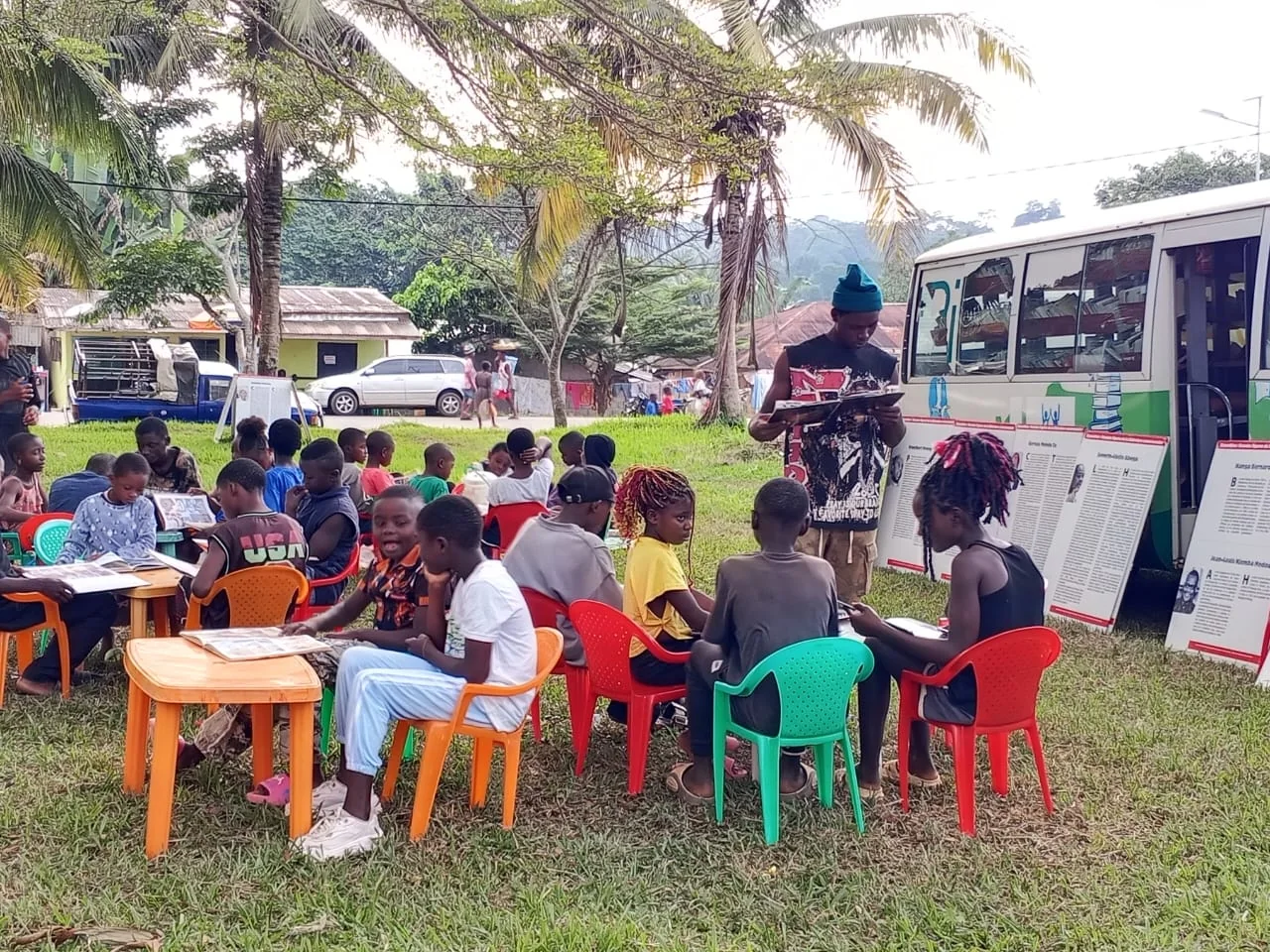
Children reading and writing at colourful tables on a lawn, next to a library bus

Each issue of the newsletter is built around a main topic and three or four fixed sections. The last four issues give a good idea of how the editorial team chooses its themes according to the cultural calendar.

September, August and July 2026

September was devoted to the cultural season’s start, arts education, scholarships and residencies. August reviewed the summer of festivals and announced the upcoming events. July offered a feature on Cameroon’s UNESCO sites.

Read online or on your phone

The newsletter is designed to be easy to read on a phone: short texts, explicit headings, links to the detailed pages. Each issue is also posted online in PDF format in the archives section, for those who wish to print it or pass it on to their team.

Worth reading

The latest issues at a glance

Excerpt

A preview of the latest issue

The four most recent articles on the site are displayed here and set the tone of the newsletter: verified information, dated and signed by the service that wrote it. Each issue then takes up the essentials of these publications, with the agenda and open calls. The adjacent link opens the full list of news, from the most recent to the oldest, which can also be followed by feed.

All news
Archives

The newsletter archives: finding a past issue

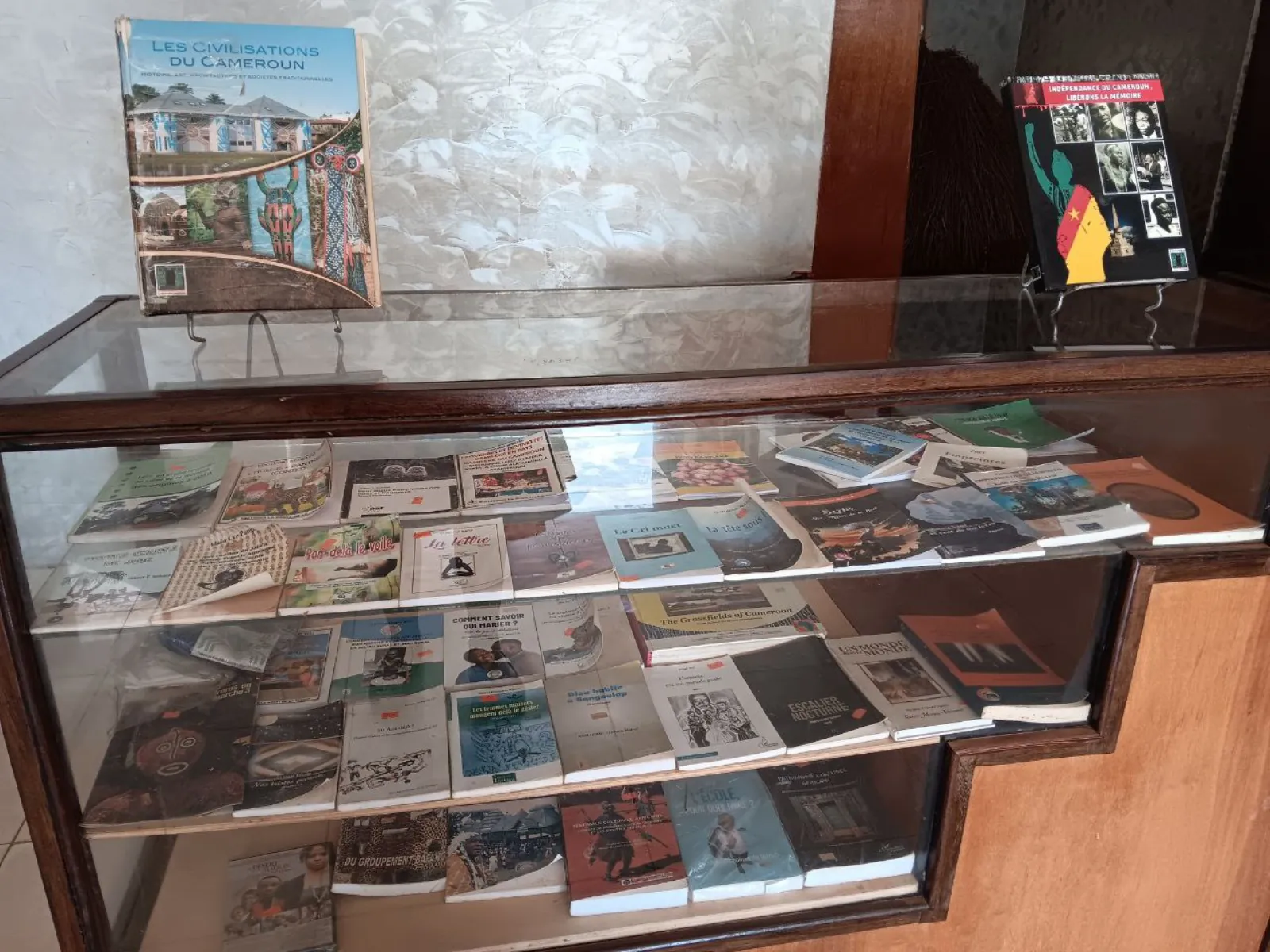
Display case of books and booklets in the library area of the Dschang civilisations museum

Every issue sent is kept and available online. The archives make it possible to find an announcement, a past deadline, a thematic feature or the presentation of a scheme launched a few months earlier.

How to search

Issues are sorted by year and month. To find specific information, combine the list of issues with the site search: enter a keyword (the name of a festival, a call, a town) and filter by date. Issues are provided as lightweight PDFs, readable on a phone, and each one carries its publication date and contents on the first page.

What the archives are for

Researchers use them to follow the evolution of cultural policies; journalists, to trace the chronology of an event; associations, to find the file models submitted in previous calls. The archives complement the press reviews and the Ministry’s archives, which hold the official documents.

Reusing content

The texts may be quoted with a mention of the source and the date of the issue. For images, see the photo library and its terms of use.

Archives

Previous issues in PDF

Calendar

The newsletter’s upcoming issues

IssueExpected publicationMain topicFeatured sections
November 2026End of NovemberNational Heritage DaysHeritage, December agenda, open calls
December 2026End of DecemberNgondo and end-of-year festivitiesFestivals, greetings, review of the year
January 2027End of JanuaryNew Year greetings and mobility scholarshipsScholarships, 2027 calendar of calls
February 2027End of FebruaryBooks, publishing and librariesSupport for publishers, book fairs
Unsubscribing

Unsubscribe in one click: your rights as a reader

A group of men and women in varied outfits poses on the steps in front of a building entrance.

You do not need any justification to stop receiving the newsletter. Each message contains an “Unsubscribe” link at the bottom of the page: one click is enough, with no password or form to fill in. Your address is removed from the mailing list as soon as you confirm.

If the link does not work

Write to the communication service from the address concerned, requesting its removal; the request is processed within a few working days. You can also use the Contact page, specifying that your request concerns the newsletter.

Changing address or frequency

To receive the newsletter at another address, unsubscribe the old one and then register the new one using the subscription form. The newsletter remains monthly for all subscribers; there is no daily version, but the site news is available as a feed for those who want closer follow-up.

Resubscribing

Unsubscribing is never final: you can register again at any time using the same form. The frequently asked questions answer the other difficulties encountered.

ℹ️
One click

The “Unsubscribe” link is at the bottom of every newsletter; it works without logging in or entering a password.

Behind the scenes

How the newsletter is produced each month

Choice of topics

The communication service selects the essentials of the month from announcements by the directorates, delegations and institutions.

Editorial team

Short texts, explicit headings and links to the detailed pages of the site, written in careful, accessible French.

Validation

Proofreading by the Minister’s Office (Cabinet), and verification of dates, links and official names before any formatting.

Formatting and testing

Integration of images, checking of the display on phone and computer, verification of the unsubscribe link.

Sending and posting online

Distribution to subscribers at the end of the month, then posting of the PDF in the site archives.

Pace

One issue, one month of work

Start of the monthCollection of announcements

The directorates and delegations send their information, dates and images to the communication service.

Second weekChoice of the feature

The editorial team settles on the main topic and proposes angles; interviews are conducted with the teams concerned.

Mid-monthWriting and proofreading

Texts formatted and approved; links to the site pages and open calls verified.

End of the monthSending the issue

Publication by e-mail to subscribers, with a reminder of imminent deadlines.

After sendingArchiving and review

PDF posted online, reading statistics monitored and reader feedback taken into account.

Contents

What each issue contains

Readers

They read it every month

“
It is the only newsletter I read in full: short, useful, with the deadlines clearly visible.
A director of an association
North
“
I found there the call for projects that funded my first short film; I would never have seen it otherwise.
A young film director
Centre
“
We forward it to all members of the cooperative: it replaces a long series of notices.
A craftspeople’s cooperative
West
“
The agenda section lets me plan my travel for the festivals of the season.
A festival programmer
Littoral
Data

Your personal data: what is kept, why, and for how long

Board members posing on a red carpet at the National Museum

To send the newsletter, the Ministry keeps a single piece of data: your e-mail address. No other information is requested. This address is used exclusively to send the newsletter; it is neither sold, nor passed on to third parties, nor used for any other communication without your consent.

Your rights

You may at any time ask to know what information is held, to have it corrected or to have it deleted. The request is made in writing to the communication service or through the Contact page; it is processed within a reasonable time and free of charge.

Data security

The subscriber list is accessible to a limited number of communication service staff. Mailings are scheduled from a protected tool, and addresses never appear in plain text in the messages received by other subscribers.

To go further

The legal notices and the data policy can be consulted on the site map, and the quality and accessibility page describes the Ministry’s commitments regarding the accessibility of digital content.

Help

Your data and the newsletter: useful links

Glossary

The newsletter’s vocabulary

Newsletter

Newsletter sent by email to subscribers.

Unsubscribing

End of receipt of the newsletter, at the reader’s request.

Spam

Mailbox folder where some messages are wrongly placed; check it if the newsletter does not arrive.

Archive

An issue already published, kept and available online in PDF format.

Feature of the month

In-depth article on a cultural topic, published in each issue.

Feed

News feed that lets you follow a site without visiting each page.

Publication

Date on which an issue is sent to subscribers.

Section

Fixed part of the newsletter: front page, agenda, calls for projects, feature.

Subscriber

Person who has registered an address to receive the newsletter.

Newsletter

Another name for the “lettre d’information”, in common use in digital media.

Relays

The networks that relay the newsletter

Contribute

Have your announcement included in the newsletter

An event

Submit it for the newsletter’s agenda: date, venue, expected audience and contact, at least three weeks before publication.

Cultural calendar

A call or an offer

Publicise your call for projects, your job or internship offer to thousands of targeted readers.

Job vacancies

A public contract

Major procurement notices are recalled in the newsletter to reach companies in the sector.

Public procurement
Questions

Everything about the newsletter

I am not receiving anything. What should I do?

Check your spam folder, then add the sender to your contacts. If the newsletter still does not arrive with the next issue, register again using the form on this page, checking the spelling of the address; if the problem persists, write to the communication service.

Can I change my address?

Yes: unsubscribe the old address using the link at the bottom of the last newsletter received, then register the new one with the subscription form. The change is immediate and requires no further procedure or supporting document.

Is the subscription paid?

No, the subscription is free, like all the information services of the site. No bank card is requested, and no one is authorised to charge you for a subscription to the Ministry’s newsletter. Please report any request for payment.

How do I unsubscribe?

Click the “Unsubscribe” link at the bottom of any issue: the request is recorded immediately, with no need for justification. If the link does not work, write to the communications service from the address concerned asking for removal.

How often is the newsletter published?

Once a month, in principle at the end of the month. The planned publication dates are shown in the table on this page. In the event of an exceptional occurrence, a special issue may be sent, but subscribers never receive daily messages.

Is my address shared with other organisations?

No. It is used solely for sending the newsletter and is never passed on to third parties. You may request its deletion or the correction of your data at any time by writing to the communications service.

Where can I find a past issue?

In the archives section of this page: issues are sorted by month and available in PDF. You can also use the site search with a keyword to find information that appeared in the newsletter.

Can I suggest a topic for the newsletter?

Yes. Write to the communication service, giving the topic, the dates, useful links and the contact person. The editorial team selects announcements of general interest; it publishes no advertising or commercial messages.

Contact

Write to the newsletter’s editorial team

Submit an announcement, report a subscription problem or ask a question: your message is forwarded to the communication service.

Competent service

Contact the newsletter editorial team

Address

Communication Service – Newsletter
Ministry of Arts and Culture
Quartier du Lac – Ministerial Zone
P.O. Box 1053 Yaoundé, Centre Region, Cameroon

Reach us

+237 6 51 70 58 41

contact@minac.gov.cm

Opening hours

Monday to Friday, 8 am to 4 pm

Do not miss a single issue

Find the subscription form at the top of this page and join the readers of the Ministry’s newsletter.

Subscribe
WhatsApp