Coat of arms of CameroonMinistry of Arts
and Culture
Republic of Cameroon
My procedures
Home
Minister’s message
News
Press releases
Cultural calendar
Official speeches
Press review
Photo library
Video library
Calls for projects
Job vacancies
Public procurement
Newsletter
Frequently asked questions
Site map
Contact
Press area
Podcast “The Voice of Culture”
Legal notices
Privacy policy
Cookies and trackers
The Ministry
Missions and responsibilities
Organisation
Organisation chart
Minister’s Office (Cabinet)
Management team
General Secretariat
General Inspectorate
Central directorates
Regional Delegations
Institutions under supervision
Legislative texts
Regulatory texts
Sector strategy
Major projects
Budget and reports
Partners
Careers
Archives
Institutional communication
Quality and accessibility
Arts
Visual and plastic arts
Visual arts
Performing arts
Theatre
Dance
Music
Literature and books
Cinema and audiovisual
Photography
Fashion and design
Digital arts
Art crafts
Artists’ directory
Residencies
Prizes and awards
Arts education
Urban arts
Heritage
Tangible heritage
Intangible heritage
UNESCO sites
National museums
Listed monuments
National inventory
Palaces and chiefdoms
Archaeology
Linguistic heritage
Oral traditions
Traditional know-how
Restitution of cultural property
Fight against illicit trafficking
Listing and protection
Conservation and restoration
Heritage Days
Cultural landscapes
Industries
Music and recording
Cinema
Publishing and books
Digital arts
Fashion and creativity
Crafts
Cultural tourism
Funding for culture
Support funds
Incubators
Cultural entrepreneurship
Culture Observatory
Vocational training
Studies and reports
Sector statistics
Export and outreach
Intellectual property
Copyright
Legal framework
Copyright and neighbouring rights
Collective management societies
Register a work
Licences
Private copying
Fight against piracy
Model contracts
Social status of artists
Mediation
Disputes
Training
Fee scales
Register of works
Contact
Digital neighbouring rights
Public domain
Festivals
National calendar
Ngondo
Nguon
Écrans Noirs
Heritage Days
Music Day
Regional festivals
Fairs and exhibitions
Biennials
National competitions
Cultural days
Organise a festival
Event grants
Ticketing
Archives
Volunteering
Diaspora festivals
Regions
Adamawa
Centre
East
Far North
Littoral
North
North-West
West
South
South-West
Cultural map
Regional Delegations
Traditional chiefdoms
National languages
Cultural routes
Decentralised cooperation
Regional observatory
Cooperation
UNESCO
Francophonie (OIF)
African Union
Commonwealth
CEMAC
Bilateral cooperation
Cultural agreements
Professional organisations
Scholarships
Artist exchanges
Cultural years
Diaspora
Funded projects
Embassies
Technical partners
International restitution
International monitoring and calls
Services
Artist card
Show authorisation
Filming authorisation
Festival authorisation
Deposit of a work
Export of works of art
Listing of a property
Grant application
Association accreditation
File tracking
Forms
Fees
Opening hours and addresses
Reporting
Online help
My account
One-Stop Shop
Festivals

National calendar

By month, by region and by discipline, the national calendar brings together the country’s festivals, fairs and ceremonies, with the 2026 editions relayed by the Ministry and an export to your diary.

Updated on 6 November 20264 sub-pages
Events listed in 202664
Regions covered10
Disciplines followed8
Export formatICS
National calendar

All events in one place

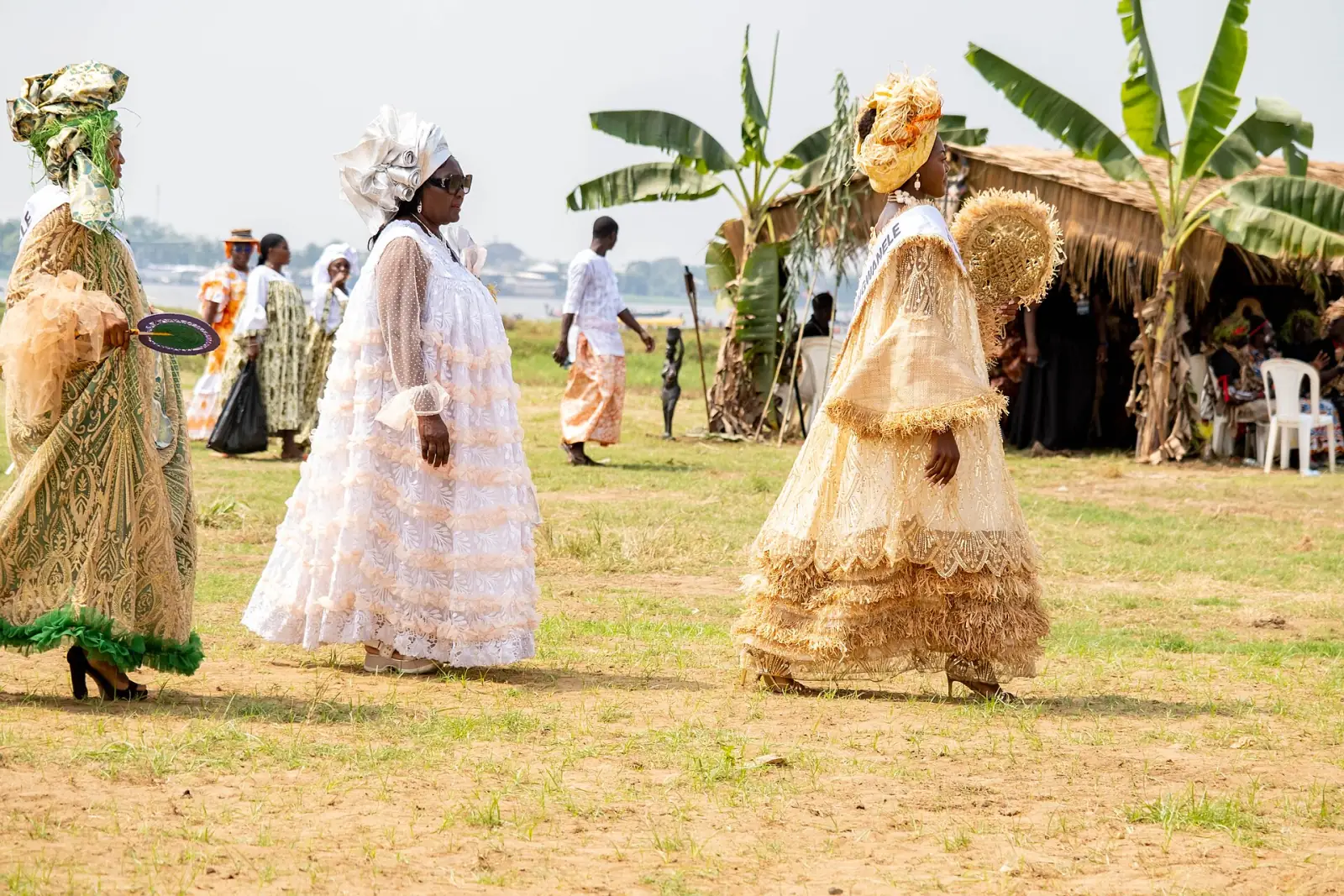
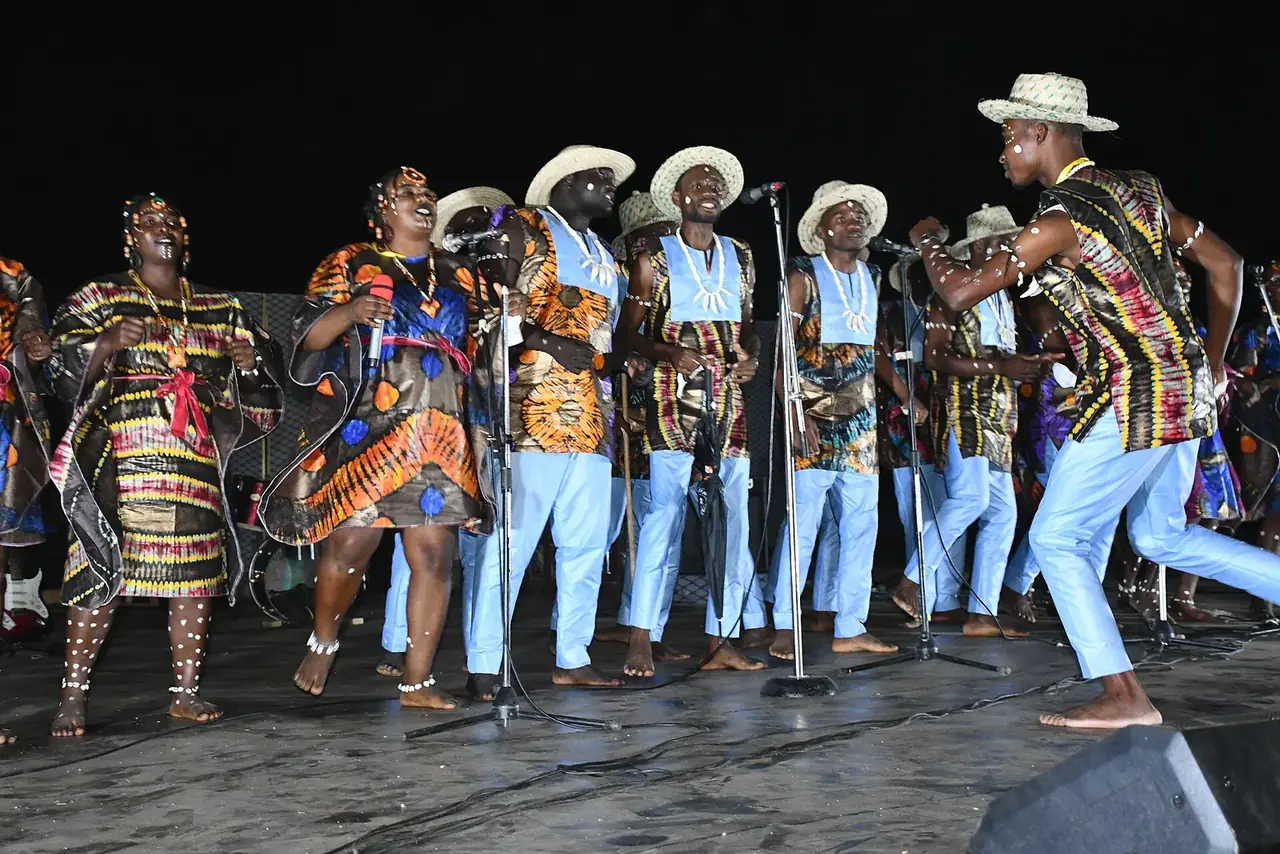
Troupe in colourful outfits on stage at the Maroua cultural festival

The national calendar brings together the festivals, fairs, biennials, cultural days and major ceremonies that punctuate the country’s artistic year, from the traditional celebration of a village in the West to the film festival in Yaoundé. It is maintained by the Directorate of Shows and Creative Industries, which promotes and supervises major cultural events.

Each event is presented with its date, venue, organiser and, where one exists, its authorisation procedure. Visitors can browse it by month, region or discipline, then export it to their phone’s diary.

  • Browse by month, region and discipline
  • 2026 editions relayed by the Ministry
  • An ICS export for your diary
The calendar by month
By month

The calendar month by month

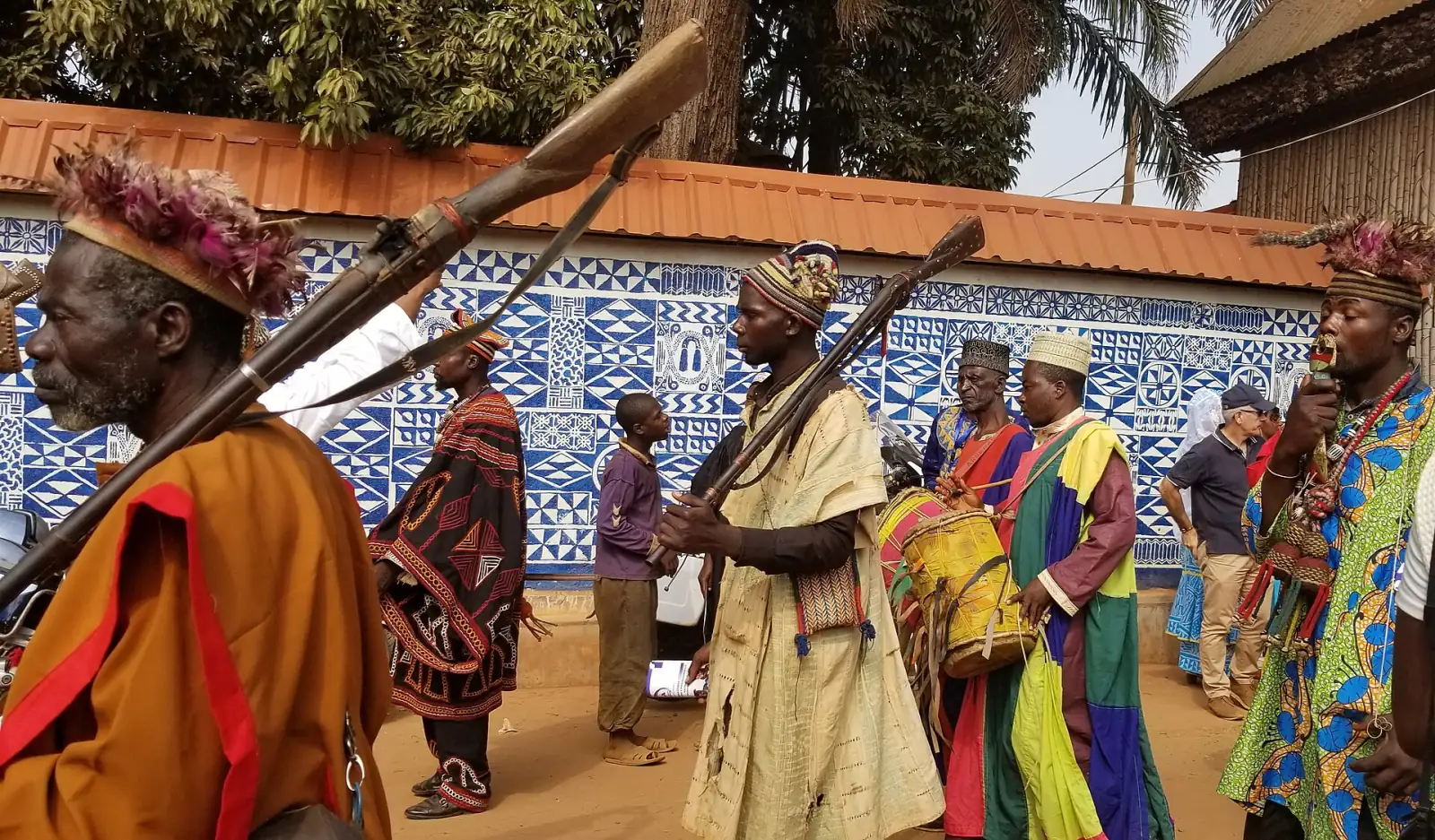
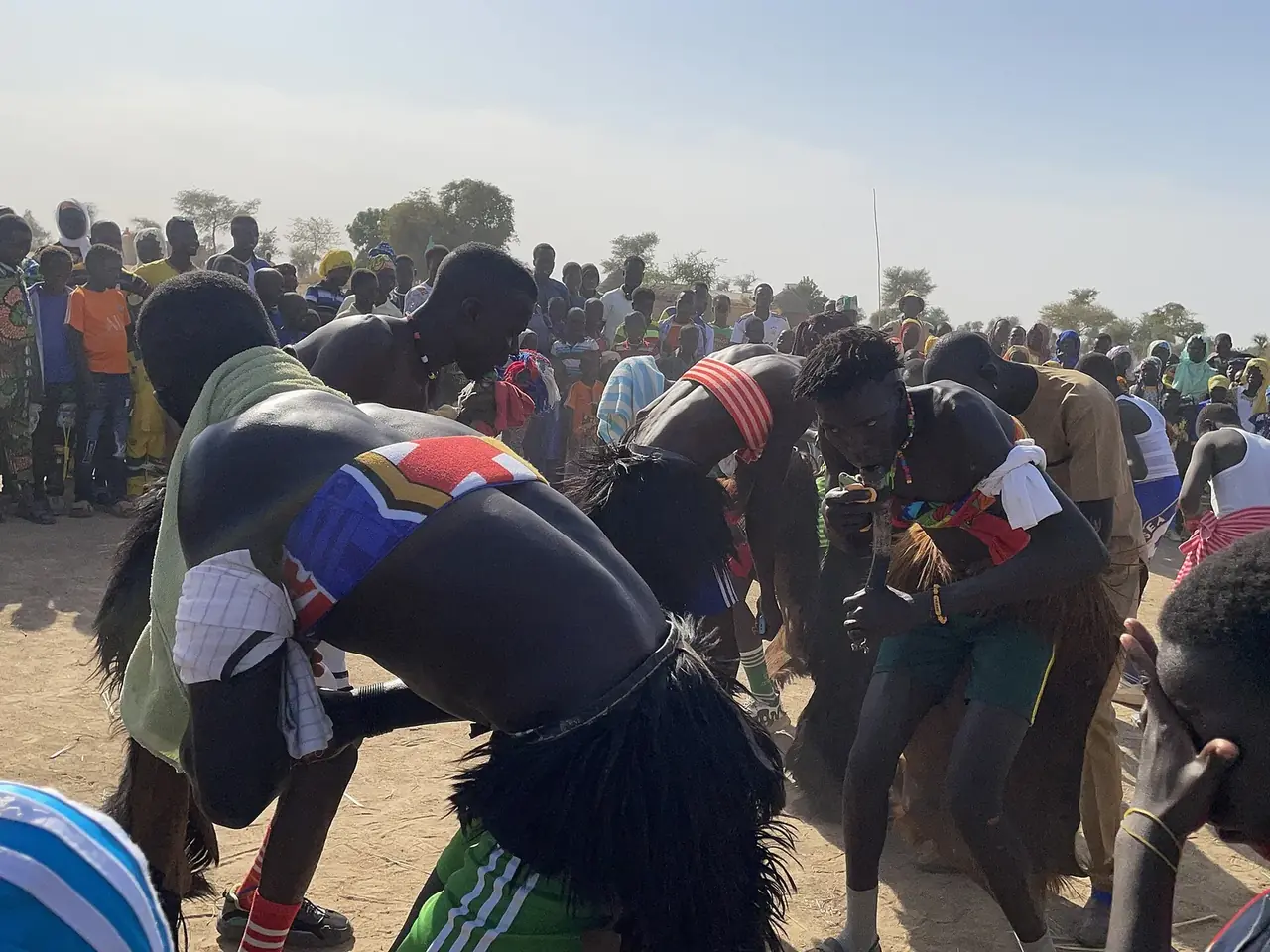
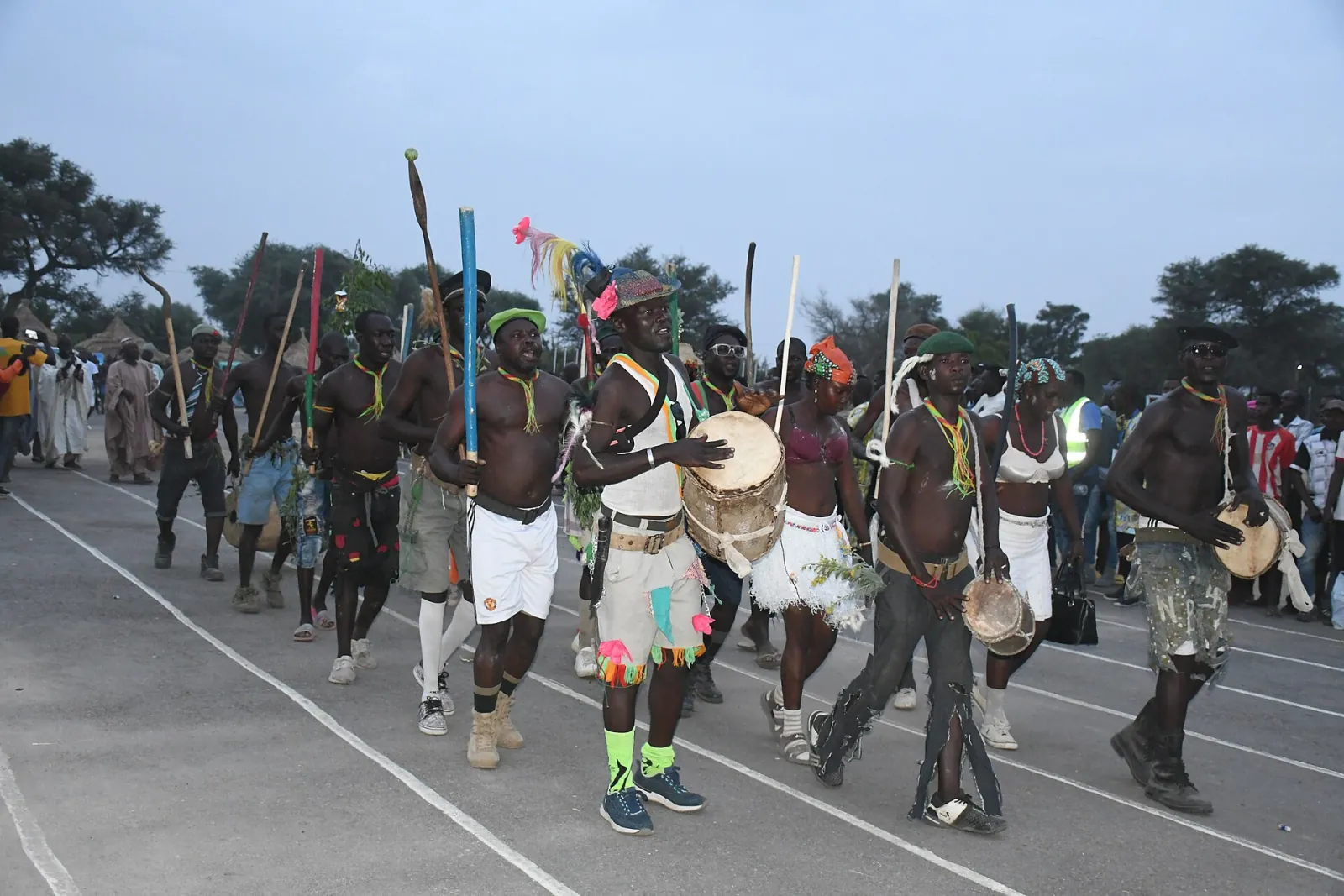
Parade of Massa dancers with spears on a track at a university arts festival

The monthly view is the simplest way to plan outings, travel and applications. It follows the real rhythm of Cameroonian cultural life, deeply shaped by the rainy season, school holidays and the end-of-year festivities.

The first half of the year

March opens the season of major events: in 2026, the 4th edition of SIILY was held in Yaoundé, and International Women’s Day, like the Francophonie week, gives rise to programmes in cultural centres. April and May host film and theatre festivals, as well as the first biennials. June is the month of the music festival, with open stages in every regional capital.
The second half of the year

Summer 2026 was busy: the “Ngul Be Mvamba” Patriarchs’ Days ended on 8 August in Essinguili, in the Ebolowa 2 subdivision (Mvila), and the “Rzehwa” cultural camp of the South West Cultural Festival closed its activities on 13 August. Autumn is the season of biennials, book fairs and the Ngondo festival in the Littoral. December closes the year with end-of-year concerts and, in some editions, the Écrans Noirs festival.

The day-by-day detail can be found in the cultural agenda, which lists the dates confirmed by the organisers.

ℹ️
For organisers

Announce your date at least three months in advance via the festival authorisation file: it will be entered in the calendar as soon as the complete file is received.

By region

The calendar region by region

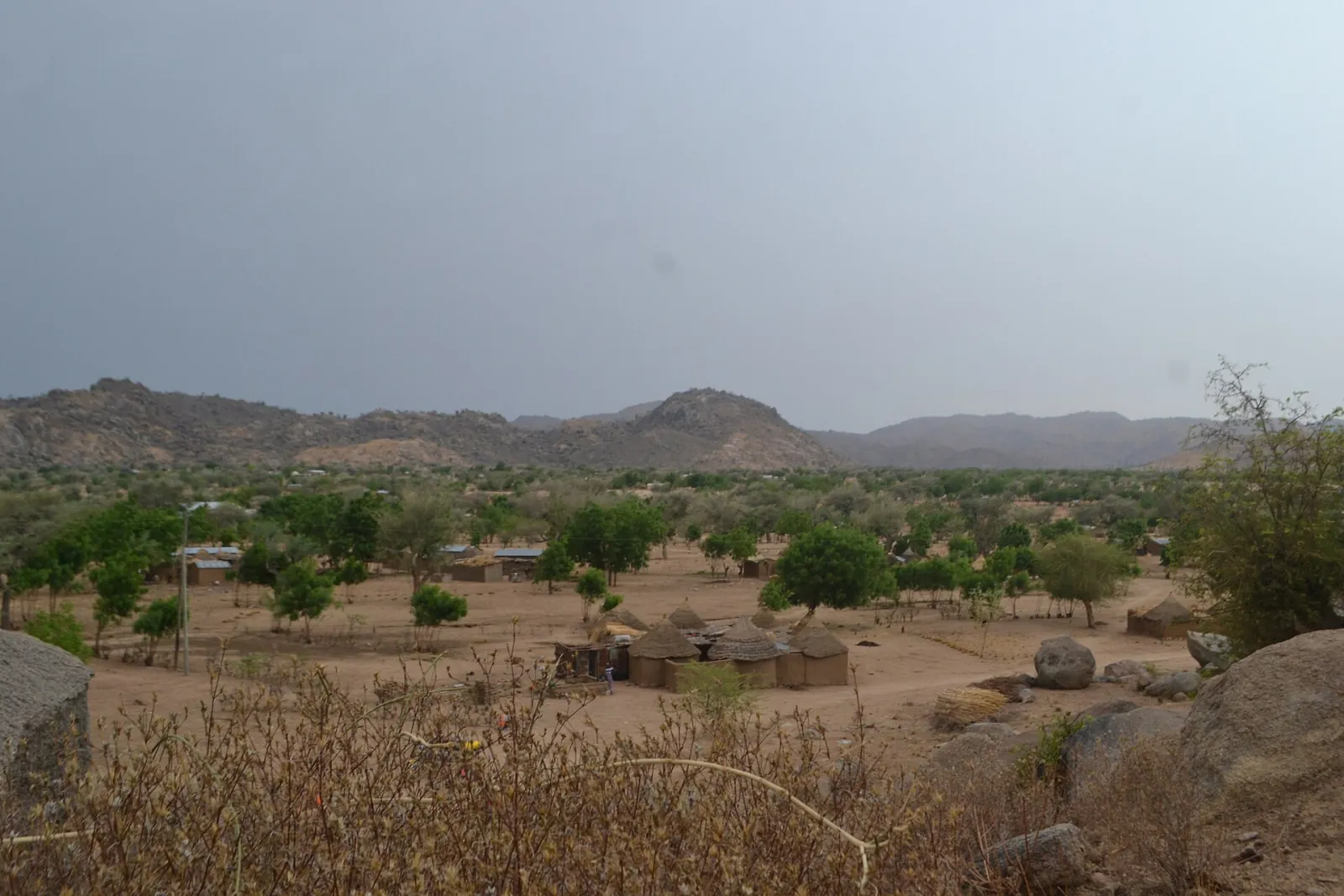
Mora plain and village beneath the Mora massif

Each of the ten regions has its emblematic festivals, tied to its history, languages and landscapes. The regional view helps visitors plan an itinerary and cultural operators place their project within a territory.

From the Centre to the South

The Centre hosts Mbam’Art, whose 12th edition is held in Grand Mbam, and the Ka’a Ndeh Mu’nka festival, in its 6th edition. In the South, the Mvila saw the Patriarchs’ Days take place. The Bia So Mengong international festival, also relayed by the Ministry, extends this momentum of the forest regions. See the Centre and South pages.

West, Littoral and South-West

The West is the region of chiefdom festivals and of the Bamoun Nguon, whose 549th edition was run with the Nguon Foundation; the Littoral hosts the Sawa Ngondo; the South-West has its South West Cultural Festival, which includes a youth cultural camp.

North and Far North

The northern regions, North, Adamawa and Far North, gather their festivals around the seasons, the lamidates and the fantasia. The regional festivals page details these events.

ℹ️
Good to know

Each regional delegation keeps the local list of events and can guide travellers and organisers.

By discipline

The calendar discipline by discipline

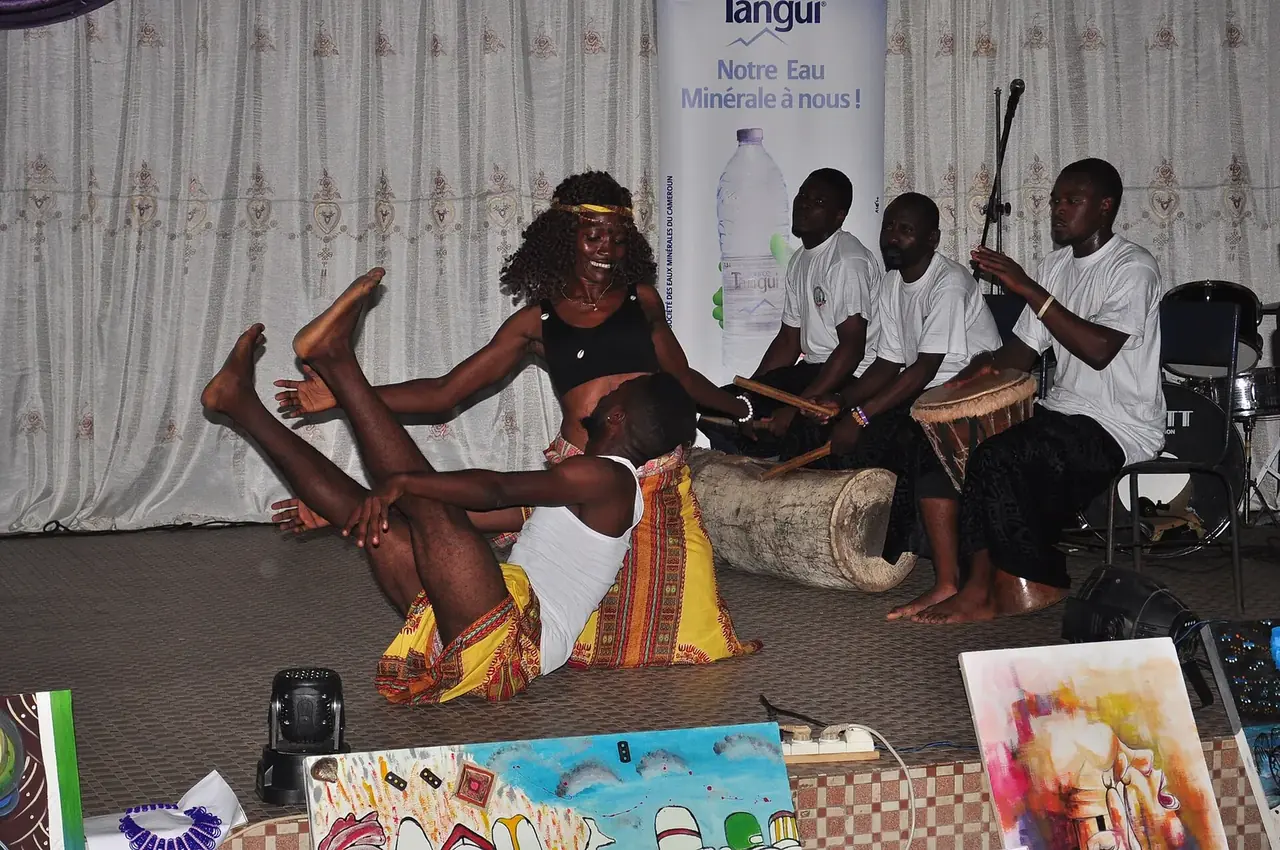
Dancer and drummers on stage during a traditional dance show

The discipline filter makes it possible to follow a specific field: music, dance, theatre, cinema, books, heritage, visual arts, fashion and crafts. It is valuable for professionals preparing their tours, applications or sales.

Live performance

Music has its benchmark events, such as the 26th edition of Ya Jazz, and dance its choreographic gatherings; theatre has its festivals of texts and troupes. Tokna Massana illustrates the vitality of multidisciplinary creative festivals.

Image and the written word

Cinema has the Écrans Noirs, Yaoundé’s annual event; books have their fairs, notably SIILY, the international fair, which held its 4th edition in March 2026.

Heritage and know-how

The heritage days, chiefdom festivals and crafts markets form the third major group, often combined with visits to palaces and chiefdoms.

The fairs and trade shows and the biennials complete the picture for the visual arts, fashion and design, with workshops, parades and direct sales by designers.

Each entry indicates the main discipline and the associated disciplines, so that a dance festival that also offers screenings or an exhibition appears under several filters at once.

Export

Exporting the calendar to your diary

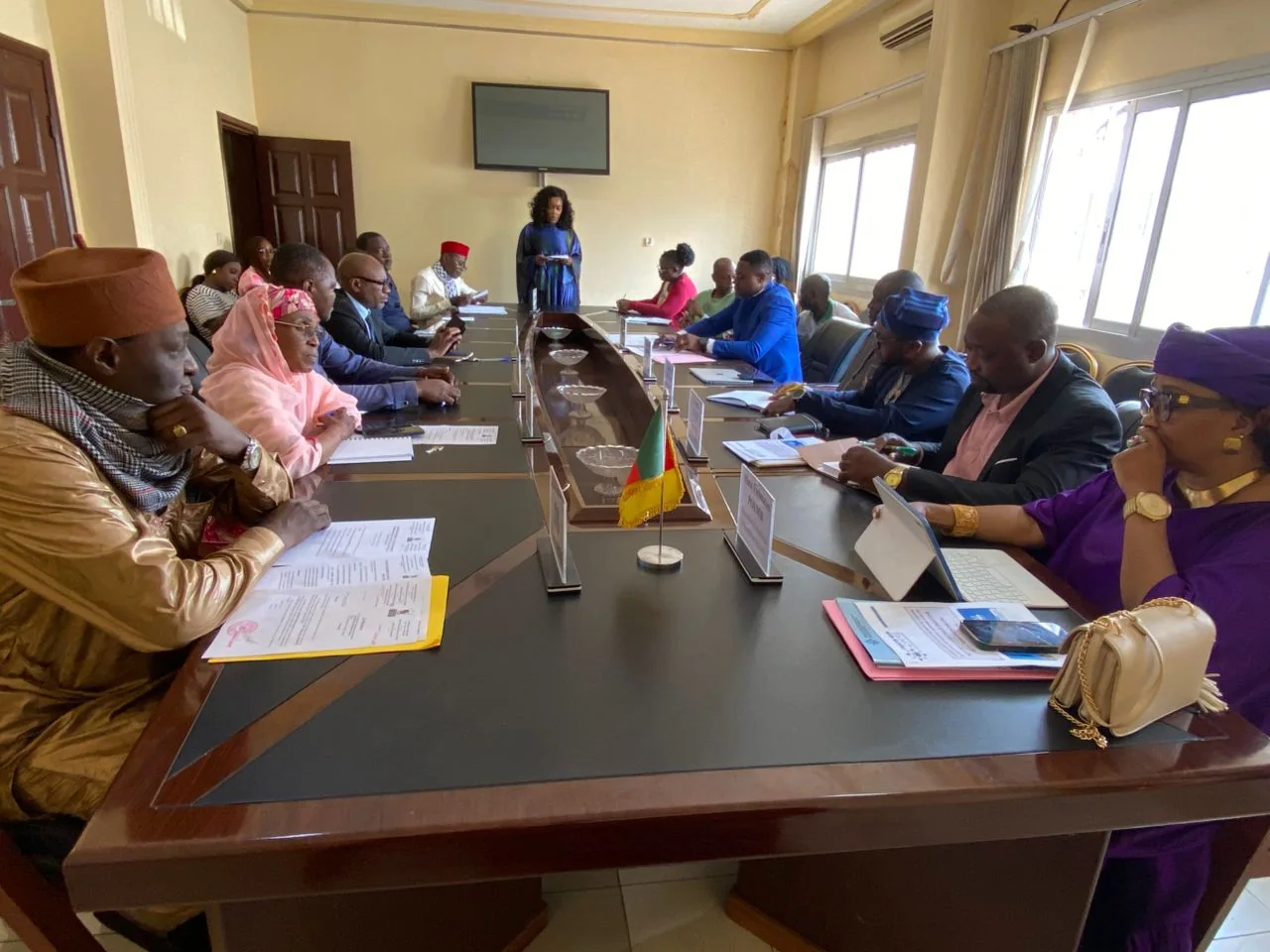
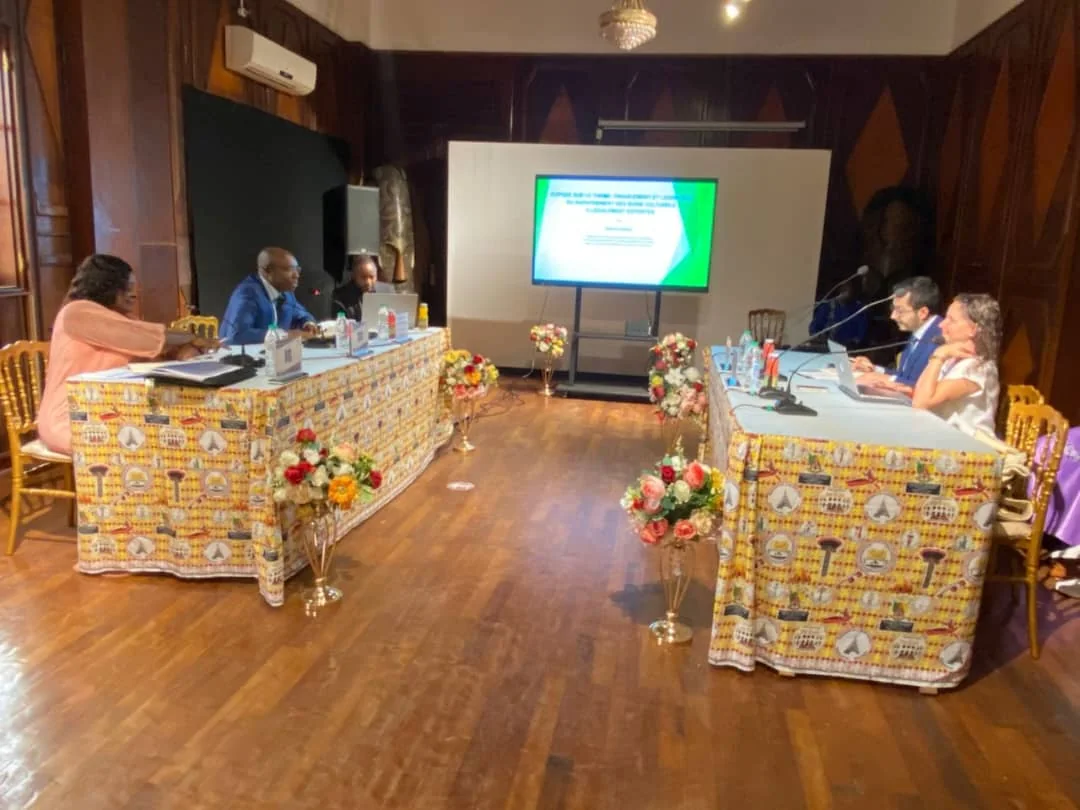
Working meeting around a large table in a Ministry room

The national calendar can be retrieved as a file in ICS format, readable by all common diary applications: Google Calendar, Apple Calendar, Outlook and most phone apps. Once the file is imported, the dates appear in your personal diary like any other appointment.

How to proceed

  1. Open the cultural agenda page and choose the filter you want (month, region or discipline);
  2. Select the export function and download the ICS file;
  3. Open it with your diary application and confirm the import;
  4. Enable reminders if you wish to be notified a few days before the event.

Keeping the diary up to date

Dates may change: an edition may be postponed for reasons of security, weather or the official calendar. The file is therefore regenerated regularly; it is advisable to re-import it every month or to subscribe to the newsletter, which flags changes.

Organisers who notice an error can report it through the Contact page, stating the name of the event and the corrected date.

ℹ️
For journalists

The press area offers a specific export, with contacts for organising committees and press conference times.

Step by step

Listing an event in the calendar

Choose the date

Check that it does not overlap with a major event in the same discipline or region by consulting the calendar.

Submit the file

Fill in the online festival authorisation application with the programme, venue, capacity and safety plan.

Receive the acknowledgement

The One-Stop Shop registers the file and issues a tracking number, which you keep until the decision.

Validate the announcement

The competent directorate confirms the entry: title, dates, venue, press contact, visual and ticketing link.

Keep it up to date

Report any change of date or programme so that the agenda and exports remain reliable.

Take stock

After the event, send attendance figures and photographs to feed the archives and the next calendar.

Journey

A year of festivals, from 2026 to 2027

March 2026SIILY, 4th edition

The international fair in Yaoundé opens the season with its debates, guest publishers and book signings.

August 2026Patriarchs and the Rzehwa camp

The Patriarchs’ Days closed on 8 August in Essinguili, followed by the cultural camp of the South West Cultural Festival on 13 August.

October 2026Jeux de la Francophonie

The cultural delegation travels to Yerevan, where the Minister is expected on 28 October.

February 2027A new cycle

The events at the start of the year resume, with the preparation of the film and music festivals.

December 2027Annual review

An end-of-year review brings together attendance figures and the lessons of the editions.

To act

Procedures for a public event

Festival authorisation

An essential procedure before any large-scale public event, filed online with the One-Stop Shop.

Submit the file

Show authorisation

To be obtained for each paid or public performance, indoors or outdoors.

Apply

Event grant

Financial support may assist festivals recognised as being of cultural interest.

See the grants

Ticketing

The rules for sales, control and payment of receipts.

Read the section
Agenda 2026–2027

The next dates of the season

They use the calendar

Voices of calendar users

“
I consult the regional view before every trip: it keeps me from missing a festival a hundred kilometres from my town.
A programmer
Bafoussam
“
The export to my diary alerts me a week before each date; I have not missed a single application deadline since.
A company director
Douala
“
Our committee has gained visibility since the event appeared in the national calendar with its ticketing link.
A festival organiser
Ebolowa
“
For my reports, the discipline filter immediately gives me the press contacts for each event.
A cultural journalist
Yaoundé

“Promoting and supervising major cultural events means, first of all, enabling everyone to find the right event at the right time.”

An officer of the Directorate of Shows and Creative Industries
To download

The organiser’s tools

Key facts

The calendar views at a glance

ViewFor whomWhat you will findUse cases
By monthPublic and programmersDates, venues and times of all the month’s eventsPlan a week of outings or a trip
By regionTravellers and delegationsFestivals of a territory, with access and accommodationPlan a cultural itinerary in the West or the Littoral
By disciplineArtists and professionalsMusic, film, book or heritage eventsIdentify festivals to apply to with a film or a troupe
ICS exportAllFile that can be imported into a personal diaryReceive automatic reminders on your phone
Press alertsJournalistsCalendar of conferences and accreditationsPrepare media coverage
ArchivesResearchersPast editions, reports, photographsStudy the evolution of a festival
Glossary

The words of the calendar

ICS

Standard diary file format, importable into the main software and applications.

Publishing

An occurrence of a festival that returns every year or every two years, numbered from the first.

Programming

List of the shows, screenings and gatherings offered during an event.

Supervision

The Ministry’s monitoring of major events, from authorisation to report.

Biennial

An event held every two years, often devoted to the visual arts.

Visitor capacity

The maximum number of spectators a venue can safely accommodate.

Ticketing

System for selling and controlling admissions to an event.

Cultural camp

A stay for young people built around artistic practice and transmission.

Prior declaration

Formality required before opening or using a performance venue.

Organising committee

The team that prepares and runs a festival throughout the year.

On the site

Extending your reading of the calendar

Resources

Useful links for the calendar

Stakeholders

Who maintains the calendar?

To explore

The calendar and the other sections

Questions

Your questions about the calendar

How do I add the calendar to my phone?

Download the ICS file from the cultural agenda, open it with your diary application and confirm the import. All the filtered events then appear in your personal diary, with the reminders you have chosen. Remember to re-import the file every month to pick up any changes.

Are the displayed dates certain?

The dates are those communicated by the organisers and confirmed by the Ministry when the file is processed. A postponement is always possible for reasons of security or the official calendar; check with the organising committee a few days before travelling and follow the news.

How do I announce my festival?

First submit your festival authorisation file to the One-Stop Shop. Once the file is complete, the competent directorate enters the event in the calendar with its dates, venue and contacts. You can also suggest the event through the cultural agenda page.

Is an authorisation needed for a small neighbourhood celebration?

Every public show event is subject to authorisation or prior declaration depending on its nature and size. If in doubt, contact the regional delegation, which will tell you the appropriate procedure and the deadline to meet before the planned date.

Does the calendar cover events abroad?

Yes, for events in which the cultural delegation officially takes part, such as the Francophonie Games in Yerevan at the end of October 2026, and for Cameroonian diaspora festivals, presented in a specific section.

How can I find a festival from a past edition?

The archives section keeps the reports, posters, photographs and recordings of previous editions. You can search for a festival there by name, region or year, and request the use of a visual through the photo library.

Can I obtain funding for my event?

Festivals recognised as being of cultural interest may apply for a grant. The dedicated section details the criteria, the file to be put together and the calendar of the committees. The amount is not stated here; enquire on the fees and grants page.

How do I become a festival volunteer?

Each committee recruits its own volunteers: public reception, logistics, stage management, translation. The volunteering section presents typical assignments, commitments and how to apply, with a certificate issued at the end of the edition.

Contact

Report an event or an error

State the name of the event, its date and the region concerned: your message will be passed to the competent directorate.

Competent directorate

Contact the national calendar service

Address

Directorate of Shows and Creative Industries
Ministry of Arts and Culture
Quartier du Lac – Ministerial Zone
P.O. Box 1053 Yaoundé, Centre Region, Cameroon

Reach us

+237 6 51 70 58 41

contact@minac.gov.cm

Opening hours

Monday to Friday, 8 am to 4 pm

View the full calendar

Dates, venues and times of all events, with an export to your phone.

Open the cultural agenda
WhatsApp