Coat of arms of CameroonMinistry of Arts
and Culture
Republic of Cameroon
My procedures
Home
Minister’s message
News
Press releases
Cultural calendar
Official speeches
Press review
Photo library
Video library
Calls for projects
Job vacancies
Public procurement
Newsletter
Frequently asked questions
Site map
Contact
Press area
Podcast “The Voice of Culture”
Legal notices
Privacy policy
Cookies and trackers
The Ministry
Missions and responsibilities
Organisation
Organisation chart
Minister’s Office (Cabinet)
Management team
General Secretariat
General Inspectorate
Central directorates
Regional Delegations
Institutions under supervision
Legislative texts
Regulatory texts
Sector strategy
Major projects
Budget and reports
Partners
Careers
Archives
Institutional communication
Quality and accessibility
Arts
Visual and plastic arts
Visual arts
Performing arts
Theatre
Dance
Music
Literature and books
Cinema and audiovisual
Photography
Fashion and design
Digital arts
Art crafts
Artists’ directory
Residencies
Prizes and awards
Arts education
Urban arts
Heritage
Tangible heritage
Intangible heritage
UNESCO sites
National museums
Listed monuments
National inventory
Palaces and chiefdoms
Archaeology
Linguistic heritage
Oral traditions
Traditional know-how
Restitution of cultural property
Fight against illicit trafficking
Listing and protection
Conservation and restoration
Heritage Days
Cultural landscapes
Industries
Music and recording
Cinema
Publishing and books
Digital arts
Fashion and creativity
Crafts
Cultural tourism
Funding for culture
Support funds
Incubators
Cultural entrepreneurship
Culture Observatory
Vocational training
Studies and reports
Sector statistics
Export and outreach
Intellectual property
Copyright
Legal framework
Copyright and neighbouring rights
Collective management societies
Register a work
Licences
Private copying
Fight against piracy
Model contracts
Social status of artists
Mediation
Disputes
Training
Fee scales
Register of works
Contact
Digital neighbouring rights
Public domain
Festivals
National calendar
Ngondo
Nguon
Écrans Noirs
Heritage Days
Music Day
Regional festivals
Fairs and exhibitions
Biennials
National competitions
Cultural days
Organise a festival
Event grants
Ticketing
Archives
Volunteering
Diaspora festivals
Regions
Adamawa
Centre
East
Far North
Littoral
North
North-West
West
South
South-West
Cultural map
Regional Delegations
Traditional chiefdoms
National languages
Cultural routes
Decentralised cooperation
Regional observatory
Cooperation
UNESCO
Francophonie (OIF)
African Union
Commonwealth
CEMAC
Bilateral cooperation
Cultural agreements
Professional organisations
Scholarships
Artist exchanges
Cultural years
Diaspora
Funded projects
Embassies
Technical partners
International restitution
International monitoring and calls
Services
Artist card
Show authorisation
Filming authorisation
Festival authorisation
Deposit of a work
Export of works of art
Listing of a property
Grant application
Association accreditation
File tracking
Forms
Fees
Opening hours and addresses
Reporting
Online help
My account
One-Stop Shop
Home

Photo library

Albums by event, by region and by theme, credits and conditions of use: the Ministry’s photo library gathers the visual memory of Cameroonian culture and explains how to request an image.

Updated on 5 November 20264 sub-pages
Regions covered10
Album families4
Delivery formats4
Mandatory credits3
Photo library

The visual memory of Cameroonian culture

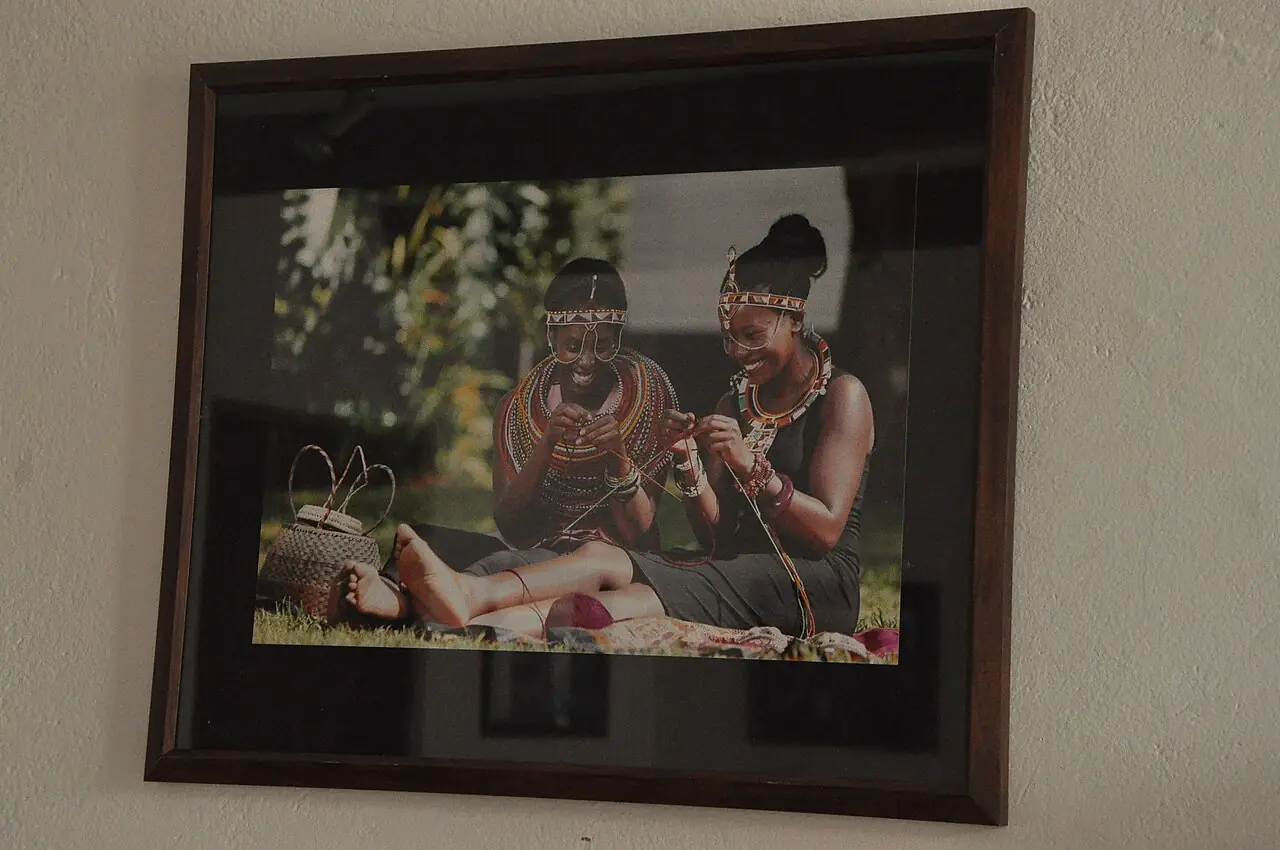
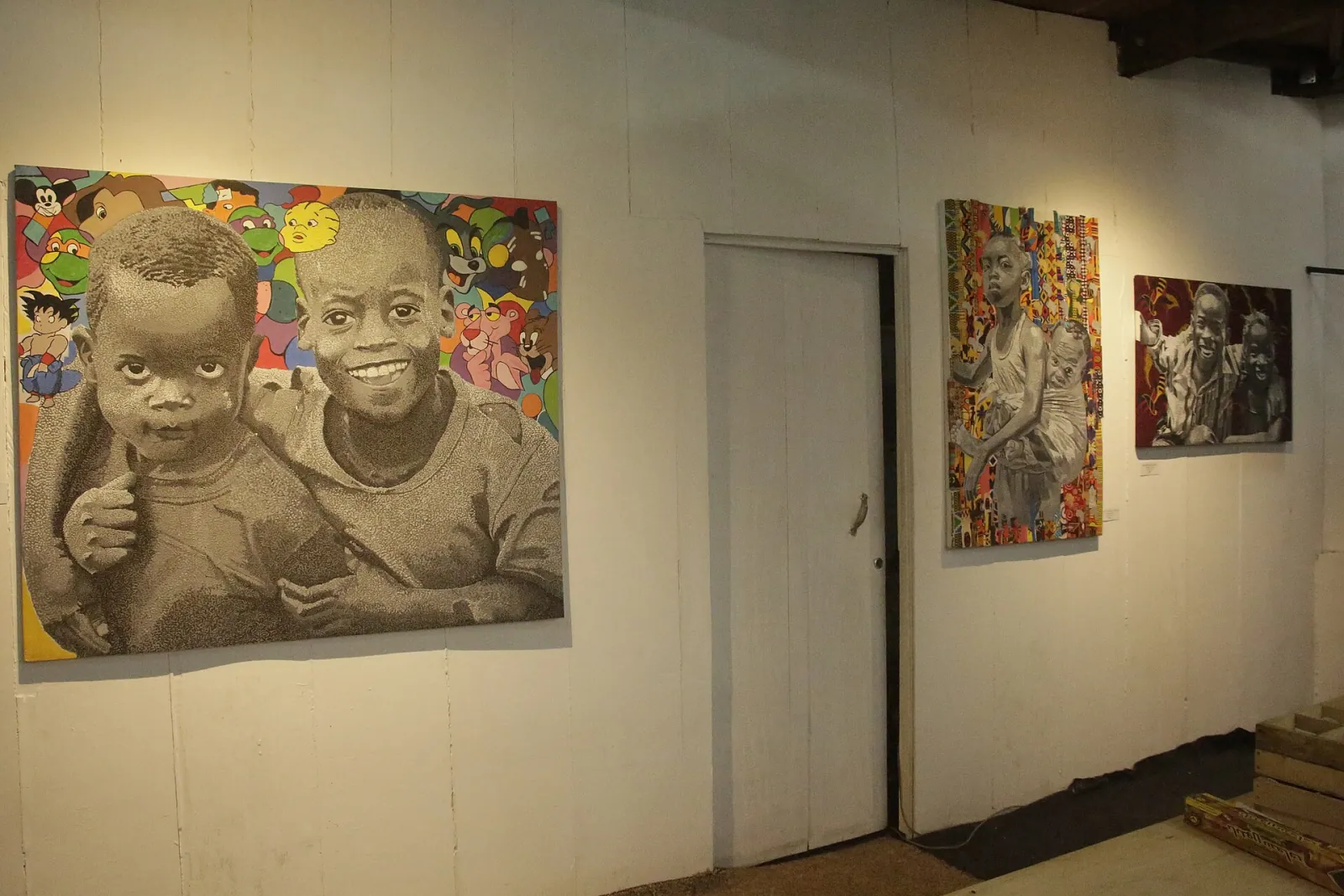
Framed photograph of a family in colourful dress at an exhibition

The photo library of the Ministry of Arts and Culture keeps and makes available the images that document the country’s cultural life: official ceremonies, festivals, museums, monuments, natural sites, know-how and the faces of artists. Each image comes with its credit, its caption and its conditions of use.

This page presents how the albums are organised, how to browse them, the rules on credits and image rights, and the procedure for requesting a high-definition photograph. It complements the video library and the news, which use these images every day.

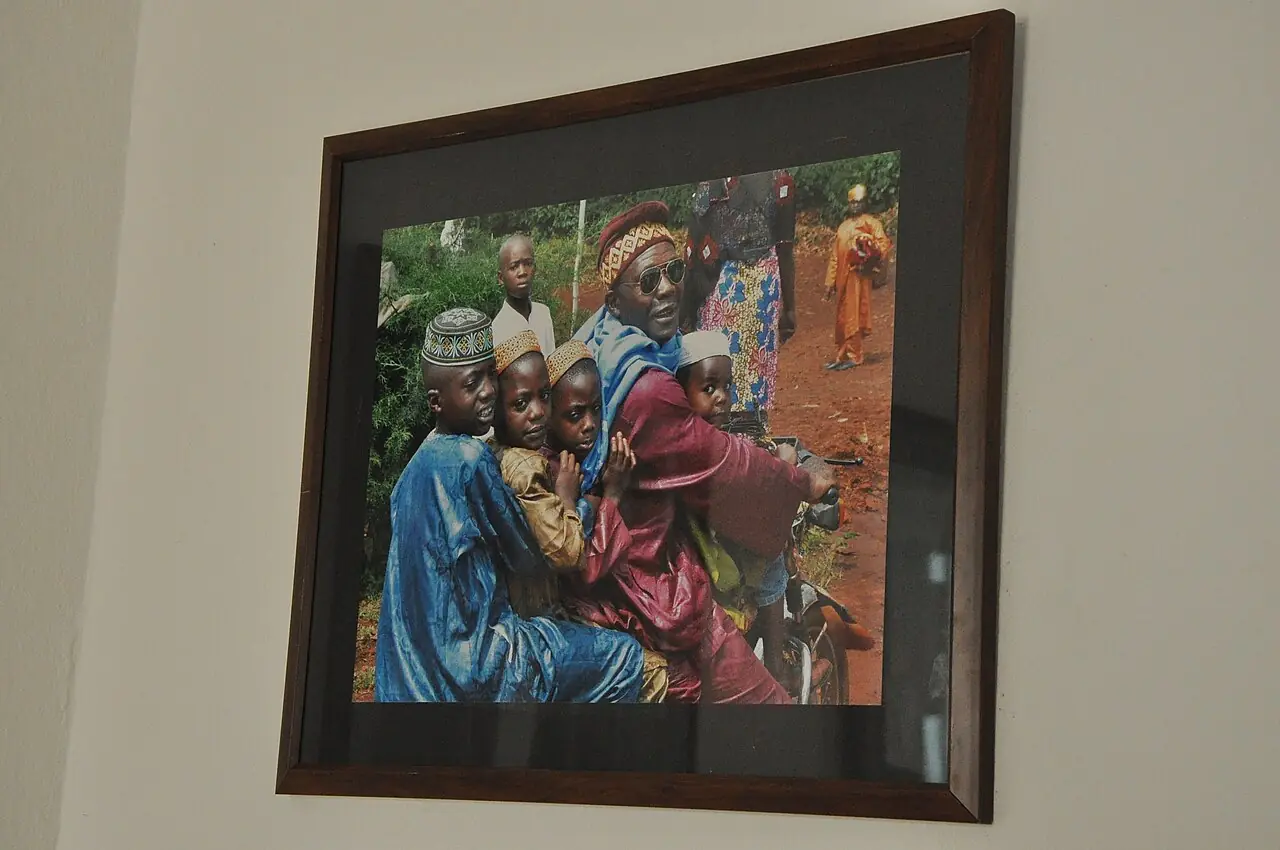
  • Albums classified by event, by region and by theme
  • Credits and rights recorded for each image
  • A simple request to obtain a high-definition file
Browse the albums
Organisation

The photo library albums: classification and navigation

Framed photograph of two women in beads at an exhibition

Photographs are filed in albums, each corresponding to an event, a place or a theme. This organisation avoids dispersion: a visitor looking for the images of a ceremony or a monument finds them together, in chronological order, with a precise caption.

Four main families

  • Institutional: audiences, signings, ceremonies, visits by delegations;
  • Living culture: festivals, performances, exhibitions, fairs;
  • Heritage: museums, palaces, sites, collection objects;
  • Regions: one album per region, with its festivals and know-how.

Navigating an album

Each album opens with a cover image and a short presentation: date, place, organiser and number of photographs. The images are then presented as a contact sheet, with access to the details: full caption, credit, available format and keywords. The keywords follow the vocabulary of the site’s sections: photography, tangible heritage, festivals.

Search by region

The map of the regions, further down the page, leads to the albums of each of the ten regions. Each region has its own page, from the cultural map to the cultural routes.

ℹ️
Captions

A good caption answers four questions: who, where, when, on what occasion. It is written by the service on the basis of information from the organiser.

Reports

Event photographs: coverage and distribution

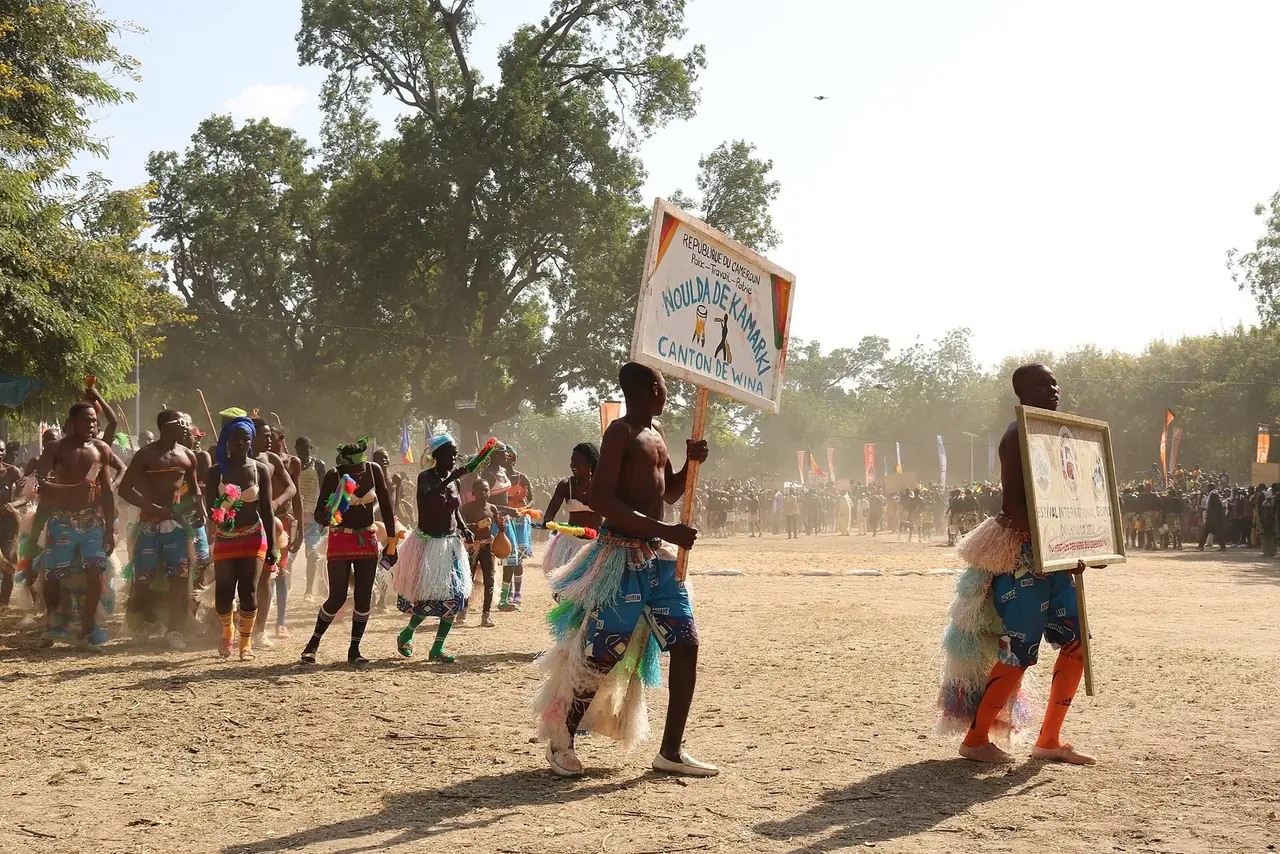
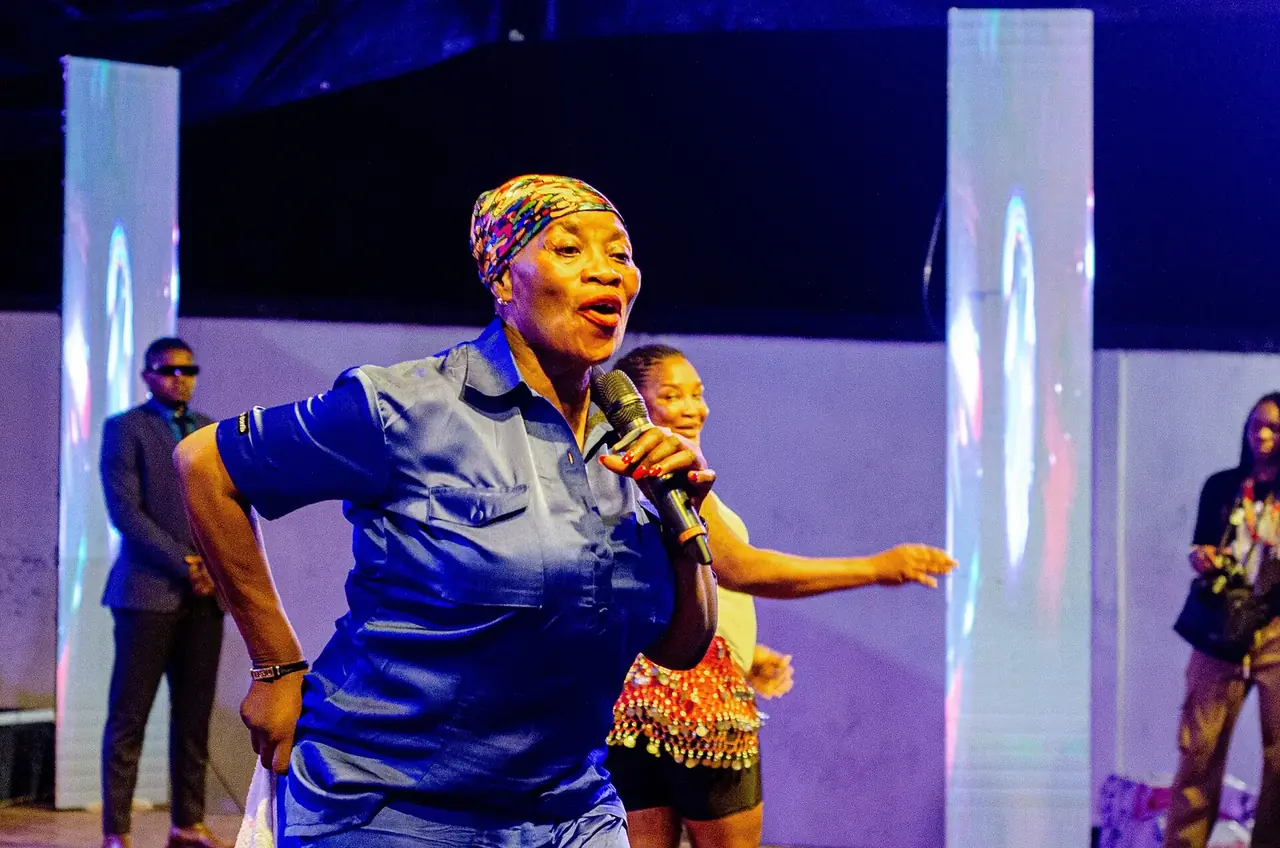
Dancers of the Gurna festival

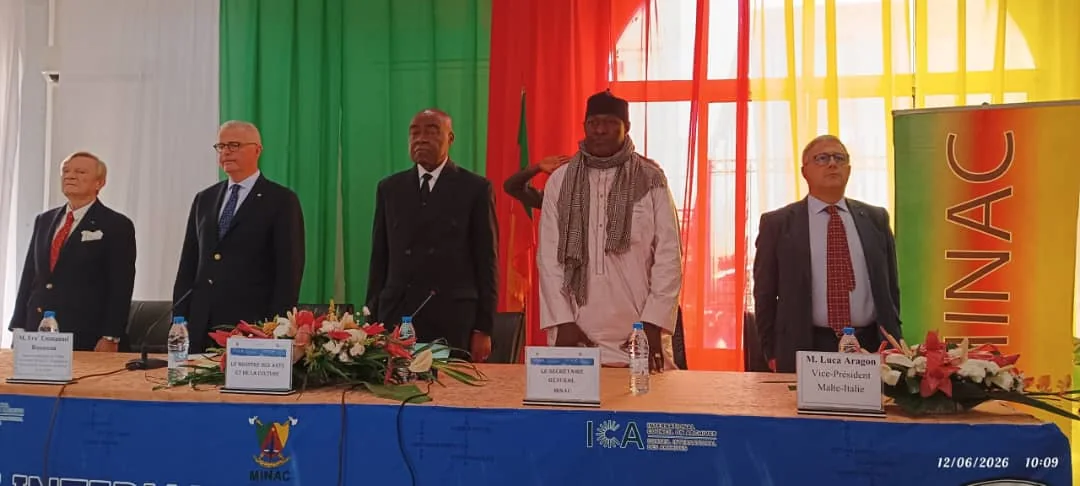
The communication unit covers the Ministry’s official events: audiences with ambassadors, opening and closing ceremonies, working sessions and field visits. In 2026, it followed a busy calendar: the Yaoundé book fair, chiefdom festivals, the international archives week, the benchmarking mission to Colombia, new year greeting ceremonies and meetings with staff.

How an event is covered

A photographer is assigned according to protocol and the importance of the event. The photographer prepares a shot plan: arrival of dignitaries, highlights, overall views, details, audiences. At the end of the ceremony, a selection is delivered in under twenty-four hours, captioned and credited.

Lead times and channels

  • quick selection for the press: the same day or the next day;
  • full album: within a week of the event;
  • distribution: website, social networks, newsletter and press releases.

Arranging coverage of your event

An organiser may request coverage of an event as part of the authorisation file or the patronage file. The organiser then provides the programme, the schedule and a contact on site. The images produced remain the property of the Ministry, unless otherwise agreed, and the organiser may obtain a selection for their own uses, in compliance with the credit rules.

ℹ️
Coverage

Photographic coverage is not automatic: it depends on the availability of the teams and the institutional interest of the event.

Collections

Heritage images: museums, sites and traditions

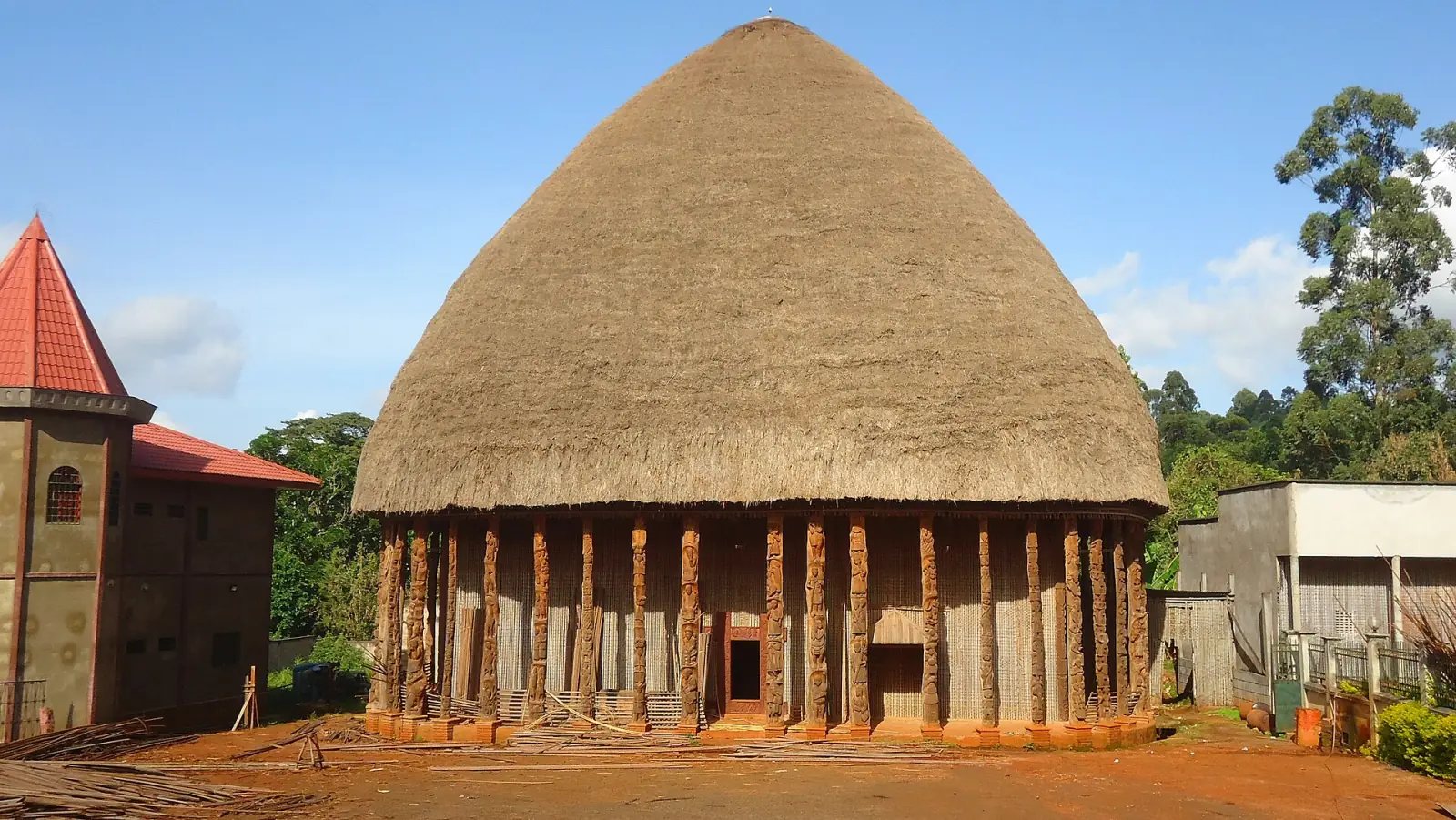
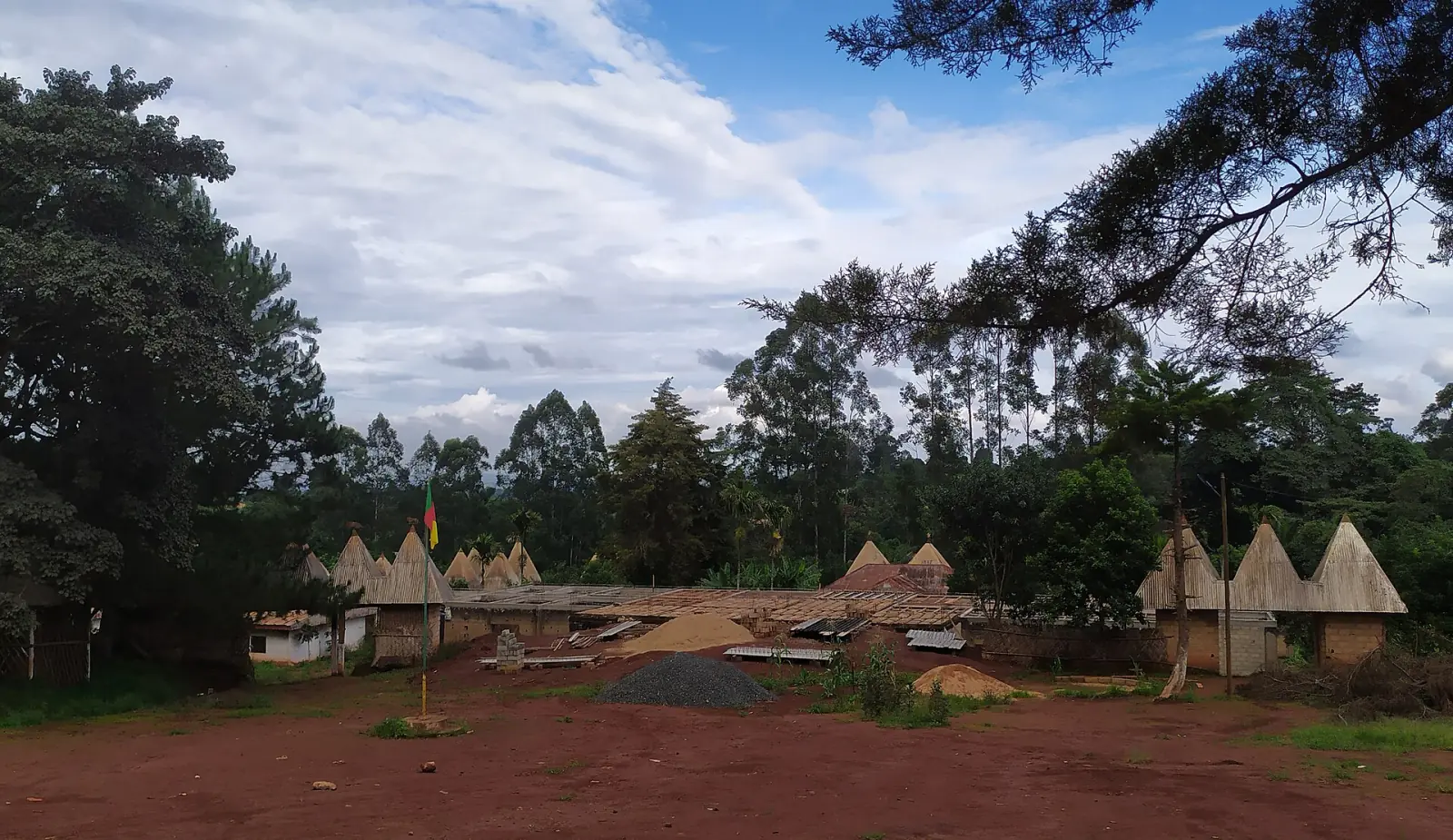
Great thatched-roof hut of the Bandjoun chiefdom under a blue sky

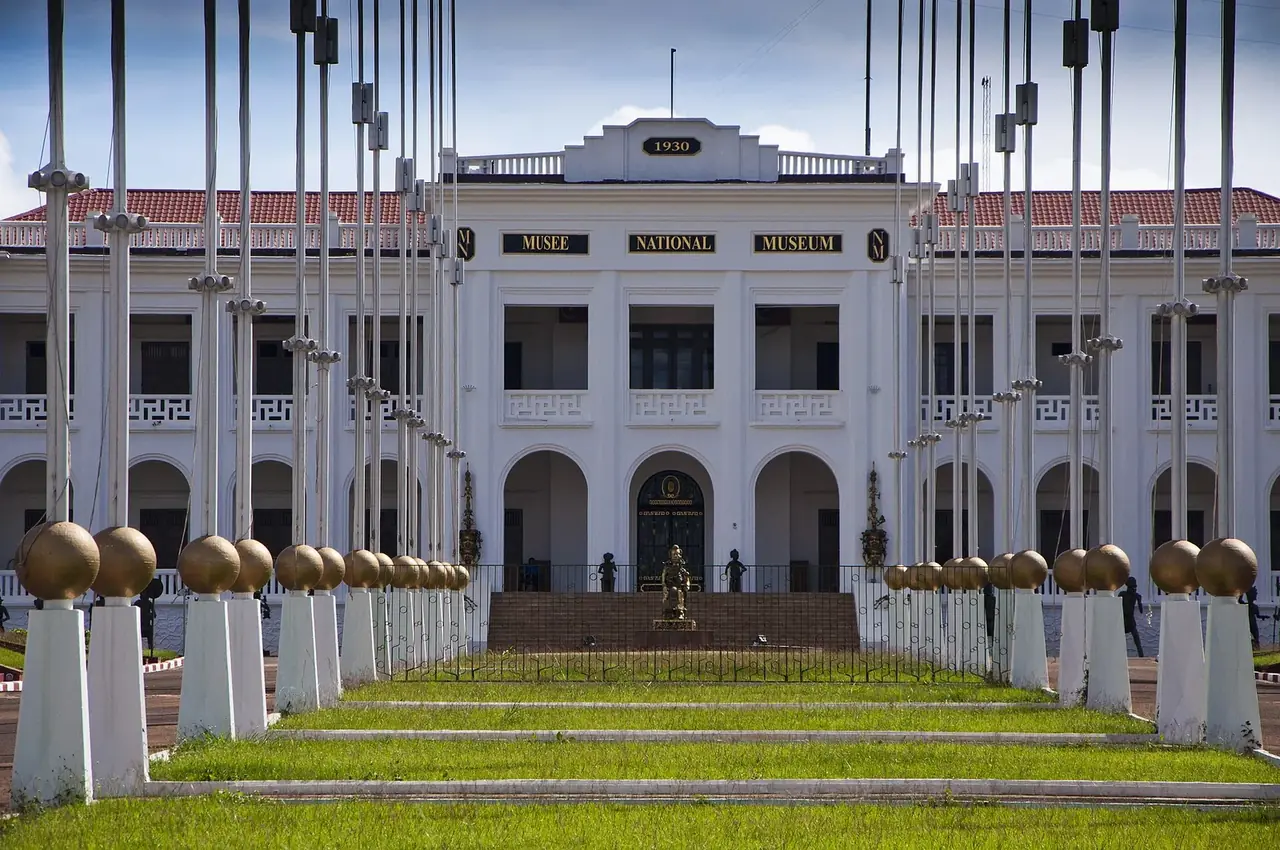
The photo library contributes to the documentation of heritage. Photographs of museums, palaces, monuments and natural sites are taken according to a precise protocol, which guarantees the quality of the images and the safety of the objects. They are used for the national inventory, scientific publications, interpretation tools and listing applications.

Photographing cultural property

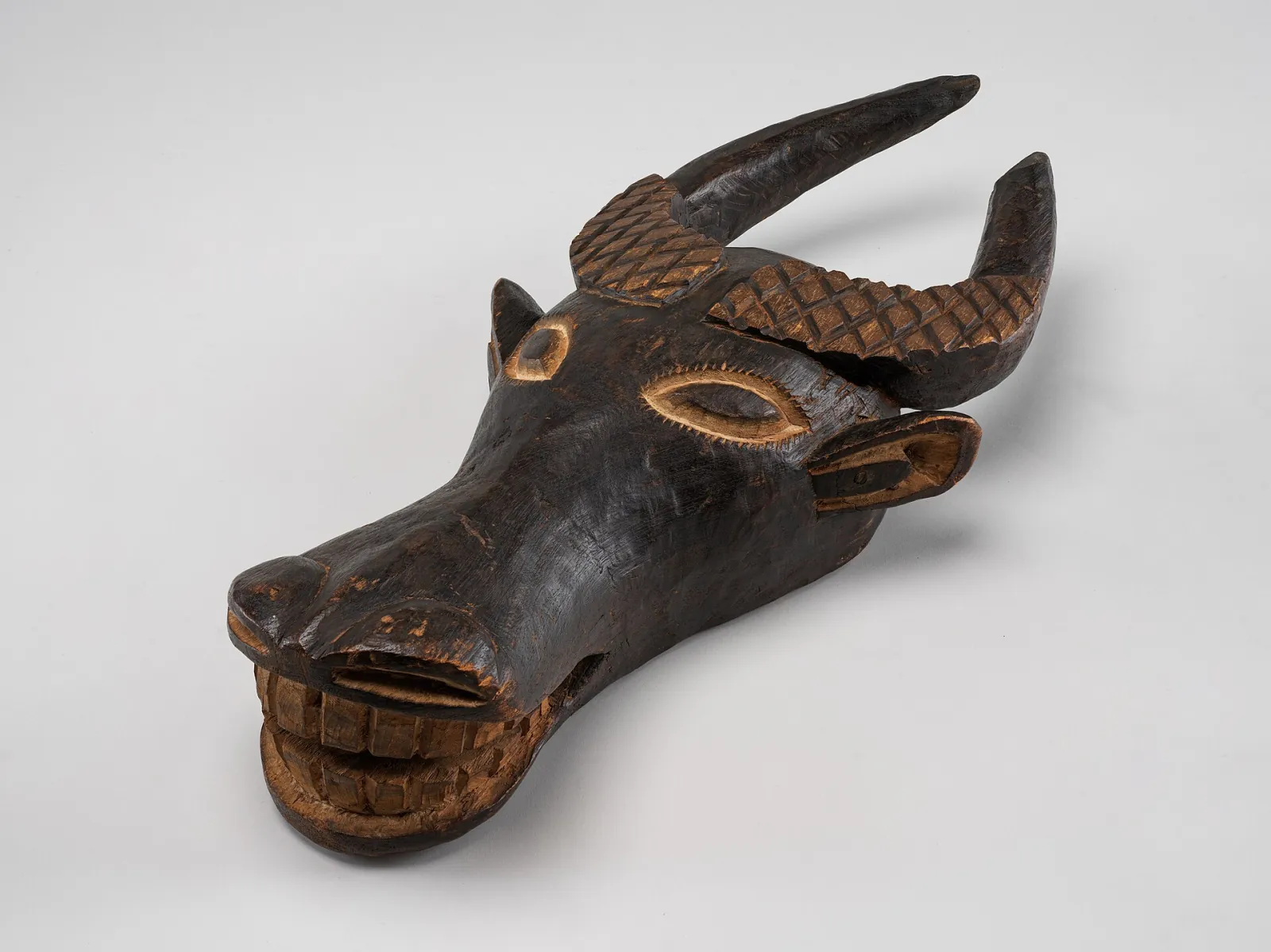
For a collection object, the protocol provides for a shot against a neutral background, with a scale, several angles and the object’s reference. For a monument, overall views, details and location plans are produced. For a traditional ceremony, the agreement of the custodians is mandatory, since some rites may only be shown under certain conditions, as the intangible heritage page recalls.

Sites and museums

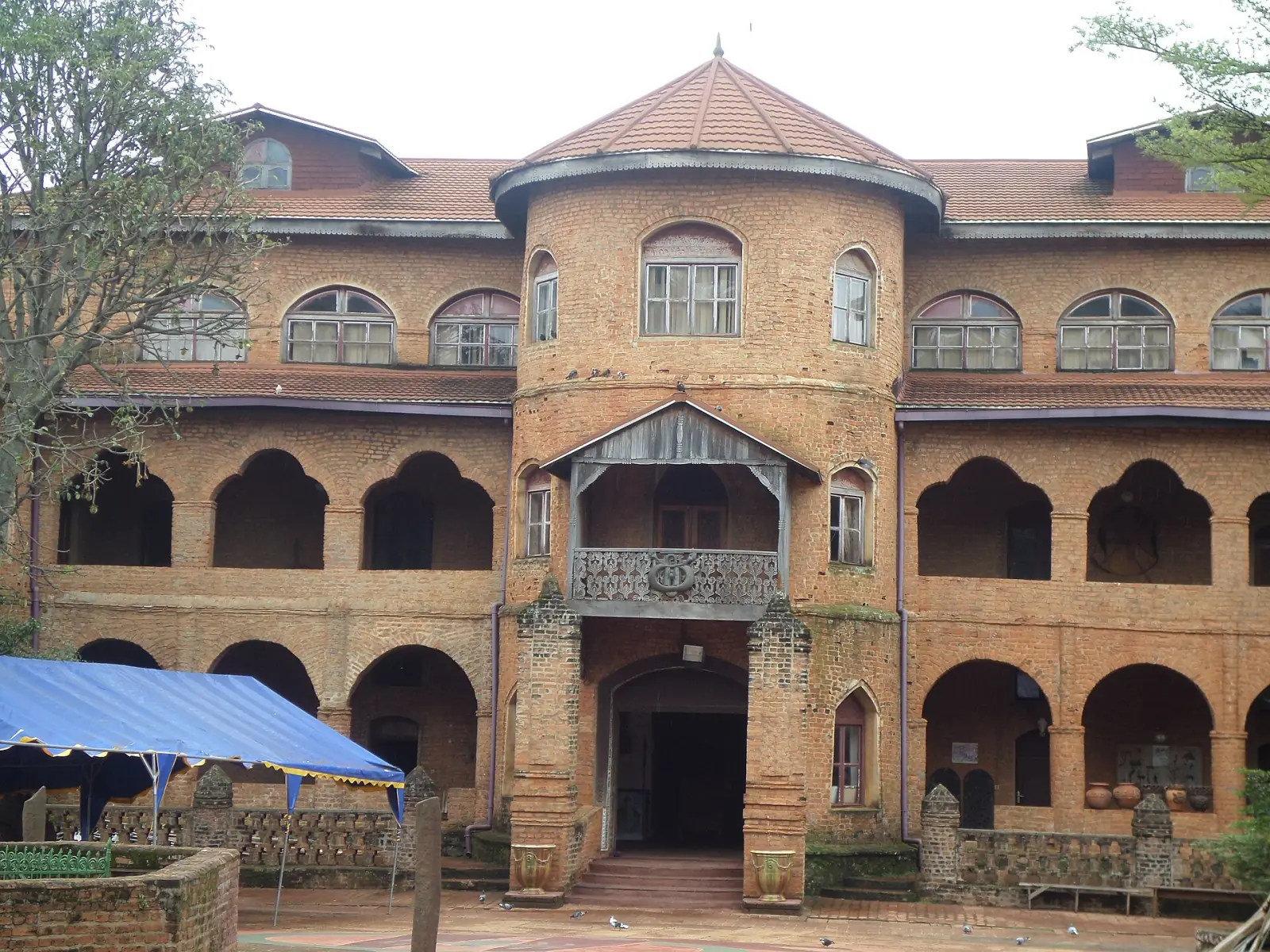
The national museums, the palaces and chiefdoms and the UNESCO-listed sites are the most requested. Visitors may take photographs for personal use according to the rules of each venue; any professional use is subject to authorisation.

  • no flash near fragile objects;
  • no tripod without the curator’s agreement;
  • no publication of an object whose restitution is under examination without the service’s agreement.
ℹ️
Respect for rites

Certain practices, masks and places are subject to photography restrictions. The community’s agreement takes precedence.

By region

Explore the albums region by region

Select a region to see the album devoted to it.

Rights and credits

The request to use an image: rules and procedure

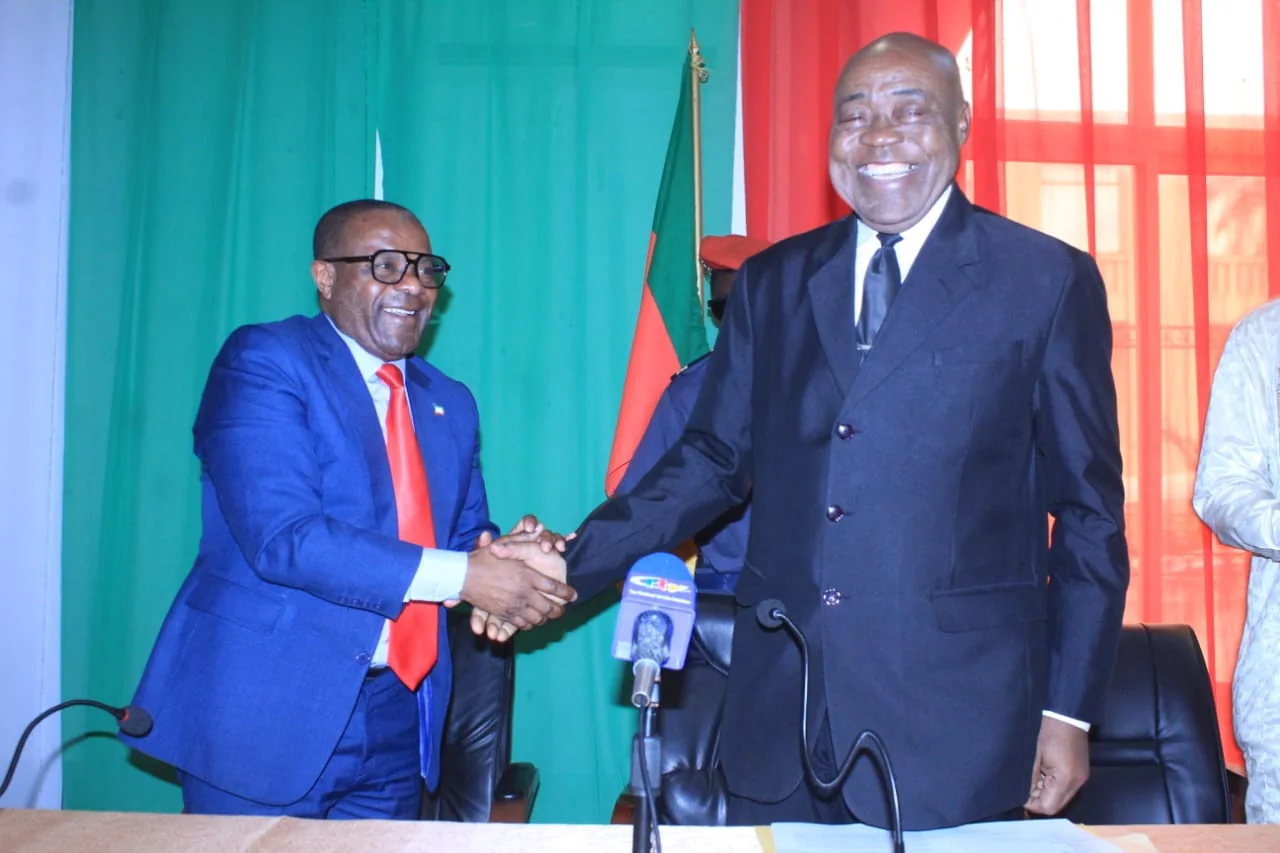
Handshake between the Minister and a partner during an official meeting

The photo library’s images are meant to be used: press, publishing, teaching, exhibitions, research, communication by partner institutions. Their use is free for most non-commercial purposes, provided that three rules are respected: credit the author and the source, do not distort the image, and do not associate it with a political or commercial message without permission.

The three mandatory credits

  1. the name of the photographer or, failing that, “Photo library service”;
  2. the source: “Ministry of Arts and Culture, Cameroon”;
  3. the year the photograph was taken.

Image rights

Every identifiable person has rights over their image. For a portrait or a close-up, the person’s authorisation is required; for a crowd or a public event, publication is possible if it does not infringe the dignity of the people shown. Minors benefit from enhanced protection, detailed on the copyright page.

Making your request

  1. Identify the image, the album and the reference shown under the thumbnail;
  2. specify the use, the medium, the print run and the duration of distribution;
  3. write via the contact form or use the One-Stop Shop forms;
  4. receive the conditions of use and the file once approved.
ℹ️
Commercial use

Any use for commercial, advertising or political purposes requires prior written agreement. See the licences.

Step by step

Obtaining a photograph in high definition

Identify

Browse the albums or use the keyword search, then note the image reference under the thumbnail.

Describe the use

State the medium (book, poster, website, documentary), the print run and the area of distribution so that the permission is precise.

Submit the application

Write to the photo library service with your contact details, the title of your project and the list of images you want.

Receive the conditions

The service confirms the rights, the mandatory credits and the most suitable file format.

Download and credit

You receive the download link; the credit line must appear on each publication.

To act

Crediting an image properly

Name the author

First name and surname of the photographer and, where applicable, the agency or institution that commissioned the photograph.

Read the guidelines

Name the source

“Photo library of the Ministry of Arts and Culture” appears on each publication, with the year.

See the conditions

Respect the image

No cropping that changes the meaning, no misleading retouching, no caption changed without permission.

Copyright

Request

For any other use, write to the service stating the project and the media.

Write to the service
Explore

The photo library and the other sections

Uses

They use the photo library

“
For a school textbook on heritage, we obtained images of museums with captions already written: the credit required was simple to comply with.
A publisher
School publishing
“
The coverage of a regional festival allowed us to document the celebration and present it to our foreign partners.
A festival organiser
West
“
My photography students study heritage shooting protocols: framing, scale, object references.
A photography professor
Training institute
“
For a television report, a request for a high-definition file received a reply with the conditions within a few days.
A television journalist
Douala

“A well-captioned photograph is a document; a photograph without a caption is merely an image.”

An archivist of the Ministry
To download

Photo library documents

Formats

Formats and lead times in one table

UseRecommended resolutionFile formatDelivery time
Web and social media1,600 pixels on the long sideJPEG, WebPImmediate online
Print press3,000 pixelsJPEGWithin 48 hours
Publishing and school textbooks4,000 pixelsJPEG, TIFFWithin one week
Poster and large formatOriginal high definitionTIFFOn quotation, depending on size
ExhibitionHigh definition with colour profileTIFFWithin two weeks
Audiovisual1,920 pixels in 16:9JPEGWithin 72 hours
Glossary

The vocabulary of images

Credit

Acknowledgement of the photographer and the source, mandatory at each publication.

Caption

Text that identifies the image: place, date, people, occasion.

Image rights

A person’s right to control the use of their image.

Assignment of rights

A contract by which the author authorises a specific use of their work.

Contact sheet

A page of thumbnails for quickly browsing an album.

High definition

A large file, intended for printing or publishing.

Metadata

Information recorded in the file: author, date, place, keywords.

Funds

A coherent set of documents or images kept together.

Public domain

Works whose economic rights have expired and which may be used freely.

Retouching

A modification of an image that must not alter its meaning.

Embargo

A temporary ban on publishing an image.

On the site

Continue exploring

Resources

Useful links for images

Stakeholders

Who keeps the photo library alive?

History

The stages of the collection

OriginsShooting campaigns

The first collections are built up during field missions: inventory of cultural property, site surveys, official visits.

DigitisationDigitisation

Negatives and prints are scanned, indexed and saved on media suited to preservation.

IndexingCaptions and keywords

Each image receives a reference number, a caption, keywords and the name of its author.

RightsCredits and authorisations

Rights are recorded for each image: author, any assignment, restrictions on distribution.

TodayOnline albums

The albums can be consulted on the site, by event, by region and by theme, with an online request.

Questions

Images and rights: your questions

Must I always give the credit for a photograph?

Yes. Crediting the photographer, the source and the year is mandatory with each publication, including on social networks. Without a credit, the use is irregular and the service may ask for the image to be removed.

May I crop or retouch a photo?

Light cropping to fit a layout is allowed. Any modification that changes the meaning of the image, removes a person or adds an element requires the agreement of the author and of the photo library service.

Are the images free?

Use is free for the press, teaching, research and partner institutions, subject to credit. Advertising or commercial uses are covered by an agreement, the conditions of which are specified in the reply to your request.

How do I obtain the high-definition file?

State the reference of the image, the medium and the planned print run. The service confirms the rights, then sends a download link within the time indicated in the formats table, often between 48 hours and two weeks.

May I take photographs in a museum or a palace?

For personal use, the rules of each venue apply: flash and tripods are generally prohibited. For professional use, prior authorisation from the site management is required, requested at least one week before the visit.

What if a person photographed refuses publication?

The service removes the image from the albums on receipt of the request and checks the authorisations. If the image has already been circulated, it asks partners to remove it and keeps a record of the request.

Can I offer my own photographs?

Yes. Photographers may submit a series documenting an event or a site, with captions, credits and authorisations. The proposal is examined by the service; if accepted, an agreement specifies the rights assigned.

How do I report a caption error?

Write to the service with the image reference and the proposed correction. After checking with the organiser or the holder, the caption is corrected and the date of modification is recorded.

Are images of intangible heritage free to use?

No. Rites, masks and ceremonies are photographed with the agreement of the custodians. Their circulation may be limited by the community, and the service respects these restrictions in managing the albums.

Contact

A question about an image?

State the image reference, the project and the medium: your message will be forwarded to the photo library service.

Competent service

Contact the photo library service

Address

Photo library service
Ministry of Arts and Culture
Quartier du Lac – Ministerial Zone
P.O. Box 1053 Yaoundé, Centre Region, Cameroon

Reach us

+237 6 51 70 58 41

contact@minac.gov.cm

Opening hours

Monday to Friday, 8 am to 4 pm

An image to request?

Describe your project: the service will tell you the conditions of use and the available formats.

Write to the Ministry
WhatsApp