Coat of arms of CameroonMinistry of Arts
and Culture
Republic of Cameroon
My procedures
Home
Minister’s message
News
Press releases
Cultural calendar
Official speeches
Press review
Photo library
Video library
Calls for projects
Job vacancies
Public procurement
Newsletter
Frequently asked questions
Site map
Contact
Press area
Podcast “The Voice of Culture”
Legal notices
Privacy policy
Cookies and trackers
The Ministry
Missions and responsibilities
Organisation
Organisation chart
Minister’s Office (Cabinet)
Management team
General Secretariat
General Inspectorate
Central directorates
Regional Delegations
Institutions under supervision
Legislative texts
Regulatory texts
Sector strategy
Major projects
Budget and reports
Partners
Careers
Archives
Institutional communication
Quality and accessibility
Arts
Visual and plastic arts
Visual arts
Performing arts
Theatre
Dance
Music
Literature and books
Cinema and audiovisual
Photography
Fashion and design
Digital arts
Art crafts
Artists’ directory
Residencies
Prizes and awards
Arts education
Urban arts
Heritage
Tangible heritage
Intangible heritage
UNESCO sites
National museums
Listed monuments
National inventory
Palaces and chiefdoms
Archaeology
Linguistic heritage
Oral traditions
Traditional know-how
Restitution of cultural property
Fight against illicit trafficking
Listing and protection
Conservation and restoration
Heritage Days
Cultural landscapes
Industries
Music and recording
Cinema
Publishing and books
Digital arts
Fashion and creativity
Crafts
Cultural tourism
Funding for culture
Support funds
Incubators
Cultural entrepreneurship
Culture Observatory
Vocational training
Studies and reports
Sector statistics
Export and outreach
Intellectual property
Copyright
Legal framework
Copyright and neighbouring rights
Collective management societies
Register a work
Licences
Private copying
Fight against piracy
Model contracts
Social status of artists
Mediation
Disputes
Training
Fee scales
Register of works
Contact
Digital neighbouring rights
Public domain
Festivals
National calendar
Ngondo
Nguon
Écrans Noirs
Heritage Days
Music Day
Regional festivals
Fairs and exhibitions
Biennials
National competitions
Cultural days
Organise a festival
Event grants
Ticketing
Archives
Volunteering
Diaspora festivals
Regions
Adamawa
Centre
East
Far North
Littoral
North
North-West
West
South
South-West
Cultural map
Regional Delegations
Traditional chiefdoms
National languages
Cultural routes
Decentralised cooperation
Regional observatory
Cooperation
UNESCO
Francophonie (OIF)
African Union
Commonwealth
CEMAC
Bilateral cooperation
Cultural agreements
Professional organisations
Scholarships
Artist exchanges
Cultural years
Diaspora
Funded projects
Embassies
Technical partners
International restitution
International monitoring and calls
Services
Artist card
Show authorisation
Filming authorisation
Festival authorisation
Deposit of a work
Export of works of art
Listing of a property
Grant application
Association accreditation
File tracking
Forms
Fees
Opening hours and addresses
Reporting
Online help
My account
One-Stop Shop
Arts

Arts education

Arts at school, conservatoires and houses of culture, practice workshops, scholarships and INAC: an overview of arts training for learning, teaching and becoming a professional in Cameroon.

Updated on 6 November 20264 sub-pages
Education levels concerned4
Disciplines taught10
Regions covered by the workshops10
INAC construction phase2
Arts education

Learning the arts from childhood

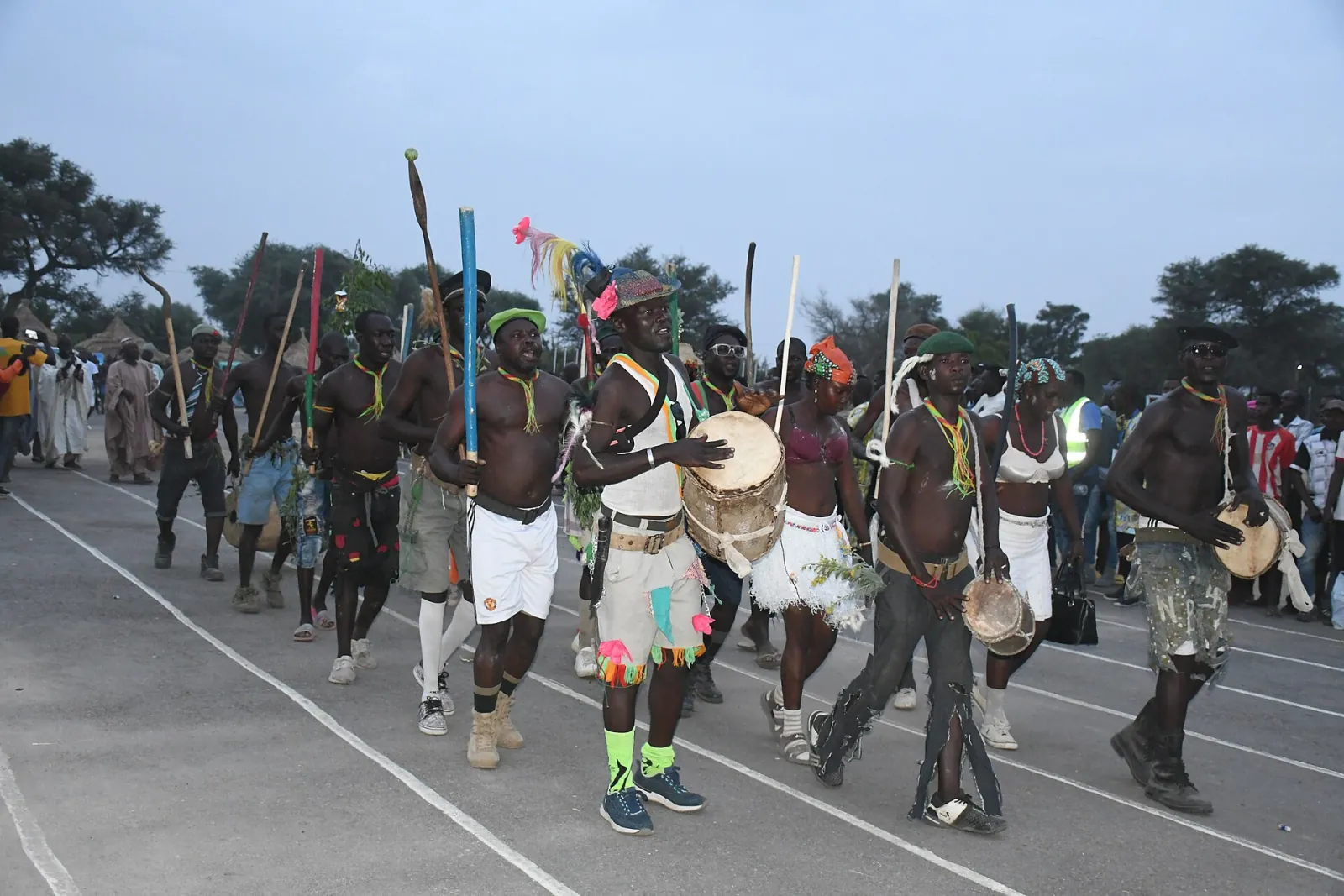
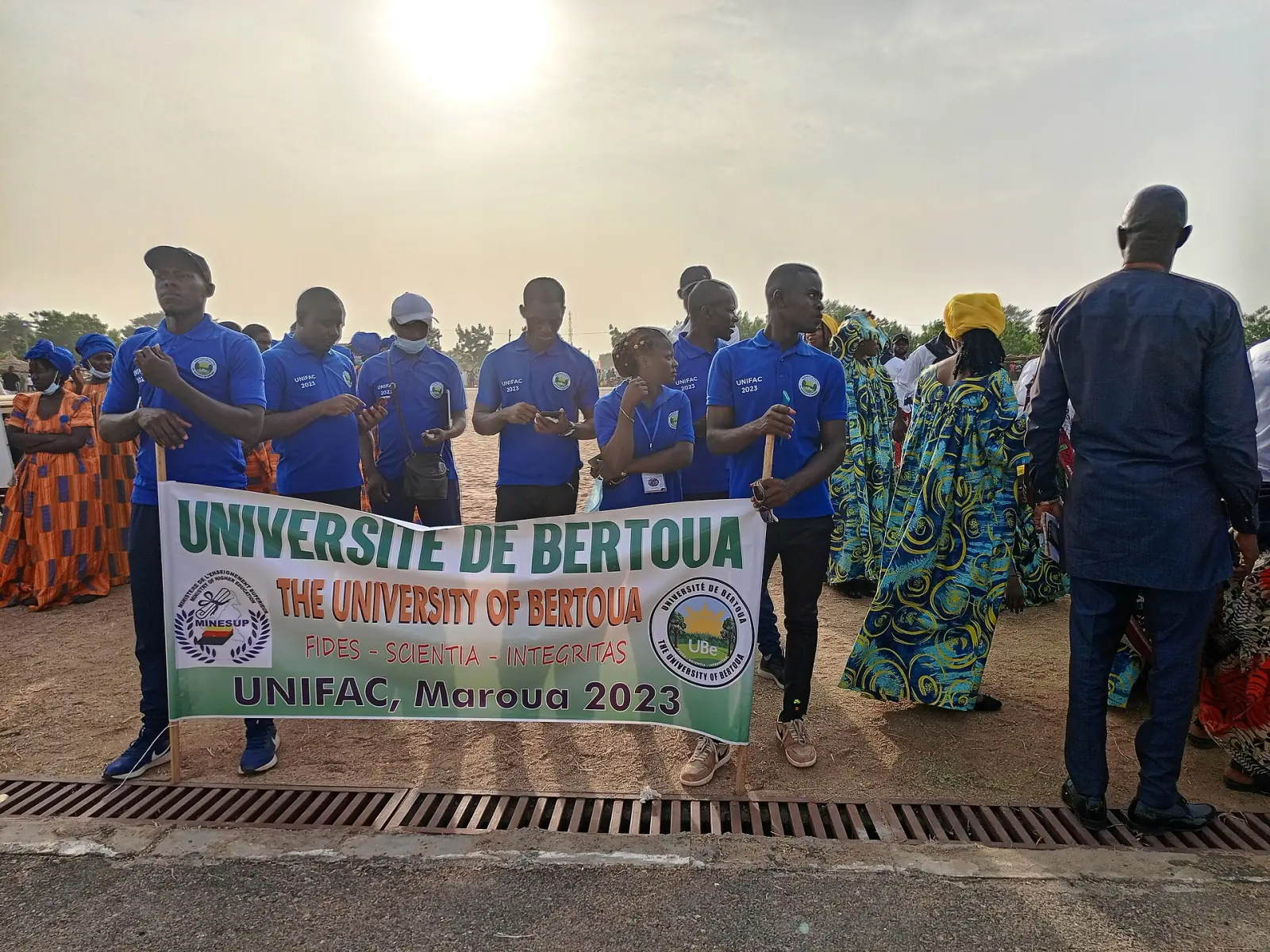
University of Bertoua delegation with its banner at the university arts festival in Maroua

Arts education gives every child, teenager and adult the means to practise, understand and love the arts. It ranges from musical awakening in nursery school to higher professional training, by way of neighbourhood workshops, conservatoire classes and master-to-apprentice transmission in craftspeople’s workshops.

The National Development Strategy NDS30 makes the teaching of the arts at school a pillar of cultural policy. Houses of culture and conservatoires, placed under the supervision of decentralised local authorities, are its local relays, while the National Institute of Arts and Culture (INAC), under construction (phase 2), is to give the country a leading training hub.

  • Arts at school, from nursery to upper secondary
  • Conservatoires and houses of culture in the territories
  • Workshops for all ages and scholarships for training
Arts in schools
School

Arts at school

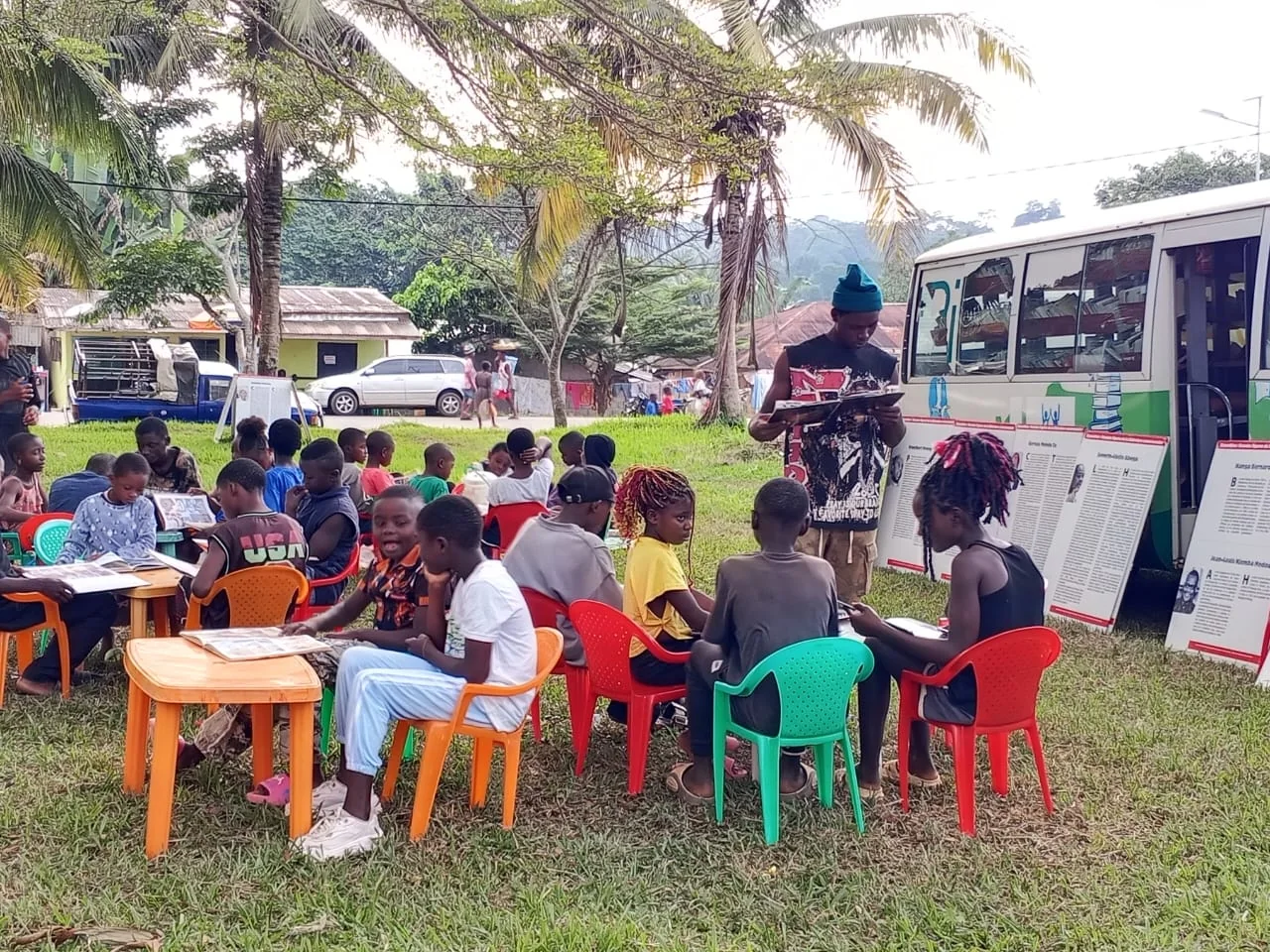
Children reading and writing at colourful tables on a lawn, next to a library bus

School is the first place where a relationship with the arts is built. In accordance with NDS30, the Ministry of Arts and Culture works with the ministries responsible for education so that arts teaching has a real place in timetables: visual arts, music education, drama, dance, introduction to heritage and national languages.

What an institution can do

  • schedule regular arts education sessions, including in cultural clubs;
  • invite an artist into the classroom, with the support of the artists’ directory;
  • organise visits to museums, chiefdoms or sites;
  • put on an end-of-year show or a school exhibition;
  • take part in the Music Day and the heritage days.

Forms adapted to each level

In nursery school, the emphasis is on awakening through song, rhythm and drawing; in primary school, on playing a simple instrument, improvisational theatre or traditional dance; in lower and upper secondary school, on longer projects: theatre workshop, choir, photography, introduction to digital art. The transmission of languages and tales in classrooms ties in with work on linguistic heritage and oral traditions.

Institutions wishing to form a partnership should write to the Regional Delegation.

ℹ️
For teachers

An arts education project works best when a teacher and an artist design it together, with a precise schedule and a presentation to families.

Specialised teaching

Conservatoires and houses of culture

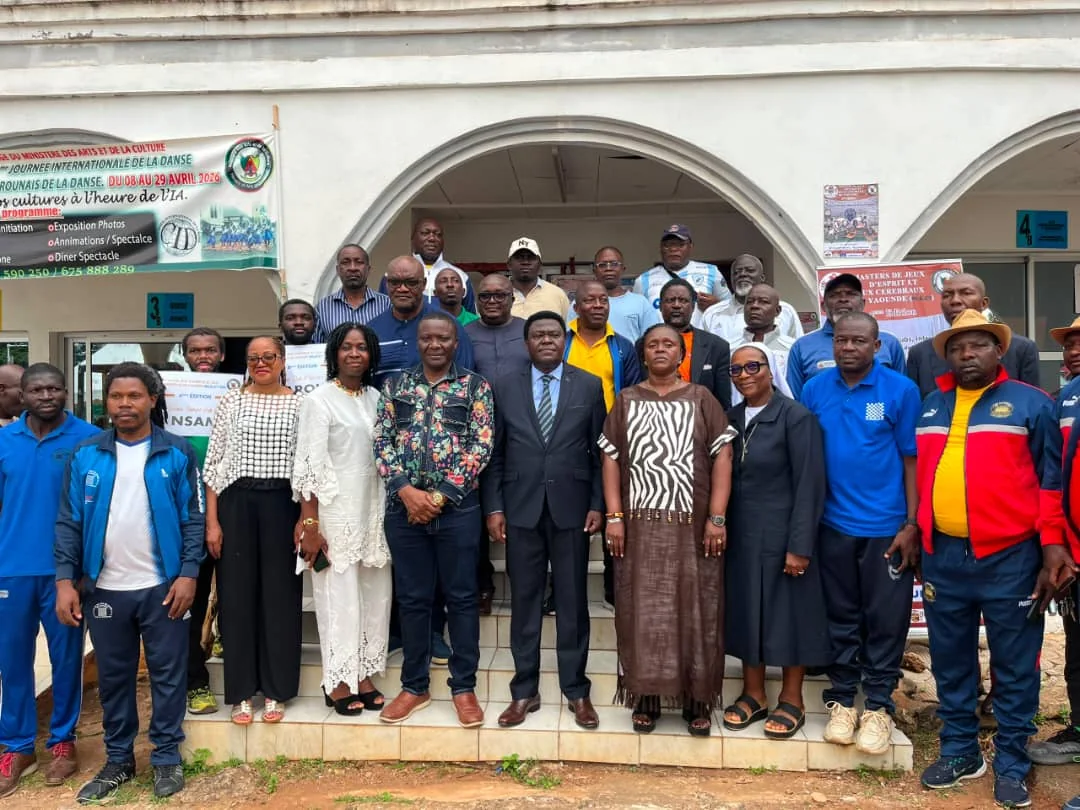
International Dance Day participants in front of the house of culture

Conservatoires provide specialised arts teaching, several hours a week, with a progressive curriculum: introduction, first cycle, second cycle, advanced study. Houses of culture, for their part, offer workshops, rehearsal rooms and exhibition spaces open to all audiences. Under decentralisation, these facilities are placed under the supervision of decentralised local authorities (CTD), with the Ministry providing educational guidance, technical support and standardisation of programmes.

What is learned there

  • music: sight-reading, choral singing, traditional instruments (balafon, mvet, drums) and orchestral instruments;
  • dance: traditional, contemporary and urban dance;
  • theatre: acting, diction, dramatic writing;
  • visual arts: drawing, painting, modelling, sculpture;
  • technical trades: sound, lighting, stage management.

INAC, a future centre of excellence

The construction of the National Institute of Arts and Culture is monitored among the Ministry’s major projects: phase 2 of the works extends the first tranche and aims to give the country a training campus for the creative professions and cultural management. It will build on the existing conservatoires rather than replace them. The network of institutions under supervision and training for cultural professions complete this system.

ℹ️
For local authorities

A commune or a region can create or renovate a conservatoire; it requests the Ministry’s technical support through decentralised cooperation.

Practical

Artistic practice workshops

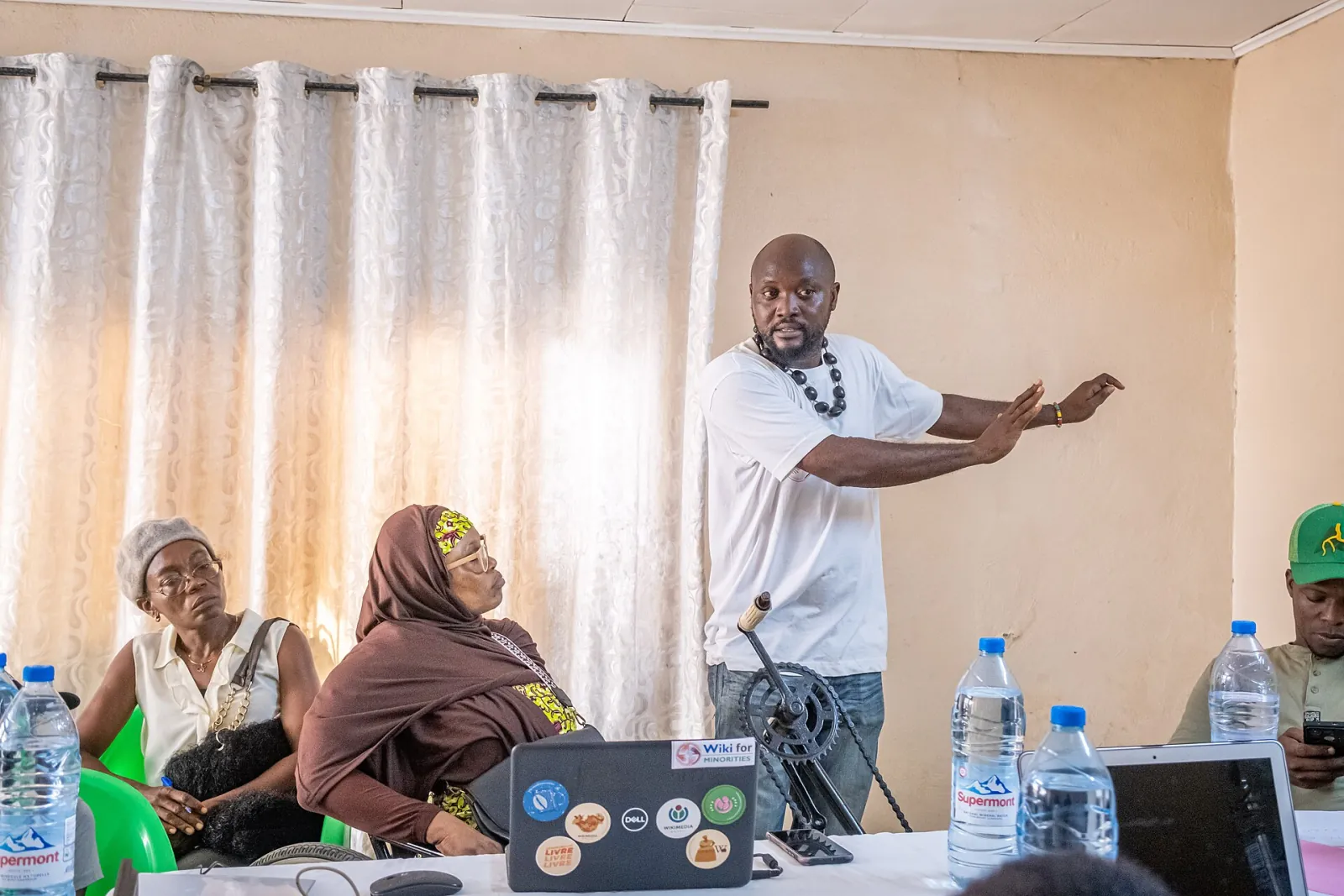
Trainer addressing participants seated around a table during a workshop

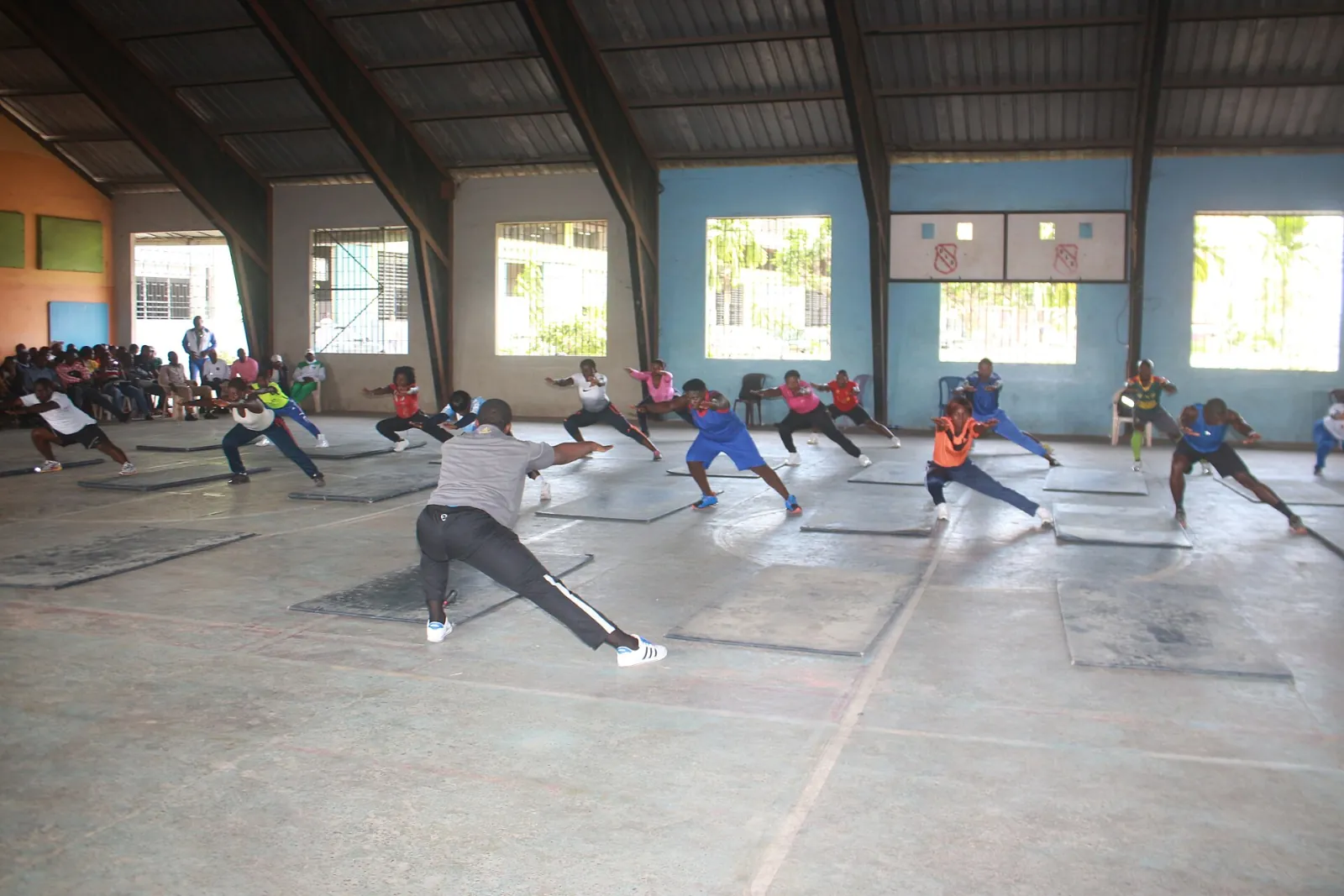
Workshops are the most accessible gateway to the arts. They take place in houses of culture, cultural centres, companies, craftspeople’s workshops, libraries, places of worship or schools, in the evening, on Wednesday afternoons, at weekends or during the holidays.

Types of workshops

  • Regular workshops: one session a week throughout the year, to learn an instrument, a dance or a technique;
  • Intensive courses: three to ten days, during the holidays, with a guest artist;
  • Traditional transmission workshops: master to apprentice, within the framework of traditional know-how, from pottery to wood sculpture;
  • Digital workshops: photography, video editing, sound creation, video games;
  • Inclusive workshops: designed with associations for people with disabilities, in line with the commitments on quality and accessibility.

Leading a workshop

An artist may offer a workshop in a partner venue. They formalise their project in a descriptive sheet (audience, duration, equipment, objectives) and, if they invoice for their services, comply with the artist’s social status. Visiting artists can be recruited from the directory, and transmission residencies fund longer workshops.

Practice workshops in urban arts, dance, music and theatre are among the most in demand.

Financial support

Study and further-training scholarships

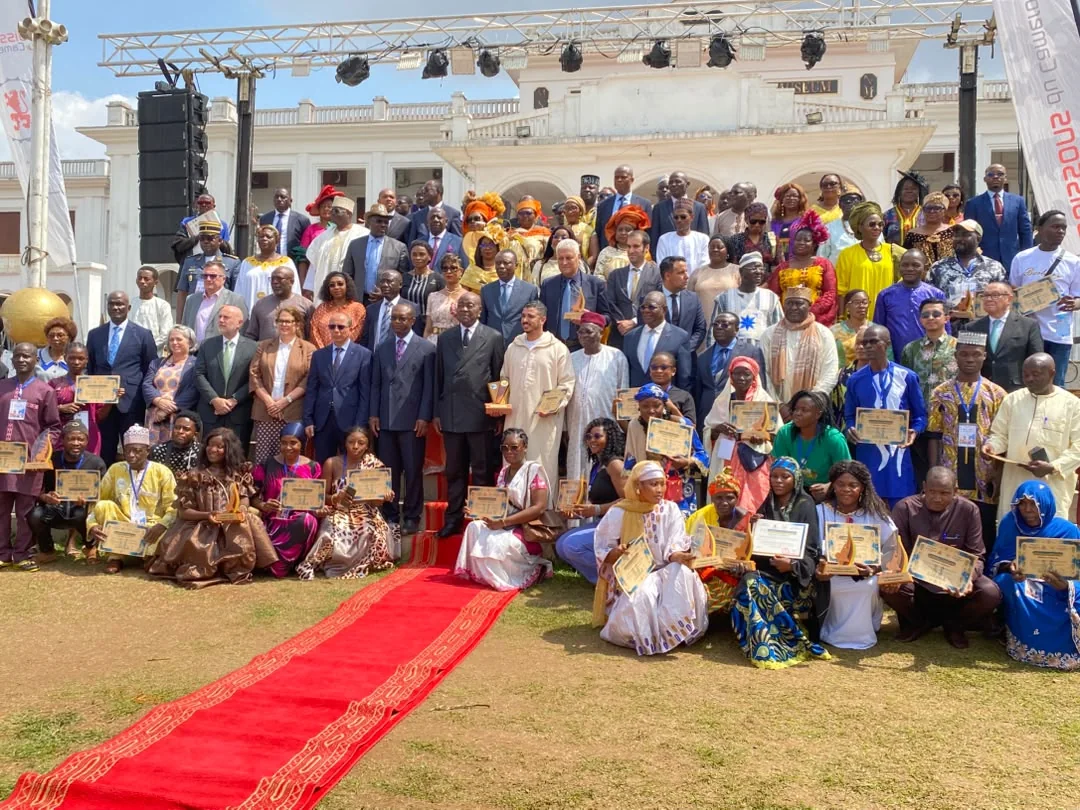
Award winners gathered on the lawn during a national ceremony

Scholarships enable pupils and artists to fund training they could not afford alone. They exist at three levels: tuition scholarships in arts education institutions, further-training scholarships for artists already in practice, and mobility scholarships to study abroad.

National scholarships

National scholarships are awarded on the basis of a file and on social and artistic criteria: motivation, school or artistic results, family situation, region of origin. Particular effort is made for applicants from remote areas and for girls, who are still under-represented in some technical streams.

How to apply

  • find the offer in the calls for projects;
  • gather the documents: cover letter, school reports or certificates, artistic portfolio, recommendations;
  • submit the file online through the One-Stop Shop;
  • follow the examination through file tracking.

On their return, scholarship holders share what they have learned in workshops organised in their region.

Careers and prospects

Training for the trades of culture

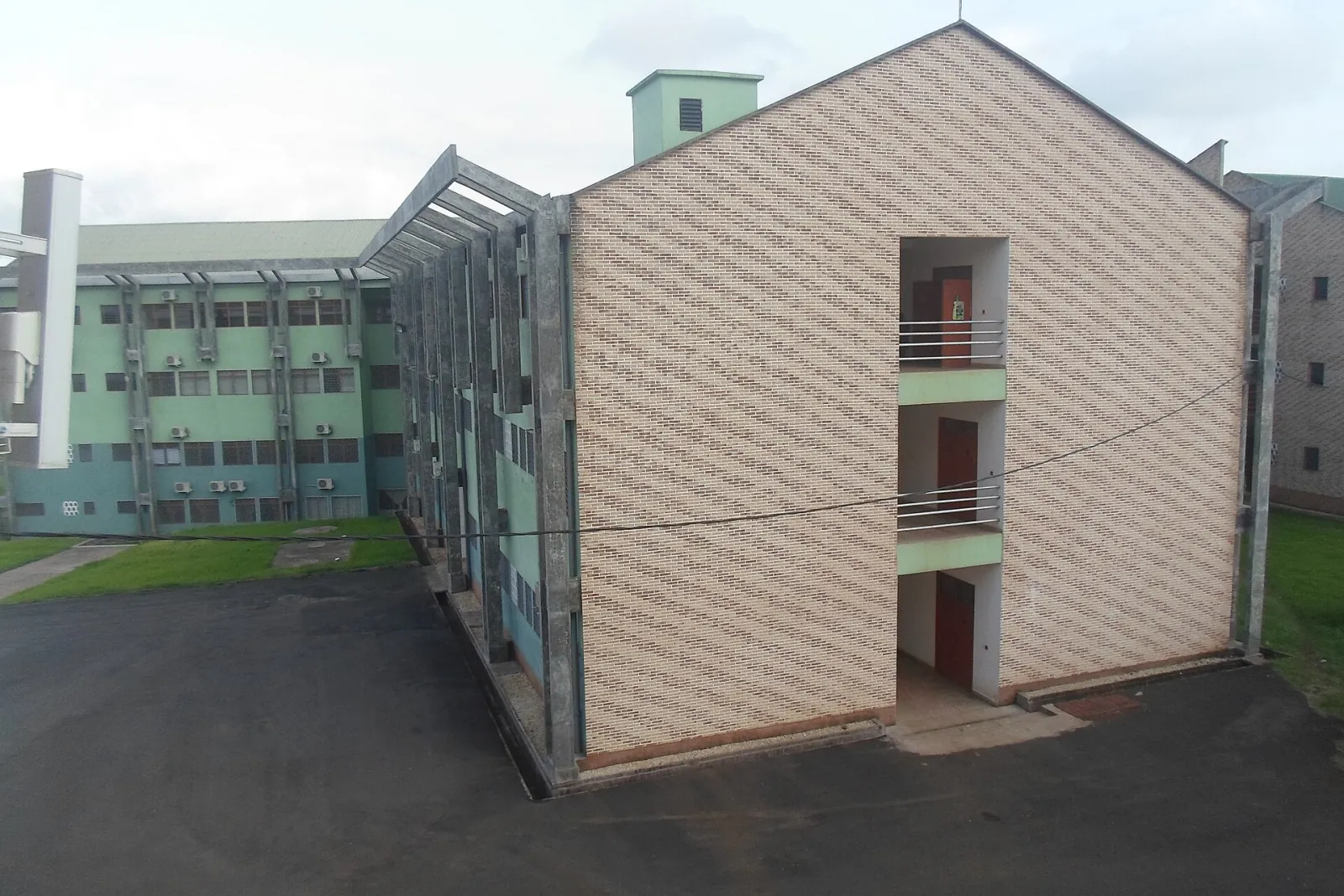
University of Buea building with its brick facade and balconies

Learning the arts does not lead only to the stage or the studio. Cultural careers offer prospects in technical stage management, production administration, cultural mediation, heritage conservation, publishing, teaching and entrepreneurship. Training ranges from a conservatoire certificate to a higher diploma.

The training for the trades page details the pathways, and the culture observatory tracks graduates’ integration. Young creative entrepreneurs can be directed to incubators and cultural entrepreneurship.

Step by step

Building a pathway in arts education

Awareness

From nursery school, children discover song, rhythm, colours and the tales of their region with their teachers.

Introduction

In primary school, they play a simple instrument, practise a dance or improvisational theatre, and visit a museum or a chiefdom.

Deepening

In lower and upper secondary school, they join a club, a workshop or a conservatoire to work on a sustained project.

Specialisation

The most motivated enter a specialised conservatoire cycle, a master’s workshop or a technical stream.

Higher education

They continue at a higher education institution or abroad thanks to a scholarship, then prepare a first project.

Integration and transmission

They register in the directory, obtain their artist card and come back to lead workshops in their turn.

Key facts

The structures at a glance

StructurePublicContentSupervision
Nursery and primary schoolChildren aged 3 to 11Awakening, singing, drawing, talesMinistries responsible for education, with support from MINAC
Lower and upper secondary schoolTeenagersClubs, theatre, photography, choirMinistries responsible for education
House of CultureAll agesWorkshops, rehearsals, exhibitionsDecentralised local authorities
ConservatoirePupils of all levelsMulti-cycle curriculumDecentralised local authorities, with technical support from MINAC
Craftsperson’s workshopApprenticesTransmission of an art tradeTraining craftsperson, professional organisations
Company or collectiveAmateurs and semi-professionalsCourses, creative workshopsAssociation manager
INACStudents and professionalsHigher education in the arts professionsMinistry of Arts and Culture
Voices of those involved

What pupils, teachers and artists say

“
Since the theatre workshop opened at the school, the pupils dare to speak up. Their school results have followed, and parents come to the performances.
A school principal
Ngaoundéré
“
The municipal conservatoire allowed me to learn the balafon with a proper curriculum. I am now preparing a concert with my classmates.
A conservatoire student
Bertoua
“
We lead painting workshops in neighbourhood schools. The directory led to us being contacted by six institutions in one term.
A visiting visual artist
Douala
“
The scholarship opened up training that my family could not afford. I am now coming back to train young people in my region.
A scholarship holder in stage management
Bamenda
To download

Documents for arts education

“A child who learns to play an instrument from their village also learns to listen, to be patient and to pass things on.”

A music education teacher, North
Glossary

The words of artistic training

Conservatoire

An institution providing specialised arts education in several cycles.

House of Culture

A neighbourhood facility hosting workshops, rehearsals, exhibitions and performances.

CTD

A decentralised local authority, region or commune, that manages cultural facilities.

INAC

The National Institute of Arts and Culture, a higher education institution under construction.

Artistic awakening

A first sensory introduction to the arts for young children, through play, singing and drawing.

Cultural mediation

All the actions that bring the public closer to artworks and venues.

Curricula

A course of study organised in successive cycles.

Visiting artist

An artist who leads sessions in a school or partner organisation.

Scholarship

Financial aid enabling a person to undertake training or a period of study.

Transmission

The passing on of knowledge or a skill from generation to generation.

Internship

Short intensive training with a guest artist or trainer.

To act

Procedures in arts education

Invite an artist

Consult the directory to choose a visiting artist for your institution or association, by discipline, region and languages spoken.

Open the directory

Apply for a scholarship

Find national and international scholarship offers, gather your supporting documents and submit your file online before the closing date.

See the scholarships

Open a workshop

An approved association may apply for a grant to fund a regular workshop, a holiday course or the purchase of teaching equipment.

Request support
On the site

Continue towards training

Resources

Useful links for training

Stakeholders

Who trains in the arts?

Journey

Arts education over the years

After independenceThe first schools

Music and drawing classes are set up in secondary schools and teacher training colleges, often driven by passionate teachers.

1980sHouses of culture

Houses of culture open in several towns and offer workshops to young people.

The 2000sThe turning point of decentralisation

The transfer of powers to local authorities brings cultural facilities closer to residents.

NDS30Arts teaching at school

The national strategy makes arts teaching at school one of its priorities.

TodayINAC under construction

Phase 2 of INAC construction prepares a hub for higher education in the arts and culture.

To explore

Arts education in other sections

Questions

Your questions about arts education

Are the arts taught at school?

The national strategy NDS30 makes arts teaching in schools a priority, in conjunction with the ministries in charge of education. It is being rolled out gradually through classroom sessions, clubs, workshops led by artists and end-of-year projects.

Who manages the culture centres and conservatoires?

These facilities are under the supervision of the decentralised local authorities. The Ministry provides pedagogical guidance, technical support and trainer training, while communes and regions handle day-to-day operations.

What is INAC and where does it stand?

The National Institute of Arts and Culture is a higher education institution whose construction is ongoing. Its construction phase 2 is monitored among the Ministry’s major projects. Information on its timetable is published in the news section.

At what age can one start a workshop?

From three or four years old for musical awakening and drawing; from seven or eight for most instruments and dances. Workshops for adults also exist, in the evening or at weekends, with no age limit.

Can an artist work in a school?

Yes, by agreement with the institution. The artist presents an educational project, complies with the charter for hosting minors and, if paid, complies with the artist’s social status. The directory makes it possible to identify the contributors available in the region.

How do I obtain a training scholarship?

Find the offer in the calls for projects or the cooperation scholarships section, gather your file (motivation, results, recommendations) and submit it online. File tracking shows the progress. Applicants are informed of the decision by e-mail.

Are the workshops fee-paying?

It depends on the venue. Some workshops in culture centres are free or at a reduced rate, while others require a contribution. Low-income families may apply for assistance. Enquire with the venue or the regional delegation of your region.

How do I set up a workshop in my neighbourhood?

Write a project sheet, find a host venue, set up an approved association and apply for a grant. Regional delegations advise project leaders and can put them in touch with visiting artists.

Contact

Write to the Ministry: Arts education

Specify your question or your project.

Competent directorate

Write to the arts education service

Address

Directorate of the Development and Promotion of the Arts
Ministry of Arts and Culture
Quartier du Lac – Ministerial Zone
P.O. Box 1053 Yaoundé, Centre Region, Cameroon

Reach us

+237 6 51 70 58 41

contact@minac.gov.cm

Opening hours

Monday to Friday, 8 am to 4 pm

A training project?

Sign up for a workshop, propose one or apply for a scholarship today.

See the scholarships
WhatsApp