Coat of arms of CameroonMinistry of Arts
and Culture
Republic of Cameroon
My procedures
Home
Minister’s message
News
Press releases
Cultural calendar
Official speeches
Press review
Photo library
Video library
Calls for projects
Job vacancies
Public procurement
Newsletter
Frequently asked questions
Site map
Contact
Press area
Podcast “The Voice of Culture”
Legal notices
Privacy policy
Cookies and trackers
The Ministry
Missions and responsibilities
Organisation
Organisation chart
Minister’s Office (Cabinet)
Management team
General Secretariat
General Inspectorate
Central directorates
Regional Delegations
Institutions under supervision
Legislative texts
Regulatory texts
Sector strategy
Major projects
Budget and reports
Partners
Careers
Archives
Institutional communication
Quality and accessibility
Arts
Visual and plastic arts
Visual arts
Performing arts
Theatre
Dance
Music
Literature and books
Cinema and audiovisual
Photography
Fashion and design
Digital arts
Art crafts
Artists’ directory
Residencies
Prizes and awards
Arts education
Urban arts
Heritage
Tangible heritage
Intangible heritage
UNESCO sites
National museums
Listed monuments
National inventory
Palaces and chiefdoms
Archaeology
Linguistic heritage
Oral traditions
Traditional know-how
Restitution of cultural property
Fight against illicit trafficking
Listing and protection
Conservation and restoration
Heritage Days
Cultural landscapes
Industries
Music and recording
Cinema
Publishing and books
Digital arts
Fashion and creativity
Crafts
Cultural tourism
Funding for culture
Support funds
Incubators
Cultural entrepreneurship
Culture Observatory
Vocational training
Studies and reports
Sector statistics
Export and outreach
Intellectual property
Copyright
Legal framework
Copyright and neighbouring rights
Collective management societies
Register a work
Licences
Private copying
Fight against piracy
Model contracts
Social status of artists
Mediation
Disputes
Training
Fee scales
Register of works
Contact
Digital neighbouring rights
Public domain
Festivals
National calendar
Ngondo
Nguon
Écrans Noirs
Heritage Days
Music Day
Regional festivals
Fairs and exhibitions
Biennials
National competitions
Cultural days
Organise a festival
Event grants
Ticketing
Archives
Volunteering
Diaspora festivals
Regions
Adamawa
Centre
East
Far North
Littoral
North
North-West
West
South
South-West
Cultural map
Regional Delegations
Traditional chiefdoms
National languages
Cultural routes
Decentralised cooperation
Regional observatory
Cooperation
UNESCO
Francophonie (OIF)
African Union
Commonwealth
CEMAC
Bilateral cooperation
Cultural agreements
Professional organisations
Scholarships
Artist exchanges
Cultural years
Diaspora
Funded projects
Embassies
Technical partners
International restitution
International monitoring and calls
Services
Artist card
Show authorisation
Filming authorisation
Festival authorisation
Deposit of a work
Export of works of art
Listing of a property
Grant application
Association accreditation
File tracking
Forms
Fees
Opening hours and addresses
Reporting
Online help
My account
One-Stop Shop
Festivals

National competitions

Music, theatre, dance: the guide to the national competitions, from registration to the final, with the rules of each discipline, how to read the results and advice for candidates.

Updated on 6 November 20264 sub-pages
Competition disciplines3
Selection phases3
Regions represented10
PublishingAnnual
National competitions

Discovering talent from across the country

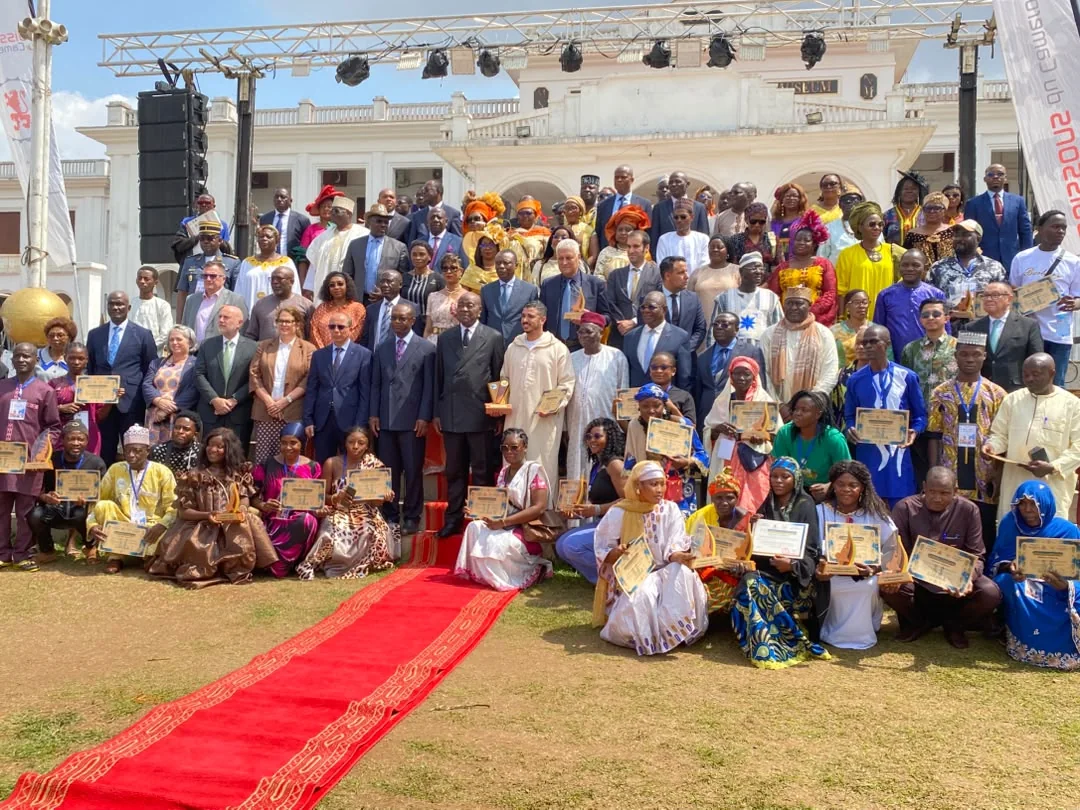
Award winners gathered on the lawn during a national ceremony

The national art competitions are held every year in music, theatre and dance. They follow a three-stage path: local selections in the departments, regional phases in the ten regions, then a national final bringing together the winners from each region.

They offer amateur and semi-professional artists, school troupes and neighbourhood companies a stage, a jury of professionals and, for the best, support towards professionalisation. This page details the rules for each discipline, the publication of results and advice on preparing well, in line with the national calendar.

  • Three disciplines: music, theatre, dance
  • Three phases: departmental, regional, national
  • Published results and supported winners
The music competition
Music

The national music competition

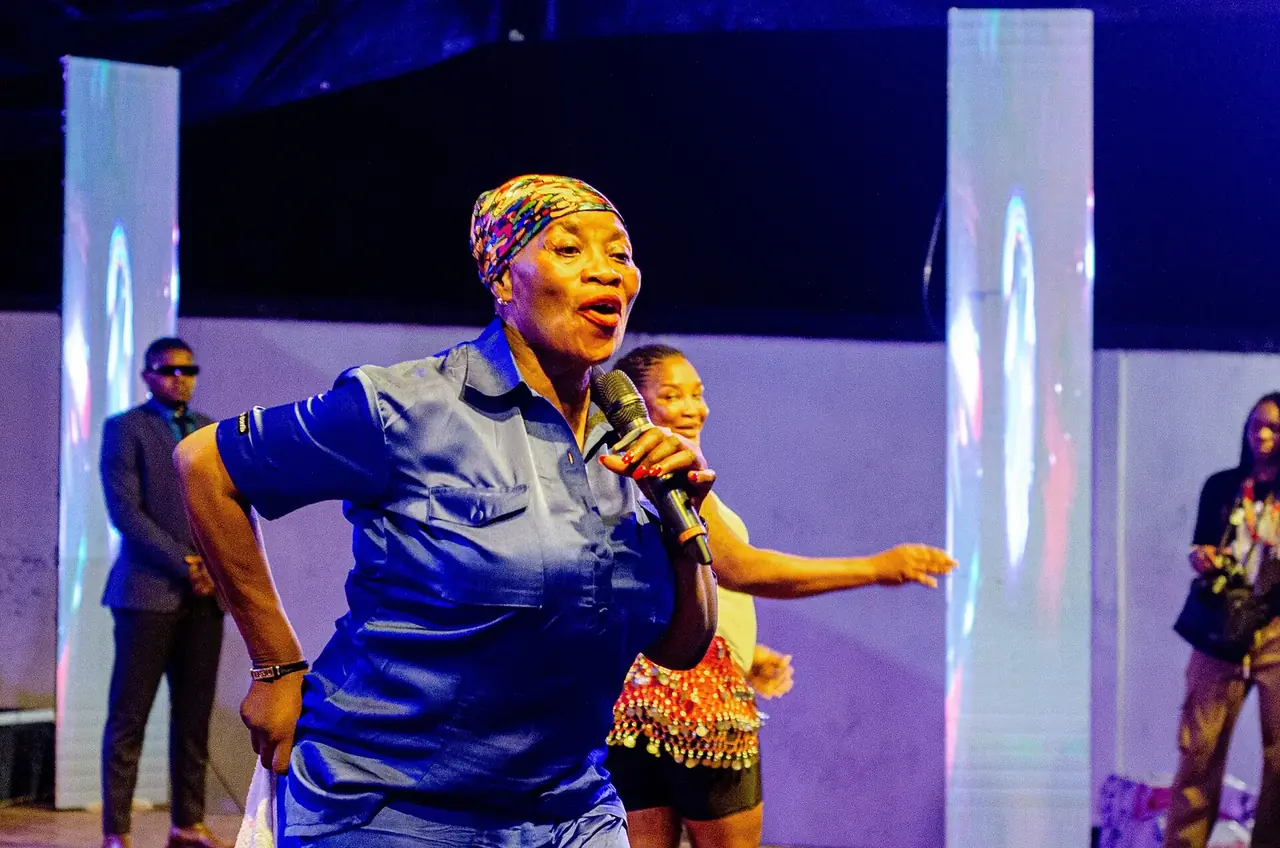
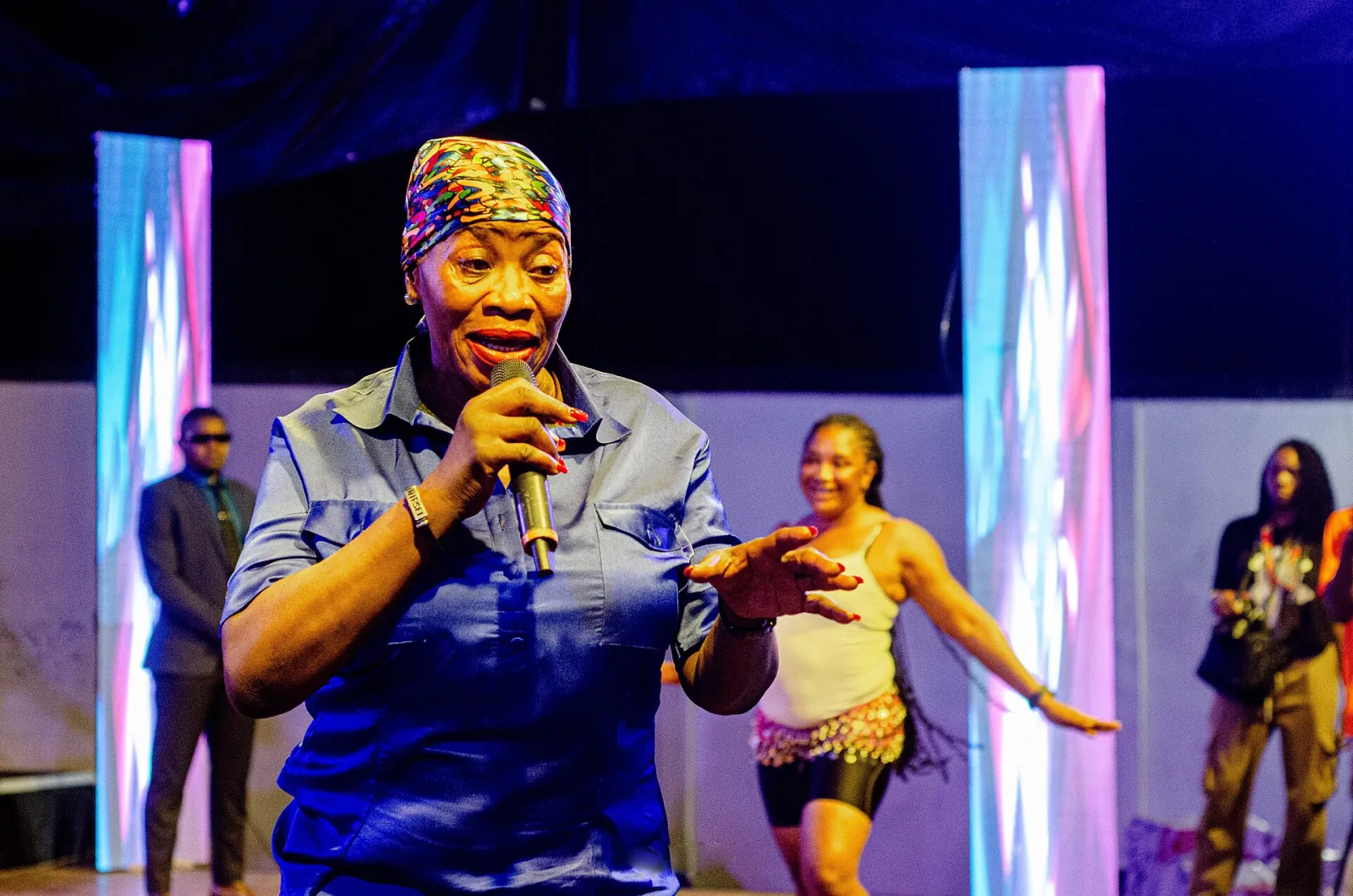
Female singer in blue on stage in front of a lit screen, joined by a dancer

The music competition recognises performers, singer-songwriters, groups and traditional ensembles. It includes several categories: traditional music (songs, balafon ensembles, drums, mvet), contemporary music (bikutsi, makossa, assiko, afrobeat, gospel, rap, urban music), choirs and school orchestras.

How the trials work

Each candidate performs two pieces of no more than ten minutes each, at least one of them in a national language or in a tradition of the country. The jury assesses the quality of the performance, the originality of the composition, mastery of the instrument, stage presence and respect for the repertoire. Traditional ensembles are assessed with the help of knowledge holders.
Beyond the award list

Winners are put in touch with studios, labels and collective management societies; they receive advice on registering their works. To understand the landscape, see the music page and the chapter on music and records.

  • young talent category (under 18);
  • traditional music category;
  • contemporary music category;
  • school choirs and ensembles category.
ℹ️
Copyright

A candidate presenting an original composition can declare it before the competition: see declaring a work.

Theatre

The national theatre competition

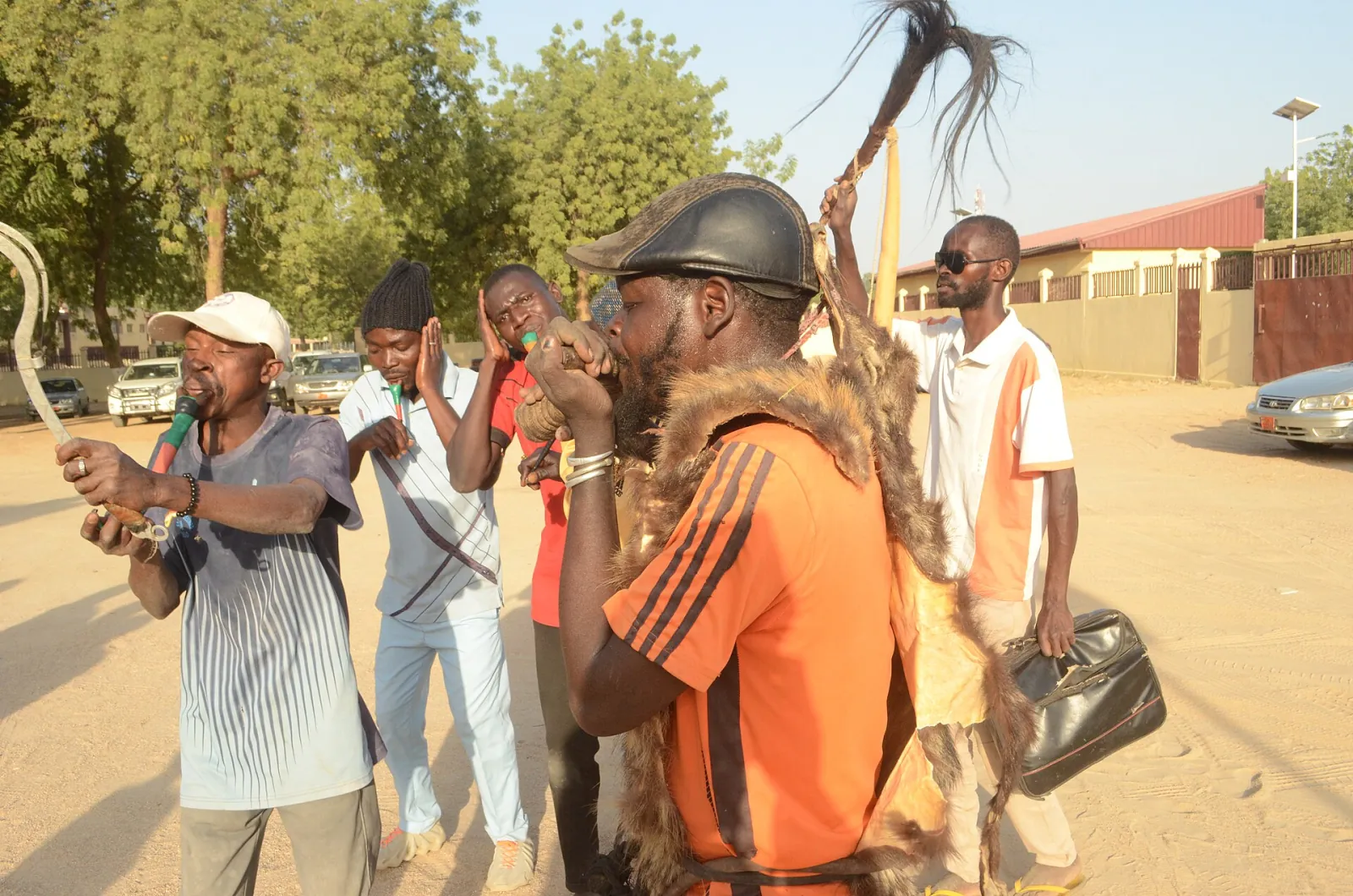
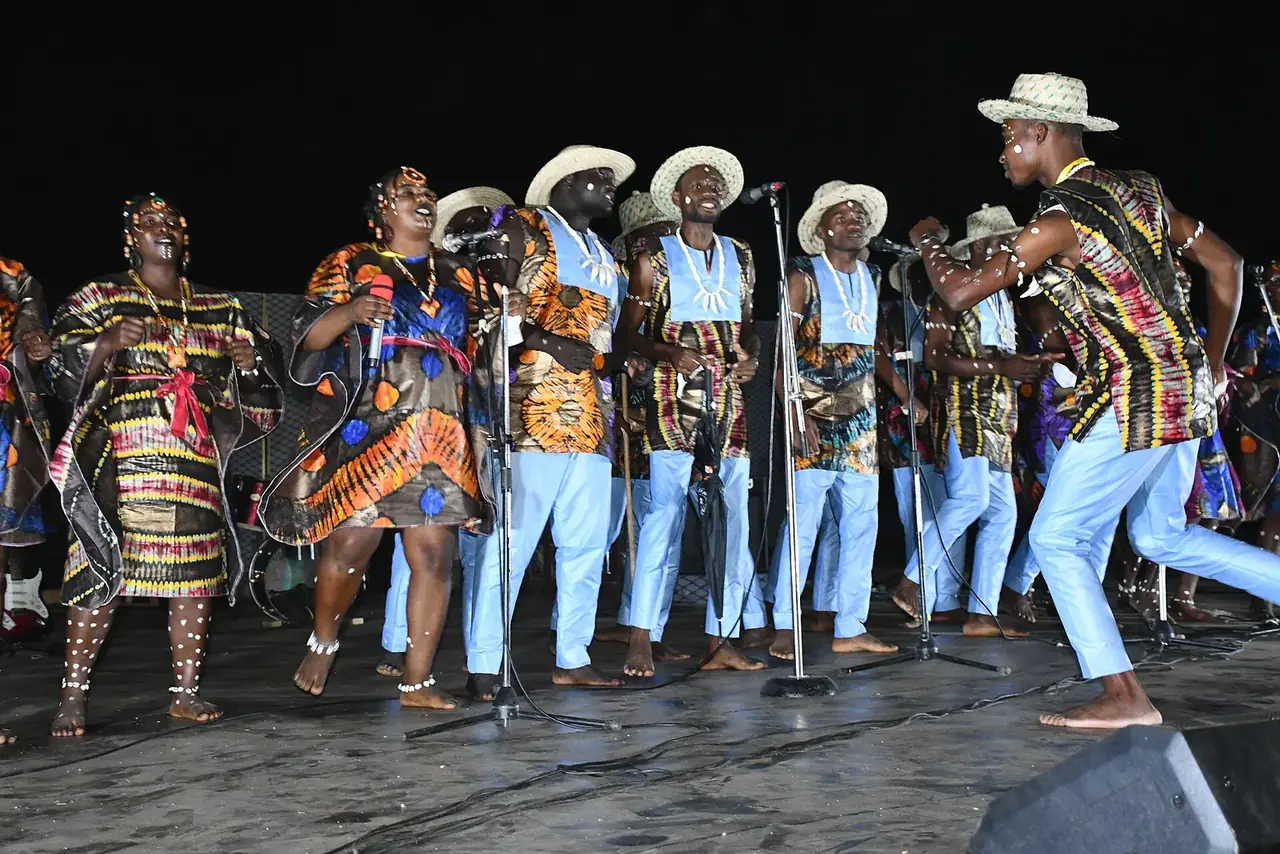
Troupe in colourful outfits on stage at the Maroua cultural festival

The theatre competition pits troupes from secondary schools, universities, neighbourhoods and villages against one another. It covers scripted theatre, street theatre, storytelling, children’s theatre and popular theatre in national languages, which is very lively in the regions.

A flexible and demanding format

A play presented at the competition lasts between twenty and forty-five minutes, with light, transportable scenery. The jury judges the text (original writing or adaptation), the direction, the acting, the soundscape and the social dimension of the message. Troupes drawing on oral traditions (tales, epics, proverbs) are encouraged.

For authors

An unpublished text prize is awarded to the author of a play not yet performed. Troupes are invited to work with a partner theatre in residency and to find out about the performing arts. Established companies may also apply for their association approval.

Public performances fall under the performance regime: pupils and amateurs must ensure, with their school or association, that the required declaration or authorisation has been made.

Dance

The national dance competition

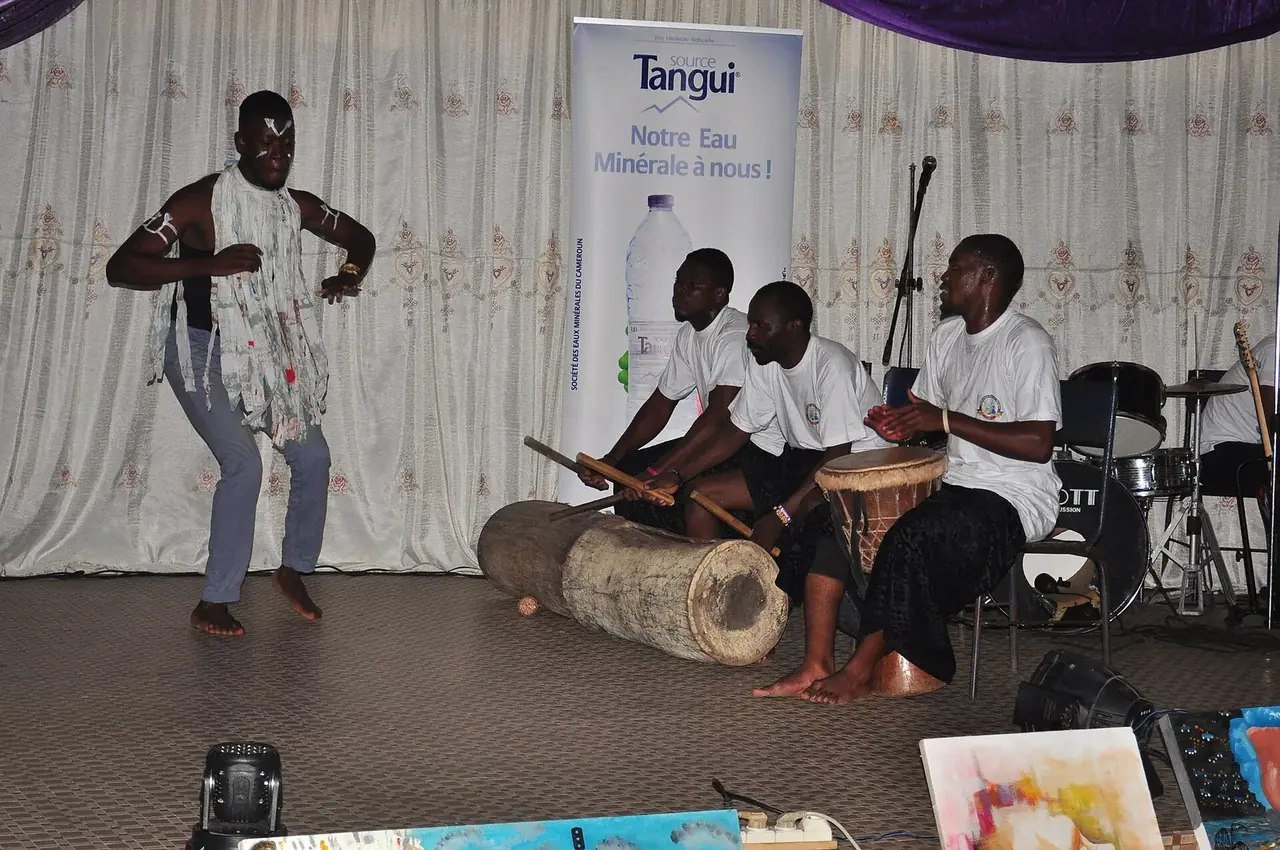
Dancer and drummers during a traditional dance show

The dance competition brings together traditional ballets, contemporary companies, urban dance groups and workshop pupils. Each category is judged by a jury that includes dance masters, choreographers and teachers.

Four categories

  • traditional dances, presented in their costumes and with their original instruments;
  • contemporary dances, solos or group pieces;
  • urban dances, from hip-hop to club dances;
  • school dances, for workshops in primary and lower secondary schools.

What the jury looks at

The jury assesses precision of movement, mastery of rhythm, coherence between music, costume and choreography, fidelity to the codes of a tradition where one is claimed, and creativity in the case of a new work. Groups are also valued for teamwork, clarity of composition and the quality of their transmission to younger people.

After the competition

The best companies are invited to residencies and festival stages. The dance page details the support schemes, and urban arts presents the practice spaces. Dancers wishing to professionalise their career should apply for their artist card.

ℹ️
Costumes and instruments

Court costumes, masks and sacred instruments require the consent of their custodians: see intangible heritage.

Results

Competition results

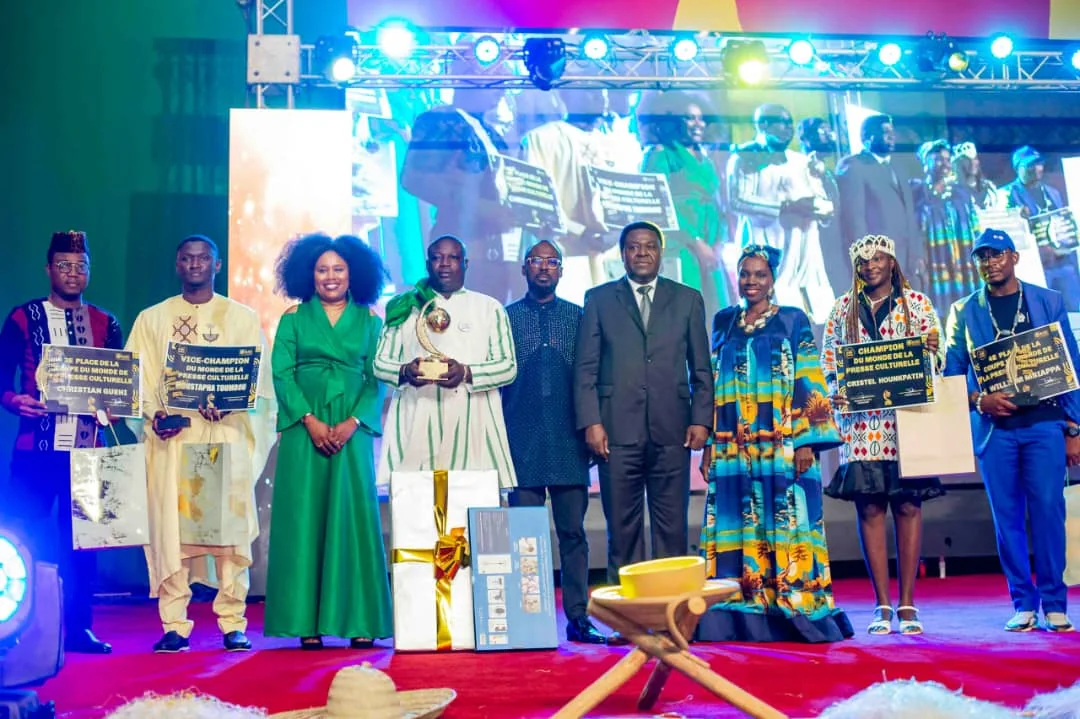
Award winners pose with their trophies and certificates on a red-carpeted stage, alongside two dignitaries.

Results are announced at the end of each phase. For the departmental and regional phases, the regional delegations post the lists on their premises and forward them to the national directorate; for the final, the award list is announced at the closing ceremony, then published in the Ministry’s news and press releases.

Understanding the award list

For each discipline, the jury awards a first, second and third prize per category, a special jury prize and a mention for the best local creation. Scores are detailed in a sheet provided to candidates who request it, so that everyone can measure their progress.

Appeals and disputes

A candidate who considers that a procedural error has occurred may write to the regional delegation within eight days of the announcement, stating the phase, category and facts. A commission examines the appeal with the support of the General Inspectorate if necessary. The award lists of previous editions are kept in the festival archives.

Winners may also appear in the artists’ directory and take part in the following year’s prizes and awards.

ℹ️
Dates

The calendar of each phase is displayed in the cultural agenda as soon as registration opens.

Step by step

Taking part in a national competition

Register

Complete the registration form with the regional delegation or the artistic district, stating the discipline, the category and the composition of the group.

Passing the local selection

Present your performance before the departmental jury: a short trial is enough, with a programme of ten to fifteen minutes.

Preparing for the regional phase

Qualifiers rehearse with the support of a cultural facilitator, refine their programme and provide the technical sheet for their performance.

Competing in the region

Regional winners are selected for the final; each region may present a limited number of candidates per category.

Going to the final

Accommodation and meals are provided for finalists; a programme of stage rehearsals precedes the trials.

Take stock

Winners meet professionals, while the others receive their score sheet and advice for improving.

To act

The candidate’s procedures

Register

Contact the regional delegation to obtain the rules, the registration form and the calendar for your phase.

Find my delegation

Register your association

A troupe organised as an association finds it easier to register and access support: apply for approval.

Association accreditation

Authorising a performance

For a public performance, check the formalities before the planned date and submit the request online.

Show authorisation

Look for funding

Travel costs, costumes, equipment: various schemes exist depending on your profile and region.

Support funds
Key facts

The competitions discipline by discipline

DisciplineCategoriesPerformance lengthMain criteria
MusicTraditional, contemporary, choirs, young talentTwo pieces, ten minutes at mostPerformance, composition, stage presence, respect for the repertoire
TheatreText, street, storytelling, young audiences, national languagesTwenty to forty-five minutesWriting, direction, acting, light scenography, message
Traditional danceCourt dance, forest dance, coastal danceTen to fifteen minutesFidelity to the rite, costume, rhythm, transmission
Contemporary danceSolo, duo, groupTen to twenty minutesChoreographic writing, originality, mastery of movement
Urban dancesHip-hop, club dances, battleTen minutes or short duelTechnique, creativity, musicality, team spirit
EducationLower secondary schools, upper secondary schools, workshopsTen minutesProgression, participation of all, clarity of message
To download

Competition documents

“The competition is first and foremost a meeting: you come to win, you stay to learn.”

A jury president, national final
Glossary

The vocabulary of the competitions

Departmental phase

The first selection stage, held close to the candidates, which designates the qualifiers for the region.

Regional phase

An intermediate stage that brings together winners from the same region and designates the finalists.

National final

The last stage, which brings together the best candidates from the ten regions before a national jury.

Category

A division of the competition by discipline, age or performance style.

Jury

A group of professionals and knowledge holders responsible for scoring and drawing up the award list.

Scoring grid

A table of criteria and points used as the basis for assessing each performance.

Winners

The official list of winners ranked by discipline and category.

Technical sheet

A document describing stage requirements: lighting, sound, props, duration.

Special mention

A distinction that highlights a particular quality not rewarded by the top prizes.

Finalist

A candidate qualified for the national stage of the competition.

Journey

The calendar of an edition

Start of the yearLaunch and registration

The Ministry publishes the rules; the delegations open registration and inform schools, associations and cultural centres.

SpringDepartmental selections

Local juries visit the departments, draw up a first list and forward the scoring sheets to the region.

Early summerRegional phases

Each region organises its phase over several days, with public performances, a ceremony and an announcement of the qualifiers.

Late summerPreparing the finalists

Finalists attend a refresher workshop, adapt their performance to the final stage and finalise their technical sheets.

AutumnNational final

The trials take place in a major city before a school audience, guests and a radio or online broadcast.

After the finalAward list and follow-up

The award list is published, winners are invited to residencies and festivals, and the review feeds into the next edition.

On the site

Going further after the competitions

Resources

Useful links for the competitions

Stakeholders

Who organises the competitions?

To explore

The competitions and the other sections

Voices of the candidates

They competed

“
Our balafon ensemble found an unexpected audience in the region; the final brought us two festival invitations.
An ensemble leader
Music, West
“
In our school, the theatre competition made every pupil want to get on stage, even those who did not like reading.
A literature teacher
Theatre, Centre
“
Having a detailed score sheet taught us more than the prize: we finally know what needs correcting.
An amateur choreographer
Dance, Littoral
“
The regional phase allowed us to meet other troupes; we are preparing a joint show together.
A troupe director
Theatre, North
Questions

Your questions about the competitions

Who can take part in the national competitions?

Anyone residing in Cameroon, regardless of age, may register in the category corresponding to their practice. Minors take part with the consent of their parents or their school. Declared professionals compete in their own categories so that the competition remains fair.

Are there registration fees?

The conditions are set out in the rules of the edition and on the site’s fees page. In principle, participation is open to all and the accommodation costs of finalists are covered by the organisation. No candidate should be excluded for financial reasons.

How are the juries composed?

Juries bring together established artists, teachers, tradition masters and representatives of the administration. No member may judge a candidate with whom they have a professional or family connection. The composition of the jury is posted before the trials and recalled in the jury charter.

Can my group compete in several disciplines?

Yes, provided that you present a separate performance for each discipline and register separately. The calendars are organised to avoid overlaps. However, a candidate may not compete in two categories of the same discipline during the same phase.

What do the winners receive?

Winners receive a diploma, a trophy and an award intended to support their project. They are invited to residencies, festival stages and professional meetings. The best may receive support in submitting a grant application.

Can I present an original creation?

Yes, it is even encouraged. To protect your work, register it with the competent service before the final and keep your scores, texts or recordings. Copyright belongs to the author; the competition acquires none and may broadcast your performance only with your agreement.

Where can I see the results?

Results are posted in the regional delegations after each phase, then published on the site in the news and press releases. The full award list of the final is then deposited in the festival archives, which you can consult at any time.

How can I challenge a result?

Write to the regional delegation within eight days of the announcement, stating the phase, category and facts. A commission examines the appeal. The jury’s decision on artistic merit cannot be contested; only procedural errors can be corrected.

Contact

Write to the Ministry: National competitions

State the festival or event concerned.

Competent directorate

Write to the directorate of national competitions

Address

Directorate of the Development and Promotion of the Arts
Ministry of Arts and Culture
Quartier du Lac – Ministerial Zone
P.O. Box 1053 Yaoundé, Centre Region, Cameroon

Reach us

+237 6 51 70 58 41

contact@minac.gov.cm

Opening hours

Monday to Friday, 8 am to 4 pm

Ready to compete?

Find the dates of each phase and register your troupe, group or ensemble.

View the calendar
WhatsApp