Coat of arms of CameroonMinistry of Arts
and Culture
Republic of Cameroon
My procedures
Home
Minister’s message
News
Press releases
Cultural calendar
Official speeches
Press review
Photo library
Video library
Calls for projects
Job vacancies
Public procurement
Newsletter
Frequently asked questions
Site map
Contact
Press area
Podcast “The Voice of Culture”
Legal notices
Privacy policy
Cookies and trackers
The Ministry
Missions and responsibilities
Organisation
Organisation chart
Minister’s Office (Cabinet)
Management team
General Secretariat
General Inspectorate
Central directorates
Regional Delegations
Institutions under supervision
Legislative texts
Regulatory texts
Sector strategy
Major projects
Budget and reports
Partners
Careers
Archives
Institutional communication
Quality and accessibility
Arts
Visual and plastic arts
Visual arts
Performing arts
Theatre
Dance
Music
Literature and books
Cinema and audiovisual
Photography
Fashion and design
Digital arts
Art crafts
Artists’ directory
Residencies
Prizes and awards
Arts education
Urban arts
Heritage
Tangible heritage
Intangible heritage
UNESCO sites
National museums
Listed monuments
National inventory
Palaces and chiefdoms
Archaeology
Linguistic heritage
Oral traditions
Traditional know-how
Restitution of cultural property
Fight against illicit trafficking
Listing and protection
Conservation and restoration
Heritage Days
Cultural landscapes
Industries
Music and recording
Cinema
Publishing and books
Digital arts
Fashion and creativity
Crafts
Cultural tourism
Funding for culture
Support funds
Incubators
Cultural entrepreneurship
Culture Observatory
Vocational training
Studies and reports
Sector statistics
Export and outreach
Intellectual property
Copyright
Legal framework
Copyright and neighbouring rights
Collective management societies
Register a work
Licences
Private copying
Fight against piracy
Model contracts
Social status of artists
Mediation
Disputes
Training
Fee scales
Register of works
Contact
Digital neighbouring rights
Public domain
Festivals
National calendar
Ngondo
Nguon
Écrans Noirs
Heritage Days
Music Day
Regional festivals
Fairs and exhibitions
Biennials
National competitions
Cultural days
Organise a festival
Event grants
Ticketing
Archives
Volunteering
Diaspora festivals
Regions
Adamawa
Centre
East
Far North
Littoral
North
North-West
West
South
South-West
Cultural map
Regional Delegations
Traditional chiefdoms
National languages
Cultural routes
Decentralised cooperation
Regional observatory
Cooperation
UNESCO
Francophonie (OIF)
African Union
Commonwealth
CEMAC
Bilateral cooperation
Cultural agreements
Professional organisations
Scholarships
Artist exchanges
Cultural years
Diaspora
Funded projects
Embassies
Technical partners
International restitution
International monitoring and calls
Services
Artist card
Show authorisation
Filming authorisation
Festival authorisation
Deposit of a work
Export of works of art
Listing of a property
Grant application
Association accreditation
File tracking
Forms
Fees
Opening hours and addresses
Reporting
Online help
My account
One-Stop Shop
Festivals

Music Day

Every 21 June, the streets of Cameroon ring with music: open stages, a typical programme, the place of amateur and professional artists, and the procedures for organising a lawful concert are set out here to help make Music Day a success.

Updated on 6 November 20264 sub-pages
Date of the festival21 June
Public accessFree
Participating towns40
Stages per major city12
Music Day

Music in the street

Three young urban artists posing in black outfits

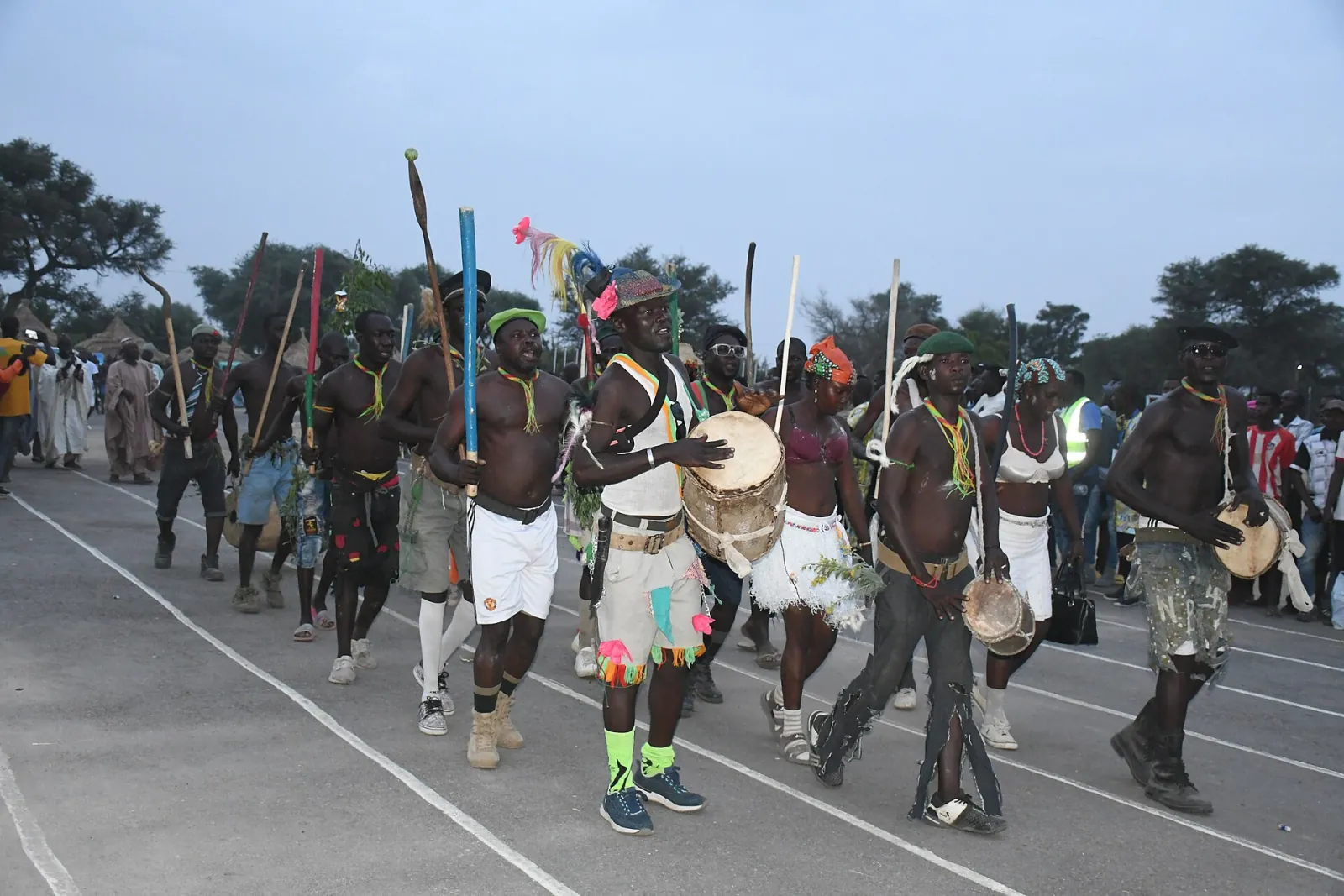
Every 21 June, the day of the summer solstice, Cameroon joins in the worldwide celebration of music. Squares, esplanades, school yards, markets, cultural centres and neighbourhood bars are transformed into stages where bikutsi singers, makossa bands, balafon orchestras, rappers, church choirs and school brass bands meet.

The principle is simple and generous: concerts are free, musicians – amateur and professional alike – play without a fee, and the public moves freely from one stage to another. This page describes the stages, the typical programme, the place of artists and the procedures to follow to organise a concert in compliance with Law 2004/001 on the regime governing shows.

  • Open stages in public spaces
  • Amateur and professional artists together
  • Show authorisation for organisers
Discover the stages
Stages

The stages of Music Day: where to listen, where to play

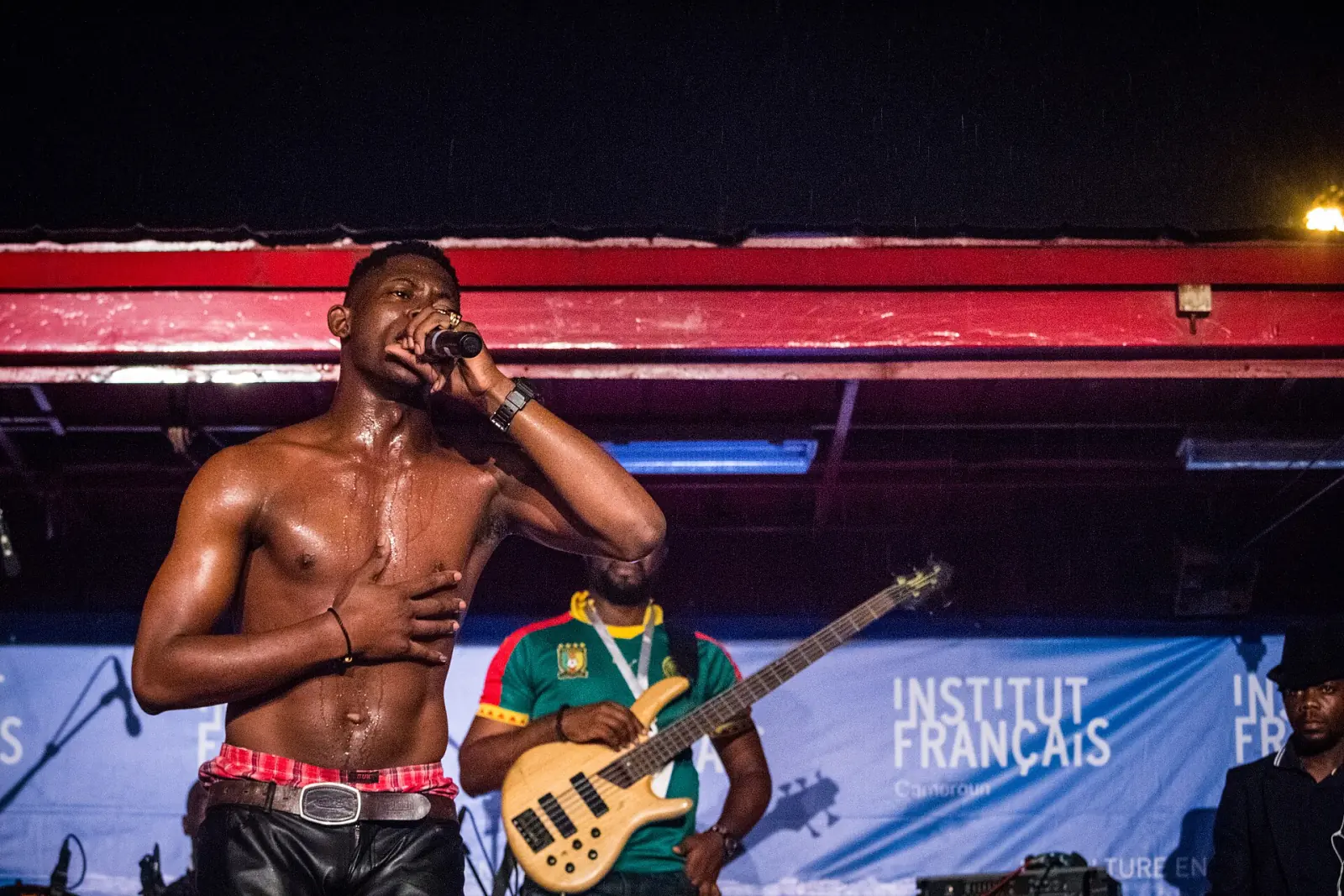
Rapper on stage with a bass guitarist during a concert at the Institut Français

The strength of the festival lies in the diversity of its venues. In each town, a local committee, bringing together the regional delegation, the municipality and musicians’ associations, draws up the map of stages and ensures they are evenly distributed between the town centre, working-class neighbourhoods and the outskirts.

The main types of stage

  • Institutional stages: esplanades and halls of cultural centres, the Conference Centre and open-air theatres, with full sound systems;
  • Neighbourhood stages: crossroads, school yards and market squares, where local groups perform;
  • Thematic stages: a bikutsi stage, a hip-hop stage, a sacred music stage, a stage of music from the North;
  • Open private stages: restaurants, maquis, bookshops and galleries that host a free concert.

Technical conditions to be guaranteed

An open-air stage requires a safe power supply, a suitable sound system, a security perimeter and an evacuation plan. Committees rely on the studios and technicians of the sector described in music and records, and on the advice in organising a festival for welcoming the public.

The list of stages in each town is published in the cultural agenda, with access maps and times.

ℹ️
A stage near you

Does your neighbourhood have no stage? Contact the regional delegation: the local committee can add a new venue to the programme.

Programme

The typical programme of a Music Day

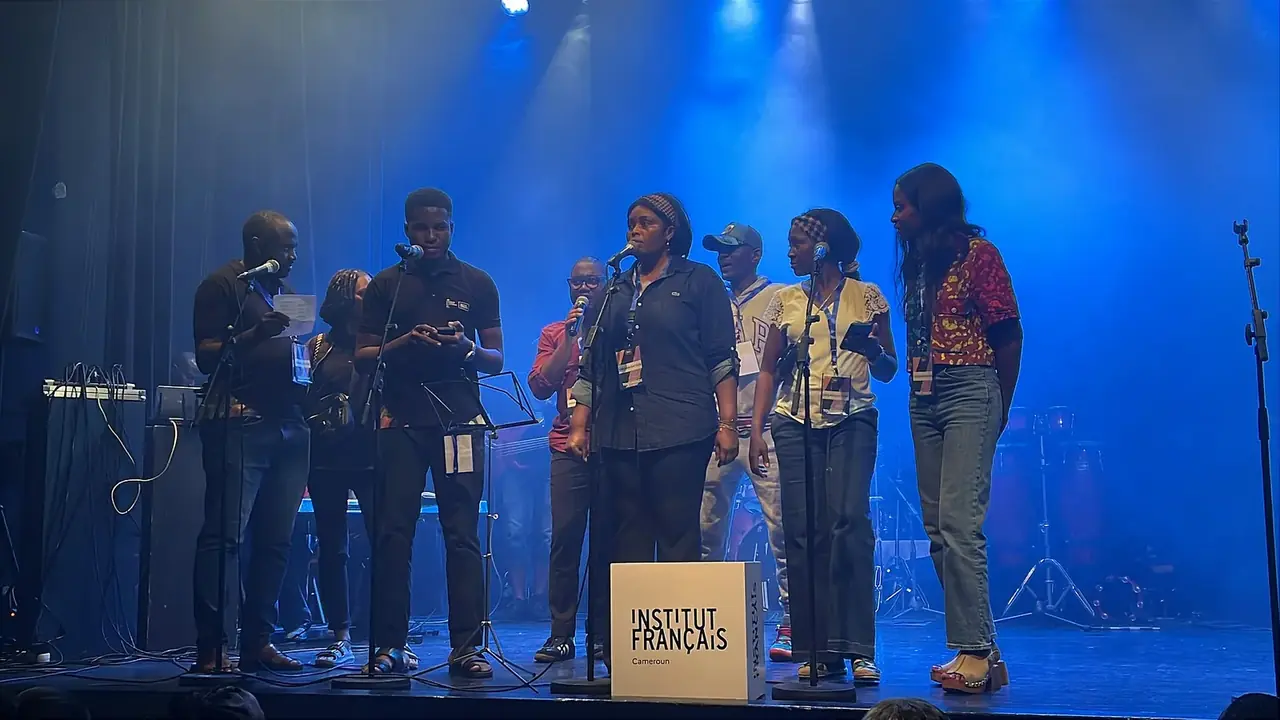
Choir on stage at a music festival in Douala

The programme is never identical from one town to another, but it follows a common thread that helps the public find their way. The day begins in late morning with events for families, continues with the main afternoon highlight and culminates in major evening concerts that may run late into the night.

A day in four parts

  • Morning: public rehearsals, meetings between pupils of music classes, a parade of brass bands and drum groups through the streets;
  • Afternoon: open stages where anyone can play a few pieces, instrument introduction workshops, choir concerts;
  • Evening: concerts by established artists, themed line-ups of makossa, bikutsi, assiko, rumba, gospel or hip-hop;
  • Night: popular dances and improvised sessions in the neighbourhoods.

Specific highlights

Several towns organise an opening concert with guest artists, a grand parade and a moment of remembrance dedicated to late musicians. Other musical events in the calendar, such as the 26th edition of Ya Jazz in Yaoundé, show that the country’s musical life is rich all year round; the June festival is its most popular showcase. All these dates can be found in the national calendar.

The programmes for each town are compiled from the registrations received by the committees, no later than four weeks before the festival.

Artists

The artists of the festival: amateurs, professionals and collectives

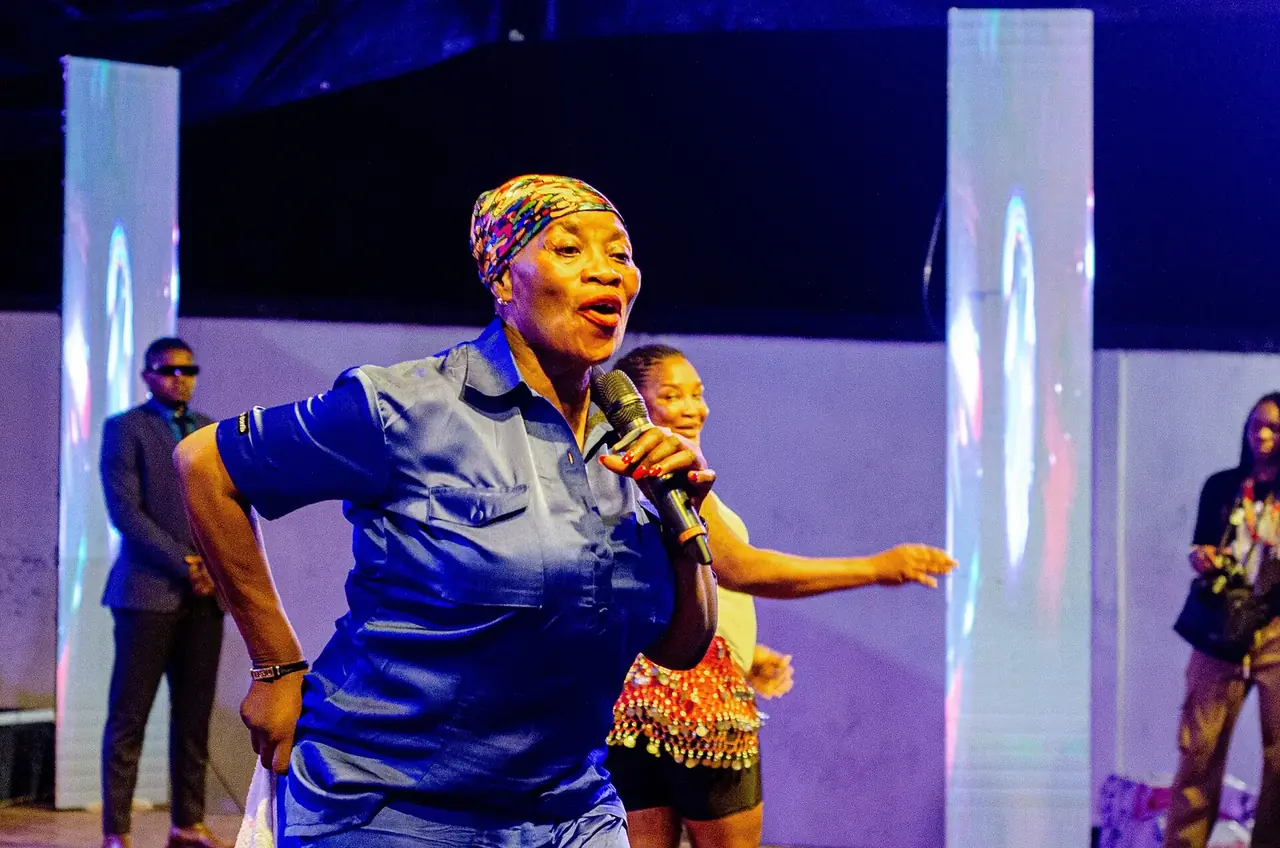
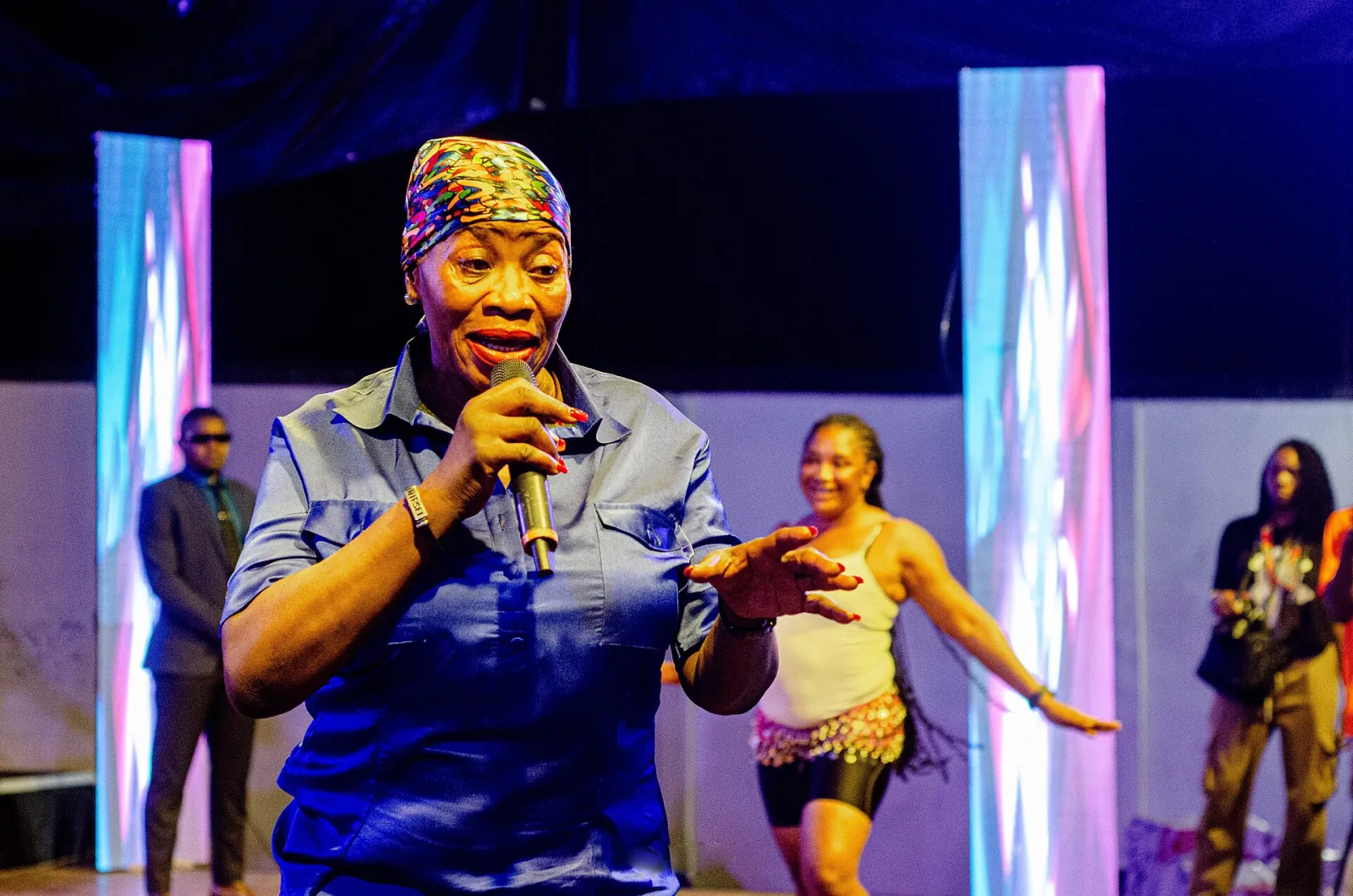
Singer on stage during a concert

Music Day belongs first and foremost to musicians. It brings together all generations and all levels of practice, from the pupil playing a first scale to the renowned singer returning to the square where they began.

Who can perform?

Any person or group wishing to play on the day registers with the local committee, stating their repertoire, the number of musicians, the desired duration and technical needs. Amateur artists have priority on open stages; professional artists are offered longer slots. Choirs, school orchestras, dance groups and storytellers are also welcome.

Playing without a fee, but not without a framework

The principle of free admission does not waive safety requirements or respect for rights. Works performed in public fall under copyright: organisers contact the collective management societies to declare the programmes. Musicians can also make themselves known in the artists’ directory and find the groups from their region there.

A springboard

For many groups, Music Day is a first opportunity to play before an audience, to be spotted by a programmer and then to join a festival. The national competitions in music and the traditional and contemporary music presented by the Ministry carry this momentum forward.

Take part

Taking part in the festival: as a spectator, artist or organiser

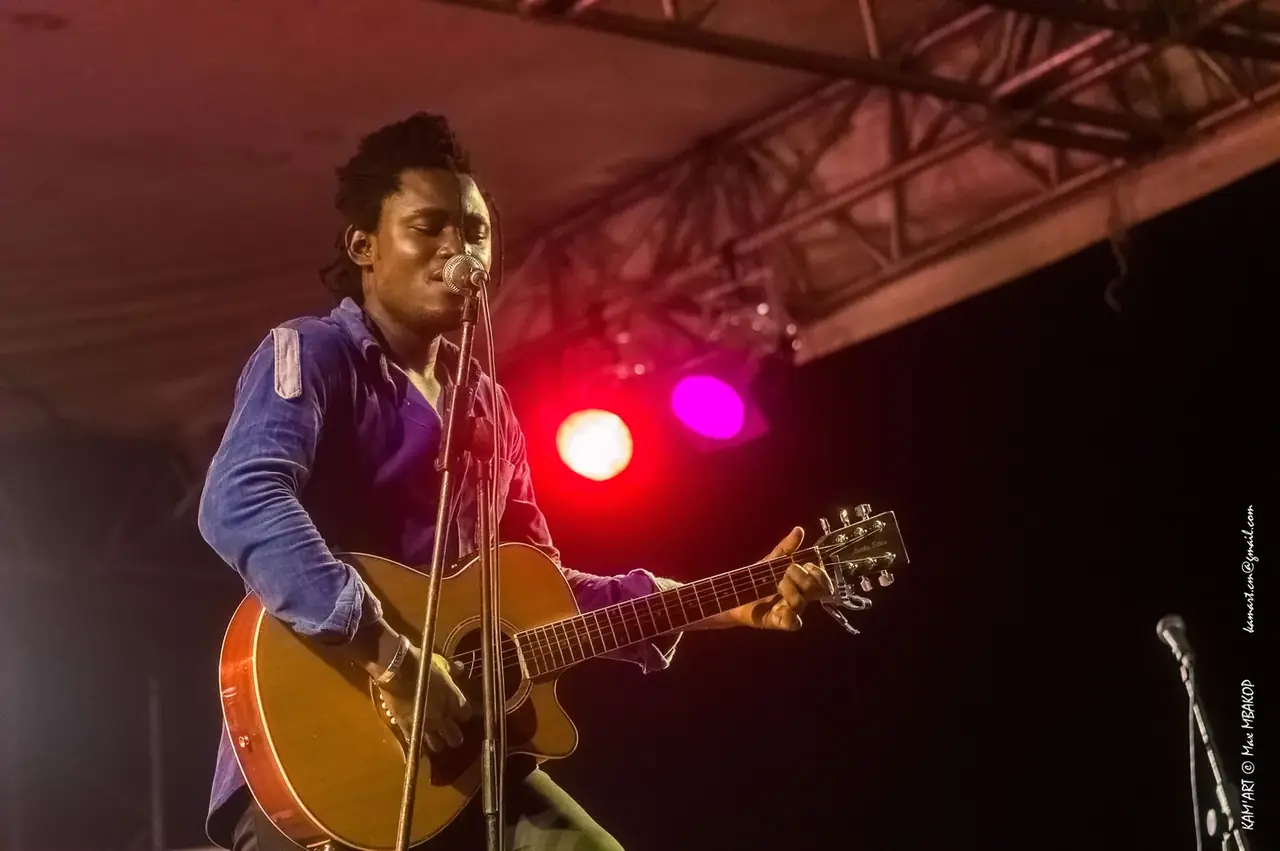
Guitarist and singer in concert

The festival is open to three types of participant, who do not have the same procedures to follow.

Viewers

No procedure: access is free. Simply check your town’s programme and go to the stages. Families are coming in growing numbers, and the committees make sure to provide safe areas for children.

Artists

Registration is made with the local committee, a few weeks before the date. The committee confirms the venue, time and length of the slot. Diaspora artists visiting the country may also join the programme.

Organisers

A concert held in a public space or a venue open to the public is a show: Law 2004/001 and its implementing decree require a show authorisation and, for a performance venue, a prior declaration. The application is submitted to the One-Stop Shop, with the programme, the venue, the planned sound system and the safety measures.

  • Submit the application at least three weeks before the festival;
  • Inform the town hall and law enforcement of the area concerned;
  • Provide a stage manager, a first-aid point and clear exits;
  • Seek support through event grants or patronage.
ℹ️
No authorisation, no stage

An unauthorised public concert may be stopped. Local committees help small organisers put together a complete file.

History

From a French idea to a Cameroonian festival

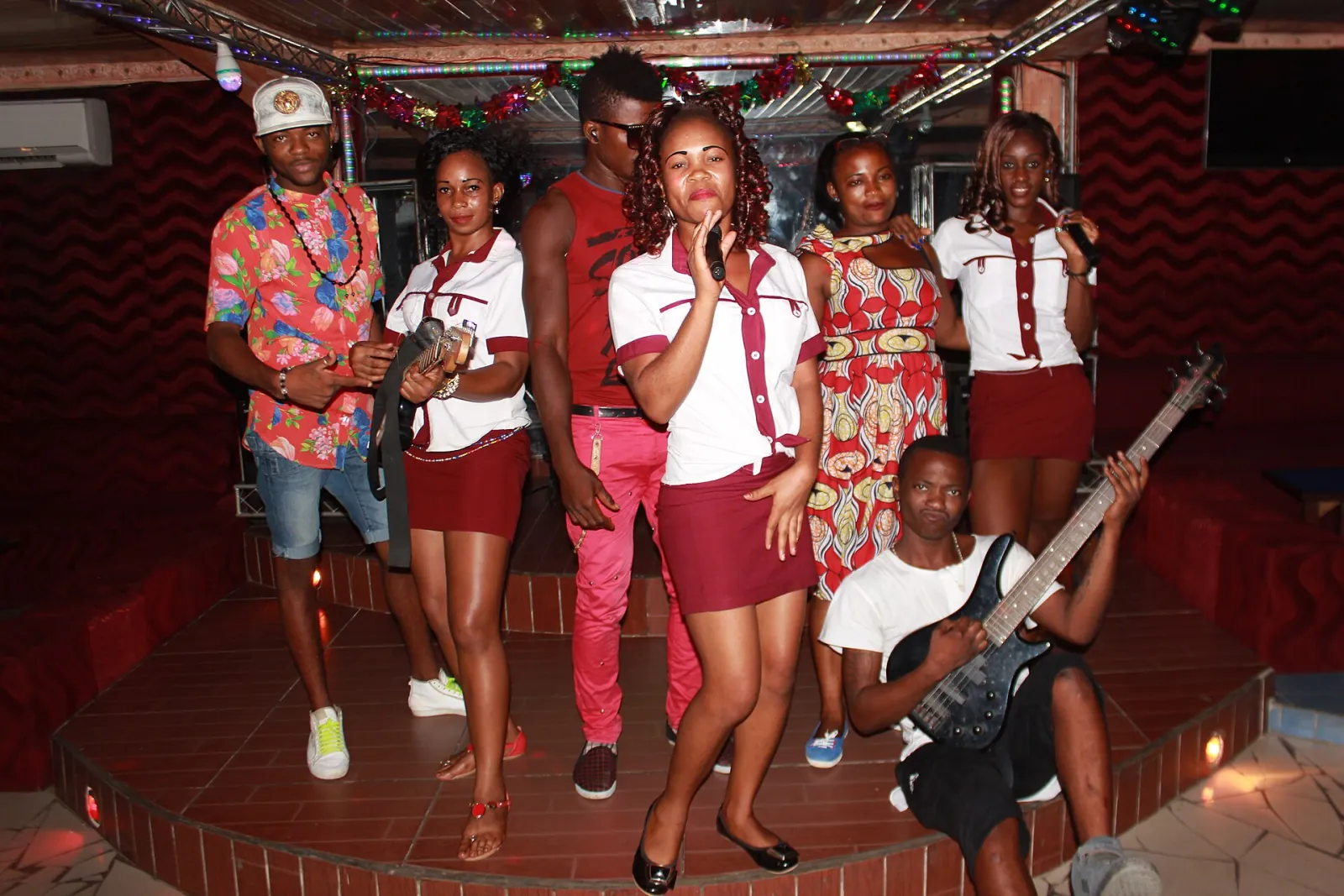
Small band of musicians and singers in matching outfits on a cabaret stage

Music Day was born in France in 1982, before spreading to more than a hundred countries. In Cameroon, it became established gradually from the 1990s, first in the major cities, driven by cultural centres and musicians’ associations. It quickly found its own tone: that of a country where music accompanies every moment of social life.

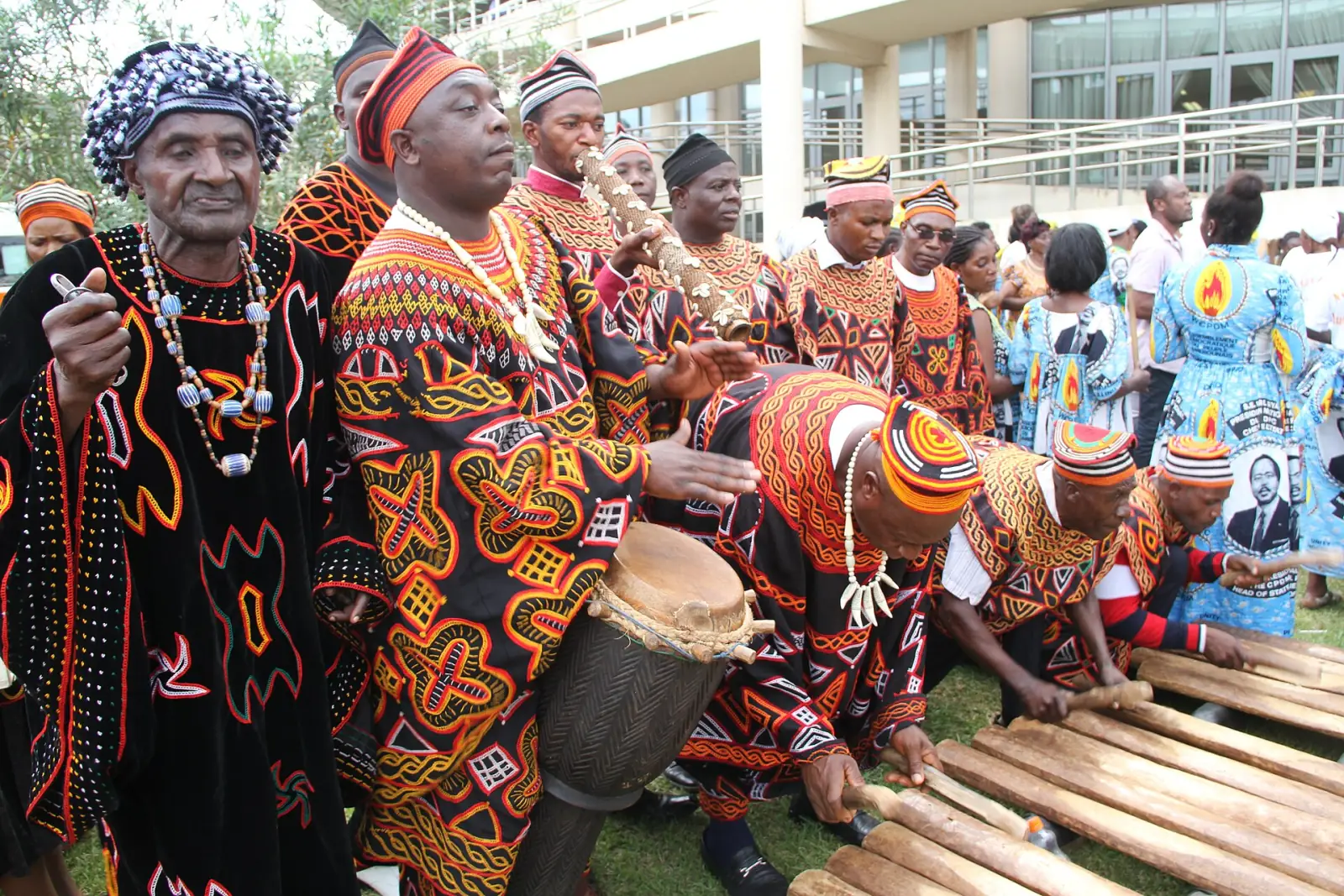
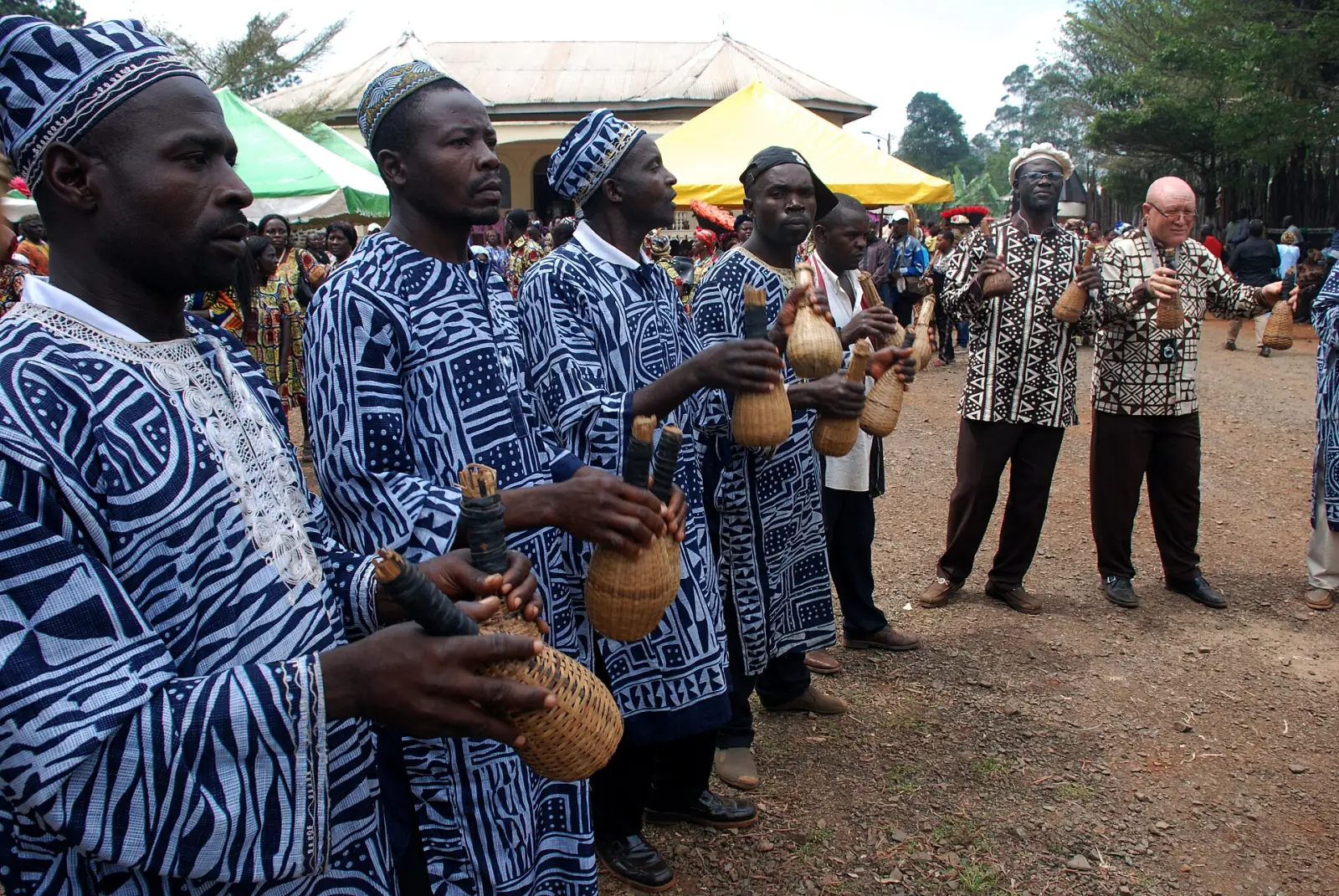
Local ownership is visible in the rhythms: one hears the makossa of the Littoral, the bikutsi of the Centre, assiko, bend skin, rumba, ndombolo, songs of praise, the court music of the West and hip-hop in pidgin and Camfranglais. The Ministry supports this momentum by relaying programmes, facilitating authorisations and supporting local committees.

Careers

The professions that keep Music Day running

Singer crouching on stage in the lights of a large open-air concert

Behind every stage, professionals and volunteers ensure the event’s success. The stage manager coordinates the performances and keeps to the schedule; the sound engineer sets the microphones, speakers and sound check; the lighting technician sets up a few spotlights; the security officer manages crowd flows; the reception coordinator informs the public and guides the artists.

These temporary jobs give young people the chance to learn about stage technique, in connection with training courses in the cultural professions. Volunteers, trained in a few hours, join the teams through the volunteering scheme. Artists wishing to professionalise will find guidance in cultural entrepreneurship.

Step by step

Organising a concert on the day

Choose the venue

Identify a square, a yard or a hall, check the power supply and obtain the agreement of its owner or the town hall.

Put together the line-up

Select the artists, set performance slots of twenty to forty minutes and allow for changeover times.

Request authorisation

Submit the show authorisation application to the One-Stop Shop with the programme and the safety plan.

Organise the technical side

Book the sound system, microphones and lighting; appoint a stage manager and a sound engineer.

Informing the public

Distribute the poster in the neighbourhoods, via local radio, social media and the cultural agenda.

Take stock

Count the audience, gather the artists’ comments and declare the works performed to the collective management society.

Key facts

Taking part at a glance

RoleProcedureRecommended lead timeContact point
SpectatorNone, free accessNoneLocal committee for the programme
Amateur artistRegistration with the committeeFour weeks beforeLocal committee or regional delegation
Professional artistRegistration and technical sheetSix weeks beforeLocal committee, stage organiser
Concert organiserShow authorisationAt least three weeks beforeOne-Stop Shop
Venue managerPrior declaration of the venueBefore opening to the publicRegional Delegation
SchoolEducational project and registrationEight weeks beforeDelegation, arts education
VolunteerVolunteer applicationTwo weeks beforeLocal committee
PressAccreditationOne week beforeMinistry press area
Journey

From registration to the stage

MarchSetting up the committees

In each town, the delegation, the municipality and musicians’ associations form the festival’s local committee.

AprilCall to artists

Groups, choirs and orchestras register, stating repertoire, duration and technical needs.

MayAuthorisations and safety

Organisers submit their applications to the One-Stop Shop and finalise the safety plans for the stages.

Early JunePublication of the programme

Posters and the programme are distributed through the cultural agenda, the media and social networks.

21 JuneThe festival

The stages open at noon and the concerts follow one another until late at night.

Late JuneReview

Attendance, any incidents and ideas for improvement are recorded in the committee’s report.

To explore

Music in other sections

“On 21 June, the town changes its soundtrack: every street has its rhythm and every voice finds its audience.”

A president of a musicians’ association, Douala
They perform

Voices from the stage and the audience

“
Our neighbourhood group played for the first time in front of a thousand people; two months later, a festival invited us.
A bikutsi singer
Yaoundé
“
My choir prepares for this day all year, and families come to listen to us on the forecourt as if at a fair.
A choir leader
Garoua
“
For us technicians, it is a testing ground: over twenty stages, we learn to handle the unexpected and the crowd.
A sound engineer
Bafoussam
“
Music Day gives back their place to the street musicians whom the town ignores the rest of the year.
A cultural facilitator
Buéa
To act

The procedures for concert organisers

Show authorisation

Compulsory for any public concert, even a free one; submit the file online three weeks beforehand.

Submit the application

Organise a festival

A guide to building the team, budget, security and communication of a music event.

Read the guide

Artists’ directory

Register your group to be spotted by committees and programmers.

Register

Volunteering

Join the reception and stage-management teams that bring the festival to life in your town.

Get involved
To download

The resources of the musician-organiser

Glossary

The words of Music Day

Open stage

A stage where anyone can present a short performance, with no prior programming.

Amateur

A musician who plays out of passion, without earning their main income from it.

Concert

A musical performance given before an audience, free or paid.

Sound system

All the equipment that delivers sound: microphones, mixing desk, amplifiers, speakers.

Sound check

Adjustment of a group’s sound before its performance, to balance the instruments and voices.

Production stage manager

Person responsible for the technical coordination and running of a stage.

Set

A series of groups brought together on the same stage during an evening.

Technical sheet

A document listing an artist’s needs: microphones, instruments, power, space.

Performance rights

Rights owed to authors and composers when their works are performed in public.

Local committee

A team brought together in each town to prepare and coordinate the festival.

On the site

Extend the festival on the site

Resources

Useful links for Music Day

Stakeholders

Who prepares Music Day?

Questions

Your questions about Music Day

Are the festival concerts really free?

Yes, the principle of the festival is free and open access for the public, and artists play without a fee. Only certain partner private venues may offer refreshments, but admission to the concerts remains free.

Is an authorisation needed to organise a concert on 21 June?

Yes. Every public show is subject to Law 2004/001 and its implementing decree. Submit a show authorisation application to the One-Stop Shop at least three weeks beforehand, with the programme, the venue and the safety plan.

How do I register as an artist?

Contact your town’s local committee, via the regional delegation or the town hall. State your repertoire, the number of musicians, the desired duration and your technical needs. Registrations close about four weeks before the festival.

Can amateurs play alongside professionals?

Yes, that is the very spirit of the festival. Open stages are reserved primarily for amateurs, while the evening line-ups feature established artists. Each committee balances the programme according to the stages available.

Do I have to declare the works performed?

Protected works performed in public fall under copyright. The organiser declares the programme to the competent collective management society, which sets out the applicable conditions. An artist’s own original compositions require no particular procedure.

Where can I find the programme for my town?

The programme is published in the cultural agenda a few weeks before the festival, with venues, times and artists. Regional delegations and local media also relay it.

Can my school take part?

Yes. A school may present a choir, an orchestra or a brass band on a neighbourhood stage. The head teacher contacts the local committee, which helps choose a slot suited to the pupils.

Whom should I contact about a safety question?

The local committee and the regional delegation will guide you. The town hall and law enforcement are informed of the arrangements; a stage manager and a first-aid point must be identified in the file.

Contact

Write to the Ministry about Music Day

Specify the town, stage or concert concerned: your message will be forwarded to the competent directorate.

Competent directorate

Contact the Music Day team

Address

Directorate of Shows and Creative Industries
Ministry of Arts and Culture
Quartier du Lac – Ministerial Zone
P.O. Box 1053 Yaoundé, Centre Region, Cameroon

Reach us

+237 6 51 70 58 41

contact@minac.gov.cm

Opening hours

Monday to Friday, 8 am to 4 pm

Request an authorisation

Have a concert to organise on 21 June? Submit your application online and track it with your file number.

Show authorisation
WhatsApp