Coat of arms of CameroonMinistry of Arts
and Culture
Republic of Cameroon
My procedures
Home
Minister’s message
News
Press releases
Cultural calendar
Official speeches
Press review
Photo library
Video library
Calls for projects
Job vacancies
Public procurement
Newsletter
Frequently asked questions
Site map
Contact
Press area
Podcast “The Voice of Culture”
Legal notices
Privacy policy
Cookies and trackers
The Ministry
Missions and responsibilities
Organisation
Organisation chart
Minister’s Office (Cabinet)
Management team
General Secretariat
General Inspectorate
Central directorates
Regional Delegations
Institutions under supervision
Legislative texts
Regulatory texts
Sector strategy
Major projects
Budget and reports
Partners
Careers
Archives
Institutional communication
Quality and accessibility
Arts
Visual and plastic arts
Visual arts
Performing arts
Theatre
Dance
Music
Literature and books
Cinema and audiovisual
Photography
Fashion and design
Digital arts
Art crafts
Artists’ directory
Residencies
Prizes and awards
Arts education
Urban arts
Heritage
Tangible heritage
Intangible heritage
UNESCO sites
National museums
Listed monuments
National inventory
Palaces and chiefdoms
Archaeology
Linguistic heritage
Oral traditions
Traditional know-how
Restitution of cultural property
Fight against illicit trafficking
Listing and protection
Conservation and restoration
Heritage Days
Cultural landscapes
Industries
Music and recording
Cinema
Publishing and books
Digital arts
Fashion and creativity
Crafts
Cultural tourism
Funding for culture
Support funds
Incubators
Cultural entrepreneurship
Culture Observatory
Vocational training
Studies and reports
Sector statistics
Export and outreach
Intellectual property
Copyright
Legal framework
Copyright and neighbouring rights
Collective management societies
Register a work
Licences
Private copying
Fight against piracy
Model contracts
Social status of artists
Mediation
Disputes
Training
Fee scales
Register of works
Contact
Digital neighbouring rights
Public domain
Festivals
National calendar
Ngondo
Nguon
Écrans Noirs
Heritage Days
Music Day
Regional festivals
Fairs and exhibitions
Biennials
National competitions
Cultural days
Organise a festival
Event grants
Ticketing
Archives
Volunteering
Diaspora festivals
Regions
Adamawa
Centre
East
Far North
Littoral
North
North-West
West
South
South-West
Cultural map
Regional Delegations
Traditional chiefdoms
National languages
Cultural routes
Decentralised cooperation
Regional observatory
Cooperation
UNESCO
Francophonie (OIF)
African Union
Commonwealth
CEMAC
Bilateral cooperation
Cultural agreements
Professional organisations
Scholarships
Artist exchanges
Cultural years
Diaspora
Funded projects
Embassies
Technical partners
International restitution
International monitoring and calls
Services
Artist card
Show authorisation
Filming authorisation
Festival authorisation
Deposit of a work
Export of works of art
Listing of a property
Grant application
Association accreditation
File tracking
Forms
Fees
Opening hours and addresses
Reporting
Online help
My account
One-Stop Shop
The Ministry

Sector strategy

NDS30 makes the cultural and creative industries a lever for development. Discover the vision, action plan, indicators and evaluation of the strategy of the Ministry of Arts and Culture, sector by sector.

Updated on 5 November 20264 sub-pages
Strategy horizon2030
Actions planned for culture5
Paragraphs devoted to the sector§122-123
Official documentNDS30
Sector strategy

Arts and culture in the NDS30

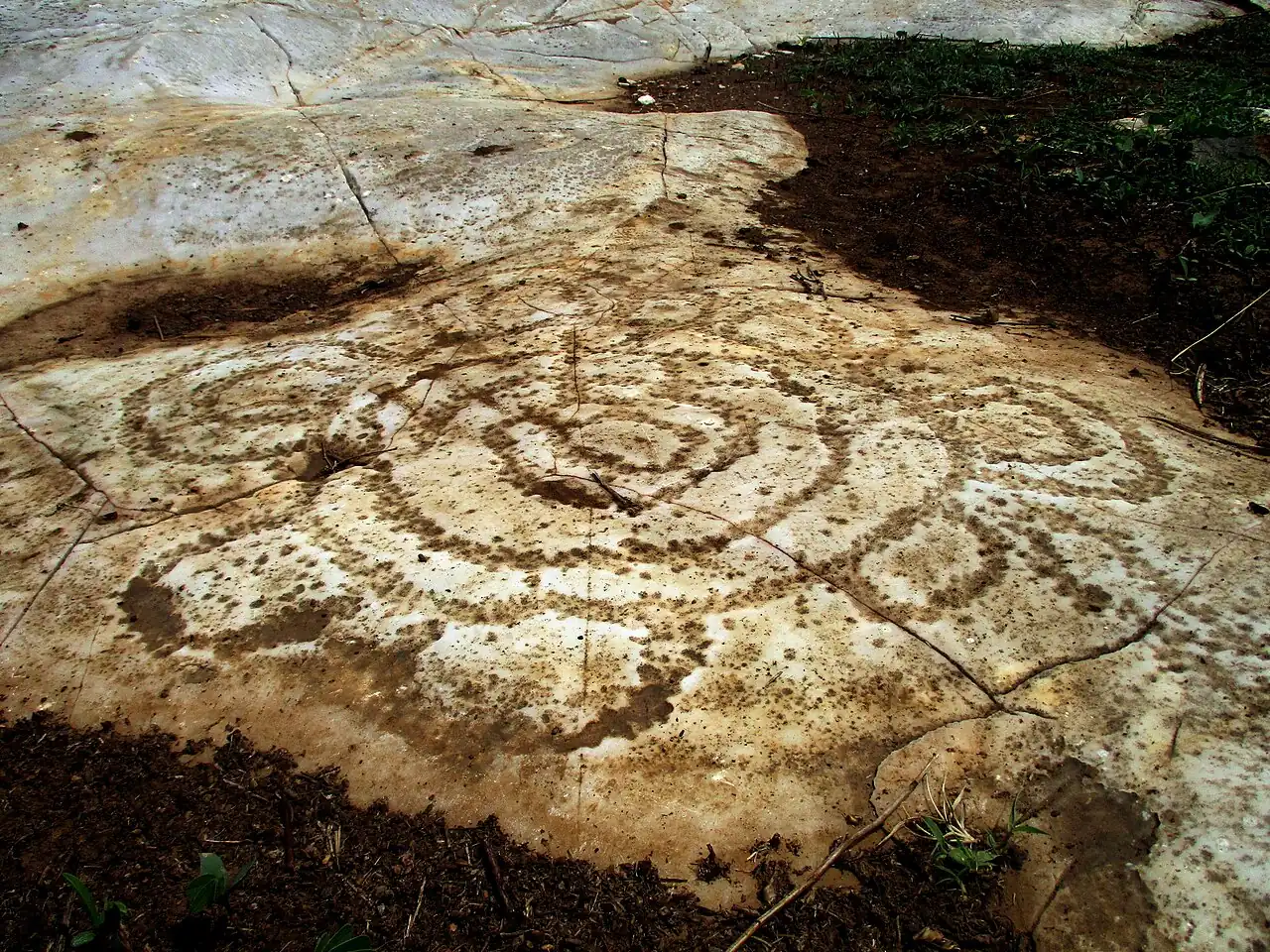
Circular engravings on a rock at the Bidzar archaeological site

The National Development Strategy 2030 (NDS30) makes culture a full-fledged growth sector. In its paragraphs 122 and 123, devoted to the arts and culture, the Government announces its intention to develop cultural and creative industries, by means of integrated development plans for each sector, and to improve the supply of cultural goods and services.

This page explains how the Ministry of Arts and Culture translates these orientations into a vision, an action plan, indicators and an evaluation. It is intended for artists, local authorities, partners and citizens who wish to understand where the country’s cultural policy is heading.

  • A vision driven by NDS30
  • An action plan in five areas of work
  • Regular monitoring and evaluation
Read the vision
Horizon 2030

The Government’s cultural vision

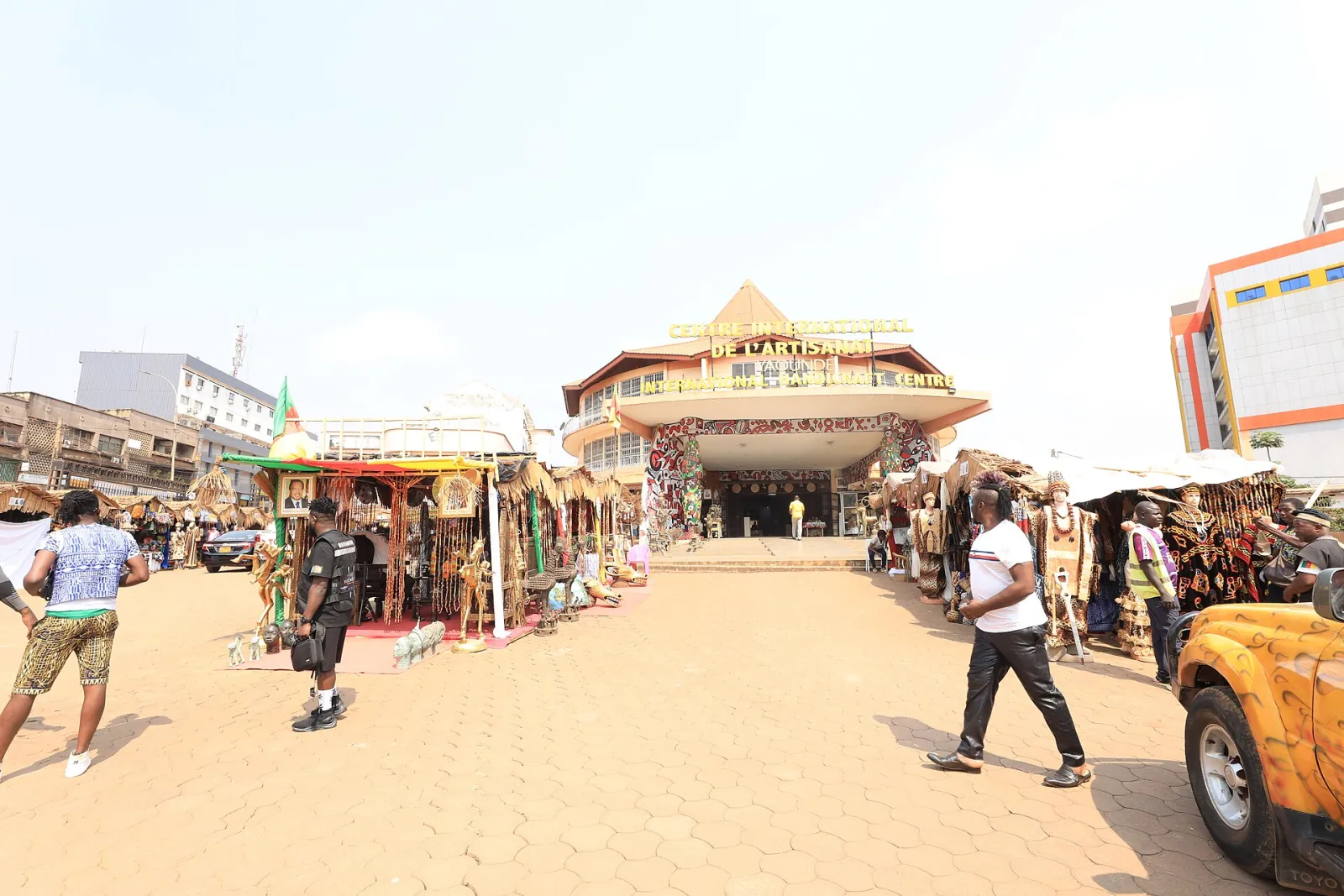
Esplanade of the International Craft Centre in Yaoundé lined with artisans' stalls

The vision can be summed up in one idea: to make culture a driver of economic development, social cohesion and influence. The Government intends to develop cultural and creative industries by putting in place integrated development plans for each of the identified sectors: heritage, books and press, cinema, audiovisual and interactive media, design and creative services, visual arts and crafts, culinary arts, performing arts and festivities.

A culture that creates value

The reasoning is simple. A country with more than two hundred languages, chiefdoms, and music, dances and know-how of exceptional richness has a considerable cultural raw material. It must still be transformed: training professionals, equipping venues, protecting rights, opening markets. This is what the notion of a cultural and creative industry covers.
A vision shared with the regions

The strategy is not led by the Ministry alone. Cultural centres and conservatoires are placed under the supervision of the decentralised local authorities (CTD), which makes the regions and municipalities partners of the first rank. Readers may consult the page on decentralised cooperation and the pages of the regional delegations.

ℹ️
To go further

The full text of NDS30 can be downloaded further down this page; the passages quoted here are taken from it.

Implementation

The action plan for the cultural sector

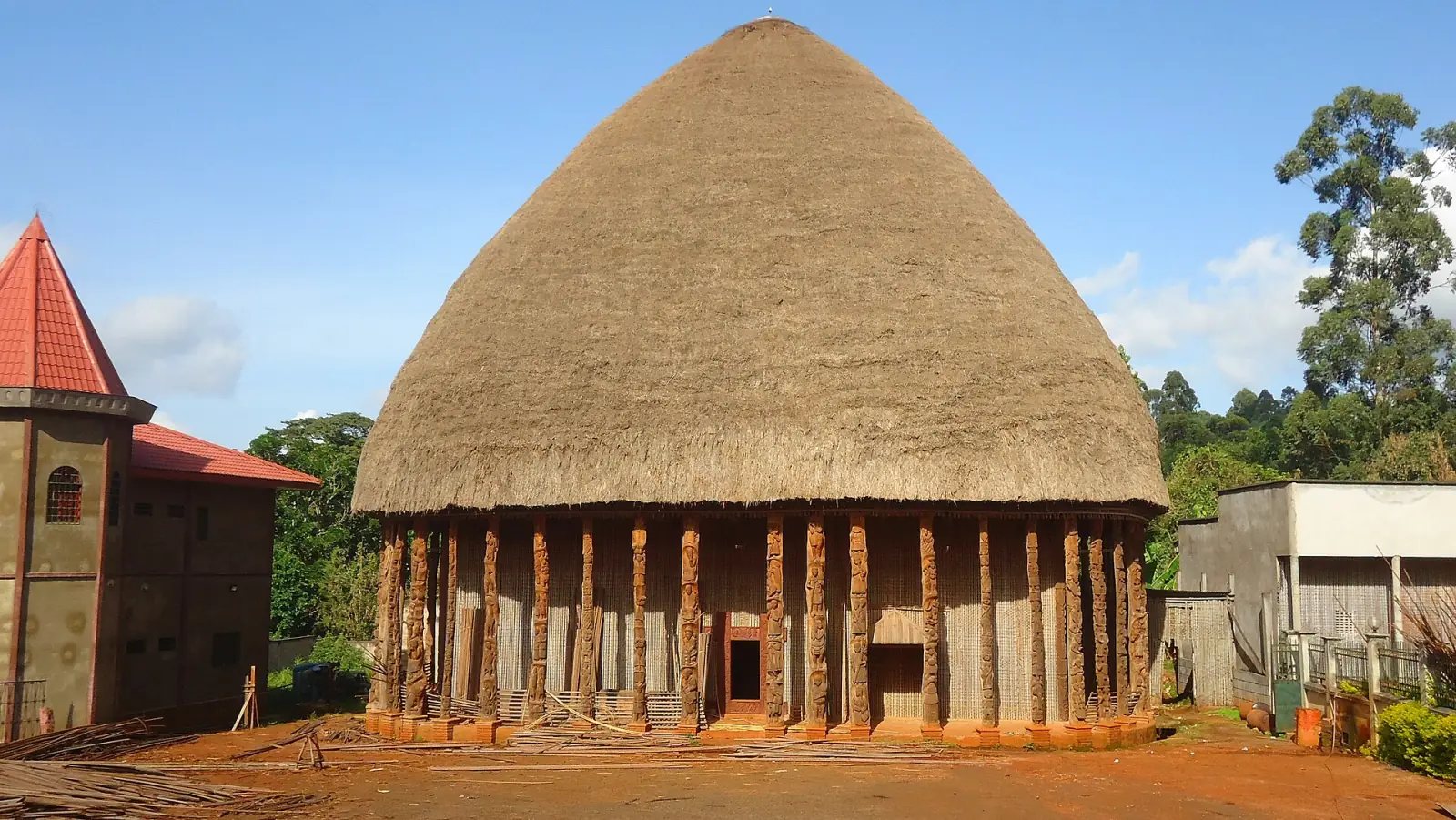
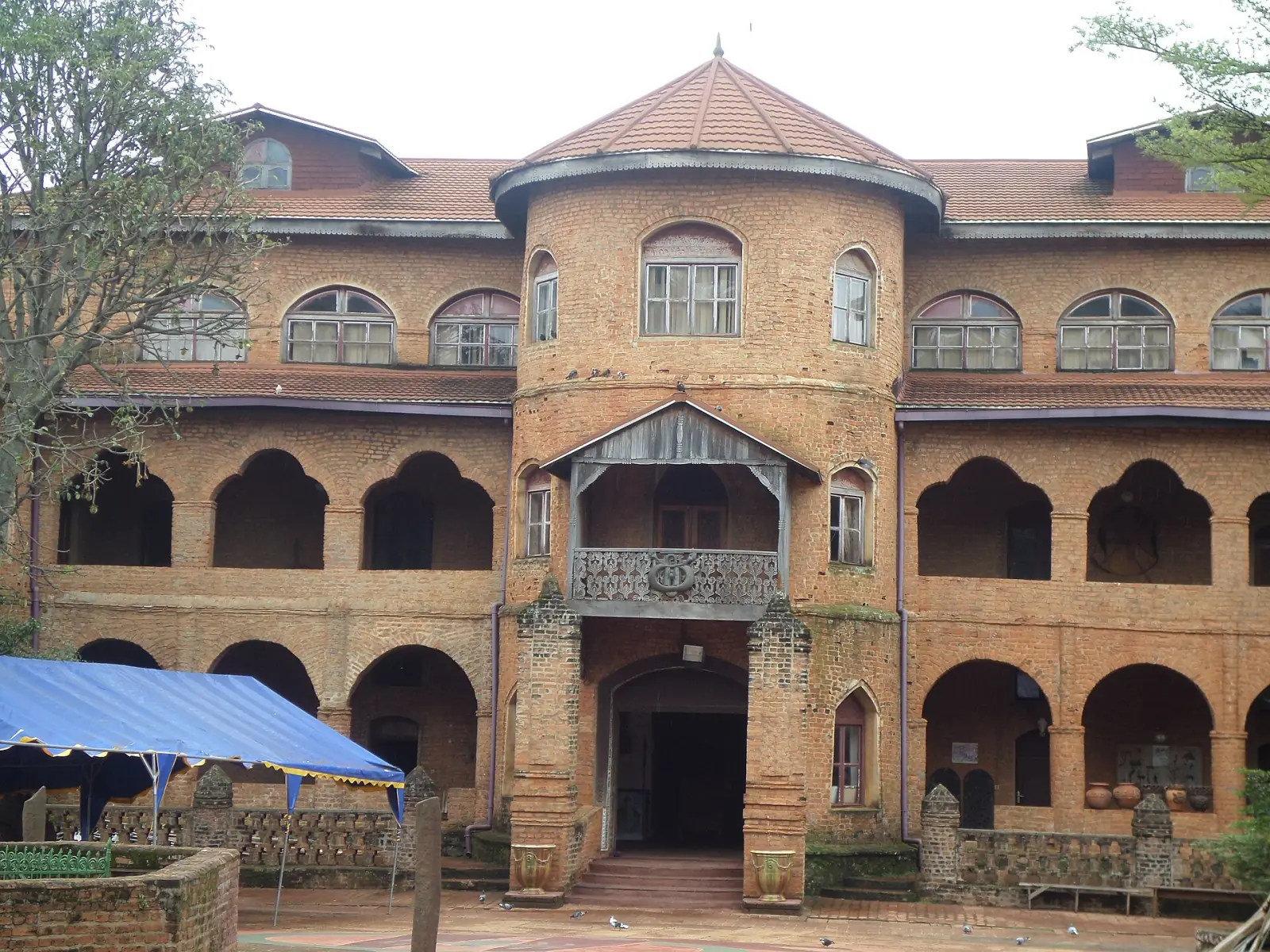
Brick facade of the royal palace of the Bamum sultans in Foumban

To reach this horizon, NDS30 provides for five specific actions for the sector: continuing the inventory of cultural heritage and promoting it; structuring the guilds and artistic professions (music, visual arts, photography and others); developing the film industry; intensifying arts education in school curricula through appropriate investment; and equipping the country with local facilities, cultural centres and conservatoires, placed under the supervision of the local authorities.

Cinema, school and facilities

Cinema is cited as an industry to be developed; arts education must be introduced more widely in schools; the Ministry’s major projects, including the cultural centres, provide the physical facilities.

ℹ️
Four cross-cutting levers

The action plan is complemented by the modernisation of the regulatory framework, the competitiveness of cultural enterprises, innovation across the value chain and research.

Measure

The indicators of the cultural strategy

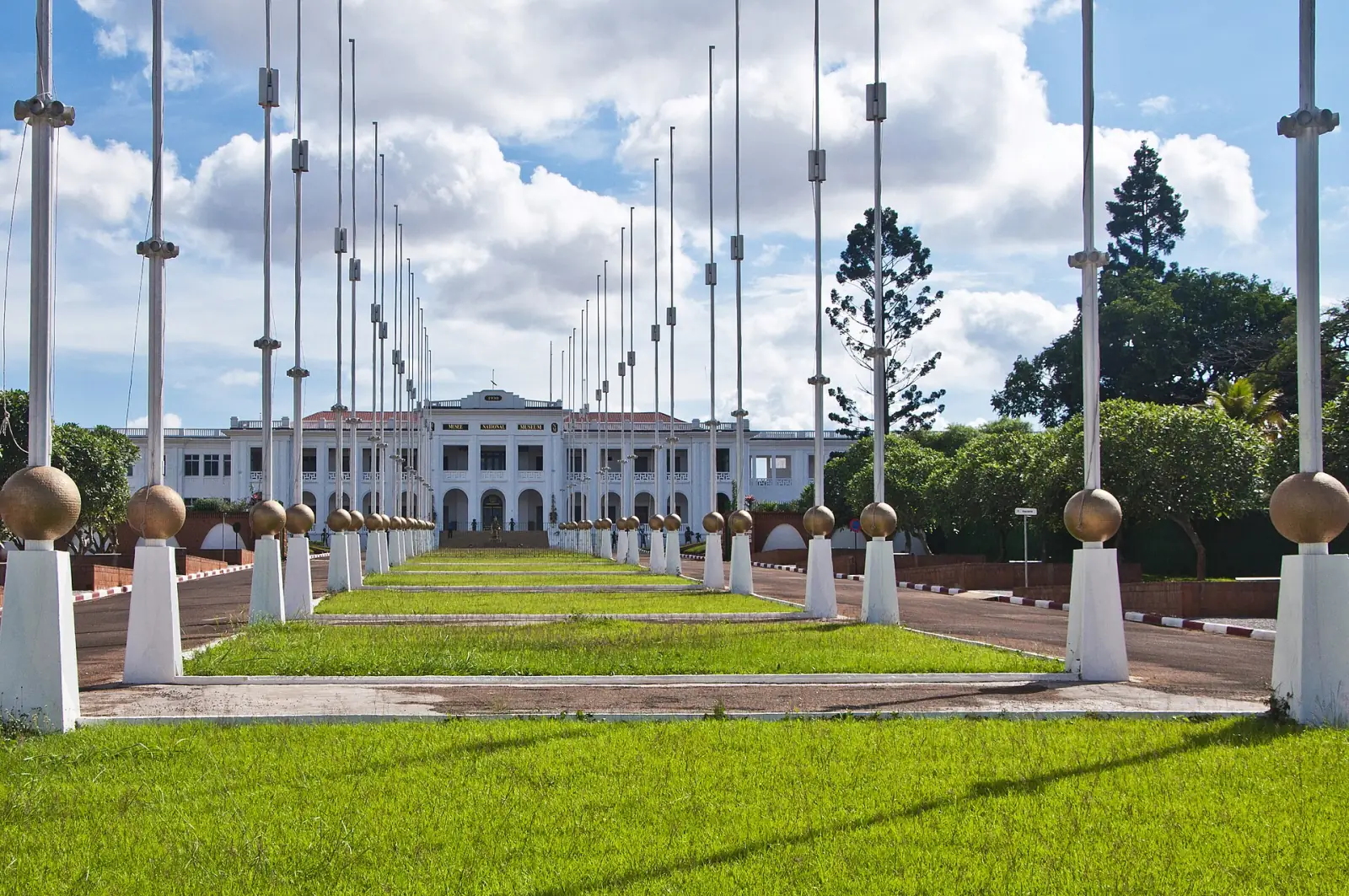
National Museum of Cameroon at the end of an avenue of flagpoles in Yaoundé

A strategy without indicators remains a statement of intent. The Ministry therefore monitors its actions using three families of indicators, without putting forward any numerical target that does not appear in the official texts: this site does not reproduce any value that does not come from a published source.

Output indicators

They say what has been done: number of records added to the inventory, grant files processed, artist cards issued, cultural centres opened, archive collections digitised. They are drawn from the directorates’ registers and from the One-Stop Shop tools.

Outcome indicators

They say what has changed for beneficiaries: average time taken to process a file, attendance at venues, number of companies touring outside their region, share of registered artists. They rely on the surveys of the culture observatory and on sector statistics.

Impact indicators

They measure the medium-term effect on cultural employment, the contribution of the sectors to the economy and the diversity of the offer. Their construction is a joint effort with the administrations responsible for planning, and the results are recorded in the studies and reports of the Industries section.

For each indicator, a sheet specifies the definition, the source, the frequency and the responsible service, so that two different services never count the same thing in two different ways.

Reporting

The evaluation of implementation

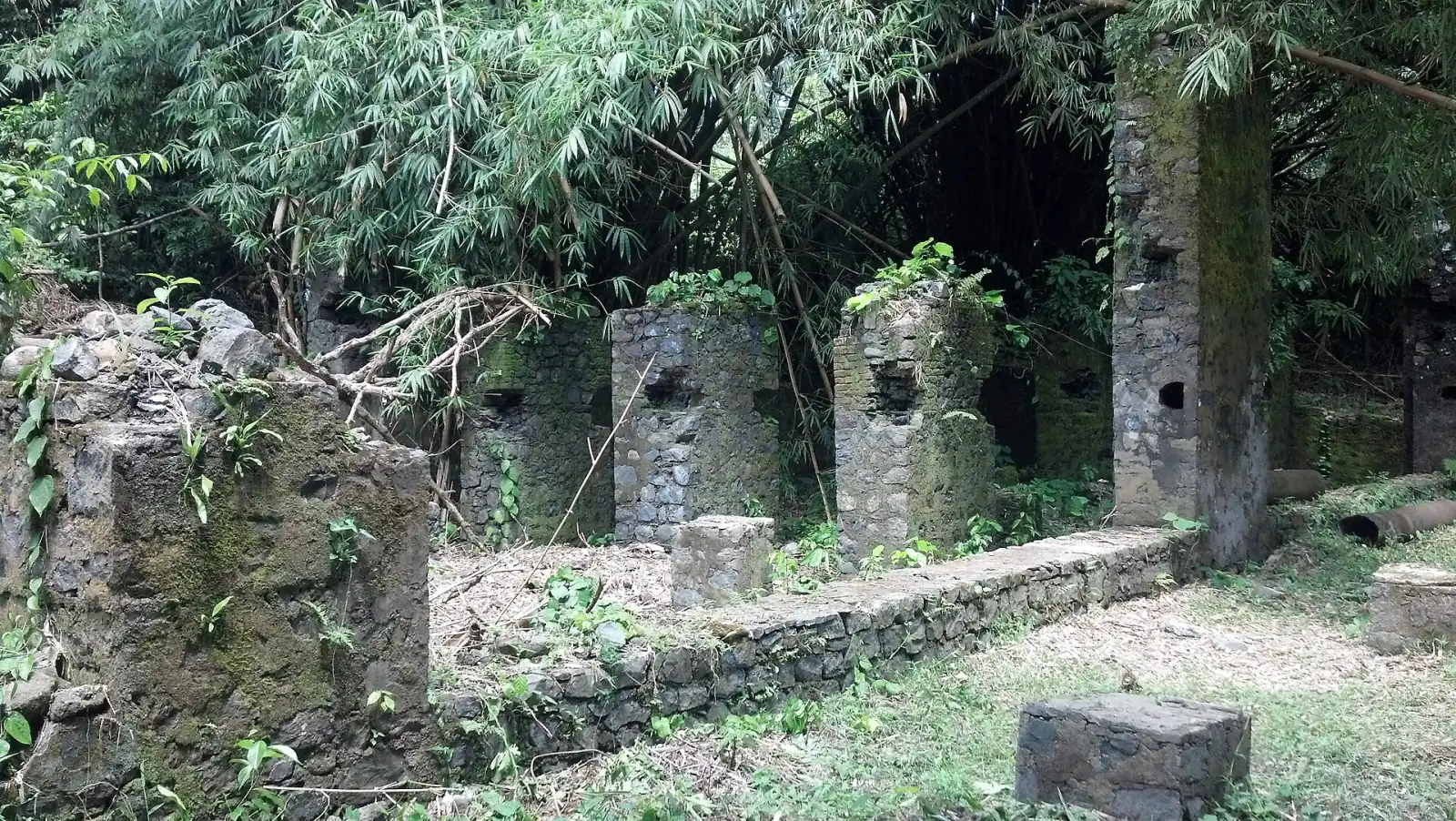
Ruins of the former slave port of Bimbia amid vegetation

The evaluation of the cultural strategy is part of the NDS30 monitoring arrangements led at national level. The Ministry contributes at three levels: internal quarterly monitoring, an annual review presented in the activity report, and more in-depth evaluations at mid-term and at the end of the period.

What is the evaluation for?

It is used to correct the course: reallocate funds, adapt a support scheme, open a new area of work, abandon an action that has no effect. It also feeds the dialogue with technical and financial partners, presented on the Partners page.

An open evaluation

The conclusions of the evaluations are placed in the studies and reports section, so that professionals can read them and, if necessary, discuss them.

ℹ️
Take part

Federations and professional associations are consulted on the annual review; they may also write to the Minister’s Office to contribute.

Normative framework

Regulation, competitiveness and markets

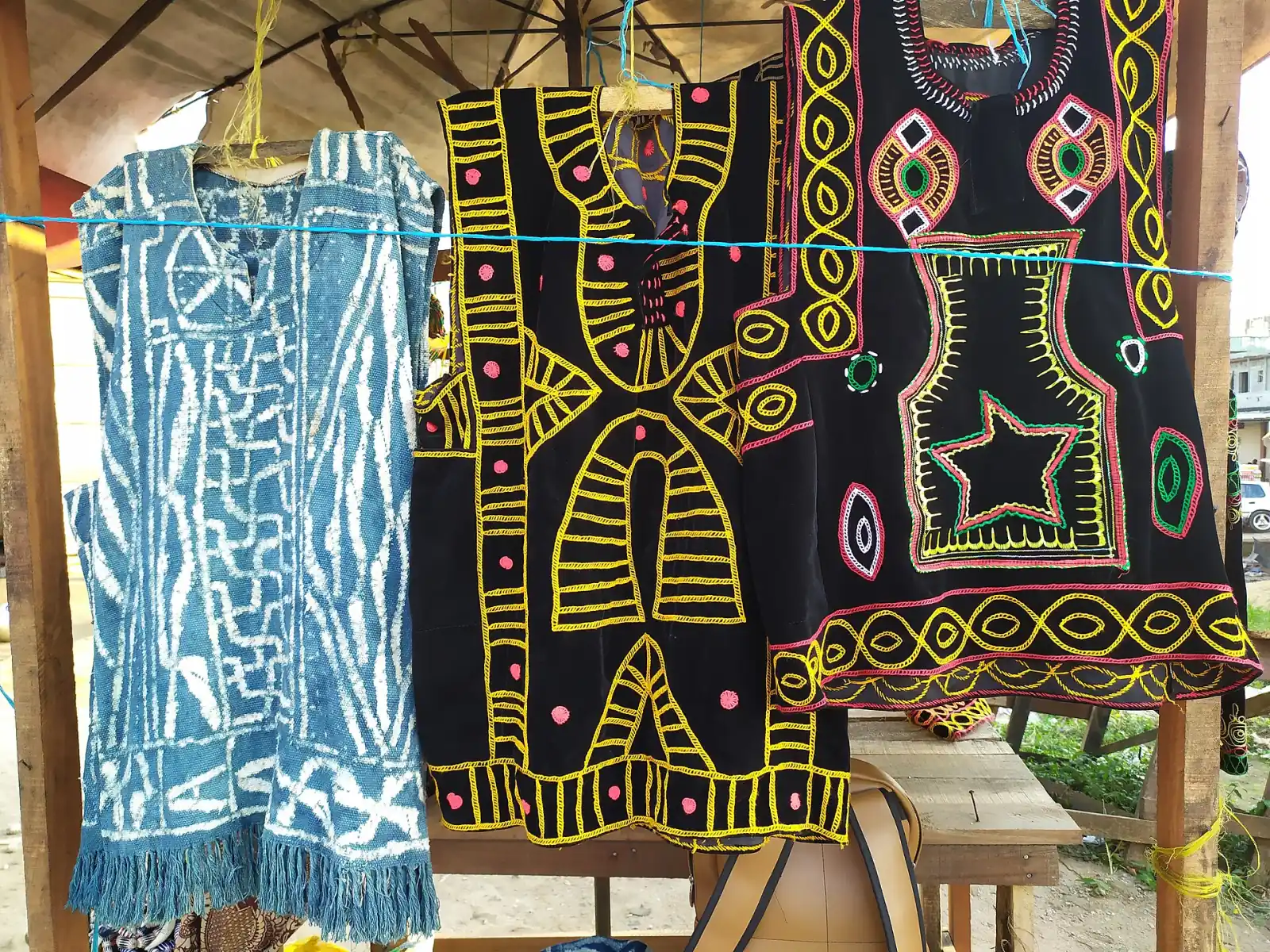
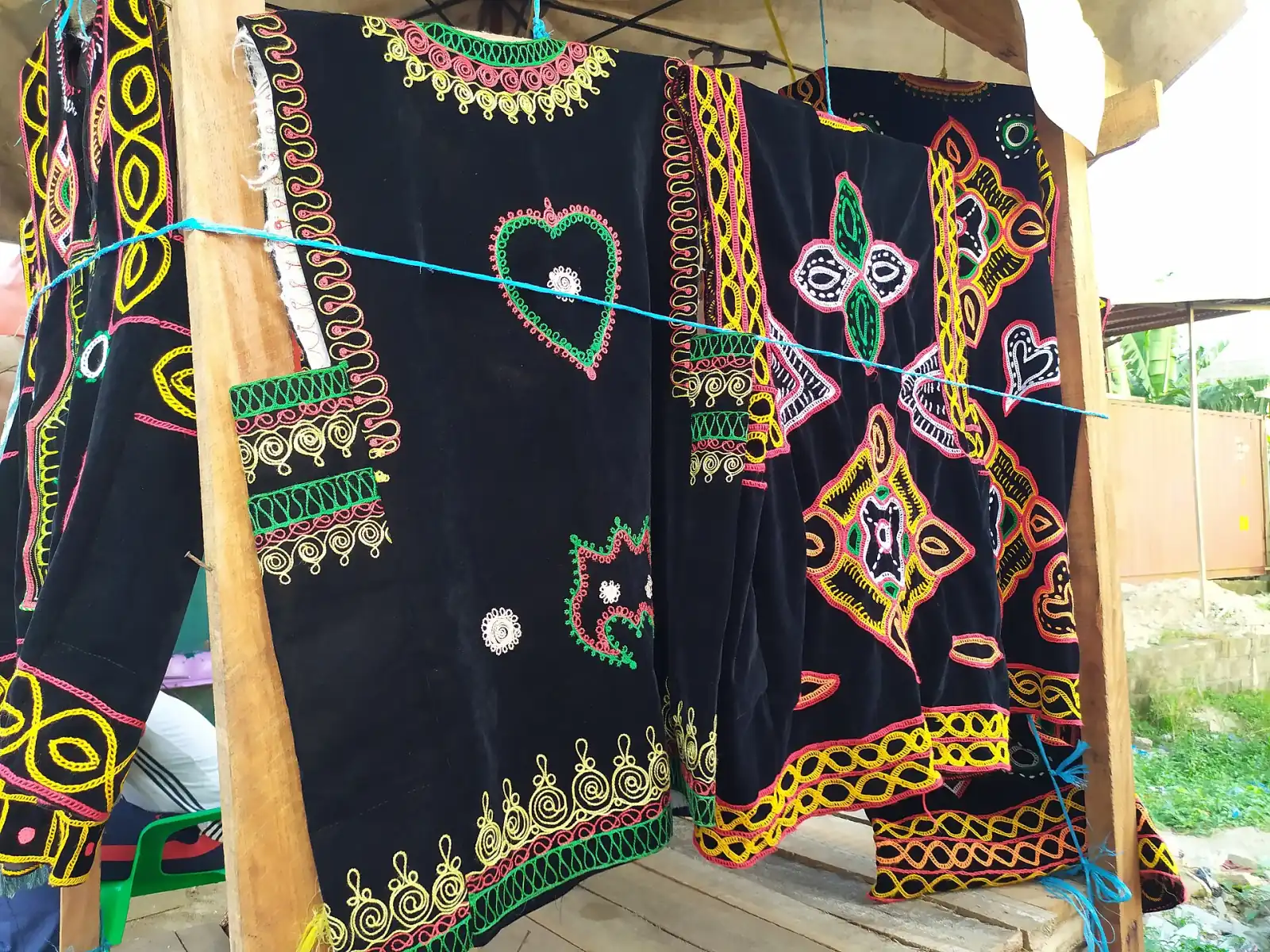
Black embroidered toghu garments and a blue and white ndop outfit hanging on a stall

Beyond the five actions, NDS30 retains four supporting levers: the modernisation of the regulatory framework, which promotes standards; the improvement of the competitiveness of cultural enterprises and their products; the development of innovation throughout the value chain of the sectors; and research. In practical terms, this involves revising legislative and regulatory texts, supporting cultural entrepreneurship and incubators, and the export of cultural goods.

Official document

Download the NDS30

Method

From NDS30 to a sector plan

Read the orientation

The directorate concerned reviews the paragraphs of NDS30 that affect its sector and identifies the commitments to be met over the period.

Take stock

It gathers the available figures, the stakeholders, the venues and the texts applicable to the sector, with the support of the observatory.

Consult the stakeholders

Artists, enterprises, local authorities and partners are consulted at workshops organised at national and regional level.

Draft the plan

The plan sets objectives, a timetable, an indicative budget and indicators, and is then submitted to the hierarchy.

Implement

The actions are entered in the annual budget, assigned to the responsible services and monitored through a dashboard.

Evaluate and adjust

An annual review measures deviations and proposes corrections, before the plan is revised at mid-term.

Key facts

Cultural priorities at a glance

PriorityContentLead directorateSite page
HeritageContinue the inventory of cultural heritage and promote itDirectorate of Cultural HeritageNational inventory
Artistic professionsStructure the guilds and artistic professions: music, visual arts, photographyDirectorate of Arts Development and PromotionArtists’ directory
CinemaDevelop the film and audiovisual industryDirectorate of Cinematography and Audiovisual ProductionsFilm industry
Arts educationIntensify arts education in school curriculaDirectorate of Arts Development and PromotionArts education
Local facilitiesCultural centres and conservatoires under the supervision of the CTDDirectorate of General AffairsMajor projects
Books and readingSupport publishing, libraries and public readingDirectorate of Books and ReadingPublishing and books
Regulatory frameworkModernise the texts and promote standardsMinister’s Office (Cabinet) and General SecretariatRegulatory texts
Journey

From strategy to action

NDS30The national framework

The strategy sets the orientations for the arts and culture and places the sector among those that must support growth.

Sector plansA plan for each sector

Each cultural sector receives an integrated development plan that translates the orientations into actions.

ProgrammingThe annual budget

The selected actions are entered in the finance law and distributed among the directorates and institutions.

ExecutionProjects and schemes

The works, grants, training and facilities are implemented, together with the regional delegations.

ReviewMonitoring and evaluation

The results are consolidated in the annual report and are used to reorient the following programme.

Sectors

The sectors cited by the strategy

“In the field of arts and culture, the Government intends to develop creative cultural industries.”

NDS30, arts and culture extracts
Voices from the sector

They read the strategy

“
The strategy gives us a common language with the local authorities: we know which plan each cultural centre project belongs to.
A regional delegate
Centre Region
“
For a young company, seeing the structuring of the professions set out in a national text is the promise of a status and identified contacts.
A company director
Douala
“
Our pupils are waiting for arts education in the curricula; the strategy makes it a priority, and now facilities are needed.
An arts education teacher
Bafoussam
“
The book sector needs an integrated plan: publishing, libraries, distribution. It is the right method for moving forward together.
An independent publisher
Yaoundé
To act

Taking part in implementation

Apply to a call

Calls for projects turn the strategy into concrete support for artists and organisations.

See the calls

Apply for a grant

Projects that fall within a priority sector may apply for financial support.

Submit a file

Consult the studies

Figures, surveys and reports from the sector to build a well-argued project.

Read the studies

Follow the works

The major projects give concrete form to the strategy: archives, INAC, cultural centres.

View the projects
Glossary

The words of the strategy

NDS30

National development strategy, horizon 2030, which sets the framework for State action in all sectors.

Creative cultural industries

All the activities that produce and distribute goods and services based on artistic creation.

Sector

Chain of stakeholders and activities around the same cultural product: book, film, music, crafts.

Integrated development plan

Document that sets out, for a sector, the objectives, actions, timetable and resources.

CTD

Decentralised local authorities: regions and municipalities, which supervise the cultural centres and conservatoires.

Inventory

Systematic survey of tangible and intangible cultural property, a prerequisite for its protection.

Guild

Professional grouping of artists or craftspeople practising the same trade.

Value chain

Sequence of stages, from creation to distribution, in which each stakeholder adds value to the product.

Indicator

Quantified or observable measure showing whether an action produces the expected effect.

Mid-term evaluation

Review carried out in the middle of the strategy period to correct the orientations.

Regulatory framework

All the laws and decrees that govern the exercise of a cultural activity.

On the site

Extend your reading of the strategy

Resources

To find out more about the strategy

Stakeholders

Who is implementing it?

Questions

Your questions about the strategy

Where can I find the full text of NDS30?

The official document can be downloaded from the dedicated section of this page. It brings together the orientations for all sectors; the passages on the arts and culture are in paragraphs 122 and 123, reproduced and commented on here.

Does the strategy set numerical targets for culture?

The extracts relating to the sector set out orientations and actions, but no numerical target. The Ministry therefore publishes no value that does not come from an official source; the monitoring indicators are defined by sheet, together with their source.

Which sectors are concerned?

Heritage, books and press, cinema, audiovisual and interactive media, design and creative services, visual arts and crafts, culinary arts, and performing arts and festivities. Each must have an integrated development plan.

What role do local authorities play?

Cultural centres and conservatoires are placed under the supervision of the decentralised local authorities. The Ministry provides technical support, training and part of the equipment, while the regions and municipalities handle day-to-day management.

How does an artist concretely benefit from the strategy?

Through the schemes that result from it: artist card, creation grants, training, access to venues and festivals. Artists can also take part in sector consultations through their professional association or their regional delegation.

How is the strategy evaluated?

Through internal quarterly monitoring, an annual review included in the activity report, and mid-term and end-of-period evaluations. The conclusions are published in the studies and reports section so that everyone can consult them.

Can an association propose a project linked to the strategy?

Yes. The calls for projects and the grant form are open to registered associations. State the sector targeted, the region, the audience and the link with one of the five actions of the strategy to facilitate the processing of the file.

Whom should I contact with a question about the strategy?

Write to the Minister’s Office using the form on this page or by e-mail to contact@minac.gov.cm. State the sector concerned: your message will be forwarded to the competent directorate, which will reply to you directly.

Contact

A question about the strategy?

Write to the Minister’s Office (Cabinet).

Minister’s Office (Cabinet)

Write to the Minister’s Office about the strategy

Address

Minister’s Office
Ministry of Arts and Culture
Quartier du Lac – Zone ministérielle
P.O. Box 1053 Yaoundé, Centre Region, Cameroon

Reach us

+237 6 51 70 58 41

contact@minac.gov.cm

Opening hours

Monday to Friday, 8 am to 4 pm

See the major projects?

Discover the works that give substance to the strategy.

Major projects
WhatsApp