Coat of arms of CameroonMinistry of Arts
and Culture
Republic of Cameroon
My procedures
Home
Minister’s message
News
Press releases
Cultural calendar
Official speeches
Press review
Photo library
Video library
Calls for projects
Job vacancies
Public procurement
Newsletter
Frequently asked questions
Site map
Contact
Press area
Podcast “The Voice of Culture”
Legal notices
Privacy policy
Cookies and trackers
The Ministry
Missions and responsibilities
Organisation
Organisation chart
Minister’s Office (Cabinet)
Management team
General Secretariat
General Inspectorate
Central directorates
Regional Delegations
Institutions under supervision
Legislative texts
Regulatory texts
Sector strategy
Major projects
Budget and reports
Partners
Careers
Archives
Institutional communication
Quality and accessibility
Arts
Visual and plastic arts
Visual arts
Performing arts
Theatre
Dance
Music
Literature and books
Cinema and audiovisual
Photography
Fashion and design
Digital arts
Art crafts
Artists’ directory
Residencies
Prizes and awards
Arts education
Urban arts
Heritage
Tangible heritage
Intangible heritage
UNESCO sites
National museums
Listed monuments
National inventory
Palaces and chiefdoms
Archaeology
Linguistic heritage
Oral traditions
Traditional know-how
Restitution of cultural property
Fight against illicit trafficking
Listing and protection
Conservation and restoration
Heritage Days
Cultural landscapes
Industries
Music and recording
Cinema
Publishing and books
Digital arts
Fashion and creativity
Crafts
Cultural tourism
Funding for culture
Support funds
Incubators
Cultural entrepreneurship
Culture Observatory
Vocational training
Studies and reports
Sector statistics
Export and outreach
Intellectual property
Copyright
Legal framework
Copyright and neighbouring rights
Collective management societies
Register a work
Licences
Private copying
Fight against piracy
Model contracts
Social status of artists
Mediation
Disputes
Training
Fee scales
Register of works
Contact
Digital neighbouring rights
Public domain
Festivals
National calendar
Ngondo
Nguon
Écrans Noirs
Heritage Days
Music Day
Regional festivals
Fairs and exhibitions
Biennials
National competitions
Cultural days
Organise a festival
Event grants
Ticketing
Archives
Volunteering
Diaspora festivals
Regions
Adamawa
Centre
East
Far North
Littoral
North
North-West
West
South
South-West
Cultural map
Regional Delegations
Traditional chiefdoms
National languages
Cultural routes
Decentralised cooperation
Regional observatory
Cooperation
UNESCO
Francophonie (OIF)
African Union
Commonwealth
CEMAC
Bilateral cooperation
Cultural agreements
Professional organisations
Scholarships
Artist exchanges
Cultural years
Diaspora
Funded projects
Embassies
Technical partners
International restitution
International monitoring and calls
Services
Artist card
Show authorisation
Filming authorisation
Festival authorisation
Deposit of a work
Export of works of art
Listing of a property
Grant application
Association accreditation
File tracking
Forms
Fees
Opening hours and addresses
Reporting
Online help
My account
One-Stop Shop
Arts

Performing arts

Programming, venues, companies and authorisations: everything you need to know to organise and follow live performance in Cameroon, under the regime of Law No. 2004/001 of 21 April 2004.

Updated on 6 November 20264 sub-pages
Law on shows2004/001
Who it is forProfessionals and amateurs
AuthorisationOnline
ManagementDSIC
Live performance

Live performance in the spotlight

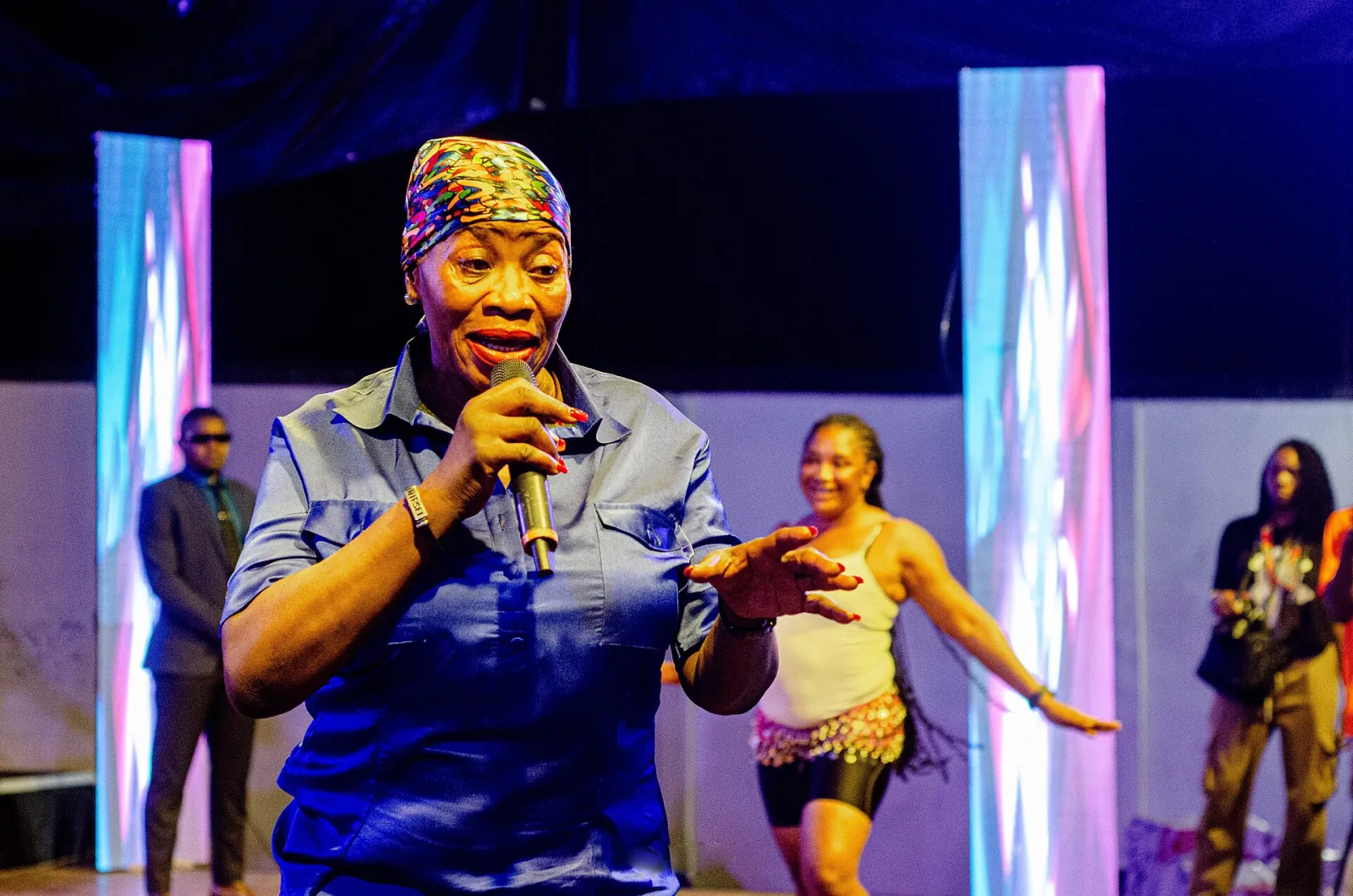
Female singer in blue on stage in front of a lit screen, joined by a dancer

Theatre, dance, music, circus, storytelling, comedy, street shows, large concerts and ceremonies: live performance brings together thousands of Cameroonians every week, in the venues of the big cities as well as on village squares. Law No. 2004/001 of 21 April 2004 establishes the regime governing shows and applies to professional or amateur live performances.

The Ministry promotes and supervises major cultural events and organises shows on a national and international scale, through the Directorate of Shows and Creative Industries. The Directorate for the Development and Promotion of the Arts supports creation and training. This page presents the programming, venues, companies and authorisations.

  • Regime for shows defined by Law 2004/001
  • Venues, companies and programming in the regions
  • Show authorisation submitted online
See the programme
Programming

Show programming

Small band of musicians and singers in matching outfits on a cabaret stage

Show programming appears in the Ministry’s cultural agenda, which brings together the dates, venues and contacts of declared performances. It is organised around a few major rhythms: the seasons of venues and cultural centres, festivals, national holidays and traditional celebrations, such as the Ngondo or the Nguon.

Who programmes?

Venues and cultural centres entrust programming to an artistic director or a committee; festivals handle it through calls for applications; local authorities programme their own festivities; show promoters produce concerts and tours. The Ministry organises the major national and international events and supports those of its partners.

Building a season

A balanced season alternates new productions and revivals, shows for young audiences, local artists and foreign guests. It is prepared a year in advance, with a price list, a ticketing system and a communication plan. The ticketing page gives guidance on ticket sales.

  • Publish dates in the cultural agenda at least one month in advance;
  • Provide for school performances and reduced rates;
  • Balance the genres: theatre, dance, music, storytelling;
  • Measure audiences and keep attendance reports.

For a first programme, the national festival calendar helps avoid date clashes.

ℹ️
Suggest an event

An organiser can submit their show to the cultural agenda, stating the date, venue, price and a press contact.

Venues

The venues and performance spaces

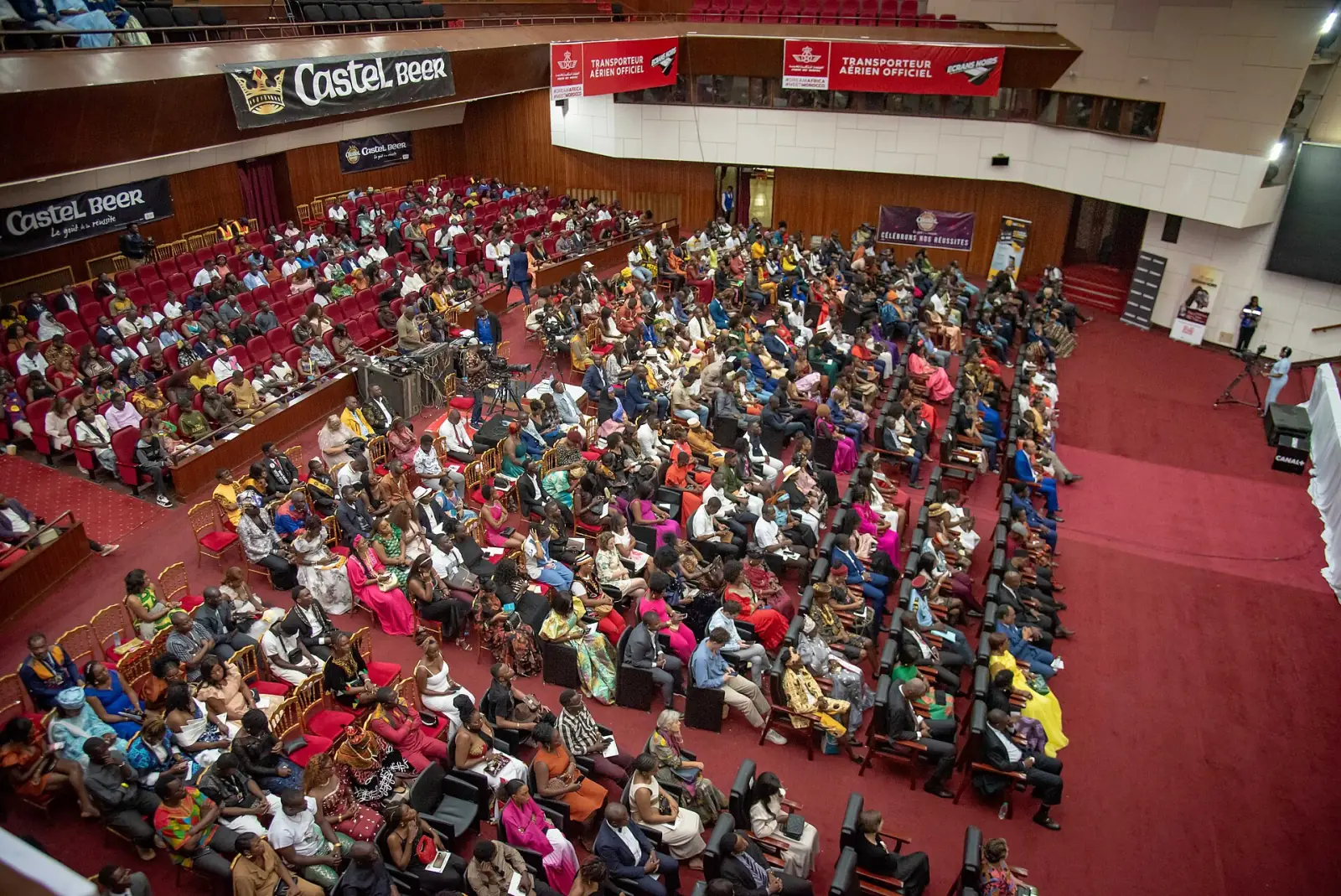
Aerial view of the full Yaoundé Conference Centre during the Écrans noirs festival closing

Congress centres, regional halls, cultural centres, amphitheatres, chiefdom courtyards, public squares and stadiums host shows. The Yaoundé Conference Centre, under the supervision of the Ministry, is the largest gathering place in the capital; the halls of Douala, Bafoussam, Garoua, Buéa and Bertoua complete a network that is still uneven from one region to another.

Choosing and equipping a venue

A performance venue is chosen according to its capacity, its acoustics, its stage (width, depth, clearances), its technical equipment (lighting, sound system, curtains, dressing rooms), its accessibility for people with reduced mobility and the safety of the building. A technical sheet, given to each company, describes these elements. The sub-directorate responsible for the development of infrastructure and technical equipment follows these matters at the directorate.

Non-conventional venues

Many companies perform in school yards, markets, wastelands or village squares. These places require the agreement of the owner or the town hall, a safety plan, sanitary facilities and easy access. The regional delegations advise organisers; the institutions under supervision can host productions.

The cultural map lists the cultural facilities of each region.

ℹ️
Accessibility

Venues open to the public must facilitate access for all; see the commitments on quality and accessibility.

Companies

Theatre, dance and music companies

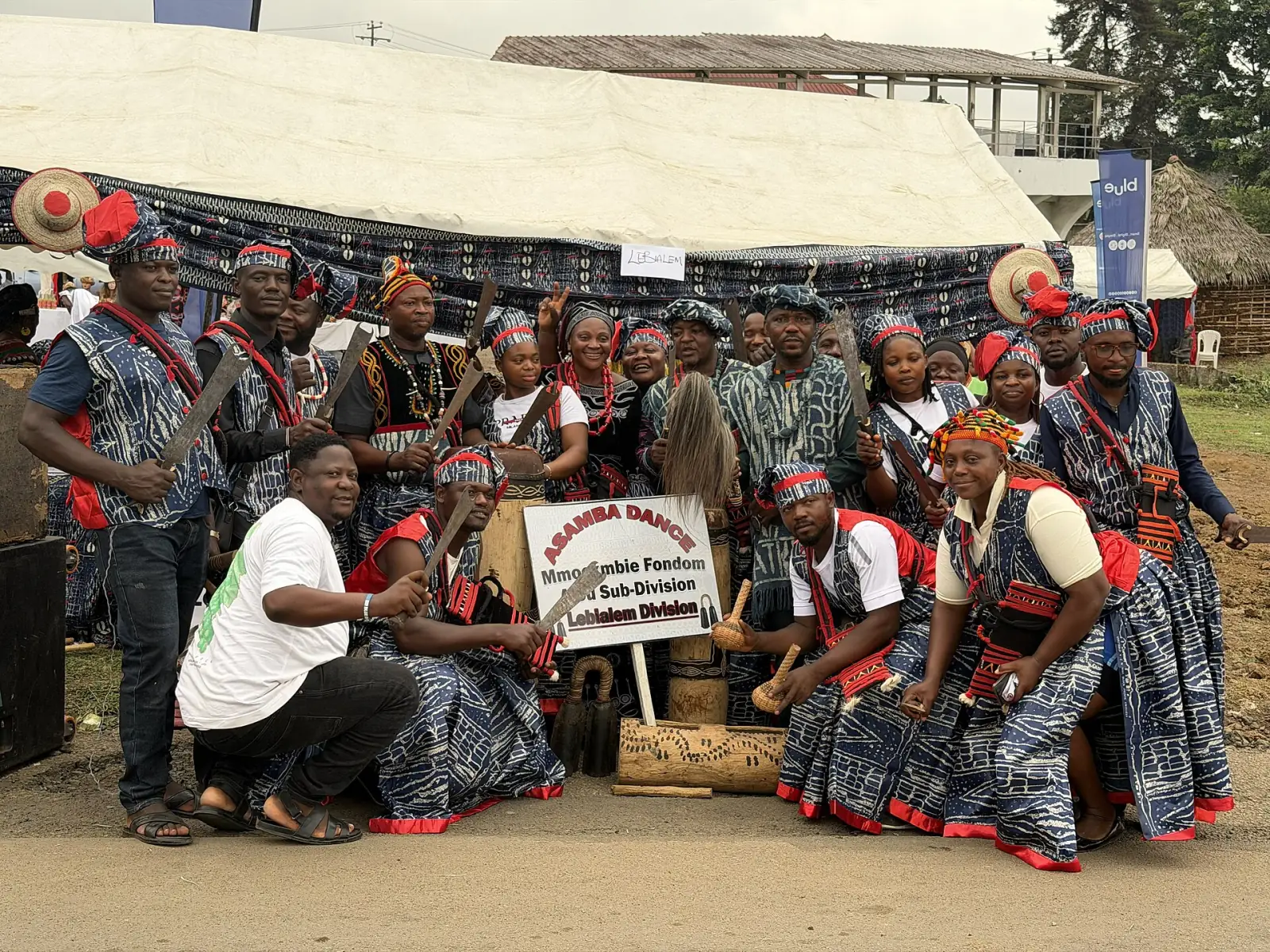
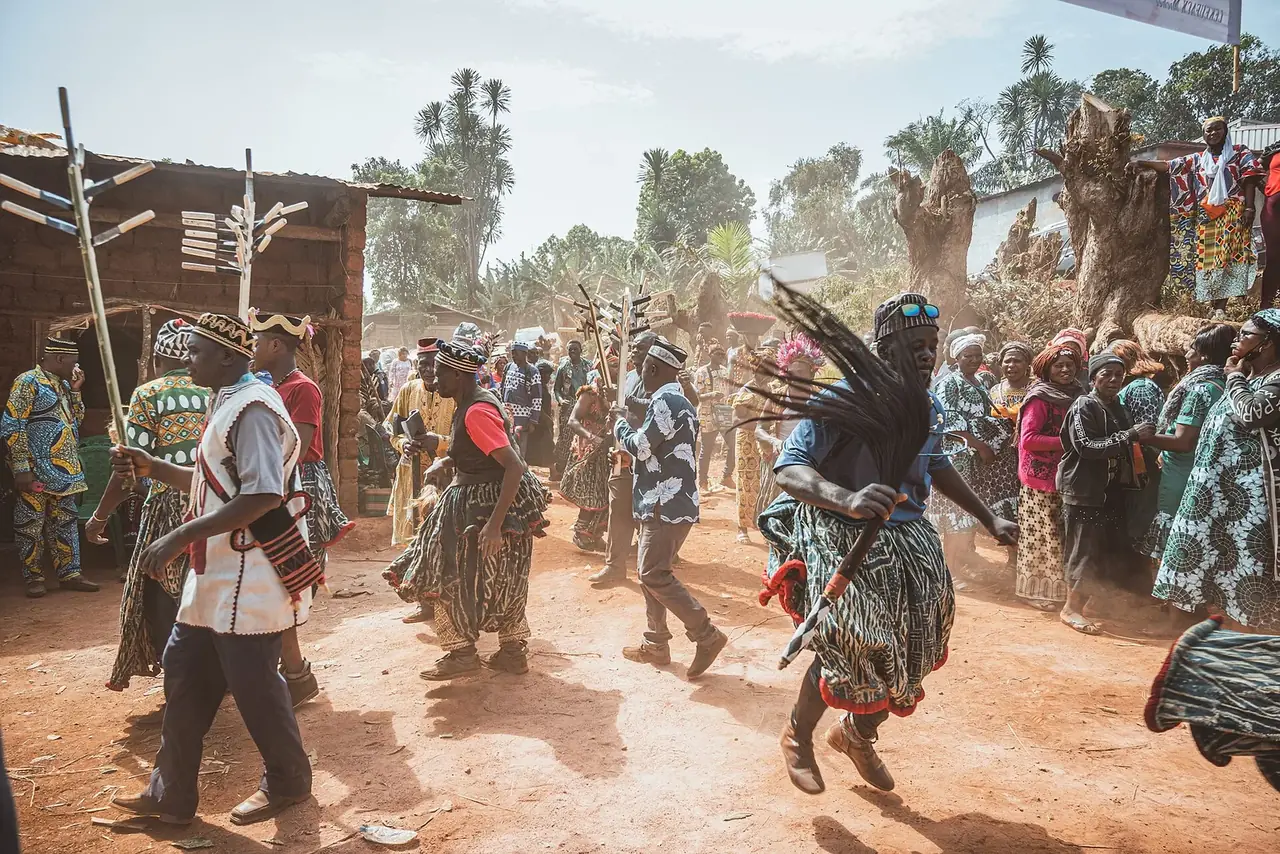
Lebialem dance group in traditional costumes posing under a fair tent

Theatre troupes, dance companies, musical ensembles, storytellers and circus collectives form the fabric of live performance. They range from the neighbourhood troupe, run by volunteers, to the professional ensemble that tours abroad. A directory of companies is kept up to date in the artists’ directory, so that programmers can find them.

Company roles

Behind the actors and dancers, a company has a director or a choreographer, an administrator, a stage manager, a lighting and sound technician, a costume designer and a touring officer. The Ministry encourages training for these professions, with INAC, and companies benefit from entrusting each function to an identified person, even when the team is small: a well-run show reassures venues and programmers.

For guidance on specific disciplines, see the theatre, dance and music pages.

Authorisations

Authorisations: what the law provides

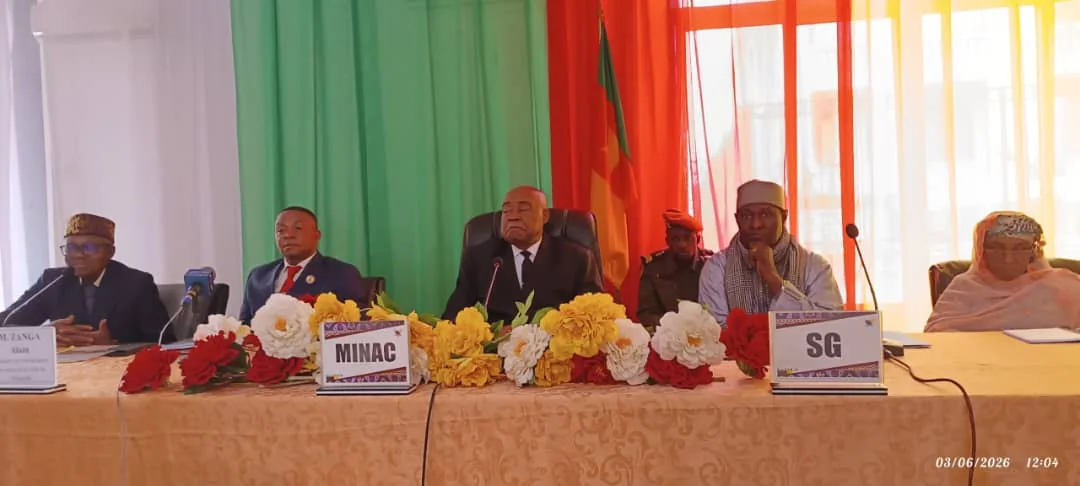
Ministry panel table during a working meeting

Every public show requires authorisation; the application is made online, at the One-Stop Shop. Law No. 2004/001 of 21 April 2004 establishes the regime governing shows and distinguishes professional and amateur shows, show promoters, artistic agents, venues and operating conditions. The Ministry, through the Directorate of Shows and Creative Industries, monitors the application of this text.

The application process

The organiser submits a file several weeks before the date: presentation of the show, venue, times, number of participants, safety plan, proof of copyright. They receive a file number, tracked in the file tracking area. The documents required are detailed on the show authorisation page, and the fees on the fees page.

Special cases

A festival falls under the festival authorisation; a film shoot, under the filming permit. Professional artists apply for the artist card. Music rights are settled with the collective management societies.

  • Submit the application on time, without waiting until the day before;
  • Attach the actual programme, with the duration and the expected audience;
  • Display the authorisation at the venue of the show;
  • Keep the receipt in case of inspection.
ℹ️
Key points

A show given without authorisation risks being stopped; it is better to plan the procedure from the project stage.

Economy

The economics of shows: ticketing, fees and patronage

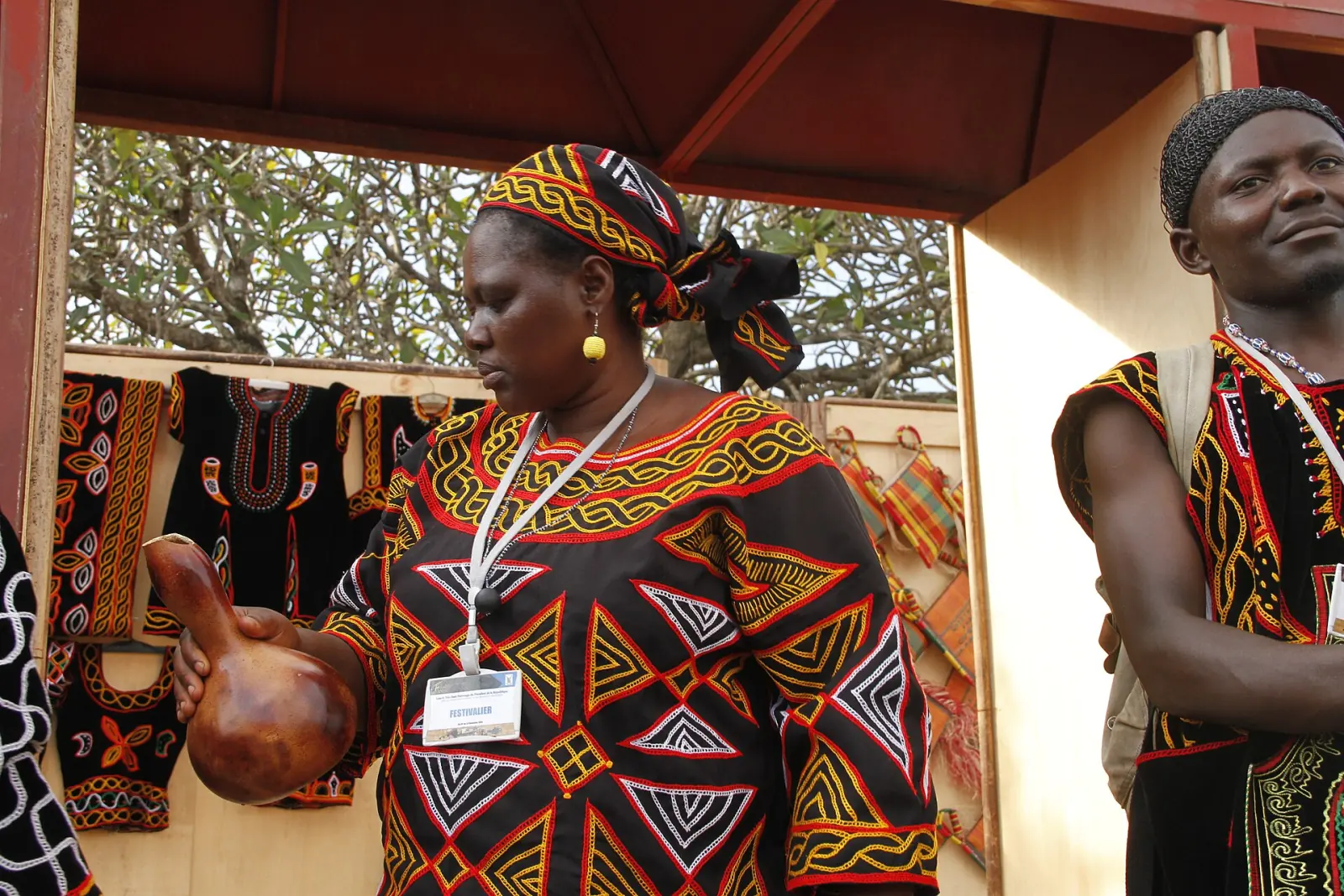
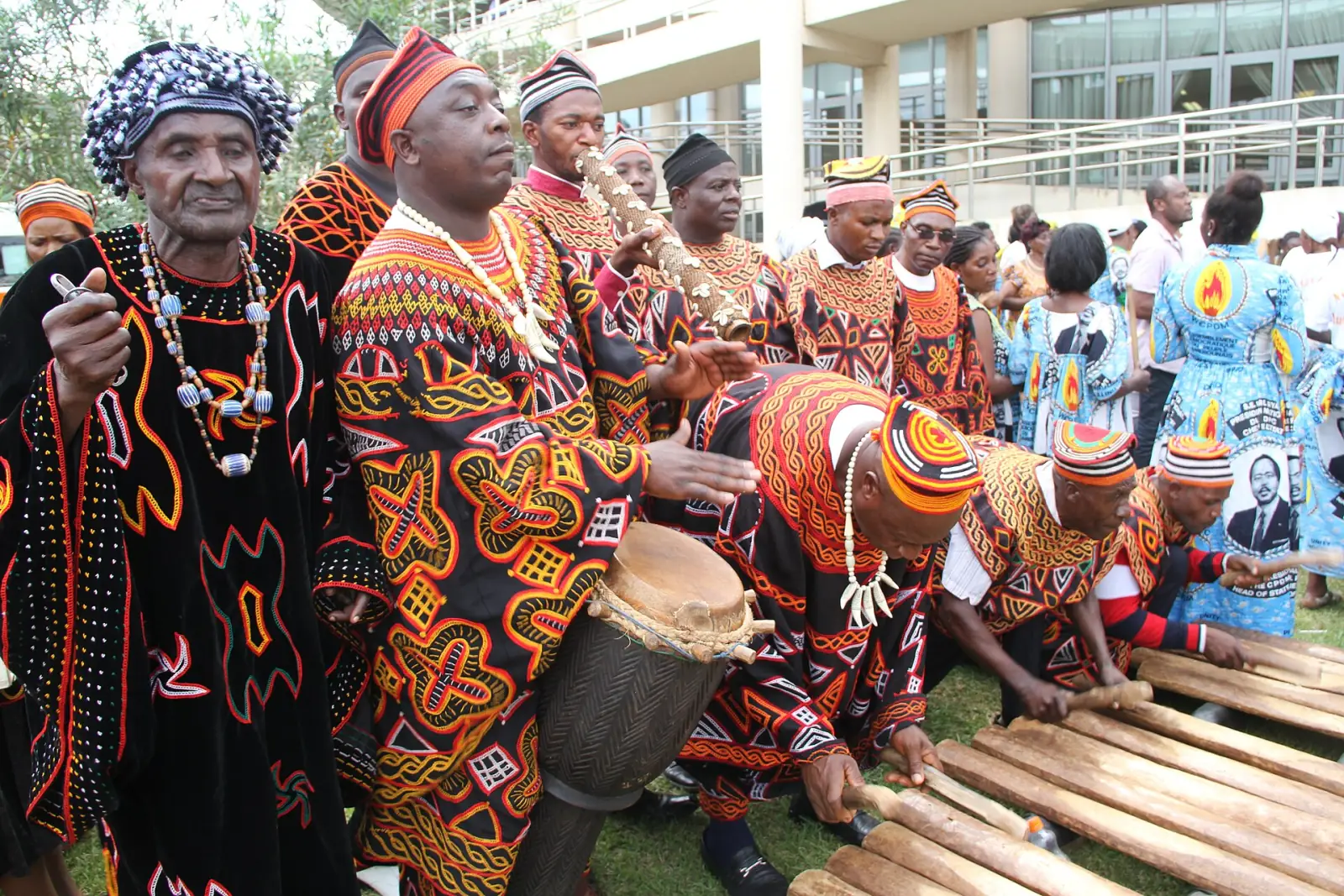
Instrumentalists in embroidered traditional costumes around a stand at a cultural event

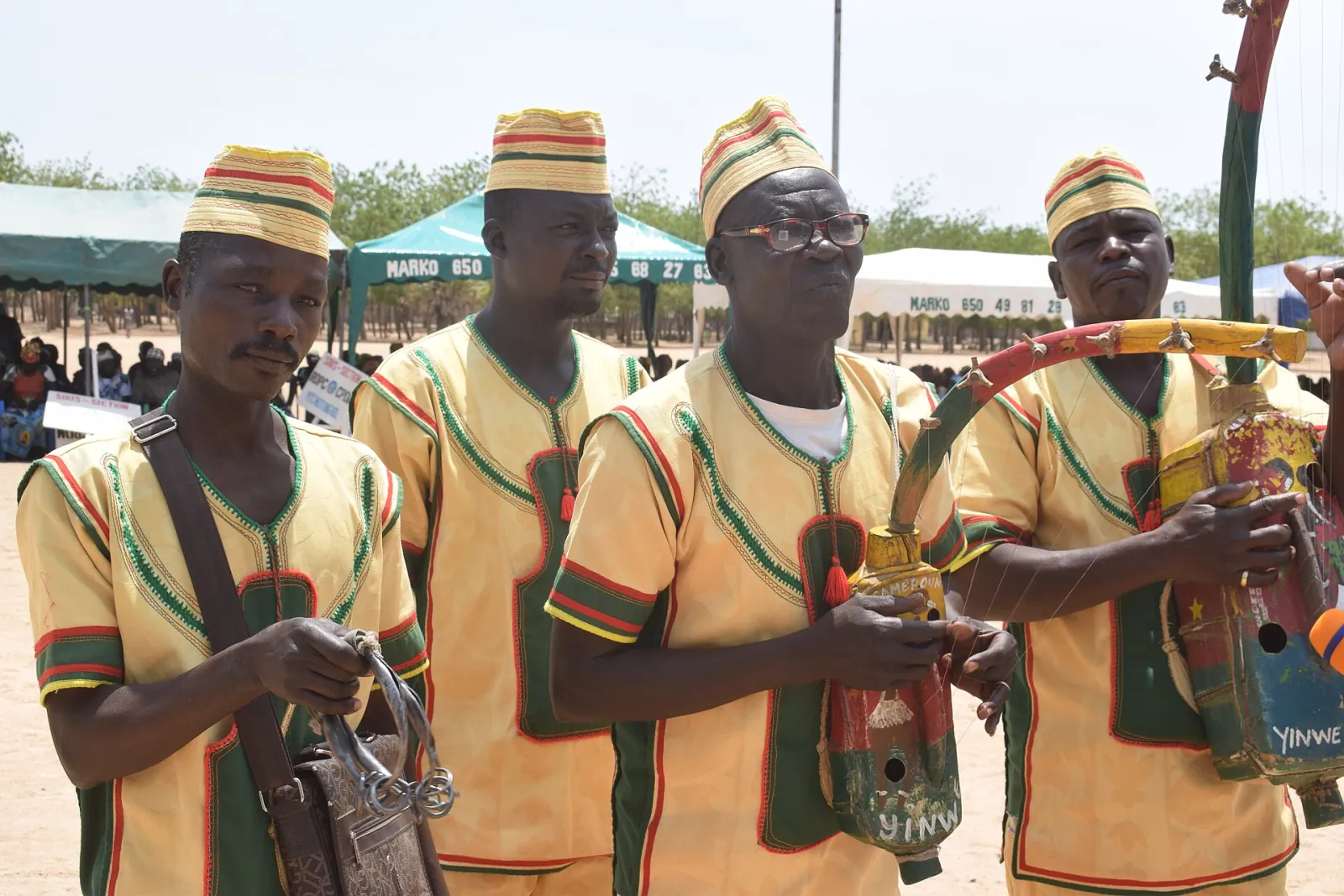
Live performance depends on three resources: ticketing, the fees paid by organisers and public or private support. Companies are encouraged to support shows through patronage and sponsorship, whose legislation the Directorate of Shows and Creative Industries oversees. It also assists cultural enterprises and industries in seeking funding.

A balanced budget accounts for fees, venue hire, technical costs, communication, insurance, copyright and a reserve fund. Support funds and grants for events can supplement this financing plan.

Training

Training for the performance professions

Pupils and staff posing in front of the entrance of the Stoll College arts centre

The Directorate of Shows and Creative Industries defines, together with the National Institute of Arts and Culture, the training programmes in the field of show engineering and entrepreneurship. In practical terms, it covers stage management, production, company administration, audience safety and mediation.

This training is in addition to learning within companies and cultural centres. For children, arts education offers an introduction; for adults, the vocational training section lists courses and internships.

Step by step

From project to stage

Define the project

Specify the genre, duration, venue, team and target audience, then draw up a provisional budget.

Choose the venue

Visit the hall or space, check the technical sheet, the capacity and the safety conditions.

Prepare the file

Gather the programme, safety plan, proof of rights and the organiser’s identity documents.

Submit the application

Submit it online at the One-Stop Shop and keep the file number for tracking.

Prepare the performance

Promote, sell tickets, hire the technicians, rehearse in real conditions.

Perform and report

Follow the declared programme, settle the rights, draw up the attendance report.

To explore

The performing arts in the other sections

Testimonials

Voices from the stage

“
Since the authorisation application has been made online, we receive our file number the same day and follow each step.
A show promoter, Douala
Authorisation
“
We perform in school yards on Saturdays; the regional delegation helped us put together a simple safety plan.
A troupe director, Garoua
Company
“
A stage manager’s work goes unseen, but without one, no evening starts on time; we still lack training.
A general stage manager, Yaoundé
Technical
“
The season is built a year ahead: we publish the programme in the cultural agenda so that audiences can plan.
A programmer, Bafoussam
Programming
To download

The resources for organisers

“This Law applies to professional or amateur live performances.”

Law No. 2004/001, Article 1
Glossary

The words of live performance

Show promoter

Person or company that operates venues or produces shows.

Artistic agent

Manager or impresario who negotiates an artist’s engagements.

Live performance

Performance given live in front of an audience.

Authorisation

Prior agreement of the administration before a public show.

Production stage manager

Technical manager for the stage, lighting and sound.

Technical sheet

Document listing the lighting, sound, stage and dressing room requirements.

Fee

Remuneration of an artist for a performance.

Ticketing

Sale of tickets, online or on site.

Tour

Series of performances in several cities.

Security plan

Document organising reception, circulation and emergency services.

To act

Live performance procedures

Show authorisation

A mandatory procedure before any public performance, to be submitted online several weeks in advance.

Submit the application

Festival authorisation

For events that bring together several shows, stages or sites over several days.

See the procedure

Subsidy

Support for companies and events to fund creation and dissemination.

Request support

File tracking

Check the status of your application with the number received on submission.

Track my file
On the site

Going further: discovering the performing arts

Resources

Useful links for live performance

Stakeholders

Who supports live performance?

Key facts

Show procedures at a glance

NeedProcedureOùFor whom
Organise a performanceShow authorisationOne-Stop Shop, onlineCompanies, producers, associations
Organise a festivalFestival authorisationOne-Stop Shop, onlineOrganisers of festivals and events
Becoming a recognised artistArtist cardOne-Stop Shop, onlineProfessional stage artists
Set up a companyAssociation accreditationOne-Stop Shop, onlineTroupes, ensembles, collectives
Obtain fundingGrant applicationOne-Stop Shop, onlineCompanies and event organisers
Film a recordingFilming authorisationOne-Stop Shop, onlineProducers, directors, television
Journey

Live performance through time

Before colonisationCommunity stages

Tales, court dances and ceremonies bring villages and chiefdoms together; speech, song and gesture answer one another.

1960s-1970sTroupes and ballets

Large national troupes present the repertoire of the regions in venues and at official celebrations.

2004The law on shows

The law of 21 April 2004 establishes the regime governing shows and regulates promoters, venues and performances.

2010sThe proliferation of companies

Troupes are multiplying in every region, audiences are renewing themselves, festivals are developing.

TodayOnline procedures

Authorisation, tracking and information are handled at the One-Stop Shop; programming appears in the cultural agenda.

Questions

Your questions about the performing arts

Is authorisation needed for a show?

Yes, for every public show, whether professional or amateur. The application is made online at the One-Stop Shop, with the programme, venue, times and safety plan, several weeks before the performance.

Which law governs shows?

Law No. 2004/001 of 21 April 2004 establishes the regime governing shows. It applies to professional or amateur live performances and sets the rules applicable to organisers, promoters and venues.

Where do I submit my application?

At the One-Stop Shop, online. Create an account, fill in the form, attach the documents required and note the file number. You can then follow the progress of your application from the tracking page.

Where can I find the programme?

In the Ministry’s cultural agenda, which lists shows by date and by region, and in the national festival calendar. Every organiser can submit their event there.

How do I find a venue?

Contact the regional delegation, the cultural centres or arts centres in your town. The cultural map lists the facilities; always ask for the technical sheet and the safety certificate.

How do I set up a company?

Form an association with statutes and a board, then apply for its approval. It will then be able to receive grants, sign engagement contracts and be listed in the artists’ directory.

What does an unauthorised show risk?

It may be stopped by the authorities, and the organiser is liable to the penalties provided for by the regulations. An application submitted on time avoids these problems and reassures the public.

How do I pay music rights?

To the competent collective management society, before the show, by declaring the programme of works performed. The declaration then makes it possible to distribute the rights to authors and composers.

Contact

Write to the Ministry: Performing arts

Specify your question or your project.

Competent directorate

Write to shows and creative industries

Address

Directorate of Shows and Creative Industries
Ministry of Arts and Culture
Quartier du Lac – Ministerial Zone
P.O. Box 1053 Yaoundé, Centre Region, Cameroon

Reach us

+237 6 51 70 58 41

contact@minac.gov.cm

Opening hours

Monday to Friday, 8 am to 4 pm

A show to present?

Submit your authorisation application online and track it with your file number.

Show authorisation
WhatsApp