Coat of arms of CameroonMinistry of Arts
and Culture
Republic of Cameroon
My procedures
Home
Minister’s message
News
Press releases
Cultural calendar
Official speeches
Press review
Photo library
Video library
Calls for projects
Job vacancies
Public procurement
Newsletter
Frequently asked questions
Site map
Contact
Press area
Podcast “The Voice of Culture”
Legal notices
Privacy policy
Cookies and trackers
The Ministry
Missions and responsibilities
Organisation
Organisation chart
Minister’s Office (Cabinet)
Management team
General Secretariat
General Inspectorate
Central directorates
Regional Delegations
Institutions under supervision
Legislative texts
Regulatory texts
Sector strategy
Major projects
Budget and reports
Partners
Careers
Archives
Institutional communication
Quality and accessibility
Arts
Visual and plastic arts
Visual arts
Performing arts
Theatre
Dance
Music
Literature and books
Cinema and audiovisual
Photography
Fashion and design
Digital arts
Art crafts
Artists’ directory
Residencies
Prizes and awards
Arts education
Urban arts
Heritage
Tangible heritage
Intangible heritage
UNESCO sites
National museums
Listed monuments
National inventory
Palaces and chiefdoms
Archaeology
Linguistic heritage
Oral traditions
Traditional know-how
Restitution of cultural property
Fight against illicit trafficking
Listing and protection
Conservation and restoration
Heritage Days
Cultural landscapes
Industries
Music and recording
Cinema
Publishing and books
Digital arts
Fashion and creativity
Crafts
Cultural tourism
Funding for culture
Support funds
Incubators
Cultural entrepreneurship
Culture Observatory
Vocational training
Studies and reports
Sector statistics
Export and outreach
Intellectual property
Copyright
Legal framework
Copyright and neighbouring rights
Collective management societies
Register a work
Licences
Private copying
Fight against piracy
Model contracts
Social status of artists
Mediation
Disputes
Training
Fee scales
Register of works
Contact
Digital neighbouring rights
Public domain
Festivals
National calendar
Ngondo
Nguon
Écrans Noirs
Heritage Days
Music Day
Regional festivals
Fairs and exhibitions
Biennials
National competitions
Cultural days
Organise a festival
Event grants
Ticketing
Archives
Volunteering
Diaspora festivals
Regions
Adamawa
Centre
East
Far North
Littoral
North
North-West
West
South
South-West
Cultural map
Regional Delegations
Traditional chiefdoms
National languages
Cultural routes
Decentralised cooperation
Regional observatory
Cooperation
UNESCO
Francophonie (OIF)
African Union
Commonwealth
CEMAC
Bilateral cooperation
Cultural agreements
Professional organisations
Scholarships
Artist exchanges
Cultural years
Diaspora
Funded projects
Embassies
Technical partners
International restitution
International monitoring and calls
Services
Artist card
Show authorisation
Filming authorisation
Festival authorisation
Deposit of a work
Export of works of art
Listing of a property
Grant application
Association accreditation
File tracking
Forms
Fees
Opening hours and addresses
Reporting
Online help
My account
One-Stop Shop
Home

Calls for projects

All the Ministry’s calls for projects: open calls and deadlines, the 2027 calendar, selection criteria, application documents, jury results and advice on submitting a complete application.

Updated on 5 November 20264 sub-pages
Open calls4
Calls announced for 20274
2025-2026 winners38
SubmissionOnline
Funding creation

A call, a project, a support

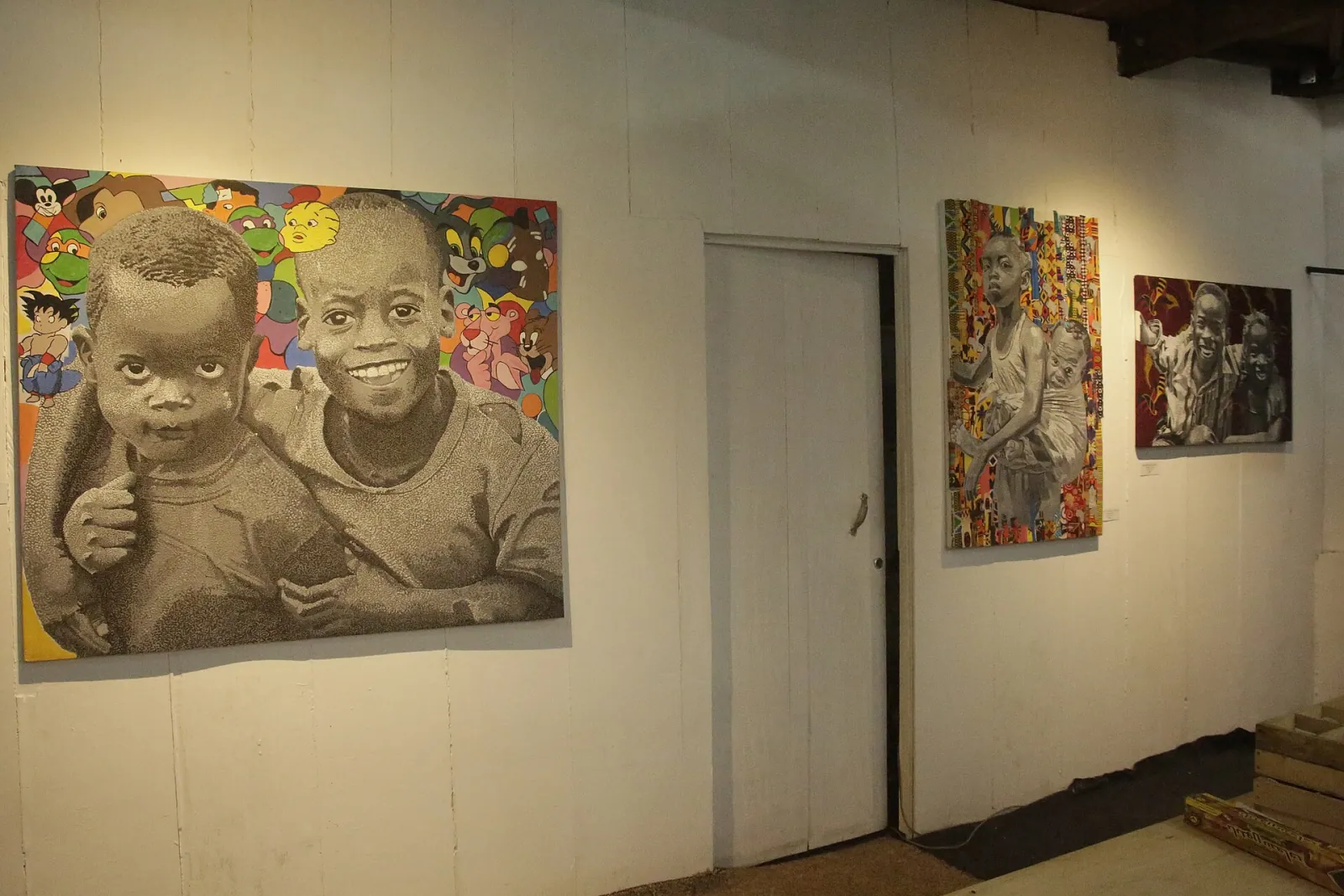
Portrait paintings of children hung in an exhibition room

Calls for projects are the tool through which the Ministry supports creation, heritage and the cultural industries. Each call sets out its purpose, its audience, its calendar, its criteria and the application documents; each one is published on this page with its deadline.

Files are submitted online through the One-Stop Shop, examined by a jury of professionals, and the results are then made public. This page brings together the calendar of calls, the method for applying, the selection criteria and advice from the reviewing services.

  • Clear rules for each call
  • Online submission and tracking
  • Public jury and results
See open calls
Right now

Calls for projects open on 28 October 2026

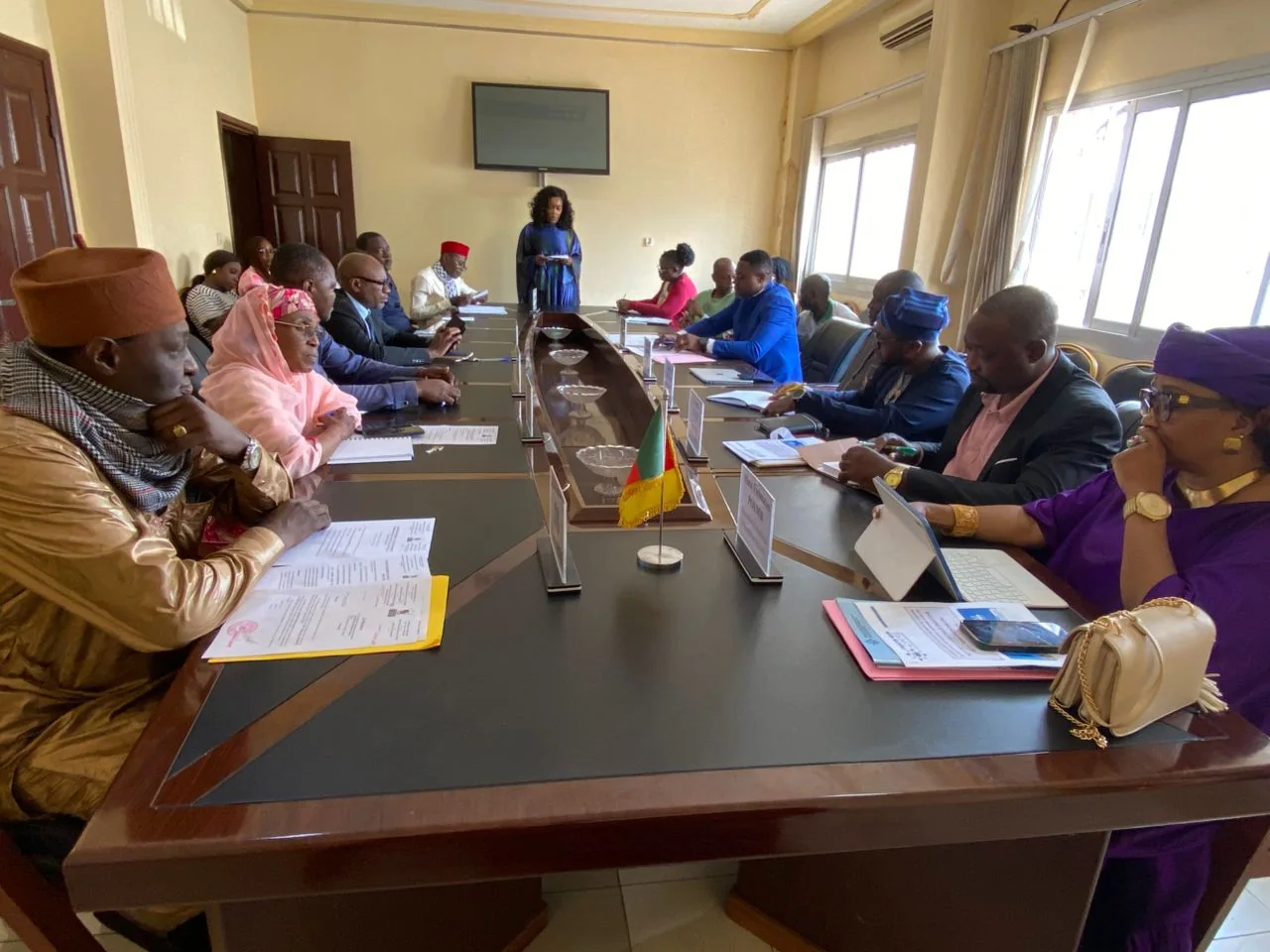
Working meeting around a large table in a Ministry room

Four calls are open as of 28 October 2026. They cover the Ministry’s main fields of intervention and are addressed to different audiences: artists and companies, associations, heritage project leaders and film producers.

Performing arts, creation and touring

This call funds the production and touring of theatre, dance, music and circus shows. It closes on 5 November 2026, so there are only a few days left to apply. Companies that do not yet have a complete file should consult the Performing arts page without delay.
Artist residencies

The call for residencies, in Cameroon and abroad, closes on 30 November 2026. It offers time, a venue and support; the details can be found on the Residencies page.

Intangible heritage and cinema

The call for the safeguarding of intangible heritage closes on 15 December 2026, and the call for support for film production on 20 December 2026.

Each call has its own rules: read them in full before you begin, as applicant eligibility, the type of eligible expenditure and the form of the file vary from one call to another.

ℹ️
Before you begin

First check that you are eligible, then create your online account: it will give you access to submission and tracking.

Deadlines

The four open calls and their deadlines

Upcoming openings

Calls announced for early 2027

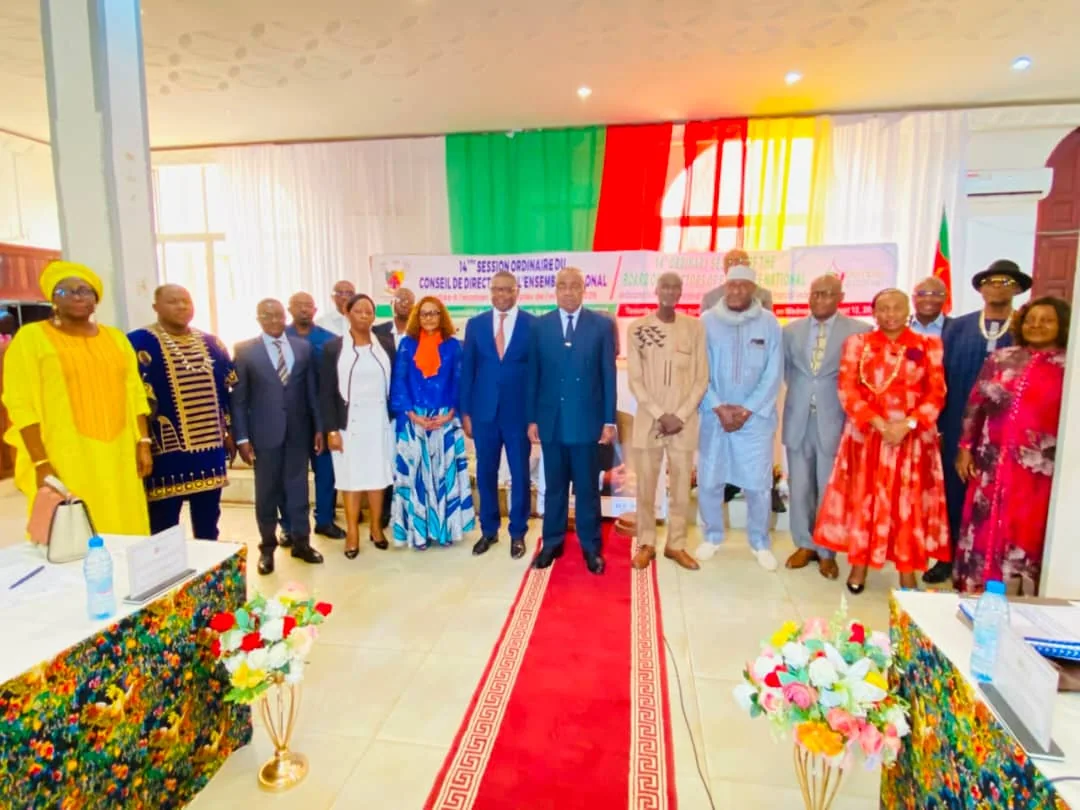
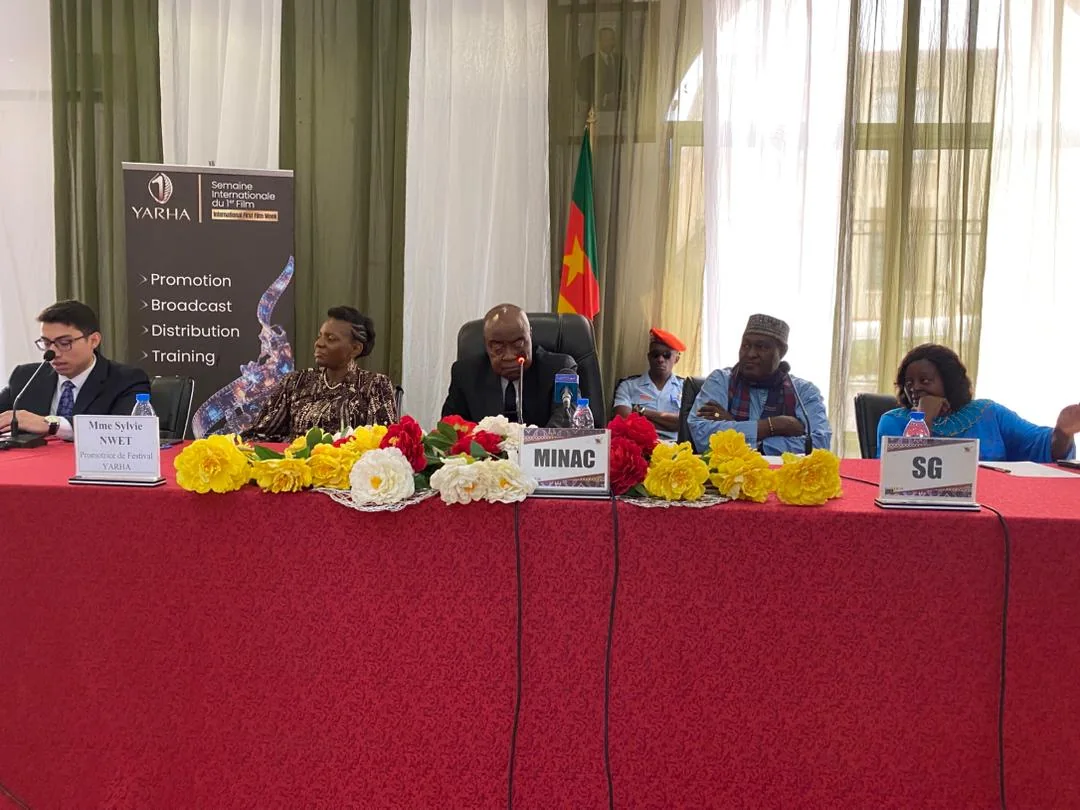
Ministry working meeting around a flower-decked table

The Ministry organises its calls in waves. After the year-end calls, four more will open between January and April 2027. Announcing them very early allows applicants to build their budget, secure co-funding and assemble their administrative documents without haste.

The announced calendar

  • January 2027: mobility scholarships for young creators, for training and creative stays abroad;
  • February 2027: support for publishers, for the publication of works by Cameroonian authors, in connection with publishing and books;
  • March 2027: event grants, for the organisation of regional festivals (festival grants);
  • April 2027: labels and markets for artistic crafts.

How to prepare in advance

You can start now by drafting the statement of intent, costing the project, requesting letters of support and updating your association’s statutes. Subscribe to the newsletter to be notified of each call’s opening on the same day, and consult the cultural agenda.

ℹ️
Plan ahead

The precise opening dates appear on this page as soon as the decision to launch is taken; deadlines are never changed during a call.

Announced calendar

Calls from January to April 2027

Recent archives

The closed calls of the 2026 season

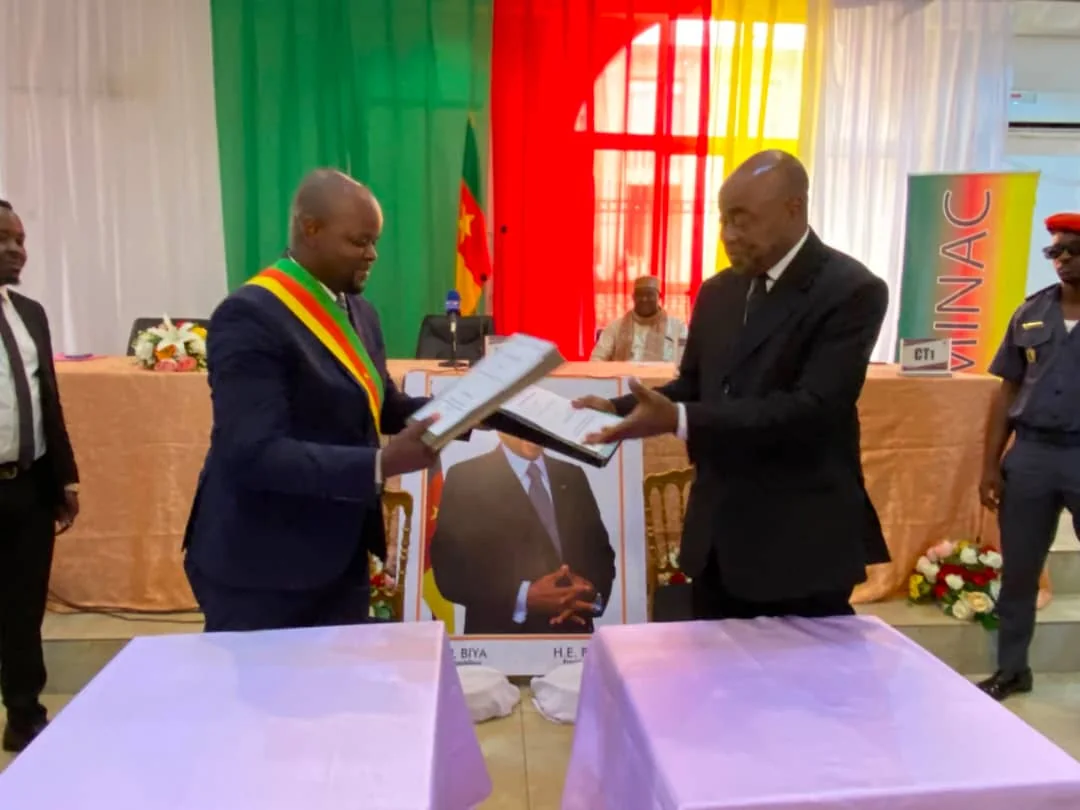
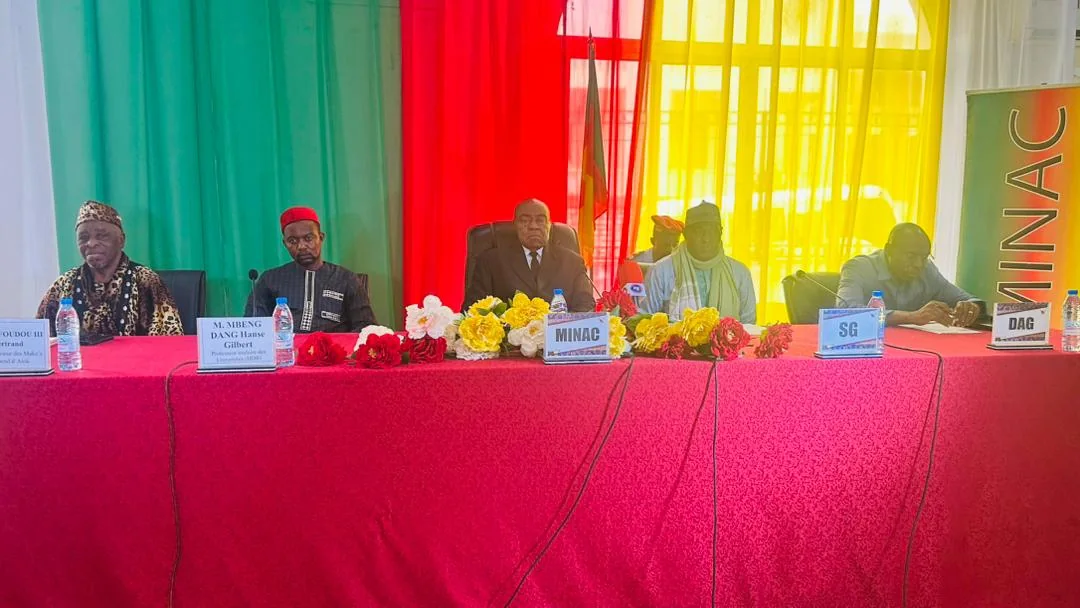
Officials sit behind a long meeting table covered with a red cloth and flowers, in front of curtains in the national colours.

Three calls closed during the season: summer residencies in the regions (15 September 2026), support for the season’s festivals (30 August 2026) and support for children’s publishing (10 July 2026). Their rules remain available for consultation: they serve as a basis for preparing the next edition.

Why consult a closed call

The rules of a past call state the overall budget, the type of eligible expenditure, the number of files submitted and the number of projects selected. A well-informed applicant can identify the jury’s expectations, the most common grounds for rejection and the level of detail expected for the budget.

An unsuccessful file is not a failure

Many winners applied two or three times before being supported. Ask the reviewing service for the jury’s comments, rework the project, strengthen the co-funding and apply again to the next call. The online help guides and the regional delegations offer free support for this second application.

A closed call cannot be reopened: a file submitted after the deadline is inadmissible, whatever the reason. However, file tracking lets you retrieve the history of an earlier submission.

Archives

Closed calls in 2026

Decisions

The results: how winners are selected and announced

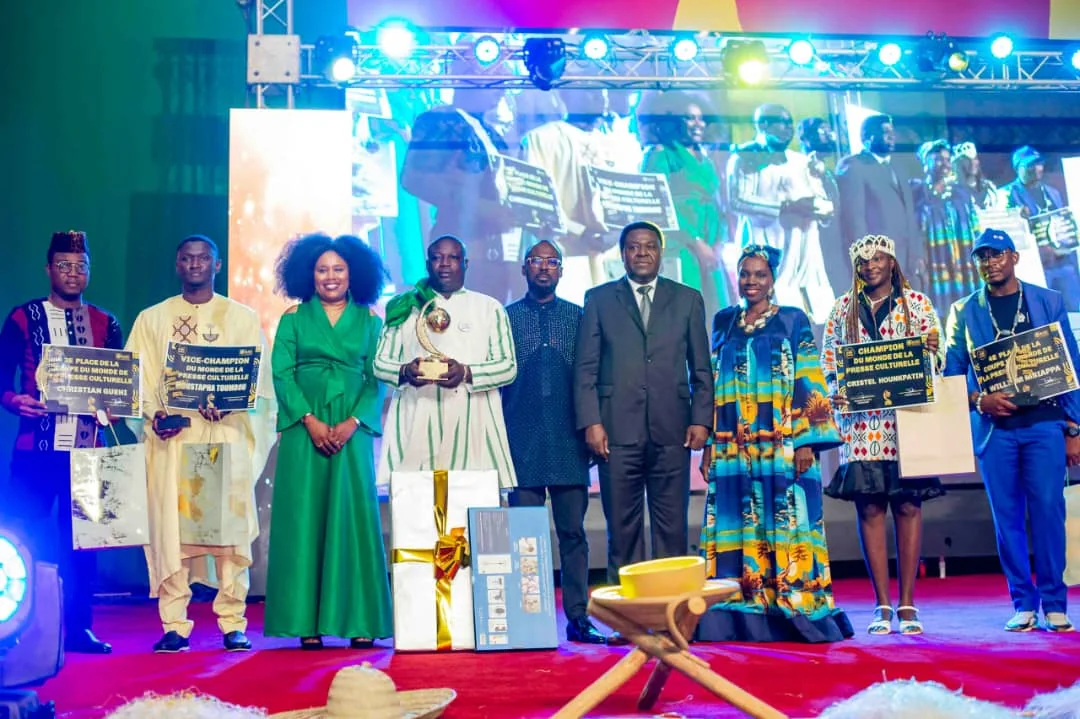
Award winners pose with their trophies and certificates on a red-carpeted stage, alongside two dignitaries.

After the deadline, every file follows the same path. The reviewing service checks admissibility (submitted on time, complete documents, eligible applicant). Admissible files are then passed to the jury, made up of sector professionals, representatives of the directorates concerned and, depending on the call, external experts.

The work of the jury

The jury reads the files, scores them according to the grid published in the rules (see the table of criteria below), then draws up a list of supported projects and a waiting list. Members declare any conflict of interest and do not deliberate on files that concern them.

Publication of the results

The results are published on this page and in the newsletter; each applicant is also informed by e-mail and can view the decision in their file tracking. For the 2025-2026 season, 38 projects were supported.

After the decision

The winner signs an agreement that sets out the use of the aid, the payment schedule and the reporting obligations. They acknowledge the Ministry’s support on all their materials and submit a final report at the end of the project.

ℹ️
Requesting the comments

An unsuccessful candidate may request the jury’s comments in writing, within one month of publication, via the contact form.

Results

Winners of recent calls

CallSupported projectsPublication of the resultsWhere to find them
Summer residencies in the regions8 artists hosted in the regions of the countryResults published on 15 October 2026On this page, in the newsletter and in each applicant’s file tracking
Support for the season’s festivals11 events supported, from the neighbourhood party to the regional festivalResults published on 20 September 2026On this page and on the event grants page
Support for children’s publishing5 publishing houses selected for books intended for childrenResults published on 25 July 2026On this page and on the Publishing and books page
2025-2026 season, all calls combined38 projects supportedUpdated after each deliberationAnnual review in the Ministry’s activity report
Apply

Submit your file in five steps

Choose the call

Read the rules: purpose, target audience, type of expenditure, calendar. Check your eligibility before investing time in writing the project.

Prepare the file

Write the presentation, the budget and the implementation schedule, and gather the administrative documents for your organisation or your career.

Submit online

Submit everything before the deadline on the One-Stop Shop, from your account, and keep the acknowledgement of receipt sent by e-mail.

Respond to requests for additional documents

If the reviewing service requests a missing document, respond within the stated time: after that time, the file may be set aside.

Track the decision

Check file tracking, wait for the jury’s notification and then, if you are a winner, sign the award agreement.

Eligibility

Who can apply to the calls?

Artists and collectives

Individuals with an artistic track record, with or without an artist card depending on the call: programmes, contracts, publications or partner certificates are enough to prove practice.

Artist card

Associations

Approved organisations that are up to date with their reporting obligations, with statutes, a serving executive board, a bank account in the association’s name and a financial statement for the past year.

Approval

Cultural enterprises

Micro-enterprises and creative companies, duly registered, up to date with their tax and social obligations, with real activity in the cultural or creative sector.

Entrepreneurship
Evaluation

How your file is assessed by the jury

CriterionWhat the jury looks atWeightingAdvice from the reviewing service
Artistic qualityOriginality, consistency, rigour of approach35 %Take care over the statement of intent and attach references to previous work
Cultural impactAudience reached, local impact, transmission25 %Quantify the expected audience and name the venues and local partners
FeasibilityRealistic schedule, competent team, balanced budget25 %Present a detailed budget, with income and expenditure in balance
Co-fundingOther support mobilised or own contributions15 %Attach partners’ commitment letters, even modest ones
Pace

A year of calls for projects at the Ministry

NovemberPerforming arts and residencies

Opening of the first calls of the cultural season, with an end-of-month deadline for residencies.

DecemberIntangible heritage and cinema

Submission of year-end files, before the budget closes; juries meet from January.

JanuaryMobility scholarships

Applications from young creators wishing to train or create abroad during the year.

February to AprilPublishing, festivals, art crafts

Second wave of calls, with submission periods of four to six weeks depending on the call.

SummerRegional residencies

Summer residencies take place in the regions, then reports are submitted before the new season.

Returns

They submitted a file

“
The rules were clear, and the jury’s response was well reasoned: I was able to improve my project for the next call.
An association director
North-West
“
Online submission saved me three days of travel and photocopying costs to reach the delegation.
An art craftsman
Adamaoua
“
The service reminded us of the missing document before the closing date: without that call, our file would have been set aside.
A film producer
Littoral
“
The support allowed us to shoot in three regions and finally pay all our dancers.
A company manager
Centre
Documents

The documents for calls for projects

Framework

Texts and tools for the calls

Glossary

The vocabulary of calls for projects

Eligibility

All the conditions to be met in order to submit a file.

Co-funding

Share of the budget provided by partners other than the Ministry.

Jury

Committee that reads the files, scores them and proposes the projects to be supported.

Admissibility

Preliminary check: file submitted on time, complete and presented by an eligible applicant.

Convention

Contract that sets out the use of the aid, the payment schedule and the winner’s obligations.

Waiting list

Files ranked after the winners, called upon if a supported project is abandoned.

Forecast budget

Table of the income and expenditure expected to carry out the project.

Statement of intent

Text that presents the approach, the objectives and the originality of the project.

Deadline

Day and time after which no submission is accepted.

Final report

Artistic and financial report submitted at the end of the supported project.

Support

Funders alongside the State

Support

We help you to apply

Online help

Illustrated guides, answers to frequently asked questions and assistance in building your file step by step, from creating the account to final submission.

Online help

Regional Delegations

An officer near you reviews your file before submission, checks the list of documents and provides a computer for your use.

Find a delegation

Training

Workshops on project development, budget management and fundraising, offered in the regions throughout the season.

Training
Questions

Apply without error: your questions

What if I miss the deadline?

The file is no longer admissible: the rule applies to all applicants to guarantee equal treatment. Keep your work, update it and watch for the opening of the next call, announced on this page and in the newsletter.

Can I modify my file after submission?

Only to respond to a request for additional documents issued by the reviewing service, within the stated time. It is not possible to change the project or the budget after closing, except to correct a clerical error pointed out by the service.

When are the results published?

According to the calendar of each call, which appears in the rules. Results are posted on this page, announced in the newsletter and notified to each applicant by e-mail, with the jury’s comments on request.

Can I submit several files?

Yes, for different calls, provided that each project is distinct. For a single call, an applicant generally submits only one file, unless the rules state otherwise; check this point before you begin.

Is there a fee for submitting a file?

No. Submitting a file is free of charge and no intermediary is authorised to ask for money. If you are asked for any, report it through the site’s reporting form or to the regional delegation.

How do I track the status of my file?

Log in to your account and open file tracking using the number given in the acknowledgement of receipt. There you can see the current stage: receipt, review, jury, decision, and any requests for additional documents.

My association is not yet approved: can I apply?

It depends on the call. Many require a valid approval; otherwise, an artist or a collective may apply individually. Start the approval application without delay, as processing takes several weeks.

What should I do if I do not have a reliable connection?

Go to the regional delegation, which provides a computer and helps you submit online. Prepare your file offline, save it on a USB drive and allow several days before the deadline for the procedure.

Contact

Ask a question about a call

State the call concerned, your status (artist, association, company) and your question: your message is forwarded to the calls for projects service.

Competent service

Contact the Calls for Projects Service

Address

Calls for Projects Service
Ministry of Arts and Culture
Quartier du Lac – Ministerial Zone
P.O. Box 1053 Yaoundé, Centre Region, Cameroon

Reach us

+237 6 51 70 58 41

contact@minac.gov.cm

Opening hours

Monday to Friday, 8 am to 4 pm

A project to fund?

Create your account, choose the call that suits you and start your online file now.

Go to the One-Stop Shop
WhatsApp