Coat of arms of CameroonMinistry of Arts
and Culture
Republic of Cameroon
My procedures
Home
Minister’s message
News
Press releases
Cultural calendar
Official speeches
Press review
Photo library
Video library
Calls for projects
Job vacancies
Public procurement
Newsletter
Frequently asked questions
Site map
Contact
Press area
Podcast “The Voice of Culture”
Legal notices
Privacy policy
Cookies and trackers
The Ministry
Missions and responsibilities
Organisation
Organisation chart
Minister’s Office (Cabinet)
Management team
General Secretariat
General Inspectorate
Central directorates
Regional Delegations
Institutions under supervision
Legislative texts
Regulatory texts
Sector strategy
Major projects
Budget and reports
Partners
Careers
Archives
Institutional communication
Quality and accessibility
Arts
Visual and plastic arts
Visual arts
Performing arts
Theatre
Dance
Music
Literature and books
Cinema and audiovisual
Photography
Fashion and design
Digital arts
Art crafts
Artists’ directory
Residencies
Prizes and awards
Arts education
Urban arts
Heritage
Tangible heritage
Intangible heritage
UNESCO sites
National museums
Listed monuments
National inventory
Palaces and chiefdoms
Archaeology
Linguistic heritage
Oral traditions
Traditional know-how
Restitution of cultural property
Fight against illicit trafficking
Listing and protection
Conservation and restoration
Heritage Days
Cultural landscapes
Industries
Music and recording
Cinema
Publishing and books
Digital arts
Fashion and creativity
Crafts
Cultural tourism
Funding for culture
Support funds
Incubators
Cultural entrepreneurship
Culture Observatory
Vocational training
Studies and reports
Sector statistics
Export and outreach
Intellectual property
Copyright
Legal framework
Copyright and neighbouring rights
Collective management societies
Register a work
Licences
Private copying
Fight against piracy
Model contracts
Social status of artists
Mediation
Disputes
Training
Fee scales
Register of works
Contact
Digital neighbouring rights
Public domain
Festivals
National calendar
Ngondo
Nguon
Écrans Noirs
Heritage Days
Music Day
Regional festivals
Fairs and exhibitions
Biennials
National competitions
Cultural days
Organise a festival
Event grants
Ticketing
Archives
Volunteering
Diaspora festivals
Regions
Adamawa
Centre
East
Far North
Littoral
North
North-West
West
South
South-West
Cultural map
Regional Delegations
Traditional chiefdoms
National languages
Cultural routes
Decentralised cooperation
Regional observatory
Cooperation
UNESCO
Francophonie (OIF)
African Union
Commonwealth
CEMAC
Bilateral cooperation
Cultural agreements
Professional organisations
Scholarships
Artist exchanges
Cultural years
Diaspora
Funded projects
Embassies
Technical partners
International restitution
International monitoring and calls
Services
Artist card
Show authorisation
Filming authorisation
Festival authorisation
Deposit of a work
Export of works of art
Listing of a property
Grant application
Association accreditation
File tracking
Forms
Fees
Opening hours and addresses
Reporting
Online help
My account
One-Stop Shop
Regions

Decentralised cooperation

Cultural centres, conservatories, twinning arrangements and calls for projects: how local authorities and the Ministry build local culture together.

Updated on 6 November 20264 sub-pages
Regions and communes concerned10 regions
Strategic frameworkNDS30
Facilities targetedCultural centres and conservatories
Listing of propertiesInitiative of local executives
Decentralised cooperation

Local authorities at the heart of culture

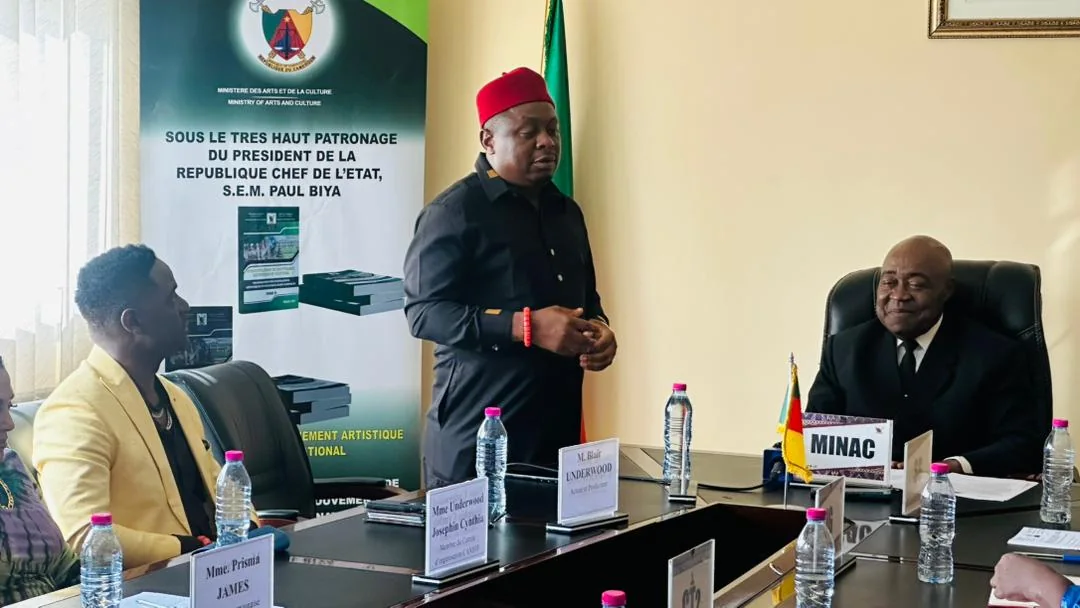
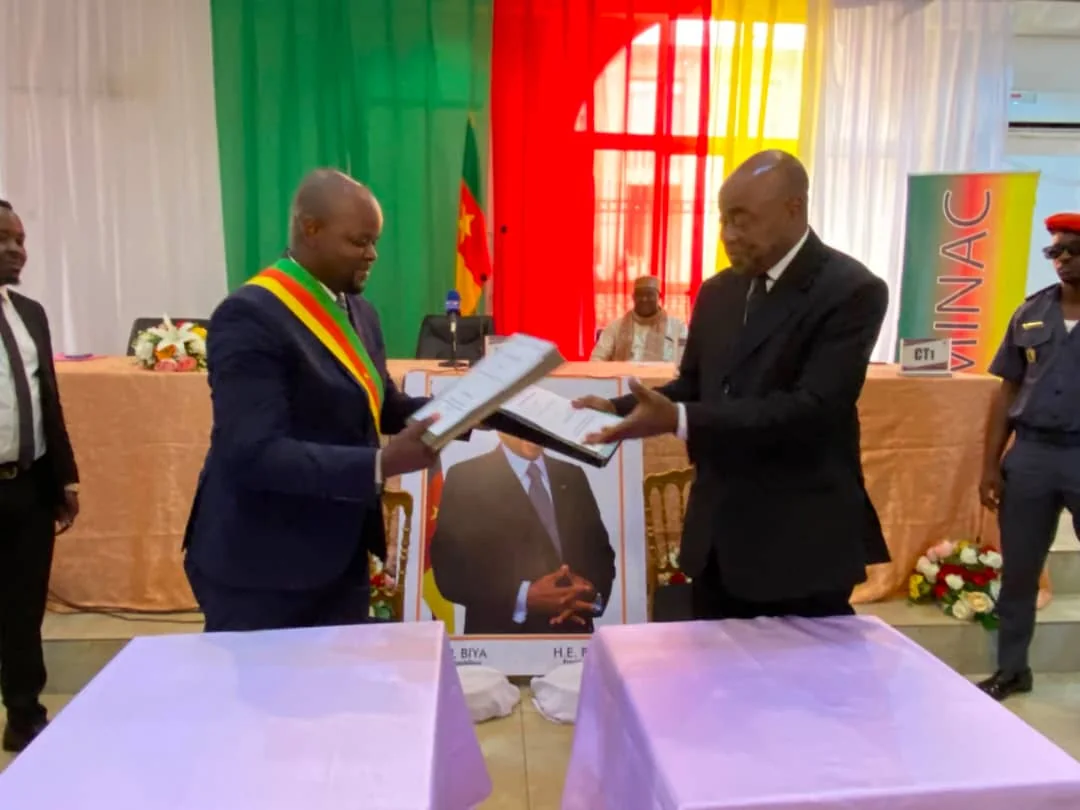
Signing of an agreement in front of the portrait of the Head of State

The National Development Strategy 2020-2030 (NDS30) provides for the creation, under the supervision of decentralised local authorities (CTD), of training and promotion structures for the arts and culture, such as cultural centres and conservatories. Culture is thus built as close as possible to the inhabitants, with the regions and communes.

Law 2013/003 on cultural heritage also gives local executives the initiative to list properties that make up the identity of a territory. This page explains how the Ministry, the regional delegations and local authorities work together: twinning, facility projects, calls and useful contacts.

  • Cultural centres and conservatories run by local authorities
  • Twinning between towns to exchange artists and know-how
  • Calls for projects open to regions and communes
See the twinned towns
Twinning

The twinned towns and their cultural exchanges

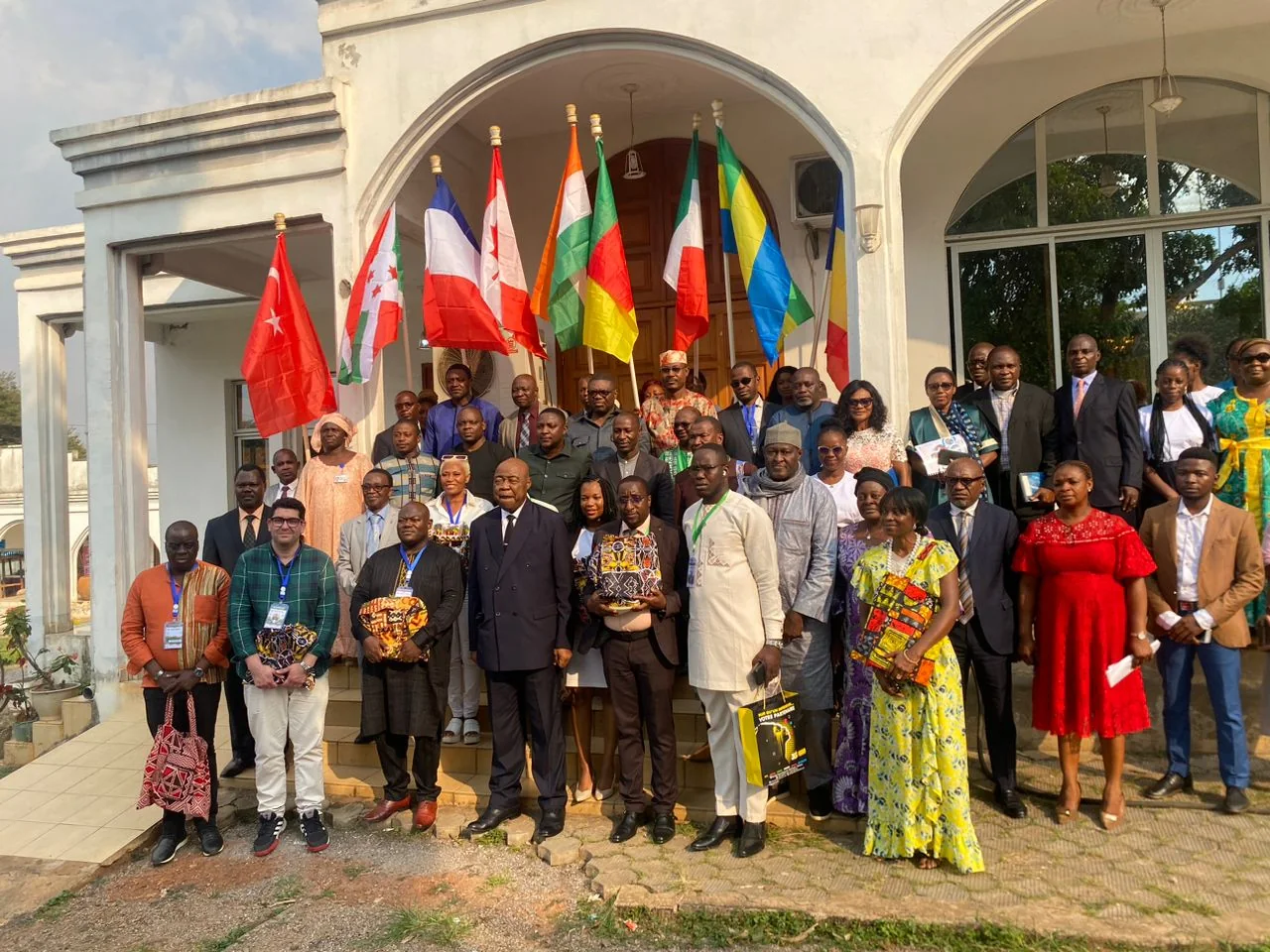
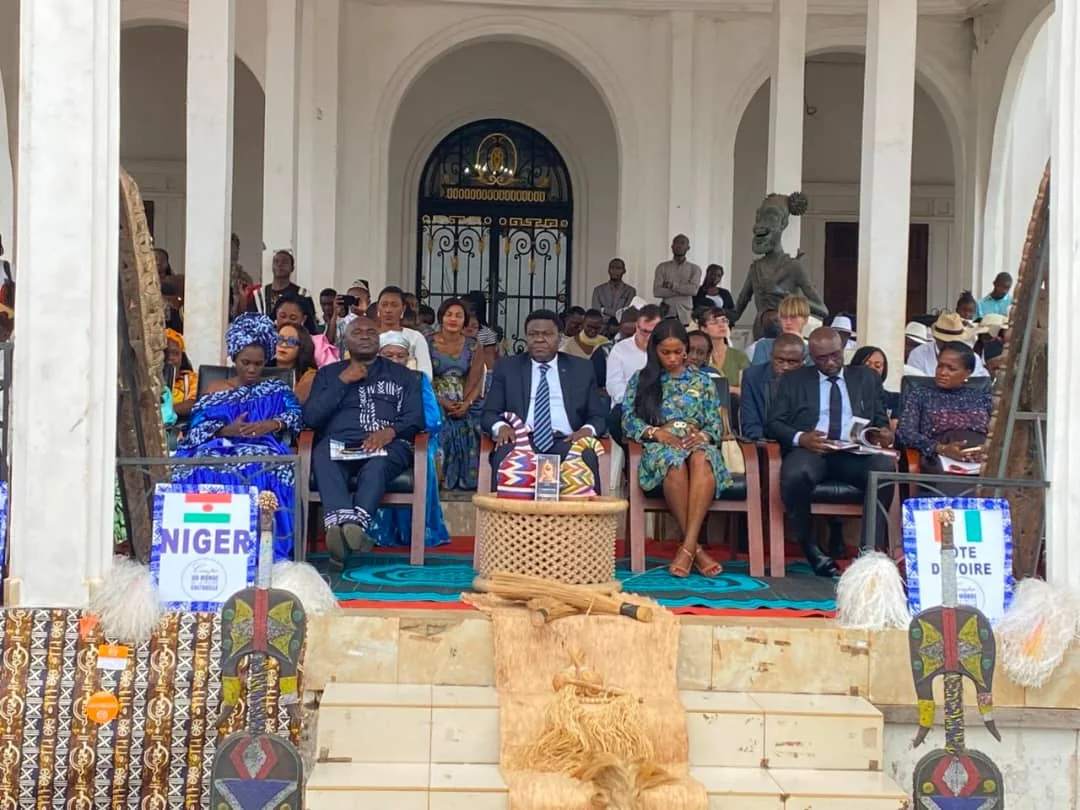
Foreign delegations seated under the Ministry gallery during a ceremony

Twinning brings together two local authorities that decide to cooperate over the long term. In the cultural field, it takes the form of artist exchanges, reciprocal exhibitions, residencies, youth stays and the sharing of expertise on the management of museums, libraries or festivals.

How cultural twinning works

It is concluded by a resolution of the municipal or regional council and then formalised in an agreement that sets out the objectives, the timetable, the budget and the officials appointed on each side. Cameroonian local authorities twinned with cities in Europe, Africa or the Americas regularly include artistic components: a guest festival, a cross-season, an exchange of curators.
What the Ministry provides

Networks of African cities and bilateral agreements, presented in the bilateral cooperation section, complement these twinnings. A successful exchange rests on reciprocity: each city hosts as much as it sends.

ℹ️
First step

A municipality wishing to twin can ask the Minister’s Office (Cabinet) to direct it towards partner authorities that share its cultural priorities.

Facilities

Local cultural facility projects

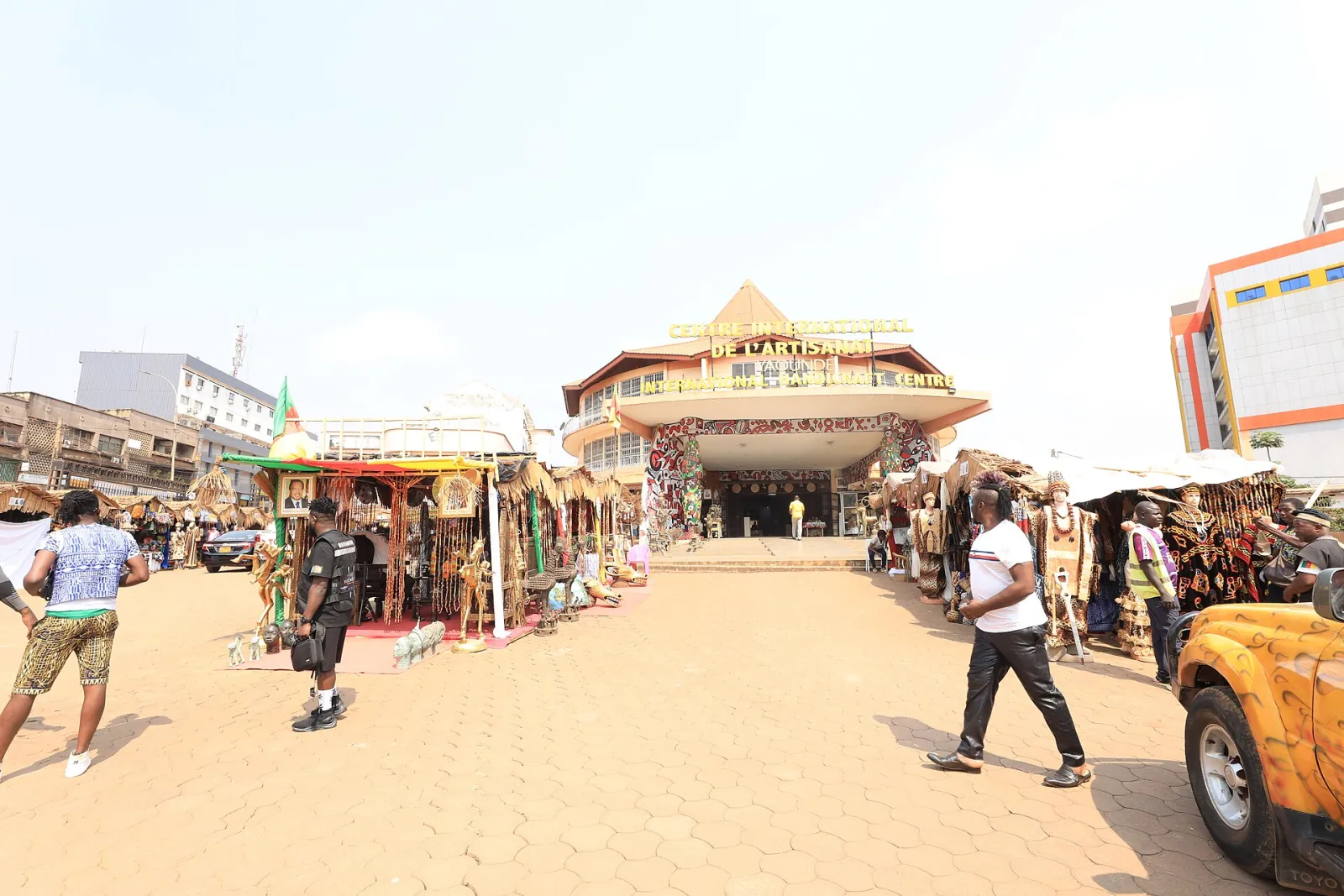
Esplanade of the International Craft Centre in Yaoundé lined with artisans' stalls

Local facilities are the concrete expression of cultural decentralisation: without a room to rehearse in, a media library to read in or a conservatoire to learn in, cultural policy remains abstract.

Houses of culture

A house of culture is a multipurpose venue: performance hall, rehearsal studios, exhibition space, library, workshops for children. It is run by the local authority or by an association to which the authority delegates its operation. It serves as the base for the city’s festivals and hosts companies in residence.

Conservatoires

Conservatoires provide regular teaching in music, dance, theatre and the visual arts. Programmes follow a curriculum and can prepare students for higher artistic education.

Other local projects

  • Libraries and mobile libraries for public reading;
  • Community museums, often located in a chiefdom;
  • Performance areas and fitted-out public squares;
  • Local radio stations and recording studios.

The Ministry supports local authorities in setting up projects, from the feasibility study to monitoring of the works, and puts them in touch with the national major projects. Funding can draw on cultural funding.

ℹ️
Preliminary study

Before any facility is built, the local authority determines the target audience, the management model and the operating budget: a building with no team or programme stays empty.

Funding

Local authority calls for projects

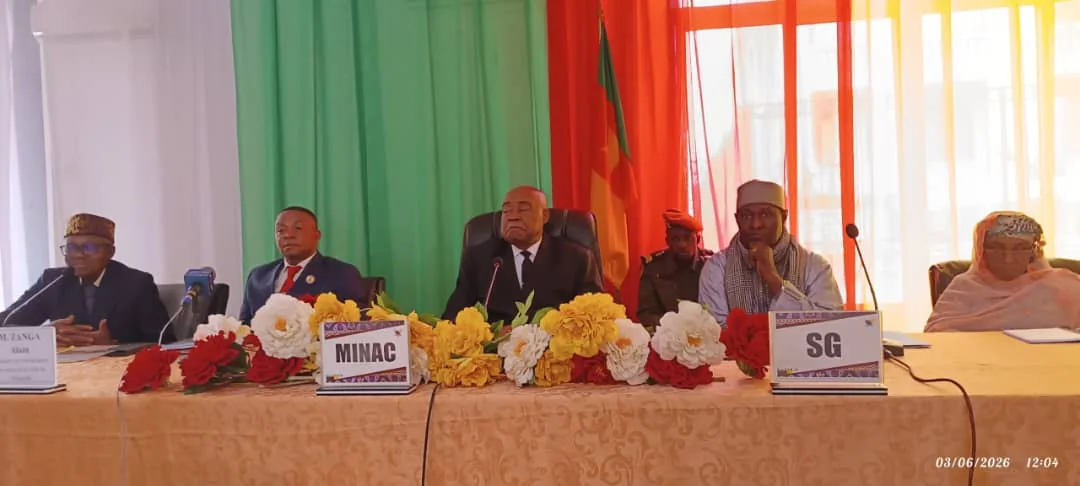
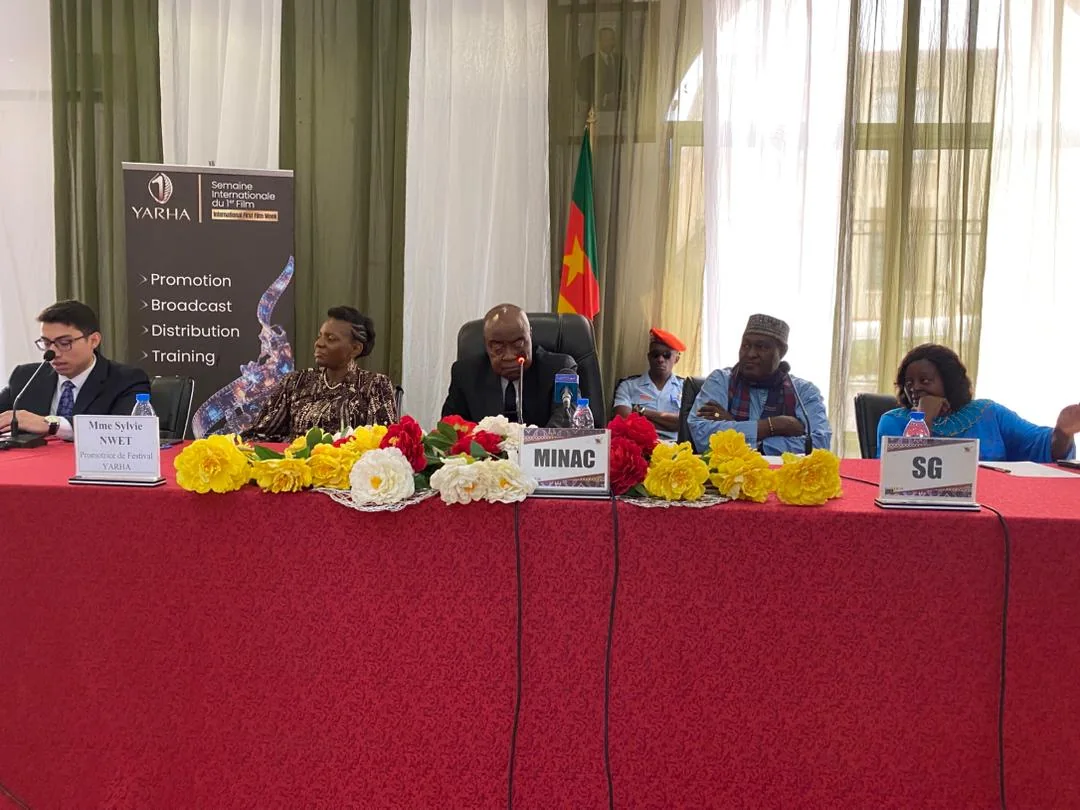
Ministry working meeting around a flower-decked table

Local authorities can respond to national or international calls for projects, but they also issue their own: calls for artists for a cultural season, architectural competitions for a media library, calls for applications to manage a venue or a festival.

Preparing an application

  1. Check the eligibility of the local authority and of its project;
  2. Gather the council resolution, the budget and the partners’ letters of commitment;
  3. Draft a presentation note with a timetable and performance indicators;
  4. Submit the file before the deadline, by the stated channel;
  5. Follow the review and prepare the final report.

Officials of the regional delegations help small municipalities to put their files together. A clear report, with attendance figures and testimonials, strengthens subsequent applications.

ℹ️
Calendar

Calls are published throughout the year; keep an eye on the calls page and the cultural agenda so as not to miss a deadline.

Contacts

Contacts for proposing a cooperation

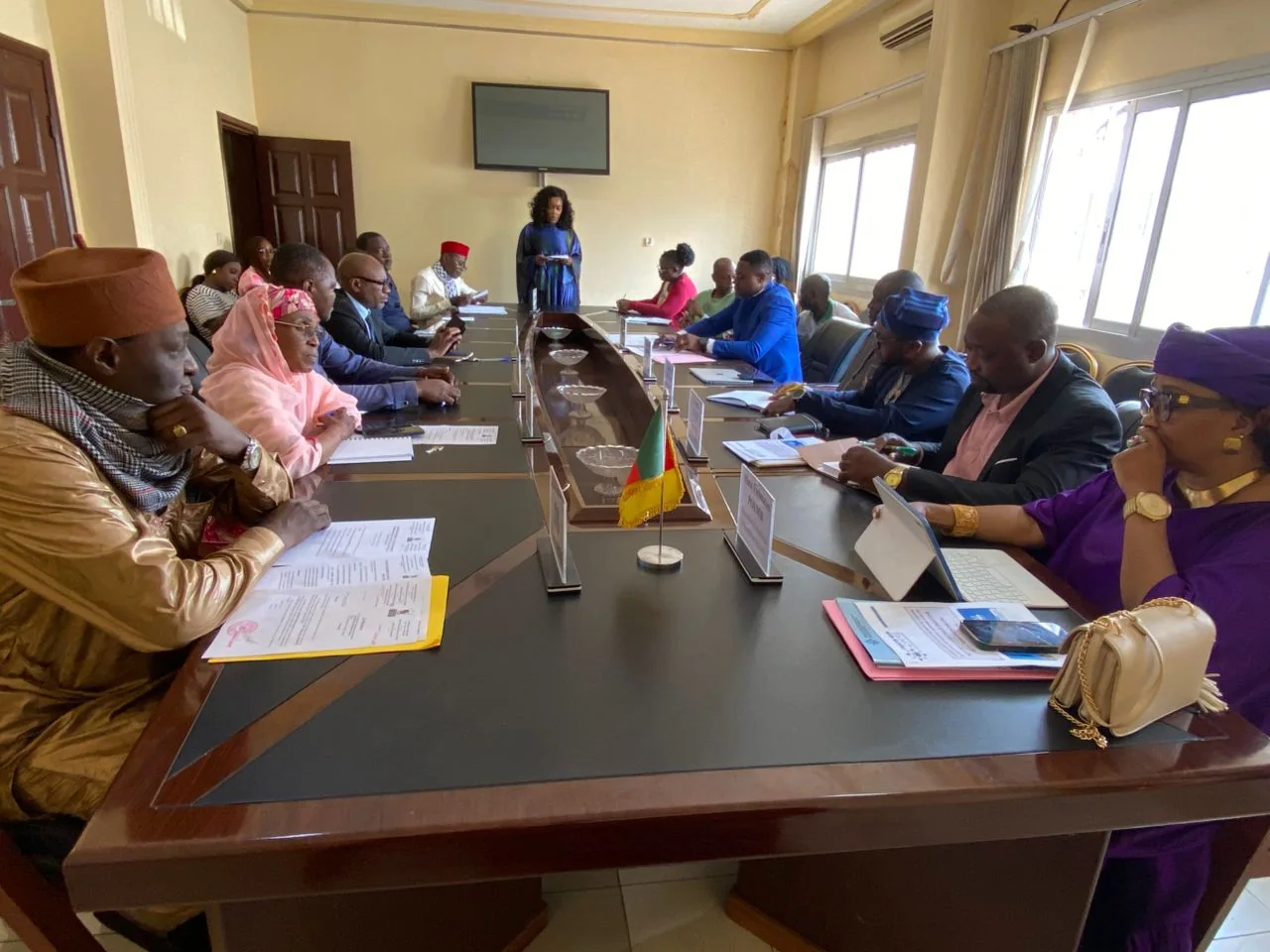
Working meeting around a large table in a Ministry room

Any local authority wishing to propose a joint project, a twinning or a facility can approach the Ministry through several entry points, depending on the nature of the request.

The Minister’s Office (Cabinet)

For a cooperation proposal, a partnership or an audience request, write to the Minister’s Office (Cabinet), which directs it to the competent directorate. Enclose a letter of referral and a short presentation file.

The regional delegations

In each region, the regional delegation is the first point of contact: it knows the stakeholders, the existing facilities and the needs of the territory, and it forwards files to Yaoundé with its opinion.

The technical directorates

  • The Directorate of Cultural Heritage for listings and museums;
  • The Directorate of Arts Development and Promotion for houses of culture and conservatoires;
  • The Directorate of Books and Reading for libraries;
  • The One-Stop Shop for administrative procedures.

For an initial contact, use the form at the bottom of the page or the site’s contact form. State the local authority, the region, the nature of the project and a contact person who can be reached.

Legal framework

State competences and local authority competences

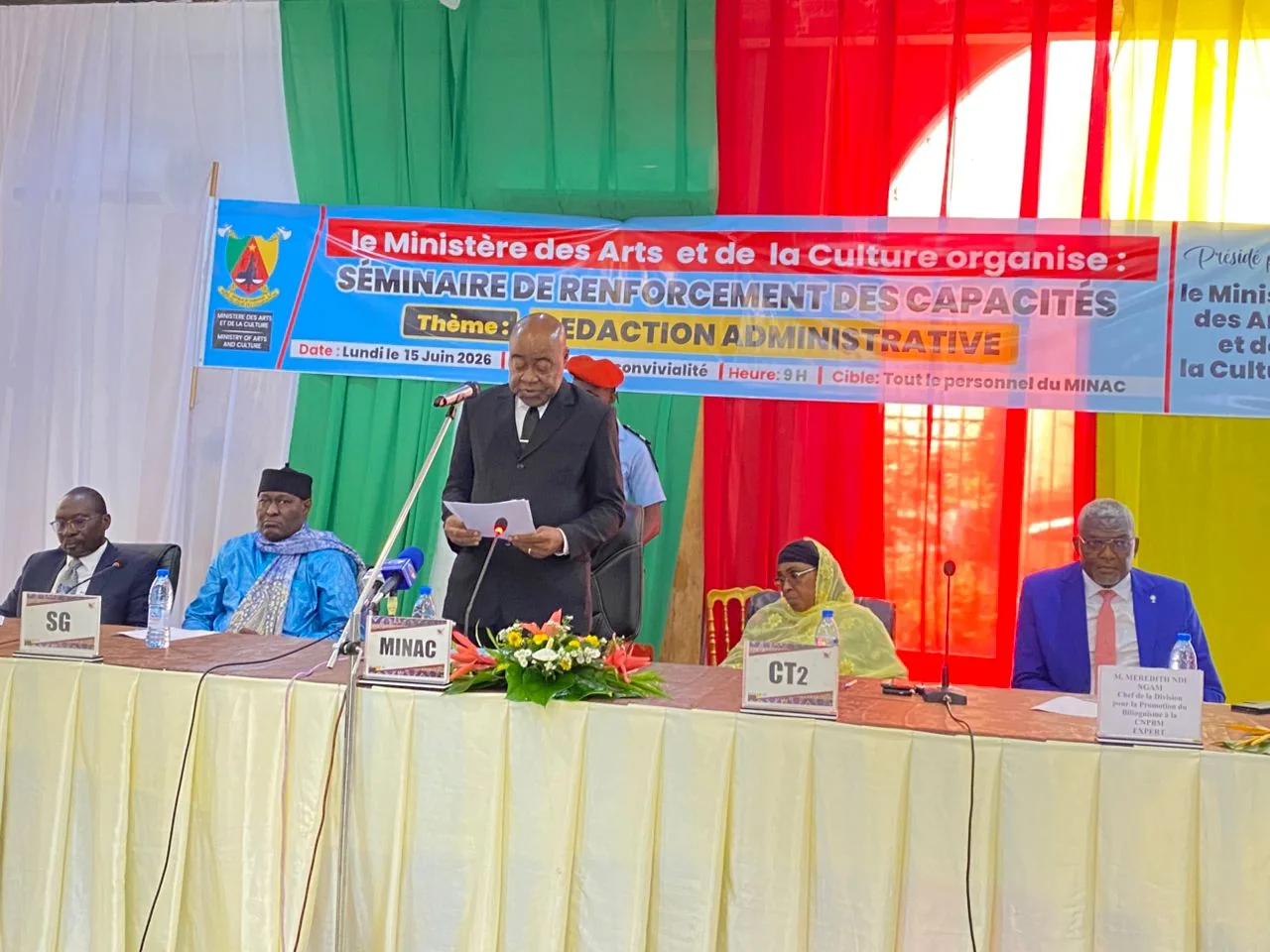
Ministry capacity-building seminar, panel table and speaker

Decentralisation has transferred competences in culture, sport and education to regions and municipalities. The State retains steering of national policy, protection of heritage of national interest and legality oversight, while local authorities build, maintain and run local facilities.

For heritage, Law 2013/003 provides that listing may be initiated by local executives: a mayor or the president of a regional council may propose the listing of a monument or site. The listing procedure is processed with the Ministry, which issues the decision.

This division of roles calls for constant dialogue. The texts appear in the legislative texts section and the guidelines in the sector strategy.

Step by step

Bringing a house of culture to life

Assess needs

The municipality takes stock of practices, associations, available venues and residents’ expectations.

Choose the site and the management model

The council selects a plot or a building and decides whether management will be direct, by an association, or delegated.

Raise the financing

Municipal budget, State support, partners and patrons are combined in a financing plan.

Design with artists

Local companies take part in defining the halls, studios and exhibition spaces.

Build and equip

The works are monitored with the technical services; stage equipment and furniture are installed.

Programme and evaluate

A first season is launched and attendance is measured every year.

Key facts

The stakeholders of cultural decentralisation in one table

StakeholderMain roleToolsContact point
Ministry of Arts and CultureDefine national policy and protect heritageTexts, strategies, grants, expertiseMinister’s Office (Cabinet) and technical directorates
Regional DelegationsRelay the Ministry’s action in the ten regionsReception, advice, forwarding of filesRegional Delegate
RegionsPlan culture at regional levelPlans, regional funds, festivalsRegional executive
MunicipalitiesManage local facilitiesHouses of culture, libraries, squaresMayor and technical services
AssociationsAnimate local cultural lifeWorkshops, festivals, companiesAssociation board
Technical partnersProvide funding and expertiseProgrammes, scholarships, trainingDirectorate of Cooperation
ChiefdomsSafeguard heritage and welcome visitorsPalaces, rites, community museumsChief and notables
Journey

From project to facility

NeedThe idea of a venue

Residents, artists or an elected official express the need for a place to rehearse, exhibit or learn.

StudyFeasibility

The local authority carries out a feasibility study: audience, cost, management model, location.

SupportMinistry expertise

The regional delegation and the competent directorate advise on standards and programmes.

FundingFinancing plan

Municipal budget, grants and partners are brought together and the commitments are put in writing.

WorksiteConstruction

The works are carried out and then accepted with the technical services.

OpeningA living facility

The house of culture opens its doors with a first season of performances and workshops.

To explore

Local cooperation in other sections

“A house of culture is only alive if residents feel at home in it: it is built as much with them as for them.”

A mayor, Centre Region
They are taking action

Stakeholders of culture in the regions

/ Littoral
A regional councillor

“Every year our region funds a festival and a season of performances in rural municipalities.”

/ Bafoussam
A director of a house of culture

“We host companies in residence and thirty children in a dance workshop every week.”

/ North
A regional delegate

“My role is to link the chiefdoms, the municipalities and the Ministry.”

/ Ebolowa
A project manager

“The twinning file opened up artist exchanges that we would never have imagined.”

To act

Schemes available to local authorities

Grant application

A local authority or an association can request support for a local facility or event.

Submit a file

Listing of a property

Local executives can initiate the listing of a monument or site in their area.

Start a listing

Artist exchanges

Host or send artists as part of a twinning or a cross-season.

See the exchanges

Calls for projects

Respond to the national and international calls open to local authorities.

View the calls
To download

Resources for local authorities

Glossary

The vocabulary of local cooperation

CTD

Decentralised local authorities: the regions and the municipalities.

Decentralisation

Transfer of competences from the State to elected local authorities.

Twinning

Lasting partnership between two cities or regions.

House of Culture

Multipurpose local facility for performances, exhibitions and workshops.

Conservatoire

Art school specialising in the teaching of music, dance and theatre.

Local executive

Mayor or president of a regional council responsible for implementing decisions.

Deliberation

Decision voted by the council of a local authority.

Convention

Written agreement setting out the commitments of each partner.

Listing

Measure that legally protects a cultural property of public interest.

Residency

Creative stay offered to an artist in an equipped venue.

Delegated management

Operation of a facility entrusted by the local authority to an association.

Financing plan

Table that allocates a project’s resources among its funders.

On the site

Continue reading from the local authorities’ side

Resources

Useful links for local authorities

Stakeholders

Who cooperates with local authorities?

Questions

Your questions on decentralised cooperation

Who funds a house of culture?

Construction draws on the local authority’s budget, State grants and, depending on the case, technical partners or patrons. Operation relies on the local authority, its own revenue and programming support. A multi-year financing plan is essential.

How do I propose a cooperation project?

Send a letter to the Minister’s Office (Cabinet), accompanied by a presentation note, your council’s resolution and the contact details of a contact person. The referral is directed to the competent directorate, which will reply to you.

Are there calls for projects for municipalities?

Yes. National and international calls are open to local authorities and their associations. They are published on the calls for projects page and relayed by the regional delegations, which also help to put files together.

Can a commune have a monument listed?

Yes. Law 2013/003 provides that listing may be initiated by local executives. The commune submits a file describing the property, its interest and its condition; the Ministry examines the application and issues the decision.

What is a conservatory under the supervision of a local authority?

It is an art school created and supervised by a region or a commune, in accordance with the NDS30 orientations. It offers regular teaching of music, dance, theatre or visual arts to pupils of all ages.

How can we twin with a foreign town?

Your council votes on the principle of twinning, then an agreement is negotiated with the partner town. The Ministry and the embassies can facilitate introductions, artists’ visas and the setting up of joint cultural projects.

Can my association run a municipal hall?

Yes, through a delegated management agreement signed with the local authority. It specifies the programming, fees, maintenance, budget and duration. The association must be approved and present a clear artistic project.

Where can I find my contact in the region?

See the regional delegations page: each of the ten regions has a delegation with its contact details and opening hours. You can also call the Ministry’s switchboard to be directed.

Minister’s Office

Contact the Minister’s Office (Cabinet) for a cooperation

Address

Minister’s Office
Ministry of Arts and Culture
Quartier du Lac – Zone ministérielle
P.O. Box 1053 Yaoundé, Centre Region, Cameroon

Reach us

+237 6 51 70 58 41

contact@minac.gov.cm

Opening hours

Monday to Friday, 8 am to 4 pm

A project for your territory?

Discover the Ministry’s major projects and prepare your cooperation file.

See the major projects
WhatsApp