Coat of arms of CameroonMinistry of Arts
and Culture
Republic of Cameroon
My procedures
Home
Minister’s message
News
Press releases
Cultural calendar
Official speeches
Press review
Photo library
Video library
Calls for projects
Job vacancies
Public procurement
Newsletter
Frequently asked questions
Site map
Contact
Press area
Podcast “The Voice of Culture”
Legal notices
Privacy policy
Cookies and trackers
The Ministry
Missions and responsibilities
Organisation
Organisation chart
Minister’s Office (Cabinet)
Management team
General Secretariat
General Inspectorate
Central directorates
Regional Delegations
Institutions under supervision
Legislative texts
Regulatory texts
Sector strategy
Major projects
Budget and reports
Partners
Careers
Archives
Institutional communication
Quality and accessibility
Arts
Visual and plastic arts
Visual arts
Performing arts
Theatre
Dance
Music
Literature and books
Cinema and audiovisual
Photography
Fashion and design
Digital arts
Art crafts
Artists’ directory
Residencies
Prizes and awards
Arts education
Urban arts
Heritage
Tangible heritage
Intangible heritage
UNESCO sites
National museums
Listed monuments
National inventory
Palaces and chiefdoms
Archaeology
Linguistic heritage
Oral traditions
Traditional know-how
Restitution of cultural property
Fight against illicit trafficking
Listing and protection
Conservation and restoration
Heritage Days
Cultural landscapes
Industries
Music and recording
Cinema
Publishing and books
Digital arts
Fashion and creativity
Crafts
Cultural tourism
Funding for culture
Support funds
Incubators
Cultural entrepreneurship
Culture Observatory
Vocational training
Studies and reports
Sector statistics
Export and outreach
Intellectual property
Copyright
Legal framework
Copyright and neighbouring rights
Collective management societies
Register a work
Licences
Private copying
Fight against piracy
Model contracts
Social status of artists
Mediation
Disputes
Training
Fee scales
Register of works
Contact
Digital neighbouring rights
Public domain
Festivals
National calendar
Ngondo
Nguon
Écrans Noirs
Heritage Days
Music Day
Regional festivals
Fairs and exhibitions
Biennials
National competitions
Cultural days
Organise a festival
Event grants
Ticketing
Archives
Volunteering
Diaspora festivals
Regions
Adamawa
Centre
East
Far North
Littoral
North
North-West
West
South
South-West
Cultural map
Regional Delegations
Traditional chiefdoms
National languages
Cultural routes
Decentralised cooperation
Regional observatory
Cooperation
UNESCO
Francophonie (OIF)
African Union
Commonwealth
CEMAC
Bilateral cooperation
Cultural agreements
Professional organisations
Scholarships
Artist exchanges
Cultural years
Diaspora
Funded projects
Embassies
Technical partners
International restitution
International monitoring and calls
Services
Artist card
Show authorisation
Filming authorisation
Festival authorisation
Deposit of a work
Export of works of art
Listing of a property
Grant application
Association accreditation
File tracking
Forms
Fees
Opening hours and addresses
Reporting
Online help
My account
One-Stop Shop
Home

Podcast “The Voice of Culture”

“La voix de la culture” brings together artists, heritage custodians and creative professionals: latest episodes, seasons, subscription and how to suggest a topic or a guest for the next recording.

Updated on 5 November 20264 sub-pages
Episodes24
Seasons2
Average duration25 min
PublicationEvery two weeks
The Ministry’s podcast

Culture, close to your ear

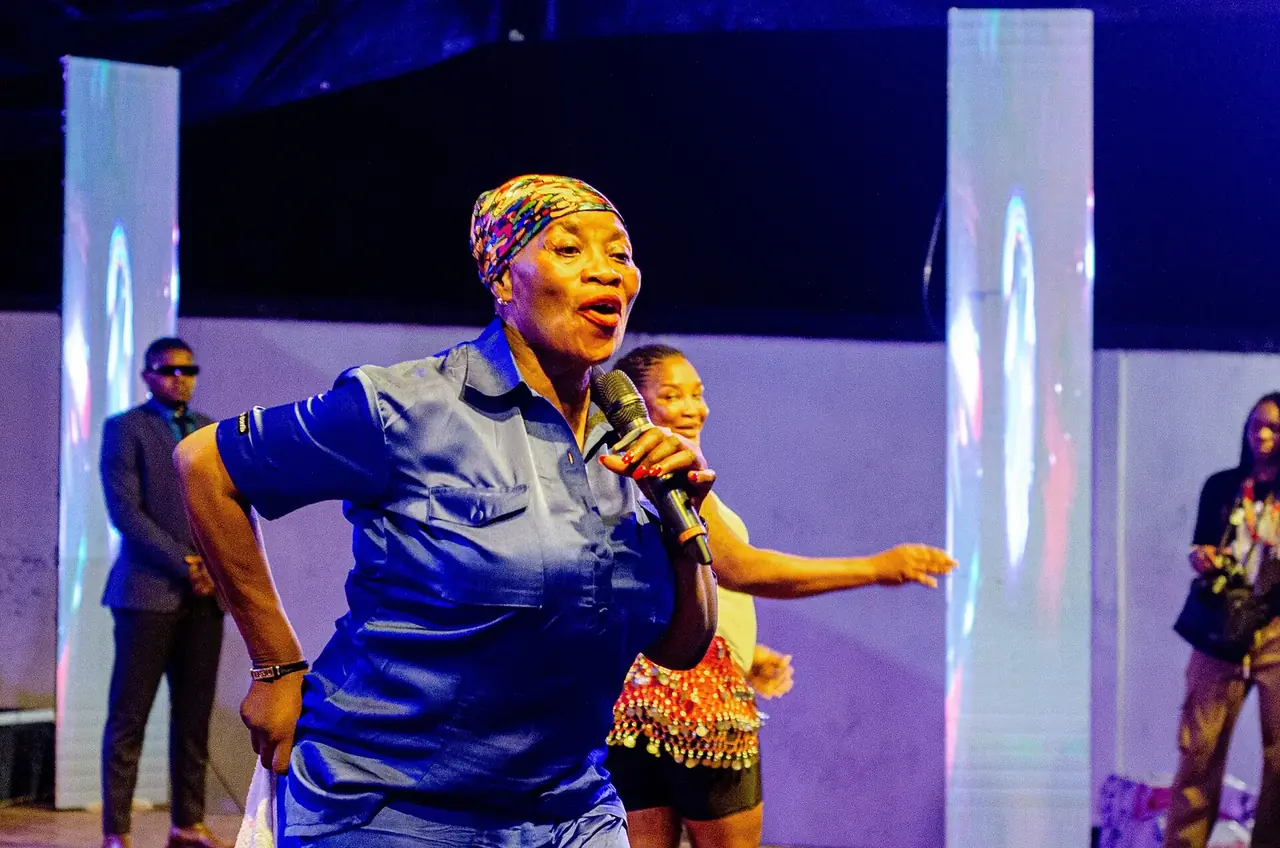
Singer on stage during a concert

“La voix de la culture” gives a voice to artists, heritage custodians, creative entrepreneurs and Ministry officials. Each episode explores a theme through an encounter: a master craftsman, a choir leader, a curator, a visual artist, a festival director.

The format is short, about twenty minutes, designed to be listened to on public transport, on the radio or during a break. It extends the sections of the site: intangible heritage, festivals, cultural entrepreneurship.

  • One episode every two weeks
  • Guests from every region
  • Transcripts for reading rather than listening
Listen to the latest episodes
Listening

According to how you listen

Online

Listen directly on this page, without registration, read the transcript and follow the links cited during the conversation.

Latest episodes

On the radio

Partner radio stations pick up the episodes according to their schedule; if you run a station, propose it to the team via the form.

Press review

By e-mail

The newsletter announces each episode with its summary, its guest, its duration and the direct link to the transcript.

Subscribe
On air

The latest episodes of La voix de la culture

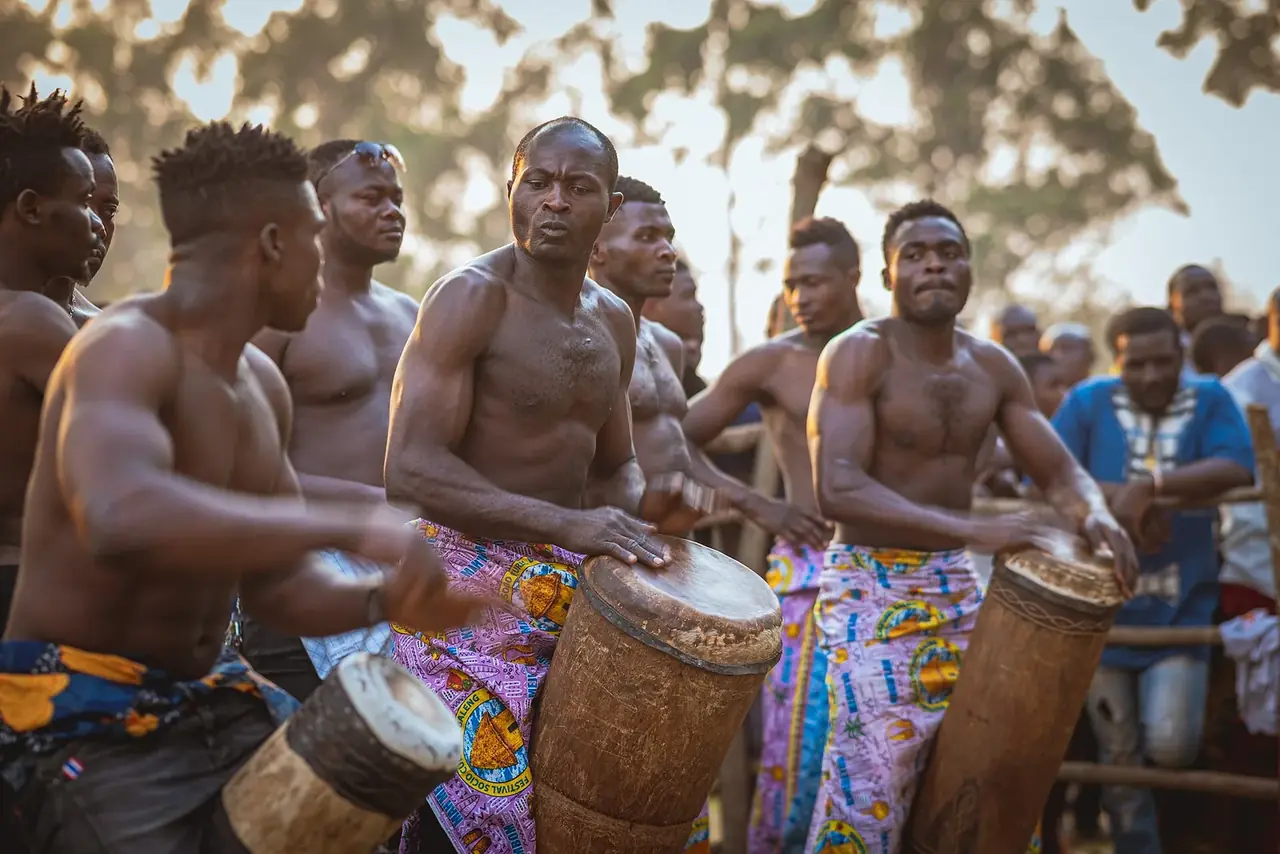
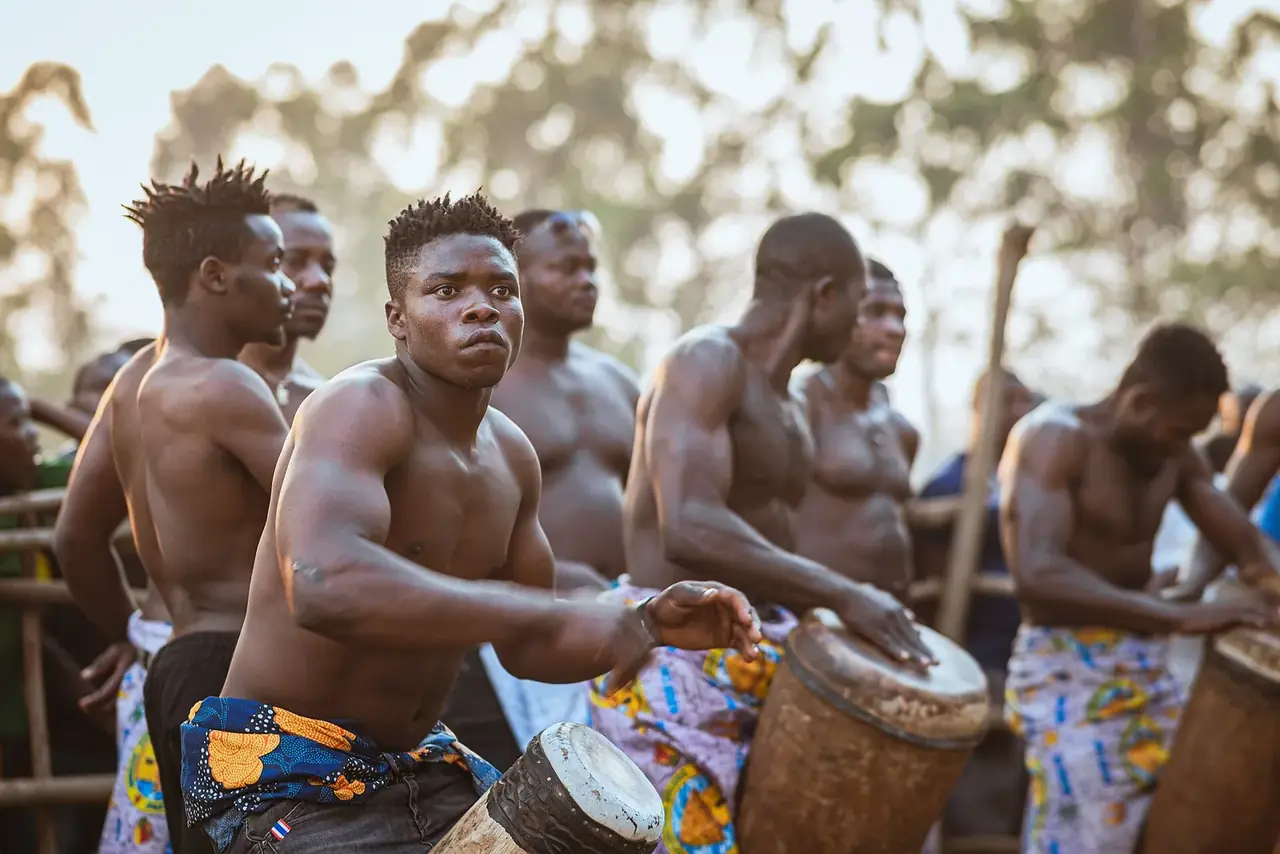
Bamileke drummers at a celebration

Three recent episodes set the tone of the series. The twenty-fourth, “Inventorying heritage, painstaking work”, follows officers in the field: how a dance, an instrument or a skill is described, how the agreement of the holders is obtained, how the record joins the national inventory.

The twenty-third, “Ngondo: the voice of the Wouri”, brings to life the annual festival of the Sawa people in Douala, its rites on the river, its games and its speeches; it complements the page devoted to the Ngondo. The twenty-second, “Artists, how to make a living from your work?”, addresses status, contracts, rights and funding, with links to cultural entrepreneurship.

ℹ️
Resume listening

Older episodes can be found by season in the section below.

Guests

They took the microphone

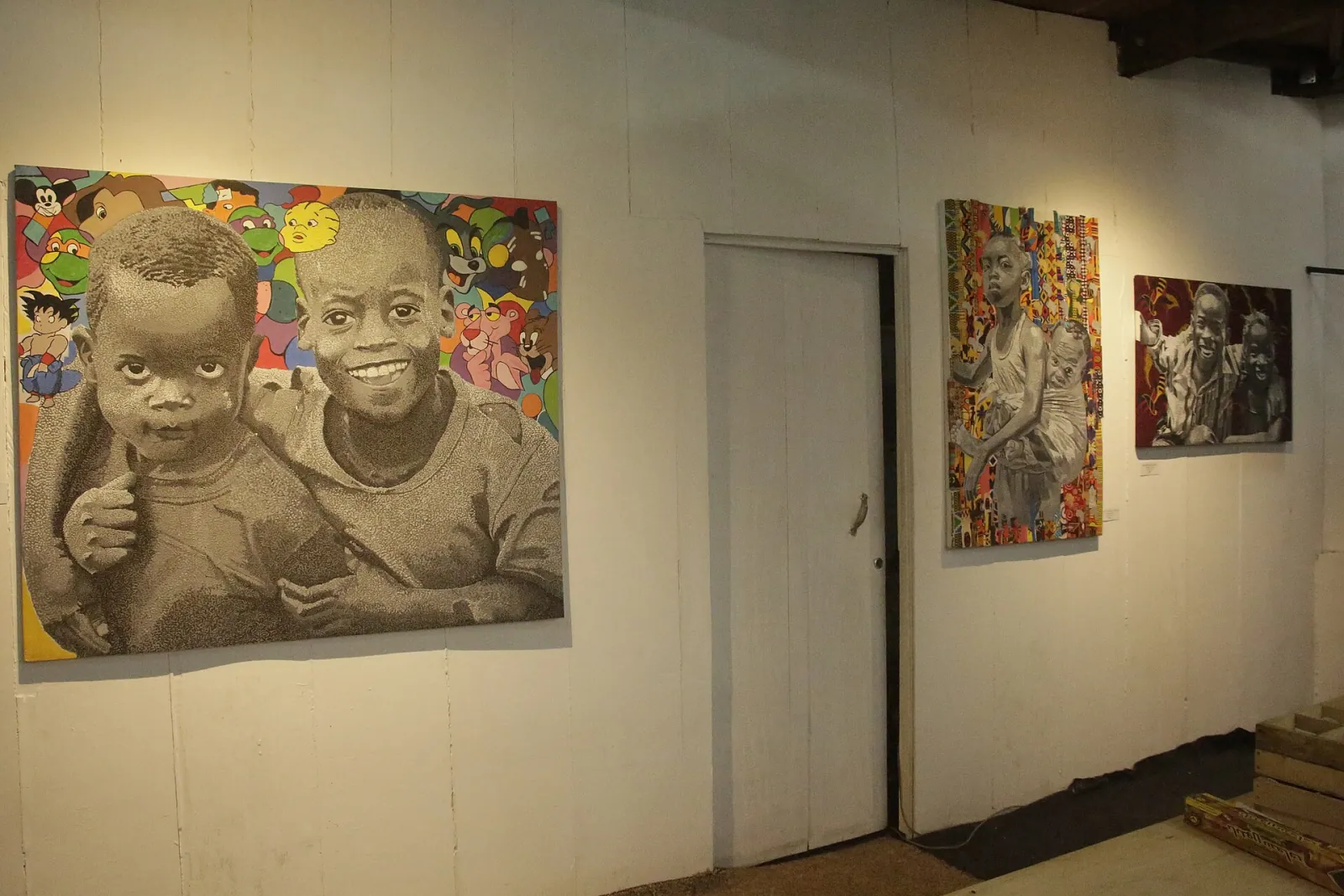
Portrait paintings of children hung in an exhibition room/ Episode 22
A visual artist

“I exhibit to be seen at home, not only to be invited elsewhere.”

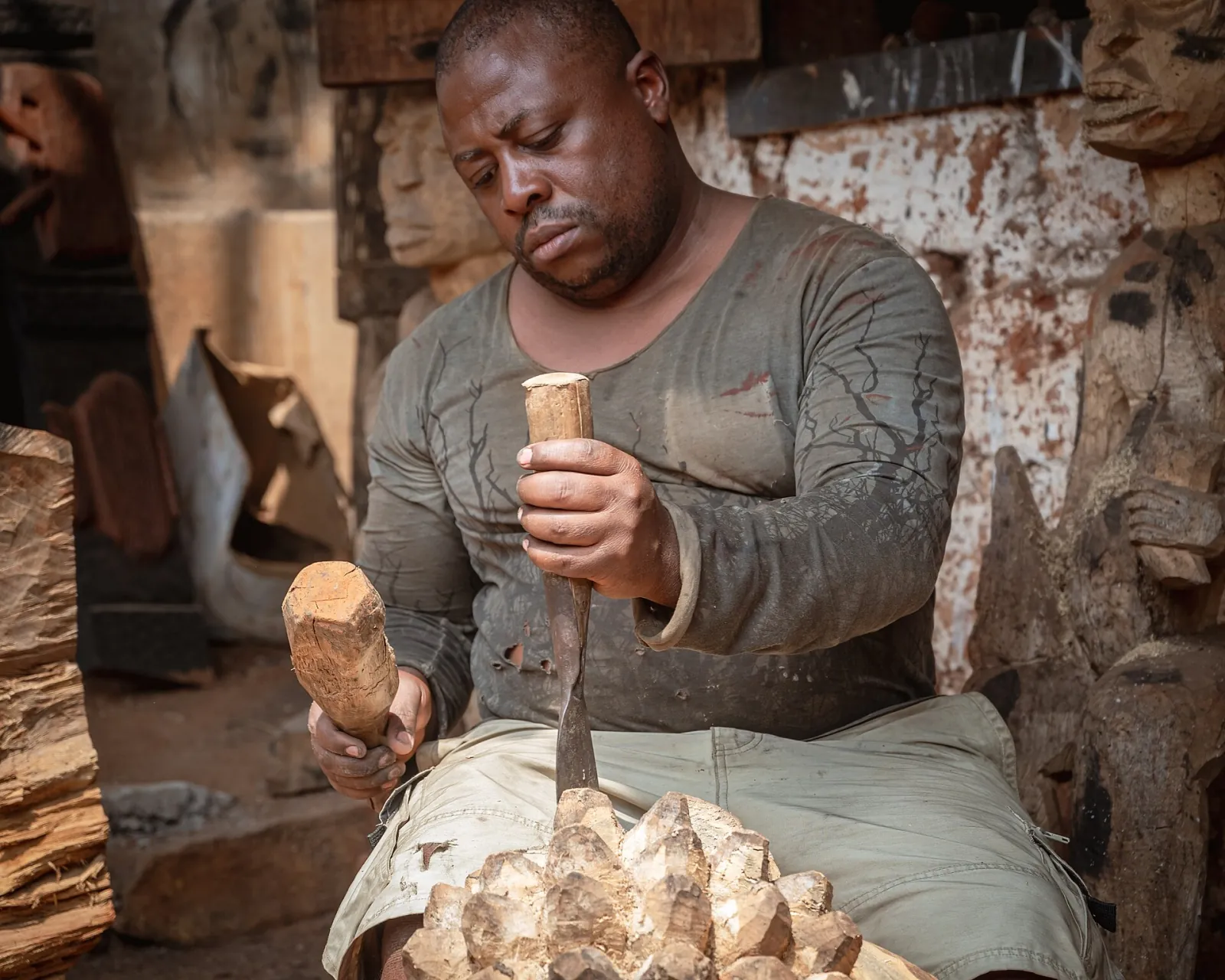
Sculptor carving a block of wood with chisel and mallet in his workshop/ Episode 20
A master craftsman

“The gesture is passed on in a low voice, from the workshop to the child who watches.”

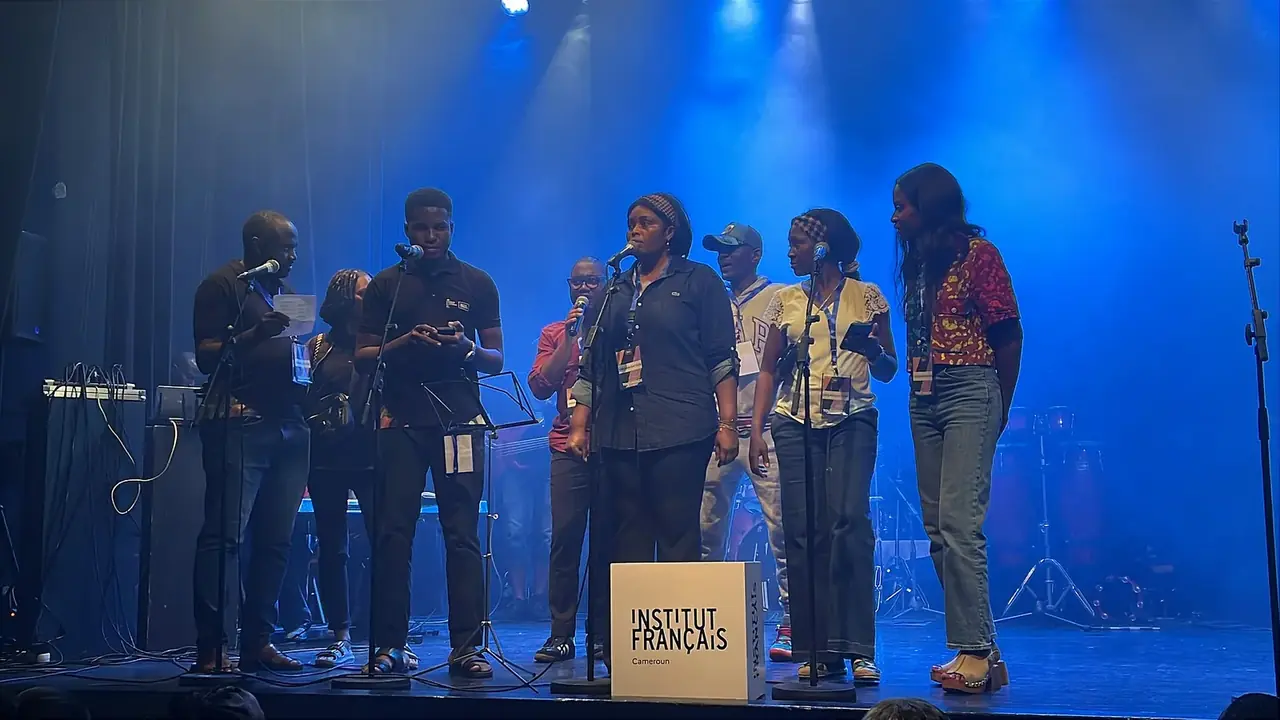
Choir on stage at a music festival in Douala/ Episode 18
A choir leader

“The voice is a collective instrument: nobody sings alone.”

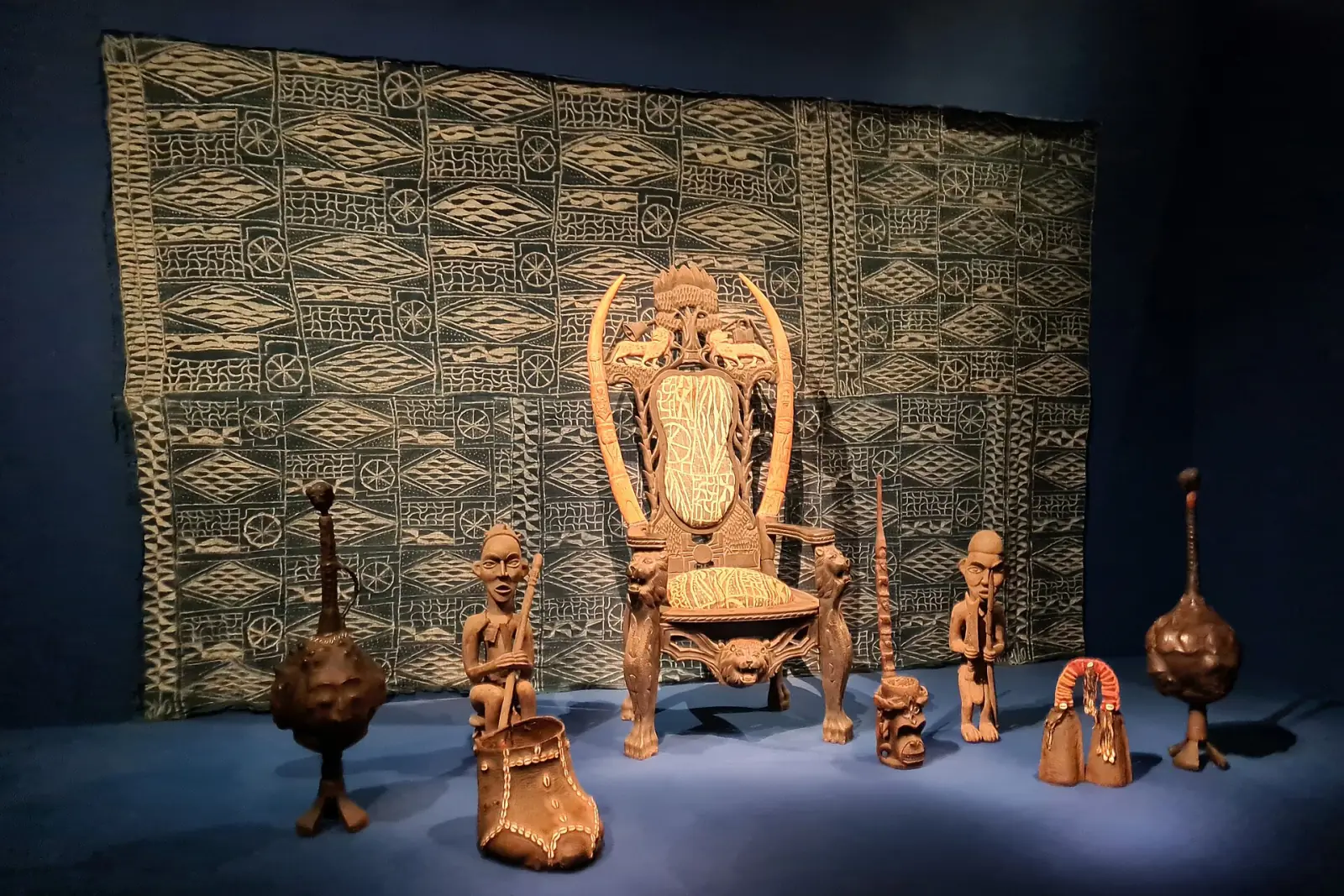
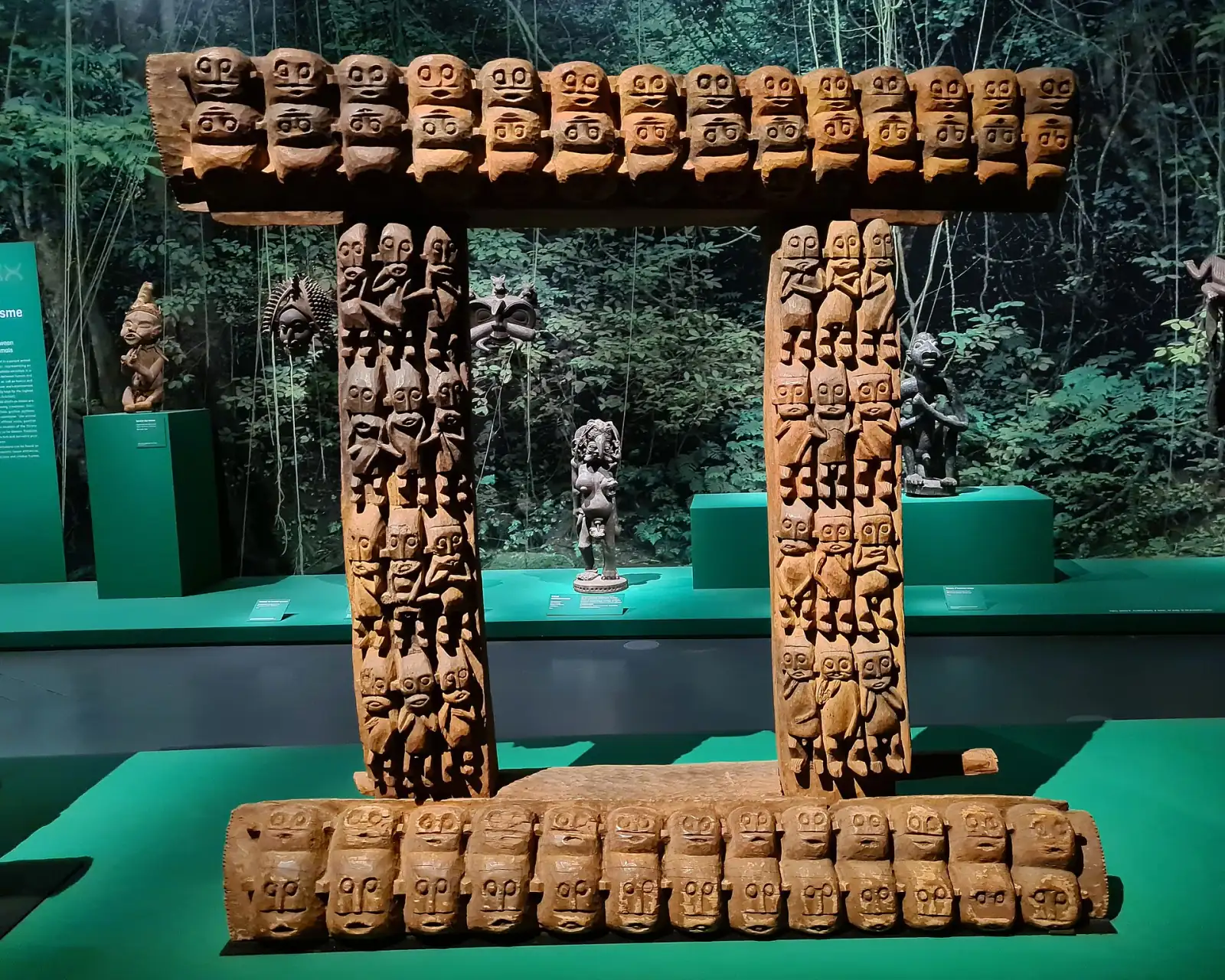
Bamum wooden door frame carved with stacked heads and figures, displayed in an exhibition/ Episode 15
A curator

“A museum listens before it shows, because objects have custodians.”

Structure

Two seasons exploring creation and transmission

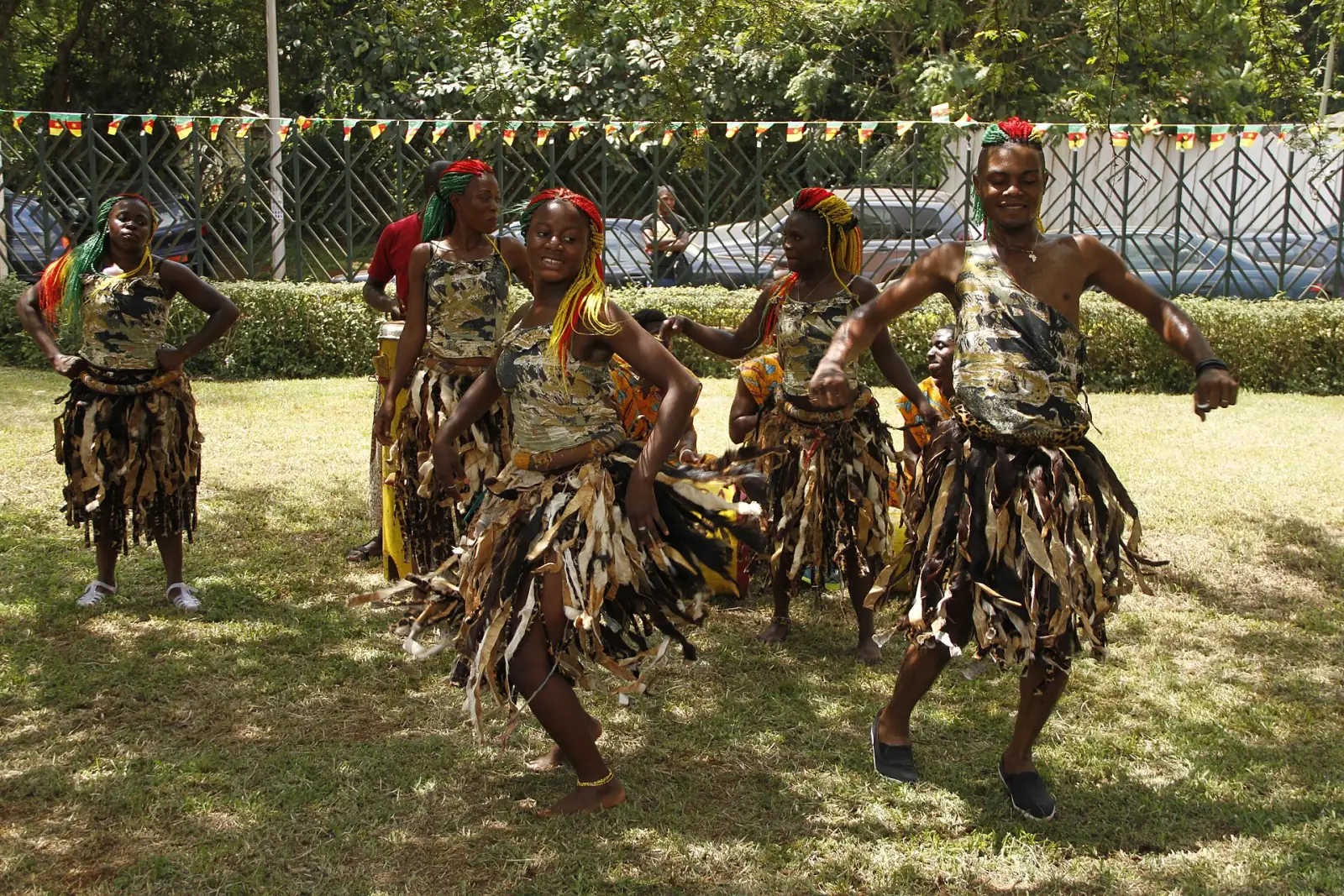
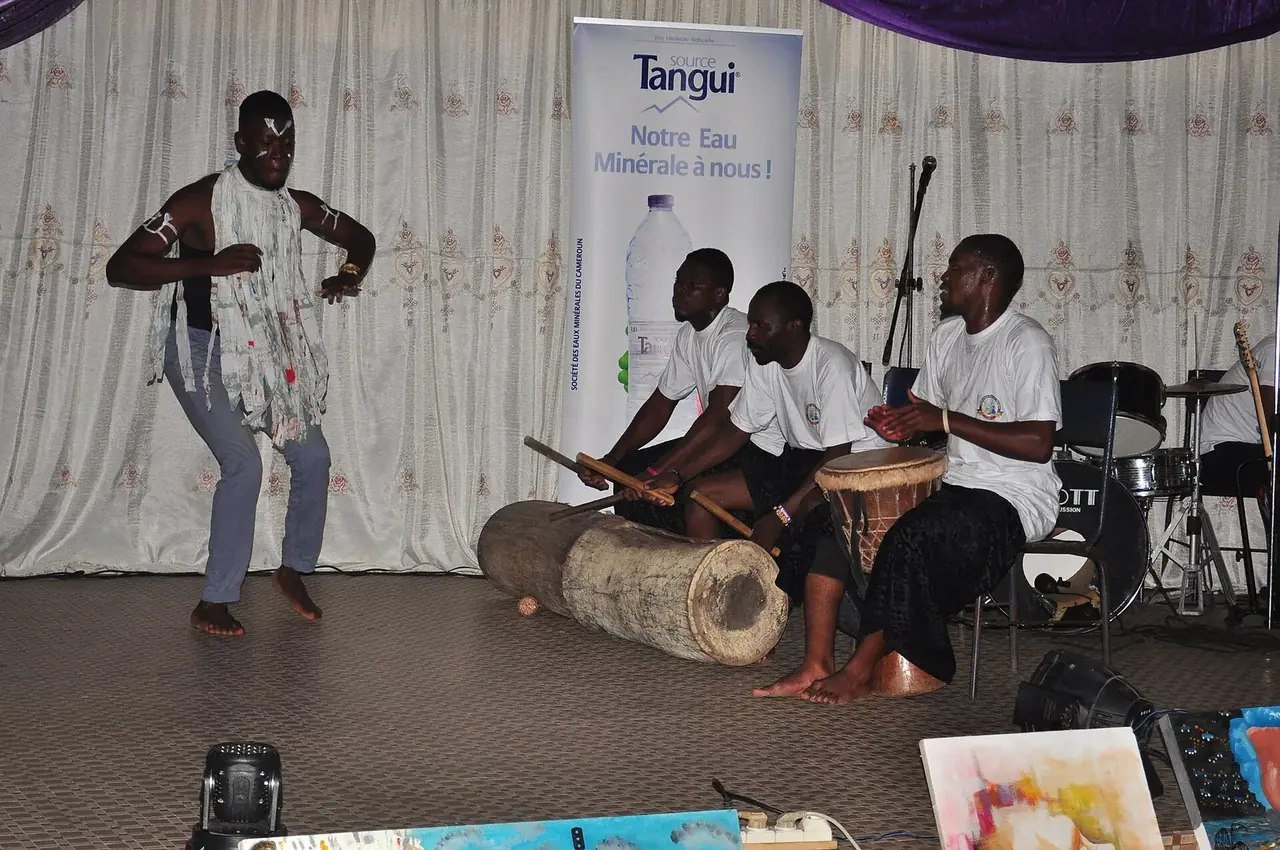
Dancer and drummers during a traditional dance show

The series is organised in seasons of twelve episodes. Each season follows a guiding theme and brings together guests from several regions, in order to reflect the diversity of the country’s cultural practices.

Season 1: Creating

The first season is devoted to creators: visual artists, musicians, writers, filmmakers, dancers. It discusses the birth of a work, the studio, funding, the first exhibition or the first concert. It links to the visual arts, music and cinema sections.
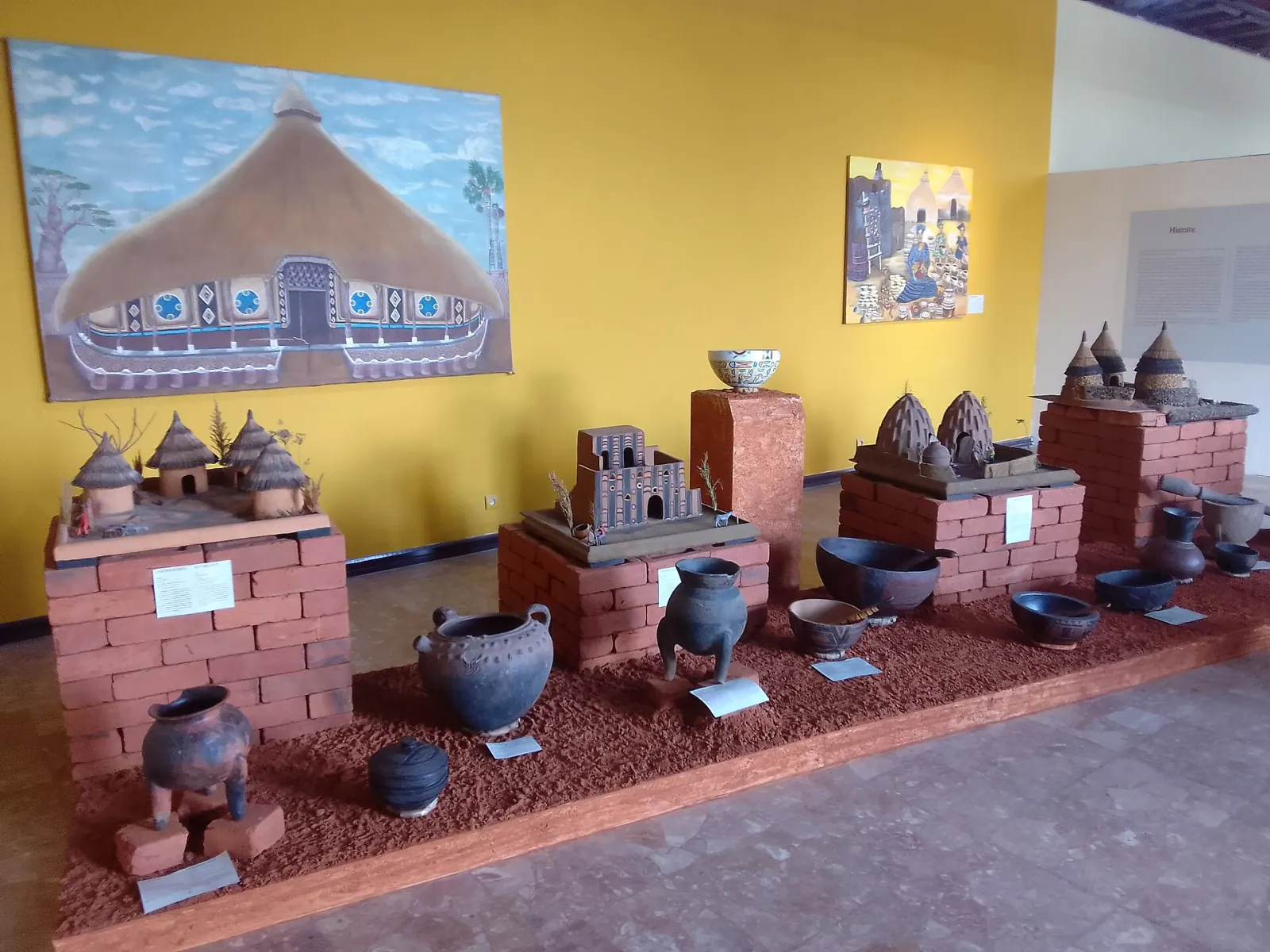
Season 2: Passing on

The second season, currently running, looks at skills, languages and intangible heritage: master craftspeople, custodians of traditions, curators, teachers. It draws on the pages on traditional skills, oral traditions and national languages.

Beyond the seasons

Special episodes accompany the major events: Heritage Days, the Ngondo, Fête de la musique. They belong to the current season but can be recognised by their label. The recordings are preserved and indexed so that the series can be followed from the first episode to the last, season after season, with the accompanying notes.

Latest episodes

Listen now

Three recent conversations, to be listened to online from this page: field work on the heritage inventory, an immersion in the Ngondo festival in Douala, and a discussion on ways to make a living from one’s artistic work. Each episode links to the page of the site that extends its subject.

Episode 24 · featured

The voice of culture

Read rather than listen

The transcripts of the latest episodes

Listen wherever you want

Subscribe to the podcast and never miss an episode

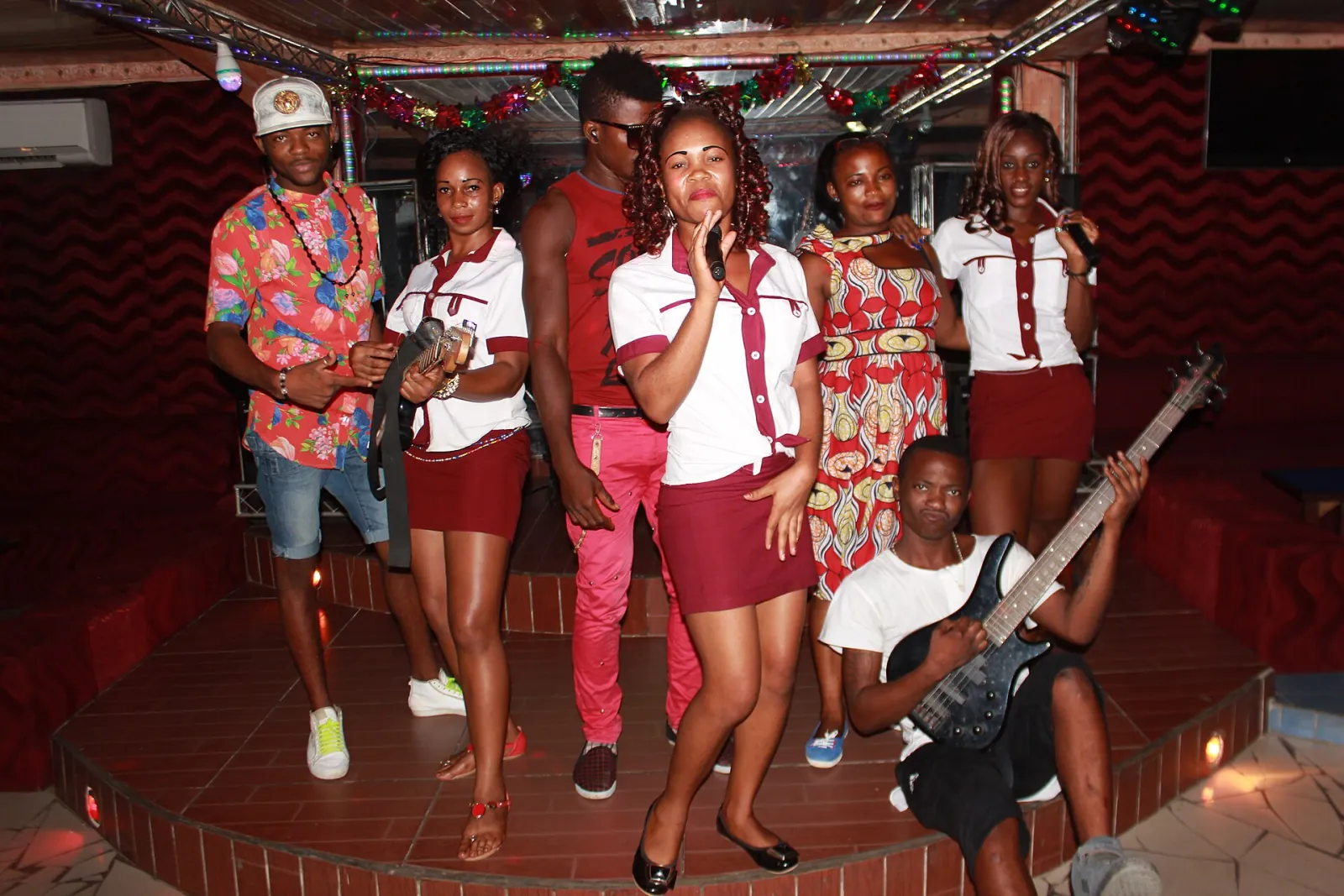
Small band of musicians and singers in matching outfits on a cabaret stage

The episodes can be listened to directly on this page and are picked up by partner radio stations, notably regional stations that broadcast cultural programmes. Subscribing to the newsletter alerts you to each new release with a short message: title, guest, duration and listening link.

Three ways to follow

  • Online: listen from the site, with no account or registration;
  • By newsletter: one announcement per episode, with a link to the transcript;
  • By radio: partner stations broadcast the episodes according to their schedule and indicate the source.

Listen offline

The audio files can be downloaded for listening without a network, which is useful in regions where the connection is irregular. The size of an episode remains modest to limit data consumption, and each file bears its title and number so that it can be found easily on your phone. Radio stations wishing to relay the podcast should send a request to the team via the contact form, with the proposed broadcast schedule.

ℹ️
Don’t miss anything

Subscribe to the newsletter: one announcement per episode, no advertising.

History

A sound adventure in three stages

LaunchFirst episode

A conversation on the memory of places opens the series and sets the tone: listen before commenting.

Season 1Creating

Twelve encounters with creators from every discipline, recorded in the studio and in the field.

Season 2Passing on

Twelve encounters on skills, languages and custodians of traditions, currently being broadcast.

PaceA regular appointment

An episode is released every fortnight, with its transcript, its notes and its links to the site.

TodayA community of listeners

Students, artists, associations and local radio stations pick up the episodes and suggest topics.

Behind the scenes

From idea to episode

Choose the theme

The team selects a subject and an angle, with a guest who knows the field, based on the proposals received and on cultural news.

Record

The conversation takes place in the studio or in the field, in a workshop, a museum or a chiefdom, with the agreement of the participants.

Edit

The sound is cleaned, the conversation is edited and a transcript is prepared for readers and for deaf people.

Confirm

The guest rereads the sensitive passages and the directorate concerned verifies the official information before broadcast.

Put online

The episode is published with its summary, its notes, its links and its announcement in the newsletter.

Take part

Suggest a topic or a guest for the podcast

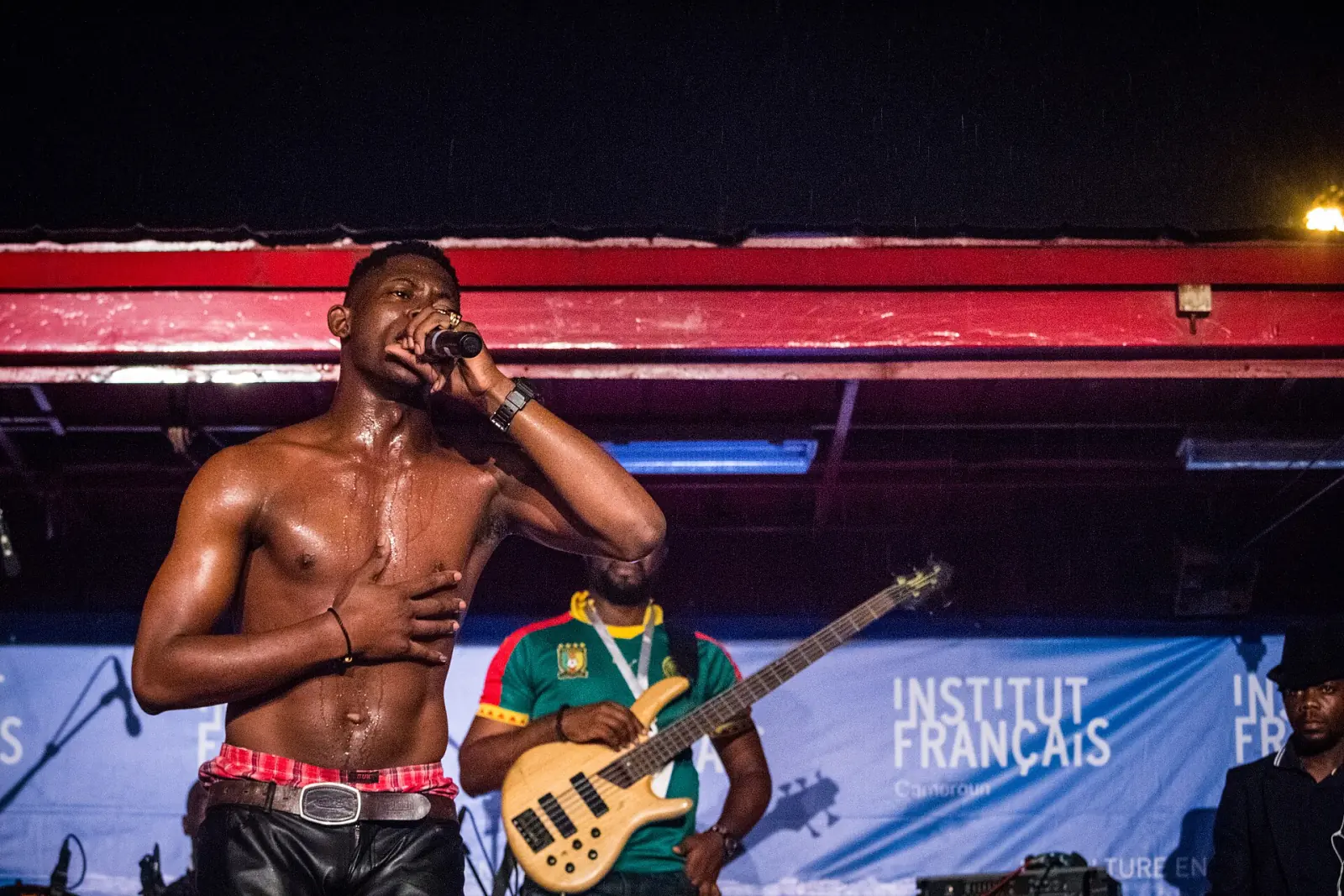
Rapper on stage with a bass guitarist during a concert at the Institut Français

“La voix de la culture” is nourished by proposals from its listeners. Artist, craftsperson, custodian of tradition, cultural officer, association manager or teacher: if your experience sheds light on an aspect of Cameroonian culture, write to us.

What to include

  • the subject in one sentence and the reason for covering it now;
  • the possible guest, their role and their region, without passing on private contact details without their consent;
  • a language of exchange and, if possible, a recording location;
  • the pages of the site that extend the subject.

How subjects are chosen

The team favours diversity of regions, disciplines and generations, as well as subjects that shed light on a service or a right useful to the public. Proposals are reviewed at each season’s preparation; not all can be selected, but each one is read. Subjects tied to an event are scheduled before its date. Use the form below with the subject “Programme proposal”.

For a subject of immediate current interest, the press office can direct your request.

Listeners

They listen to us

“
I listen to it on the bus between two classes: you always learn something about our own country.
A student
Yaoundé
“
My association found ideas and contacts there to prepare its next neighbourhood festival.
An association president
West
“
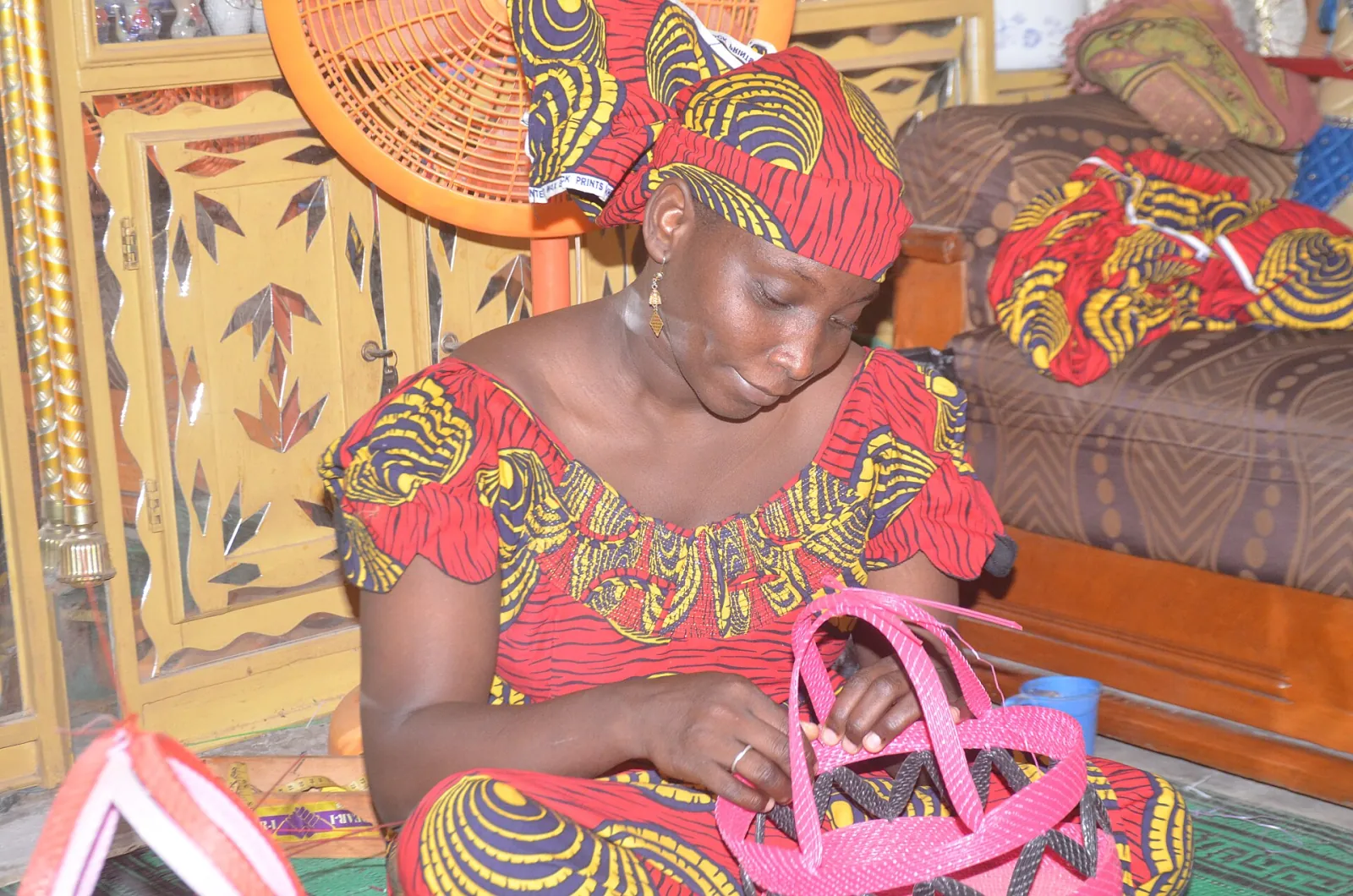
The episode on skills made me want to take my pupils to visit a basketry workshop.
A teacher
North
“
Our local radio station picks up one episode a week: listeners love hearing voices from home.
A radio presenter
Littoral
Glossary

The vocabulary of the podcast

Episode

An audio recording published on a specific date, with a theme and a guest.

Season

A series of episodes brought together around the same guiding theme.

RSS feed

Address that allows an application to retrieve new episodes automatically.

Transcript

Written version of an episode, useful for reading or for deaf people.

Episode notes

List of the links and resources mentioned during the conversation.

Guest

Person interviewed in an episode, chosen for their field experience.

Editing

Stage that assembles and cleans the recording for comfortable listening.

Download

Copy of an audio file on one’s device to listen to it without a connection.

Radio relay

Rebroadcast of an episode by a partner station, with acknowledgement of the source.

Podcast

Audio programme available on demand, which you listen to whenever you want.

Universe

The worlds of the podcast

Keep listening

To go further than sound

Distribution

Where to listen to us

Audience

The most listened-to themes

Intangible heritage
Dances, rites, skills and languages: the most widely shared episodes, often picked up by schools and associations.
38 %
Artists’ journeys
Creators who talk about their studio, their beginnings, their difficulties and the advice they would give to a young artist.
29 %
Festivals
Behind the scenes of the organisation, programmes of the season’s festivals and advice on taking part in one or setting one up.
21 %
Cultural economy
Status, copyright, funding and training for professionals, with guidance on structuring an activity.
12 %
Themes

The main themes of the podcast

Programming

Upcoming episodes

PeriodThemeGuestDuration
Mid-NovemberIntangible heritage: dances, rites and shared knowledgeA guardian of traditions25 min
End of NovemberThe festivals of the season: behind the scenes of the organisationA festival director25 min
Mid-DecemberMaking a living from music: studios, rights and broadcastingA producer25 min
Early JanuarySeason’s greetings: review and outlook for creationAn officer of the Directorate of Arts25 min

“Listening to a voice is already the start of passing something on: the podcast extends, on the microphone, what griots, masters and craftspeople have always done by word of mouth.”

The podcast team
Contacts and procedures

About the podcast

How often is a new episode released?

An episode is released every fortnight, generally in the middle and at the end of the month, with its transcript and notes. The dates of upcoming releases are shown in the programme table on the page. A special episode may be added around a major event, such as Heritage Days or the Ngondo.

May I reuse an extract in my programme or article?

Yes, by citing the podcast, the episode and the date, and without altering the content. The extract must remain short and clearly attributed. For commercial use, an edit, a translation or the full rebroadcast of an episode, ask the team for agreement: rights over voices and music must be respected.

How can I propose my testimony or that of someone close to me?

Use the form on this page with the subject “Programme proposal”. Describe in a few lines the subject, the reason why it deserves an episode, the role of the person concerned and their region. Indicate whether they agree to be contacted by the team. The team reads all proposals and contacts again those that fit the current season.

Are the episodes available in national languages?

The episodes are mainly produced in French, but guests may speak in a national language when the subject lends itself to it, with a translation in the transcript. This practice remains limited for the moment. The team wishes to develop these passages, in connection with the section devoted to national languages and recordings of linguistic heritage.

How can I listen without a reliable connection?

Download the audio file when your connection allows it, then listen to it later on your phone. The files are deliberately light. You can also ask a partner local radio station to broadcast the episode or consult the transcript, which is lighter still than an audio file. Online playback remains possible at low bandwidth, as the player loads only the part being listened to.

Who produces the podcast?

The podcast is produced by a team from the Ministry’s communication service, with the support of the technical directorates for the verification of information. Guests are chosen for their field experience. The opinions expressed are those of the people interviewed; official information is identified as such in the notes of each episode.

Take part

Suggest a topic or a guest

Tell us who you would like to hear and why.

Podcast team

Contact the podcast team

Address

Podcast Team
Ministry of Arts and Culture
Quartier du Lac – Ministerial Zone
P.O. Box 1053 Yaoundé, Centre Region, Cameroon

Reach us

+237 6 51 70 58 41

contact@minac.gov.cm

Opening hours

Monday to Friday, 7:30 a.m. to 3:30 p.m.

A subject to suggest?

Tell us whom you would like to hear on “La voix de la culture” and why.

Suggest a topic
WhatsApp