Coat of arms of CameroonMinistry of Arts
and Culture
Republic of Cameroon
My procedures
Home
Minister’s message
News
Press releases
Cultural calendar
Official speeches
Press review
Photo library
Video library
Calls for projects
Job vacancies
Public procurement
Newsletter
Frequently asked questions
Site map
Contact
Press area
Podcast “The Voice of Culture”
Legal notices
Privacy policy
Cookies and trackers
The Ministry
Missions and responsibilities
Organisation
Organisation chart
Minister’s Office (Cabinet)
Management team
General Secretariat
General Inspectorate
Central directorates
Regional Delegations
Institutions under supervision
Legislative texts
Regulatory texts
Sector strategy
Major projects
Budget and reports
Partners
Careers
Archives
Institutional communication
Quality and accessibility
Arts
Visual and plastic arts
Visual arts
Performing arts
Theatre
Dance
Music
Literature and books
Cinema and audiovisual
Photography
Fashion and design
Digital arts
Art crafts
Artists’ directory
Residencies
Prizes and awards
Arts education
Urban arts
Heritage
Tangible heritage
Intangible heritage
UNESCO sites
National museums
Listed monuments
National inventory
Palaces and chiefdoms
Archaeology
Linguistic heritage
Oral traditions
Traditional know-how
Restitution of cultural property
Fight against illicit trafficking
Listing and protection
Conservation and restoration
Heritage Days
Cultural landscapes
Industries
Music and recording
Cinema
Publishing and books
Digital arts
Fashion and creativity
Crafts
Cultural tourism
Funding for culture
Support funds
Incubators
Cultural entrepreneurship
Culture Observatory
Vocational training
Studies and reports
Sector statistics
Export and outreach
Intellectual property
Copyright
Legal framework
Copyright and neighbouring rights
Collective management societies
Register a work
Licences
Private copying
Fight against piracy
Model contracts
Social status of artists
Mediation
Disputes
Training
Fee scales
Register of works
Contact
Digital neighbouring rights
Public domain
Festivals
National calendar
Ngondo
Nguon
Écrans Noirs
Heritage Days
Music Day
Regional festivals
Fairs and exhibitions
Biennials
National competitions
Cultural days
Organise a festival
Event grants
Ticketing
Archives
Volunteering
Diaspora festivals
Regions
Adamawa
Centre
East
Far North
Littoral
North
North-West
West
South
South-West
Cultural map
Regional Delegations
Traditional chiefdoms
National languages
Cultural routes
Decentralised cooperation
Regional observatory
Cooperation
UNESCO
Francophonie (OIF)
African Union
Commonwealth
CEMAC
Bilateral cooperation
Cultural agreements
Professional organisations
Scholarships
Artist exchanges
Cultural years
Diaspora
Funded projects
Embassies
Technical partners
International restitution
International monitoring and calls
Services
Artist card
Show authorisation
Filming authorisation
Festival authorisation
Deposit of a work
Export of works of art
Listing of a property
Grant application
Association accreditation
File tracking
Forms
Fees
Opening hours and addresses
Reporting
Online help
My account
One-Stop Shop
Festivals

Ngondo

The festival of the Sawa people in the Littoral, the Ngondo combines water rites on the Wouri, regattas, parades and concerts: history, programme, practical information and media of this major Douala event.

Updated on 6 November 20264 sub-pages
RegionLittoral
Host peopleSawa
River of ritesWouri
Duration of the ceremonies4 days
Tradition

The Ngondo, festival of the Sawa people

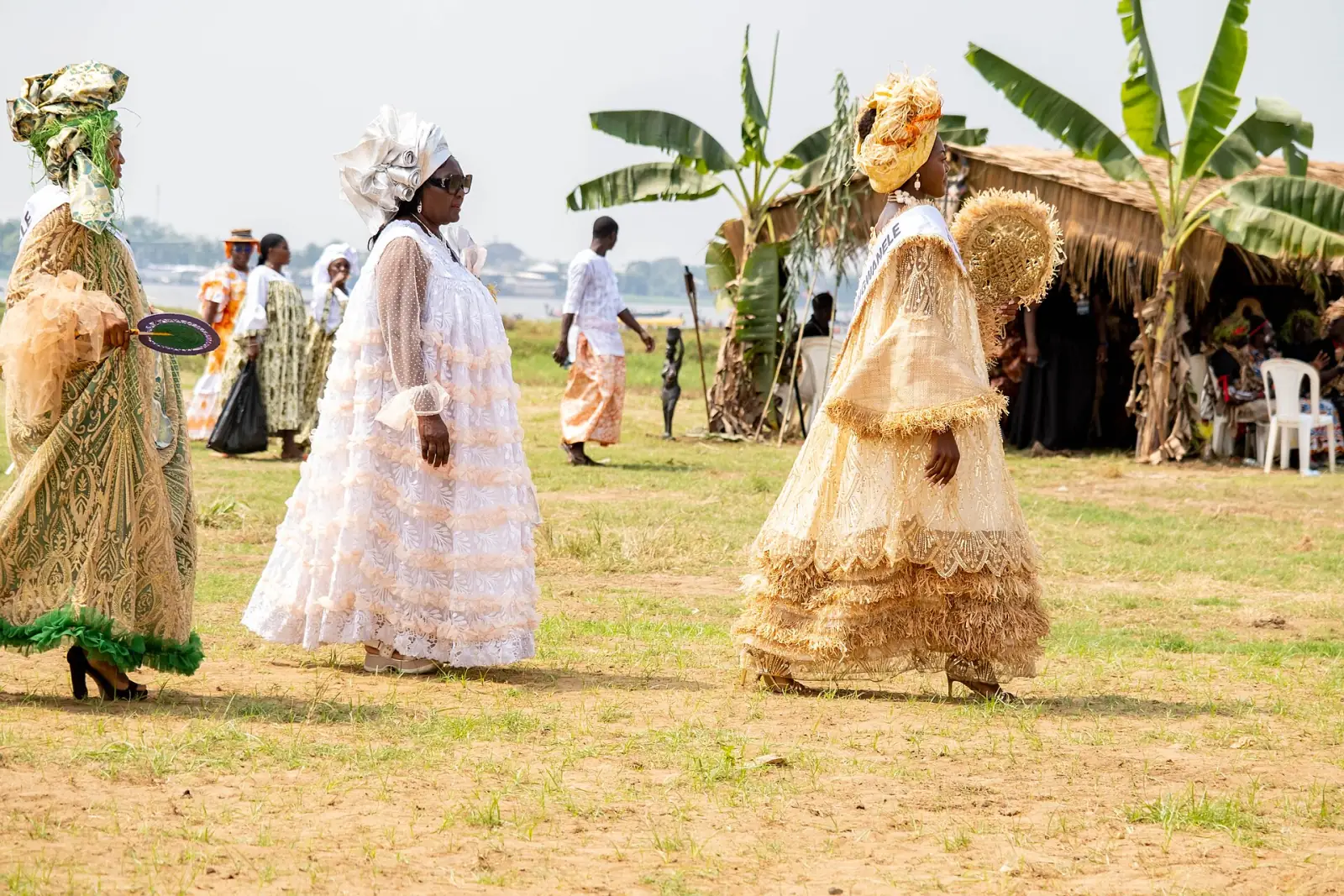
Women in raffia and white fabric dresses near thatched shelters at the Ngondo festival

The Ngondo is both the traditional assembly and the great annual festival of the Sawa people, the coastal people that includes the Duala and their neighbours. It is held in Douala, on the banks of the Wouri, and remains devoted to the worship of water and to the dialogue between the living and the ancestors.

Each edition combines rites, a procession, canoe regattas, concerts, exhibitions and discussion meetings. Like any festival, it falls under the authorisation and supervision of major cultural events exercised by the Ministry.

  • A living traditional festival in the Littoral
  • Rites on the Wouri river
  • A programme open to visitors and the diaspora
Going back to the origins
History

The history of the Ngondo, the Sawa assembly

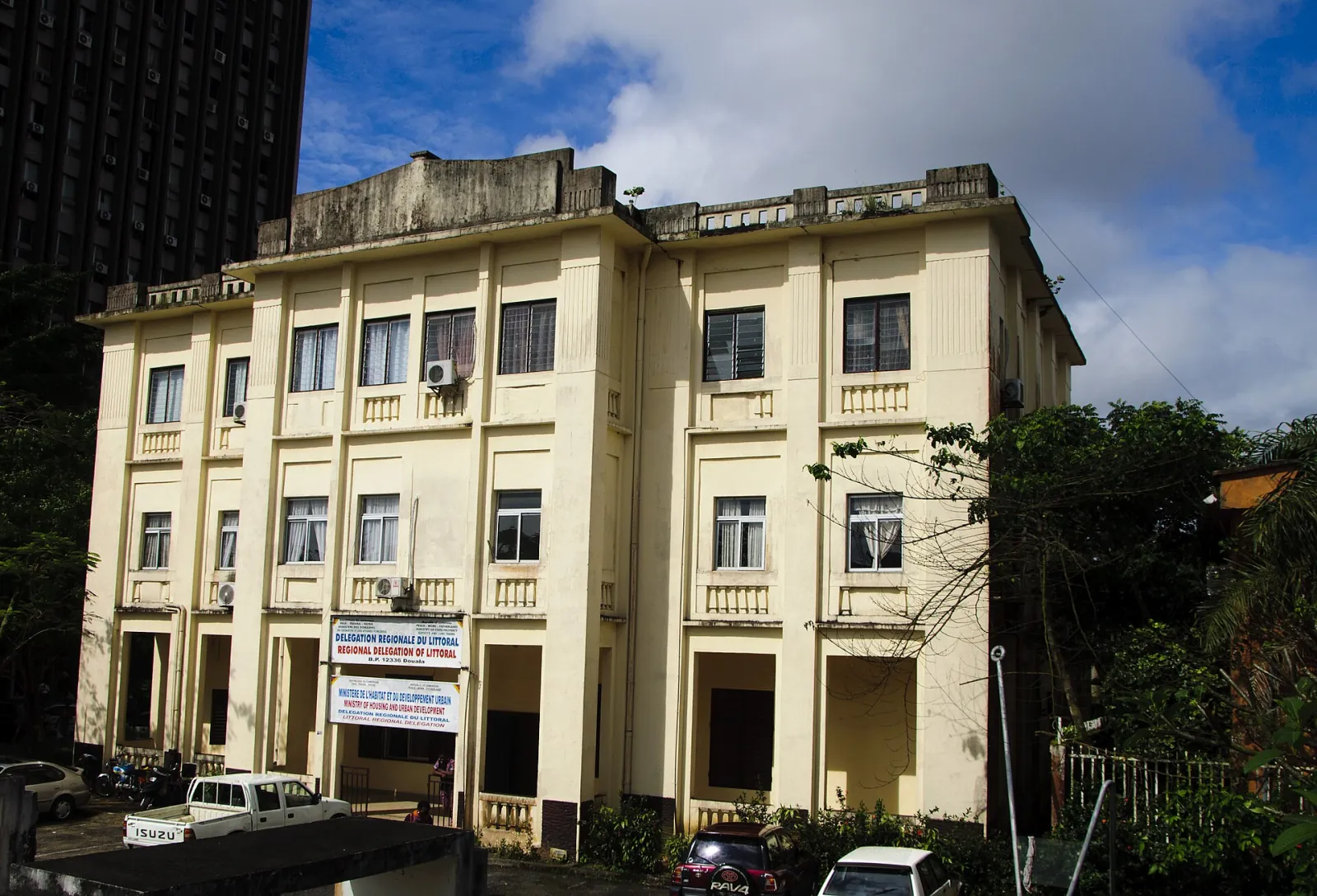
Former Woermann-Linie headquarters, a colonial building in Douala

The Ngondo is first of all an institution: the assembly of the chiefs, notables and families of the coastal peoples, which met to deal with community affairs, dispense customary justice and consult the ancestors. The word evokes both the assembly and the rite that crowns it. This organisation has endured, in varying forms, from the first contacts with European navigators to the present day.

A revival in the twentieth century

After the upheavals of the colonial period, the assembly was reconstituted in the middle of the last century (historians cite 1949) to assert Sawa identity and resume the ceremonies. Since then, it has become one of the most closely followed cultural events in the Littoral, open to all the communities of Douala.
The worship of water

At the heart of the Ngondo lies the bond with the river and with the water spirits, the Jengu, intermediaries between people and ancestors. The dive rite, in which a designated officiant descends into the Wouri, symbolises the transmission of the community’s messages and wishes.

This memory is documented in the work on intangible heritage and in the national inventory. The traditional chiefdoms and the national languages find a place of expression there, and the page of the Littoral region places the festival in its territory.

ℹ️
Respecting the rite

Certain ceremonies, notably those of the water, take place according to a strict protocol: follow the instructions of the notables and organisers before photographing or filming.

Programme

The Ngondo programme

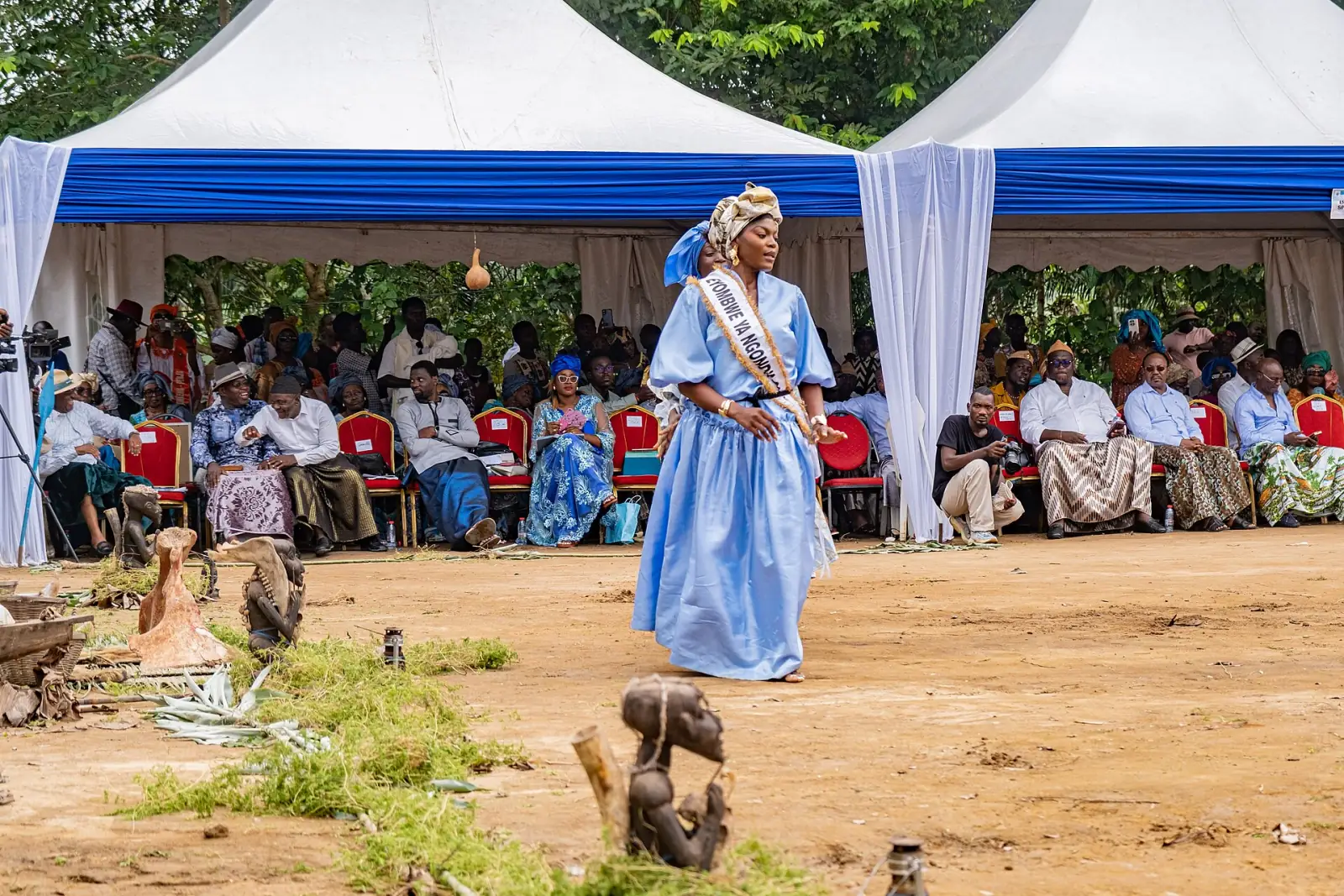
Candidate in a blue gown walking before the audience at the Miss Ngondo contest in Douala

The Ngondo takes place over several days, with a rhythm that alternates ritual and festive moments. The programme is set each year by the organising committee, in liaison with the chiefs and notables, then relayed by the Ministry in the cultural agenda. Here is the usual outline.

The highlights

  • Opening and reception of delegations: chiefs, notables and guests are greeted at a protocol ceremony;
  • Water rites: offerings and the dive on the Wouri, at daybreak, before an audience kept at a respectful distance;
  • Canoe regattas: crews from villages and neighbourhoods compete in a very popular race;
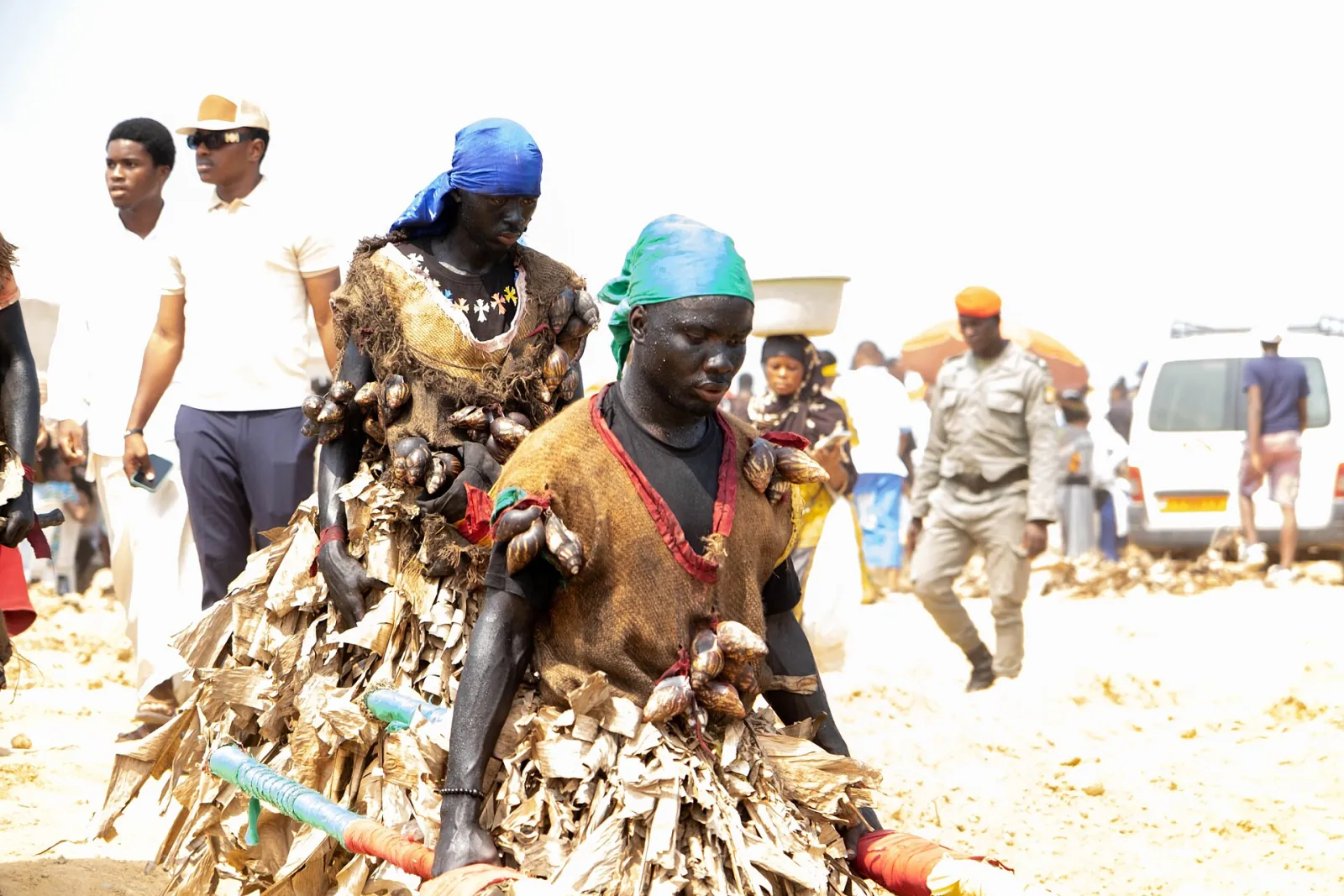
  • Parade and dances: groups in costume, drums, songs and dances of the coast cross the city;
  • Cultural evenings: concerts of contemporary and traditional music, tales and open stages.

Discussion events

Conferences and round tables on youth, the river environment and the transmission of languages accompany the festival. An art and craft exhibition, cooking workshops and a trades village complete the offer.

The dance shows can draw on the Dance page, the music on the Music page. See also the other regional festivals to extend your stay.

ℹ️
Dates 2026–2027

The public ceremonies are expected on 14 November 2026, then 13 November 2027; the date is confirmed each year by the organising committee.

Practical

Practical information for attending the Ngondo

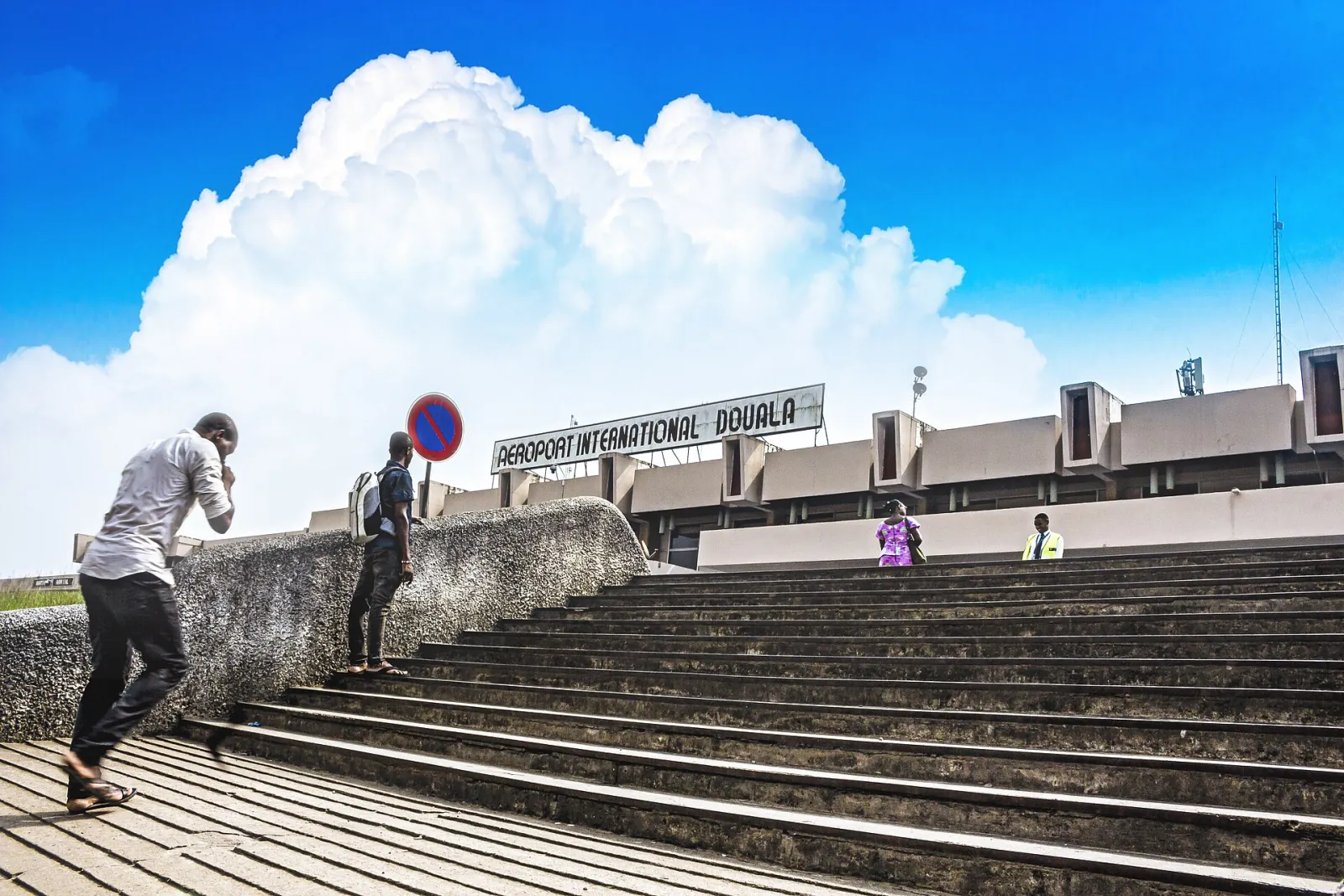
Terminal building of Douala international airport under a cloudy sky

The Ngondo is held in Douala, a large port city and the economic capital. Visitors will find an international airport, hotels, furnished residences and numerous restaurants. Most of the events take place in the old districts near the river.

Access and getting around

The ceremonies on the river can be reached on foot from the landscaped banks; traffic routes are put in place by the city during the highlights. It is advisable to plan shared transport and arrive early, as the roads near the Wouri quickly become congested.

Accommodation and safety

Book your accommodation at least one month in advance. Security forces and first-aiders are present on site, and each year the organisers repeat the safety instructions near the water: life jackets for crews, a perimeter for the public, and a ban on boarding canoes without permission.

Ticketing and accreditation

The public ceremonies are free to attend; some evenings are paid. Sales follow the rules of ticketing. Journalists request accreditation through the press area.

Exhibitors, volunteers and partners will find the procedures on the Organising a festival and Volunteering pages. Cultural tourism is presented in the Industries section.

ℹ️
Advice

Bring closed shoes, a hat, water and rain protection: the festival takes place outdoors, sometimes during the short rainy season.

Media

The Ngondo media

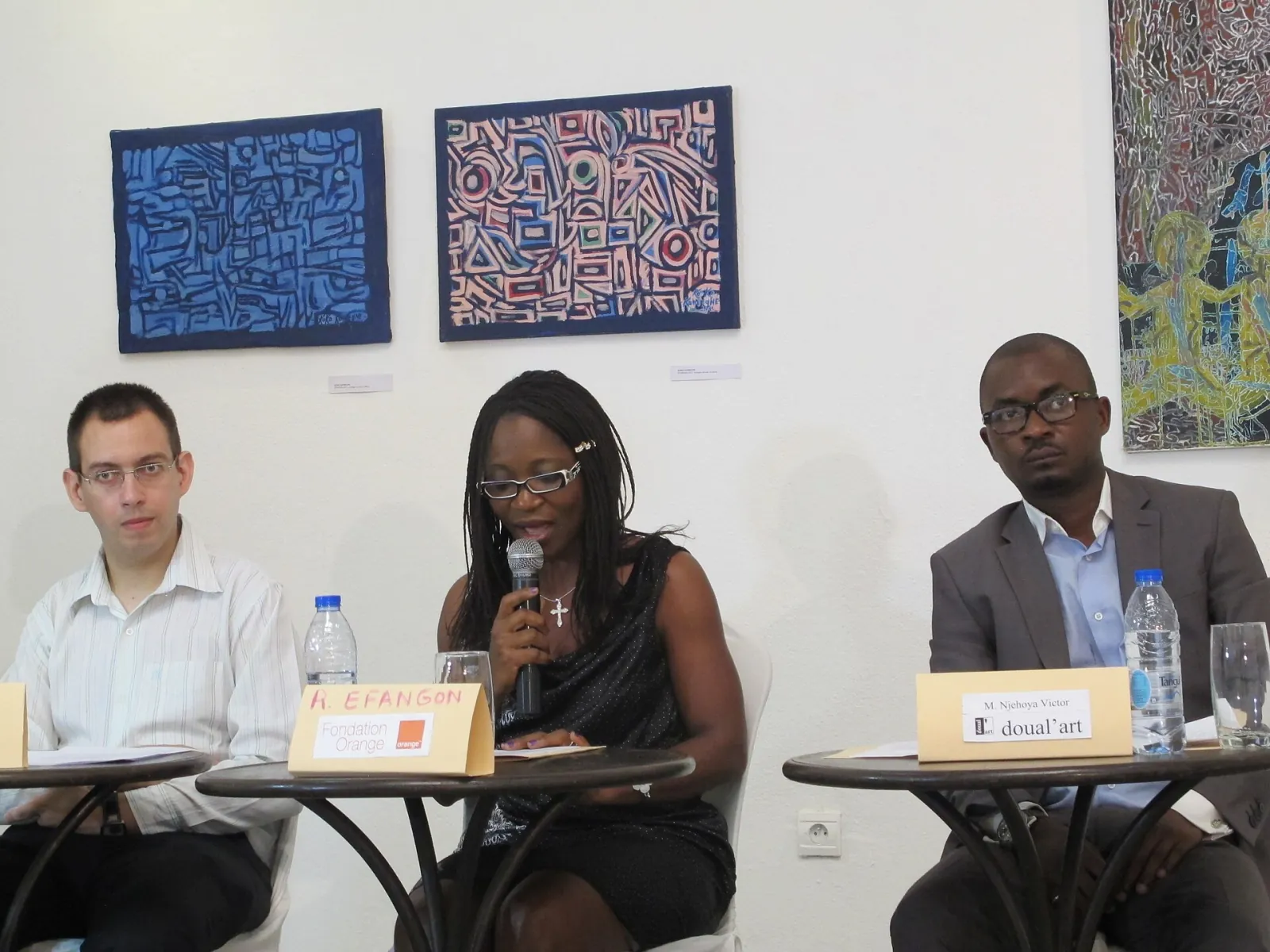
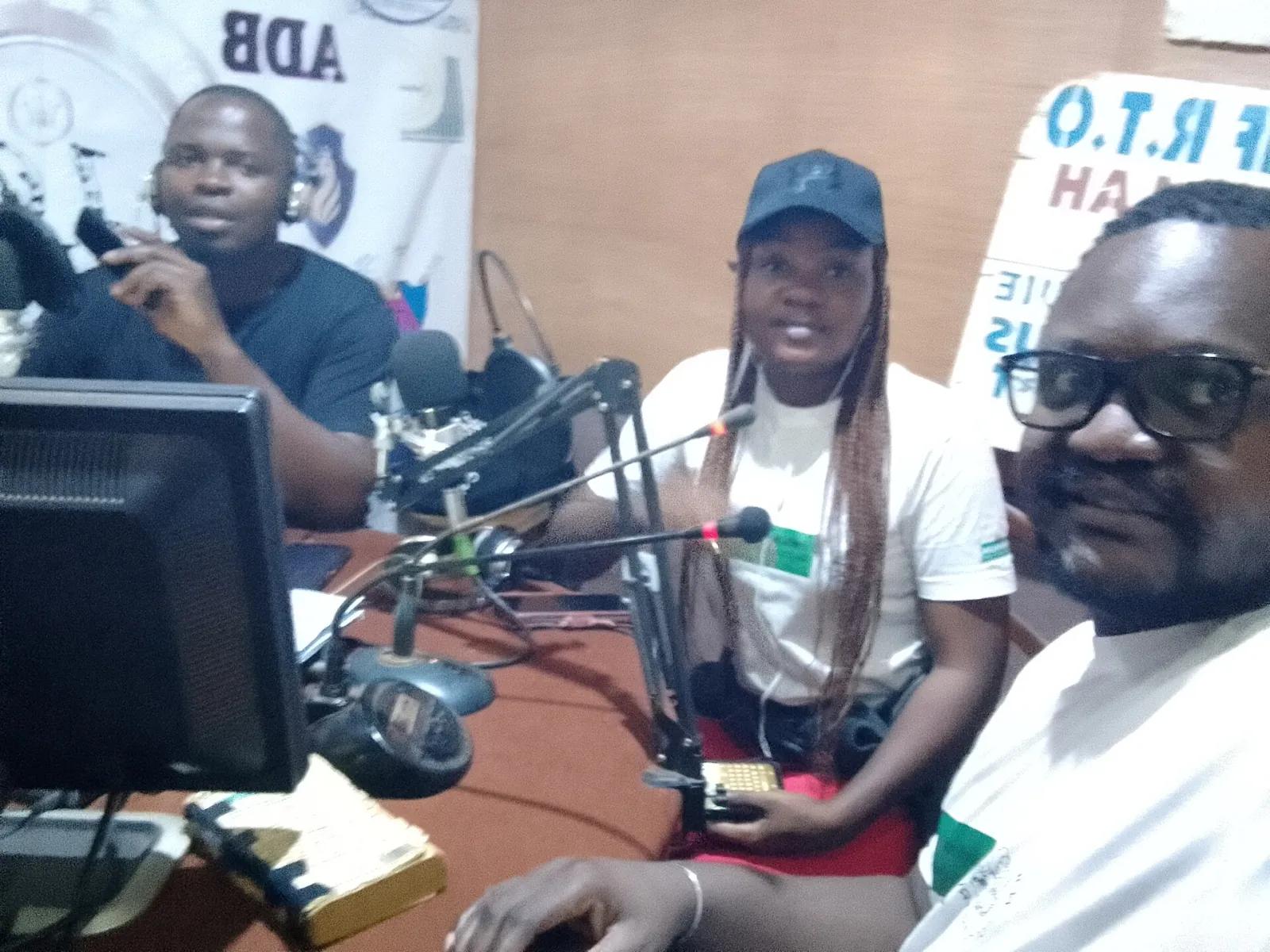
Panel of three speakers at a press-conference table in front of paintings in Douala

The Ngondo is one of the most photographed festivals in the country. Its images serve the community’s memory, feed the promotion of Douala and support research on water rites. They are nevertheless subject to rules of respect and rights that must be known.

Audiovisual resources

The Ministry’s photo library brings together albums of recent editions, classified by highlight: opening, procession, regattas, concerts, exhibition. The video library presents reports, interviews with notables and recordings of conferences. The festival archives keep the posters, programmes and reports.

Photographing with respect

The water rites and certain private ceremonies may not be filmed without the agreement of the notables. The committee issues a badge to professional photographers and reminds them of the perimeters where imagery is prohibited.

Step by step

Experiencing the Ngondo as a visitor

Choose the date

Consult the national calendar to find out the dates of the edition and identify the highlights that matter to you.

Book in Douala

Reserve accommodation and transport at least one month ahead, favouring the districts near the Wouri.

Learn about the protocol

Read the notables’ instructions: dress, perimeters, photographs, respect for the officiants.

Follow the ceremonies

Arrive early at the water rites, settle in the designated places and listen to the presenters’ commentary.

Enjoy the events

Visit the exhibition, taste Sawa cuisine, attend the concerts and the debates on youth.

Share your experience

Send your feedback to the Ministry and credit the authors of any image you publish.

Journey

The Ngondo through time

Before colonisationAssembly of chiefs

The families of the coast gather around the notables to judge, decide and consult the ancestors.

Colonial periodA constrained rite

The assembly is subjected to pressure from the administration, but the water ceremonies are passed on discreetly.

1940sThe revival

The assembly is reconstituted and the major ceremonies resume on the banks of the Wouri.

Late 20th centuryAn urban festival

The Ngondo opens up to the city: parades, regattas, concerts and exhibitions join in.

TodayA heritage event

The festival relies on the inventory, the media and cultural tourism to be passed on.

To act

Procedures around the Ngondo

Festival authorisation

Organisers of shows and concerts associated with the festival submit their file online to the One-Stop Shop, several weeks in advance.

Submit the file

Filming authorisation

To film a documentary, a news report or a professional recording of the ceremonies, with the agreement of the notables.

Apply

Ticketing

Rules for sales, control and remittance of revenue for paid evenings and concerts.

Read the section

Become a volunteer

Tasks of welcoming the public, logistics, stage management and mediation with visitors, with a certificate.

Join the team
To explore

The Ngondo and the other sections

They live it

Perspectives on the Ngondo

“
Since childhood, I have watched the canoes go by; this festival taught me that the river is a memory as much as a route.
A resident
Douala
“
We come from abroad every year: the Ngondo is the moment when the diaspora gathers around language and dances.
A member of the diaspora
Paris
“
The public is respectful when the instructions are clear; information signs and volunteers make all the difference.
A volunteer
Douala
“
For a researcher, the festival is a living library: each rite tells a social and political story of the coast.
A history researcher
University of Douala

“The river keeps the word of the elders: every year, we come to ask it for it again.”

A notable of the Sawa community
To download

Visitor fact sheets

Key facts

The Ngondo at a glance

Key factDetailWho it is forWhere to find information
RegionLittoral, city of DoualaVisitors and familiesLittoral region page
PeopleSawa and allied communitiesResearchers and the diasporaIntangible heritage
NatureTraditional assembly and annual festivalGeneral publicCultural calendar
Site of the ritesBanks of the WouriNotables and guestsOrganising committee
AnimationsRegattas, parades, concerts, conferencesYoung people and touristsProgramme of the edition
AuthorisationFestival and public showsOrganisersOne-Stop Shop
AccreditationPress and photographersMediaPress area
Glossary

The words of the Ngondo

Ngondo

Traditional assembly of the peoples of the coast and the annual festival that extends it.

Sawa

Group of peoples of the Cameroonian coast, including the Duala, united by a shared history and related languages.

Notable

Respected member of the traditional authority, guarantor of protocol and decisions.

Jengu

Water spirit in the tradition of the coast, intermediary with the ancestors.

Ritual dive

Descent of an officiant into the Wouri to carry the wishes of the community.

Regatta

Canoe race between crews from villages and neighbourhoods.

Wouri

River that borders Douala and hosts the Ngondo ceremonies.

Chiefdom

Traditional structure led by a chief, with its own rules and ceremonies.

Publishing

Annual occurrence of the festival.

Diaspora

Community of Cameroonians living abroad.

On the site

Continue reading about the Ngondo

Resources

Useful links for the Ngondo

Stakeholders

Who runs the Ngondo?

Attendance

The most popular highlights

Canoe regattas
Very large crowds on the banks of the Wouri: families, schoolchildren and foreign visitors throng there from early morning
92 %
Parade and dances
Entire neighbourhoods mobilised, with groups in costume, brass bands, drums and decorated floats
85 %
Water rites
Attendance deliberately limited by protocol, in order to preserve the contemplative atmosphere of the officiants
70 %
Evening concerts
Paid admission for some evenings, with local headliners and guest artists from the diaspora
78 %
Conferences and exhibitions
An audience of enthusiasts, students and researchers who come to listen to the debates on Sawa memory
45 %
Questions

Your questions about the Ngondo

Where does the Ngondo take place?

The Ngondo takes place in Douala, in the Littoral region, on the banks of the Wouri, the river at the heart of the ceremonies. The activities extend to several neighbourhoods of the city: riverbanks for the rites and regattas, public squares for the parades, halls and cultural venues for the exhibitions and concerts.

Is authorisation required to organise an associated show?

Yes. Any public show or event associated with the Ngondo requires a festival or show authorisation, processed by the Ministry. The file is submitted online to the One-Stop Shop, with the programme, venue, capacity and security plan, several weeks before the date.

Where can I see the programme for the edition?

The programme is set by the organising committee with the notables, then relayed in the Ministry’s cultural agenda and in the national calendar. It specifies the times of the rites, regattas, parade and evening events, as well as the venues and access.

Are the ceremonies open to the public?

Most of the highlights are open to the public, with free access, within marked perimeters. Some ritual ceremonies or meetings of notables remain restricted. Paid evenings follow the ticketing rules; children remain the responsibility of their accompanying adults.

Can the ritual dive be filmed?

The water rites are subject to strict rules. The agreement of the notables and the badge issued by the committee to professionals are required. Otherwise, the public respects the indicated perimeter. Any commercial use of images requires authorisation and a credit.

How can I stay in Douala during the festival?

Book a hotel or residence near the river districts one month in advance. Plan your journeys using shared transport, as the roads near the Wouri are congested. The Cultural tourism page suggests ideas for circuits and excursions around the city.

Can I become a volunteer?

Yes. Each year the committee recruits volunteers for reception, guidance, logistics and mediation with visitors. The Volunteering page presents the tasks, commitments and application procedures; a certificate is issued at the end of the edition.

How can a researcher consult the archives?

The festival archives and the photo library hold programmes, photographs and recordings. Researchers send their request via the contact form, stating their subject, their affiliated institution and the intended use; a reply indicates which documents can be consulted.

Contact

Write to the Ministry about the Ngondo

Specify the festival or event concerned, the nature of your request and the period.

Competent directorate

Contact the Ngondo team at the Ministry

Address

Directorate of Shows and Creative Industries
Ministry of Arts and Culture
Quartier du Lac – Ministerial Zone
P.O. Box 1053 Yaoundé, Centre Region, Cameroon

Reach us

+237 6 51 70 58 41

contact@minac.gov.cm

Opening hours

Monday to Friday, 8 am to 4 pm

See regional festivals

Centre, Littoral, West, North: find the major events of each region.

Regional festivals
WhatsApp