
Coat of arms of CameroonMinistry of Arts
and Culture
Republic of Cameroon
My procedures
Home
Minister’s message
News
Press releases
Cultural calendar
Official speeches
Press review
Photo library
Video library
Calls for projects
Job vacancies
Public procurement
Newsletter
Frequently asked questions
Site map
Contact
Press area
Podcast “The Voice of Culture”
Legal notices
Privacy policy
Cookies and trackers
The Ministry
Missions and responsibilities
Organisation
Organisation chart
Minister’s Office (Cabinet)
Management team
General Secretariat
General Inspectorate
Central directorates
Regional Delegations
Institutions under supervision
Legislative texts
Regulatory texts
Sector strategy
Major projects
Budget and reports
Partners
Careers
Archives
Institutional communication
Quality and accessibility
Arts
Visual and plastic arts
Visual arts
Performing arts
Theatre
Dance
Music
Literature and books
Cinema and audiovisual
Photography
Fashion and design
Digital arts
Art crafts
Artists’ directory
Residencies
Prizes and awards
Arts education
Urban arts
Heritage
Tangible heritage
Intangible heritage
UNESCO sites
National museums
Listed monuments
National inventory
Palaces and chiefdoms
Archaeology
Linguistic heritage
Oral traditions
Traditional know-how
Restitution of cultural property
Fight against illicit trafficking
Listing and protection
Conservation and restoration
Heritage Days
Cultural landscapes
Industries
Music and recording
Cinema
Publishing and books
Digital arts
Fashion and creativity
Crafts
Cultural tourism
Funding for culture
Support funds
Incubators
Cultural entrepreneurship
Culture Observatory
Vocational training
Studies and reports
Sector statistics
Export and outreach
Intellectual property
Copyright
Legal framework
Copyright and neighbouring rights
Collective management societies
Register a work
Licences
Private copying
Fight against piracy
Model contracts
Social status of artists
Mediation
Disputes
Training
Fee scales
Register of works
Contact
Digital neighbouring rights
Public domain
Festivals
National calendar
Ngondo
Nguon
Écrans Noirs
Heritage Days
Music Day
Regional festivals
Fairs and exhibitions
Biennials
National competitions
Cultural days
Organise a festival
Event grants
Ticketing
Archives
Volunteering
Diaspora festivals
Regions
Adamawa
Centre
East
Far North
Littoral
North
North-West
West
South
South-West
Cultural map
Regional Delegations
Traditional chiefdoms
National languages
Cultural routes
Decentralised cooperation
Regional observatory
Cooperation
UNESCO
Francophonie (OIF)
African Union
Commonwealth
CEMAC
Bilateral cooperation
Cultural agreements
Professional organisations
Scholarships
Artist exchanges
Cultural years
Diaspora
Funded projects
Embassies
Technical partners
International restitution
International monitoring and calls
Services
Artist card
Show authorisation
Filming authorisation
Festival authorisation
Deposit of a work
Export of works of art
Listing of a property
Grant application
Association accreditation
File tracking
Forms
Fees
Opening hours and addresses
Reporting
Online help
My account
One-Stop Shop
Services

Show authorisation

Every show open to the public must be authorised before it is announced. Follow the conditions, documents, form, tracking and appeals step by step to organise a concert, play or ballet lawfully.

Updated on 6 November 20264 sub-pages
SubmissionOnline or in the regions
Types of show covered6
Main documents7
TrackingBy file number
Live performance

Organising a show lawfully

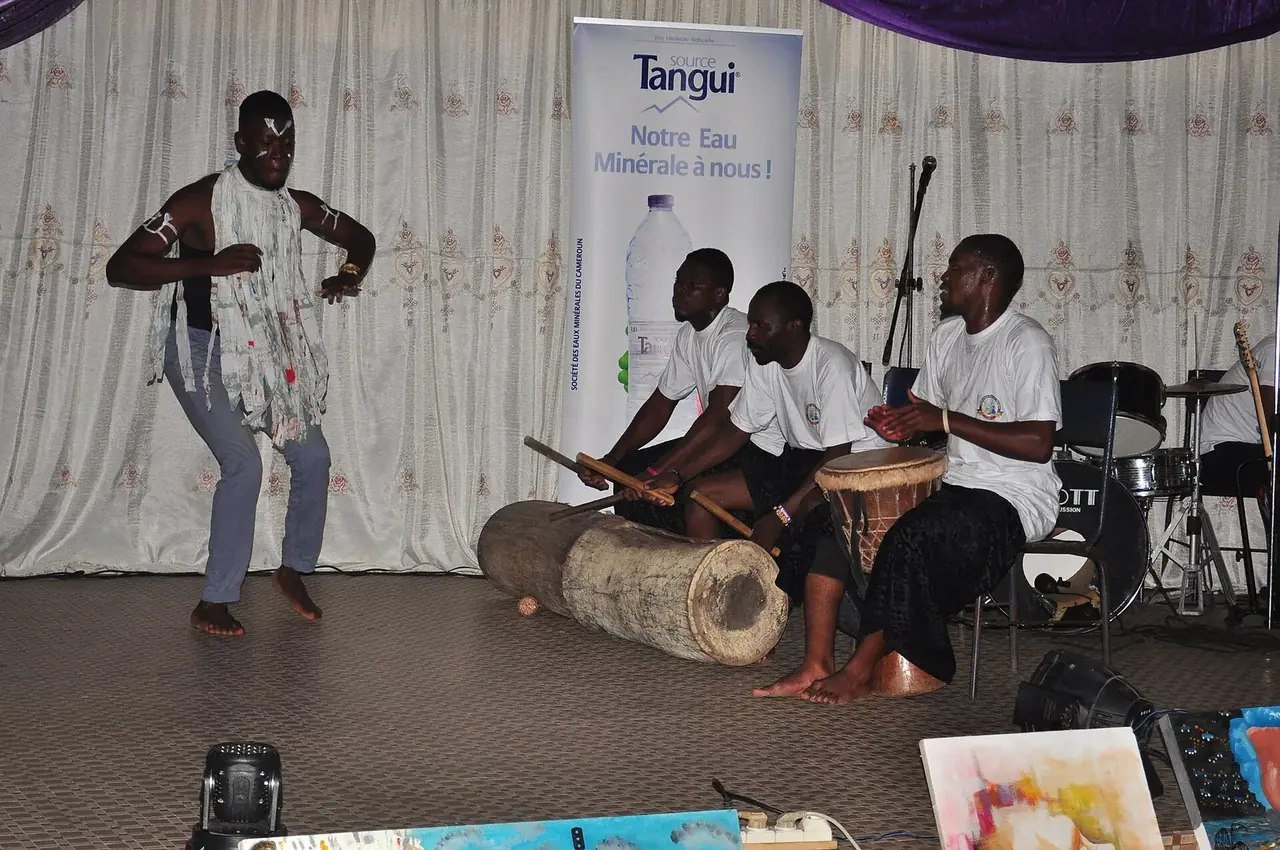
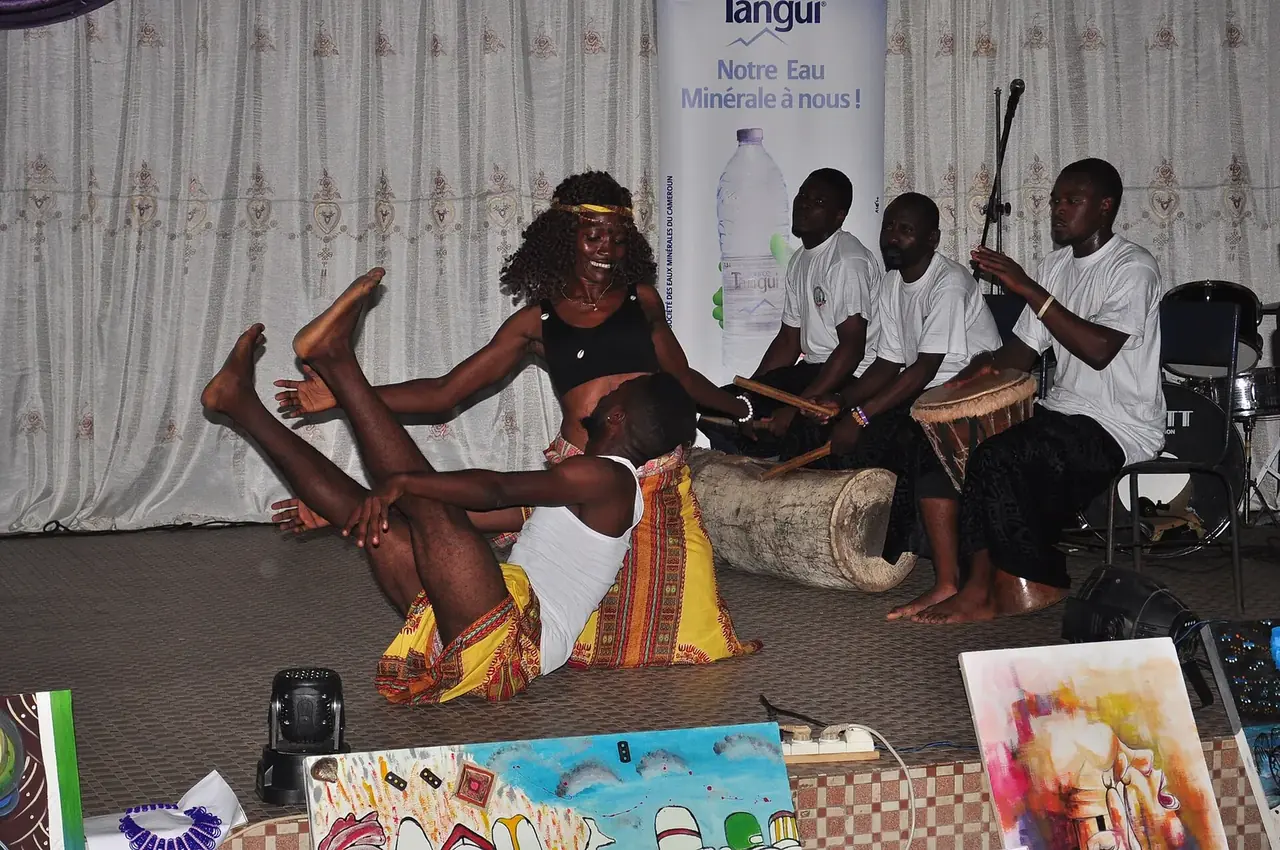
Dancer and drummers on stage during a traditional dance show

A concert in a cabaret in Bonanjo, a play in a hall in Bafoussam, a comedy evening in Garoua, a ballet on a chiefdom square: every show open to the public must be authorised before it is announced. The authorisation protects the public, the artists and the organiser, and ensures that authors’ rights are respected.

This page guides you from preparing the file to the day of the performance: who must apply, which conditions to meet, which documents to gather, how to complete the form, how to follow the examination and what to do in the event of a refusal. Any fees are set out on the Fees page.

  • An authorisation before any public announcement of the show
  • Online submission or through the delegation for the venue
  • Tracking at every stage with your file number
See the conditions
One-Stop Shop

Submit your application online

Online submission is open at all hours. Log in to your account, enter the show, venue and dates, attach your supporting documents and confirm: a file number is issued straight away. Any fee is displayed before payment; see the details on the Fees page. To follow progress, use the file tracking page. Prefer paper? The delegation of the region where the show takes place receives your application, and the One-Stop Shop will guide you if in doubt.

Fee payable 25,000 FCFA Online payment: Orange Money, MTN Mobile Money or bank card.
Submission Online, 24 hours a day You receive a file number to keep for tracking.
Organisers

Who is the show authorisation for?

Troupe of performers dancing on a theatre stage

The authorisation concerns the organiser, that is, the person or body that incurs the expenses, signs the venue contract and sells the tickets: producer, promoter, association, company, local authority, school or venue owner. Whether professional or occasional, they must submit the application.

Who does not have to apply?

An artist engaged by an organiser does not have to submit the application themselves: the contracting party does so. Family or ritual ceremonies restricted to a private circle, such as a wedding or a funeral in the village, are not public shows. However, as soon as a stage is set up, a sound system is installed and the public is invited beyond the family circle, the show regime applies.
Disciplines covered

Concerts, theatre, dance, comedy, cabaret, circus and street performance come under this procedure. For an event lasting several days, see the festival authorisation.

Criteria

The conditions for obtaining a show authorisation

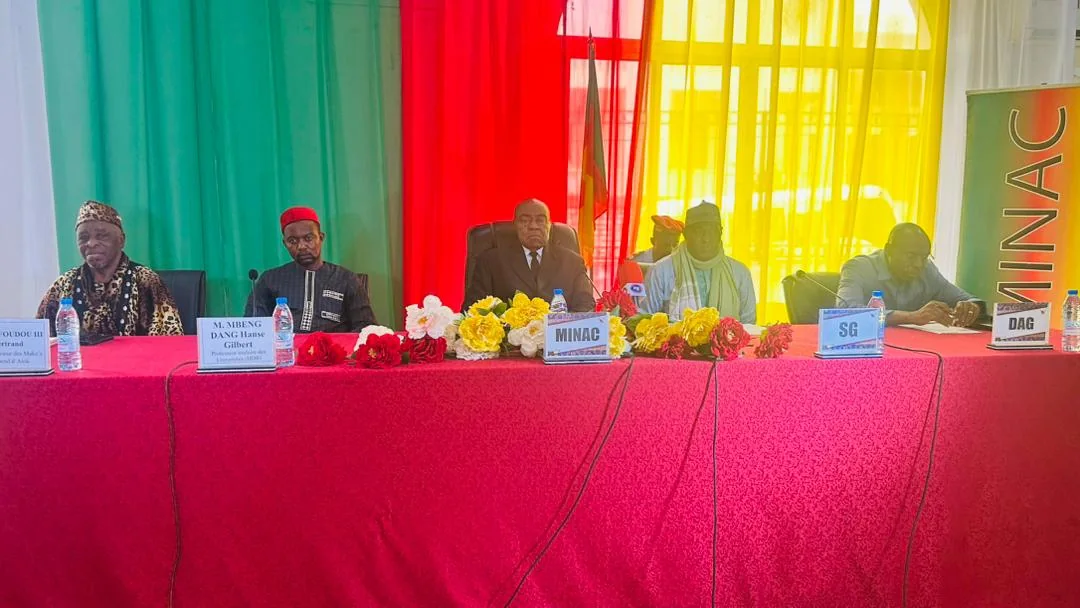
Officials sit behind a long meeting table covered with a red cloth and flowers, in front of curtains in the national colours.

Four requirements structure the examination of the file. They are the same for a small neighbourhood concert and for a large evening in a hall, but their scale varies with capacity.

A suitable and safe venue

The venue must comply with safety rules: emergency exits, known capacity, sound electrical installations, fire extinguishers, exit lighting. A venue owner consents in writing to the intended use. For an open-air venue, a site plan shows the stage, control area, refreshment stall and public circulation.

A precise programme

The file presents the artists, dates, door opening and finishing times, and the intended audience. A show involving minors on stage or in the audience specifies the protection measures.

An identifiable organiser

A natural person or a legally constituted body is responsible for the show; an association encloses its approval.

ℹ️
Free does not mean unrestricted

A show without ticketing remains subject to the procedure as long as it is open to the public.

File

The documents for a show authorisation file

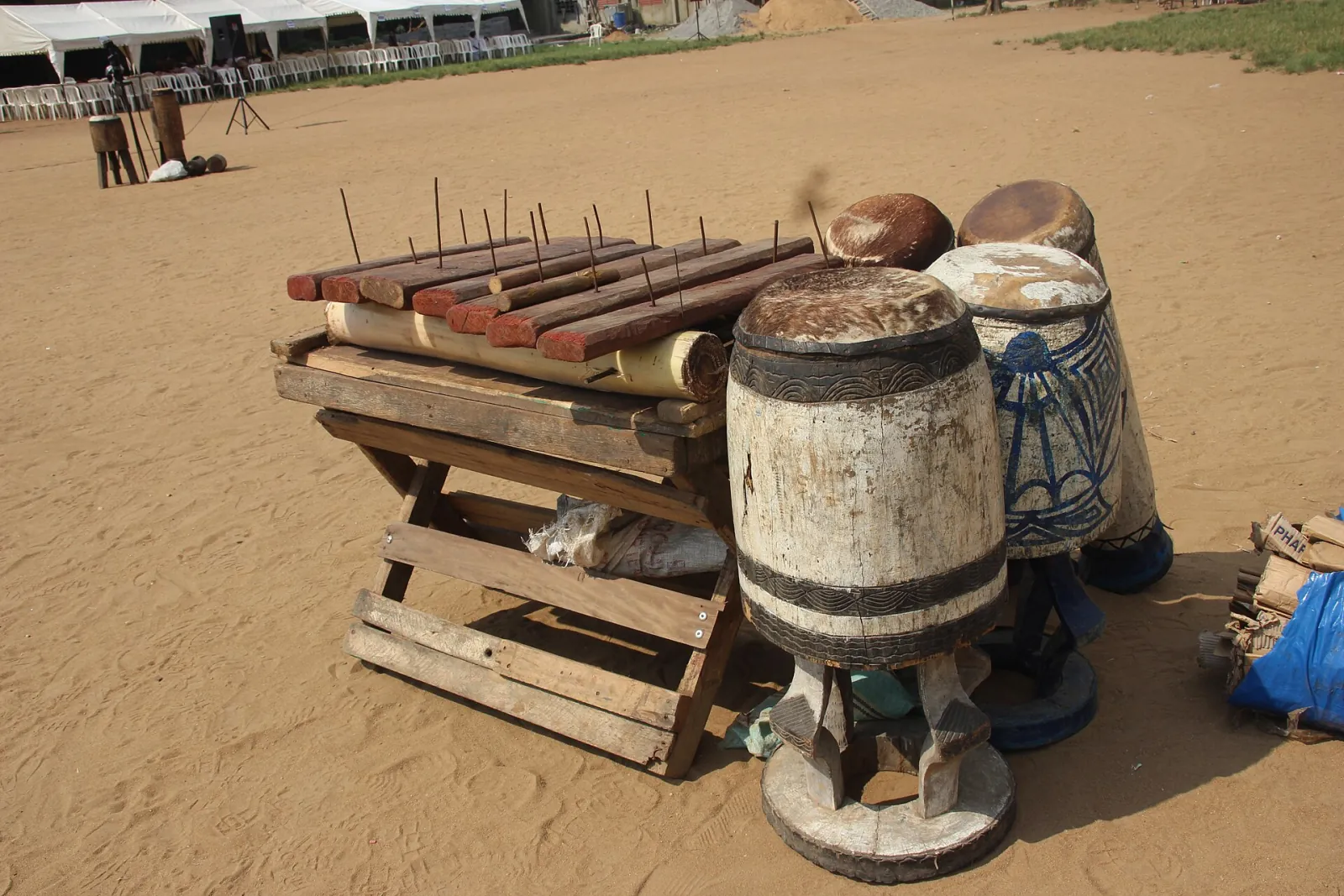
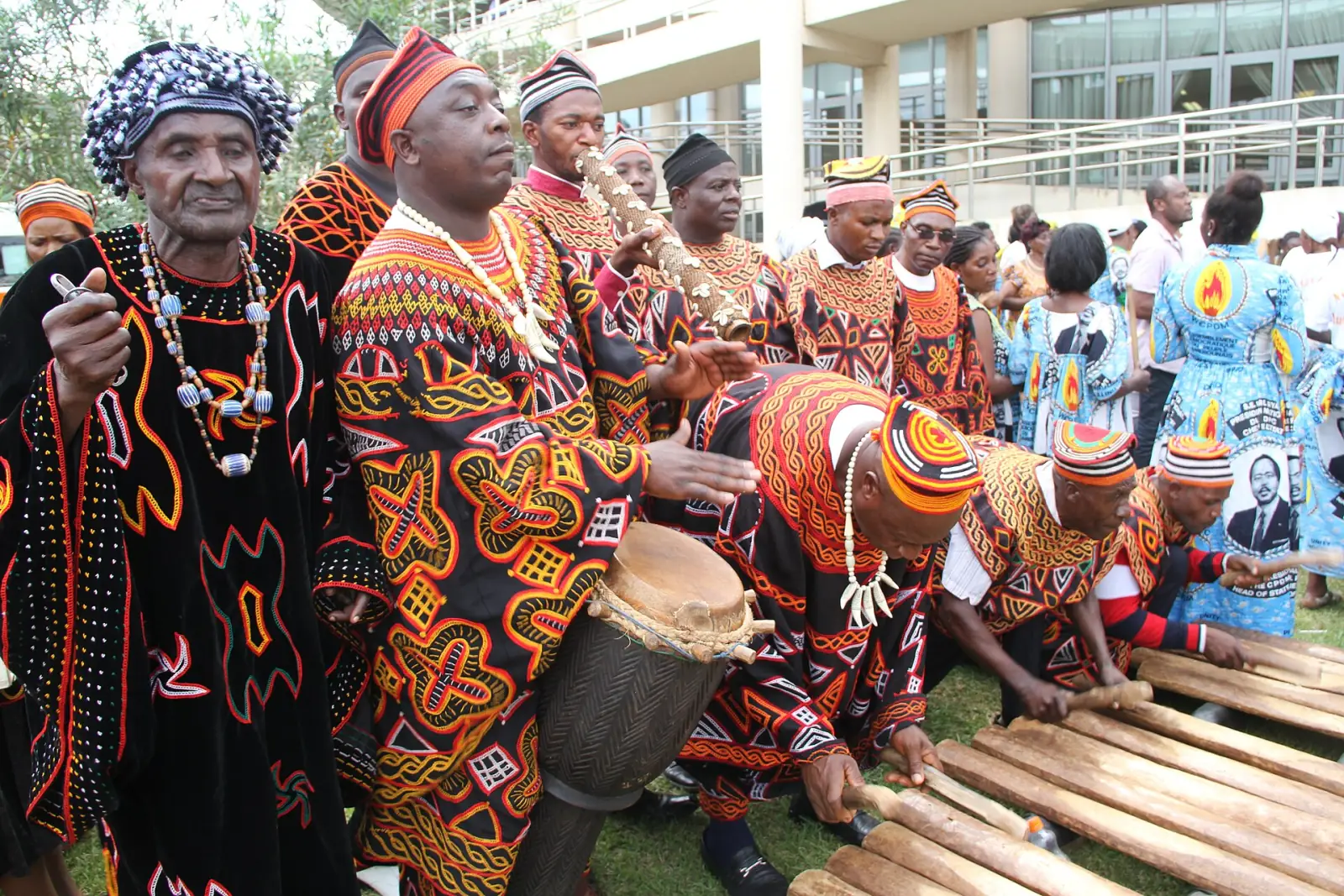
Traditional ensemble in colourful costumes around a xylophone and drums in front of an audience

The file is assessed on clear documents that are consistent with one another: the venue, dates and names on the poster must be identical throughout.

The common core

  • The application form signed by the organiser;
  • The presentation of the show: genre, duration, cast, intended audience;
  • The list of artists and technicians engaged;
  • Proof of venue: rental contract, written agreement of the owner or local authority for a public space;
  • The insurance certificate covering the show and the public;
  • The safety arrangements: exit plan, number of security staff, presence of a first-aider where applicable;
  • The identity document of the person in charge, or the articles of association and receipt of the body.

Documents depending on the case

An open-air show adds the site plan and the agreement of the local administrative authority. A show with ticketing encloses the ticket template and the number of seats offered. A show that broadcasts a protected repertoire encloses proof of the application to the collective management society. Useful templates are available on the Forms page.

Form

Completing the form for a show authorisation

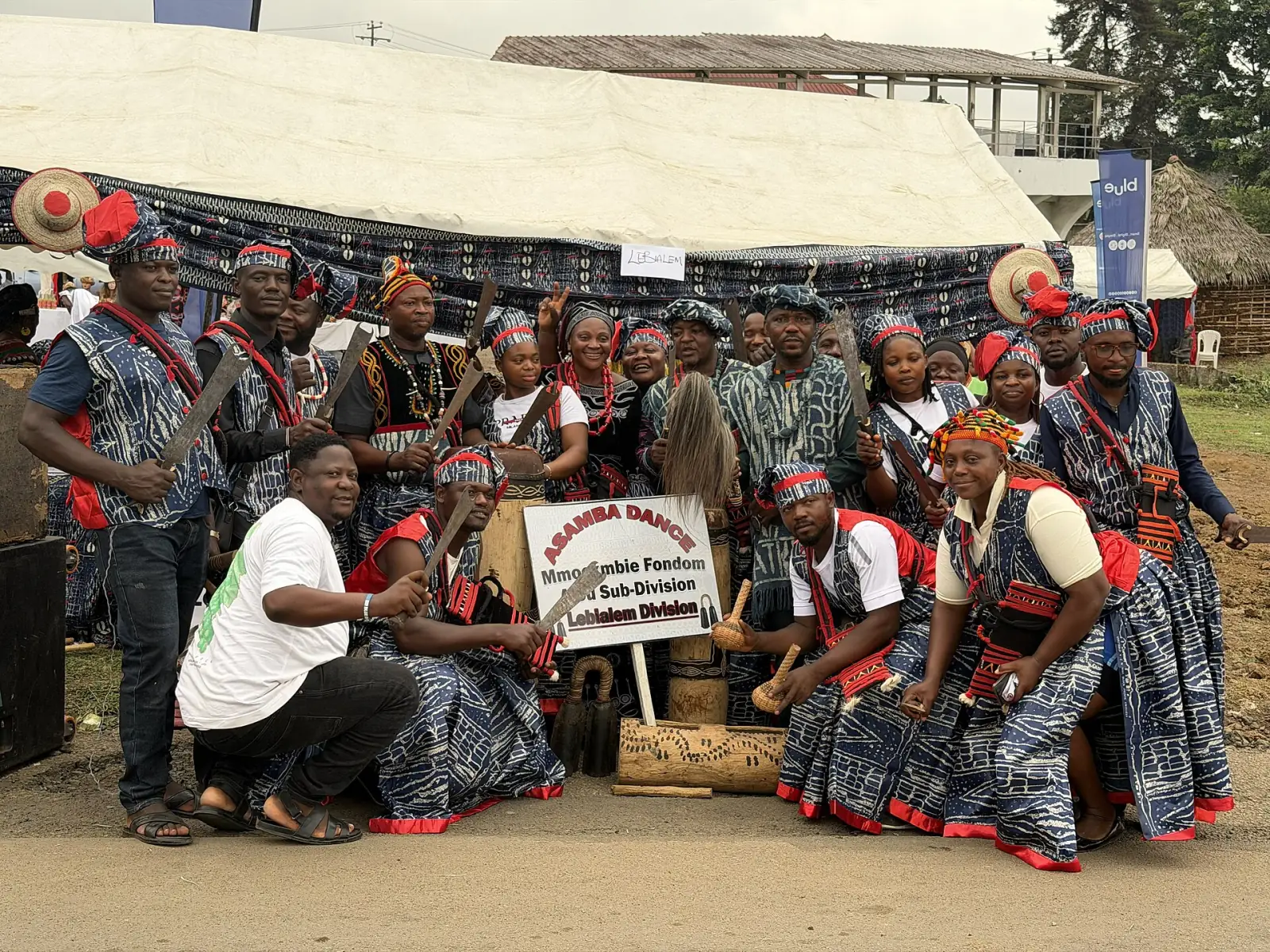
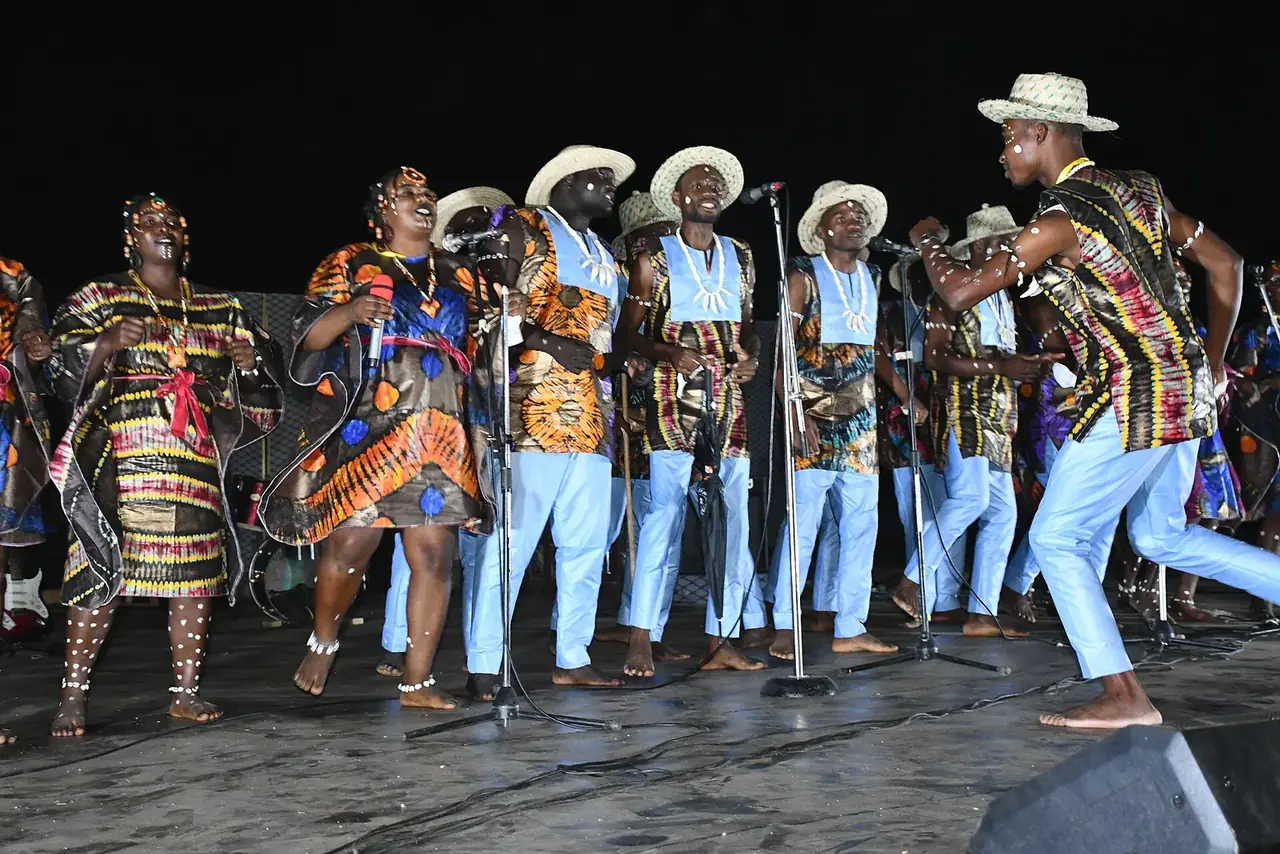
Lebialem dance group in traditional costumes posing under a fair tent

The form is available online and on paper; it follows the same order in both cases. Fill it in calmly, with the venue contract and the programme in front of you.

  1. Organiser: company name, person in charge and means of reaching them on the day;
  2. Show: title, genre, duration, language, number of artists, presence of minors;
  3. Venue and dates: precise address, maximum capacity, date and times, fallback date in case of bad weather;
  4. Ticketing: free, paid, by invitation, number of seats;
  5. Safety and first aid: number of security staff, exits, first-aid point;
  6. Copyright: repertoire performed and management society concerned;
  7. Undertaking: sworn statement and signature.

The online version can be saved as a draft from your account. Specify a backup date if the show is held in the open air, to avoid having to resubmit a file. Check the times carefully, because the announced finishing time binds the organiser towards the neighbourhood. On capacity, be realistic: an overly optimistic statement leads to a request for clarification and a delay. Keep a copy of the confirmed form with its file number. Need advice? Consult the online help.

Step by step

Obtaining the authorisation before the first date

Lock in the venue and date

Sign the venue contract or obtain the venue’s written agreement, then confirm the date and time slot before any public communication.

Gather the file

Gather the programme, list of artists, insurance, safety plan and proof of the copyright application.

Submit the application

Submit the application online or to the delegation for the show’s venue, several weeks before the performance, then keep the acknowledgement of receipt.

Handle supplements

Reply quickly if the service asks for clarification on capacity, safety or repertoire; the time limit stops running while the file is incomplete.

Display and perform

Once the authorisation is received, keep it at the venue, show it at any inspection and comply with the times, capacity and conditions set.

Situations

Special cases of an authorised show

Dancer and drummers during a traditional dance show

Real situations often fall outside the standard pattern. Here are those the service receives most frequently.

Free or charity show

Even without tickets, the procedure remains compulsory. A charity show specifies the destination of the proceeds and the beneficiary association.

Tour in several towns

A company performing in Yaoundé, Douala and then Bamenda may submit a grouped file with a detailed schedule, but each venue must show it meets its own safety conditions.

School or young audience show

The presence of children requires enhanced supervision and the agreement of the school. See also arts education.

Invited foreign artists

The organiser encloses the list of artists, their contracts and, as applicable, residence documents. Guest musicians and dancers must have a contract that complies with the model contracts.

Show in a heritage space

A performance in a monument or chiefdom requires the agreement of the manager and, for a protected site, that of the Directorate of Heritage; see listing and protection.

To explore

Around your show

Close to you

Submit the show authorisation application in your region

Each region has a Ministry delegation that welcomes you and receives your file.

Real-life experiences

Organisers describe their application

“
Submitted several weeks before the date, my file received its reply well in time. I was able to open ticketing without stress and with all my documents.
A company director
Yaoundé
“
Online tracking spared me many trips: I could see the status of my file from my telephone, even while touring in the North.
A concert promoter
Douala
“
My first refusal was due to an overly optimistic capacity. I corrected the capacity, resubmitted, and the authorisation arrived without further difficulty.
A venue manager
Bafoussam
“
For our street show, the delegation helped us obtain the local authority’s agreement and plan a safe route for the public.
A street theatre collective
Bamenda
Tracking

Tracking your show authorisation application

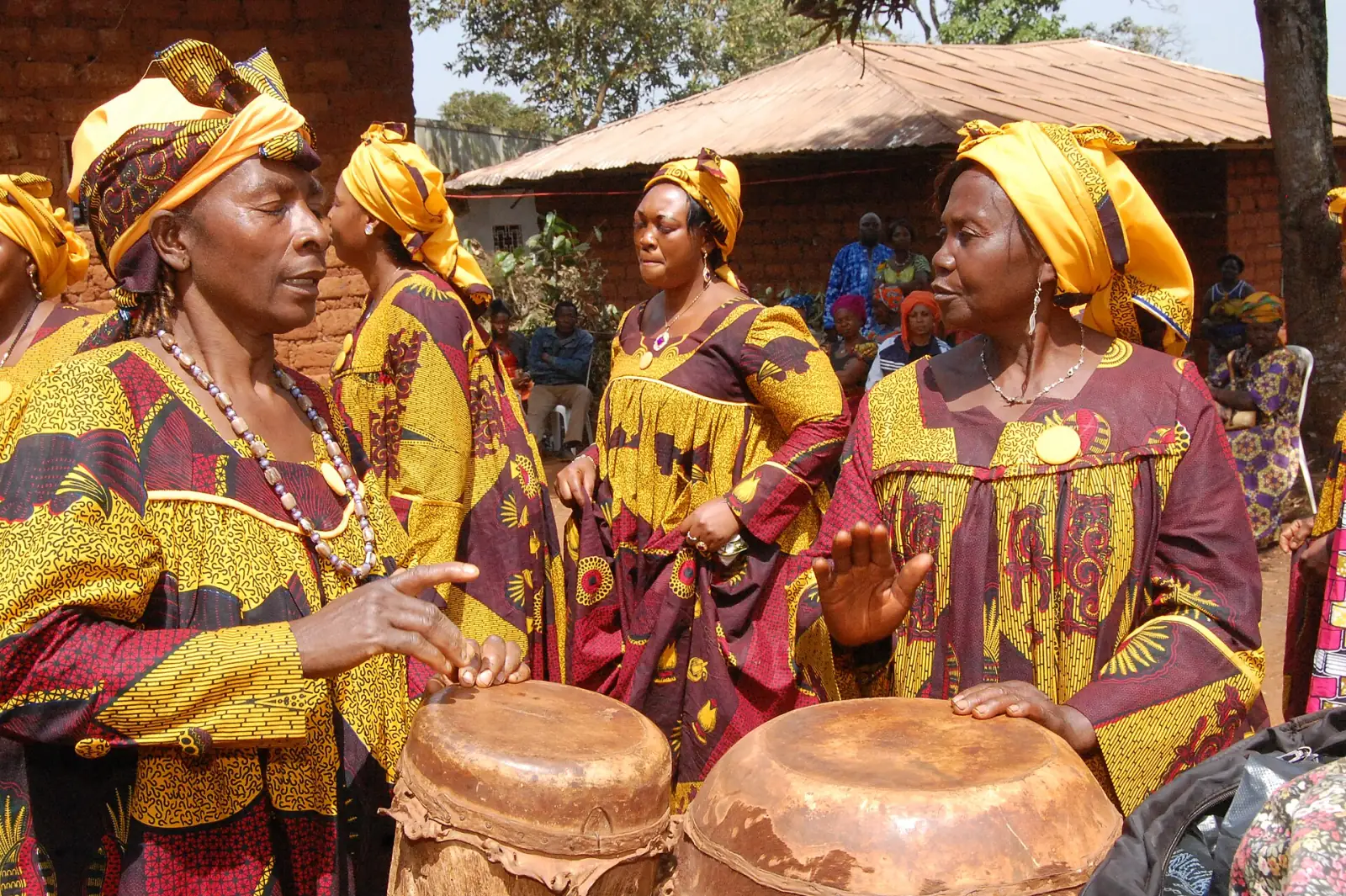
Women in yellow and brown dress seated behind large drums, Bamileke dance

From submission, your file number becomes your single reference. Enter it on the File tracking page to find out whether the file has been received, is under examination, is awaiting a supplement or has been decided.

Anticipate the deadlines

Processing times vary according to the nature of the show, the capacity, the venue and the season’s workload. A large-scale concert or an open-air show takes more time than a play in a small hall. Always submit well in advance, without waiting for the eve of the poster date: launch ticketing and publicity only after receiving the authorisation. If the schedule is tight, warn the delegation by telephone; it can tell you whether your file is complete.

Notifications

  • Acknowledgement of receipt on submission;
  • Request for a supplement with the list of documents expected;
  • Reasoned decision;
  • Reminder of the conditions attached to the authorisation.

Remember to keep your contact details up to date in My account: a file for which the organiser does not reply within the stated time may be closed. Also check the cultural calendar to avoid a date that is already taken. For ticket sales, see the advice on ticketing.

To avoid

The common mistakes made by show organisers

Artists performing at a music festival in Douala

A few mistakes recur every season and are enough to make an application fail or be delayed.

Announcing before being authorised

Printing posters and opening sales before the decision exposes the organiser to refunds and to the show being stopped.

A fanciful capacity

Declaring a number of seats greater than the real capacity of the venue is the most common reason for refusal. Capacity is justified by a document from the owner.

Inconsistent documents

A different date between the poster, the venue contract and the form leads to a request for clarification. Check all three.

Forgetting copyright

A protected repertoire performed without the necessary steps exposes you to claims. See copyright and neighbouring rights and combat piracy by declaring your entire programme.

A late submission

An application submitted a few days before the date cannot always be processed in time. Plan several weeks ahead, longer for large gatherings.

Appeal

Challenging a refusal or following up an application

Models in kaba dresses made from African fabrics on a catwalk stage

A refusal of authorisation is reasoned: it cites the main reason, for example an unsuitable capacity, a non-compliant venue or an incomplete file. Read it carefully before acting.

  1. Correct and resubmit: often, the best route is to remedy the cause of the refusal (change venue, reduce capacity, add insurance) and to resubmit quickly;
  2. Request for review: a brief letter to the shows service, with the new documents, suspends the decision while the review is under way;
  3. Mediation: the Ministry’s mediator, presented on Quality and accessibility, receives complaints;
  4. Reporting: any request for payment outside the official channel is reported on the Reporting page.

In the event of a dispute with an artist or a management society, copyright mediation proposes an amicable solution before any proceedings.

Accessibility

A show accessible to all audiences

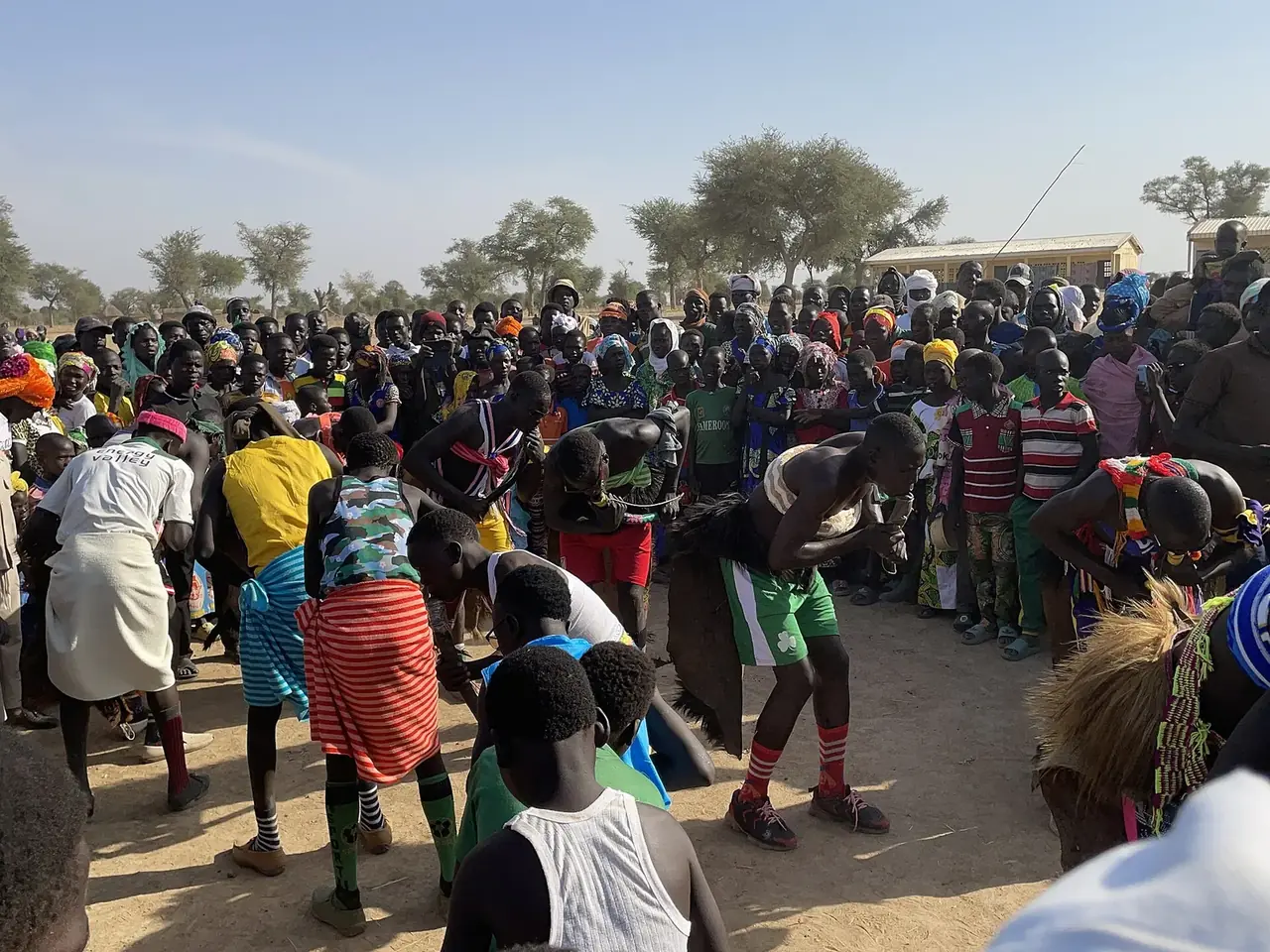
Crowd gathered around a traditional dance in Nouldayna

The authorisation is also an opportunity to check that the show welcomes everyone in good conditions. The Ministry encourages organisers to provide suitable access for people with reduced mobility: level entrance or ramp, reserved seats, accessible toilets, companion admitted at no extra charge where possible.

For remote organisers

The Regional Delegations receive files in each region and help to digitise them. A village organiser may entrust submission to a representative holding a simple proxy.

Languages and communication

Officials receive visitors in French and English. The programme may be translated into a national language to inform the local public, particularly in traditional chiefdoms. For opening hours and reception venues, see Opening hours and addresses.

To act

Support for submitting a show

Online help

Guides and answers to help you put together your file and understand each document.

Open the help

Regional Delegations

An official receives you close to home and can accept the paper file.

Find my delegation

Organiser’s guide

The stages of an event, from the venue to public safety.

Read the guide

Frequently asked questions

Answers to the most common questions about One-Stop Shop procedures and about timescales.

Consult
To download

The documents for the show authorisation

Glossary

The terms of the show authorisation

Live performance

Performance before an audience: theatre, dance, concert, comedy, cabaret, circus.

Organiser

Person or body that incurs the expenses, signs the contracts and is responsible for the show.

Visitor capacity

Maximum number of people the venue can safely accommodate.

Ticketing

Sale or distribution of tickets for a show, free or paid.

Security plan

Document describing exits, first aid, security and public circulation.

Technical sheet

List of equipment, stage dimensions and sound and lighting requirements.

Protected repertoire

All the works still under copyright, whose broadcast requires authorisation.

Fallback date

Replacement date planned if the open-air show cannot take place.

Acknowledgement of receipt

Document issued on submission that proves the file has been registered and bears its number.

Local authority

Representative of the administration of the area where the show takes place, consulted on public order.

Resources

Useful links for live performance

Key facts

Types of show and their requirements

Type of showMain point of attentionDocument often requested in additionService advice
Indoor concertCapacity and emergency exitsVenue contractDisplay the real capacity
Open-air concertLayout, sound system, circulationSite plan and local agreementProvide a fallback date
TheatreDuration, presence of minorsCast and text of the showEnclose a summary of the text
DanceSuitable stage, warm-upTechnical sheetCheck the quality of the floor
Comedy and cabaretLate hours, alcoholAgreement of the establishmentRespect the announced finishing time
Street performanceOccupation of the public highwayLocal highway authorisationInform local residents
Young audience showSupervision of childrenAgreement of the schoolProvide responsible adults
Circus and forest artsAssembly and safety of the structureAssembly certificateHave the structure inspected before opening
Path of the file

From the application to curtain up

SubmissionRecording

Your application is registered and receives a number. You obtain an acknowledgement of receipt to keep and to show in the event of an inspection or dispute.

AdmissibilityChecking the documents

An official checks that the main documents are present and the organiser’s identity, and informs you immediately when an essential document is missing.

ProcessingExamination of the show

The shows service examines the programme, the venue and safety, with the support of the Regional Delegation and local authorities if necessary.

DecisionAuthorisation or refusal

The decision is notified through your account or by the channel you chose. It may be subject to conditions, for example a limited capacity or a finishing time.

PerformanceCompliance with conditions

On the day of the show, the authorisation is kept available on site. Officials may check the capacity, times and compliance with instructions.

Questions

Your questions about show authorisation

Does a free show need to be authorised?

Yes. As soon as a show is open to the public, the procedure remains necessary, whether or not there is ticketing. Being free does not exempt you from the safety rules, from respecting copyright, or from the prior declaration to the delegation for the venue.

How far in advance should I submit?

Submit several weeks before the date, and longer for an open-air show or a large capacity. The processing time is communicated to you on submission. Do not launch posters or ticket sales before you have received the authorisation.

Where do I submit if the show takes place in another region?

You submit online, from anywhere, or to the delegation for the region where the show takes place. For a tour, a grouped file is possible with a detailed schedule, each venue having to show it meets its own safety conditions.

What should I do if the venue changes at the last minute?

Inform the delegation immediately and submit a supplement with the new proof of venue. A change of address alters safety arrangements and capacity: an undeclared change may lead to the authorisation being cancelled.

Can a foreign artist perform?

Yes, if the organiser encloses the list of artists, their contracts and the documents required for their stay. The contract must comply with the rules applicable to artists, and copyright on the repertoire performed must still be settled.

Who checks compliance with the authorisation?

Ministry officials and local authorities may check capacity, times, exits and the presence of the authorisation on site. Keep it accessible. Failure to comply with the conditions may lead to the show being stopped.

My file has been refused: can I resubmit?

Yes. Correct the cause of the refusal given in the decision, for example the venue, capacity or insurance, then resubmit. You may also request a review or refer the matter to the Ministry’s mediator if you disagree.

Where can I find the amount of the fees?

The Ministry does not display amounts on the procedure pages: any fee is indicated before payment at the time of submission, and the details appear on the Fees page. No sum should be requested outside the official online payment.

Competent service

Contact the shows service

Address

Shows Service
Ministry of Arts and Culture
Quartier du Lac – Ministerial Zone
P.O. Box 1053 Yaoundé, Centre Region, Cameroon

Reach us

+237 6 51 70 58 41

contact@minac.gov.cm

Opening hours

Monday to Friday, 8 am to 4 pm

Your show deserves its audience

Submit your application online, track it with your number and announce your date with complete peace of mind.

Submit my application
WhatsApp