

Heritage and memory
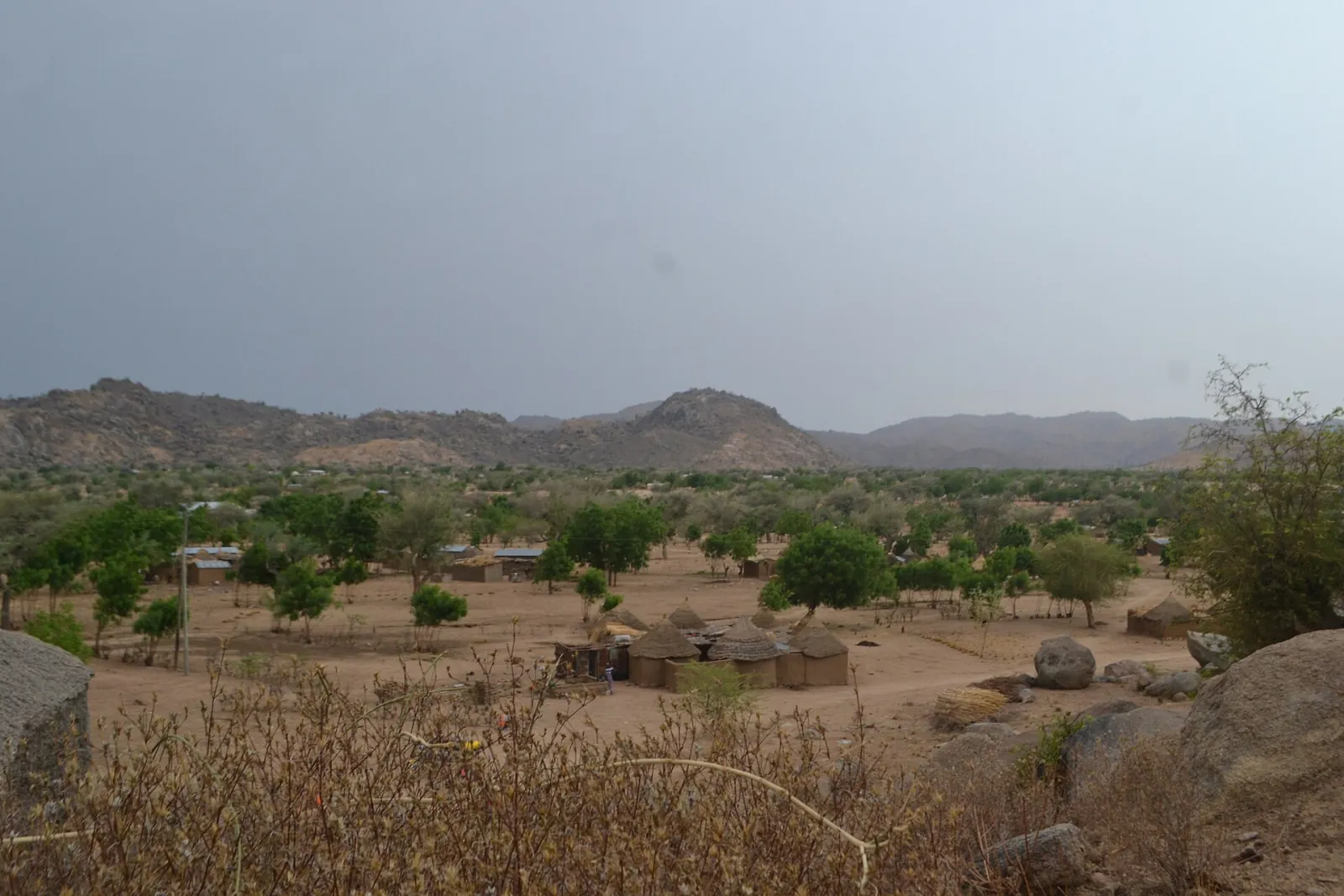
This circuit links national museums, listed monuments and registered sites, such as the cultural landscape of Diy-Gid-Biy in the Mandara Mountains.
Themed circuits, the chiefdoms route, maps and guides: everything you need to prepare a respectful cultural journey across the ten regions of Cameroon.
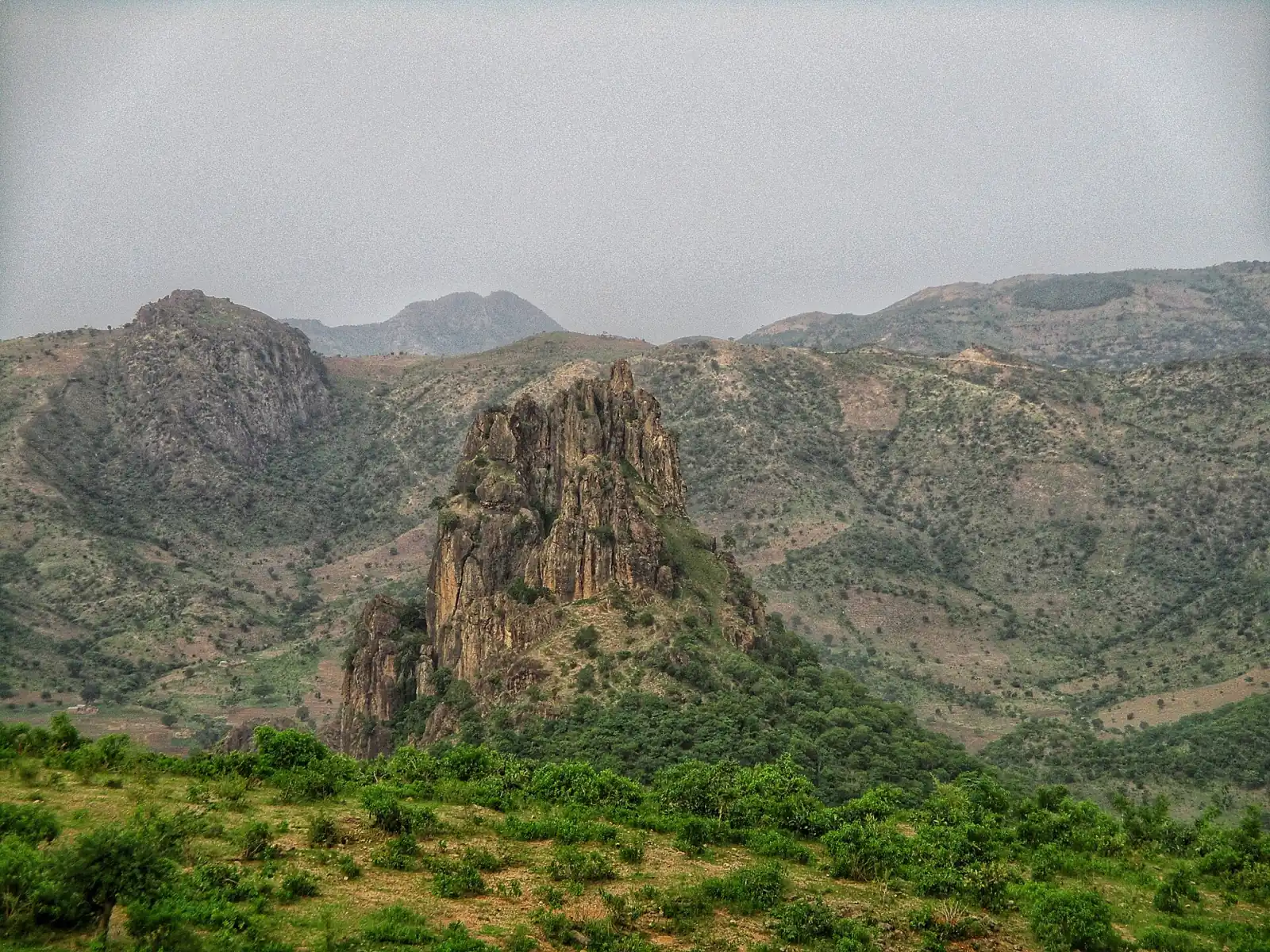
From the landscape of the Mandara Mountains to the beaches of Kribi, from the palaces of the West to the forests of the South, Cameroon is discovered by path: each cultural itinerary links places, museums, chiefdoms, festivals and craftspeople’s workshops to tell a coherent story. To travel in this way is to meet inhabitants before meeting monuments.
The itineraries are designed with the regional delegations, the chiefdoms, local authorities and cultural tourism operators. This page presents the circuits, the chiefdoms route, and the maps and guides useful for preparing a stay, a school trip or a tour by artists.
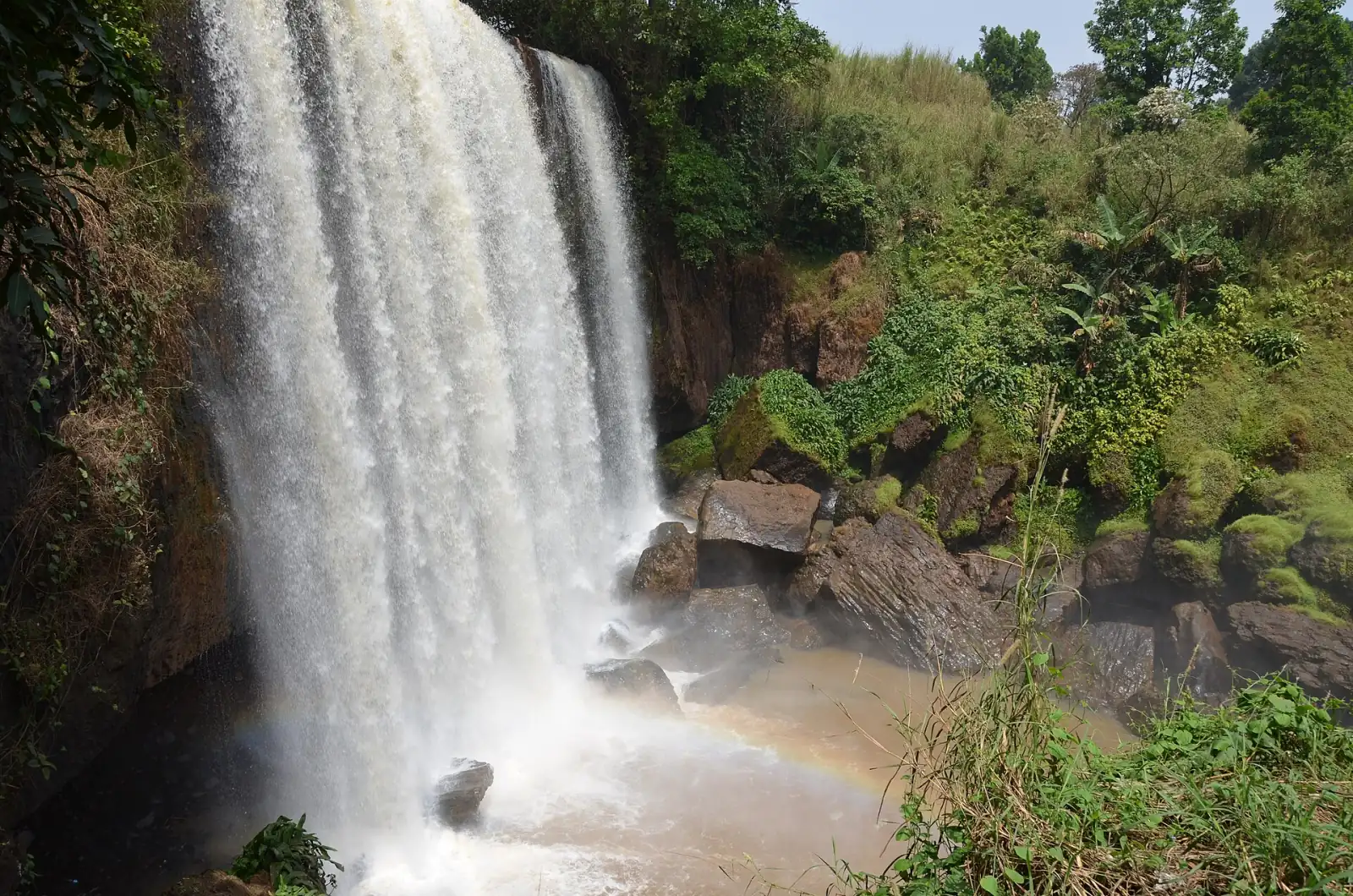
A circuit is a common thread: it does not merely line up stops, it gives them meaning. Six themes structure the offer, and they can be combined according to the length of the stay.
This circuit links national museums, listed monuments and registered sites, such as the cultural landscape of Diy-Gid-Biy in the Mandara Mountains.
It follows the calendar: Ngondo in the Littoral, Nguon in Foumban, and the 2026 events of Mbam’Art, Ngul Be Mvamba, Bia So Mengong, the Rzehwa camp or Ka’a Ndeh Mu’nka. See the national calendar.
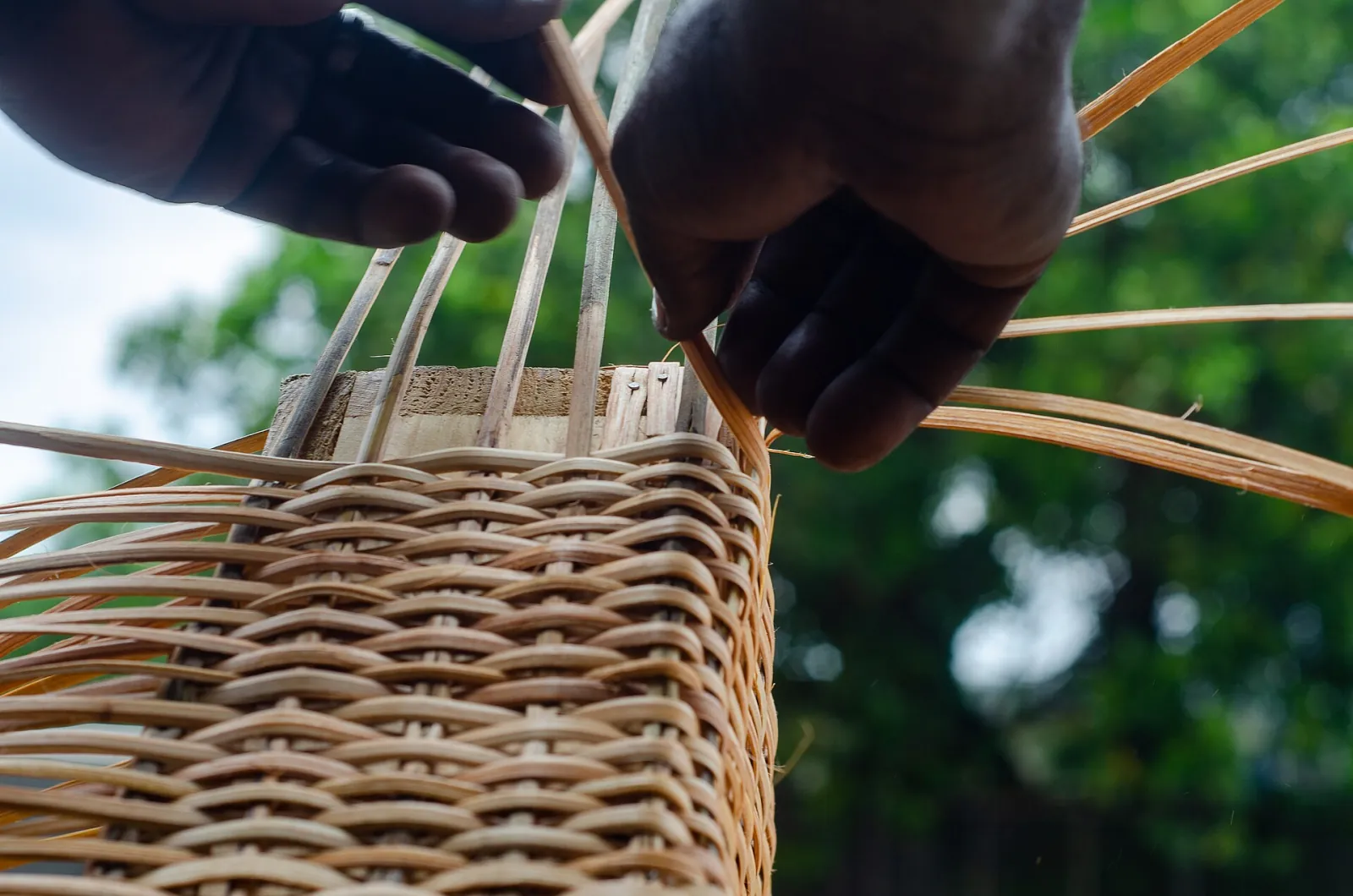
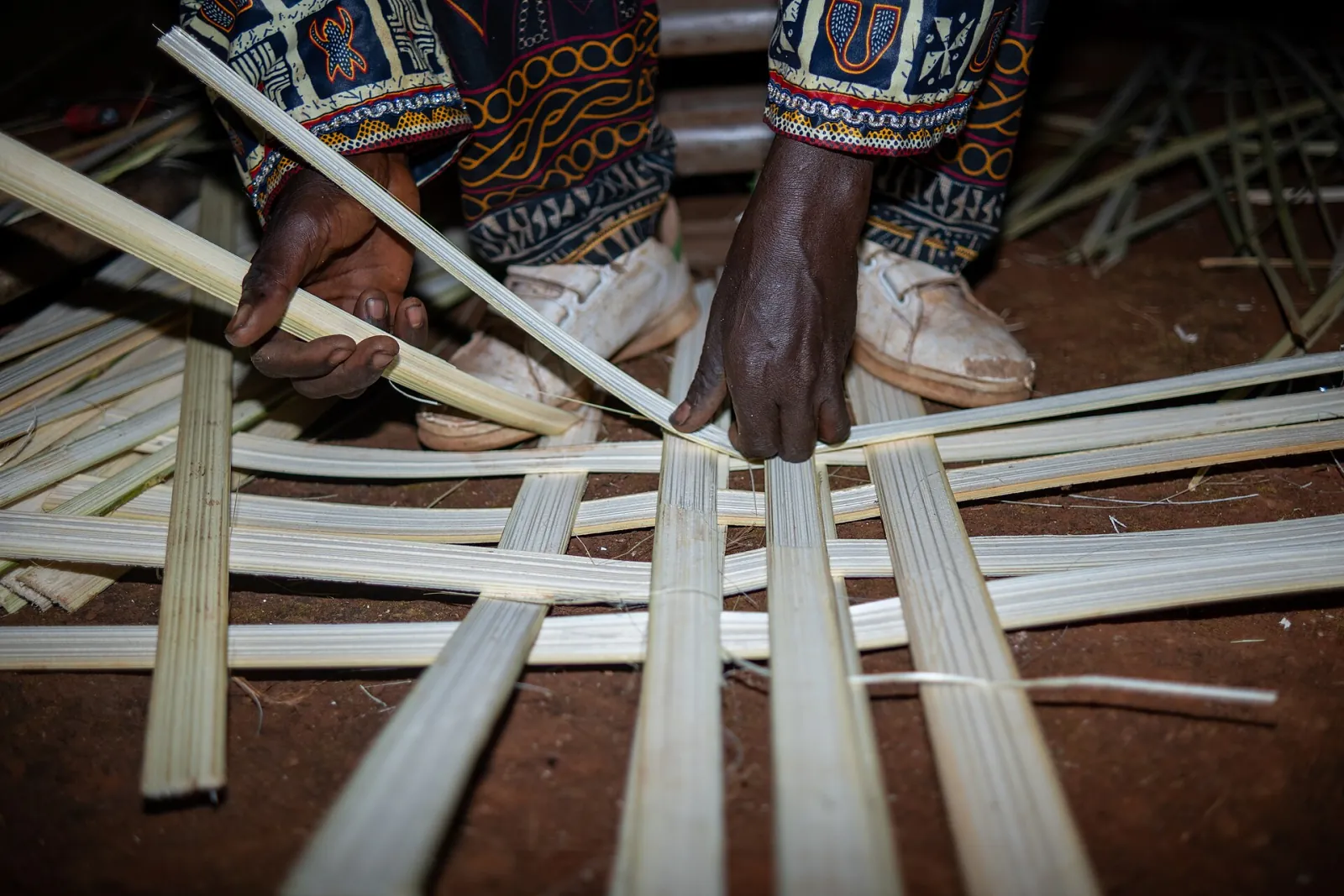
Forges, basketry workshops, weaving and wood sculpture mark out this route, with workshops where you can try for yourself.
Evenings of bikutsi, makossa or court dances, meetings with musicians and an introduction to instruments.
Sacred forests, reserves and landscapes whose stories are kept by the local people.
Short formats with educational booklets, suited to children.
Allow two days per region for a themed circuit, and plan a day of travel between the North and the South.
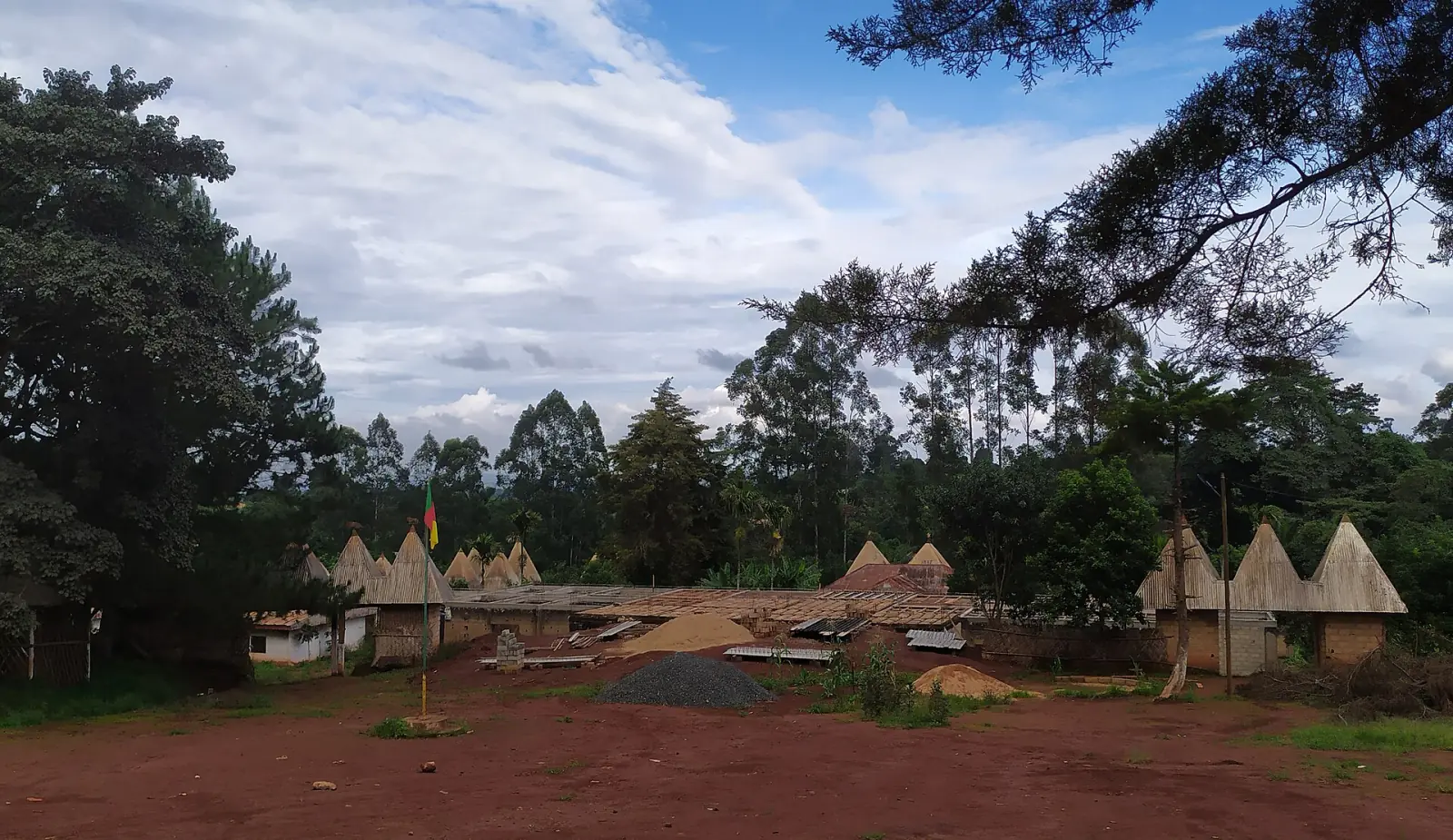
Across the highlands of the West and North-West, dozens of chiefdoms and kingdoms preserve an exceptional court art: palaces decorated with carved posts, meeting huts, masks, thrones, beads and fabrics. The chiefdoms route offers to visit them with respect for local customs.
The route starts in Foumban, capital of the Bamoun kingdom, where you visit the palace and the museum; it passes through the Bamileke chiefdoms of Bandjoun, Baham and Bangangté, then reaches Bafoussam before climbing towards Bamenda and the palace of Bafut. Each stop includes a visit guided by a notable or a palace guardian.
To learn more about the history and organisation of these authorities, see the Traditional chiefdoms page and the pages of the West and North-West regions.
The dry season, from November to February, makes the roads easier; it also coincides with the major chiefdom festivals.
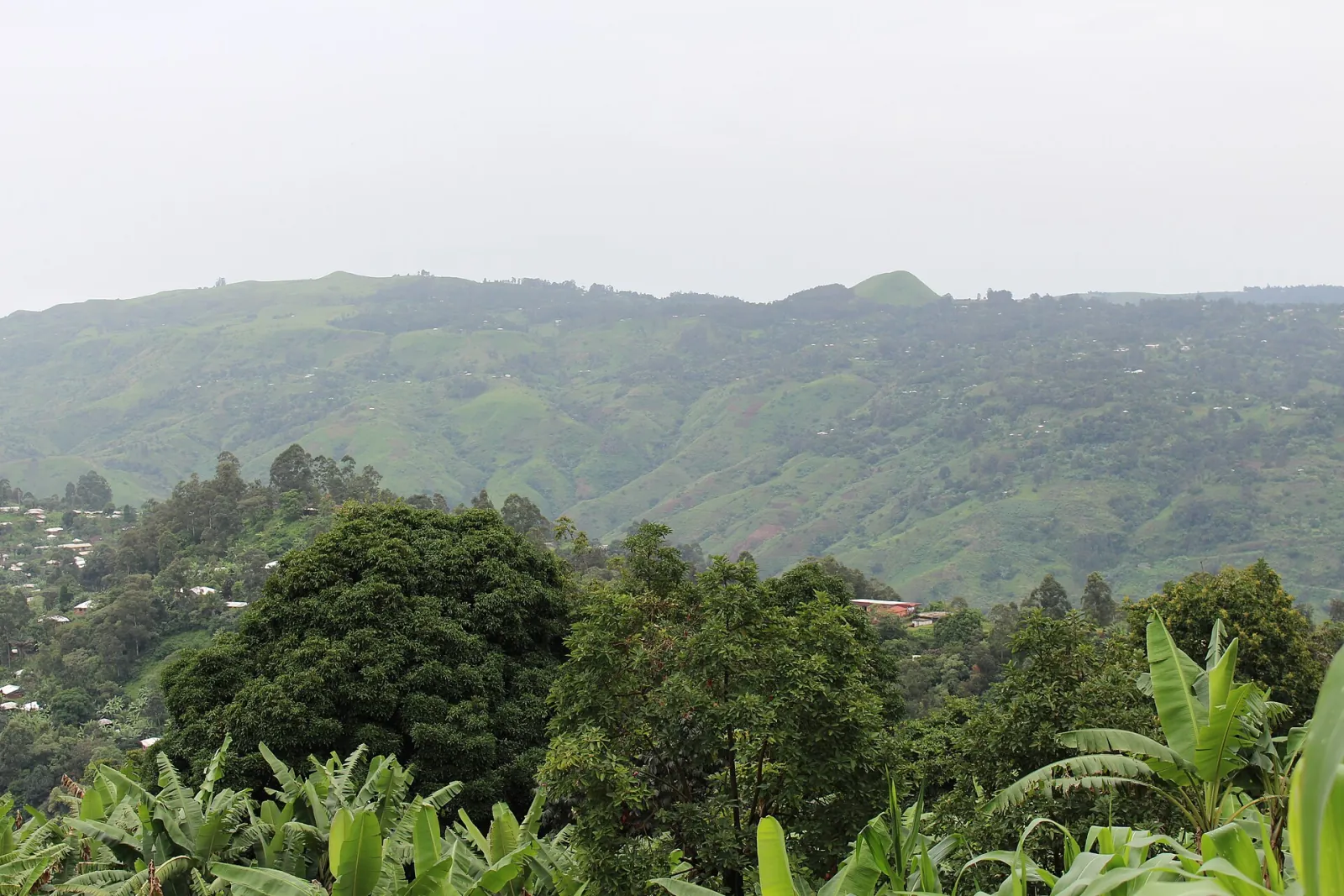
A good map tells a story as much as it guides. The maps offered to travellers fall into three complementary families.
The cultural map lets you filter places by type (museum, chiefdom, natural site, performance venue, workshop), by region and by period. Each point leads to a sheet with opening hours, access and available services.
Each circuit has its own map: road route, approximate distances, recommended stops, accommodation points and places to stop for a meal. They are designed to be printed on an A4 sheet and can be viewed offline once downloaded.
Intended for schools, they combine a simplified route with observation questions and trail games. Teachers use them together with the art education workshops.
Download the maps before leaving: forest and mountain areas are often poorly covered by the mobile network.
Travelling with a guide changes the nature of the visit. Three types of guides coexist and complement each other.
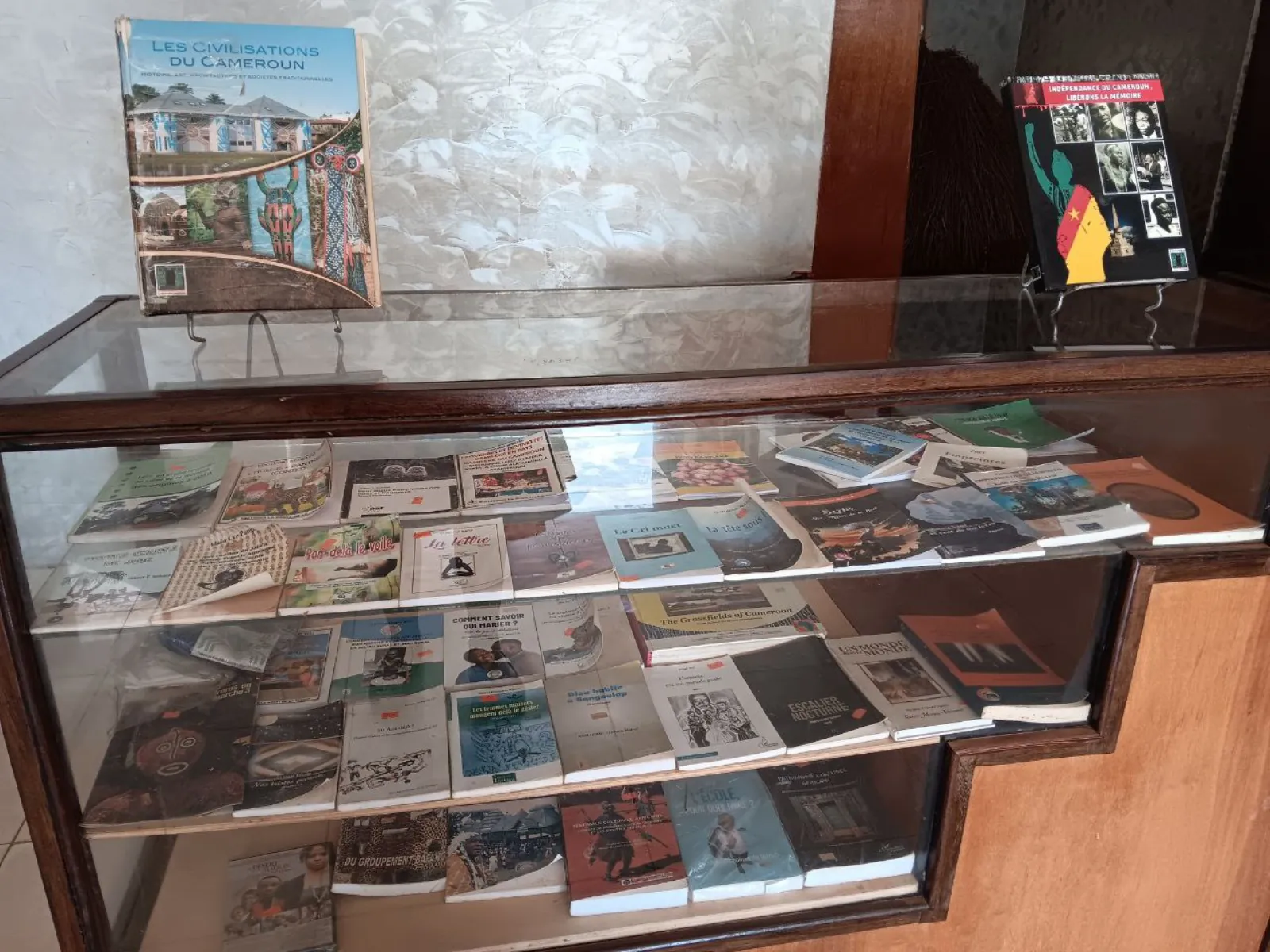
Brochures by region, circuit booklets and site sheets are available at the delegations, museums and cultural centres. The digital versions, in French and English, are listed with their download links in the forms and resources section.
Guides are local residents trained in mediation: they know the terrain, speak the language of the place and see that customs are respected. Operators are accredited and names are provided by the regional delegations. Using a local guide is strongly recommended for chiefdoms, sacred forests and the Mandara Mountains.
A resident wishing to offer visits takes a short course in hosting and mediation; they can then be listed with the delegation of their region. The training pathways for the cultural professions include these modules.
Agencies can also partner with festivals such as Nguon or Ngondo to offer complete packages.
Always ask for the price of the visit before leaving and ask for a receipt; official rates can be consulted on the fees page.
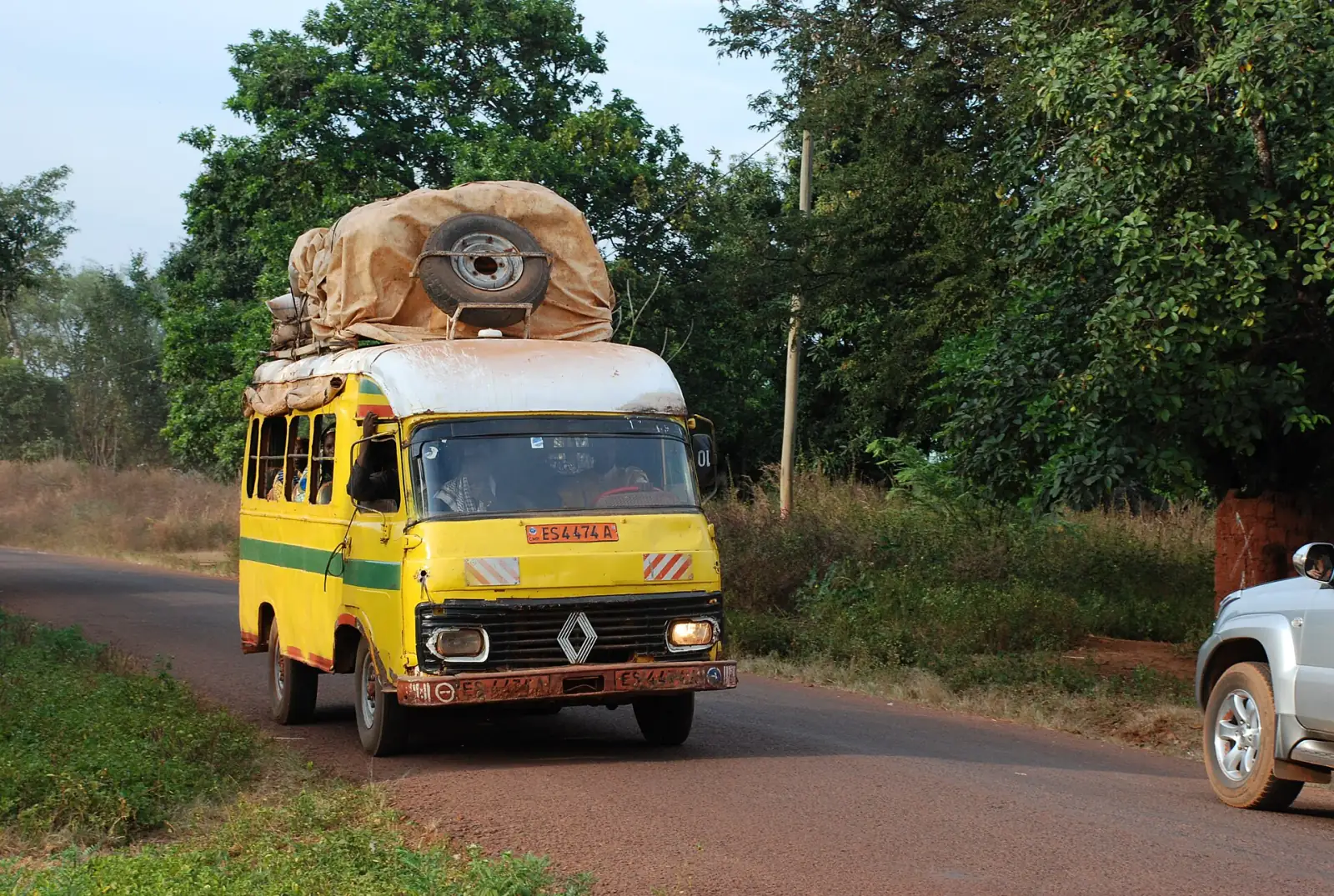
A successful itinerary is prepared. Start by choosing a theme, then a starting region and a realistic duration: distances are long, mountain or forest roads take time, and the rainy season can alter the programme. Then consult the calendar of regional festivals to make your visit coincide with a celebration.
Think about procedures: filming or professional photography requires a filming authorisation, and a group of spectators may need to inform the organiser beforehand. For any practical question, the opening hours and addresses of the delegations are published.
Finally, travel with respect for the inhabitants: ask before photographing, buy crafts directly from the makers and favour accommodation run by local families.
Heritage, festivals, know-how, music or nature: the theme guides the choice of stops and the target audience.
Use the cultural map to identify museums, chiefdoms and workshops, then check their opening hours with the delegation.
Notify each chiefdom, workshop or museum of your visit and agree on the arrangements for the welcome and the contribution.
Plan for a vehicle, a driver who knows the region and a safety margin for difficult roads.
Submit the programme to the delegation, which can advise on adjustments and a local guide.
Send a report and map corrections to enrich future itineraries.
Operators and local authorities can propose a circuit for inclusion on the cultural map.
Contact the delegationFilming a chiefdom or a site requires prior authorisation, to be submitted online.
ApplyChiefdoms and associations can request support to set up a visitor space.
Apply for a grantYoung people of the region follow modules in mediation and hosting.
See the training courses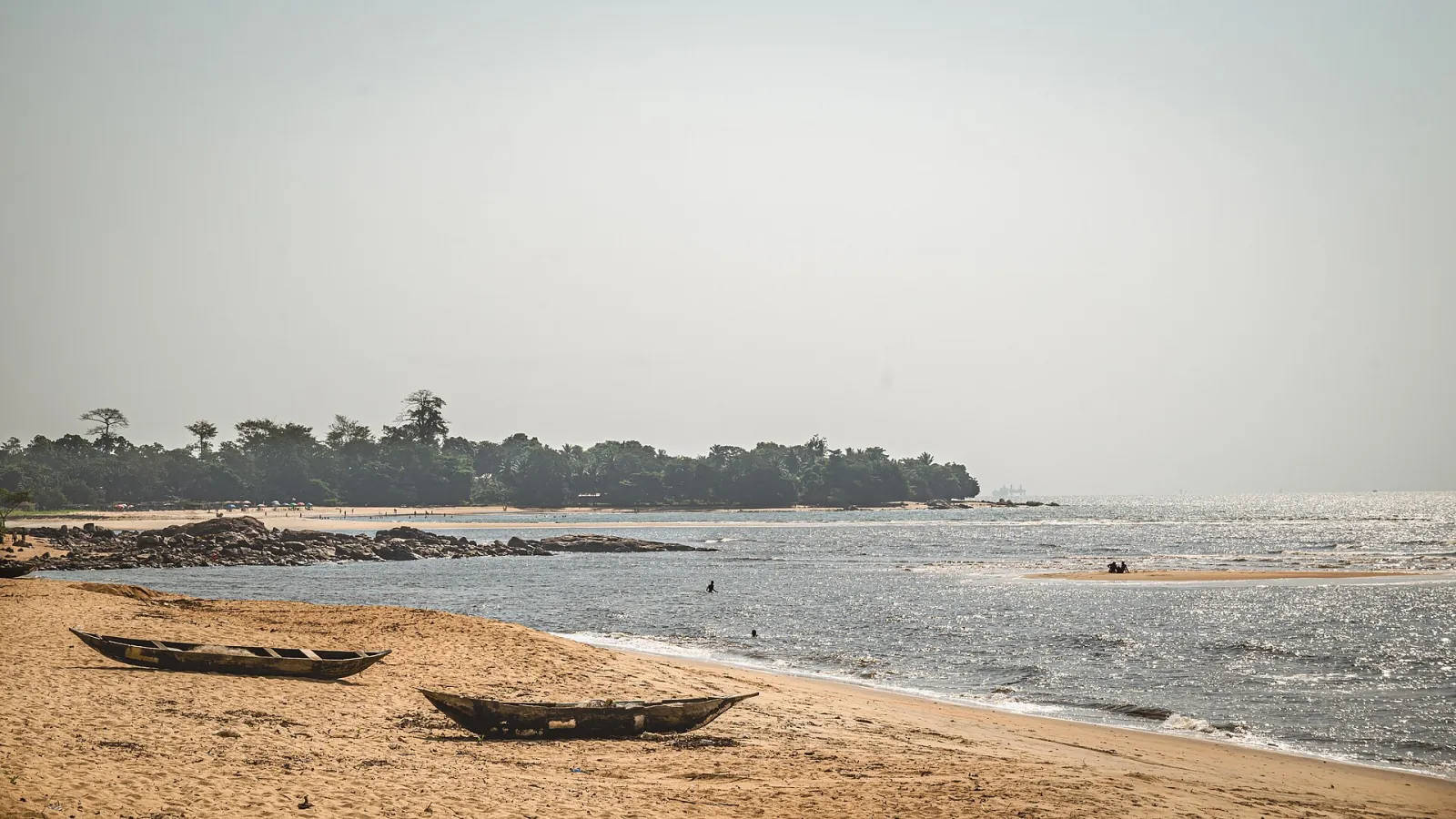
Operators, accommodation and labels that structure cultural travel.
Discover →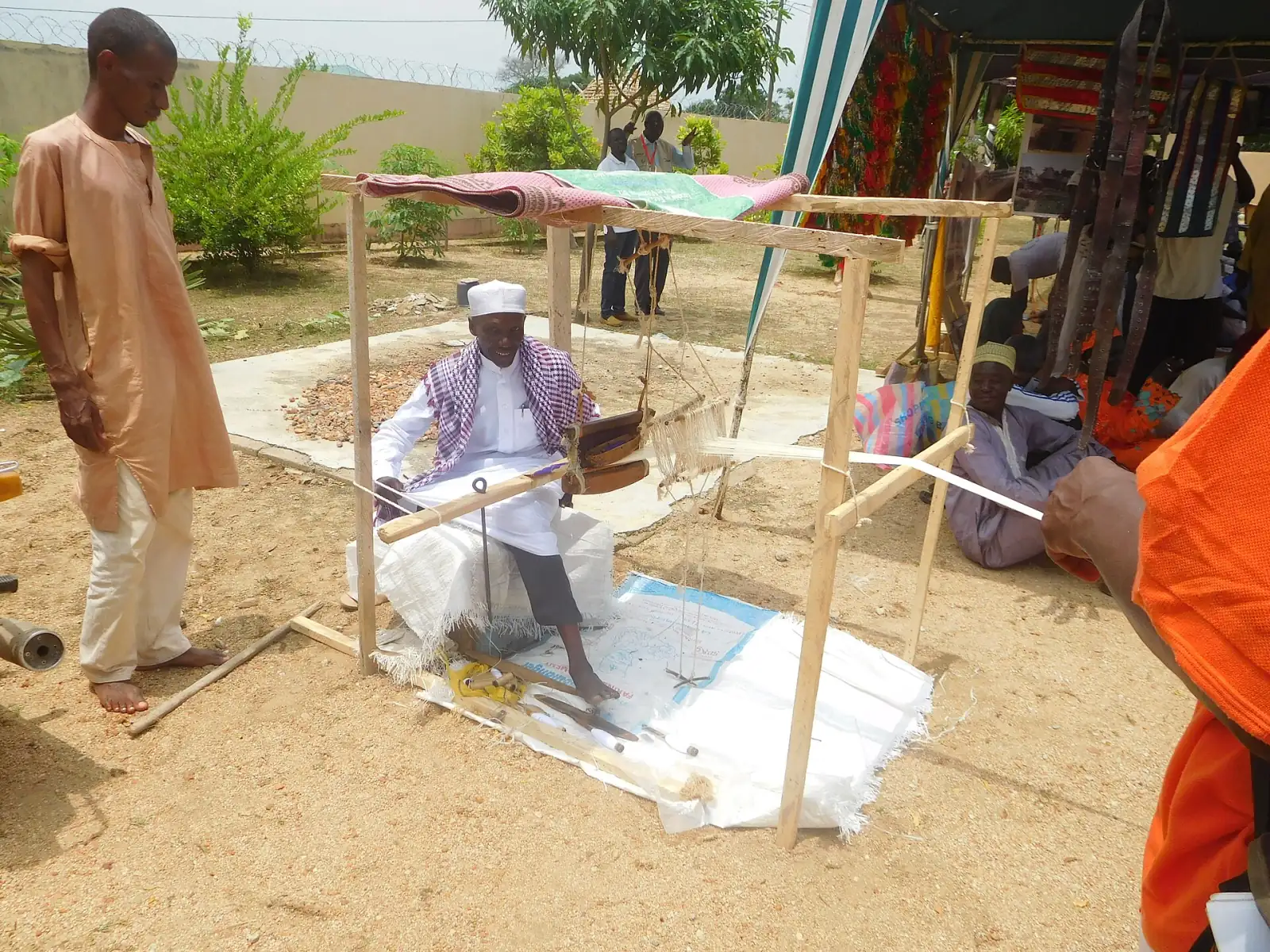
Visit Foumban, Rey-Bouba and the chiefdoms of the West with a guide.
Discover →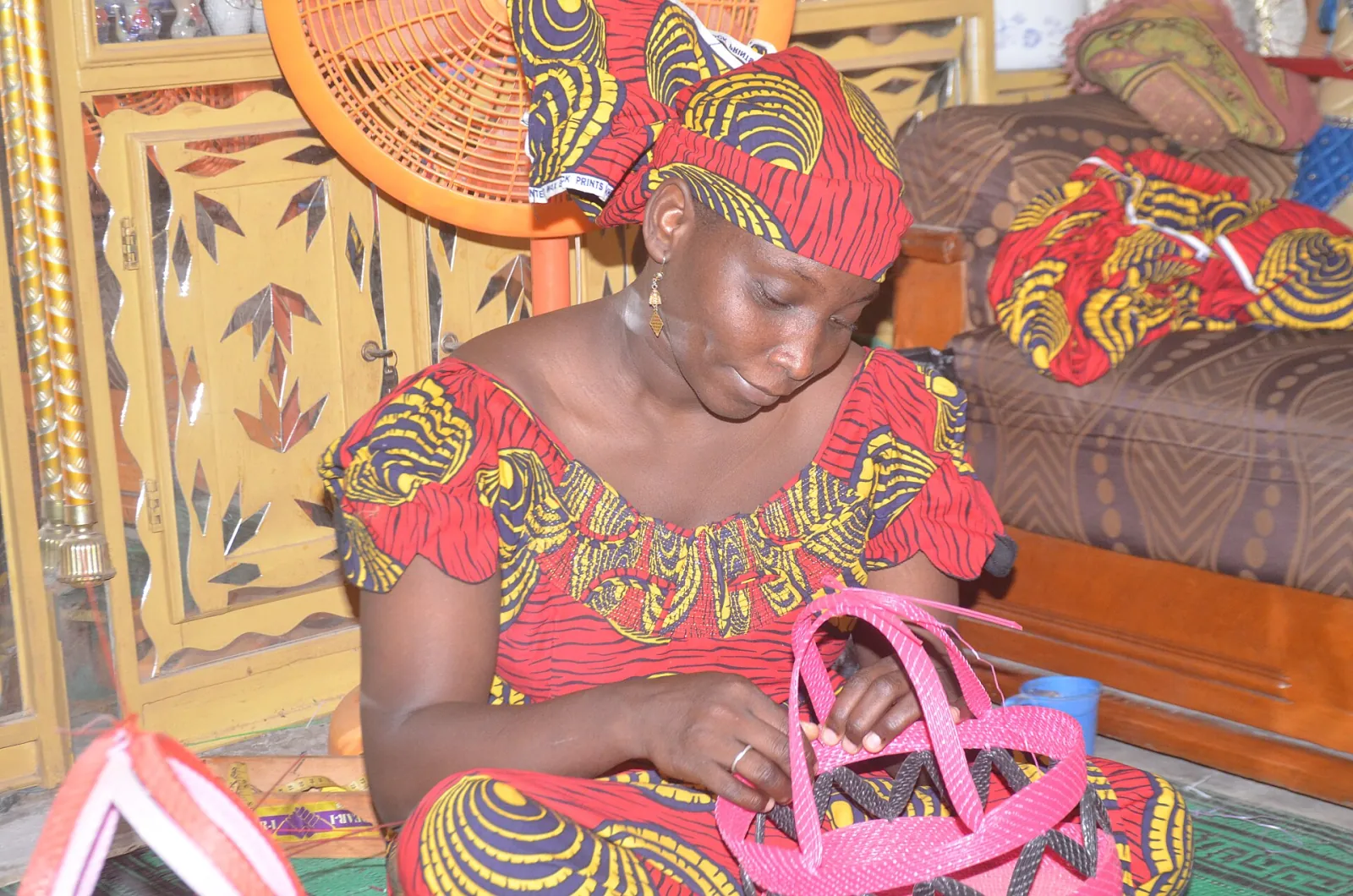
Mandara Mountains, coast, Grassfields and sacred forests.
Discover →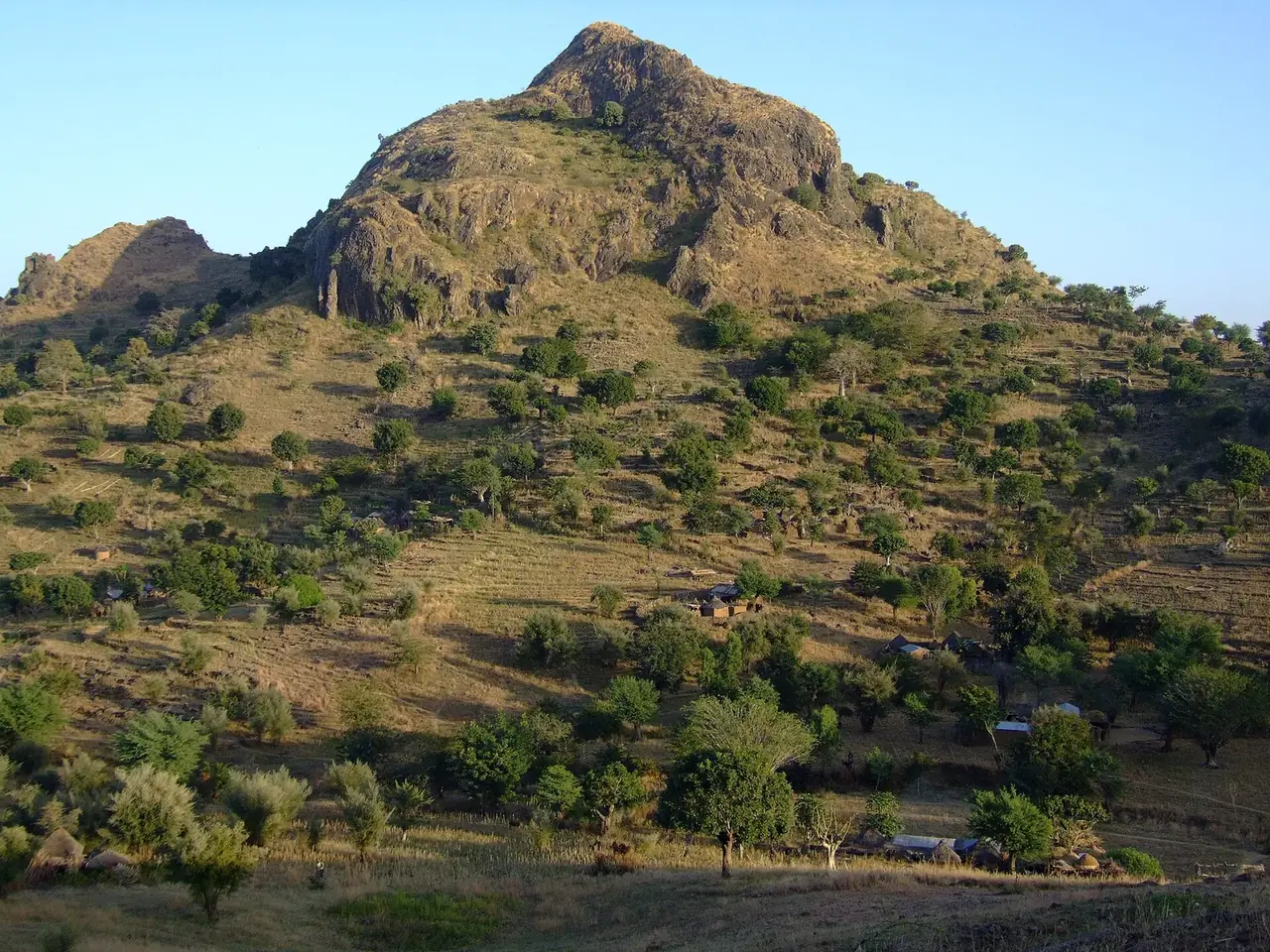
Sites inscribed on the World Heritage List and the country’s tentative list.
Discover →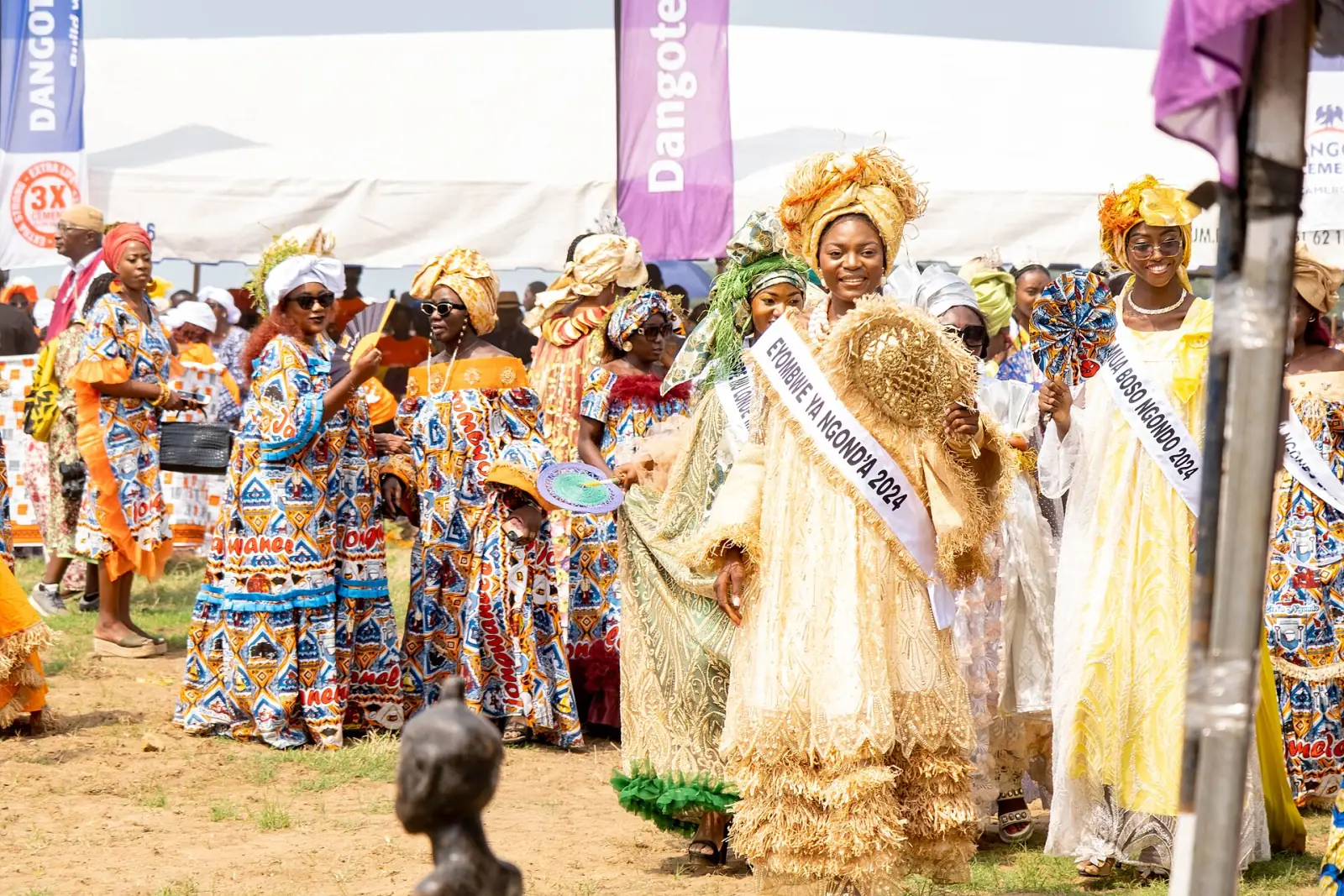
Plan your trip around a festival, region by region.
Discover →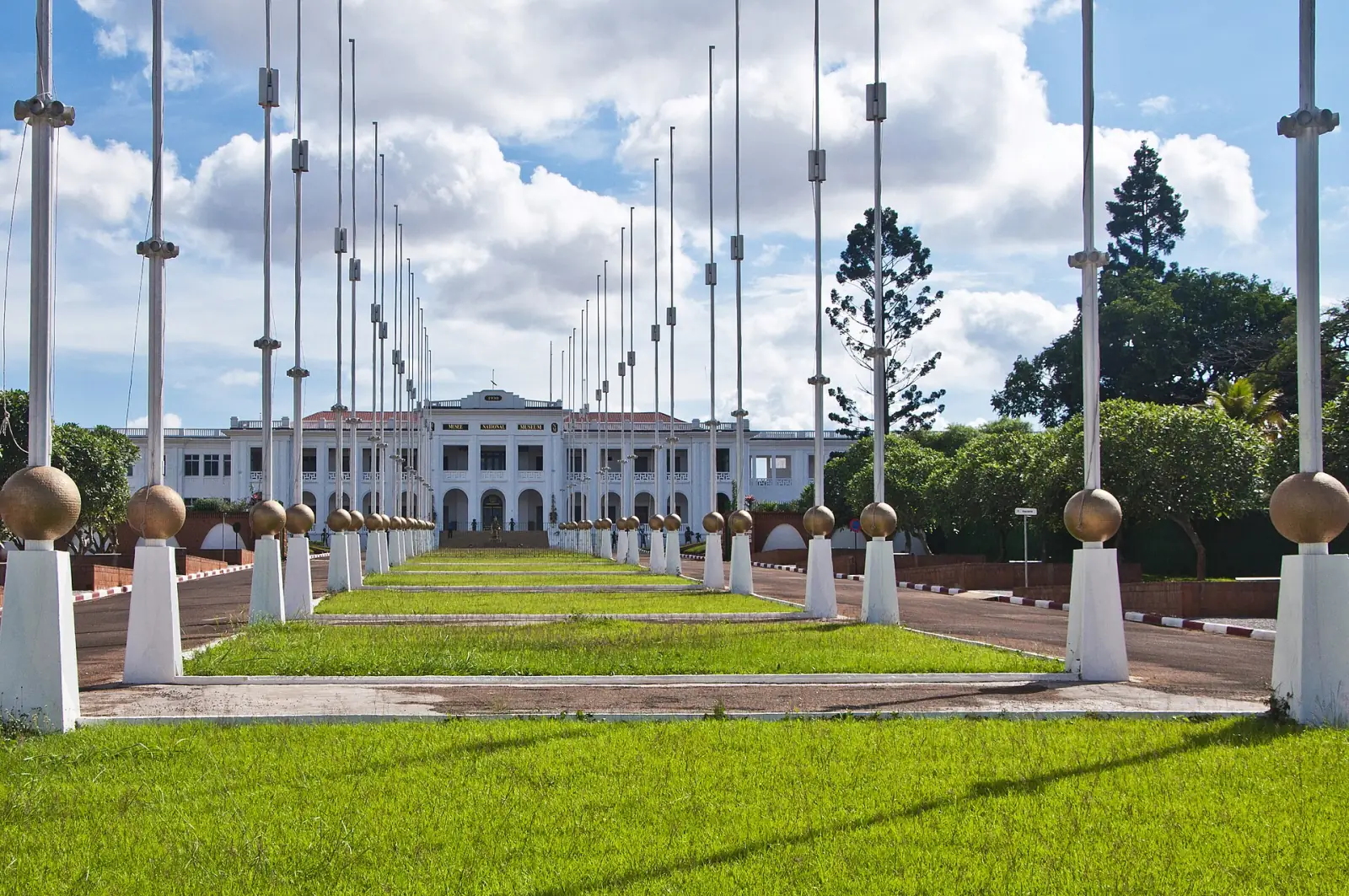
Yaoundé, Dschang and Foumban: opening hours, fees and collections to see.
Discover →We followed the chiefdoms route in six days; the guide knew every notable and every palace story.
The know-how circuit allowed us to forge a tool with a craftsman: an experience we will not forget.
The downloaded map saved us from getting lost in the forest of the South, where the telephone network disappears.
Our class prepared the visit with the educational booklet; the pupils asked the chiefdom questions for an hour.
“You do not visit a chiefdom like a museum: you are received there, and that is what makes the journey unforgettable.”
| Circuit | Regions crossed | Highlights | Recommended duration |
|---|---|---|---|
| Chiefdoms route | West, North-West | Palace of Foumban, Bandjoun, Bafut, chiefdom festivals | 5 to 7 days |
| Mountains and savannahs | Far North, North | Mandara Mountains, Rhumsiki, lamidate of Rey-Bouba, Diy-Gid-Biy | 6 to 8 days |
| Coast and estuary | Littoral, South-West | Ngondo, Mount Cameroon, beaches and ports | 4 to 5 days |
| Forest and springs | South, East | Dja Reserve, forest rites, Bia So Mengong | 5 to 6 days |
| Plateaux of the Centre | Centre, Adamawa | Museums of Yaoundé, Mbam’Art, Ngul Be Mvamba, Ngaoundéré | 4 to 5 days |
| Know-how | All regions | Forges, weaving, basketry, sculpture | 3 days per region |
| School circuit | School’s region | Museum, workshop, neighbouring chiefdom, Rzehwa camp | 1 to 2 days |
Route that links several places around a common theme.
Organised itinerary with planned stops, timetables and welcome.
Agency or association that designs and sells cultural stays.
Signage that allows a route to be followed on the ground.
Support that helps the visitor understand a place or a practice.
Traditional authority and its territory, with its palace and its rules.
A Fulani chiefdom of the North, headed by a lamido.
Member of the council who assists the chief and keeps the customs.
Travel that respects natural environments and benefits residents.
Welcome in a local family, with meals and exchanges.
Sum given to a chiefdom or a site for its upkeep.
Educational outing organised by an establishment.
Locate museums, chiefdoms, venues and festivals on a map filterable by region and theme.
Discover the languages heard along the way and the atlases that locate them on the territory.
Consult data on facilities and visitor numbers for the sites of each region.
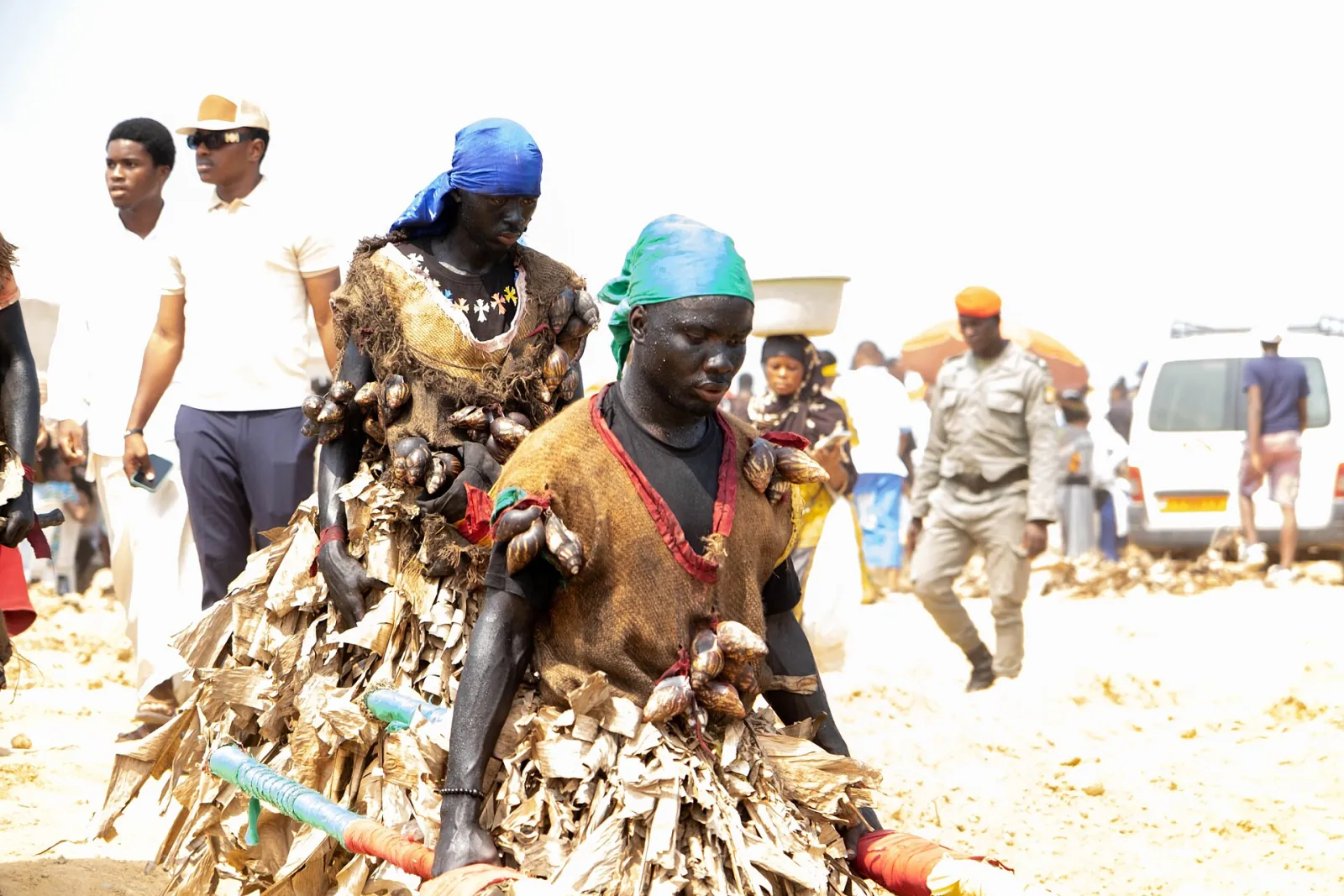
A major Littoral event where songs, canoes, rites and encounters mingle.
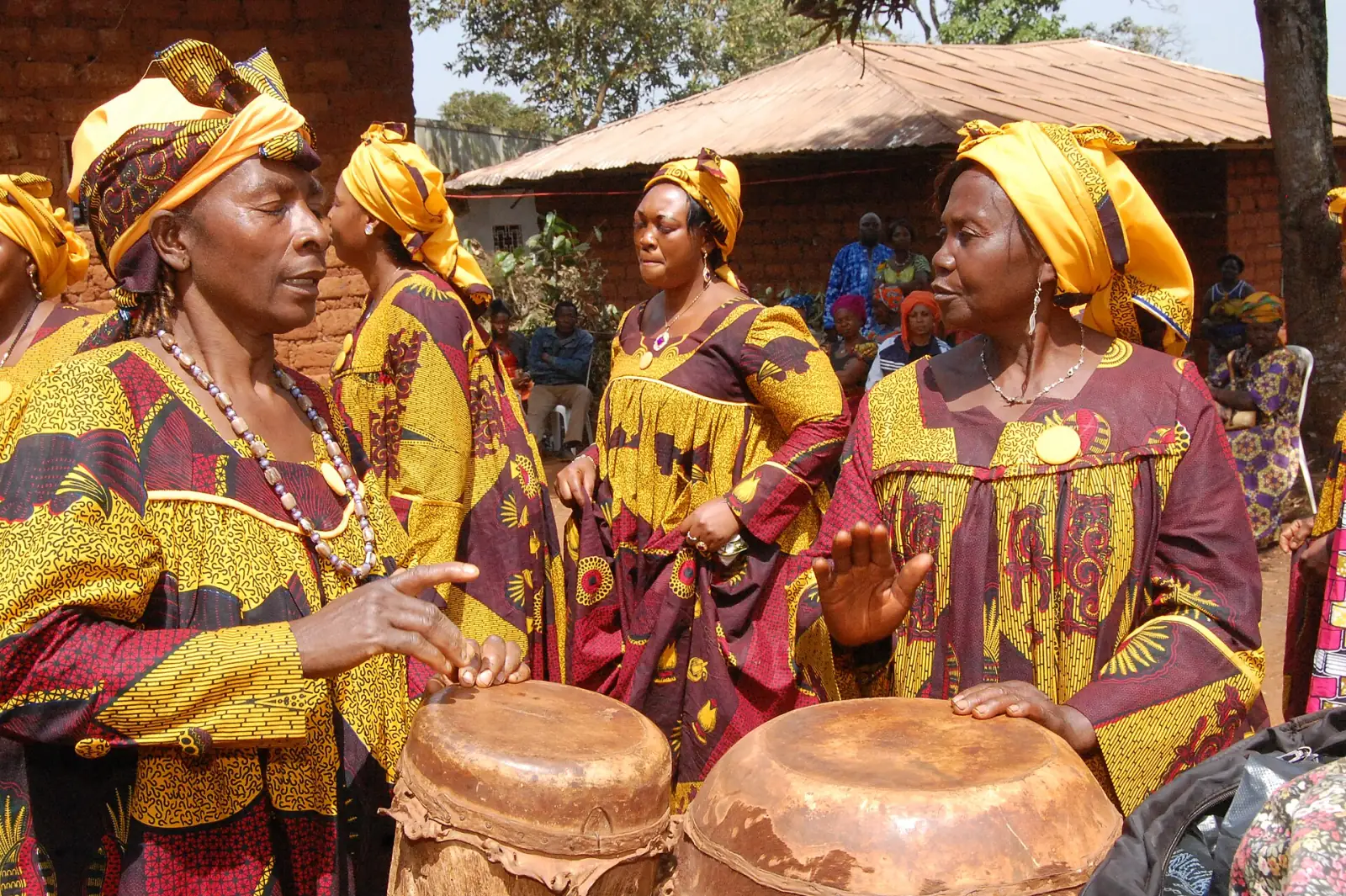
The great festival of the Bamoun kingdom, its court ceremonies and its visits to Foumban.
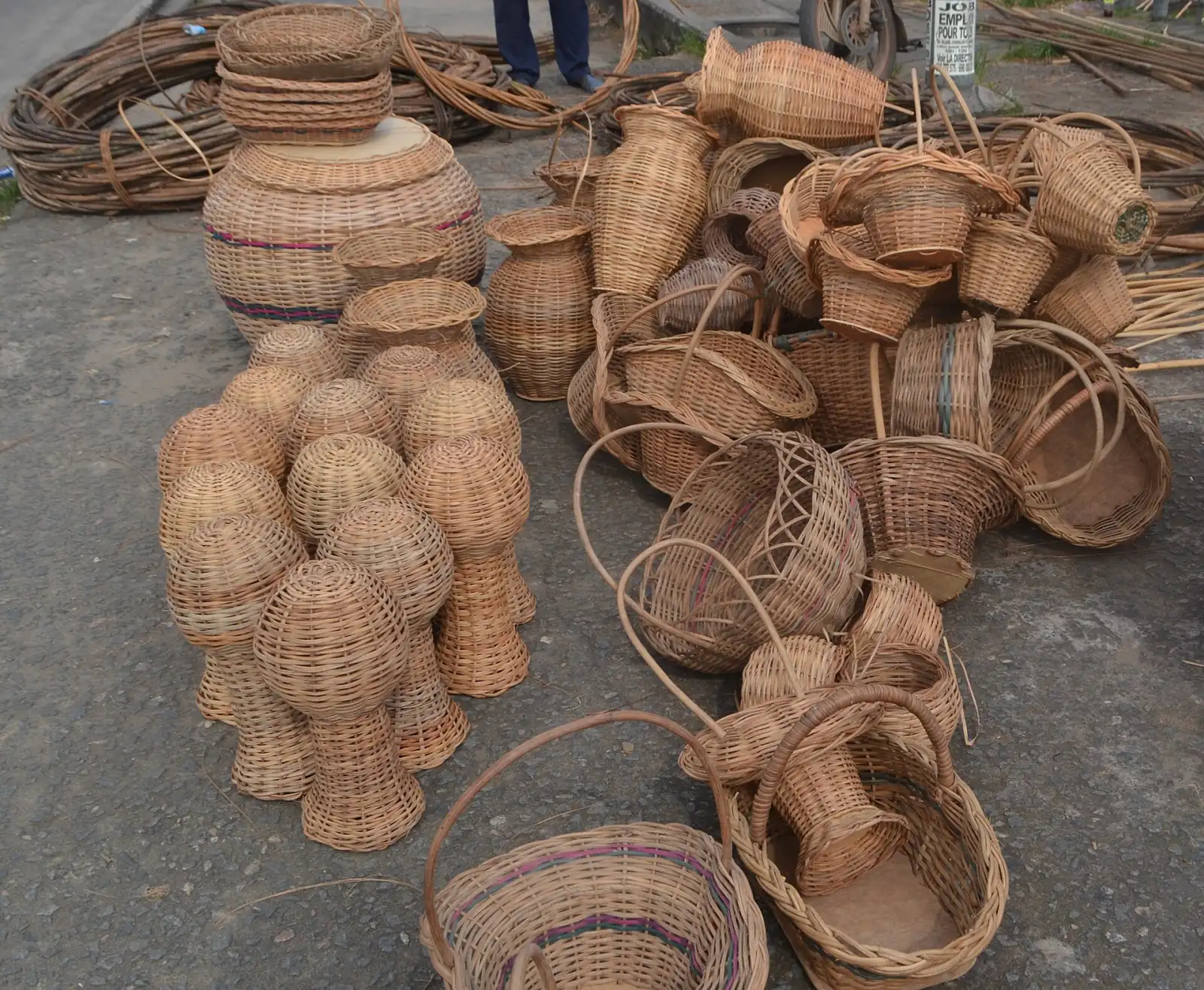
Meet blacksmiths, sculptors and weavers in their workshops, from village to village.
A delegation team, local residents and an operator choose the common thread of the route.
The stops are visited, photographed and checked: access, welcome, capacity, safety.
The route is mapped and each stop receives a sheet with its opening hours and visiting rules.
Local guides attend a session on mediation and first aid.
A test group travels the circuit and its comments are used to adjust the programme.
Visitor numbers, local benefits and satisfaction are measured to improve the offer.
The circuits are listed on the cultural map and described in the guides of the regional delegations. Choose a theme, download the corresponding map and contact the delegation to confirm opening hours, host contacts and any visit fees.
They are residents trained in mediation, listed by the regional delegation or by an accredited operator. They know the language, customs and rules of each place, and can adapt the visit for children or groups of specialists.
It depends on the place and the operator. National museums apply their published fees; chiefdoms ask for a free or locally set contribution; guides charge for their service. Always ask for the price before the visit, and a receipt.
Announce your visit to the chiefdom or the delegation, respect the dress code and instructions, photograph only with consent and hand over the customary contribution. A local guide will take you to the notables.
Professional photography or filming requires a filming authorisation, submitted online. For chiefdoms, the consent of the chiefdom itself is also required.
Fill in the listing sheet and send it to the delegation of the region: an officer checks the stops, the route and the welcome, then proposes its inclusion on the cultural map.
Some sites and museums are adapted, others are not. The sheets on the cultural map indicate the level of accessibility; the delegations can suggest adapted variants.
Choose a short circuit close to the school, ask for the educational booklet and notify the delegation at least three weeks before the outing so as to book the guide and transport.
Directorate of Cultural Heritage
Ministry of Arts and Culture
Quartier du Lac – Ministerial Zone
P.O. Box 1053 Yaoundé, Centre Region, Cameroon
Monday to Friday, 8 am to 4 pm
Discover cultural tourism and prepare your next itinerary with the delegations.