Coat of arms of CameroonMinistry of Arts
and Culture
Republic of Cameroon
My procedures
Home
Minister’s message
News
Press releases
Cultural calendar
Official speeches
Press review
Photo library
Video library
Calls for projects
Job vacancies
Public procurement
Newsletter
Frequently asked questions
Site map
Contact
Press area
Podcast “The Voice of Culture”
Legal notices
Privacy policy
Cookies and trackers
The Ministry
Missions and responsibilities
Organisation
Organisation chart
Minister’s Office (Cabinet)
Management team
General Secretariat
General Inspectorate
Central directorates
Regional Delegations
Institutions under supervision
Legislative texts
Regulatory texts
Sector strategy
Major projects
Budget and reports
Partners
Careers
Archives
Institutional communication
Quality and accessibility
Arts
Visual and plastic arts
Visual arts
Performing arts
Theatre
Dance
Music
Literature and books
Cinema and audiovisual
Photography
Fashion and design
Digital arts
Art crafts
Artists’ directory
Residencies
Prizes and awards
Arts education
Urban arts
Heritage
Tangible heritage
Intangible heritage
UNESCO sites
National museums
Listed monuments
National inventory
Palaces and chiefdoms
Archaeology
Linguistic heritage
Oral traditions
Traditional know-how
Restitution of cultural property
Fight against illicit trafficking
Listing and protection
Conservation and restoration
Heritage Days
Cultural landscapes
Industries
Music and recording
Cinema
Publishing and books
Digital arts
Fashion and creativity
Crafts
Cultural tourism
Funding for culture
Support funds
Incubators
Cultural entrepreneurship
Culture Observatory
Vocational training
Studies and reports
Sector statistics
Export and outreach
Intellectual property
Copyright
Legal framework
Copyright and neighbouring rights
Collective management societies
Register a work
Licences
Private copying
Fight against piracy
Model contracts
Social status of artists
Mediation
Disputes
Training
Fee scales
Register of works
Contact
Digital neighbouring rights
Public domain
Festivals
National calendar
Ngondo
Nguon
Écrans Noirs
Heritage Days
Music Day
Regional festivals
Fairs and exhibitions
Biennials
National competitions
Cultural days
Organise a festival
Event grants
Ticketing
Archives
Volunteering
Diaspora festivals
Regions
Adamawa
Centre
East
Far North
Littoral
North
North-West
West
South
South-West
Cultural map
Regional Delegations
Traditional chiefdoms
National languages
Cultural routes
Decentralised cooperation
Regional observatory
Cooperation
UNESCO
Francophonie (OIF)
African Union
Commonwealth
CEMAC
Bilateral cooperation
Cultural agreements
Professional organisations
Scholarships
Artist exchanges
Cultural years
Diaspora
Funded projects
Embassies
Technical partners
International restitution
International monitoring and calls
Services
Artist card
Show authorisation
Filming authorisation
Festival authorisation
Deposit of a work
Export of works of art
Listing of a property
Grant application
Association accreditation
File tracking
Forms
Fees
Opening hours and addresses
Reporting
Online help
My account
One-Stop Shop
Cooperation

Scholarships

National scholarships, scholarships abroad, applications and laureates: understand training support in art and culture, the eligibility conditions and the follow-up of scholarship holders.

Updated on 6 November 20264 sub-pages
Excellence scholarships awarded in 2026120
Disciplines covered14
Host countries of scholarship holders18
Submission of filesOnline
Scholarships

Study and improve your skills in art and culture

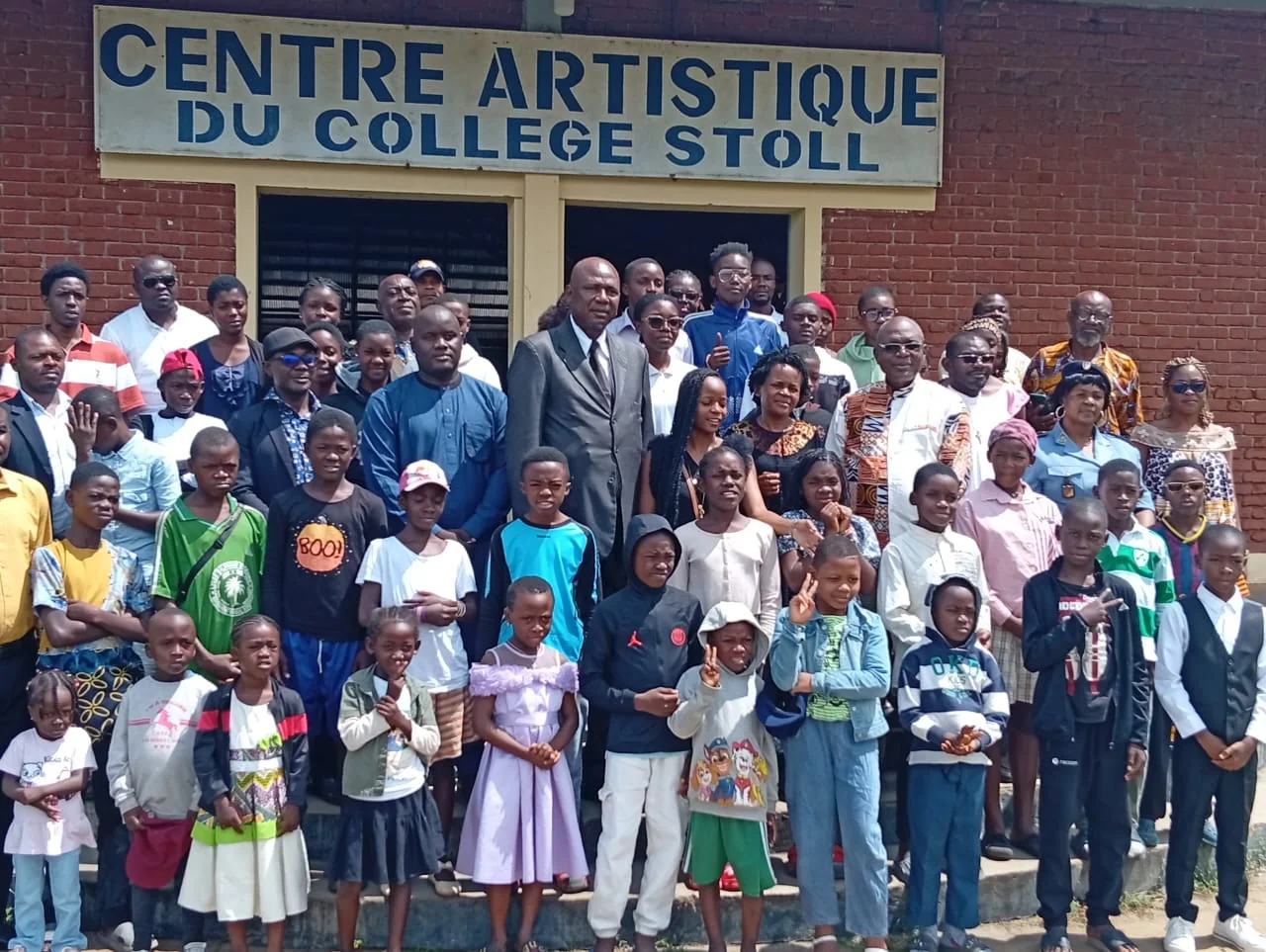
Pupils and staff posing in front of the entrance of the Stoll College arts centre

Becoming an actor, a museum curator, a sound engineer, a publisher or an art object conservator requires solid training. Scholarships from the Ministry and its partners remove a major obstacle: the cost of studies, travel and settling in. They are intended for students, young professionals and established artists who wish to improve their skills.

Two families of scholarships coexist. National scholarships fund courses in Cameroonian institutions; scholarships abroad are offered by partner organisations and countries. This page explains the conditions, timetables, how to submit an application and the follow-up of laureates. Every scholarship announcement is based on an official call published on the site.

  • National scholarships for training in the country’s institutions
  • Scholarships abroad offered by partners
  • Online file submission and an independent jury
View national scholarships
National scholarships

National scholarships for study and professional development

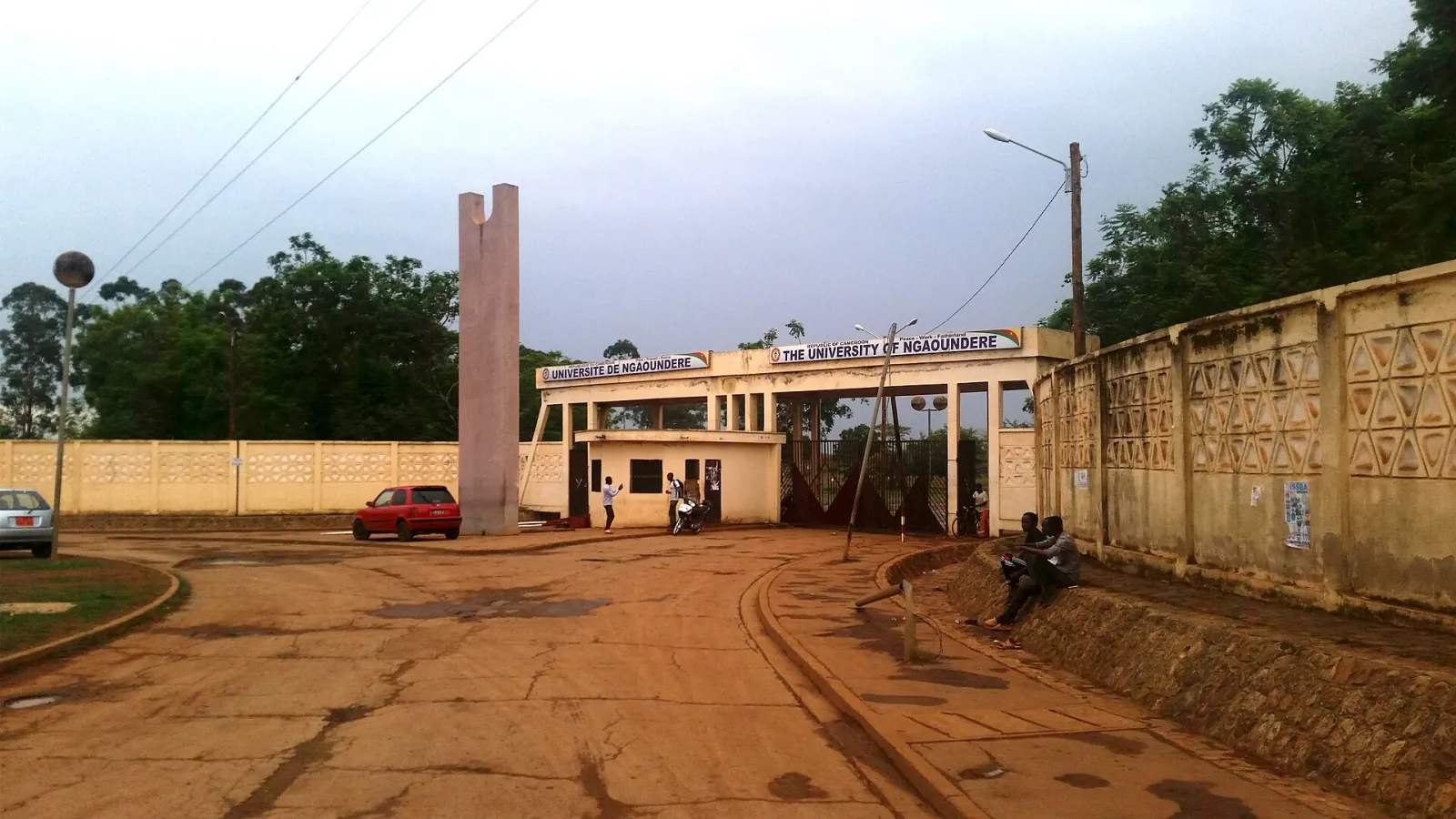
Entrance gate of the University of Ngaoundéré and its stele

National scholarships support courses in the country’s artistic and cultural training institutions: higher schools, institutes, conservatories, cultural centres and master craftsmen’s workshops. They fall into three complementary categories.

The artistic excellence scholarship

Reserved for students enrolled in or admitted to a long course in music, dance, theatre, visual arts, cinema, book professions or heritage conservation, it rewards the strongest academic and artistic files. It covers part of the tuition fees and essential equipment, such as instruments, editing software or studio supplies.
The professional development scholarship

It is aimed at working professionals who want to acquire a specific skill: cultural project management, stage management, copyright, digitisation of archives. The training courses followed come under the programmes listed in the section on training for cultural professions.

The knowledge transmission scholarship

It enables a master artist or a holder of know-how to host an apprentice for a season. This support is linked to policies on traditional know-how and fine crafts.

National scholarships are awarded for one academic year, renewable on the basis of results. They complement the arts education offer and are open to candidates from all regions.

ℹ️
Good to know

No amount is stated here: each call specifies the nature of the support, its duration and the costs covered. Consult the calls for projects.

Scholarships abroad

Scholarships abroad offered by partners

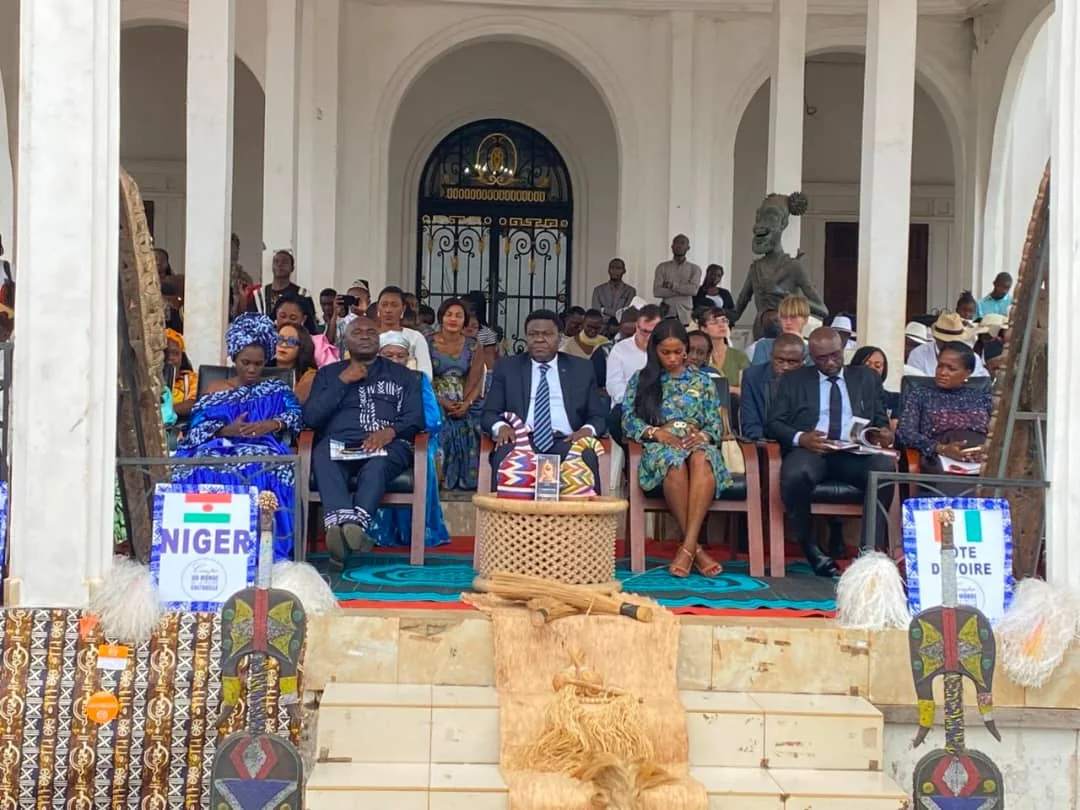
Foreign delegations seated under the Ministry gallery during a ceremony

Many of Cameroon’s partners offer study or research scholarships to Cameroonian candidates. The Ministry relays these offers, helps to put files together and, where necessary, handles the official presentation of applications.

Major multilateral networks

The countries of the Commonwealth and the institutions of the Francophonie regularly offer places to students or researchers, notably in literature, visual arts, heritage management and cultural mediation. UNESCO and its networks also offer scholarships and professional development programmes in the heritage professions.

Bilateral agreements

Under cultural agreements and bilateral cooperation, several countries in Europe, Asia, the Americas and Africa reserve scholarships for Cameroonian candidates. The disciplines range from conservation-restoration to animation, including musicology and film professions.

Practical advice

  • Check that the diploma and the language of instruction meet the requirements of the host country;
  • Plan visa procedures as soon as the result is announced;
  • Seek information from the embassy of the country concerned;
  • Keep proof of return for the Ministry’s follow-up.

Established artists can also turn to artist exchanges, which fund residencies and tours rather than long courses of study.

Applications

Submitting an application: timetable, documents and advice

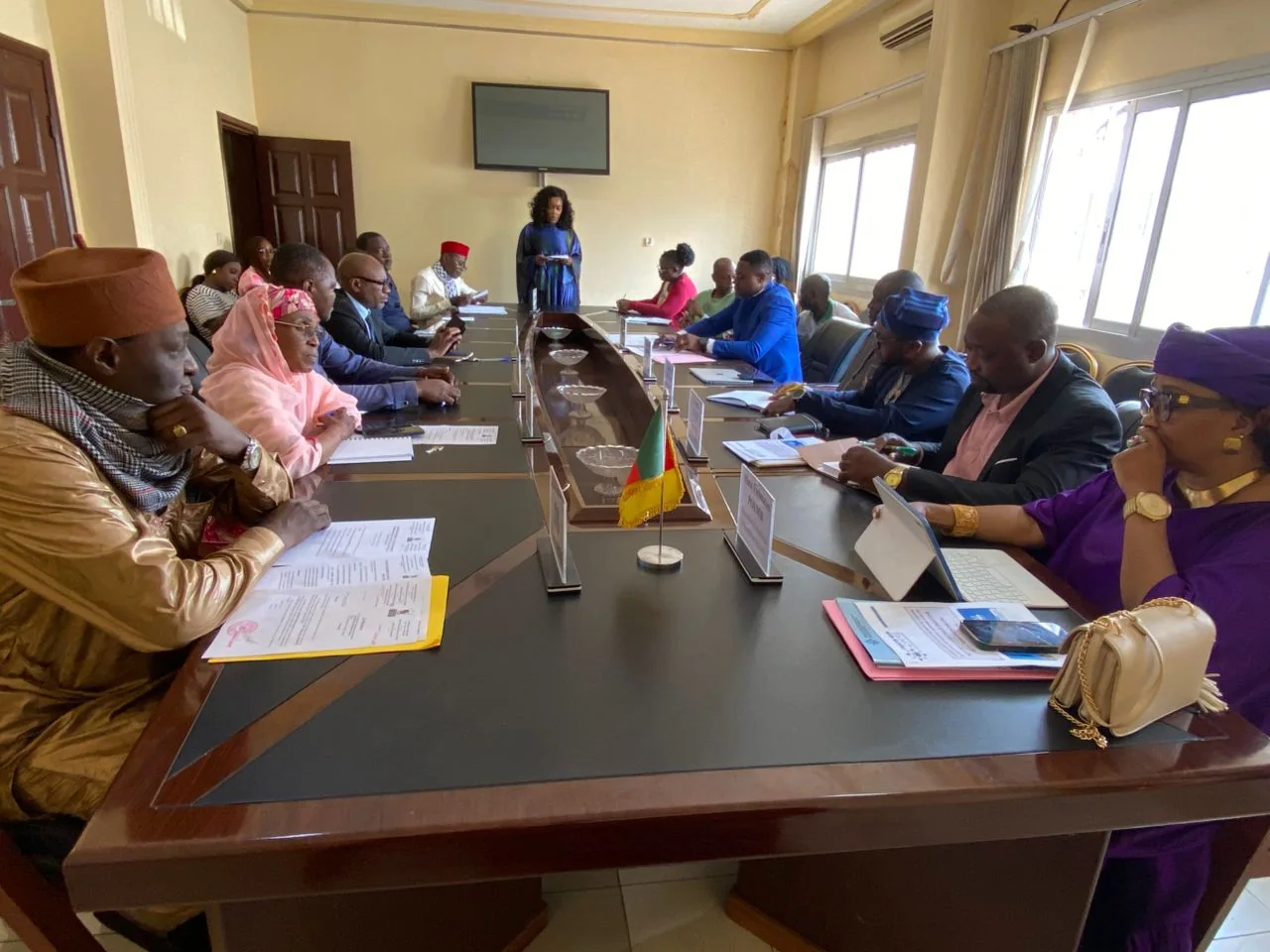
Working meeting around a large table in a Ministry room

Each scholarship is announced by a call that sets the conditions, the documents required and the deadline. Applications are submitted online via the One-Stop Shop, with a file number that lets you track progress.

Documents usually required

  • A cover letter of no more than two pages, presenting the study project;
  • A detailed curriculum vitae and copies of diplomas;
  • Transcripts for the last two years;
  • A portfolio or artistic file, with audio, video or image extracts;
  • A letter of admission or pre-admission where the institution requires it;
  • Two letters of recommendation from people who know the candidate’s work.

The typical calendar

A call remains open for between four and eight weeks. A commission then checks admissibility, after which a jury made up of culture professionals, teachers and representatives of the directorates concerned assesses the files. Results are published about two months after the closing date.

Mistakes to avoid

Incomplete files, illegible documents and late applications are rejected. Also avoid writing a generic letter: the jury expects a specific project, realistic objectives and a plan for returning to Cameroon. For help, use the online help or consult the forms page.

ℹ️
Track your file

Each submission is followed by an acknowledgement of receipt. Go to file tracking with your number to find out the status of your application.

Laureates

Laureates: cohorts, commitments and follow-up

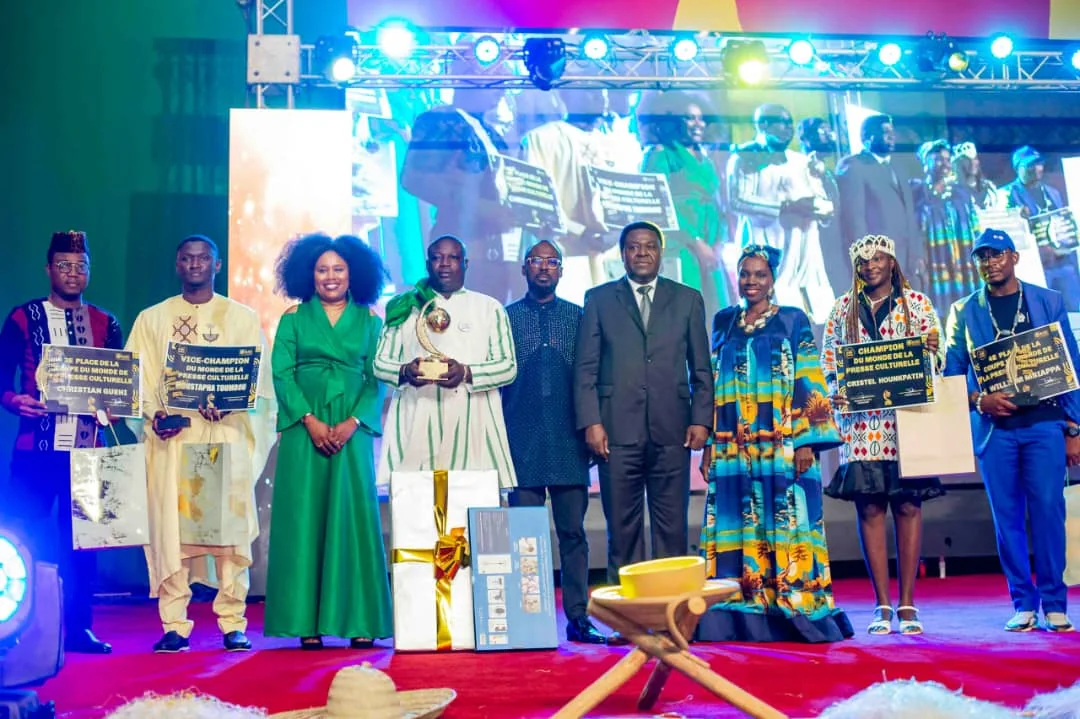
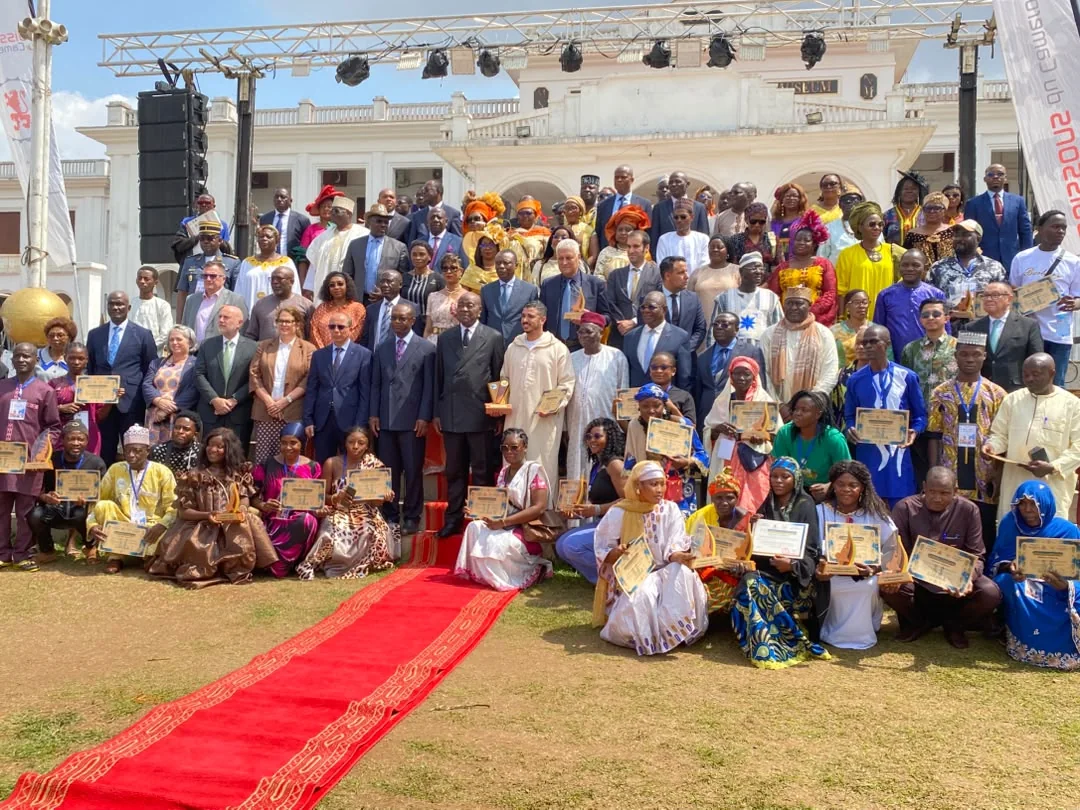
Award winners pose with their trophies and certificates on a red-carpeted stage, alongside two dignitaries.

Laureates are designated by order of the Minister, on the proposal of the jury, and are then notified by e-mail. The names of scholarship holders are then published with their consent, together with their discipline and host institution. A scholarship holder may refuse publication of their name.

Cohorts

Scholarship holders of the same year form a cohort. They are brought together at the start of their course for an orientation meeting in Yaoundé, where they meet the Ministry’s directorates, former scholarship holders and professionals in their sector. These meetings foster lasting exchanges.

Commitments

By accepting a scholarship, the laureate undertakes to follow their training diligently, to submit two progress reports a year and, at the end of their course, to pass on their knowledge: a workshop, a lecture, a placement or participation in a public project. A scholarship holder who continues their studies abroad undertakes to return and contribute to Cameroonian cultural life for at least two years, notably with a delegation, a museum or a company.

The alumni network

A network of former scholarship holders, led by the Cooperation Unit, connects graduates based in the country and abroad. It feeds the artists’ directory, residencies and diaspora programmes.

The laureates’ success also feeds into the prizes and distinctions awarded each year to artists and culture professionals.

Getting ready

Preparing a file that convinces the jury

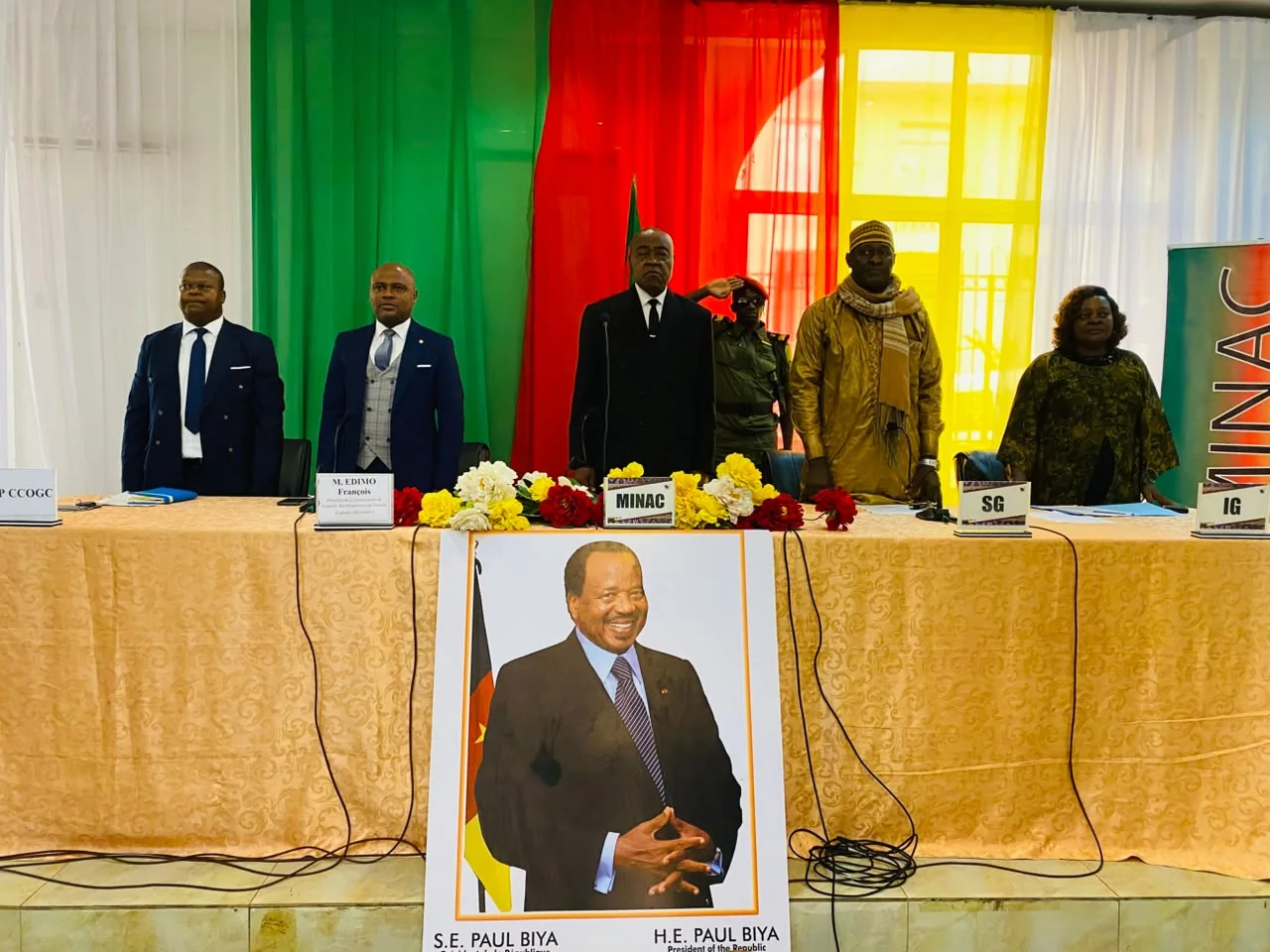
Opening session with the portrait of the Head of State in front of the panel table

A good file begins months before a call opens. Build an up-to-date portfolio, gather your transcripts, identify two people able to recommend your work and carefully choose the institutions that match your project.

Step by step

From the call to the start of term: a scholarship holder’s journey

Spot the call

Check the calls section and international monitoring, and note the conditions, the disciplines concerned and the submission deadline.

Prepare the file

Gather your cover letter, diplomas, transcripts, portfolio and recommendations, then scan each document in good quality.

Submit online

Send the complete file via the One-Stop Shop before the closing date and keep the acknowledgement of receipt with the file number.

Appear before the jury

A commission checks admissibility, then the jury assesses the files; some candidates are summoned for an interview.

Accept and get organised

After the order is issued, the laureate confirms acceptance, signs the undertaking, prepares their visa or enrolment and takes part in the orientation meeting.

Study and report

The scholarship holder sends two reports a year, stays in contact with the Ministry and passes on what they have learned on their return.

Key facts

Scholarships at a glance

Type of scholarshipTarget audienceWhere the training takes placeHow to apply
Artistic excellenceStudents on long coursesCameroonian institutionsAnnual call, online submission
Professional developmentWorking professionalsTraining centres in the countryHalf-yearly call, file and project
Transmission of know-howMaster artists and apprenticesWorkshops and chiefdomsJoint master-apprentice file
Commonwealth scholarshipsStudents and researchersUniversities of member countriesCall relayed by the Ministry
Francophonie scholarshipsYoung graduates, artistsFrancophone institutionsCall relayed by the Ministry
Bilateral scholarshipsSelected candidatesPartner countries by agreementFile presented by the Ministry
Scholarships from UNESCO and its networksHeritage professionalsSpecialised training centresApplication according to the call
Scholarship holders’ journeys

They studied thanks to scholarships

“
The excellence scholarship allowed me to follow my training in stage management without giving up my placements at a theatre in Douala.
A performing arts technician, Douala
National scholarship
“
I spent a year at a conservation school abroad; on my return, I trained six museum staff in my region.
A conservator, West
Scholarship abroad
“
My file was rejected the first time; the support workshops taught me how to structure my project and present my portfolio better.
A young filmmaker, Yaoundé
Application
“
The alumni meeting put me in touch with a publisher: together we are preparing a collection of tales in national languages.
An author and translator, North-West
Alumni network
To download

The applicant’s resources

“A scholarship does not just fund studies: it opens a door, and it is up to the person who walks through it to hold it open for others.”

A former scholarship holder, museum curator
Glossary

The vocabulary of scholarships

Scholarship

Financial support awarded to a student or professional to follow a course of training.

Application

A complete file submitted to apply for a scholarship, within the deadlines set by the call.

Winner

A candidate selected by the jury at the end of the selection process.

Call

An official invitation to apply, specifying the conditions, documents and deadline.

Jury

A commission of professionals that assesses files and proposes the list of laureates.

Admissibility

A preliminary review that checks that a file is complete and meets the conditions.

Portfolio

A collection of artistic or professional work that illustrates the candidate’s career.

Pre-admission

An institution’s agreement in principle to host a candidate, before the scholarship decision.

Progress report

A regular account sent by the scholarship holder to report on their studies.

Promotion

All the scholarship holders selected in the same year.

Mobility

A study or work stay in another country, often supported by a cooperation agreement.

Current calls

Open scholarship calls

To act

Procedures for applying

View the calls

All scholarship calls are published with their conditions and deadlines.

See the calls

Submit a file

Submit your application online and keep your file number.

One-Stop Shop

Track your application

Enter your number to find out the status of your file.

Follow

Get help

Online assistance guides you in putting together and scanning your documents.

Online help
On the site

Read further on scholarships

Resources

Useful links for scholarships

Stakeholders

Who supports scholarships?

Journey

Cultural scholarships over the years

1970sThe first State scholarships

The first Cameroonian students in arts and letters leave to train abroad thanks to cooperation agreements.

1990sDiversification

Multilateral partners open training programmes for managers in culture, museums and libraries.

2010sNational scholarships

The Ministry creates its first professional development grants in Cameroonian institutions, open to all regions.

2024Online submission

Applications are received through the One-Stop Shop; follow-up is carried out with a file number.

2026A cohort of 120 scholarship holders

This year’s cohort brings together students and professionals from ten regions, across fourteen disciplines.

To explore

Scholarships in other sections

Questions

Your questions about scholarships

Where can I find the open scholarship calls?

All calls are published in the calls for projects section, with the conditions, the documents required and the deadline. International monitoring relays those of foreign partners each month. Only an announcement published on the site is authoritative.

Who can apply for a national scholarship?

Candidates of Cameroonian nationality, enrolled in or admitted to an artistic or cultural training institution in the country, and working professionals for professional development. Age and level requirements vary according to the call: read them carefully.

How do I submit my application?

Submission is made online via the One-Stop Shop: you create your file, attach your scanned documents and receive an acknowledgement of receipt with a number. Paper files are not accepted, unless the call states otherwise.

What supporting documents must be provided?

In general: a cover letter, a curriculum vitae, copies of diplomas and transcripts, a portfolio or artistic file, a letter of admission or pre-admission and two letters of recommendation. The call specifies the exact list, which may vary by discipline.

How long does the review of a file take?

After the closing date, the admissibility check takes about two weeks, then the jury meets. Results are generally announced two months after the deadline. Follow progress with your file number on the tracking page.

Can I hold several scholarships at the same time?

Yes, where the regulations allow it. You must declare in your file all the support obtained or applied for. The jury may take a combination into account when allocating scholarships, without automatically excluding the candidate.

What should I do after obtaining a scholarship abroad?

Confirm your acceptance within the stated deadline, sign the undertaking charter, prepare your visa with the embassy and take part in the orientation meeting. You will then send two progress reports a year to the Ministry, until the end of your course.

Can an established artist apply for a scholarship?

Yes, the professional development scholarship is open to working artists who wish to acquire a specific skill. For travelling and presenting one’s work, artist exchanges and residencies are another route, better suited to creative projects.

Where can I get help putting together my file?

Online help answers questions about documents and scanning. Proofreading workshops are also held in the regional delegations before each closing date. Finally, you can write to the Ministry, stating the scholarship you are aiming for and your difficulty.

Contact

Write to the Ministry: Scholarships

Specify the partner or programme concerned.

Contacts

Contact the Ministry’s cooperation team

Address

Ministry of Arts and Culture
Quartier du Lac – Ministerial Zone
P.O. Box 1053 Yaoundé, Centre Region, Cameroon

Reach us

+237 6 51 70 58 41

contact@minac.gov.cm

Opening hours

Monday to Friday, 8 am to 4 pm

A study project to fund?

Check the open scholarship calls and submit your file online before the deadline.

View scholarship calls
WhatsApp