Coat of arms of CameroonMinistry of Arts
and Culture
Republic of Cameroon
My procedures
Home
Minister’s message
News
Press releases
Cultural calendar
Official speeches
Press review
Photo library
Video library
Calls for projects
Job vacancies
Public procurement
Newsletter
Frequently asked questions
Site map
Contact
Press area
Podcast “The Voice of Culture”
Legal notices
Privacy policy
Cookies and trackers
The Ministry
Missions and responsibilities
Organisation
Organisation chart
Minister’s Office (Cabinet)
Management team
General Secretariat
General Inspectorate
Central directorates
Regional Delegations
Institutions under supervision
Legislative texts
Regulatory texts
Sector strategy
Major projects
Budget and reports
Partners
Careers
Archives
Institutional communication
Quality and accessibility
Arts
Visual and plastic arts
Visual arts
Performing arts
Theatre
Dance
Music
Literature and books
Cinema and audiovisual
Photography
Fashion and design
Digital arts
Art crafts
Artists’ directory
Residencies
Prizes and awards
Arts education
Urban arts
Heritage
Tangible heritage
Intangible heritage
UNESCO sites
National museums
Listed monuments
National inventory
Palaces and chiefdoms
Archaeology
Linguistic heritage
Oral traditions
Traditional know-how
Restitution of cultural property
Fight against illicit trafficking
Listing and protection
Conservation and restoration
Heritage Days
Cultural landscapes
Industries
Music and recording
Cinema
Publishing and books
Digital arts
Fashion and creativity
Crafts
Cultural tourism
Funding for culture
Support funds
Incubators
Cultural entrepreneurship
Culture Observatory
Vocational training
Studies and reports
Sector statistics
Export and outreach
Intellectual property
Copyright
Legal framework
Copyright and neighbouring rights
Collective management societies
Register a work
Licences
Private copying
Fight against piracy
Model contracts
Social status of artists
Mediation
Disputes
Training
Fee scales
Register of works
Contact
Digital neighbouring rights
Public domain
Festivals
National calendar
Ngondo
Nguon
Écrans Noirs
Heritage Days
Music Day
Regional festivals
Fairs and exhibitions
Biennials
National competitions
Cultural days
Organise a festival
Event grants
Ticketing
Archives
Volunteering
Diaspora festivals
Regions
Adamawa
Centre
East
Far North
Littoral
North
North-West
West
South
South-West
Cultural map
Regional Delegations
Traditional chiefdoms
National languages
Cultural routes
Decentralised cooperation
Regional observatory
Cooperation
UNESCO
Francophonie (OIF)
African Union
Commonwealth
CEMAC
Bilateral cooperation
Cultural agreements
Professional organisations
Scholarships
Artist exchanges
Cultural years
Diaspora
Funded projects
Embassies
Technical partners
International restitution
International monitoring and calls
Services
Artist card
Show authorisation
Filming authorisation
Festival authorisation
Deposit of a work
Export of works of art
Listing of a property
Grant application
Association accreditation
File tracking
Forms
Fees
Opening hours and addresses
Reporting
Online help
My account
One-Stop Shop
Cooperation

African Union

Charter for African Cultural Renaissance, pan-African events, continental programmes and observatory: how Cameroon, a member of the African Union, places its cultural policy within the African framework.

Updated on 6 November 20264 sub-pages
FrameworkContinental
Reference textCharter for African Cultural Renaissance
Pan-African events followed6
Pillars of national monitoring4
African Union

Cameroon in a shared Africa

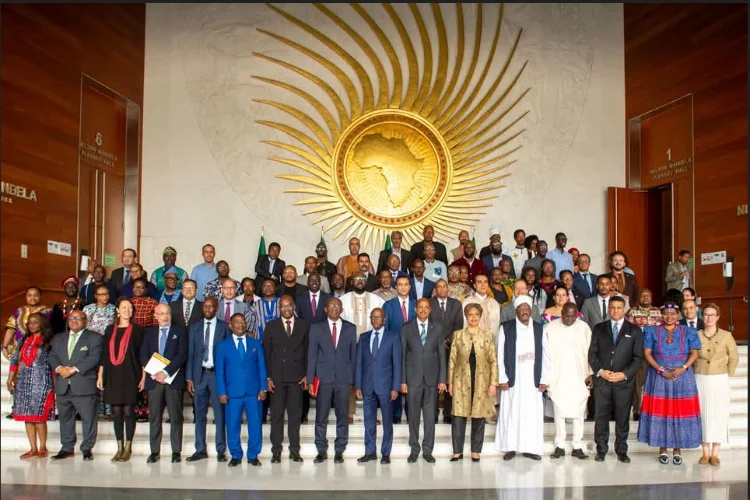
Group photo of delegates in suits and traditional dress in front of the golden African Union emblem in a large hall.

Cameroon is a member of the African Union and places its cultural policy within the continental framework, notably the Charter for African Cultural Renaissance. For a country that gathers on its soil the continent’s major cultural areas, from the equatorial forest to the Sahel and from the western highlands to the Atlantic coast, this anchoring is natural.

The continent’s festivals, biennials and professional meetings are showcases for Cameroonian artists. This page presents the charter, the pan-African events that MINAC relays, the continental programmes useful to professionals and the idea of an African culture observatory, with the means of getting in touch.

  • A charter that guides national cultural policies
  • Pan-African events open to Cameroonian artists
  • Shared monitoring of cultural data
Read the cultural charter
Charter

The Charter for African Cultural Renaissance and its implementation in Cameroon

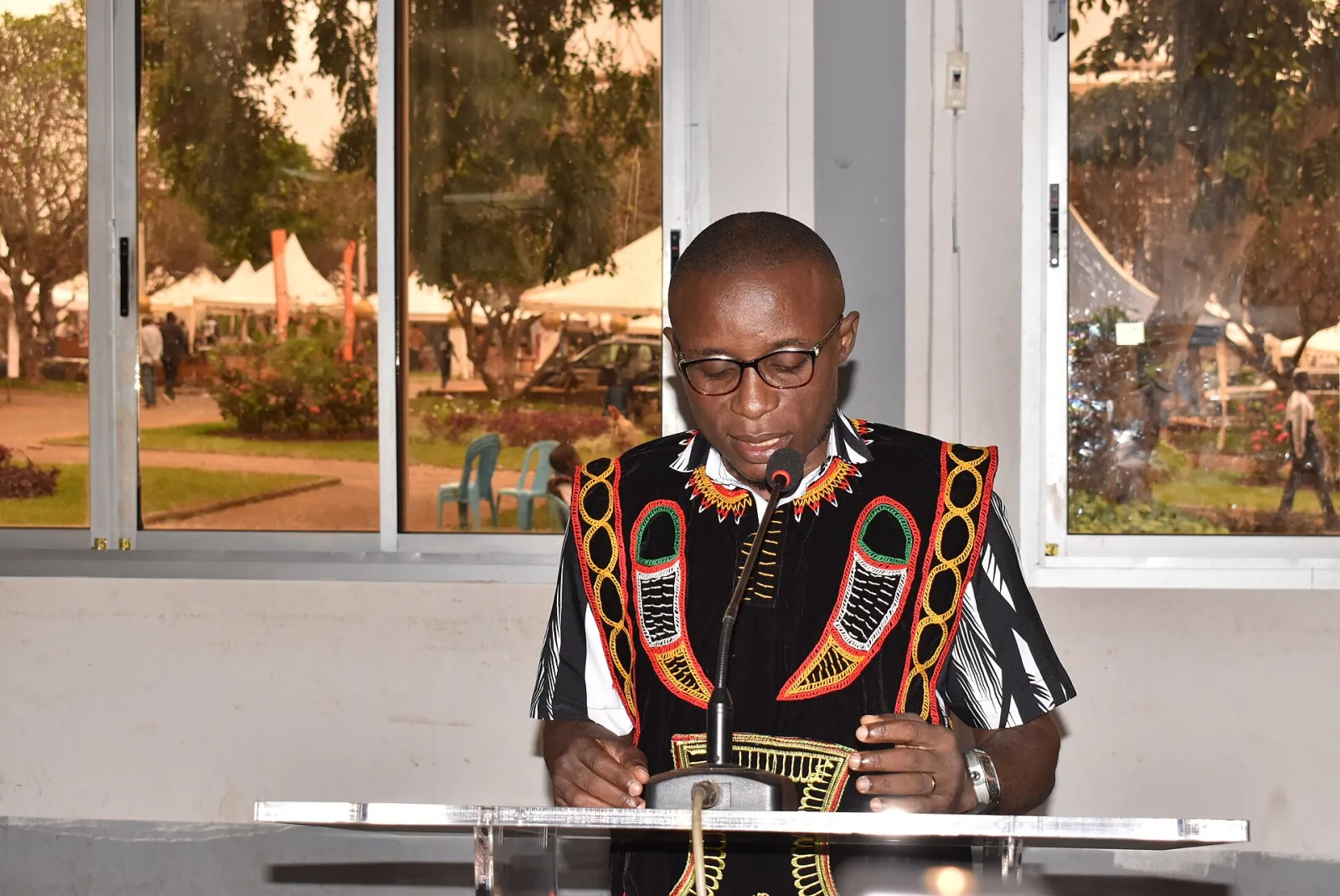
Speaker in a black embroidered toghu tunic at a lectern at the National Museum in Yaoundé

The Charter for African Cultural Renaissance, adopted by the Heads of State and Government of the African Union in 2006, sets out orientations for the continent’s cultural policies. It affirms that culture is a driver of development, peace and integration, and calls on States to protect their heritage, promote linguistic diversity, support creators and develop cultural industries.

How Cameroon refers to it

The Ministry draws on these principles to guide its sector strategy: heritage inventory, structuring of sectors, training, regulation of copyright. Whenever a national text is prepared, the studies unit checks its consistency with continental commitments. The charter also serves as a reference point in discussions with other African States, within CEMAC as well as at the continental level.

ℹ️
To go further

The text of the charter is a public international document; the articles of the national framework are gathered in the Ministry’s legislative texts.

Pan-African events

Pan-African events where artists meet

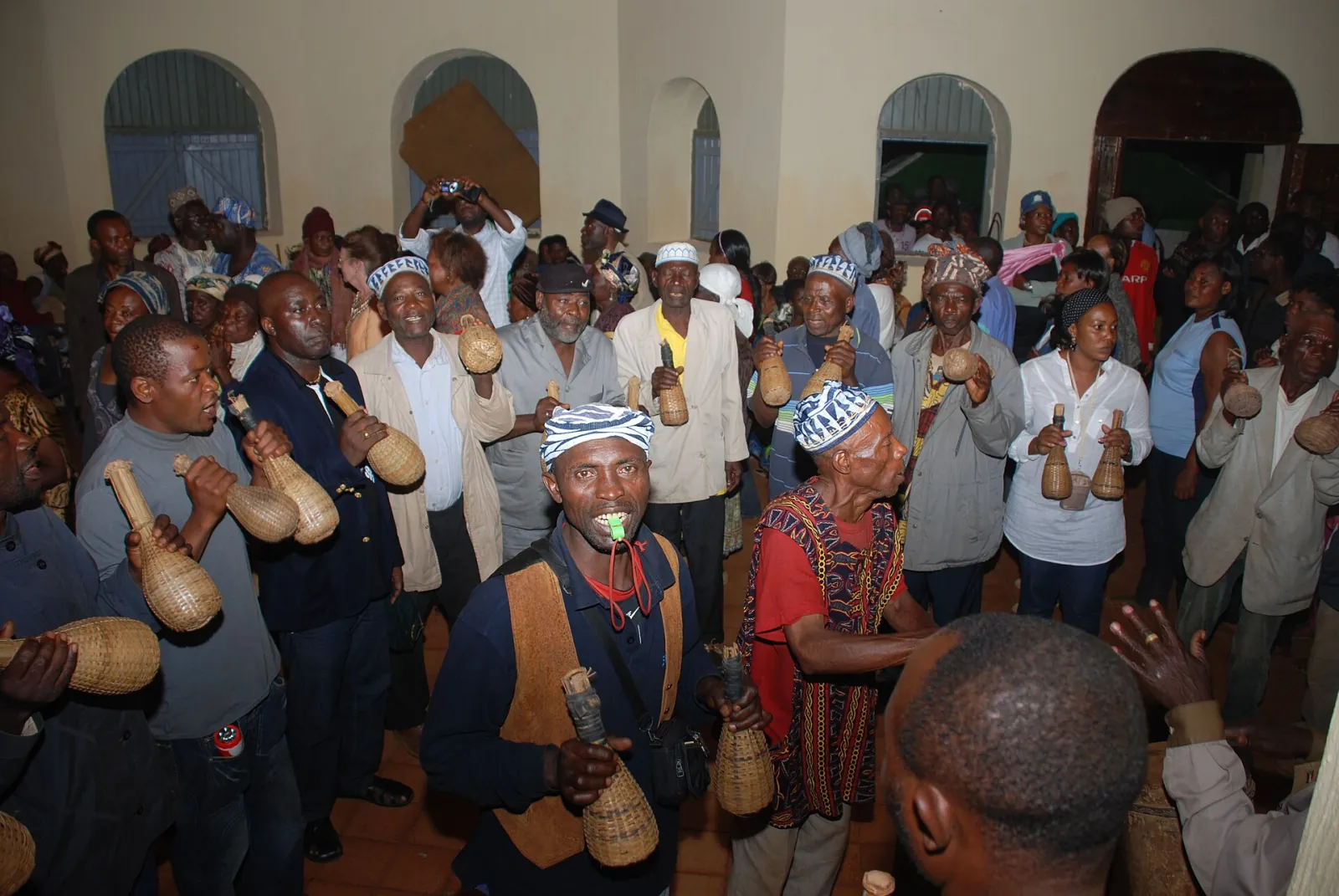
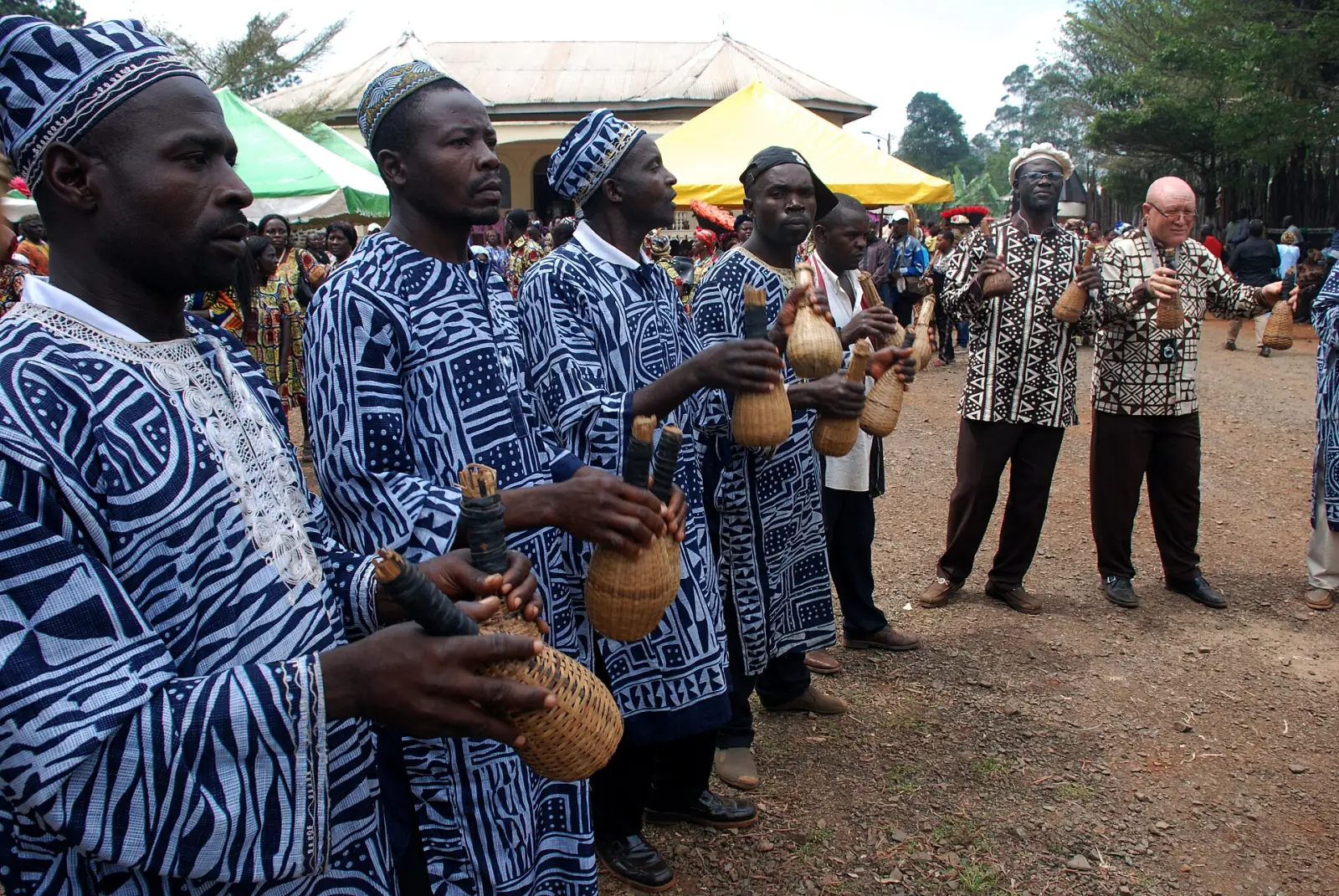
Crowd of musicians playing resonant gourds in a large hall

The continent has major events where artists, filmmakers, writers and designers compete, discover one another and sign contracts. MINAC receives the invitations, relays them to professionals and, when circumstances allow, supports a national delegation.

Very varied showcases

Film festivals, such as the one in Ouagadougou, bring together image professionals every two years. Contemporary art biennials, such as the one in Dakar, exhibit visual artists. Music and dance festivals, book fairs and professional markets complete this landscape. Cameroonian artists gain visibility there, but also access to programmers, critics and publishers from across the continent.

Hosting in turn

Cameroon also receives African gatherings. Organisers follow the festival organisation procedure, submit their authorisation application and may request event grants. Africa Day, on 25 May, is each year an occasion for activities in schools and cultural centres.

Programmes

The African Union programmes for cultural industries

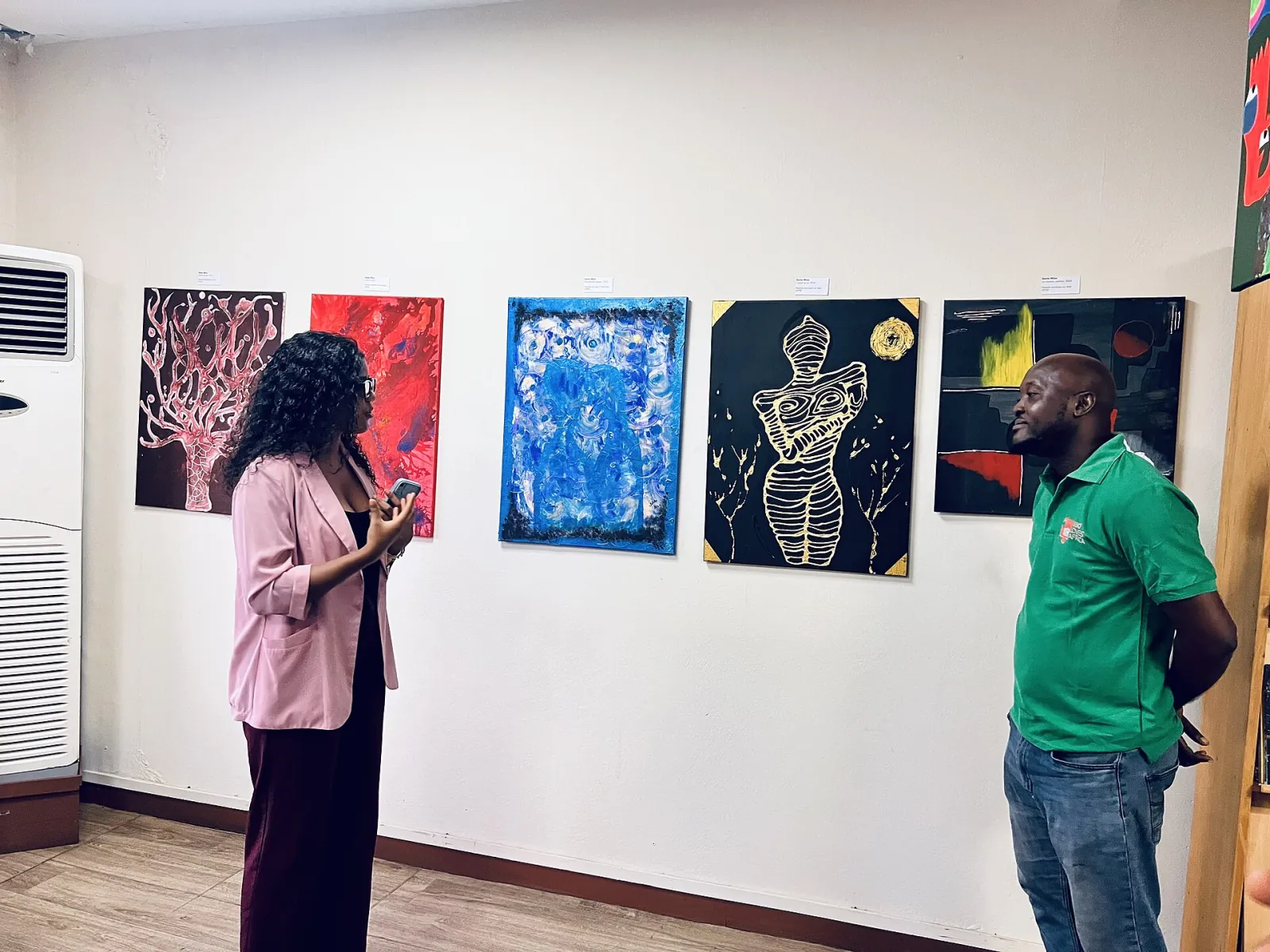
Visitors in front of abstract paintings hung on the walls of an art gallery

The African Union has placed culture at the heart of its development agenda, Agenda 2063, which outlines the Africa its peoples want by the middle of the century. Several programmes directly concern creators: circulation of works, promotion of African languages, protection of heritage, support for cultural and creative industries.

What this changes for a professional

A film producer can find, through continental institutions, frameworks for co-production and circulation. A publisher can draw on translation and distribution policies between African languages. An art craftsperson can benefit from standardisation and export promotion actions. MINAC links these programmes with the national schemes listed in support funds and funding for culture.

Four priorities taken up by the Ministry

  1. Mobility of artists between African countries, see artist exchanges;
  2. Training in the trades, with training for cultural professions;
  3. Protection of creation, through intellectual property;
  4. Development of cultural enterprises.

Relations with the African Union are conducted in liaison with the ministry in charge of external relations and Cameroon’s representation to the organisation, in Addis Ababa. The Ministry’s cooperation unit provides the technical interface.

Observatory

The African culture observatory, a monitoring tool

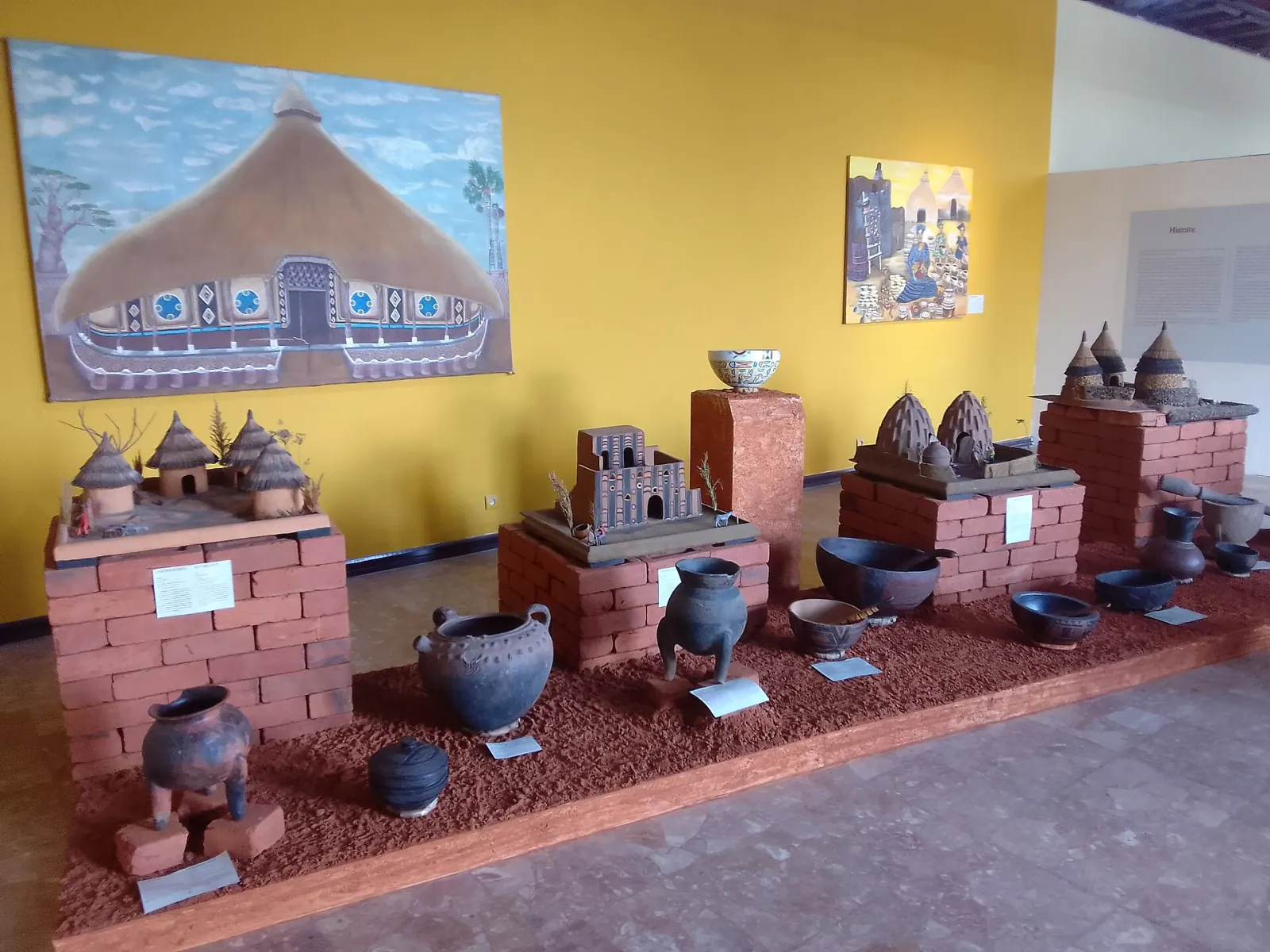
Exhibition of hut models and pottery beneath a painting of traditional dwellings

A cultural observatory is a tool that collects, compares and publishes data: number of facilities, jobs, budgets, production, consumption. At the African scale, this type of tool makes it possible to compare policies, measure the impact of measures adopted and decide on the basis of facts rather than impressions. Several institutions on the continent already work on cultural policies and on networking statistics.

What the Ministry wishes to contribute

  • A directory of cultural facilities by region;
  • A database of festivals, with attendance and impact;
  • Monitoring of cultural jobs and artists’ incomes;
  • Common indicators to compare Cameroon with its neighbours in CEMAC and on the continent.

Professionals are invited to submit their data through the delegations; the results also feed the activity reports published in budget and reports.

ℹ️
Contribute

A festival, a company or a museum can send its annual figures to its regional delegation: attendance, budgets, jobs, audiences.

Step by step

Relay a pan-African invitation

Receipt of the invitation

The Minister’s Office receives the invitation and forwards it to the cooperation unit, which checks the sender, the dates and the financial conditions.

Technical opinion

The competent directorate gives its opinion on the value of the event for the sector and proposes a delegation profile.

Call for applications

The Ministry publishes the list of disciplines concerned and invites artists to submit their files before a set date.

Selection

A committee made up of professionals examines the applications and selects the strongest projects.

Travel preparation

The services arrange visas, insurance, transport of works and export authorisations.

Review and follow-up

A report is published and the contacts made feed the national programming for the following season.

Timeline

Cameroon and Africa over the decades

1963Birth of African unity

The Organisation of African Unity is created in Addis Ababa; Cameroon, independent since 1960, is among its members.

1976Cultural Charter for Africa

A first cultural charter affirms the place of African creation and identity in development.

2002Birth of the African Union

The organisation succeeds the OAU and extends its missions to economic integration, peace and culture.

2006Charter for Cultural Renaissance

States adopt a modern text on heritage, languages, creative industries and the status of the artist.

2013Agenda 2063

The African Union adopts a long-term vision that places culture and heritage among the continent’s aspirations.

2026Today

The Ministry relays pan-African gatherings and is considering a quantified monitoring of culture at the regional level.

To act

The Ministry’s schemes for Africa

Pan-African watch

Monitoring of the continent’s festivals, biennials and fairs, with application deadlines.

See the watch

National delegation

The Ministry can group artists under a single banner at a major continental event.

Artist exchanges

Export of works

A compulsory procedure for sending works out of the country, with inspection and certificate.

Apply

Event grant

Support for organisers who host African artists in Cameroon.

See the grants
To download

Resources for African cooperation

“Culture is a lever of African integration: it brings peoples together before economies align.”

A cultural cooperation adviser, Yaoundé
They travel

Pan-African journeys

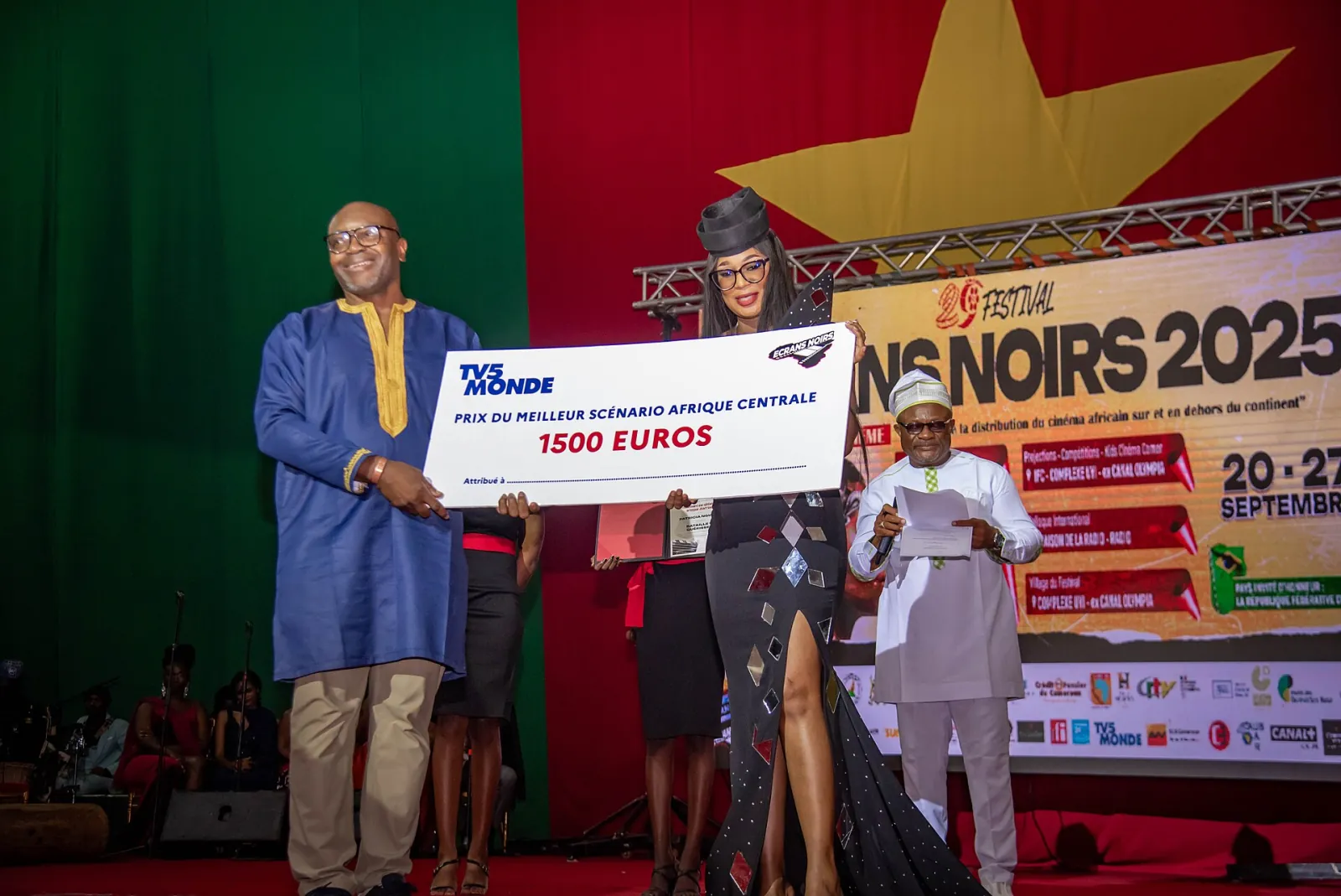
Presentation of a best screenplay award before a large Cameroonian flag at the Écrans noirs festival/ Yaoundé
A filmmaker

“Presenting my film at an African festival opened distribution doors I had never imagined.”

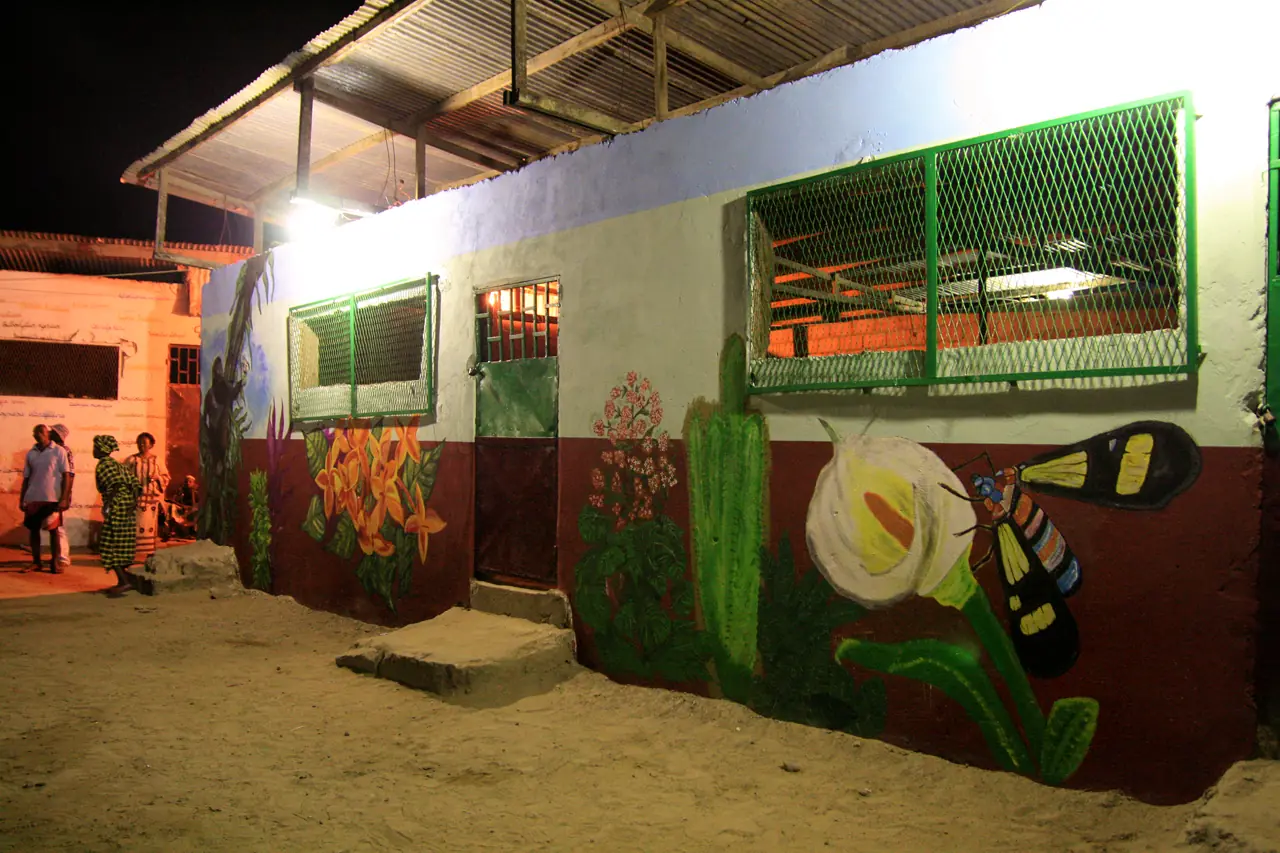
Mural painted on the wall of a house, urban art/ Douala
A visual artist

“At the biennial, my canvases were seen by collectors from fifteen countries; the Ministry helped me prepare the shipment.”

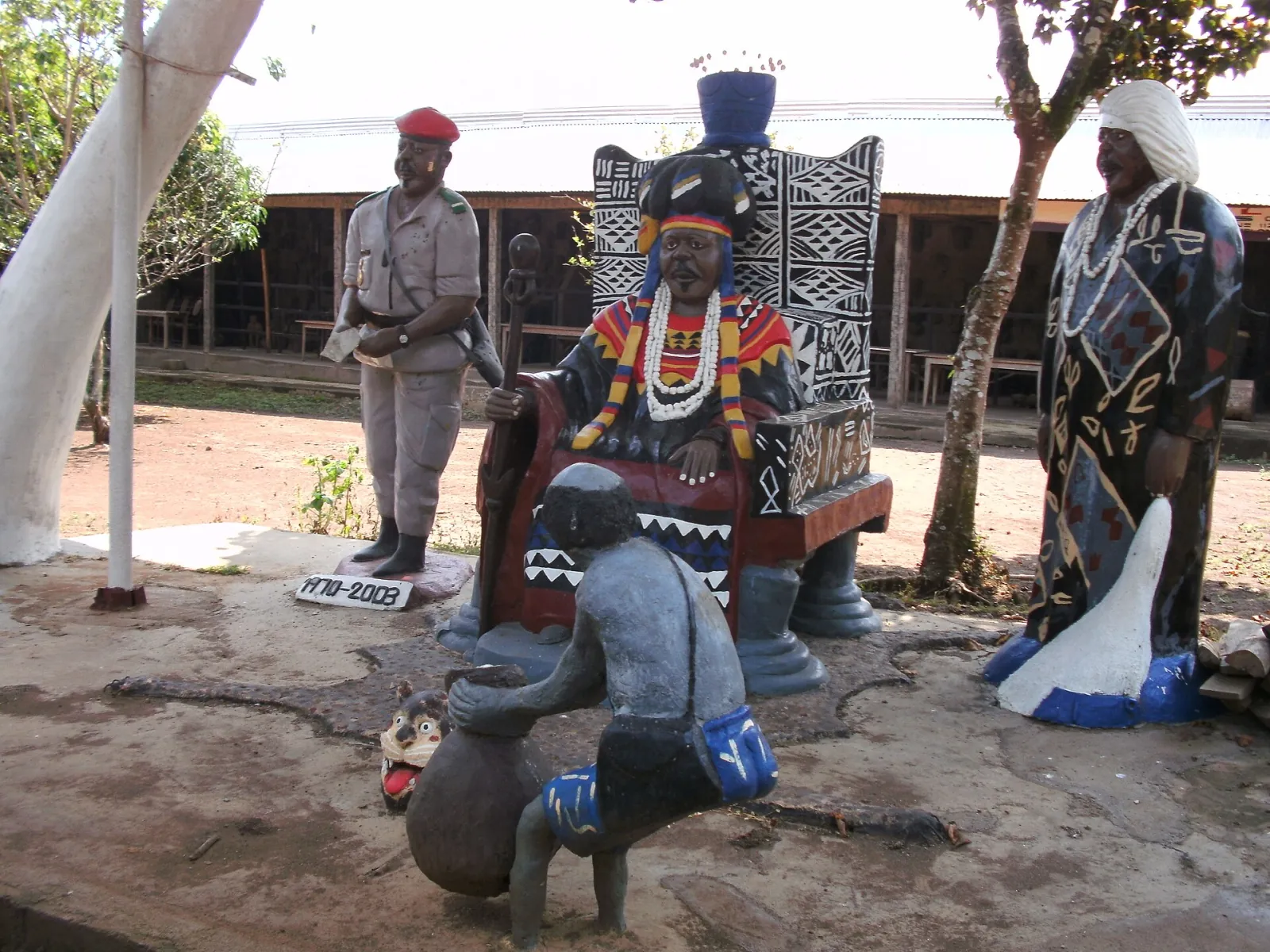
Colourful statues of a chief on his throne in the royal courtyard of the Banka chiefdom, Bafang/ Buéa
A publisher

“The African book trade meetings enabled us to sign two co-publishing agreements.”

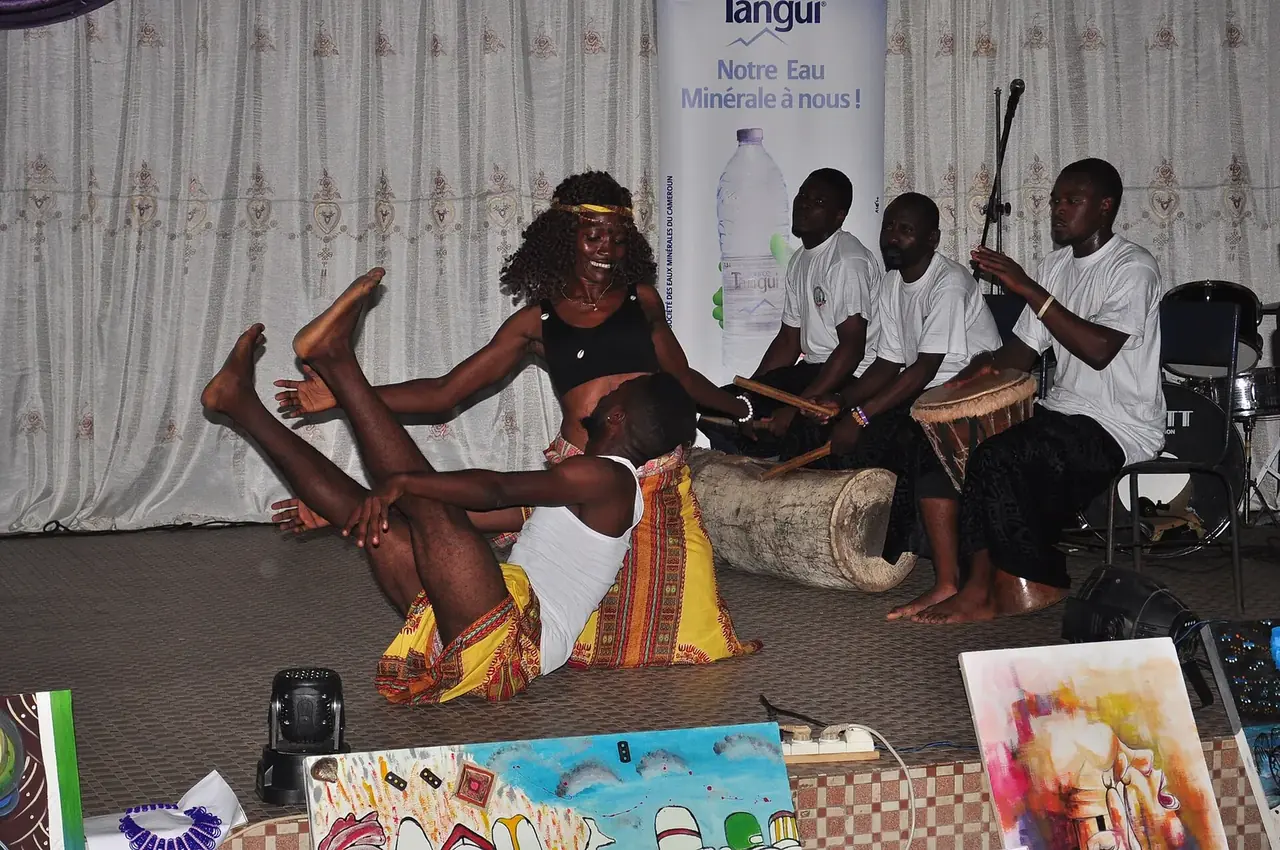
Dancer and drummers on stage during a traditional dance show/ Maroua
A dancer

“My solo piece inspired by the Mandara festivals was invited to a festival in West Africa; the regional delegation put together my file.”

Key facts

Cameroon’s African cooperation at a glance

LevelFrameworkCultural purposeSite page
ContinentAfrican UnionCharter, Agenda 2063, pan-African eventsThis page
Sub-regionCEMACEconomic integration and Central African meetingsCEMAC
WorldUNESCOConventions on heritage and cultural diversityUNESCO
FrancophonieOIFCompetitions, programmes and circulation of artistsFrancophonie (OIF)
CommonwealthAssociation of member countriesEducational and artistic exchangesCommonwealth
BilateralAgreements between StatesState-to-State cooperationBilateral cooperation
NationalSector strategyMinistry prioritiesSector strategy
Glossary

The words of the cultural African Union

African Union

Organisation that brings together the continent’s States for peace, integration and development.

Charter

Founding text that sets out principles and commitments for the States that adopt it.

Cultural renaissance

Movement aimed at restoring to African cultures their place in social and economic life.

Pan-African

Concerning the whole of Africa and its diasporas.

Agenda 2063

The African Union’s long-term vision for the continent’s development.

Integration

Progressive rapprochement of States through the economy, movement and culture.

Biennial

An artistic event held every two years.

Observatory

Structure that collects and analyses data to inform decisions.

Cultural diversity

Plurality of expressions, languages and knowledge within a society.

National delegation

Group of artists or professionals who officially represent the country.

Restitution

Return of a cultural property to its country or community of origin.

On the site

Continue the African reading

Resources

Useful links for Africa

Stakeholders

Who acts for cultural Africa?

To explore

The African Union in the other sections

Questions

Your questions about the African Union

Where can I read the Charter for African Cultural Renaissance?

The text, adopted by the African Union in 2006, is a public international document. The resulting orientations for Cameroon are set out in the sector strategy and in the Ministry’s legislative texts, accessible from the “The Ministry” section.

Does Cameroon take part in pan-African events?

Yes, depending on the invitations received and the means available. MINAC relays announcements, publishes calls for applications and can support a delegation of artists. Professionals may also attend individually after completing the export and travel formalities.

Who represents the country at the African Union?

Official representation falls to the ministry in charge of external relations and Cameroon’s mission to the organisation. For cultural matters, the Ministry of Arts and Culture provides the technical content and appoints the experts.

Can an artist request the Ministry’s support for an African festival?

Yes. They send a request to the Minister’s Office or their regional delegation with the invitation received, their artistic file and their budget. The Ministry examines the value of the event and may grant a letter of support or mobility assistance.

What is a culture observatory for?

To follow reliable indicators: number of facilities, companies and festivals, jobs, audiences and budgets. These figures help decision-makers to target support and allow professionals to place their activity in context. Cameroon already feeds this system through its delegations.

How can I send a work to a festival abroad?

You must declare the work, obtain the export authorisation, provide suitable packaging and insurance, and keep the return supporting documents. The procedure is carried out online on the One-Stop Shop, several weeks before departure.

Does the charter protect artists?

It invites States to recognise the status of artists and guarantee their rights. In Cameroon, these principles take concrete form through legislation on copyright, collective management and the social status of the artist, detailed in the Copyright section.

How can I contact the Ministry about Africa?

Use the form on the page, the e-mail contact@minac.gov.cm or the switchboard on +237 6 51 70 58 41. State the event or programme concerned and your region. The Minister’s Office then directs your request to the competent directorate or unit.

Contact

Write to the Ministry: African Union

Specify the partner or programme concerned.

Minister’s Office and cooperation

Contact African cooperation

Address

Minister’s Office – Cooperation Unit
Ministry of Arts and Culture
Quartier du Lac – Ministerial Zone
P.O. Box 1053 Yaoundé, Centre Region, Cameroon

Reach us

+237 6 51 70 58 41

contact@minac.gov.cm

Opening hours

Monday to Friday, 8 am to 4 pm

See CEMAC

After the continent, discover cultural cooperation with the five neighbours in Central Africa.

See CEMAC
WhatsApp