Coat of arms of CameroonMinistry of Arts
and Culture
Republic of Cameroon
My procedures
Home
Minister’s message
News
Press releases
Cultural calendar
Official speeches
Press review
Photo library
Video library
Calls for projects
Job vacancies
Public procurement
Newsletter
Frequently asked questions
Site map
Contact
Press area
Podcast “The Voice of Culture”
Legal notices
Privacy policy
Cookies and trackers
The Ministry
Missions and responsibilities
Organisation
Organisation chart
Minister’s Office (Cabinet)
Management team
General Secretariat
General Inspectorate
Central directorates
Regional Delegations
Institutions under supervision
Legislative texts
Regulatory texts
Sector strategy
Major projects
Budget and reports
Partners
Careers
Archives
Institutional communication
Quality and accessibility
Arts
Visual and plastic arts
Visual arts
Performing arts
Theatre
Dance
Music
Literature and books
Cinema and audiovisual
Photography
Fashion and design
Digital arts
Art crafts
Artists’ directory
Residencies
Prizes and awards
Arts education
Urban arts
Heritage
Tangible heritage
Intangible heritage
UNESCO sites
National museums
Listed monuments
National inventory
Palaces and chiefdoms
Archaeology
Linguistic heritage
Oral traditions
Traditional know-how
Restitution of cultural property
Fight against illicit trafficking
Listing and protection
Conservation and restoration
Heritage Days
Cultural landscapes
Industries
Music and recording
Cinema
Publishing and books
Digital arts
Fashion and creativity
Crafts
Cultural tourism
Funding for culture
Support funds
Incubators
Cultural entrepreneurship
Culture Observatory
Vocational training
Studies and reports
Sector statistics
Export and outreach
Intellectual property
Copyright
Legal framework
Copyright and neighbouring rights
Collective management societies
Register a work
Licences
Private copying
Fight against piracy
Model contracts
Social status of artists
Mediation
Disputes
Training
Fee scales
Register of works
Contact
Digital neighbouring rights
Public domain
Festivals
National calendar
Ngondo
Nguon
Écrans Noirs
Heritage Days
Music Day
Regional festivals
Fairs and exhibitions
Biennials
National competitions
Cultural days
Organise a festival
Event grants
Ticketing
Archives
Volunteering
Diaspora festivals
Regions
Adamawa
Centre
East
Far North
Littoral
North
North-West
West
South
South-West
Cultural map
Regional Delegations
Traditional chiefdoms
National languages
Cultural routes
Decentralised cooperation
Regional observatory
Cooperation
UNESCO
Francophonie (OIF)
African Union
Commonwealth
CEMAC
Bilateral cooperation
Cultural agreements
Professional organisations
Scholarships
Artist exchanges
Cultural years
Diaspora
Funded projects
Embassies
Technical partners
International restitution
International monitoring and calls
Services
Artist card
Show authorisation
Filming authorisation
Festival authorisation
Deposit of a work
Export of works of art
Listing of a property
Grant application
Association accreditation
File tracking
Forms
Fees
Opening hours and addresses
Reporting
Online help
My account
One-Stop Shop
Regions

Cultural map

The cultural map locates sites, museums, festivals and delegations in the ten regions of Cameroon: learn how to use it, filter it, find out where its data comes from and complete it with the Ministry.

Updated on 6 November 20264 sub-pages
Regions mapped10
Map layers3
Combinable filters3
Update frequencyEvery quarter
Cultural map

The culture of Cameroon, region by region

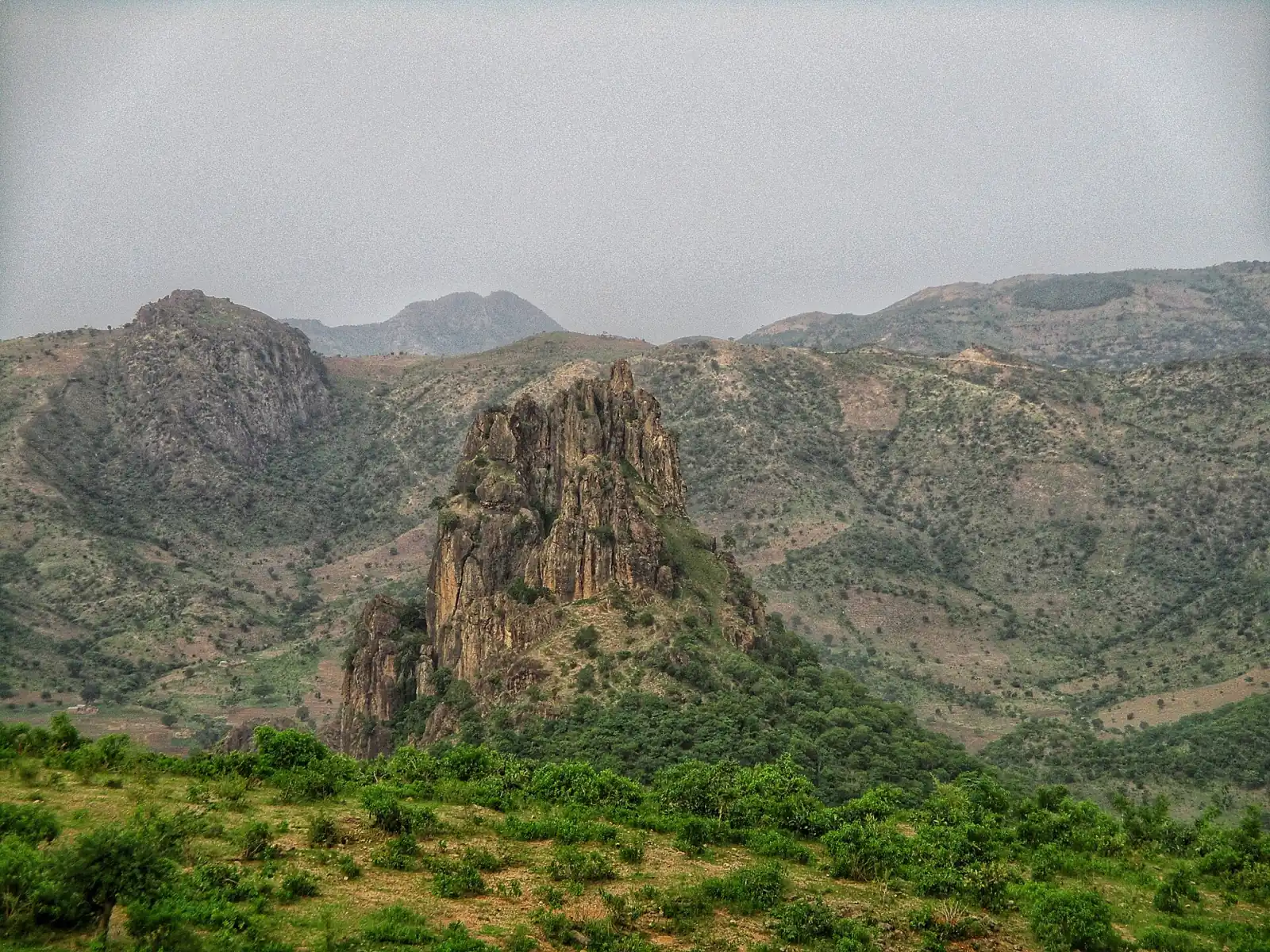
Rhumsiki rock spire amid the Kapsiki mountains

How do you find the nearest museum, next week’s festival or the delegation responsible for your file? The cultural map answers these questions by locating, on a single base map, the sites, museums, festivals, regional delegations and cultural structures of the country’s ten regions.

It draws on the national heritage inventory, the cultural agenda and information supplied by the delegations. This page explains how to use it, what it contains, where the data comes from and how to complete it.

  • A single map for the ten regions
  • Filters by region, type of place and discipline
  • Open data, open to your corrections
Open the interactive map
Interactive map

Using the interactive map of the cultural regions

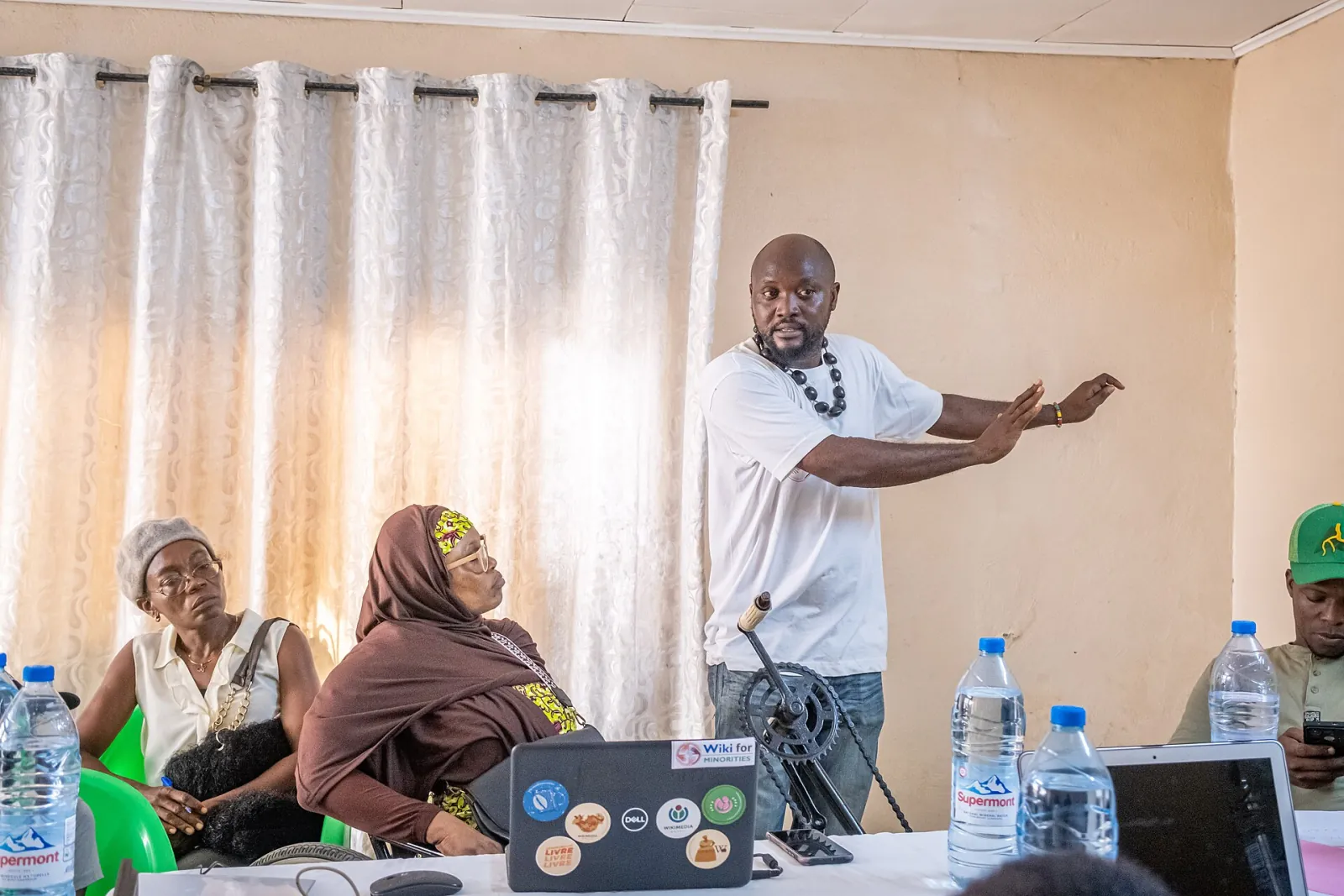
Trainer addressing participants seated around a table during a workshop

The interactive map opens on an overview of Cameroon, divided into ten regions: Adamawa, Centre, East, Far North, Littoral, North, North-West, West, South and South-West. Each region is clickable and leads to its page: Adamawa, Centre, East, Far North, Littoral, North, North-West, West, South and South-West.

Navigating the map

A first click on a region displays its regional capital, its divisions and the main landmarks. A second click on a point opens an entry: name of the place, short description, discipline, accessibility and a link to the detailed page. Festivals are marked with a coloured dot; their dates appear in the entry and in the national calendar.
Reading the symbols

  • a solid circle for sites and museums from the inventory;
  • a star for festivals and recurring events;
  • a square for regional delegations and Ministry services;
  • a dotted outline for the itineraries offered in Cultural itineraries.

On a phone and offline

The map adapts to phone screens, which are the most common way of consulting the site; a light version, without satellite background, loads quickly even with a limited connection. Each entry can be shared by link.

ℹ️
Start with a region

Planning a trip or a project? Start with the page of the region, which presents the delegation, sites, festivals and languages, before refining on the map.

Filters

The cultural map filters: region, place, discipline

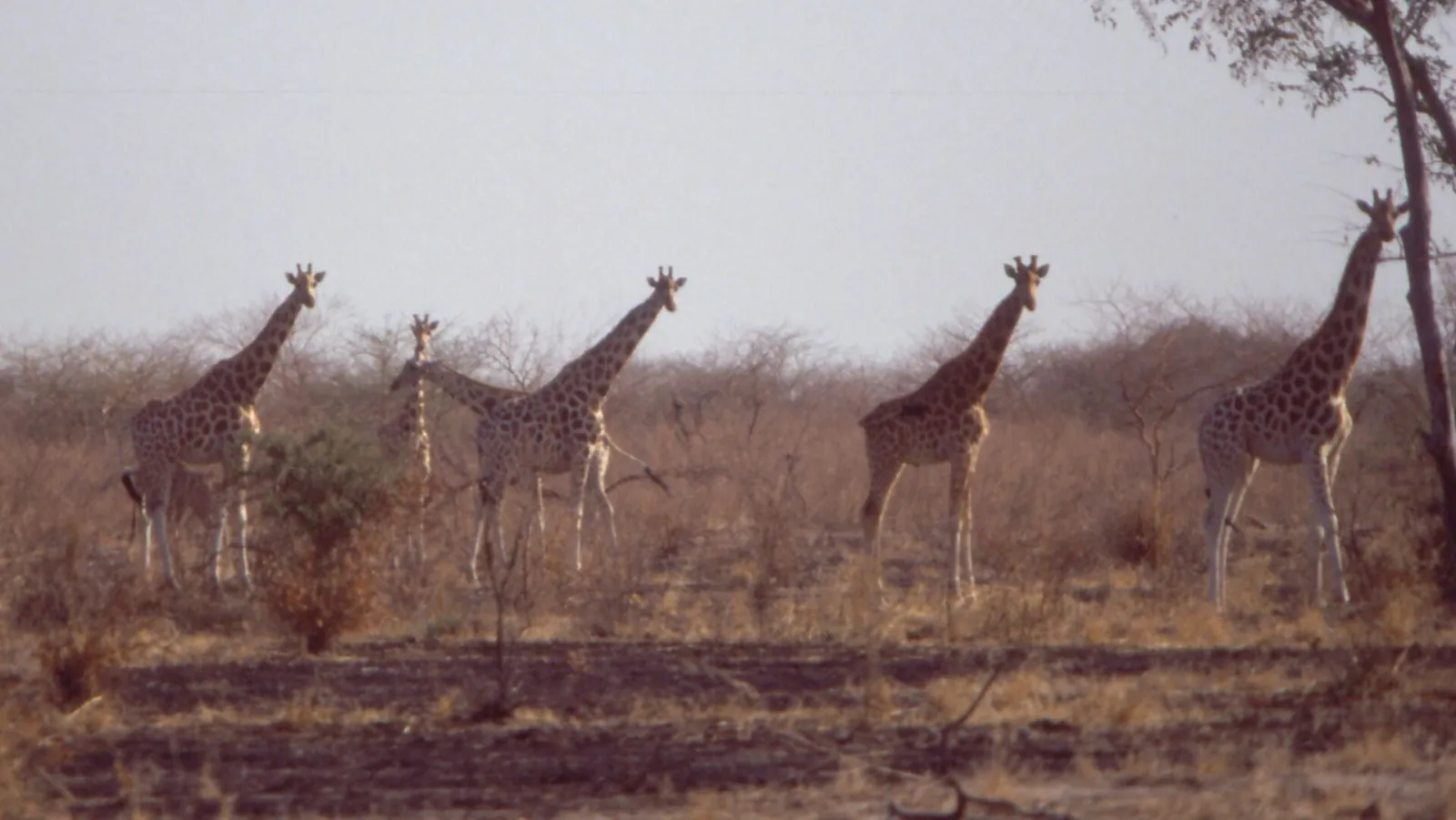
Giraffes in the dry savannah of Waza National Park

Three combinable filters make it possible to move from the national view to a very precise search. They are cumulative: for example, you can show only the museums of one region or only the dance festivals of one division.

By region

The regional filter isolates one of the ten regions and zooms in on its divisions. It is the entry point for artists looking for the nearest delegation and for families planning a stay.

By type of place

Natural sites and cultural landscapes, monuments and palaces, museums, libraries, performance venues, places of memory, craft markets, delegations: each type has its own symbol. This filter matches the categories of tangible heritage, listed monuments and palaces and chiefdoms.

By discipline

Dance, music, theatre, visual arts, cinema, literature, crafts, urban arts: the discipline filter links to the sections Visual arts, Dance, Music or Artistic crafts. It helps programmers to find companies and venues near them.

Tips

Combine the three filters to build a thematic circuit, for example the museums and palaces of a single division. Reset the filters to return to the national view. Results can also be listed as a table for easier reading.

ℹ️
Accessibility

The map is compatible with keyboard navigation and screen readers; the quality and accessibility page describes the Ministry’s commitments.

Data

Where the cultural map data comes from

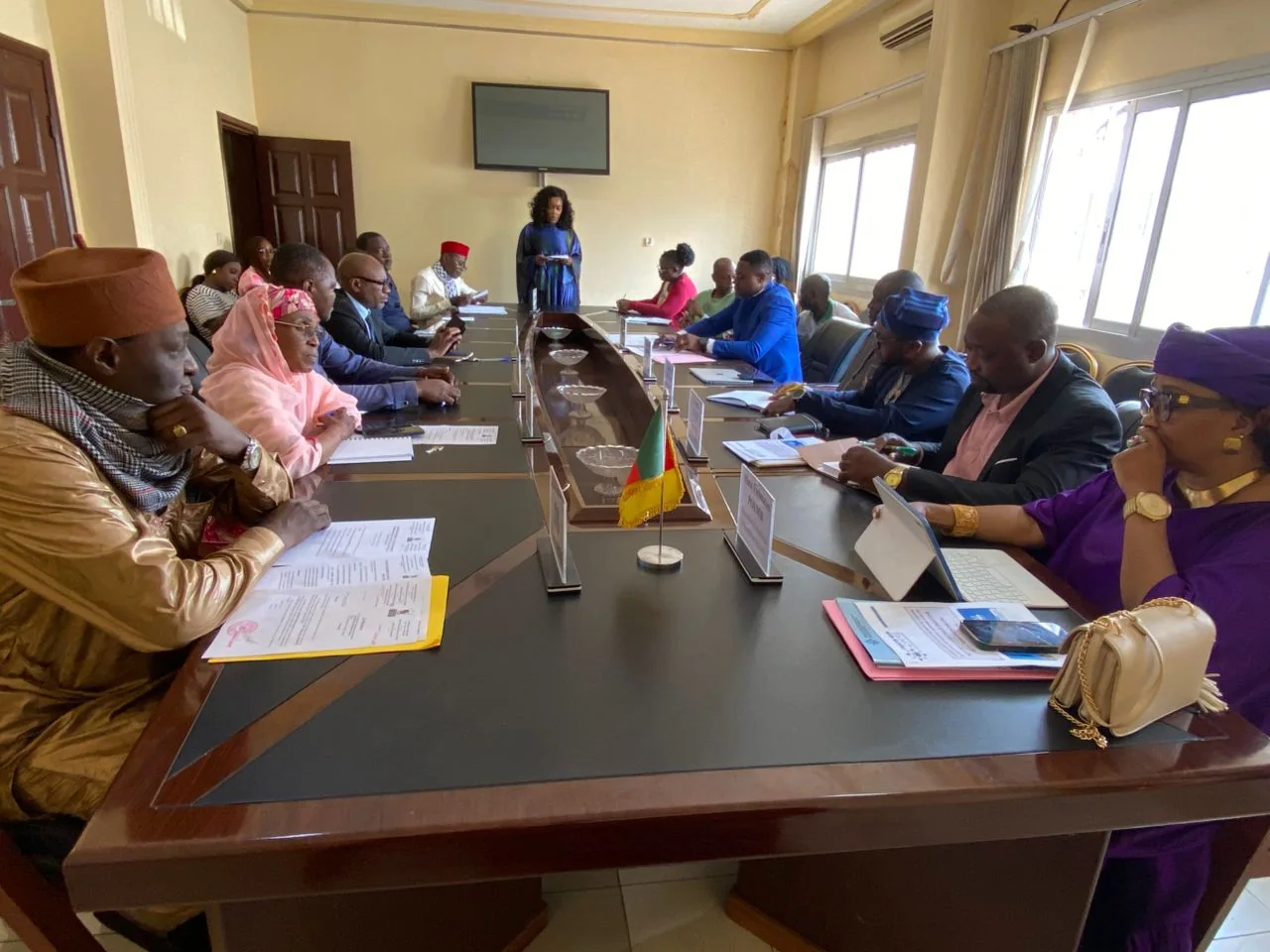
Working meeting around a large table in a Ministry room

The map is not a stand-alone site: it is fed by several sources, cross-checked and verified by the Ministry. The rigour of this data determines public trust.

Three main sources

  • The national inventory: entries on sites, objects and practices compiled with communities and experts (National inventory);
  • The agenda: festivals, cultural days and shows declared by organisers (Cultural agenda);
  • The regional delegations: addresses, services, local news, activity reports.

Checking and updating

Each item of information goes through a simple circuit: the delegation collects, the relevant directorate verifies, a central service publishes. Updates are made every quarter and on request when a major event occurs. A date of last verification is displayed on each entry.

What the map does not contain

The map does not publish artists’ personal contact details, the precise location of sensitive archaeological sites exposed to looting, or the venues of restricted ceremonies. It respects the fight against illicit trafficking and the wishes of communities.

For sector figures, see the Regional Observatory and the sector statistics.

ℹ️
Reusing the data

Researchers, universities and start-ups may request access to the open data by writing to the Ministry.

Contribute

Contributing to the cultural map: reporting a place or an error

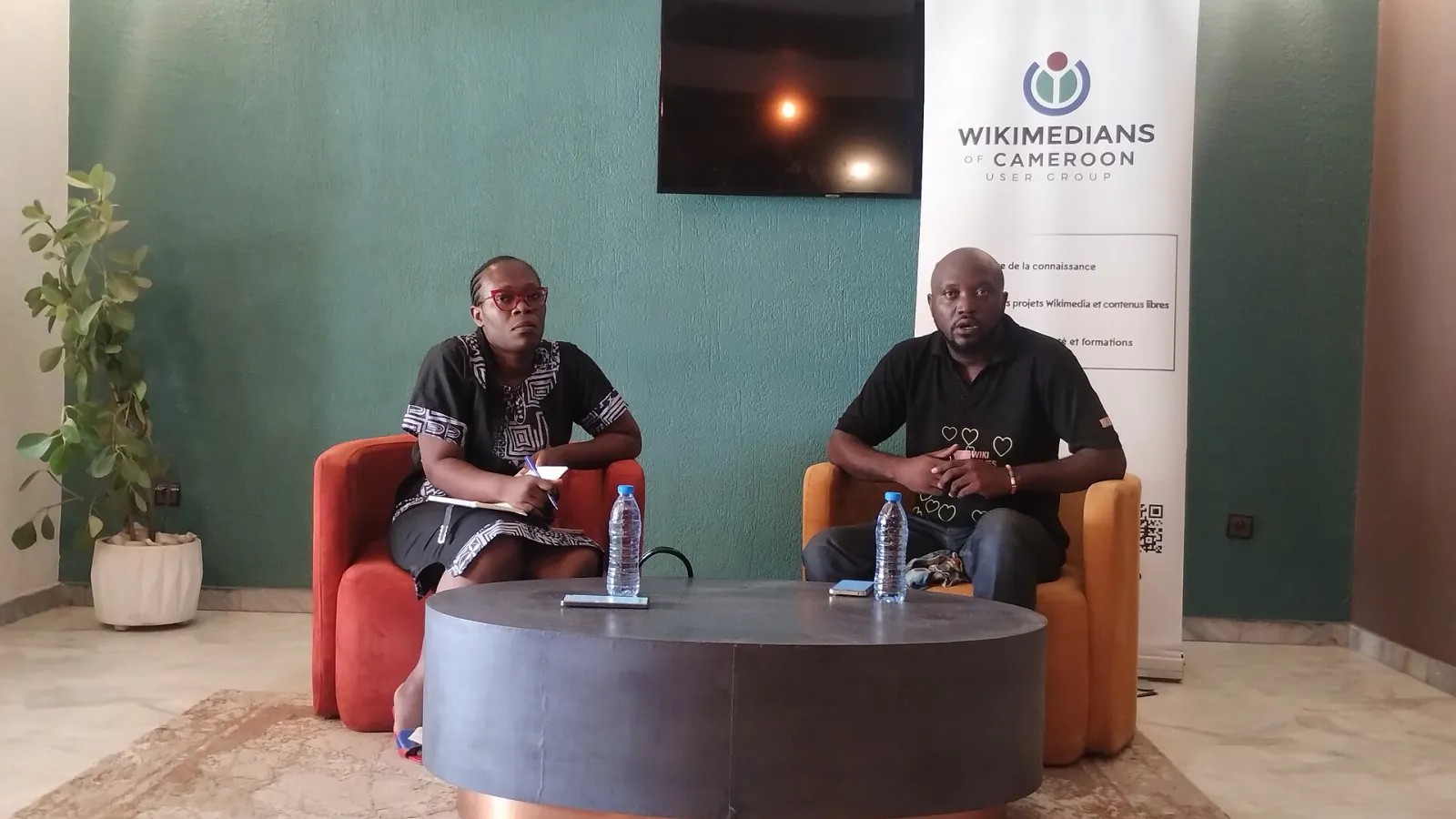
Two speakers seated in front of a banner at the launch of a photo competition

The map lives thanks to those who know it: residents, associations, village chiefs, teachers, guides and artists. If a place is missing, if an address is out of date, if the photograph no longer matches, you can report it.

What to report

  • a site, museum, library or performance venue missing from the map;
  • an error in a name, location, opening hours or description;
  • a festival or regular celebration to be added to the agenda;
  • a threatened property: preferably use the Reporting page.

How to proceed

Use the site’s contact form, or write to the Ministry team stating the region, division, name of the place, a short description and, if possible, a photograph to which you hold the rights. The delegation concerned verifies the information before publication.

A commitment to reply

Every contribution receives an acknowledgement of receipt. Simple corrections are published in the next update cycle. New entries are examined with the competent directorate and, for community places, with the agreement of the person in charge.

Event organisers can also register their festival by following the guide Organising a festival; associations benefit from applying for accreditation.

ℹ️
Thank you

Every verified contribution enriches a common good: knowledge of Cameroonian culture.

To act

Three actions for the cultural map

Report a place

Is a museum, venue or workshop missing? Send us its details so that it can be added.

Write to the Ministry

Register a festival

Organisers: register your event so that it appears on the map and in the agenda.

Organise a festival

Raise the alarm

Is a property threatened or looted? The report is handled as a priority by the directorate in charge of heritage and by the delegation of the region concerned.

Report

Check the agenda

Before you leave, check the dates of festivals and cultural days in your chosen region on the Ministry’s agenda.

See the calendar
Step by step

Planning a cultural trip with the map

Choose the region

Select the region you are interested in and read its page: delegation, sites, festivals, languages.

Filter by interest

Apply the place-type and discipline filters to isolate museums, palaces, workshops or venues.

Check the dates

Check the festival dates in the national calendar and the date of last verification of the entry.

Notify the person in charge

For a community place, contact the manager or the delegation before the visit and ask permission to take photographs.

Share your feedback

Report an error, add a photograph or suggest a new place from the entry.

Key facts

The ten regions and their regional capitals

RegionRegional capitalCultural particularityRegion page
AdamawaNgaoundéréFulani lamidates, livestock farming and plateausSee the Adamawa page
CentreYaoundéCapital, museums, bikutsi and Beti peoplesSee the Centre page
EastBertouaForest, Baka and Gbaya, forest ritesSee the East page
Far NorthMarouaMandara Mountains, sultanates, leather and potterySee the Far North page
LittoralDoualaNgondo, port, urban musicSee the Littoral page
NorthGarouaSavannah, Benue, lamidatesSee the North page
North-WestBamendaGrassfields, fons, BafutSee the North-West page
WestBafoussamBamileke and Bamoun kingdoms, NguonSee the West page
SouthEbolowaForest, mvet, Ngul Be MvambaSee the South page
South-WestBueaMount Cameroon, Ekpe, archivesSee the South-West page
To download

Map resources

“A map does not replace the journey, but it shows where to set foot: locating culture means making it accessible.”

A cultural guide, Yaoundé
Glossary

Words of the cultural map

Interactive map

Online map on which you can click, zoom and filter.

Layer

Set of data of the same kind displayed on the map: sites, festivals, delegations.

Geolocation

Position of a place on the map, based on its coordinates or address.

Contribution

Information provided by the public to complete or correct an entry.

Profile

Record describing a place, an event or a practice.

Inventory

Systematic survey of the cultural property of a territory.

Regional capital

Town where the administration of a region or division is seated.

Division

Administrative division of a region, headed by a prefect.

Subdivision

Subdivision of a division, headed by a sub-divisional officer.

Open data

Public information that may be freely reused with acknowledgement of the source.

Community place

Site managed by a community, access to which requires the agreement of the person in charge.

Journey

The map from collection to consultation

CollectionDelegation surveys

The delegations collect addresses, opening hours, events and photographs from place managers.

InventoryHeritage entries

The heritage teams verify the entries and link them to the national inventory.

OversightCentral validation

A central team harmonises names, categories and locations before publication.

PublicationPut online

Validated entries are displayed on the map, with their date of verification.

ContributionPublic feedback

Residents and associations report corrections and new items, which feed into the next cycle.

On the site

Continue exploring the map

Resources

Useful links for the cultural map

Stakeholders

Who feeds the cultural map?

To explore

The cultural map in the other sections

Users

What the map users say

“
Before leaving on tour, I identified the venues and delegations at each stage; we saved two weeks of preparation.
A company director, Douala
Littoral
“
My pupils drew up the map of the places of memory in their subdivision, then submitted it to the Ministry for inclusion.
A history teacher, Maroua
Extrême-Nord
“
The map allowed me to offer my clients a three-day circuit among palaces, foundry workshops and craft markets.
A tourism operator, Bafoussam
Ouest
“
As a researcher, I use the open data to compare the density of libraries by division.
A social science researcher, Ngaoundéré
Adamaoua
Questions

Your questions about the cultural map

How do I add a place to the map?

Write to the Ministry through the contact form, stating the region, the name of the place, a short description and, if possible, a photograph. The delegation concerned verifies the information before publication.

Where does the map data come from?

From the national heritage inventory, the cultural agenda and the regional delegations. Each entry carries a date of last verification so that you know when it was checked.

How often is the map updated?

Every quarter, and on request in the event of a major occurrence or a reported correction. The season’s festivals are added as soon as they are registered in the agenda.

Can I reuse the data for a project?

Open data may be reused with acknowledgement of the source. For larger datasets, write to the Ministry stating the project and the intended audience.

Does the map show archaeological sites?

Sensitive sites are not precisely located, in order to combat looting. The Archaeology page presents the major discoveries and the authorisations required.

Does the map work on a mobile phone?

Yes. It adapts to small screens and offers a lightweight version that loads quickly with a limited connection. Each entry can be shared by link.

Why is an entry incomplete?

Because the information has not yet been verified or the manager of the place did not wish to disclose everything. You can complete the entry by sending your information to the Ministry.

Where can I find my region’s delegation?

On the Regional delegations page, which presents the ten regions and their regional capitals. The Ministry’s switchboard can also direct you to the relevant delegation.

Contact

Write to the Ministry: Cultural map

Specify your region and your question.

Ministry

Contact the cultural map team

Address

Ministry of Arts and Culture
Quartier du Lac – Ministerial Zone
P.O. Box 1053 Yaoundé, Centre Region, Cameroon

Reach us

+237 6 51 70 58 41

contact@minac.gov.cm

Opening hours

Monday to Friday, 8 am to 4 pm

A place to be featured?

Write to us: every verified contribution enriches the map of the ten regions.

Write to the Ministry
WhatsApp