Coat of arms of CameroonMinistry of Arts
and Culture
Republic of Cameroon
My procedures
Home
Minister’s message
News
Press releases
Cultural calendar
Official speeches
Press review
Photo library
Video library
Calls for projects
Job vacancies
Public procurement
Newsletter
Frequently asked questions
Site map
Contact
Press area
Podcast “The Voice of Culture”
Legal notices
Privacy policy
Cookies and trackers
The Ministry
Missions and responsibilities
Organisation
Organisation chart
Minister’s Office (Cabinet)
Management team
General Secretariat
General Inspectorate
Central directorates
Regional Delegations
Institutions under supervision
Legislative texts
Regulatory texts
Sector strategy
Major projects
Budget and reports
Partners
Careers
Archives
Institutional communication
Quality and accessibility
Arts
Visual and plastic arts
Visual arts
Performing arts
Theatre
Dance
Music
Literature and books
Cinema and audiovisual
Photography
Fashion and design
Digital arts
Art crafts
Artists’ directory
Residencies
Prizes and awards
Arts education
Urban arts
Heritage
Tangible heritage
Intangible heritage
UNESCO sites
National museums
Listed monuments
National inventory
Palaces and chiefdoms
Archaeology
Linguistic heritage
Oral traditions
Traditional know-how
Restitution of cultural property
Fight against illicit trafficking
Listing and protection
Conservation and restoration
Heritage Days
Cultural landscapes
Industries
Music and recording
Cinema
Publishing and books
Digital arts
Fashion and creativity
Crafts
Cultural tourism
Funding for culture
Support funds
Incubators
Cultural entrepreneurship
Culture Observatory
Vocational training
Studies and reports
Sector statistics
Export and outreach
Intellectual property
Copyright
Legal framework
Copyright and neighbouring rights
Collective management societies
Register a work
Licences
Private copying
Fight against piracy
Model contracts
Social status of artists
Mediation
Disputes
Training
Fee scales
Register of works
Contact
Digital neighbouring rights
Public domain
Festivals
National calendar
Ngondo
Nguon
Écrans Noirs
Heritage Days
Music Day
Regional festivals
Fairs and exhibitions
Biennials
National competitions
Cultural days
Organise a festival
Event grants
Ticketing
Archives
Volunteering
Diaspora festivals
Regions
Adamawa
Centre
East
Far North
Littoral
North
North-West
West
South
South-West
Cultural map
Regional Delegations
Traditional chiefdoms
National languages
Cultural routes
Decentralised cooperation
Regional observatory
Cooperation
UNESCO
Francophonie (OIF)
African Union
Commonwealth
CEMAC
Bilateral cooperation
Cultural agreements
Professional organisations
Scholarships
Artist exchanges
Cultural years
Diaspora
Funded projects
Embassies
Technical partners
International restitution
International monitoring and calls
Services
Artist card
Show authorisation
Filming authorisation
Festival authorisation
Deposit of a work
Export of works of art
Listing of a property
Grant application
Association accreditation
File tracking
Forms
Fees
Opening hours and addresses
Reporting
Online help
My account
One-Stop Shop
Copyright

Mediation

Referring to the mediator, following the procedure, knowing the composition of the Arbitration Commission and the scope of its decisions: the guide to settling a copyright dispute amicably, before any trial, in Cameroon.

Updated on 6 November 20264 sub-pages
Members of the Arbitration Commission4
Term of office of members3 years, renewable once
QuorumTwo thirds of the members
Organisational textDecree 2015/3978/PM
Dialogue

Resolving a dispute without going to court

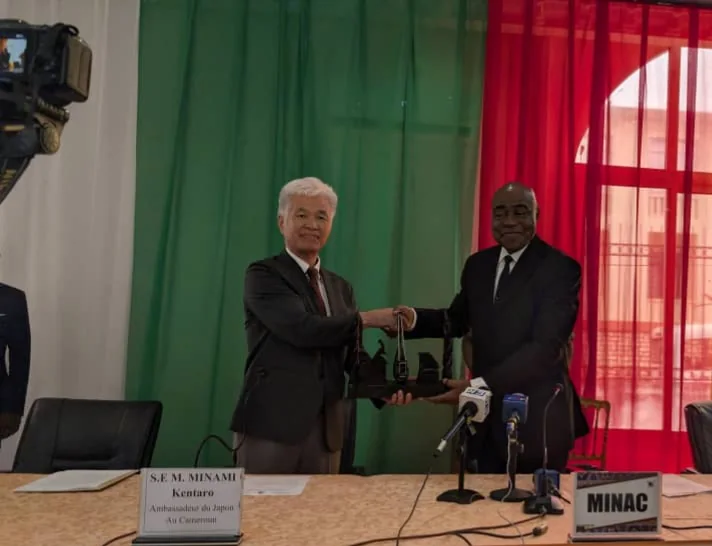
Exchange of gifts with the Ambassador of Japan during a meeting at the Ministry

A disagreement over the payment of rights, the scope of a licence, the distribution of revenue or the use of a phonogram does not necessarily end up before a court. Cameroonian copyright law provides for a dedicated body, the Arbitration Commission, placed under the Minister in charge of Culture, and the practice of the Ministry’s lawyers favours negotiated solutions between the parties.

This page explains how to refer a matter to the competent body, how the examination proceeds, who sits on it and how decisions are notified. It is aimed at authors, performing artists, producers, collective management bodies and users, such as radio stations, television channels, show organisers and establishments open to the public.

  • Arbitration Commission created by the 2000 law
  • Organisation set by the decree of 25 September 2015
  • An amicable agreement before any trial
Refer to the mediator

Referring a matter to the mediator: whom to write to and how

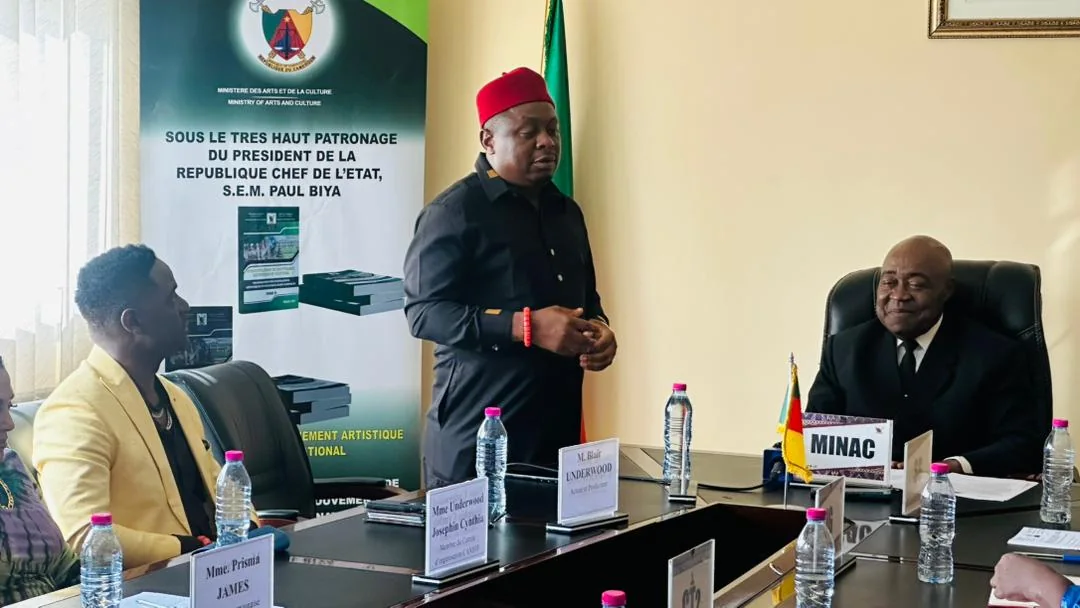
Working meeting in a Ministry office under the high patronage of the Head of State

A referral begins with a letter. Whether you wish to approach the Arbitration Commission or ask for the support of the Ministry’s lawyers for an amicable negotiation, the letter must make the dispute understandable without further explanation.

Who can make a referral?

Any party to the dispute: a collective management body, a user of phonograms, an author, a producer, a performing artist. The Arbitration Commission, for its part, rules on disagreements between collective management bodies and persons who use phonograms, in particular on the scale of fees and the arrangements for remuneration (see the scales). For other disputes, mediation remains an amicable route, without any compulsory nature.
What the letter must contain

  • the full identity of the parties and their contact details;
  • a chronological account of the facts, with the dates and the amounts in dispute;
  • the work, phonogram or use concerned;
  • your precise requests: scale to be reviewed, payment, regularisation, disclosure of documents;
  • the list of enclosures: licence, invoices, correspondence, programme declarations.

Where to submit

The letter is addressed to the Minister in charge of Culture; the Ministry’s legal services act as secretariat of the Commission and receive the files. Always keep proof of submission or dispatch, and send a copy to the opposing party. If you are unsure which route to choose, the copyright contact will guide you before any submission.

ℹ️
Before writing

First try a direct exchange with the other party and keep a record of your steps: the Commission and the lawyers take them into account to understand each party’s good faith.

Procedure

The procedure before the Arbitration Commission

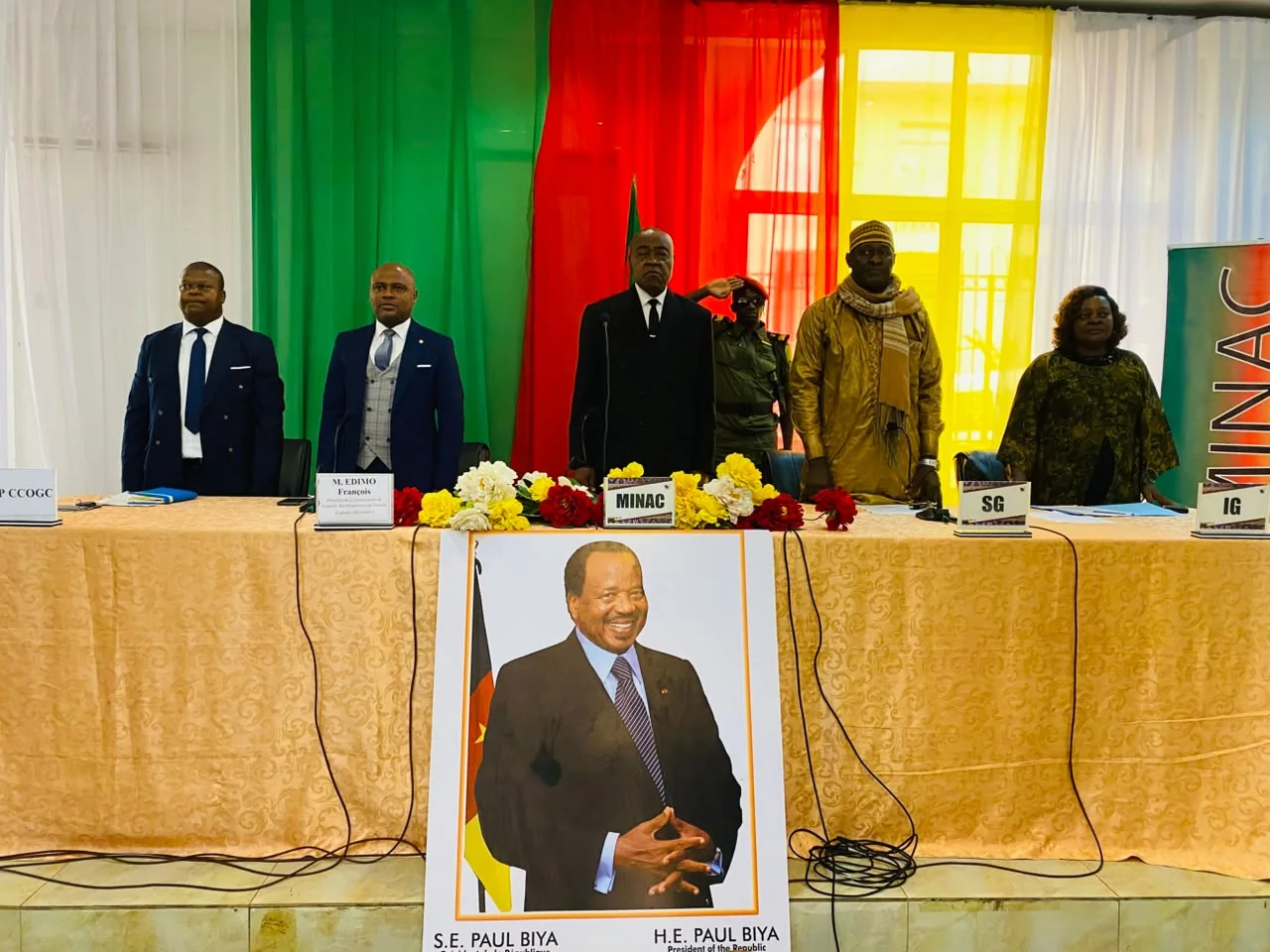
Opening session with the portrait of the Head of State in front of the panel table

Decree No. 2015/3978/PM of 25 September 2015 organises the functioning of the Arbitration Commission created by Law No. 2000/011 of 19 December 2000. It sets out its role, composition, meetings and the way it deliberates. The texts can be consulted in the regulatory texts.

Convening and quorum

The Commission meets as necessary, when convened by its chair and according to a set agenda. The chair is required to convene it at the request of the Minister in charge of Culture or of two thirds of the members. It rules validly only in the presence of at least two thirds of its members. If the quorum is not reached, a new notice is issued within ten days, and no quorum is then required.

Deliberation

Deliberations are adopted by simple majority; in the event of a tie, the chair has the casting vote. The detailed rules of procedure — exchange of pleadings, hearing of the parties, response times — are laid down by the Commission’s rules of procedure.

Secretariat and costs

The secretariat is provided by the legal services of the Ministry of Culture, which register referrals, summon the parties and keep the files. The Commission’s operating costs are borne by the Ministry’s budget: referral does not entail any court costs. For other disputes, the judicial route remains open at any time.

Mediators

The mediators and the members of the Commission

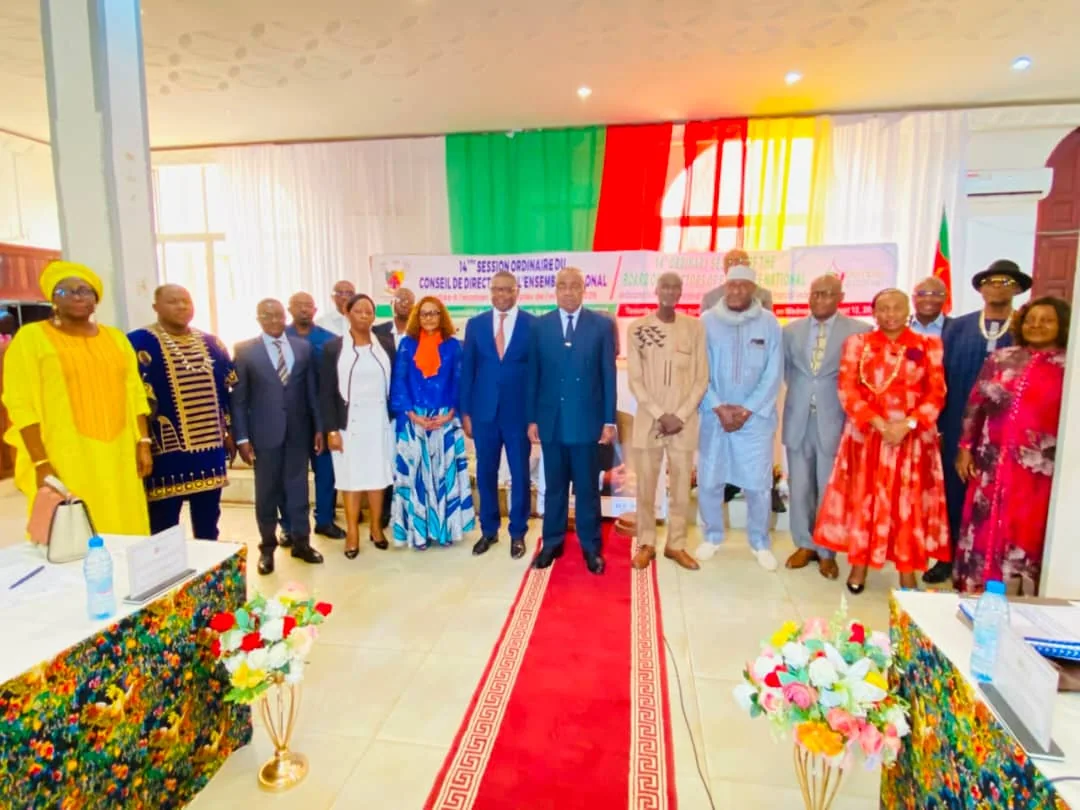
Board session of a Ministry institution, participants posing in the room

Trust in a mediation rests on the quality and independence of those who conduct it. The 2015 decree specifies precisely who sits on the Arbitration Commission.

A balanced composition

The Commission comprises a chair, a judge of the judicial branch appointed by the First President of the Supreme Court, and three representatives of administrations: the Ministry in charge of Culture, the Ministry in charge of Justice and the Ministry in charge of Territorial Administration. Members are appointed by the administrations they represent for a three-year term, renewable once. The composition is recorded by decision of the Minister in charge of Culture, and a member who is prevented from serving or who dies is immediately replaced for the remainder of the term.

The profile of the amicable mediator

For conciliations conducted by the Ministry’s lawyers, the mediator is a lawyer trained in copyright and neighbouring rights. They listen to each party separately, restate positions, suggest ways towards agreement and do not decide: the solution remains that of the parties. They observe neutrality, confidentiality and equal treatment, and withdraw in the event of a conflict of interest.

Getting support

Each party may be assisted by counsel or by a representative of their organisation. Management societies inform their members; see the page on collective management societies. The list of the names of serving members is communicated to the parties when the summons is issued.

Decisions

Decisions and agreements: scope and follow-up

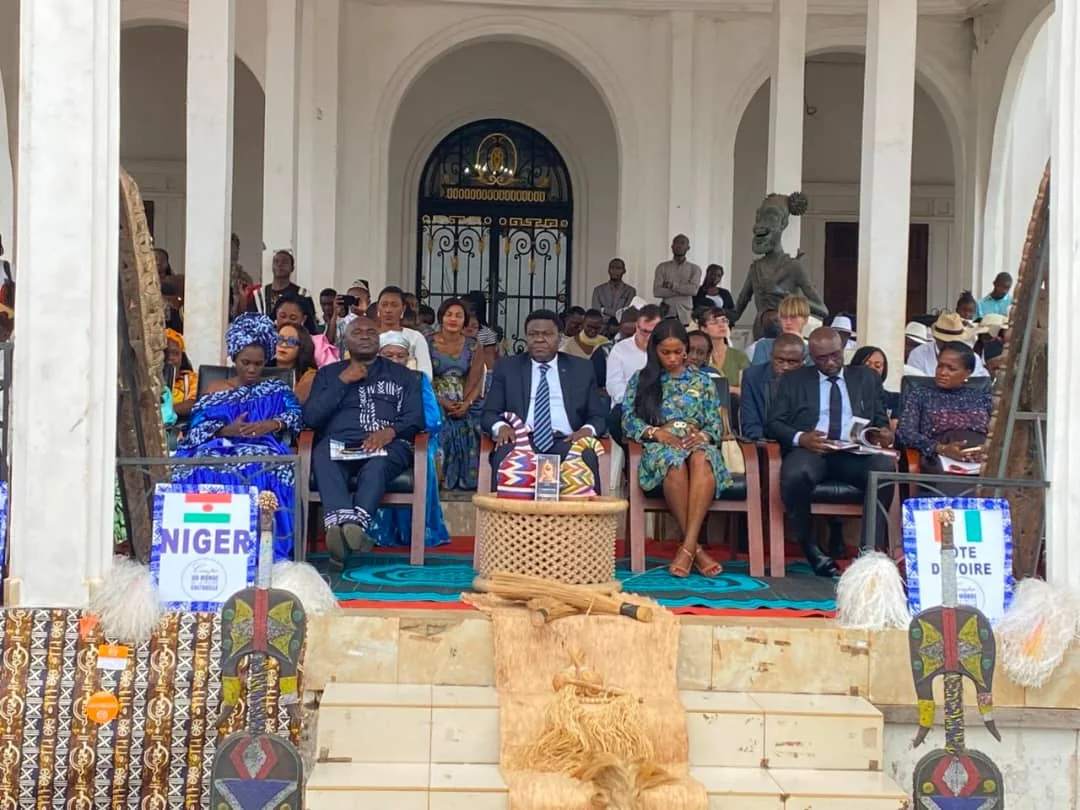
Foreign delegations seated under the Ministry gallery during a ceremony

A successful mediation ends with a written agreement; an arbitration ends with a decision. Both are notified to the parties.

The Commission’s decision

According to the law, when collective management bodies and users of phonograms fail to agree on the scale or to renew an agreement, the Arbitration Commission rules definitively on the matter. Its decision, adopted by simple majority, is notified to the parties and is binding on them. It concerns the remuneration scale and the arrangements for its payment; for the general logic of tariffs, see the licences.

The amicable agreement

For other disputes, the agreement recorded in writing and signed by the parties binds them like a contract. It specifies the subject of the dispute, the reciprocal commitments, the payments and their dates, as well as the confidentiality clause. An agreement providing for staggered payments states the consequences of a delay.

If the agreement fails

The failure of a mediation extinguishes no right: each party may refer the matter to the competent court, which may in particular order the seizure or confiscation of infringing copies. Litigation and the fight against piracy detail the available routes.

Common disputes

Which disputes are settled by mediation?

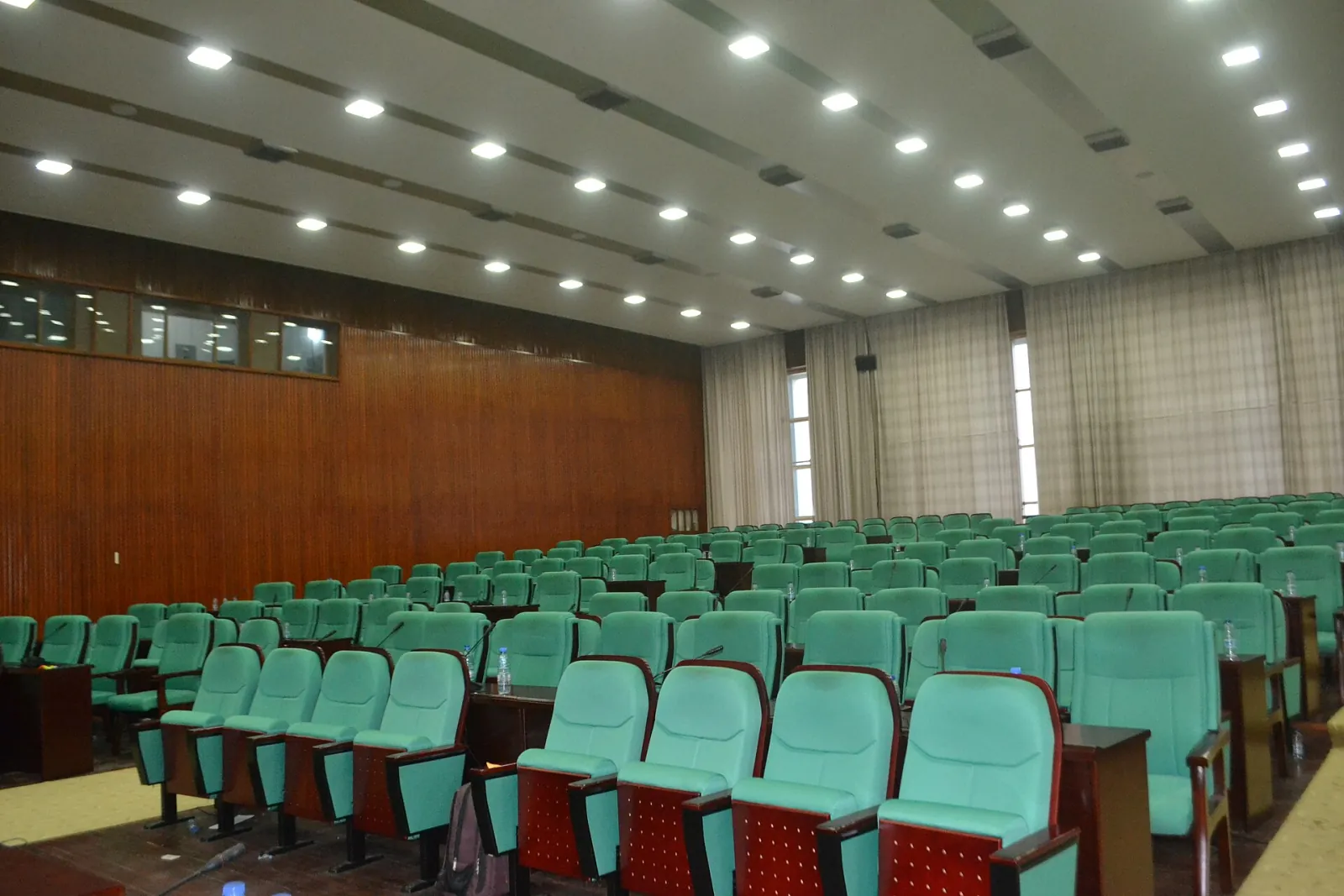
Conference hall with green seats and a ceiling of spotlights at the Yaoundé Conference Centre

The situations that lead to a request for mediation are varied. Knowing them helps you choose the right route and prepare your file.

  • The contested scale. A radio station or operator considers the remuneration requested to be disproportionate to its audience; this is the core of the Arbitration Commission’s competence for phonograms.
  • The licence interpreted differently. The publisher and the author disagree on a mode of exploitation that the contract does not mention; see the standard contracts.
  • The distribution of revenue. Co-authors or artists in the same show contest their shares.
  • Unpaid royalties. A festival organiser is slow to declare its programmes and to pay.
  • Unauthorised use. A work has been used without agreement, and the user agrees to regularise the situation rather than be prosecuted.
  • Performers’ rights. A disagreement over the remuneration for a performance fixed on a phonogram.

Disputes linked to artists’ status fall under other routes, described in the artist’s social status.

Tips

Preparing your mediation: good practice

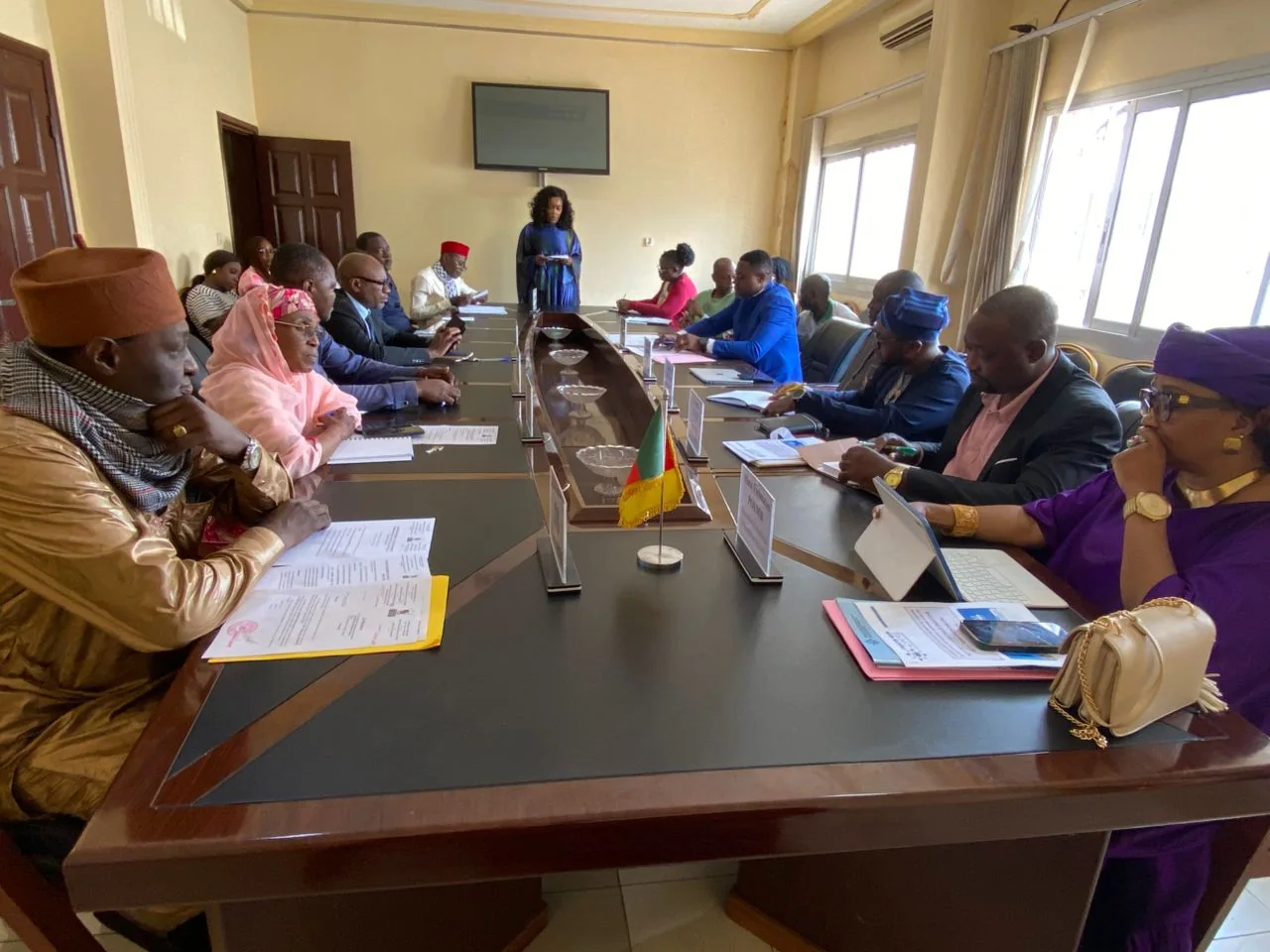
Working meeting around a large table in a Ministry room

A mediation is rarely won at the hearing: it is prepared beforehand. A few simple steps increase the chances of a quick and lasting agreement.

Before the meeting

Gather the contracts, invoices and declarations, sort them by date and write a one-page chronology. Put a figure on what you are claiming and set the threshold below which you would refuse an agreement. Check your standing to act: an author who is a member of a management society must in principle go through it.

During the exchange

Talk about facts rather than intentions, acknowledge what is well founded in the other side’s position and propose concrete solutions: a payment schedule, an amendment to the contract, a credit to the author, withdrawal of the work from a medium. Ask for the agreement to be drafted on the spot.

After the agreement

Sign in as many copies as there are parties, follow the payment schedule and file the document with the corresponding licence. To train in managing your rights, see the page on copyright training.

Step by step

From referral to agreement

Gather the documents

Gather licences, invoices, letters and programme declarations, then write a chronological account of the dispute in one or two pages.

Send the letter

Write to the Minister in charge of Culture describing the parties, the facts and your requests, and submit the file against a receipt.

Registration of the file

The secretariat provided by the legal services registers the referral, checks the documents and informs the opposing party.

Summoning the parties

The chair convenes the Commission according to an agenda; the parties are invited to present their observations.

Deliberation

The Commission deliberates in the presence of at least two thirds of the members and adopts its position by simple majority.

Notification and follow-up

The decision or agreement is notified to the parties, who implement it; failing that, the judicial route remains open.

To explore

Mediation in other sections

Feedback

Mediation as seen by its users

“
We thought we were going to court; an exchange overseen by the lawyers allowed us to sign a payment schedule in a single session.
A radio director, Douala
Commercial radio
“
The written agreement set our revenue shares. Since then, no more tension within the ensemble.
A performing artist, Yaoundé
Singer
“
Knowing that the Commission includes a judge and representatives of three ministries reassured us about the impartiality of the examination.
A representative of a collective management body
Collective management
“
My file was well organised: the chronological account and the documents made for a calm discussion without unnecessary delay.
A show producer, Bafoussam
Producer
To download

The documents for amicable settlement

Glossary

The words of mediation

Mediation

Amicable resolution of a dispute with the help of a neutral third party who facilitates dialogue without deciding.

Arbitration

Procedure in which a designated body settles the dispute and issues a decision that binds the parties.

Arbitration Commission

Body placed under the Minister in charge of Culture, competent for disagreements over the remuneration of phonograms.

Referral

Written act by which a party brings its dispute before the competent body.

Party

Person or body directly concerned by the dispute, claimant or respondent.

Notification

Official delivery of a decision or agreement to each of the parties, with proof of the date.

Quorum

Minimum number of members present for the Commission to deliberate validly.

Simple majority

Rule whereby the position that obtains the most votes prevails; the chair’s vote breaks a tie.

Rules of procedure

Text of the Commission setting out the rules of procedure: exchanges, hearings, time limits.

Memorandum of agreement

Written and signed document recording the parties’ commitments after a mediation.

Phonogram

Fixation of sounds from a performance or of other sounds, at the core of the Commission’s competence.

To act

The procedures for amicable settlement

Write to the directorate

Set out your dispute and attach the documents to be directed to the appropriate route: mediation, arbitration or legal action.

Write to us

Consult the texts

Read the decree of 25 September 2015 and the 2000 law to learn about your rights and the Commission’s rules.

View the texts

Secure your contracts

Use standard contracts to avoid disputes over duration, territory and remuneration.

See the models

Training

Attend a workshop on rights management and conflict prevention in the cultural industries.

Get informed
On the site

Extend your reading on mediation

Resources

Useful links for mediation

Stakeholders

Who is involved in mediation?

Key facts

Mediation at a glance

StageWho actsWhat happensPoint to note
ReferralThe claimantLetter to the Minister in charge of Culture with documentsAttach a precise account and keep proof of submission
RecordingLegal services of the MinistryOpening of the file and informing the other partyThe Commission’s secretariat is provided by these services
SummonsChair of the CommissionMeeting according to a set agendaCompulsory convening at the request of the Minister or of two thirds
QuorumMembers of the CommissionPresence of at least two thirds of the membersSecond summons within ten days, no quorum required
DeliberationArbitration CommissionVote by simple majority, chair’s casting voteThe rules of procedure are set by the rules of procedure of the Commission
NotificationSecretariat of the CommissionDelivery of the decision or agreement to the partiesKeep the original with the relevant contract or licence
Journey

Arbitration over time

2000The copyright law

The law of 19 December 2000 creates the Arbitration Commission to settle disagreements over remuneration linked to phonograms.

After 2000The first scales

Collective management bodies draw up their scales in consultation with users of phonograms.

2015The organisation decree

Decree No. 2015/3978/PM of 25 September 2015 sets the composition, meetings and quorum of the Commission.

Each referralExamination of the file

The legal services register the file, inform the opposing party and prepare the Commission’s meeting.

Each decisionNotification

The decision or agreement is notified to the parties and kept in the secretariat’s archives.

TodayA culture of dialogue

Professionals increasingly turn to dialogue, helped by the training and standard contracts circulated by the Ministry.

Questions

Your questions about mediation

Is mediation compulsory before a trial?

No. Mediation is an amicable route that remains optional: each party may refer the matter to the competent court at any time. It is nevertheless recommended, because it is quicker, confidential and less costly, and it preserves professional relationships between authors, producers and users.

Who can refer a matter to the Arbitration Commission?

The parties to the disagreement, that is, collective management bodies and persons who use phonograms. The Commission rules definitively on disagreements relating to the remuneration provided for these uses. For another type of dispute, first contact the Ministry’s lawyers, who will direct you.

How much does a referral cost?

The Arbitration Commission’s operating costs are borne by the budget of the Ministry in charge of Culture, so the referral itself does not give rise to procedural costs. Any costs of counsel, travel or copying of documents remain your responsibility.

How is the Commission composed?

It brings together a chair, a judge of the judicial branch appointed by the First President of the Supreme Court, and three representatives of the ministries responsible for Culture, Justice and Territorial Administration. The term of office is three years, renewable once.

What if the quorum is not reached?

The Commission may only rule in the presence of at least two thirds of its members. If this quorum is lacking, it is convened again within ten days, and may then deliberate without any quorum requirement. The parties are informed by the secretariat.

Can a decision of the Commission be challenged?

For disagreements within its competence, the law provides that the Commission rules definitively. It is therefore essential to submit a complete file from the first referral. For other disputes, the judicial route remains open after a failed mediation.

Does an amicable agreement have legal value?

Yes, when it is written and signed by the parties: it binds them like a contract. It must state the subject of the dispute, the commitments, the amounts and the dates. Keep a copy with the relevant contract or licence.

Can I be assisted during the procedure?

Yes. You may be accompanied by counsel or by a representative of your management body. Inform the secretariat in advance of the identity of the person who will assist you, so that the summons and documents are sent to the right people.

Where can I find the detailed rules of procedure?

The rules of procedure are laid down in the Commission’s internal regulations, which supplement the decree of 25 September 2015. The secretariat, provided by the legal services, sends them to the parties when the matter is referred. You can also request them via the contact form.

Contact

Write to the Ministry: Mediation

Explain your dispute.

Competent directorate

Contact Legal Affairs

Address

Directorate of Legal Affairs – Secretariat of the Arbitration Commission
Ministry of Arts and Culture
Quartier du Lac – Ministerial Zone
P.O. Box 1053 Yaoundé, Centre Region, Cameroon

Reach us

+237 6 51 70 58 41

contact@minac.gov.cm

Opening hours

Monday to Friday, 8 am to 4 pm

If mediation fails

Discover the judicial routes and the seizure measures provided for by law.

See litigation
WhatsApp