Coat of arms of CameroonMinistry of Arts
and Culture
Republic of Cameroon
My procedures
Home
Minister’s message
News
Press releases
Cultural calendar
Official speeches
Press review
Photo library
Video library
Calls for projects
Job vacancies
Public procurement
Newsletter
Frequently asked questions
Site map
Contact
Press area
Podcast “The Voice of Culture”
Legal notices
Privacy policy
Cookies and trackers
The Ministry
Missions and responsibilities
Organisation
Organisation chart
Minister’s Office (Cabinet)
Management team
General Secretariat
General Inspectorate
Central directorates
Regional Delegations
Institutions under supervision
Legislative texts
Regulatory texts
Sector strategy
Major projects
Budget and reports
Partners
Careers
Archives
Institutional communication
Quality and accessibility
Arts
Visual and plastic arts
Visual arts
Performing arts
Theatre
Dance
Music
Literature and books
Cinema and audiovisual
Photography
Fashion and design
Digital arts
Art crafts
Artists’ directory
Residencies
Prizes and awards
Arts education
Urban arts
Heritage
Tangible heritage
Intangible heritage
UNESCO sites
National museums
Listed monuments
National inventory
Palaces and chiefdoms
Archaeology
Linguistic heritage
Oral traditions
Traditional know-how
Restitution of cultural property
Fight against illicit trafficking
Listing and protection
Conservation and restoration
Heritage Days
Cultural landscapes
Industries
Music and recording
Cinema
Publishing and books
Digital arts
Fashion and creativity
Crafts
Cultural tourism
Funding for culture
Support funds
Incubators
Cultural entrepreneurship
Culture Observatory
Vocational training
Studies and reports
Sector statistics
Export and outreach
Intellectual property
Copyright
Legal framework
Copyright and neighbouring rights
Collective management societies
Register a work
Licences
Private copying
Fight against piracy
Model contracts
Social status of artists
Mediation
Disputes
Training
Fee scales
Register of works
Contact
Digital neighbouring rights
Public domain
Festivals
National calendar
Ngondo
Nguon
Écrans Noirs
Heritage Days
Music Day
Regional festivals
Fairs and exhibitions
Biennials
National competitions
Cultural days
Organise a festival
Event grants
Ticketing
Archives
Volunteering
Diaspora festivals
Regions
Adamawa
Centre
East
Far North
Littoral
North
North-West
West
South
South-West
Cultural map
Regional Delegations
Traditional chiefdoms
National languages
Cultural routes
Decentralised cooperation
Regional observatory
Cooperation
UNESCO
Francophonie (OIF)
African Union
Commonwealth
CEMAC
Bilateral cooperation
Cultural agreements
Professional organisations
Scholarships
Artist exchanges
Cultural years
Diaspora
Funded projects
Embassies
Technical partners
International restitution
International monitoring and calls
Services
Artist card
Show authorisation
Filming authorisation
Festival authorisation
Deposit of a work
Export of works of art
Listing of a property
Grant application
Association accreditation
File tracking
Forms
Fees
Opening hours and addresses
Reporting
Online help
My account
One-Stop Shop
Festivals

Écrans Noirs

Official selection, jury, programme and accreditations: everything you need to know about Écrans Noirs, the African film festival held in Yaoundé and monitored by the Ministry’s cinema directorate.

Updated on 6 November 20264 sub-pages
GenreCinema
CityYaoundé
Screenings per edition80
Countries represented30
Cinema

Cinema on the bill in Yaoundé

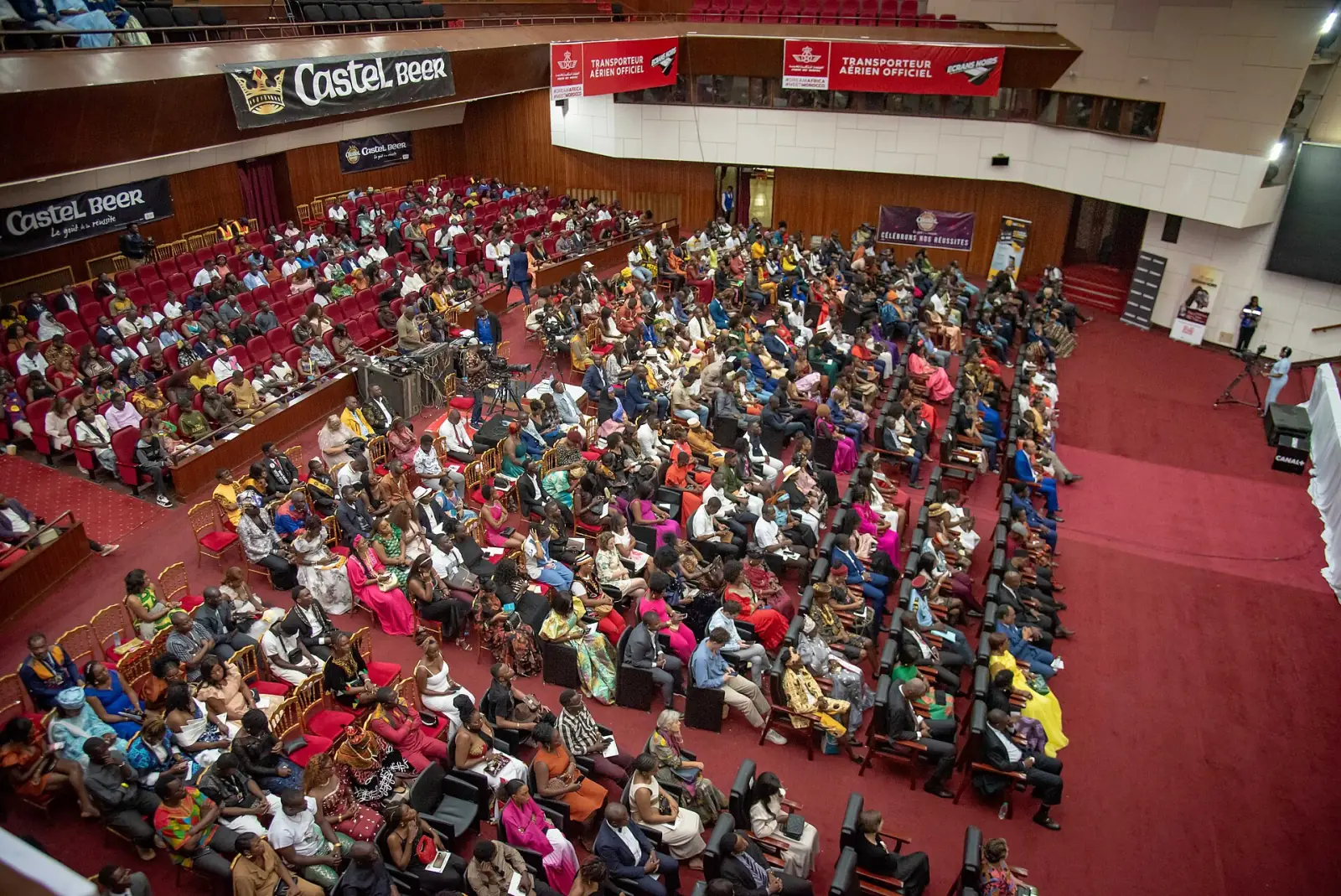
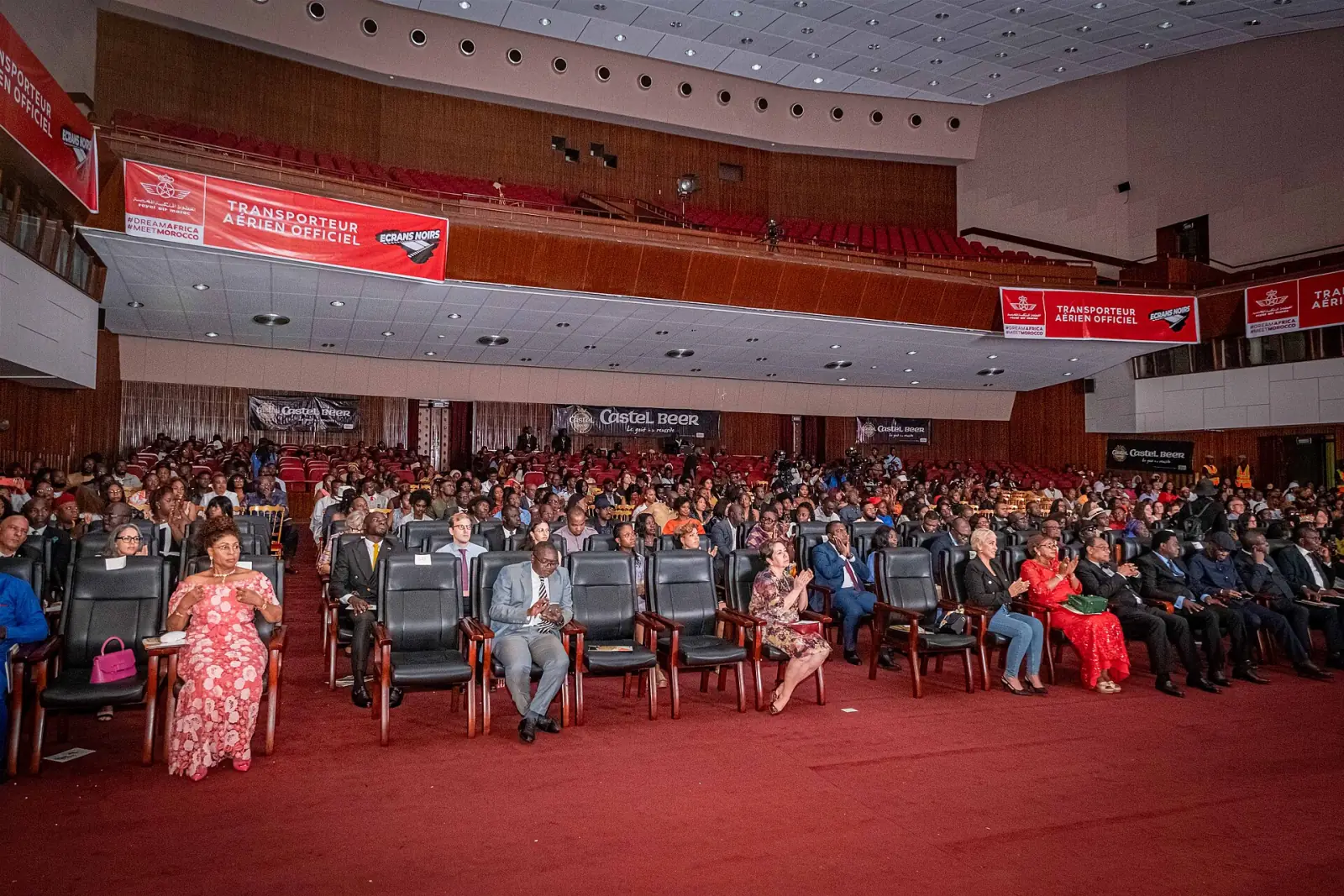
Packed hall at the opening ceremony of the Écrans Noirs festival

Écrans Noirs is a film festival of Africa and its diasporas, based in Yaoundé. Each year it brings together feature films, short films, documentaries and animated films, in cinemas, cultural institutes and open-air venues, with a competition, workshops and professional meetings.

The Ministry monitors film festivals through the Directorate of Cinematography and Audiovisual Productions. Filming or a public screening requires the appropriate authorisations, as recalled in the pages on festival authorisation and filming authorisation.


  • A competition of African films
  • A jury of professionals
  • Accreditations for the press and the industry
See the official selection
Official selection

The official selection of Écrans Noirs

Golden Screen trophy awarded at the Écrans Noirs festival

The official selection is the heart of the festival: it is what builds the reputation of an edition among filmmakers, producers and the public. It is decided by the festival’s selection committee, which views the films received following the call for entries.

The categories

  • Feature fiction films: the main competition, open to African and diaspora films;
  • Documentaries: stories of reality, portraits and social investigations;
  • Short films: fiction, animation and visual experiments of under forty minutes;
  • School films: student work from film schools and training workshops;
  • Out-of-competition panorama: restored classics, premieres and guest films.

Criteria and calendar

Films are judged on their artistic quality, their originality and their grounding in African realities. The call for films opens several months before the opening; filmmakers submit a viewing link, a synopsis, a technical sheet and broadcast authorisations. The response comes about six weeks before the festival.

Cameroonian productions can draw on the film industry schemes, on support funds and on the cinema and audiovisual page. The deposit of works follows the legal deposit procedure.

ℹ️
Cameroonian filmmakers

A selected Cameroonian film benefits from a dedicated presentation screening and a meeting with the audience in the presence of the team.

Jury

The jury of Écrans Noirs

Presentation of a best screenplay award before a large Cameroonian flag at the Écrans noirs festival

The jury awards the prizes of the official competition. It brings together film professionals, chosen for the diversity of their backgrounds and countries, and its composition is announced by the organisers a few weeks before the festival opens.

Who sits on it?

It usually includes directors, producers, critics, academics, festival directors and, depending on the year, recognised actors or technicians. The presidency is entrusted to a figure from African cinema. Members undertake to watch all the films in competition and to respect the independence of their choice.

The prizes awarded

  • Grand Prize for feature fiction film;
  • Prize for best documentary;
  • Short film prize;
  • Prizes for directing, acting, screenplay and cinematography;
  • Audience prize, voted by the viewers;
  • Special mention of the jury, to distinguish a film or a talent.

A youth jury

A youth jury, made up of students, awards a special prize. It helps train future critics and programmers and is supported by the directorate responsible for arts education.

The recognition of films extends the policy of prizes and awards. The national competitions offer other opportunities for recognition.

ℹ️
Independence

Jury members may not have a financial or family link with a film in competition; they declare this before the first screening.

Programme

The programme of screenings and meetings

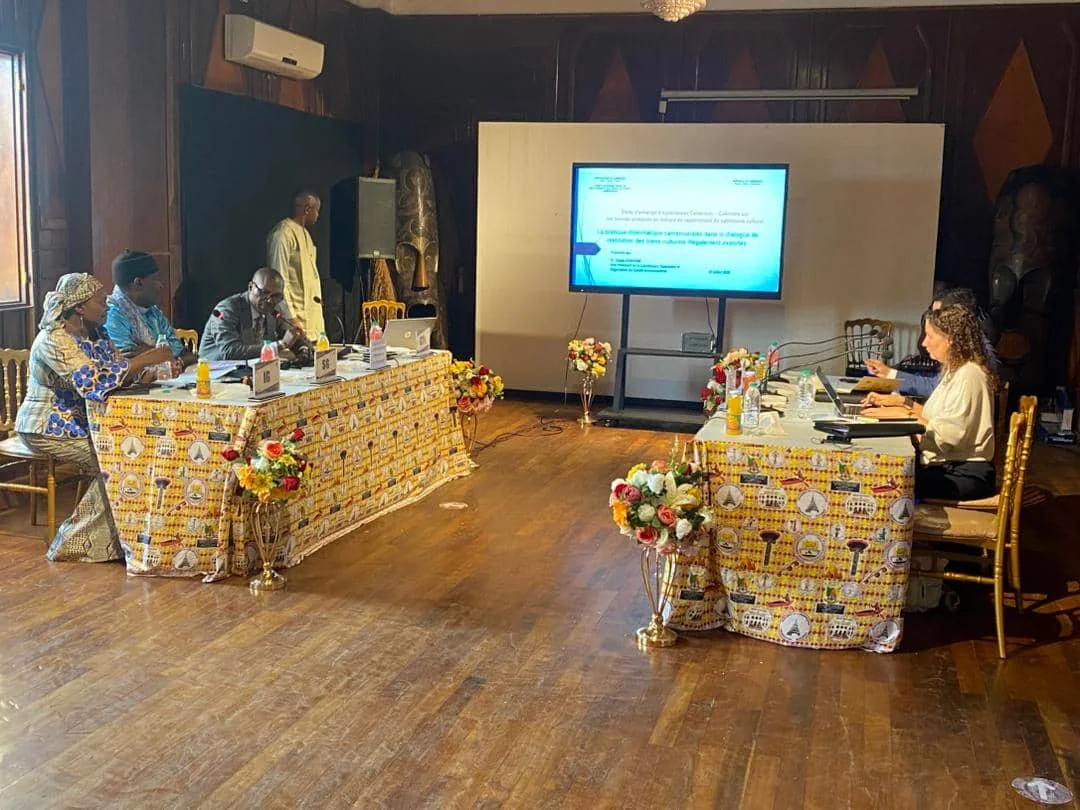
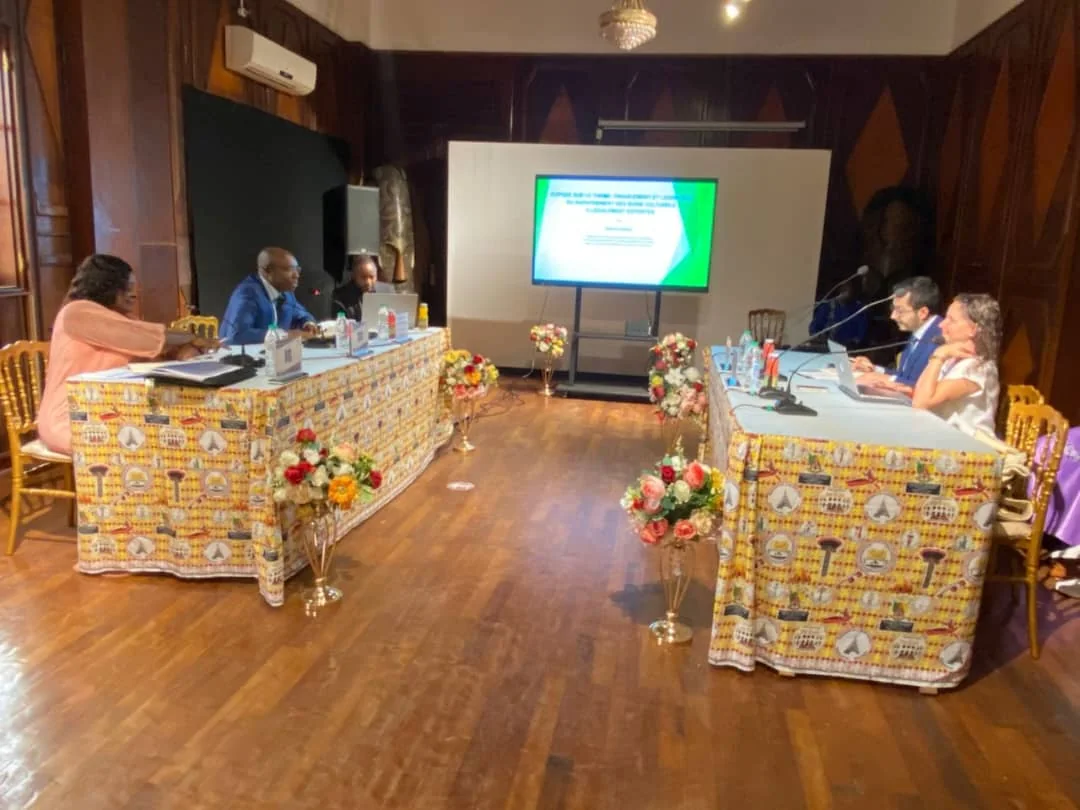
Meeting room with a projection screen during a Ministry workshop

The Écrans Noirs programme combines screenings, meetings, workshops and evening events. It is published as a daily schedule in the cultural agenda and in more detail by the festival. The late 2026 edition opens on 28 November and closes on 5 December in Yaoundé.

A week of screenings

Each day includes morning screenings for schools, afternoon screenings for the competition and evening screenings for premieres. Open-air screenings in neighbourhoods make it possible to reach audiences who do not attend cinemas. Each screening is followed by a discussion with the film’s team.

Workshops and master classes

  • Screenwriting, with guest consultants;
  • Sound recording, cinematography and editing, for emerging technicians;
  • Project pitches before producers and broadcasters;
  • Media literacy for teachers and pupils.

The film market

A professional space brings together distributors, platforms and export managers. Business meetings are organised with the financing institutions presented in financing culture.

Find the festival’s place in the national calendar and consult the ticketing page for prices and passes.

ℹ️
Free screenings

School screenings and several neighbourhood screenings are free of charge; a reservation may be requested for groups.

Accreditations

Festival accreditations

Aerial view of the full Yaoundé Conference Centre during the Écrans noirs festival closing

Accreditation allows professionals and journalists to access screenings, work spaces and meetings. It is requested from the festival organisers, within a deadline set each year, and is issued as a named badge.

The badge categories

  • Press: journalists, critics, bloggers and recording crews;
  • Professionals: producers, distributors, programmers and platform managers;
  • Filmmakers and film teams: guests of the screenings and meetings;
  • Students and young critics: reduced-rate badges, on proof;
  • Volunteers: reception, logistics and translation team.

How to apply

Applicants fill in the online form and attach an identity document, proof of professional status and, for journalists, an assignment letter. The organisers process the file within one to two weeks. Journalists will find the information in the Ministry’s press area, with the media kit and contacts.

Proper use of the badge

The badge is strictly personal, must be worn visibly, and gives access to the indicated areas. To film, a filming authorisation is also required when the recording goes beyond editorial use.

Volunteers are presented on the Volunteering page.

ℹ️
Deadlines

Applications submitted less than ten days before the opening are processed subject to availability.

Step by step

Submitting a film to the festival

Read the call

Consult the rules: duration, year of production, language, subtitling and open categories.

Prepare the file

Gather the synopsis, technical sheet, the director’s photo and the secure viewing link.

Submit the application

Send the file before the deadline; you will receive an acknowledgement of receipt with a number.

Await the decision

The selection committee replies about six weeks before the opening, with the screening date.

Deliver the copy

Provide the screening file, the subtitles and the trailer to the required standards.

Champion the film

Take part in the screening, the meeting with the audience and the film market to meet partners.

Journey

From selection to the awards ceremony

Call for filmsRegistrations

Filmmakers submit their application several months before the festival opens.

SelectionViewing committee

The films are viewed by a committee that selects the competition and the panorama.

OpeningFirst screenings

The festival begins with a ceremony, a premiere and the presentation of the jury.

Heart of the festivalScreenings and workshops

Cinemas, neighbourhoods and professional spaces come alive with screenings and meetings.

WinnersPrize-giving

The closing announces the prizes, with the award-winning films shown again in several cities.

To act

Cinema procedures

Filming authorisation

To be requested before any filming in the territory, with the synopsis and the filming plan.

Apply

Festival authorisation

For organisers of public screenings or film festivals.

Submit the file

Legal deposit

Obligation to deposit a copy of the work with the competent services.

See the procedure

Artist card

Recognition of the status of professional actor or director.

Apply for the card
Agenda

Écrans Noirs in dates

They live it

Voices of the festival

“
Presenting my first short film to the Yaoundé audience gave me confidence and contacts that launched my second project.
A young film-maker
Douala
“
The film market enabled me to meet three distributors in two days; we are already preparing a cinema release.
A producer
Yaoundé
“
Every year, the neighbourhood screenings fill the school yard: children discover stories that resemble their own.
A teacher
Mfoundi
“
Accreditation is simple and quick: the press office answers journalists and helps us organise our interviews.
A culture journalist
Bafoussam

“Developing the film industry means offering our films screens, audiences and funding.”

NDS30, sector ambition
To download

The filmmaker’s documents

Key facts

The festival at a glance

ComponentContentPublicWhere to find information
CompetitionFeature films, documentaries, short filmsFilmmakers and criticsOfficial selection
JuryProfessionals and youth juryFilmmakersJury page
ScreeningsCinemas, open air, schoolsGeneral publicProgramme
WorkshopsWriting, image, sound, pitchYoung professionalsProgramme
Film marketBusiness meetings and screeningsIndustryCinema and audiovisual
PressAccreditation, conferences, fileJournalistsPress area
AuthorisationFestival and filmingOrganisersOne-Stop Shop
Glossary

The words of the festival

Selection

Choice of films retained for the competition or the panorama of an edition.

Jury

Committee of professionals that awards the competition prizes.

Accreditation

Professional access authorisation, embodied in a named badge.

Winners

List of the prizes awarded at the close of the festival.

Preview

First screening of a film before its general release.

Overview

Out-of-competition section presenting guest or restored films.

Pitch

Short presentation of a film project before funders.

Synopsis

Summary of a film’s story, in a few lines.

Technical sheet

List of the roles and people who made the film.

Master class

Training session led by a recognised professional.

On the site

Continue reading about Écrans Noirs

Resources

Useful links for cinema

Stakeholders

Who supports cinema?

To explore

The festival and the other sections

Questions

Your questions about Écrans Noirs

Where do I get accredited?

Accreditations are requested from the festival organisers, via an online form, with an identity document, proof of professional status and, for journalists, an assignment letter. The Ministry relays the information in the press area and supports requests from national media.

How do I submit a film?

Consult the rules of the call for films, prepare the synopsis, the technical sheet and a secure viewing link, then submit your application before the deadline. The selection committee replies about six weeks before the festival opens; you then receive the screening date.

Where can I see the programme?

The programme is published by the festival and relayed in the cultural agenda. It presents the screenings, workshops, meetings and evening events, day by day. Printed versions are available in partner cinemas and associated schools.

Are the screenings paid?

Some screenings are free, notably school and neighbourhood screenings; gala evenings and certain venues are paid. A pass allows you to attend several screenings. The rules on sales follow those for festival ticketing.

Can the festival be filmed?

Accredited journalists may film in the areas open to the press. For a professional recording intended for commercial broadcast, a filming authorisation is required, as well as the agreement of the organisers and of the rights holders of the films screened.

Who sits on the jury?

The jury brings together film professionals from several countries: directors, producers, critics and academics. Its composition is announced a few weeks before the opening. A youth jury also awards a separate prize, with the support of arts education.

How can I obtain funding for my film?

Several avenues exist: support funds, subsidies, patronage, co-productions and calls for projects. The festival organises pitch sessions before funders. See the Industries section and the Support funds page for the criteria and calendars.

How can I become a volunteer?

The festival recruits volunteers for reception, logistics, translation and cinema stage management. Applications are submitted to the organisers; a certificate is issued at the end of the edition. See the Ministry’s Volunteering page for the commitments and training offered.

Contact

Write to the Ministry about Écrans Noirs

Specify the festival or event concerned, the nature of your request and the period.

Competent directorate

Contact the Écrans Noirs team at the Ministry

Address

Directorate of Shows and Creative Industries
Ministry of Arts and Culture
Quartier du Lac – Ministerial Zone
P.O. Box 1053 Yaoundé, Centre Region, Cameroon

Reach us

+237 6 51 70 58 41

contact@minac.gov.cm

Opening hours

Monday to Friday, 8 am to 4 pm

See cinema

Production, cinemas, support and festivals: find the full cinema and audiovisual section.

Cinema and audiovisual
WhatsApp