Coat of arms of CameroonMinistry of Arts
and Culture
Republic of Cameroon
My procedures
Home
Minister’s message
News
Press releases
Cultural calendar
Official speeches
Press review
Photo library
Video library
Calls for projects
Job vacancies
Public procurement
Newsletter
Frequently asked questions
Site map
Contact
Press area
Podcast “The Voice of Culture”
Legal notices
Privacy policy
Cookies and trackers
The Ministry
Missions and responsibilities
Organisation
Organisation chart
Minister’s Office (Cabinet)
Management team
General Secretariat
General Inspectorate
Central directorates
Regional Delegations
Institutions under supervision
Legislative texts
Regulatory texts
Sector strategy
Major projects
Budget and reports
Partners
Careers
Archives
Institutional communication
Quality and accessibility
Arts
Visual and plastic arts
Visual arts
Performing arts
Theatre
Dance
Music
Literature and books
Cinema and audiovisual
Photography
Fashion and design
Digital arts
Art crafts
Artists’ directory
Residencies
Prizes and awards
Arts education
Urban arts
Heritage
Tangible heritage
Intangible heritage
UNESCO sites
National museums
Listed monuments
National inventory
Palaces and chiefdoms
Archaeology
Linguistic heritage
Oral traditions
Traditional know-how
Restitution of cultural property
Fight against illicit trafficking
Listing and protection
Conservation and restoration
Heritage Days
Cultural landscapes
Industries
Music and recording
Cinema
Publishing and books
Digital arts
Fashion and creativity
Crafts
Cultural tourism
Funding for culture
Support funds
Incubators
Cultural entrepreneurship
Culture Observatory
Vocational training
Studies and reports
Sector statistics
Export and outreach
Intellectual property
Copyright
Legal framework
Copyright and neighbouring rights
Collective management societies
Register a work
Licences
Private copying
Fight against piracy
Model contracts
Social status of artists
Mediation
Disputes
Training
Fee scales
Register of works
Contact
Digital neighbouring rights
Public domain
Festivals
National calendar
Ngondo
Nguon
Écrans Noirs
Heritage Days
Music Day
Regional festivals
Fairs and exhibitions
Biennials
National competitions
Cultural days
Organise a festival
Event grants
Ticketing
Archives
Volunteering
Diaspora festivals
Regions
Adamawa
Centre
East
Far North
Littoral
North
North-West
West
South
South-West
Cultural map
Regional Delegations
Traditional chiefdoms
National languages
Cultural routes
Decentralised cooperation
Regional observatory
Cooperation
UNESCO
Francophonie (OIF)
African Union
Commonwealth
CEMAC
Bilateral cooperation
Cultural agreements
Professional organisations
Scholarships
Artist exchanges
Cultural years
Diaspora
Funded projects
Embassies
Technical partners
International restitution
International monitoring and calls
Services
Artist card
Show authorisation
Filming authorisation
Festival authorisation
Deposit of a work
Export of works of art
Listing of a property
Grant application
Association accreditation
File tracking
Forms
Fees
Opening hours and addresses
Reporting
Online help
My account
One-Stop Shop
Industries

Support funds

The special allocation account under Decree 2001/389 funds creation, cinema, publishing and artists’ mobility. Here are the criteria, the course of a session and the procedures for submitting a support application.

Updated on 6 November 20264 sub-pages
Founding text of the accountDecree 2001/389
Authorising officer by delegationMinister in charge of culture
Thematic funds4
Submission of filesOnline
Support funds

Funds to create and travel

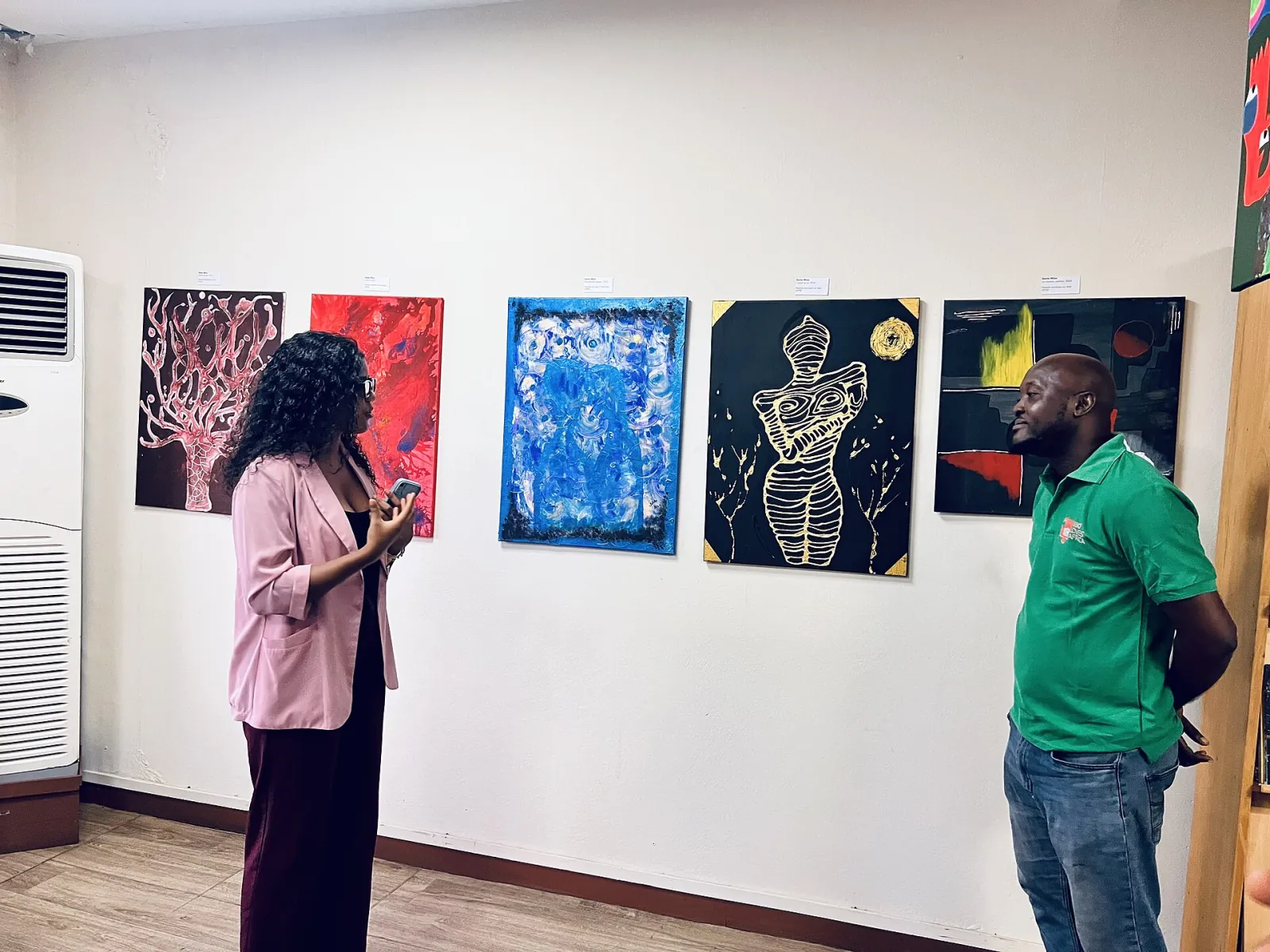
Visitors in front of abstract paintings hung on the walls of an art gallery

Public support for Cameroonian culture rests on a specific tool: the special allocation account for the support of cultural policy, created by Decree 2001/389. It is managed by the Minister in charge of culture, authorising officer by delegation of the Minister of Finance, and is funded in particular by folklore, public domain and private copying royalties.

Four main families of support arise from it: support for creation, support for cinema and audiovisual, support for publishing and books, and support for artists’ mobility. This page explains who they are for, how a file is reviewed and what a beneficiary must give back in return.

  • Four funds for four needs: create, shoot, publish, travel
  • Review by a commission of professionals
  • Online submission and tracking by file number
Discover support for creation
Creation

Support for artistic creation

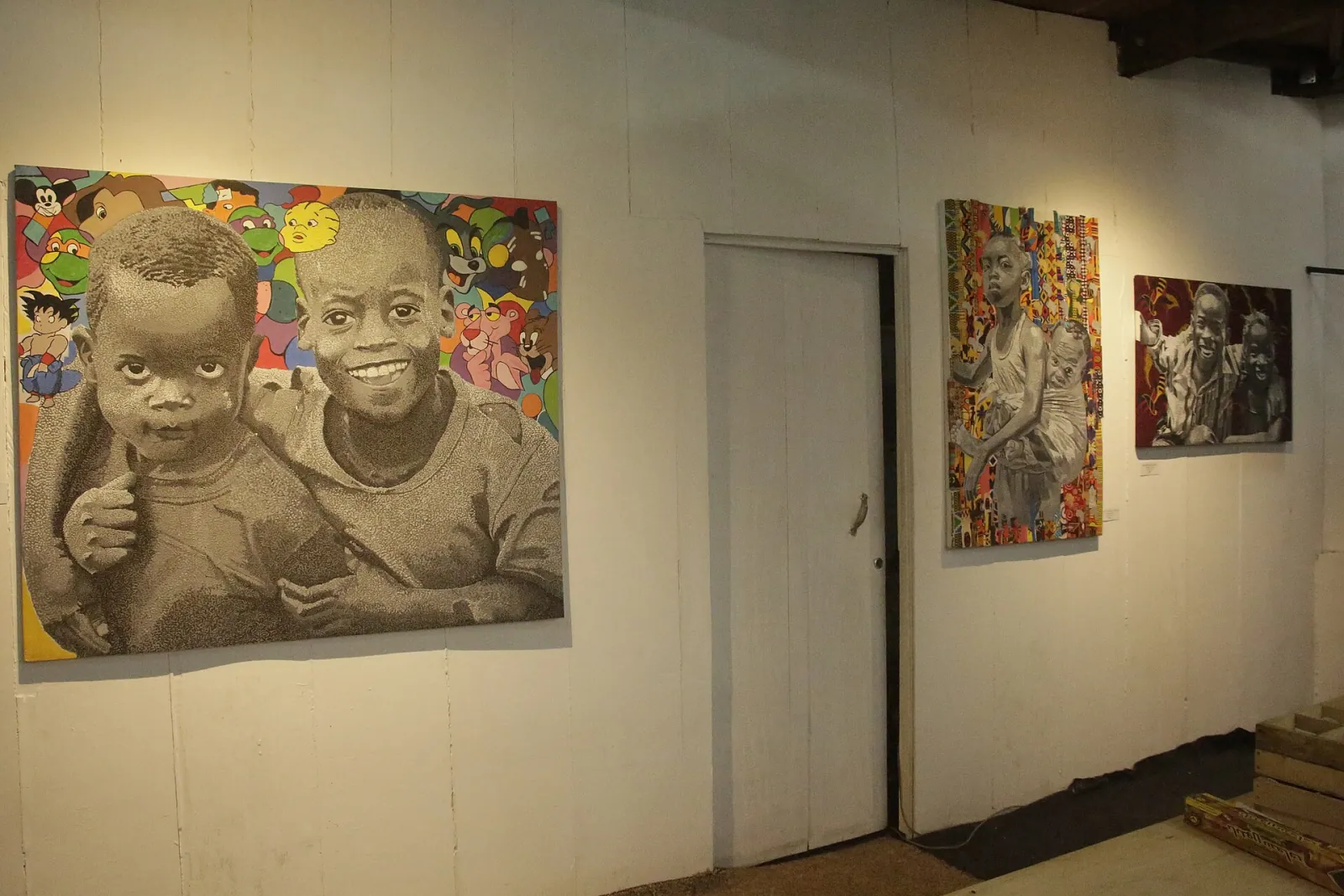
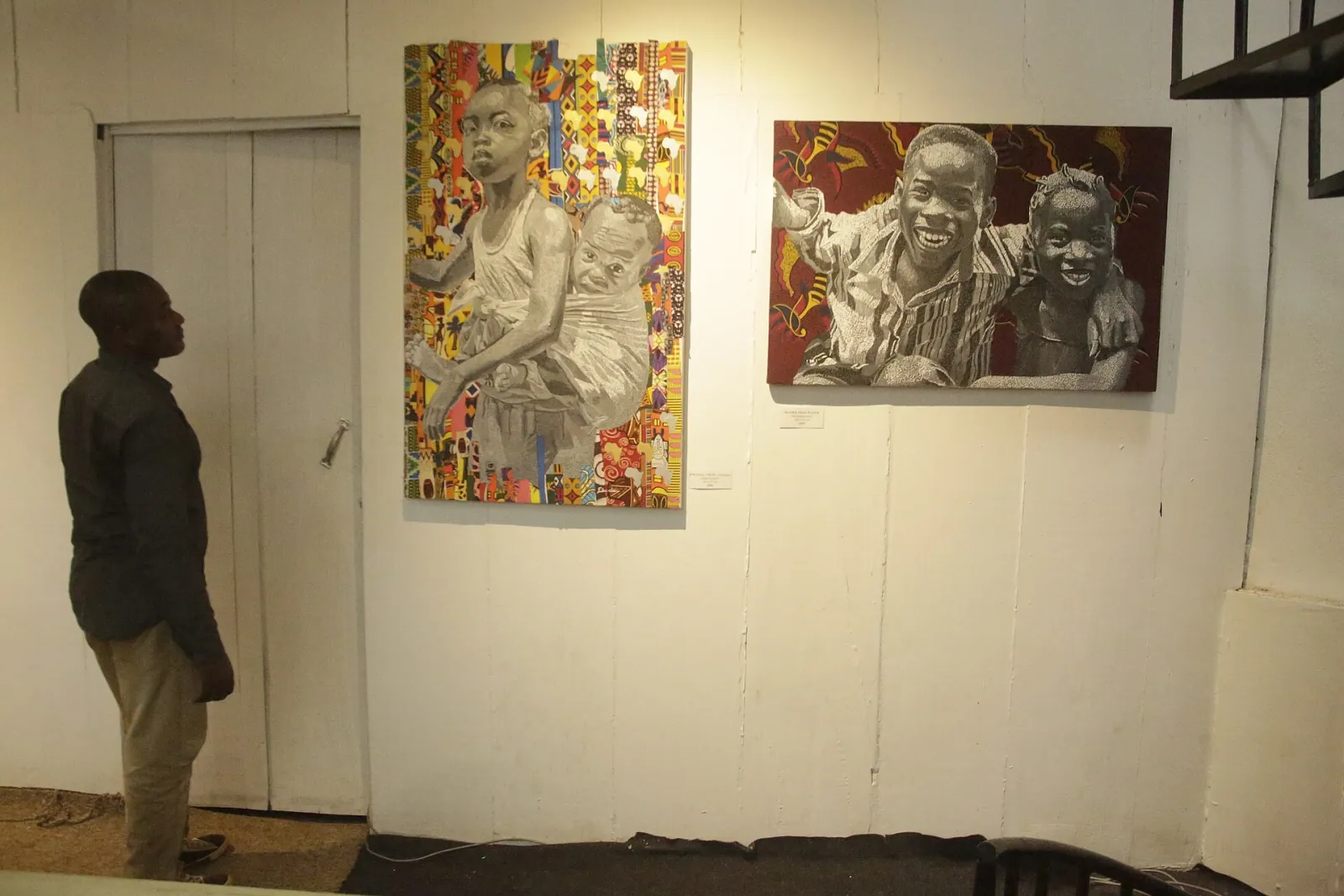
Portrait paintings of children hung in an exhibition room

Support for creation funds the work that precedes the stage, the exhibition or the record: writing, rehearsals, making costumes and sets, recording, production of a series of works. It is aimed at professional artists, companies, collectives and approved cultural associations, in all the disciplines overseen by the Directorate of Arts Development and Promotion.

What is funded

  • The research and rehearsal time for a dance, theatre or music production;
  • The production of an exhibition or a set of visual arts works;
  • The recording of an album or a sound work;
  • The scenography, technical management and costumes of a new work.

Review criteria

The commission first reads the artistic project: originality of the approach, strength of the team, consistency of the schedule and budget. It then looks at the territorial anchoring (target audience, venues, local partners) and the project leader’s ability to see the project through to its presentation. Creations that involve several regions or that provide for time to pass on skills to young artists are looked at closely.

What the project leader undertakes to do

Support for creation is never a blank cheque: it requires co-funding, however modest, a public presentation of the work and a report submitted to the Ministry.

ℹ️
For emerging companies

A first application can be submitted with a two-page note and a simple budget. If your organisation is not yet constituted, start with association approval.

Cinema

Support for cinema and audiovisual

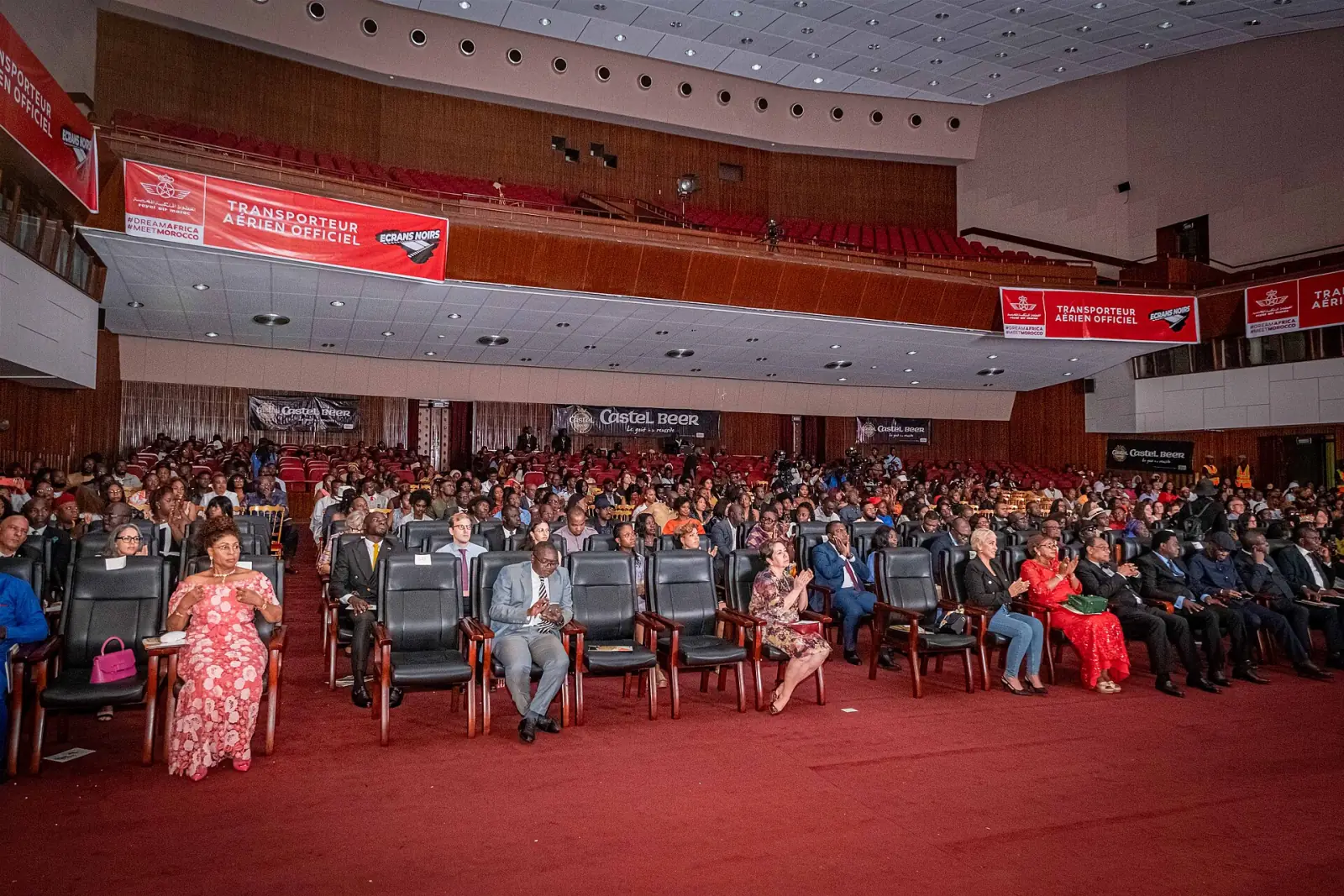
Official audience seated in a large red hall at the opening ceremony of a film festival

The fund for cinema supports projects for fiction films, documentaries, animated films and series, from writing to distribution. It complements the schemes run by the Directorate of Cinematography and Audiovisual Productions and the efforts of the country’s independent producers.

Phases supported

  1. Writing and development: screenplay, production file, location scouting, directing project;
  2. Production: shooting, post-production, colour grading and mixing;
  3. Distribution: subtitling, posters, printing of digital copies, presence at festivals;
  4. Exhibition: touring screenings and refurbishment of cinemas.

Admissibility conditions

The applicant is a producer or production company established in Cameroon, or a cultural association holding an approval. They provide the synopsis, treatment or screenplay, the list of main collaborators, a financing plan showing the other partners and, for a shoot, the filming authorisation application.

A link with festivals

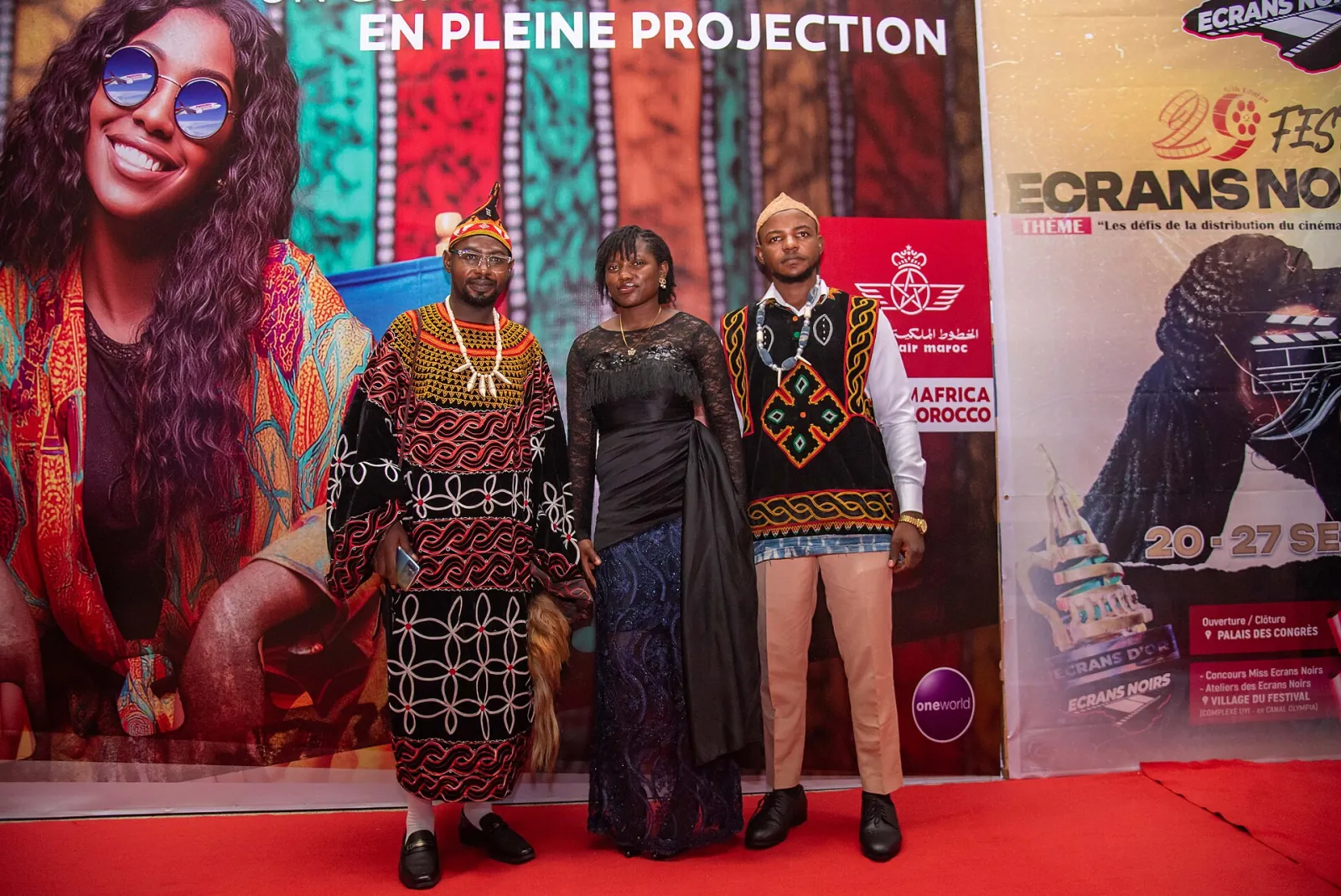
Films that receive support are intended to be presented at national and international events, such as Écrans Noirs. Producers will find other points of reference on the page devoted to the film industry.

ℹ️
Good to know

The same film may receive writing support, then production support and distribution support: each stage is the subject of a separate application and report.

Publishing

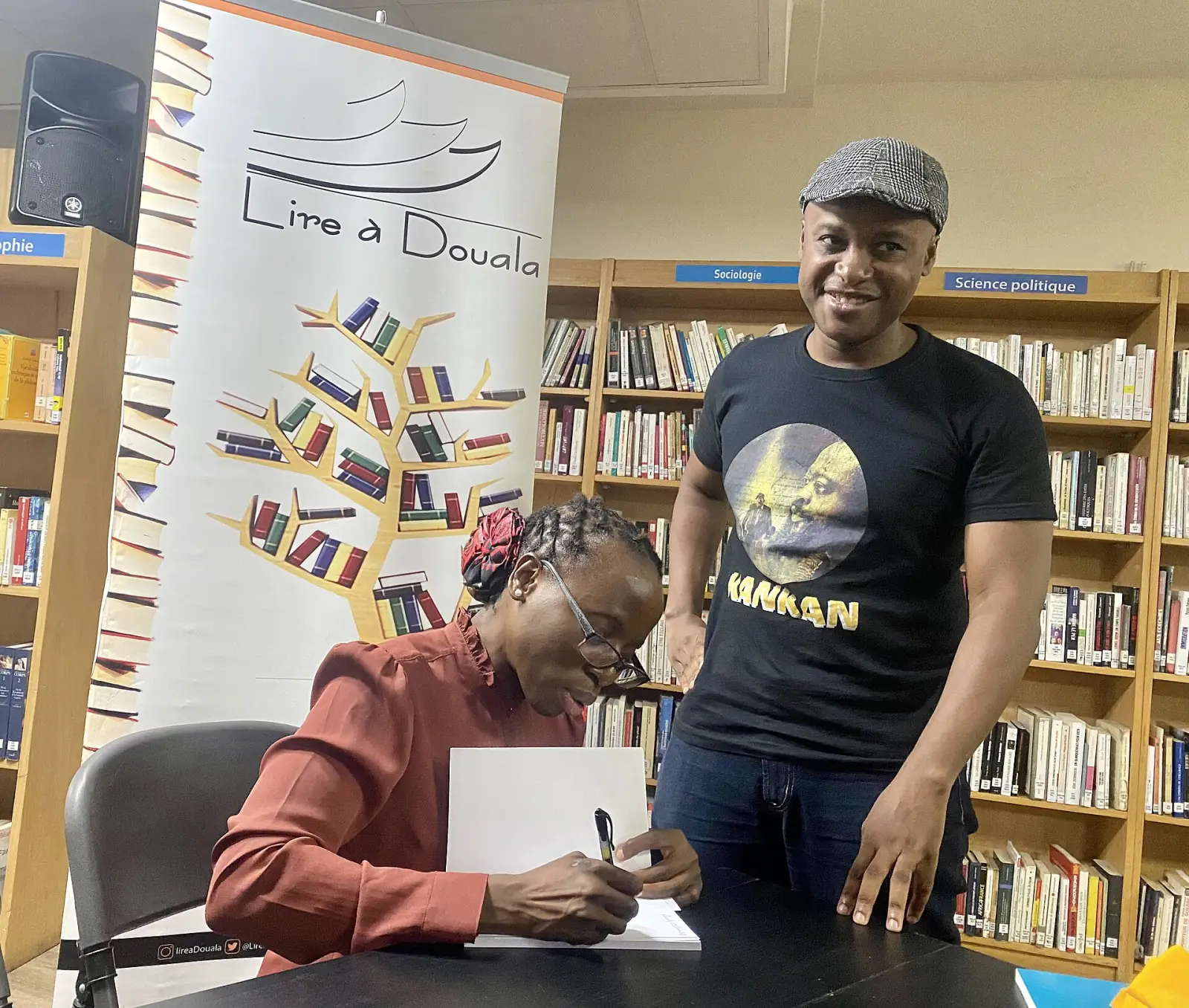
Support for publishing and books

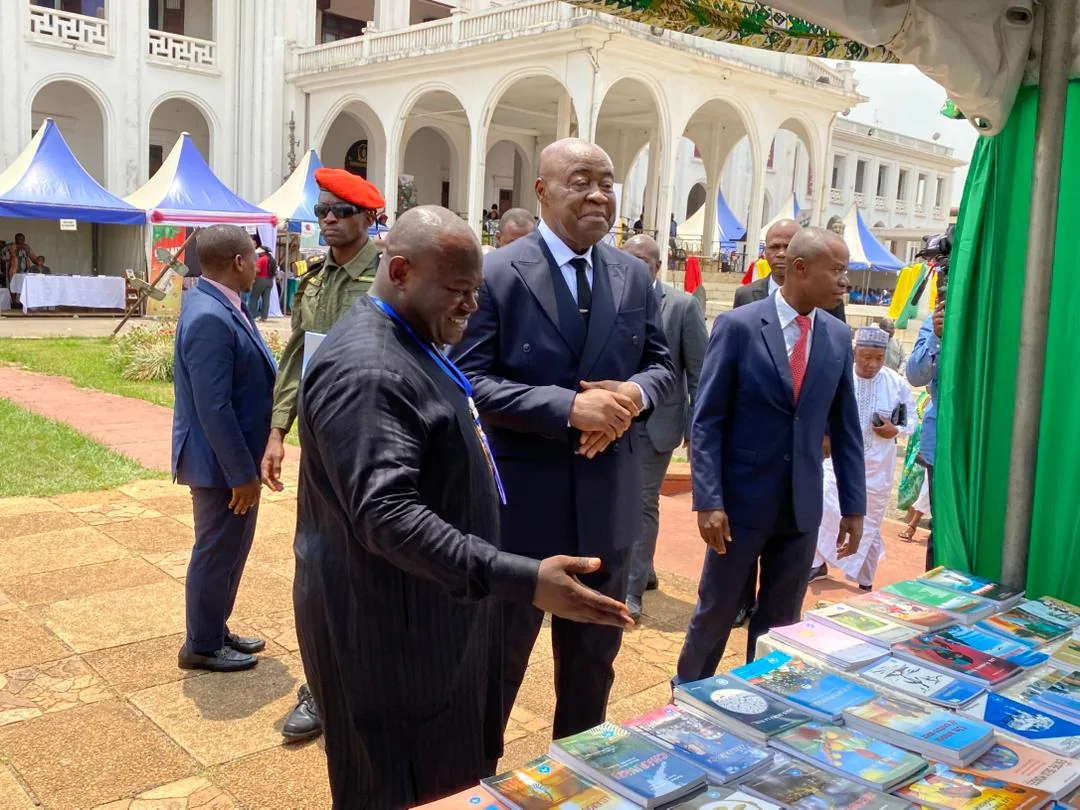
The Minister presenting books displayed on a stand, alongside officials

The publishing support fund backs the Cameroonian book chain: authors, publishers, printers, booksellers and libraries. It responds to an observation shared by the profession: publishing a book is expensive, and distribution rarely extends beyond the publisher’s city. It draws on the missions of the Directorate of Books and Reading.

Publication support

Registered publishing houses may apply for support for the production of a title: proofreading, layout, illustration, printing. Works in national languages, first novels, children’s books, non-fiction works and reissues of heritage texts are priorities.

Distribution support

  • Participation in a book fair, in Cameroon or abroad;
  • Building up collections for neighbourhood and public reading libraries;
  • Support for independent bookshops that order Cameroonian titles;
  • Translation of works to or from national languages.

Obligations linked to support

Every supported publisher complies with the legal deposit, includes a mention of the Ministry’s support on the title page and provides an agreed number of copies to the designated libraries. Sector statistics, notably those on publishing and books, make it possible to follow the effect of this support year after year.

ℹ️
Authors

An author does not submit a publishing support application themselves: they go through a registered publisher. For protection of a manuscript, see the Declaring a work page.

Mobility

Support for artists’ mobility

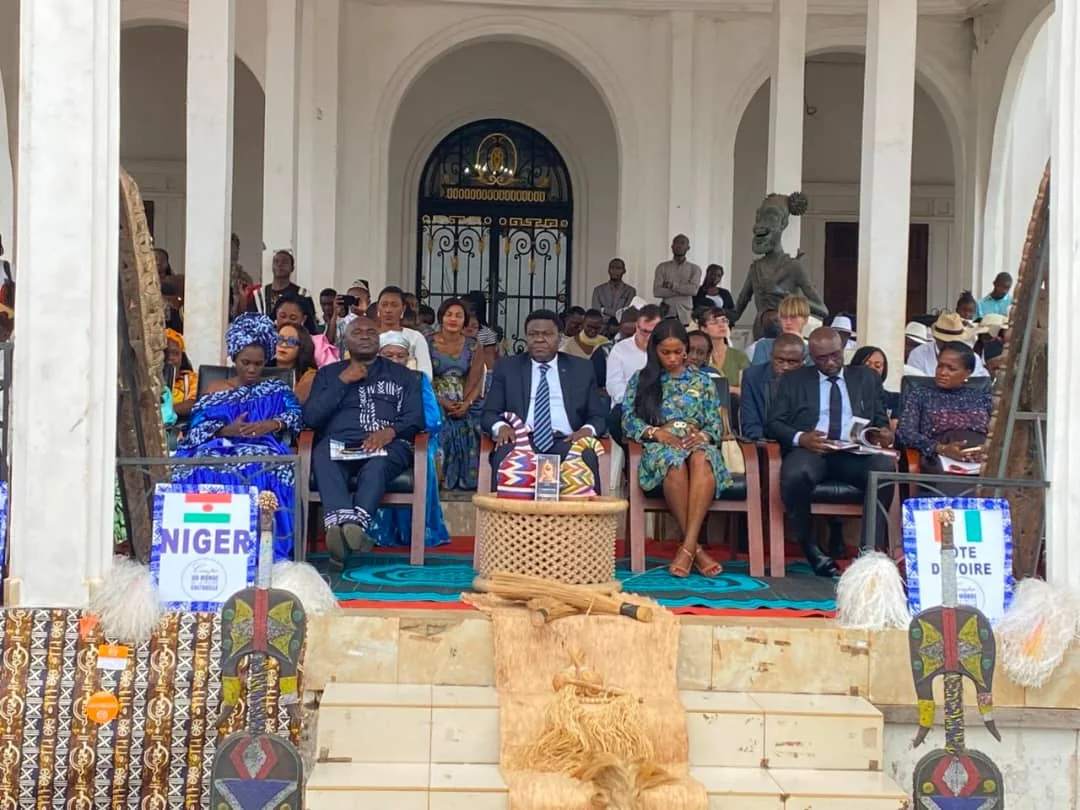
Foreign delegations seated under the Ministry gallery during a ceremony

An artist who does not travel remains invisible: mobility support covers, in whole or in part, the travel linked to a professional invitation. It concerns artists and operators invited to a festival, a biennale, a fair, a residency or a training course, in Cameroon or abroad.

Two complementary components

  • Domestic mobility: a group from Garoua invited to Douala, a visual artist from Buea expected in Bafoussam. The fund contributes to the transport and accommodation costs of the teams.
  • International mobility: participation in an event outside the country. The file is reviewed with the support of the cooperation and artists’ exchange services.

Documents required

The applicant attaches the organiser’s invitation letter, the programme of the event, a presentation of their career, a quote for travel costs and the list of the other funders approached. For travel abroad, they check the travel formalities as soon as the invitation is received; advice is available on the Export and outreach page.

Deadlines

The application must arrive at least six weeks before departure, to allow time for review and notification. An application submitted after the trip is not admissible.

ℹ️
Expected feedback

On return, the beneficiary sends a short report, a few photographs and, if possible, the professional contacts made: these elements feed the artists’ network.

Funding

Where the account’s resources come from

Visitor looking at colourful paintings hung in an exhibition room

The special allocation account for the support of cultural policy was established by Decree 2001/389. It has a budgetary particularity: its revenue is earmarked for a specific use, instead of being paid into the general budget. The Minister in charge of culture is its authorising officer by delegation of the Minister of Finance, which means that he or she commits expenditure in compliance with the rules of public accounting.

Three main sources

  • Folklore royalties, due when traditional expressions are exploited for profit;
  • Public domain royalties, collected on the exploitation of works whose rights have fallen into the public domain;
  • Private copying royalties, arising from the mechanism described on the Private copying page.

A logic of return to creators

The principle is simple: what society derives from the creations of its artists and from its heritage returns, at least in part, to creation. The texts gathered in the Regulatory texts section (special funds and accounts) set out the legal framework, while the overview of cultural funding places this account among the other sources: grants, patronage and crowdfunding.

ℹ️
Transparency

Activity reports and budget information can be consulted on the Budget and reports page.

Procedure

Submitting a funding application and reporting

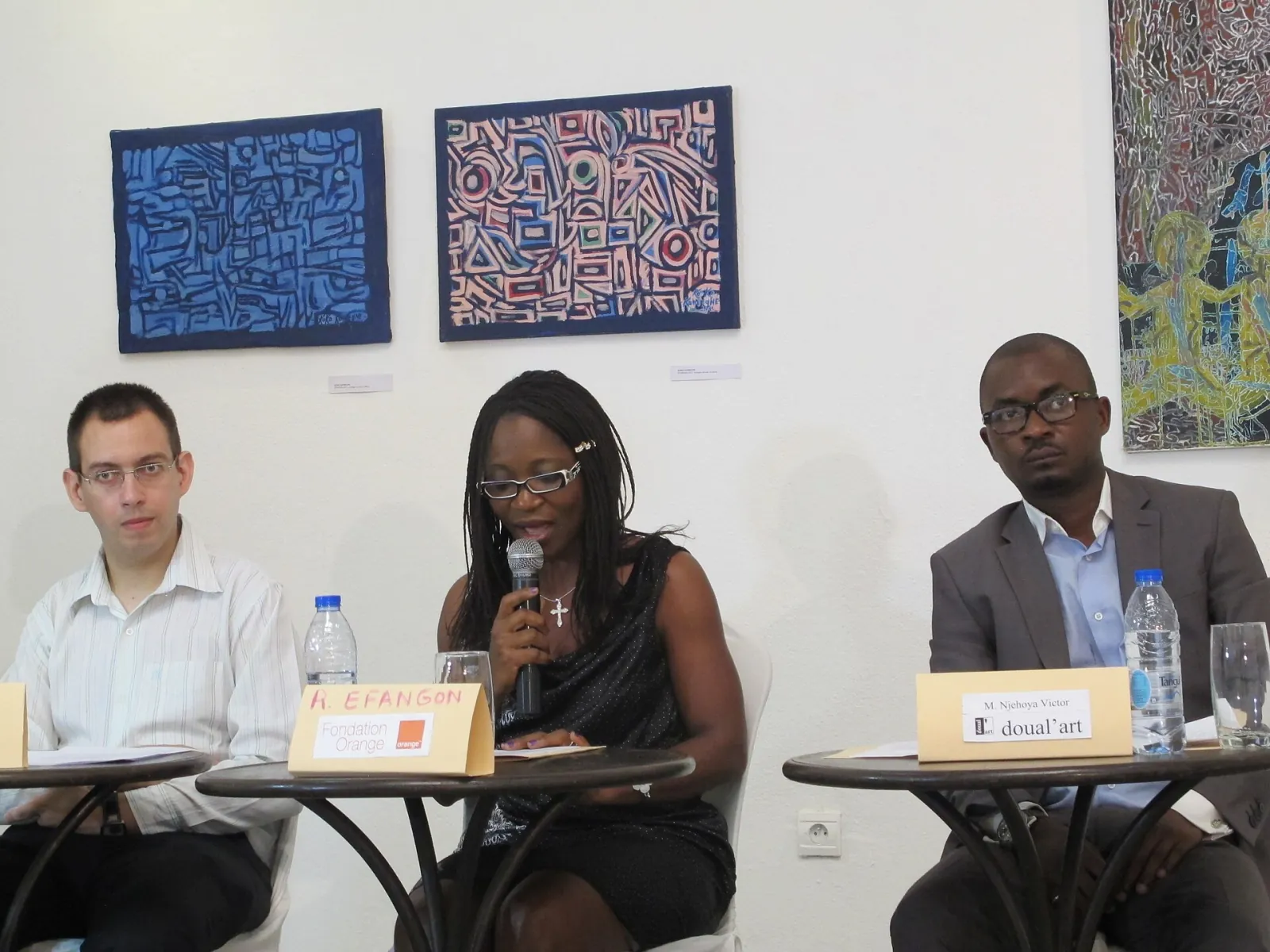
Panel of three speakers at a press-conference table in front of paintings in Douala

Whichever fund is targeted, the application follows a common path. The applicant creates an account on the One-Stop Shop, completes the grant application form and attaches supporting documents: the statutes or receipt of the association, a presentation of the project, a detailed budget, a timetable, the team’s curriculum vitae and letters from partners.

Mistakes that cost an application

  • A budget that does not balance, or with no own contribution at all;
  • A timetable that starts before the commission’s decision;
  • Missing quotations for major expenditure;
  • A project with no identified audience or dissemination plan.

After the decision

The beneficiary receives a notification and signs an agreement setting out the purpose of the support, the payment schedule and the publicity obligations. Funds are paid in instalments; the last is conditional on submission of the final report: activity report, statement of expenditure with supporting documents, publicity materials and project outputs. Progress is tracked with the file number from the File tracking page.

A project leader who has not submitted a final report cannot file a new application: this is the most important rule to remember.

Step by step

From the project to the support paid

Choose the right fund

Identify whether your project falls under creation, cinema, publishing or mobility, then read the criteria and the timetable of the open session.

Prepare the file

Gather the presentation note, the balanced budget, the timetable, the quotations and the partners’ commitment letters before opening the online form.

Submit online

Submit the file to the One-Stop Shop before the session deadline; an acknowledgement of receipt and a tracking number are issued immediately.

Go before the commission

Members examine the admissible files, may hear the project leaders and rank the projects according to the criteria grid specific to each fund.

Sign the agreement

Selected projects receive a notification, then sign the agreement setting out the use of the support, the payments and the publicity obligations.

Reporting

At the end of the project, submit the artistic and financial report with supporting documents; it determines the balance payment and any later application.

To explore

The funds in the Industries section

They were supported

Beneficiaries tell their story

“
The creation support allowed us to pay for rehearsals for two months; without it, the show would never have left our neighbourhood hall.
Director of a company
Bafoussam
“
For our first feature film, the writing support financed the location scouting and the rewriting. Partners took us seriously as soon as the file was solid.
Independent producer
Yaoundé
“
Thanks to the publishing support, we printed a collection of tales in the Bassa language and it now circulates in the libraries of the region.
Publisher
Douala
“
The invitation to a biennial abroad seemed out of reach; the mobility support covered the journey and the transport of the works.
Visual artist
Buéa
To download

The documents of a funding application

“The Special Appropriation Account is intended to support cultural policy: what creation earns for society must return to it.”

Spirit of Decree 2001/389
Glossary

The vocabulary of support funds

Special appropriation account

An account in the State budget whose revenue is reserved for a defined use, here the support of cultural policy.

Authorising officer

The authority that decides to commit and settle public expenditure, here the Minister in charge of culture by delegation.

Folklore royalty

Sum due for the commercial exploitation of traditional cultural expressions, paid into the account.

Public domain

All works whose economic rights have expired and whose exploitation gives rise to a royalty.

Private copying

Reproduction of a work for personal use, offset by a levy on recording media.

Review committee

Group of professionals who read the files, rank them and propose the projects to be supported.

Award agreement

Contract setting out the purpose of the support, the payments and the beneficiary’s obligations.

Co-funding

The share of the budget provided by the project leader or other partners in addition to the support requested.

Review

Final report accounting for the use of the support and the results obtained.

Mobility

Travel of an artist or a team for a festival, a residency or training.

To act

Procedures to obtain support

Grant application

The form common to all funds, to be completed online with the budget and supporting documents.

Submit an application

Calls for projects

Each session is announced with its dates, criteria and thematic budget.

See the calls

Association accreditation

Essential for associations wishing to receive public support.

Obtain approval

File tracking

Follow the progress of your application with the number received at submission.

Track my file
On the site

Extend your reading on the funds

Resources

Useful links for support funds

Stakeholders

Who examines and funds the support?

Key facts

The four funds in a table

FundsBeneficiariesExpenditure coveredExpected deliverables
CreationArtists, companies, collectives, approved associationsRehearsals, costumes, set design, recordingPublic presentation and final report
Cinema and audiovisualProducers, production companies, associationsWriting, filming, post-production, distributionWork copy, report and dissemination plan
Publishing and booksRegistered publishers, booksellers, librariesManufacturing, distribution, fairs, translationLegal deposit and copies handed over
MobilityInvited artists and operatorsTransport, accommodation, visa fees depending on the invitationMission report
Creative residencySelected artistsAccommodation, studio, artistic supportPublic presentation of results
Support for eventsFestival organisersProgramming, security, communicationItemised financial report of the event
Journey

A support session through the year

JanuaryOpening of the session

The criteria, timetable and list of documents are published on the site and relayed by the regional delegations.

MarchClosing of submissions

The One-Stop Shop closes the session; each file receives its number and the examining officers carry out an admissibility check.

MayCommission meetings

Commissions of professionals examine the files by discipline, rank the projects and make their proposals to the Minister.

JuneNotification of decisions

Applicants are informed by e-mail; selected projects receive their agreement and unsuccessful applicants receive the reasons for the decision.

Second half of the yearPayments and implementation

Support is paid in instalments while the projects are carried out, with follow-up visits in the regions.

DecemberReports and evaluation

Reports are submitted, results consolidated and the lessons of the session are used to adjust the next one.

Questions

Your questions on support funds

Who manages the special appropriation account?

The account, created by Decree 2001/389, is managed by the Minister in charge of culture, who is its authorising officer by delegation from the Minister of Finance. Expenditure therefore follows the rules of public accounting, with internal controls and audits by the General Inspectorate.

Where do the account’s resources come from?

It is funded in particular by folklore royalties, public domain royalties and private copying royalties. These resources, allocated to the support of cultural policy, are distinct from the grants entered in the general budget of the Ministry.

Who can submit an application?

Professional artists, companies, producers, publishers and approved cultural associations, depending on the fund targeted. An association must hold its approval receipt, have an established executive board and a bank account opened in its name.

Can several forms of support be combined for the same project?

Yes, within the limit of the financing plan: a project may receive creation support, then mobility support for its tour. However, the same expense cannot be funded twice, and each form of support gives rise to its own report.

How long does the review of a file take?

Allow between three and four months between the close of the session and notification, for the admissibility check, the commission meeting and the decision. The file number lets you follow each stage online.

What should I do if my file is refused?

The refusal is reasoned. You can request a meeting with the directorate to understand the weak points, rework the project and resubmit it at the next session. Many projects are selected on their second submission.

Is the support paid in a single instalment?

No. Payment is made in instalments set out in the agreement: an advance at the start, an intermediate instalment on presentation of a progress report, then the balance on submission of the artistic and financial report with its supporting documents.

Can beginners apply?

Yes. The sessions provide support suited to emerging projects, with simplified files. The regional delegations run workshops to help draft the statement of intent and build a budget, and incubators offer longer-term support.

Contact

Write to the Ministry: Support funds

Describe your activity or your project.

Competent directorate

Contact the support funds team

Address

Directorate of Shows and Creative Industries
Ministry of Arts and Culture
Quartier du Lac – Ministerial Zone
P.O. Box 1053 Yaoundé, Centre Region, Cameroon

Reach us

+237 6 51 70 58 41

contact@minac.gov.cm

Opening hours

Monday to Friday, 8 am to 4 pm

A project to fund?

Choose your fund, gather your documents and submit your application online; you will follow its processing with your file number.

Request support
WhatsApp