Coat of arms of CameroonMinistry of Arts
and Culture
Republic of Cameroon
My procedures
Home
Minister’s message
News
Press releases
Cultural calendar
Official speeches
Press review
Photo library
Video library
Calls for projects
Job vacancies
Public procurement
Newsletter
Frequently asked questions
Site map
Contact
Press area
Podcast “The Voice of Culture”
Legal notices
Privacy policy
Cookies and trackers
The Ministry
Missions and responsibilities
Organisation
Organisation chart
Minister’s Office (Cabinet)
Management team
General Secretariat
General Inspectorate
Central directorates
Regional Delegations
Institutions under supervision
Legislative texts
Regulatory texts
Sector strategy
Major projects
Budget and reports
Partners
Careers
Archives
Institutional communication
Quality and accessibility
Arts
Visual and plastic arts
Visual arts
Performing arts
Theatre
Dance
Music
Literature and books
Cinema and audiovisual
Photography
Fashion and design
Digital arts
Art crafts
Artists’ directory
Residencies
Prizes and awards
Arts education
Urban arts
Heritage
Tangible heritage
Intangible heritage
UNESCO sites
National museums
Listed monuments
National inventory
Palaces and chiefdoms
Archaeology
Linguistic heritage
Oral traditions
Traditional know-how
Restitution of cultural property
Fight against illicit trafficking
Listing and protection
Conservation and restoration
Heritage Days
Cultural landscapes
Industries
Music and recording
Cinema
Publishing and books
Digital arts
Fashion and creativity
Crafts
Cultural tourism
Funding for culture
Support funds
Incubators
Cultural entrepreneurship
Culture Observatory
Vocational training
Studies and reports
Sector statistics
Export and outreach
Intellectual property
Copyright
Legal framework
Copyright and neighbouring rights
Collective management societies
Register a work
Licences
Private copying
Fight against piracy
Model contracts
Social status of artists
Mediation
Disputes
Training
Fee scales
Register of works
Contact
Digital neighbouring rights
Public domain
Festivals
National calendar
Ngondo
Nguon
Écrans Noirs
Heritage Days
Music Day
Regional festivals
Fairs and exhibitions
Biennials
National competitions
Cultural days
Organise a festival
Event grants
Ticketing
Archives
Volunteering
Diaspora festivals
Regions
Adamawa
Centre
East
Far North
Littoral
North
North-West
West
South
South-West
Cultural map
Regional Delegations
Traditional chiefdoms
National languages
Cultural routes
Decentralised cooperation
Regional observatory
Cooperation
UNESCO
Francophonie (OIF)
African Union
Commonwealth
CEMAC
Bilateral cooperation
Cultural agreements
Professional organisations
Scholarships
Artist exchanges
Cultural years
Diaspora
Funded projects
Embassies
Technical partners
International restitution
International monitoring and calls
Services
Artist card
Show authorisation
Filming authorisation
Festival authorisation
Deposit of a work
Export of works of art
Listing of a property
Grant application
Association accreditation
File tracking
Forms
Fees
Opening hours and addresses
Reporting
Online help
My account
One-Stop Shop
Heritage

Listed monuments

List, map, listing request and visits: everything you need to know to understand, request and sustain the protection of Cameroon’s listed monuments, from the 2013 law to palaces, forts and old buildings.

Updated on 6 November 20264 sub-pages
Parties who may initiate3
Compensation deadline6 months
Publication of the instrumentOfficial Gazette
Listed movable propertyInalienable
Protect

Monuments protected by law

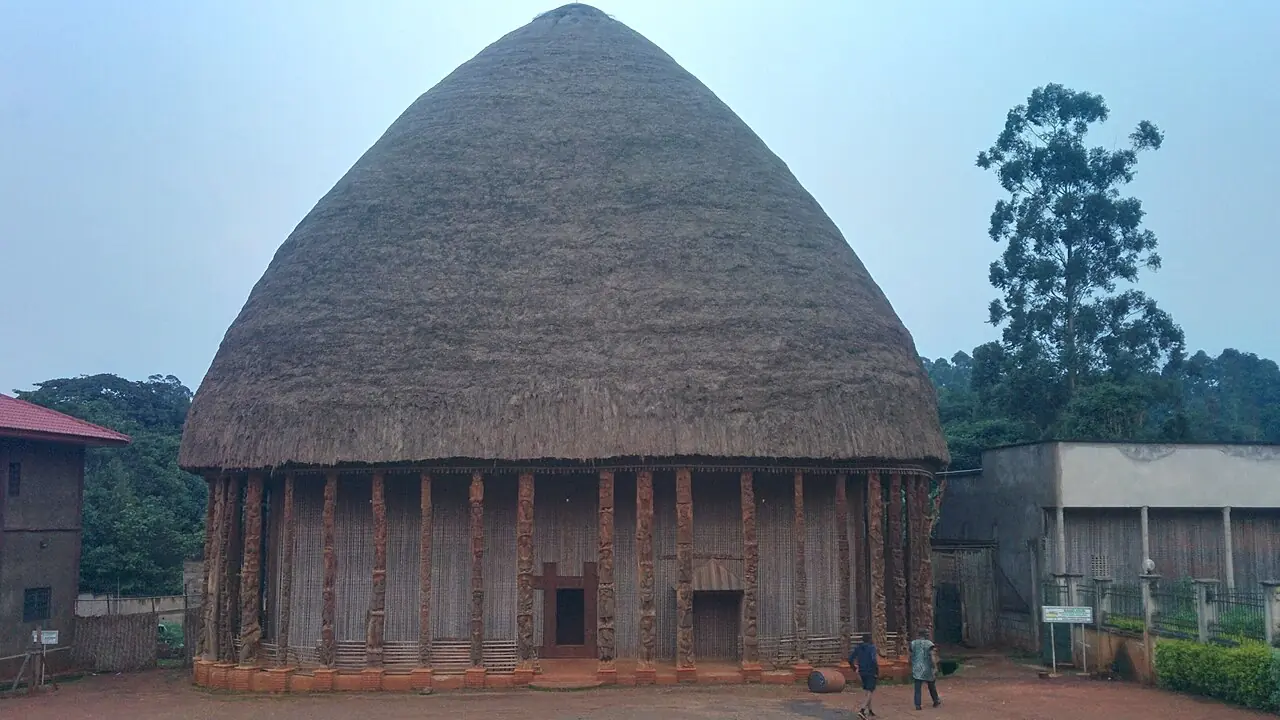
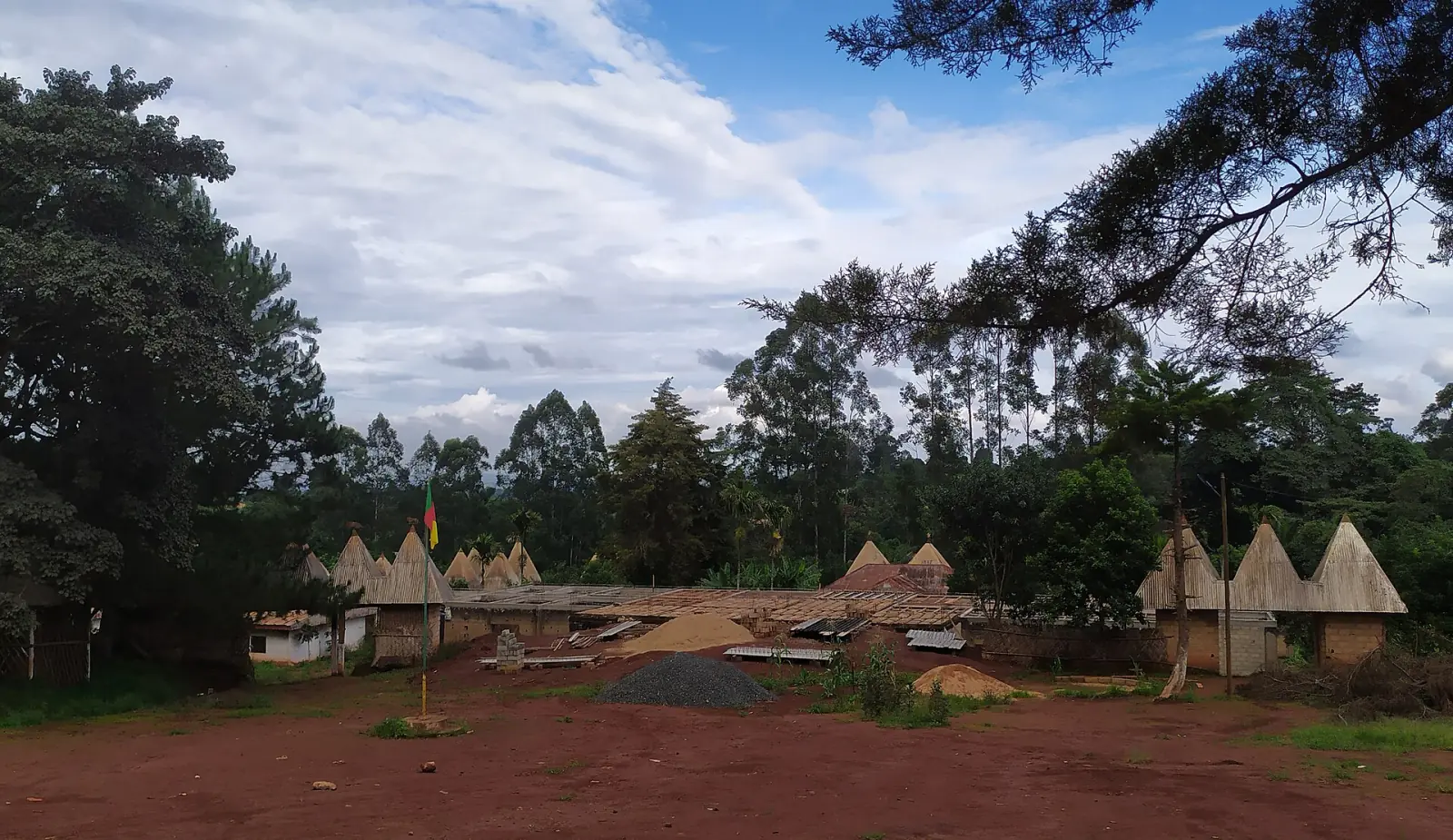
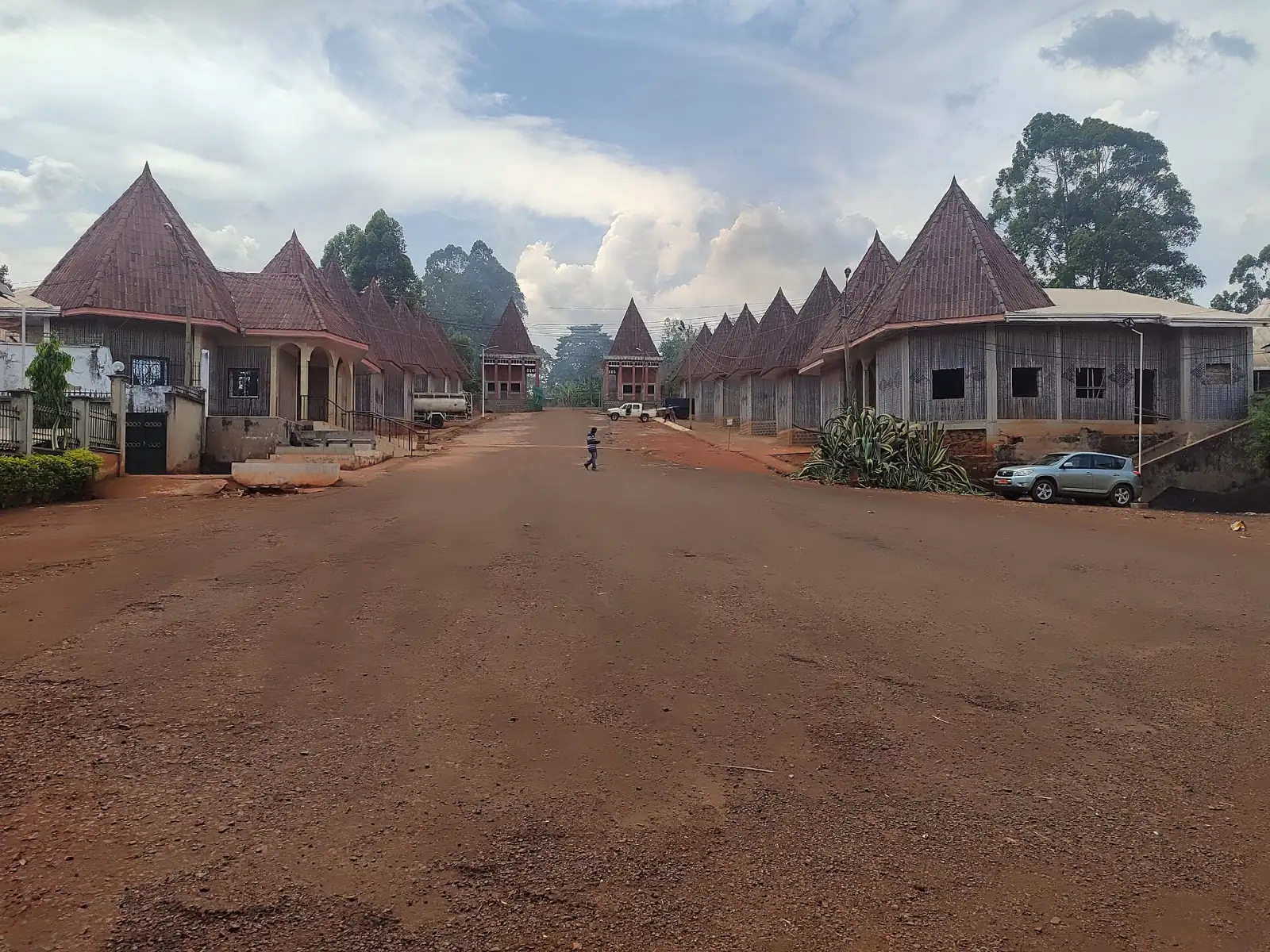
Avenue of traditional pointed-roof huts in the Bandjoun chiefdom

Listing is the act by which the State recognises a property as having exceptional heritage value and undertakes, together with the owner, to pass it on intact to future generations. In Cameroon, it is based on Law No. 2013/003 of 18 April 2013 governing cultural heritage: a listed immovable property may be neither demolished nor altered, and a listed movable may be neither sold nor exported.

This page presents the list of monuments, their distribution across the territory, how to apply for listing and the conditions for visiting. It complements the listing and protection page and the online procedure listing of a property.

  • A list organised by region and by type of property
  • A procedure open to the Minister, local authorities and owners
  • Guided visits so that the public can enjoy the monuments
Request a listing
List

The list of listed monuments

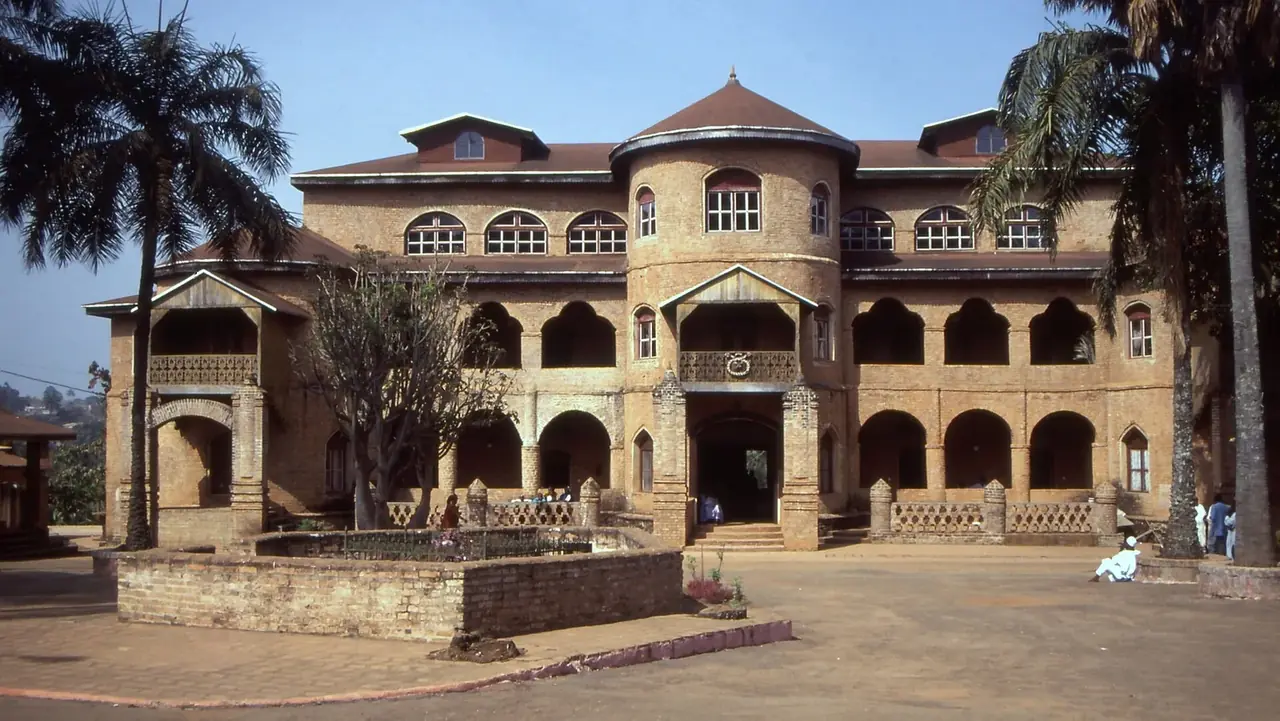
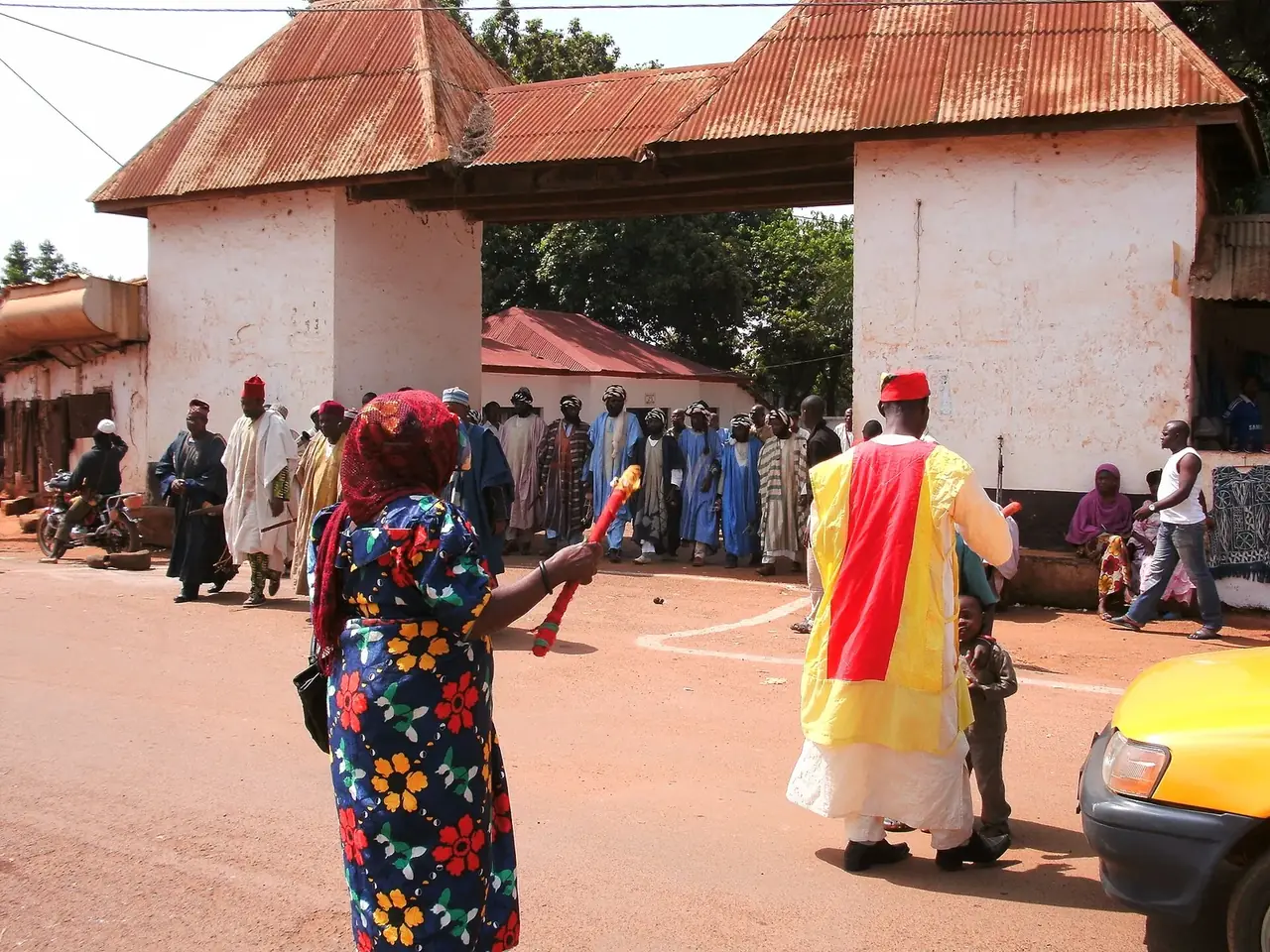
Entrance of the Foumban royal palace during a ceremony

The list of listed monuments is kept by the Directorate of Cultural Heritage. Each entry gives the name of the property, its location, its type, the date of the listing instrument and the reference of its publication in the Official Gazette. It is updated with each new instrument and cross-checked against the national inventory file, of which it constitutes the highest level of protection.

A wide variety of monument types

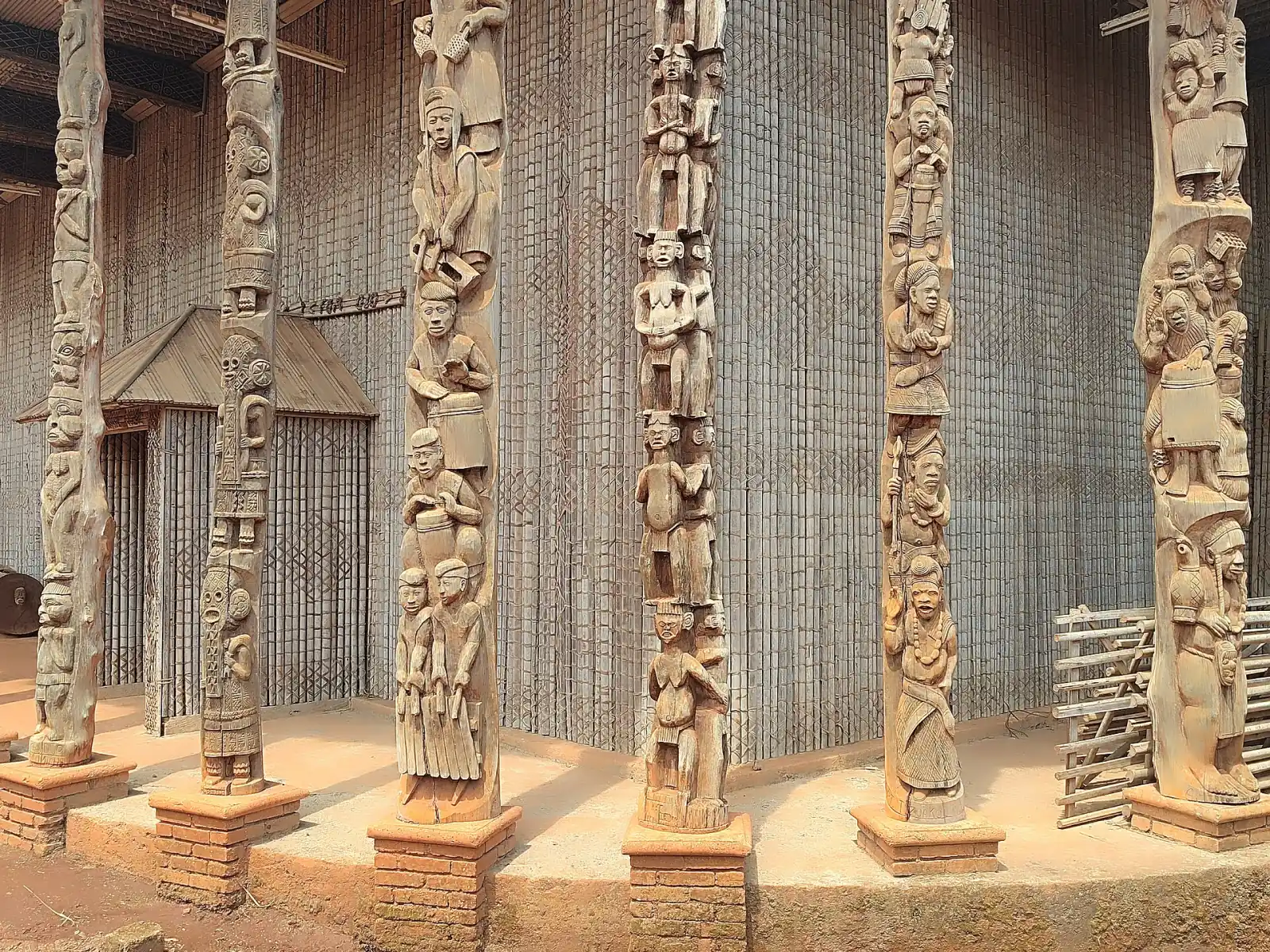
Properties that are listed or proposed for listing fall into several families: architecture of power (palaces, chiefdoms, lamidates), old religious buildings (missions, mosques, temples), military and administrative architecture of the colonial period (forts, residences, stations, bridges), funerary and megalithic sites, traditional huts and compounds, engineering works and commemorative monuments. Palaces and chiefdoms hold a special place among them.
How to read an entry

  • Common name and, where applicable, name in the local language;
  • Region, division and municipality;
  • Type of property (movable or immovable) and period of construction;
  • Date and reference of the listing instrument;
  • Any easements set by the instrument, for example a ban on altering a façade;
  • Managing authority: owner, local authority, traditional authority or public institution.

Sites of worldwide significance are presented separately, in the UNESCO sites section.

ℹ️
Movable or immovable property

A collection object can also be listed: it becomes inalienable and may no longer leave the territory. Objects kept in museums are monitored together with the {A('/patrimoine/musees-nationaux','national museums')}.

Map

The map of monuments, region by region

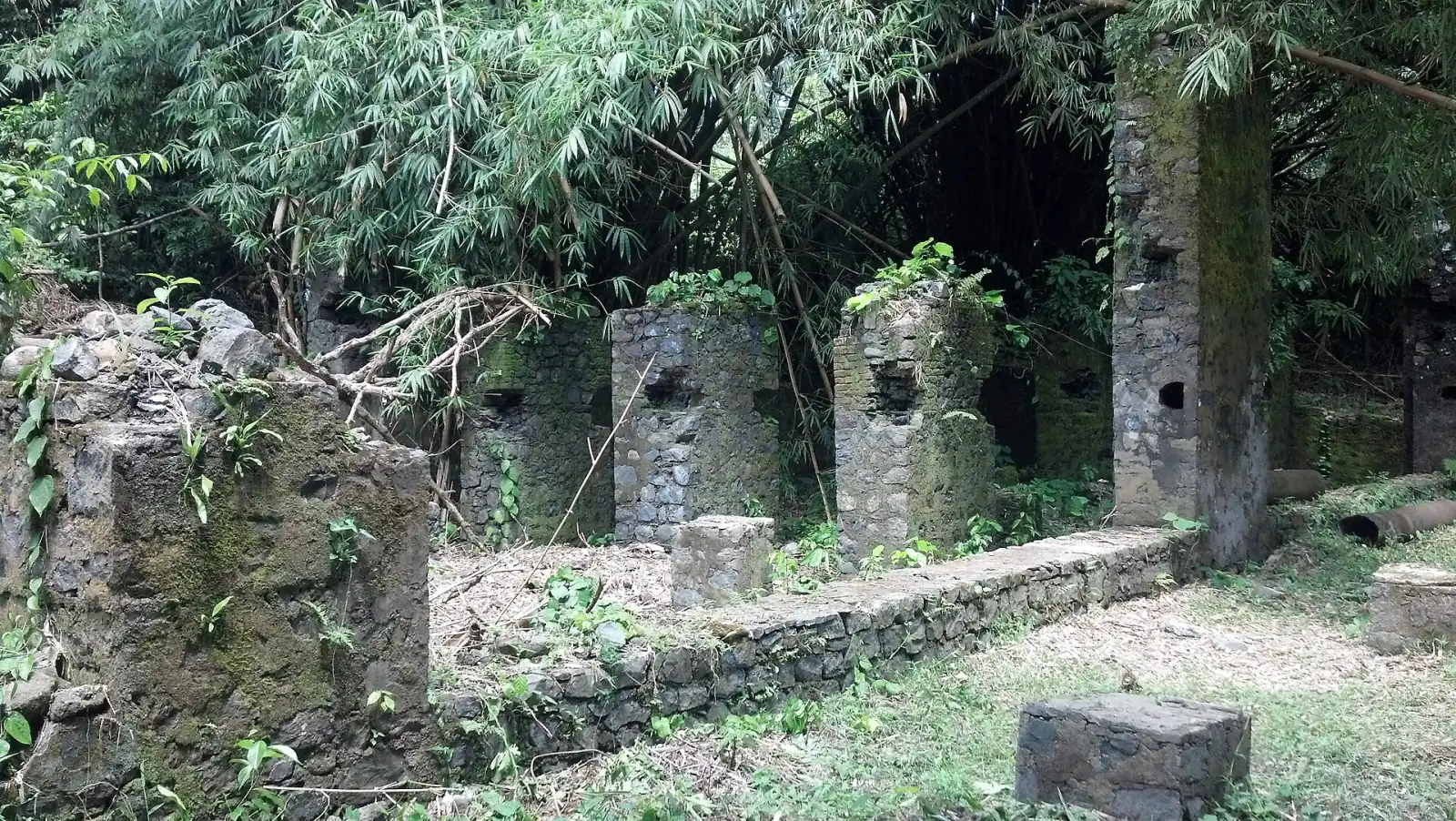
Ruins of the former slave port of Bimbia amid vegetation

The cultural map locates each listed monument on the territory and links it to its entry. It can be read by region, theme or period, and allows an itinerary to be put together. It extends the cultural map of the regions and draws on the surveys carried out by the regional delegations.

A distribution that follows history

Monuments are concentrated where history has left built traces. In the Grassfields and the Bamoun country, they are the palaces and chiefdoms with large conical roofs; in the North and Adamawa, the lamidates, mosques and enclosure walls; on the coast and in the South-West, the trading posts, mission churches and port structures; in the Centre and East, the commemorative sites and administrative buildings; in the Far North, the fortified compounds of the Mandara Mountains.

What each point on the map shows

Reading the map together with the cultural landscapes helps to understand that a monument never exists in isolation: it belongs to a territory, a network of paths and a system of beliefs.

Request a listing

Request the listing of a property

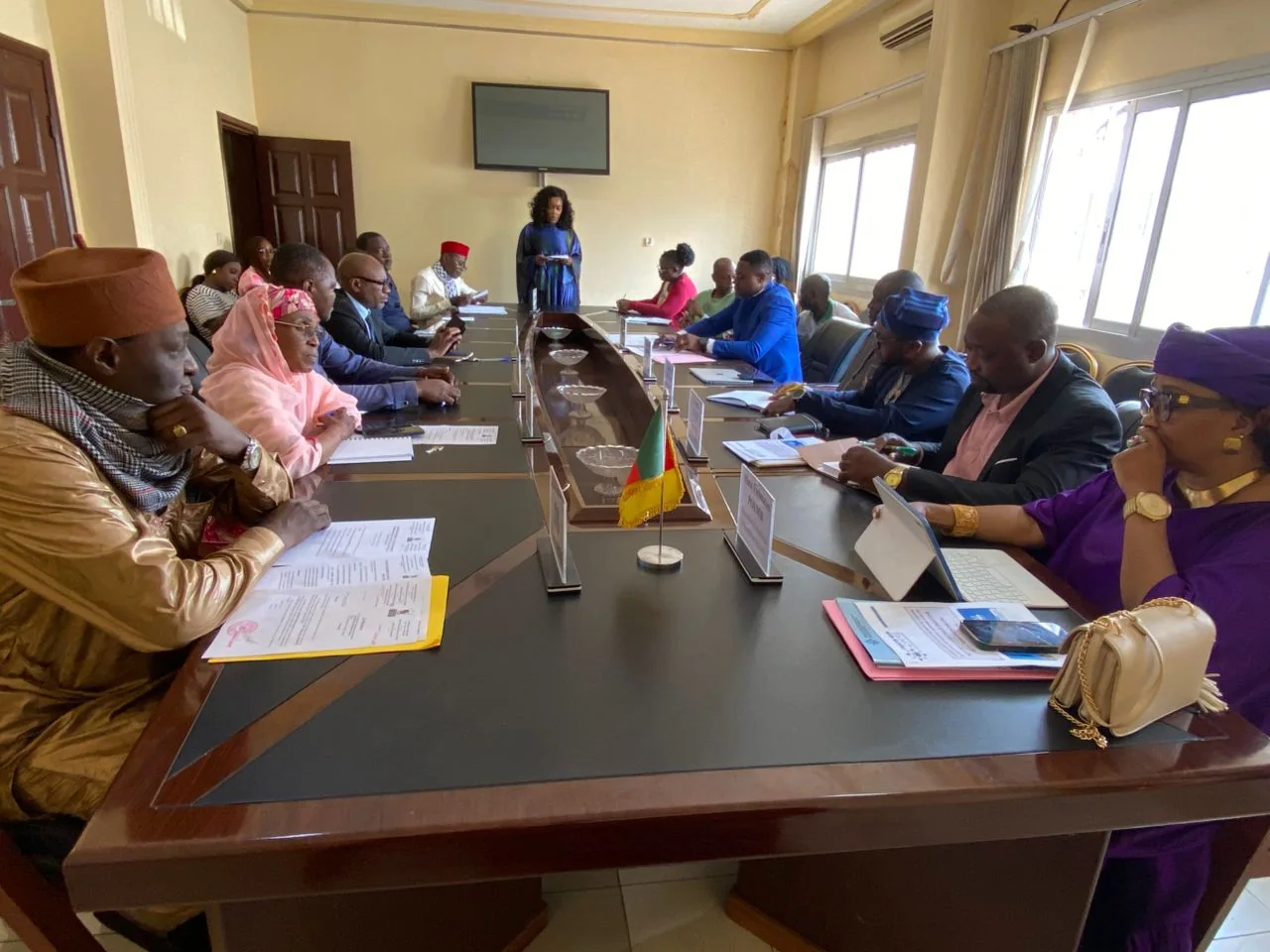
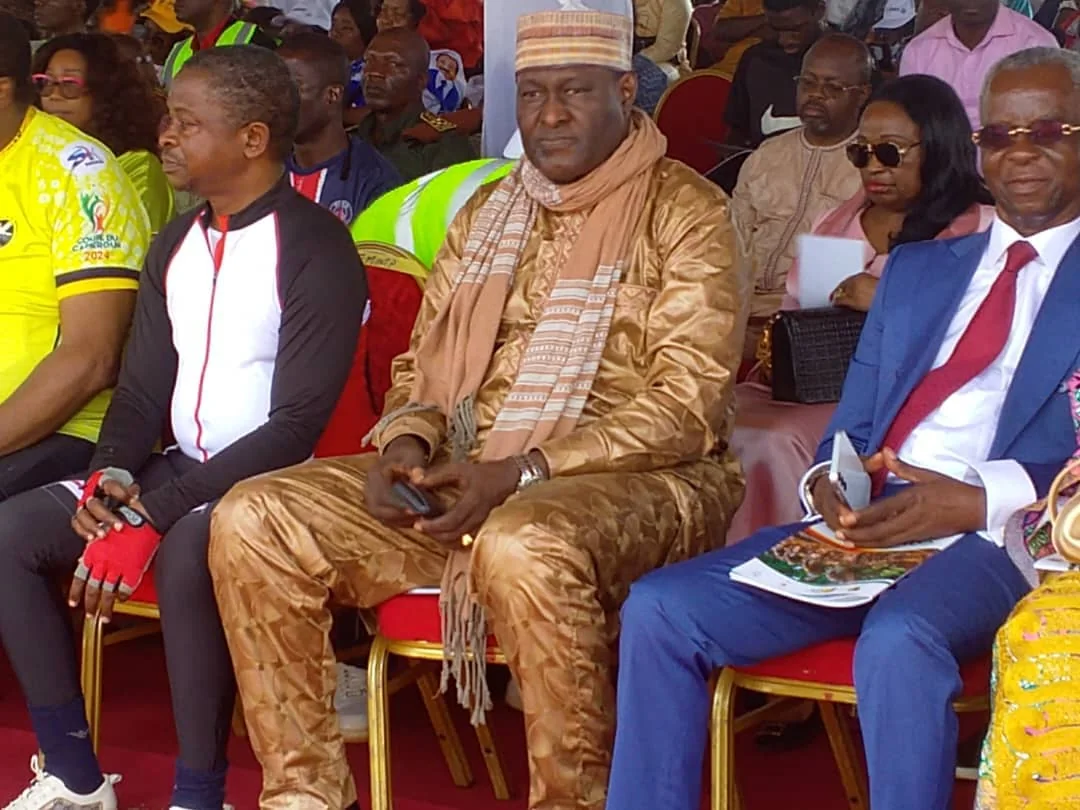
Guests and officials seated during an official ceremony

The initiative for listing belongs to three parties: the Minister in charge of heritage, the heads of the executive bodies of decentralised local authorities and the owner of the property. Any person or community attached to a monument may therefore approach one of them, or contact the regional delegation, which relays the request.

What listing entails

A listed movable becomes inalienable and cannot be exported. A listed immovable may not be demolished or altered, even partially; any works project must be submitted to the Ministry for its opinion. The listing instrument may set specific easements. Where these easements cause direct harm to the owner, the owner may, in certain cases, request compensation within six months. The instrument is published in the Official Gazette, which makes it enforceable against all.

Prepare the file

  1. Describe the property: name, location, owner, current uses;
  2. Gather evidence of its value: history, architecture, local memory, old and recent photographs;
  3. Attach the written consent of the owner or of the authority responsible for it;
  4. Have its condition recorded by an officer of the regional delegation;
  5. Submit everything via the online listing service or at the One-Stop Shop.

The file is examined by the Directorate of Cultural Heritage, then submitted to the advisory bodies before the decision is taken. It is tracked using the file number, on the file tracking page.

ℹ️
Before submitting

A property already described in the national inventory is listed more quickly: do not hesitate to first request its entry in the register, which is free of charge.

Visits

Visit the listed monuments

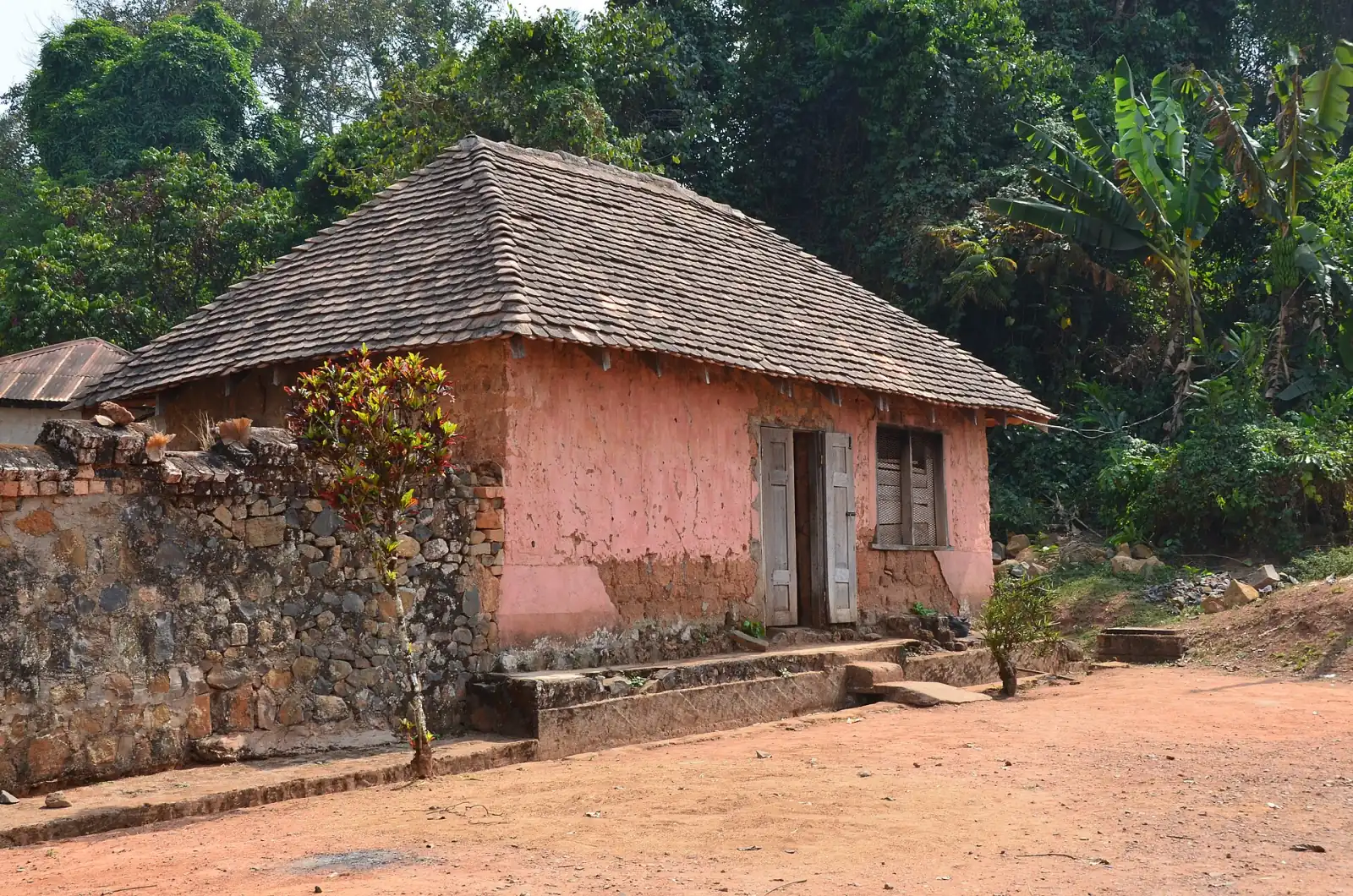
Pink-walled tiled-roof house within the Bafut palace compound

A listed monument is not a closed monument. The State may establish a right of public access to properties owned by private individuals, on conditions agreed with the owners. Opening hours and arrangements are set site by site, with local authorities, traditional authorities and managers.

Visiting with respect

Many monuments remain living places: a palace where a sovereign resides, a mosque where people pray, a chiefdom where people are buried. Visitors are asked to seek the keeper’s permission, to dress modestly, not to photograph prohibited areas and not to touch any of the objects on display. A contribution towards upkeep is sometimes requested on site.

Highlights of the year

The heritage days open dozens of monuments free of charge, with guided tours, workshops for children and presentations of trades. Schools may book educational visits through arts education.

  • Self-guided visit with a gallery booklet;
  • Guided tour led by a lecturer or a trained local guide;
  • Thematic circuit combining several monuments in the same region;
  • Visit adapted for people with reduced mobility, depending on the accessibility of the site.

To plan a cultural trip, see cultural tourism.

Management

Maintaining a listed monument day to day

Large house in Ladjo, thatched roof on wooden pillars

Listing is only worthwhile if the building is maintained. The owner or manager remains responsible for routine monitoring: roofs, drainage, vegetation, electrical installations. The regional delegation officer carries out an annual visit and reports any defects. Major works are handled through a project overseen by the Ministry, detailed in conservation and restoration. The skills of carpenters, earth masons and thatchers mobilised for these projects are described in traditional know-how.

Step by step

From the application to the publication of the instrument

Report the property

Write to the regional delegation or the Ministry, describing the monument, its history and the reason why you consider its protection necessary.

Prepare the file

Gather photographs, plans, testimonies, title deeds and the written consent of the owner or of the authority responsible for the property.

Technical processing

An officer visits the site, records its condition and drafts a report submitted to the Directorate of Cultural Heritage for scientific opinion.

Consultation and decision

The file is examined by the advisory bodies, then the Minister proposes the listing and, where applicable, sets the easements.

Publication

The listing instrument is published in the Official Gazette, notified to the owner and entered on the official list of monuments.

Follow-up of the property

The manager ensures upkeep, the regional officer checks the condition of the monument every year and the file feeds into the list published every five years.

Key facts

The listing rules at a glance

RuleWhat the law saysPractical consequenceWhere to find information
InitiativeMinister, local authority executives, ownerEach may trigger the procedureRegional Delegation
Listed movable propertyInalienable and not exportableNo sale, and no removal from the territoryNational museums
Listed immovable propertyNeither demolished nor altered, even partiallyAll works are subject to the opinion of the MinistryConservation and restoration
EasementsSet by the listing instrumentLimits on height, façade, useInstrument published
CompensationIn certain cases, on request within six monthsCompensation for harm caused by an easementDirectorate of Cultural Heritage
PublicityInstrument published in the Official GazetteEnforceable against all, including purchasersLegislative texts
Right of accessMay be established on properties owned by private individualsHours set with the ownerVisits page
Removal from the territoryProhibited for a listed movableTemporary loan subject to authorisationExport of works of art
Voices from the field

Those who watch over the monuments

“
We requested the listing of our village’s old court hut; the regional officer guided us through every part of the file.
A neighbourhood chief
West Region
“
Listing requires us to consult before repairing the roof, but it also brings us technical advice and visitors.
The owner of an old house
Littoral
“
Every year my pupils draw the façade of the neighbouring fort: they now know it is protected by law.
A history teacher
North Region
“
The guide trained by the delegation knows the history of every room and receives groups with great care.
A local authority official
South-West
To download

The owner’s resources

“We do not protect stones; we protect what generations wanted to put into them: their way of building, praying and governing.”

A heritage architect, Yaoundé
Glossary

The words of listing

Listing

An act of the State recognising a property’s heritage value and placing it under protection.

Easement

A constraint imposed on a listed immovable by the listing instrument, for example on its façade.

Inalienable

That which cannot be sold or transferred; this is the case for a listed movable property.

Alter

To alter the character of a property, even partially, through works or additions.

Delisting

The end of a property’s protection, pronounced by an act of the authority.

Immovable property

A property that cannot be moved: building, wall, site, developed land.

Movable property

A property that can be moved: object, mask, sculpture, document, instrument.

Official Gazette

The publication in which listing instruments are made public.

Lamidate

A Fulani chiefdom of the North, headed by a lamido.

Regional Delegation

The Ministry service that supports the public in each region.

Manager

The person or institution responsible for upkeep and for receiving the public.

To act

Three procedures to know

List a property

Submit online the listing application for a monument or object you would like to see protected, with photographs, a description and the consent of the property owner.

Apply

Export a work

A listed movable never leaves the territory; for other works of art, prior authorisation remains necessary, with a file and photographs of the object.

See the procedure

Report damage

Damage, theft or unauthorised works on a monument: notify the Ministry’s services immediately, who will assess the urgency and the measures to be taken.

Report
On the site

Continue reading about monuments

Resources

Useful links for monuments

Stakeholders

Who protects the monuments?

Journey

A monument through time

ConstructionA building is erected

Palace, mosque, fort or church, it first serves a specific purpose and reflects the technique and authority of its time.

RecognitionLocal memory singles it out

Residents, chiefs and researchers regard it as a landmark and report it to the heritage services.

InventoryIt is described and photographed

The inventory team draws up a full entry and registers it free of charge in the register kept at the Ministry.

ListingThe instrument is signed and published

The property receives its legal protection, any easements and its place on the official list.

RestorationWorks restore its health

Trained craftspeople and heritage architects repair the structure while respecting the original materials.

TransmissionIt opens to the public

Visits, workshops and heritage days make it a place of learning for schools and families.

To explore

Monuments in the other sections

Questions

Your questions about listed monuments

Who can request the listing of a monument?

Three parties hold the initiative: the Minister in charge of heritage, the heads of the executive bodies of decentralised local authorities and the owner of the property. An association or a community may persuade one of them or write to the regional delegation, which forwards the proposal to the Directorate of Cultural Heritage.

Can a listed immovable be demolished or altered?

No. A listed immovable may not be demolished, moved or altered, even partially. Any repair, extension or change-of-use project must be submitted to the Ministry before work begins, so that it can be checked that it respects the materials, volumes and appearance of the building.

Can a listed object be sold or lent abroad?

A listed movable property is inalienable: it cannot be sold. Nor can it be exported. A temporary loan for an exhibition abroad requires specific authorisation, insurance and transport guarantees, and a commitment to return.

Is there compensation for the owner?

In certain cases, where the easements set by the listing instrument cause direct harm, the owner may request compensation. The request must be submitted within six months. Officers of the Directorate of Cultural Heritage explain the procedure and the documents required.

Where can the official list of monuments be found?

The list is kept by the Directorate of Cultural Heritage. Listing instruments are published in the Official Gazette, and the notices can be consulted on this page and at the regional delegations. The general heritage list is published every five years.

Is listing subject to a fee?

There is no charge for the listing application itself. For any fees linked to ancillary services, see the site’s fees page, which brings together up-to-date information on all procedures.

Can a monument located on private property be visited?

The State may establish a right of public access to properties owned by private individuals. The days and hours are then set with the owner. Outside this framework, a visit always requires the consent of the person in charge of the property.

What should I do if I discover a threatened monument?

Photograph it, note its location and report the situation to the regional delegation or via the site’s reporting form. An officer will assess the urgency and, if necessary, propose safeguarding measures or entry in the inventory.

Contact

Write to the Ministry: Listed Monuments

Specify the property or site concerned.

Competent directorate

Contact monument protection

Address

Directorate of Cultural Heritage
Ministry of Arts and Culture
Quartier du Lac – Ministerial Zone
P.O. Box 1053 Yaoundé, Centre Region, Cameroon

Reach us

+237 6 51 70 58 41

contact@minac.gov.cm

Opening hours

Monday to Friday, 8 am to 4 pm

A monument to protect?

Submit your listing application online and track it with your file number.

Request a listing
WhatsApp