
Coat of arms of CameroonMinistry of Arts
and Culture
Republic of Cameroon
My procedures
Home
Minister’s message
News
Press releases
Cultural calendar
Official speeches
Press review
Photo library
Video library
Calls for projects
Job vacancies
Public procurement
Newsletter
Frequently asked questions
Site map
Contact
Press area
Podcast “The Voice of Culture”
Legal notices
Privacy policy
Cookies and trackers
The Ministry
Missions and responsibilities
Organisation
Organisation chart
Minister’s Office (Cabinet)
Management team
General Secretariat
General Inspectorate
Central directorates
Regional Delegations
Institutions under supervision
Legislative texts
Regulatory texts
Sector strategy
Major projects
Budget and reports
Partners
Careers
Archives
Institutional communication
Quality and accessibility
Arts
Visual and plastic arts
Visual arts
Performing arts
Theatre
Dance
Music
Literature and books
Cinema and audiovisual
Photography
Fashion and design
Digital arts
Art crafts
Artists’ directory
Residencies
Prizes and awards
Arts education
Urban arts
Heritage
Tangible heritage
Intangible heritage
UNESCO sites
National museums
Listed monuments
National inventory
Palaces and chiefdoms
Archaeology
Linguistic heritage
Oral traditions
Traditional know-how
Restitution of cultural property
Fight against illicit trafficking
Listing and protection
Conservation and restoration
Heritage Days
Cultural landscapes
Industries
Music and recording
Cinema
Publishing and books
Digital arts
Fashion and creativity
Crafts
Cultural tourism
Funding for culture
Support funds
Incubators
Cultural entrepreneurship
Culture Observatory
Vocational training
Studies and reports
Sector statistics
Export and outreach
Intellectual property
Copyright
Legal framework
Copyright and neighbouring rights
Collective management societies
Register a work
Licences
Private copying
Fight against piracy
Model contracts
Social status of artists
Mediation
Disputes
Training
Fee scales
Register of works
Contact
Digital neighbouring rights
Public domain
Festivals
National calendar
Ngondo
Nguon
Écrans Noirs
Heritage Days
Music Day
Regional festivals
Fairs and exhibitions
Biennials
National competitions
Cultural days
Organise a festival
Event grants
Ticketing
Archives
Volunteering
Diaspora festivals
Regions
Adamawa
Centre
East
Far North
Littoral
North
North-West
West
South
South-West
Cultural map
Regional Delegations
Traditional chiefdoms
National languages
Cultural routes
Decentralised cooperation
Regional observatory
Cooperation
UNESCO
Francophonie (OIF)
African Union
Commonwealth
CEMAC
Bilateral cooperation
Cultural agreements
Professional organisations
Scholarships
Artist exchanges
Cultural years
Diaspora
Funded projects
Embassies
Technical partners
International restitution
International monitoring and calls
Services
Artist card
Show authorisation
Filming authorisation
Festival authorisation
Deposit of a work
Export of works of art
Listing of a property
Grant application
Association accreditation
File tracking
Forms
Fees
Opening hours and addresses
Reporting
Online help
My account
One-Stop Shop
Cooperation

Diaspora

Artists, associations, events and directory: with the support of embassies, the Ministry relays the creation and initiatives of Cameroonians living abroad, and facilitates their return to the country.

Updated on 6 November 20264 sub-pages
Countries where the diaspora is relayed22
Diaspora artists listed640
Partner cultural associations85
Events relayed each year40
The cultural diaspora

Cameroonians of the world, ambassadors of culture

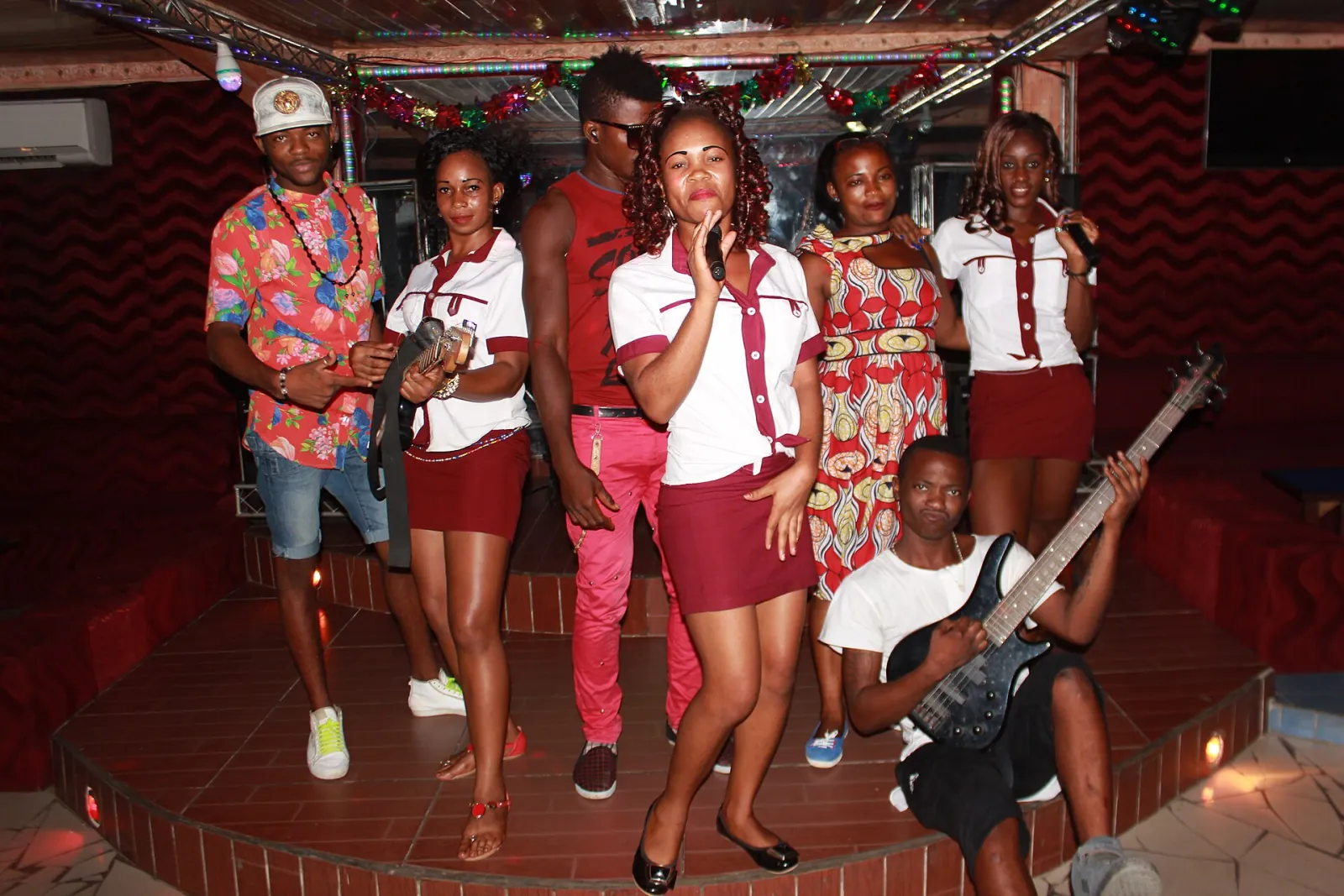
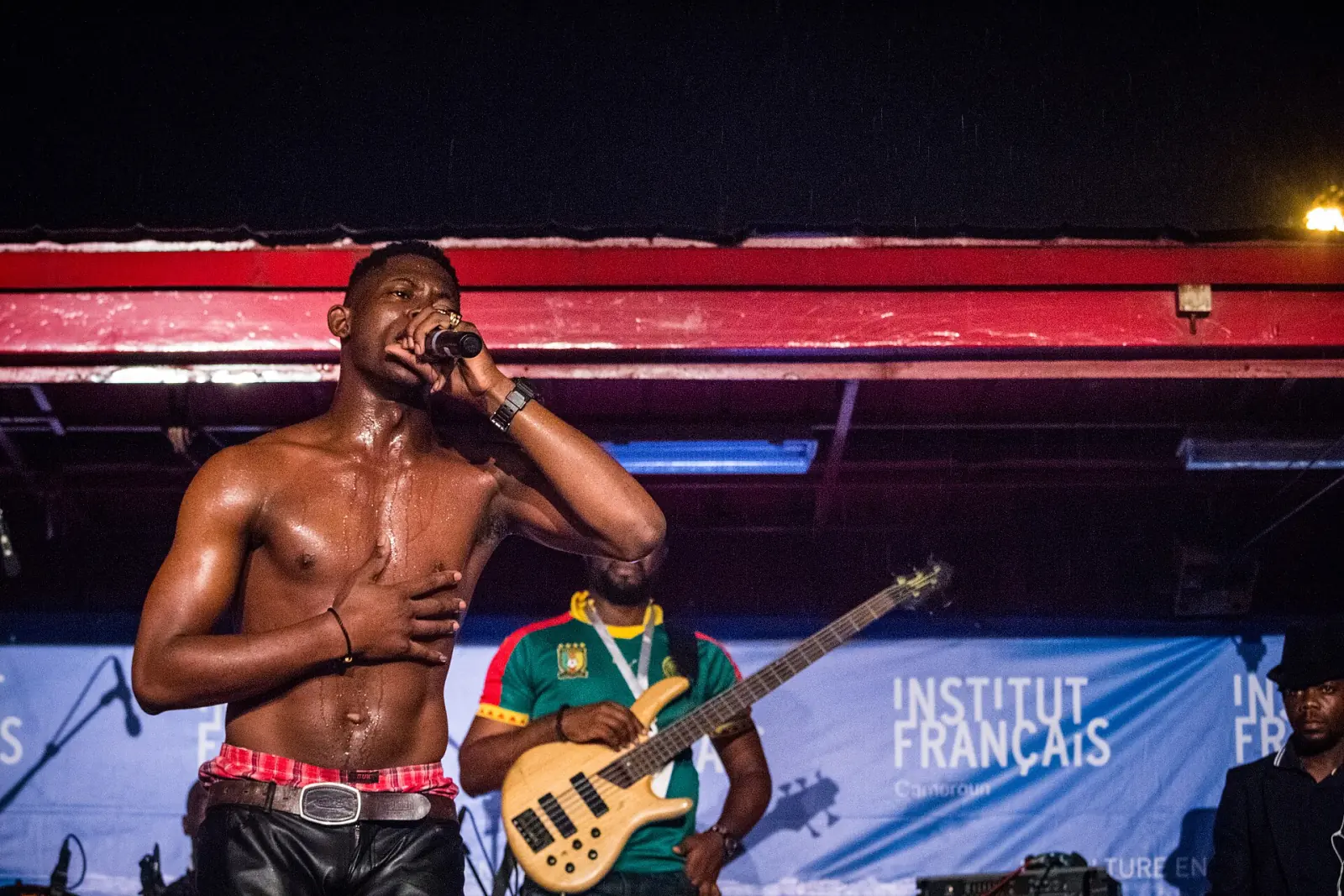
Rapper on stage with a bass guitarist during a concert at the Institut Français

From Paris to Montreal, from Brussels to Washington, from Johannesburg to Berlin, hundreds of thousands of Cameroonians live outside the country. Many create, publish, perform, teach or organise gatherings there: they carry Cameroon’s music, literature, cuisine, languages and festivals into cities that sometimes knew it only for its football.

The Ministry of Arts and Culture maintains an ongoing link with these creators. It relays their events, keeps a directory of their careers with their consent, facilitates their return to the country and relies on the network of embassies to support them. This page presents the artists, associations, events and directory of the diaspora.

  • A directory of artists compiled with their consent
  • Recognised and relayed cultural associations
  • Events announced on the national calendar
Diaspora artists
Artists

The artists of the Cameroonian diaspora

Singer crouching on stage in the lights of a large open-air concert

The Cameroonian artistic diaspora is long-established and very diverse. Makossa, bikutsi and jazz musicians perform on stages in Europe and North America; novelists, poets and essayists are published by houses in Paris, London or Montreal; filmmakers shoot between two continents; visual artists, photographers and fashion designers exhibit in galleries where the public discovers, through them, the patterns of the Grassfields or the colours of the Littoral.

A link to nurture

These creators remain attached to their country, but distance makes contact difficult: they know little about the Ministry’s schemes, and the Ministry does not always know where they work. The directory of diaspora artists fills this gap. Each artist who wishes completes a form (discipline, languages of creation, main works, city of residence, projects in Cameroon) and authorises or declines its publication.
ℹ️
How to register

An artist living abroad can send his or her form through the form at the bottom of the page or via the cultural service of the embassy of the country of residence.

Associations

Cultural associations abroad

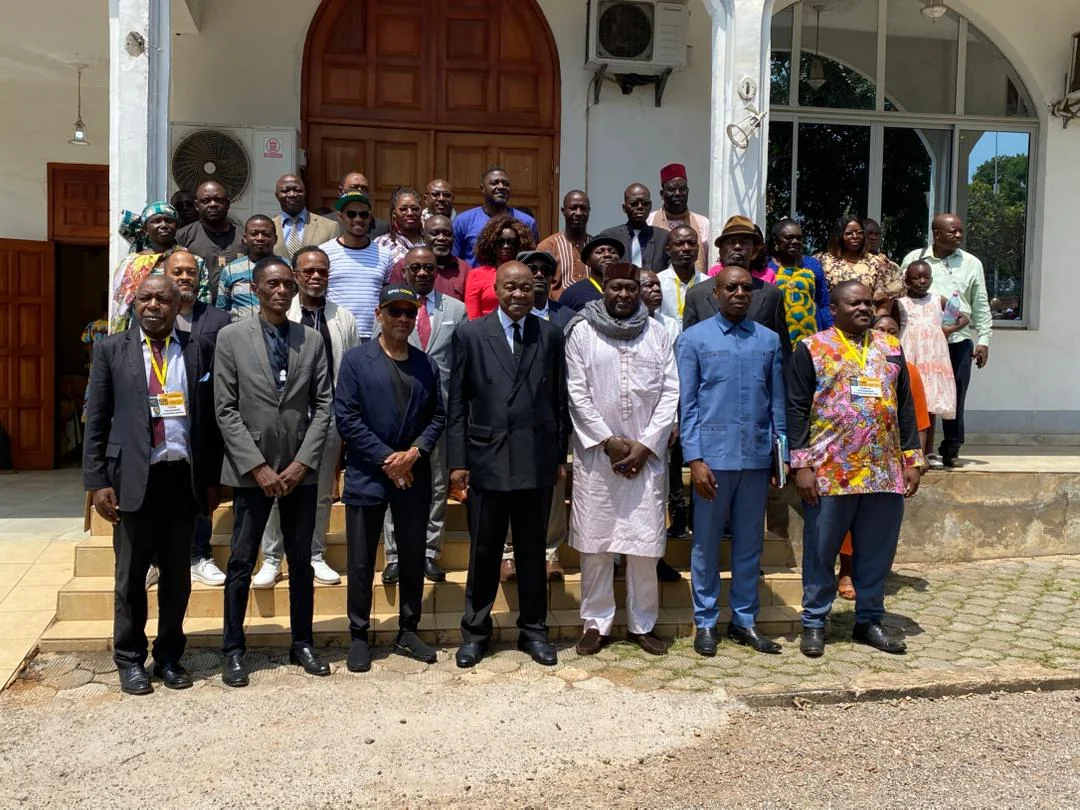
A group of men and women in varied outfits poses on the steps in front of a building entrance.

The cultural life of the diaspora rests largely on the associative fabric. It includes associations of nationals from the same village or chiefdom, who gather each year around a celebration and fund a project back home; dance troupes and percussion ensembles; literary circles; Saturday schools where children learn Bamileke, Ewondo, Duala or Fulfulde; and artist collectives that organise exhibitions and poetry evenings.

Partnership with the Ministry

The Ministry signs a one-year, renewable partnership agreement with the best-structured associations. It provides for the relaying of their events, the sending of documentation (posters, booklets, recordings), the loan of touring exhibitions and, for projects of general interest, technical support. An association created under the law of its country of residence can be recognised without repeating all the procedures: only a presentation file is requested.

Associations active in the country

Many associations of nationals fund the restoration of a chiefdom hut, the equipping of a library or the refurbishment of a community hall. These projects form part of the policy on traditional chiefdoms and national languages; associations based in Cameroon follow the association approval procedure.

ℹ️
Good to know

Cameroon’s embassies have a cultural contact person who receives requests for recognition and forwards them to the Minister’s Office (Cabinet).

Events

Diaspora events, from one shore to the other

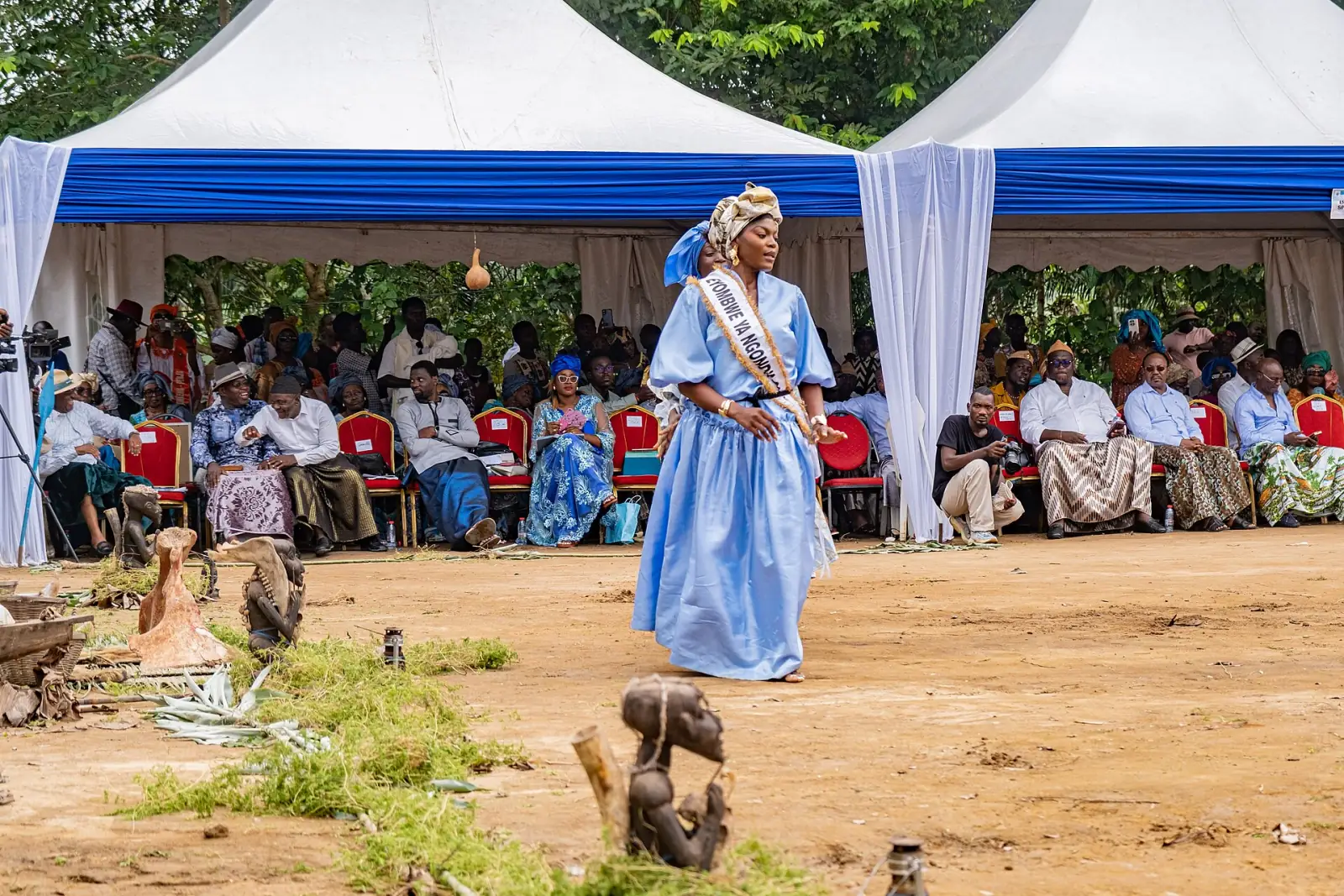
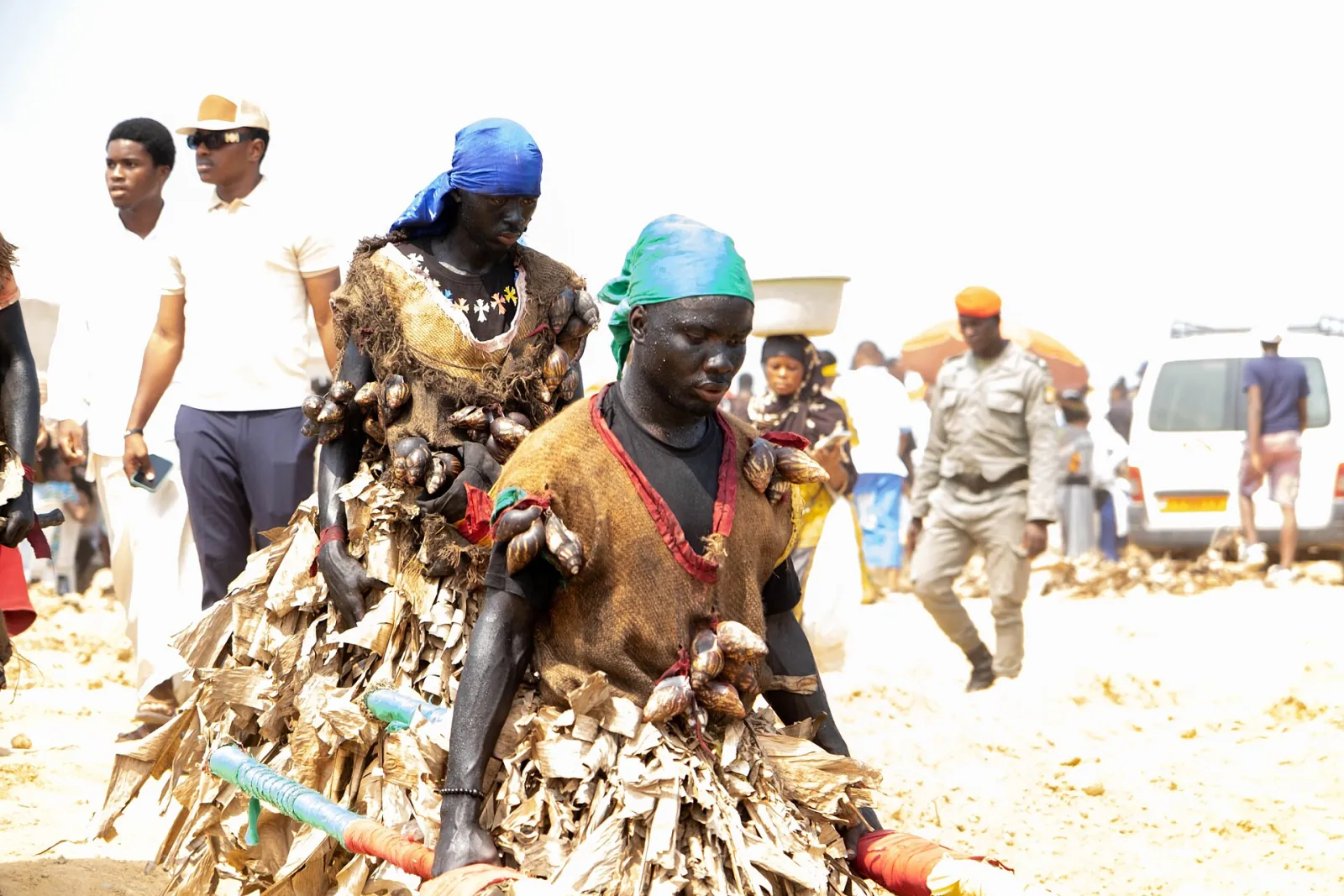
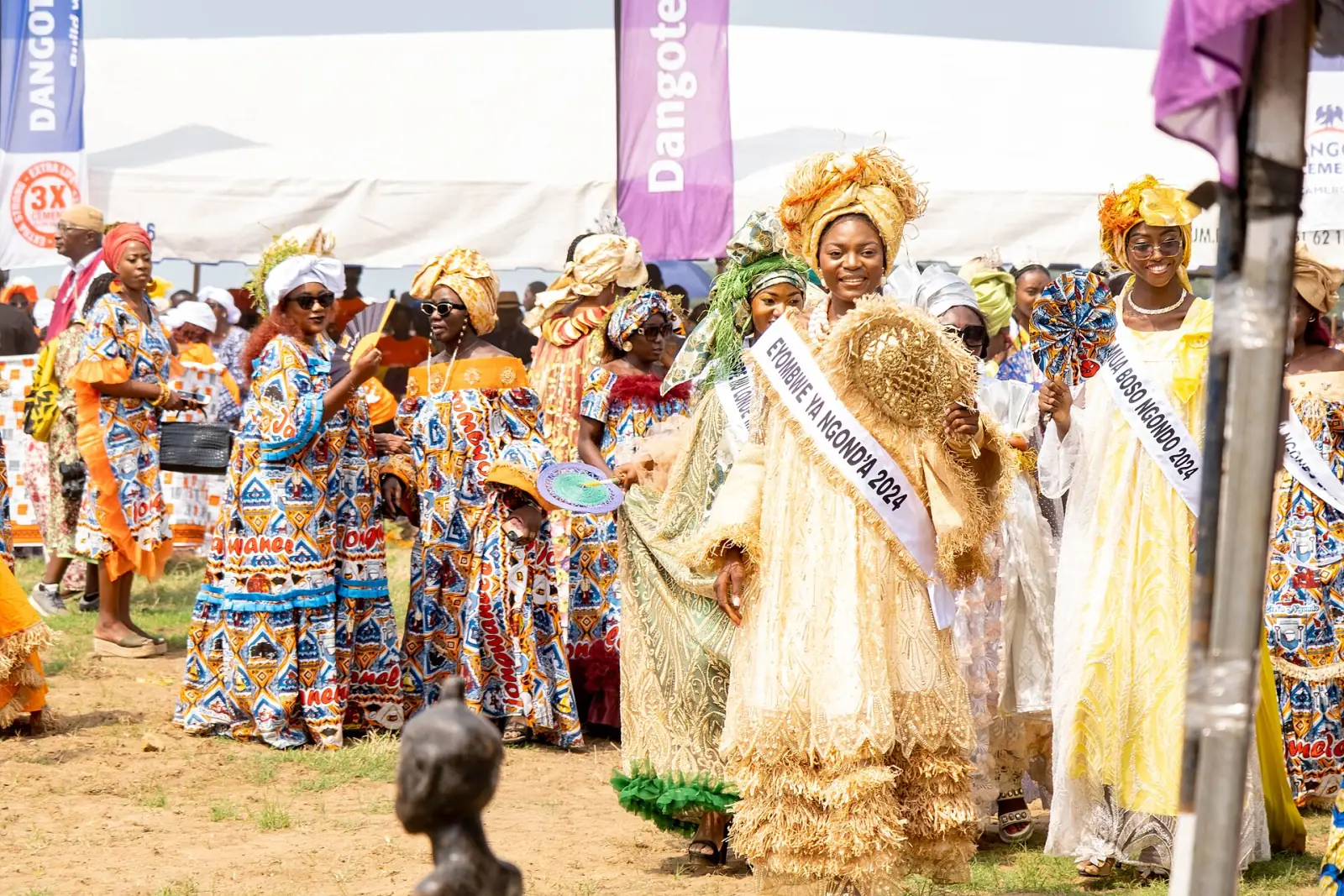
Beauty queens and women in raffia dress and colourful wrappers at the Ngondo festival

Diaspora events punctuate the year: Cameroon weeks in European capitals, poetry and slam evenings, open-air music festivals, leisure tournaments accompanied by concerts, craft fairs and photography exhibitions. Some draw several thousand visitors and have become institutions in their host city.

The Ministry’s relay

Each organiser can report their event to the Minister’s Office at least six weeks in advance. The information is then published in the cultural calendar, relayed by the embassies and, for the most important gatherings, featured in the newsletter. The diaspora festivals page lists the regular events.

Bringing the diaspora home

The movement also goes the other way. Each year, diaspora artists return for a chiefdom celebration, a festival or a residency: the Ngondo in Douala, the regions’ cultural days and the national calendar offer many opportunities.

  • A welcome guide for diaspora artists is given to organisers;
  • Performance authorisations are processed as a priority when the artist is coming from abroad;
  • Gatherings are filmed and deposited in the video library.
Directory

The directory of Cameroonian creators abroad

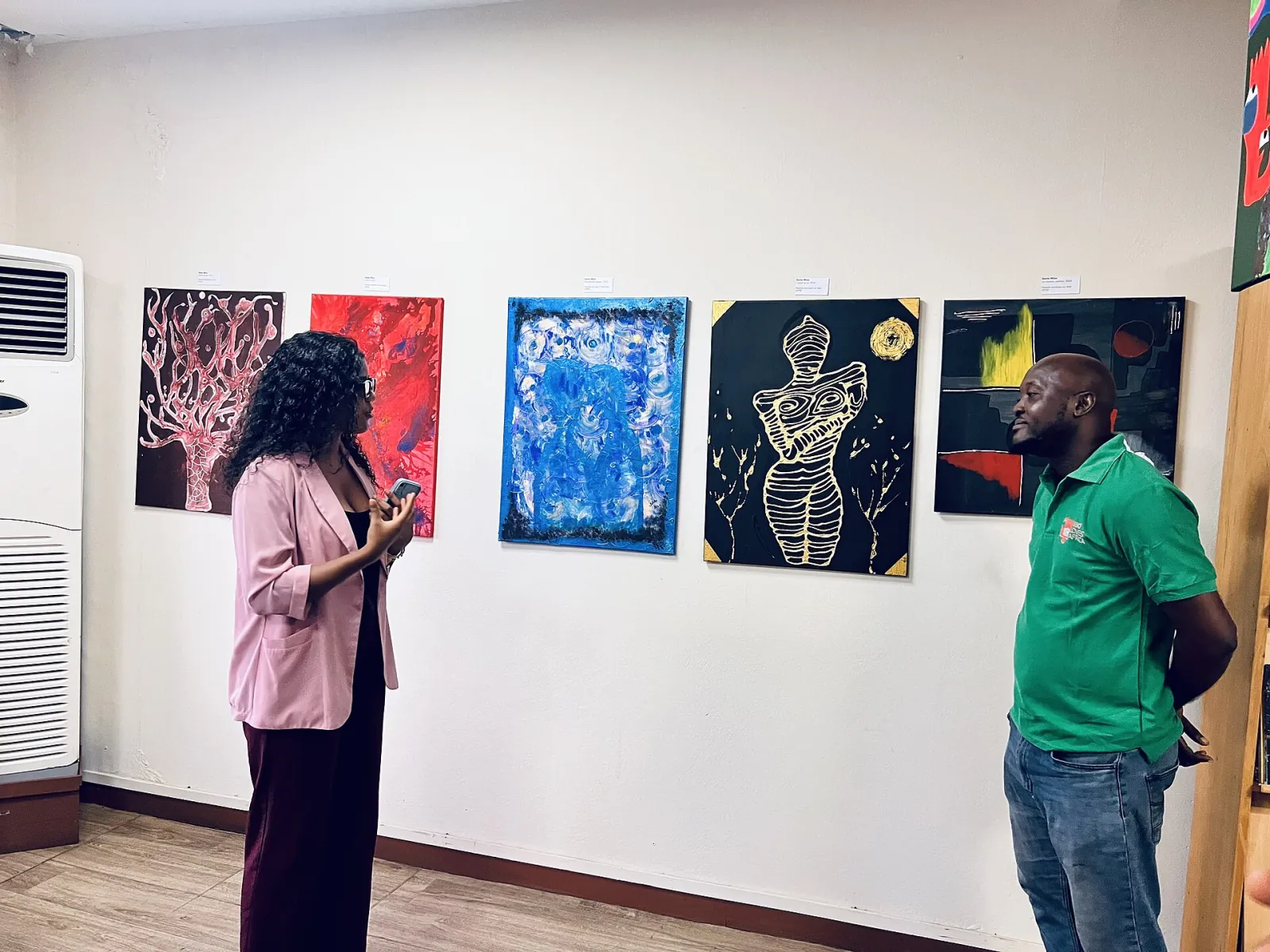
Visitors in front of abstract paintings hung on the walls of an art gallery

The diaspora directory is the searchable register that allows a programmer, publisher, teacher or journalist to find a Cameroonian creator living abroad. It operates on the principle of consent: no profile is published without the written agreement of the person, who chooses the information shown and may modify or withdraw it at any time.

The content of a profile

Each profile states the discipline, the country and city of residence, a short biography, three to five reference works, links to audio or video excerpts, the working language and availability for projects in Cameroon. Personal contact details are never published: contact requests go through the Minister’s Office.

How it is kept up to date

An annual review is carried out with the embassies: each artist receives a request for confirmation and profiles with no response for two years are hidden. Works can be cross-checked against the register of works to secure rights.

Uses

  • Forming a jury, a panel or a festival programme;
  • Finding a speaker for a workshop in an art school;
  • Preparing a thematic exhibition or an issue of a journal;
  • Identifying relays for a tour in Europe or North America.

The directory complements the national artists’ directory, whose presentation it follows.

Return to the country

Investing, passing on and returning: the diaspora in the service of culture

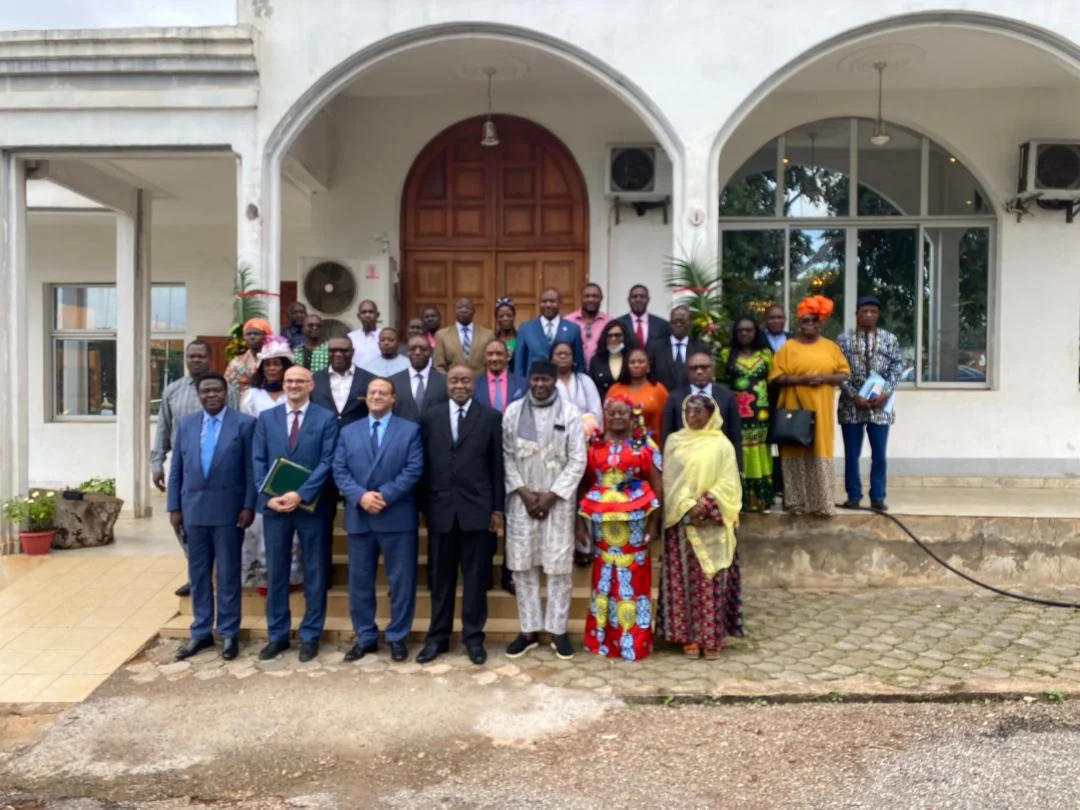
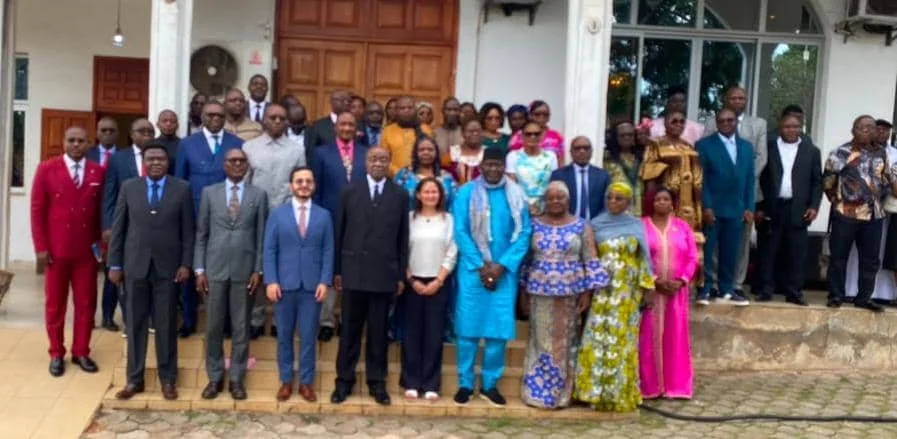
A group of men in suits and women in colourful outfits poses in front of the arched entrance of a building.

Beyond creation, the diaspora contributes to cultural life through its investments: performance halls, recording studios, bookshops, publishing houses, fashion boutiques. The Ministry directs these initiatives towards cultural entrepreneurship schemes, incubators and export support.

Step by step

Being relayed by the Ministry from abroad

Write to the Minister’s Office

Present your project or association on one page: discipline, city, target audience and planned date. Include a link to your work.

Complete the form

Complete the directory form and specify the information you agree to make public; your written consent is essential.

Contact the embassy

The embassy’s cultural referent checks your file, puts you in touch with other stakeholders and forwards your request.

Announce the event

Send the programme at least six weeks before the date, with a poster and a presentation text.

Be relayed

The event is published in the cultural calendar and, depending on its scale, in the newsletter and on the Ministry’s networks.

Take stock

Send a short report, photographs and the number of participants to enrich the archives and prepare the next edition.

Key facts

Diaspora stakeholders at a glance

StakeholderRoleWhat it offersHow to contact it
Diaspora artistCreates and spreads influenceDirectory profile, festival participation, knowledge transferForm on this page
Cultural associationOrganises and brings people togetherPartnership agreement, events, Saturday schoolsMinister’s Office (Cabinet)
EmbassyRelays and supportsCultural referent, reception hall, distribution of postersEmbassy of the country of residence
Regional DelegationWelcomes in the countryLocal programming, hosting of returning artistsRegional delegation
Directorate of ArtsProcesses projectsAid, residencies, performance authorisationsCompetent directorate
Cooperation unitCoordinatesAgreements, monitoring of international partnershipsGeneral Secretariat
Voices of the diaspora

They create far from home

“
Our Saturday school welcomes sixty children who learn Duala through storytelling and song; the embassy’s relay allowed us to double enrolments.
An association president, Brussels
Languages and traditions
“
Once listed in the directory, I was invited to a festival in Bafoussam where I met again musicians with whom I had not played for twenty years.
A musician, Montreal
Music
“
The artist card applied for remotely spared me a journey: I sent my contracts and programmes, and the reply arrived within a few weeks.
An actress, London
Theatre
“
Every year we organise a photography exhibition with the embassy’s support; the Ministry lent us prints from its archives.
A photographer, Washington
Photography
To download

Diaspora resources

“Far from home, what one carries along is a language, a rhythm and a way of carrying oneself: the role of a cultural policy is to link these treasures to those who stayed behind.”

A cultural association leader, Paris
Glossary

The vocabulary of the cultural diaspora

Diaspora

All Cameroonians living outside the country, whatever their current nationality.

Repertoire

A list of artists registered with their consent, searchable by cultural professionals.

Cultural referent

An embassy official responsible for receiving and forwarding cultural requests.

Association of nationals

A group of people originating from the same village or chiefdom, living abroad.

Saturday school

A weekly language and heritage-culture class run by an association for children.

Partnership agreement

A one-year, renewable agreement between the Ministry and an association to relay its actions.

Consent

An artist’s written agreement before publication of their profile; it may be withdrawn at any time.

Cameroon Week

A series of cultural events organised by a foreign city or an association.

Tour

A sequence of performances in several cities or countries, organised around a show.

Artist card

A document recognising the status of a creative professional.

Patronage

Financial or material support given to a cultural project without commercial consideration.

To act

Schemes for the diaspora

Directory profile

Get listed with your consent and choose the information shown.

See the directory

Remote artist card

Submit your supporting documents online, from any country.

Apply for the card

Diaspora festival

Register your event and benefit from the national calendar’s relay.

See the festivals

Artist mobility

Tours, residencies and visas for travelling between Cameroon and abroad.

Artist exchanges
Appointments

Upcoming diaspora events

On the site

Read further on the diaspora

Resources

Useful links for the diaspora

Stakeholders

Who supports the diaspora?

Journey

The cultural diaspora over time

1960sStudents in the capitals

The first circles of Cameroonian students in France, Great Britain and Germany create journals, troupes and cultural evenings.

1980sMusical influence

Makossa and bikutsi conquer the stages of Paris and Brussels, and associations of nationals multiply.

The 2000sDiaspora festivals

Cameroon weeks, book fairs and film gatherings emerge in several countries in Europe and America.

2010sThe digital network

Platforms, online radio and social networks link creators with one another and with their audience in the country.

TodayA directory and relays

The Ministry keeps a consent-based directory and relies on the embassies to relay, welcome and support.

To explore

The diaspora in the other sections

Questions

Your questions about the diaspora

How can an artist living abroad be listed?

Complete the directory form and send it to the Minister’s Office, directly or through the embassy of the country where you live. Specify the information you agree to make public: your written consent is the condition for any publication.

Is the diaspora directory public?

Yes, but only the information authorised by each artist appears in it. Personal contact details are never displayed: any contact request goes through the Minister’s Office, which forwards it to the person concerned and leaves them free to reply.

Can my association become a partner of the Ministry?

Yes. Send a presentation file (statutes from the country of residence, activities of the last two years, project) to the Minister’s Office. A one-year, renewable agreement may be signed if the association pursues a cultural objective and reports on its actions.

How can I have a festival organised abroad announced?

Report it to the Minister’s Office at least six weeks before the date, with the programme, venue, a poster and a contact. The event is published in the cultural calendar and relayed by the embassy; major gatherings are featured in the newsletter.

Can I apply for the artist card without travelling to Cameroon?

Yes. The application is made online, with scanned supporting documents: contracts, show programmes, catalogues or certificates. Follow-up is carried out with the file number, and the card can be collected from an agreed representation.

Does the Ministry fund diaspora projects?

Diaspora projects may apply to calls for projects open to all applicants, when they take place in Cameroon or bring a direct benefit to the country. The conditions are specified in each call and in the grants section.

How do I organise a knowledge-transfer stay in the country?

Contact the regional delegation of the host region to define the venue, the duration and the audience. The stay lasts from two to six weeks and ends with a public presentation; accommodation is negotiated with the host organisation.

Who protects my works when I live abroad?

Your work is protected by copyright in many countries thanks to international conventions. You can register it in the register of works and join a collective management society, which collects your rights in Cameroon and abroad.

How can a work or object held abroad be brought back?

Report the object to the Ministry with the information you have (place of conservation, photographs, known provenance). The file is forwarded to the national committee in charge of restitutions, which then opens discussions with the holding institution.

Contact

Write to the Ministry: Diaspora

Specify the partner or programme concerned.

Contacts

Contact the Minister’s Office and cooperation

Address

Ministry of Arts and Culture
Quartier du Lac – Ministerial Zone
P.O. Box 1053 Yaoundé, Centre Region, Cameroon

Reach us

+237 6 51 70 58 41

contact@minac.gov.cm

Opening hours

Monday to Friday, 8 am to 4 pm

An event to have relayed?

Report it to the Minister’s Office six weeks in advance so that it appears in the national calendar and with the embassies.

Diaspora festivals
WhatsApp