
The events concerned
Music, dance, theatre or film festivals, biennales, trade fairs and fairs, competitions, cultural days and traditional festivals open to visitors, such as those described in the national calendar.
Organising a festival, biennale, trade fair or cultural fair requires authorisation and rigorous preparation. Conditions, documents, form, tracking and appeals: all the steps to a successful edition.
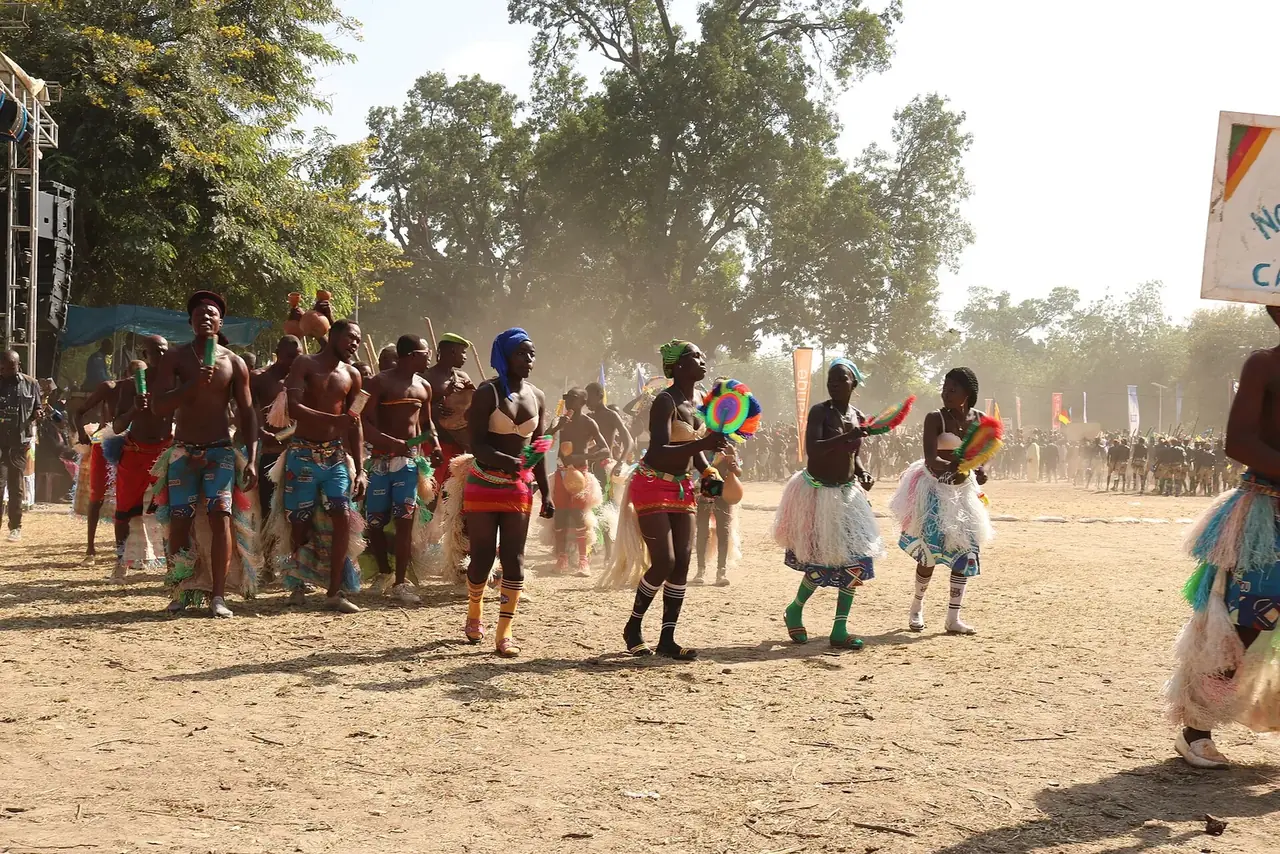
A festival brings together artists, residents, visitors and partners for several days: it requires serious preparation and prior authorisation. A visual arts biennale, theatre meetings, a traditional music festival in a chiefdom, a book fair, a crafts fair: all come under the same procedure.
This page details the complete path: who must submit the application, which conditions to meet, which documents to prepare, how to complete the form, how to track the file and how to react in the event of difficulty. Any fees are set out on the Fees page.
Online submission is open at all hours. Log in to your account, describe the edition, the programme and the venues, attach your documents and confirm: your file number is displayed immediately. Any fee is shown before payment, and the details are on the Fees page. To follow the processing, use the file tracking page. The One-Stop Shop and the online help will guide you if a question arises, and the regional delegation receives paper files.
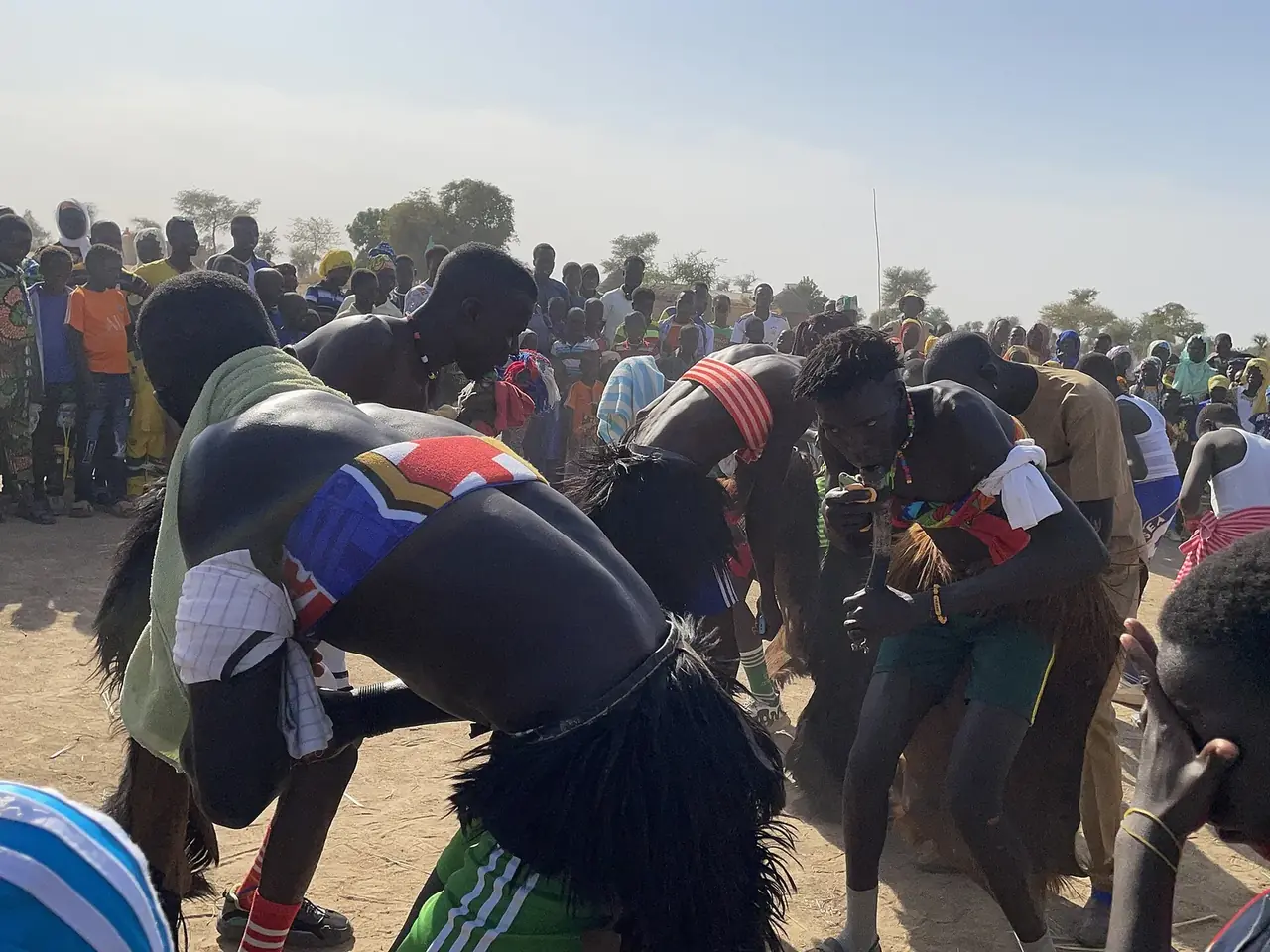
The procedure is aimed at associations, collectives, local authorities, businesses and institutions that organise a festival, biennale, trade fair, fair or series of cultural events open to the public. The organiser is the body that holds the budget, signs the contracts and is responsible for safety.
Music, dance, theatre or film festivals, biennales, trade fairs and fairs, competitions, cultural days and traditional festivals open to visitors, such as those described in the national calendar.
A one-off, single-evening show comes under the show authorisation. A strictly community ritual ceremony, with no outside audience, is not a festival. If in doubt about the nature of the event, contact the service before submitting: it will tell you the right procedure.
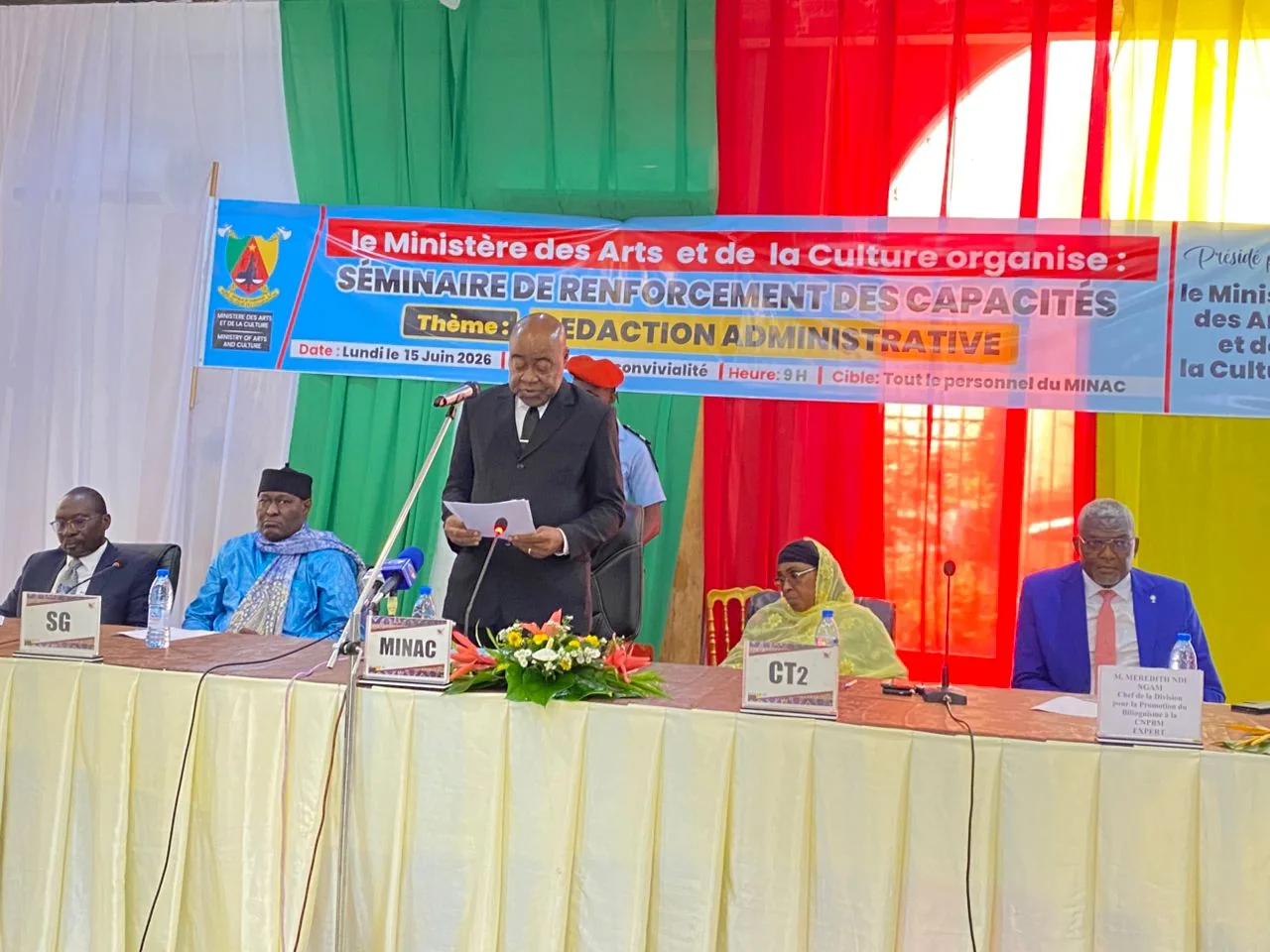
The authorisation rests on a set of conditions that guarantee the seriousness of the project and the protection of the public.
The organiser is an approved association, a company, a local authority or an institution. An association encloses its articles of association and its approval. An informal collective is backed by an existing body.
The file presents the programming, artists, venues, dates, a balanced budget and the sources of funding. A festival without a credible funding plan is deferred; the organiser may apply for event grants.
A safety plan specifies first aid, fire prevention, circulation, hygiene, crowd management and access for people with reduced mobility.
The works broadcast are declared to the competent collective management society, and the artists are engaged by contract.
For a public space or a traditional site, the agreement of the municipality, the administrative authority and, where applicable, the chiefdom is enclosed with the file.
Each new edition requires a new application, possibly simplified if the arrangements are unchanged.
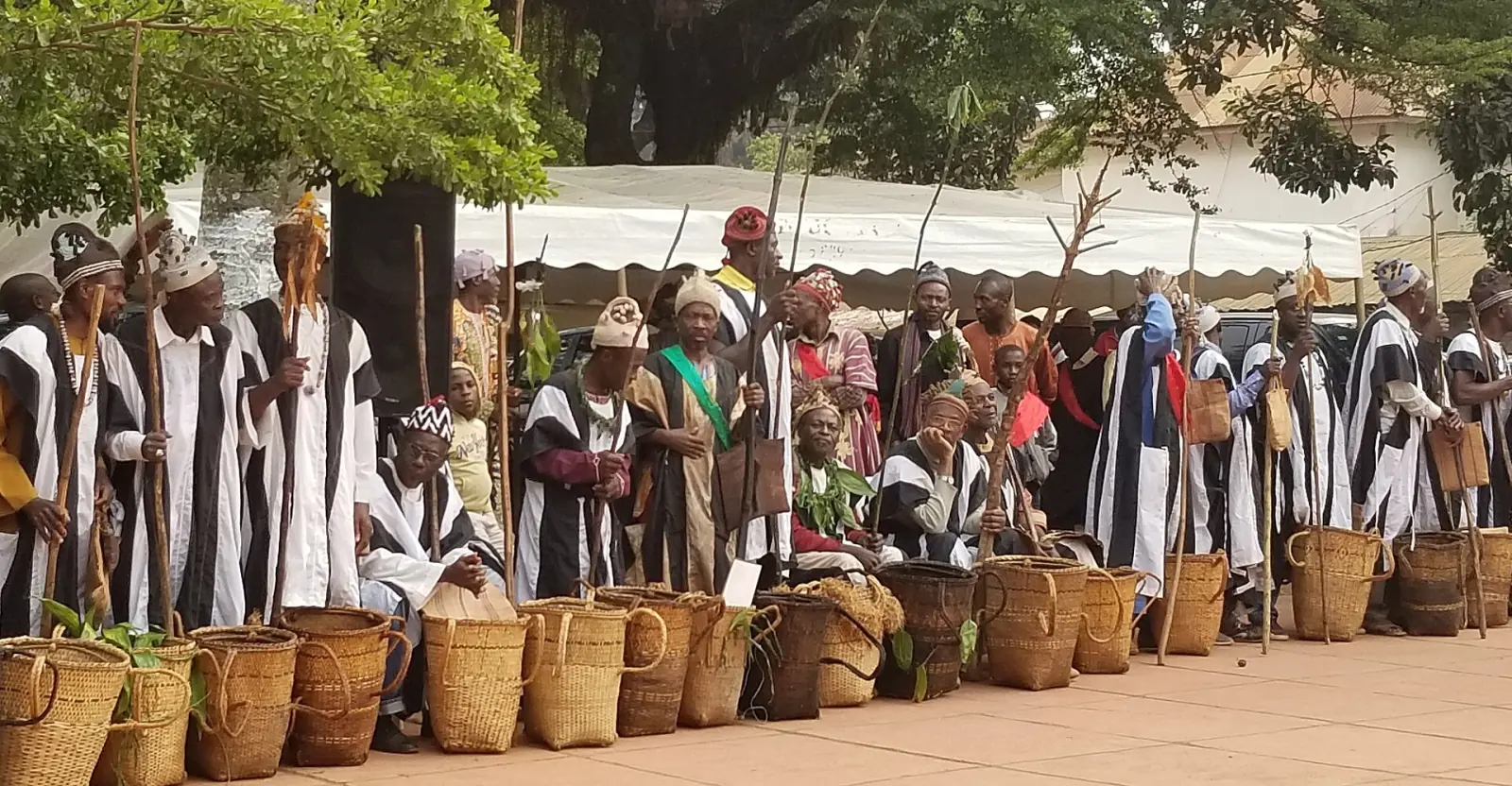
A festival file is more extensive than that for a show, because it covers several days, several venues and a larger budget.
Useful templates are available on the Forms page.
Arrange the file in the order of the form and number each document. A budget presented as a table, with one column for expenditure and one for revenue, is read faster than continuous text. If some documents depend on third parties, such as the agreement of a municipality or an owner, request them at the very start of the preparation: they are often the last to arrive and the first to delay the examination.
The form sets out the edition in eight parts. Complete it with the management team, as several sections require precise information from stage management, programming and administration.
The online form is saved as a draft in your account, which allows several people to contribute. State the expected attendance realistically, as it determines the scale of the security arrangements and the examination time. For the programme, specify for each performance the venue, time, duration and company, and indicate the non-stage activities (workshops, meetings, exhibitions) that also welcome the public. Finally, review the funding section: a grant that has been announced but for which no application has been submitted does not count as secured revenue.
Define the theme, programme, venues, budget and partners before opening the form; a clear project saves weeks.
Check the association’s approval, insurance, venue agreements and the consent of the local and traditional authorities.
Submit it online or at the delegation of the host region, several months before the opening for a large festival, and keep the acknowledgement of receipt.
Reply to requests for clarification on security, budget or attendance, and attend a coordination meeting if the service proposes one.
Display the authorisation on site, comply with its conditions, then submit the report on the edition, which is useful for grants and for the following edition.
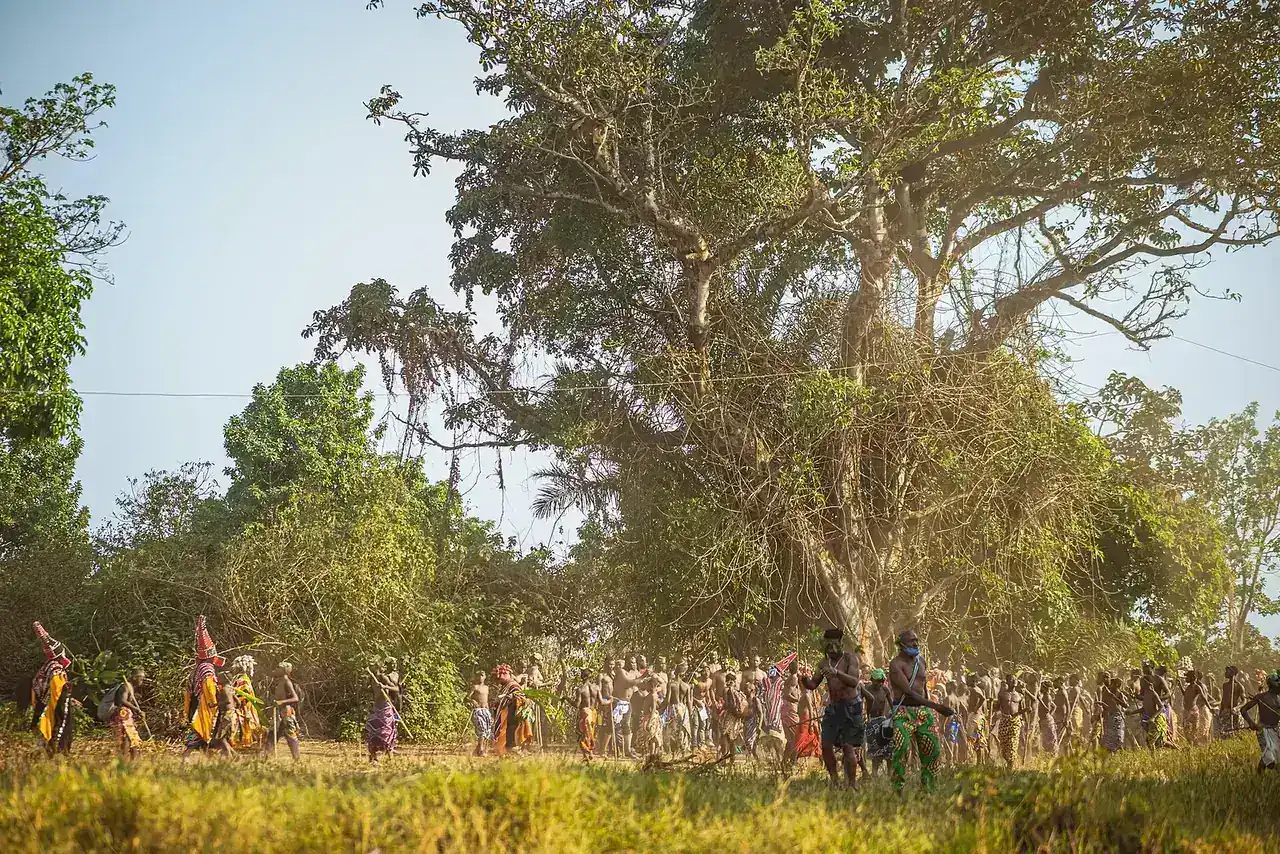
No two festivals are alike. Here are the typical situations and how to handle them in the file.
The file includes the day-by-day programme, the venues and the public circulation plan. A security coordination point is designated for the duration of the event.
A festival that moves from village to village presents its full itinerary, with the agreement of each municipality and each traditional authority. The delegation of each region concerned is informed.
A chiefdom, palace or monument requires the agreement of the manager and, for a protected site, of the heritage directorate. See palaces and chiefdoms.
It requires the list of invited artists and their stays, as well as the foreign partners. See diaspora festivals.
An established festival submits a report on the previous edition and notifies changes of venues, capacity and arrangements, which lightens the examination.
The application is registered with a number and an acknowledgement of receipt. It is forwarded to the festivals service and to the delegation of the host region.
An officer checks the essential documents: statutes, programme, budget, security plan and venue agreements, and flags what is missing.
The service examines the project with the local authorities and, where necessary, heritage, security and local authorities. A coordination meeting may be proposed.
The decision is notified and may set conditions: capacity, hours, perimeter, security measures. A refusal is always reasoned.
After the festival, a report is submitted: attendance, actual budget, incidents. It facilitates authorisation of the next edition and grant applications.
Each region has a Ministry delegation that welcomes you and receives your file.

For a one-off performance or a single evening.
Discover →
The stages of an event, from conception to close.
Discover →
Funding for a festival or a trade fair.
Discover →
Sell, distribute and control tickets for your event.
Discover →
Recruit, train and supervise your festival’s volunteers.
Discover →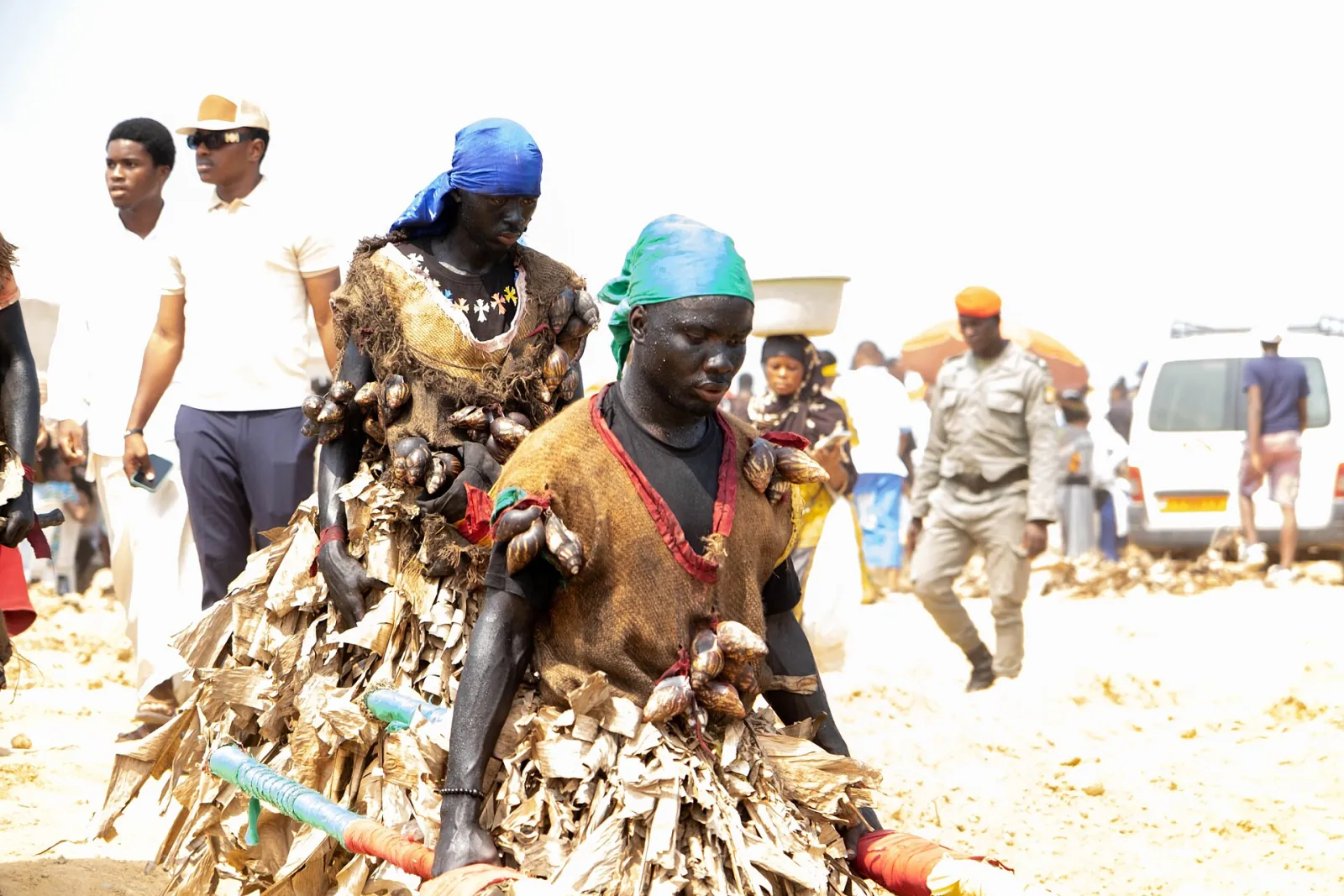
The major events of each region of Cameroon.
Discover →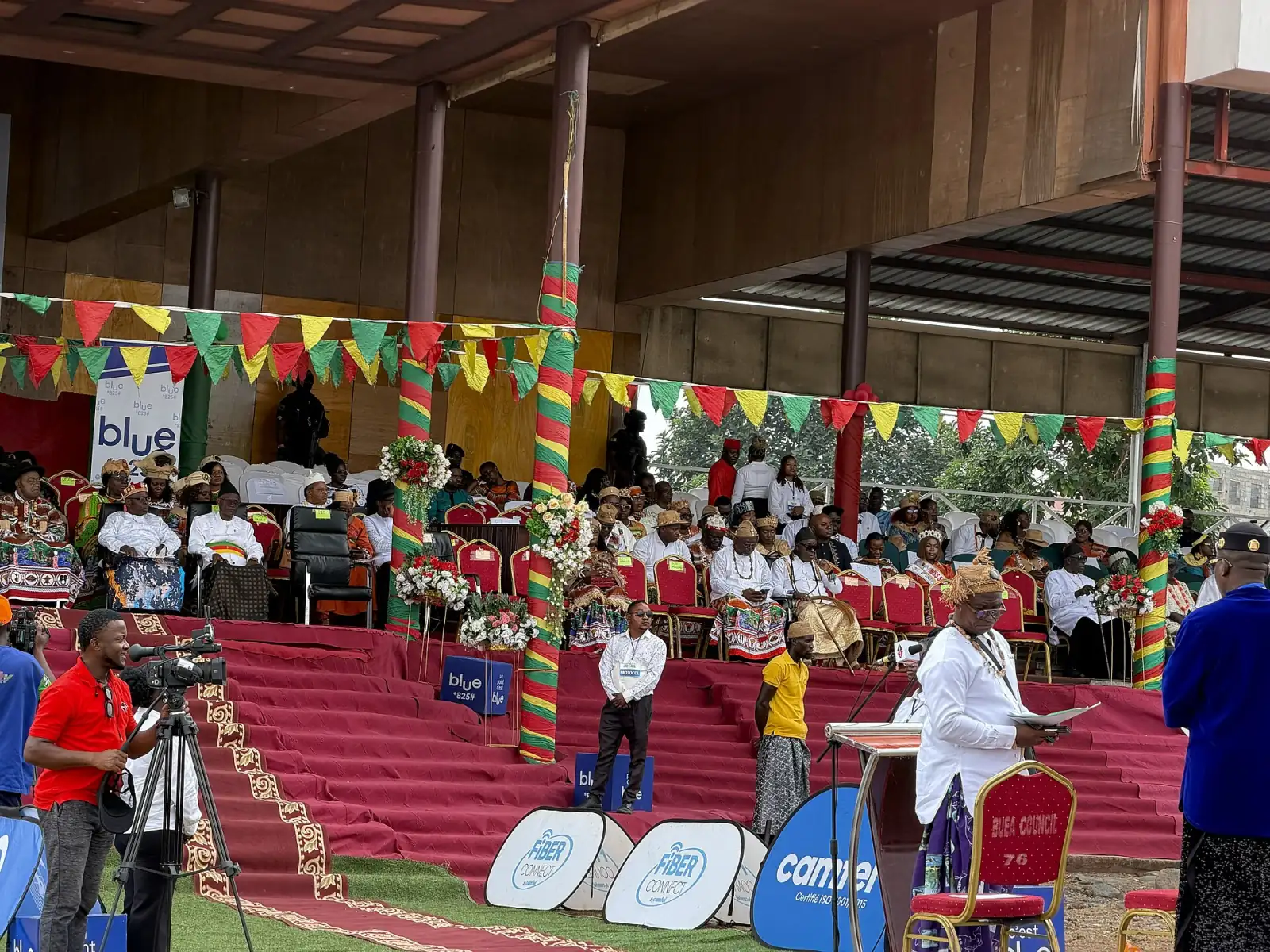
Once submitted, your file number allows you to track the examination on the File tracking page. The successive statuses indicate whether the file is received, under examination, awaiting additional documents or decided.
Festivals attracting a large audience require a longer examination period, particularly for security and consultation with the local authorities. Submit early, align your communication schedule with the decision, and do not launch ticketing or sign irreversible contracts before receiving the authorisation.
Remember to provide an emergency contact who can be reached during the festival. To promote the event, then list it in the cultural calendar. If your festival welcomes visitors from afar, also pass the information on to local cultural tourism stakeholders and accommodation providers, who can then anticipate attendance. Late communication is one of the main causes of empty halls, even when the authorisation has been granted.
The same pitfalls recur every season.
Overestimated revenue and forgotten expenses (security, insurance, accommodation) weaken the project. Have your budget reviewed by a peer before submission.
Writing “security ensured” is not enough. Specify staffing, emergency services, evacuation routes and crowd management.
For a festival linked to a customary site, the absence of the chiefdom’s agreement is a cause of blockage. See the traditional chiefdoms page.
Verbal commitments are a source of disputes. Use the model contracts.
A festival relies on teams of volunteers: provide for their supervision, insurance and training, see volunteering.
An application submitted a few weeks before the opening of a large festival leaves no time for consultation. Allow plenty of time.
When authorisation is delayed or refused, it is important to act methodically and to keep written records.
A partial authorisation is possible: the service approves some venues and rules out others. In the event of a dispute with artists or rights societies, mediation offers an amicable route before any proceedings.
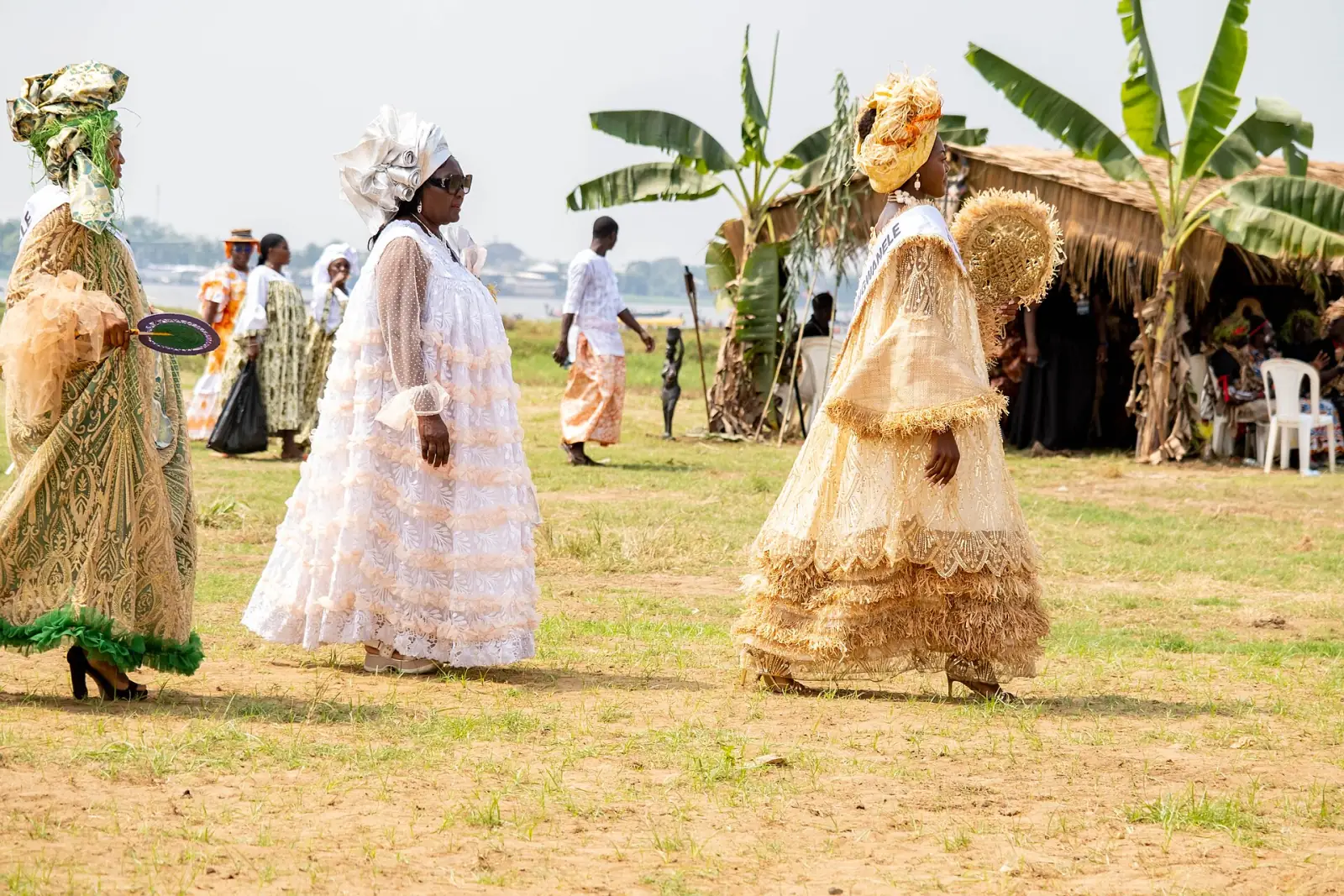
A successful festival welcomes everyone. The Ministry encourages organisers to consider accessibility from the file stage: level access routes, reserved seats, adapted toilets, clear signage, a large-print programme, and sign language interpretation at the main events where possible.
The regional delegations receive files and help with digitising documents. A village organiser may entrust the submission to a representative holding a power of attorney.
Supported festivals undertake to offer adapted rates for young people, pupils and remote audiences, and to provide information in French, English and, where useful, a national language. The national calendar and the Hours and addresses page make it easier to prepare your visit or your submission.
The file demands rigour, but the examination was quick and clear. The coordination meeting allowed us to settle security before the opening.
Our festival now appears in the national calendar. The report submitted after the first edition made it easier to obtain authorisation for the second.
For our touring festival, the delegation of each region was informed in advance, and we had no blockages in the villages we passed through.
We submitted the grant application in parallel with the authorisation, which allowed us to close the budget without delaying the file.
Submit a funding application for your event in parallel with the authorisation.
Apply for a grantAnnual or periodic occurrence of a festival, numbered to preserve the memory of the event.
Measures planned to protect the public and artists: emergency services, crowd flow, evacuation.
List of performances, exhibitions and workshops, day by day and venue by venue.
Person responsible for programming choices and the festival’s identity.
Team that coordinates technical logistics, set-ups and receptions.
Maximum number of people that can safely be admitted to a venue or site.
Single ticket giving access to several performances or several days of the festival.
Report submitted after the festival: attendance, actual budget, incidents, lessons learned.
Written agreement setting out a partner’s commitments to the festival.
Meeting between the organiser and the authorities to settle security and logistics for a large event.
| Format | Usual length | Point to note | Specific document |
|---|---|---|---|
| Music festival | Two to four days | Sound systems, crowds, noise nuisance | Sound and circulation plan |
| Dance or theatre festival | Several days | Stages, dressing rooms, technical riders | Companies’ technical riders |
| Visual arts biennale | Several weeks | Insurance of works, transport | Artwork loan agreement |
| Book fair | A few days | Stands, sales, book signings | List of exhibitors |
| Crafts fair | One to two weeks | Hygiene, stands, sales | Stand plan |
| Open traditional festival | One to three days | Rites, reception of visitors | Consent of the traditional authority |
| National competition | A few days | Jury, rules, public | Competition rules |
| Film festival | Several days | Screening rights, venues | Rights holders’ agreements |
Yes. A grant application can be submitted in parallel, with the festival budget. The two procedures are independent: the authorisation does not carry funding, and funding does not replace the authorisation. See the event grants for the criteria and the calendar.
The competent local authorities, in liaison with the regional delegation, may check capacity, exits, emergency services and compliance with the conditions. The organiser designates a security officer who can be reached at all times and keeps the authorisation available on site.
Yes, each edition is authorised separately. If the arrangements do not change, the file may be lightened and draw on the report of the previous edition. Any change of venue, duration or capacity must be notified before the opening.
Yes. Being free does not exempt you from the procedure: as soon as the event is open to the public, the rules on safety, copyright and declaration apply. A free festival may, however, be processed more quickly if the arrangements are simple.
First obtain the agreement of the traditional authority and the site manager, then enclose it with the file. The Regional Delegation can facilitate the meeting. Ritual spaces and local prohibitions must be respected in the site plan.
Inform the delegation and the service immediately, stating the reason and the new date. A postponement requires a supplement to the file. Cancellation must be communicated to the public and partners, and ticket refunds arranged by you.
Several months for a large festival, several weeks for a small local event. The exact deadline is given to you at submission. The larger the expected audience, the more time consultation with the authorities requires.
No amount is displayed on the procedure pages: any applicable fee is announced before payment at submission, and the details are on the Fees page. Any request for payment outside the official online payment must be reported.
Festivals and Events Service
Ministry of Arts and Culture
Quartier du Lac – Ministerial Zone
P.O. Box 1053 Yaoundé, Centre Region, Cameroon
Monday to Friday, 8 am to 4 pm
Submit your application online, track it with your number and prepare a smooth edition.