Coat of arms of CameroonMinistry of Arts
and Culture
Republic of Cameroon
My procedures
Home
Minister’s message
News
Press releases
Cultural calendar
Official speeches
Press review
Photo library
Video library
Calls for projects
Job vacancies
Public procurement
Newsletter
Frequently asked questions
Site map
Contact
Press area
Podcast “The Voice of Culture”
Legal notices
Privacy policy
Cookies and trackers
The Ministry
Missions and responsibilities
Organisation
Organisation chart
Minister’s Office (Cabinet)
Management team
General Secretariat
General Inspectorate
Central directorates
Regional Delegations
Institutions under supervision
Legislative texts
Regulatory texts
Sector strategy
Major projects
Budget and reports
Partners
Careers
Archives
Institutional communication
Quality and accessibility
Arts
Visual and plastic arts
Visual arts
Performing arts
Theatre
Dance
Music
Literature and books
Cinema and audiovisual
Photography
Fashion and design
Digital arts
Art crafts
Artists’ directory
Residencies
Prizes and awards
Arts education
Urban arts
Heritage
Tangible heritage
Intangible heritage
UNESCO sites
National museums
Listed monuments
National inventory
Palaces and chiefdoms
Archaeology
Linguistic heritage
Oral traditions
Traditional know-how
Restitution of cultural property
Fight against illicit trafficking
Listing and protection
Conservation and restoration
Heritage Days
Cultural landscapes
Industries
Music and recording
Cinema
Publishing and books
Digital arts
Fashion and creativity
Crafts
Cultural tourism
Funding for culture
Support funds
Incubators
Cultural entrepreneurship
Culture Observatory
Vocational training
Studies and reports
Sector statistics
Export and outreach
Intellectual property
Copyright
Legal framework
Copyright and neighbouring rights
Collective management societies
Register a work
Licences
Private copying
Fight against piracy
Model contracts
Social status of artists
Mediation
Disputes
Training
Fee scales
Register of works
Contact
Digital neighbouring rights
Public domain
Festivals
National calendar
Ngondo
Nguon
Écrans Noirs
Heritage Days
Music Day
Regional festivals
Fairs and exhibitions
Biennials
National competitions
Cultural days
Organise a festival
Event grants
Ticketing
Archives
Volunteering
Diaspora festivals
Regions
Adamawa
Centre
East
Far North
Littoral
North
North-West
West
South
South-West
Cultural map
Regional Delegations
Traditional chiefdoms
National languages
Cultural routes
Decentralised cooperation
Regional observatory
Cooperation
UNESCO
Francophonie (OIF)
African Union
Commonwealth
CEMAC
Bilateral cooperation
Cultural agreements
Professional organisations
Scholarships
Artist exchanges
Cultural years
Diaspora
Funded projects
Embassies
Technical partners
International restitution
International monitoring and calls
Services
Artist card
Show authorisation
Filming authorisation
Festival authorisation
Deposit of a work
Export of works of art
Listing of a property
Grant application
Association accreditation
File tracking
Forms
Fees
Opening hours and addresses
Reporting
Online help
My account
One-Stop Shop
Industries

Cinema

Production, distribution, cinemas and financing: how a film is made, financed and screened in Cameroon, and how the Directorate of Cinematography supports professionals in the sector.

Updated on 6 November 20264 sub-pages
Supervising directorateDCPA
Filming authorisationMandatory
Revision of the legal frameworkAugust 2026
Links in the chain4
Cinema

An industry of images and stories

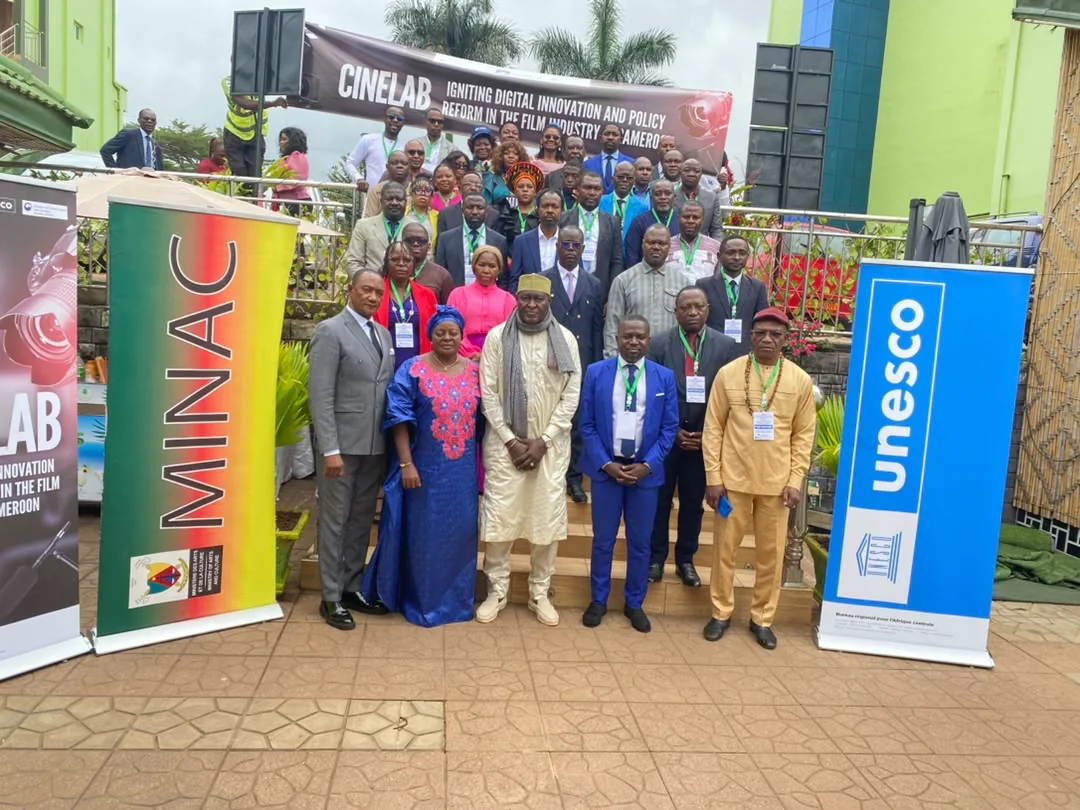
CINELAB workshop participants in front of the Ministry and UNESCO banners

Cameroonian cinema is first of all about stories: fiction films shot in Douala, Yaoundé or in the chiefdoms of the West, documentaries on craftspeople, series broadcast on television and online. It is also an industry, with its producers, technicians, distributors, cinema operators and festivals, which circulate works and pay for the work of hundreds of professionals.

This page presents the economics of the sector: how a film is put together, how it is financed, distributed and screened, which authorisations are required and how the Ministry, through the Directorate of Cinematography and Audiovisual Productions, supports professionals.

  • Production, distribution and exhibition regulated
  • Filming authorisation and film control
  • A legal framework under revision
Discover production
Production

The production of films and audiovisual works

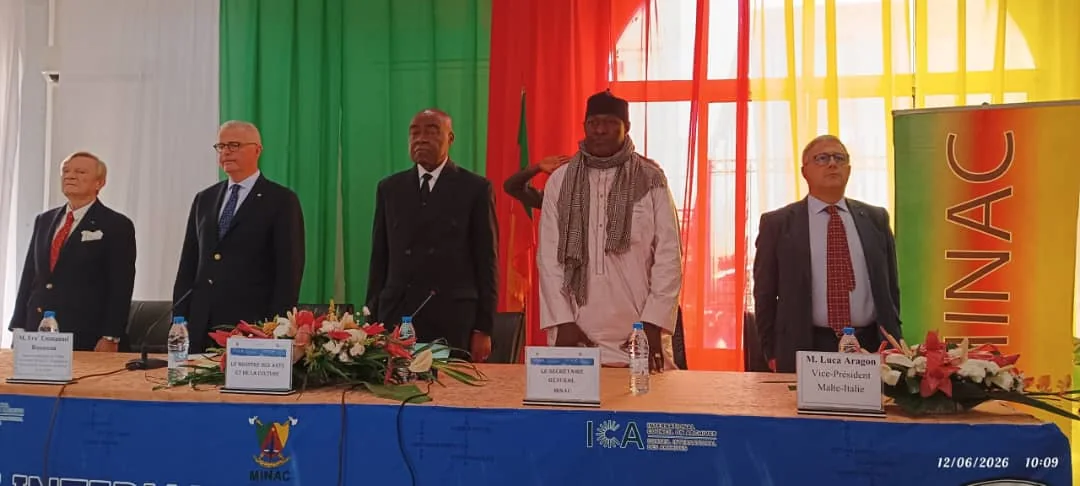
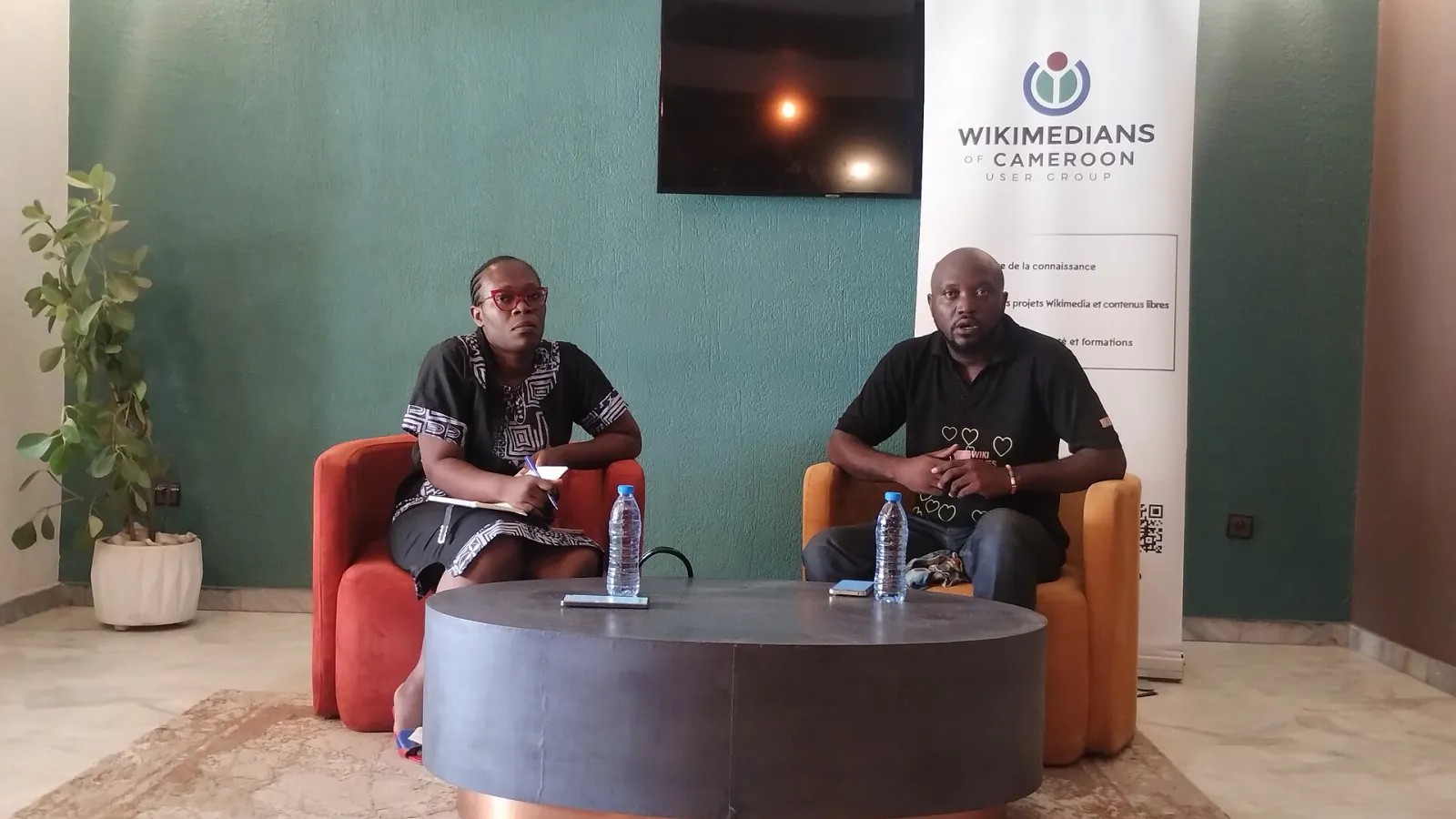
Two speakers seated in front of a banner at the launch of a photo competition

Producing a film means bringing together an idea, a team and a budget. The producer is the entrepreneur of the project: they acquire the rights to the story, hire the director, the actors and the technicians, secure the financing, supervise the making and answer for the work to the partners. In Cameroon, production is carried by small independent companies working in light teams, sometimes in association with television channels or foreign co-producers.

The stages of production

Development covers the screenplay, the presentation file and the financing plan. Pre-production prepares the shoot: location scouting, casting, scheduling, insurance. The shoot mobilises the director, the director of photography, the sound engineer, the grips, the set designers and the costume designers. Post-production assembles the editing, mixing, colour grading and music.
Authorisations

Any filming on national territory requires a filming authorisation, processed by the Directorate of Cinematography and Audiovisual Productions, which also examines applications for professional photography. Foreign productions must submit their file before arriving, with the synopsis, the list of crew and the intended locations.

Author, directing and performance contracts are negotiated on the basis of the model contracts, while co-production mechanisms are detailed in the export and outreach section.

ℹ️
Before filming

Submit the authorisation application several weeks before the first day of shooting, enclosing the screenplay, the work plan and the contracts for the filming locations.

Distribution

Distribution: making films travel

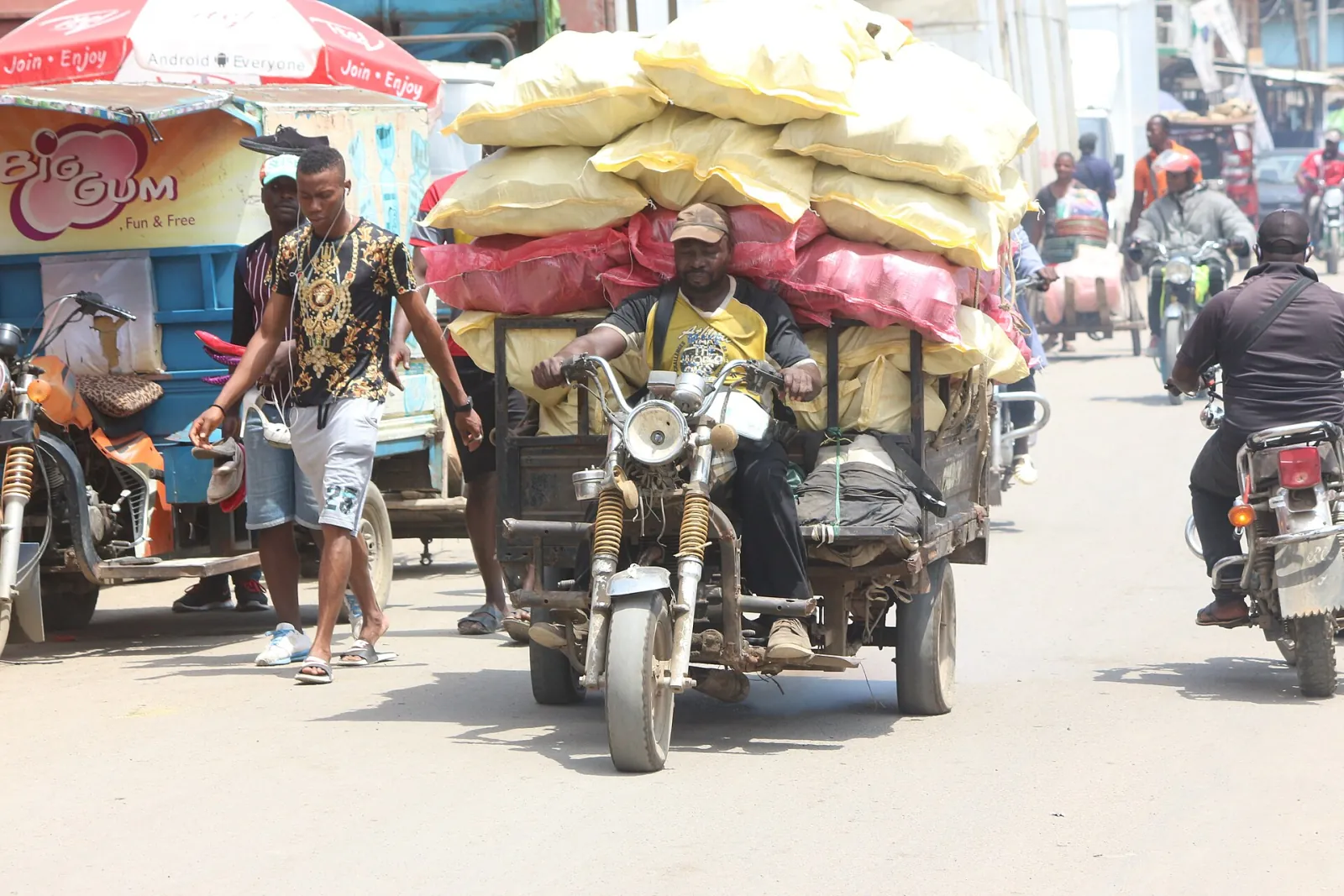
Tricycle overloaded with sacks of goods in a congested trading street

The distributor is the intermediary between the producer and the places of exhibition. They acquire, for a territory and a duration, the exploitation rights to a film, design its launch campaign, make the copies or projection files, negotiate bookings with cinemas and pay the producer their share of the revenue after deducting their costs and commission.

Exploitation windows

A film circulates in successive waves: cinema release, festivals, television, video on demand and platforms, and finally reruns. Each window yields a distinct revenue; ordering them well determines the profitability of the project.

Forms of distribution

  • Cinema distribution, supported by the trailer, the poster and previews;
  • Touring screenings and mobile cinema, which reach villages without a screen;
  • Television broadcasting, by assignment of rights to a channel;
  • Online distribution, through platforms or direct sales to viewers;
  • International sales, negotiated at festival markets.

Films are submitted to the Film Control Commission for cinema and audiovisual works, led by the directorate. Festivals such as Écrans Noirs offer distributors a prime meeting place with professionals and the public.

Venues

Cinemas and film exhibition

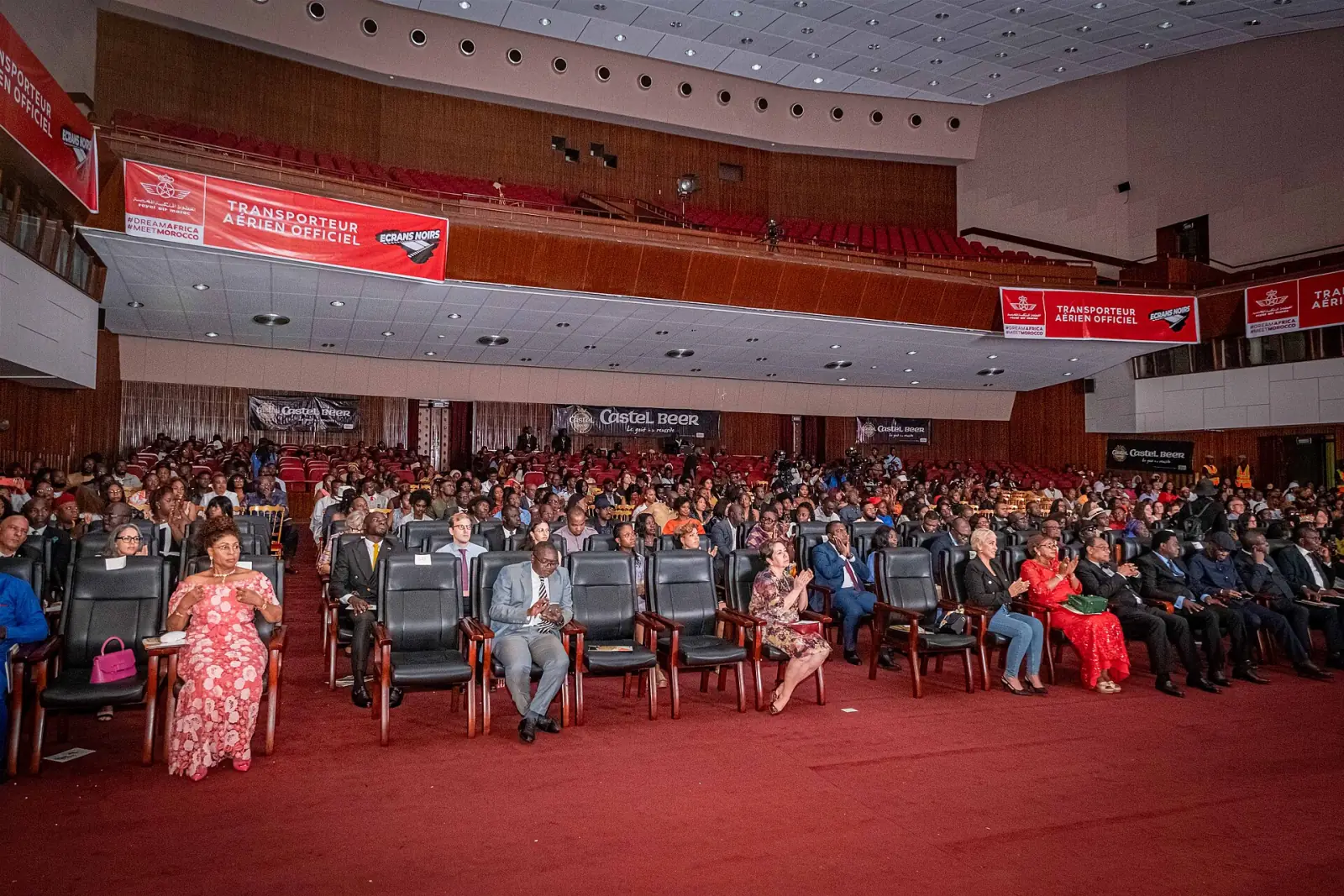
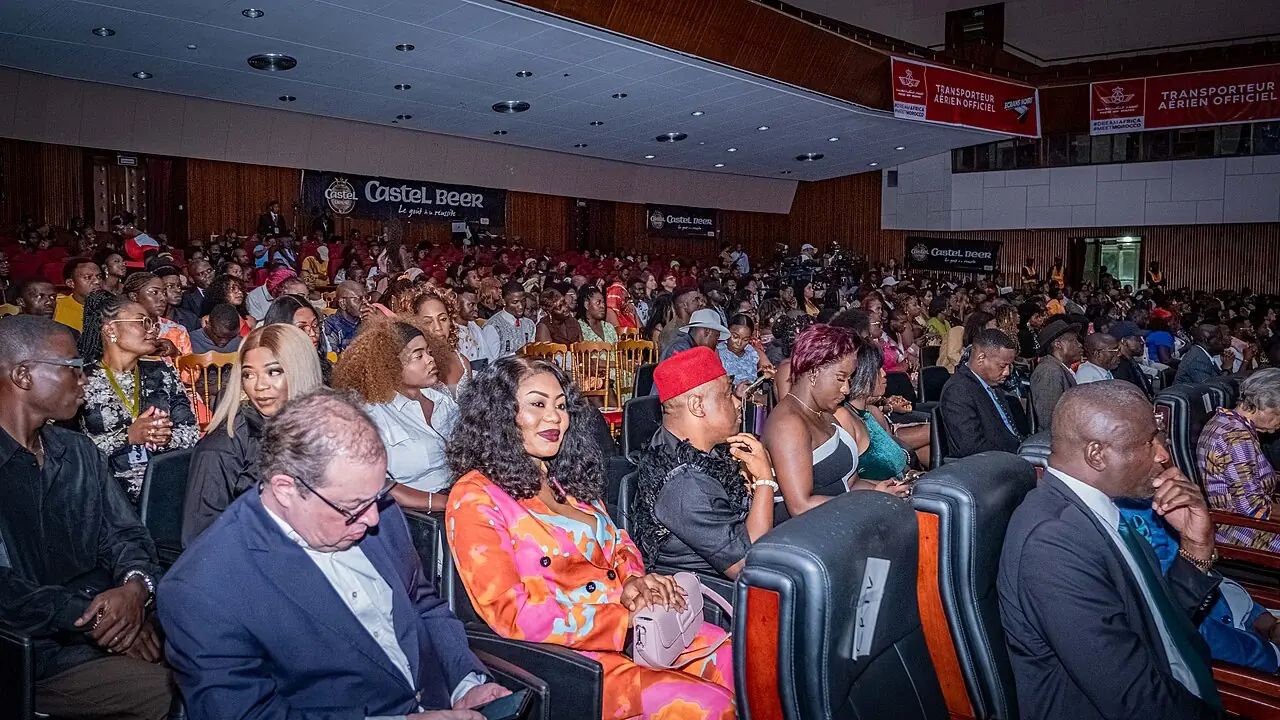
Packed hall at the opening ceremony of the Écrans Noirs festival

The exhibitor keeps the screen alive. They fit out a cinema, programme the films, sell the tickets, maintain the equipment and welcome the public. The profession requires heavy investment (seating, digital projection, sound system, air conditioning, generator) and rigorous management, because revenue depends on attendance. The large cities have a few complexes; elsewhere, screenings take place in multipurpose halls, cultural centres, film clubs and mobile units.

Opening a cinema

The establishment of a cinema and the operation of a mobile cinema are the subject of an application examined by the Sub-Directorate of Cinematography, Standards and Controls. The services check the compliance of the premises, public safety and the quality of the equipment before any opening. Screenings organised by private individuals for cultural entertainment purposes are subject to prior application.

The business model

A cinema lives on ticketing, the sale of confectionery and drinks, hire for private events and advertising. Exhibitors are also turning to school screenings, film-debates and live broadcasts of performances to fill quiet slots.

The cultural map makes it possible to locate the screening venues and cultural centres of each region, and the ticketing section for cultural events sets out the pricing rules applicable to the public.

Funds

Film funds and financing

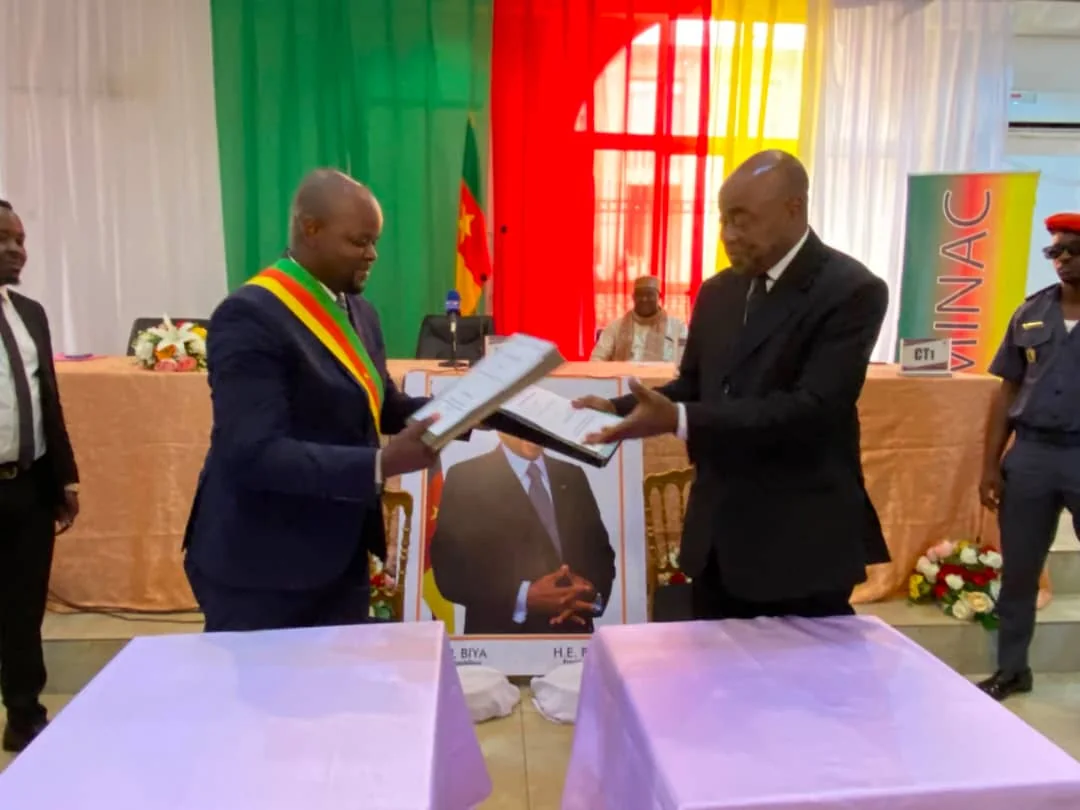
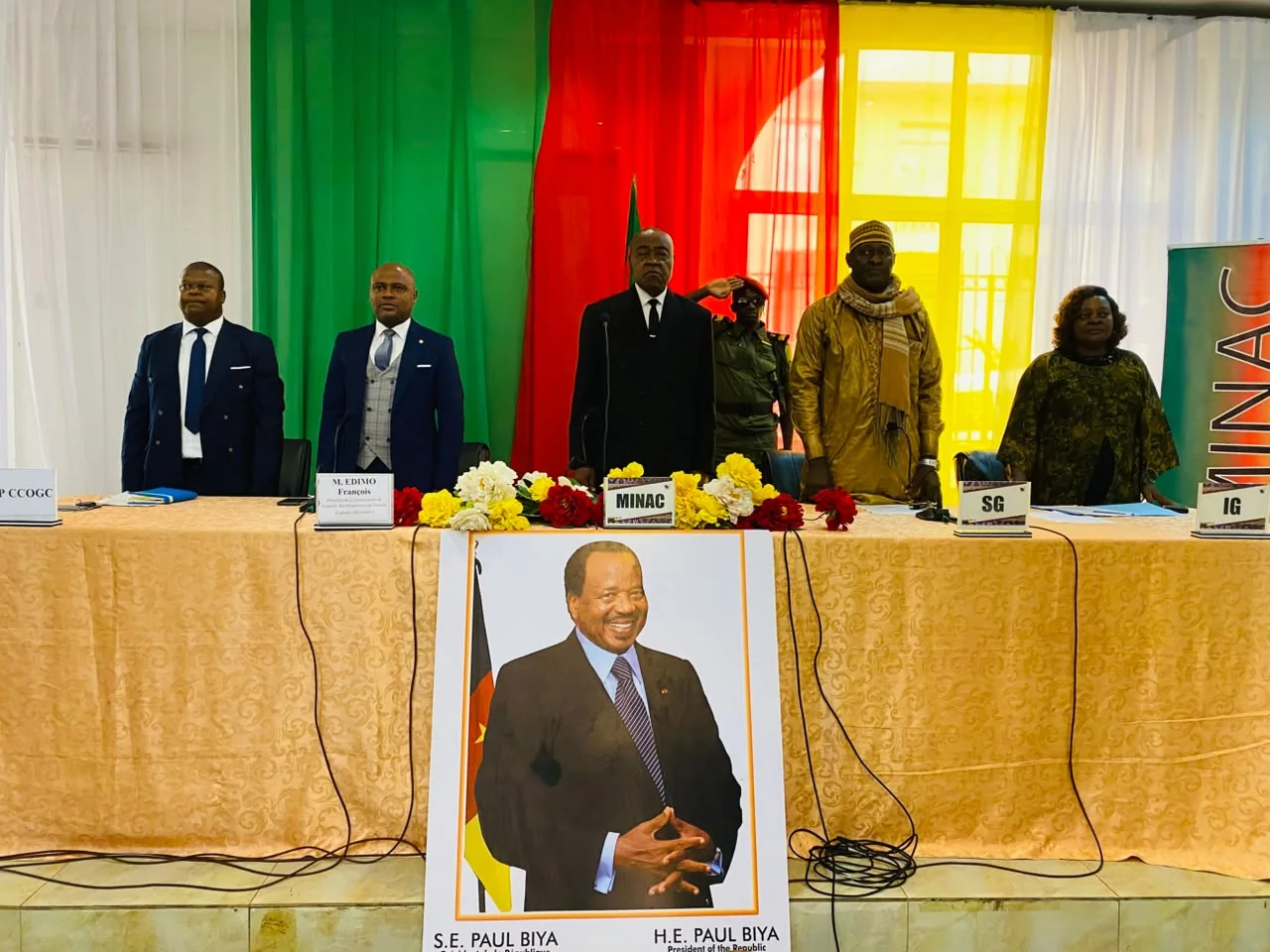
Signing of an agreement in front of the portrait of the Head of State

A film is financed from several sources combined. The producer’s share (cash or contribution in kind), public support, pre-sales to broadcasters, co-producers’ contributions, patronage and sponsorship, and finally distributors’ advances make up the financing plan. The more diversified the structure, the less the project depends on a single funder.

Public support

The Directorate of Cinematography and Audiovisual Productions provides support for production and studies questions relating to the financing of national cinema. The schemes in the support funds section and the grant application process make it possible to submit a film, documentary or series project.

The legal framework under revision

In August 2026, an inter-ministerial committee met in Mbankomo, with the support of the UNESCO Regional Office for Central Africa, to examine the draft law revising the legal framework for film activity. Its work covered the conditions of practice, promotion, development, financing of the sector and penal provisions.

Other levers

Financing culture covers patronage, sponsorship and crowdfunding, which producers increasingly use to close the budget of a short film or documentary. The laws in force are set out in the legislative texts.

Careers

Film professions and their training

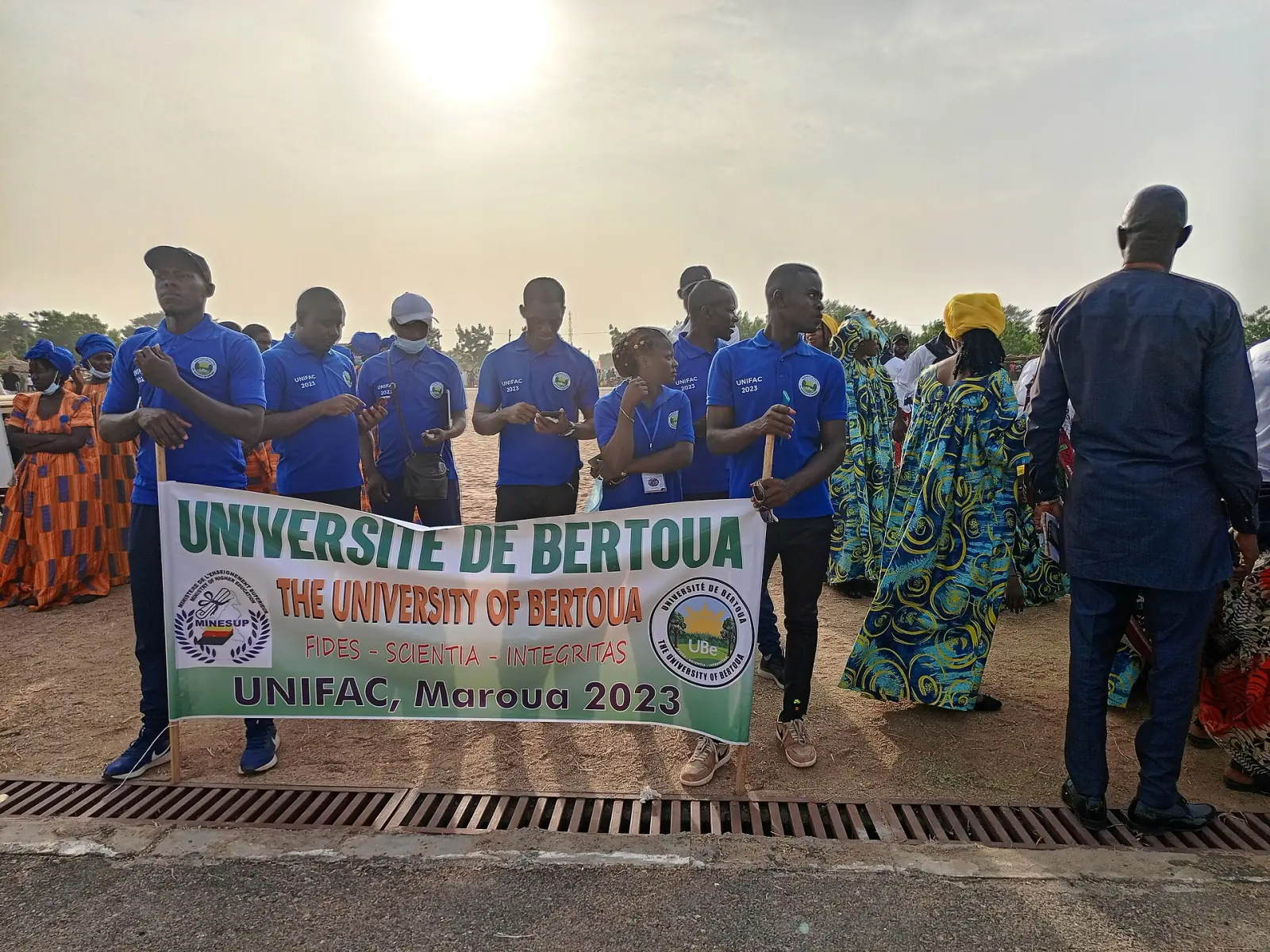
University of Bertoua delegation with its banner at the university arts festival in Maroua

A film mobilises dozens of professions. In writing, the screenwriter and the dialogue writer; in direction, the director and their assistant; in image, the cinematographer, the camera operator and the electrician; in sound, the sound recordist and the sound editor; in production, the production manager, the location manager and the production designer; in finishing, the editor, the colourist and the composer. Actors, extras and stunt performers complete the team.

Training

Training takes place through film schools and workshops, internships on film sets, writing residencies and advanced programmes. The vocational training section lists the courses, and arts education prepares the youngest to read images.

Status and contracts

The film technician most often works on a per-assignment basis. The contract specifies the duration, the fee, the safety conditions and the credits. The social status of the artist clarifies questions of social protection and retirement, and the artist card recognises professional actors.

Economy

The economics of a film and the sharing of revenue

Panel of three speakers at a press-conference table in front of paintings in Douala

A low-budget production is prepared with a few million francs, a feature-length fiction film requires much more, and a television series involves investments spread over several seasons. Whatever the format, the reasoning is the same: development, preparation, shooting and post-production costs are added up, and the aim is then to cover them with revenue from the various exploitation windows.

The revenue circuit

In the cinema circuit, the ticket price is shared between the exhibitor, the distributor and the producer. On television, the channel pays an assignment price or a pre-sale. Online, revenue depends on the number of views or subscribers. Festivals sometimes pay prizes or buy rights, and international sales complete the picture.

Typical businesses

A production company in Douala makes television series and commercials that finance its feature films. A documentary specialist in Yaoundé works for institutions and channels. A collective in Buea produces short films in English and shows them at festivals. An equipment hire company in Bafoussam supplies shoots in the regions.

The sector statistics and the Statistics Service of the directorate’s video and audiovisual register track production, distribution and exhibition.

Step by step

Putting together a film from idea to cinema

Write and develop

Write the synopsis, the screenplay and the statement of intent, then draw up a provisional budget and a first financing plan.

Structure the company

Register the production company or association, open a dedicated account and sign the rights assignment contracts with the authors.

Raise the financing

Submit a support application, look for a co-producer or a channel, seek patronage and close the plan before filming.

Obtain the authorisations

Submit the filming authorisation application with the screenplay, schedule, locations and crew list, then arrange insurance.

Shoot and edit

Carry out the shoot, ensure the safety of the crew, then move on to editing, mixing and colour grading.

Distribute and screen

Choose a distributor, aim for festivals and cinemas, negotiate television and online distribution, then archive the final copy.

Journey

Cameroonian cinema through the decades

1960sThe first national images

The first short films and documentaries of independence fix faces, landscapes and songs on film.

1970s-80sAuteur feature films

Cameroonian directors bring fiction films noticed at African and European festivals and open a tradition of committed cinema.

1990sThe crisis of the cinemas

The gradual closure of cinemas, video and cassettes change habits: audiences watch at home and on small screens.

The 2000sDigital technology

Digital video shooting lowers costs; low-budget productions flood the popular market.

2010sFestivals and series

Festivals multiply, television series develop and young filmmakers train in workshops.

2026Revision of the legal framework

An inter-ministerial committee examines the draft law on film activity, with the support of UNESCO.

To explore

Cinema in the other sections

They make films

Voices of Cameroonian cinema

“
Our short film was financed in three parts: a grant, a small patronage and the team’s contribution in kind. The financing plan changed everything.
A director, Yaoundé
Centre
“
Commercials pay the company’s salaries all year round, which allows us to risk a feature film on the side.
A production manager, Douala
Littoral
“
With a mobile projector and a generator, we show films in villages that had never seen a screen.
A mobile cinema operator, West
West
“
In our film club, every screening ends with a debate: the audience comes back because they feel they are participants in the cinema.
A film club host, Buea
South-West

“A film only truly exists when it meets its audience: distribution and cinemas are the second shoot.”

An independent producer, Douala
To download

Resources for the film producer

To act

Procedures for film professionals

Filming authorisation

Essential before any professional filming on the territory, for national and foreign productions.

Submit the file

Grant application

Submit a film, documentary or series project to the production support schemes.

Request support

Deposit of a work

Have your film or screenplay registered to date the creation and protect your rights.

Deposit the work

Artist card

Actors and technicians can have their professional status recognised.

Apply
Glossary

The words of cinema and audiovisual

Producer

Entrepreneur who initiates a film, ensures its financing and answers for it to partners.

Distributor

Professional who acquires the rights to a film and organises its release with cinemas and broadcasters.

Exhibitor

Person in charge of a cinema or a mobile cinema who programmes and screens films.

Pre-sale

Commitment by a channel or broadcaster to buy a film even before it is shot.

Co-production

Production shared between several companies or countries that pool resources and risks.

Exploitation window

Period during which a film is offered on a given medium: cinema, television, online.

Financing plan

Table listing all the resources gathered to make a film.

Post-production

Stages that follow shooting: editing, mixing, colour grading, effects.

Film archive

Institution that preserves, restores and screens film heritage.

Mobile cinema

Touring screening organised in villages and neighbourhoods without a cinema.

Review board

Body that examines films before their public release.

Advance

Sum paid to an author as an advance on future rights.

On the site

Continue reading on cinema

Resources

Useful links for cinema

Stakeholders

Who supports cinema?

Key facts

The film chain at a glance

LinkStakeholdersIncomeProcedure or framework
WritingScreenwriters, authorsCopyright, advancesAuthor contract, declaration of a work
ProductionProducers, techniciansPre-sales, support, co-productionFilming authorisation, contracts
Post-productionEditors, mixers, colouristsBilling for servicesService contract
DistributionDistributors, sales agentsCommission on revenueDistribution contract, film control
ExhibitionCinemas, film clubs, mobile cinemaTicketing, confectionery, hireEstablishment authorisation
Television broadcastingChannels, producersAssignment priceLicence contract
Online distributionPlatforms, producersSubscriptions, pay-per-viewDigital neighbouring rights
HeritageFilm library, film archivesGrantsLegal deposit and preservation
Questions

Your questions about cinema

Is authorisation required to shoot a film in Cameroon?

Yes. Any professional filming requires a filming authorisation, processed by the Directorate of Cinematography and Audiovisual Productions. Submit the file several weeks before the first day, with the screenplay, the schedule, the locations and the crew list.

Are foreign productions concerned?

Yes, they must also apply for authorisation before arriving. The file includes the synopsis, the crew list, the filming locations and the contact details of the local partner. A Cameroonian company can handle the procedures.

How do I open a cinema or a mobile cinema?

Send an application for establishment or operation to the Directorate of Cinematography and Audiovisual Productions. Its services check the premises, public safety and equipment before any opening. Private screenings for cultural entertainment must also be declared.

How do I finance a short film?

Combine your own contributions, Ministry support, patronage, crowdfunding and the team’s contribution in kind. A clear financing plan and a realistic schedule are the best arguments with partners.

Is the film law under revision?

Yes. In August 2026, an inter-ministerial committee examined the draft law revising the legal framework for film activity, with the support of UNESCO. Professionals contributed to the work on practice, promotion and financing.

Where can I find statistics on cinema?

The Statistics Service of the Directorate’s video and audiovisual register collects data on production, distribution and exhibition. The summaries are in the sector statistics section.

How do I protect my screenplay?

An original screenplay is protected by copyright from the moment of its creation. You can deposit it to date your work and rely on a precise assignment contract when you entrust it to a producer.

Where can I screen my film?

At festivals, film clubs, cultural centres, partner cinemas and online. The national calendar of festivals and the cultural agenda announce calls for films and open screenings.

Contact

Write to the Ministry: Cinema

Describe your activity or your project.

Competent directorate

Contact cinematography and audiovisual

Address

Directorate of Cinematography and Audiovisual Productions
Ministry of Arts and Culture
Quartier du Lac – Ministerial Zone
P.O. Box 1053 Yaoundé, Centre Region, Cameroon

Reach us

+237 6 51 70 58 41

contact@minac.gov.cm

Opening hours

Monday to Friday, 8 am to 4 pm

A shoot to launch?

Submit your filming authorisation application online and track its processing.

Request an authorisation
WhatsApp