Coat of arms of CameroonMinistry of Arts
and Culture
Republic of Cameroon
My procedures
Home
Minister’s message
News
Press releases
Cultural calendar
Official speeches
Press review
Photo library
Video library
Calls for projects
Job vacancies
Public procurement
Newsletter
Frequently asked questions
Site map
Contact
Press area
Podcast “The Voice of Culture”
Legal notices
Privacy policy
Cookies and trackers
The Ministry
Missions and responsibilities
Organisation
Organisation chart
Minister’s Office (Cabinet)
Management team
General Secretariat
General Inspectorate
Central directorates
Regional Delegations
Institutions under supervision
Legislative texts
Regulatory texts
Sector strategy
Major projects
Budget and reports
Partners
Careers
Archives
Institutional communication
Quality and accessibility
Arts
Visual and plastic arts
Visual arts
Performing arts
Theatre
Dance
Music
Literature and books
Cinema and audiovisual
Photography
Fashion and design
Digital arts
Art crafts
Artists’ directory
Residencies
Prizes and awards
Arts education
Urban arts
Heritage
Tangible heritage
Intangible heritage
UNESCO sites
National museums
Listed monuments
National inventory
Palaces and chiefdoms
Archaeology
Linguistic heritage
Oral traditions
Traditional know-how
Restitution of cultural property
Fight against illicit trafficking
Listing and protection
Conservation and restoration
Heritage Days
Cultural landscapes
Industries
Music and recording
Cinema
Publishing and books
Digital arts
Fashion and creativity
Crafts
Cultural tourism
Funding for culture
Support funds
Incubators
Cultural entrepreneurship
Culture Observatory
Vocational training
Studies and reports
Sector statistics
Export and outreach
Intellectual property
Copyright
Legal framework
Copyright and neighbouring rights
Collective management societies
Register a work
Licences
Private copying
Fight against piracy
Model contracts
Social status of artists
Mediation
Disputes
Training
Fee scales
Register of works
Contact
Digital neighbouring rights
Public domain
Festivals
National calendar
Ngondo
Nguon
Écrans Noirs
Heritage Days
Music Day
Regional festivals
Fairs and exhibitions
Biennials
National competitions
Cultural days
Organise a festival
Event grants
Ticketing
Archives
Volunteering
Diaspora festivals
Regions
Adamawa
Centre
East
Far North
Littoral
North
North-West
West
South
South-West
Cultural map
Regional Delegations
Traditional chiefdoms
National languages
Cultural routes
Decentralised cooperation
Regional observatory
Cooperation
UNESCO
Francophonie (OIF)
African Union
Commonwealth
CEMAC
Bilateral cooperation
Cultural agreements
Professional organisations
Scholarships
Artist exchanges
Cultural years
Diaspora
Funded projects
Embassies
Technical partners
International restitution
International monitoring and calls
Services
Artist card
Show authorisation
Filming authorisation
Festival authorisation
Deposit of a work
Export of works of art
Listing of a property
Grant application
Association accreditation
File tracking
Forms
Fees
Opening hours and addresses
Reporting
Online help
My account
One-Stop Shop
Regions

East

Forests of the Dja and Lobéké, the Makaa, Gbaya, Kako and Baka peoples, polyphonies and forest rites: the East region (regional capital Bertoua) combines natural heritage and living culture. Delegation, sites, festivals, languages and procedures.

Updated on 6 November 20264 sub-pages
Regional capitalBertoua
Divisions4
CommunitiesMakaa, Gbaya, Kako, Baka
Makaa authorities received2026
East region

Culture in the East region

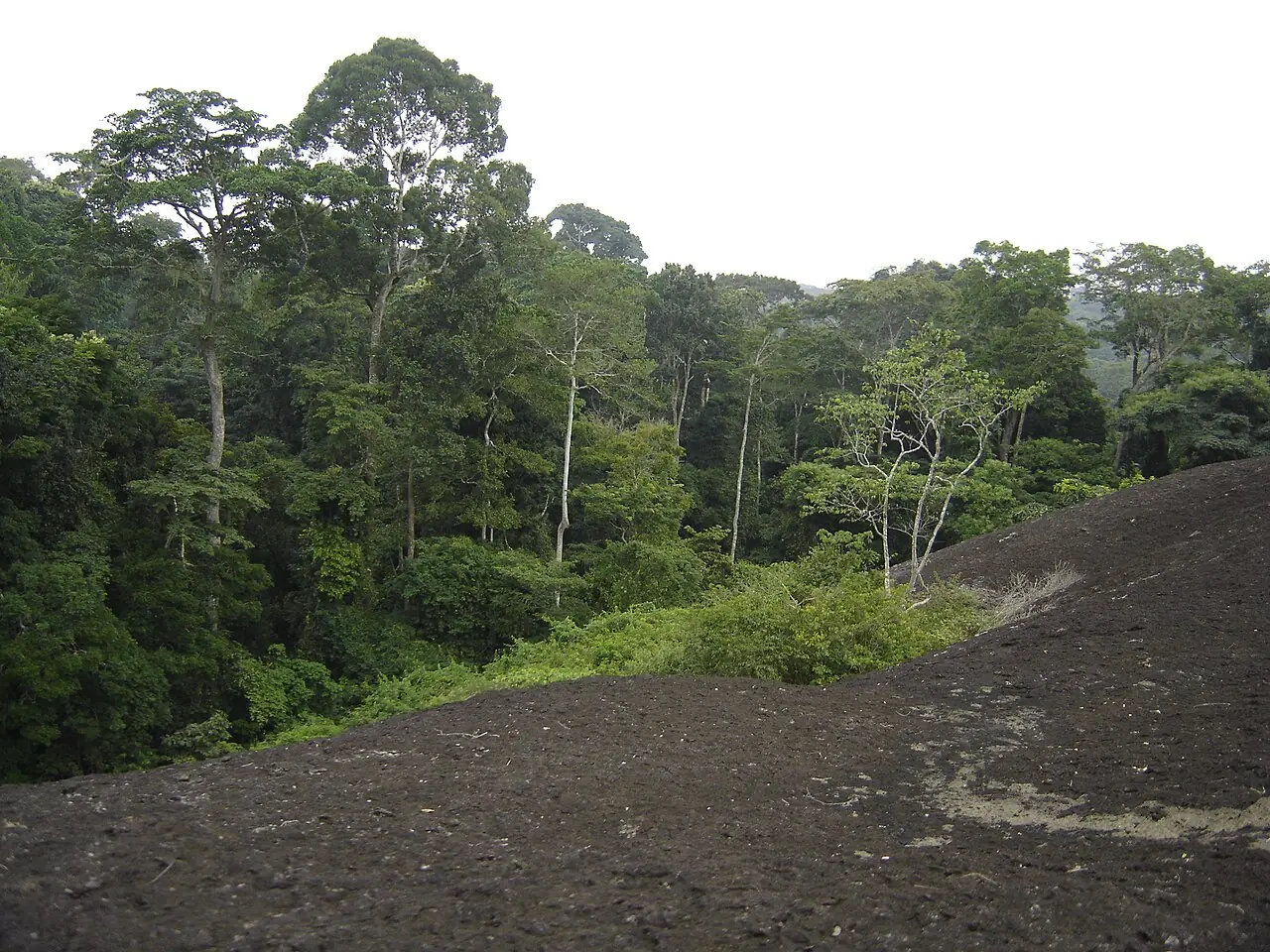
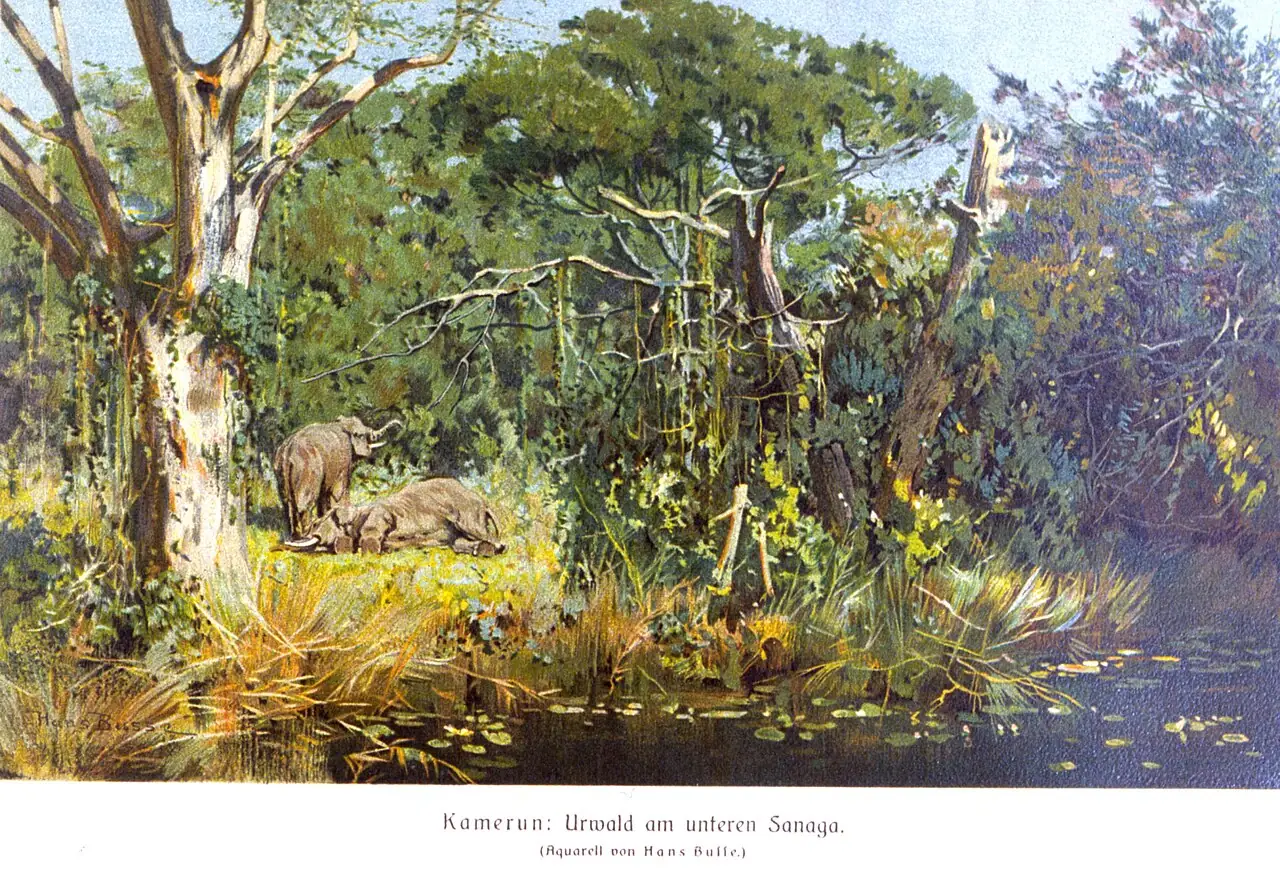
Black rock slab and dense forest in the Dja Faunal Reserve

The East region is the largest inhabited forest in Cameroon. Around Bertoua, from the Lom-et-Djérem to the Haut-Nyong, from the Kadey to the Boumba-et-Ngoko, farming peoples live side by side, the Makaa, Kako, Gbaya, Bangando and Njem, as do the forest peoples, including the Baka, keepers of knowledge about plants, waters and music.

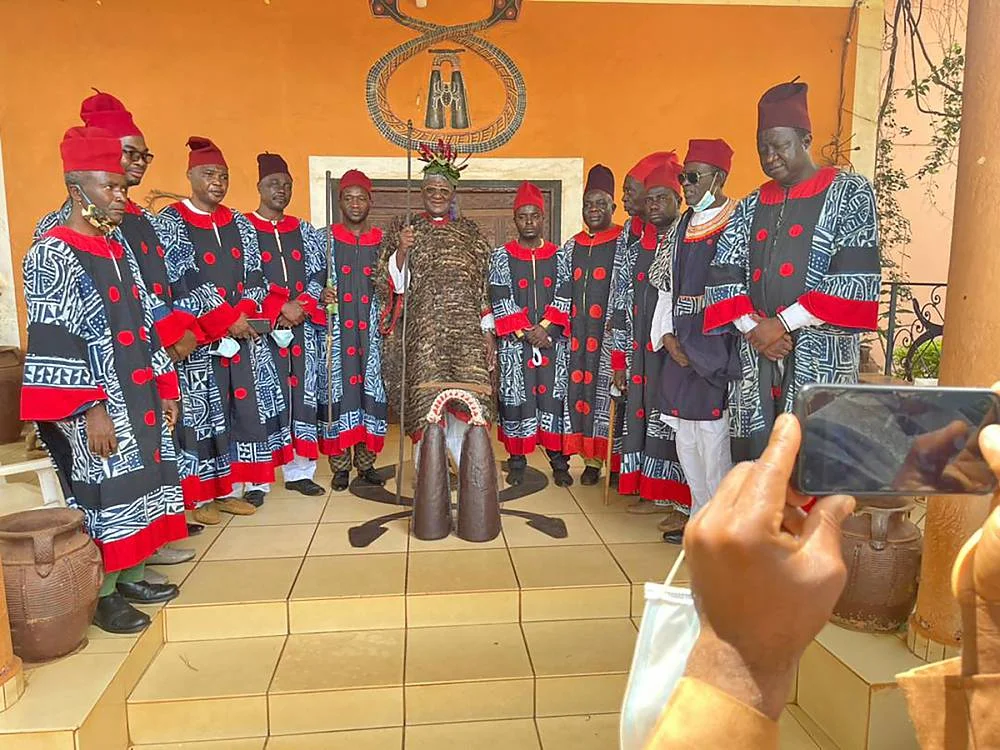
Its regional delegation of arts and culture relays the work of the Ministry. In 2026, Makaa traditional authorities were received at the Ministry: a high point that underlines the attention given to the chiefdoms and languages of the East. This page gathers key facts, schemes and addresses for the region.

  • A regional delegation in Bertoua
  • Natural and cultural sites of world rank
  • Forest and savannah languages to pass on
The delegation and the sites
Delegation

The regional delegation of the East in Bertoua

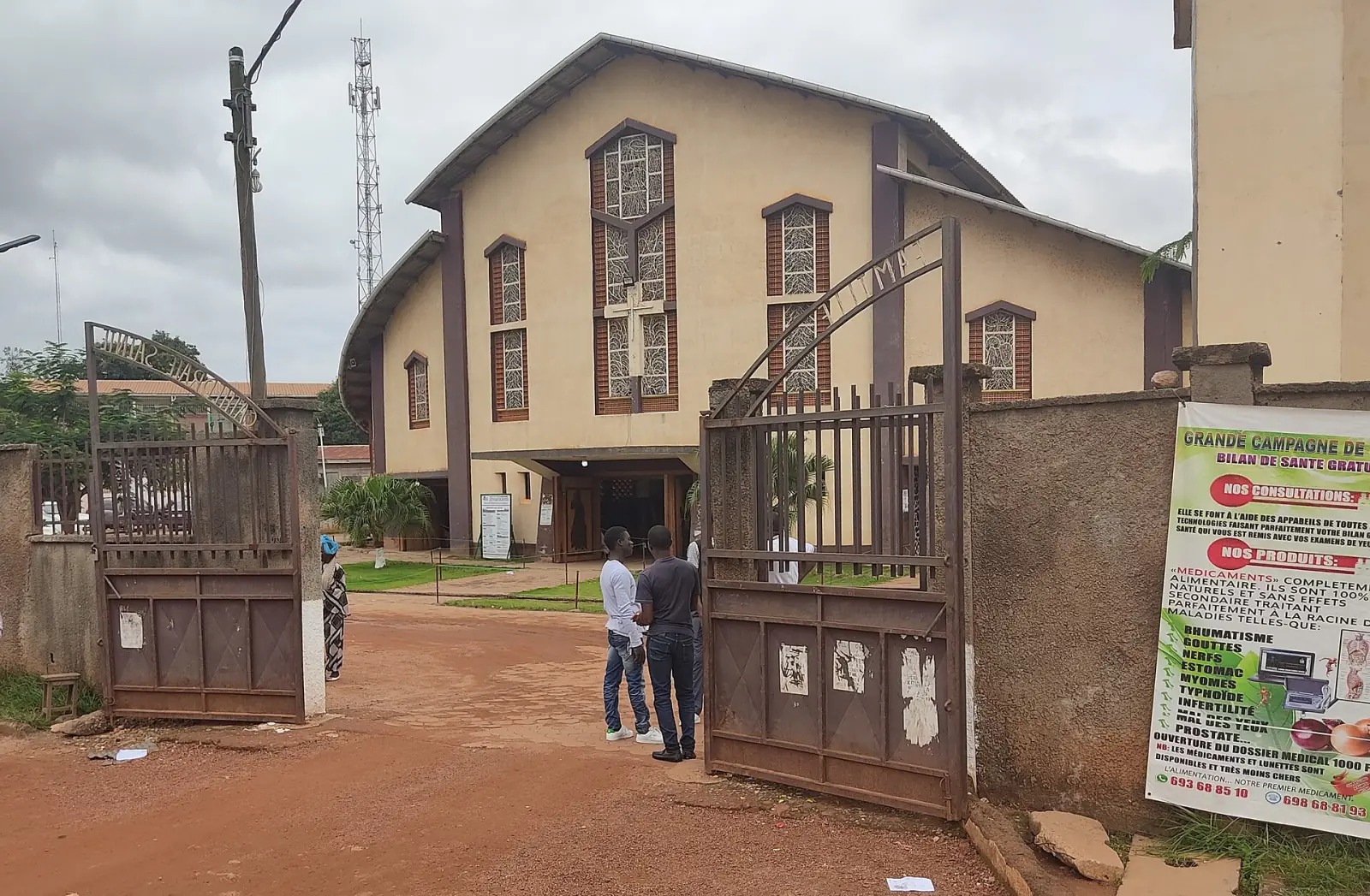
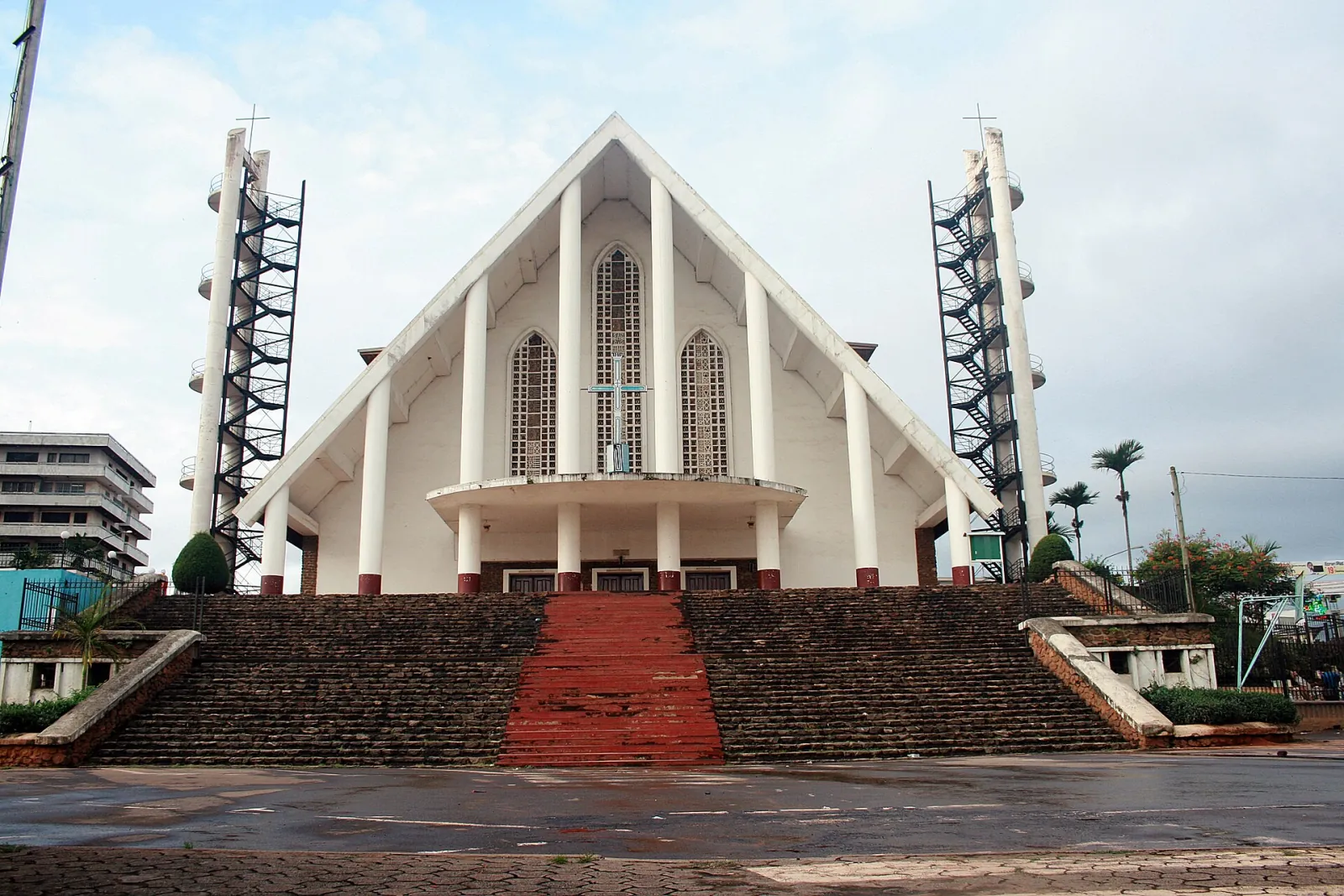
Facade of Bertoua cathedral behind its gate

The regional delegation of arts and culture of the East is based in Bertoua, the regional capital and a crossroads town between the coast, the Centre and the Congo basin. It operates over an immense territory, where distances and the state of the roads mean going to the residents rather than waiting for them. It covers four divisions: Lom-et-Djérem, Kadey, Haut-Nyong and Boumba-et-Ngoko.

Its missions

  • receiving and guiding artists, associations, chiefdoms and organisers, notably for the One-Stop Shop;
  • passing on to the local authorities information on show authorisation and festivals;
  • collecting with the communities the forms of the national inventory;
  • supporting transmission workshops, including among the forest peoples;
  • ensuring liaison with the chiefdoms, the town halls and the nature conservation partners.

An action programme for 2026-2027

The delegation plans help desks in Batouri, Abong-Mbang and Yokadouma, workshops on preparing files for associations, and inventory days for songs, dances and trades in the villages. It is also preparing, with the Makaa chiefdoms, meetings devoted to rites and languages, following on from the reception of traditional authorities in Yaoundé in 2026.

To contact it, use the Ministry switchboard or the regional delegations page.

ℹ️
Contacting the delegation

The switchboard +237 6 51 70 58 41 and the e-mail contact@minac.gov.cm will direct you to the East delegation; see also the contact page.

Sites and museums

The sites and museums of the East

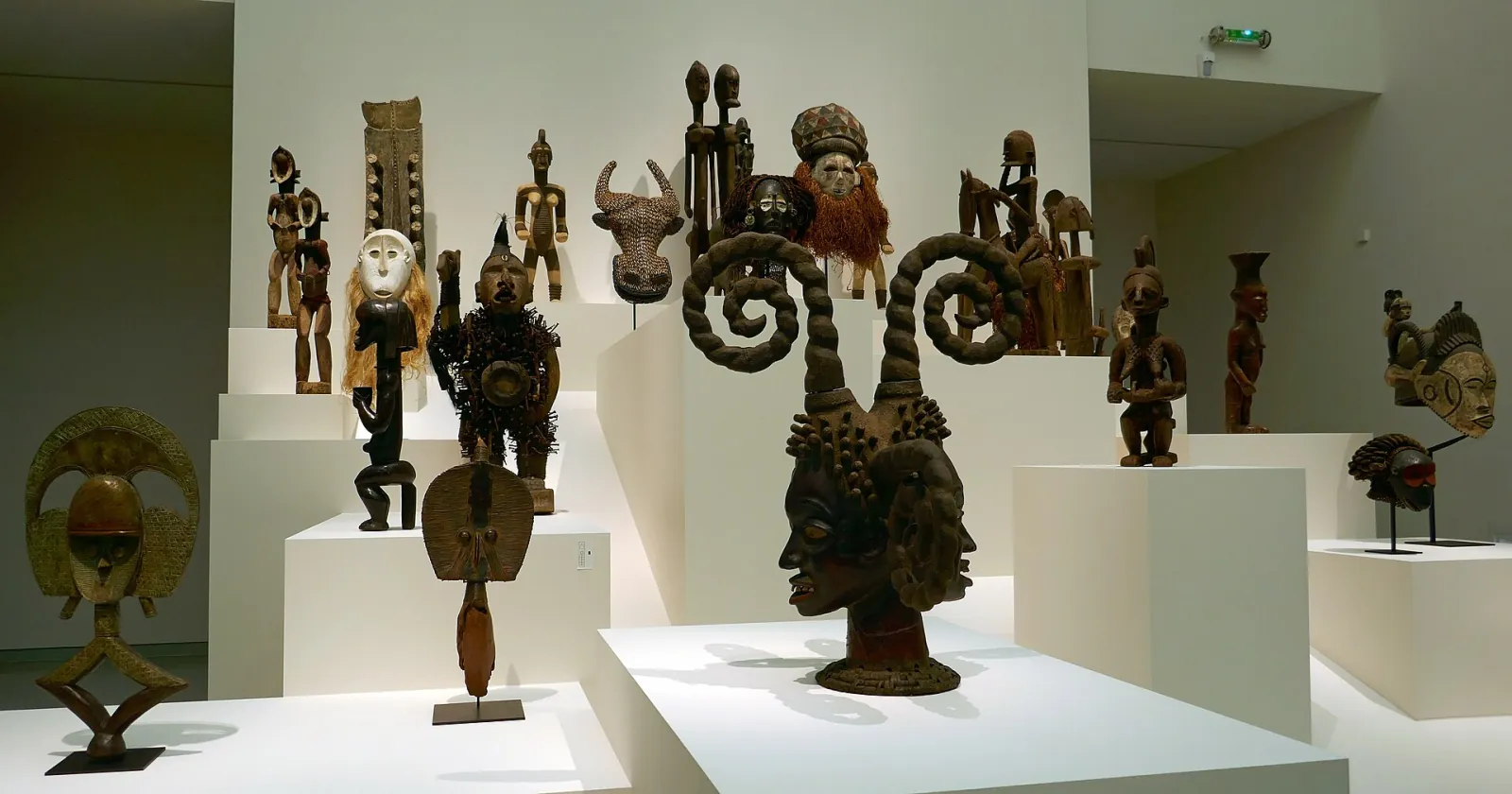
Museum gallery showing statues, masks and headdresses from Central Africa on white plinths

The heritage of the East is first and foremost a forest, but an inhabited forest, crossed by paths, camps and places of memory. It shelters sites of global significance and discreet places of worship that the communities protect.

The natural and cultural heritage of the forest

The Dja Faunal Reserve, partly in the East, and the Sangha Trinational complex, around Lobéké National Park, are inscribed on the World Heritage List. They protect dense forests, elephant clearings and the hunting and gathering grounds of the Baka. Visitors will find the context on the UNESCO sites page and in the cultural landscapes section.

Chiefdoms and villages

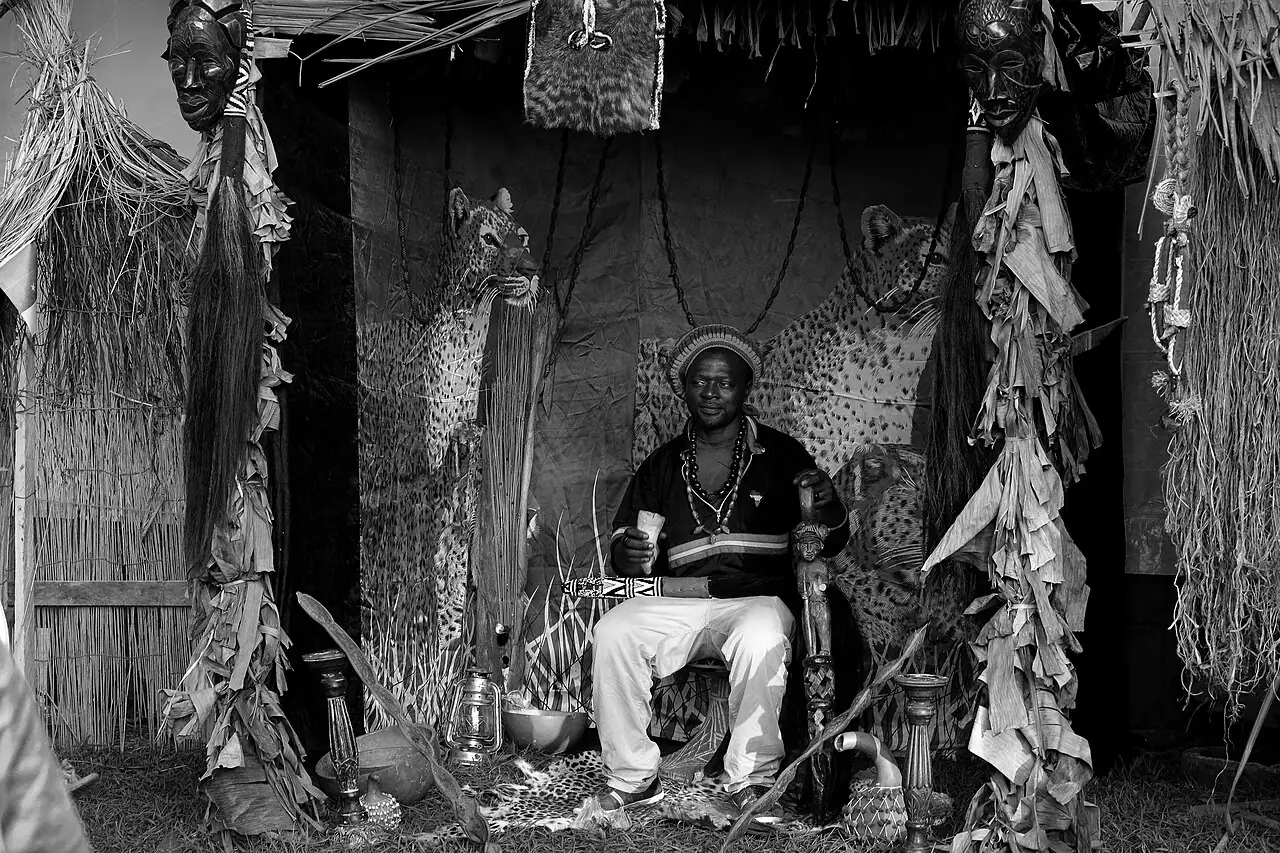
The Makaa, Kako and Gbaya chiefdoms preserve meeting huts, talking drums, seats and masks. In Bertoua, Batouri and Abong-Mbang, places of memory recall the trade routes of ivory, rubber and gold. The traditional chiefdoms page explains the role of these authorities.

Museums and collections

The region does not yet have a national museum; the delegation is considering with the chiefdoms and town halls local exhibition rooms presenting tools, instruments, basketry and archive photographs. The travelling exhibitions of the national museums network can be hosted there.

ℹ️
Visiting with respect

Forest visits are made with a local guide; places of ritual may only be photographed with the agreement of the elders and the bearers.

Festivals

The festivals and celebrations of the East

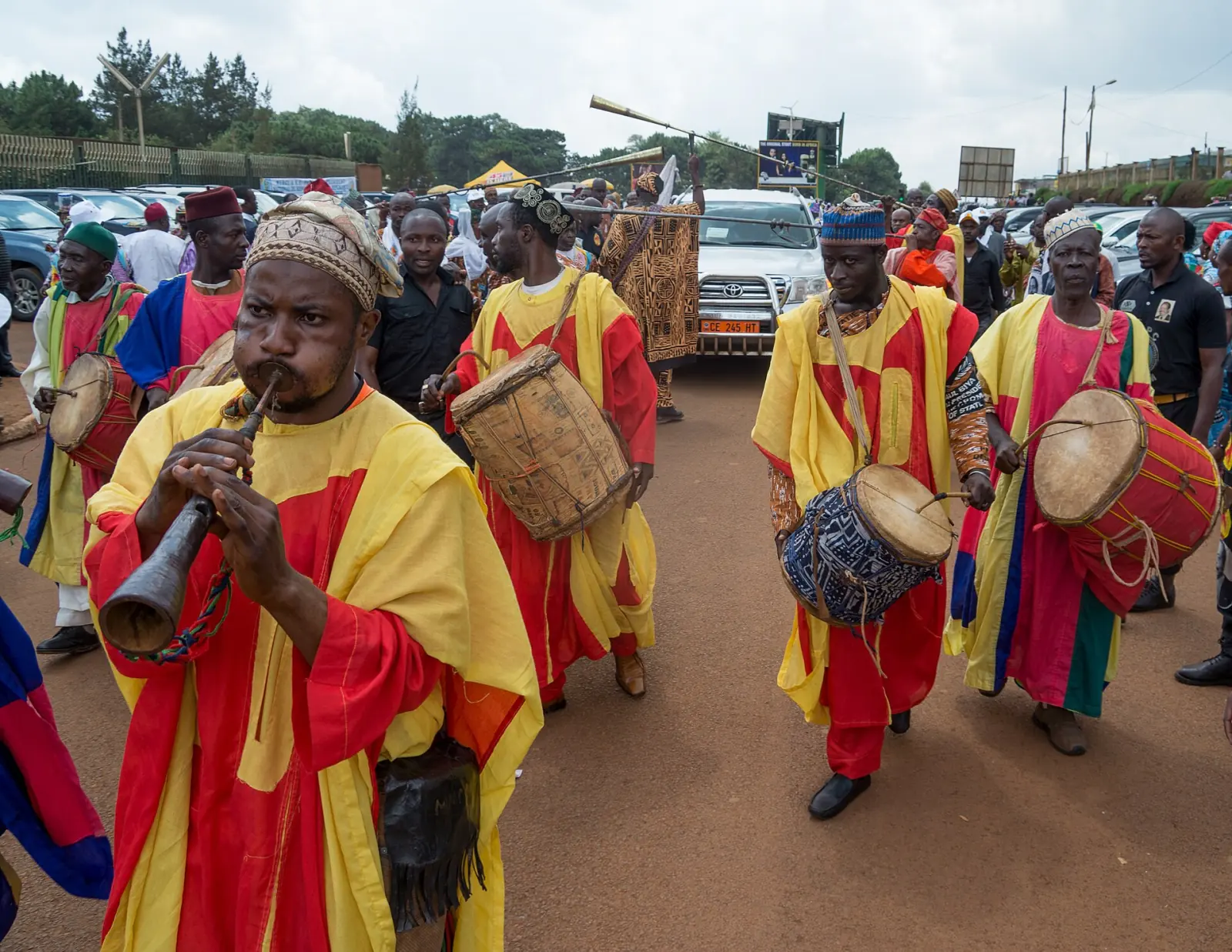
Procession of musicians in red and yellow robes with horns and drums

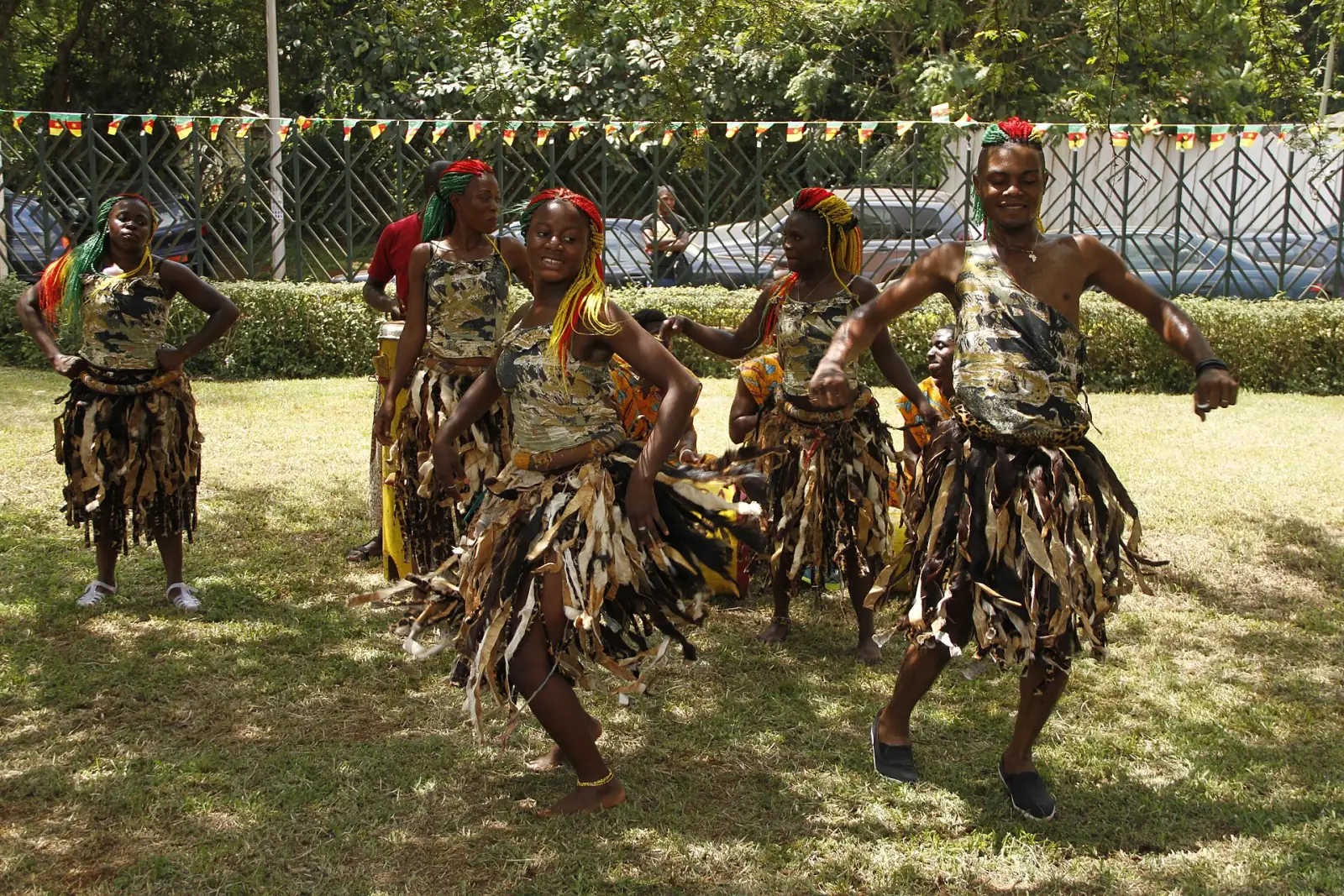
In the East, festivities follow the rhythm of the forest: harvest seasons, the return of fishing, chiefdom ceremonies, rites of passage and nights of music. More recent festivals add stages, exhibitions and exchanges with neighbours in the Centre and Adamaoua.

Community rites and celebrations

Among the Baka, polyphonic songs and rituals of the forest spirit, such as the Jengi, are part of a rich repertoire, to which women add a distinctive practice, water drumming, which consists of striking the surface of a river to produce rhythms. The Makaa, the Kako and the Gbaya celebrate weddings, enthronements and funerals with dances and songs.

A regional cultural season

For 2026-2027, the delegation proposes the Cultural Meetings of the East, a Makaa chiefdoms day, a fair of basketry and instruments in Bertoua, and an evening of forest polyphonies. They are listed in the national calendar and the cultural agenda. Associations can propose other events through the regional festivals page.

ℹ️
Artists and troupes

A short artistic file with a recording is enough to propose an act; the delegation relays the calls.

Languages

The languages of the East

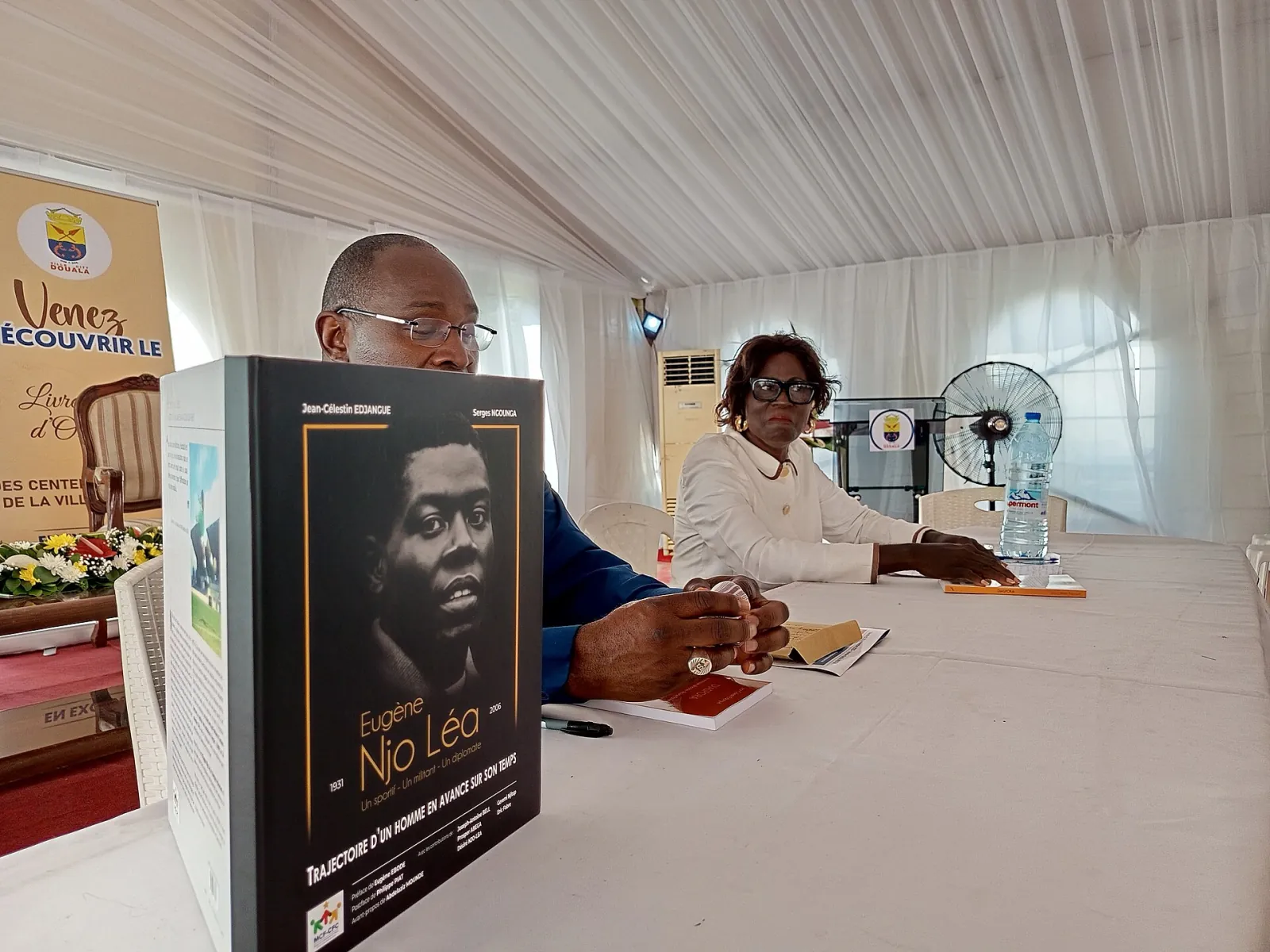
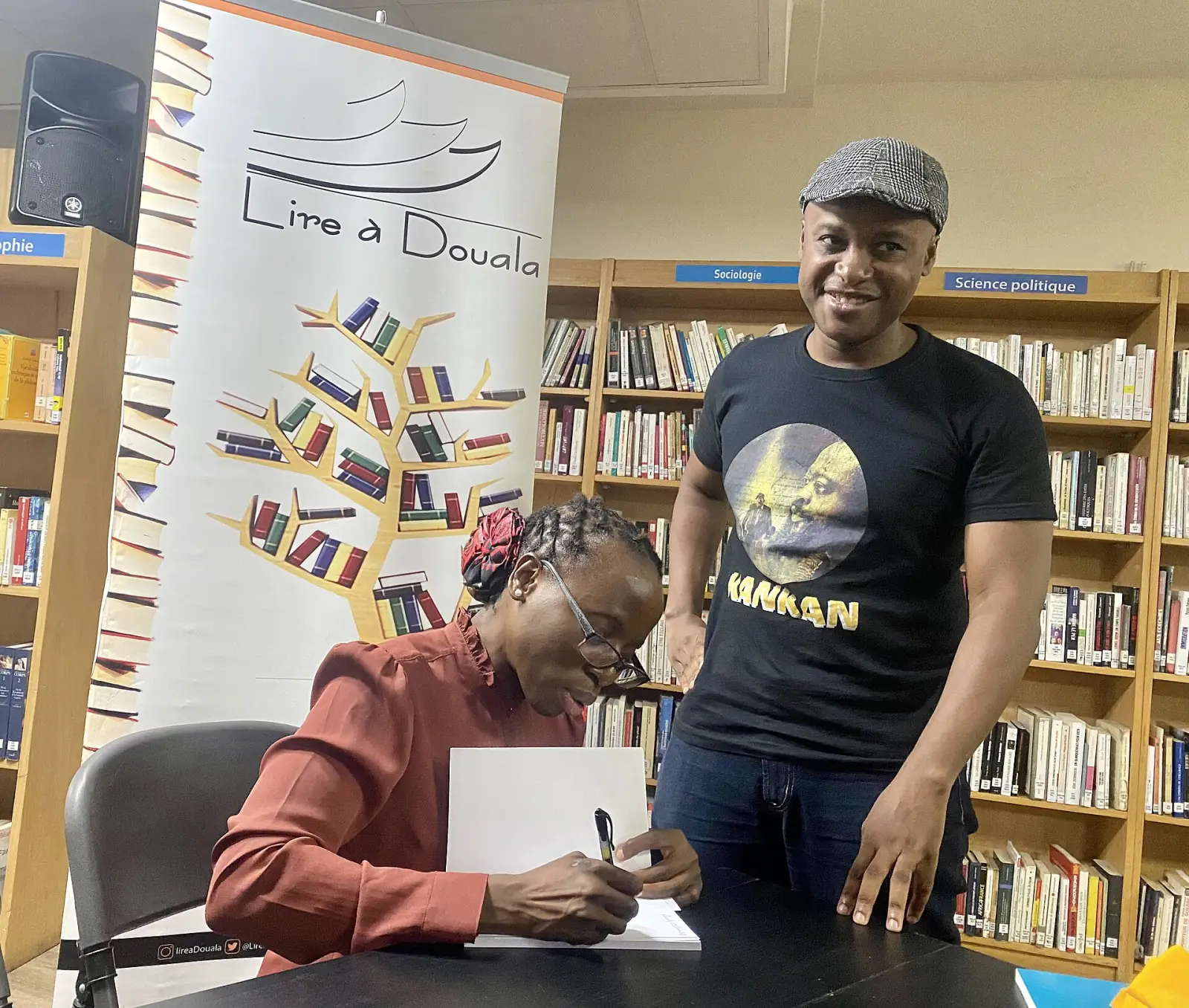
Book-signing session at a table under a marquee with the biography in the foreground

The East is one of the most linguistically diverse regions of Cameroon. It brings together languages of different families, from savannah to forest, and communities of hunter-gatherers for whom language is a tool for knowing nature.

A landscape of languages

  • Maka (Makaa), spoken in the Haut-Nyong and the Boumba-et-Ngoko;
  • Gbaya, found in the Lom-et-Djérem and the Kadey, which extends into the Central African Republic;
  • Kako, Kwakum and Njem, around Batouri and Abong-Mbang;
  • Baka, the language of the forest peoples, rich in vocabulary for flora, fauna and rhythms;
  • Bangando and other languages of the Boumba-et-Ngoko.

A heritage to document

Several of these languages are little taught and are passed on mainly by word of mouth. Storytellers, healers, musicians and chiefdom elders are their main bearers. The delegation supports recordings, collections of proverbs and transcription workshops with schools, as part of the linguistic heritage and the oral traditions.

For comparison with the other regions, see national languages. Communities can request support in compiling a small local glossary.

ℹ️
Consent

Recording the songs and rites of the forest requires the agreement of the bearers; the delegation provides a model form.

Peoples and skills

Makaa, Gbaya, Kako and Baka: the traditions of the East

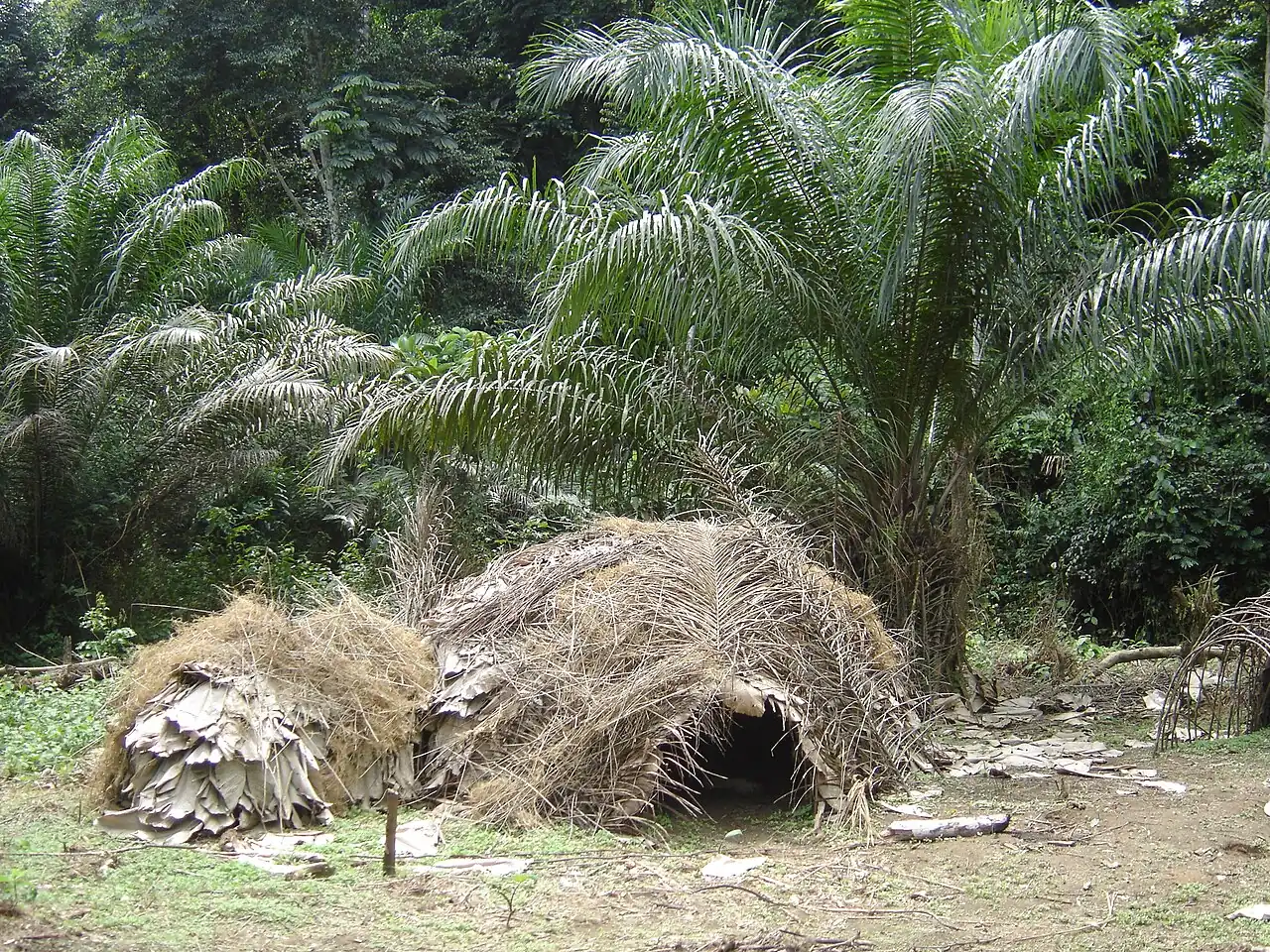
Leaf hut at the edge of the Dja forest

The Makaa, numerous in the Haut-Nyong, combine farming, fishing and woodworking. The Gbaya, herders and farmers, have collective dances and epics. The Baka, a forest people, hold remarkable knowledge of medicinal plants and of vocal music, studied around the world. Each community has its chiefs, its taboos and its festivals, and their coexistence is a source of richness.

Crafts and cuisine

Basketry, raffia, pottery and forging sustain many workshops; see fine crafts and traditional skills. The cuisine of the East favours smoked fish, leaves, groundnuts, cassava, honey and seasonal mushrooms.

Music

Arched harps, xylophones, signal drums and alternating songs: the East is a region where people sing while they work. The music page places these practices among the music of the country.

Step by step

Submitting a cultural file from the East region

Define the project

Write a one-page note: nature of the activity, venue, expected audience, dates and local partners. State the division and the distance to the regional capital.

Meet the delegation

Present your project to the regional delegation, which checks that the file is complete and points out the procedures specific to the East region.

Involve the local authorities

Inform the town hall and, where the venue falls under a chiefdom or a lamidate, obtain the agreement of the traditional authority. For a venue in the forest, check the conservation rules.

Submit online

Create your account on the One-Stop Shop, attach the documents requested and confirm the application; a file number is given to you immediately.

Follow the review

Check the status of the file with your tracking number and respond quickly to requests for documents. The delegation can forward your documents if the connection is poor.

Carry out and report

Once the activity has taken place, send the delegation a short report with photographs and attendance figures.

To act

The procedures to know in the East

Show authorisation

Every public performance in the East requires an authorisation, submitted online several weeks before the date.

Submit the application

Festival authorisation

Organisers of regional festivals submit their file with programme, security plan and provisional budget.

See the procedure

Event grant

Cultural associations in the East may request support from the Ministry for their projects of public interest.

Request support

Artist card

Musicians, dancers, visual artists and fine craftspeople of the region have their professional status recognised.

Apply
To explore

The East in the other sections

Voices from the region

Voices of the East

“
The authorities of our chiefdoms were heard at the Ministry; we now expect concrete action for our languages and our rites.
A Makaa traditional chief
Haut-Nyong
“
In Batouri, our young people learned to fill in the inventory form and to film the mothers’ songs with their consent.
An association facilitator, Batouri
Kadey Division
“
We sell our raffia baskets and stools at the Bertoua meetings, and each time the orders increase.
A basket weaver, Bertoua
Lom-et-Djérem Division
“
The women’s music on the water is a treasure: it must be made known without distorting it.
A cultural facilitator, Yokadouma
Boumba-et-Ngoko Division

“In the forest, every tree has a name and every name has a story; whoever forgets the language also forgets the forest.”

A Baka elder of the East
To download

Resources for taking action in the East

Key facts

The East region at a glance

FieldRegional landmarkDistinctive featureTo go further
Regional capitalBertoua, regional capitalCrossroads between the coast, the Centre and the CongoRegional Delegation
DivisionsLom-et-Djérem, Kadey, Haut-Nyong, Boumba-et-NgokoFour hubs for a very large regionCultural map
PeoplesMakaa, Gbaya, Kako, Baka, Njem, BangandoFarmers and forest peoplesIntangible heritage
LanguagesMaka, Gbaya, Kako, Baka, NjemSavannah and forest languagesNational languages
SitesDja, Sangha Trinational (Lobéké)Forests listed as World HeritageUNESCO sites
MusicBaka polyphonies, harps, drumsWater drumming among Baka womenMusic
Know-howBasketry, raffia, forging, potteryMaterials from the forestTraditional know-how
Traditional authorityMakaa, Kako, Gbaya chiefdomsAuthorities received at the Ministry in 2026Traditional chiefdoms
Calendar 2026-2027

The cultural agenda of the East

Glossary

The vocabulary of the East

Makaa

A forest people of the East, whose language, Maka, is the most widely spoken in Haut-Nyong.

Baka

A forest people, known for their polyphonic songs and their knowledge of plants.

Jengi

A forest spirit in Baka tradition, honoured during initiation rites.

Water drumming

A practice of Baka women: striking the surface of a river to produce a rhythm.

Gbaya

A savannah people present in the East and in the Central African Republic, rich in songs and tales.

Polyphony

A song with several superimposed voices, characteristic of the music of forest peoples.

Sangha Trinational

A group of protected forests, shared between three countries, inscribed on the World Heritage List.

Dja

A forest wildlife reserve inscribed on the World Heritage List, in the south-east of the country.

Chiefdom

A traditional entity headed by a chief and recognised by the administration.

Regional Delegation

Decentralised service of the Ministry in charge of arts and culture in a region.

On the site

Continue exploring from the East

Resources

Useful links for culture in the East

Stakeholders

Who supports culture in the East?

Journey

The East through time

For millenniaThe forest peoples

The Baka and other hunter-gatherer groups live in the forest, developing vocal music and a knowledge of plants there.

19th centuryMigrations and chiefdoms

The Makaa, Kako, Gbaya and Njem settle or move, form chiefdoms and create trade routes.

Early twentieth centuryRoutes of gold and timber

The exploitation of gold, rubber and timber turns Bertoua and Batouri into transit towns.

1990sForest protection

Protected areas, including Lobéké, are created; communities ask to remain involved in decisions.

2026Makaa authorities received at the Ministry

Makaa traditional authorities are received at the Ministry to discuss the promotion of their culture and languages.

2026-2027Cultural season of the East

The delegation offers meetings, a basketry fair and an evening of forest polyphonies.

Questions

Your questions about culture in the East

Where can I submit a cultural file from the East Region?

At the online One-Stop Shop, or at the Bertoua delegation, which checks your file and can forward your documents if the connection is poor. Please state your division to facilitate guidance.

How can I contact the East Regional Delegation?

Through the Ministry switchboard, +237 6 51 70 58 41, or by e-mail at contact@minac.gov.cm, stating the region. Your message is forwarded to the Bertoua delegation, which will reply.

What are Baka polyphonies?

They are songs with several interwoven voices, performed by forest communities during rites, work and festivities. They form part of intangible heritage; recording them requires the consent of the bearers.

Can one visit the forests listed as World Heritage?

Yes, in compliance with the conservation rules and with an authorised guide. Enquire with the nature protection services and the delegation before planning a trip.

How can the culture of my chiefdom be recognised?

Draw up with the notables a form describing the rites, songs, languages and trades of the chiefdom, then hand it in to the delegation. It is forwarded to the Ministry for inventory and promotion.

How do I organise a festival in a rural area?

Inform the town hall and the chiefdom, then submit a festival authorisation application with programme, security plan and budget. For a venue in the forest, also check the environmental protection rules.

Which languages are spoken in the East?

Maka, Gbaya, Kako, Njem, Baka and other languages, in addition to French. Gbaya and Baka are also spoken in neighbouring countries. The national languages page offers an overview.

Can my association obtain support?

If it is registered and approved and its project is of public cultural interest, yes. Submit a grant application stating objectives, budget and timetable; the delegation gives a preliminary opinion.

Contact

Write to the Ministry: East

Specify your region and your request.

Delegation and Ministry

Contact the Ministry from the East

Address

Ministry of Arts and Culture
Quartier du Lac – Ministerial Zone
P.O. Box 1053 Yaoundé, Centre Region, Cameroon

Reach us

+237 6 51 70 58 41

contact@minac.gov.cm

Opening hours

Monday to Friday, 8 am to 4 pm

A cultural project in the East?

Submit your file at the One-Stop Shop or meet the Bertoua delegation to prepare it.

Open the One-Stop Shop
WhatsApp