Coat of arms of CameroonMinistry of Arts
and Culture
Republic of Cameroon
My procedures
Home
Minister’s message
News
Press releases
Cultural calendar
Official speeches
Press review
Photo library
Video library
Calls for projects
Job vacancies
Public procurement
Newsletter
Frequently asked questions
Site map
Contact
Press area
Podcast “The Voice of Culture”
Legal notices
Privacy policy
Cookies and trackers
The Ministry
Missions and responsibilities
Organisation
Organisation chart
Minister’s Office (Cabinet)
Management team
General Secretariat
General Inspectorate
Central directorates
Regional Delegations
Institutions under supervision
Legislative texts
Regulatory texts
Sector strategy
Major projects
Budget and reports
Partners
Careers
Archives
Institutional communication
Quality and accessibility
Arts
Visual and plastic arts
Visual arts
Performing arts
Theatre
Dance
Music
Literature and books
Cinema and audiovisual
Photography
Fashion and design
Digital arts
Art crafts
Artists’ directory
Residencies
Prizes and awards
Arts education
Urban arts
Heritage
Tangible heritage
Intangible heritage
UNESCO sites
National museums
Listed monuments
National inventory
Palaces and chiefdoms
Archaeology
Linguistic heritage
Oral traditions
Traditional know-how
Restitution of cultural property
Fight against illicit trafficking
Listing and protection
Conservation and restoration
Heritage Days
Cultural landscapes
Industries
Music and recording
Cinema
Publishing and books
Digital arts
Fashion and creativity
Crafts
Cultural tourism
Funding for culture
Support funds
Incubators
Cultural entrepreneurship
Culture Observatory
Vocational training
Studies and reports
Sector statistics
Export and outreach
Intellectual property
Copyright
Legal framework
Copyright and neighbouring rights
Collective management societies
Register a work
Licences
Private copying
Fight against piracy
Model contracts
Social status of artists
Mediation
Disputes
Training
Fee scales
Register of works
Contact
Digital neighbouring rights
Public domain
Festivals
National calendar
Ngondo
Nguon
Écrans Noirs
Heritage Days
Music Day
Regional festivals
Fairs and exhibitions
Biennials
National competitions
Cultural days
Organise a festival
Event grants
Ticketing
Archives
Volunteering
Diaspora festivals
Regions
Adamawa
Centre
East
Far North
Littoral
North
North-West
West
South
South-West
Cultural map
Regional Delegations
Traditional chiefdoms
National languages
Cultural routes
Decentralised cooperation
Regional observatory
Cooperation
UNESCO
Francophonie (OIF)
African Union
Commonwealth
CEMAC
Bilateral cooperation
Cultural agreements
Professional organisations
Scholarships
Artist exchanges
Cultural years
Diaspora
Funded projects
Embassies
Technical partners
International restitution
International monitoring and calls
Services
Artist card
Show authorisation
Filming authorisation
Festival authorisation
Deposit of a work
Export of works of art
Listing of a property
Grant application
Association accreditation
File tracking
Forms
Fees
Opening hours and addresses
Reporting
Online help
My account
One-Stop Shop
Services

Grant application

The Ministry supports artistic and cultural projects led by artists, associations and local authorities: open calls, file, standard budget and application tracking, with advice for submitting a strong file.

Updated on 6 November 20264 sub-pages
SubmissionOnline
File documents5
Conditions3
TrackingBy file number
Project support

Everything about grant applications

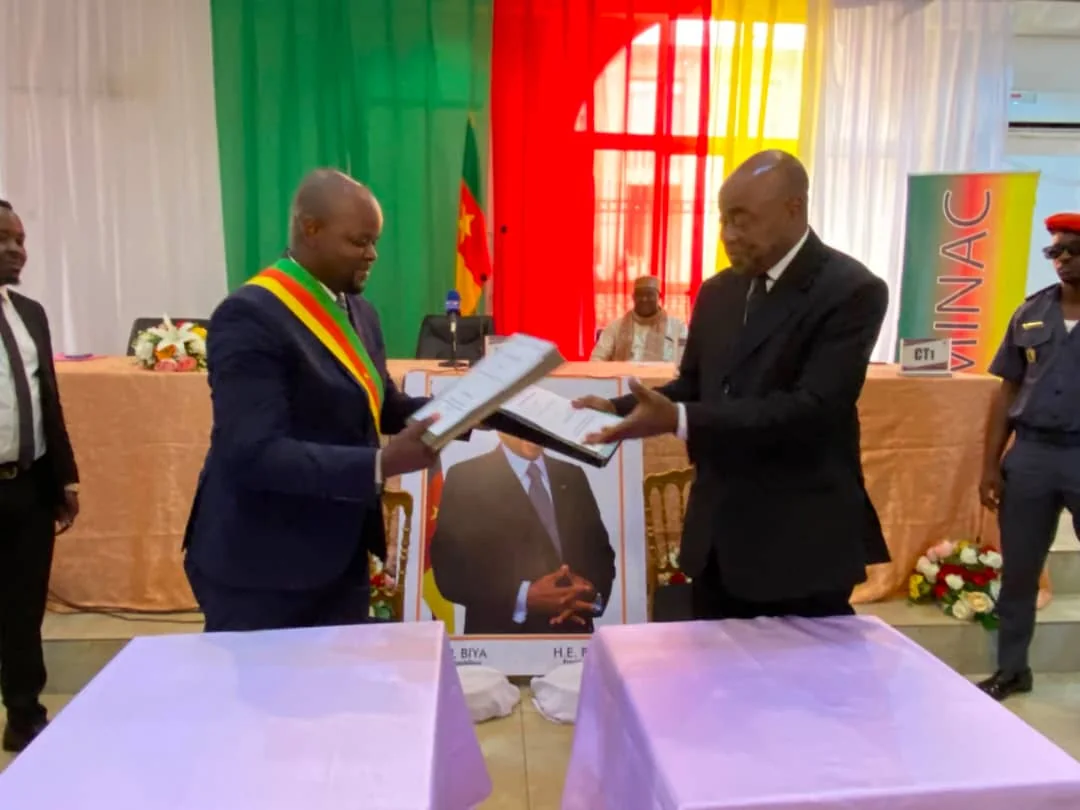
Signing of an agreement in front of the portrait of the Head of State

A theatre company from Bafoussam preparing a tour, an association from Ngaoundéré wishing to restore a court instrument, a collective of young filmmakers from Buea, a municipality organising a festival: each may seek the Ministry’s financial support. A grant is neither a right nor a reward: it is public support for a specific project, assessed on its quality, feasibility and benefit to the community.

This page explains how to spot open calls, put together the file, build a credible budget and track the examination. It complements the sections on support funds and cultural financing, which present all the schemes.

  • Calls open by discipline throughout the year
  • A model file and budget so you do not start from scratch
  • Online tracking up to the decision
See open calls
One-Stop Shop

Apply online: Grant application

Open your file from this page: any fee is shown before payment, submission is possible at any hour and you immediately obtain a file number. Keep it to track the examination, respond to a request for further information and learn the committee’s decision. Before submitting, check on the calls page that the scheme you are targeting is open and that the deadline has not passed.

Fee payable Free No fee is charged for this procedure.
Submission Online, 24 hours a day You receive a file number to keep for tracking.
Finding the right scheme

The open calls for grants: where to find them and how to choose

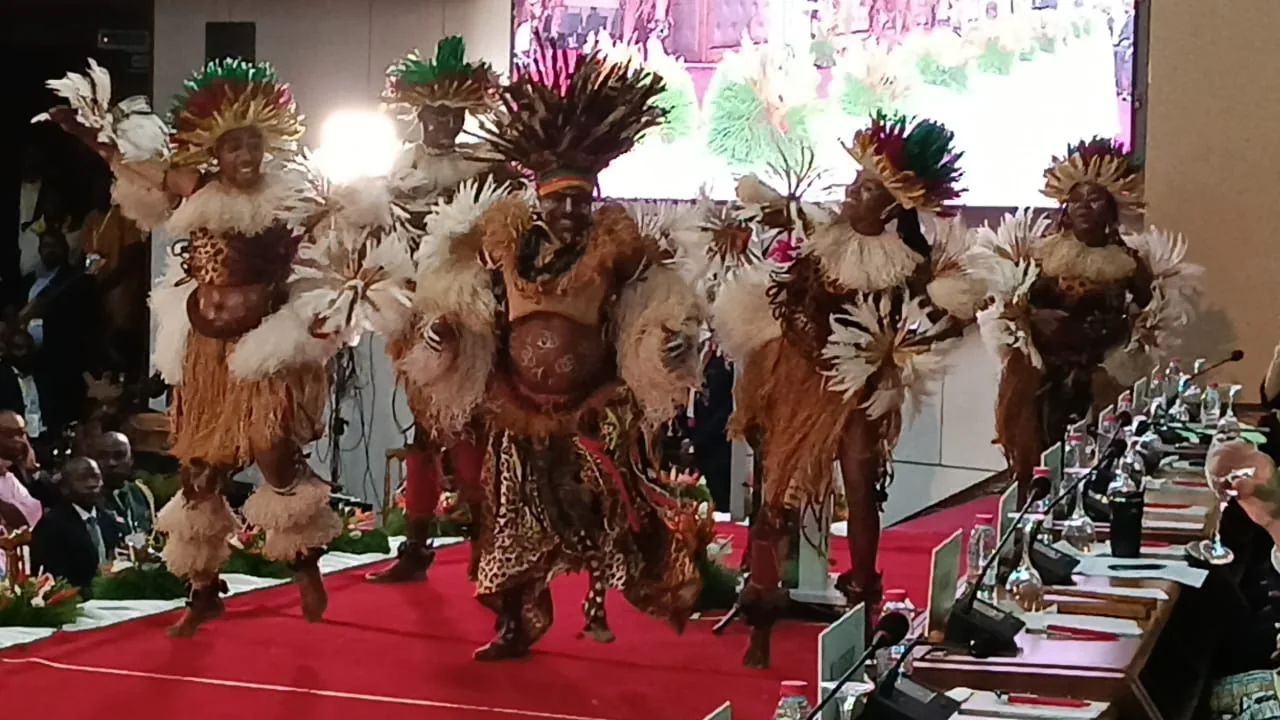
Dancers in raffia and feather costumes perform on a red carpet in front of a conference table.

The Ministry does not fund “as and when”: it opens calls by discipline and theme, each with its own criteria, deadline and budget envelope. Current calls are published on the Calls for projects page and recalled in the block below; the cultural agenda shows opening and closing dates.

The main families of calls

  • Creation and distribution for performing arts, visual arts, music, books and cinema;
  • Heritage safeguarding, tangible and intangible, led by communities, associations and local authorities;
  • Events: festivals, fairs, meetings, see event grants;
  • Structuring: training, incubation, equipping venues, see incubators.

How to choose

Read the rules of the call before writing a line: target audience, eligible expenditure, required share of co-financing, project timetable. A creative project does not fit a safeguarding call, even if it draws on a tradition. If in doubt, seek advice from the regional delegation before submitting. Residencies and scholarships are separate schemes, with their own files.

ℹ️
Plan ahead

Prepare your file several weeks before the closing date: administrative documents, notably the articles of association and the bank account, take time to gather.

Right now

Open and recent calls

Prepare the file

The grant application file: documents, form and project

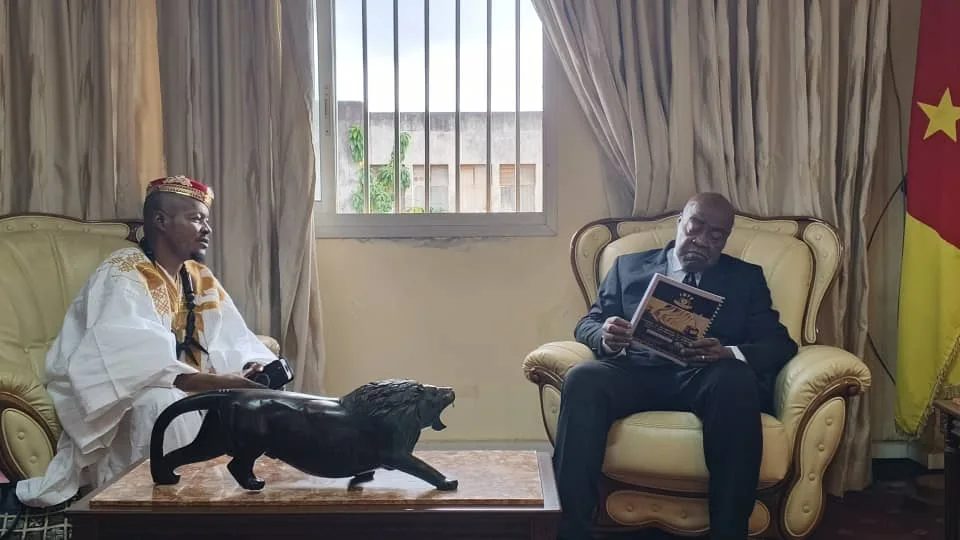
A traditional chief in white robes and a man in a suit sit in armchairs on either side of a sculpted big cat on a low table.

Five documents make up the file, gathered in the online form or submitted to the delegation.

  1. The grant application form, available under forms;
  2. The presentation of the project and its leader: intention, audience, timetable, team, experience;
  3. The detailed provisional budget, balanced in expenditure and income;
  4. The articles of association and the receipt for associations, or the identity document for an individual artist;
  5. The bank details of the beneficiary.

Fill in the form

It includes the leader’s identity, a summary of the project in a few lines, the objectives, timetable, venues, partners, the amount requested and the share of co-financing. Each section corresponds to an evaluation criterion: be precise and measurable.

Writing the project presentation

A good presentation answers five questions: what (the nature of the project), for whom (the audience), where and when (the venue and timetable), with whom (the team and partners), and why (the benefit to the community). Attach portfolios, extracts and letters of support. Associations should make sure their approval is up to date.

Balancing the accounts

The standard budget for a grant application: items, shares and co-financing

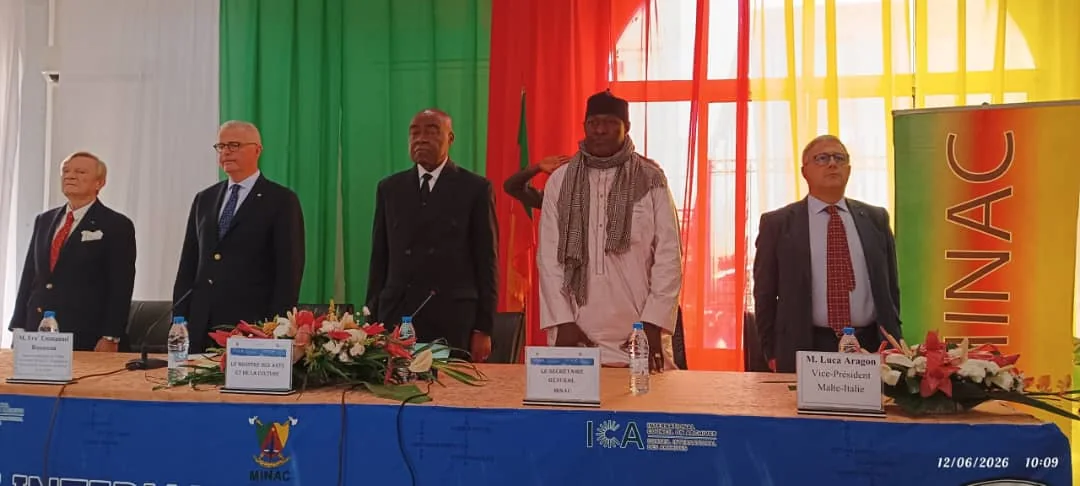
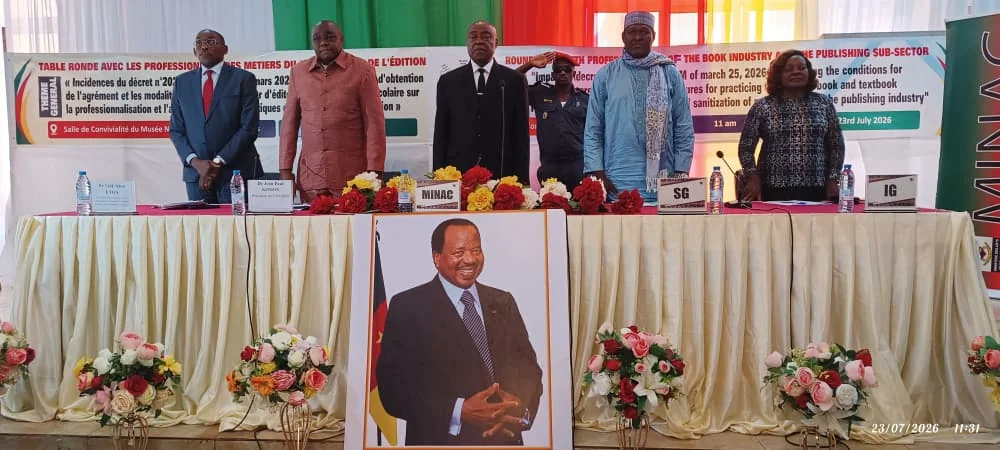
Officials standing before the panel table of a Ministry conference

The budget is the document the committee reads most closely: it shows that the project is realistic and that the leader knows how to manage. It is presented in two columns, expenditure and income, with the same total.

Expenditure

Four items structure most projects: creation and production (fees, equipment, sets) form the largest item; distribution and communication (venue, promotion, ticketing) follow; running costs (rent, insurance, administration) remain moderate; a reserve for contingencies protects the project. The table below gives indicative shares, to be adapted according to the discipline.

Income

The grant requested from the Ministry does not cover everything: indicate own resources (ticketing, sales), in-kind contributions (loan of a venue, provision of equipment), and co-financing from local authorities, patrons or partners. A project entirely dependent on a single source appears fragile. See also cultural financing and the section on cultural entrepreneurship.

ℹ️
Golden rule

Total expenditure and total income must be equal: an unbalanced budget is returned for correction.

Template

A typical provisional budget

ItemContentIndicative share
Creation and productionFees of artists and technicians, equipment, sets, costumes, rehearsals40 à 60 %
Distribution and communicationVenue hire, promotion, posters, ticketing, recording of the show15 à 25 %
Running costsRent, insurance, administration, accounting, bank charges10 à 20 %
ContingenciesReserve for technical, weather or scheduling contingencies5 à 10 %
Own revenueTicketing, sales, paid workshops, valued in-kind contributionsDepending on the project
Grant requestedAdditional amount needed to balance the budget, after co-financingBudget balance
After submission

Tracking the grant application: examination, committee, decision and payment

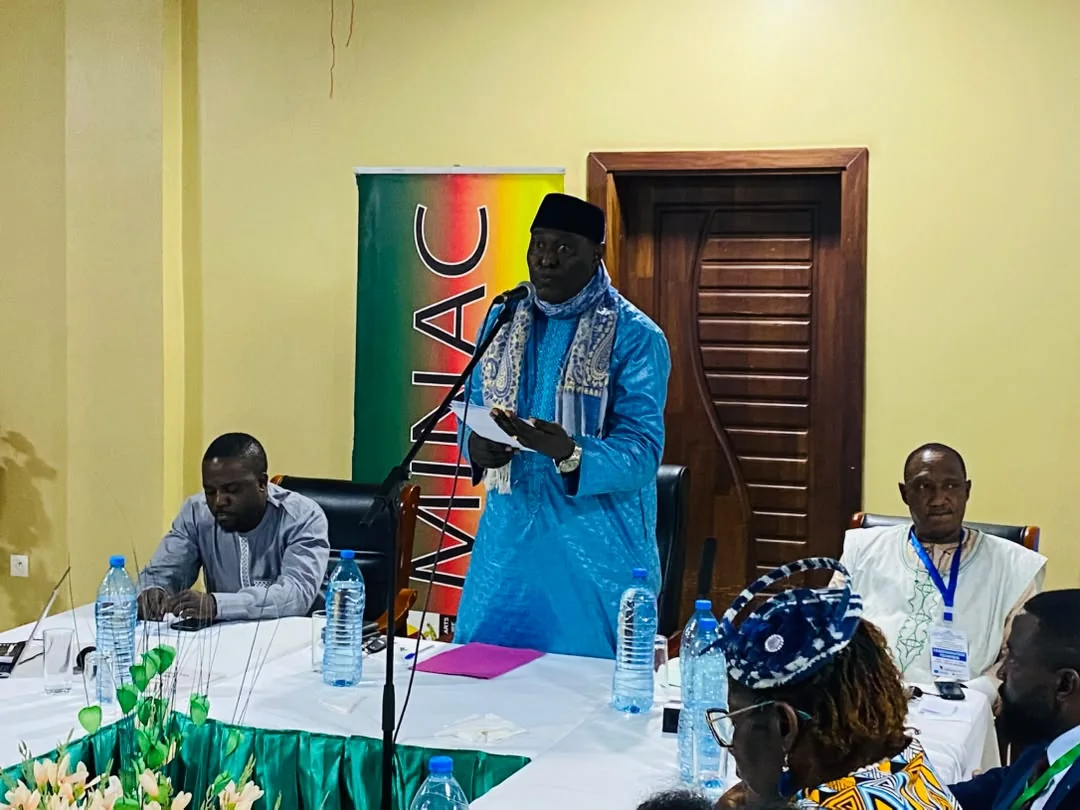
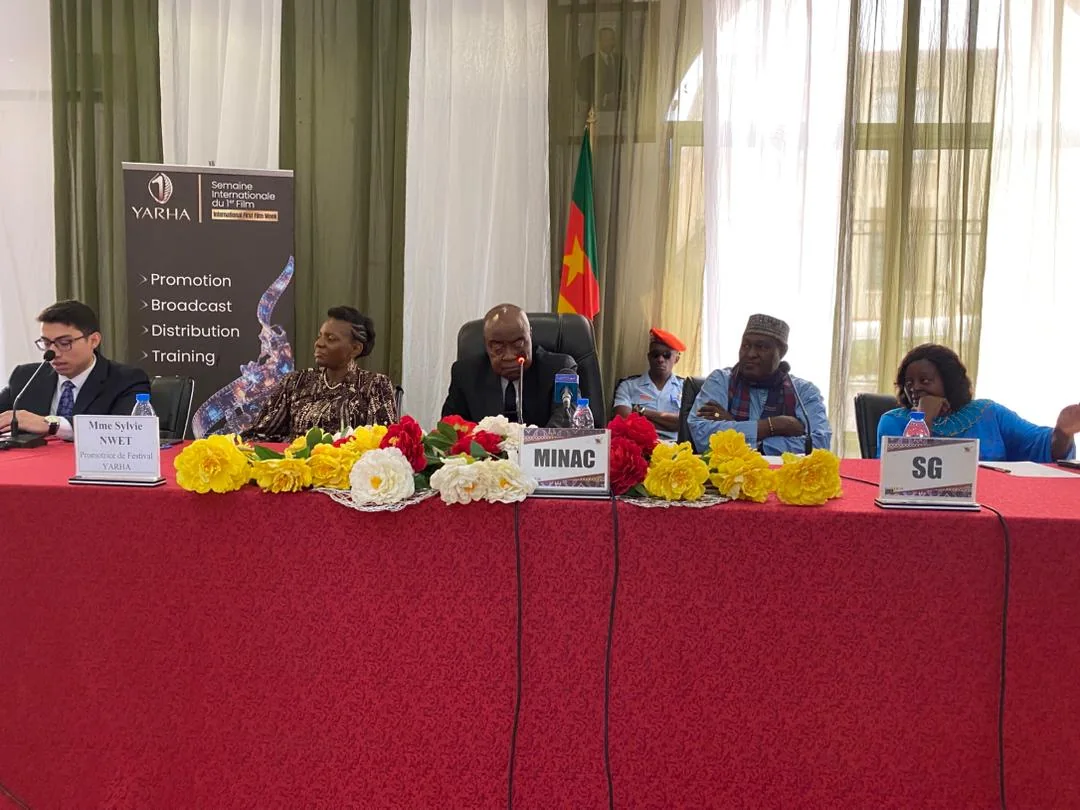
A speaker in a blue outfit addresses the room in front of a MINAC banner, at a meeting table set with water bottles and flowers.

On validation, an acknowledgement of receipt and a file number are given to you. With the e-mail address used for submission, they open the file tracking page.

From receipt to decision

Officers first check admissibility: complete file, eligible applicant, submitted on time. Admissible files are then assessed against criteria known in advance: artistic or heritage quality, feasibility, budget, impact on the public, local roots. A committee of professionals issues an opinion, and the decision is notified to the applicant, with the reasons in the event of refusal.

After a favourable opinion

An agreement sets out the purpose, the amount, the payment dates, communication obligations and the timetable for supporting documents. Payment may be made in several instalments; the last is linked to the final report. Timescales depend on the call, the number of files and how quickly you respond: never plan any expenditure before notification.

Reporting

At the end of the project, a narrative and financial report, with invoices and communication materials, must be submitted. A complete and punctual report makes future applications easier, whereas missing supporting documents may lead to repayment.

Who it is for

Who may apply for a grant and under what conditions?

Five officials stand behind a conference table decorated with flowers and a portrait of the Head of State, at a round table on the publishing sector.

Artists, associations, companies, cultural organisations and local authorities carrying an artistic or cultural project of public interest. Three conditions: present a clear project, with objectives and timetable; have a balanced budget, with any co-financing; be a legally constituted organisation or an identified artist.

To avoid

The common mistakes in a grant application

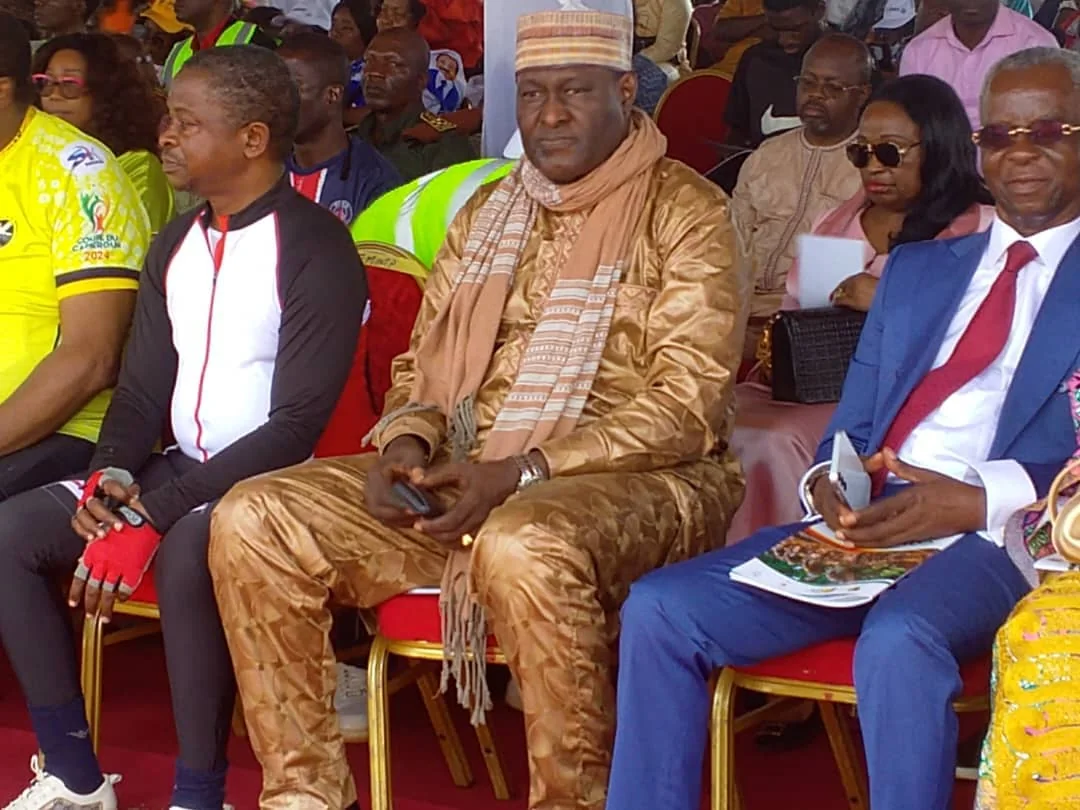
Guests and officials seated during an official ceremony

The first pitfall is submitting after the deadline or to the wrong call: the committee does not examine out-of-scope files. The second is a budget that does not add up, or that shows no other source of funding. The third is a vague presentation, with no identified audience or timetable; “organising a big festival” says nothing about the venue, the date or the team.

We still see files without bank details, expired articles of association, expenditure incurred before notification, no quotes for major items, and projects that look like permanent running costs rather than an action. Another trap: underestimating the time needed for the final report. Keep all invoices, maintain a budget tracking table, and make use of the training in cultural professions that teaches project management.

Step by step

Applying for a grant in six steps

Choose the call

Read the rules, check your eligibility and the deadline, and identify the authorised expenditure.

Formulating the project

Write out the intention, audience, venue, timetable and team, with a few references to previous work.

Build the budget

Balance expenditure and income, indicate your co-financing and gather the quotes for major items.

Prepare the file

Gather the articles of association, receipt, identity document and bank details; scan them legibly.

Submit and track

Validate online, note the file number and respond without delay to requests for further information.

Carry out and report

Once the agreement is signed, carry out the project, publicise the support received and submit the final report.

Close to you

Submit your grant application in your region

Each region has a Ministry delegation that welcomes you and receives your file.

User situations

They obtained support

“
The standard budget helped us structure our expenditure; the committee appreciated that our income did not depend on a single source.
An association president
North-West
“
We submitted a file for the safeguarding of a court dance; the delegation checked our documents before the call closed.
A community project leader
West
“
A first refusal taught us to target the call better; the second file, better aligned with the rules, was selected.
A company director
Douala
“
Our municipality supported a neighbourhood festival; the agreement clarified the payments and the report to be submitted.
A municipal secretary general
East
If your file stalls

Rejected or delayed file: remedies concerning grants

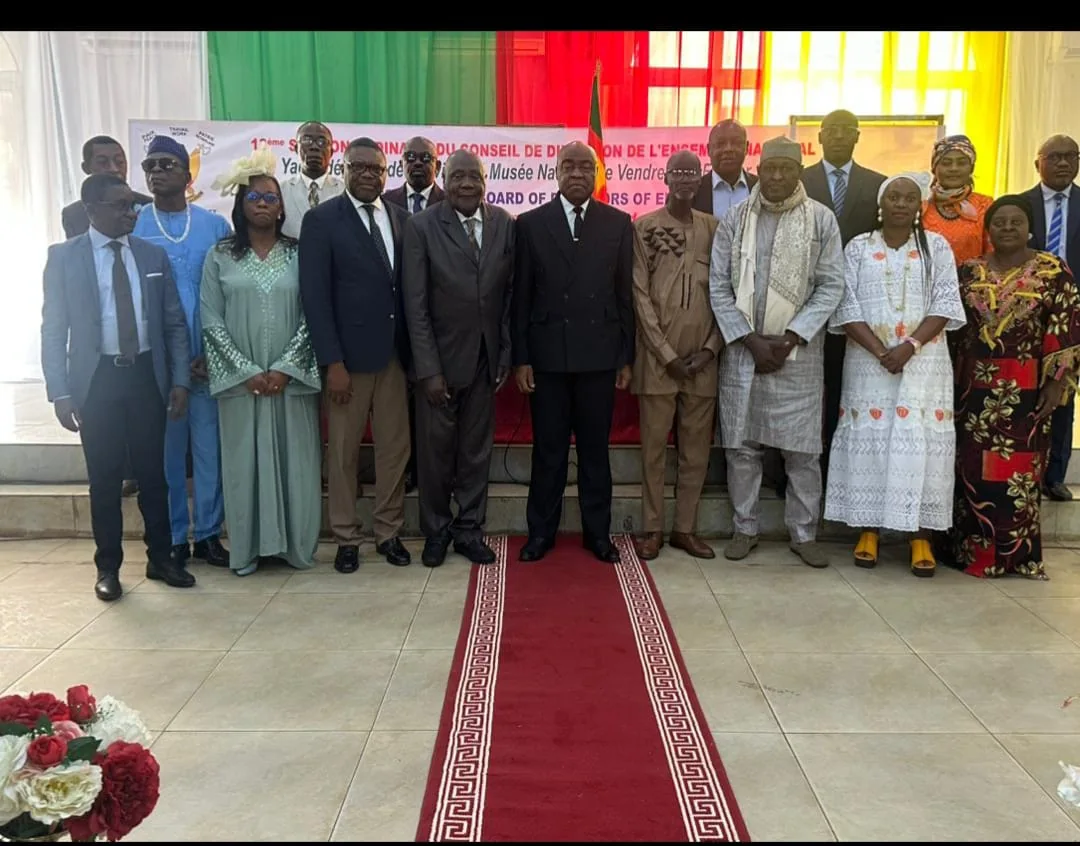
Board members posing on a red carpet at the National Museum

A file may be declared inadmissible (missing document, late, ineligible applicant), not selected (ranked below the threshold) or selected with reservations. In all three cases, the decision is reasoned in writing.

For all audiences

The grant application accessible to all: support and accessibility

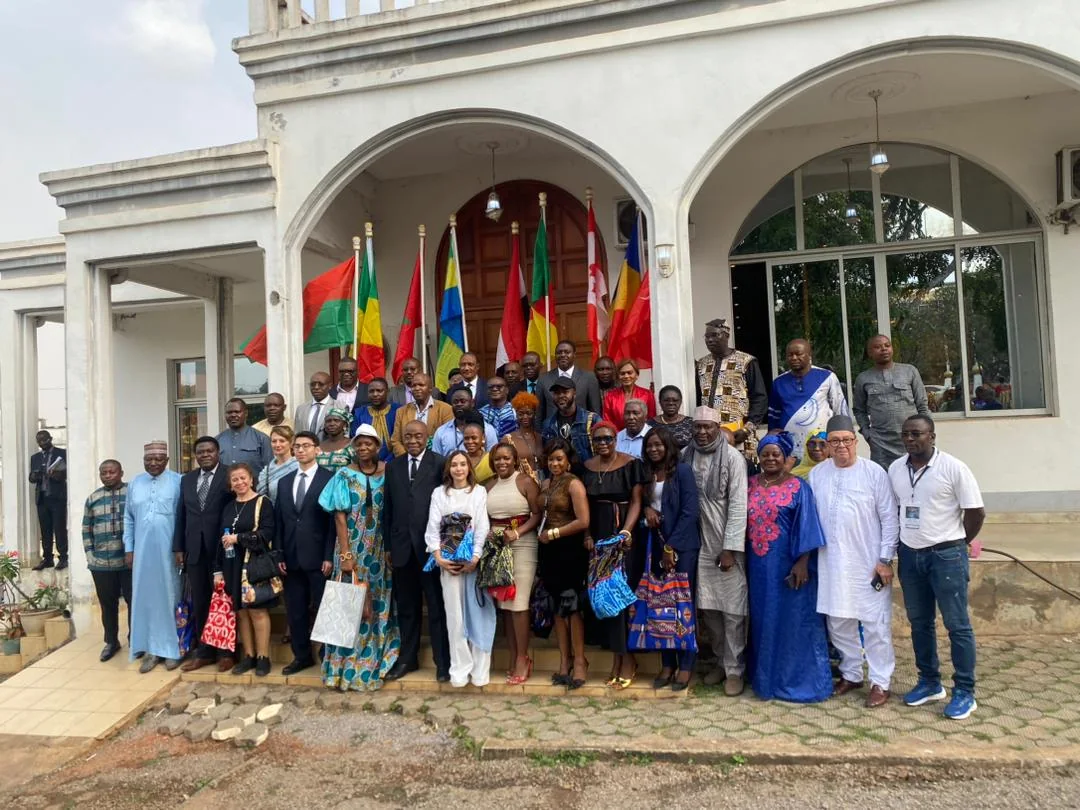
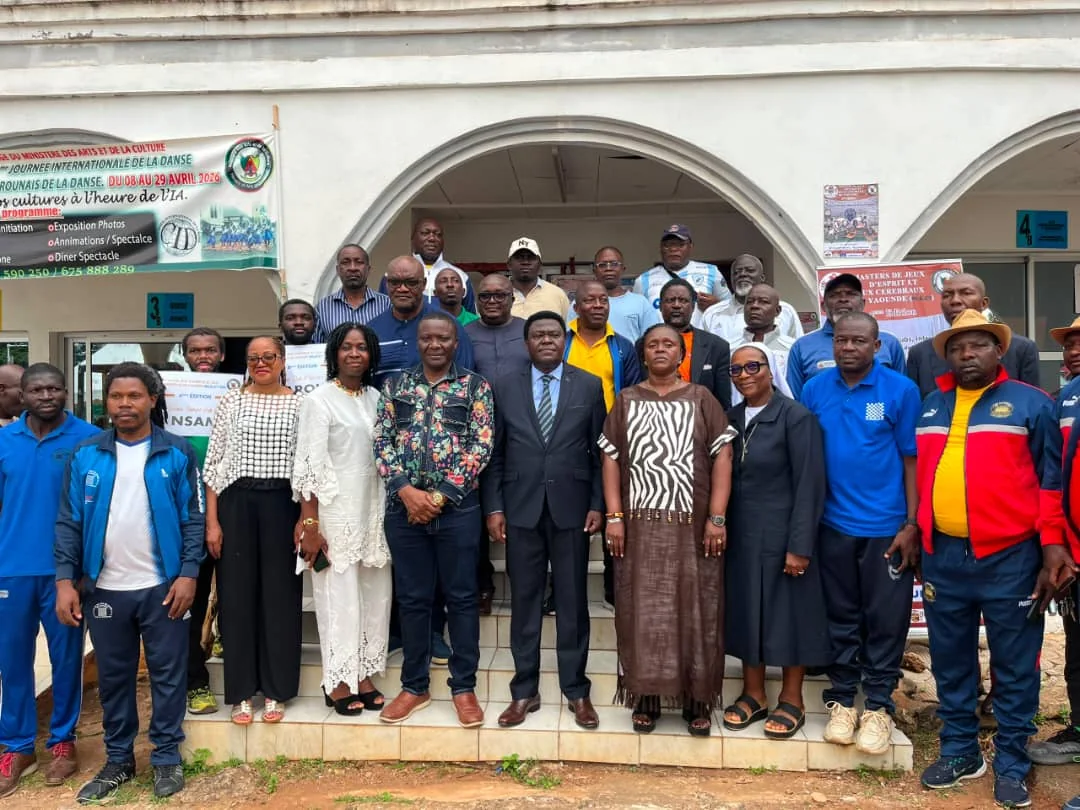
Participants in an international meeting in front of the flags, on the Ministry steps

Having no administrative experience should not prevent anyone from applying. Regional delegations hold file-preparation sessions, help to write the presentation and balance the budget, and point applicants to useful training. Leaders without a regular connection may submit in person, where the officer enters the file with them.

The site complies with accessibility rules (keyboard navigation, screen reader, contrast) and artists with disabilities may request an adapted meeting. Projects that make culture accessible — sign-language performances, audio description, workshops in national languages — are encouraged, as recalled by the commitments set out in Quality and accessibility. Opening hours and addresses are in Opening hours and addresses.

To download

The documents for the grant application

Glossary

The words of the grant application

Subsidy

Public financial aid granted to a project of general interest.

Call for projects

Procedure open to all, with rules, criteria and a deadline.

Project leader

Person or organisation submitting the application and answerable for its delivery.

Forecast budget

Balanced table of the project’s expected expenditure and income.

Co-funding

Funding of a single project by several partners.

In-kind contribution

Non-financial contribution: venue, equipment, staff made available.

Eligible expenditure

Expenditure that the call agrees to fund.

Commission

Group of professionals that evaluates files and issues an opinion.

Convention

Contract setting out the purpose, obligations and payment arrangements.

Review

Narrative and financial account submitted at the end of the project.

Admissibility

Preliminary check that the file is complete and submitted on time.

Repayment

Return of sums that were unused or unjustified.

On the site

Around the grant: funding and support

Resources

Useful links for the grant application

To act

We support you with the grant application

Drop-in session at the delegation

An officer reviews your file, checks the documents and helps you balance your budget.

Find my delegation

Create your account

An account keeps your drafts, files and agreements.

Open an account

Online help

A guide explains each field of the form and each document expected.

Open the help

Training

Cultural project management modules prepare you to put together a strong file.

See the training courses
Questions

Your questions about the grant application

Can a recently formed association apply?

Yes, provided it is legally constituted: articles of association and receipt are required. Some call lines favour organisations able to show prior experience, but others explicitly support emerging leaders. Read the rules of each call.

Is co-financing required?

Depending on the rules of each call, the Ministry’s grant covers only part of the budget. Indicate your other sources: own resources, in-kind contributions, local authorities, patrons. A co-financed project is more convincing and more resilient in the face of setbacks.

Can I submit several files?

You may apply to several calls if the projects are distinct and the rules allow it. The same project cannot be funded twice for the same expenditure; declare any other pending application in the form.

When will the grant be paid?

After the agreement is signed, according to the payment schedule it provides for: often in several instalments, the last linked to the final report. Do not incur any expenditure before notification: it would not be covered.

What should I do if my file is refused?

The decision is reasoned. Request a feedback meeting, correct the weak points and apply again at the next call. An informal appeal is possible if you believe the file was mishandled, followed by the Ministry’s mediator.

Can an individual artist obtain a grant?

Yes, if identified and presenting a clear project with a budget. They apply in their own name, with their identity document and bank statement. The artist card makes it easier to demonstrate their practice.

Which expenditure is accepted?

That which is directly linked to the project and provided for in the budget: fees, equipment, venue hire, communication, transport. Expenditure unrelated to the action, prior debts or purchases without supporting documents are refused.

Must I report on how the grant was used?

Yes. A narrative and financial report, accompanied by invoices and communication materials, is required at the end of the project. Sums that were unused or unjustified may have to be repaid.

Where can I find the deadlines?

On the calls for projects page and in the cultural agenda. Each call states its opening and closing dates and the service to contact. Schedule your submission several days beforehand, to allow for connection problems.

Competent service

Contact the grants service

Address

Grants Service
Ministry of Arts and Culture
Quartier du Lac – Ministerial Zone
P.O. Box 1053 Yaoundé, Centre Region, Cameroon

Reach us

+237 6 51 70 58 41

contact@minac.gov.cm

Opening hours

Monday to Friday, 8 am to 4 pm

A project to support?

Online deposit takes a few minutes; you receive a file number immediately.

Submit online
WhatsApp