

Rooted inspirations
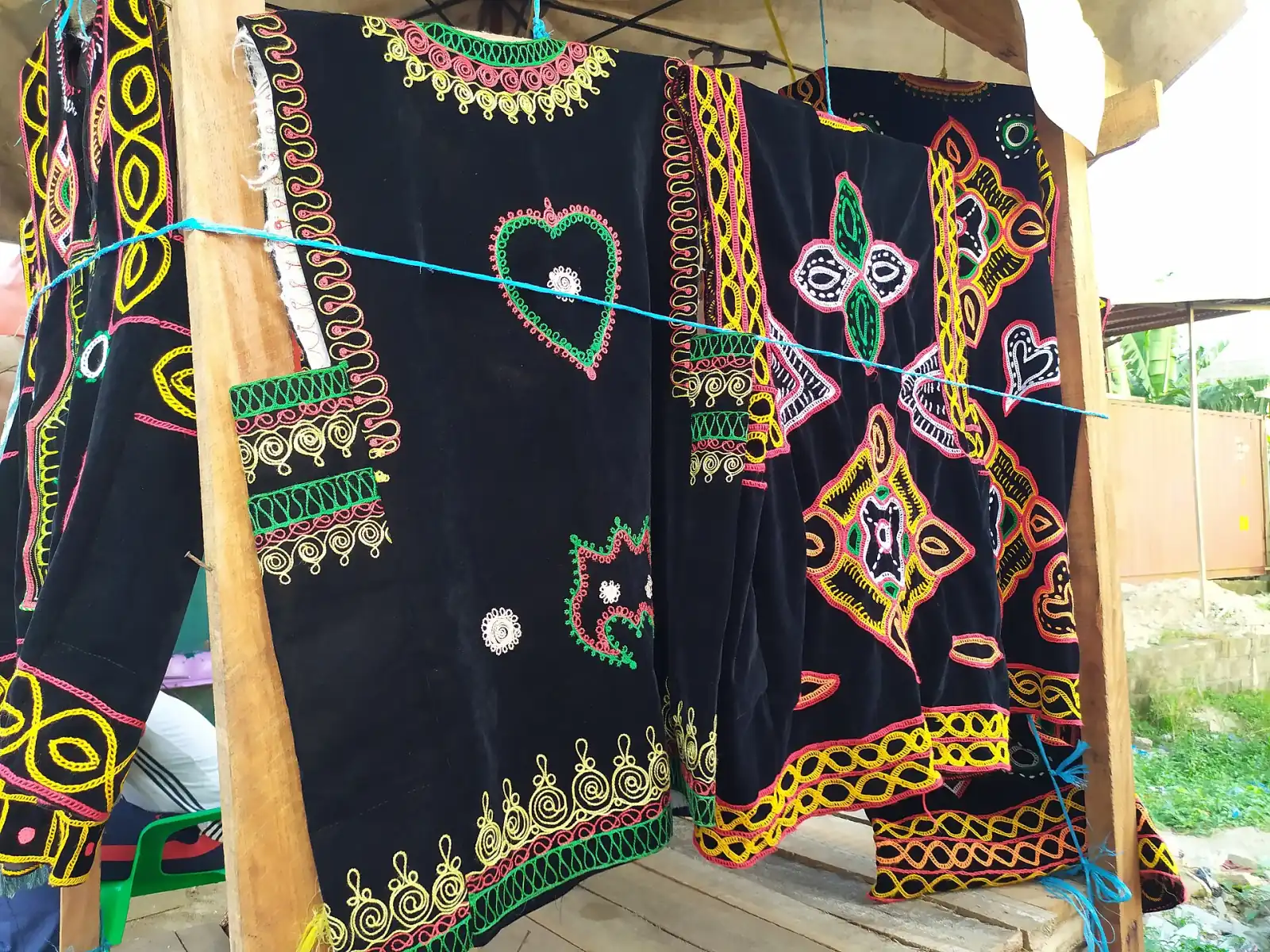
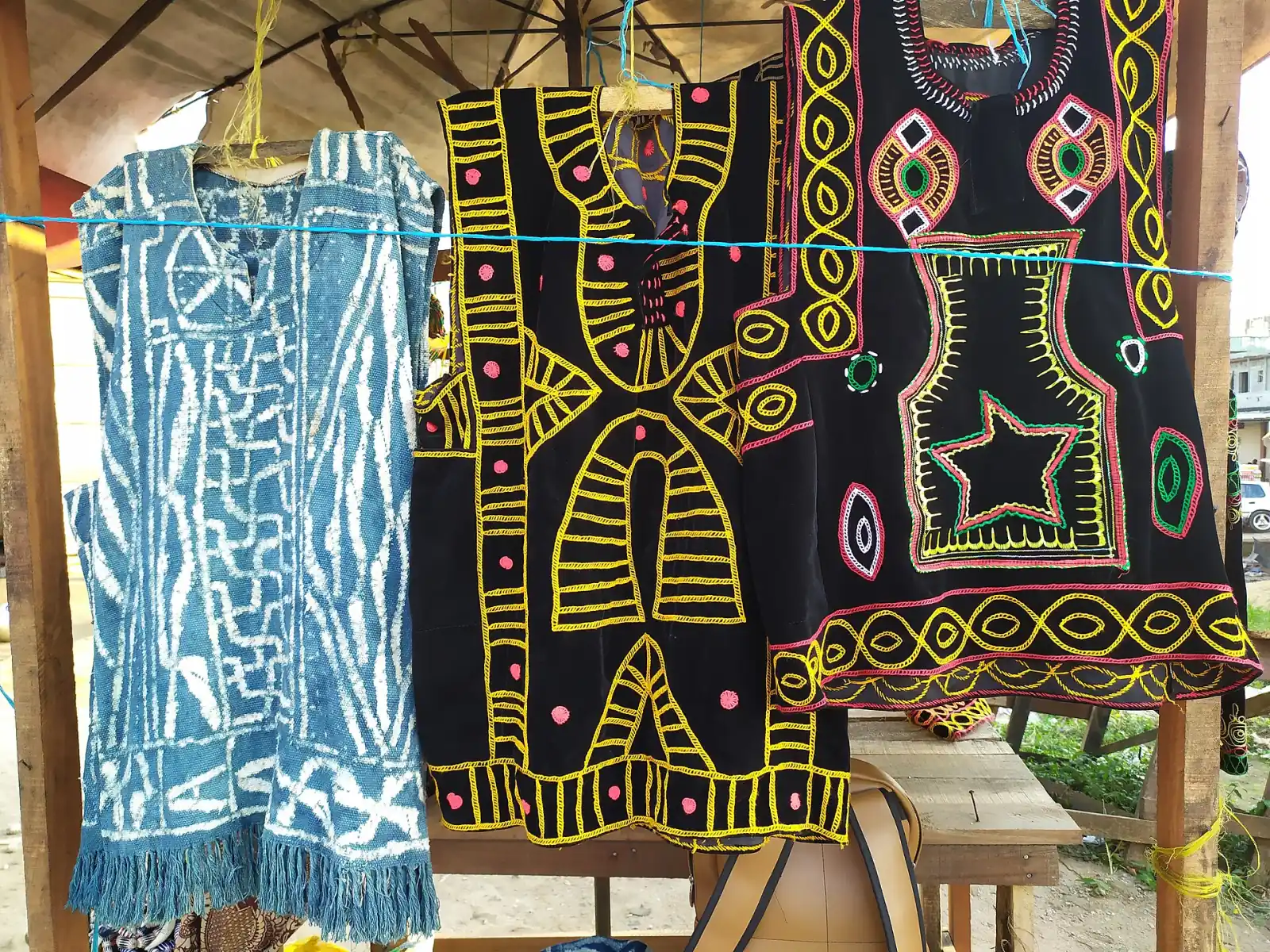
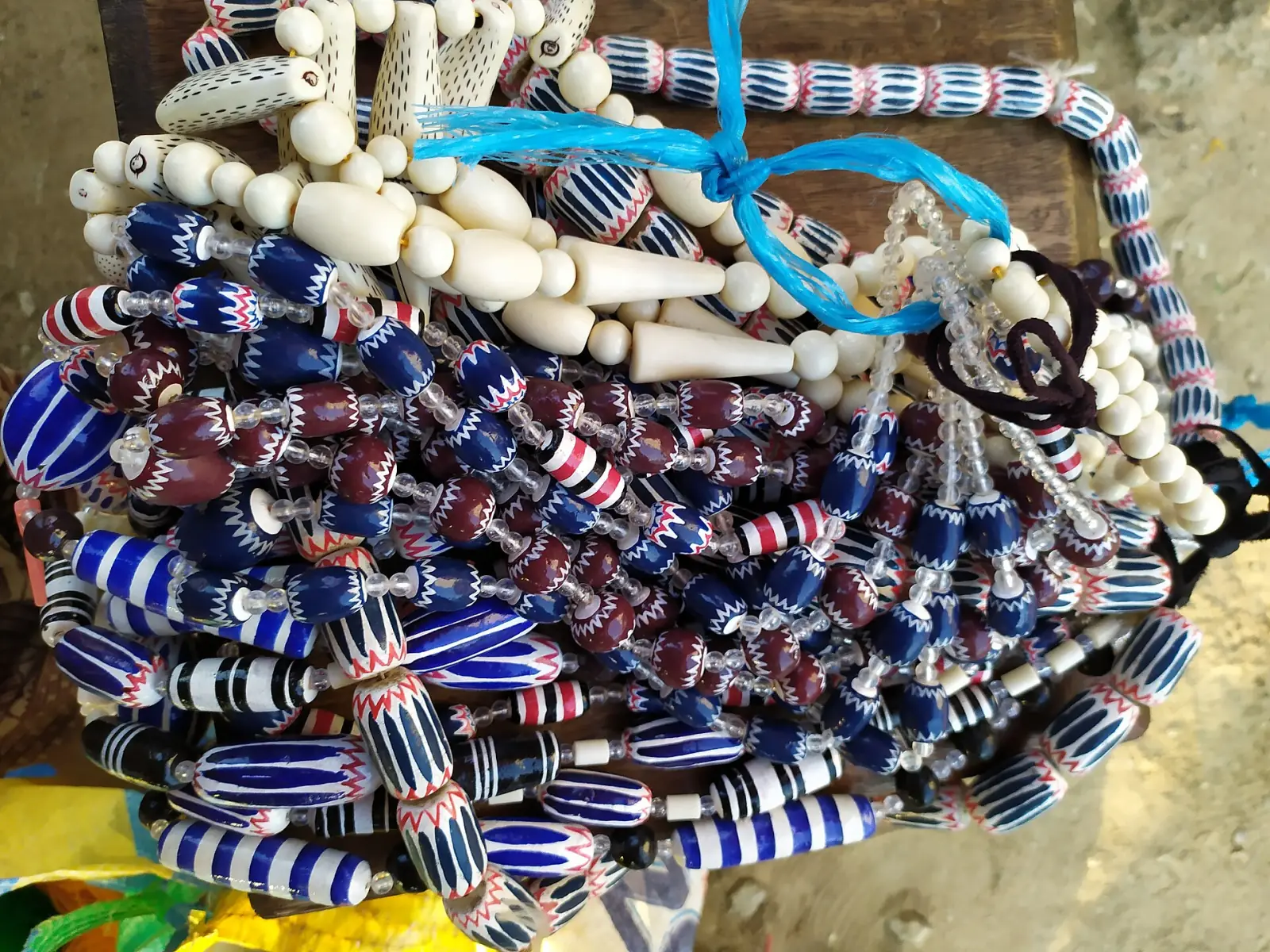
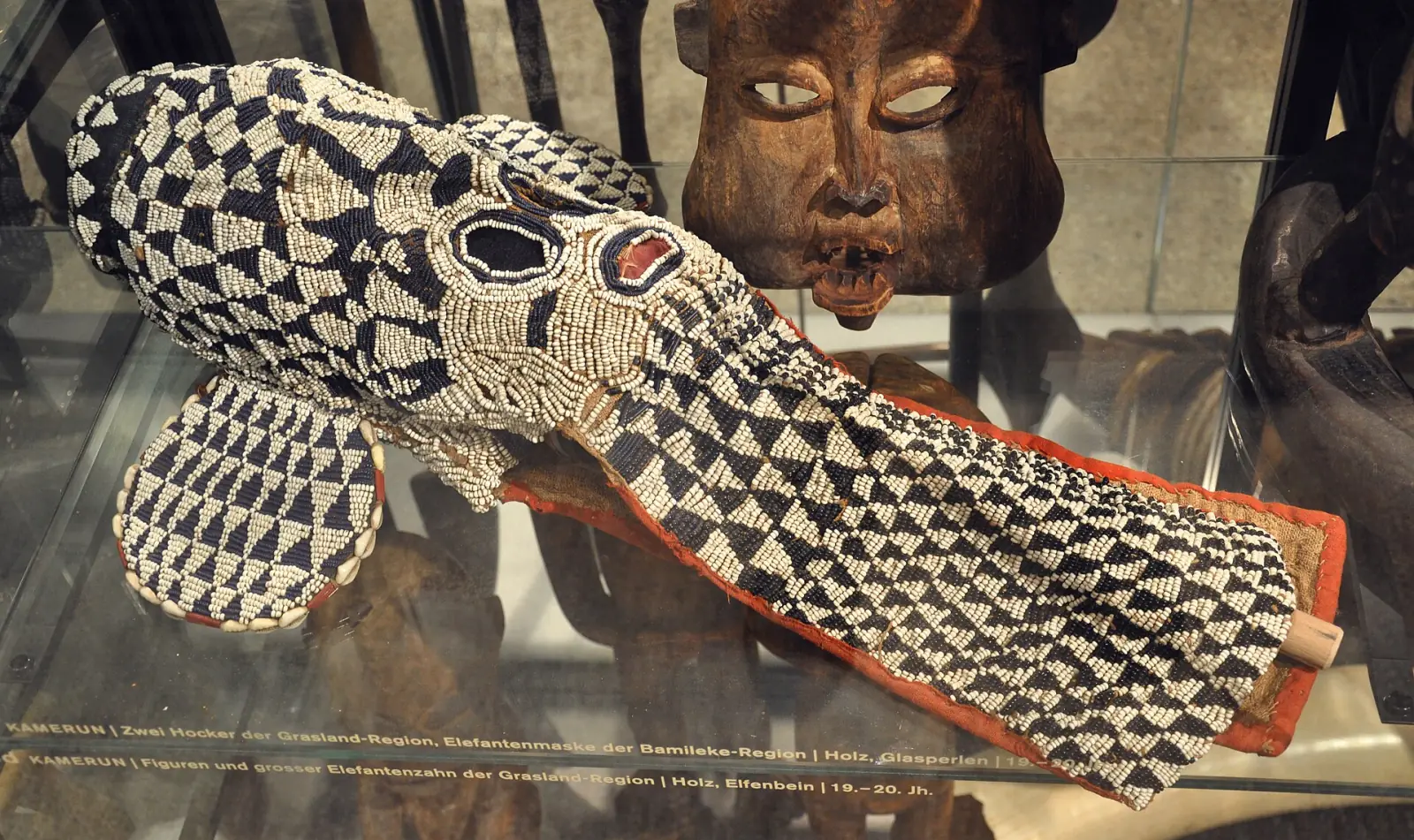
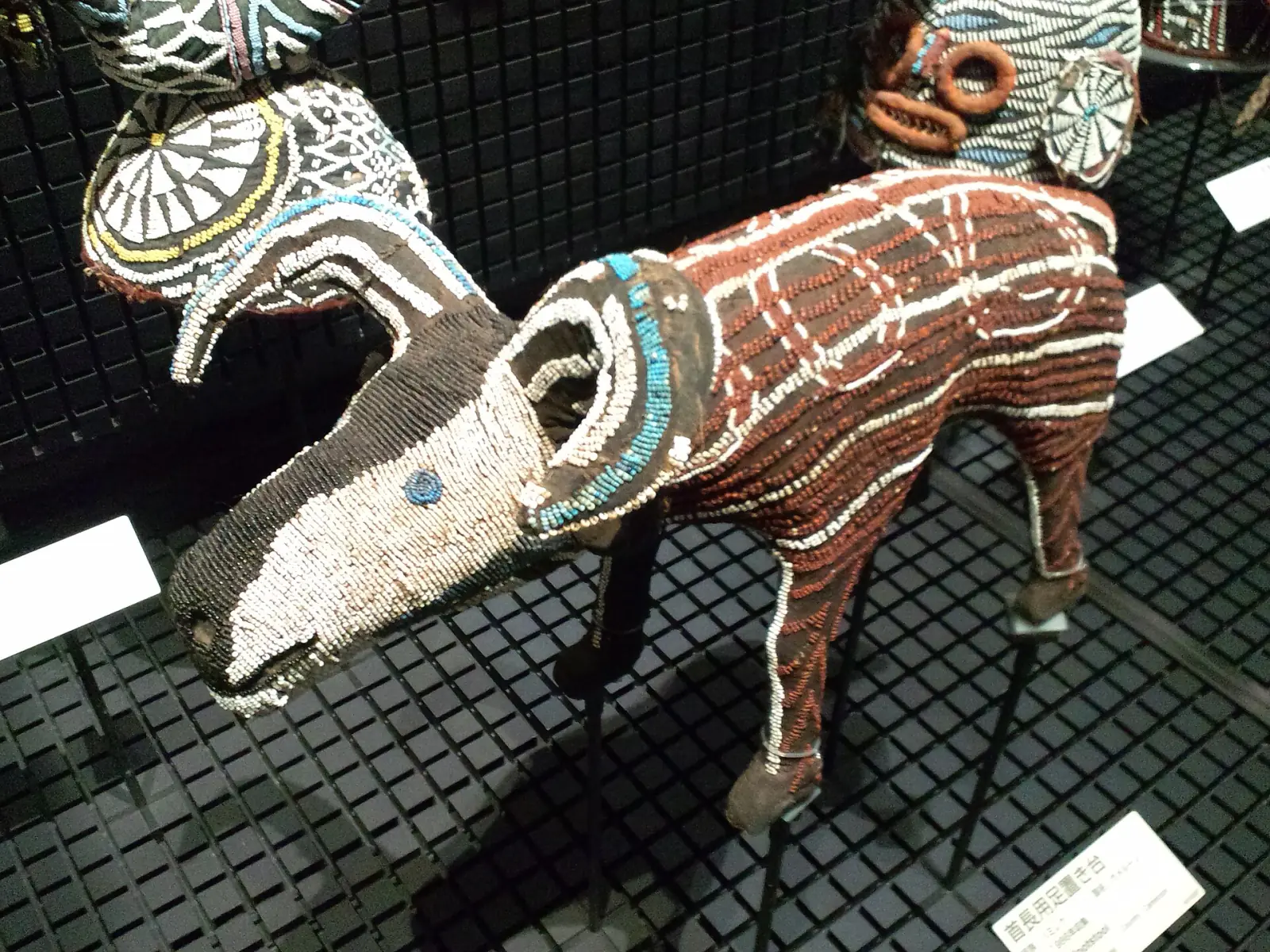
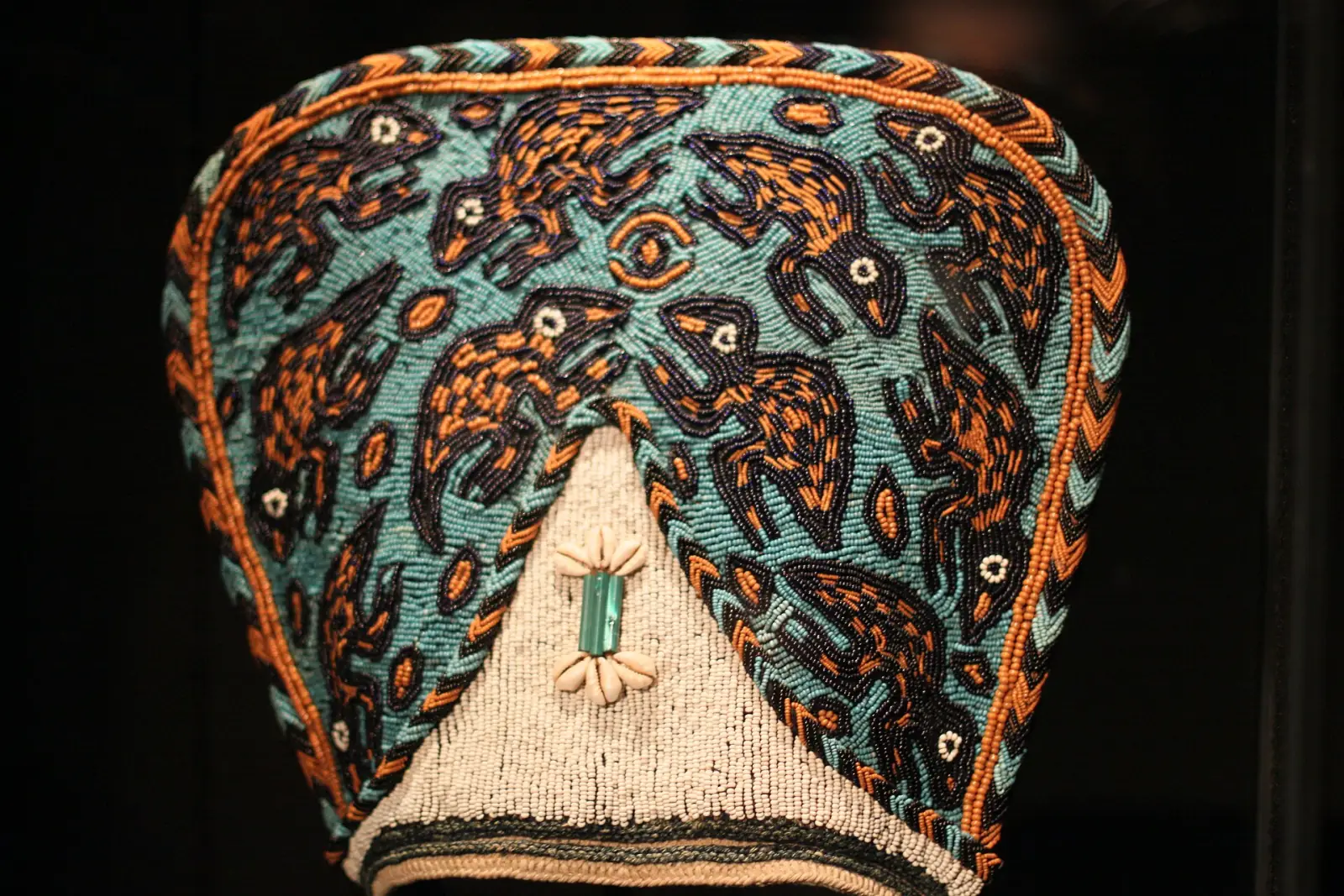
Many collections start from a local fabric or motif: toghu embroidery, woven strips, ndop indigo, chiefdom beads, northern leathers, reworked printed wax cloths. This work links up with traditional know-how and fine crafts.
Creators, fashion shows, design and training: all the reference points, procedures and addresses useful to stylists, designers, tailors and fashion event organisers in Cameroon, within the framework of NDS30 and creative services.
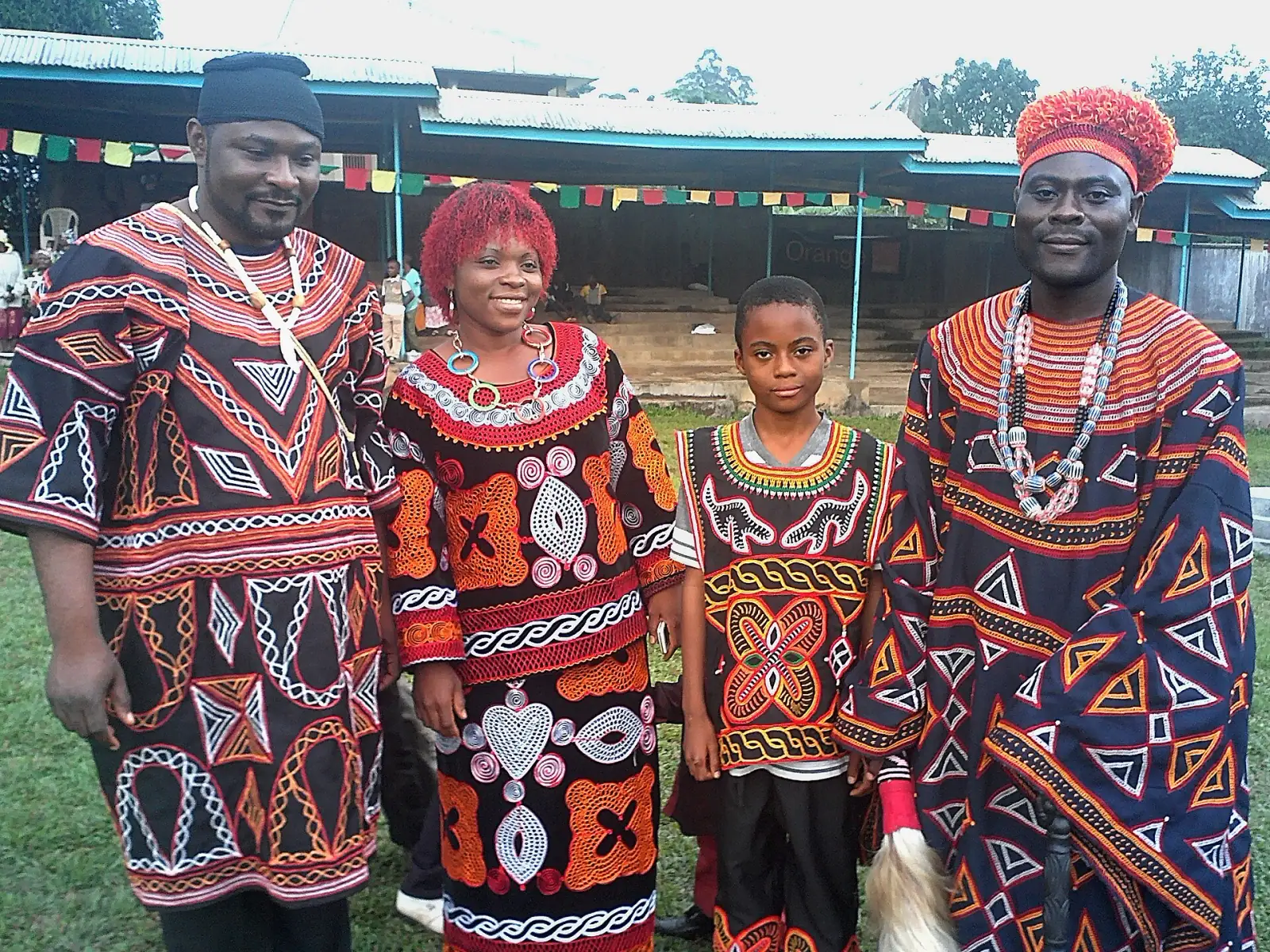
From the embroidered toghu of the Grassfields to the indigo ndop of Bamenda, from the kaba of the Sawa coasts to the flowing boubou of the northern savannas, Cameroonian clothing is a visible language: it speaks of belonging, rank, celebration and mourning. Today’s creators take up these codes, blend them with contemporary cuts and present them on the catwalks of Douala, Yaoundé and elsewhere.
Design, for its part, encompasses the conception of furniture, objects, graphics and spaces. NDS30 classes it among creative services and provides for integrated development plans for the sector. This page guides stylists, designers, tailors, models and event organisers.
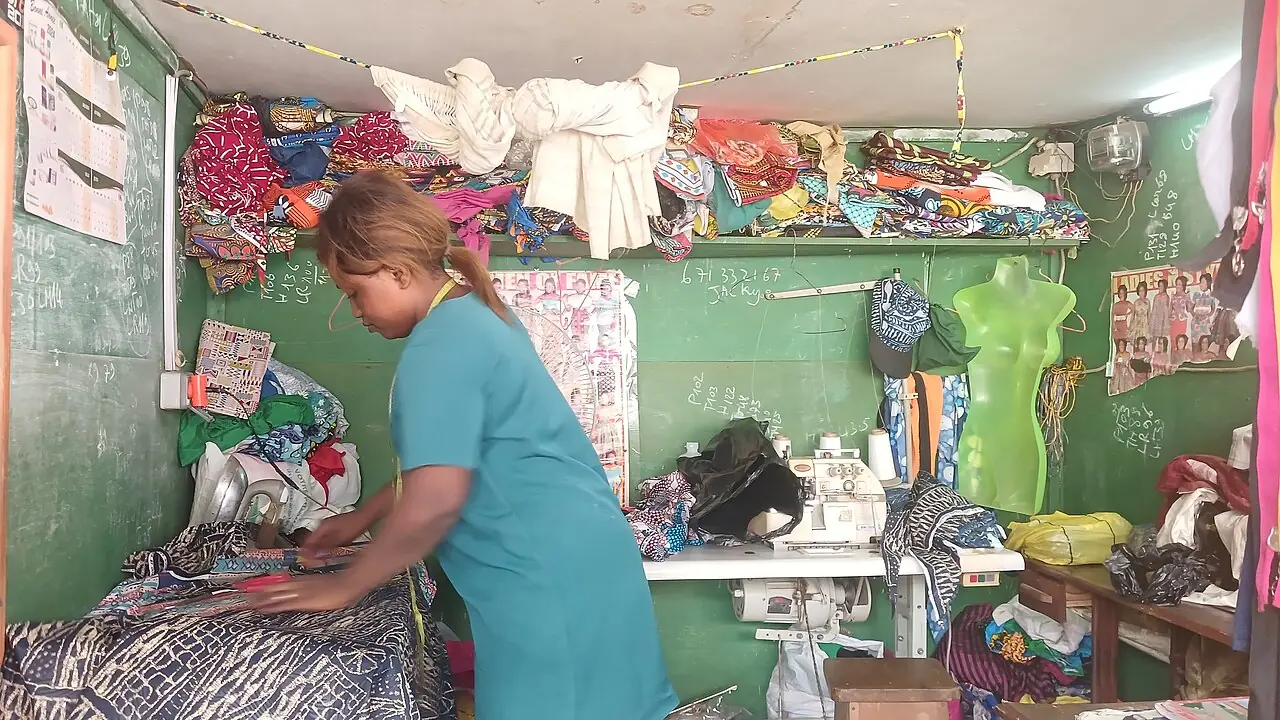
The Cameroonian fashion world brings together very diverse profiles: stylists of registered brands, neighbourhood tailors who dress entire families for weddings and festivities, embroiderers, dyers, alteration specialists, pattern makers, leather goods makers and accessory designers. The most active are based in Douala and Yaoundé, but Bafoussam, Dschang, Bamenda, Garoua and Maroua also have well-known workshops.
Many collections start from a local fabric or motif: toghu embroidery, woven strips, ndop indigo, chiefdom beads, northern leathers, reworked printed wax cloths. This work links up with traditional know-how and fine crafts.
A creator gains visibility through the artists’ directory, fairs and events of the national calendar. The fashion and creativity sector describes production and sales channels.
Original designs are works protected by copyright: keep your dated sketches and register your creations through the work declaration.
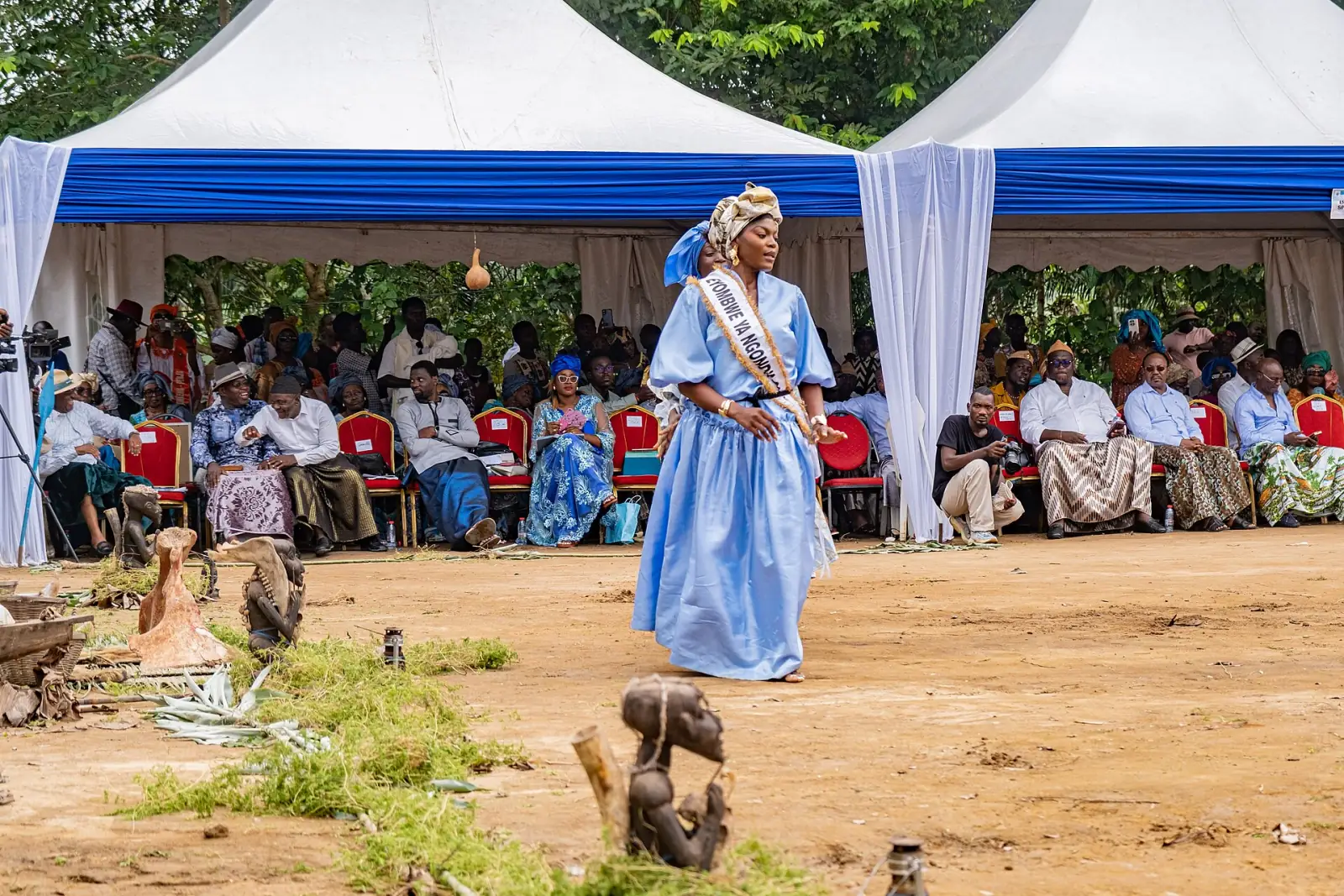
A fashion show is the moment when a collection takes shape: lighting, music, models, staging. It may be held in a hotel, a gallery, a garden, a chiefdom courtyard, a theatre or right in the street. Once it is open to the public, the fashion show is a performance: it is subject to the show authorisation, to be submitted online at the One-Stop Shop.
Music played during a fashion show falls under copyright and neighbouring rights. Get in touch with the collective management societies and consult the licences before the event.
Fashion weeks, creation fairs and association galas punctuate the year; organisers can follow the Organising a festival guide and look for support in grants for events. Dates are announced in the cultural calendar.
Design consists in conceiving objects, spaces, images or services by combining use, beauty and feasibility. It takes the form of furniture design, textile design, everyday object design, graphic and identity design, packaging design, space and set design, and service and digital interface design.
NDS30 lists design and creative services among the sectors to be developed, with integrated development plans. Within the administration, the Directorate of Performances and Creative Industries oversees these sectors together with the directorate responsible for the promotion of the arts. See also the sector strategy.
Timber, rattan, raffia, bamboo, leather, recycled metal, clay, cotton textiles: Cameroonian designers work with locally available materials and involve craftspeople in manufacturing. This alliance strengthens the workshop economy and opens markets for hospitality, businesses and export.
An original design creation is protected by copyright; intellectual property and the legal framework specify the procedures. Designers may also present their projects to an incubator.
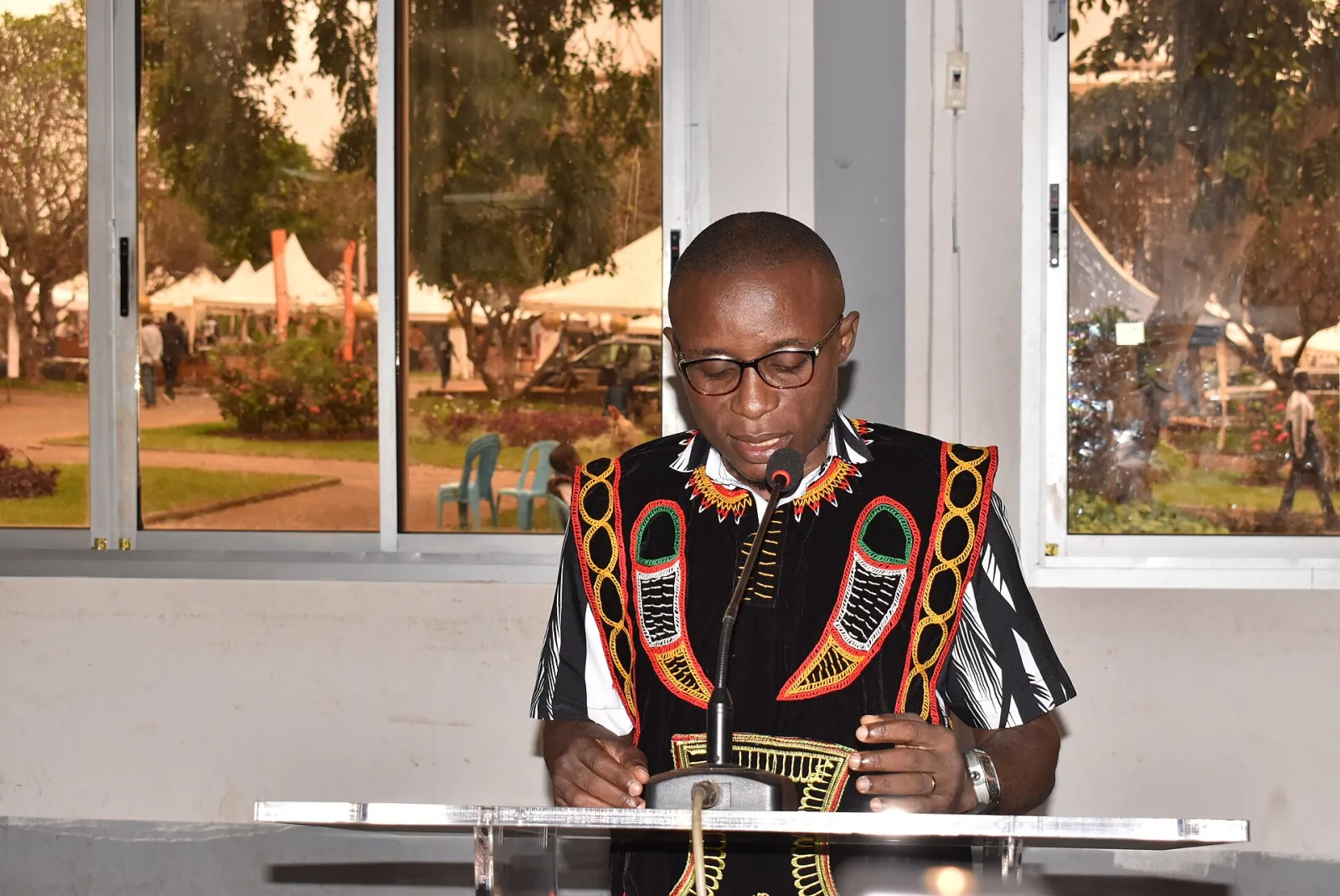
There are varied paths into fashion and design: apprenticeship with a master tailor, vocational training centre, applied arts school, university programme or school of design and visual communication. Private fashion design and pattern-making schools have multiplied in the large cities, while public institutions offer courses in fine arts and applied arts.
Arts education brings together schools, conservatoires and scholarships, and the page on training for cultural professions details professional courses. Scholarships and exchanges are presented in scholarships and artist exchanges.
Residencies allow a creator to spend a few weeks in a partner workshop, in Cameroon or abroad, to deepen a technique, work with a material or prepare a collection.
The Ministry works with the National Institute of Arts and Culture on pathways that promote creative professions.
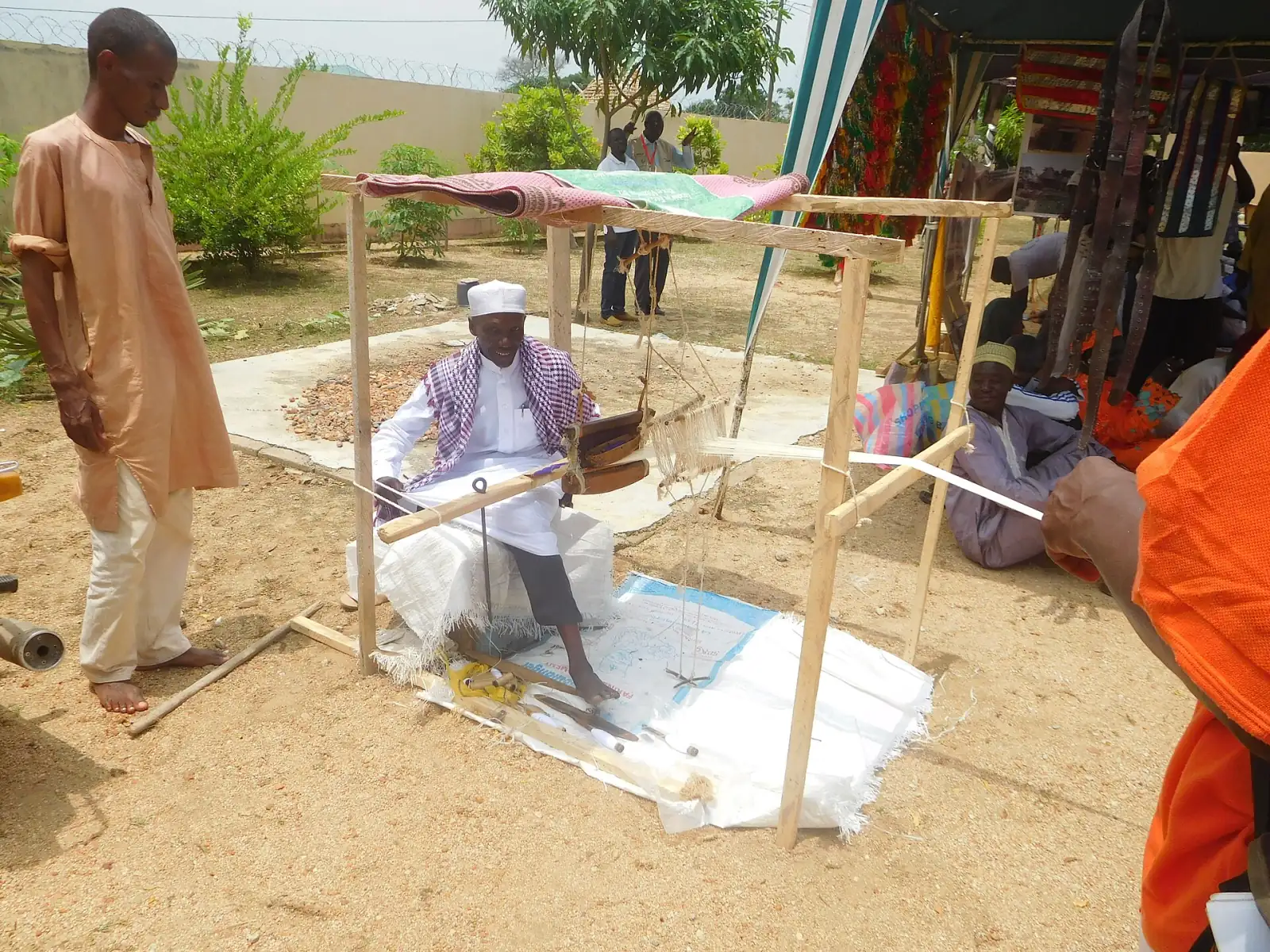
Each cultural area has its own fabrics. In the Grassfields, the toghu bears embroidery of geometric motifs on a dark ground, and the ndop is dyed with indigo using a resist technique, with motifs sewn or knotted before the dye bath. On the coast, the kaba, a loose dress worn with a wrapper, is part of festive occasions. In the savannahs and the North, embroidered boubous, turbans and silver jewellery express elegance. In the East and South, woven raffia and beaten bark recall the forest.
Weaving on a narrow loom, hand or machine embroidery, plant dyeing, batik, beadwork, leatherwork. Many of these skills are passed on in family workshops and form part of intangible heritage.
Designers are experimenting with recycling fabric offcuts, natural dyes and small-batch production, an asset for the image of Cameroonian brands.
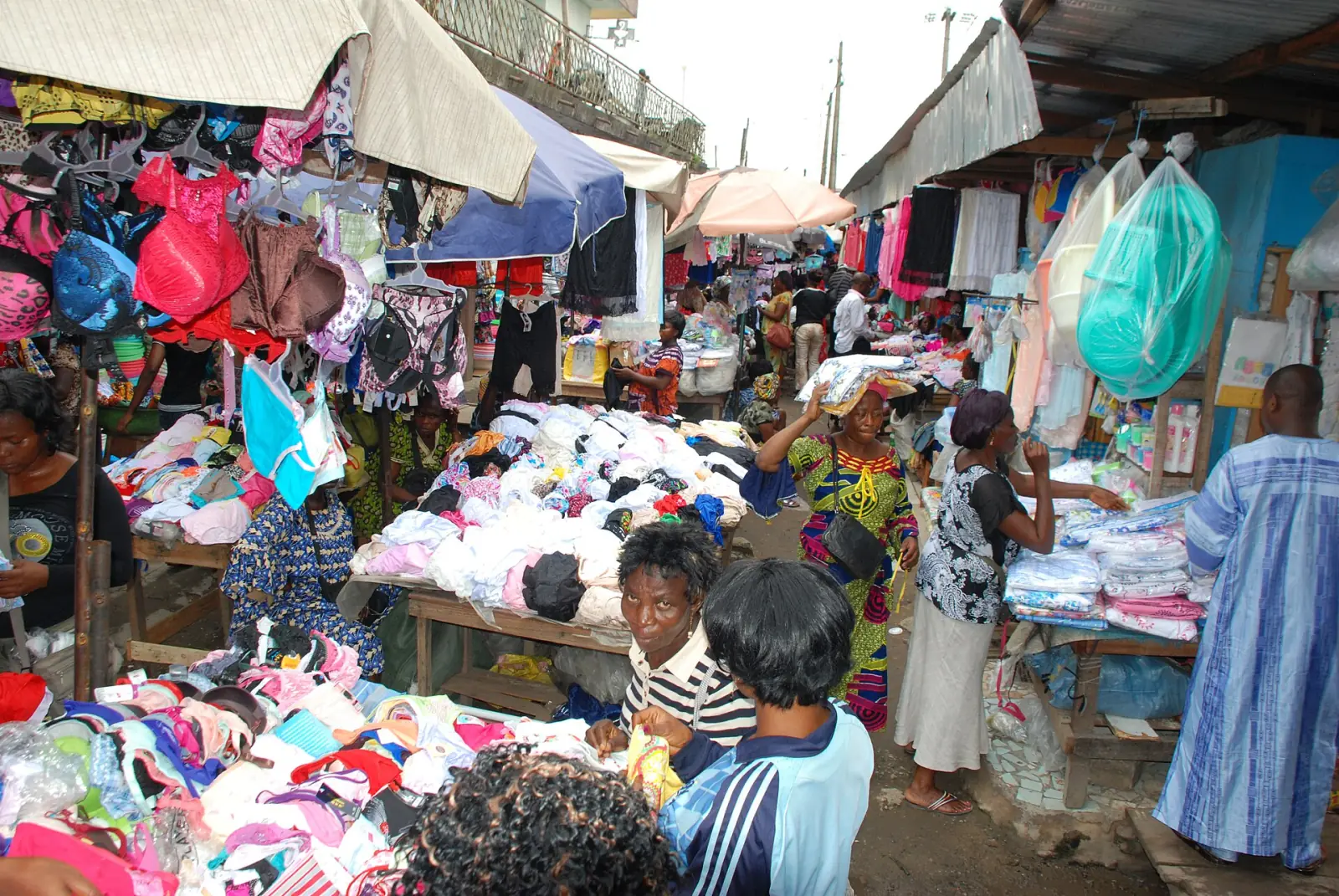
A collection is sold in shops, in workshops, to order, at trade fairs and on social media. The strongest brands combine a ready-to-wear range, a few exceptional pieces and made-to-measure orders. Export and international outreach rely on trade fairs, partner shops and the diaspora: see diaspora festivals and diaspora.
A start-up grant, an equipment loan or patronage can support the purchase of machines and fabrics: grant application, support funds, cultural entrepreneurship.
Protect your designs through the declaration of works and contracts with your collaborators. For works of art leaving the country, the procedure for exporting works of art applies.
Define a theme, materials and silhouettes, then produce mood boards and dated sketches to secure your rights.
Have the patterns and first garments made with the pattern-maker, adjust them during fittings and approve the technical sheet.
Plan fabric purchases, distribute the work in the workshop, check quality and photograph each piece.
Choose the venue, the casting, the music and the staging, then submit the application for authorisation of a show.
Present the collection, open pre-orders, and gather feedback from the press and buyers.
Archive the images, update the catalogue and the directory, and prepare the next collection using the feedback received.
Chiefdoms and kingdoms produce fabrics, beads and adornments that express hierarchy and belonging.
Imported printed cotton fabrics transform urban wardrobes and nurture the first neighbourhood dressmakers.
National outfits take their place at official ceremonies; tailors trained in workshops become local figures.
A generation of designers opens boutiques and organises the first independent fashion shows in Douala and Yaoundé.
Social media changes how collections are circulated; brands reach customers in the diaspora.
The NDS30 includes design and creative services among the sectors to be developed, with integrated development plans.
The economic overview of the sector and its production chains.
Discover →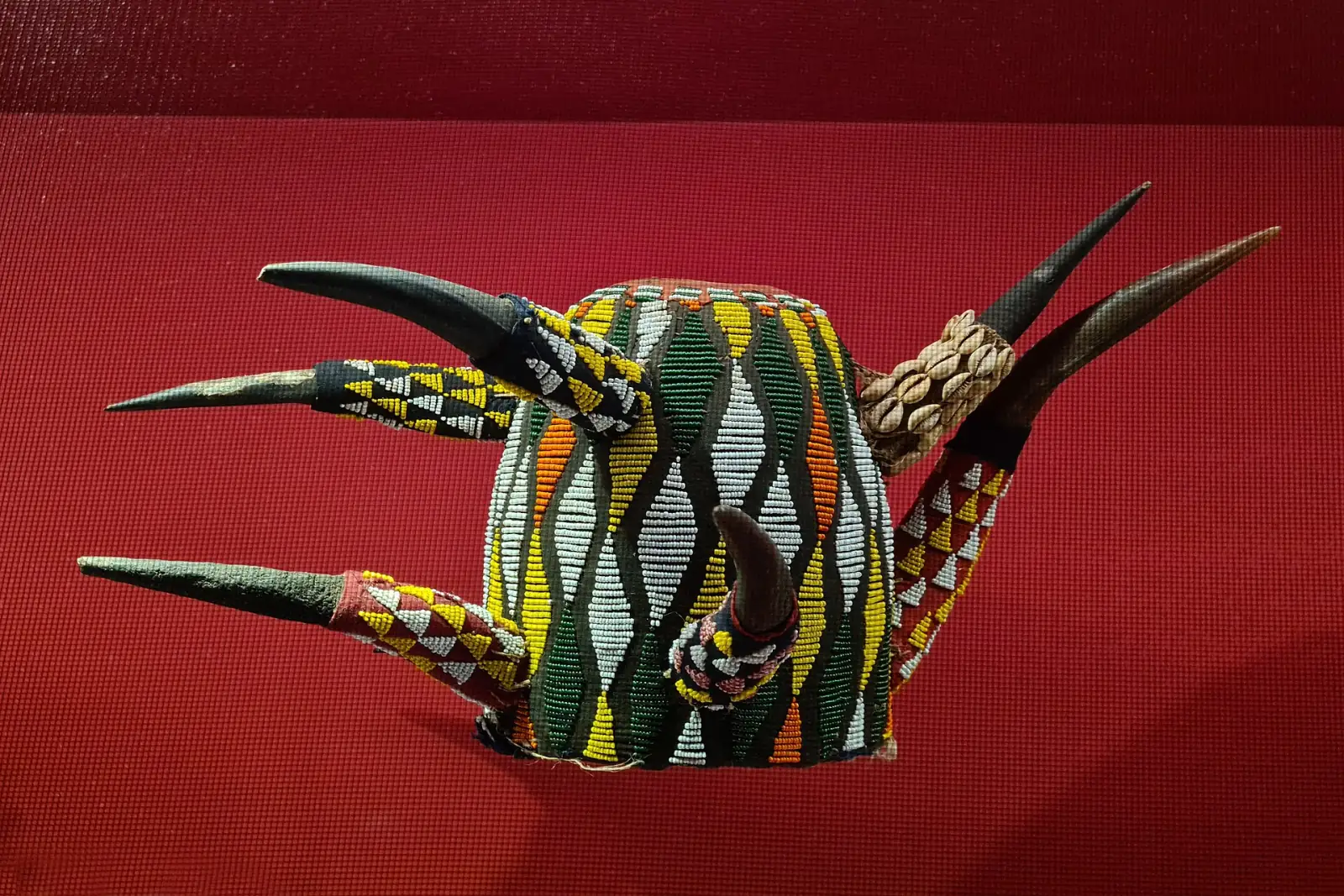
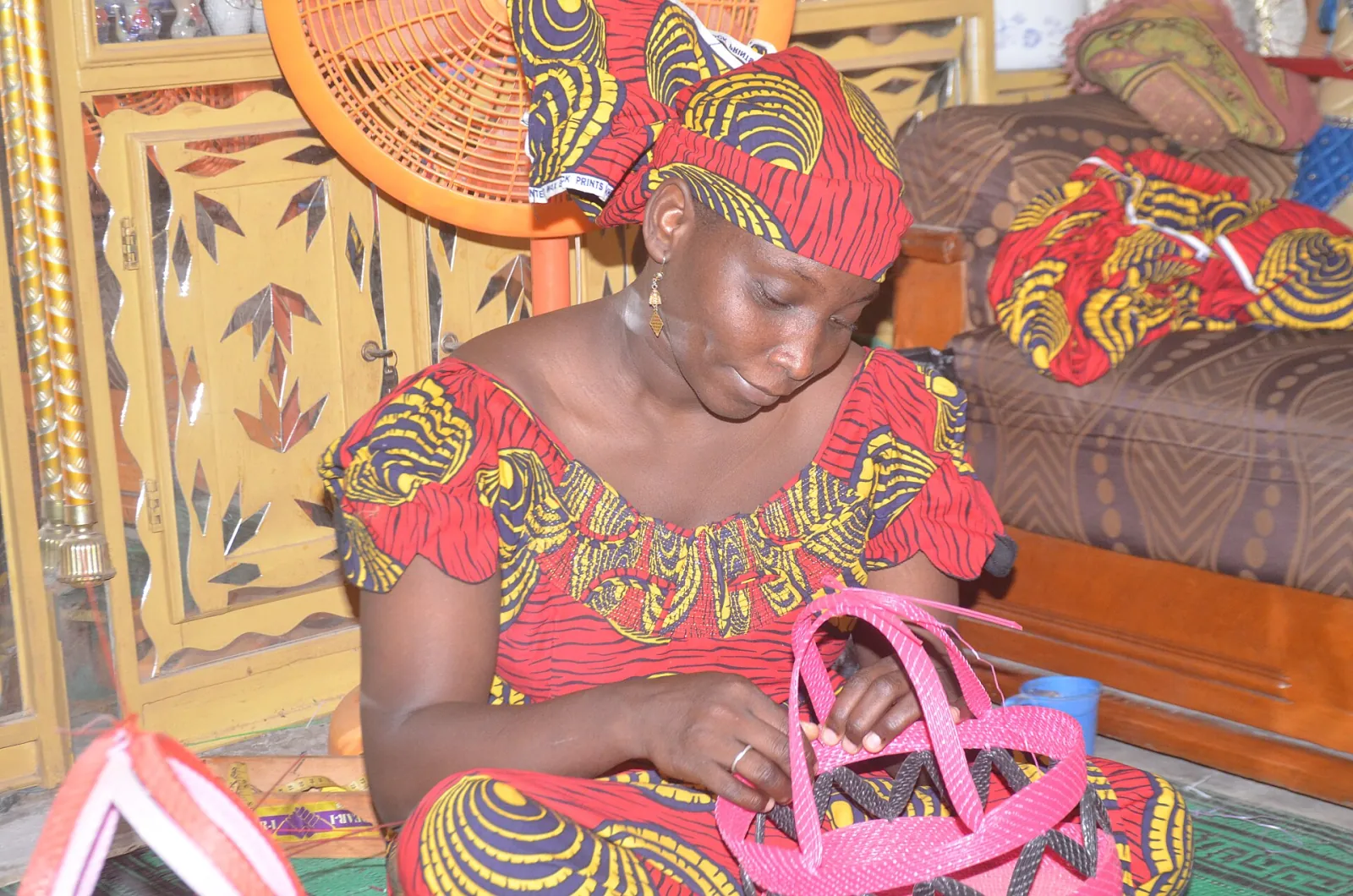
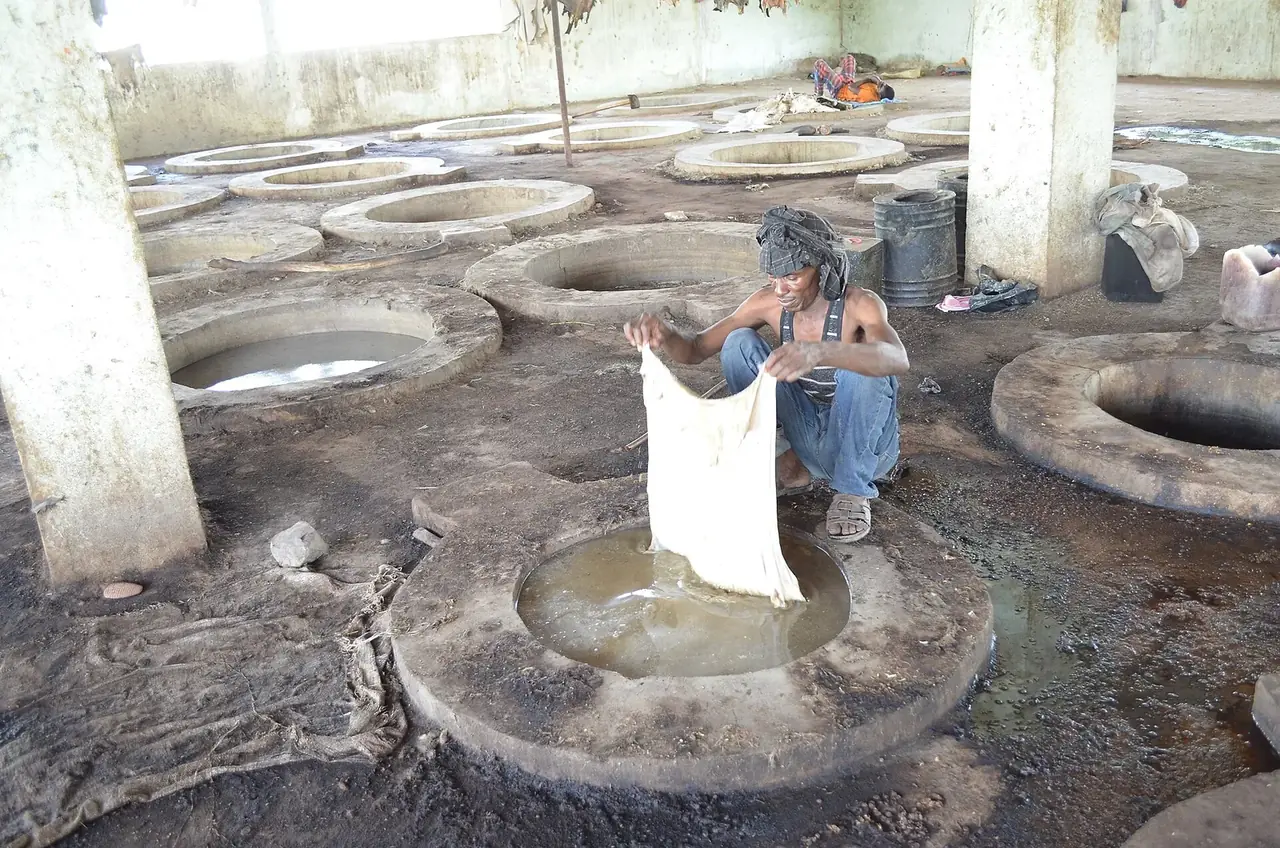
Dyers, weavers and leather workers, partners in creation.
Discover →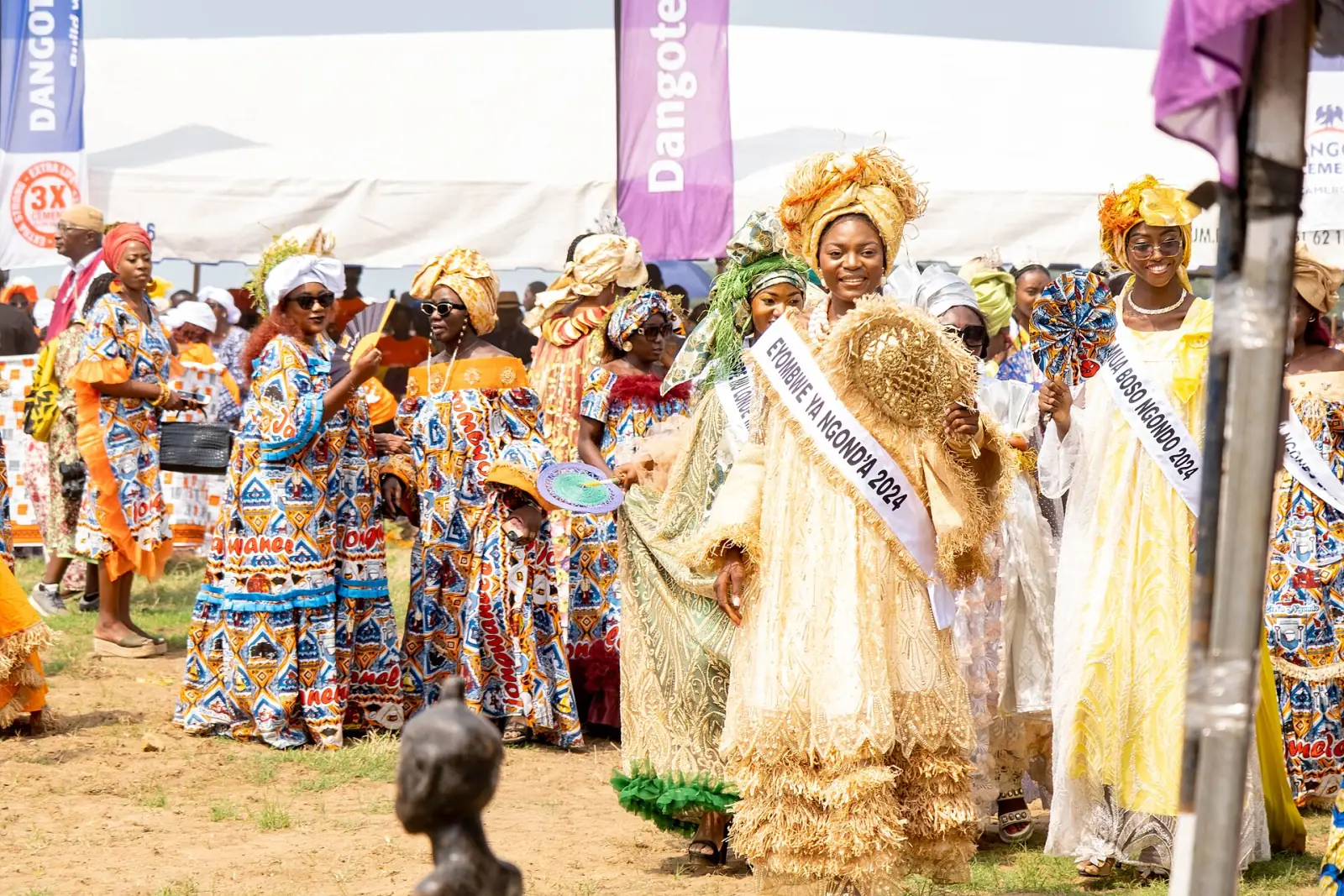
The mandatory procedure for a fashion show open to the public.
Discover →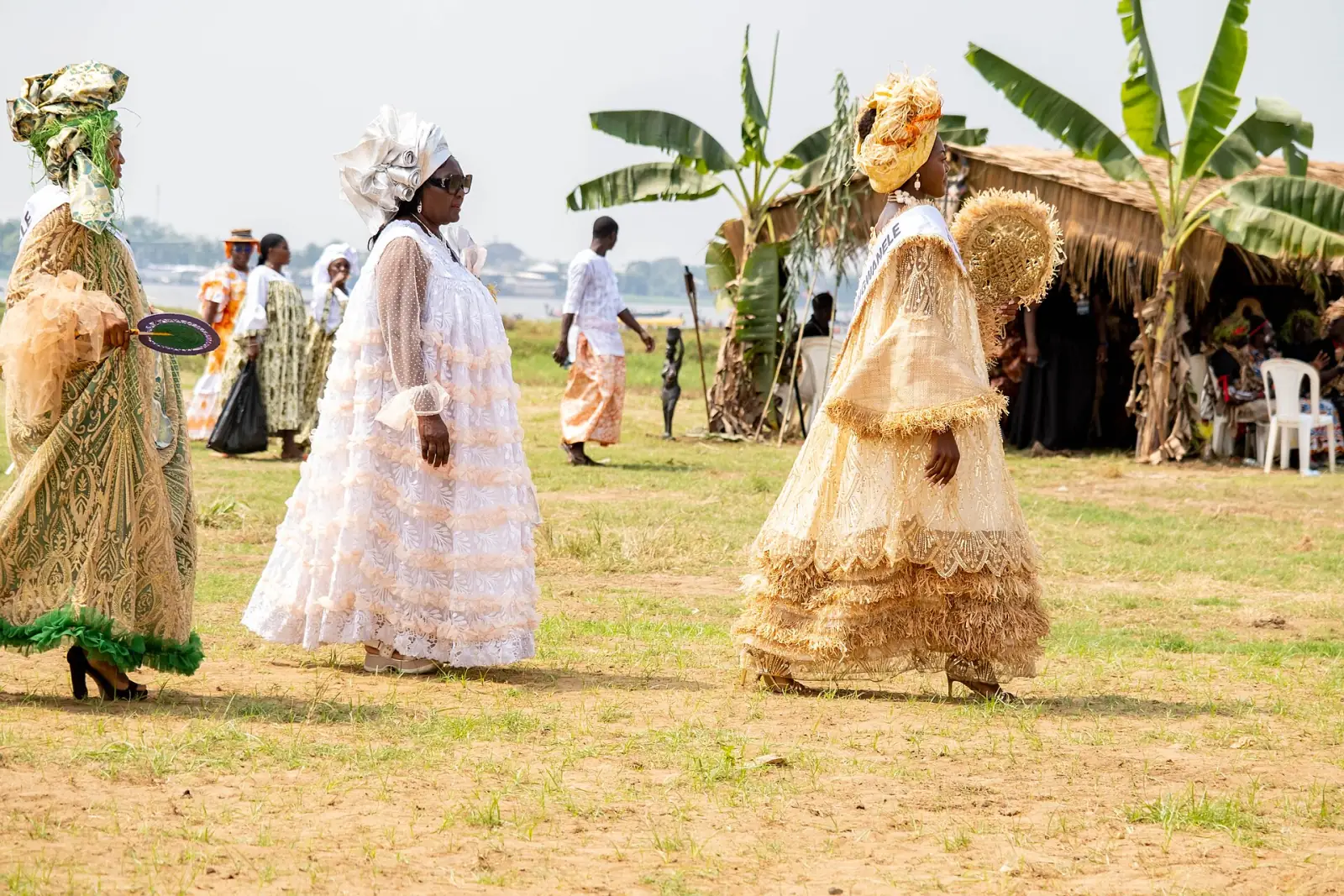
Textile techniques handed down from generation to generation.
Discover →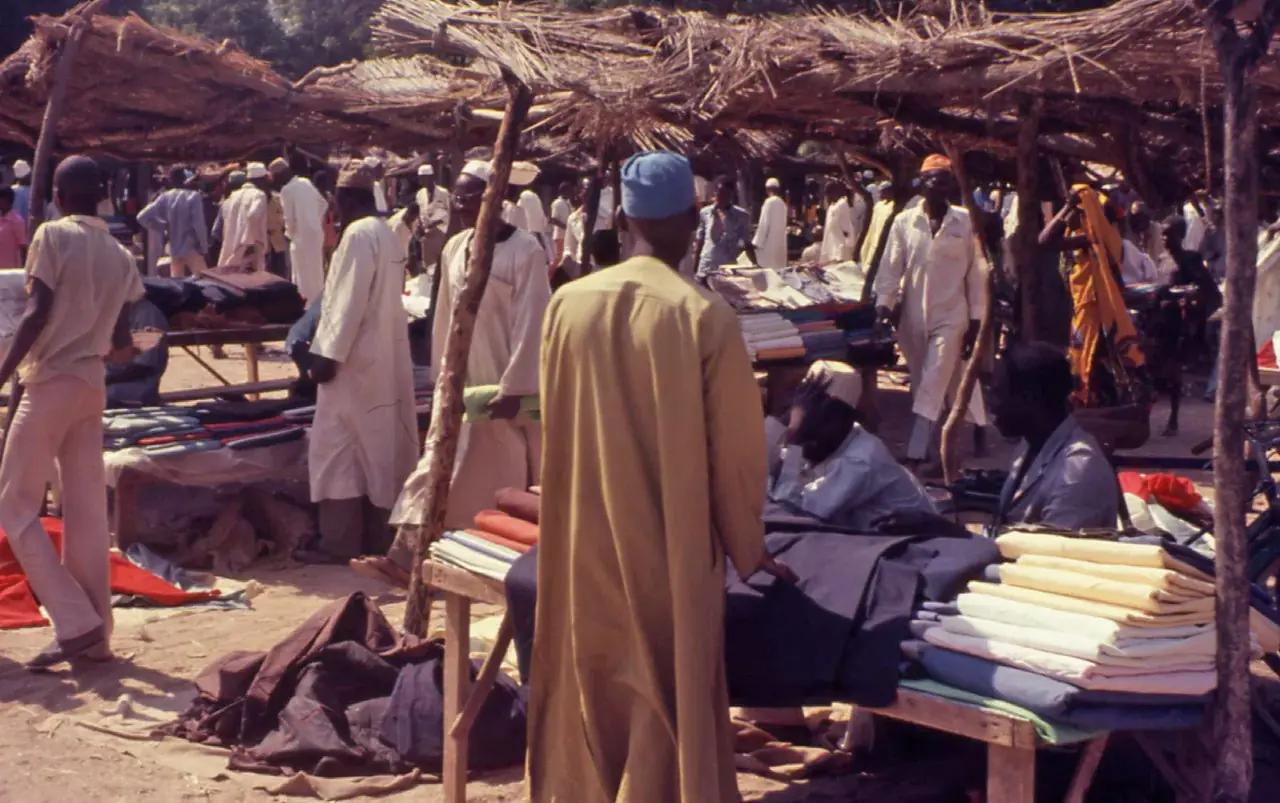
Protecting designs, brands and design creations.
Discover →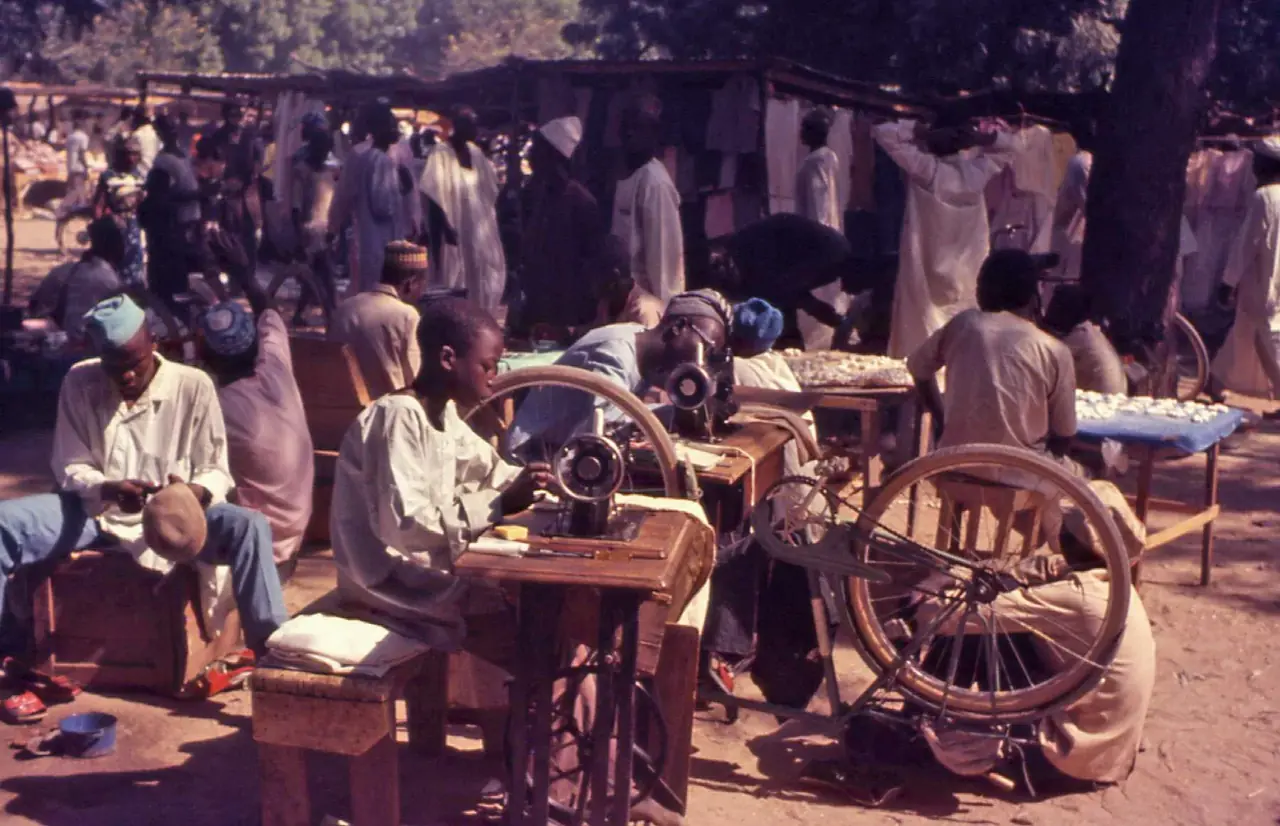
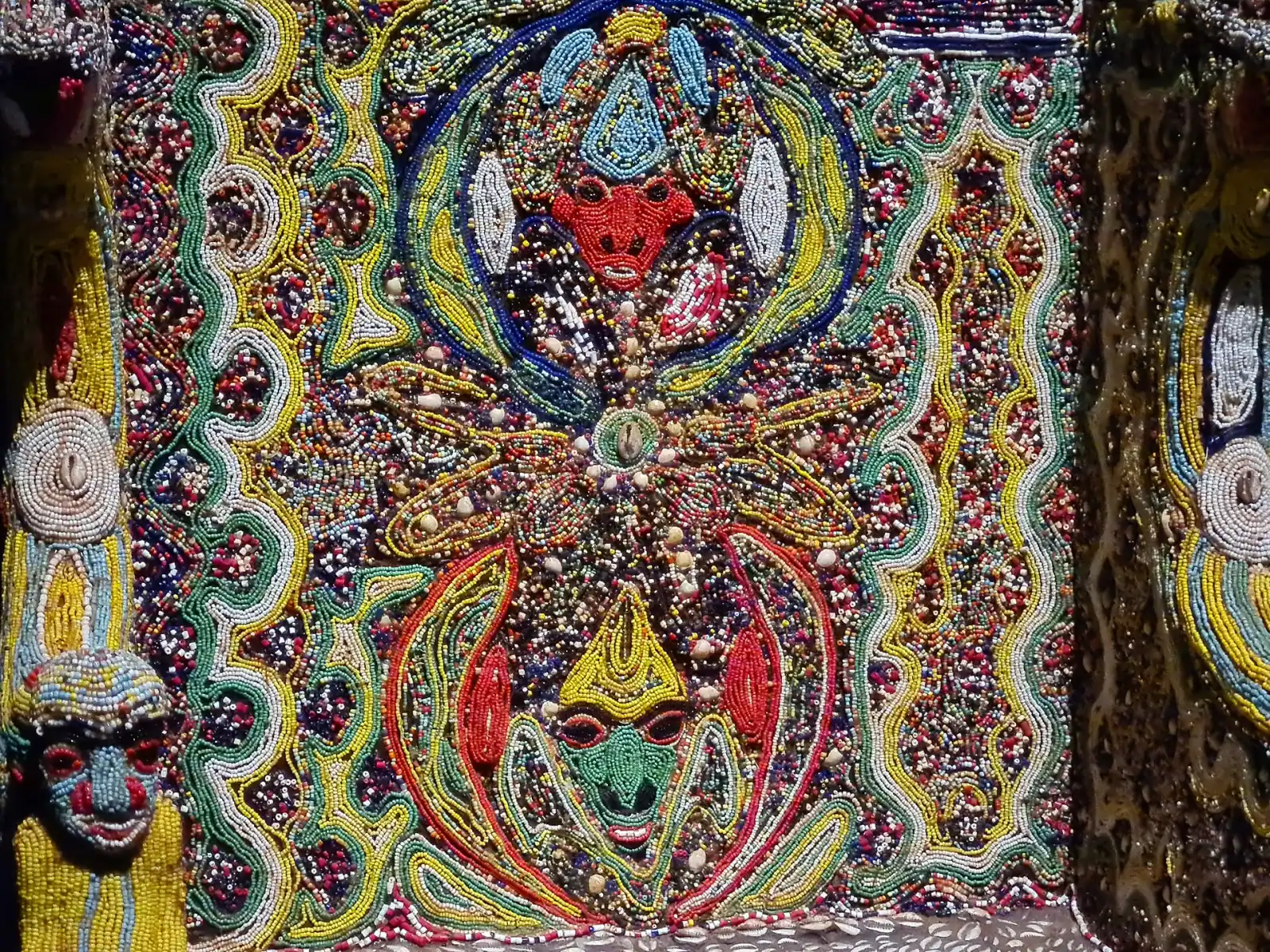
When fashion enters into dialogue with painting and sculpture.
Discover →“A well-conceived garment tells where we come from and where we are going: it is culture that we wear on ourselves.”
 / Douala
“I always start from a traditional fabric and cut it like a ready-to-wear piece.”
 / Bafoussam
“I learned alongside my uncle; today I have six apprentices in the workshop.”
 / Yaoundé
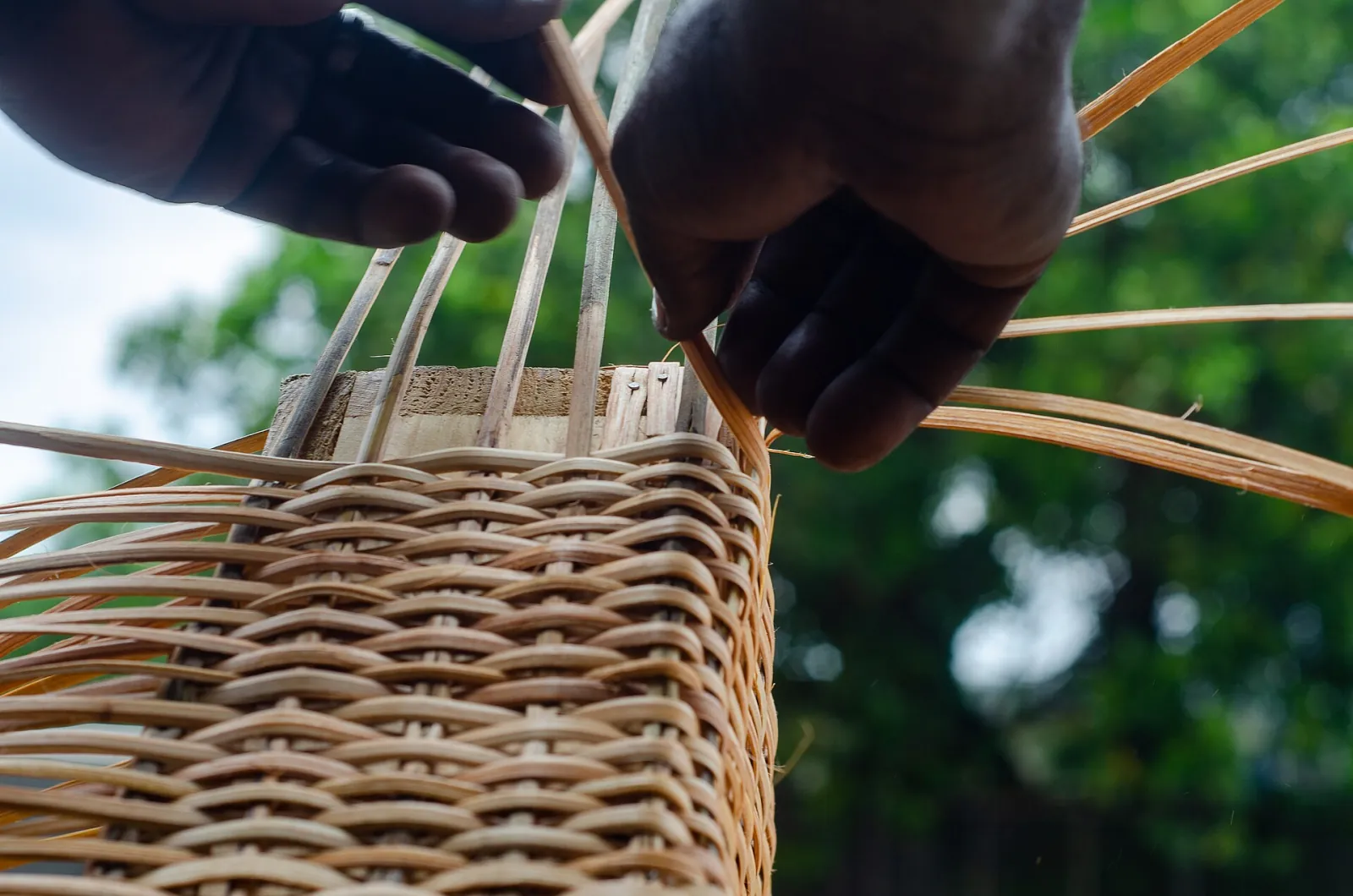
“My lamps are made of rattan woven by artisans from the town; we sign each series together.”
 / Dschang
“A successful fashion show takes three months to prepare: casting, staging, music, lighting.”
Essential before any fashion show open to the public; it is submitted online, with the programme and the security plan.
Submit the applicationSupport for financing a collection, an event or workshop equipment, examined by a commission.
Request supportDate your creations to better defend your copyright in the event of copying or dispute.
Register a workDesigner who conceives the models and directs the making of a collection.
Professional who translates a sketch into a pattern and a prototype piece.
Coherent set of models presented for a season or a theme.
Public presentation of a collection worn by models.
Garments produced in series and sold in standard sizes.
Outfit made to a person’s measurements.
Indigo cloth from the Grassfields, decorated with resist-dyed motifs.
Embroidered garment from the Grassfields worn at ceremonies.
Document detailing the materials, cut and assembly of a model.
Design of the space and staging of an event.
Design of objects, spaces or images combining use and aesthetics.
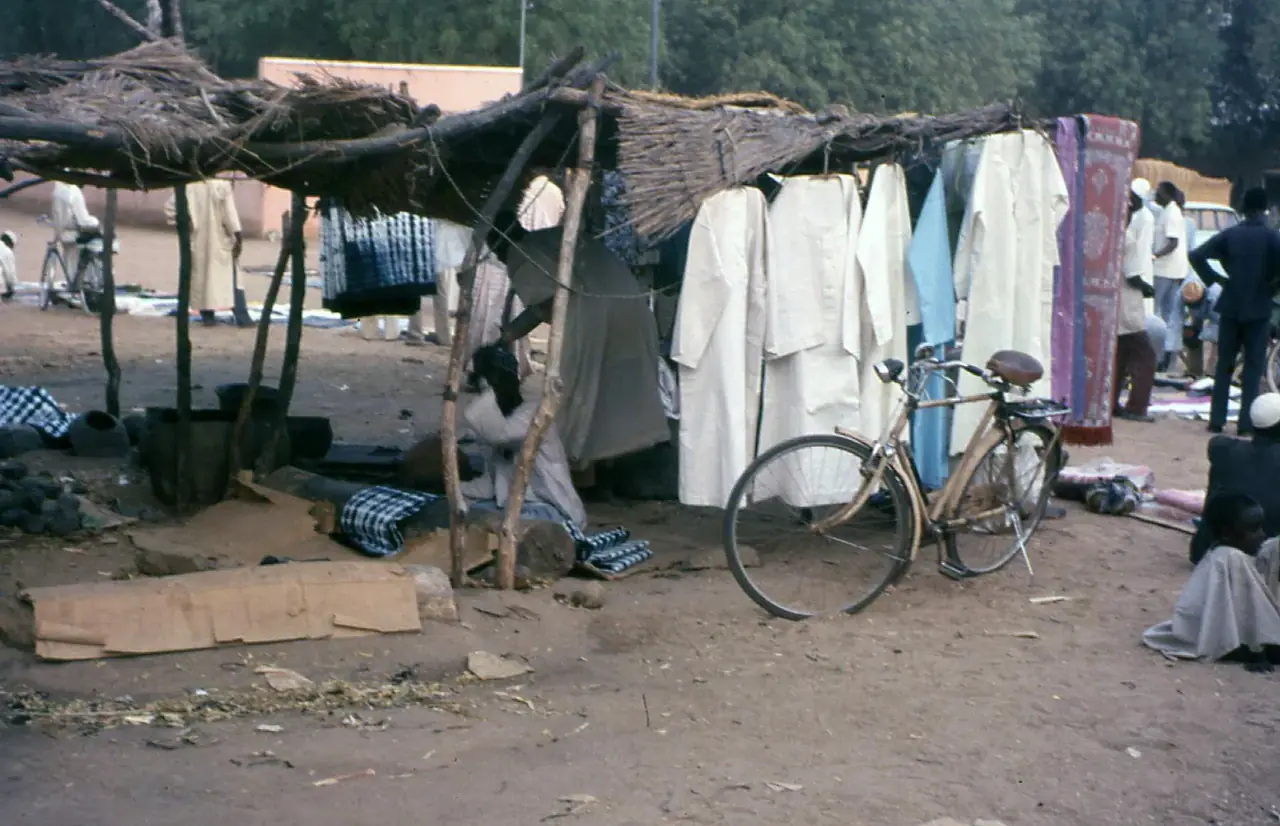
Find a fashion designer, a designer or a workshop by region and by speciality.
Fashion, catalogue and campaign photography to showcase a collection.
Choosing music and clearing its rights for a fashion show or a video.
Streetwear, graffiti and urban culture, sources of inspiration for young designers.
The competitions that reward fashion and design creators.
The shows where you can present, sell and meet buyers.
| Sector | What it produces | Materials and tools | Outlets |
|---|---|---|---|
| Ready-to-wear | Small-batch clothing | Cotton fabrics, wrappers, sewing machines | Shops, trade fairs, online sales |
| Made-to-measure tailoring | Ceremonial outfits | Brocades, lace, embroidery | Weddings, celebrations, institutions |
| Traditional textiles | Ndop, toghu, woven strips | Cotton, indigo, embroidery threads | Chiefdoms, collectors, export |
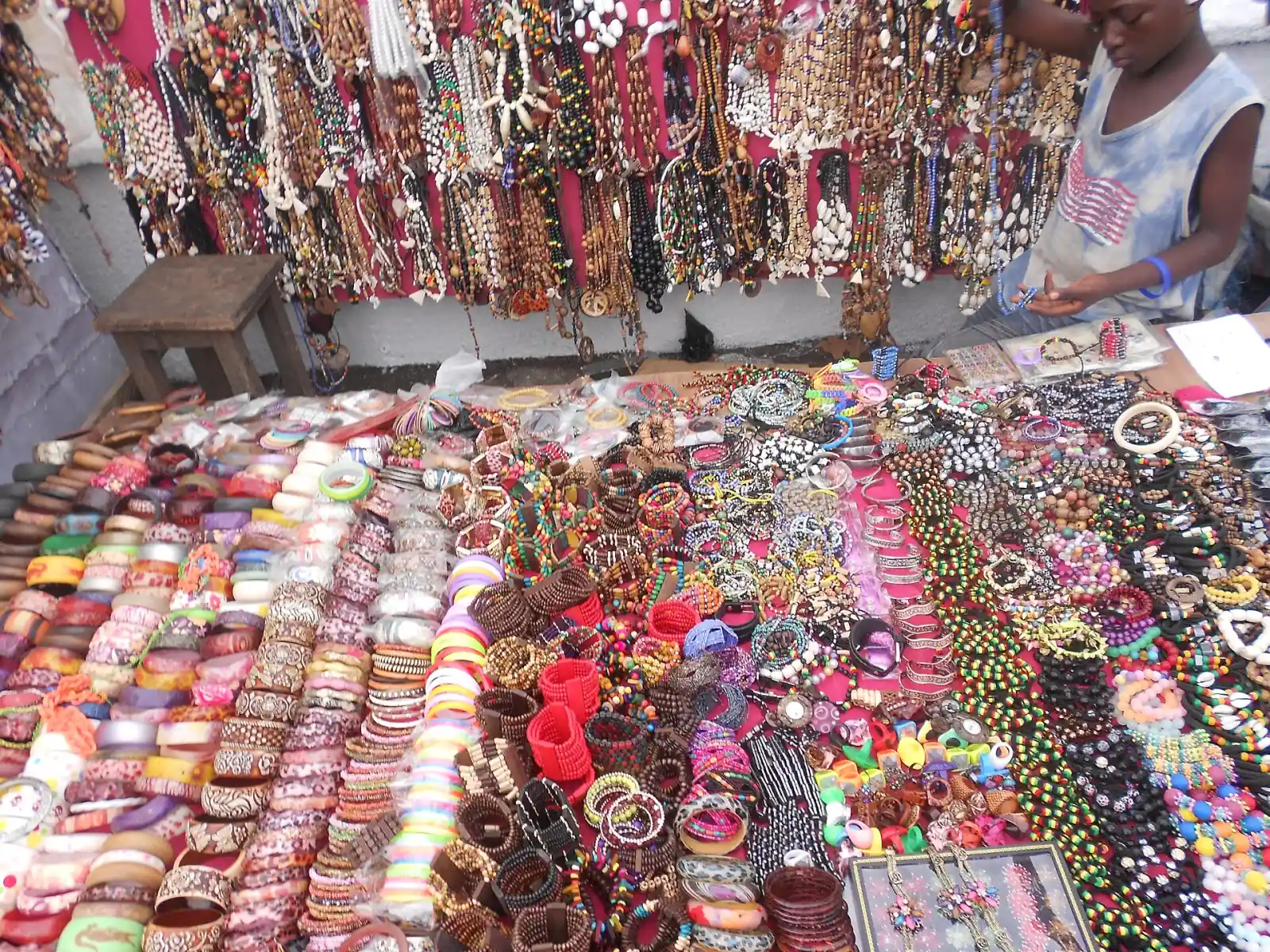
| Accessories | Bags, jewellery, shoes | Leather, beads, metal, raffia | Shops, art markets |
| Object design | Furniture, lighting, tableware | Wood, rattan, clay, recycled metal | Hotels, businesses, private individuals |
| Graphic design | Visual identities, posters | Drawing software, printing | Institutions, businesses, festivals |
| Scenography | Sets for fashion shows and exhibitions | Lightweight structures, lighting | Events, theatres, museums |
Yes. As soon as the show is open to the public, it constitutes a performance subject to authorisation. The application is submitted online to the One-Stop Shop with the programme, venue, date and security arrangements. Allow several weeks.
Yes, as original works: copyright arises from creation. Keep your dated sketches, technical sheets and photographs, and use the declaration of works to strengthen proof of your priority in the event of a dispute.
With a master tailor, at a vocational training centre, at a fashion design or applied arts school, or at university. The artistic education section and the page on training for cultural professions list the pathways.
Register your brand in the artists’ directory, take part in the fairs and events of the national calendar, take care over your collection photographs and keep an up-to-date catalogue. Social media usefully complement these steps.
Grants, support funds, patronage and incubation schemes exist. Each call has its own criteria. Prepare a budget, a schedule and a clear artistic file, then submit the application online.
Copyright protects your creations, while the brand name falls under industrial property. Enquire with the competent bodies and consult the intellectual property page for the useful procedures.
Yes. The association submits its articles of association to obtain approval, and can then apply for grants and organise events. This recognition facilitates relations with public and private partners.
Designers often work with weavers, dyers, embroiderers and leather workers. This collaboration promotes local know-how and opens markets to workshops; the page on artistic crafts presents the trades.
Describe your workshop, your collection or your event: your message is forwarded to the competent directorate.
Directorate of Shows and Creative Industries
Ministry of Arts and Culture
Quartier du Lac – Ministerial Zone
P.O. Box 1053 Yaoundé, Centre Region, Cameroon
Monday to Friday, 8 am to 4 pm
Submit your show authorisation application online and track it with your file number.