Coat of arms of CameroonMinistry of Arts
and Culture
Republic of Cameroon
My procedures
Home
Minister’s message
News
Press releases
Cultural calendar
Official speeches
Press review
Photo library
Video library
Calls for projects
Job vacancies
Public procurement
Newsletter
Frequently asked questions
Site map
Contact
Press area
Podcast “The Voice of Culture”
Legal notices
Privacy policy
Cookies and trackers
The Ministry
Missions and responsibilities
Organisation
Organisation chart
Minister’s Office (Cabinet)
Management team
General Secretariat
General Inspectorate
Central directorates
Regional Delegations
Institutions under supervision
Legislative texts
Regulatory texts
Sector strategy
Major projects
Budget and reports
Partners
Careers
Archives
Institutional communication
Quality and accessibility
Arts
Visual and plastic arts
Visual arts
Performing arts
Theatre
Dance
Music
Literature and books
Cinema and audiovisual
Photography
Fashion and design
Digital arts
Art crafts
Artists’ directory
Residencies
Prizes and awards
Arts education
Urban arts
Heritage
Tangible heritage
Intangible heritage
UNESCO sites
National museums
Listed monuments
National inventory
Palaces and chiefdoms
Archaeology
Linguistic heritage
Oral traditions
Traditional know-how
Restitution of cultural property
Fight against illicit trafficking
Listing and protection
Conservation and restoration
Heritage Days
Cultural landscapes
Industries
Music and recording
Cinema
Publishing and books
Digital arts
Fashion and creativity
Crafts
Cultural tourism
Funding for culture
Support funds
Incubators
Cultural entrepreneurship
Culture Observatory
Vocational training
Studies and reports
Sector statistics
Export and outreach
Intellectual property
Copyright
Legal framework
Copyright and neighbouring rights
Collective management societies
Register a work
Licences
Private copying
Fight against piracy
Model contracts
Social status of artists
Mediation
Disputes
Training
Fee scales
Register of works
Contact
Digital neighbouring rights
Public domain
Festivals
National calendar
Ngondo
Nguon
Écrans Noirs
Heritage Days
Music Day
Regional festivals
Fairs and exhibitions
Biennials
National competitions
Cultural days
Organise a festival
Event grants
Ticketing
Archives
Volunteering
Diaspora festivals
Regions
Adamawa
Centre
East
Far North
Littoral
North
North-West
West
South
South-West
Cultural map
Regional Delegations
Traditional chiefdoms
National languages
Cultural routes
Decentralised cooperation
Regional observatory
Cooperation
UNESCO
Francophonie (OIF)
African Union
Commonwealth
CEMAC
Bilateral cooperation
Cultural agreements
Professional organisations
Scholarships
Artist exchanges
Cultural years
Diaspora
Funded projects
Embassies
Technical partners
International restitution
International monitoring and calls
Services
Artist card
Show authorisation
Filming authorisation
Festival authorisation
Deposit of a work
Export of works of art
Listing of a property
Grant application
Association accreditation
File tracking
Forms
Fees
Opening hours and addresses
Reporting
Online help
My account
One-Stop Shop
Home

Video library

Reports, interviews, webinars and official channel: the video library brings together fourteen real videos from the WebTV of the Ministry of Arts and Culture, with the rules for sharing and distribution.

Updated on 5 November 20264 sub-pages
WebTV videos14
Formats offered4
Official channelYouTube
Subtitle languageFrench
Video library

Culture in moving images

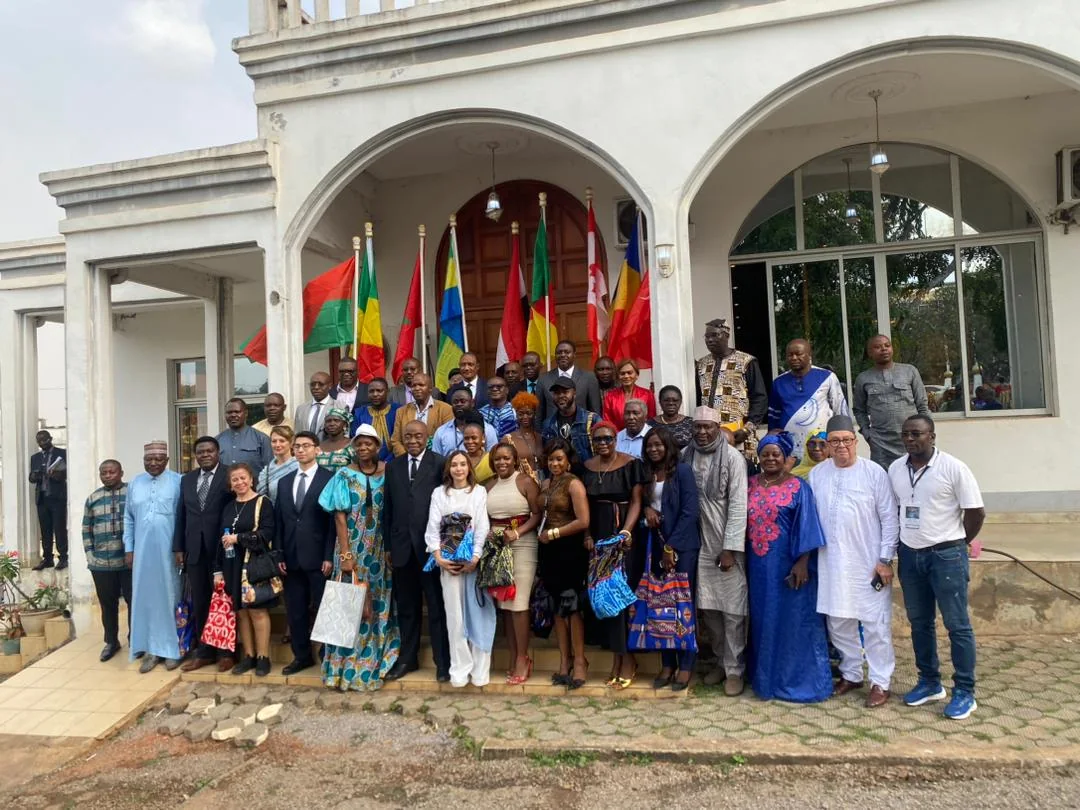
Participants in an international meeting in front of the flags, on the Ministry steps

The video library gathers the videos of the WebTV of the Ministry of Arts and Culture: installation ceremonies, conferences, audiences, tributes, sessions of governing bodies, fairs and meetings. They are published on the official channel @artsetculturelofficiel and presented here with their title, their thumbnail and their viewing link.

The page explains the four main formats offered, how to use and share them, and the rules on distribution and rights. It is best read together with the photo library, the news and the podcast, which tell the story of the same events in other forms.

  • Fourteen real videos from the Ministry’s WebTV
  • Four formats: reports, interviews, webinars, channel
  • Clear rules for sharing and citation
See the reports
Watch by theme

Video by area of interest

In the field

The reports of the WebTV: ceremonies, fairs and sessions

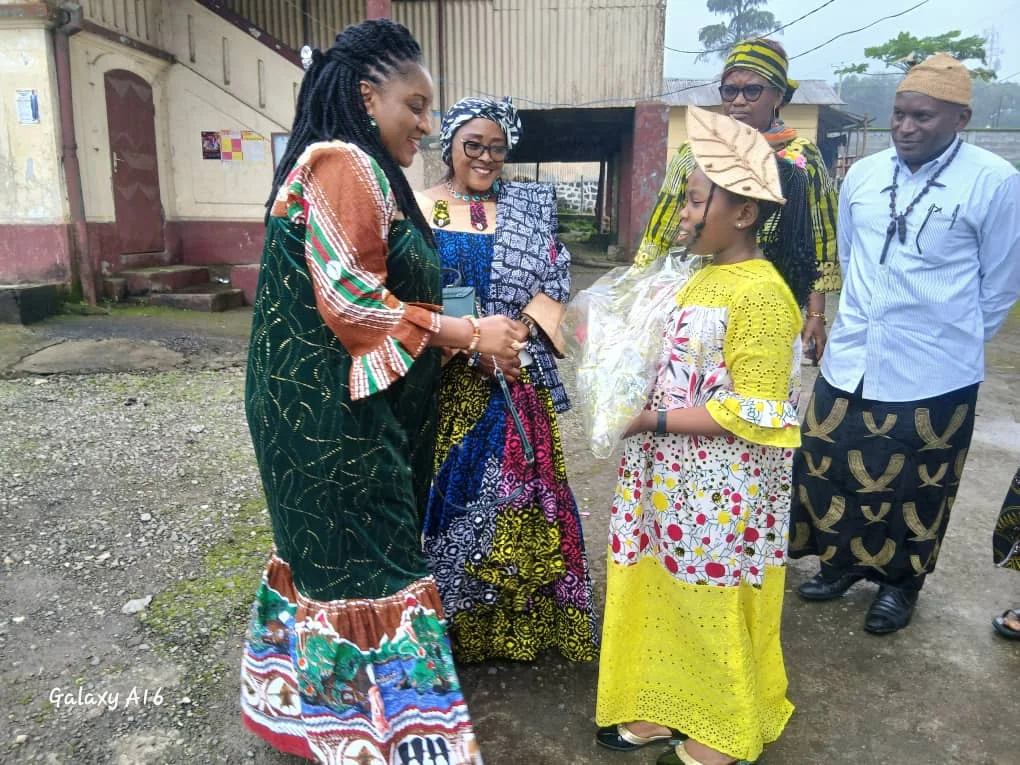
Two women in colourful outfits welcome a girl in a yellow dress who is handing them a bouquet in a courtyard.

The report is the most common format in the video library. It follows an event from beginning to end or picks out its key moments: the installation of new officials, a conference on civic behaviour, a tribute ceremony, a board session, the Ministry’s participation in an international book fair.

Subjects covered

  • Institutional life: installations, sessions of the governing bodies of the National Ensemble and other institutions;
  • Cooperation: meetings with embassies, including that of the partnership with France, presented in the bilateral cooperation section;
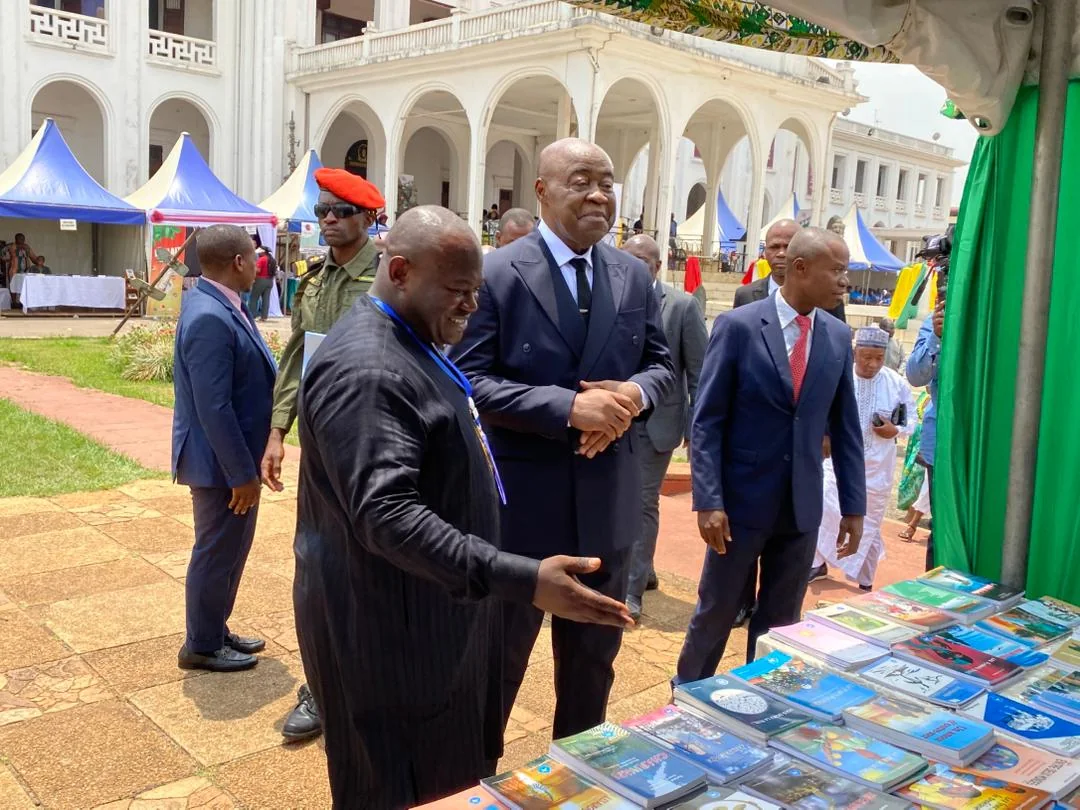
  • Creative industries: the Ministry’s presence at the Yaoundé book fair, also relayed by the publishing and books page;
  • Heritage: the fiftieth anniversary of the 1972 UNESCO Convention, see UNESCO.

Length and structure

A report lasts from three to ten minutes. It includes an introduction, footage of the event, one or two speeches and a conclusion. Sequences are edited to be understood without commentary, with intertitles where useful. The longest ceremonies are published in full, the others in a short version.

Suggest a report

Festival or fair organisers may request coverage of their event by the WebTV, by sending the programme at least two weeks before the date, as provided on the Organising a festival page.

ℹ️
Full versions and extracts

Ceremonies are published in full when their length allows, and as extracts for events lasting several hours.

Meetings and ceremonies

Interviews, ceremonies and working sessions

Voices of those involved

The interviews: conversations with officials and artists

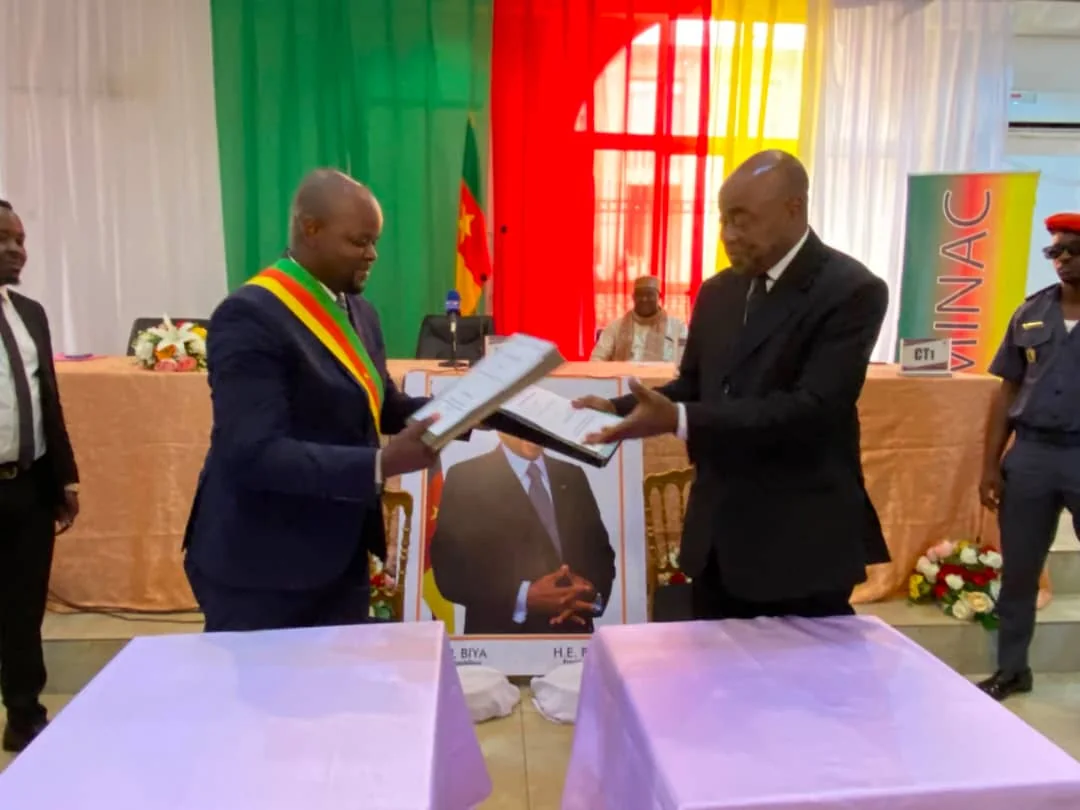
Signing of an agreement in front of the portrait of the Head of State

The interview gives a voice to those who make culture: officials of the institution, fair organisers, artists, researchers. It takes the form of a filmed conversation in a fixed shot, sometimes interspersed with illustrative footage. The video library offers several, including the interview with an organiser of the Yaoundé international book industry fair and the testimony of a Ministry representative at the twenty-second anniversary of a partner institution.

How an interview runs

An interview lasts from five to twelve minutes. The questions are prepared in advance with the guest and the host makes sure the answers remain concrete: a project, a figure, an experience. No answer is cut in a way that changes its meaning.

Interviewing or being interviewed

  • an artist or organiser may propose a subject to the communication unit;
  • the team checks the public interest, the availability of the room and the guest’s rights;
  • a recording agreement is signed before filming;
  • the video is viewed by the guest before it is put online.

The interviews complement the articles of the press review and the episodes of the podcast. Artists who wish to be featured can also register in the artists’ directory.

ℹ️
Right to preview

The guest may ask to re-read or re-view their interview before broadcast; the final decision rests with the editorial team.

To act

Using the video library

Share

Copy the video’s link and cite the official channel rather than republishing the file.

See the channel

Suggest a topic

An event to film, a person to interview: write to the communication unit.

Submit

Request filming

Festival organisers may request coverage of their event.

Organise a festival

Use an extract

For a film, documentary or programme, ask for the Ministry’s permission.

Copyright
Online

The Ministry’s webinars: training and information sessions

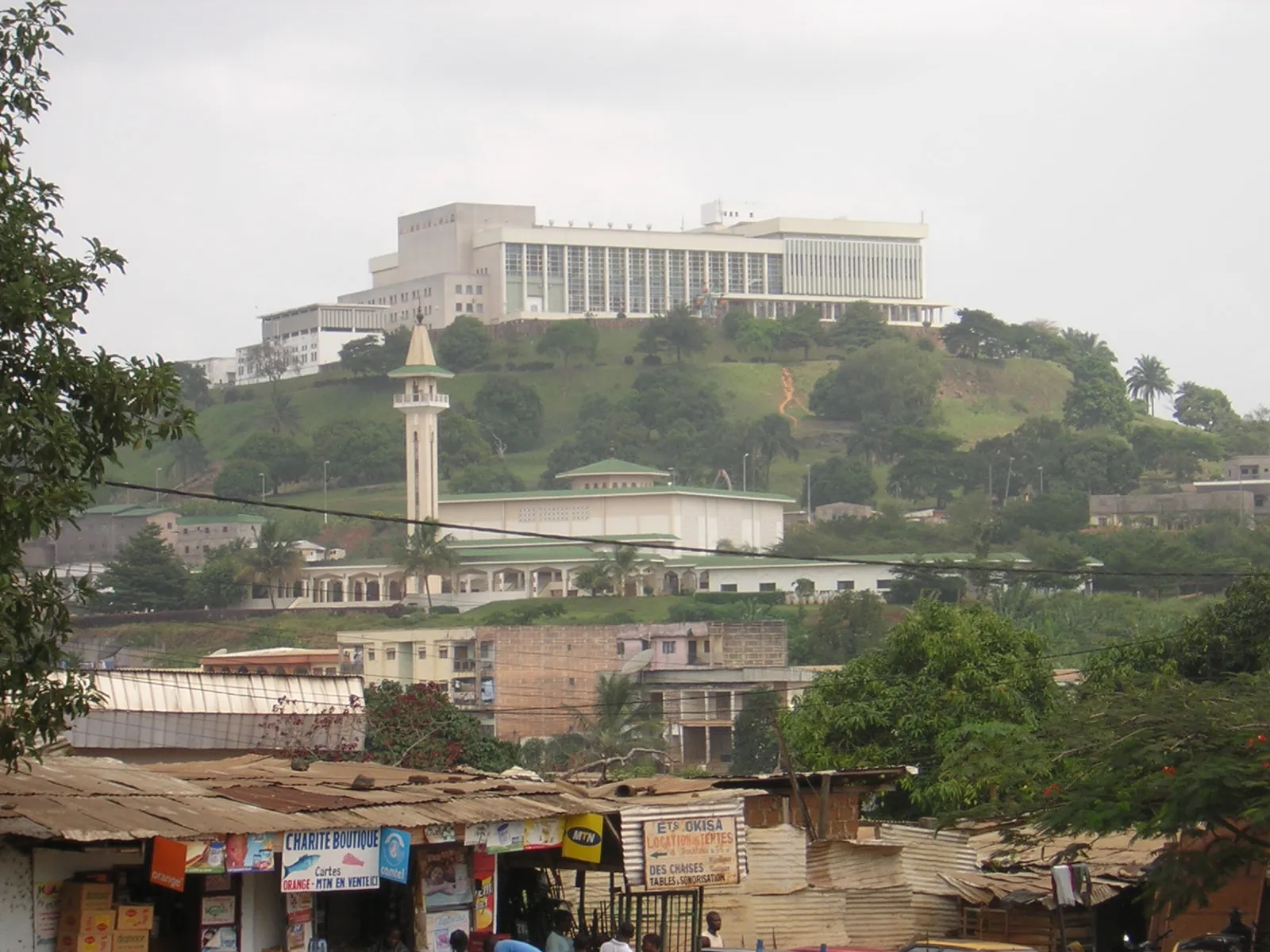
Yaoundé Conference Centre on its hilltop above the city districts

Webinars are online sessions, led by officials of the competent directorates, which answer the questions users ask. They cover Guichet unique procedures, the declaration of works, the funding of cultural projects, the preparation of a grant application or the creation of a cultural enterprise.

The principle

Each session lasts between forty-five minutes and an hour and a half. It begins with a presentation of about twenty minutes, continues with an on-screen demonstration, then makes room for questions sent in advance or asked during the session. Participants then receive a written summary and the link to the recording.

Registering and taking part

Registration is done online with a valid e-mail address. The connection link is sent the day before. A modest connection is enough: sessions are designed to work with low bandwidth, and recordings are available as audio only for those with a limited connection. The calendar of sessions is in the schedule below.

ℹ️
Accessibility

Presentation materials are provided as text documents; a transcript is available for deaf or hard-of-hearing people.

Upcoming sessions

The webinar calendar

Official channel

The Ministry’s channel: where and how to watch

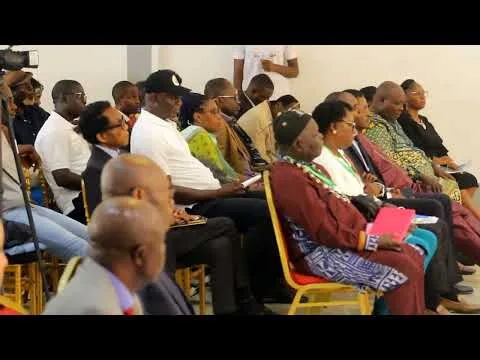
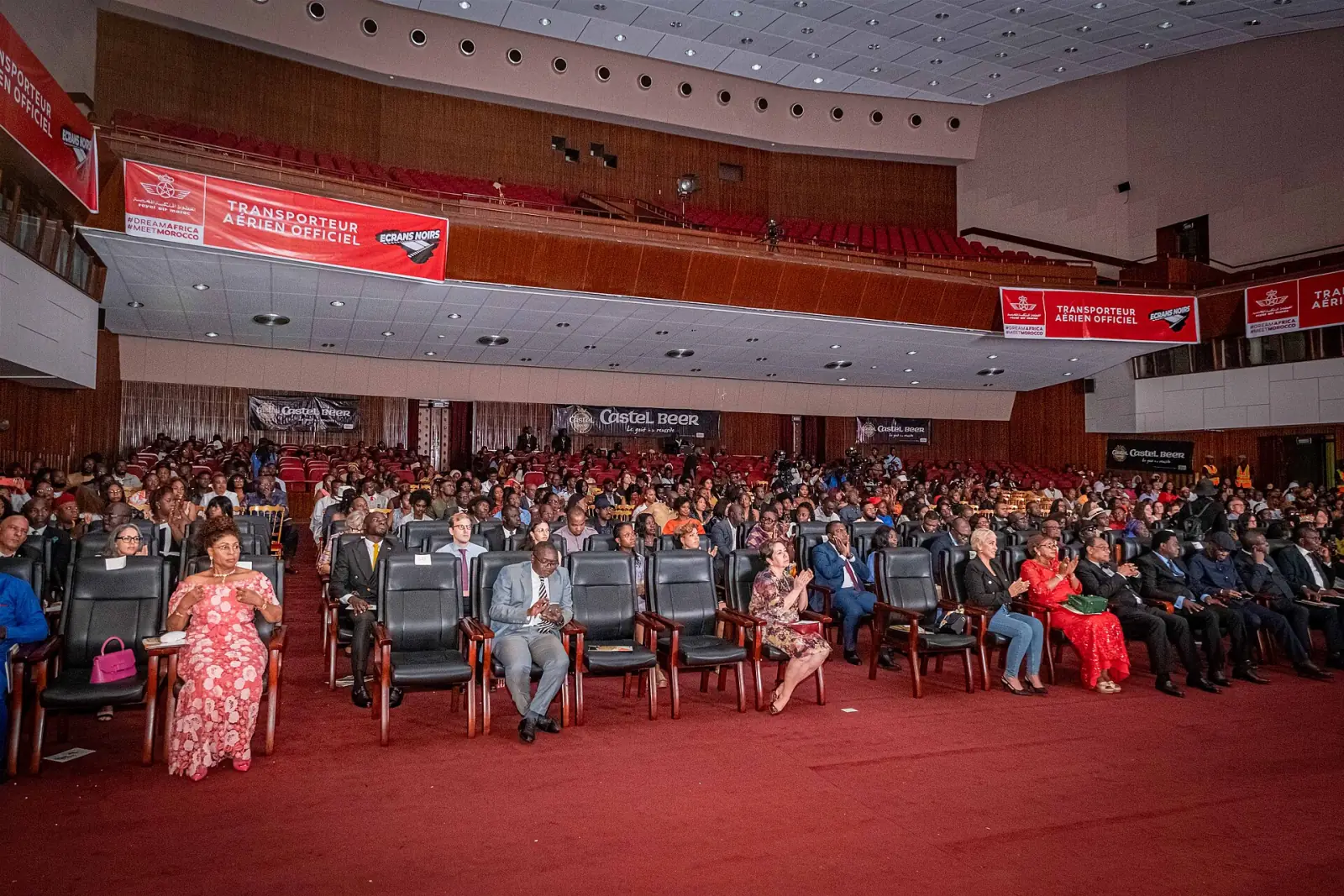
Official audience seated in a large red hall at the opening ceremony of a film festival

The Ministry’s official YouTube channel, @artsetculturelofficiel, brings together the whole WebTV. This is where videos are published first; the site’s video library reproduces the selection with sharing links. Only this channel is an official source: beware of copies circulated on unidentified accounts.

Subscribe and be notified

By subscribing to the channel and turning on the notification bell, you receive a message for each new video. The newsletter also flags major content, and the site offers an agenda of filmed events.

Sharing a video

  • use the video’s link, without downloading or republishing it;
  • cite the title and the channel;
  • do not cut an extract to the point of changing its meaning;
  • for commercial use or television broadcast, ask for the Ministry’s permission.

Broadcasting rights

The WebTV videos belong to the Ministry. People filmed at public events are informed of the recording; for interviews, a written agreement is signed. Rights over music, archive footage and cited documents are checked before each publication, in accordance with the copyright and neighbouring rights page.

ℹ️
Subtitles

The videos are offered in French; English subtitles are added for content aimed at foreign partners.

Step by step

From camera to channel

Programming

The communication unit draws up the filming schedule from the ministerial agenda and the requests of the directorates.

Filming

A small team films the ceremony or interview, records the sound and collects the authorisations of the people interviewed.

Editing

The film is edited, colour-graded, subtitled and titled in line with the Ministry’s graphic charter.

Validation

The Minister’s Office (Cabinet) views sensitive content and the directorate concerned checks the information before it goes online.

Publication

The video is published on the channel, added to the video library and relayed by the news and social networks.

History

The WebTV over time

LaunchA channel for the Ministry

The WebTV was created to offer a direct channel of information on the Ministry’s ceremonies and events.

First seriesInstallations and audiences

The first films show institutional life: installations, audiences and working sessions.

Creative industriesBook fair

The WebTV follows the Yaoundé international book industry fair and records the words of the organisers.

HeritageAnniversary of the Convention

The fiftieth anniversary of the 1972 UNESCO Convention gives rise to a reference video.

TributesRecognition of staff

Several tribute ceremonies for staff members are filmed and broadcast on the channel.

TodayA catalogue of fourteen videos

The video library gathers the channel’s films and is preparing new thematic series.

Returns

They watch the WebTV

“
I follow installations and live sessions from another region: the video spares me travel and keeps me informed of the Ministry’s work.
An official of a regional delegation
North
“
For my course, I use the films on the book fair: they show how a sector is structured and give a voice to professionals.
A literature teacher
Yaoundé
“
The webinar recordings serve as training material for new members of the association.
A president of a cultural association
West
“
From abroad, the channel is a simple way to follow Cameroonian culture and to pass links on to my partners.
A member of the diaspora
Europe
To download

Video library documents

WebTV

The latest videos

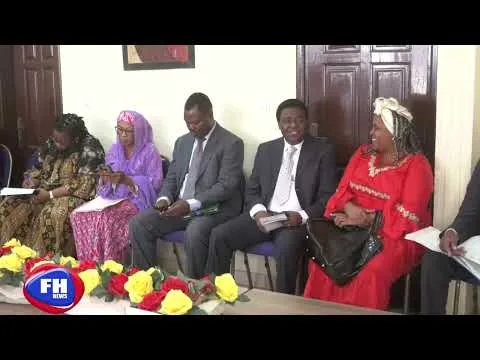
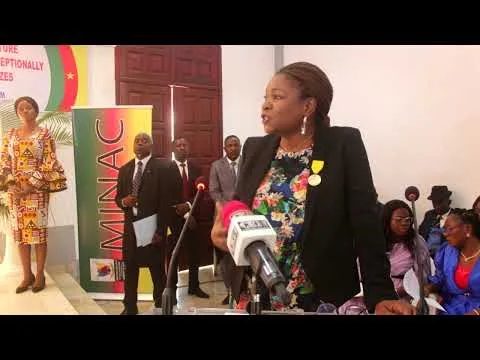
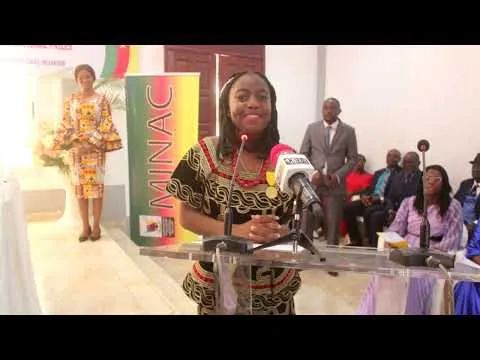
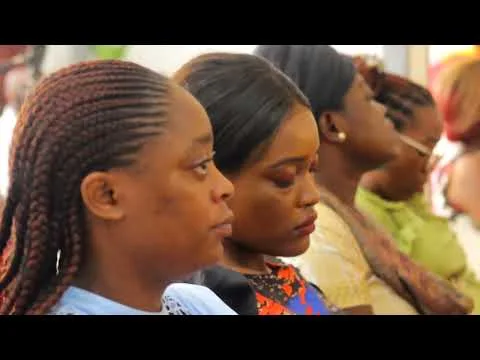
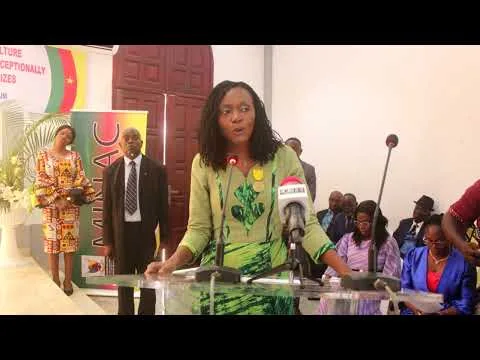
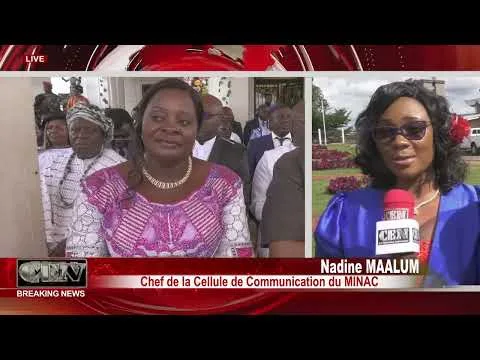
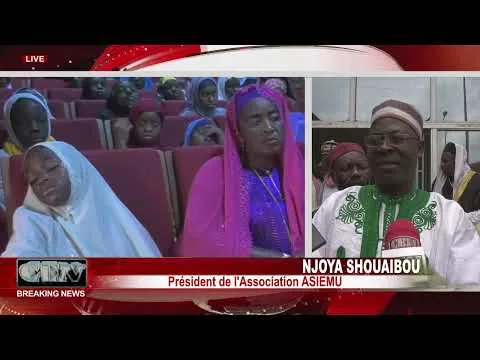
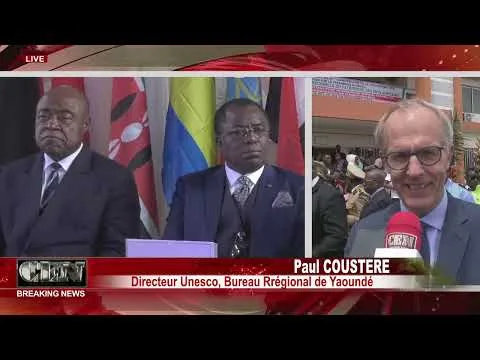
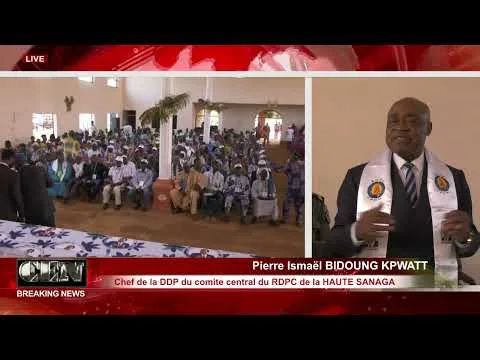
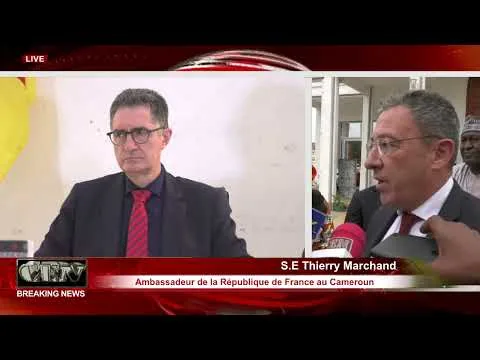
The latest publications from the WebTV of the Ministry of Arts and Culture: installations of officials, conferences, the anniversary of the 1972 UNESCO Convention and cooperation with embassies. Each thumbnail opens the video on the official channel @artsetculturelofficiel, where it can be shared by its link.

Glossary

The vocabulary of video

WebTV

A television channel broadcast over the internet.

Full version

The complete version of a ceremony or conference, without cuts.

Excerpt

A short sequence taken from a longer film or recording.

Replay

A recording of a live session, viewable afterwards.

Webinar

An online seminar with presentation and questions.

Subtitling

Text displayed on screen that transcribes or translates speech.

Recording

The recording of a live event by a camera.

Rushes

Raw footage recorded before editing.

Fixed shot

A shot without camera movement, often used for interviews.

Thumbnail

A small image representing a video in a list.

On the site

Continue watching

Resources

Useful links for video

Stakeholders

Who makes the WebTV?

Formats

The video library formats in one table

FormatTypical durationContentWhere to find it
Report3 to 10 minutesCeremony, fair, working sessionVideo library and channel
Full version10 to 60 minutesComplete ceremony or conferenceOfficial channel
Interview5 to 12 minutesInterview with a cultural figureVideo library, podcast
Webinar45 to 90 minutesOnline training or informationAgenda, channel
Tribute5 to 15 minutesCeremony in honour of a staff memberOfficial channel
Message1 to 3 minutesGreetings, announcement, important reminderSocial networks, website
Questions

Your questions about the video library

Where can I watch the Ministry’s videos?

On the official channel @artsetculturelofficiel and in the site’s video library, which reproduces its selection. Each thumbnail links directly to the video, with its title and format.

May I download a video?

Downloading is not offered. Share the video’s link instead. For a particular use, such as a film or a public screening, send a request to the service stating the context and the duration of use.

Are the videos subtitled?

The videos are in French. Content intended for foreign partners may receive English subtitles. For a deaf or hard-of-hearing person, a transcript is available on request.

How do I request coverage of my event?

Send the programme, the venue and the on-site contact at least two weeks before the date. The communication unit assesses the institutional interest and the team’s availability, then replies to you in writing.

How do I take part in a webinar?

Register online with a valid e-mail address; the connection link is sent to you the day before. Sessions are recorded, and the replay is available to registered participants for several weeks.

May I use an extract in a documentary?

Yes, with the Ministry’s written permission. State the length of the extract, the film concerned, the place of broadcast and the duration of use. An agreement then sets the conditions for credit and distribution.

Who holds the rights to the videos?

The Ministry holds the rights to the WebTV films. Rights to music, archive footage and cited works are checked before publication. People filmed in interviews sign an authorisation.

A video shows me: may I request its removal?

Yes. Write to the service with the address of the video and your reasons. The service examines the request, discusses solutions with you, such as blurring or removal, and replies within a few days.

How do I suggest a subject or an interview?

Write to the communication unit describing the subject, its interest for the public, and the possible date and place. The request is examined by the editorial team, which will contact you to prepare the recording.

Contact

A question about a video?

State the title of the video or the proposed subject: your message will be forwarded to the communication unit.

Competent service

Contact the Ministry’s WebTV

Address

Communication Unit – WebTV
Ministry of Arts and Culture
Quartier du Lac – Ministerial Zone
P.O. Box 1053 Yaoundé, Centre Region, Cameroon

Reach us

+237 6 51 70 58 41

contact@minac.gov.cm

Opening hours

Monday to Friday, 8 am to 4 pm

A subject to film?

Describe your event or idea: the communication unit will reply with the arrangements.

Write to the WebTV
WhatsApp