Coat of arms of CameroonMinistry of Arts
and Culture
Republic of Cameroon
My procedures
Home
Minister’s message
News
Press releases
Cultural calendar
Official speeches
Press review
Photo library
Video library
Calls for projects
Job vacancies
Public procurement
Newsletter
Frequently asked questions
Site map
Contact
Press area
Podcast “The Voice of Culture”
Legal notices
Privacy policy
Cookies and trackers
The Ministry
Missions and responsibilities
Organisation
Organisation chart
Minister’s Office (Cabinet)
Management team
General Secretariat
General Inspectorate
Central directorates
Regional Delegations
Institutions under supervision
Legislative texts
Regulatory texts
Sector strategy
Major projects
Budget and reports
Partners
Careers
Archives
Institutional communication
Quality and accessibility
Arts
Visual and plastic arts
Visual arts
Performing arts
Theatre
Dance
Music
Literature and books
Cinema and audiovisual
Photography
Fashion and design
Digital arts
Art crafts
Artists’ directory
Residencies
Prizes and awards
Arts education
Urban arts
Heritage
Tangible heritage
Intangible heritage
UNESCO sites
National museums
Listed monuments
National inventory
Palaces and chiefdoms
Archaeology
Linguistic heritage
Oral traditions
Traditional know-how
Restitution of cultural property
Fight against illicit trafficking
Listing and protection
Conservation and restoration
Heritage Days
Cultural landscapes
Industries
Music and recording
Cinema
Publishing and books
Digital arts
Fashion and creativity
Crafts
Cultural tourism
Funding for culture
Support funds
Incubators
Cultural entrepreneurship
Culture Observatory
Vocational training
Studies and reports
Sector statistics
Export and outreach
Intellectual property
Copyright
Legal framework
Copyright and neighbouring rights
Collective management societies
Register a work
Licences
Private copying
Fight against piracy
Model contracts
Social status of artists
Mediation
Disputes
Training
Fee scales
Register of works
Contact
Digital neighbouring rights
Public domain
Festivals
National calendar
Ngondo
Nguon
Écrans Noirs
Heritage Days
Music Day
Regional festivals
Fairs and exhibitions
Biennials
National competitions
Cultural days
Organise a festival
Event grants
Ticketing
Archives
Volunteering
Diaspora festivals
Regions
Adamawa
Centre
East
Far North
Littoral
North
North-West
West
South
South-West
Cultural map
Regional Delegations
Traditional chiefdoms
National languages
Cultural routes
Decentralised cooperation
Regional observatory
Cooperation
UNESCO
Francophonie (OIF)
African Union
Commonwealth
CEMAC
Bilateral cooperation
Cultural agreements
Professional organisations
Scholarships
Artist exchanges
Cultural years
Diaspora
Funded projects
Embassies
Technical partners
International restitution
International monitoring and calls
Services
Artist card
Show authorisation
Filming authorisation
Festival authorisation
Deposit of a work
Export of works of art
Listing of a property
Grant application
Association accreditation
File tracking
Forms
Fees
Opening hours and addresses
Reporting
Online help
My account
One-Stop Shop
Industries

Fashion and creativity

Trademarks, fairs, training and export: the value chain of Cameroonian fashion, its professions, its business models and the support offered to designers, from trademark registration to sales abroad.

Updated on 6 November 20264 sub-pages
Links in the chain6
Professions listed14
Fairs and shows per year12
Strategic frameworkNDS30
Fashion and creativity

Create, produce and export

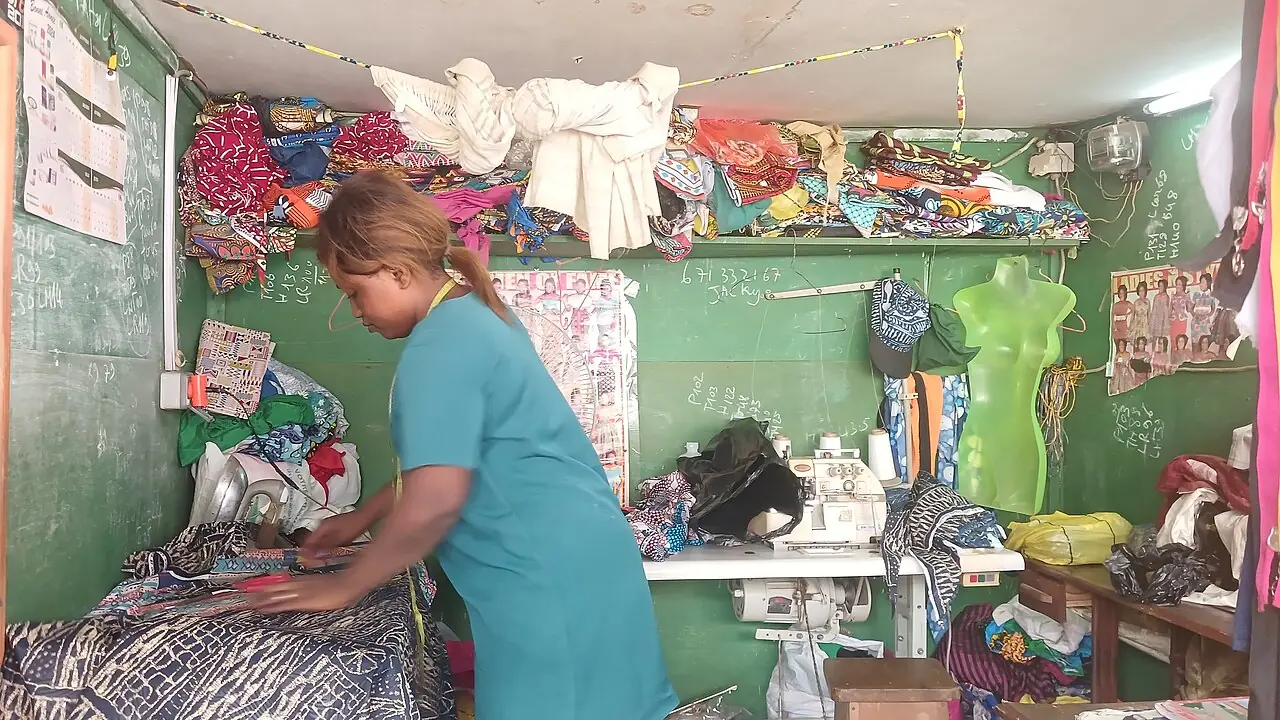
Seamstress in her fashion workshop with colourful fabrics

From the woven pagne of the Grassfields to embroidered ceremonial dresses, from the sewing workshops of working-class neighbourhoods to the fashion studios of the large cities, Cameroonian fashion is both a living heritage and an industry under construction. Design and creative services are among the integrated development sectors of NDS30: the State sees in them a source of jobs for young people, women and craftspeople.

This page describes the value chain of clothing and textile creation, the professions that make it up, the business models of fashion houses, sales channels, the protection of trademarks and designs, training and export routes. It refers to the procedures of the One-Stop Shop and the funding of culture schemes.

  • A value chain described from fibre to shopfront
  • Trademarks and designs protected with OAPI
  • Fairs, training and relays for export
Starting with trademarks
Brands

The protection of fashion trademarks

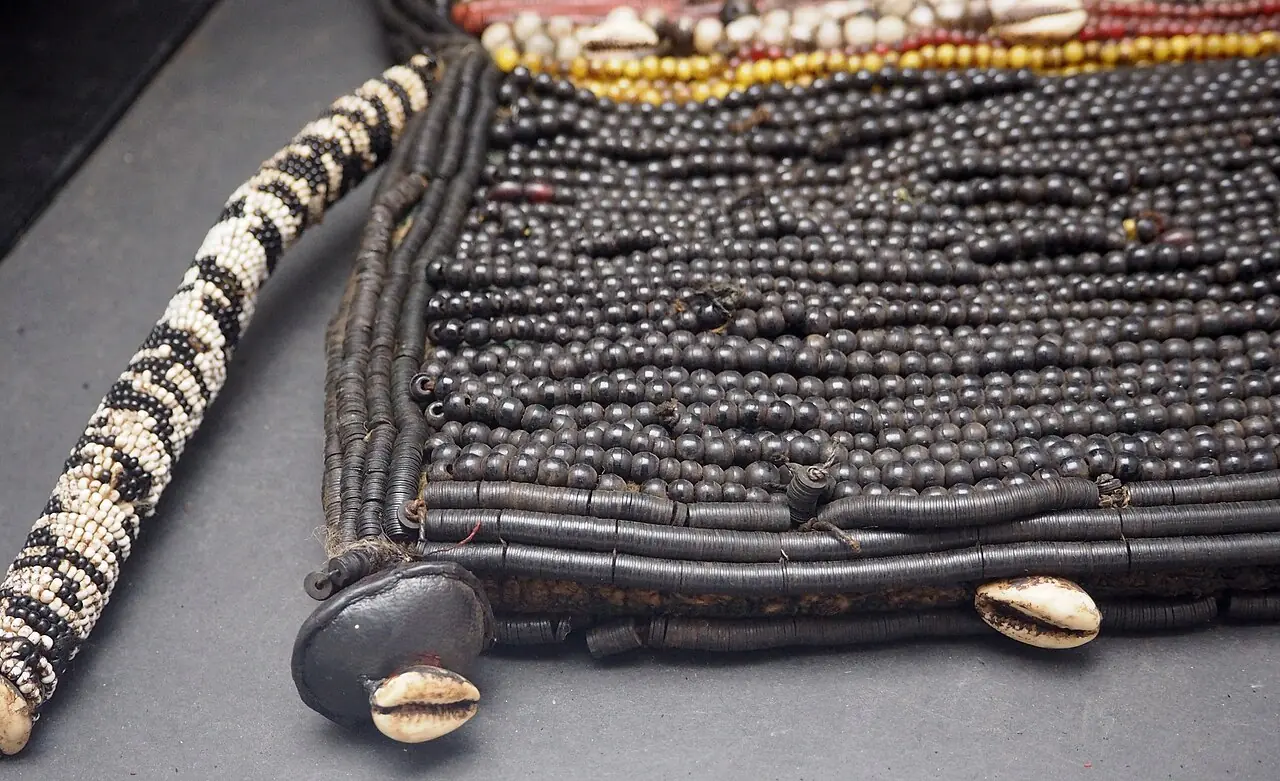
Detail of a Bamileke piece embroidered with beads and cowrie shells

A fashion house lives first of all on its name, its logo and the visual identity that makes its garments recognisable. In Cameroon, as in the other member States of the African Intellectual Property Organisation (OAPI), a trademark is registered with this regional body: a single filing gives protection across the whole territory of the member countries. The filing can be prepared with the help of the Ministry, which directs designers to the right contacts; see the intellectual property page.

Trademark, design, copyright: three complementary protections

The trademark protects the name and the sign; the industrial design protects the appearance of a garment, a printed fabric or an accessory; copyright protects the original work constituted by a pattern, an illustration or a collection photograph, without any compulsory formality. The wise designer combines all three, and declares their creations in the register of works to date their priority.
Mistakes to avoid

  • Choosing a name without checking that it is not already registered in the same class of products;
  • Entrusting production to a subcontractor without a contract stating that the patterns and motifs remain the property of the designer;
  • Revealing a collection on social media before the designs have been protected;
  • Forgetting to renew the trademark when it expires.

In the event of copying, the designer can turn to mediation before bringing litigation. Model assignment and licence agreements are included in the model contracts.

ℹ️
Collective mark

Several dressmakers from the same neighbourhood or cooperative can file a collective trademark and share the filing cost. Enquire at the regional delegation.

Fairs

Fairs and fashion shows

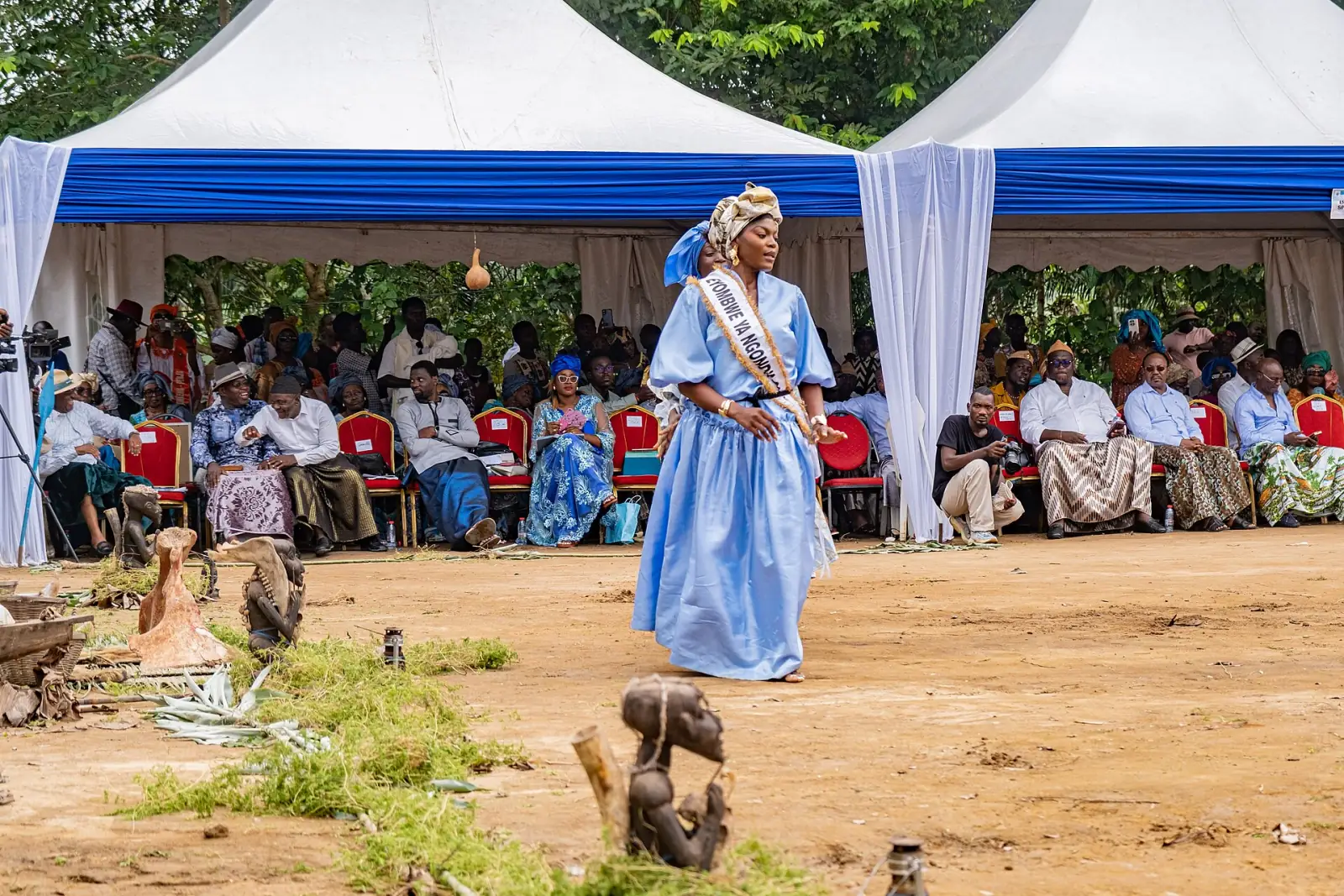
Candidate in a blue gown walking before the audience at the Miss Ngondo contest in Douala

Fashion shows, trade fairs, pop-up sales and fashion weeks are the showcases where a collection meets its buyers. A fashion show is a public performance: as such, it falls under the performance authorisation regime, and a commercial fair open to the public follows the festival authorisation procedure when it includes entertainment. Organisers submit their application online several weeks before the date, with the programme, the venue and the safety plan.

Four complementary formats

  • The collection show, which creates the event and feeds the press;
  • The trade fair, where designers meet shops, resellers, hotels and institutional buyers;
  • The designers’ market, direct sales to the public in cultural centres;
  • The show-performance, combined with a dance piece, a concert or a festival.

Making a success of your presence

A collection is prepared six months in advance: sample pieces, catalogue photographs, a technical sheet with sizes and wholesale prices, delivery conditions. The general fairs listed in the fairs and trade shows section accept designers’ stands, and the national calendar helps identify the events of the season. Models, hairdressers and make-up artists hired for a show benefit from the guarantees of the social status of the artist when they act as performers.

ℹ️
Ticketing and safety

A paid fashion show requires declared ticketing and respected capacity limits: consult the rules on ticketing.

Training

The training of designers

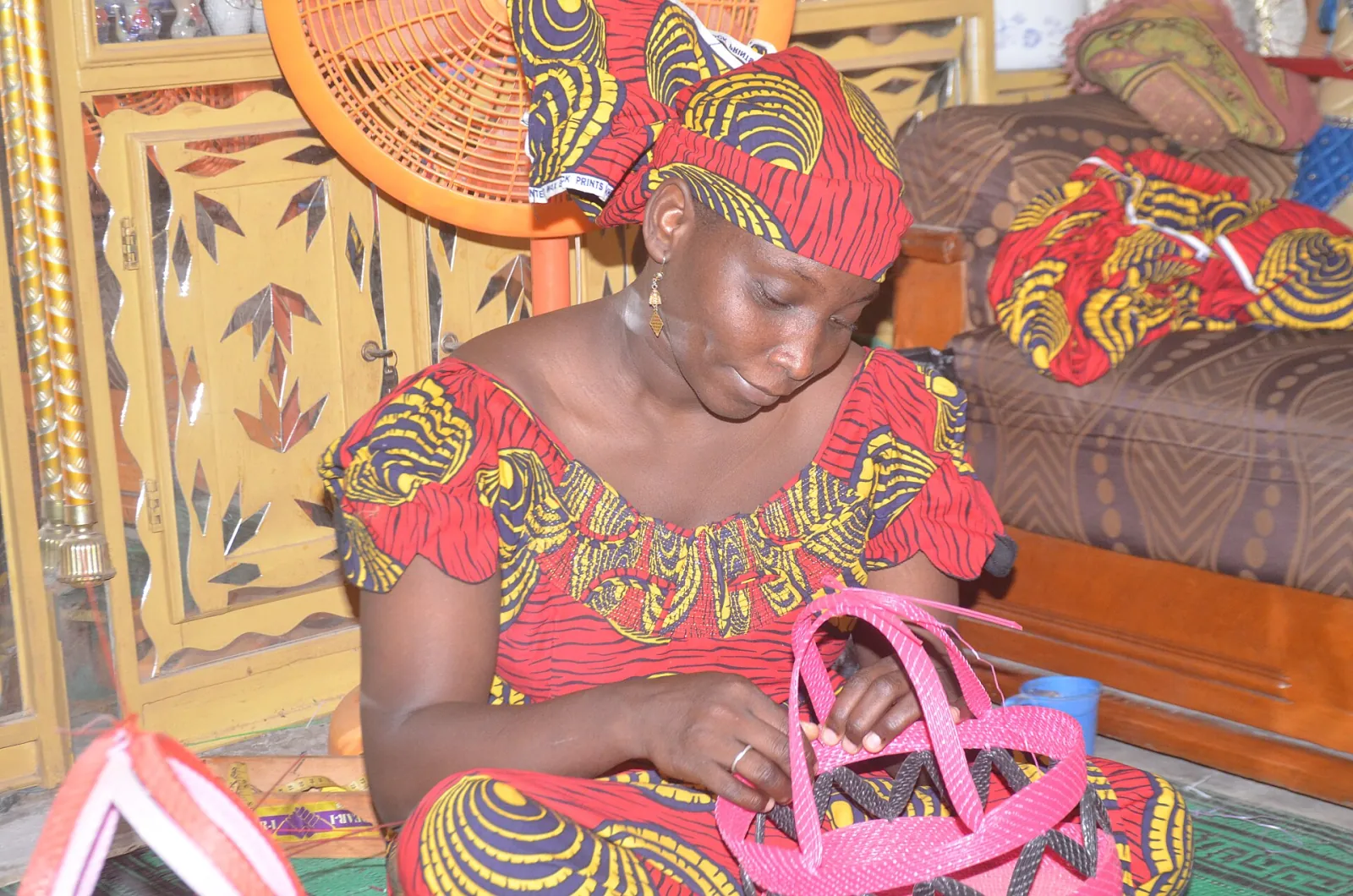
Woman in wax-print clothes weaving a pink bag in a living room

The profession of fashion designer-pattern maker is learned today in three ways: apprenticeship with a dressmaker or tailor, which remains the entry point for the majority of professionals; schools and vocational training centres, which award diplomas in fashion design, pattern making and garment manufacturing; and internships or residencies in partner workshops. The overview of courses is presented on the professional training page, and arts education prepares the youngest for creation.

Skills to acquire

Beyond fashion drawing, a designer must master pattern making and cutting, knowledge of fibres and dyes, workshop management, cost price calculation, product photography and online selling. The most useful training combines a technical core and an entrepreneurship module.

Upskilling during your career

  • Advanced workshops in embroidery, indigo dyeing and weaving;
  • Project management sessions offered with the incubators;
  • Mobility grants to follow an internship abroad, presented in the scholarships section;
  • Meetings between designers and master craftspeople around traditional know-how.

Young graduates can submit a business project under the cultural entrepreneurship scheme.

Export

The export of Cameroonian fashion

Yellow car-carrier ship at the quayside in front of the gantry cranes of Douala port

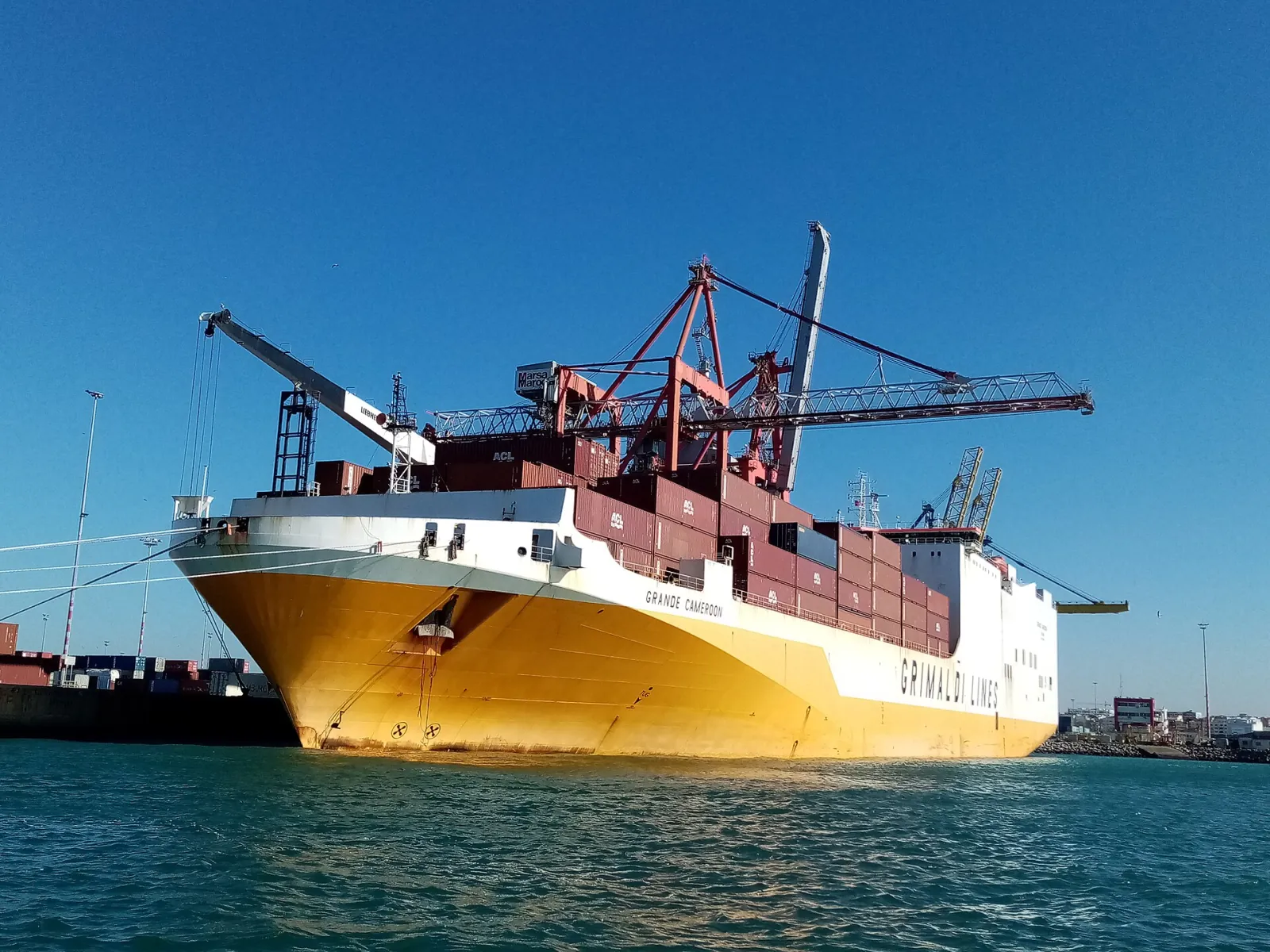
Exporting a collection cannot be improvised: it requires a consistent product, regular production capacity, customs documents in order and an identified sales channel. Designers generally start with the neighbouring CEMAC and West African markets, where demand for ceremonial outfits in African fabrics is strong, before targeting the diaspora in Europe and North America, which is very attached to pieces that tell the story of a territory.

Preparing a shipment

Every shipment requires a detailed invoice, suitable packaging, insurance and, depending on the destination, a certificate of origin. Pieces that incorporate heritage elements (old beads, ritual fabrics) may fall under the rules on the export of works of art; if in doubt, ask the One-Stop Shop.

Export relays

  • Participation in foreign fairs under the missions described on the export and outreach page;
  • Cultural agreements and cooperation agreements that facilitate exchanges;
  • Diaspora networks, sales and communication relays;
  • Online sales, via platforms or a brand website, with carefully taken photographs and reliable delivery.

For sector figures, consult the statistics and the culture observatory.

ℹ️
Artist visas

Designers who accompany their collection abroad can find out about travel formalities from the competent directorate.

Value chain

From fibre to shopfront: the fashion chain

Weaver in a robe working at a large wooden loom set up in a courtyard

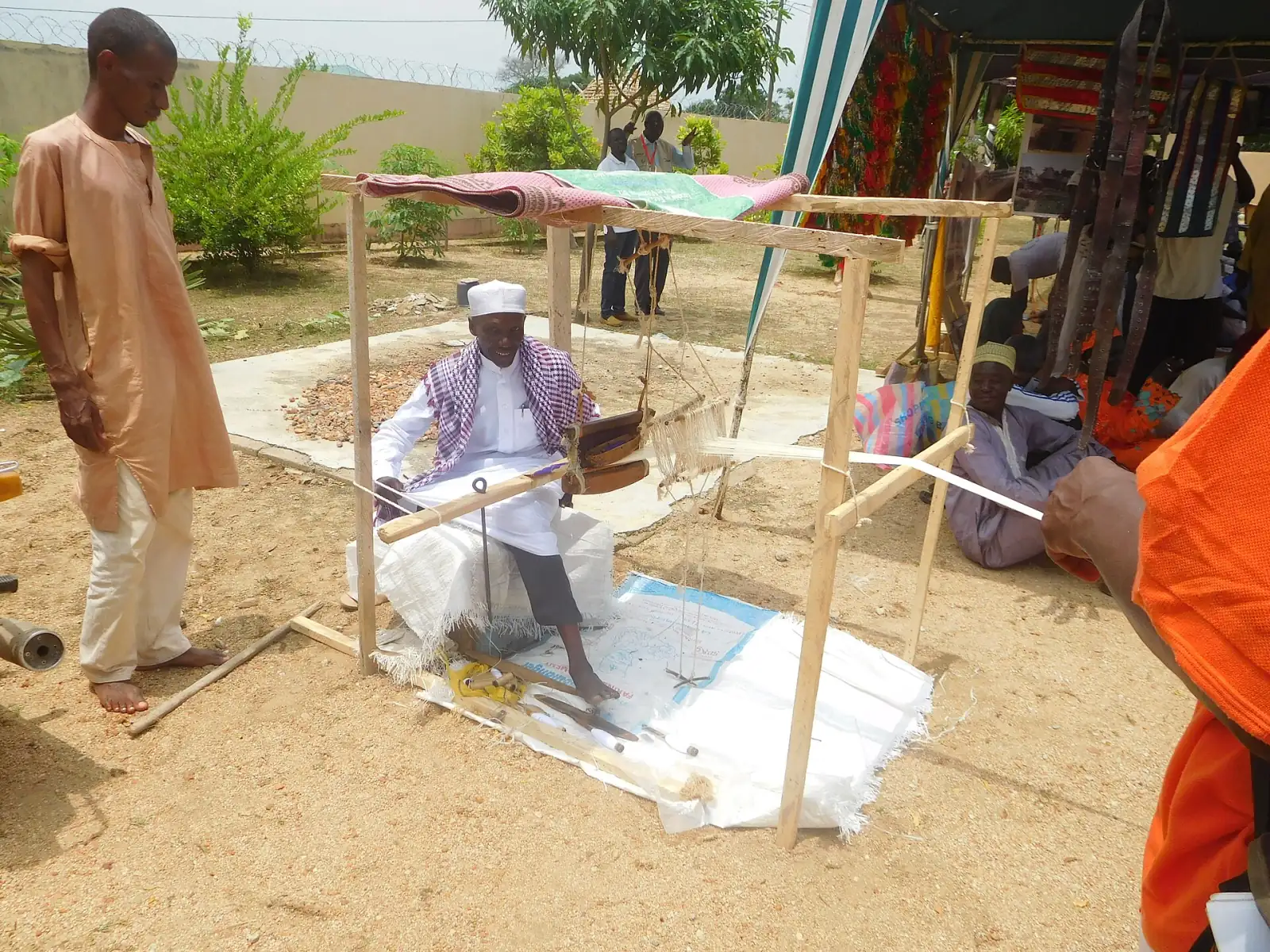
Fashion is a chain industry, and each link has its own distinct professions. Upstream, fibre producers (cotton growers in the North, raffia from the forests, indigo from the Grassfields), spinning mills and dyers supply the material. Next come the weavers, embroiderers and pattern printers, then the designer who conceives, the pattern maker who draws the patterns, and the cutter and seamstresses who assemble.

The professions at each stage

  • Design: fashion designer, textile designer, pattern maker;
  • Manufacturing: cutter, machinist, embroiderer, finisher, dyer;
  • Promotion: fashion photographer, model, make-up artist, hairdresser, art director;
  • Distribution: shop assistant, sales agent, online shop manager;
  • Support: intellectual property lawyer, accountant, communications officer.

Where value is lost, where it is created

The greatest share of value is created at the two ends: design, which gives identity, and sales, which sets the price. Many Cameroonian workshops remain confined to the middle of the chain, contract sewing, for lack of a brand and a sales network. Public policies therefore seek to move designers up towards the brand and distribution. See the role of fashion and design arts and the sister page devoted to crafts, several sectors of which feed fashion.

Business models

Making a living from fashion: business models

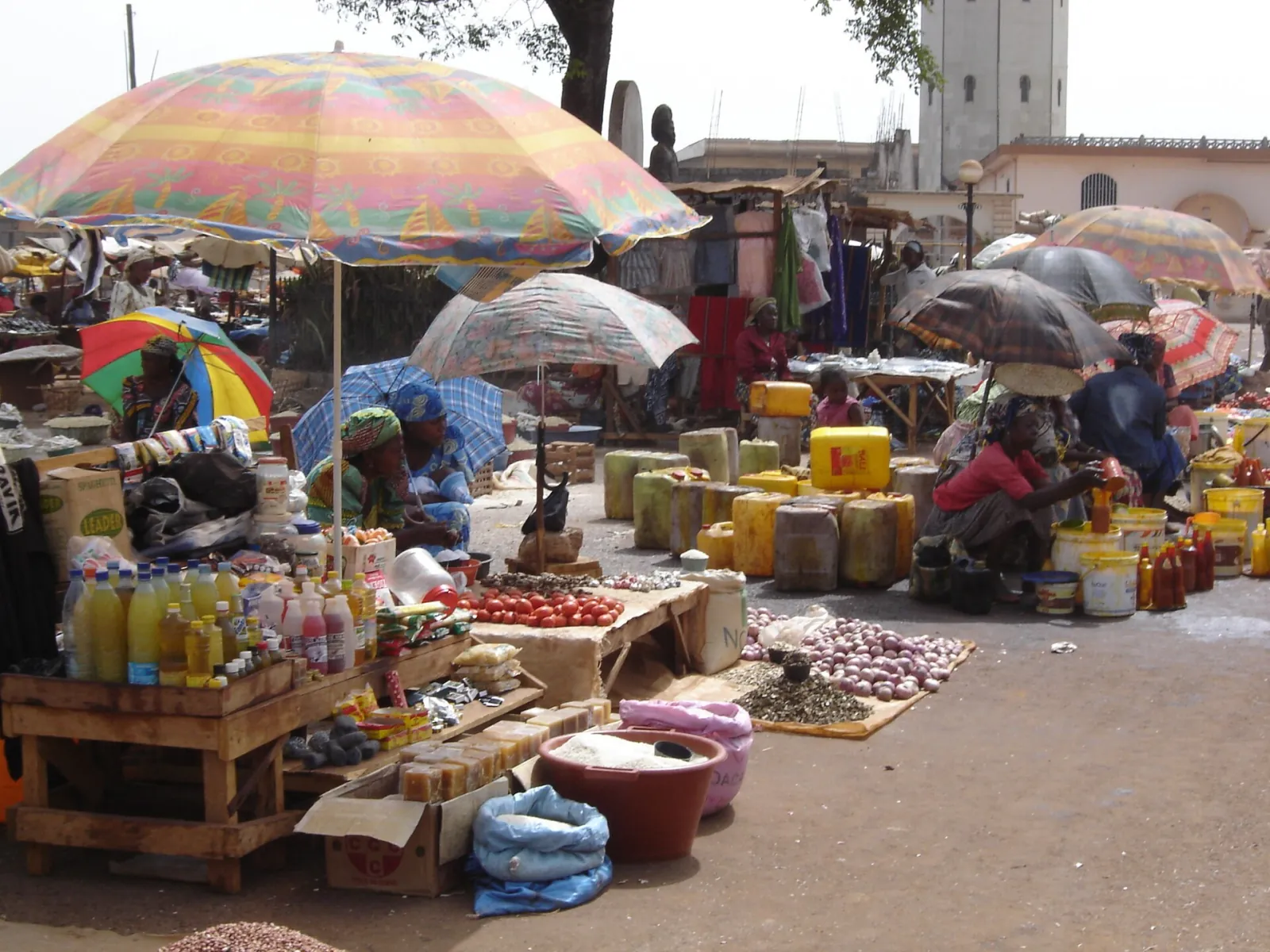
Crowded stalls of clothing and accessories in a Cameroonian central market

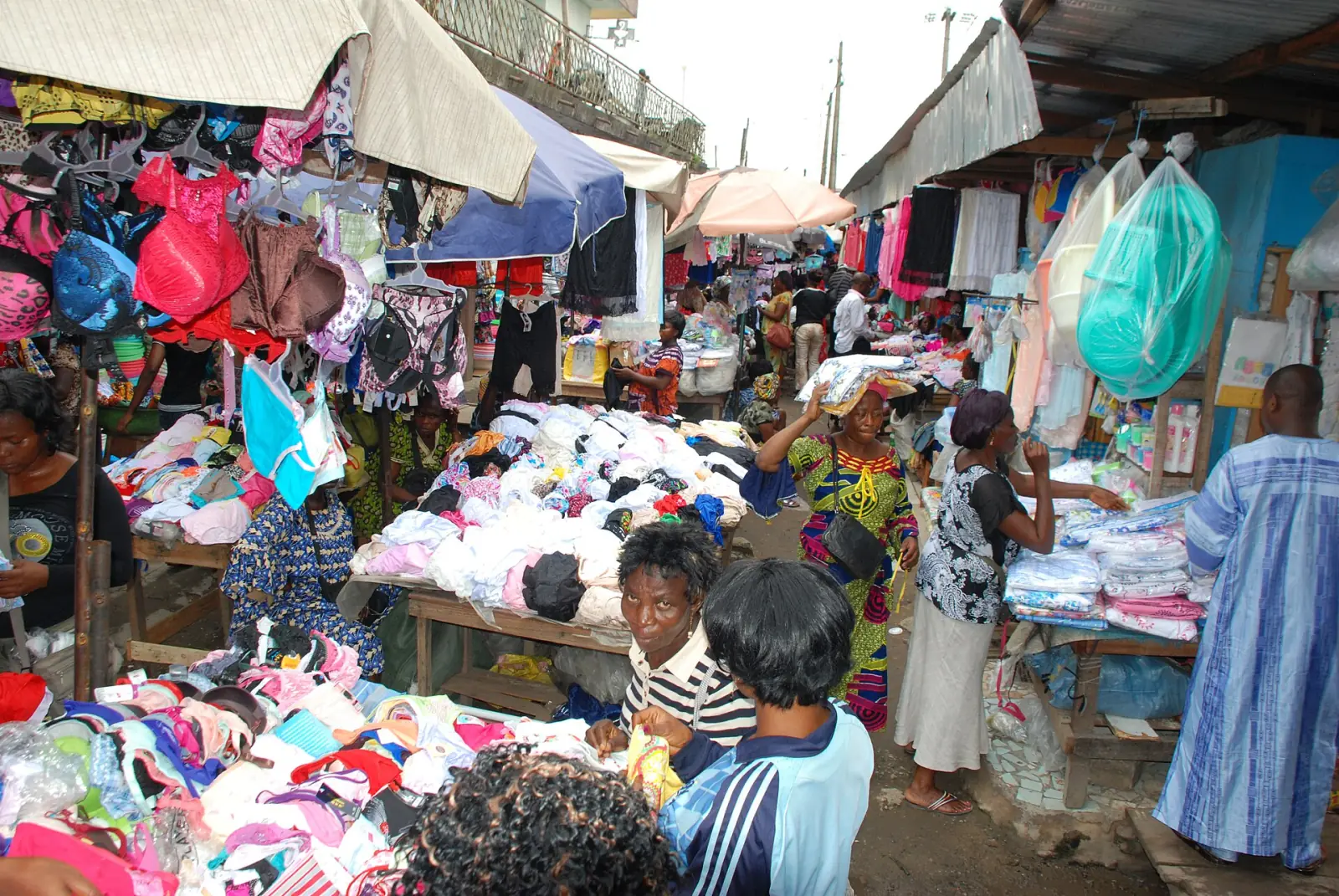
A fashion house can rely on several models, often combined. Made-to-measure offers the highest margins but is capped by the craftsperson’s time. Ready-to-wear in small series makes it possible to sell in shops and online, at the cost of stock that has to be financed. Contract manufacturing (uniforms, company outfits, village festival outfits) provides regular income. Finally, collaborations with festivals, performing companies and hotels generate occasional orders for costumes and textile decor.

A typical workshop of ten people

Take a workshop of ten people in Douala: a designer-manager, a pattern maker, four seamstresses, two embroiderers, a saleswoman and an apprentice. Its income is split between orders from individuals, series for two shops and contracts for outfits for associations. It balances its cash flow by asking for a deposit when an order is placed and invoicing the material separately.

Additional resources

  • Grants and creation aid, detailed in the support funds;
  • Patronage and sponsorship, explained on the funding of culture page;
  • Training services or running workshops;
  • Licences of patterns to fabric manufacturers.

The legal status of the structure is chosen with the help of the cultural entrepreneurship page.

Step by step

Launching your fashion house

Define the identity

Choose a universe, a target clientele, a price range and a name; write a page summarising the brand’s promise.

Protect the brand

Check that the name is available, register the trademark with OAPI and declare your first designs in the register of works.

Structure the workshop

Choose a legal status, open a business account, and work out your cost price calculation and your terms of sale.

Produce a first series

Make a capsule collection of eight to twelve pieces, photograph it and test it with a circle of buyers.

Show yourself

Present the collection at an authorised fair or show, open an online shop and build relations with the press.

Develop and export

Recruit, widen the points of sale, then prepare a first shipment to a neighbouring market or the diaspora.

To explore

Fashion in the other sections

Words from designers

Careers in fashion

“
I started with a sewing machine and three orders from neighbours; today my workshop dresses weddings throughout the region.
A seamstress-manager
Bafoussam
“
Registering my trademark allowed me to refuse copies and to sign my first contract with a shop in the capital.
A fashion designer
Yaoundé
“
Thanks to a stand at the designers’ fair, I met a buyer from the sub-region and exported my first series.
A ready-to-wear designer
Douala
“
We embroider motifs inspired by chiefdoms and sell them to theatre costumiers, which stabilises our income.
An embroiderer
Foumban
To download

Resources for fashion designers

“A well-made dress tells the story of a country: the fabric speaks of the territory, the cut speaks of the era, and the brand says who is speaking.”

A fashion designer, Douala
Glossary

The vocabulary of fashion

Brand

A distinctive sign, name or logo, that allows the products of a design house to be recognised.

OAPI

African Intellectual Property Organisation, with which trademarks and designs are registered.

Collection

A coherent set of designs presented for a season or an occasion.

Pattern maker

A professional who draws patterns from the designer’s drawing.

Pattern

A paper or cardboard template used to cut the pieces of a garment.

Ready-to-wear

Garments produced in series and standard sizes, sold in shops.

Made-to-measure

A garment made to the measurements of a specific customer, after fittings.

Lookbook

A photograph album presenting a collection to buyers and the press.

Fair

A professional meeting where designers present their collections.

Capsule

A small collection of a few pieces, launched to test a market.

Cost price

The sum of all the costs of making a piece, before the margin.

Ndop

Indigo cloth with resist-dyed patterns, an emblematic fabric of the Grassfields.

To act

Procedures for designers

Show authorisation

Prepare a show or a public presentation: the application is submitted online before the date.

Submit the application

Grant application

Fund a collection, a residency or equipment through the online file.

Apply for a grant

Artist card

Have your status as a professional designer or costumier recognised.

Apply

Association accreditation

Set up an association of designers or a cooperative to pool your resources.

Approve my statutes
On the site

Continue reading on fashion

Resources

Useful links for fashion

Stakeholders

Who supports fashion?

Key facts

The fashion chain in one table

LinkRoleTypical playersPossible support
Raw materialSupply fibres, dyes and fabricsCotton growers, dyers, weaversSupport funds, cooperatives
CreationDesign collections, motifs and patternsDesigners, pattern makers, textile designersTraining, residencies
ProductionCut, sew, embroider and finishSewing workshops, embroiderers, finishersEquipment grant, apprenticeship
ProtectionSecure names, designs and motifsLawyers, OAPI, collective management societyIntellectual property advice
PromotionMake the brand knownPhotographers, models, show organisersPerformance authorisation, fairs
DistributionSell in shops, online and for exportShops, resellers, platformsExport missions, diaspora
Journey

From collection to market

CreationDesign the collection

The designer draws, chooses fabrics, draws up patterns and makes the sample pieces, while protecting their designs and brand.

ProductionManufacture in the workshop

The series is cut and sewn, with quality control at each stage: seams, finishing, labelling and packaging.

PromotionPresent the collection

Photographs, a show, a lookbook and press relations give visibility and prepare the sales campaign.

SaleOpen the channels

A shop, direct sales at a designers’ market, an online platform and resellers bring the first orders.

ExportCross the border

A first shipment to a neighbouring country or to the diaspora opens up a new clientele and funds the next collection.

Questions

Your questions on fashion

Where do I register the trademark of my fashion house?

The trademark is registered with OAPI, which provides protection in all member States. Prepare the name, the logo and the list of products covered, check the availability of the name, then submit the file through the competent national structure. The One-Stop Shop will guide you.

Is authorisation required to organise a fashion show?

Yes, a fashion show open to the public is a performance. You must submit a performance authorisation application online a few weeks before the date, with the programme, the venue, the capacity and the safety plan. A fair with entertainment falls under festival authorisation.

Are my designs protected against copying?

The original work is protected by copyright from its creation, without formality. To better prove priority, declare your motifs in the register of works and register the most important designs as industrial designs. In the event of copying, mediation is possible.

How do I fund my first collection?

Combine your savings, a customer deposit, a grant or creation aid, and corporate patronage. The support funds and the funding of culture page detail each avenue. A precise budget, with cost price and timetable, reassures funders.

Where can I train in fashion design and sewing?

With an apprenticeship workshop, a school or a vocational training centre. The professional training page presents the courses. Advanced workshops in embroidery, dyeing and management are also offered during the year.

How do I export my garments to the diaspora?

Put together a regular series, prepare detailed invoices and careful packaging, and choose a carrier and insurance. Check the customs formalities of the destination country. Online sales, backed by diaspora networks, are often the best starting point.

Can a dressmaker obtain the artist card?

Designers and costumiers whose artistic activity is established can submit an online application, with supporting documents: orders, show programmes, publications. The examination is carried out by the competent directorate, which will tell you of any missing documents.

Whom should I contact for a fashion fair project?

Write to the Directorate of Performing Arts and Creative Industries, indicating the venue, the dates, the expected audience and the number of exhibitors. An officer will advise you on authorisation, ticketing and public safety.

Contact

Write to the Ministry: Fashion and creativity

Describe your activity or your project.

Competent directorate

Contact the fashion team

Address

Directorate of Shows and Creative Industries
Ministry of Arts and Culture
Quartier du Lac – Ministerial Zone
P.O. Box 1053 Yaoundé, Centre Region, Cameroon

Reach us

+237 6 51 70 58 41

contact@minac.gov.cm

Opening hours

Monday to Friday, 8 am to 4 pm

A collection to present?

Submit your authorisation application online and track it with your file number.

Request an authorisation
WhatsApp