Coat of arms of CameroonMinistry of Arts
and Culture
Republic of Cameroon
My procedures
Home
Minister’s message
News
Press releases
Cultural calendar
Official speeches
Press review
Photo library
Video library
Calls for projects
Job vacancies
Public procurement
Newsletter
Frequently asked questions
Site map
Contact
Press area
Podcast “The Voice of Culture”
Legal notices
Privacy policy
Cookies and trackers
The Ministry
Missions and responsibilities
Organisation
Organisation chart
Minister’s Office (Cabinet)
Management team
General Secretariat
General Inspectorate
Central directorates
Regional Delegations
Institutions under supervision
Legislative texts
Regulatory texts
Sector strategy
Major projects
Budget and reports
Partners
Careers
Archives
Institutional communication
Quality and accessibility
Arts
Visual and plastic arts
Visual arts
Performing arts
Theatre
Dance
Music
Literature and books
Cinema and audiovisual
Photography
Fashion and design
Digital arts
Art crafts
Artists’ directory
Residencies
Prizes and awards
Arts education
Urban arts
Heritage
Tangible heritage
Intangible heritage
UNESCO sites
National museums
Listed monuments
National inventory
Palaces and chiefdoms
Archaeology
Linguistic heritage
Oral traditions
Traditional know-how
Restitution of cultural property
Fight against illicit trafficking
Listing and protection
Conservation and restoration
Heritage Days
Cultural landscapes
Industries
Music and recording
Cinema
Publishing and books
Digital arts
Fashion and creativity
Crafts
Cultural tourism
Funding for culture
Support funds
Incubators
Cultural entrepreneurship
Culture Observatory
Vocational training
Studies and reports
Sector statistics
Export and outreach
Intellectual property
Copyright
Legal framework
Copyright and neighbouring rights
Collective management societies
Register a work
Licences
Private copying
Fight against piracy
Model contracts
Social status of artists
Mediation
Disputes
Training
Fee scales
Register of works
Contact
Digital neighbouring rights
Public domain
Festivals
National calendar
Ngondo
Nguon
Écrans Noirs
Heritage Days
Music Day
Regional festivals
Fairs and exhibitions
Biennials
National competitions
Cultural days
Organise a festival
Event grants
Ticketing
Archives
Volunteering
Diaspora festivals
Regions
Adamawa
Centre
East
Far North
Littoral
North
North-West
West
South
South-West
Cultural map
Regional Delegations
Traditional chiefdoms
National languages
Cultural routes
Decentralised cooperation
Regional observatory
Cooperation
UNESCO
Francophonie (OIF)
African Union
Commonwealth
CEMAC
Bilateral cooperation
Cultural agreements
Professional organisations
Scholarships
Artist exchanges
Cultural years
Diaspora
Funded projects
Embassies
Technical partners
International restitution
International monitoring and calls
Services
Artist card
Show authorisation
Filming authorisation
Festival authorisation
Deposit of a work
Export of works of art
Listing of a property
Grant application
Association accreditation
File tracking
Forms
Fees
Opening hours and addresses
Reporting
Online help
My account
One-Stop Shop
Heritage

Linguistic heritage

National languages, linguistic atlas, dictionaries and sound recordings: discover how Cameroon documents, protects and passes on the richness of its languages, with the consent of speakers.

Updated on 6 November 20264 sub-pages
National languagesMore than 250
Official languages2
Language families4
Speakers’ consentAlways required
Languages

Preserving the country’s languages

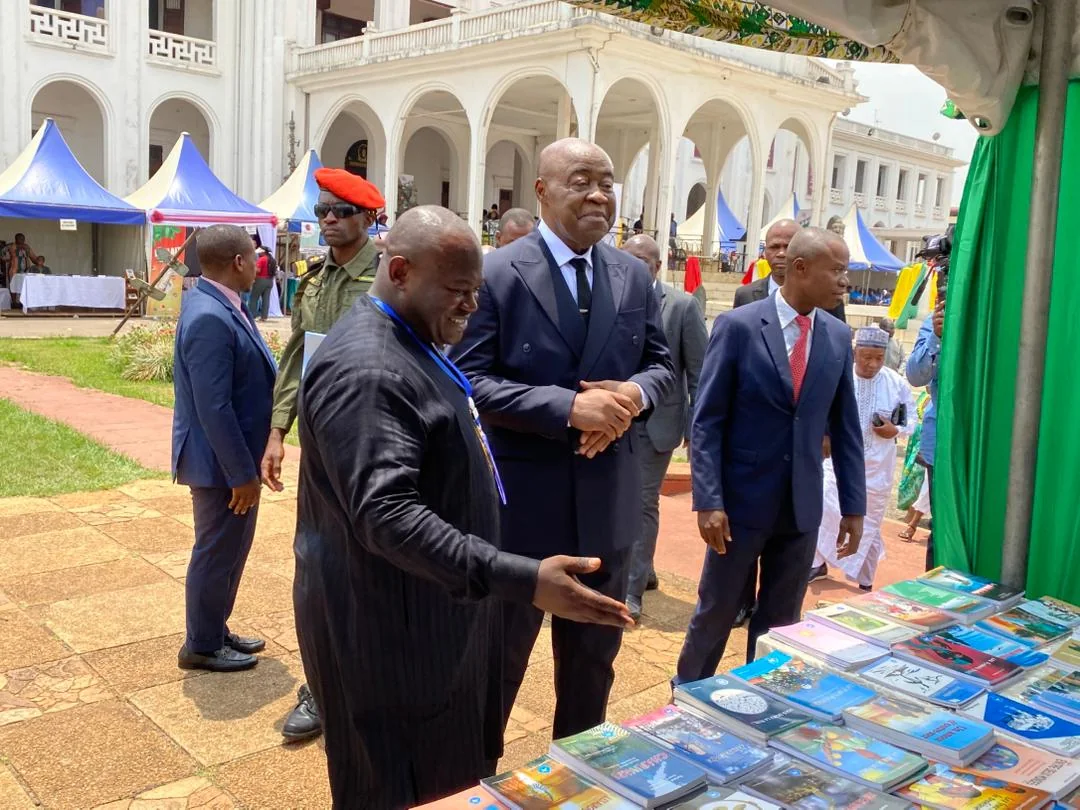
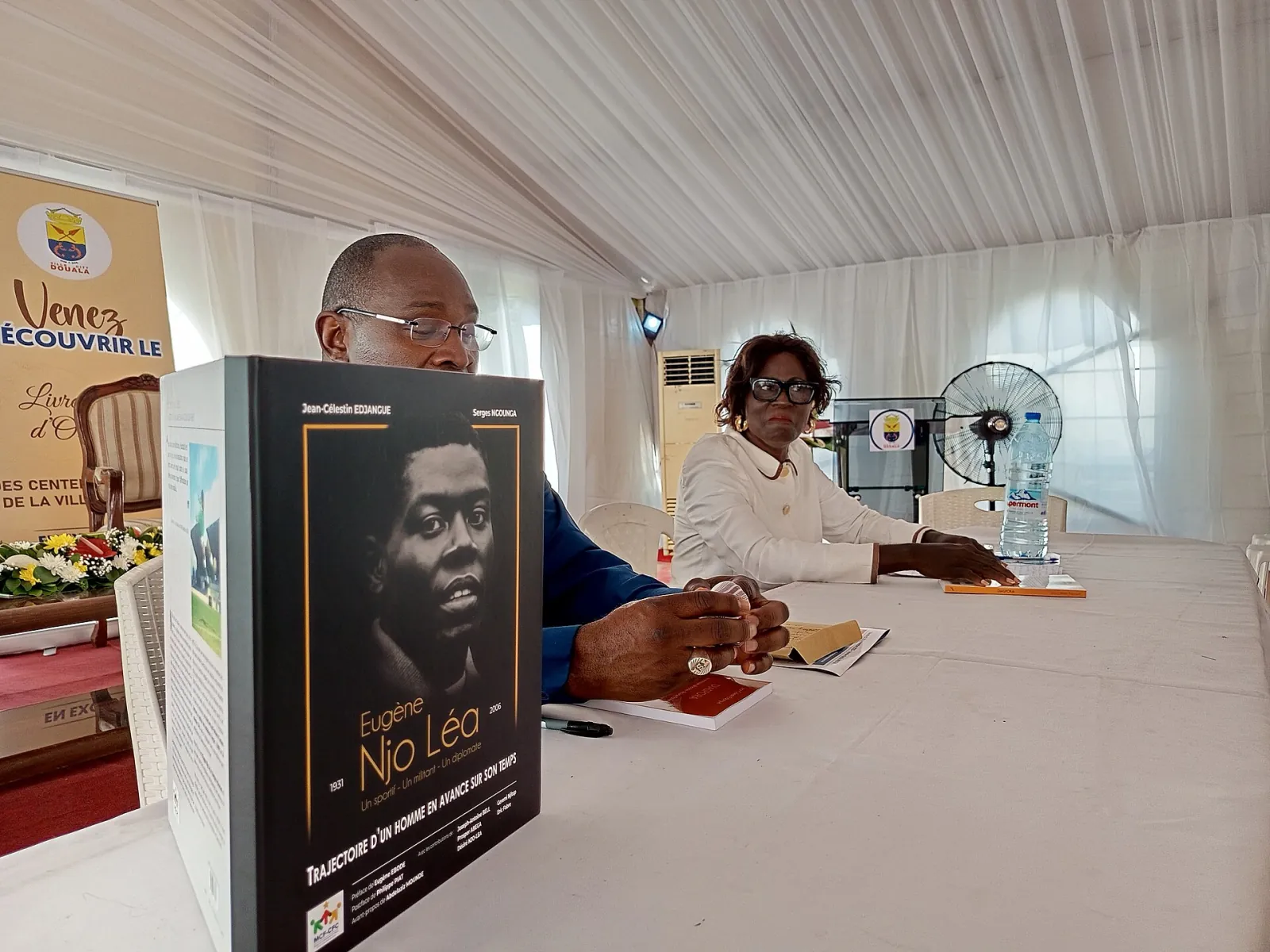
Book-signing session at a table under a marquee with the biography in the foreground

Languages are the first vehicle of intangible heritage: tales, proverbs, songs, riddles, genealogies and technical knowledge are passed on in them by word of mouth. Cameroon has more than two hundred and fifty languages, grouped into four major families, to which are added French and English, the official languages, Pidgin and urban speech forms.

Their documentation forms part of the heritage inventory and of the work on oral traditions. This page presents the national languages, the linguistic atlas, dictionaries and lexicons, and the sound recordings that preserve speakers’ words.

  • National languages and their diversity
  • Atlas, dictionaries and lexicons
  • Recordings made with the consent of speakers
National languages
National languages

The national languages of Cameroon

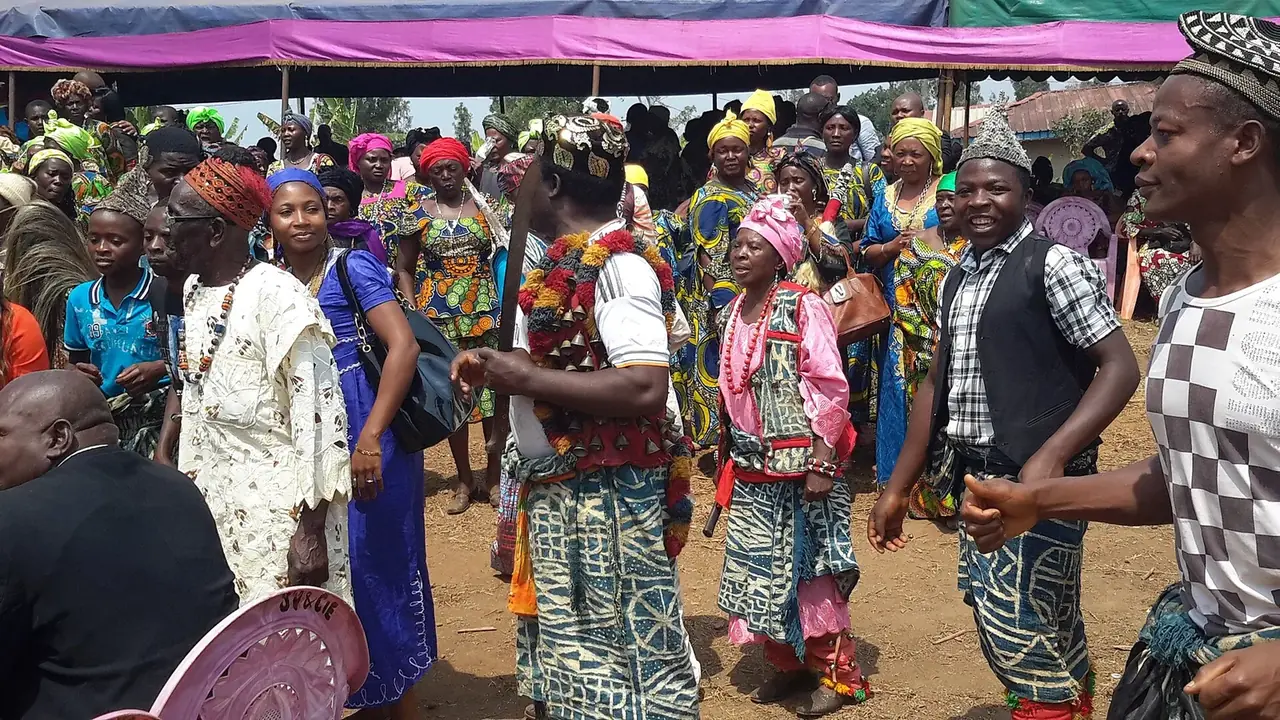
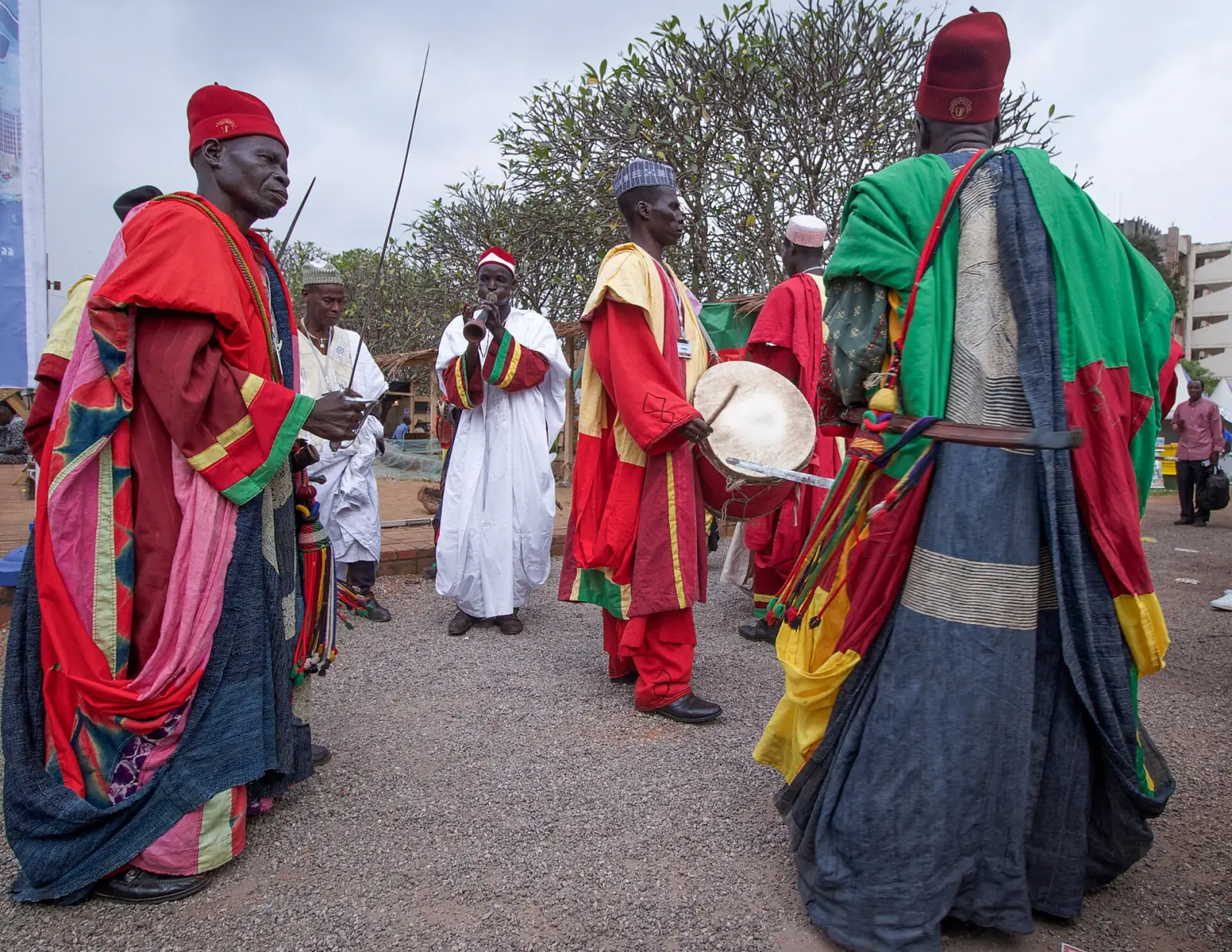
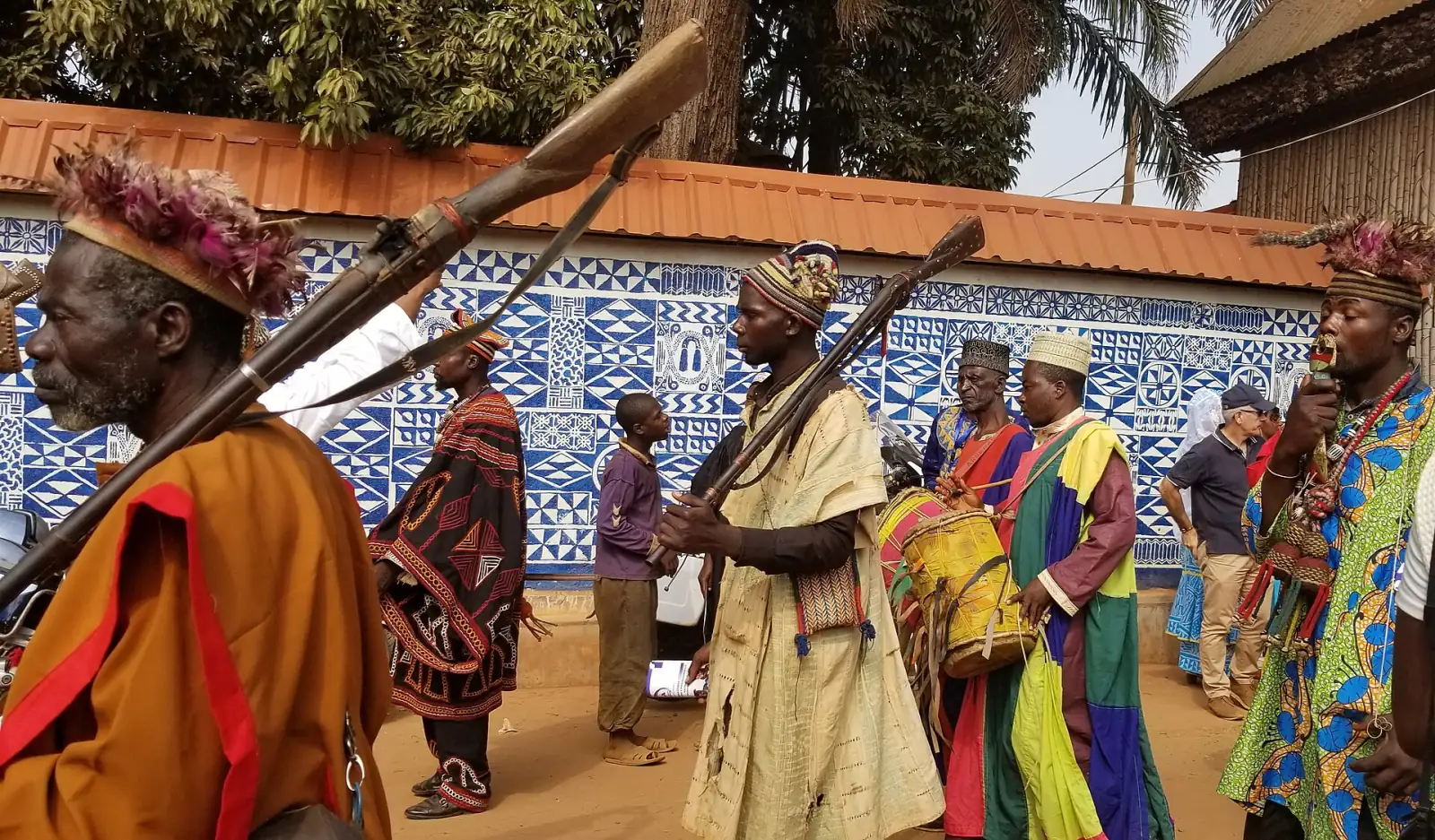
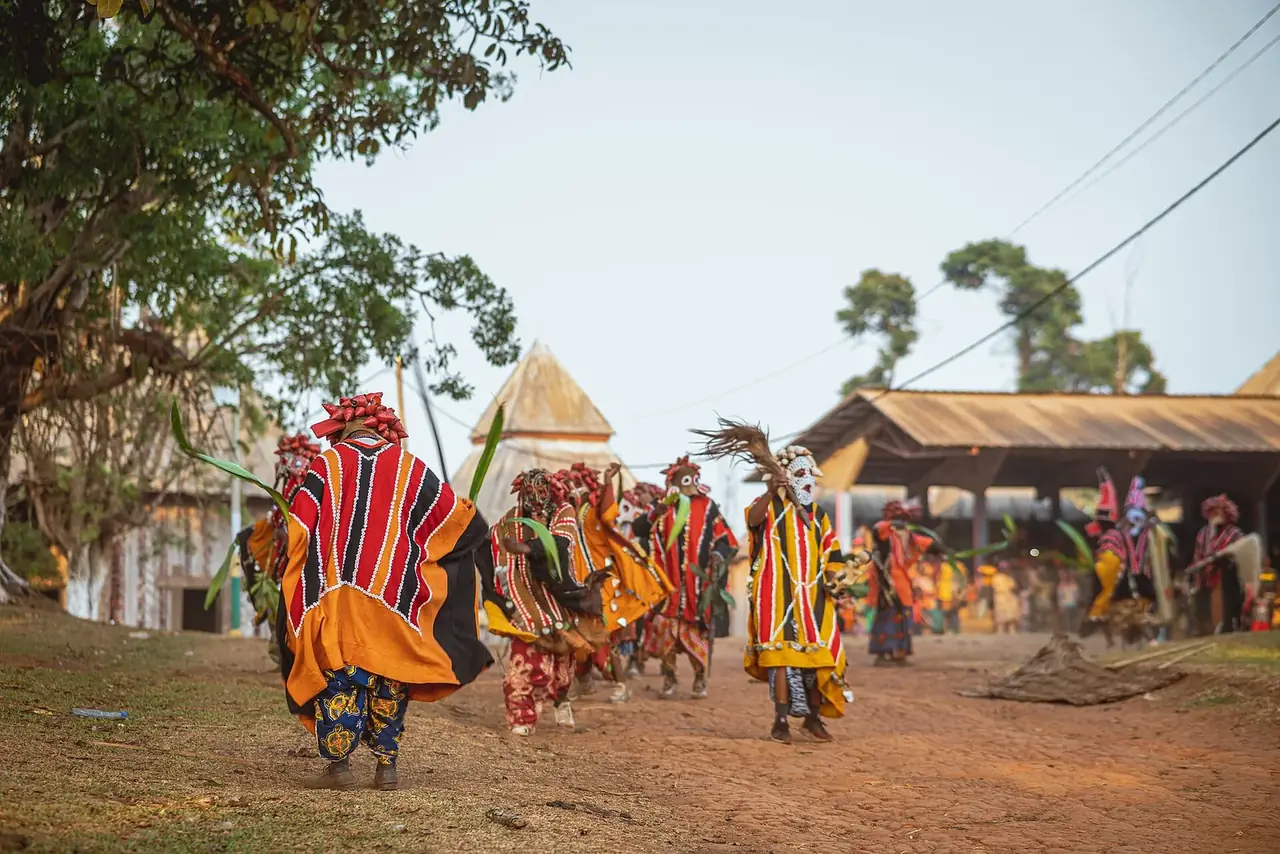
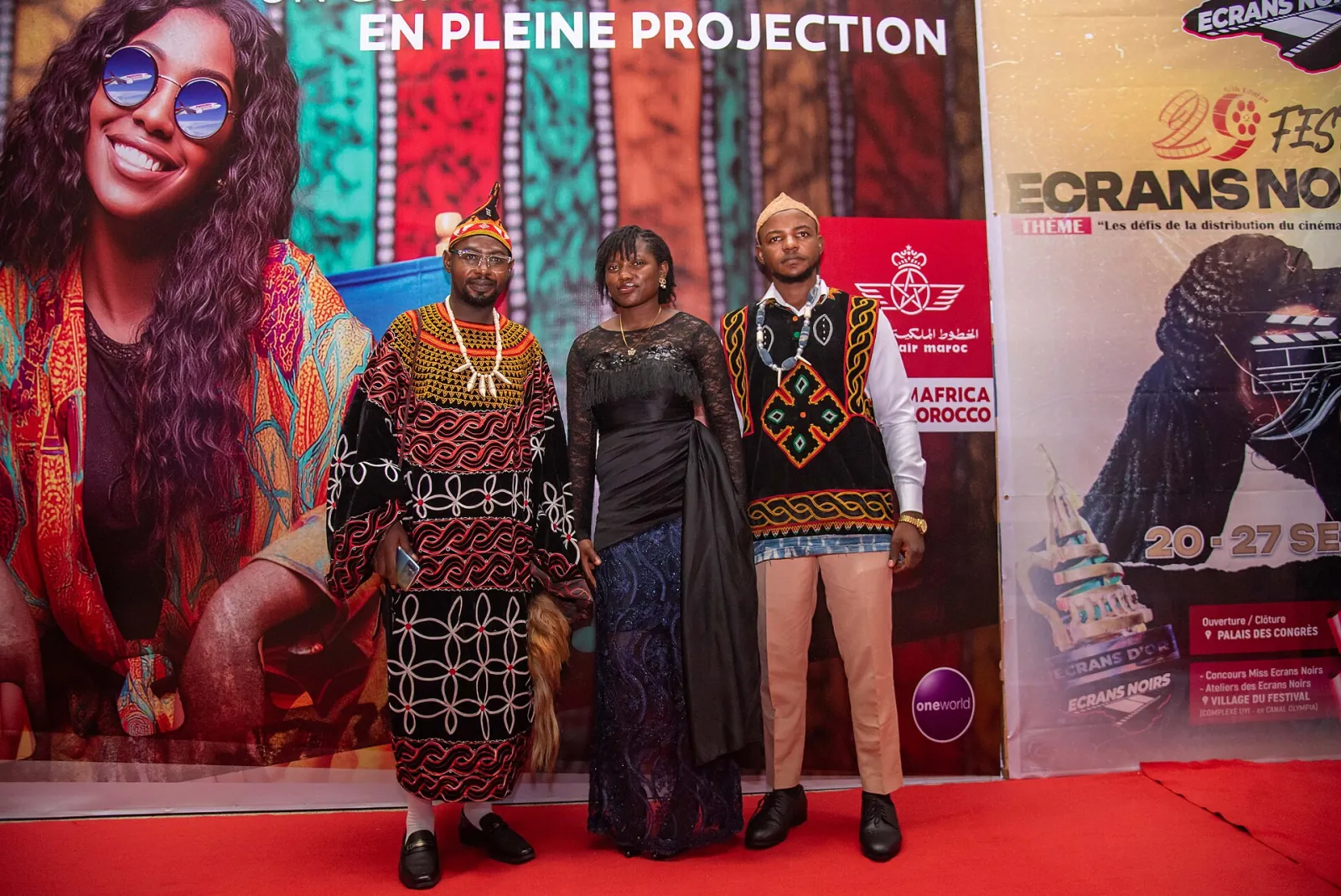
Villagers in traditional dress at a Bamileke celebration

Few countries offer such linguistic density. The languages spoken include Niger-Congo (Bantu, Bantoid, Adamawa-Ubangi), Afro-Asiatic (Chadic, Shuwa Arabic), Nilo-Saharan (Kanuri) and, depending on the classification, other smaller groups. Each region brings together several dozen, some of which have hundreds of thousands of speakers and others a few hundred.

Some major groupings

  • In the Centre and South: Ewondo, Bulu, Eton, Bassa, Bakoko, and the languages of the forest peoples;
  • On the coast: Duala and the neighbouring languages of the Sawa peoples;
  • In the West and North-West: Ghomala’, Medumba, Fe’efe’e, Bamoun, and many Grassfields languages;
  • In the North, Far North and Adamawa: Fulfulde, Mafa, Mundang, Kanuri, Shuwa Arabic, Gbaya;
  • In the East: the Gbaya and Kako languages and those of the forest peoples, including the Pygmy languages.

Writing the languages

The General Alphabet of Cameroonian Languages, developed by linguists, makes it possible to transcribe the sounds specific to the country’s languages. Some peoples also have their own script, such as the Bamoun kingdom, whose writing system is famous (see palaces and chiefdoms). The teaching of national languages in schools is covered on the page national languages of the regions and in arts education.

ℹ️
One language, one world

Each language carries a way of naming the sky, the seasons, kinship and medicinal plants. When it declines, entire bodies of knowledge fade away.

Atlas

The linguistic atlas, the map of languages

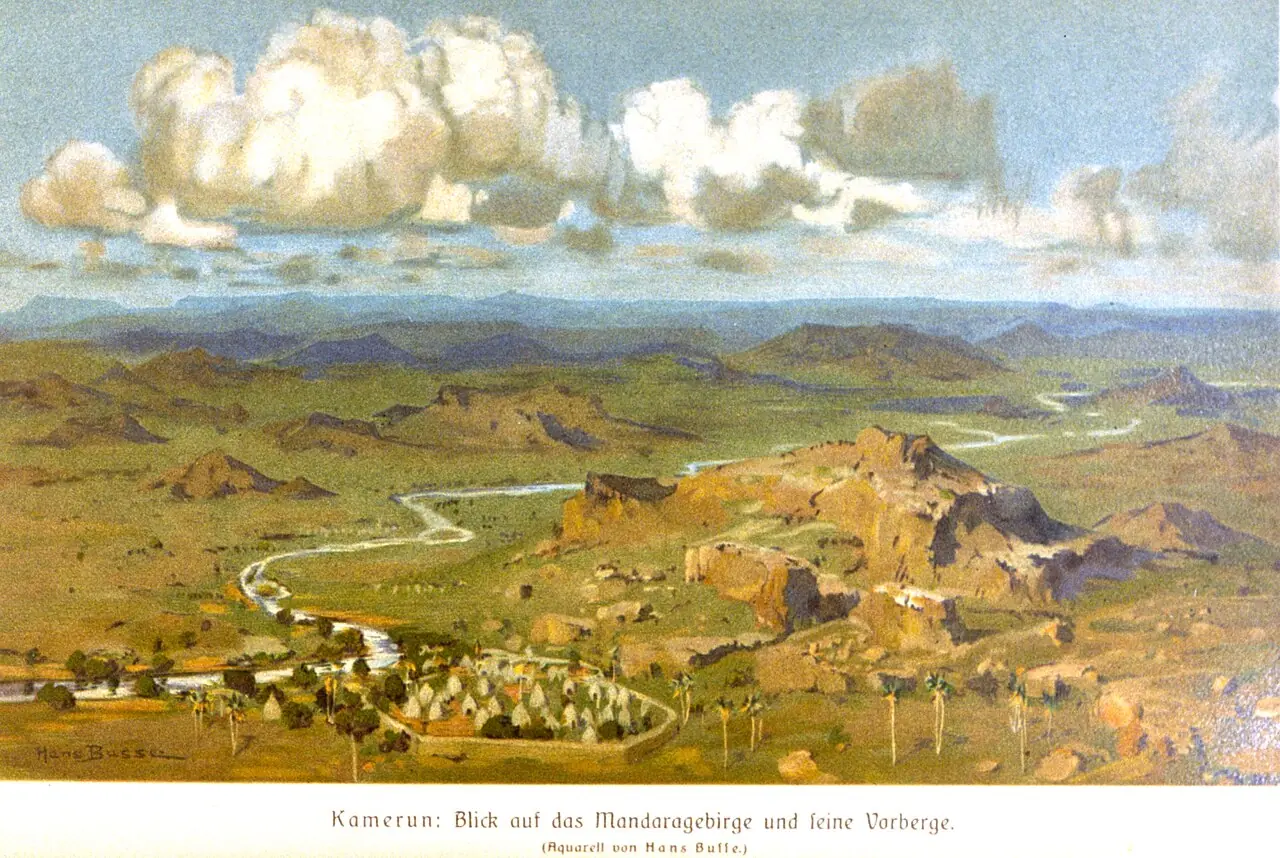
Old watercolour of a village in inland Cameroon and its mountains

A linguistic atlas locates languages across the territory, indicates their boundaries, their dialects and the approximate number of speakers, and shows how they are related. It is based on surveys carried out in hundreds of villages, with common word lists recorded from several informants in each locality.

How an atlas is built

Surveyors choose a basic vocabulary (parts of the body, kinship, nature, numbers), have it translated by speakers of different ages, transcribe the answers and compare them. Similarities and differences make it possible to draw the boundaries between dialects and to classify languages into families. The results undergo scientific validation before release, with academics and research institutions.

What the map is for

  • Planning literacy and publishing in local languages;
  • Identifying endangered languages, which now have only a small number of elderly speakers;
  • Helping inventory teams to choose their interlocutors;
  • Informing regional cultural policies and cultural maps.

The atlas works hand in hand with the cultural observatory to cross-reference languages, populations and cultural practices.

Dictionaries

Dictionaries and lexicons of languages

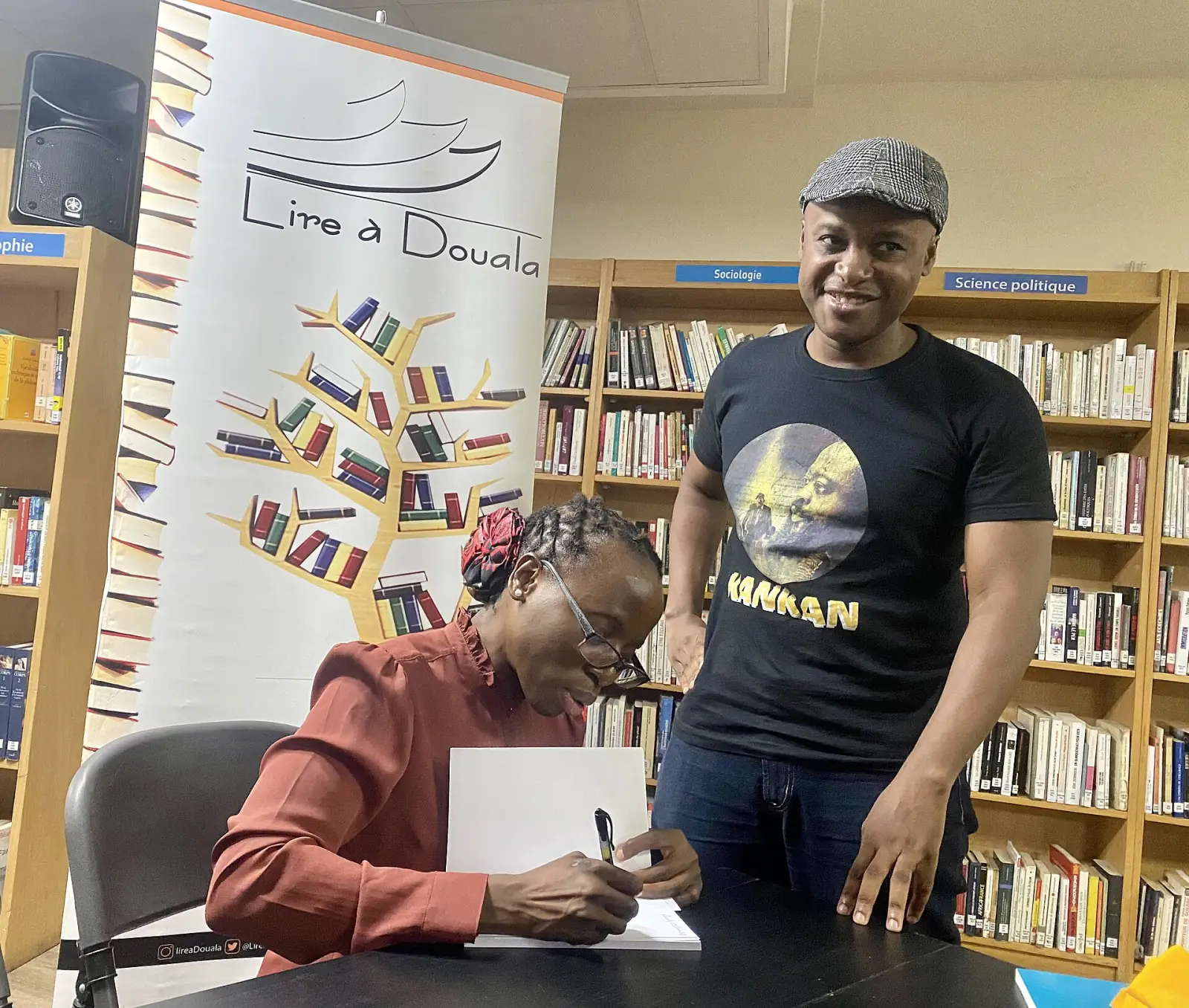
Author signing a book in a Douala bookshop in front of shelves

A dictionary is the memory of a language: it records words, their meanings, their pronunciations and their uses. For many of the country’s languages there are primers, bilingual lexicons, grammars and collections of proverbs, produced by linguists, missions, promotion associations and teachers. Others remain to be documented.

Complementary types of works

  • Bilingual lexicon: local language and French or English, useful for school and administration;
  • Monolingual dictionary: definitions in the language itself, a reference tool for speakers;
  • Thematic dictionary: plants, fauna, medicine, trades, kinship;
  • Reference grammar and learning handbook;
  • Collections of tales and proverbs.

Where to find them

Works are listed with their publishers and are available in bookshops, in libraries and through language associations. Authors and publishers will find the support they need in the section literature and books and in publishing and books. The registration of a work protects original works, and copyright applies to dictionaries as it does to other publications.

A digital dictionary, accessible from a telephone, is a project that many communities want today.

Recordings

Sound recordings of speech

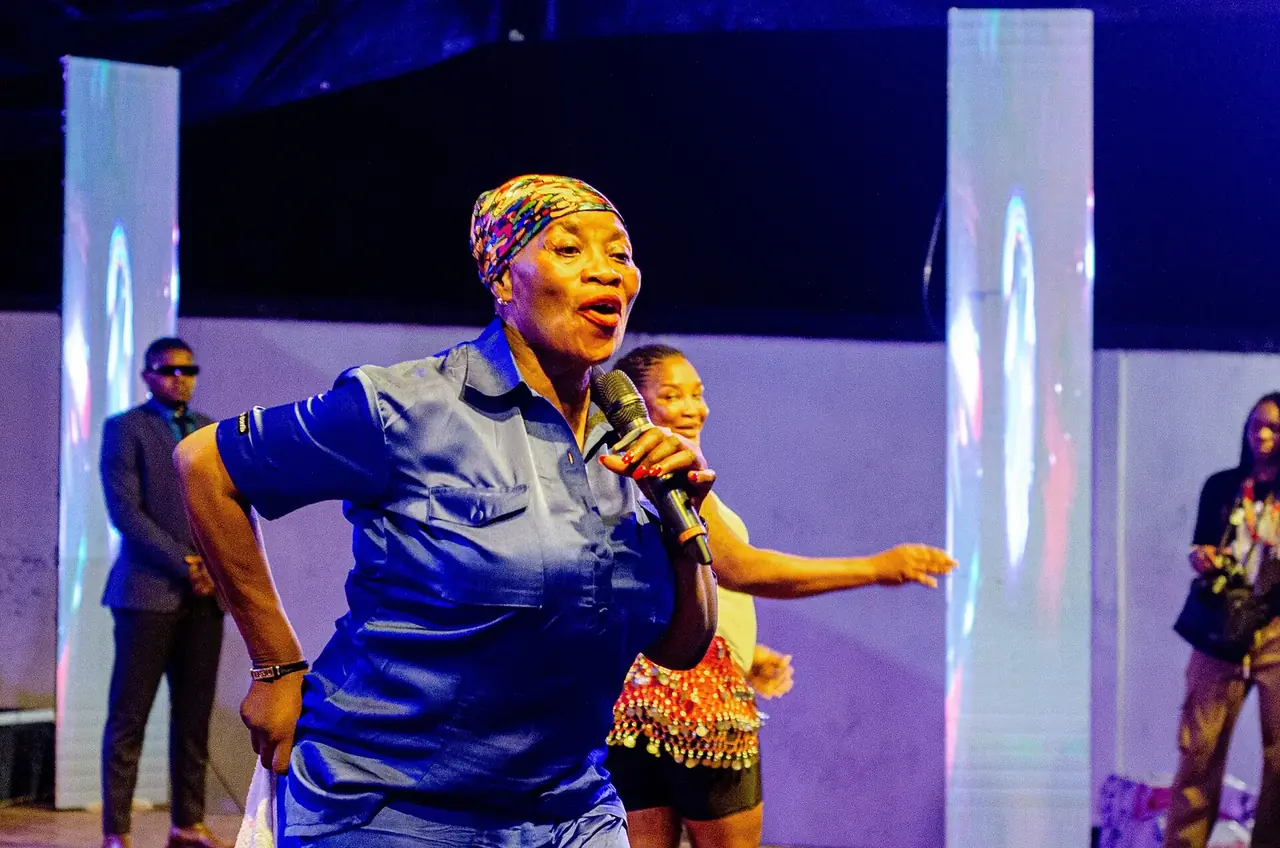
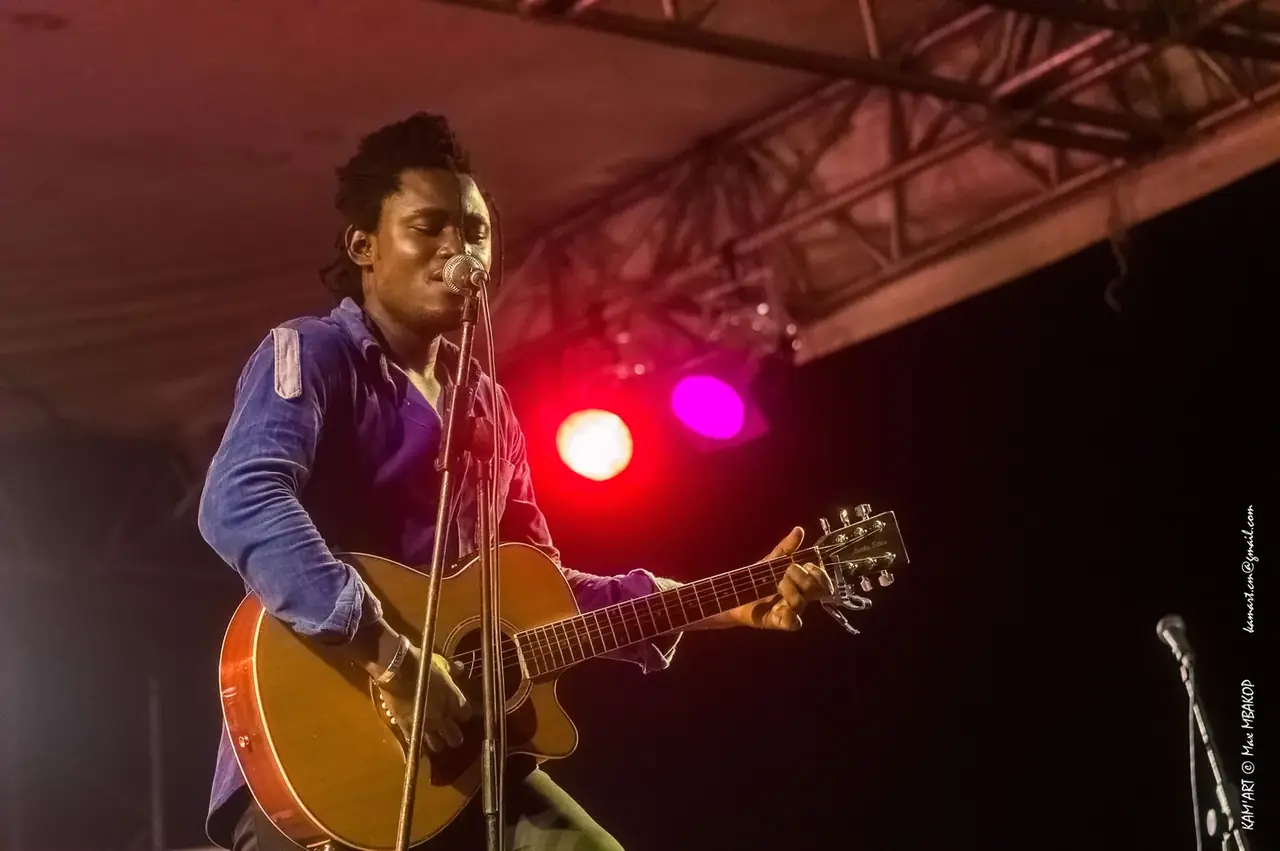
Singer on stage during a concert

Sound recordings document the diversity of languages with qualities that writing cannot render: intonation, rhythm, tone, silence. A good recording preserves a tale, an epic, a work song, a ceremonial speech or the simple conversation of two elders.

Consent above all

Collection requires the free and informed consent of speakers. Before recording, the team explains the objective, the duration, the intended use and where the copy will be kept. The person recorded may refuse, restrict access to certain parts or request deletion. Consent forms are kept with the files. This rule also applies to work on traditional know-how.

Techniques and conservation

  • Choose a quiet place and a suitable microphone, avoiding wind and background noise;
  • Record in a lossless format, with a backup copy;
  • Name each file according to a common convention and fill in a descriptive sheet;
  • Transcribe and translate the extracts with the help of a speaker;
  • Add the recordings to the inventory register and to the sound archives.

The recordings feed the programme La voix de la culture, exhibitions and the site’s video libraries, always with the agreement of the holders.

ℹ️
Speakers’ rights

A recording remains the moral property of those who speak or sing. See the page {A('/droits-dauteur/declarer-une-oeuvre','register a work')} to protect your own recordings.

Transmission

Passing on one’s language to children: practices and projects

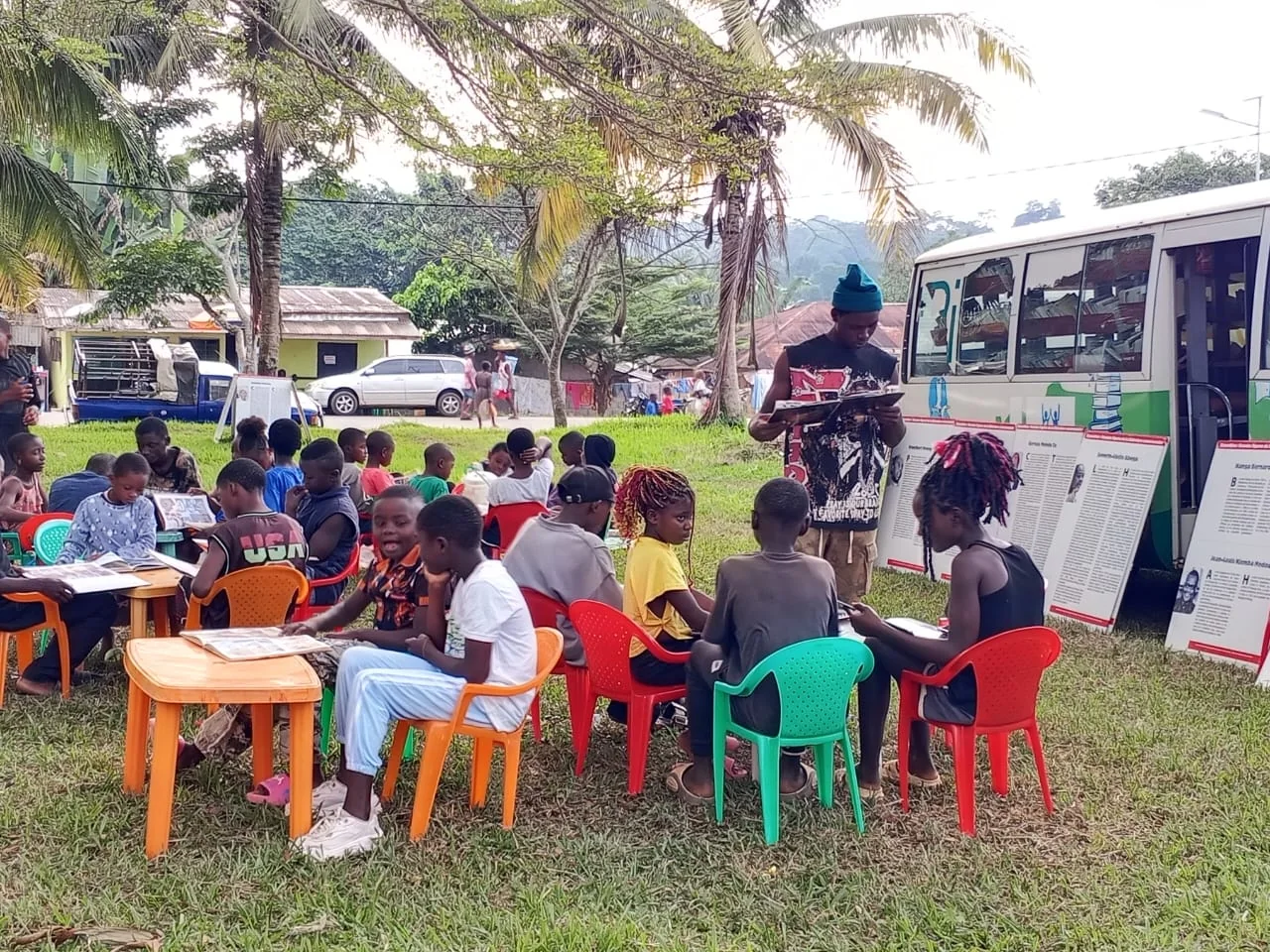
Children reading and writing at colourful tables on a lawn, next to a library bus

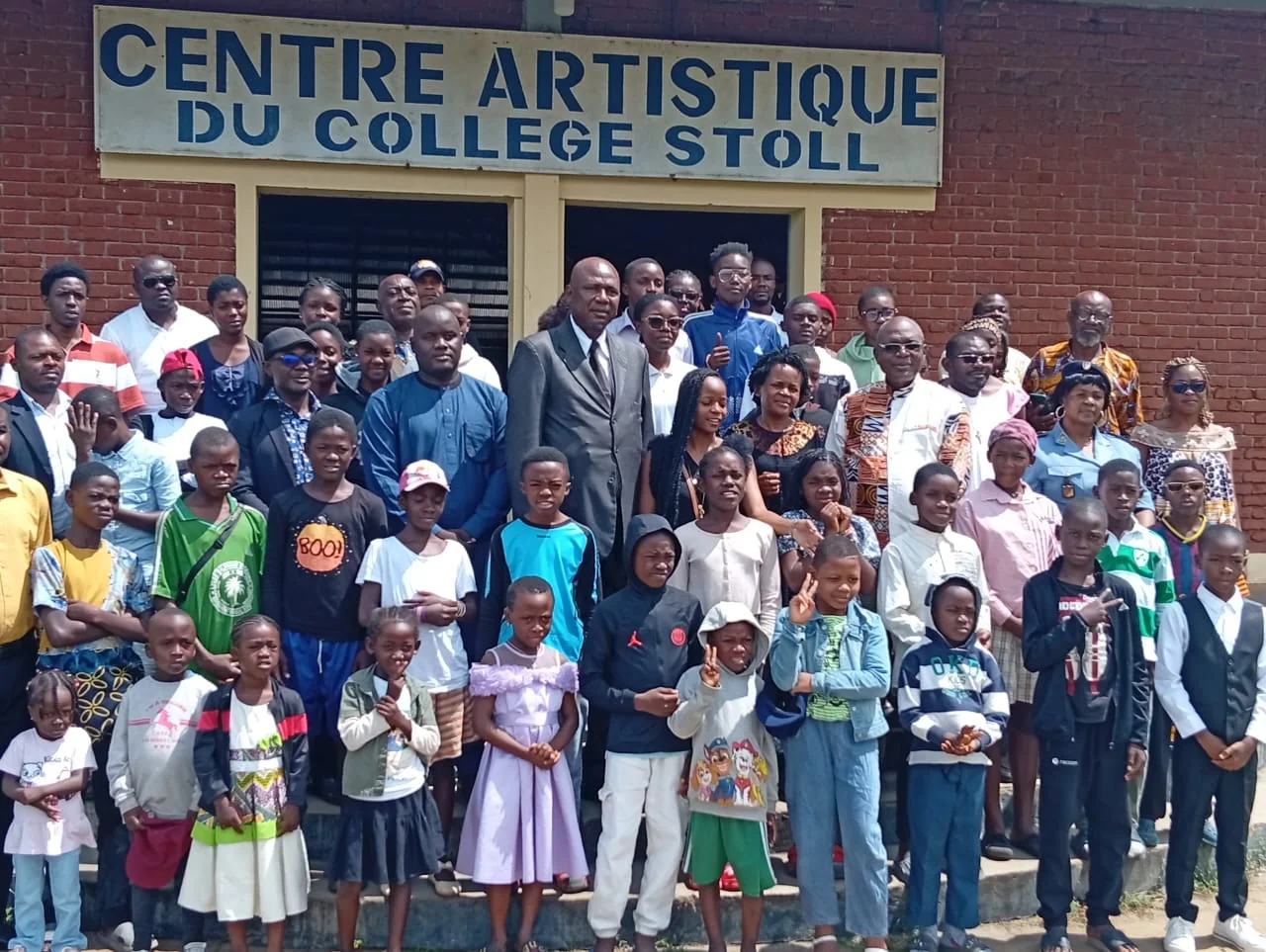
A language lives if it is spoken at home, at the market, on the radio and at school. Associations organise evening classes, storytelling and dictation competitions in the village language, and proverb evenings. Community radio stations broadcast programmes in local languages, and singers compose in their mother tongue, which gives it new prestige, as the vitality of music shows.

The Ministry encourages these initiatives through its calls for projects (calls for projects), the training of mediators and support for bilingual publications.

Step by step

Documenting a language with its speakers

Meet the community

Present the project to local authorities and speakers, specify what you wish to collect and obtain permission to work on site.

Build a body of work

Choose with the speakers the tales, songs, speeches and word lists to be recorded, varying ages, genders and places.

Record with consent

Have consent signed or recorded, use quality equipment and identify each take precisely: date, place, speaker, language.

Transcribe and translate

With a competent speaker, write the texts in the language’s alphabet and translate them into French or English.

Archive and share

Add the files and sheets to the inventory register, keep several copies and give a copy to the community.

Promote

Turn the work into a dictionary, school textbook, radio programme, exhibition or performance, with the agreement of the holders.

To act

Helping the country’s languages

Propose a recording

Do you hold a tale, song or account in a local language? Describe it and send it to the Ministry so that it can be documented.

Write to the Ministry

Register a work

Dictionary, collection of tales, original recording: register your work to date and protect your creation.

Register

Apply to a call

Calls for projects support publication, teaching and recording in the languages of the country.

See the calls
To explore

Languages in other sections

Voices from the field

Those who keep languages alive

“
We recorded the accounts of the village elders in three months; their grandchildren listen to them at school today.
A language association facilitator
Centre Region
“
My dictionary took ten years, but seeing pupils look up a word in their mother tongue gives me the feeling of having kept my word.
A lexicon author
West Region
“
Every week, the community radio broadcasts an hour of tales in Fulfulde: listeners call in to complete the stories.
A local radio presenter
Adamawa Region
“
We always ask for consent before pressing the button; it opens doors and reassures the elders.
A sound surveyor
East Region

“A language that disappears is a library that burns: every tale that is recorded saves a shelf of its books.”

A field linguist, Yaoundé
To download

The language collector’s resources

Key facts

Linguistic tools at a glance

ToolUseWho produces itWhere to consult it
Linguistic atlasLocating languages and their dialectsLinguists and universitiesCultural maps
Bilingual dictionaryUnderstanding and translatingAuthors and publishersBookshops and libraries
Monolingual dictionaryDefining words in the languageLanguage associationsLibraries
Thematic lexiconDocumenting a field (plants, trades)Researchers and practitionersDocumentation centres
GrammarDescribing how the language worksLinguistsUniversities
School textbookTeaching the languageTeachers and publishersInstitutions
Sound recordingPreserving living speechSurvey teamsSound archives
TranscriptMaking a recording legibleSpeakers and surveyorsInventory register
Glossary

The words of linguistics

National language

A language of the country, spoken by a community and recognised as an element of its heritage.

Speaker

A person who speaks a language, the first source of all documentation.

Atlas

A collection of maps locating languages, their dialects and their relationships.

Glossary

A list of words with their translation, lighter than a full dictionary.

Dialect

A variety of a language specific to an area or a group.

Corpus

A set of recordings and texts gathered to study a language.

Transcript

Writing down an oral text according to a writing system.

Endangered language

A language whose speakers are declining and which risks no longer being passed on.

Tone

The pitch of the voice that changes the meaning of a word in many of the country’s languages.

Alphabet

A system of written signs adapted to the sounds of a language.

Consent

Free agreement given before any recording or publication.

On the site

Continue reading about languages

Resources

Useful links for languages

Stakeholders

Who documents languages?

Journey

From speech to archive

CollectionCollection from speakers

A team meets the holders, explains its approach and records tales, songs and accounts with their consent.

TranscriptWriting down

A competent speaker helps to note the text in the language’s alphabet and to propose a translation.

DocumentationStudy and classification

Researchers analyse the recordings, classify the forms and enrich atlases, lexicons and grammars.

ArchivingLasting conservation

Files are copied onto several media and linked to an entry in the inventory register.

DistributionReturn to the public

Programmes, exhibitions, textbooks and publications make the language visible at school, on the radio and online.

TransmissionReturn to children

Younger generations take up the content to speak, write and create in their language.

Questions

Your questions about linguistic heritage

How many languages are spoken in Cameroon?

More than two hundred and fifty national languages are spoken in the territory, to which are added French and English, the official languages, as well as Pidgin and various urban speech forms. The number varies depending on how a language is distinguished from a dialect, which fuels research.

How can I take part in documenting a language?

Contact the Ministry or the regional delegation, describing the language concerned, your skills and the equipment you have. You may be a speaker, teacher, researcher or association member. A team will tell you which methods and sheets to use.

Is there an atlas of the country’s languages?

Yes, linguistic atlas projects locate languages and their dialects. Their release follows scientific validation. They are complemented by the regional cultural maps, which make it possible to place each language in its territory and uses.

Where can I find a dictionary or lexicon?

From publishers, in bookshops, in libraries and through language promotion associations. Works are listed with their publishers. For a poorly documented language, the Ministry can direct you to the researchers and communities working on the subject.

Is authorisation needed to record speakers?

Yes. The consent of the people recorded is essential, and the authorisation of local authorities is recommended. Explain the intended use, the length of retention and the arrangements for dissemination. Speakers may restrict access to certain passages or request their removal.

Are recordings protected by copyright?

Original stories, songs and texts, and their recordings, benefit from the protection provided by copyright and neighbouring rights. Traditional stories also form part of the community’s collective heritage. Legal advice is available from the copyright services.

Can languages be taught at school?

Experiments in teaching national languages exist at different levels, with textbooks and trained teachers. The Ministry contributes through documentation, audiovisual resources and arts education, in liaison with the administrations responsible for education.

How do I publish a book in a national language?

Write your manuscript using the language’s alphabet, have it proofread by a competent speaker, then approach a publisher or an association. You can register the work to date it, and apply to calls for projects intended for publications in the languages of the country.

Contact

Write to the Ministry: Linguistic Heritage

Specify the property or site concerned.

Competent directorate

Contact intangible and linguistic heritage

Address

Directorate of Cultural Heritage
Ministry of Arts and Culture
Quartier du Lac – Ministerial Zone
P.O. Box 1053 Yaoundé, Centre Region, Cameroon

Reach us

+237 6 51 70 58 41

contact@minac.gov.cm

Opening hours

Monday to Friday, 8 am to 4 pm

A language to document?

Propose a recording, a lexicon or a collection project: the heritage team will reply.

Write to the Ministry
WhatsApp