Coat of arms of CameroonMinistry of Arts
and Culture
Republic of Cameroon
My procedures
Home
Minister’s message
News
Press releases
Cultural calendar
Official speeches
Press review
Photo library
Video library
Calls for projects
Job vacancies
Public procurement
Newsletter
Frequently asked questions
Site map
Contact
Press area
Podcast “The Voice of Culture”
Legal notices
Privacy policy
Cookies and trackers
The Ministry
Missions and responsibilities
Organisation
Organisation chart
Minister’s Office (Cabinet)
Management team
General Secretariat
General Inspectorate
Central directorates
Regional Delegations
Institutions under supervision
Legislative texts
Regulatory texts
Sector strategy
Major projects
Budget and reports
Partners
Careers
Archives
Institutional communication
Quality and accessibility
Arts
Visual and plastic arts
Visual arts
Performing arts
Theatre
Dance
Music
Literature and books
Cinema and audiovisual
Photography
Fashion and design
Digital arts
Art crafts
Artists’ directory
Residencies
Prizes and awards
Arts education
Urban arts
Heritage
Tangible heritage
Intangible heritage
UNESCO sites
National museums
Listed monuments
National inventory
Palaces and chiefdoms
Archaeology
Linguistic heritage
Oral traditions
Traditional know-how
Restitution of cultural property
Fight against illicit trafficking
Listing and protection
Conservation and restoration
Heritage Days
Cultural landscapes
Industries
Music and recording
Cinema
Publishing and books
Digital arts
Fashion and creativity
Crafts
Cultural tourism
Funding for culture
Support funds
Incubators
Cultural entrepreneurship
Culture Observatory
Vocational training
Studies and reports
Sector statistics
Export and outreach
Intellectual property
Copyright
Legal framework
Copyright and neighbouring rights
Collective management societies
Register a work
Licences
Private copying
Fight against piracy
Model contracts
Social status of artists
Mediation
Disputes
Training
Fee scales
Register of works
Contact
Digital neighbouring rights
Public domain
Festivals
National calendar
Ngondo
Nguon
Écrans Noirs
Heritage Days
Music Day
Regional festivals
Fairs and exhibitions
Biennials
National competitions
Cultural days
Organise a festival
Event grants
Ticketing
Archives
Volunteering
Diaspora festivals
Regions
Adamawa
Centre
East
Far North
Littoral
North
North-West
West
South
South-West
Cultural map
Regional Delegations
Traditional chiefdoms
National languages
Cultural routes
Decentralised cooperation
Regional observatory
Cooperation
UNESCO
Francophonie (OIF)
African Union
Commonwealth
CEMAC
Bilateral cooperation
Cultural agreements
Professional organisations
Scholarships
Artist exchanges
Cultural years
Diaspora
Funded projects
Embassies
Technical partners
International restitution
International monitoring and calls
Services
Artist card
Show authorisation
Filming authorisation
Festival authorisation
Deposit of a work
Export of works of art
Listing of a property
Grant application
Association accreditation
File tracking
Forms
Fees
Opening hours and addresses
Reporting
Online help
My account
One-Stop Shop
Arts

Dance

Traditional dances, contemporary creation, companies and festivals: everything you need to know to practise, create and present dance in Cameroon.

Updated on 6 November 20264 sub-pages
Regions concerned10
Dance families recorded6
Companies supported48
Dedicated festivals9
Dance in Cameroon

An art of the body and of memory

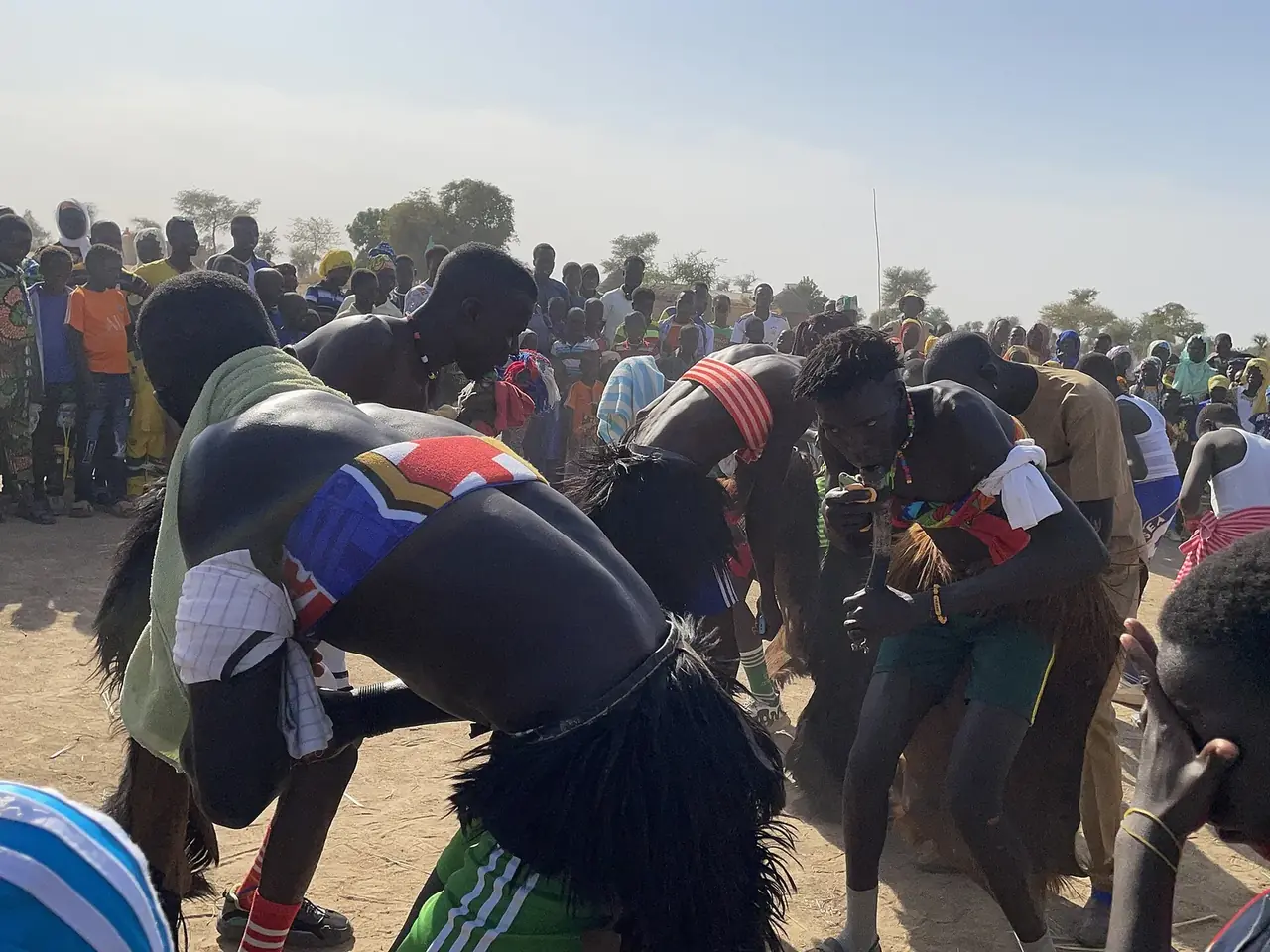
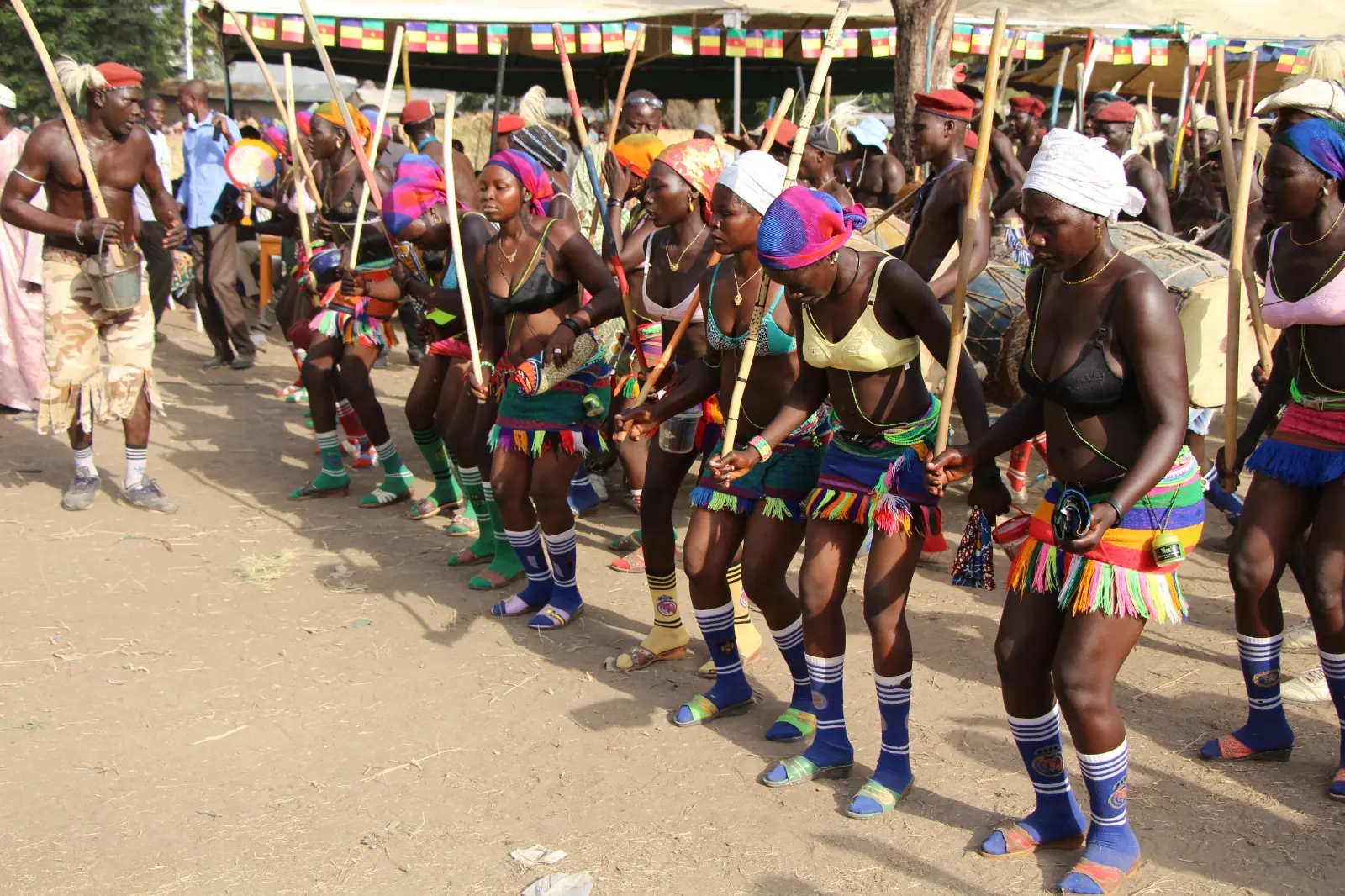
Mafa dancers in a line with sticks and colourful beaded skirts

From the bikutsi of the Centre plateaus to the assiko of the Bassa country, from the court dances of the Western kingdoms to the round dances of the Mandara Mountains, dance is one of the country’s most vibrant forms of expression. It accompanies births, initiations, harvests, mourning and the community’s great celebrations: to dance is to pass on.

The Ministry of Arts and Culture supports the whole field of dance: safeguarding traditional dances, supporting contemporary creation, structuring companies, training and presentation. This page brings together the reference points, schemes and addresses useful to dancers, choreographers, organisers and enthusiasts.

  • Traditional dances inventoried in every region
  • Contemporary creation supported by grants and residencies
  • Companies supported from structuring to touring
Traditional dances
Heritage

Traditional dances

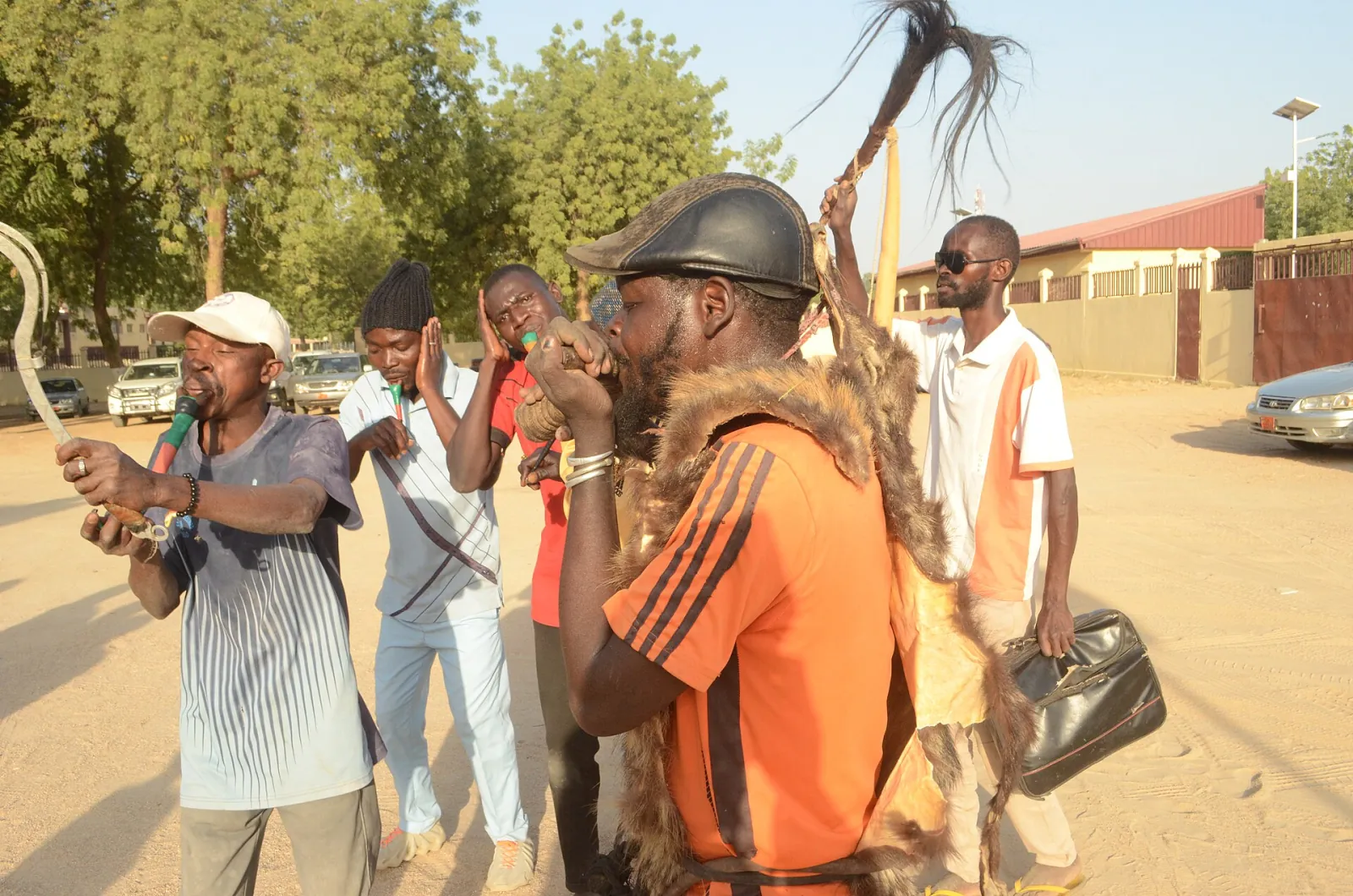
Dancers and flute players in a street, wearing skins and feathers, Mafa people

Cameroon’s traditional dances form a heritage of exceptional diversity. They can be grouped into major families that correspond to the country’s cultural areas: the court and chiefdom dances of the Grassfields and the Bamoun kingdom, the rhythmic dances of the forest and of the Centre and South plateaus, the dances of the coast and the Littoral, the dances of the peoples of Adamawa and the North, the dances of the Mandara Mountains and, finally, those of the peoples of the Eastern forest.

Precise social functions

Each dance fulfils a function: celebrating a birth, accompanying an initiation, honouring the ancestors, welcoming the fishermen’s return, opening a chiefdom ceremony. The costumes, masks, instruments (slit drums, balafons, rattles, bells) and songs that accompany them are an integral part of the dance and can only be understood together.
Safeguarding without freezing

The Ministry’s policy is to document these practices with the communities that carry them, to support the dance masters who pass them on and to enable younger generations to make them their own. The records of the national inventory and the work on intangible heritage feed into this effort.

  • Audiovisual recording of dances with the consent of their custodians;
  • Support for transmission workshops in villages and neighbourhoods;
  • Recognition of dance masters as bearers of tradition;
  • Showcasing at festivals and heritage days.
ℹ️
For communities

A community that wishes to have a dance recognised can approach its regional delegation: an officer helps it to compile the survey file.

Creation

Contemporary dance

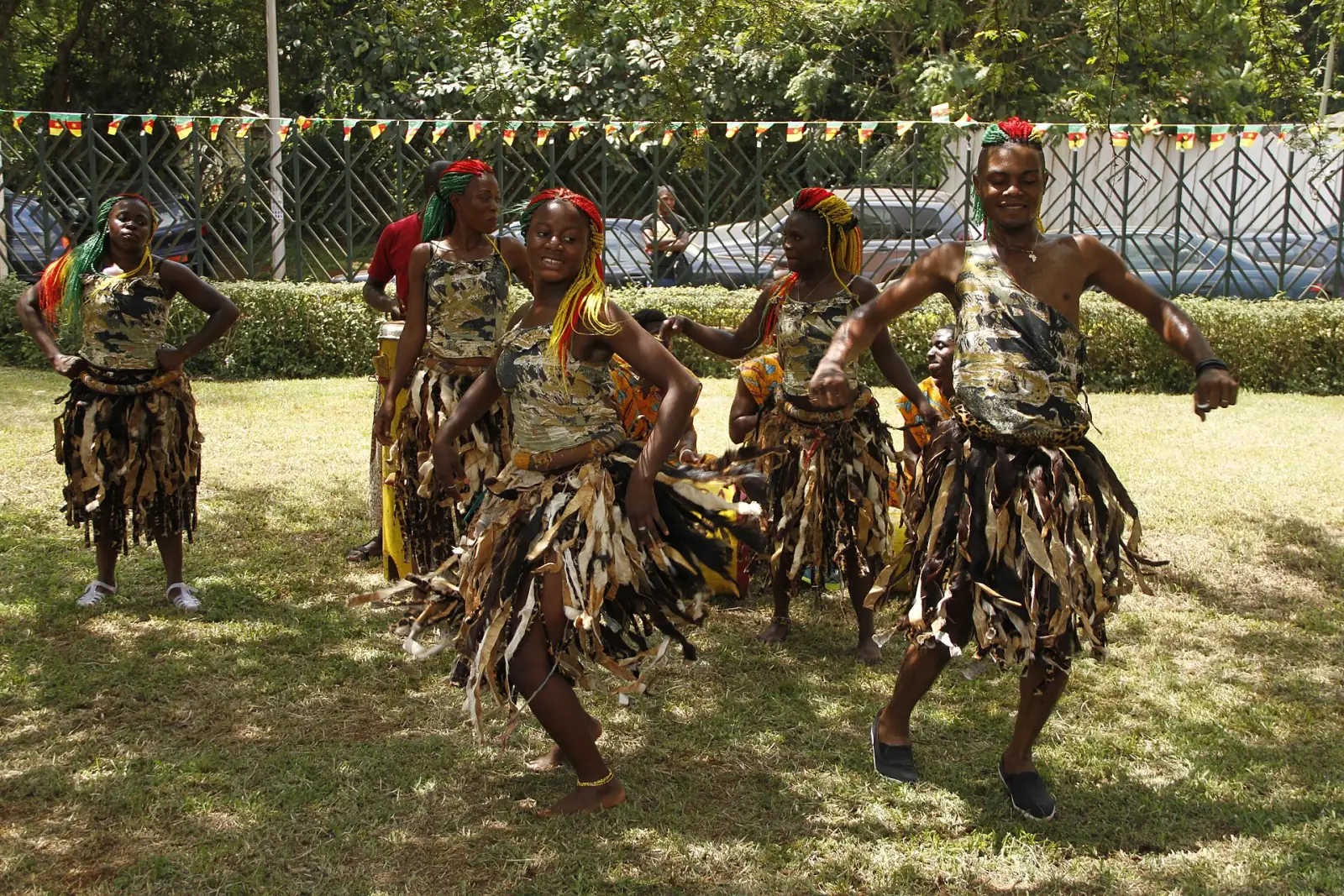
Dancers in raffia and leaf costumes performing on a lawn

For some thirty years, a contemporary dance scene has established itself in Yaoundé, Douala, Bafoussam and Buea. It draws on traditional gestures, urban dances and international writing styles to invent new forms, often presented in unconventional venues: schoolyards, market squares, wastelands, galleries.

Writing for the stage

Contemporary creation requires time, venues and technical resources. The Ministry encourages co-productions between companies, theatres and festivals so that each show benefits from a genuine run of performances and a tour of several regions.

ℹ️
Open call

Choreographers can submit a creation project to the competent directorate via the grant form; files are examined by a committee made up of professionals.

Professionals

Dance companies

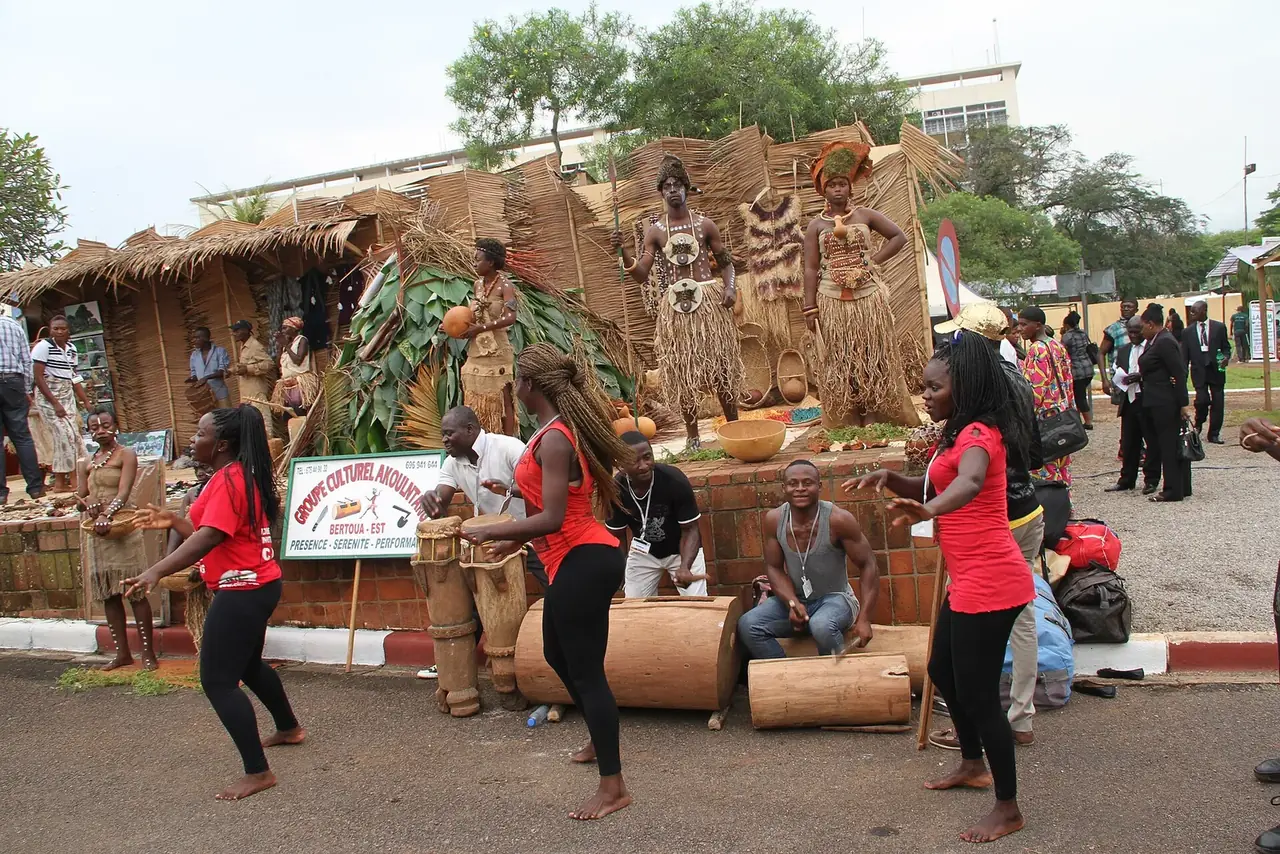
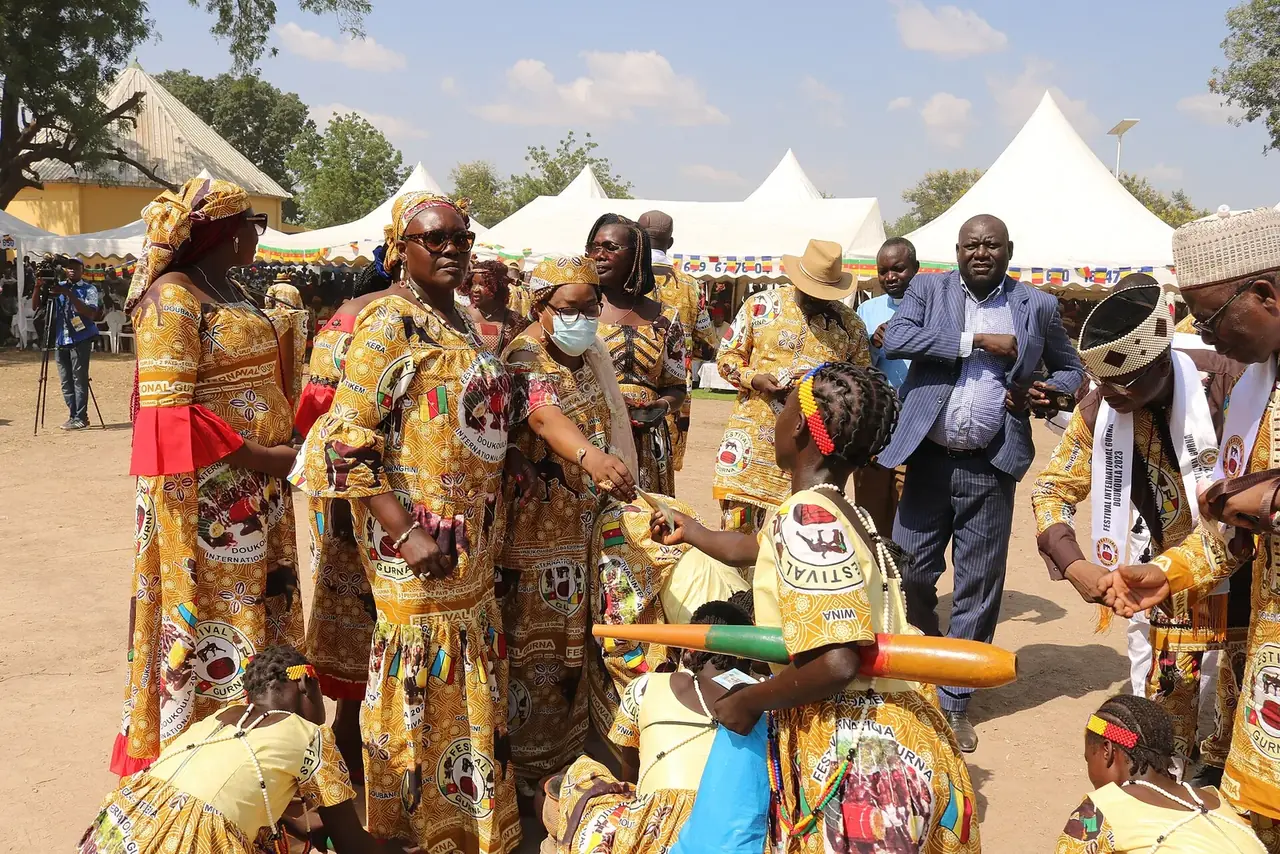
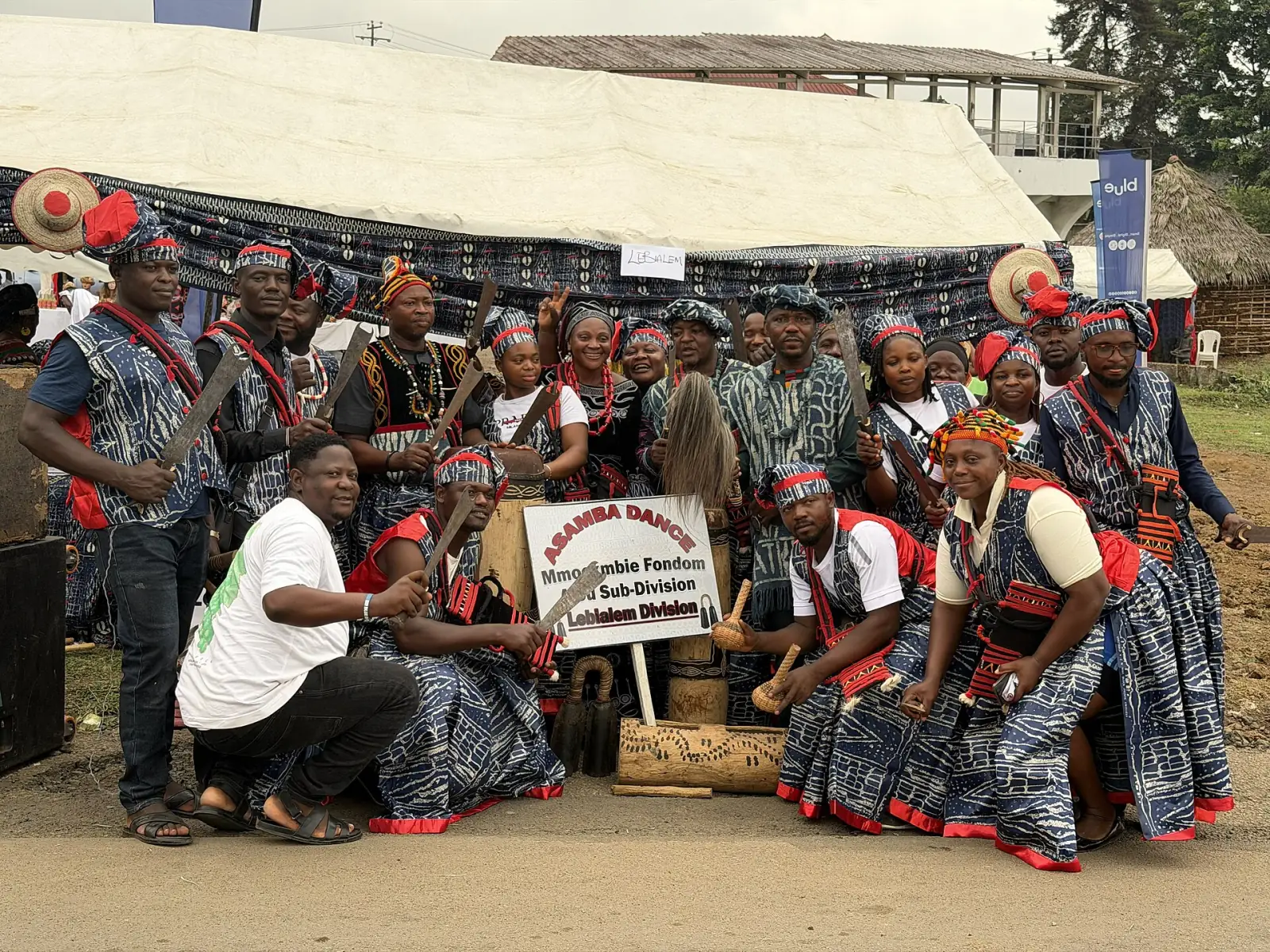
Lebialem dance group in traditional costumes posing under a fair tent

There are now several dozen registered dance companies, from small neighbourhood troupes to professional ensembles that tour abroad. What they have in common: an artistic project, a team and the will to last.

Support offered

  • Legal and administrative support for emerging companies;
  • Training workshops on project management and fundraising;
  • Free access to rehearsal studios in houses of culture;
  • Introductions to festival and venue programmers.

Lasting and growing

A solid company relies on a clear artistic project, an administrative team however modest, a regular rehearsal schedule and a policy for presenting its work. Companies that manage to tour in several regions, host trainees and pass on their repertoire are those that inspire the most confidence in partners.

Companies can be listed in the artists’ directory so that programmers can find them.

Distribution

Dance festivals

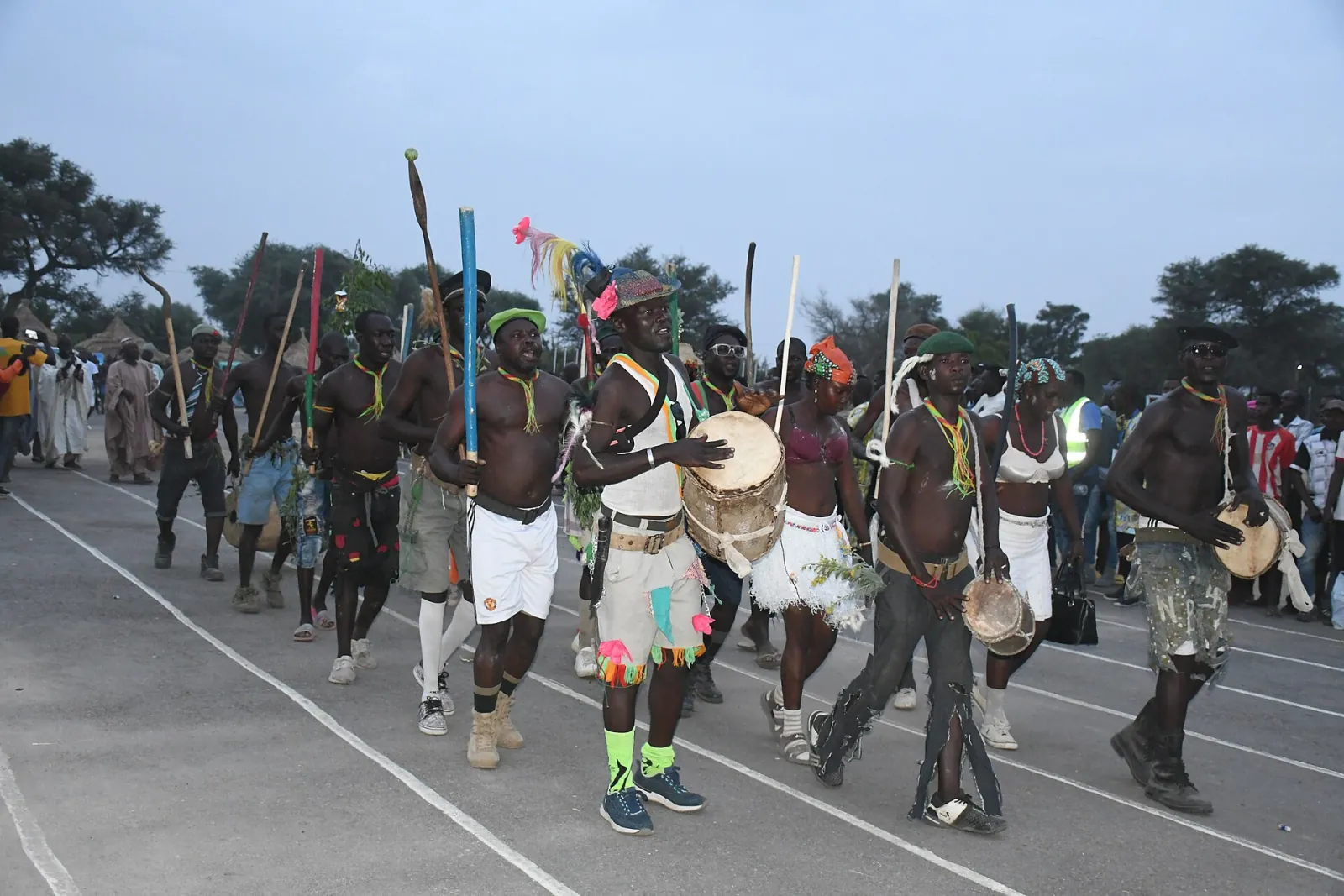
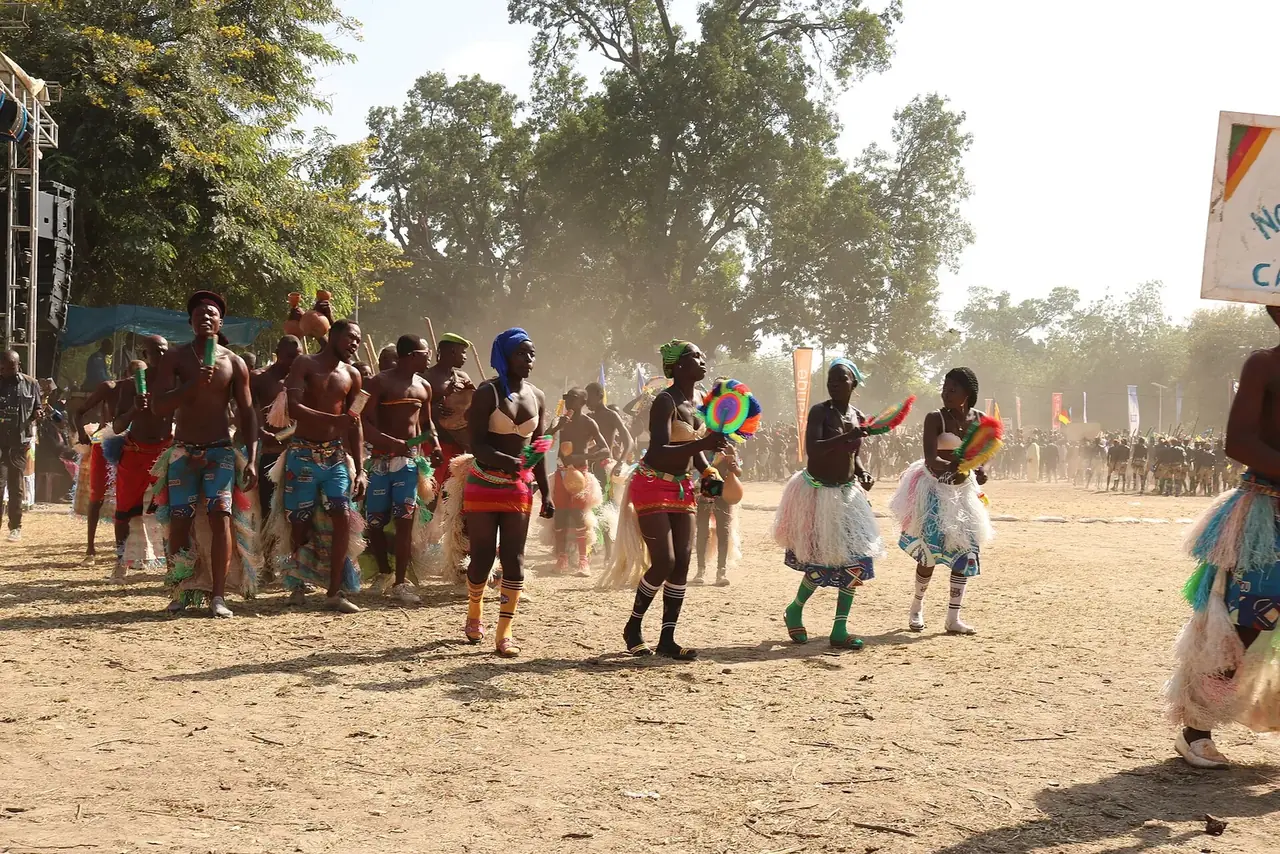
Parade of Massa dancers with spears on a track at a university arts festival

Festivals are where dancers meet their audience. Throughout the year, several events punctuate the calendar: contemporary dance gatherings, traditional dance days in the chiefdoms, open stages during the Music Festival, and regional competitions.

Take part

A festival is an opportunity to present a solo, a collective creation or a street show. Companies must respond to organisers’ calls and prepare an artistic file (statement of intent, duration, technical needs, presentation video).

Beyond the stage

A successful dance festival is not limited to performances: it offers workshops, meetings with artists, screenings of dance films, costume exhibitions and discussion sessions with the public. It becomes part of the life of the neighbourhood or village that hosts it and leaves a lasting trace in the form of archives, photographs and recordings.

Step by step

Setting up a choreographic project

Define the project

Specify the artistic intention, the team, the duration of the show and the technical needs; a two-page note is enough to begin with.

Structure the company

Form an association, have its statutes approved and open an account to receive grants.

Seek funding

Submit a grant application, approach a patron, apply for a residency or a regional fund.

Rehearse and create

Book a rehearsal studio, work with an outside eye and plan public work-in-progress showings.

Obtain the authorisations

Submit the show authorisation application a few weeks before the first performance.

Present and tour

Present the show at festivals and in venues, record it and build up your presentation file.

Key facts

Dance families at a glance

FamilyMain areaOccasionsAssociated instruments
Court dancesWest and North-WestChiefdom ceremonies, royal funeralsDrums, bells, rattles
Forest dancesCentre, South, EastNight gatherings, initiations, harvestsBalafon, slit drums, mvet
Coastal dancesLittoral, South-WestFishing festivals, weddingsDrums, guitar, percussion
Savannah dancesAdamawa, NorthEnd-of-season festivals, weddingsFlutes, armpit drums
Mountain dancesFar North (Mandara Mountains)Harvest festivals, initiationsFlutes, horns, drums
Urban dancesMajor citiesConcerts, battles, open stagesAmplified music, sound systems
Journey

Dance through the decades

1960sThe ballets of independence

The first national ensembles present the dances of the regions on official stages and abroad.

1980sThe rise of neighbourhood troupes

Amateur companies form in the major cities and keep urban dances alive.

The 2000sContemporary creation

The first contemporary dance festivals appear and choreographers become known abroad.

2010sStructuring

Companies register their statutes, teaching becomes organised and residencies multiply.

TodayA networked scene

Dancers travel, share their creations online and form co-productions across Africa.

To explore

Dance in other sections

“Dance is the first language the body learns and the last it forgets: passing it on keeps a community alive.”

A dance mistress, West
They dance

Dancers’ careers

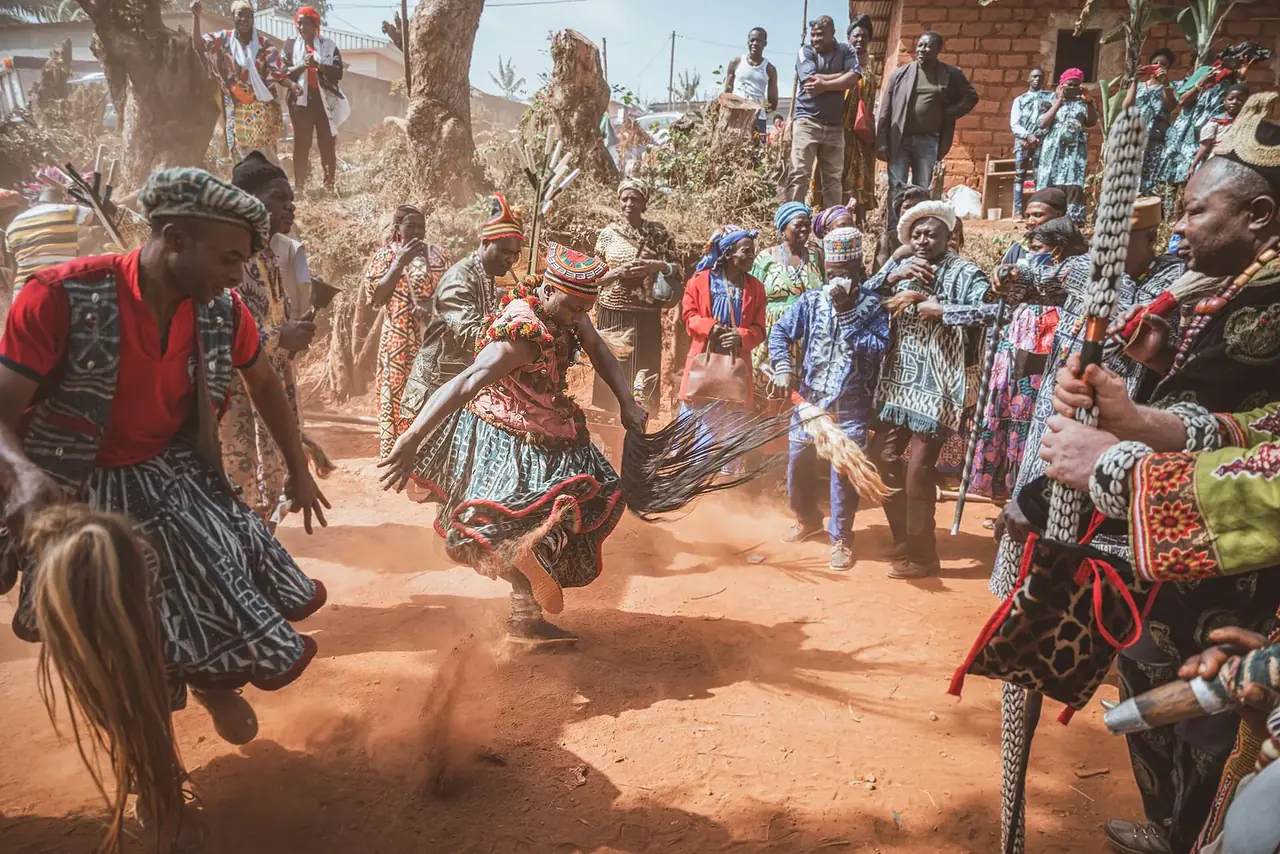
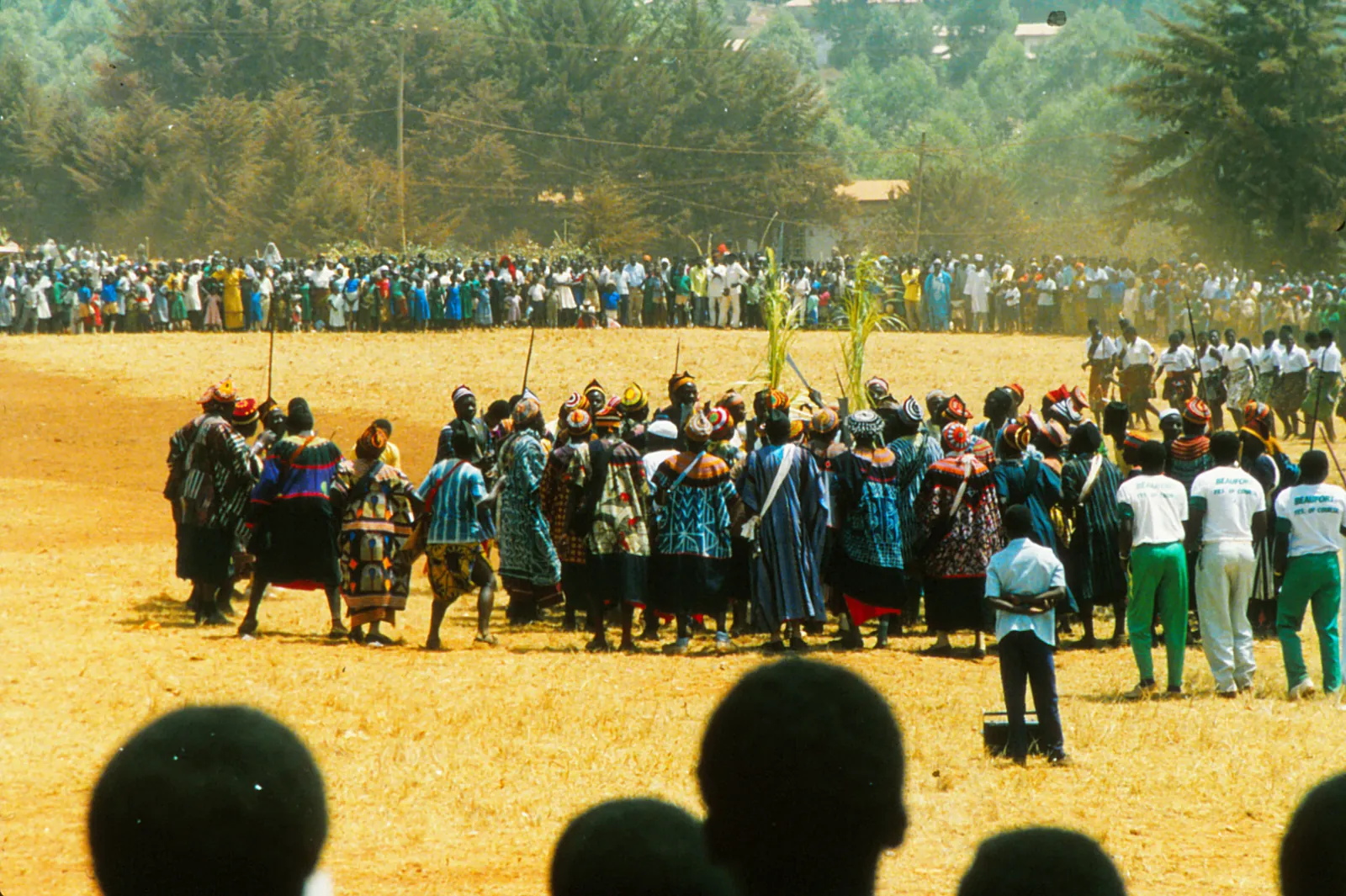
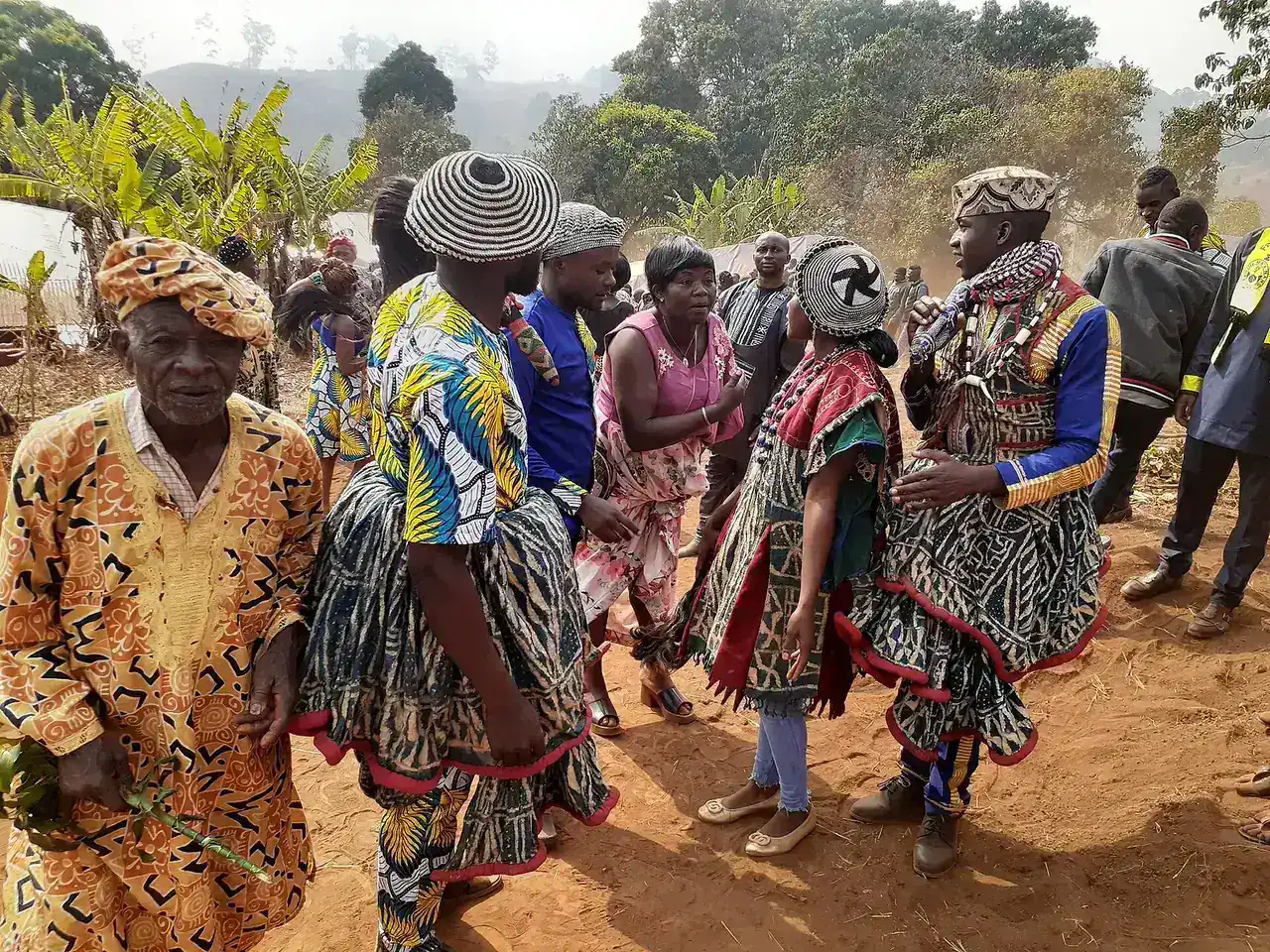
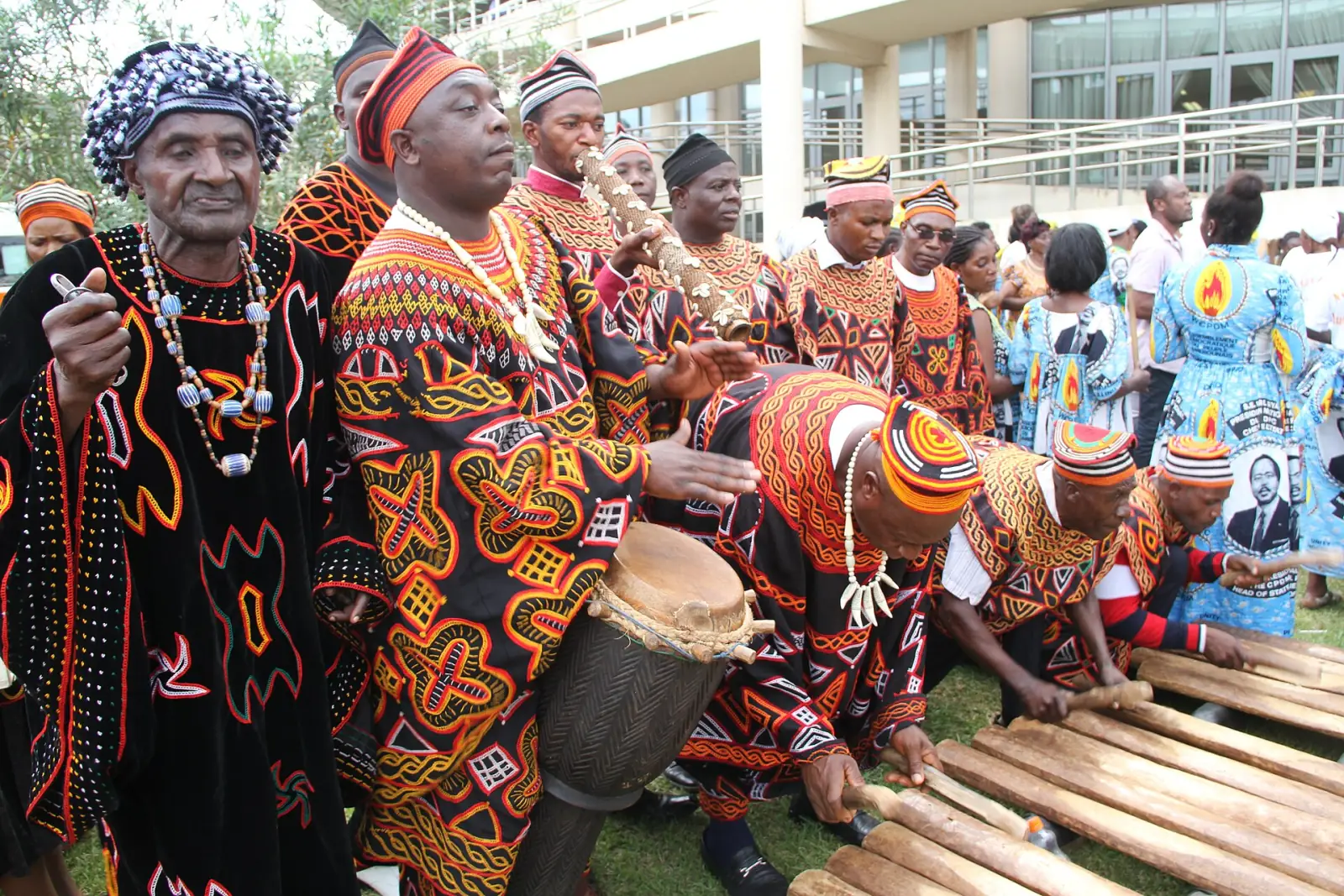
Traditional dance before a large crowd at a national celebration in Nkambe around 1990/ Foumban
A dance master

“I learned from my grandfather; today I teach forty children every Saturday.”

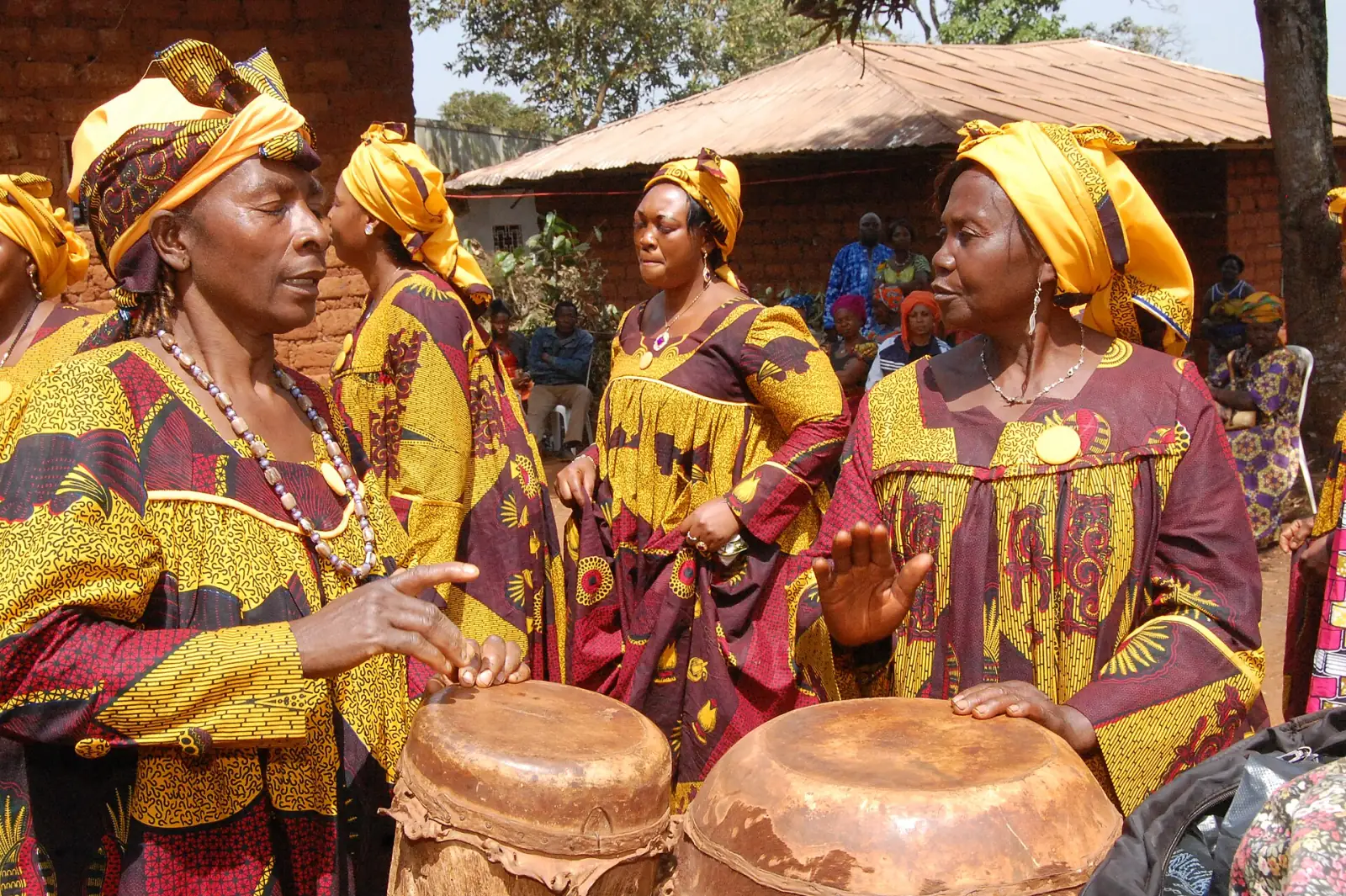
Women in yellow and brown dress seated behind large drums, Bamileke dance/ Douala
A choreographer

“My work blends the gestures of coastal fishermen with contemporary writing.”

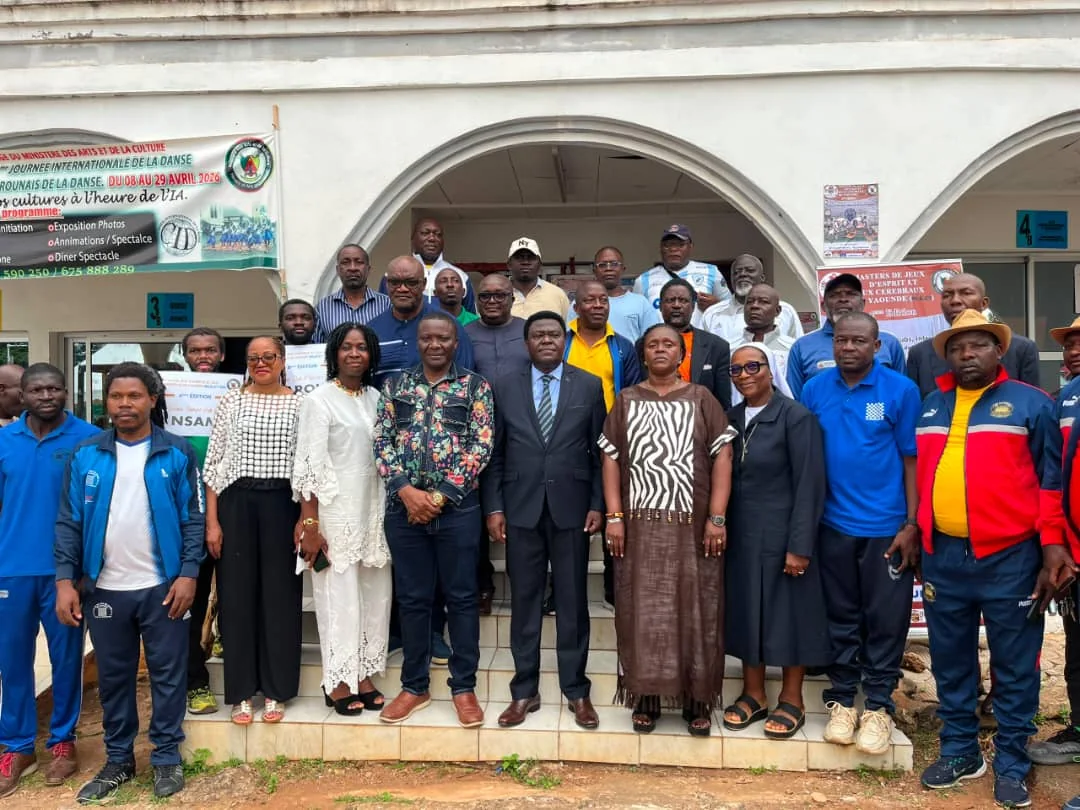
International Dance Day participants in front of the house of culture/ Yaoundé
A street dancer

“Thanks to the house of culture’s workshop, we finally have a studio to rehearse in.”

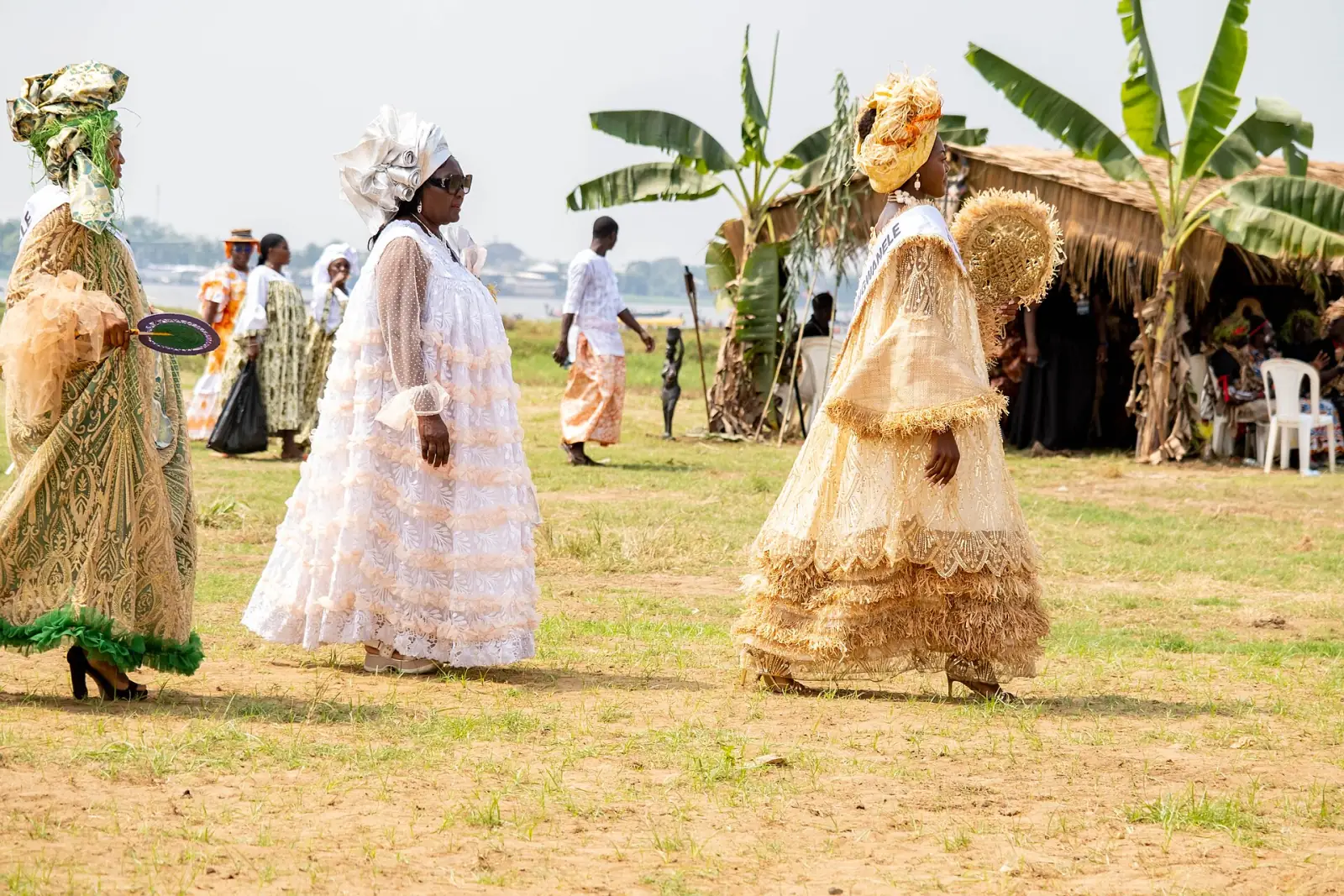
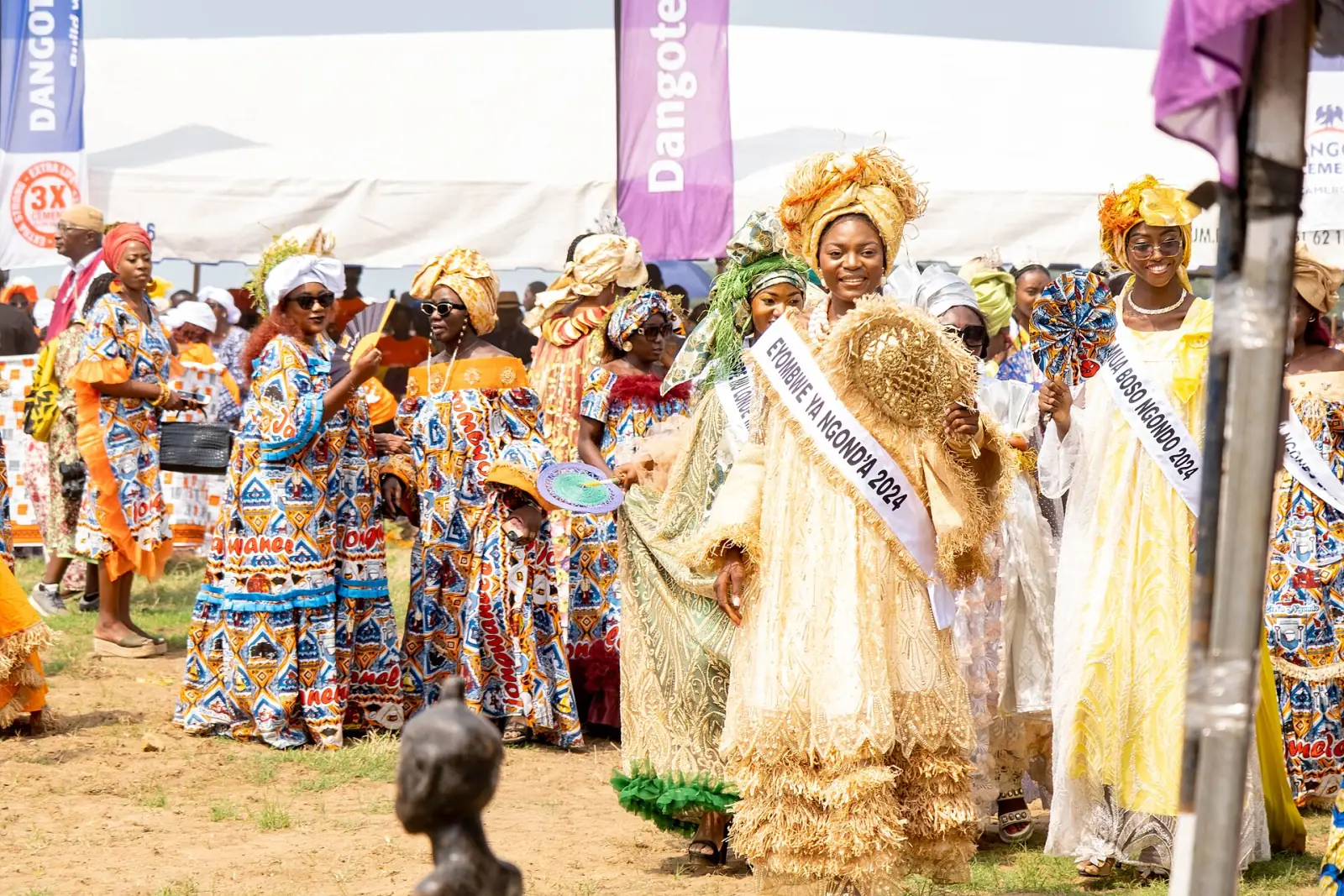
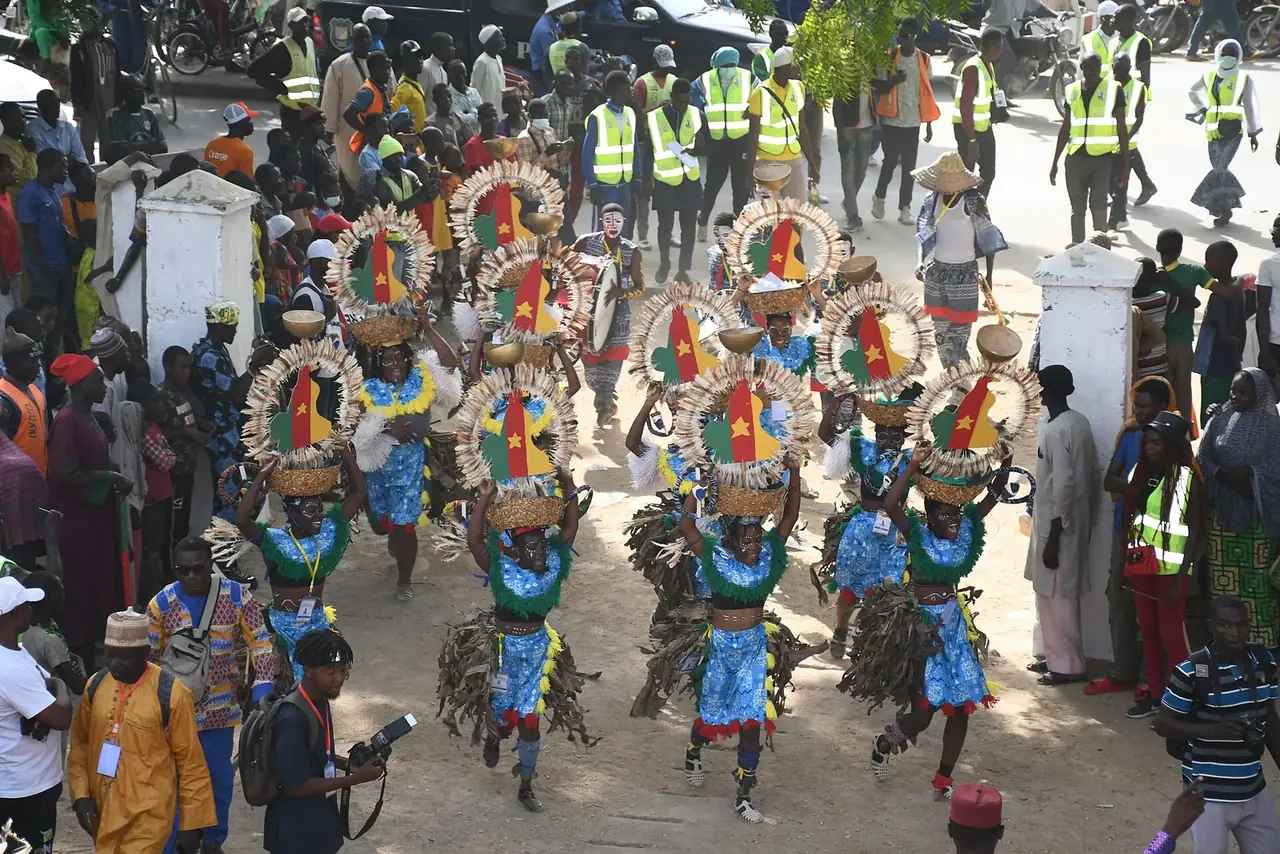
Beauty queens and women in raffia dress and colourful wrappers at the Ngondo festival/ Bafoussam
A company director

“The support scheme taught us how to build a budget and win over partners.”

To act

The schemes to know about

Creation grant

Support to fund rehearsal work, costumes and scenography for a new show.

Request support

Residencies

Research stays of one to six weeks, with accommodation, a studio and artistic support.

See the residencies

Show authorisation

Mandatory procedure before any public performance, to be completed online.

Submit the application

Artist card

Have your status as a professional dancer or choreographer recognised.

Apply
To download

Resources for dancers

Glossary

Dance vocabulary

Choreographer

Creator who composes the movements, space and rhythm of a dance piece.

Company

Structure, most often an association, that carries the artistic projects of one or more choreographers.

Court dance

Dance performed during chiefdom or kingdom ceremonies, governed by protocol.

Urban dance

Set of practices born in cities: hip-hop, street dances, club dances.

Dance master

Custodian of a traditional repertoire who teaches it to a new generation.

Residency

Creative stay granted to an artist in an equipped place.

Open stage

Show where anyone can present a short performance.

Statement of intent

Text presenting the project, its motivations and its approach.

Repertoire

All the pieces or dances a company can present.

Costume maker

Craftsperson who designs and makes stage costumes.

On the site

Continue your exploration

Resources

Useful links for dance

Stakeholders

Who supports dance?

Questions

Your questions about dance

How can I have a traditional dance of my community recognised?

Contact the regional delegation for your region. An officer helps you describe the dance (origin, occasions, costumes, instruments, custodians) and obtain the community’s consent; the entry is then added to the intangible heritage inventory.

Is an authorisation needed for an outdoor dance show?

Yes. Every public show requires authorisation from the Ministry. The application is submitted online to the One-Stop Shop, several weeks before the planned date, with the programme, the venue and the safety plan.

How can I fund the creation of a show?

Several avenues are possible: a Ministry grant, a residency, corporate patronage, crowdfunding or creation support funds. Each has its own conditions, detailed in the Industries section.

Can a dancer obtain the artist card?

Yes. Professional dancers and choreographers can apply for the artist card online, proving their practice through contracts, show programmes or certificates.

Where can I train in dance?

In company workshops, houses of culture, conservatoires and artistic training institutions. The National Institute of Arts and Culture prepares students for performing arts professions.

How do I register my company in the directory?

Fill in the registration form and attach a short presentation, two photographs and a video link. Registration is free and the entry can be updated at any time.

Are my choreographies protected?

An original choreography is a work protected by copyright from the moment it is created. You can declare it to date your creation and approach a collective management society to collect your fees.

Whom should I contact for a dance project in schools?

The Ministry works with schools within the framework of arts education. Write to the directorate, specifying the school, the target audience and the preferred schedule.

Contact

Tell us about your dance project

Describe your company, your project and the region concerned: your message is forwarded to the competent directorate.

Competent directorate

Contact arts promotion

Address

Directorate of the Development and Promotion of the Arts
Ministry of Arts and Culture
Quartier du Lac – Ministerial Zone
P.O. Box 1053 Yaoundé, Centre Region, Cameroon

Reach us

+237 6 51 70 58 41

contact@minac.gov.cm

Opening hours

Monday to Friday, 8 am to 4 pm

A show to present?

Submit your authorisation application online and track it with your file number.

Request an authorisation
WhatsApp