Coat of arms of CameroonMinistry of Arts
and Culture
Republic of Cameroon
My procedures
Home
Minister’s message
News
Press releases
Cultural calendar
Official speeches
Press review
Photo library
Video library
Calls for projects
Job vacancies
Public procurement
Newsletter
Frequently asked questions
Site map
Contact
Press area
Podcast “The Voice of Culture”
Legal notices
Privacy policy
Cookies and trackers
The Ministry
Missions and responsibilities
Organisation
Organisation chart
Minister’s Office (Cabinet)
Management team
General Secretariat
General Inspectorate
Central directorates
Regional Delegations
Institutions under supervision
Legislative texts
Regulatory texts
Sector strategy
Major projects
Budget and reports
Partners
Careers
Archives
Institutional communication
Quality and accessibility
Arts
Visual and plastic arts
Visual arts
Performing arts
Theatre
Dance
Music
Literature and books
Cinema and audiovisual
Photography
Fashion and design
Digital arts
Art crafts
Artists’ directory
Residencies
Prizes and awards
Arts education
Urban arts
Heritage
Tangible heritage
Intangible heritage
UNESCO sites
National museums
Listed monuments
National inventory
Palaces and chiefdoms
Archaeology
Linguistic heritage
Oral traditions
Traditional know-how
Restitution of cultural property
Fight against illicit trafficking
Listing and protection
Conservation and restoration
Heritage Days
Cultural landscapes
Industries
Music and recording
Cinema
Publishing and books
Digital arts
Fashion and creativity
Crafts
Cultural tourism
Funding for culture
Support funds
Incubators
Cultural entrepreneurship
Culture Observatory
Vocational training
Studies and reports
Sector statistics
Export and outreach
Intellectual property
Copyright
Legal framework
Copyright and neighbouring rights
Collective management societies
Register a work
Licences
Private copying
Fight against piracy
Model contracts
Social status of artists
Mediation
Disputes
Training
Fee scales
Register of works
Contact
Digital neighbouring rights
Public domain
Festivals
National calendar
Ngondo
Nguon
Écrans Noirs
Heritage Days
Music Day
Regional festivals
Fairs and exhibitions
Biennials
National competitions
Cultural days
Organise a festival
Event grants
Ticketing
Archives
Volunteering
Diaspora festivals
Regions
Adamawa
Centre
East
Far North
Littoral
North
North-West
West
South
South-West
Cultural map
Regional Delegations
Traditional chiefdoms
National languages
Cultural routes
Decentralised cooperation
Regional observatory
Cooperation
UNESCO
Francophonie (OIF)
African Union
Commonwealth
CEMAC
Bilateral cooperation
Cultural agreements
Professional organisations
Scholarships
Artist exchanges
Cultural years
Diaspora
Funded projects
Embassies
Technical partners
International restitution
International monitoring and calls
Services
Artist card
Show authorisation
Filming authorisation
Festival authorisation
Deposit of a work
Export of works of art
Listing of a property
Grant application
Association accreditation
File tracking
Forms
Fees
Opening hours and addresses
Reporting
Online help
My account
One-Stop Shop
Arts

Cinema and audiovisual

Production, festivals, cinemas and funding: everything you need to know to shoot, finance and screen a film in Cameroon, with the missions of the DCPA and the revision of the legal framework under way in 2026.

Updated on 6 November 20264 sub-pages
Sub-Directorates of the DCPA2
Formats coveredCinema, television, web
Legal frameworkUnder revision (2026)
NDS30 priorityAudiovisual media
Cinema and audiovisual

A screen for every story

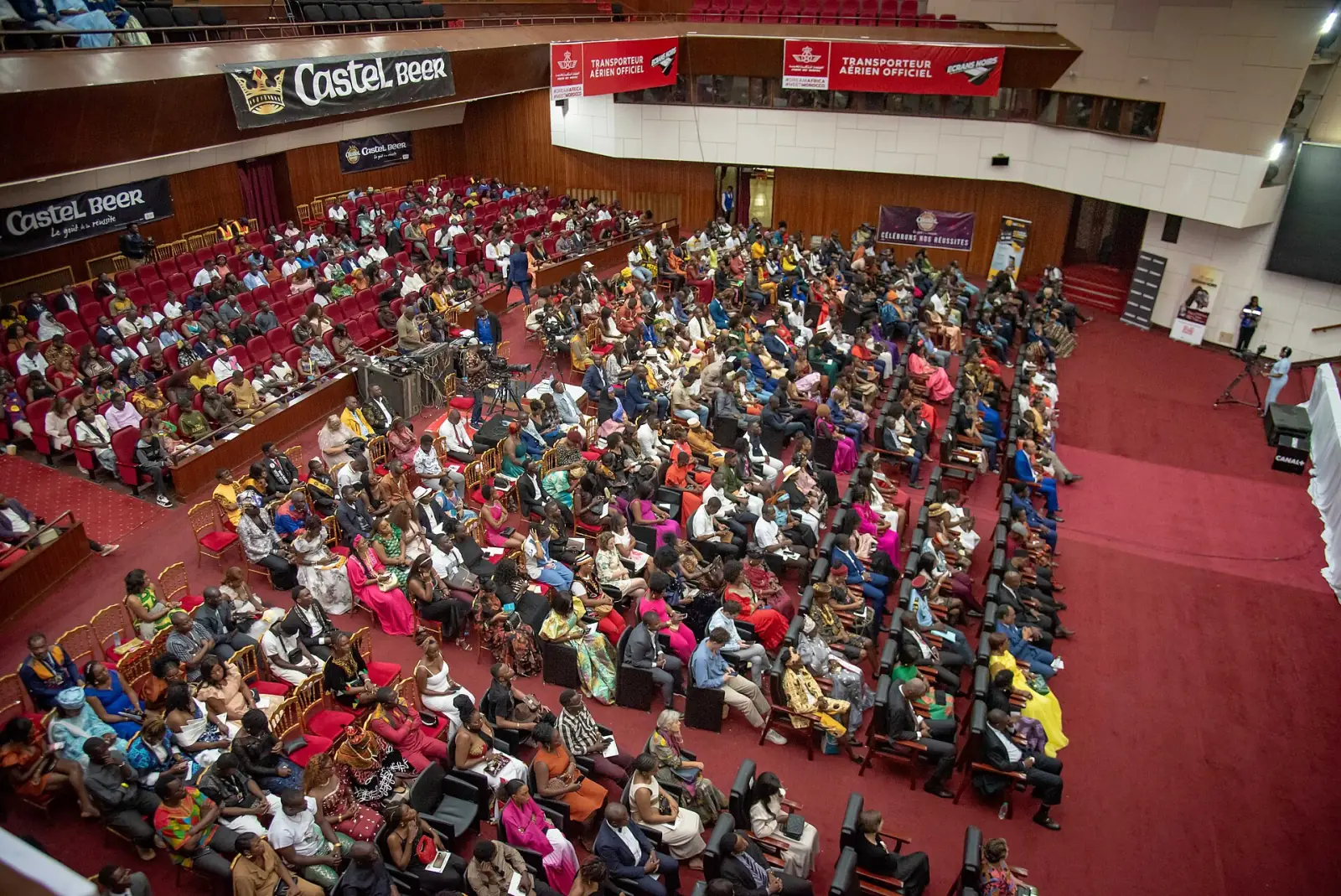
Aerial view of the full Yaoundé Conference Centre during the Écrans noirs festival closing

From the mobile cinema of the years after independence to series shot in Douala and Yaoundé, from fiction to field documentaries, the moving image has become one of the most faithful mirrors of Cameroonian society. It tells of chiefdoms as well as working-class neighbourhoods, plantations as well as campuses.

The Directorate of Cinematography and Audiovisual Productions (DCPA) defines the sector’s development strategies, supports production, regulates the professions and processes filming authorisations. This page brings together useful points of reference for producers, directors, technicians, cinema operators and festival organisers.

  • A filming authorisation to be requested online
  • A legal framework under revision by an interministerial committee
  • Support, festivals and cinemas to keep films alive
See production
Production

The production of films and audiovisual programmes

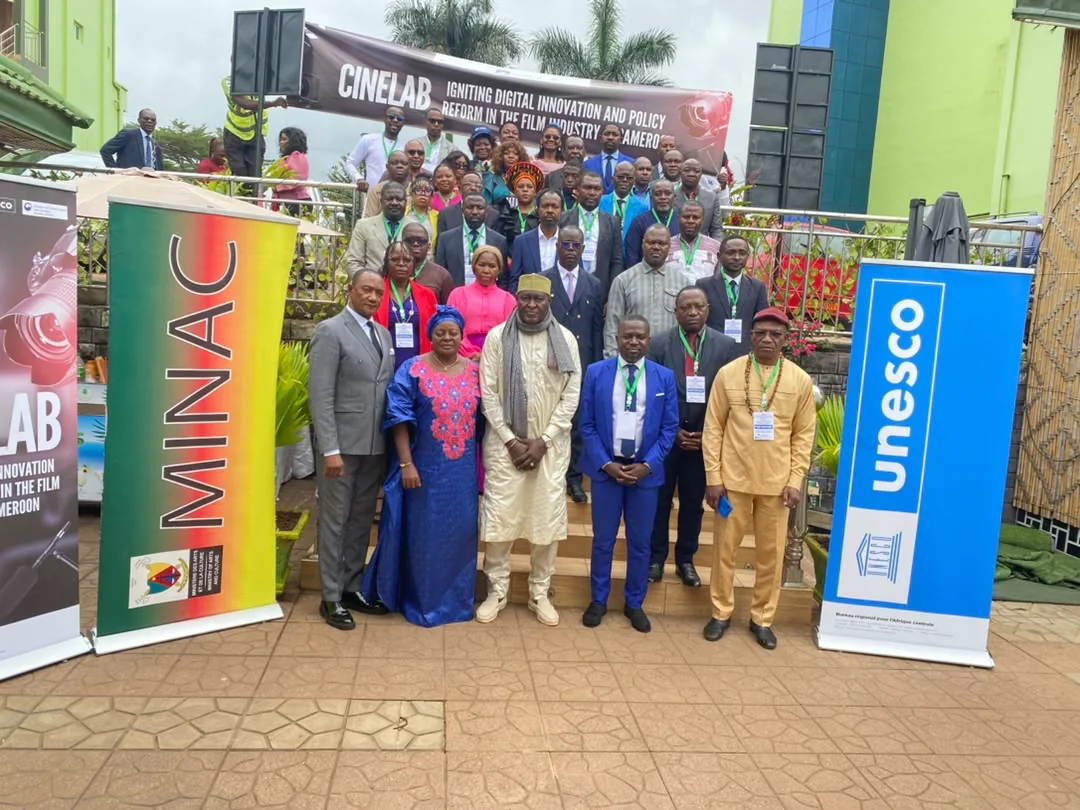
CINELAB workshop participants in front of the Ministry and UNESCO banners

Producing a film means bringing together a script, financing, a crew and a shooting plan. In Cameroon, the landscape is made up of small independent production companies based mainly in Douala and Yaoundé, public and private television channels that commission programmes, and a growing number of creators who shoot with light equipment and distribute online.

The role of the DCPA

The directorate designs and produces audiovisual productions intended to promote national cultural identity, supports film production, prepares regulations, regulates the professions and collects statistics on production, distribution and exhibition. Its entry among the central directorates details these responsibilities.

Filming authorisation

Any shoot of a film or audiovisual document on national territory requires an authorisation, processed by the directorate. The application is submitted online: see the filming authorisation procedure and the One-Stop Shop. Plan to submit it several weeks before the first day of shooting, with the synopsis, the list of locations, the schedule and the identity of the responsible company.

Genres and formats

  • Feature and short fiction films, often in French, English or national languages;
  • Creative documentaries and field reports;
  • Television series and web series;
  • Animated films and music videos.

Creators will find other opportunities in the film industry.

ℹ️
For producers

Put together a complete file from the outset: screenwriter’s rights assignment contract, technicians’ contracts and financing plan. It will serve for the authorisation as well as for support schemes.

Festivals

Festivals: film showcases

Golden Screen trophy awarded at the Écrans Noirs festival

A film comes alive in front of an audience. Festivals are, along with cinemas, the place where directors meet audiences, professionals and the press. Cameroon hosts events of very different sizes, from neighbourhood screenings to major international events such as Écrans noirs, which each year brings together African films and guests from many countries.

What a festival offers

The programme generally includes short and feature film competitions, thematic panoramas, open-air screenings, writing workshops, professional meetings, co-production markets and school screenings. Regional festivals, listed in the national calendar, give first films their first audience.

Submitting a film

Each festival publishes rules: maximum running time, year of production, subtitled version, technical sheet, trailer. It is useful to submit the film in high definition and to prepare a press kit. Calls are relayed on the calls for projects page.

Organise a festival

Organisers must apply for the festival authorisation and can rely on the Organising a festival guide for logistics, security and ticketing. Screening rights for the films programmed must be paid for or negotiated with their rights holders.

Venues

Cinemas and screening venues

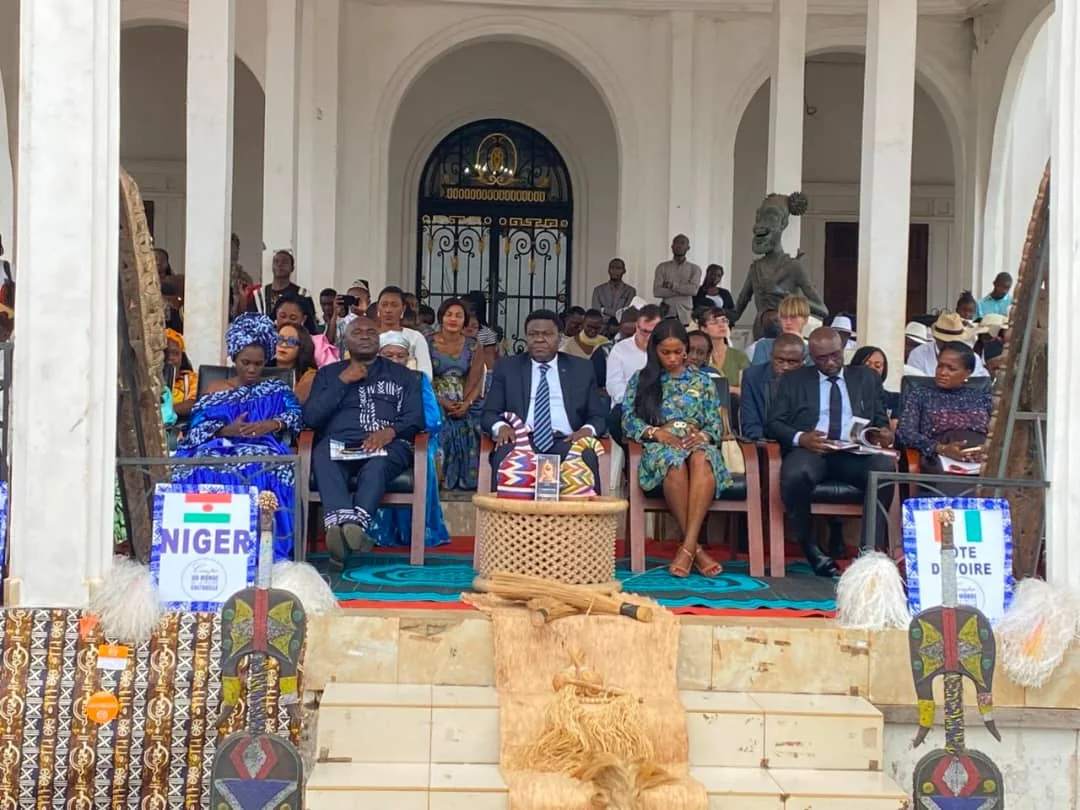
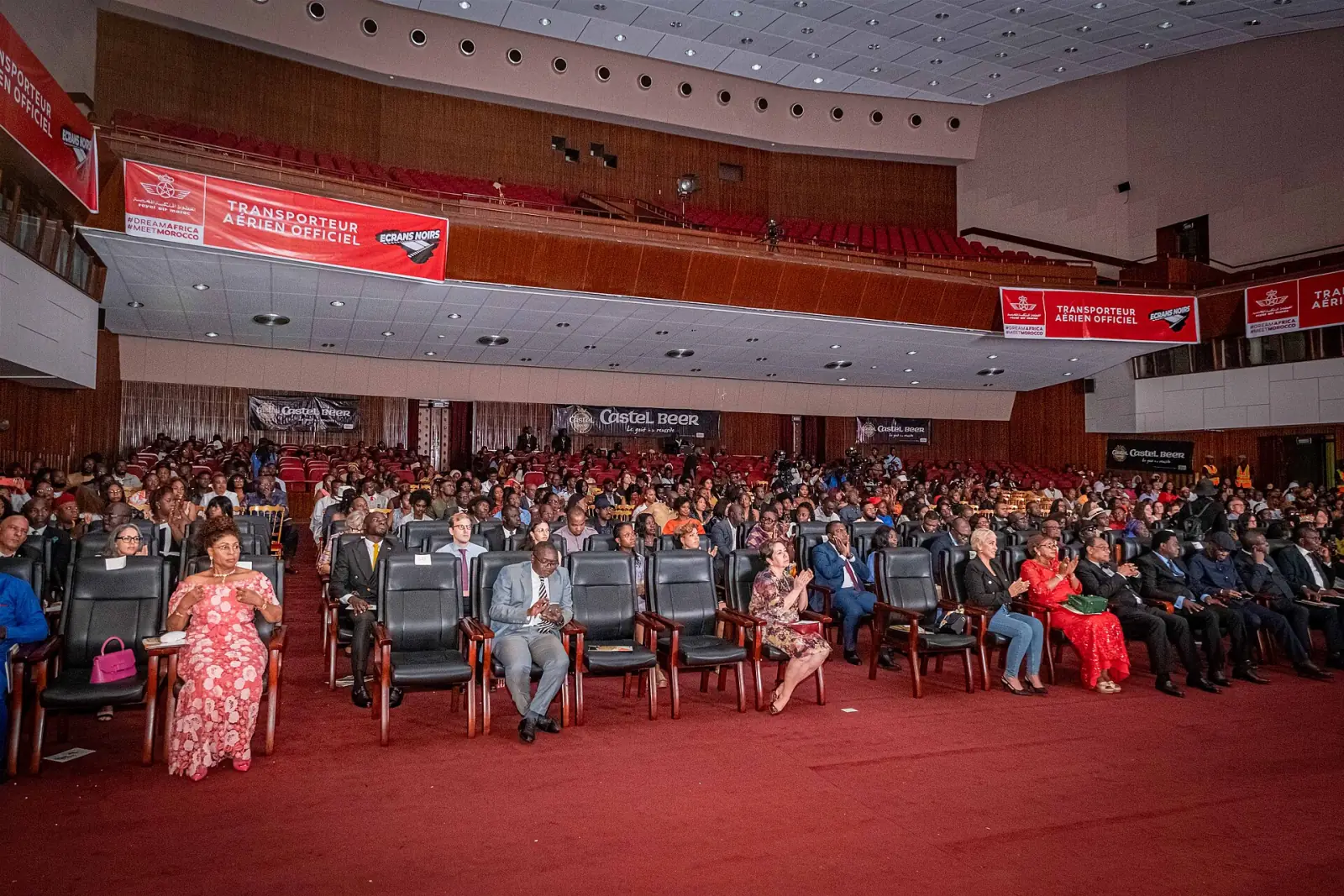
Official audience seated in a large red hall at the opening ceremony of a film festival

Cameroon once had large city-centre cinemas, many of which closed or changed use from the 1990s onwards. Today, screening is being reborn in varied forms: renovated cinemas in the large cities, complexes integrated into shopping centres, association film clubs, cinemas in cultural centres, open-air screenings and mobile cinema in underserved regions.

Opening a cinema

The establishment of a cinema and the operation of a mobile cinema are subject to an application examined by the Sub-Directorate of Cinematography, Standards and Controls. The file describes the venue, the seating capacity, the projection and sound equipment, the safety measures and the operating plan.

Private screenings and cultural activity

An association, school or cultural centre wishing to organise screenings for cultural activity purposes must submit a screening application to the directorate. For any paying audience, the show authorisation is also required.

Distribution channels

  • Commercial cinemas and association cinemas;
  • National and regional television channels;
  • Online platforms and social networks;
  • Festivals, caravans and school screenings.

Institutions under supervision and regional delegations can direct project leaders to equipped venues.

ℹ️
Good to know

The broadcasting rights of the films screened remain the property of their rights holders: enquire with the collective management societies before announcing a public screening.

Support schemes

Support for cinema and audiovisual

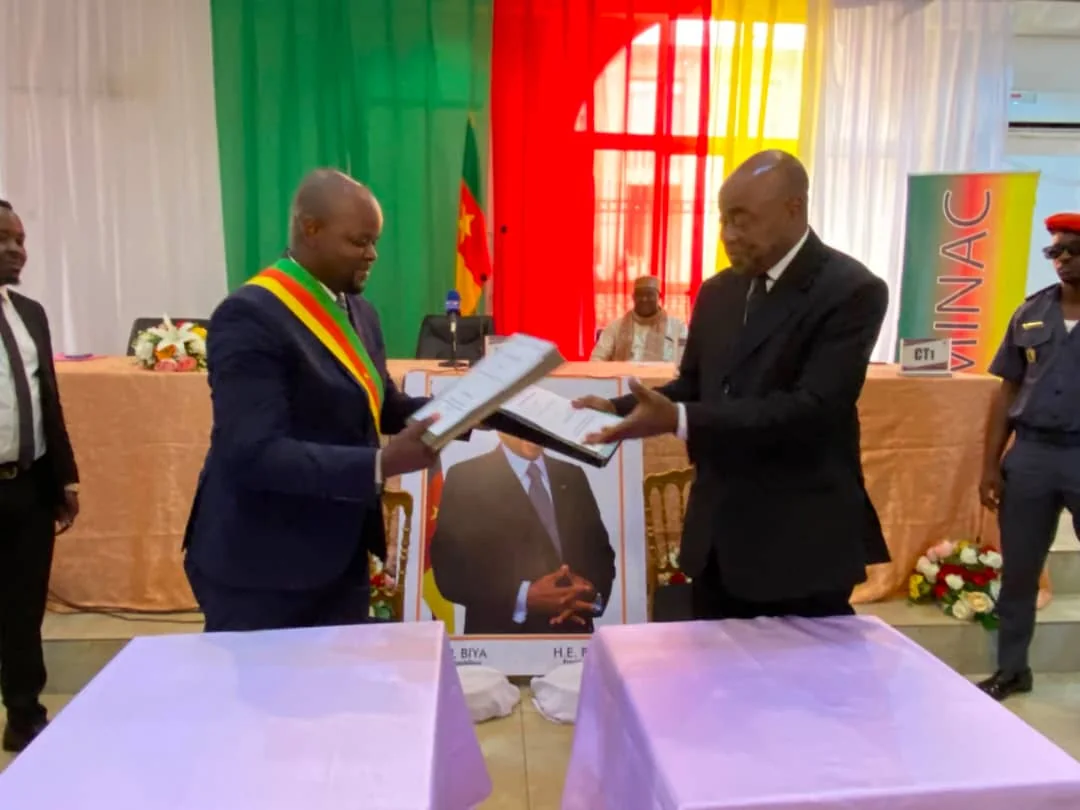
Signing of an agreement in front of the portrait of the Head of State

A film is expensive and pays back slowly. Public support aims to kick-start projects, not to replace producers. Several levers exist: Ministry grants, the cultural policy support account, patronage and sponsorship, international funds and co-productions.

Patronage and tax benefits

Companies that support a film or a festival may, under the conditions laid down by law, benefit from tax advantages for cultural patronage and sponsorship; the texts are gathered in the legislative texts.

Cooperation and co-production

Bilateral cultural agreements, La Francophonie, the Commonwealth and the African Union open co-production and training windows: see cultural agreements and scholarships.

Building a financing plan

  1. Cost the budget by item (writing, shooting, post-production, promotion);
  2. Distribute the sources: producer’s contribution, grants, pre-sales, patronage;
  3. Plan for distribution and derivative rights;
  4. Keep supporting documents for the reports requested.
Law

The legal framework for film activity under revision

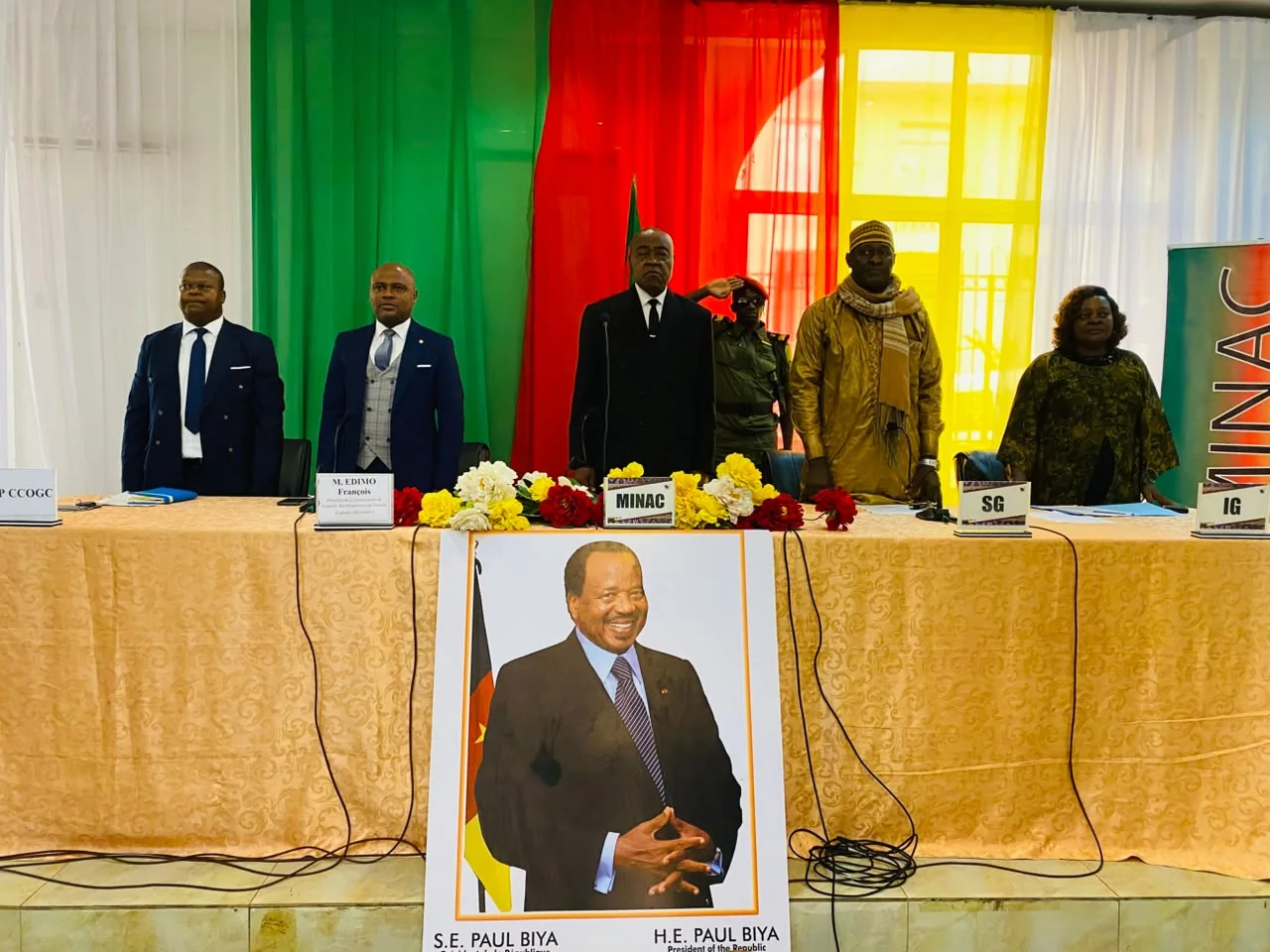
Opening session with the portrait of the Head of State in front of the panel table

Film and audiovisual activity is governed by legislative and regulatory texts that set the conditions for practising the professions, the operation of cinemas, the control of films and the protection of works. In view of changes in the sector, with the rise of platforms, digital production and co-productions, an interministerial committee was tasked in 2026 with revising the legal framework for film activity.

What the review covers

The work focuses on clarifying filming authorisations, organising the professions, financing production, protecting film archives and adapting the system to online distribution. Several administrations are involved because cinema touches on culture, communication, finance, security and trade.

Careers

Professions in cinema and the economics of the sector

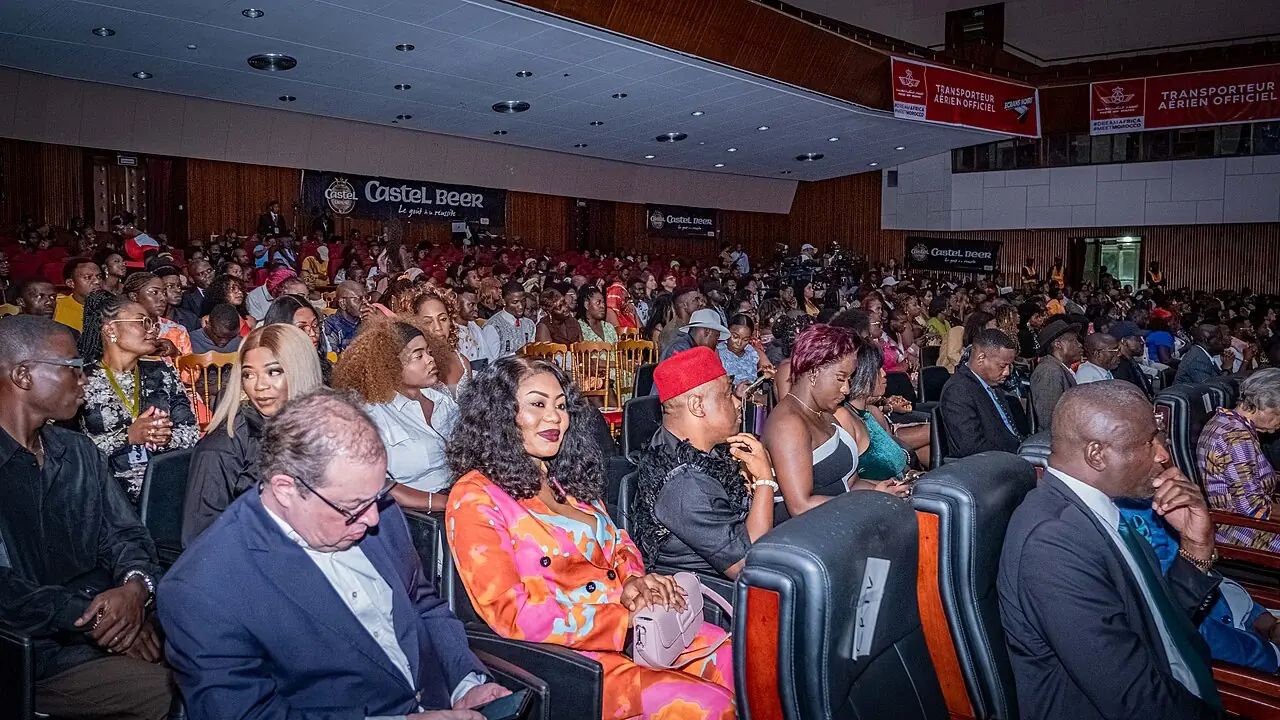
Packed hall at the opening ceremony of the Écrans Noirs festival

Behind a film stands a chain of professions: screenwriter, producer, director, director of photography, sound engineer, camera operator, editor, colourist, set designer, costume designer, make-up artist, production manager, script supervisor, actor, composer, distributor, exhibitor. Many work on a per-assignment basis, from shoot to shoot, which makes social status and contracts decisive.

Economy

A film’s revenue comes from pre-sales, sales to television channels, cinema admissions, festivals, foreign sales and platforms. Monitoring production, distribution and exhibition figures is the responsibility of the DCPA, in conjunction with the culture observatory and the sector statistics.

Step by step

From script to screen

Write and protect

Write the script, the synopsis and the statement of intent, then register the work to date the creation and secure your copyright.

Raise the financing

Build the financing plan: producer’s contribution, grant, patronage, pre-sales to a channel, foreign co-production.

Obtain authorisation

Submit the filming authorisation application online with the synopsis, locations, schedule and crew list.

Shoot and edit

Respect the places filmed, contract with actors and technicians, then move on to image, sound and colour-grading post-production.

Have it reviewed and distribute

Submit the film to the review commission where the regulations require it, then negotiate the release with exhibitors and broadcasters.

Present to the public

Enter the film in festivals, schedule neighbourhood screenings and contribute to the national film archives.

History

Cameroonian cinema across the decades

Colonial eraThe first screenings

Films arrive through itinerant screenings and the first cinemas in the large cities, essentially with imported works.

1960sIndependence and the first films

Cameroonian filmmakers trained abroad make their first short and feature films, and national television prepares its first broadcasts.

1970s-80sAuteur cinema

A generation of directors signs fiction films noted in African and European festivals, despite modest means.

1990sThe crisis of the cinemas

The large cinemas close; video and private television take over and create new audiences.

2000s-2010sThe boom in video

Low-budget productions multiply, festivals become more structured and schools train technicians.

2026A reform under way

An interministerial committee is examining the revision of the legal framework for film activity to accommodate platforms and digital production.

To explore

Cinema in the other sections

To download

The producer’s resources

“A film is a collective memory in the making: every image shot today will tomorrow be an archive of our country.”

A documentary producer, Douala
They make the screen

Careers in cinema and audiovisual

Presentation of a best screenplay award before a large Cameroonian flag at the Écrans noirs festival/ Yaoundé
A director

“I shot my first short film with a phone and a neighbour who was a sound engineer; the neighbourhood screening made me want to carry on.”

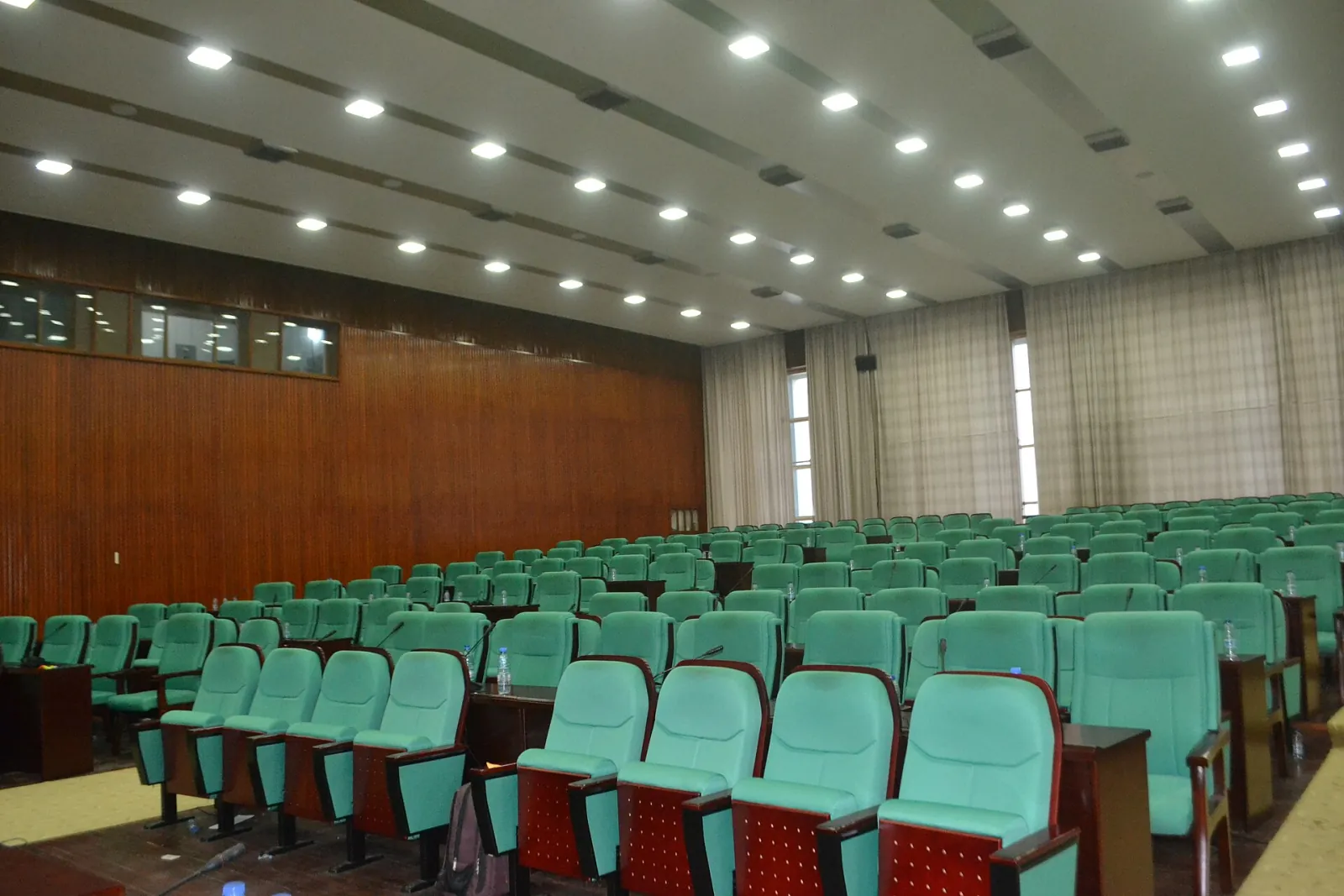
Conference hall with green seats and a ceiling of spotlights at the Yaoundé Conference Centre/ Douala
A film editor

“I work for television and for independent documentaries; editing is where the film finds its rhythm.”

A speaker in a blue outfit addresses the room in front of a MINAC banner, at a meeting table set with water bottles and flowers./ Bafoussam
A cinema operator

“Reopening a cinema takes patience, but school screenings fill the hall on Thursdays.”

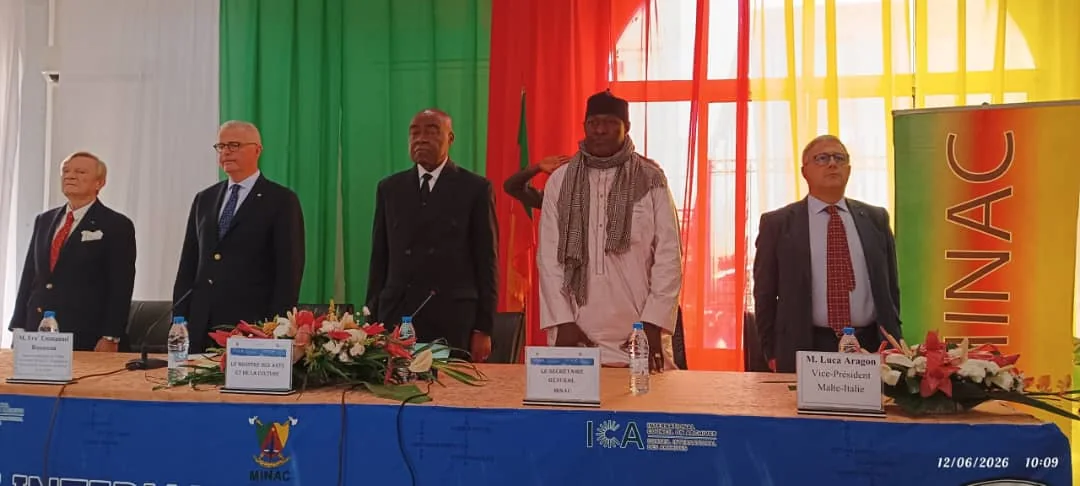
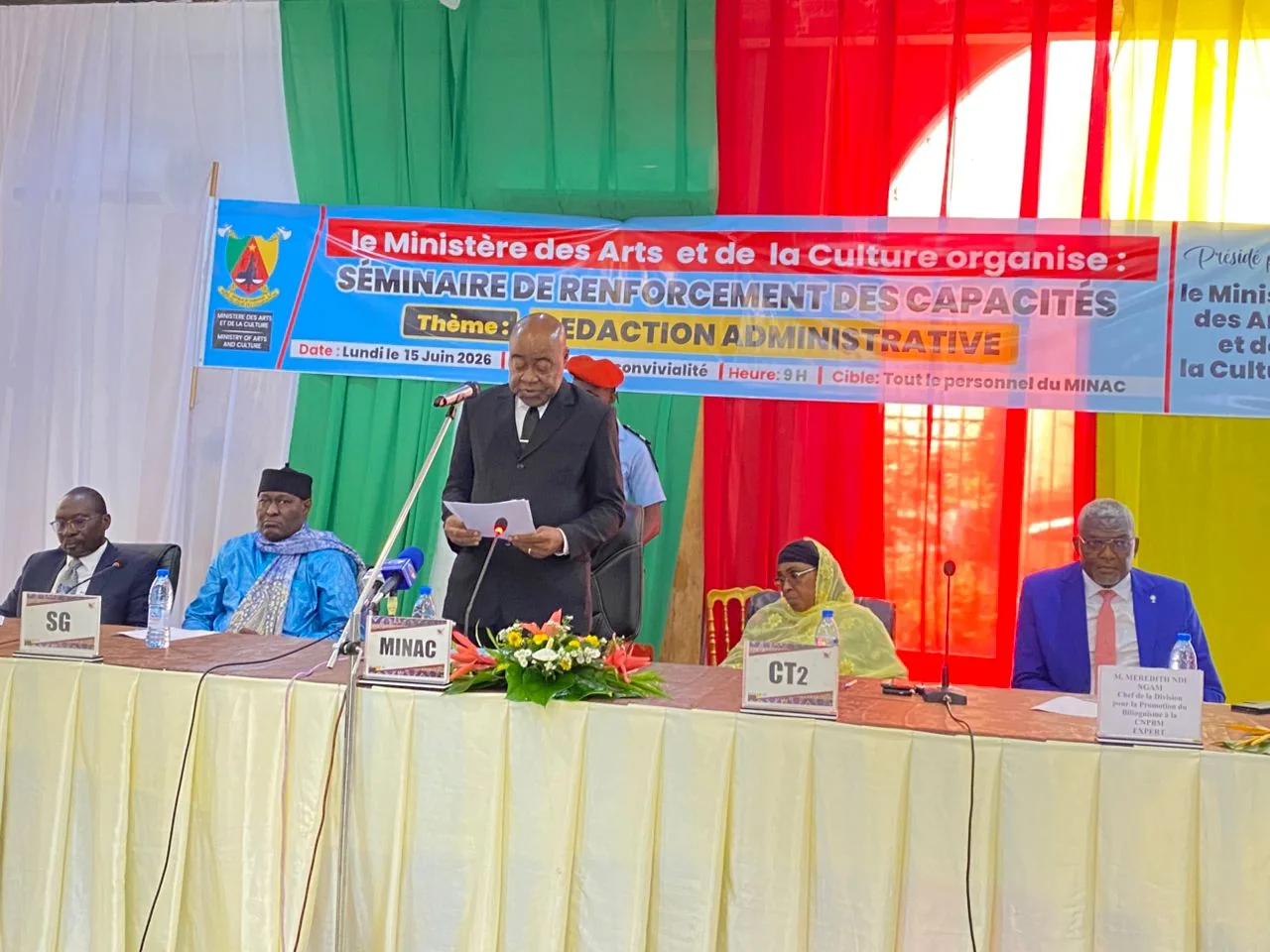
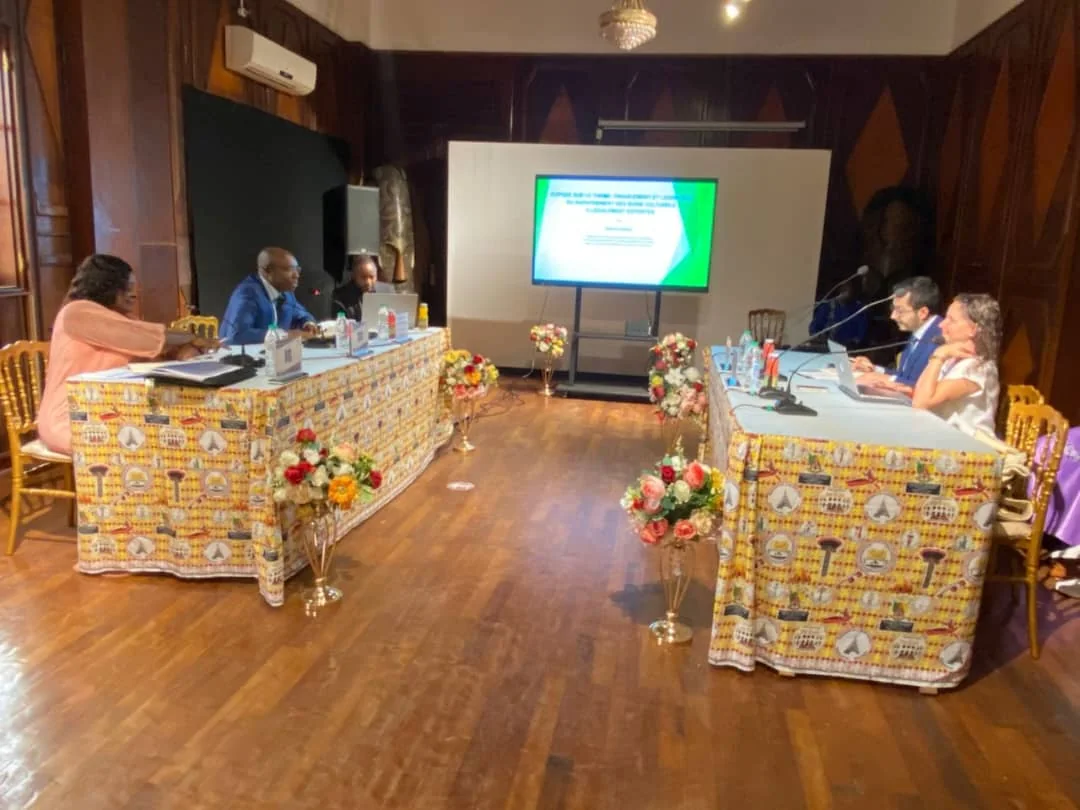
Ministry capacity-building seminar, panel table and speaker/ Buéa
A producer

“The hardest part is financing post-production; we have learned to combine public support, patronage and co-production.”

To act

Film and audiovisual procedures

Filming authorisation

Compulsory for any shoot of a film or audiovisual document on national territory.

Submit the application

Subsidy

Support for the writing, production or distribution of an audiovisual project.

Request support

Festival authorisation

To be requested before opening a film festival or a series of screenings to the public.

See the procedure

Artist card

Have your status as an actor or performing arts technician recognised.

Apply
Glossary

The words of cinema

Filming

Period of filming for a film or audiovisual programme.

Production

Function that brings together the financing, the crew and the resources to make a work.

Post-production

All the operations after shooting: editing, sound, colour grading, effects.

Synopsis

Short summary of the story, attached to authorisation and funding applications.

Distribution

Activity that makes a film available to cinemas, channels and platforms.

Exhibition

Activity of cinemas that screen films to the public.

Review board

Body that examines cinematographic and audiovisual films before their release.

Mobile cinema

Itinerant screenings organised in localities without a cinema.

Film archive

Place for the conservation, restoration and screening of films.

Co-production

Production shared between several companies or countries.

Film archives

Collection of films and audiovisual documents preserved for national memory.

On the site

Extend cinema on the site

Resources

Useful links for cinema

Stakeholders

Who supports cinema?

Key facts

Film procedures in one table

NeedProcedureContact pointWhen to act
Shoot a film or reportFilming authorisationDCPA via the One-Stop ShopSeveral weeks before shooting
Screen at a private venue for cultural purposesScreening applicationDCPABefore the screening
Opening a cinemaEstablishment applicationSub-Directorate of Cinematography, Standards and ControlsBefore the works
Mobile cinemaOperating applicationSub-Directorate of CinematographyBefore the first tour
Have a film reviewedReview boardDCPABefore public release
Organise a festivalFestival authorisationCompetent directorateAt least two months before
Finance a projectGrant applicationReview committeeDepending on open calls
Protect a scriptDeclaration of a workCollective management societyFrom the moment of writing
Questions

Your questions about cinema and audiovisual

Is an authorisation needed to shoot a film?

Yes. Any shoot of a film or audiovisual document on national territory is subject to an authorisation processed by the DCPA. The application is submitted online at the One-Stop Shop, with the synopsis, locations, schedule and information on the production company.

Where do I submit my filming authorisation application?

At the online One-Stop Shop, from the procedure page. You receive a file number that allows you to track the processing. Attach the documents requested and allow sufficient time before the start date of shooting.

Is the legal framework for cinema changing?

An interministerial committee is working in 2026 on revising the legal framework for film activity. The current rules remain in force until new texts are adopted. Developments are announced on the site, in the legislative texts section.

Can I organise a screening in my association?

Yes. For private screenings for cultural activity purposes, an application must be addressed to the directorate. If admission is charged or the screening is open to the public, the show authorisation is added to the procedure.

How do I open a cinema or a mobile cinema?

The application for establishment or operation is examined by the Sub-Directorate of Cinematography, Standards and Controls. The file describes the venue, the equipment, public safety and the proposed operating plan.

How can I finance my film?

Combine several sources: Ministry grant, patronage, pre-sales to a channel, co-production and international funds. A clear financing plan, a detailed budget and a realistic schedule reassure partners and review committees.

Is my script protected?

An original work is protected by copyright from its creation. You can register it to date your creation and get in touch with a collective management society in order to collect your rights when the work is exploited.

Where can I train in image professions?

In communication schools, university programmes, production workshops and on-set internships. The arts education section and the page on training for cultural professions list the available paths and scholarships.

Contact

Talk about your film project

Describe your project, your company and the filming location: your message is forwarded to the competent directorate.

Competent directorate

Contact cinema and audiovisual

Address

Directorate of Cinematography and Audiovisual Productions
Ministry of Arts and Culture
Quartier du Lac – Ministerial Zone
P.O. Box 1053 Yaoundé, Centre Region, Cameroon

Reach us

+237 6 51 70 58 41

contact@minac.gov.cm

Opening hours

Monday to Friday, 8 am to 4 pm

A film to shoot?

Submit your filming authorisation application online and follow it with your file number.

Request a shoot
WhatsApp