
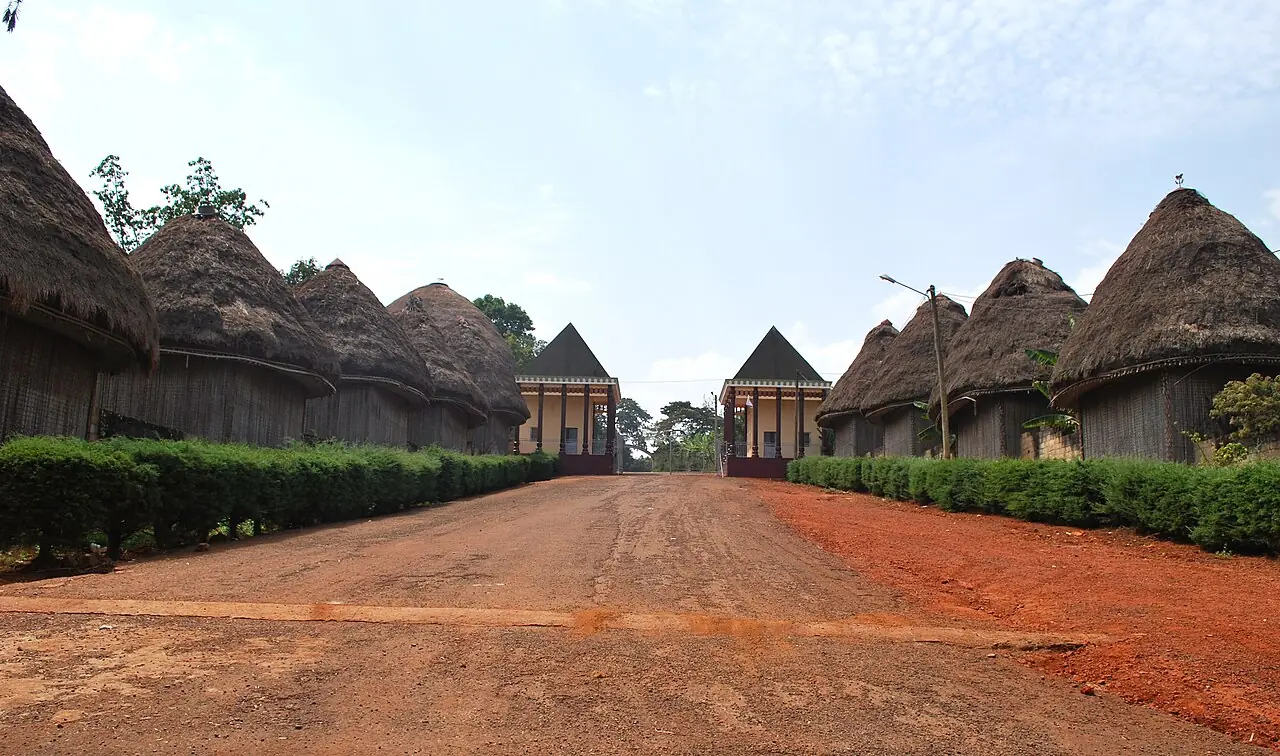
Heritage
Inventory, listing, archaeology, museums, sites and restitution: an overview of the seventeen pages that explain how Cameroon knows, protects and passes on its cultural heritage, from Law No. 2013/003 to the field.
A memory to know, protect and pass on
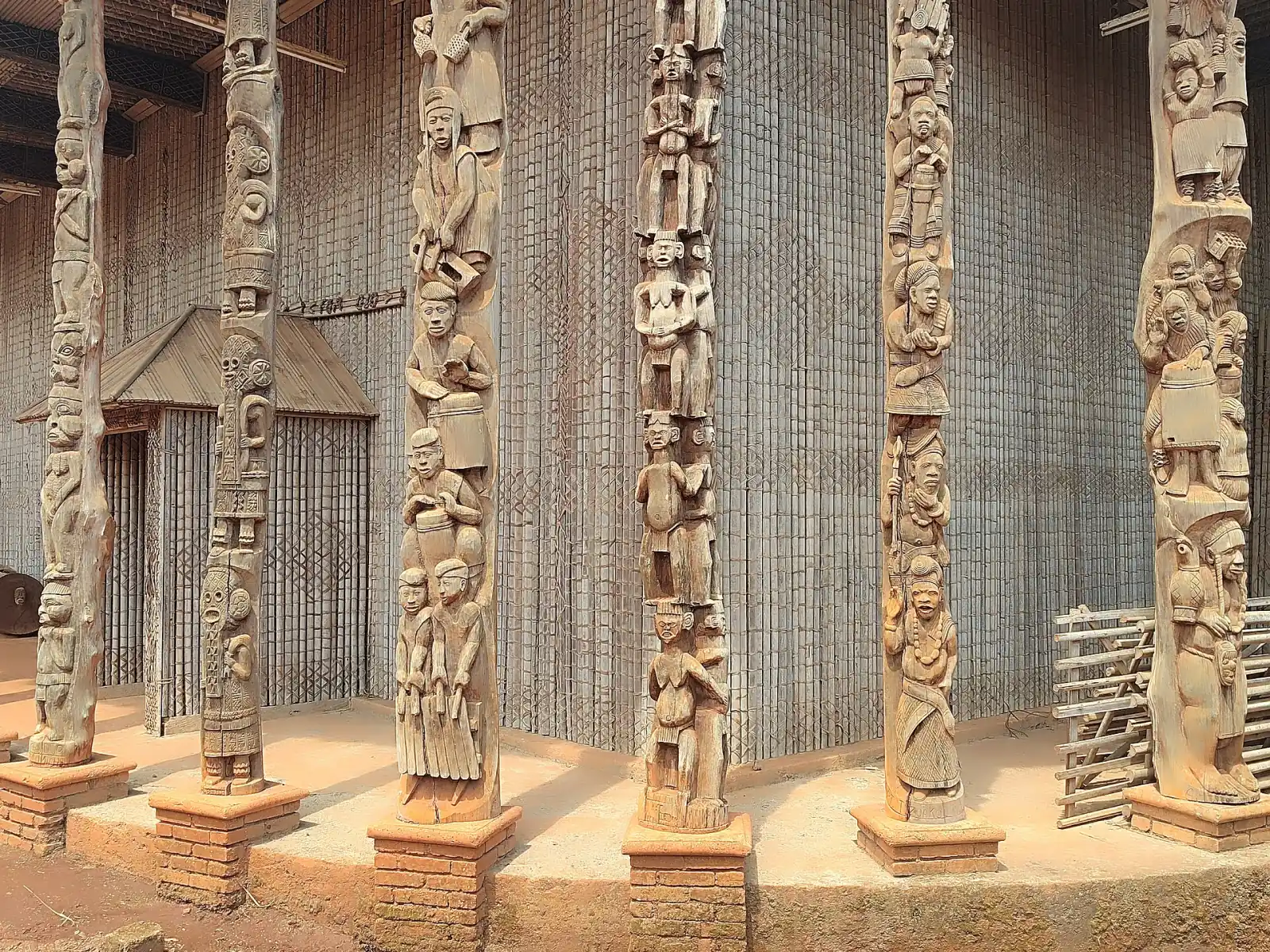
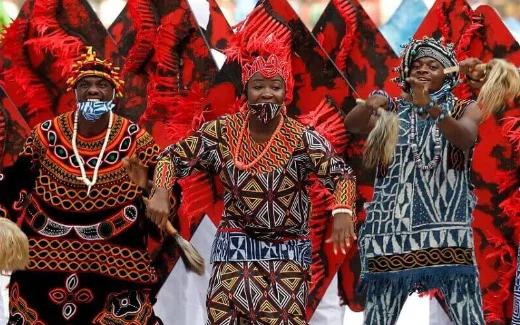
Palaces of stone and wood, colonial forts, society masks, evening tales, languages, recipes, craftspeople’s gestures, sacred forests: Cameroon’s cultural heritage is at once built, movable, sonic, linguistic and living. It belongs to each of the communities that bear it, and to the whole nation.
Law No. 2013/003 of 18 April 2013 sets out its regime: knowledge, conservation, protection, enhancement, promotion and transmission, in the public interest and with a view to sustainable development. This section sets out its practical application, page by page, for owners, researchers, local authorities, guides and the curious.
- Seventeen pages to inventory, list, restore and visit
- Clear procedures to list a property or declare a discovery
- Sites, museums and days to go and meet heritage
From the register to the law: Cameroonian cultural heritage
Attention to cultural property dates back to the first museum collections and researchers’ surveys, but it was the 2013 law that gave the country a complete regime. It defines cultural heritage, distinguishes movable and immovable property, organises the inventory, recognition and listing, regulates archaeology and the movement of objects, and provides for penalties against illicit trafficking. The text is available on the legislative texts page.
Implementation is the responsibility of the Directorate of Cultural Heritage, whose missions are presented on the central directorates page, of the regional delegations, of museums, of archives and, for properties of global importance, of cooperation with UNESCO.
The legal points of reference are summarised in plain language on the Listing and protection page.
Seeing, touching, recording: properties and the inventory
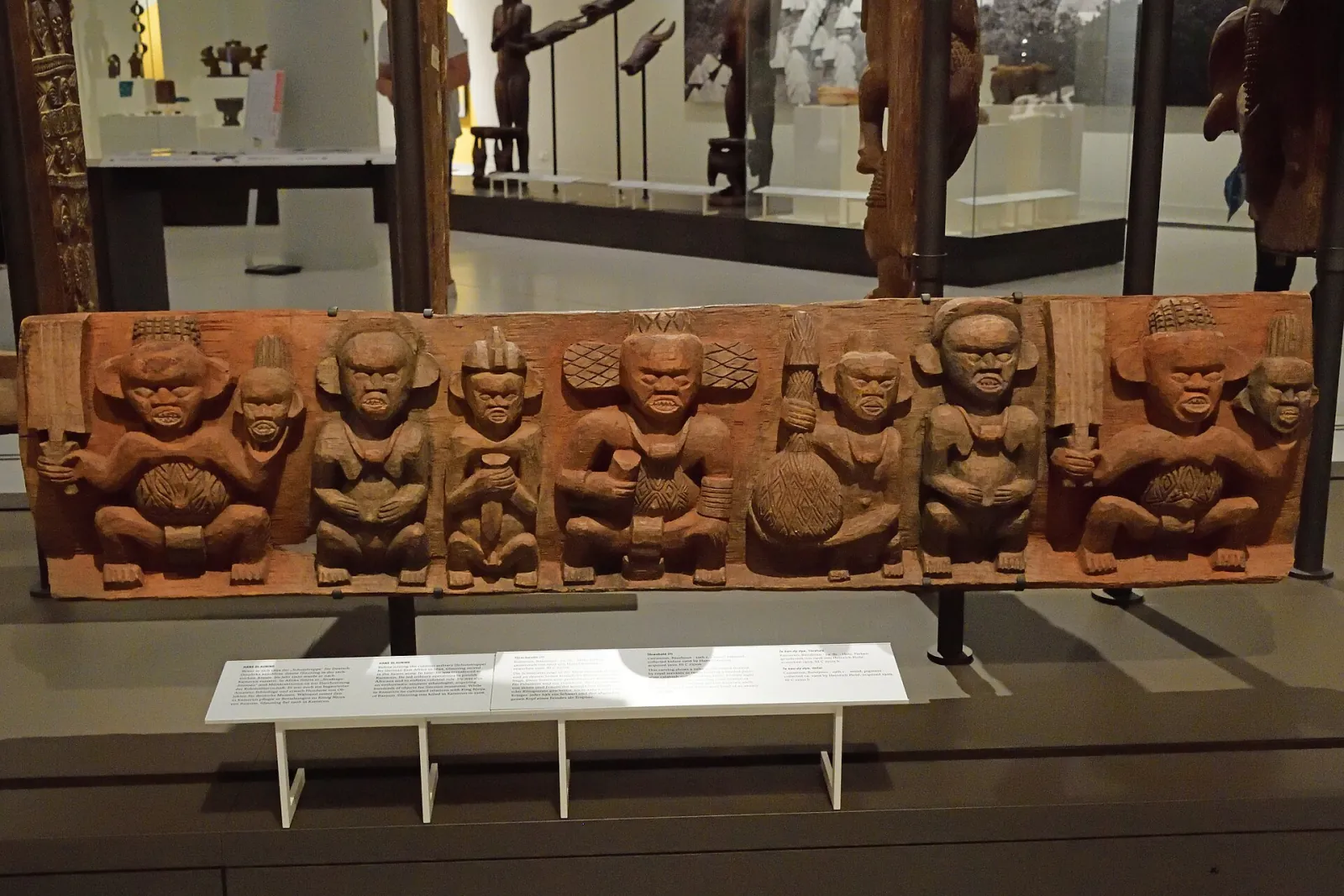
Tangible heritage comprises monuments, sites, objects and collections, divided into three protection classes. It is distinct from intangible heritage, which refers to the practices, knowledge, rites and expressions that communities recognise as their heritage: seven major domains have been adopted for the inventory of living heritage.
So that nothing is lost, the Ministry keeps a register: the national inventory. Registration is free, updating is continuous and the list is published every five years. Anyone can contribute, whether an owner of an object, a village chief, a researcher or an association: a sheet describes the property, its history, its condition and its custodians.
Languages, stories and gestures: living heritage
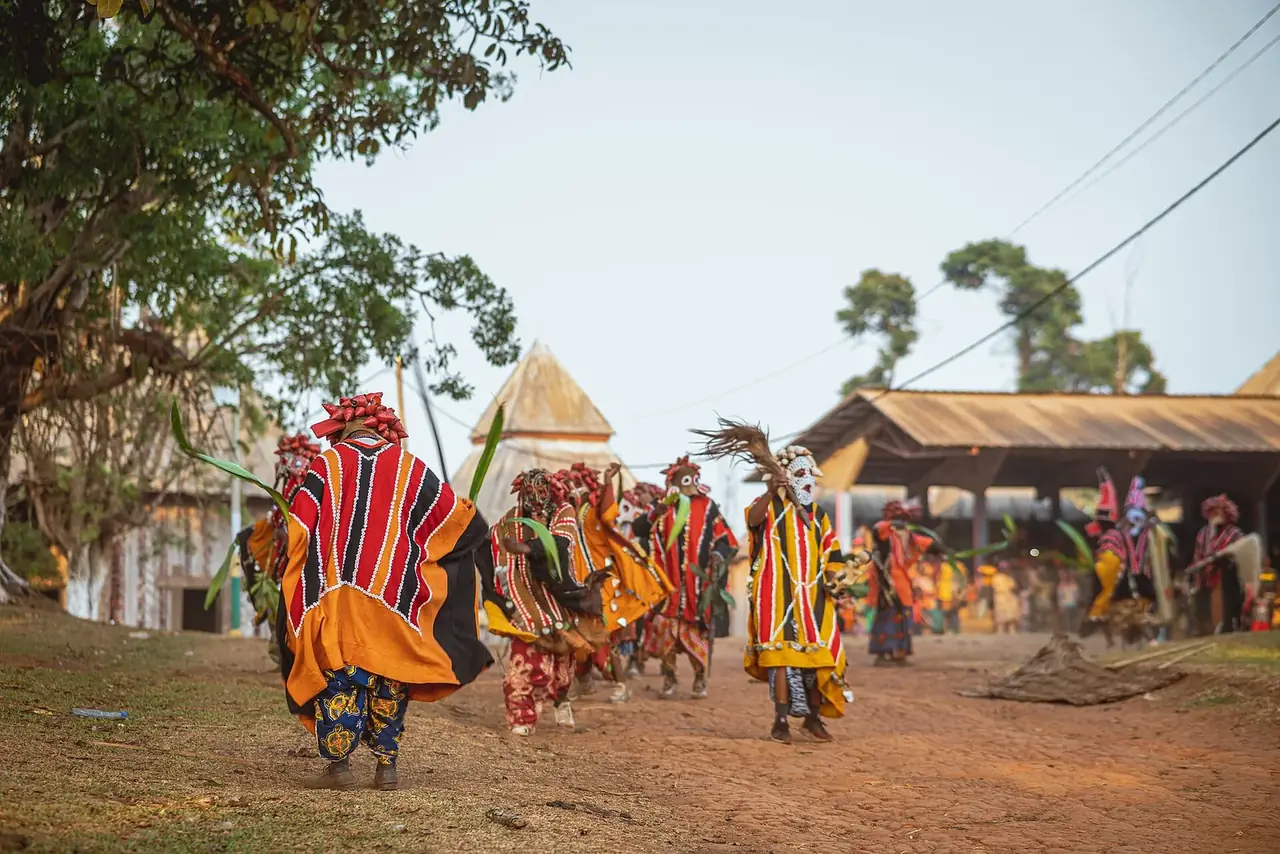
More than two hundred and fifty national languages are spoken in Cameroon, in addition to French and English. The Linguistic heritage page shows how they are documented, through an atlas, dictionaries and sound recordings, always with the agreement of the speakers. Oral traditions extend this work: evening tales, mvet epics, proverbs, riddles, with a collection method that respects the custodians.
Traditional know-how completes the picture: basketry, forging, weaving, pottery, sculpture. It is passed on through the family and apprenticeship, and the law provides tax and customs benefits for craftspeople who set up a workshop. These practices feed the economy of crafts and cultural tourism.
Listing, restoring, excavating, defending: protecting heritage
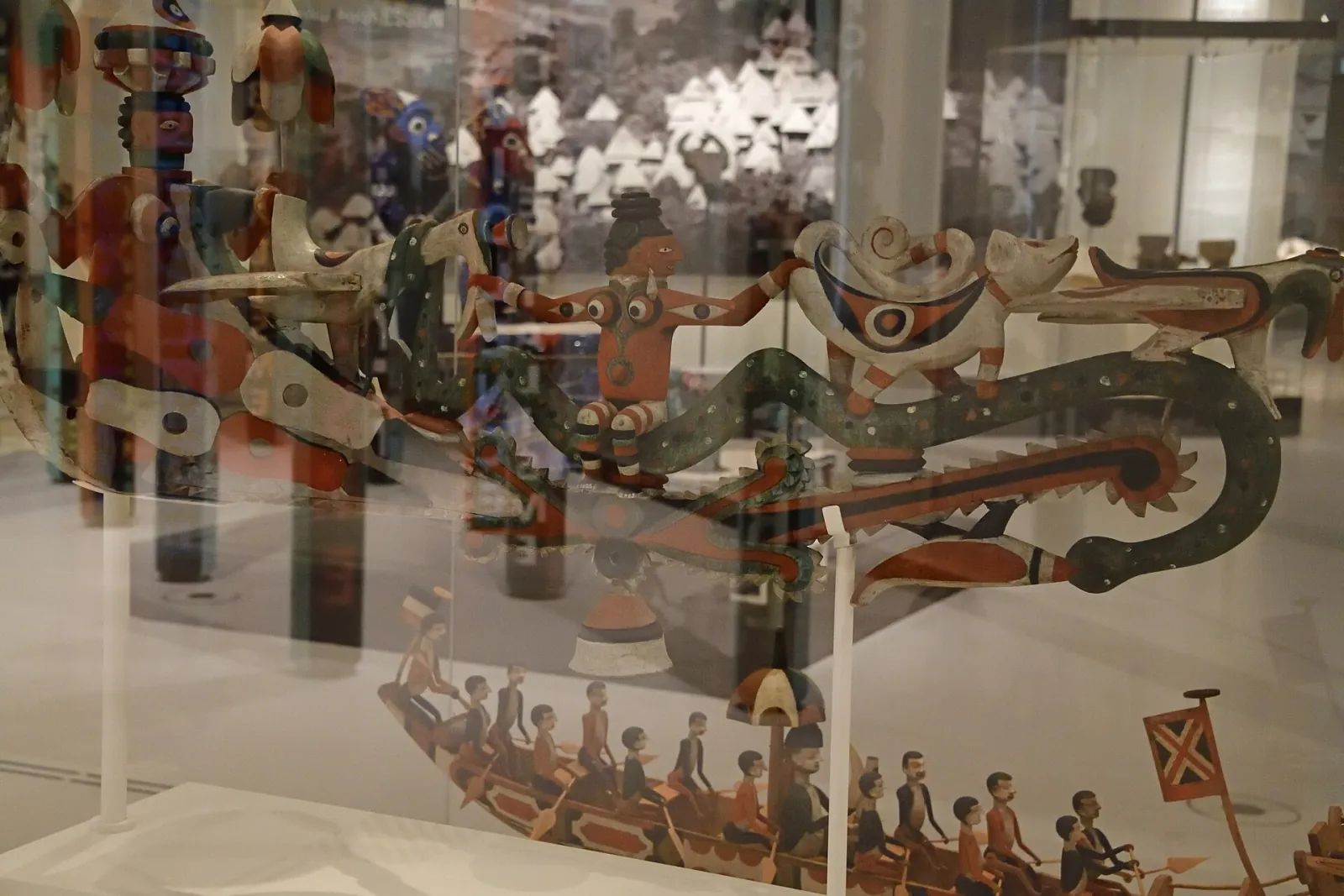
A recognised property can be listed on the proposal of the Minister, the heads of local executives or the owner. The procedure, criteria and easements are detailed on the Listing and protection page, which specifies that the owner may claim compensation within six months. The list of listed monuments is published in the Official Gazette and the procedure is carried out online via the listing service.
Conservation and restoration distinguish prevention, which avoids deterioration, from curative restoration; any intervention on a listed property is subject to authorisation. Archaeology requires a joint authorisation, and properties discovered in excavations belong to the State; any chance discovery must be declared.
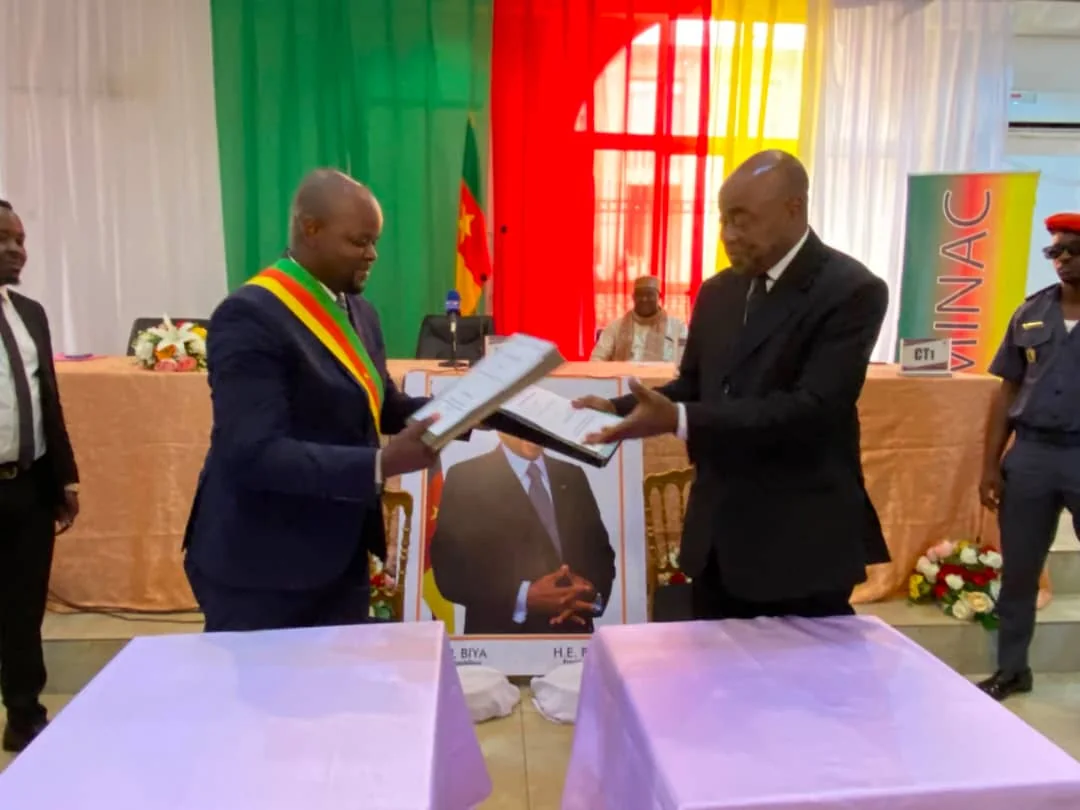
Finally, the fight against illicit trafficking prohibits the permanent export of a listed property and illicit import. When a property has left the country, the Restitution of cultural property page explains the role of the national committee and of dialogue with States, on the model of the Cameroon–Colombia mission of July 2026. Trafficking can be reported online using the reporting form.
If you come across a threatened object or site, do not move anything: take dated photographs and notify the regional delegation.
Museums, palaces, sites and landscapes: places to visit
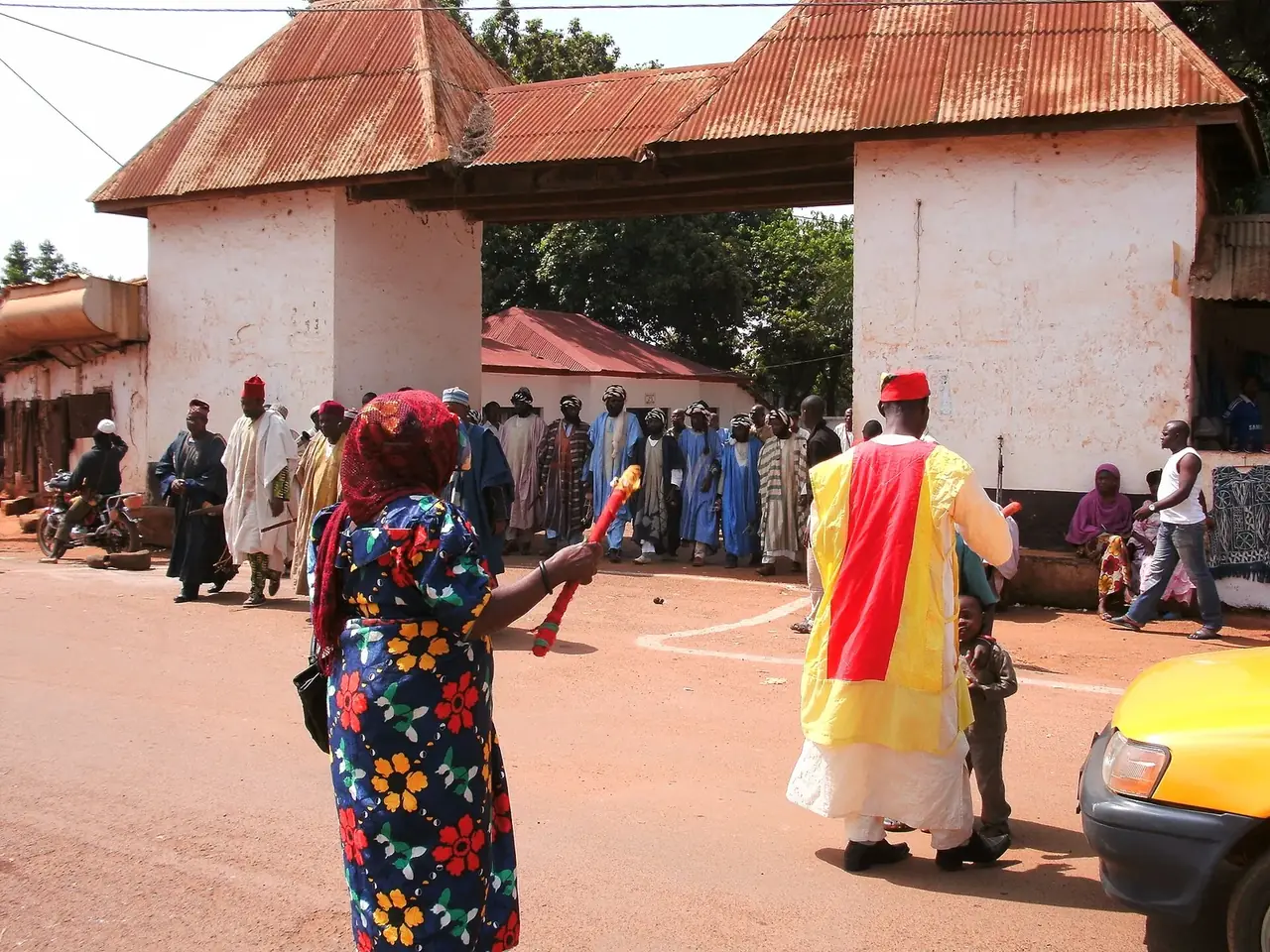
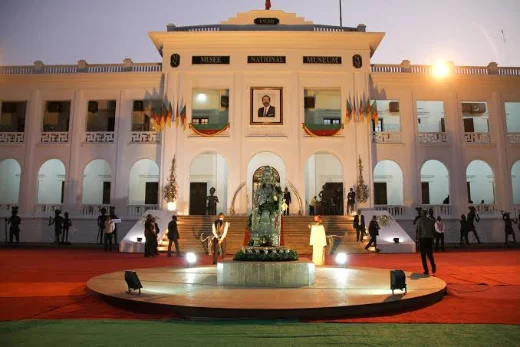
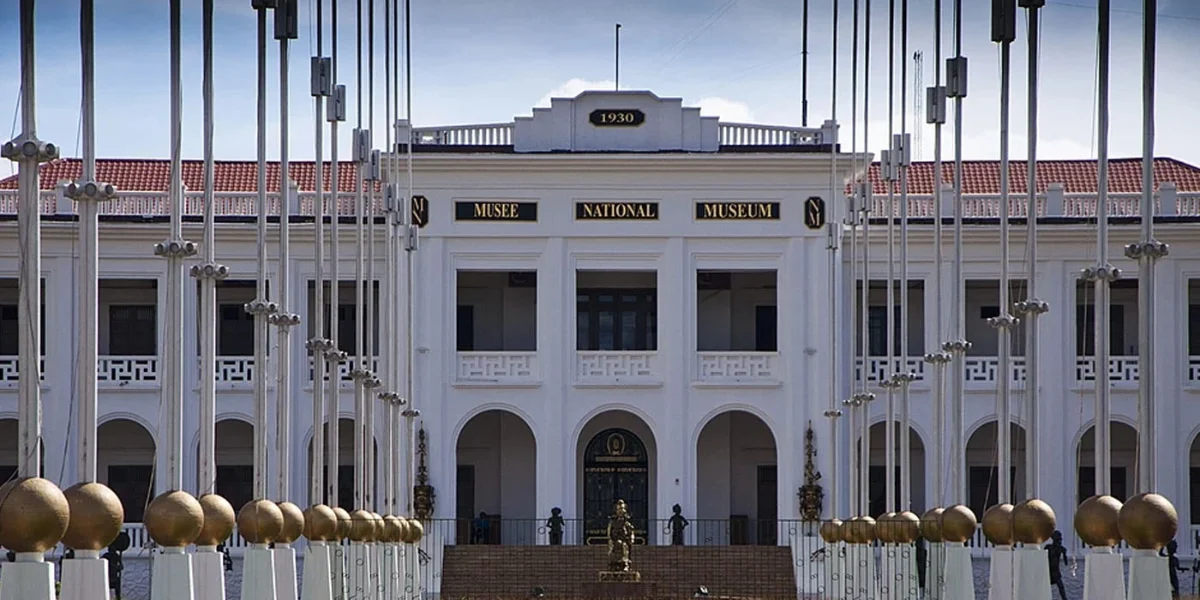
Heritage can be visited. The national museums of Yaoundé, Dschang and Foumban hold reference collections and offer educational programmes, with hours and visits adapted to school groups. The palaces and chiefdoms, from the Foumban palace to the lamidate of Rey-Bouba and the chiefdoms of the West, showcase traditional architecture and governance that are still alive.
Three sites are among the UNESCO sites cited: the Dja Faunal Reserve, the Sangha Trinational and the Diy-Gid-Biy cultural landscape, in the Far North. The cultural landscapes of the Mandara Mountains, the coast, the Grassfields and the sacred forests show how communities have shaped their environment.
Every autumn, the heritage days open sites, workshops and museums in all ten regions. The national programme is also relayed in the Festivals section, and the routes are described under cultural itineraries.
An entry point for every visitor
Owner or local authority
Have a property recognised, listed and maintained, understand the easements, claim compensation and apply for restoration aid.
Listing and protectionListed monumentsResearcher or student
Obtain an excavation permit, consult inventories and archives, work on linguistic corpora and museum collections.
ArchaeologyNational inventoryTradition keeper
Have knowledge, a rite or a story entered in the inventory, be recognised as a tradition bearer and organise transmission to young people.
Intangible heritageOral traditionsVisitor, teacher, guide
Prepare a school outing, a tourist circuit or a history lesson, book a visit and take part in the annual open days.
National museumsHeritage DaysHeritage protection step by step
A sheet describes the property, its condition, its history and its custodians; it is added to the national register, which is continuously updated.
The property is recognised for its historical, artistic, scientific or social interest, after consulting the communities concerned.
The listing act is published; easements apply and the owner may claim compensation within six months.
Preventive and then, if necessary, curative interventions are carried out with approved professionals and public aid.
Visits, mediation, exhibitions and heritage days give the property a place in local cultural and economic life.
The page families in one table
| Family | Pages | Question addressed | Contact point |
|---|---|---|---|
| Know | Tangible heritage, intangible heritage, inventory | What counts as heritage? | Directorate of Cultural Heritage |
| Languages and stories | Linguistic heritage, oral traditions | How can speech be documented? | Regional Delegations |
| Know-how | Traditional know-how | How can a trade be passed on? | Directorate of Cultural Heritage |
| Protect | Listing, listed monuments, conservation | How can a property be saved? | Directorate of Cultural Heritage |
| Underground and abroad | Archaeology, illicit trafficking, restitution | How can excavations and returns be regulated? | Ministry and customs |
| Visit | Museums, palaces and chiefdoms, UNESCO sites, landscapes | Where can heritage be seen? | Museums and traditional authorities |
| Celebrate | Heritage Days | How can I take part? | Regional Delegations |
The pages not to be missed
National inventory
The heritage register, open to contributions from communities.
Discover →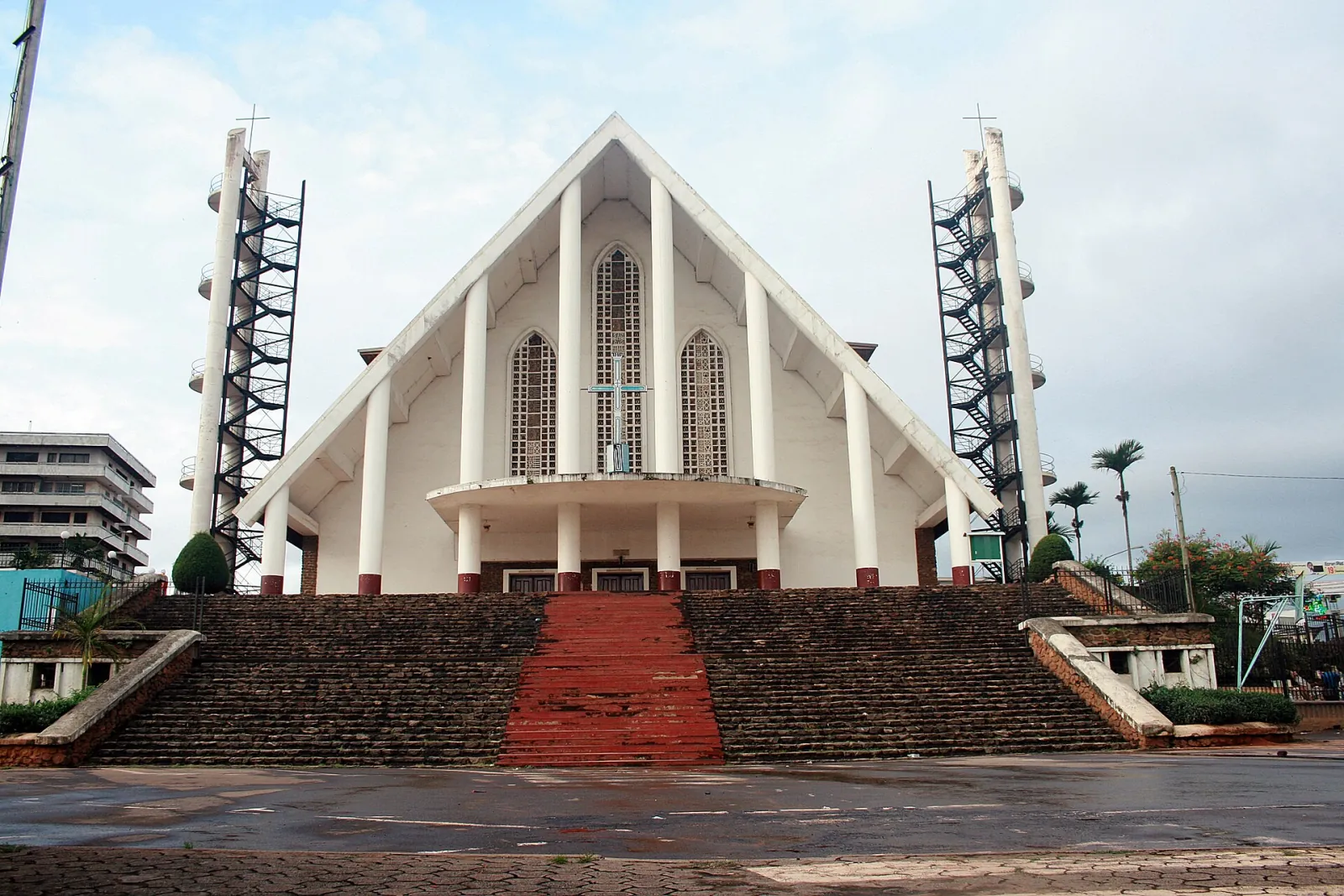
Listing and protection
Criteria, procedure, easements and aid for recognised properties.
Discover →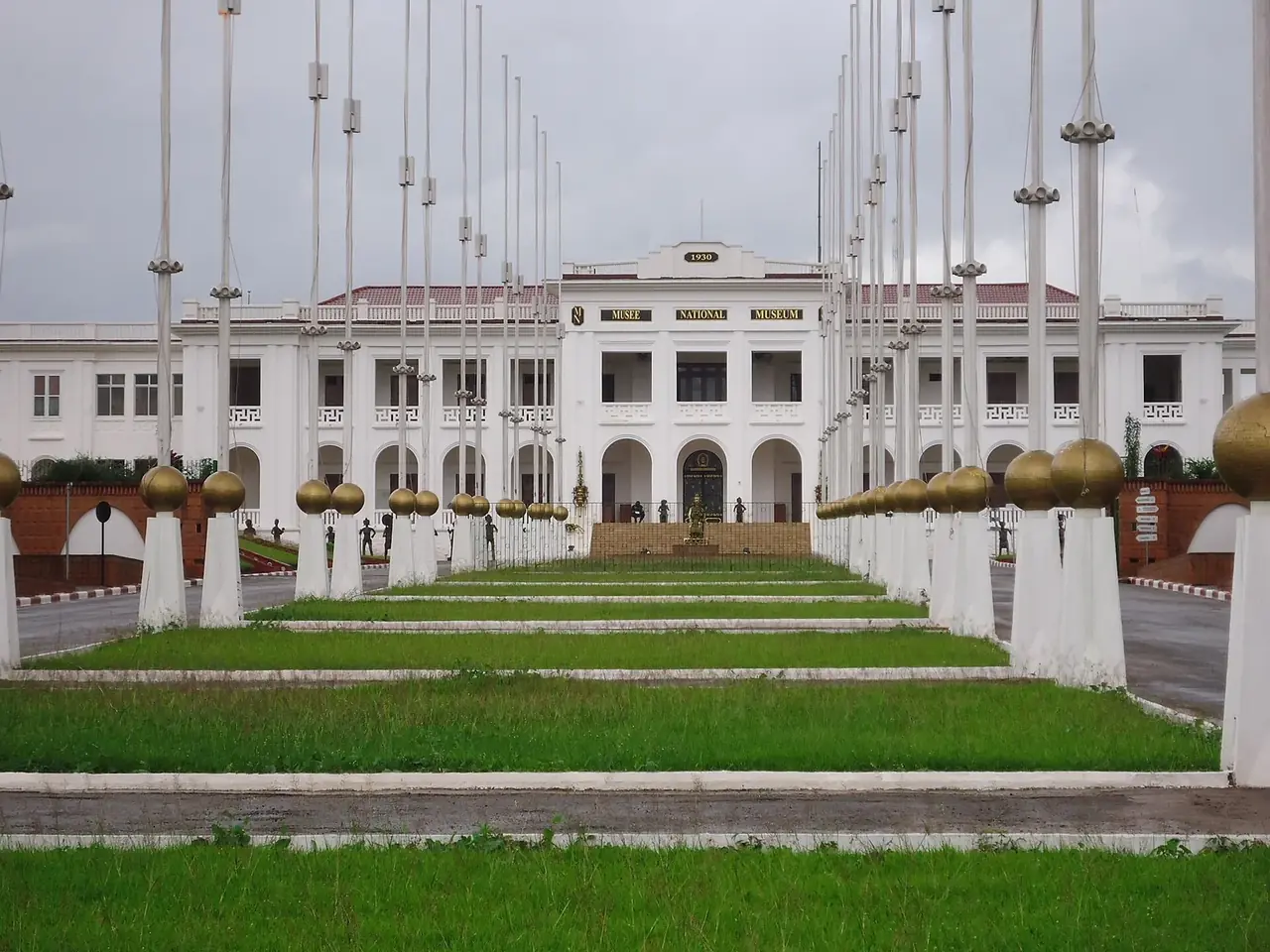
National museums
Yaoundé, Dschang, Foumban: collections, hours and visits.
Discover →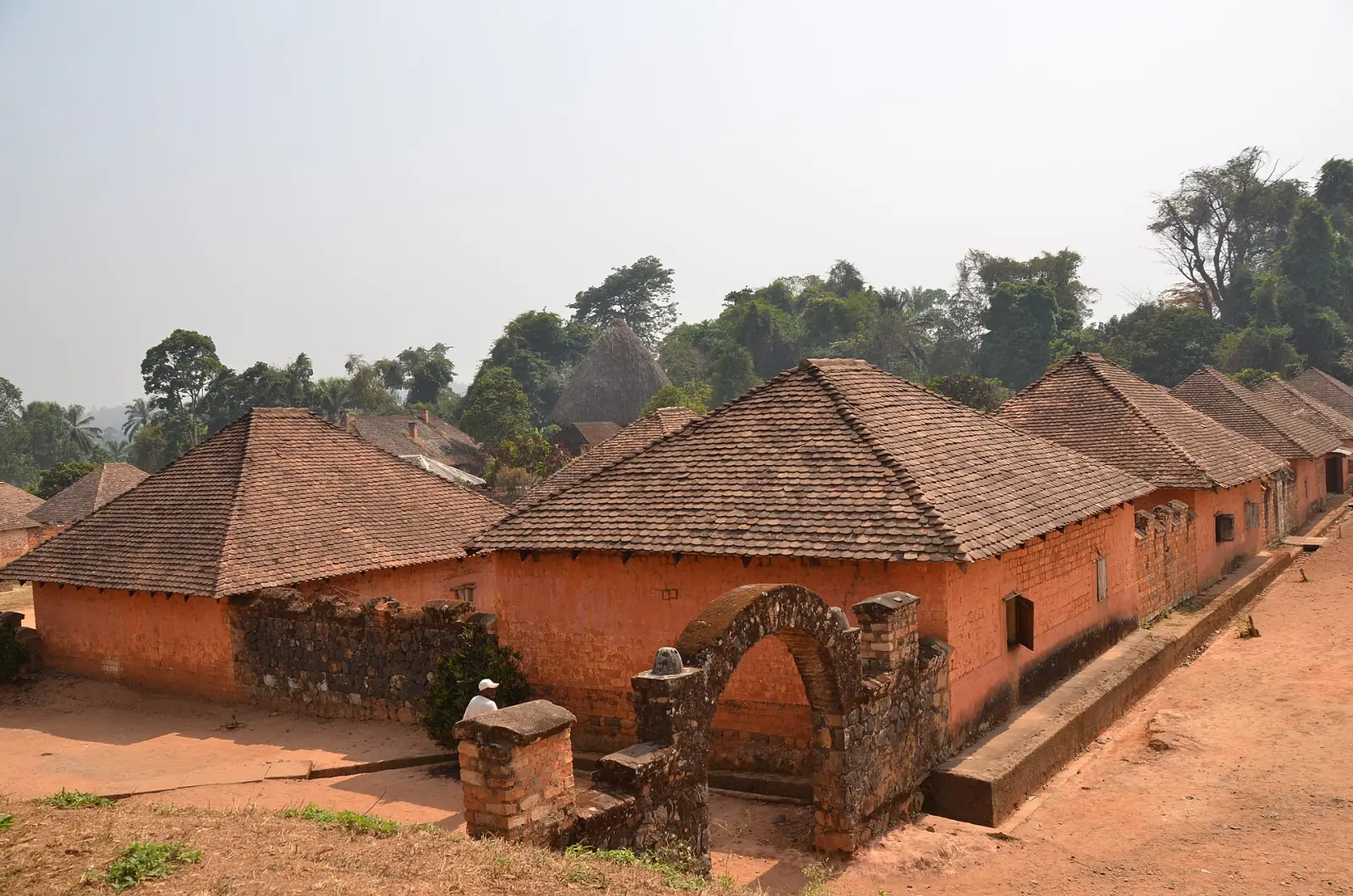
Palaces and chiefdoms
Architecture, symbols and traditional governance.
Discover →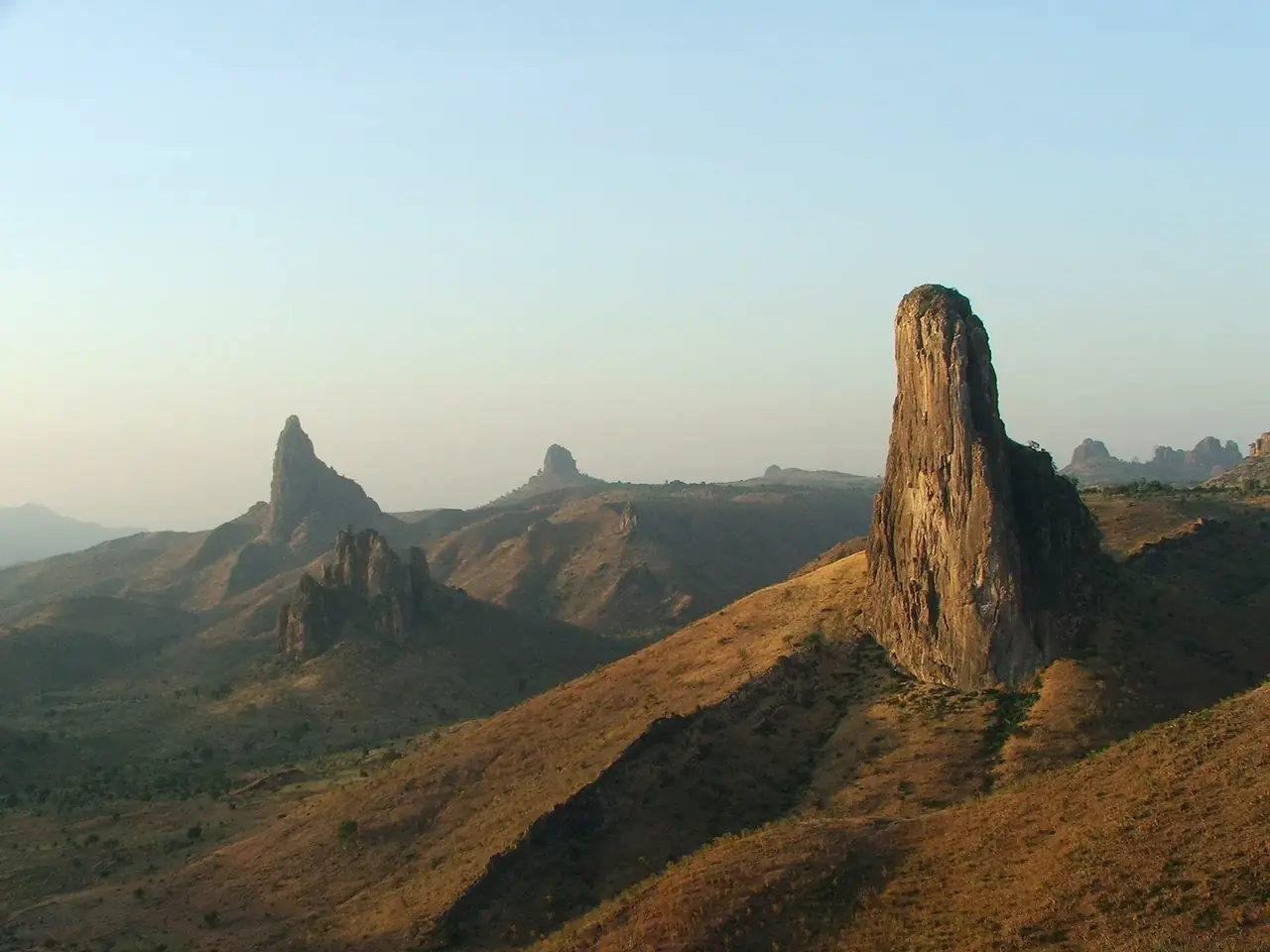
UNESCO sites
Dja, Sangha Trinational and Diy-Gid-Biy, management and visits.
Discover →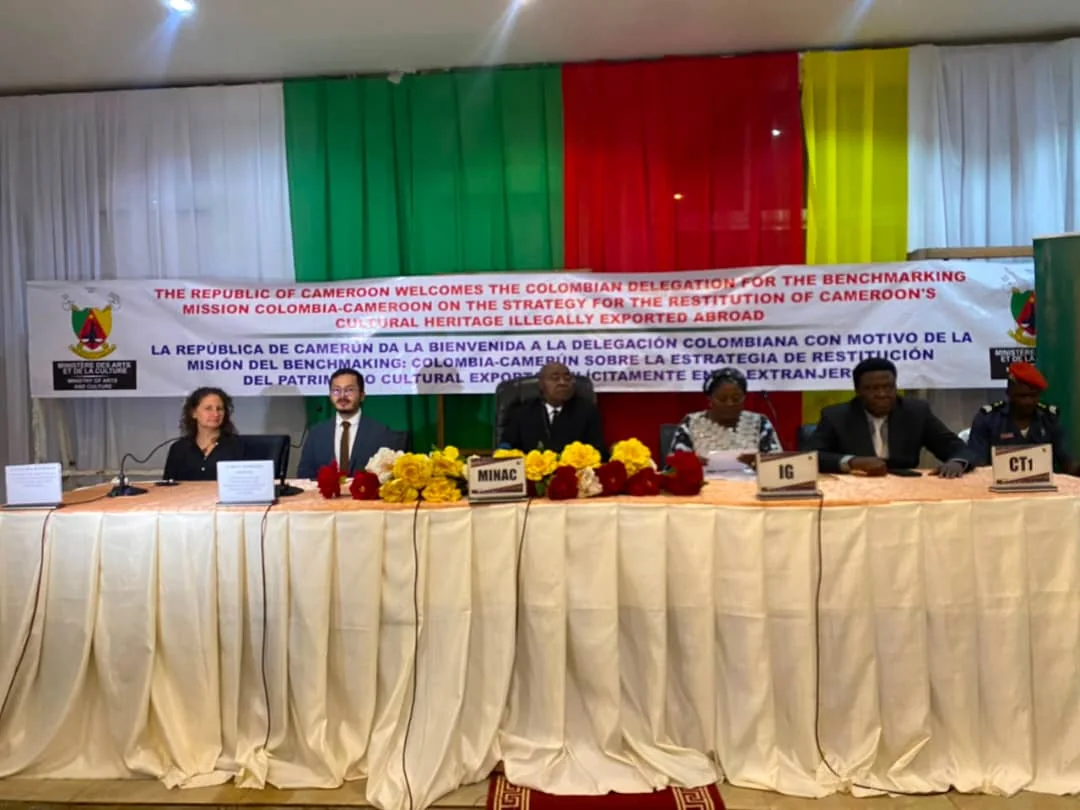
Restitution of cultural property
National committee, repatriation files and cooperation.
Discover →“An object that leaves its village without a trace is a book with its pages torn out: the inventory serves first of all to keep the thread of history.”
Heritage procedures
List a property
Submit your application online, with photographs, title deed and a description of the property’s condition.
Request a listingReport trafficking
An object sold without authorisation, a looted site: reporting is confidential.
ReportExport a work
Any temporary removal of a protected property requires prior authorisation.
See the procedureDeclare a discovery
A relic uncovered during works must be reported without delay to the regional delegation.
Archaeology pageHeritage references
Law No. 2013/003 governing cultural heritage
Full text of 18 April 2013, to be read on the legislative texts pageApplication for listing of a property
Online procedure, with tracking by file numberNDS30 and heritage priorities
Reference framework for national heritage prioritiesNotice for reporting illicit trafficking
Confidential online procedure, open to allExporting artworks: how it works
Prior authorisation compulsory for any temporary removalOne-Stop Shop forms
All the One-Stop Shop forms gathered on one pageThe words of heritage
Cultural property
An object, building, site or practice that carries historical, artistic or social value.
Inventory
A register that records cultural property, published as a list every five years.
Listing
An official act that places a property under reinforced protection and subjects it to easements.
Easement
A constraint imposed on the owner of a listed property to guarantee its preservation.
Intangible heritage
Practices, knowledge, rites and expressions passed down from generation to generation.
Preventive conservation
All the measures that prevent a property from deteriorating: climate, light, handling.
Restoration
An intervention that repairs a damaged property while respecting its authenticity.
Chance finds
A relic found by chance, during works or ploughing, to be declared to the authorities.
Restitution
The return of an illicitly exported cultural property to its country or community of origin.
Cultural landscape
A territory shaped by human activities and imbued with meaning by communities.
Custodian
A person or community that bears and passes on knowledge or a practice.
They keep heritage alive
The listing of our chiefdom hut enabled us to fund the repair of the roof while keeping the original techniques.
West
By linking our collections of tales to the inventory, we were able to record the last storytellers of a language that is very little spoken.
Yaoundé
During the heritage days, our pupils discovered the blacksmith’s trade and were able to handle the tools with the master.
Foumban
The reporting of a piece offered for sale made it possible to identify it and then return it to the museum’s collection.
Douala
Continue your exploration
Who protects heritage?
Your questions about heritage
Who can request the listing of a property?
The Minister may initiate it on their own initiative, as may the heads of local executives, and the owner may themselves refer the matter to the administration. The application is submitted online with photographs, a description and supporting documents; a commission examines the file before the decision is published.
Can a listed property be exported?
The permanent export of a listed property is prohibited. A temporary removal, for an exhibition or a restoration, remains possible with the Minister’s authorisation. The application specifies the duration, insurance and conditions for the property’s return to Cameroon.
What should I do if I discover remains while digging?
Stop works nearby, do not move anything, photograph the area and notify the regional delegation immediately. Properties discovered belong to the State; a team comes to assess the site and decide on the measures to be taken.
How can I have a practice of my community recognised?
Approach the regional delegation, which will help you to describe the practice, obtain the agreement of the custodians and complete the inventory sheet. Registration is free and the sheet can be enriched at any time by the community.
Do the national museums welcome school groups?
Yes, they offer guided visits and educational workshops, which teachers can book with the museum. Opening hours and arrangements are detailed on the national museums page, which also gives closing days.
What role does UNESCO play in Cameroon?
UNESCO inscribes sites of global importance, supports inventories and assists with the management of the Dja Reserve, the Sangha Trinational and the Diy-Gid-Biy landscape. The Ministry liaises with the organisation and prepares the nomination files.
Can an old object bought abroad return to the country?
Yes, if its export was illicit: a national committee examines the file, enters into dialogue with the possessor and the State concerned, and may secure a return. A possessor acting in good faith receives fair compensation, while the costs of return fall on the guilty party.
Where can I find help to restore an old building?
The conservation and restoration page presents the works, workshops and aid available for a listed property. Contact the heritage directorate by e-mail or on the switchboard +237 6 51 70 58 41 to obtain a technical appointment.
Contact the Directorate of Heritage
Address
Directorate of Cultural Heritage
Ministry of Arts and Culture
Quartier du Lac – Ministerial Zone
P.O. Box 1053 Yaoundé, Centre Region, Cameroon
Opening hours
Monday to Friday, 8 am to 4 pm
Continue with the other sections

A heritage property in danger?
Submit your listing application or your report online and track it with your file number.